Top Ten Summer Activities in Radovjlica

Phew, last week was, and thus far this week is, a scorcher. I’m not, though, complaining! I never do when it comes to the heat as I much prefer it to the cold, snow and drawn-out winters. There is no shortage of things to do when the weather is like this, so this week I thought I’d offer some suggestions, in no particular order, for surviving the summer heat in, and around, the Radovljica area.

1. ICE-CREAM! Lots of it! Ok, so I said above ‘in no particular order’ but I confess that ice-cream comes in at, or at least near, number one on my list! I can think of at least 6 places that sell ice-cream in Radovljica, though there’s probably more, many of which produce delicious homemade stuff too.

2. THE SAVA RIVER – in it, on it, by I, or even over it. You won’t catch me dipping even my big toe in it – it’s too cold for me – but those hardy enough to brave the icy water can take a dip in the river at various places. I prefer to walk by it, the new Sava River Trail is ideal as the trail benefits from the coolness of, in places, running right at the river’s edge, and also through the forest – http://radolca.si/en/the-sava-river-trail/. Others may prefer to enjoy the Sava river by partaking in one of the many water sports on offer such as rafting, kayaking, canyoning or canoeing – http://www.radolca.si/en/rafting-kayaking-canyoning/, or you can even zip over it on the zipline at Tinaraft.

CIMG7860

3. FOREST – Since around 60% of Slovenia is covered by forest, and the Radovljica area has its fair share, there’s more than enough to go round and ample space and opportunities to enjoy the forest, be it walking through it or seeking respite in the shade, The vast Jelovica Plateau, which forms the backdrop to Radovljica, is a great place to start, though do go armed with a map as ‘vast’ is an understatement! Vodiška planina, as seen below, has a mountain hut serving tasty homemade food and is a popular spot with locals. More here – http://www.radolca.si/en/jelovica-plateau/

CIMG6799

4. SWIMMING – Radovljica has an Olympic-size swimming pool and during the summer it’s open-air. There is also another outdoor pool in Kropa. More details about both can found here – http://www.radolca.si/en/swimming/

5. MOUNTAINS – Head up into the mountains for fresher, cooler air. The Karavanke mountains are less crowded than the better known Julian Alps, and are right on the doorstep. Don your hiking gear (hiking boots, poles, rucksack, food & drink etc.) and a map, and head off to discover the Karavanke – http://www.radolca.si/en/karavanke-range/

CIMG8031

6. CYCLING – Mountain biking in the cool forests of the Jelovica plateau or road biking on one of the many cycle routes around the area. Take your pick! http://www.radolca.si/en/cycling/

7. TASTE RADOLCA WITH A VIEW! Seat yourself in one of the Taste Radol’ca restaurants, enjoy a cold glass of something, and/or some homemade local food, and soak up the views. One of the best views can be found at Kunstelj Inn, but then nowhere exactly has a bad view! During the heat the usual hearty Gorenjska staples (stews, soups, roasts etc.) can seem a bit heavy but grilled dishes, such as the traditional Balkan cuisine found at Jostov hram in Podnart, hit the spot – http://www.radolca.si/en/restaurant-jostov-hram/

10363773_10152923757123715_7286653725815475040_n

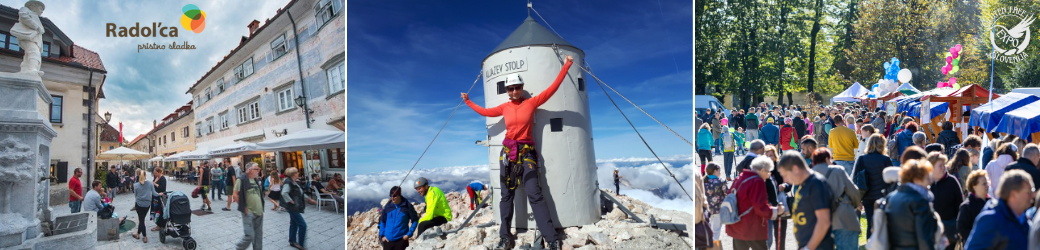
8. OUTDOOR CULTURE AND EVENTS – The Summer Events Programme includes a wealth of outdoor concerts, open-air street theatre, open-air cinema, and much more. More information can be found here – http://www.radolca.si/en/what-to-do/

9. CAVING – Well, where could be cooler, in more ways than one, than a cave! – http://www.radolca.si/en/caving/

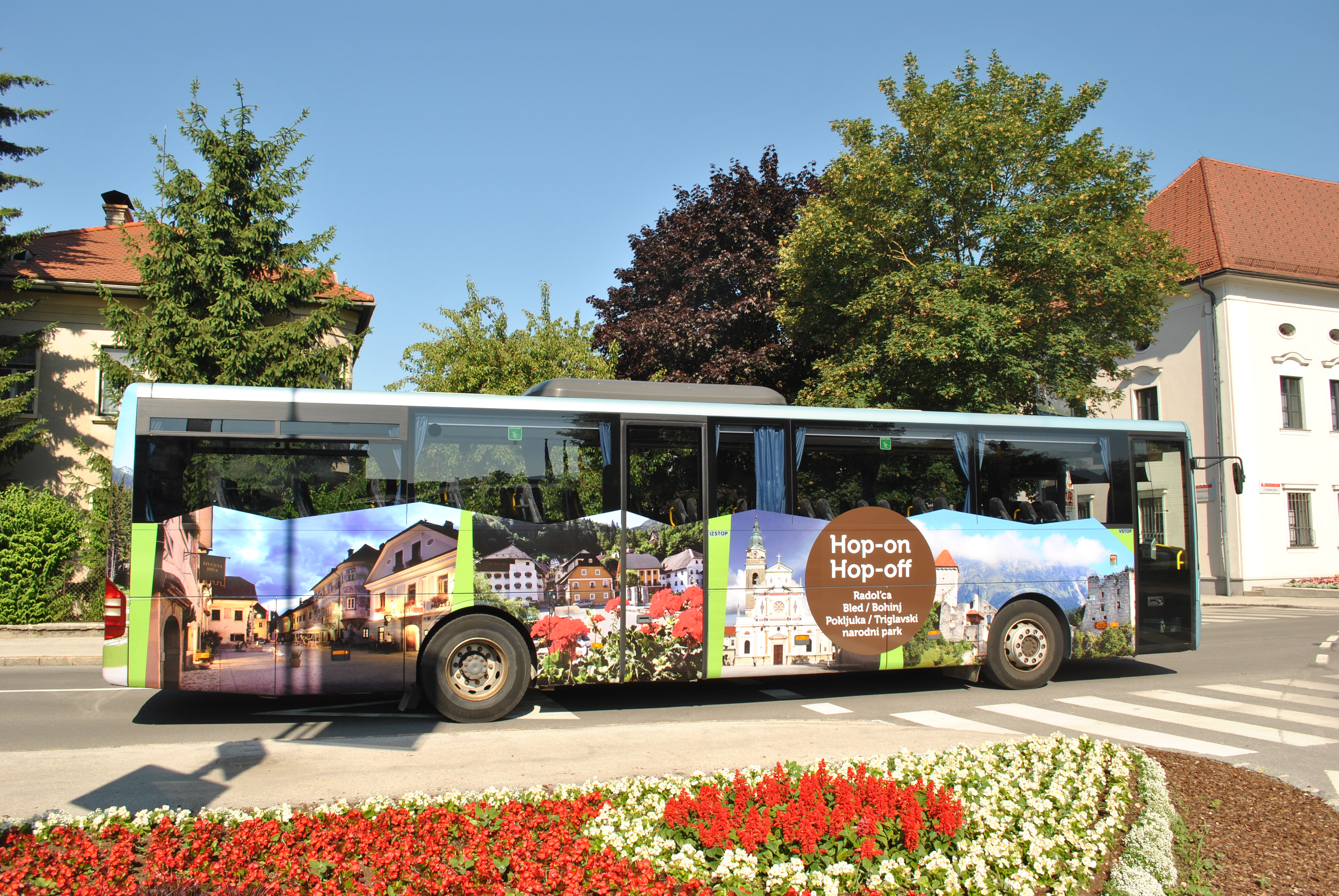
10. HOP-ON HOP-OFF TOURIST BUS – Actually, this is ideal regardless of the weather. Get on and off the bus at various places along the route and see sights of interest. The bus runs on Tuesdays and Thursdays during July and August. More information here – http://www.radolca.si/en/hop-on-hop-off-radolca/
Hop on hop off radolca

So, that’s my list which I hope provides some inspiration and ideas for spending summer days in, and around, Radovljica. I do hope, thought, that I’m not tempting fate by talking about the glorious weather since I seem to recall that this time last year the weather was similarly wonderful, but thereafter it went rapidly downhill for the rest of the ‘summer’. Fingers crossed for this year!

© AdeleinSlovenia 2015

Daffodils on Golica / Slovenian Beekeeping Facts

Today is World Museum Day and therefore there is free entrance to Radovljica’s Museum of Apiculture and Municipal Museum, as well as the Blacksmith’s Museum in Kropa (more information about Radol’ca’s museums can be found here – http://www.radolca.si/en/museums-and-galleries/

Slovenia has taken the lead in proposing to the EU that there should be a World Bee Day – the proposed date is 20th May – to contribute to the awareness and importance of bees and beekeeping.

Few people probably actually realise the huge impact and importance that bees have on our lives and the significance of their worrying decline. It’s certainly something I have become a lot more aware of since moving to Slovenia where beekeeping is a traditional agricultural activity of great economic significance. The Radol’ca area also plays a big part in this, being home to both the Museum of Apiculture and the Beekeeping Education Centre of Gorenjska  in Lesce.

Here are a few fascinating Slovenian bee facts that I’ve uncovered:

  • There are currently 12,545 beehives, 146,755 bee colonies and 9,885 beekeepers registered in Slovenia.
  • The Beekeeping Association of Slovenia brings together 203 beekeeping societies and 16 regional beekeeping organisations.
  • With four beekeepers per 1000 inhabitants, Slovenes are at the world top of beekeeping nations.

This article, entitled ’11 Amazing Reasons to Save Honey Bees’ draws attention to some of the most important points and is particularly interesting reading – http://earthjustice.org/blog/2015-april/11-amazing-reasons-to-save-the-honeybees

On Sunday I hiked up to the peak of Golica, a mountain in the Karavanke range known for its white daffodils which, every year in May, cover parts of the mountain appearing like a white snow-like carpet. This year, the daffodils bloomed quite early thanks to the warm spring and now is the perfect time to see them as within a week they will be past their best. Mind you, every one else obviously had the same idea as I’ve never, in my 8 years of living in Slovenia, seen so many people on a mountain! I go every year at about this time but usually midweek when there is hardly a soul to be seen, however, due to the amount of work I now have, I had no choice but to go at the weekend. There were literally processions of people going up and down, mostly Slovenes but also a fair few from the surrounding countries such as Croatia, Austria and Italy, such is the popularity of Golica in May!

CIMG8711     CIMG8729

Fortunately, as I’ve been there many times before, I was able to take the quieter and longer route up to the highest point of Golica at 1836m, before descending to the mountain hut Koča na Golica (1582m), though, I didn’t hang around there on this occasion as there wasn’t an inch of space to be had!

CIMG8714     CIMG8723

There are a number of ways of reaching Golica. Among them, routes lead from the villages of Planina pod Golico, Javorniški rovt or from the Dom Pristava mountain hut though the former is the most popular and most direct route. Always one to choose a circular route if it is possible, I always opt for the route which leads past the Sava Caves (Savske jame) and upwards through pastures, before traversing the high ridge with stunning views of Slovenia on one side, and Austria on the other. After the final ascent a gully leads down to the hut  From the hut, a path leads down through the forest, eventually returning to the start of the route.

CIMG8727     CIMG8715

© AdeleinSlovenia 2015

Spring in Slovenia; cycling, flowers, chocolate and more!

In last week’s blog I wrote about the St. Gregory’s Day celebrations which take place annually on the eve of St. Gregory’s Day, in this case, last Wednesday 11th March, in the villages of Kropa and Kamna Gorica. I was a little disappointed that due to work commitments I was unable to go this year, however, as luck would have it one of the locals from Kamna Gorica, put together this short video so I, and now you, can have a glimpse into the custom and see the colourful creations made by local children. https://www.youtube.com/watch?v=ABGRQ79oC7k&feature=youtu.be

What struck me initially on watching it is that it was still daylight, whereas last year when I attended on the same day and date -11th March 2014 – it was already dark. This year spring seems to have come early, and with it, longer and warmer days, and the forests are now carpeted with beautiful spring flowers. Ok, I know its a bit early to be celebrating spring ‘proper’, after all it could, and probably will, still snow. However, after last year’s washout of a spring and summer, this dry, mild(ish) period is much appreciated.

spring flowers 13Mar2015

So, with spring in the air, my thoughts have started turning to cycling and I began dusting off my bike this weekend. After month’s of not cycling, and with a nip still in the air, the first rides of the year are always gentle ones, on flat, easy surfaces, such as from Radovljica via Lesce and Hraše to join the 12km-long Imperial Road (cesarska cesta), a gravel road that leads towards Žirovnicahttp://en.zirovnica.eu/experiences/active-breaks/cycling/family-cycling-trips/along-the-imperial-road/

Another such flat(ish) and easy(ish), as well as being particularly scenic and traffic-free, cycle path is that from Bohinjska Bistrica to Bohinj Lake then onwards towards the villages of Stara Fužina, Studor and Srednja vas. The cycle path is well-marked and the views of the Julian Alps and the surrounding villages and lake certainly take your mind off the couple of short, but very steep, inclines. This section, seen below, leads from Srednja vas towards Studor. with the imposing Baroque St. Martin’s church on a small hill directly above the village.

CIMG8394      CIMG8396

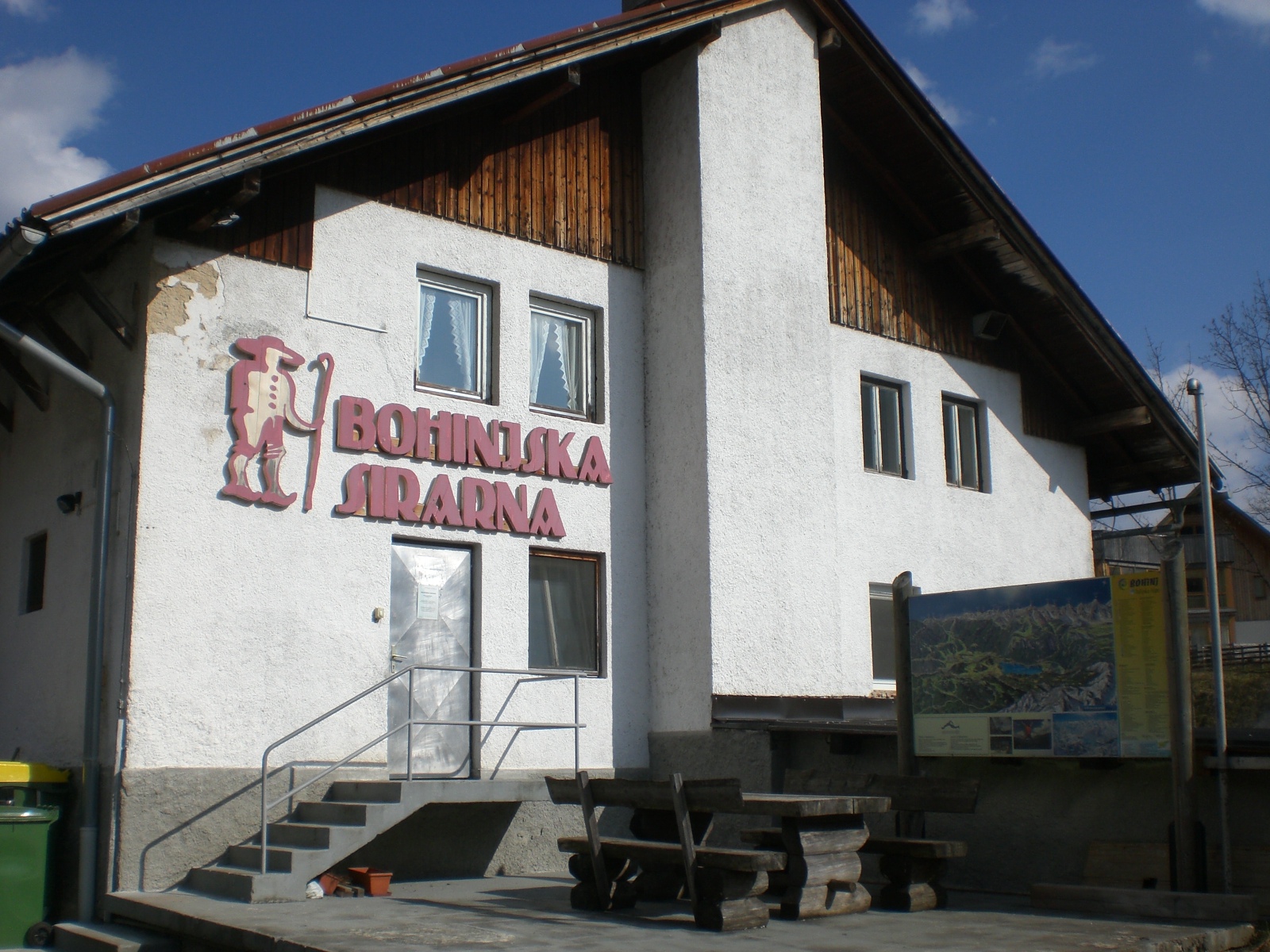
It’s worth making the short detour to see the church, which contains paintings by well-known Slovene artists, and also nearby is the Ribnica waterfall and the Bohinj Cheese Dairy (Bohinjska sirarna) where one can stop off to buy locally produced cheese (open weekdays 7am – 2pm).

CIMG8402      CIMG8398

Preparations are now in full flow for this year’s Radovljica Chocolate Festival. This event just keeps growing and growing in popularity, and this year it will be even bigger and better. The Festival will take place over 3 days (instead of the previous 2) from Friday 17 to Sunday 19 April and will also be extended to take place not only in the historic old town centre and the Radovljica Manor (grascina), but also in the Town Park. Read more about the Festival here – http://www.radolca.si/en/what-to-do/events-1/festival-of-chocolate/83/309/

I can’t wait!!!

© AdeleinSlovenia 2015

Hell’s Cave

The last few days have been a perfect mixture of brilliant spring sunshine with cold, bright, crisp mornings, and warm afternoons. The week ahead looks like being more of the same. So, no complaints here – for a change!

On Saturday I went, almost literally, ‘to Hell and Back’, since I visited Hell’s Cave (Jama Pekel), near Šempeter in the Savinjska valley! Actually, I’d struggle to tell you exactly where it is since finding it was far from easy and in the end it was more by luck than judgement. The journey from home in Radovljica began relatively easily, following the motorway to Ljubljana, then onwards in the direction of Slovenia’s 2nd biggest city, Maribor, taking the exit for Šempeter. I suppose I only had myself to blame as I was armed with only a basic map but, in my defence, many of the larger tourist attractions throughout the country have familiar brown signs beside the major roads to direct visitors, this one, alas, did not and is woefully lacking in signage;  rather strange since it seems to be a relatively popular and visited one. Oh well, at least I got to see some of the hidden parts of the countryside which I wouldn’t have otherwise! If you plan a visit, as long as you turn right on leaving the motorway, you will, eventually, pick up the signs to the cave as it is only a couple of kilometres from the motorway – just don’t, whatever you do, turn left!!!

Anyway, once I arrived at the cave, all was forgotten and it was well worth the effort. When one thinks of caves in Slovenia, of course the world-famous Postojna caves and the UNESCO listed Skocjan caves are the ones that immediately spring to mind. Slovenia, though, actually has over 10,000 registered caves, and to think that those are the ones that are known about, who knows what else lurks in the mysterious underworld. Many of them are largely unexplored whilst others, those that are open to the public, are not as vast as the aforementioned ones, but nonetheless each offers an intriguing glimpse into the underground karst world. Hell’s Cave is no exception, and the highlight is most certainly the 4m waterfall which is actually inside the cave, the only of its kind in the country.

CIMG8378     DSC03544

The Ponikvica stream carved out the cave and runs through it throughout the part that is now open to the public. It is well-equipped with boardwalks, ladders, lights etc. though very narrow in places and quite a lot of ducking is required for anyone over a few feet tall (oops, metres tall – still can’t get to grips with European metric measurements!). The name of the cave originates from the rocks at the entrance to the cave which, with a bit of imagination, appear to form the shape of the devil and additionally, during the winter when the temperature inside is warmer than the outdoor temperature, it appears as if steam is coming from the cave’s entrance.

DSC03556     P1090030

Guided tours of the cave are available daily on the hour, from 10am-5pm from 1st April – 30th September; in March and October it is only open at weekends with the last tour at 4pm. During our group’s tour, we witnessed a pair of sleeping bats, yet to wake up from their winter hibernations, as well as a crab-like creature which is at home in the stream within the cave. Following the tour I took a walk on the forest nature trail which begins at the entrance to the cave and is easy to follow; just follow the green owls! The 2km circular trail takes less than 30 minutes and is nice way to begin, or end, a visit to the cave.

CIMG8380     CIMG8391

Nearby is a Roman Necropolis which I had also planned to visit but on this occasion was unable to since the monuments are still covered up for the winter period. About 2000 years ago a Roman road ran through the area around Šempeter and the necropolis, discovered quite by chance in 1952, is considered the most important of the remains from the Roman era, not just in Slovenia, but in Central Europe. So, it will, for the time being, remain on my lists of ‘places to go’ and about which I hope to write about some time soon – I’ll go equipped with a map next time though!

You can read more about the cave, the necropolis, and the other attractions in the area on the Šempeter Tourist Association website here – http://www.td-sempeter.si/en/

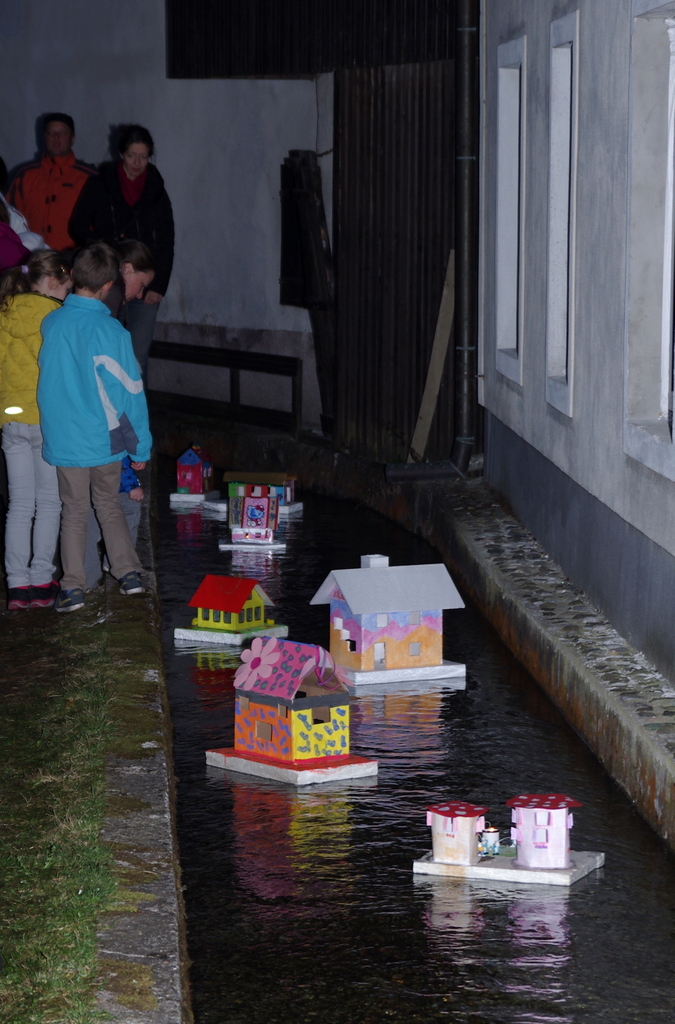
The tradition of making and floating models vessels, made by local children and illuminated by candles, in the streams in the villages of Kropa and Kamna Gorica will take place this week. This age-old iron-forging custom takes place annually on the eve of St. Gregory’s Day. The models, which are a mixture of unique art creations made from paper, cardboard and wood with candles affixed either on the exterior or interior, create a colourful effect against the dusk setting. This custom dates back to the era of manual iron forging, before the introduction of the Gregorian calendar in 1582, when the name day of St. Gregory was considered the first day of spring. With the weather we’ve been having in the past few days, this year it holds true. Unfortunately, due to work commitments, I likely won’t be able to attend this year, which is a shame as it is a spectacle worth seeing, so here are a couple of photos from last year.

01-01-IMGP9793      05-05-IMGP9806

© AdeleinSlovenia 2015

Historic Radovljica / Retro skiing in Kropa

I recently came across this fascinating website which contains digital archives of photos, postcards and texts about Radovljica – the oldest dating back to 1689. The collection on the website is also being added to, as and when locals offer suitable pictures from their own archives, and can be viewed here – http://www.dar-radovljica.eu/

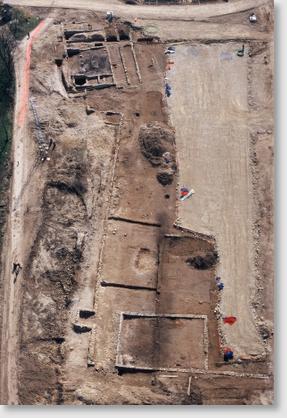
History buffs might also be interested to know that Radovljica is the oldest settled area so far discovered in the Gorenjska region. Settlements have been discovered from the Middle Palaeolithic Age (40,000 BC) with the first permanent settlement arriving during the Hallstatt period of the early Iron Age. There are also archaeological sites which can be visited in the area including Villa Rustica in the village of Mošnje; a Roman villa which was discovered in 2006 – http://www.radolca.si/en/villa-rustica/

arheoloska-odkritja-mosnje-1_gallery_big-420-420-15132390

It’s been a relatively ‘unwintery’ winter’s week, with no extremes of weather – thank goodness – until yesterday when a rain storm made a, fortunately, brief appearance bringing with it more snow on higher ground. At the Kredarica mountain hut (Triglavski dom na Kredarici) a record-breaking gust of wind, measuring 221kmph, was measured on Saturday. Kredarica is the closest hut to Slovenia’s highest mountain, Triglav (2864m), and at 2515m is the highest hut in Slovenia. It is only officially open for a couple of months a year – usually from the end of June to the end of September – dependant on weather conditions, however, it is permanently manned by meteorologists.

Talking of snow, last weekend saw the annual Retro Ski Race ‘The Koledniki Cup’ held in Kropa in the Lipnica Valley. It is a competition which invariably involves a degree of humour as competitors try to demonstrate their skills using antique skis, clothing and equipment – which serve as a reminder of how far technology has come – together with an accompanying entertainment programme, culminating in the ‘Pig’s Head Cup’ ski jumping competition.

retro ski1  retro ski 2

Judging by the number of emails I’ve had in the past week, it must now be the time of the year when people are starting to dream of warmer days and start planning their summer escapes. People who find my blog often write with various questions relating to their planned visit. With this in mind, I decided it would be a good idea to collate some of the more frequently asked questions and try to begin addressing them throughout the course of the coming weeks and months. One question that seems to crop up quite frequently is:

‘When does the Vršič pass open?’

At 1611m the Vršič pass is Slovenia’s highest mountain pass and crosses the Julian Alps to connect the Gorenjska region and the Soča valley. It has a total of 50 hairpin bends. It is usually closed throughout winter due to snow and the risk of avalanches, however, it is very difficult to say exactly when it will open/close as it is dependant on the amount of snowfall. As you can see from the picture below, showing me standing on the ‘road’, taken last winter when I walked up to bend number 17 (read more here – https://adeleinslovenia.wordpress.com/2014/01/27/winter-on-the-vrsic-pass/), there is good reason for it to be closed! It is usually open at the latest by the start of May but it has also been closed until the end of May during years of particularly heavy snowfall and its also not unusual for it to then close again for a day or two if there is heavy snowfall, which is still possible in May. If you are planning a trip which involves going over the Vršič pass, then you should check the up-to-date traffic information (see Links to Tourist Information on the right side of this blog) and, if necessary, take the alternative route which involves continuing on past Kranjska Gora into Italy, then taking the Predel pass into the Soča valley. This is also a scenic route with plenty to see enroute, including the Kluže Fortress.

CIMG7029  CIMG7035

So, I hope that answers that question! More to come….

© AdeleinSlovenia 2015
Taste Radol’ca – The Pr’Kovač Inn, Kropa

A double whammy of blogs this week, for two reasons: the first being that I simply couldn’t wait until next week to share my enthusiasm about the Pr’Kovač Inn, in Kropa, which also just happens to be one of my favourite villages around the Radovljica area; secondly, because there is so much going on at this time of year I have far too much to write about for just one blog! Perhaps I might also provide you with some inspiration for where to visit this weekend too.

I always enjoyed visiting Kropa; more often than not I visit by bike, either as part of a longer ride elsewhere, such as over Jamnik, or for a hike up to the Vodiška planina highland. From Radovljica is it 10 kilometres to Kropa via the road through the tranquil Lipnica valley.  Kropa’s somewhat isolated position, nestled at the foot of the far western edge of the Jelovica plateau, is also part of its appeal, together with its rich architectural and cultural heritage which make it unique, charming and characterful. The village is known as being the cradle of iron forging in Slovenia and this is evident throughout the entire village where each house is adorned with some kind of ornate iron work and the village is full of interesting sights such as the rushing waters of the Kroparica stream, the two churches and various sculptures and memorials. Interestingly, in 1953, Kropa was also the first village in Slovenia to receive the status of being a protected cultural monument.

There’s also so much more to see and do in Kropa, such as:

* A visit to the Museum of Iron Forging

* Hike up to the Vodiška planina highland and visit the Partizan mountain hut for delicious home-cooked food

* Visit the headquarters of the wrought-iron company UKO

* Visit the Fovšaritnica Museum House to see one of the best preserved examples of how iron-worker families used to live

* See the source of the Kroparica stream

* Visit the Vice-Spike foundry (by prior arrangement only)

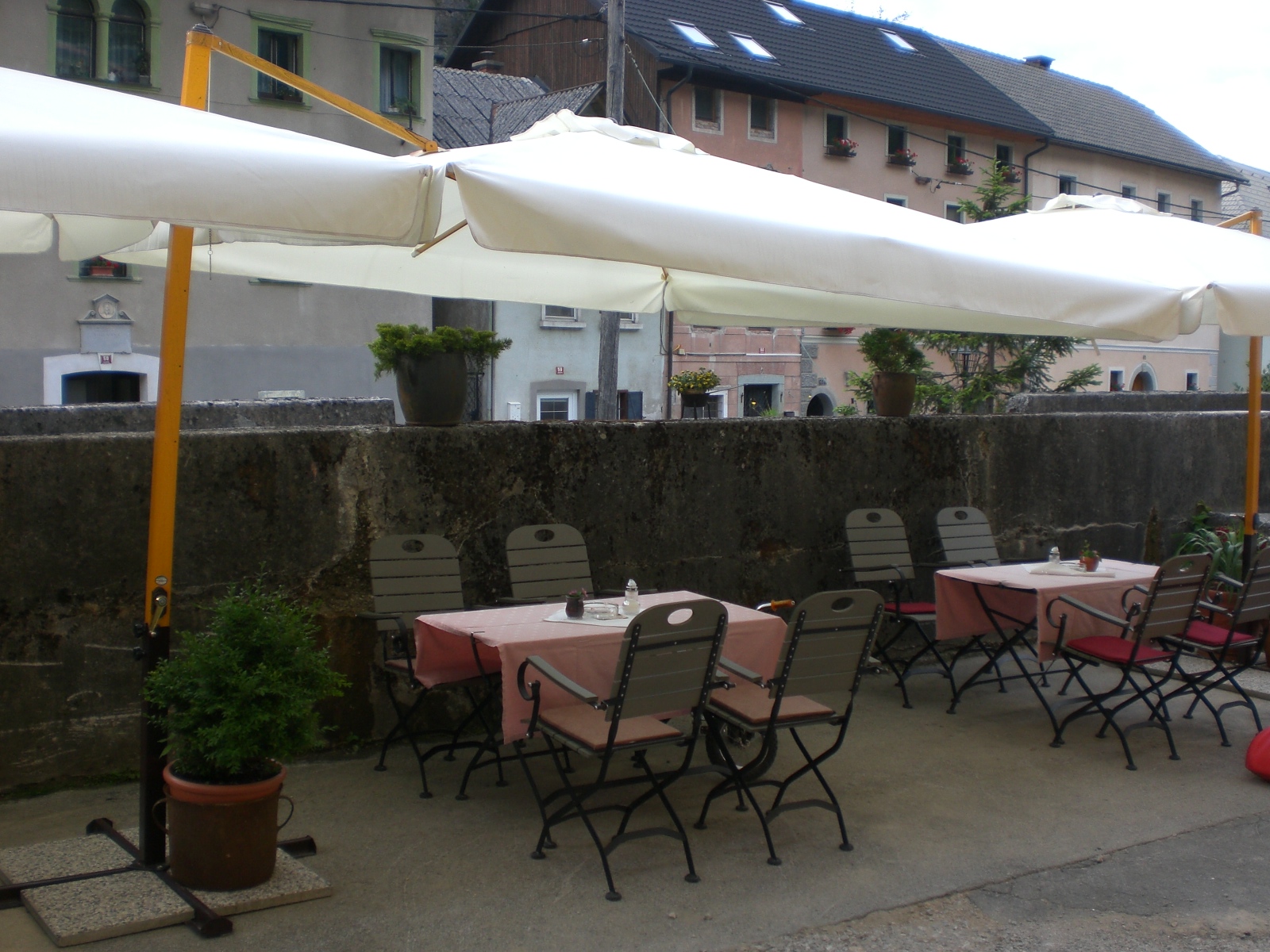
The Pr’Kovač Inn is located right in the heart of the village and as soon as you enter through its door, you get a sense of what is to follow. The décor and the ambience just smack of good, honest, uncomplicated home-cooking and hospitality, and it doesn’t disappoint. Its all in the detail even down to the the crockery, cutlery, menus and presentation. In fine weather, a seat outside in the shady area next to the Kroparica stream is also pleasant, though do be sure to go inside a take a look!

CIMG7504  CIMG7487

Owned and run by Blaž Staroverski (seen with me above), the restaurant also recently received rave reviews and top marks in one of Slovenia’s leading newspapers, and since it is also one of the seven restaurants that participate in Taste Radol’ca, and being one that is still remaining on my list, a visit was long overdue.

Being a unique village, Kropa also has some original local dishes and therefore I left it to Blaž to acquaint me with a few tasting samples of just some of the dishes available on the menu. With Kropa’s mere existence being based on the tradition of blacksmithing, most of the population would have, to some extent, been involved in hard, physical labour and thus required robust, hearty food. This tradition still continues, however, under Blaž’s leadership, he manages to create robust, hearty dishes with modern innovation and finesse – and all using the freshest and most local ingredients available.

CIMG7480  CIMG6411

  • First, a thick hearty bean soup, served in a typical clay dish, which one can imagine would really hit the spot on a cold winter’s day, flavoured with home-grown herbs.
  • Next was buckwheat served with mushrooms and a creamy, rich mushroom sauce. Buckwheat is used a lot in Slovene cooking, either as an ingredient or as a stand-alone dish but, for my palate, it can sometimes be a little dull and lacking in flavour if not well cooked and seasoned. This dish however was delicious, really flavourful and I could have quite happily eaten a whole dish of it.
  • A salad followed – all of course direct and fresh from the restaurant’s own garden and lightly dressed with oil and vinegar.
  • The main course comprised tender pork fillet in a cranberry sauce, homemade curd cheese štruklji (a Slovene speciality – a kind of rolled, filled dumpling) and vegetables
  • With just enough room left, I, of course, managed to sample the dessert too! Described as a ‘buckwheat omelette’ it was more reminiscent of a light muffin, filled with a fruit sauce and accompanied by forest strawberries, chocolate sauce and ice-cream coated in a light nut and crumb crust.

CIMG7491  CIMG7492

CIMG7496  CIMG7502

Although I didn’t have an opportunity to try it on this occasion, since it was fresh out of the oven and baked to fulfil an order, the HUGE tarragon potica, as seen in the photo above looks a-m-a-z-i-n-g! I shall definitely be returning to test that sometime soon!

An ideal time to visit Kropa is during the time of the annual Iron Forging Festival, which this year takes place on Saturday 5th July. More information can be found here – http://www.radolca.si/en/what-to-do/83/iron-foging-festival-2014/83/153/

© AdeleinSlovenia 2014