Reflections & New Year in Slovenia

If someone were to ask me what would be your ideal weather for Christmas, my answer would have fitted exactly what we had. I couldn’t have asked for a better Christmas present than the perfect cloudless skies and warm winter sunshine we had last week. My parents were here from the UK for Christmas and the three of us sat outside having a picnic lunch on Christmas Day. Who’d have thought that possible!

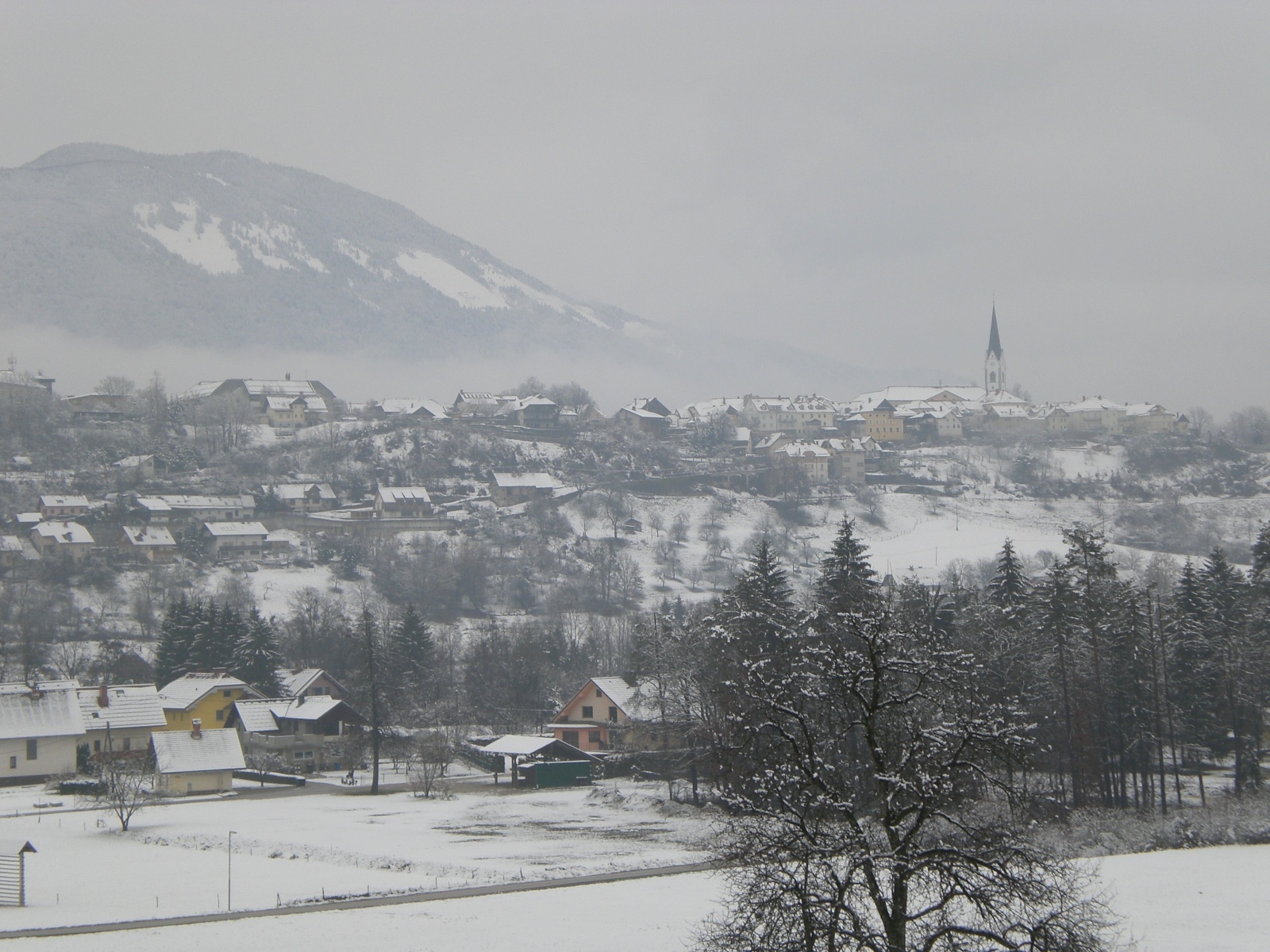
However, not all the country were so lucky as many places were, again, shrouded in fog. This is the view on Boxing Day looking down from Možjanca, near Preddvor.

Mozjanca 26.12.2015

During my parent’s visit we packed in plenty of sights including a trip to the Christmas market in Ljubljana.

Lju 2015

A visit to Kranj to watch the very popular annual Christmas tuba concert (tuba božički) – to get us in the festive mood.

2015_bozicki06

On Christmas Eve we went to see the preparations for mass at the Basilica of Mary Help of Christians in Brezje http://www.radolca.si/en/brezje-basilica/
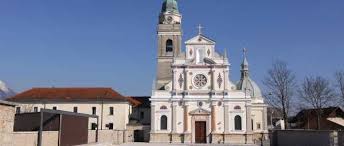
Brezje

On Christmas Day we visited a tourist farm (more about that next week), visited friends, watched the Ana Snežna street show in the old town of Radovljica, and finished the day with a meal at Kunstelj Inn in Radovljica.

IMG_0664

If you haven’t already decided how and where to see in the new year, here are some ideas of what’s on in Radovljica and the surroundings and also further afield.

On 30th December there will be a pre-New Year’s Eve party for children at 4pm in Linhart Square, whilst on New Year’s Eve the merriment will take place, also in Linhart Square, with live music from the Avsenik House Ensemble. More information here – http://www.radolca.si/en/what-to-do/events-1/festive-december-in-linhart-square/83/110/

If food, and of course drink, is on your mind, then look to one of the Taste Radol’ca restaurants, though hurry as some are already fully booked. Amongst others, Kunstelj Inn is offering a 4-course menu of local food for 33 euros, Grajska gostilnica  is offering a 6-course New Year’s Eve menu for just 37 euros per person and Gostišče Tulipan has a 4-course menu with live music for 28 euros per person.

Further afield, the capital, Ljubljana, is a popular destination to spend New Year’s Eve, with plenty happening all over the city or, if the weather is fine, spending New Year’s Eve in one of Slovenia’s many mountain huts can also be a magical. One year I walked up to the Sankaška hut above Begunje, from where, on a clear day/night, there are fantastic views and I was able to enjoy watching many fireworks displays across the valley. So, if the weather plays game and that appeals, don your hiking gear and a head torch and head on up there. More information here – http://www.radolca.si/en/st-peters-trail-begunje/

I have now been writing this blog for exactly three years. In that time it has had over 90,000 views from all over the world and this year I was delighted and proud that it was also officially recognised by the Slovenian Tourist Organisation and now also features on the homepage of their website – http://www.slovenia.info/en/Blog-Adele-in-Slovenia/Adele-in-Slovenia.htm?adele_slovenia=0&lng=2

People often ask me how I come up with so many ideas for what to write about and if I ever run out of ideas. Actually, sometimes I still have too many ideas so, if you keep reading, I’ll keep writing, and may the journey continue to make 2016 an even more successful year for Adele in Slovenia!

I wish all readers a very, very Happy & Healthy New Year!


Christmas in Slovenia; Markets, Food, Traditions and more!

Slovenia hasn’t been celebrating Christmas for that long, well not in the form that many of us know it. However, the country has certainly caught up with, and caught onto, the festive spirit and now there are Christmas-related events happening throughout the land.

So, how is Christmas celebrated in Slovenia? What is/isn’t open? What is there to do, where to go?

As in many other countries in Europe, the evening of the 24th is when most families celebrate and get together for a special meal, exchange gifts and/or attend midnight mass. If you are visiting Slovenia at that time it is worth noting that many restaurants may be closed on this evening or close earlier than usual. Shops are usually open on the 24th but close a little earlier than usual. All shops are closed on the 25th and again this is a family day, often for some recreational activities perhaps skiing, hiking or visiting relatives. The 26th is also a public holiday, ‘Independence and Unity Day’ and therefore again many shops and business will be closed although these days most of the larger ones are open, at least for a few hours in the morning.

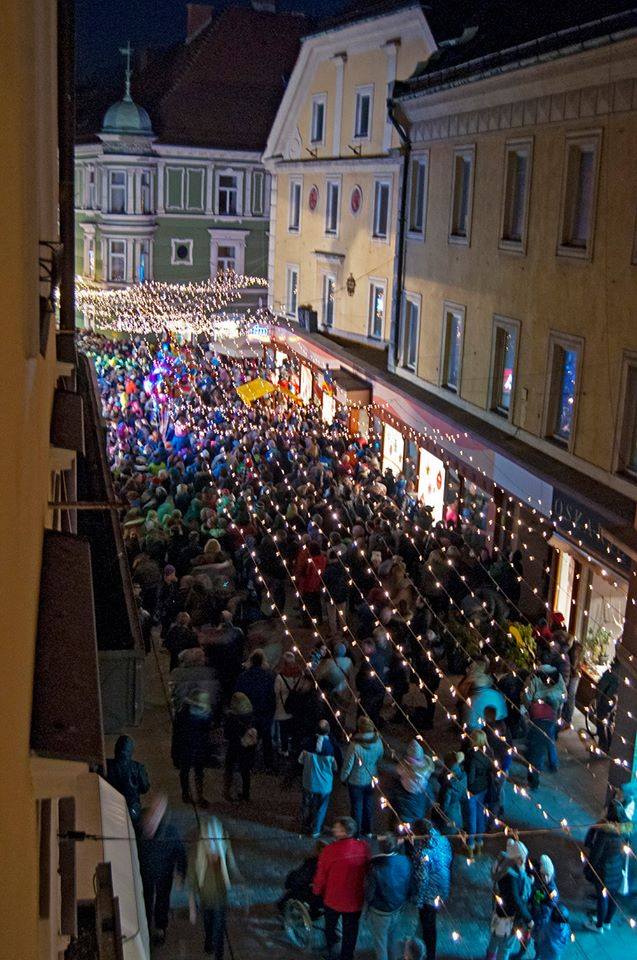
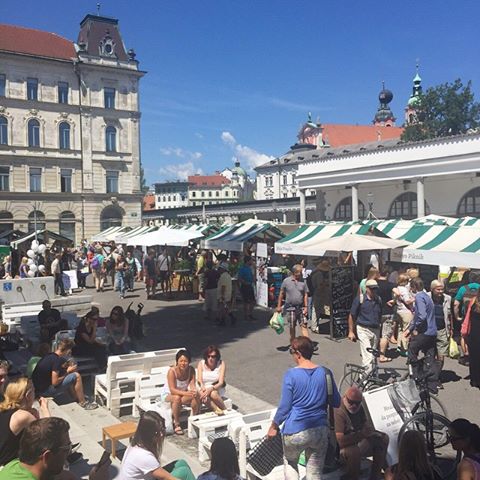
There are Christmas markets taking place in all the major cities, the largest being in Ljubljana, where there are numerous markets. The main market is held alongside the banks of the Ljubljanica river, but there are also other markets spread across the city’s squares, with a vast range of events and entertainment taking place from now until the New Year. More information here – https://www.visitljubljana.com/en/activities/entertainment/77402/detail.html

Lju Dunja Wedam

Festive Ljubljana (Dunja Wedam)

In Maribor, Slovenia’s 2nd biggest city, there are numerous events taking place including the Fairy City (Vilinsko mesto), a Festive Fair and a long list of concerts and other events. More information here – http://maribor-pohorje.si/festive-december-in-maribor0.aspx

Praznicni_december_2013_Maribor_Slovenia_Slovenija_Maribor_Pohorje_MP_produkcija_5

Maribor Christmas Market (photo MP produkcija)

In Celje, ‘Fairytale Celje’ (Pravljično Celje), including a Christmas market, runs from 29th Nov – 31st Dec – http://www.dezela-celjska.si/en/node/72073

celje

Festive Celje

Other towns with smaller Christmas markets include the Festive Winter Village in Bled – from 4.12 – 17. 1 – http://www.bled.si/en/events/2015/12/04/2264-Festive-Winter-Village

Bled

Festive Winter Village, Bled

The Alpine Village in Kranjska Gora – from 28.11 – 3.1 – http://www.kranjska-gora.si/si/files/default/plakat%20dec.pdf

Alpine village Kranjska Gora

Alpine Village, Kranjska Gora

And not forgetting the Advent Market in small, but perfectly formed, Radovljica – where I live – http://www.radolca.si/en/what-to-do/events-1/festive-december-in-linhart-square/83/110/

pakt media radovljica oct2013

Advent in Radovljica (pakt media)

If you’ve never been to Radovjlica, just watch this video of a Christmas commercial shot here 2 years ago to see how magical it looks – http://klip.si/video-reklama-za-bauli-snemana-v-radovljici-4484

Those in, or heading to, the Slovene coast will also find a Christmas market in Portorož (http://bit.ly/1jhWPkH)

Portoroz

Christmas Market in Portorož

There are of course many more towns that have Christmas markets and events – too many to list here – and many of these, including those listed here also have open-air ice-skating rinks.

If you are looking for a festive event with a difference, every year, weather conditions permitting, there is a live ice nativity play held in the Mlača Gorge in the village of Mojstrana. With the freezing temperatures we have had of late, this year’s event looks sure to be going ahead and the performances are scheduled to begin on Christmas Day. The entrance fee also includes a walk through the ice kingdom, a gallery of nativity scenes and the nativity performance held in the frozen waterfall. Be sure to wrap up warmly! More information can be found here – http://lednoplezanje.com/zive-jaslice-v-ledu/

ledeno jaslice mojstrana

Live Ice Nativity in Mojstrana

Turning to food, no Slovene home is complete over the festive season without potica – a traditional rolled and filled cake. You will find it everywhere; in cafes, supermarkets, and in almost every Slovene’s home. Potica come in many varieties, the most popular varieties are filled with walnut or poppy seeds, but there are also other fillings including tarragon or coconut, and special editions with dual fillings, such as the one below – named ‘potica of our roots‘  prepared by one of Slovenia’s top chefs, Uroš Štefelin, from Vila Podvin.

61421474

Potica of Our Roots

Wherever you choose to visit and/or spend Christmas in Slovenia, I hope you have a great festive season!

Rimske Toplice – A Spring of Health in the Heart of Nature

Slovenia has its fair share of spa and wellness hotels, however, it’s also fair to say that many of them are geared towards medical services, others towards the family market – swimming pools with water slides etc. i.e. great for kids. The Rimske Terme spa, located in the village of Rimske Toplice, near Laško, is, for me at least, out there on its own when it comes to total relaxation and wellness, and is especially suitable for adults.

On approach you can already see that it’s something special, thanks to the thoughtful design of the buildings which manage to both blend into the surrounding countryside and stand out at the same time.

CIMG0031

Rimske Toplice is situated in the picturesque valley of the Savinja river. The village itself comprises mainly residential buildings and a notable church (see below), however, it is the spa and the surrounding countryside which makes this place so special, as well as its proximity to Laškohome of the famous Laško beer. Whilst there I also spent a day exploring Laško and will be writing a more detailed post about that soon since there’s way too much to squeeze into just one blog and to do so would be a shame.

The railway line between Ljubljana and Zidani most runs through the valley, which makes it particularly easily accessible for those reliant on public transport; my tip – if, like me, you are a light sleeper and don’t want the distant rumble of the (infrequent) trains to disturb your slumber, ask for a forest-facing room.

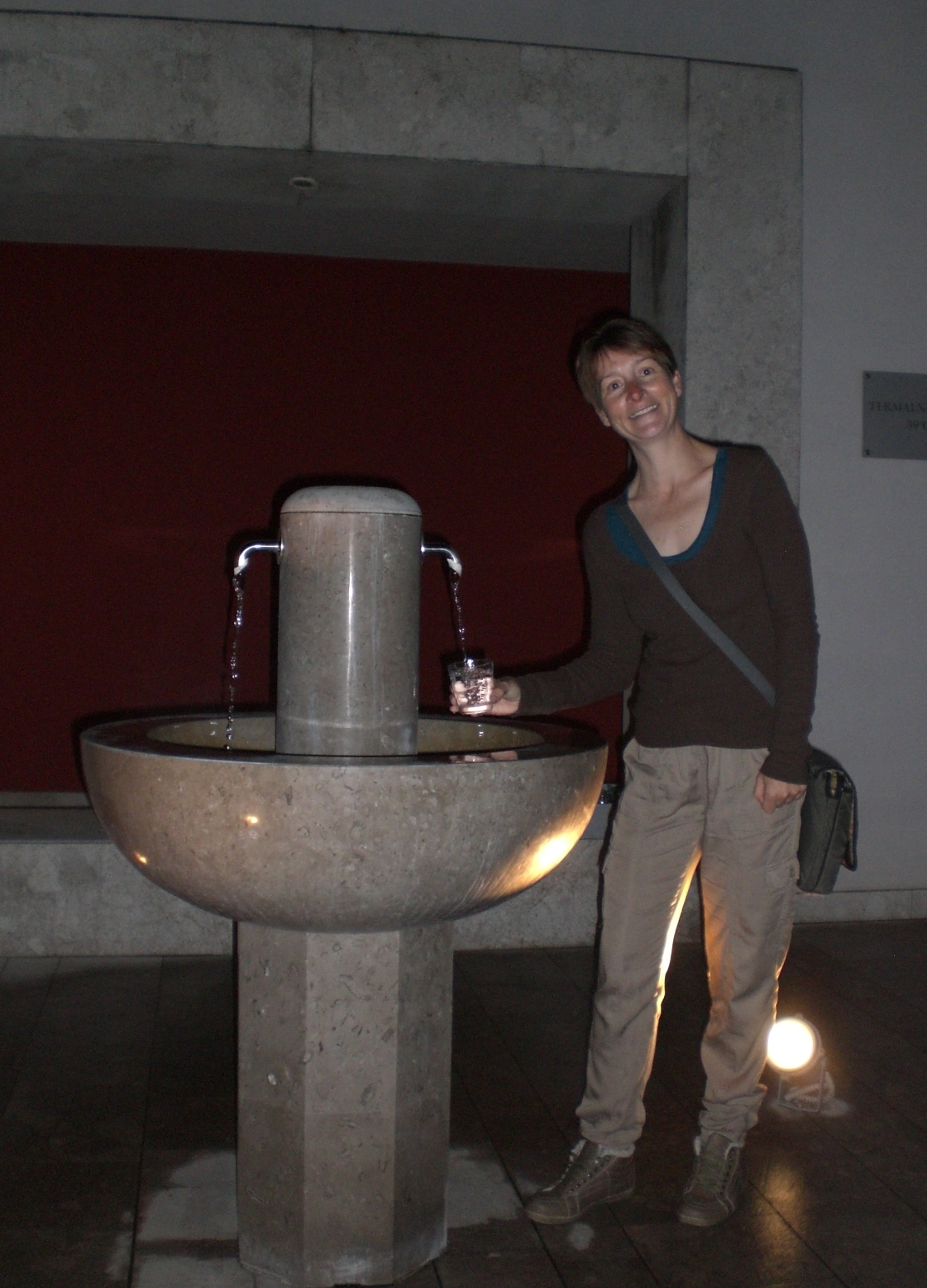
Rimske terme is situated beside a fault that is approximately 1000m under the earth’s surface. Thermal water, with a temperature of 39 degrees Celsius, rises from this depth and research has proved the many healing effects of the water, especially for rheumatic, orthopaedic, neurological, gynaecological and dermatological illnesses. As well as being used in medical treatments, there is a spring right outside the front door of the hotel and guests are encouraged to taste the water and enjoy its pleasant and healing effects.

CIMG0170

The Amalija Wellness Centre offers a full range of beauty, pampering and medical wellness services. The hotel’s signature treatments are its Roman bath experiences, which take place in authentic stone bathtubs (it does feel slightly like getting into a coffin at first, but you soon relax and forget that!) filled with pure thermal water. If you are visiting with a loved one, you can also indulge in a romantic bath for two.

CIMG0033                CIMG0034

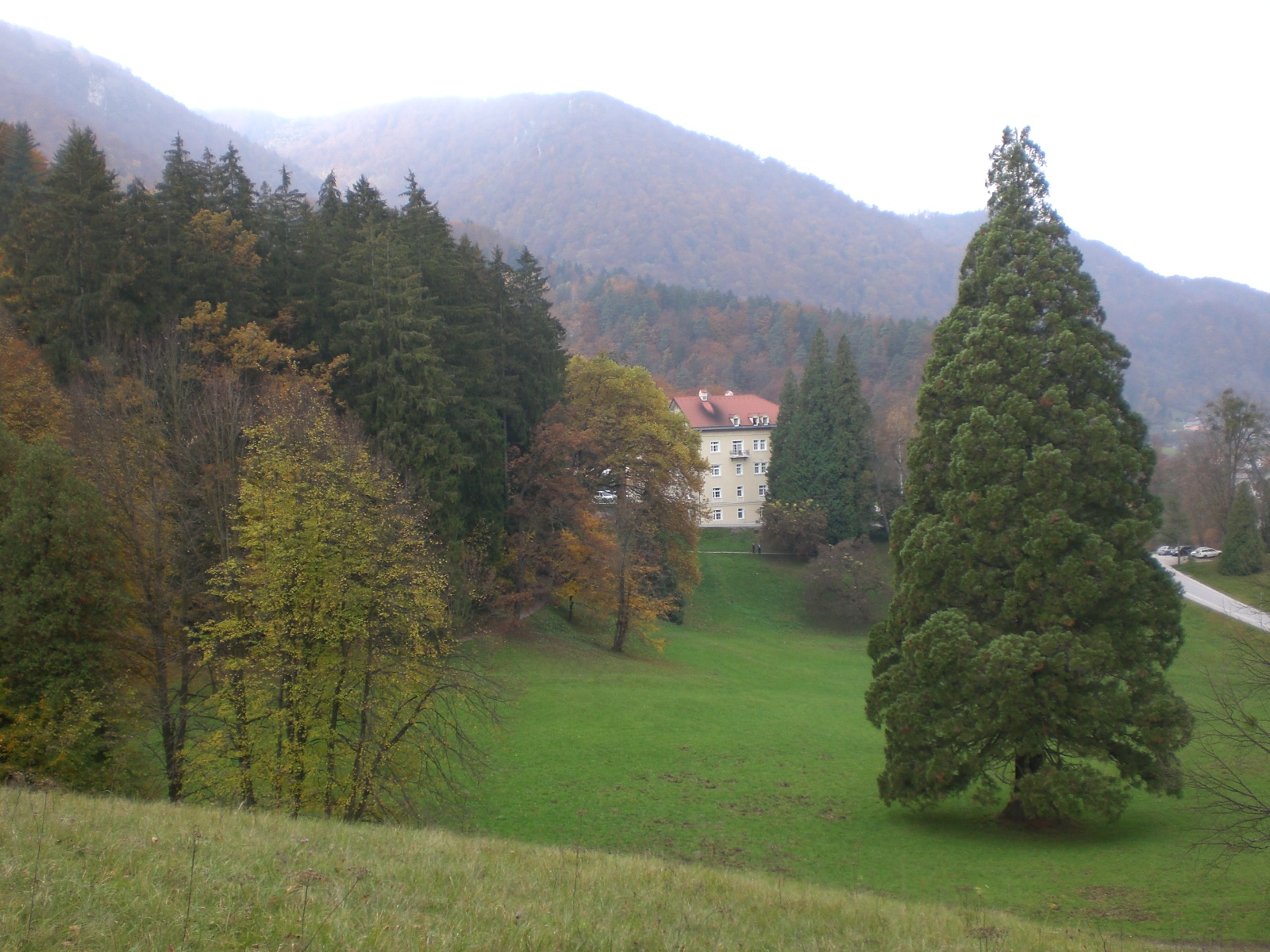
A walk around the Energy Path, among the magnificent sequoia trees, was one of the highlights of my visit. Sequoia are not native to Slovenia; these trees were planted in 1879 as a tribute to the visit by Princess Victoria, heiress to the Prussian throne; the saplings were sent by the Royal Botanical Gardens in Kew. There are 14 energy points, each with an information board explaining the effects on various chakras.

CIMG0023     CIMG0207

As great as the Rimske terma spa is, it would be a crying shame not to get out and explore the surroundings too, so, of course, I did!

The Lurd church (Lurška Mati Božja) was built in 1886 and contains altar stones brought from the famous French Lourdes and is, in fact, the first church outside of France to be consecrated to the Blessed Virgin. Today, it is a popular pilgrimage sight.

CIMG0068

The start of the hike to the peak of Kopitnik (910m) begins right on the doorstep of the spa. This was an added bonus for me during my stay as it meant I could indulge my passion for hiking in the morning – and didn’t have to use my car the whole time I was there – then enjoy some well-earned rest, relaxation and pampering during the afternoon. It takes 1-1.5 hours to reach the mountain hut Koča na Kopitniku (865m) – depending on which of the 2 routes you choose. Although it was dry and clear when I set off, unfortunately it was cloudy at the top so I didn’t get a chance to soak up the views. Oh well, I’ll just have to go back again!

CIMG0035

The Aškerc Homestead (Aškerčeva domačija) is just a few minutes walk uphill on the road leading to the hamlet of Senožete. The former home of Anton Aškerc (1856-1912) – the poet, priest, journalist, traveller and campaigner for the freedom and education of Slovene people – today the 500-year old house operates as a museum where visitors can see the original black kitchen, the granary and the linden tree planted in Aškerc’s memory in 1856.

CIMG0007 CIMG0006

The area is also ideal for cycling – beside the Savinja river for easier, flatter rides, or into the surrounding hills for something more challenging. Bikes can be rented at the hotel and during the summer months there are guided bike trips.

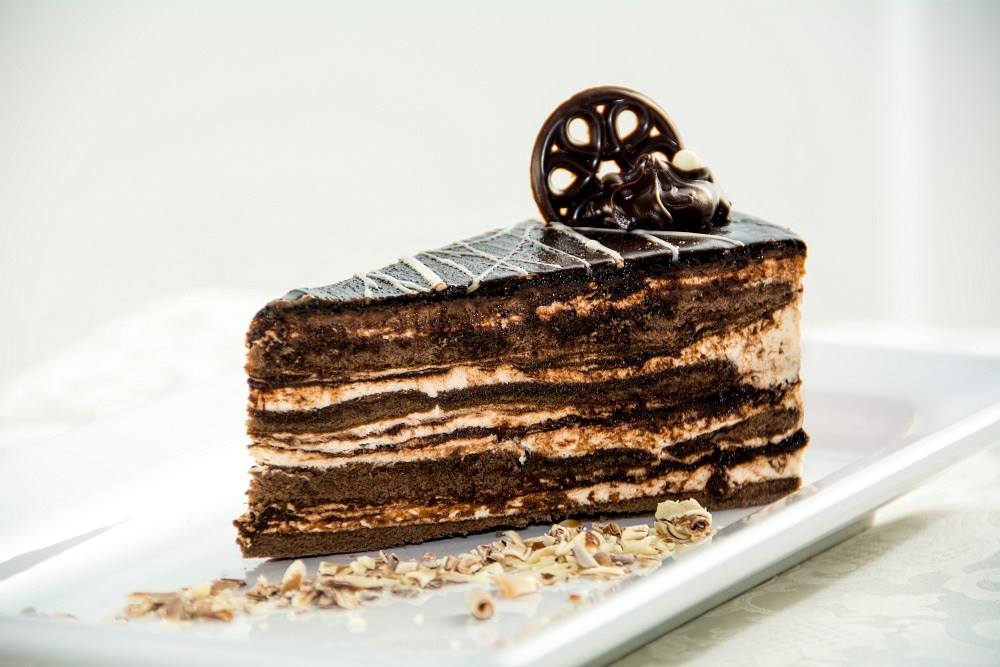
Fortunately, for me at least, this is far from being a ‘fat farm’ and good food is plentiful. Breakfast and dinner are buffet style but for an upgraded dining experience there is also an a-la-carte restaurant, and the cakes in the café were also delicious and very difficult to avoid, especially since I had to walk past them every time I went to use the wellness facilities!

12030463_906347162746749_9194151401933902492_o     11063859_818621898185943_2629839735851791826_o

In short, there is a wealth to do, inside or out, at the Rimske terme spa and in the surroundings of Rimske Toplice. I liked it so much I visited twice in two weeks and I will surely be going back!

Useful links:

Rimske terme –http://www.rimske-terme.si/en/

Aškerc Homestead – http://www.lasko.info/en/askerceva-domacija-na-senozetih

Lurd Church – http://www.slovenia.info/en/religious-heritage/church-of-lurska-mati-bozja-rimske-toplice.htm?sakralna_dediscina=10545&lng=2&rd=desktop

Yummy Stories of Slovene Food (in the snow!)

Autumn came to an abrupt end on Saturday when, after an entire month with no rainfall, it instead SNOWED! This was accompanied by a marked drop in temperatures; in some places on Saturday morning the temperature was in the mid-high teens, by the afternoon it was just 1 degree; on average around 20cm of snow fell.

Though I’m really not a fan of the white stuff, I have to admit that Radovljica did look quite pretty when I went out for a walk on Sunday morning. Mind you, to me, Radovljica looks lovely come rain or shine (or snow!).

CIMG0244

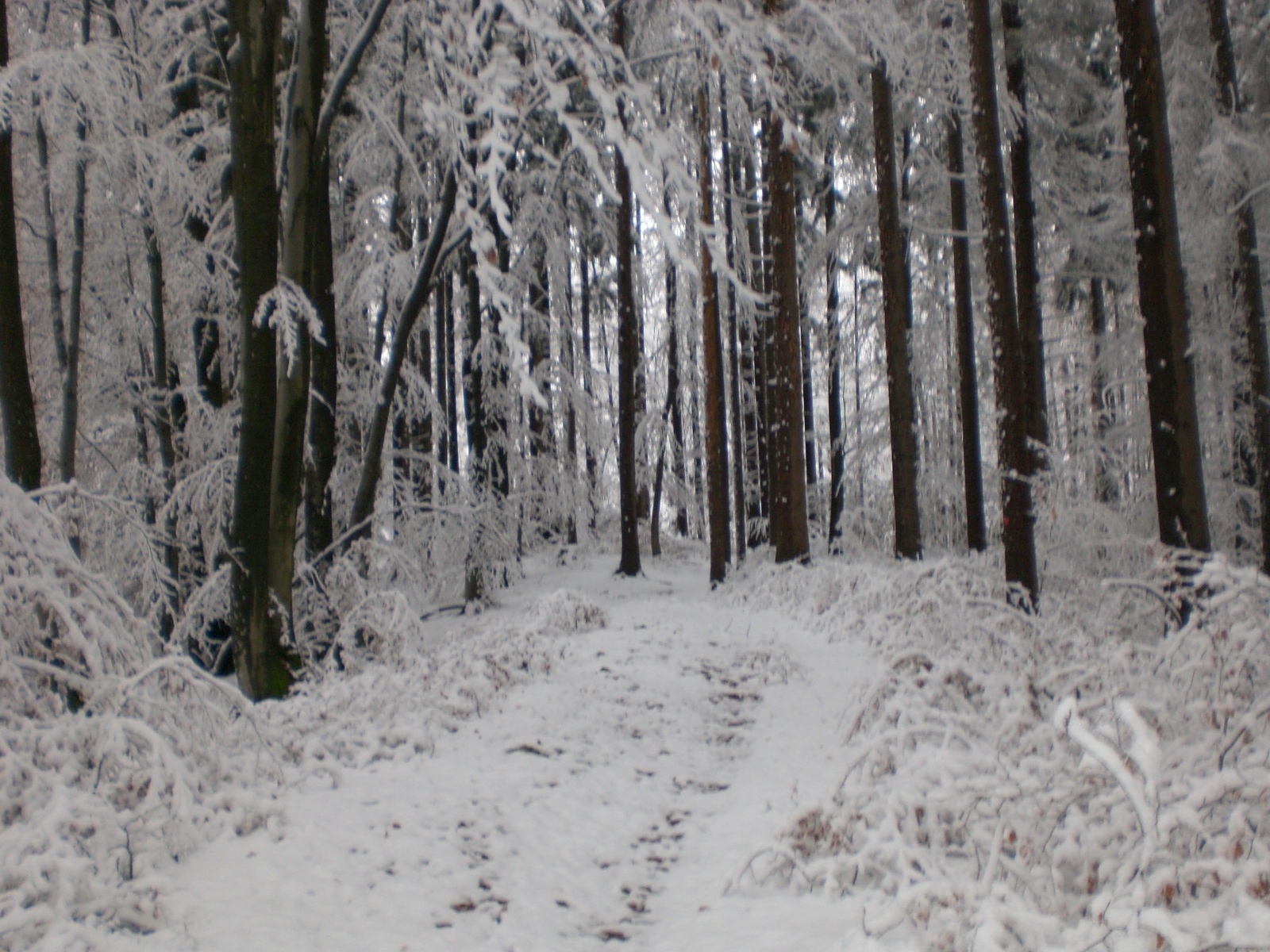
Walking through the virgin snow in the forest towards Talež early on Sunday morning.

CIMG0242

As is usually the case in Slovenia – other than in times of particularly heavy snowfall – the roads were cleared quickly and efficiently and there was no major disruption to my journey on Saturday from Radovljica to Ljubljana, where I had been invited to be one of two ‘guest speakers’ at Njam Zgodbe 2015 (Yummy Stories) – a foodie/blogging event. The event was a mixture of talks, workshops, networking, and, of course, yummy food.

12239658_10206860440723156_2202071368528508758_n

Though my blog is not a food blog per se, as regular readers will know, I do love food (especially chocolate!) and write about it often, and even more so in the winter when my outdoor activities are somewhat curtailed due to the weather. In the 8+ years I’ve been living in Slovenia, the food scene has come on leaps and bounds, not only due to the vast number of new restaurants offering cuisine from all over the world, but also due the ever-growing importance and recognition of locally sourced and produced ingredients and fresh, seasonal food; this is also reflected in the increasing number of food-related blogs.

FullSizeRender

It was for this reason that I decided to dedicate part of my talk to Taste Radol’ca as, being from Radovljica, it is something close to my heart – not to mention my stomach!

After my presentation the event attendees were able to try some of the goodies from Radol’ca’s restaurants; the famous cake-pops (grizike) from Kunstelj Inn, ‘tepke‘ pears in chocolate from Vila Podvin, and chestnut and pear tarts from Grajska Gostilnica. I think it’s fair to say that they went down well with the attendees, all of whom certainly know their food!

CIMG0228

There’s just one week left to try out the special menus at the Taste Radol’ca restaurants as, on 30 November, it all sadly ends for this year. Well, not quite, as this year, for the first time, there is also a closing party to look forward to. Tickets are now on sale for the party at Joštov hram in Podnart on Friday 4th December; those who collect stamps by visiting at least 4 of the restaurants also have a chance to win free entry. More information here – http://www.radolca.si/en/taste-radolca/


Prekmurje – The Land of Storks, Pumpkins, Floating Mills and more….

Having lived in Slovenia for over 8 years, and being a lover of hiking and all things Alpine, I had yet to visit the northeast of Slovenia. I’d long intended to get there but, in truth, I suppose I always assumed it would be a bit ‘flat and boring’. Well, I stand corrected. Yes, it is flat in places, but there are also rolling hills, vineyards, castles, lakes, numerous spas, delicious food, and more. So here’s a brief run down of my visit which will hopefully whet your appetites too!

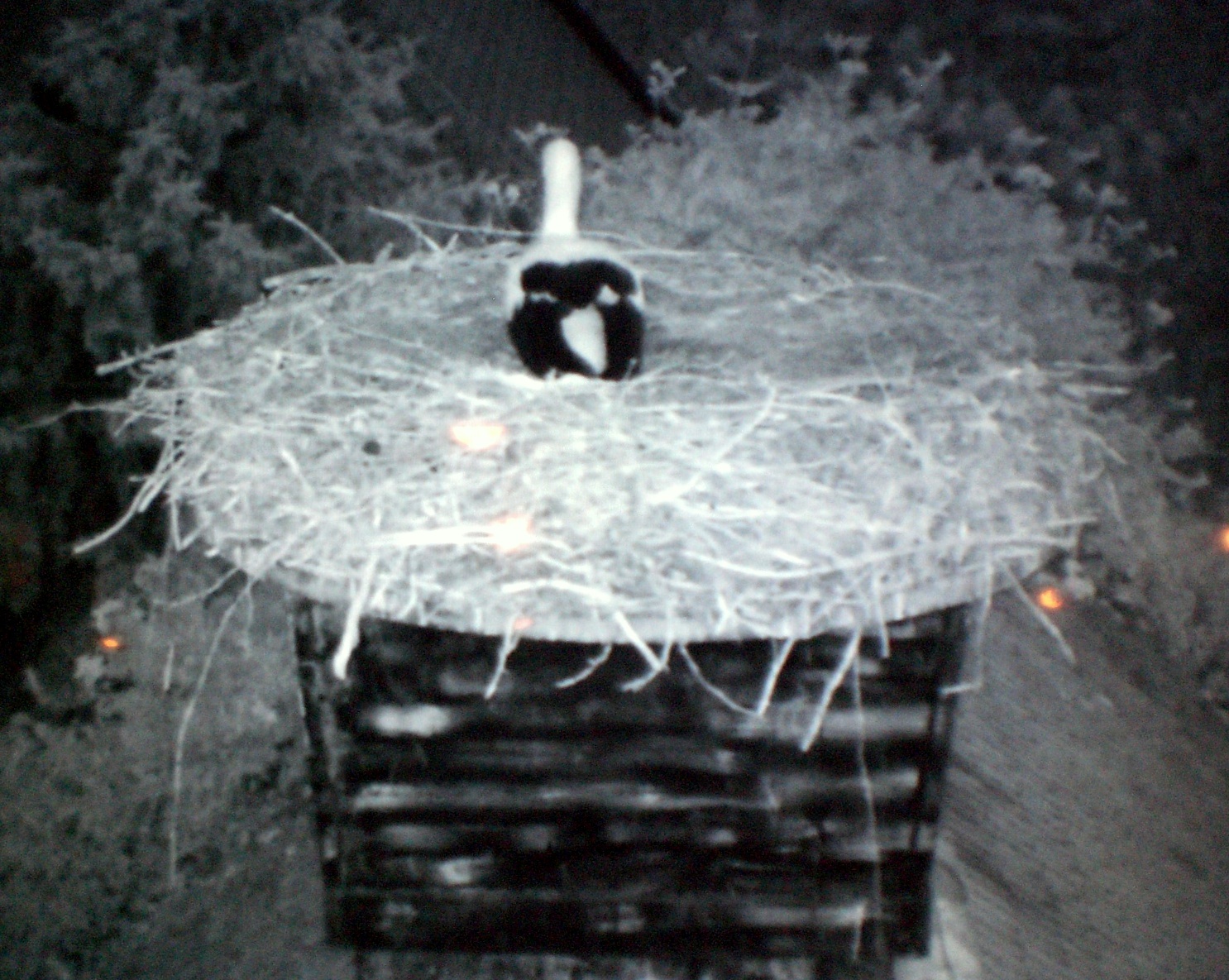
The Prekmurje region, part of Slovenia’s Pomurje, is named after the Mura river and is known, among other things, for its many storks which can be seen throughout the area nesting on chimneys tops and in large nests balanced precariously on telegraph poles. The hotel where I stayed even had its own stork family nesting on the roof and a live camera broadcasting on a screen in the restaurant so guests can sit and enjoy a meal whilst watching them!

CIMG9346

This stork was sat contentedly on its nest whilst I enjoyed my dinner!
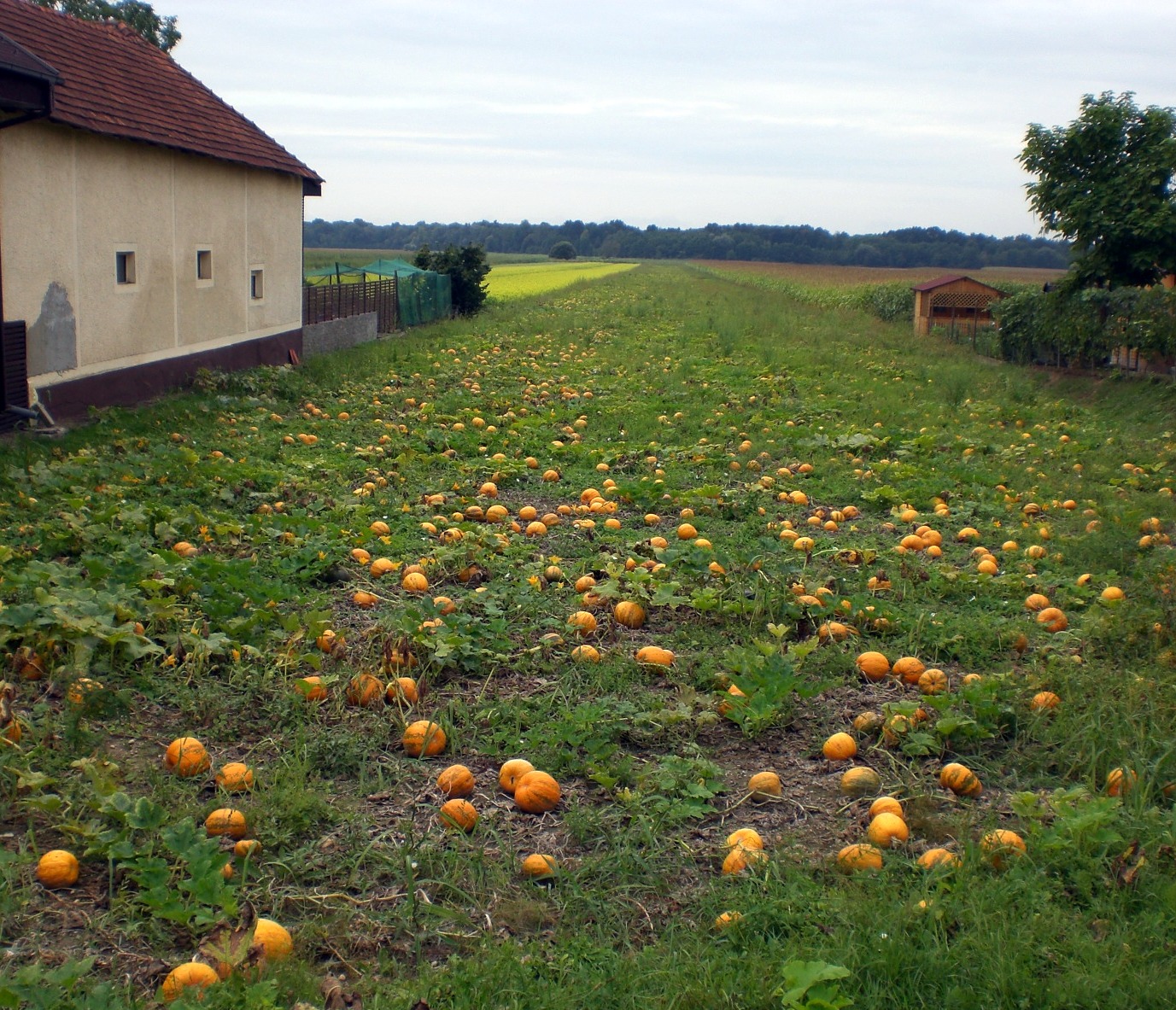
Prekmurje is also known for its pumpkins and, at the time of my visit, it was prime harvesting time. Thousands of pumpkins can be seen scattered across fields, though, they are mainly used for their seeds which are extracted to make the delicious pumpkin-seed oil which is another typical product in this area and makes an excellent salad dressing. I also tried ice-cream served with pumpkin-seed oil and, though it might sound an odd combination, it works!

CIMG9370

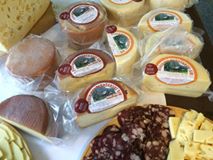
Nearby, in the village of Markišavci, I visited the family run Kodila Ham Producers which produces and sells all manner of delicious meats, as well as other local produce. The firm’s speciality are the dried hams which are first rubbed with salt, being left to air-dry for 18-45 days, then rinsed, smoked, rubbed (in this case with buckwheat flour and pig fat) and left for up to 6 months. The hams have been awarded the status of food of protected geographic origin and a part of the trademark ‘Scent of Prekmurje (Diši po Prekmurju) which brings together a number of indigenous foods, some of which, including Prekmurje ham and the layer-cake ‘gibanica‘ have now been given the status of protected foods.

CIMG9377

The Kodila hams. I can’t portray the smell but it was very tempting!

safe_image

Prekmurje gibanica cake – layers of pastry, apple, poppy seeds, curd cheese and walnuts – delicious!

The Bukovnica lake (Bukovniško jezero) is a 4.5ha, 2-5m deep, man-made lake and is a popular fishing and picnic spot. There are plenty of places to walk nearby, and the area around the lake is home to the renowned energy points that are thought to have special energy that calms, relaxes, revitalises and have healing properties. There is also an adventure park in the forest which surrounds the lake, which offers all sorts of different adventures for all the family.

CIMG9391

Bukovnisko jezero lake

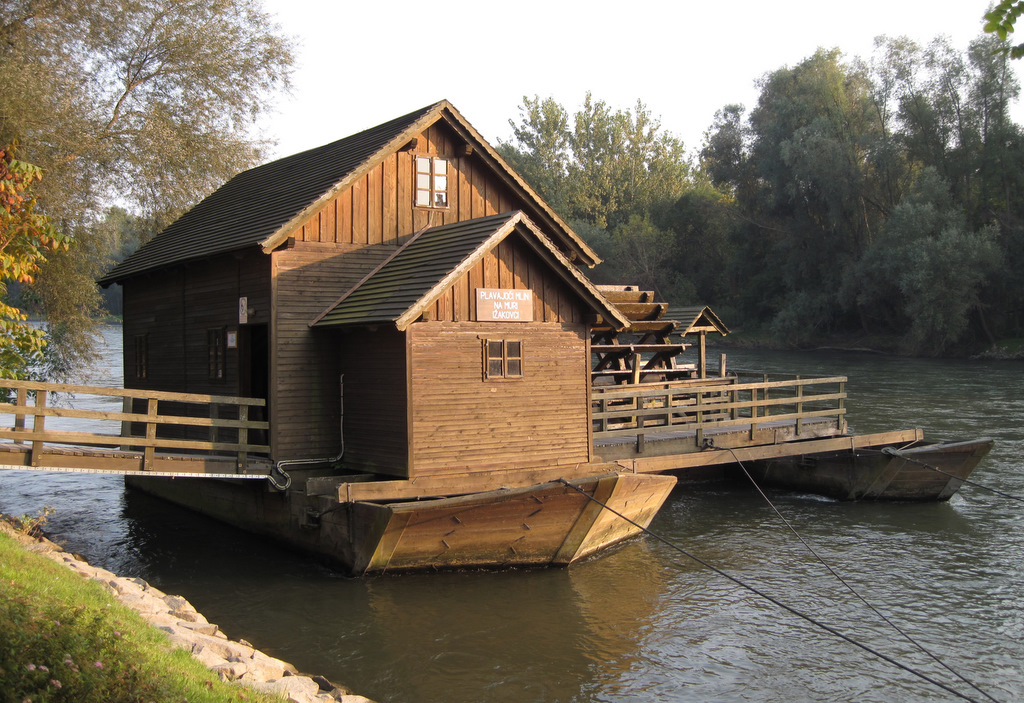
The first use of floating mills on the Mura river dates back to the 4th century when flooding was a frequent problem in the area and thus the floating mills were designed to rise with the water levels. At their peak there were 94 mills operating on the river. Many of them were lost along the years due to fires and others mishaps, whilst the advances in technology, the arrival of electricity, and attacks from the German army, saw off the majority of the mills and today just two mills remain. The larger one, seen below, is at Ižakovci, whilst there is another small mill near the village of Veržej. Both these mills are still active and visitors are able to see the process of flour-making and even buy flour to take home.

Here is a link to a popular Slovene song about the mills on the Mura river – https://www.youtube.com/watch?v=TjKuXUbbNwE

Plavajoci_mlin_na_Muri_-_Izakovci

One of the last remaining floating mills on the fiver Mura at Ižakovci

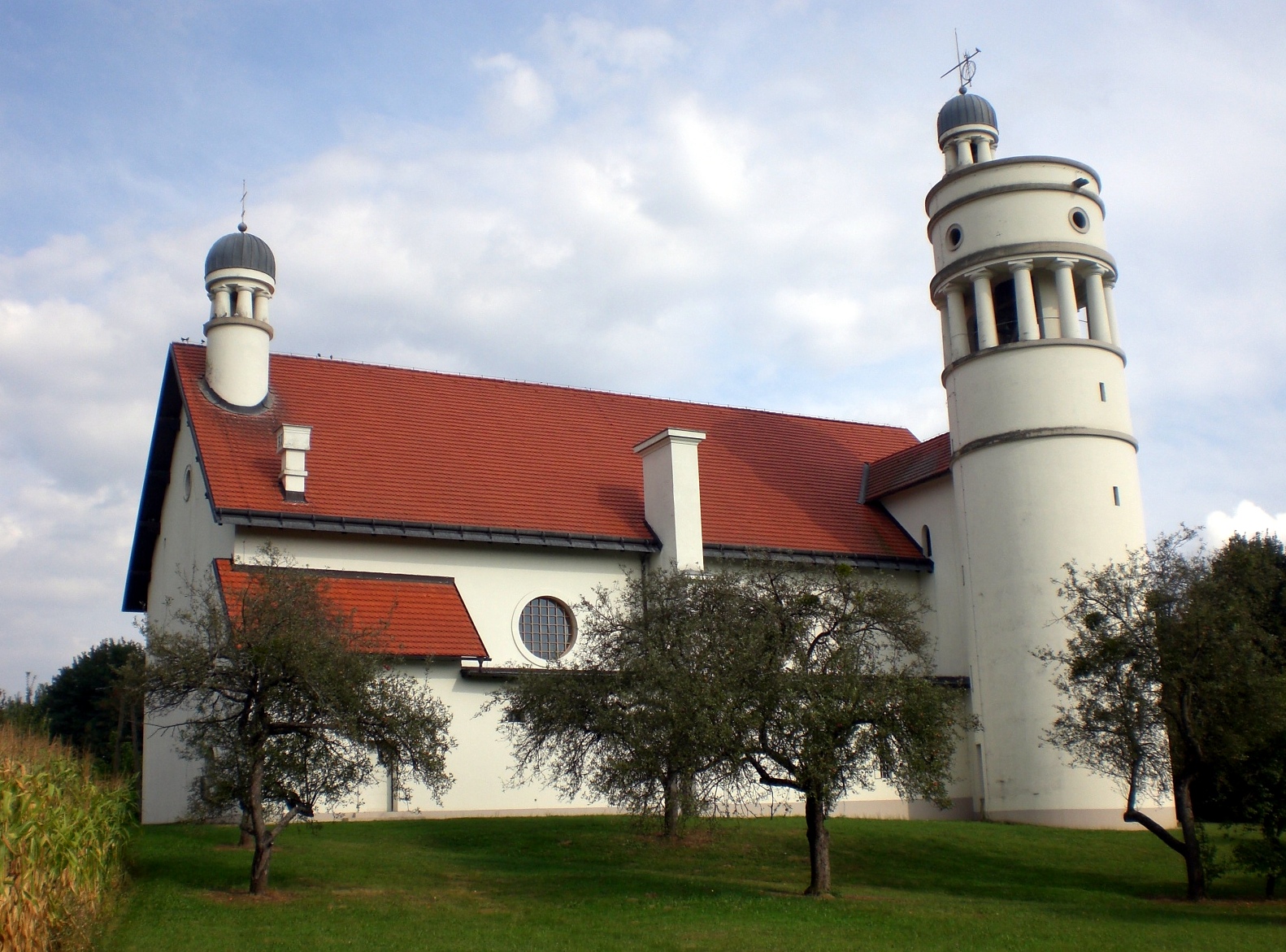
Prekmurje’s most famous and popular church, the Church of the Ascension is situated in Bogojina and was designed by the famous Slovene architect, Jože Plečnik (1872-1957), and built during the period 1924 – 1927. Plecnik’s architecture is well-known in Europe and particularly made its mark on Vienna, Prague and Ljubljana. Ljubljana’s Triple Bridge is among the most notable of his works.

CIMG9393

As you can see, there’s more than enough to keep you occupied for a few days, or even longer, in Prekmurje.

Useful links:

The Church of the Ascension – http://www.slovenia.info/en/cerkev/Bogojina,-Church-of-the-Ascens.htm?cerkev=4735&lng=2

Diši po Prekmurju – http://www.disi-po-prekmurju.si/en/informacija.asp?id_meta_type=46

Bukovnica Lake Adventure Park – http://www.pustolovskipark.si/en/

Tourism Pomurje – http://www.visitpomurje.eu/en/home

© AdeleinSlovenia 2015

Sevnica: So Much to see and Do!

One of the aims of my blog is to draw attention to lesser-known areas of Slovenia, or at least those that are lesser-known to those visiting Slovenia from abroad. Places that, on first glance, you, and indeed I, might not give a second glance and by doing so I myself have discovered, and am still doing so, so many wonderful parts of the country that are ripe for exploring.

This time it’s Sevnica in the southeast of Slovenia in the Posavje region which is the country’s most forested areas – 68%, has two wine roads and is one of the main wine growing regions in Slovenia, and has numerous beautiful castles and churches and other sights of interest.

CIMG9556

The new town of Sevnica was developed with the building of the railway line and is the main residential and shopping area and is on the main line from Ljubljana so even for those without their own transport it’s easy enough to visit. The town’s star attraction is undoubtedly Sevnica Castle, set on top of a small hill above the old town centre. It’s worth taking a tour of the castle as it contains much of interest including the Castle Puppet Theatre, Wine Cellar, Baroque Salon, School Museum and several galleries and exhibitions, and the Castle Café, the terraces of which offer fabulous views.

CIMG9557          CIMG9575

CIMG9568

Sevnica is the starting point of the Bizeljsko-Sremiška wine road, as well as being on the Gornjedolenjska wine road, hence the whole area is awash with rolling green hills, vineyards and beautiful vistas. Tourist farms and vineyard cottages, called zidanice, are popular options for sampling some of the local wine and food, and also provide accommodation, so you can enjoy more than just a taste!

CIMG9583

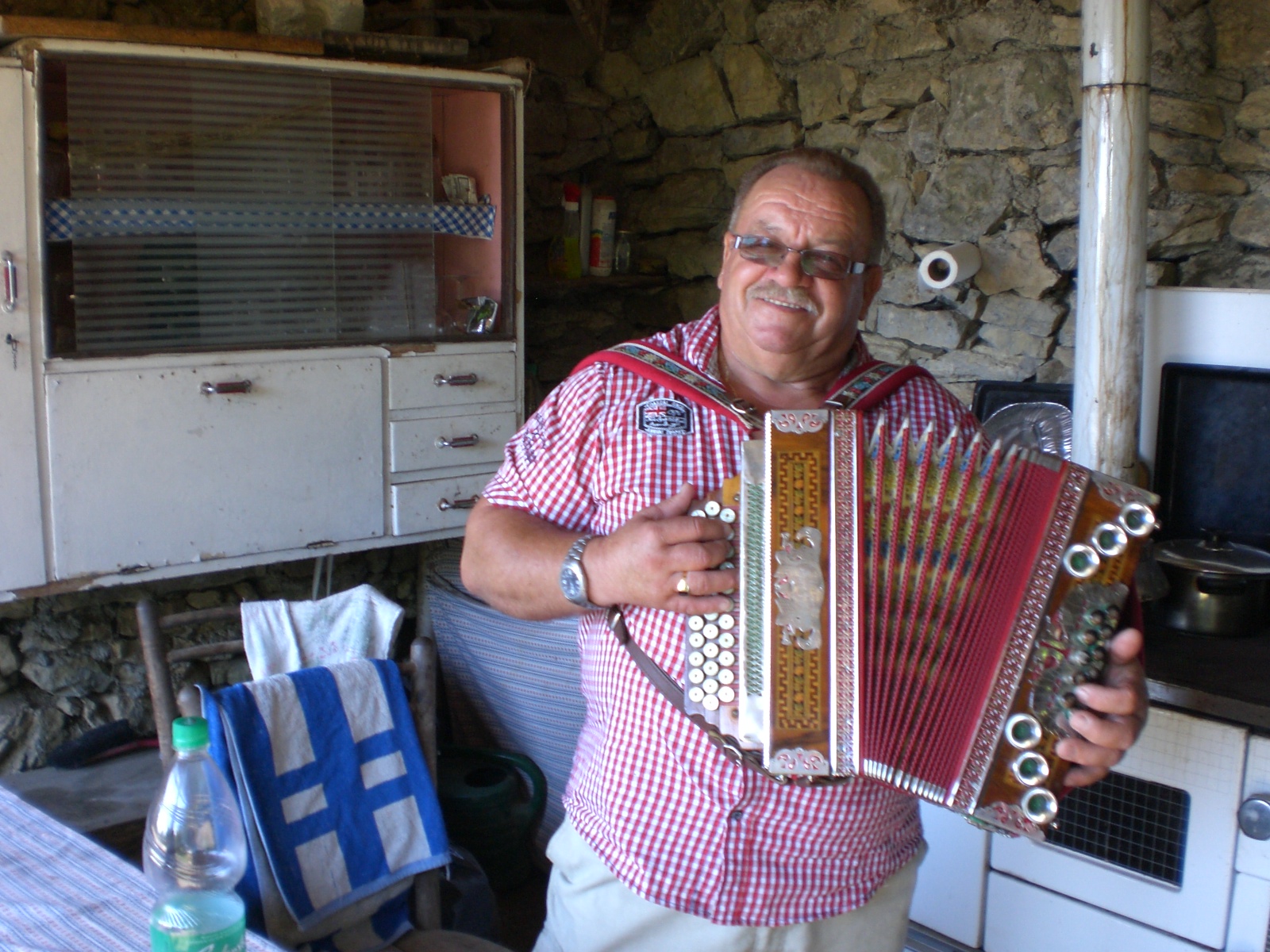
I timed my visit to coincide with the Sevnica Mountain Marathon (Sevniški planinski maraton) which was organised for the first time this year to mark the 110th year of the Sevnica Mountain Association. The marathon takes place along the Sevnica Mountain Route (Sevniška planinska pot) which can also be walked independently as it is very well-marked throughout. The day of the marathon was a sweltering 33 degrees but fortunately much of the route is through the forest which provided welcome shade. The event was very well run and I have nothing but praise for the organisers. There were a choice of 6 routes ranging from 6km to 67km. Surprisingly, the most popular route was the longest one, I hasten to add that I didn’t opt for that one! I instead chose the 30km Ajdovska route which covered a total of just under 8,000 metres of incline and just over 8,000 of decline. Along the way there were water, feed stations and we were even greeted at one stop by accordion music.

149476

CIMG9592

The route passed the Ajdovski gradec Archaelogical Park, where a short guided tour was available, and later ascended to the peak of Lisca, home to the very popular Tončkov dom mountain hut where a hearty dish of goulash was on offer for hikers. The site was discovered by locals in 1811 when a Roman tombstone and sarcophagus was found and later more detailed excavations took place. Today the remains of the foundations of a late Roman or early Christian settlement from the 5th or 6th century can be seen.

CIMG9589

CIMG9597

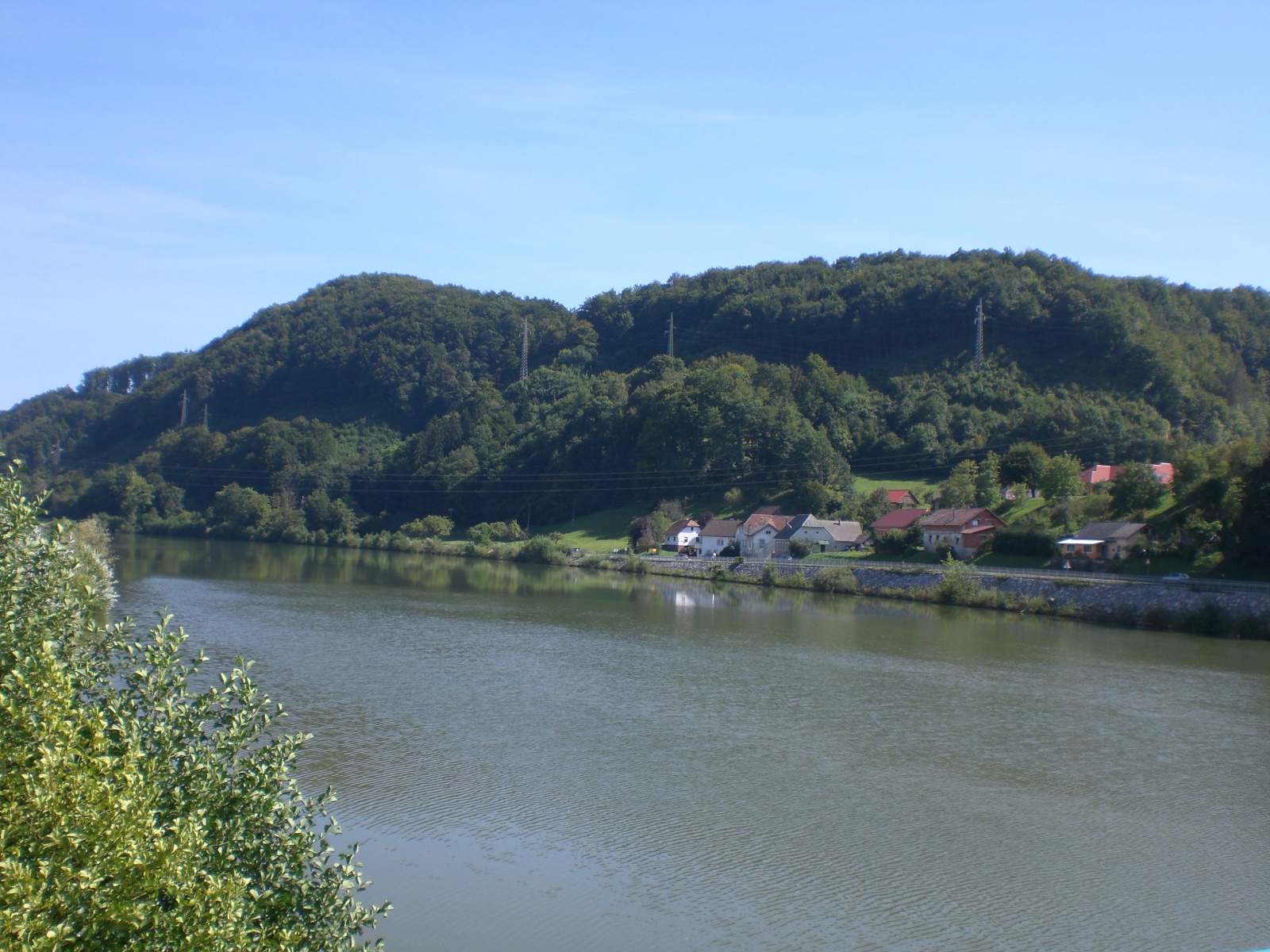
The Sava River runs through the heart of Sevnica and acts as a border between the regions of Dolenjska and Štajerska. It is popular with anglers as due to the slow flow of the river there is an unusually high number and variety of fish in this part of the river and access to the river is also easy here due to well-maintained paths. it is also here that the Sava rivers makes its biggest bend as it heads onwards towards Croatia. Beside the river there are a group of stones, which form a Geopuncture Circle, created by the distinguished author Marko Pogačnik.

CIMG9534

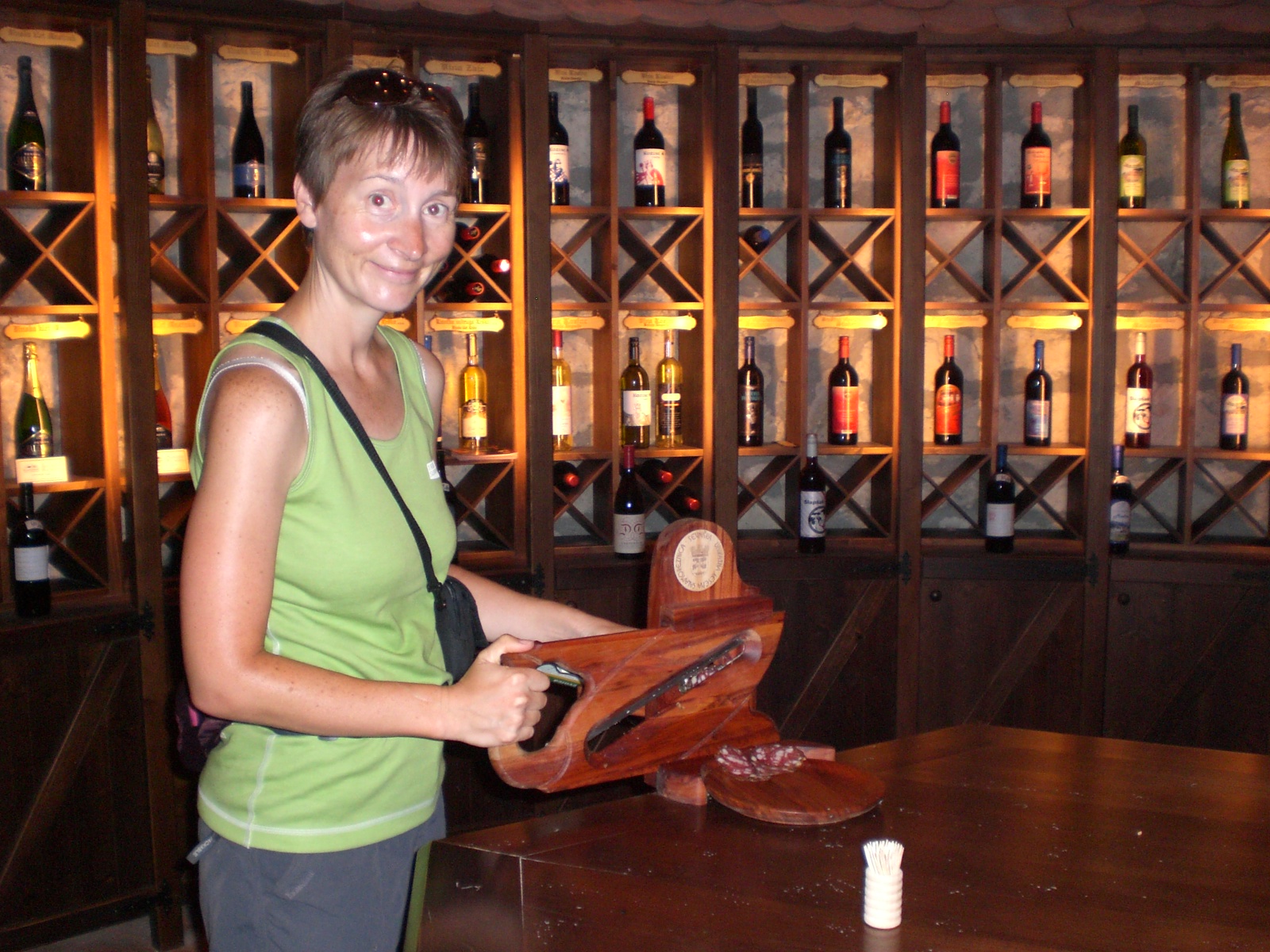
Another speciality in Sevnica is the annual Salamijada (Salami Festival) which has been running for over 50 years and takes places at the popular restaurant Gostilna Vrtošek in the old town.  During my tour of Sevnica Castle I also had a chance to sample some of the delicious local salami (and that comes from someone who doesn’t even usually like salami!) produced by the Grajske mesnine butchers, who also produced other local specialities available at the town’s Farm Co-operative (Kmetijska zadruga).

CIMG9573

So, as you can see, there’s plenty to see and do in Sevnica. Way too much for just one blog! Information about all the above, and more, can be found on the very comprehensive Tourism Sevnica website – see below.

Useful links:

Tourism Sevnica – http://www.dozivljaj.si/

Sevniska planinska pot – http://www.pd-lisca.si/sevniska-planinska-pot.html

Fishing on the Sava River – Sevnica – http://www.ribiskekarte.si/en/rd-sevnica/sava-18

© AdeleinSlovenia 2015

Food, Glorious Slovene Food!

In the 8+ years I’ve been living in Slovenia the food scene has certainly come on in leaps and bounds. There’s still plenty of the traditional Slovene food which we all (including me) love, but there is also no shortage of variety with a plethora of international restaurants opening, particularly in the capital Ljubljana which is now right up there with other capital cities in terms of its variety of restaurants serving food from across the world.

Just last week there was an article published in the local media (in English) entitled ‘Top 10 delicious Slovenian dishes’ which you can read here – http://www.rtvslo.si/news-in-english/top-10-delicious-slovenian-dishes/372078

Many places, including Radovljica where I live, have also begun initiatives such as Taste Radol’ca whereby local restaurants unite to arrange special events and offer dedicated menus using local produce. More information here – http://www.radolca.si/en/taste-radolca/

11659555_471681756332506_3179824717989752957_n

There are also some great food events taking place such throughout the country, particularly the weekly ‘Odprta Kuhinja’ (Open Kitchen) street food market, which this year has also been successfully expanded to Celje and Koper. This is a hugely popular event with both locals and tourists and allows visitors to try out all kinds of different foods, with restaurants taking part on a rotational basis so there’s always something new on offer. More information here – http://www.odprtakuhna.si/

Odprta kuhna

Despite living less than 45 minutes away, I don’t find myself often in Ljubljana, and when I do its for work and I’m usually in a rush and am left wishing I had more time to look around and have a chance to try out some of the goodies on offer. So, I decided to address this and, having read so much about her and her Food Walks, I contacted Iva Gruden, founder of Ljubljananjam Food Walks. What Iva doesn’t know about food in Ljubljana isn’t worth knowing!

A Ljubljananjam Food Walk offers the chance to take a walk around the city to see some of the great sights near the Ljubljanica river and Ljubljana Castle, and also a little further afield, and enjoy some of the best food and drink the city has to offer too.

CIMG9500

The philosophy of Eva’s Food Walks is based around showing the best local producers, restaurants, pubs, cafes – those offering something slightly different from the normal Slovene fare, or Slovene food ‘with a twist’. The Food Walks cater for small groups and can therefore be entirely personalised to your and your group’s wishes.

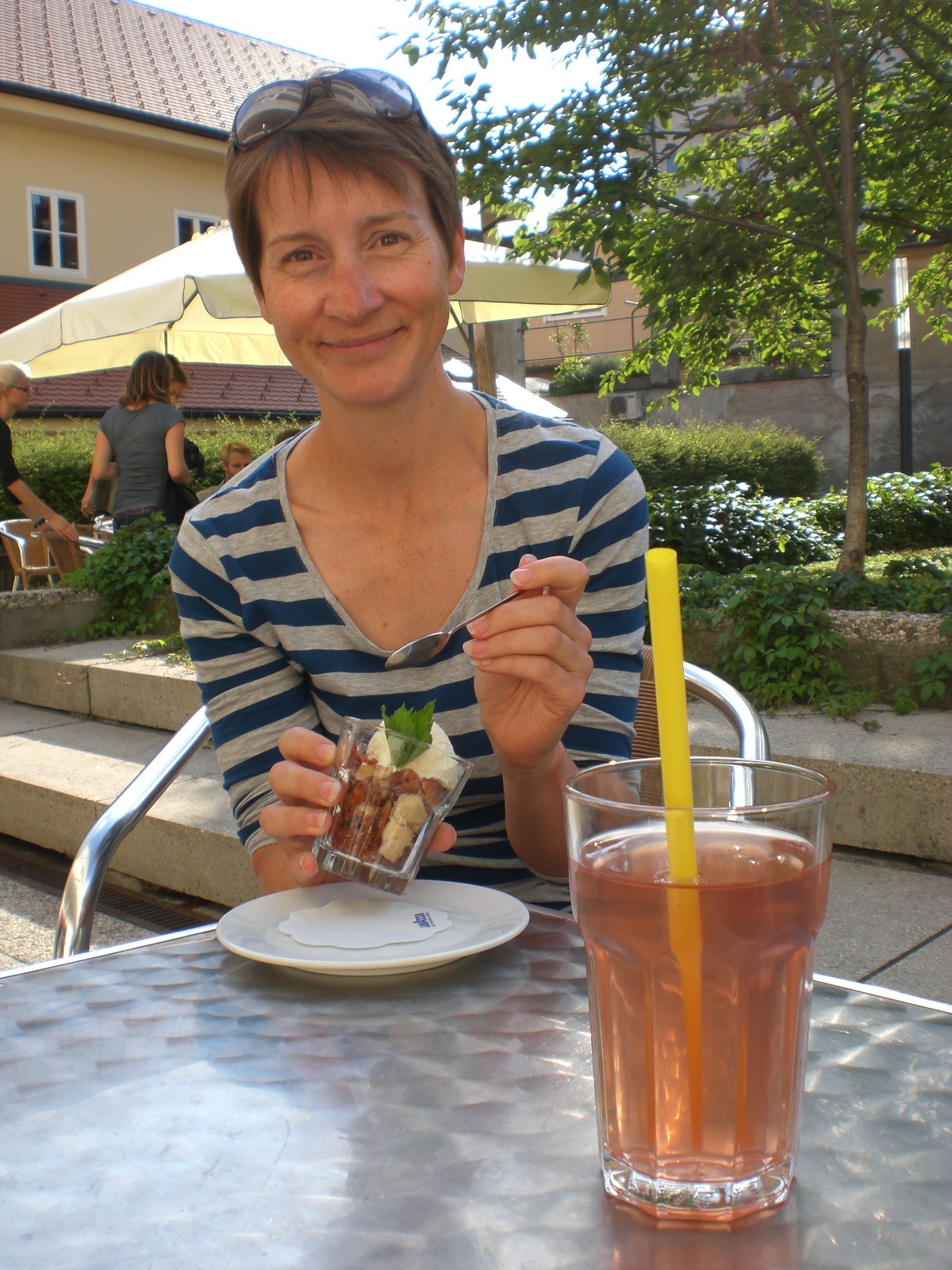
One such example is the deconstructed apple strudel I enjoyed on the walk. Strudel is found pretty much everywhere throughout the country, so finding a new way to serve it is refreshing. Savouring it in a small Italian restaurant, just metres from the main tourist area in a peaceful courtyard, which I would never have otherwise known about, made it all the more enjoyable.

CIMG9513        CIMG9517

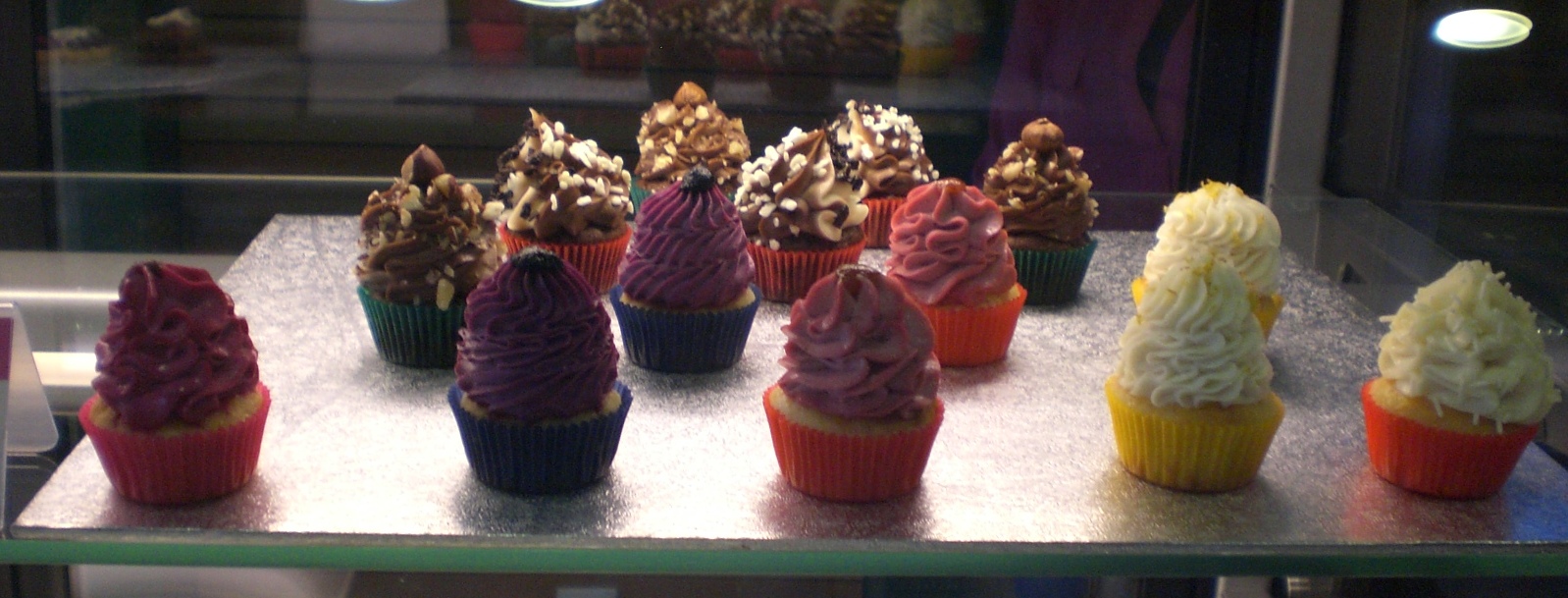
I also had a chance to sample delicious cupcakes and jams, bought some bread from a small craft bakery, where the bread is a million miles from that sold in supermarkets, and sampled some craft beer.

CIMG9524

For more information about Iva’s Food Walks visit her great website which labels itself as Ljubljana Foodies’ Hub and also has a complete listing of all things ‘foodie’ happening in the capital – http://www.ljubljananjam.si/

© AdeleinSlovenia 2015

Kamna Gorica: Langus Days / The Sextons’ Museum House

After a 30km hike on Saturday (more about that soon!) in 30+ degree temperatures, I was pretty out for the count by early Saturday evening, that was until I was suddenly awoken with a start, though it wasn’t until the next morning that I found out why. There was an earthquake, measuring 4.1 on the richter scale, the centre of which was in the Bovec area in the Soča valley, and was felt throughout the west of the country.

In fact, earthquakes are not an entirely uncommon occurrence here, there have been four recorded this year and in April 2014 there was a 4.4 magnitude quake in South-West Slovenia. However, the majority of them are almost undetectable. The biggest earthquake, 6.1 magnitude, struck Ljubljana in 1895 on Easter Sunday. Seventeen years ago one of the strongest quakes of this century, 5.6 magnitude, caused considerable damage in the Soča valley area, but fortunately no lives were lost.

The annual Langusovi dnevi (Langus Days) event begins this week in the village of Kamna Gorica. The event is held on the first weekend of September in memory of the painter Matevž Langus (1792-1855). Various artistic, creative, social and recreational events, for adults and children alike, take place during the course of the celebration.

CIMG7613

For its size the small village of Kamna Gorica, in the Lipnica valley, crams in a number of sights of interest. The Sextons’ Museum House, dating from 1803, stands perched on a small hill above the village, next to St. Trinity’s church, and affords wonderful views across the village and to the mountains of the Karavanke range.

11008517_636617816474072_57606250200389934_n

In 2014 the house, which had previously lain derelict for years, was re-opened after thorough restoration. Visitors can see the original black kitchen and preserved living areas which offer an insight into life in Kamna Gorica in the past. Together with nearby Kropa, Kamna Gorica was formerly one of the main iron working villages in the area of what is the present day Slovenia. It is also known for the many water canals that run through the village which previously served the needs of the forges and led to the village also being known as ‘Little Venice’. Entrance to the museum house is free, though voluntary donations towards its upkeep are appreciated. More information can be found here – http://www.radolca.si/en/the-sextons-museum-house

safe_image

The main events of this year’s Langus Day take place on Saturday 5th September and include:

  • 10am – 2pm – Creative Workshops for All Generations
  • 10am – 5pm – Open Day at the Sexton’s Museum House
  • 2pm – Free Guided Tour of Kamna Gorica
  • 4pm – Children’s 200m, 400m & 1100m Run
  • 5pm – Adult’s 5km Run

More information about these and other Langus Day events can be found here – http://www.radolca.si/en/langus-days/

Finally, as summer slowly draws to an end (boohoo!) it’s official that this has been the 2nd hottest summer ever since records began in 1900, with 42 days being above 30 degrees C.

© AdeleinSlovenia 2015

All About Mošnje

After last year’s record washout of a summer, this year couldn’t be more different. Records are again being broken but this time for the number of consecutive day where the temperature is above 30 degrees. Currently, it looks like more of the same to come for the next week too.

If you are thinking of seeking water-based refreshment then currently the ever cool Sava river is a mere 15 degrees. the Soča river slightly warmer at 17 degrees and the Adriatic Sea at the Slovene coast a balmy 30 degrees.

I prefer to seek shade in the forest so, when I paid a visit yesterday to the newly renovated and remodelled Village Museum in Mošnje, I went via the Radovljica Forest Nature Trailhttp://www.radolca.si/en/radovljica-forest-educational-trail/

For its size, the village of Mošnje packs in quite a number of sights of interest and things to do. The first place reached on entering the village is Vila Podvin where one of Slovenia’s top chefs, Uroš Štefelin, works his culinary magic. In addition to the usual culinary delights on offer, every Thursday during the summer Vila Podvin hold a Summer Steak and Chocolate evening, where, in the tranquil garden with a view of Podvin Castle, you can eat the finest steak and accompaniments, followed by chef Uroš’ heavenly signature chocolate dessert,

Vila podvin summer bbq     grad podvin

Vila Podvin also hosts a local market on the first Saturday of each month where the focus is on local products and produce.

vila podvin market1

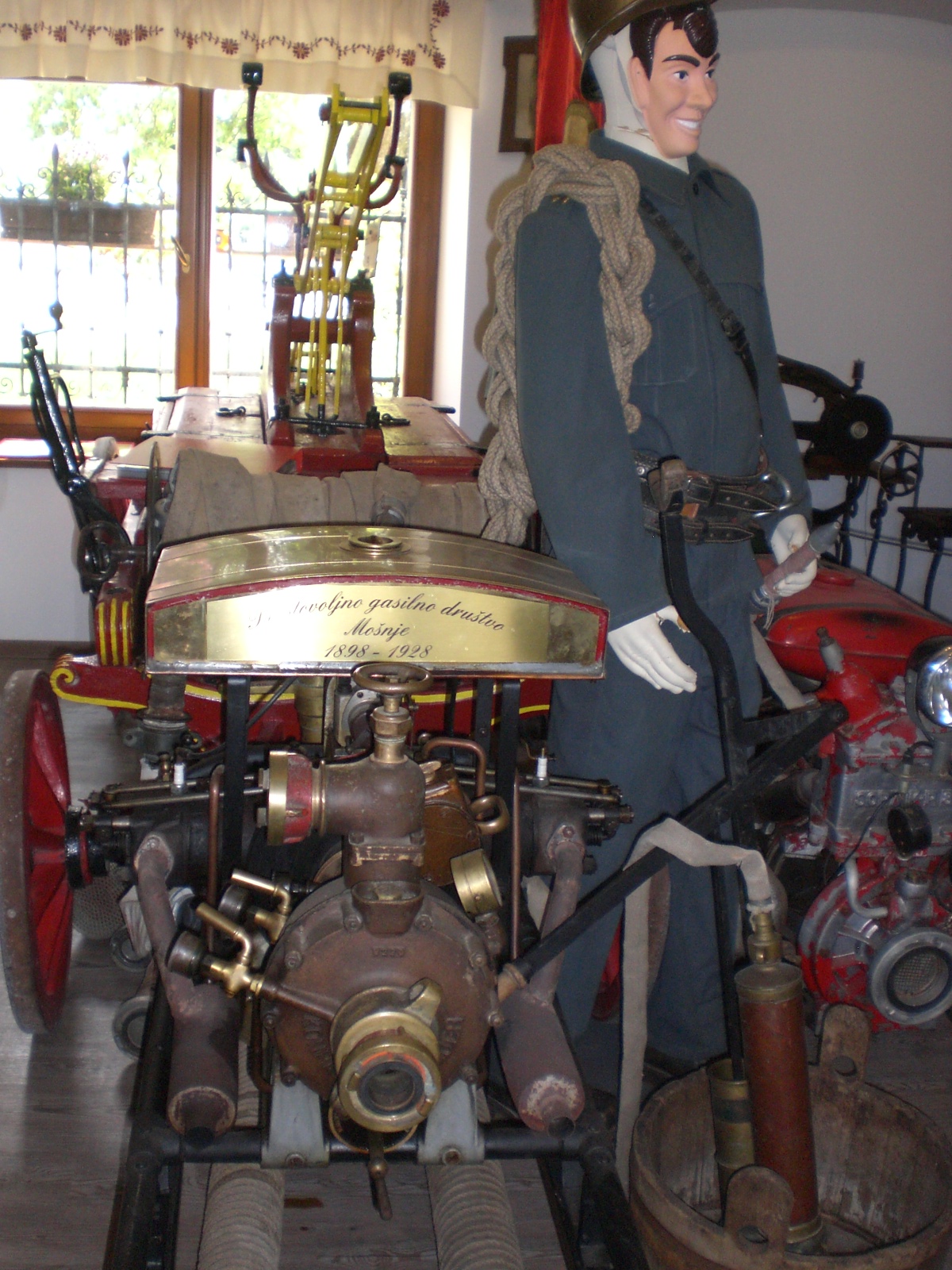
Continuing through the village, passing Podvin Castle – which has sadly been abandoned for quite some time now – you pass the fire station and a pizzeria, before reaching the Church of St. Andrew, one of the oldest churches in Slovenia. http://www.radolca.si/en/mosnje-church/

Opposite the church is the Mošnje Village Museum which contains an ethnological collection and was recently refurbished. The museum can be visited by prior arrangement or, every Thursday during the summer, as part of the programme of the Hop-On Hop-Off tourist bus. For further information contact – tdmosnje@gmail.com or damjanapangerc@gmail.com

CIMG9007     CIMG9011

The best way to see the village and the sights of interest is to walk around the Mošnje Archeological Trail which leads around the village and to the Villa Rustica Archeological Sitehttp://www.radolca.si/en/mosnje-archaeological-trail/

CIMG9006

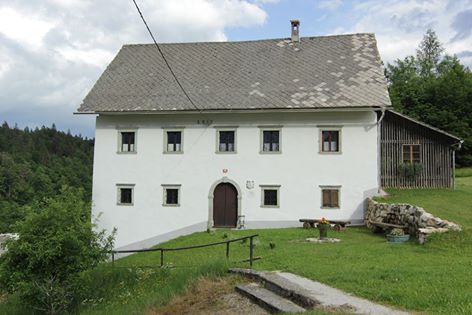
After leaving Mosnje, the next village reached is Globoko, home to the Barbana Lipizzaner Stud Farm, (http://www.barbana.si/en) where Lipizzaner horses are bred, and the Globočnik Excursion Farm, a traditional farmhouse – also a member of Taste Radol’ca – that offers home cooking which can be enjoyed in the authentic black kitchen.

14-IMGP5541      02-IMGP5524

By prior arrangement, you can also arrive in Globoko by train, as the station is on the main line between Ljubljana and Jesenice, and be met by a horse and carriage from the stud farm for a ride to Mošnje and around the local area.

There are also several events that take place throughout the year in the village including the Midsummer’s Eve celebration, Mošnje Days Fete in September and Easter Games and Exhibition.

© AdeleinSlovenia 2015

Keeping cool in Hell! + Bistra Castle and Technical Museum

One wouldn’t immediately think of going to Hell to keep cool, so, let me explain.

It was stiflingly hot last weekend, not that I’m complaining, and so I got to thinking where I could go to see some new sights and to also keep cool and the Hell Gorge (Soteska Pekel) was just the ticket – especially as it’s been on my personal list of places to go in Slovenia for a while.

CIMG8916

Near the entrance to the Hell Gorge. ‘Pekel’ in Slovene means Hell! Photo: Adele in Slovenia

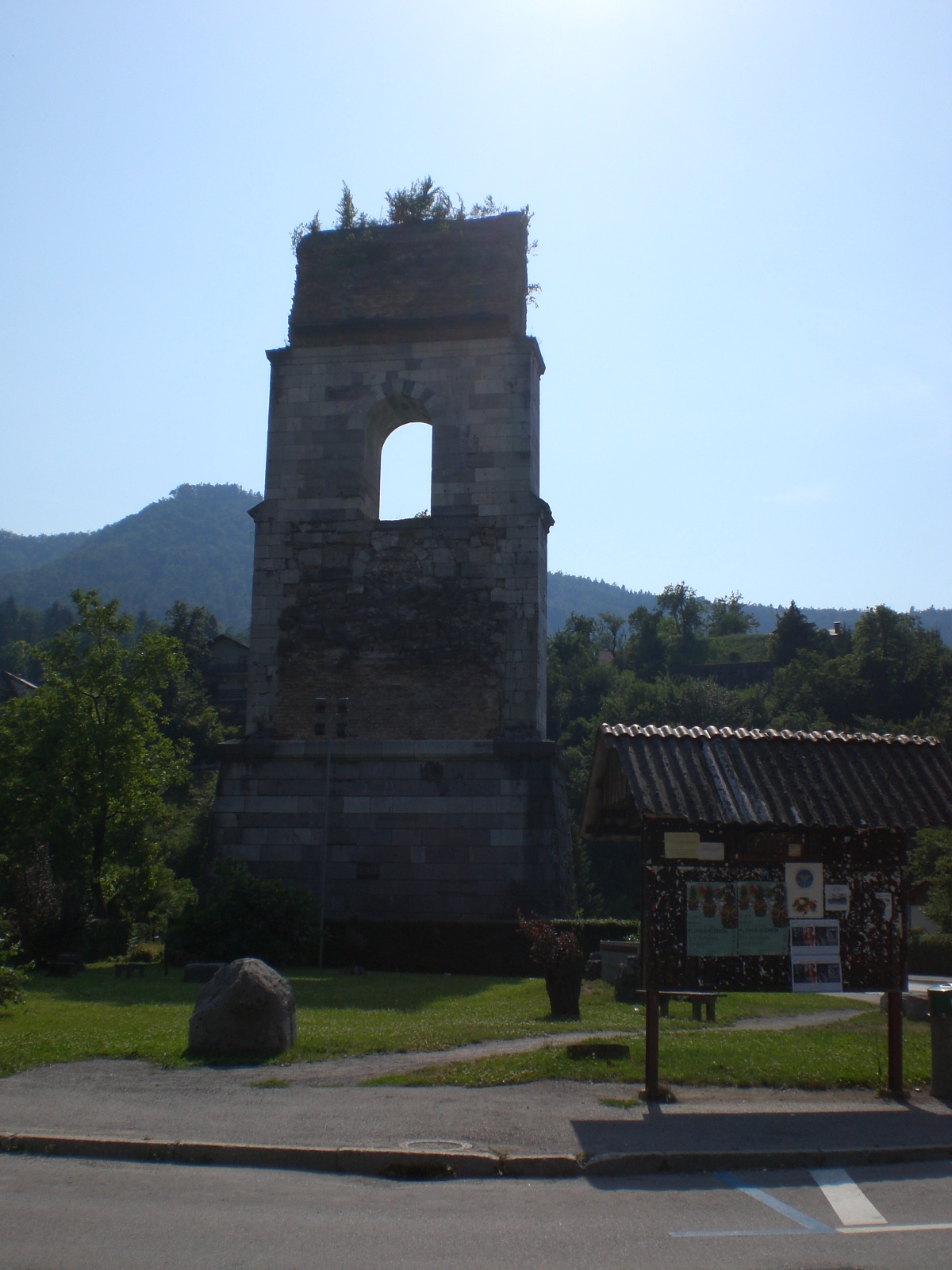
From where I live in Radovljica it took me about an hour –  from Ljubljana it’s just 23km – to reach the small town of Borovnica, where the last solitary column of the Borovnica railway viaduct can be seen. The first train travelled across the viaduct in 1856 and, at that time, the 561 metre-long viaduct was considered a technical and architectural masterpiece.

CIMG8935

The solitary remaining column of the Borovnica viaduct. Photo: Adele in Slovenia

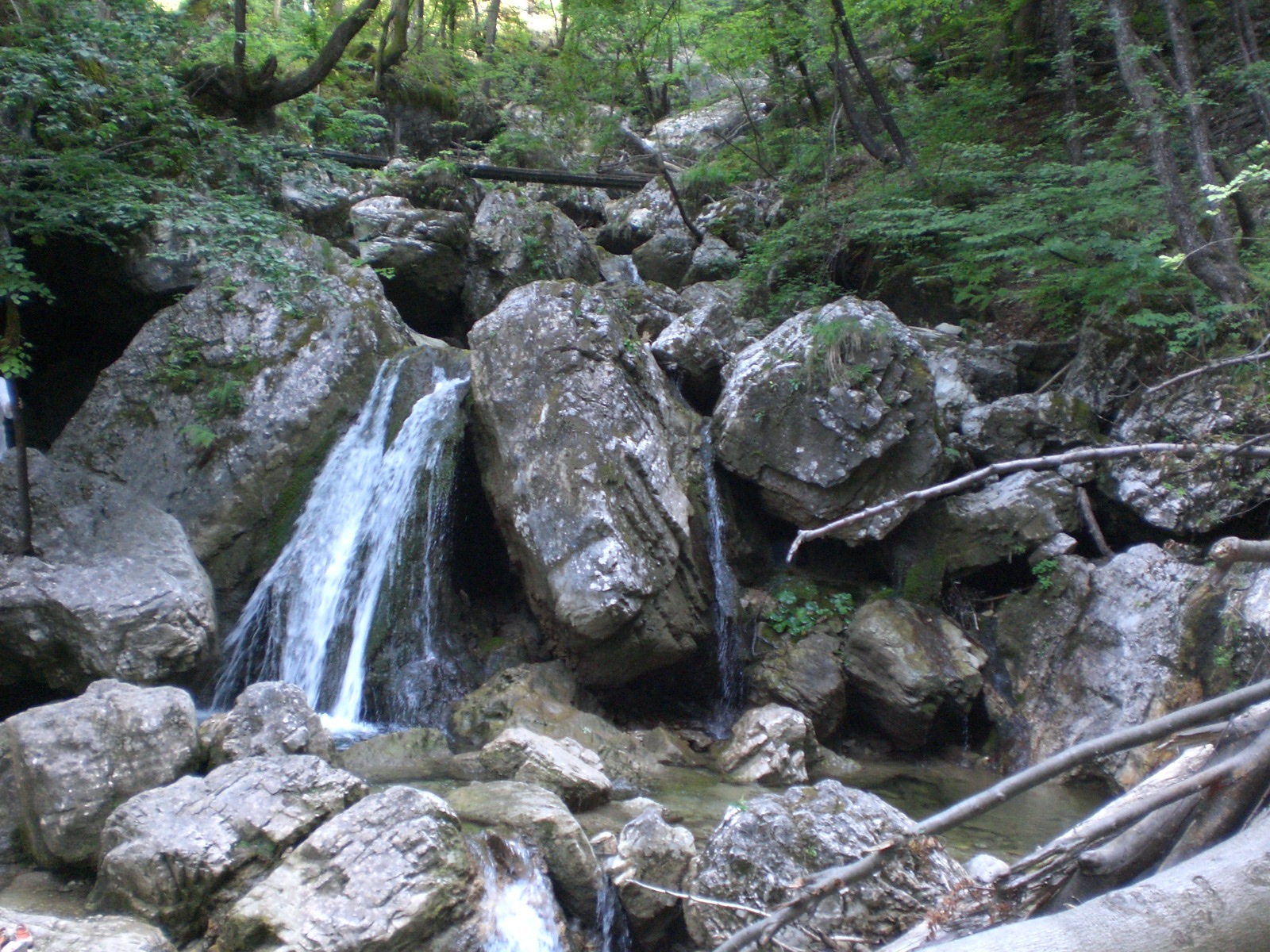
From Borovnica its a further 4kms to reach Hell Gorge, just near the village of Ohonica. The gorge was formed due to subsidence of the Ljubljana Marshes (Ljubljansko Barje). The steep gorge was carved out by the rushing waters of the Otavščica, which springs from the Bloke plateau and falls over the walls and rocks of the gorge. On the flat plains near Dražica it then joins with the Prušnica and flows towards the Ljubljana Marshes and onwards into the Ljubljanica river.

The highlight of Hell Gorge is its five waterfalls, four of which fall over 15 metres and the highest over 22 metres. The first two waterfalls are easily accessible and its only takes about 15 minutes from the car park to reach the 2nd waterfall. The path is a little rough in places so good footwear is a must. To access the 3rd, 4th, and 5th waterfalls, however, the path is more rigorous, ascends from 335m to 650m and, in places, pegs, ladders and steel ropes are in place to assist and it is advisable only for those used to hiking and with good hiking shoes – a walk in the park it is not!

CIMG8918

The first waterfall – a mere 4m. Photo: Adele in Slovenia

CIMG8927

The 2nd waterfall.

CIMG8923

The first of the ladders. This one leads from the 2nd waterfall up towards the 3rd.

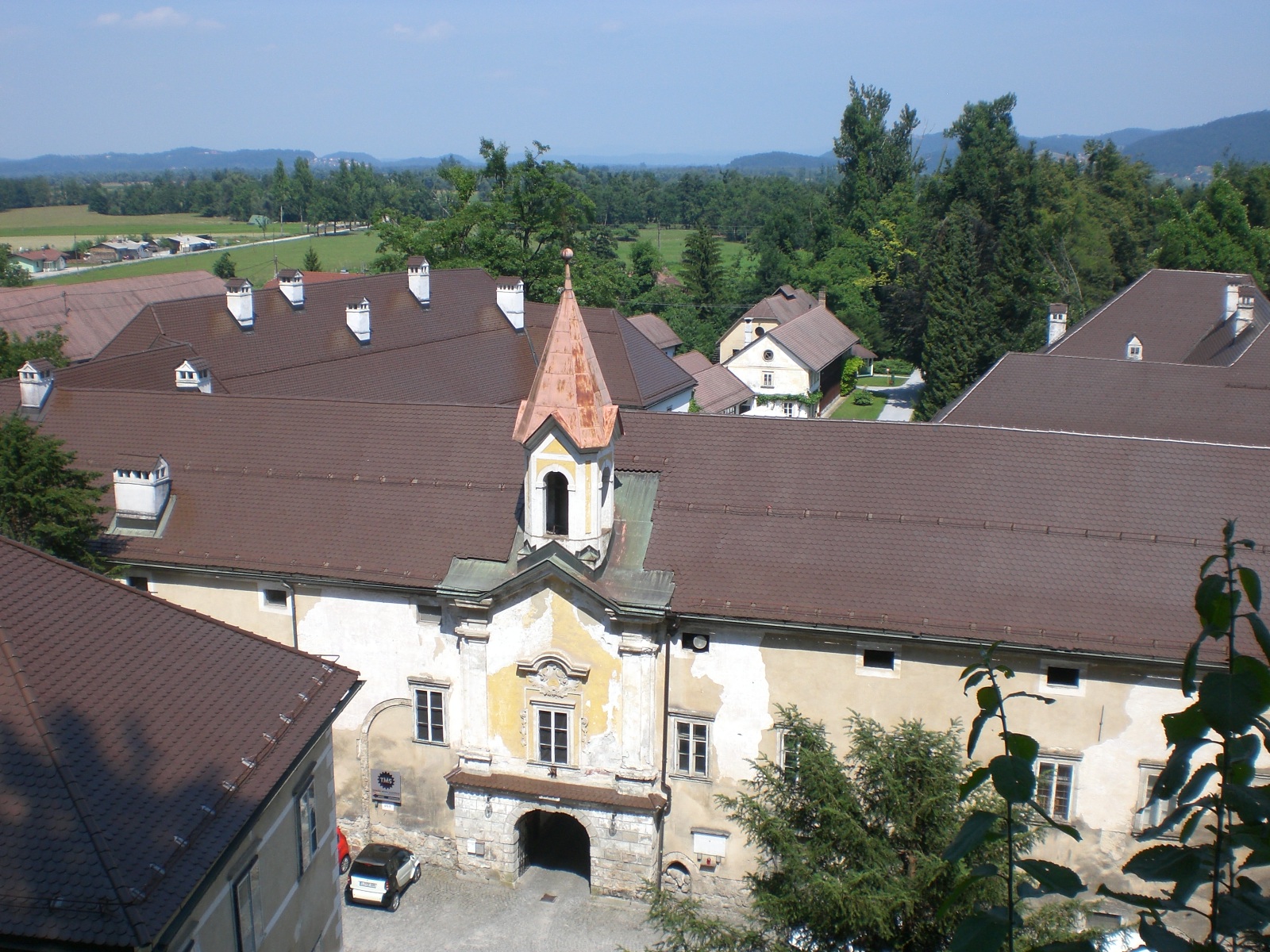
On the way back I also stopped at Bistra Castle, since the road travels, literally, through the middle of the castle. These days the castle houses the Technical Museum of Slovenia – one of Slovenia’s most important and visited museums.

CIMG8914

The Technical Museum of Slovenia in Bistra. Photo: Adele in Slovenia

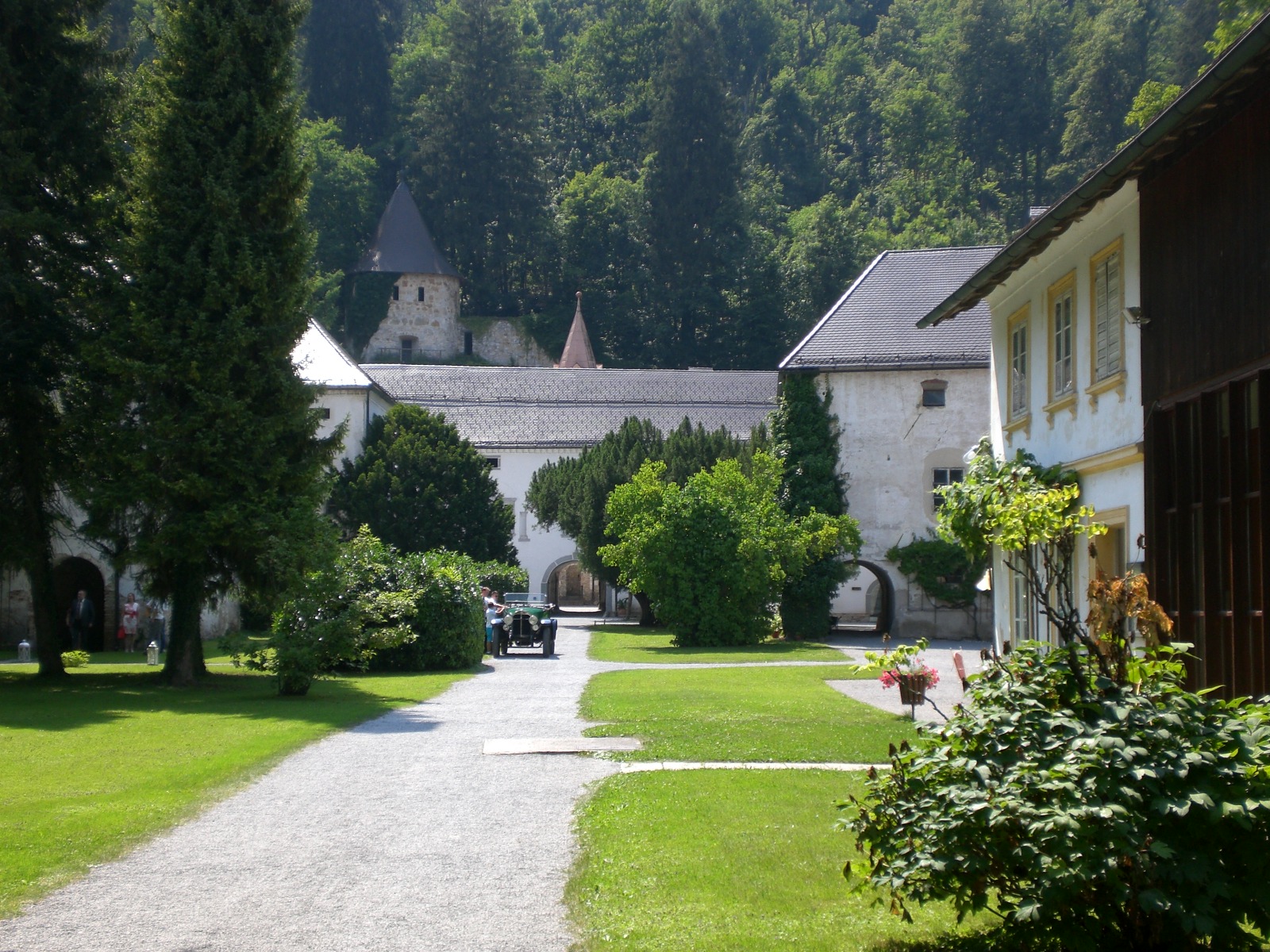
The castle, built in the 13th century, was originally a Carthusian monastery during the period from 1260 – 1782 until the Carthusian order was dissolved. It was later purchased by the businessman, Franc Galle, who changed the building into a manor house. Since 1953 it has been open to the public in its current form as the Technical Museum of Slovenia.

CIMG8905

The park which is part of the grounds of the Technical Museum. Photo: Adele in Slovenia

CIMG8907

A few minutes uphill for great views – worth the climb! Photo: Adele in Slovenia

The museum houses an eclectic mix of exhibitions with departments of forestry, woodworking, fishing, electrical engineering, textiles, printing, traffic, and agriculture, as well as the Slovenian Hunting Museum and a collection of ex-President Tito’s cars.

CIMG8913

One of ex-President Tito’s many cars. Photo: Adele in Slovenia

More information about the museum can be found here – http://www.tms.si/

There is also another gorge around the Ljubljana Marshes area – the Iški Vintgar gorge. You can read more about that here – http://bit.ly/1UJjnd5 and about the Ljubljana Marshes here – http://bit.ly/1HjYn5I

© AdeleinSlovenia 2015