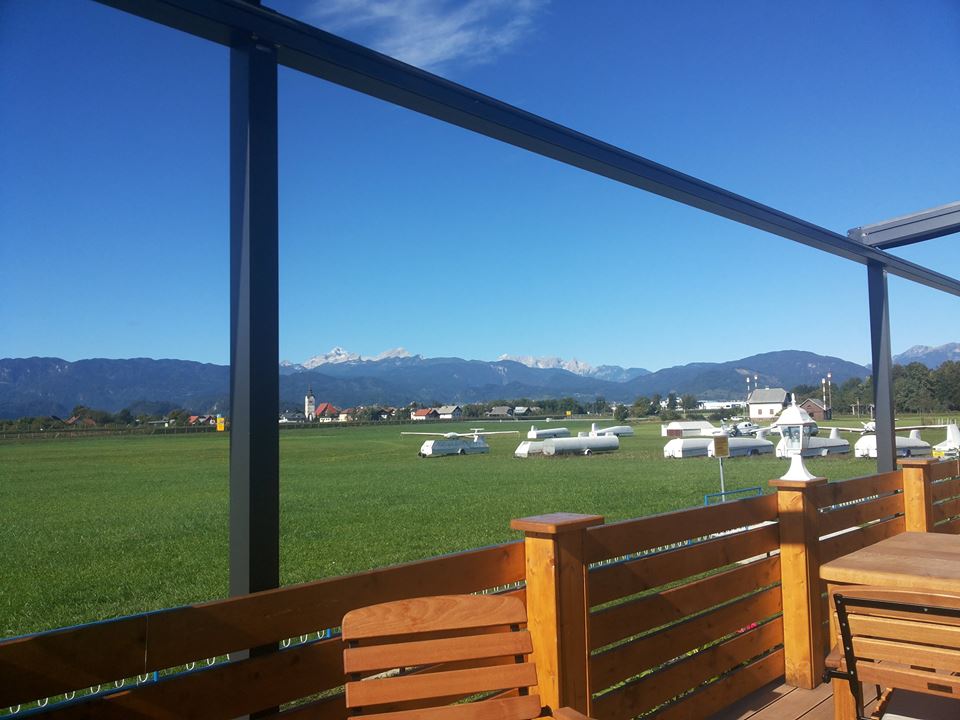
Did you know that there is an airport in Lesce? Well, ‘airport’ is a slight over exaggeration, airfield, to be more precise – the Lesce Alpine Flying Centre (Alpski letalski center). It offers panoramic flights above the Julian Alps, glider flights, skydiving and parachuting (more here – http://www.radolca.si/en/adrenaline-in-the-air/). I’m told that in the past there also used to be scheduled direct flights to Dubrovnik. What a shame that is no longer the case!
Moreover, you can now also get first-class food there that doesn’t break the bank, which is not something that can often be said of airport food! However, this is no ordinary ‘airport’ restaurant. The Na Kležnk restaurant, which opened last year, has brought a much-needed revival to the centre, and it’s range of high-quality dishes and delicious desserts, are just the ticket!
I was interested to know where the restaurant’s name hails from and found out that it comes from the name of a farm that used to be located in the area where the airfield now stands.
During the warmer months you can sit outdoors on the terrace and admire the views of the Julian Alps and the Jelovica plateau.
My visit on a damp February evening wasn’t exactly conducive to admiring the outside views, but instead I was able to sit in the warm, pleasant ambience of the restaurant and admire the indoor views – mainly of the cakes!
Na Kležnk has its own in-house patisserie, where delicious cakes are baked daily and can also be purchased to take-away, or they will even deliver if you have a sudden urgent craving for cake – it happens, you know!
With such a wide range of cakes on offer, it was a tough choice, so I had a slice of this raspberry meringue cake to start, well I don’t mean as a ‘starter’ but as my ‘starter dessert’!
And later a piece of the delicious, and highly addictive, banana mudcake ‘to go’!
Oh yes, and I also ate some seriously tasty and imaginately presented ‘real’ food too!
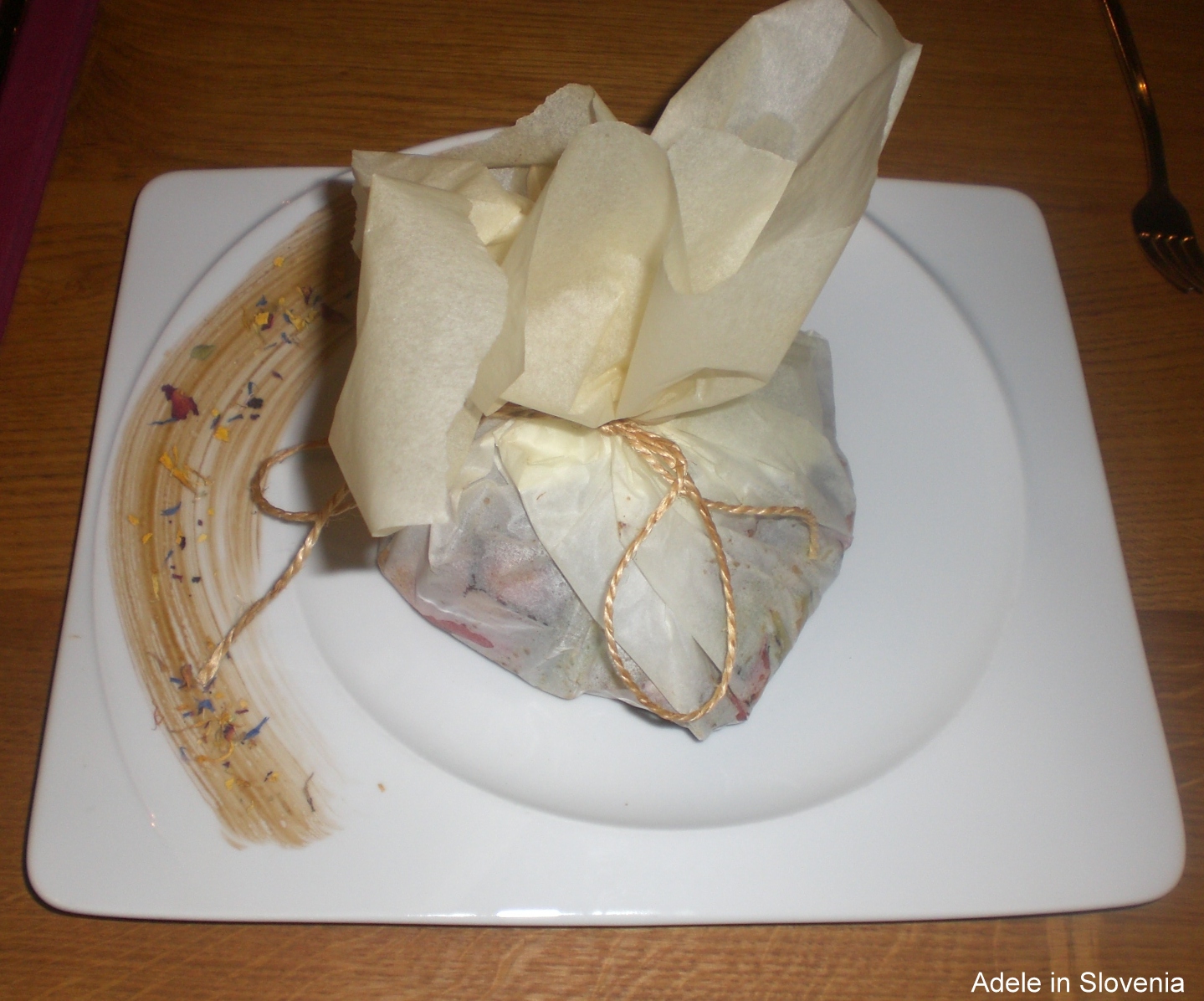
Starters include cheese ravioli with a pesto sauce and parmesan, and, as seen below, shrimp tails with crab pate.
For my main course I chose a dish from the specials menu – pork fillet with onion sauce and bread dumplings.
And my friend ordered the sea bass which came looking like this.
And inside looked like this!
Apparently, though, word is already out and, particularly if you go at the weekends for their popular Saturday and Sunday lunches, reservations are required. Now I too know why and am already looking forward to my next visit. It is to be hoped that Na Kležnk will also join Taste Radol’ca later this year.
Although these days Top 10 lists are all the rage, I decided not to make this one since choosing just 10 of the many great Slovene foods would be difficult, not to mention what I consider the Top 10 would surely differ from what others consider the Top 10 and I could foresee controversy looming! Therefore, this list presents just some of the’ Must-Try Slovene Foods’ and some suggestions for where to try them but is far from exhaustive and comprises merely my suggestions. There are, many, many other great foods and dishes, not to mention wines, that you should also try whilst in Slovenia.
Slovenia is known for its diverse and rich culinary heritage. For such a small country it is amazing that there are 24 gastronomic regions, comprising over 170 distinguishable dishes. Each region has its own specialities and characteristics and is influenced, in part, by the surrounding countries of Austria, Italy, Hungary and Croatia. You can read plenty more about food and wine in Slovenia here – http://www.slovenia.info/en/Food-and-wine.htm?kulinarika_in_vino=0&lng=2
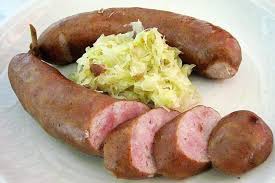
Carniolan sausage (Kranjska klobasa) – This humble sausage has been the subject of great debate over its originality or ownership over the years and is probably one of the best known Slovene food products worldwide. It is also one of the foods named a ‘Protected Slovene Product’. The oldest recipe for its production was found in the cookbook ‘Slovenska kuharica’ dating back to 1912. The several-time winner of the Best Carniolan Sausage is the Arvaj Butchers in Kranj. The sausages are often served with sour cabbage, as seen below, or can be cut up and added to stews, or just eaten simply with mustard (sorry but it has to be ketchup for me!) and crusty bread.
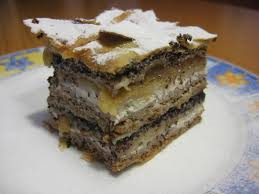
Gibanica – I’ve seen attempts to translate this as ‘Over moving Mura cake’, which is just plain ridiculous! The ‘Mura’ part refers to the cake’s origins from the Prekmurje region of Slovenia. However, I believe some things shouldn’t be translated – let the cake do the talking for itself! Gibanica comprises multiple layers of apple, curd cheese, ground walnuts, poppy seeds and pastry. I think it’s at its most delicious when served warm.
Pumpkin seed oil – Delicious, versatile and healthy! Pumpkin seed oil is most commonly used as a salad dressing, but these days you can also find it being used in a multitude of imaginative ways, such as drizzled over vanilla ice-cream – yum!
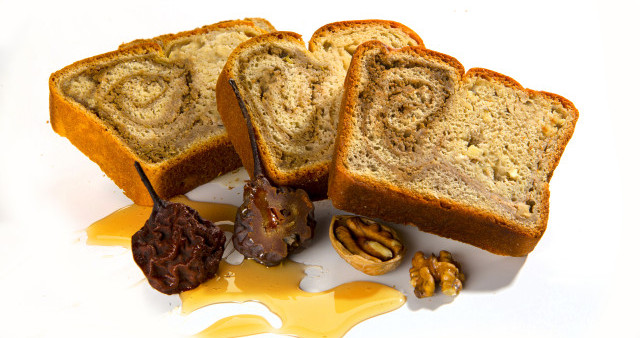
Potica – One of the most typical Slovene desserts, though actually I consider it less of a dessert, more of an afternoon tea kind of food as it is something between a bread and a cake. It’s a filled rolled loaf which can have a variety of fillings, the most common include walnuts, poppy seeds, or tarragon, but there are also many other different varieties including savoury versions containing pork crackling. Traditionally potica is a festive bread, eaten at Easter or Christmas, though these days it can be bought and enjoyed year-round.
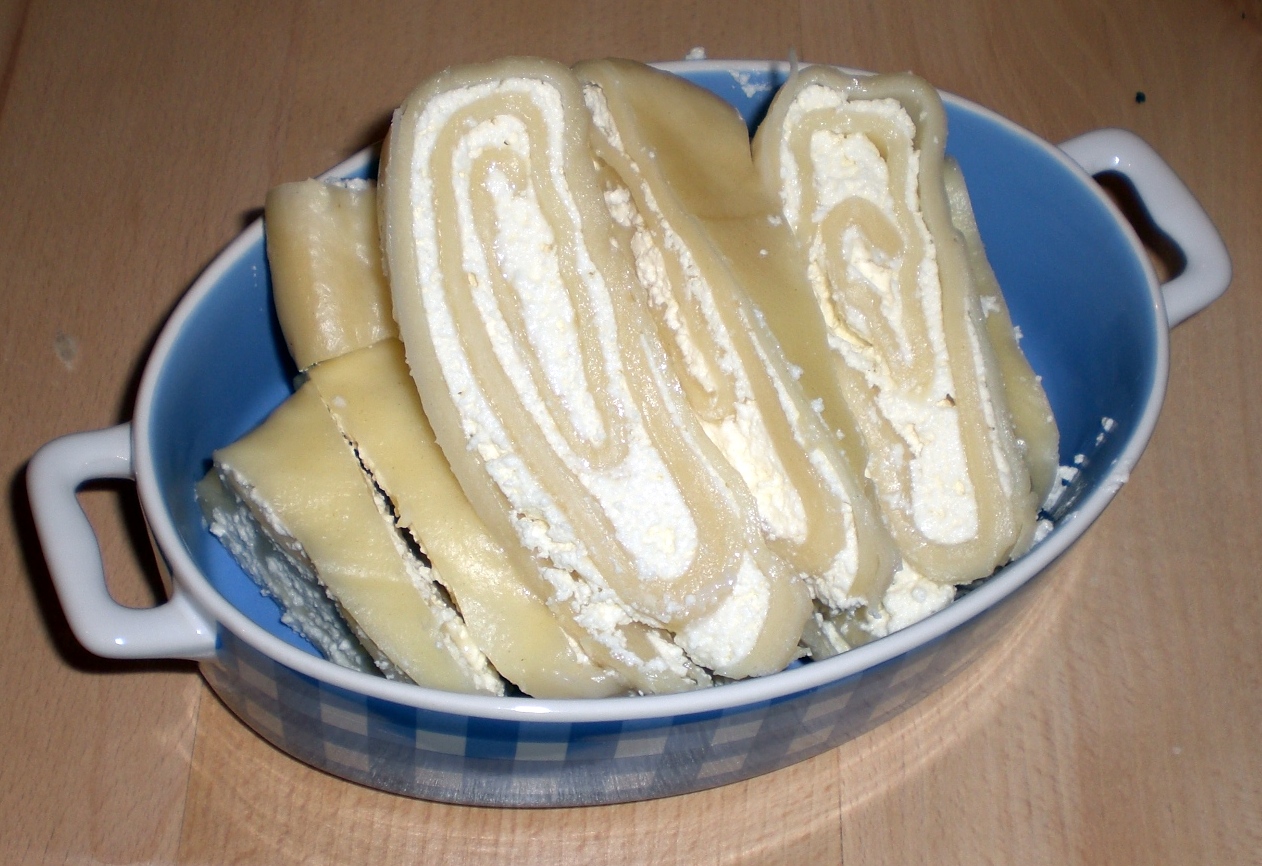
Štruklji – I had a hand in making the štruklji in the photo below – though I must admit I had some help! These were made at a cookery workshop I attended a couple of years ago at Pekarna Mišmaš. Štruklji are a type of rolled dumpling made with a light dough. These ones are filled simply with curd cheese, which is the most common filling, though the sky’s the limit in terms of fillings and they can be either sweet or savoury e.g. walnut, tarragon, blueberry.
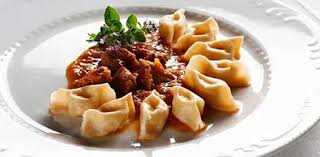
Žlikrofi are small boiled dumplings from the town of Idrija. As with other Slovene foods, there are a number of variations, however, žlikrofi originated in Idrija so it’s as good a place as any to find and taste them. Žlikrofi are made with a soft pasta dough and filled with a mixture of potatoes, onions and spices. They are often served as an accompaniment to meat dishes, such as hare or goulash, but can be equally enjoyed as a stand-alone dish with a light sauce.
Pršut; Karst-dried ham – from the Karst region of Slovenia where the bora winds provide the perfect conditions for drying the salted meat, resulting in a delicious tender ham which goes perfectly with some local cheese and wine, adding to the Mediterranean feeling in Slovenia’s karst region.
Bograč is a traditional dish from the Prekmurje region, on the border with Hungary, hence its similarity to goulash. Traditionally, this hearty stew is cooked in a cauldron and contains four different kinds of meat as well as onions, potatoes, pork fat, peppers and spices. The annual Bogračfest takes place in Lendava where chefs compete to have their dish crowned the ‘World’s Best Bograč!’ These days you can find bograč served in many parts of the country, however, for the real deal, head to Prekmurje. Last year’s competition featured a record 108 teams from Slovenia, Hungary, Austria and Croatia, and the winning dish was cooked by chef Jožef Činč from the Lindau Lendava Motor Club. The 2016 event will take place on 27th August.
Here you can watch a short video of last year’s bogračfest – just to get the taste buds going!
Trojane doughnuts – Everyone, and I mean everyone, in Slovenia knows about Trojane doughnuts as well as half of Europe too, it seems! The fact that they make and sell an astonishing 10-15,000 doughnuts per day, speaks for itself. I visited Trojane last year to see for myself how they are made and you can read the whole blog here, which, incidentally, was the 2nd most popular blog I wrote last year – http://wp.me/p3005k-10d
Buckwheat žganci with pork crackling – Žganci is another thing which I don’t like to see translated as it often ends up being described as ‘mush’ which, trust me, does not sound appetising! Personally, I think its ample to just write ‘buckwheat’. It is, however, a rather difficult to describe dish and, at first sight, can look somewhat unappetising but done well, it’s delicious! Alone it can be fairly bland but makes a perfect accompaniment to sausages and stews and is also often eaten with sour milk, particularly at mountain huts where the sour milk comes direct from the grazing herds.
It really was tough choosing this list, as there are so many other delicious traditional Slovene foods and dishes I could have included e.g. krapi, ričet, jota, pogača, kremšnita etc. but I’ll save them for another blog some time! Until then, Dober tek!
Last week at Lectar Inn in Radovljica the launch was announced of a special event to celebrate 250 years since the opening of its gingerbread workshop in 1766, and 10 years since the re-opening of the Live Gingerbread Museum.
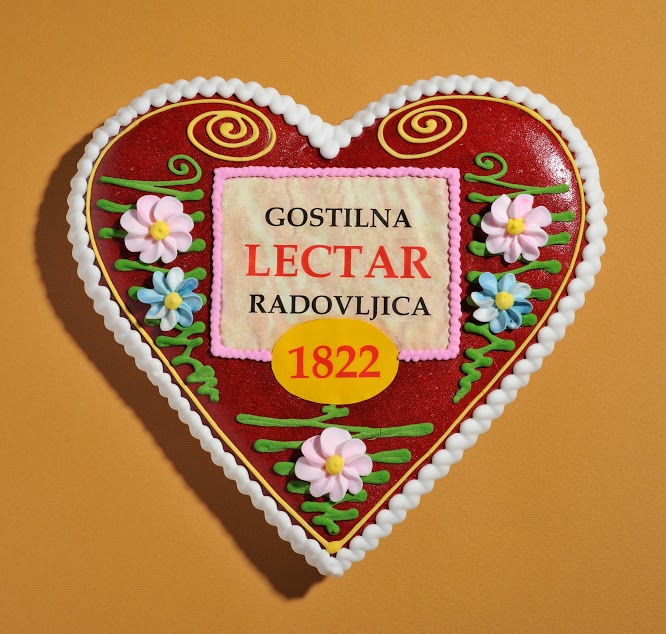
Lectar Inn is seeking the oldest example of a Lectar heart. Anyone is invited to send or bring in their entries to the competition, including those from outside of Slovenia, and if there is a story connected to it, then all the better. Maybe you received one as a gift in your youth, or perhaps someone in your family did. So, get rummaging in those drawers, cupboards, and wherever else you might have Lectar hearts stashed at home! All the entries will be gathered into a special exhibition which will be on view throughout the year. Each entrant will be rewarded with a limited-edition special Jubilee Lectar heart.
The owners of the 3 oldest Lectar hearts which are submitted to the exhibition, will win an overnight stay including meals at Lectar Inn.
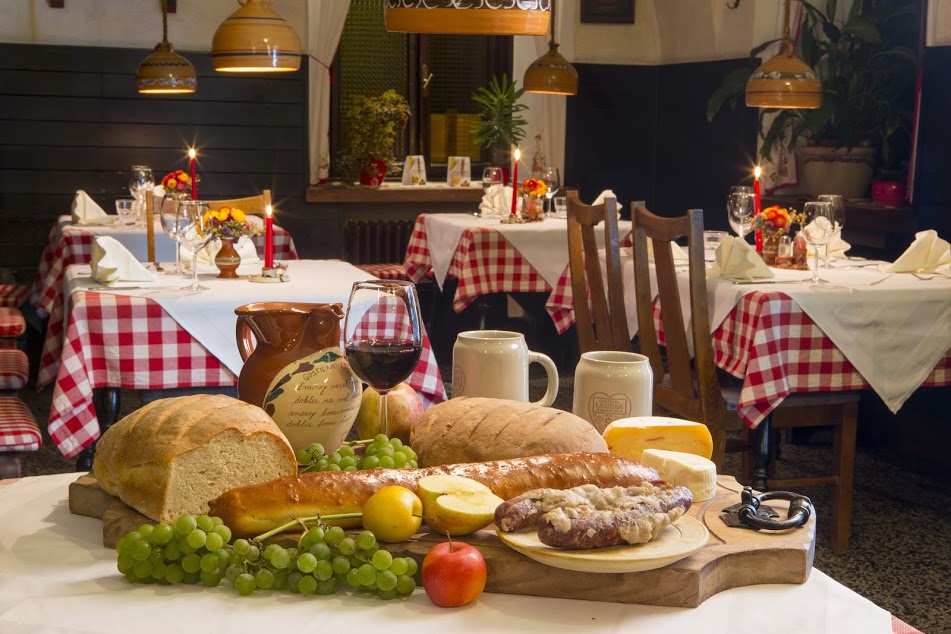
The gingerbread museum is housed in the cellar of the 500-year old building that is also home to the restaurant Gostilna Lectar – which has been operating since 1822, as well as Penzion Lectar, which offers 9 guestrooms. Gostilna Lectar is also one of the participating Taste Radol’ca restaurants where the focus is on using local produce. One of the things I particularly love about visiting Lectar is the warm welcome I always get, and, if the owner Jože is there, he is always ready with his mouth organ at hand to come and play a ditty or two!
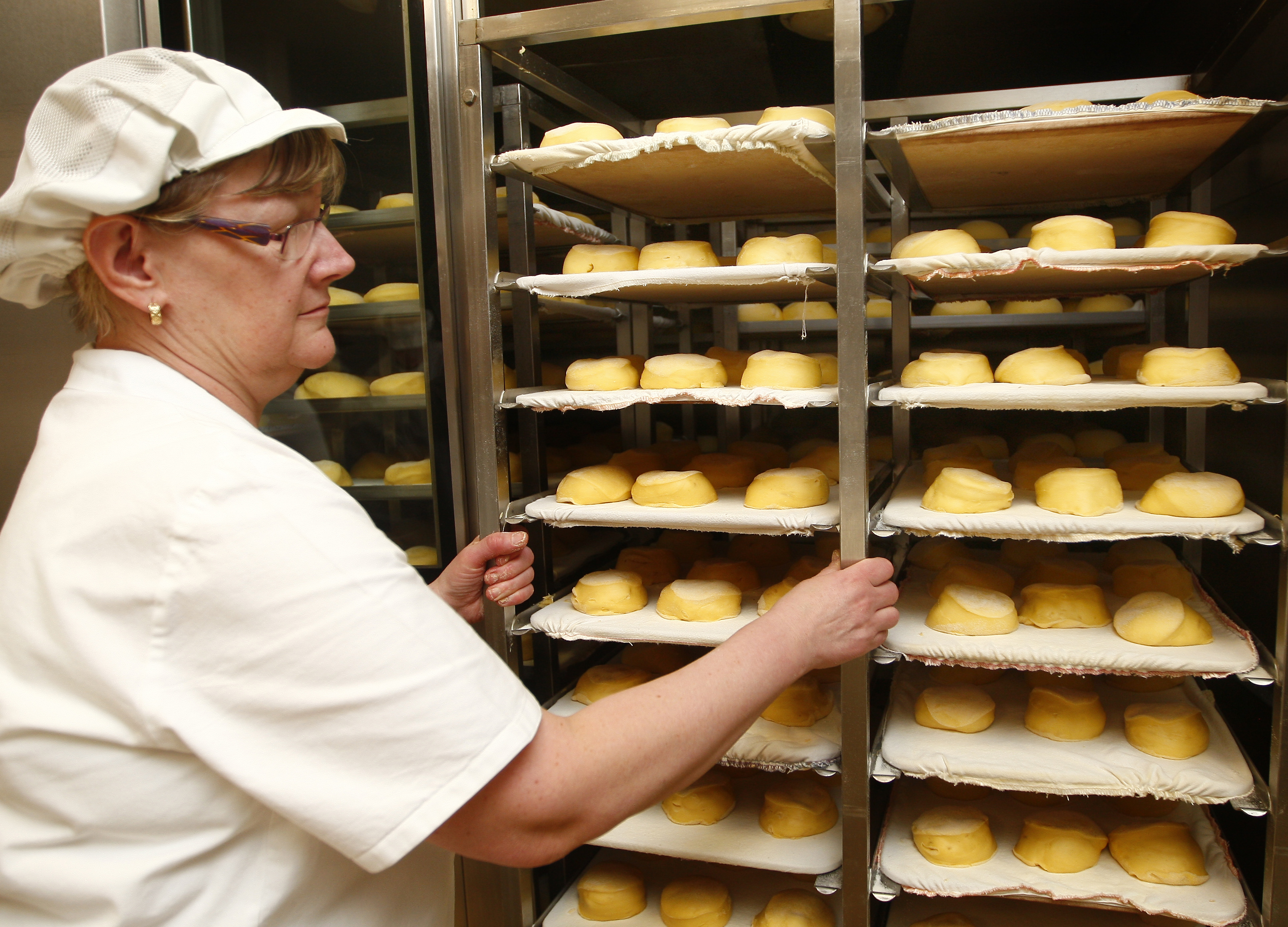
These days there are four ‘lectar’ makers working in the museum. The Lectar hearts, which are entirely handmade, are made from a honey-enriched dough. The whole process takes around 14 days, beginning with the mixing and resting of the dough (5 to 10 days), followed by the baking and finally the intricate decoration.
The decorative colours also have a meaning:
red expresses love and passion
yellow, together with red, is a sign of eternal love
green with flowers is a symbol of growth, wealth and fertility
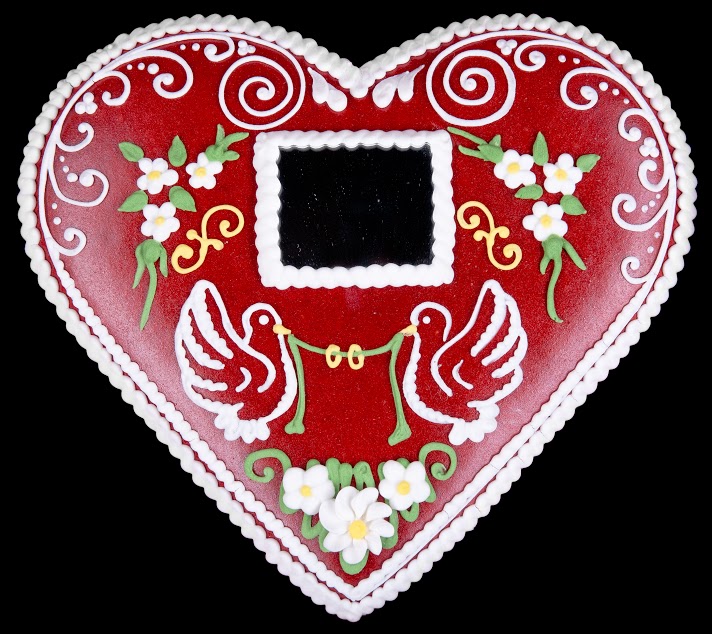
There are also Lectar hearts decorated with mirrors, which were particularly popular in the 19th century because in those times there weren’t many mirrors so women, in particular, liked to receive them as gifts. A Lectar heart with a mirror was also especially characteristic between lovers as it showed that men had a good sense of romance. When a boy wanted to show his girlfriend how much he loved her, he gave her a Lectar heart with a mirror. The girl who received it would know that her reflection in the mirror meant that she was in his heart! Oh how sweet!
There are 2 special dates to note as part of this special year at Lectar Inn:
Saturday 2nd April – Open Day at Lectar Inn
Sunday 11th December – A celebration of 10 years since the reopening of the Lectar live museum and the unveiling of the results and conclusion of the year-long search to find the oldest lectar heart.
After almost two weeks of spring-like weather, snow was forecast for last Wednesday. However, in the end the snow didn’t quite make it down to ground level, where it instead rained, though snow fell above 800 metres. This will certainly have come as a relief to many of Slovenia’s ski resorts, particularly the lower-lying ones, and those without snow cannons, who desperately needed the snow and is perfect timing with school holidays rapidly approaching and it’s raining heavily today too, so there will be even more fresh snow in the mountains.
On Friday and Saturday last week the wonderful unseasonably warm spring-like weather returned and, when I popped to Bohinj for a meeting, I was amazed to see the bees at this hive so active and so many spring flowers in bloom. You’d never guess it was February, that’s for sure!
Last weekend was a very eventful one, for me and in general!
If, as Andy Warhol said, every one should have 15 minutes of fame, then mine came on Friday when the the tourism programme Na Lepše was dedicated, in part, to me and the success of my blog. Ok, it wasn’t exactly 15 minutes and it’s hardly fame, but I consider it recognition at least and I’ll take that! It was filmed in my home town of Radovljica – at the Tourist Information Centre, the viewing area with magnificent views of the Julian Alps and the Jelovica plateau, in the medieval old town and at the LectarHouse of Tradition. Despite being rather nervous I must admit I was rather pleased with the outcome and also the response from readers of my blog. Here is the link to the programme which is, of course, all in Slovene, but even those viewing it outside of Slovenia will hopefully enjoy looking at the pictures and maybe it will encourage some of you to visit Radovljica too! (My part begins right after the ad-break, fast forward to 14 minutes).
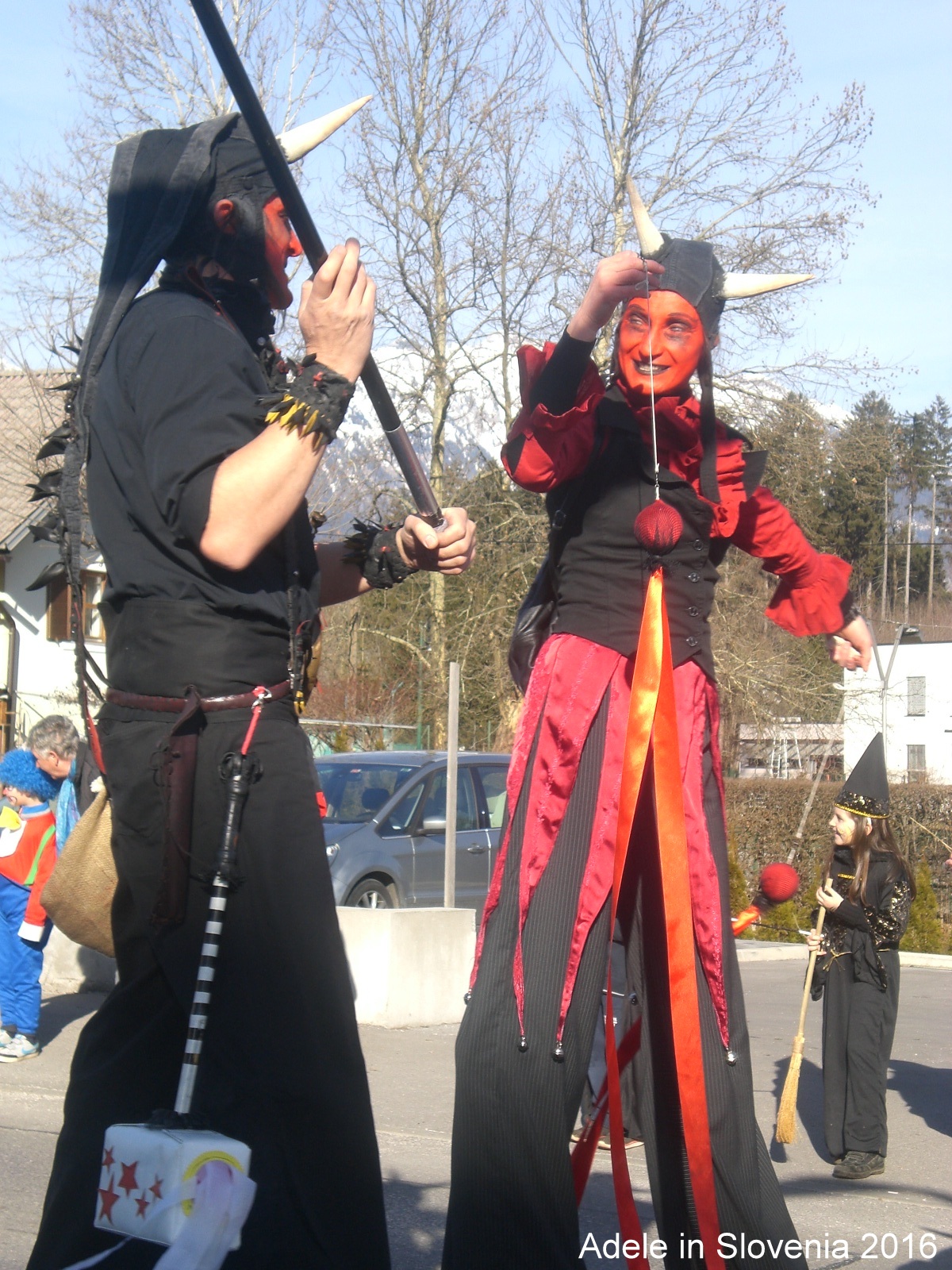
On Saturday the pust carnival parade took place through the streets of Radovljica. Carnivals take place throughout Slovenia for pust and although Radovljica doesn’t have its own carnival character such as the kurenti, laufarji and bedalci in other parts of the country, the locals – young and old – always make a concerted effort and the costumes and floats seem ever more creative by the year.
Saturday was also a momentous day for one other reason. It marks the day that my blog had it’s 100,000th view. Wow!!!
Since I knew this time was approaching, though in truth expected it to come in a month or so, I have begun to prepare a special package of offers for you, dear readers, to thank you for your readership, and also to involve the local community – particularly the Taste Radol’ca restaurants. There will be a whole host of discounts and special offers, so watch this space for more details coming very soon!
I’m not a fan of traditional winter sports, however, since living here I’ve had to get used to the fact that winter happens, and winter means snow. Therefore, I have learnt to participate in some alternative winter activities such as snowshoeing, winter hiking and, on occasion, cross-country skiing.
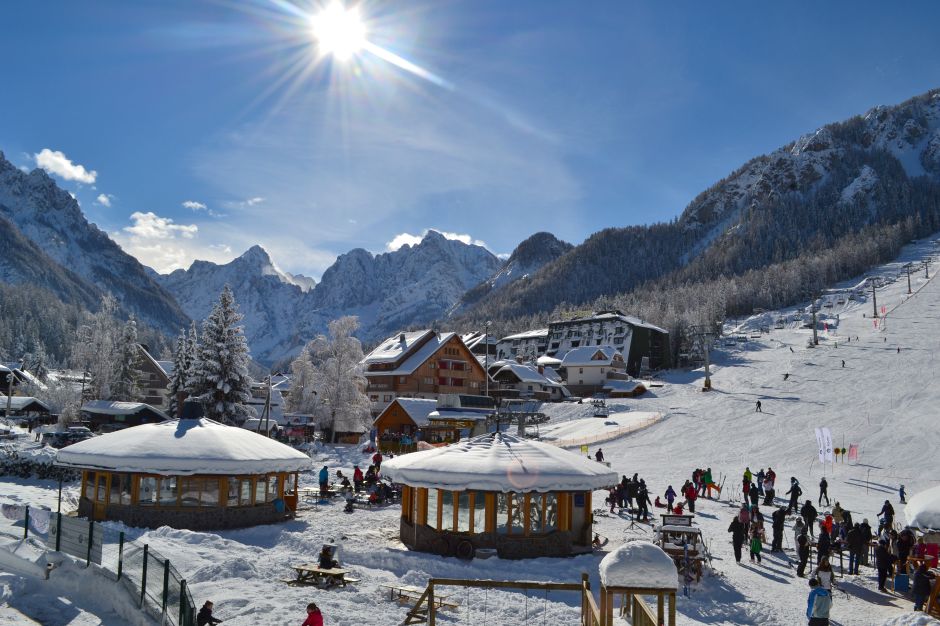
One of the best resorts in Slovenia for winter-based activities, both traditional skiing-based as well as alternative winter sports, is Kranjska Gora.
Though Kranjska Gora can sometimes affected by its relatively low altitude, and thus lack of, or meagre amounts of, snow, the resort has made concerted efforts to ensure there are plenty of other activities and events taking place during the winter season should lack of snow be a problem. Here are just some of the things happening in Kranjska Gora this winter, where there’s something on offer for all the family, whether skiers or not.
Kranjska Gora Welcomes You! which takes place weekly until the end of February on the snow beach behind the Ramada resort, comprises music, children’s entertainment and a presentation of what to see and do, and is an ideal way to acquaint yourself with all the resort has to offer.
Skiing, of course, is the number one activity in Kranjska Gora. The slopes are particularly suited to beginners, though seasoned skiers will find some more challenging runs among the 18 ski slopes with 5 chairlifts and 13 drag lifts. As with any major ski resort, there are numerous ski schools and ski rental outlets. On a sunny day, with the backdrop of the magnificent Julian Alps, you can, I’m sure, see the appeal!
There are over 40kms of maintained cross-country ski trails. The keen-eyed among you will notice that whilst this is me, it isn’t me in Kranjska Gora! This is me on Pokljuka! Although I’ve tried cross-country skiing, alas me and skiing – in any form – just don’t, and never will, get on, but I wanted to include this photos just to prove that I have tried!!!
The Vršič pass, which leads from Kranjska Gora to the Soča valley, is usually closed for much of the winter due to snowfall.* Providing someone has blazed a trail before you, it does, though, make a great place for a winter hike. Below you can see me on the road – yes, that’s a road! – at bend 17, with wonderful views of the Julian Alps. I must stress though, that you do need to be well-equipped for winter hiking and be sure to only follow worn trails if you don’t know the terrain.
* The Vršič pass doesn’t currently look like this. At the time of publishing this blog (4 Feb 2016) we have had very little snowfall – though there was fresh snowfall in the mountains yesterday evening – and for the first time that I can remember since being in Slovenia, the pass has remained open for much of the entire winter, though only for vehicles up to 3.5 tonnes equipped with winter tyres and/or snow chains. Please be sure to check the traffic information centre website for the latest traffic information – http://www.promet.si/portal/en/1traffic-conditions.aspx
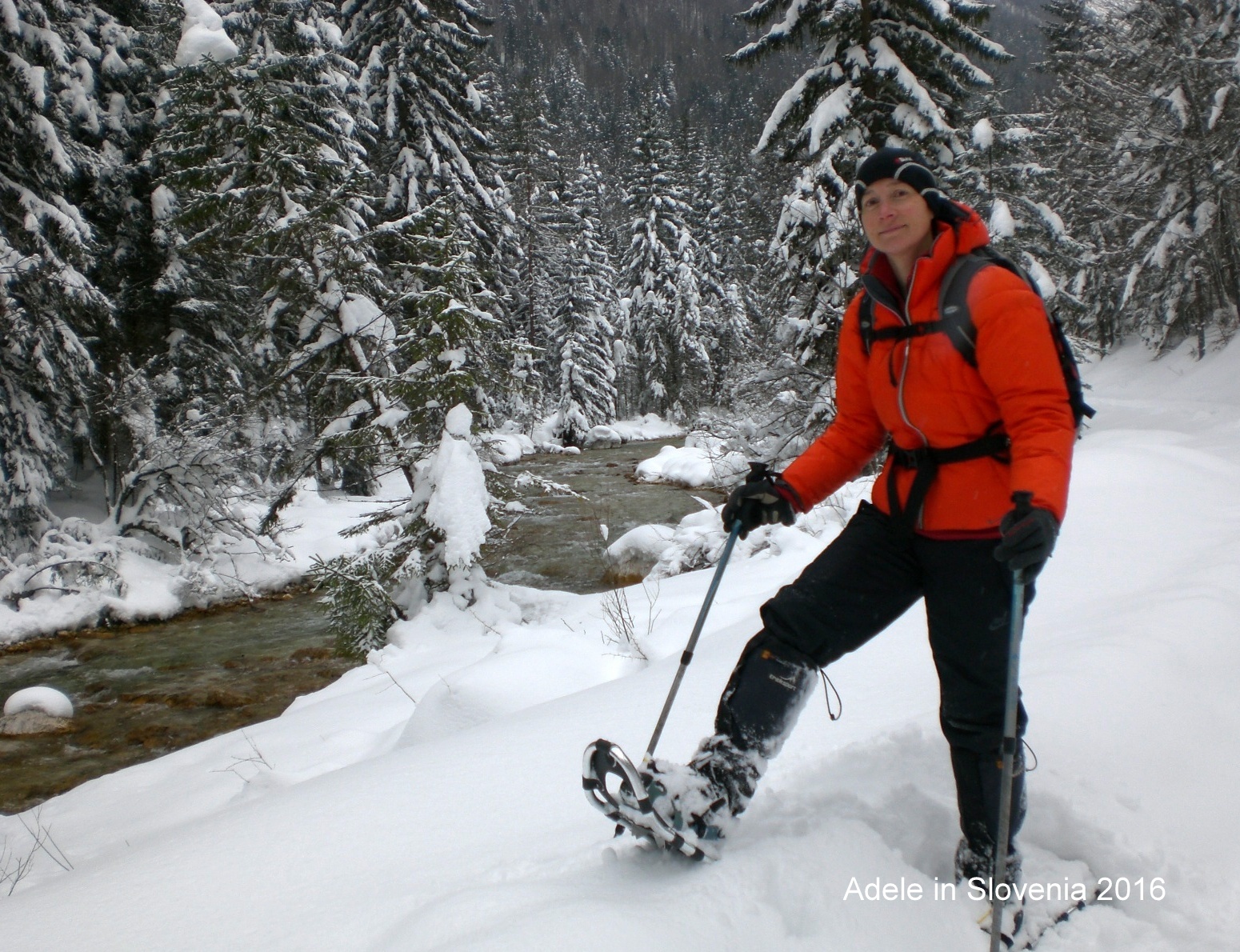
When there is heavy and fresh snow, hiking isn’t always possible so a pair of snowshoes are called for. Snowshoes enable you to traverse the snow without sinking in it up to your waist – or deeper! They fit over regular winter hiking boots and are easy to use, though do feel somewhat ungainly to begin with.
Every Thursday at 5pm the Kranjska Gora Culinary Journey takes place. Diners set off on a journey to visit five restaurants within the town and enjoy a different course, with accompanying drinks, at each venue. More information here – https://www.hit-alpinea.si/en/culinary-journey
Husky sledding trips can be booked and arranged in Kranjska Gora, though actually take place just over the border in Italy.
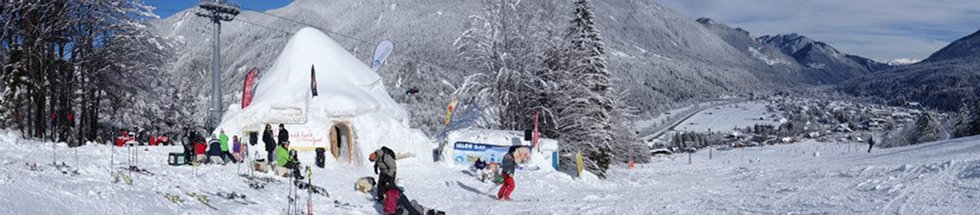
The Eskimo Village comprises a hotel, restaurant and bar. Guests can partake in a number of fun snow-based activities such as snow golf, igloo building, and sledding.
You can even cycle in the winter at the Winter Bike Park. Hmm, much as I love cycling I think I’ll give that one a miss, but I’m sure it’s an adrenaline-junkies dream!
There’s also no shortage of winter events, many of them international, including Family Day on the Snow Beach (13.2), Snow Volley 2016 (20.2), Audi FIS World Cup, Vitranc (5 & 6.3) and the Planica World Ski Jump Championships (18-20.3)
You can also see more about winter sports in Slovenia in this short video.
So, that’s a rather strange title for my blog this week, isn’t it? I bet you’re curious what on earth it means! Let me explain.
These days watching, and listening to, the news is usually pretty depressing, I’m sure you’ll agree. So, when last week I saw the headline for the launch of Elan’s new women’s skis, it made me chuckle and I decided to find out more. Well, a bit of humour never goes a miss!
The reason why men all over the world are crying, it seems, is because they would love to get their hands on Elan’s new Delight women’s ski – the lightest ever produced – using patented Slimshape technology that dramatically reduces the weight of the skis – but, alas, this time they can’t, since they’re just for the ladies!
As I wrote in a blog post just 2 weeks ago – http://wp.me/p3005k-1fl – the Elan factory, in Begunje na Gorenjskem, is just minutes from where I live and I often pop into the shop – not for skis I hasten to add! – to browse the range of outdoors clothing and equipment. I had hoped to also see the skis up close but they are so new that they are not yet even in the shop, but will be in a fortnight or so, so not long to wait! In the meantime do take a moment to watch the video and find out who else is crying https://www.youtube.com/watch?v=LGPpOD1wMkY or you can read more on the website – http://www.elanskis.com/
The advert features some of the legends from the world of extreme skiing, including Davo Karničar – the first man to ski from Everest.
I had the pleasure of meeting Davo at his home, the Davo Karničar Mountain Lodge, in Jezersko. Read more here – http://wp.me/p3005k-5Q
Amongst others, the video also includes World Champion and World Cup Winner in Ski Cross Filip Flisar (SLO), Olympic and World Cup medallist alpine skiing Christian Mayer (AUT), and extreme skier Glen Plake (USA),
Talking of skiing, did you know we actually have a small ski slope here in Radol’ca? It’s in Kamna Gorica to be precise, and despite the wonderful spring-like winter that we have been experiencing of late, whereby there is barely a flake of snow lower than 1500m, the operators have been performing wonders to keep the slope open for local children to enjoy.
Apparently, though, some snow may be headed our way later this week, which will delight all the skiers out there!
Two weeks ago I wrote the first in an occasional series of posts entitled ‘Stories of Slovene Success’. That post, which you can read here http://wp.me/p3005k-1fl was about the success of Elan and Peter Prevc.
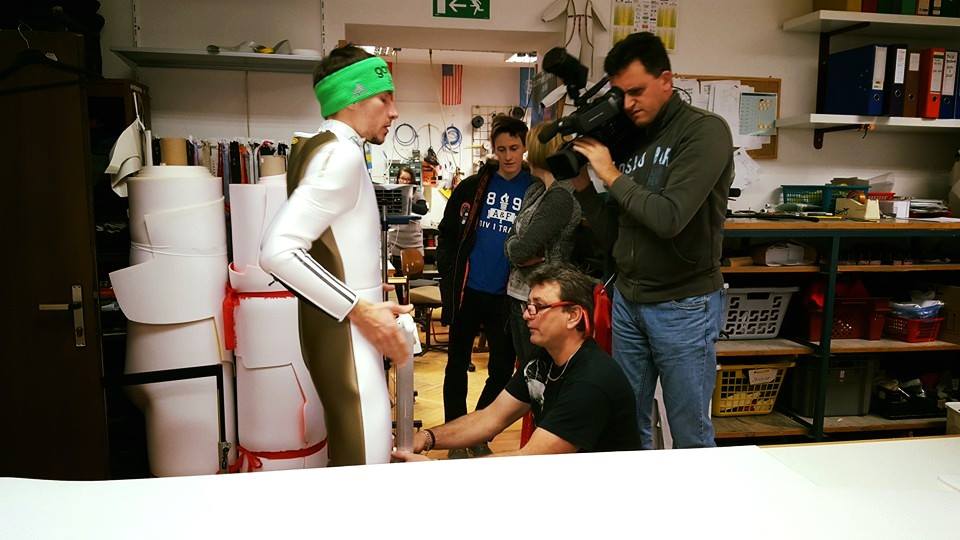
This week the story is in a similar vein, since the company Dali Šport, based in Lesce, make the clothing for some of Slovenia’s top sports stars, as well as for sports people from numerous other countries competing in, amongst others, skiing, ski jumping, rowing, equine and aerial sports.
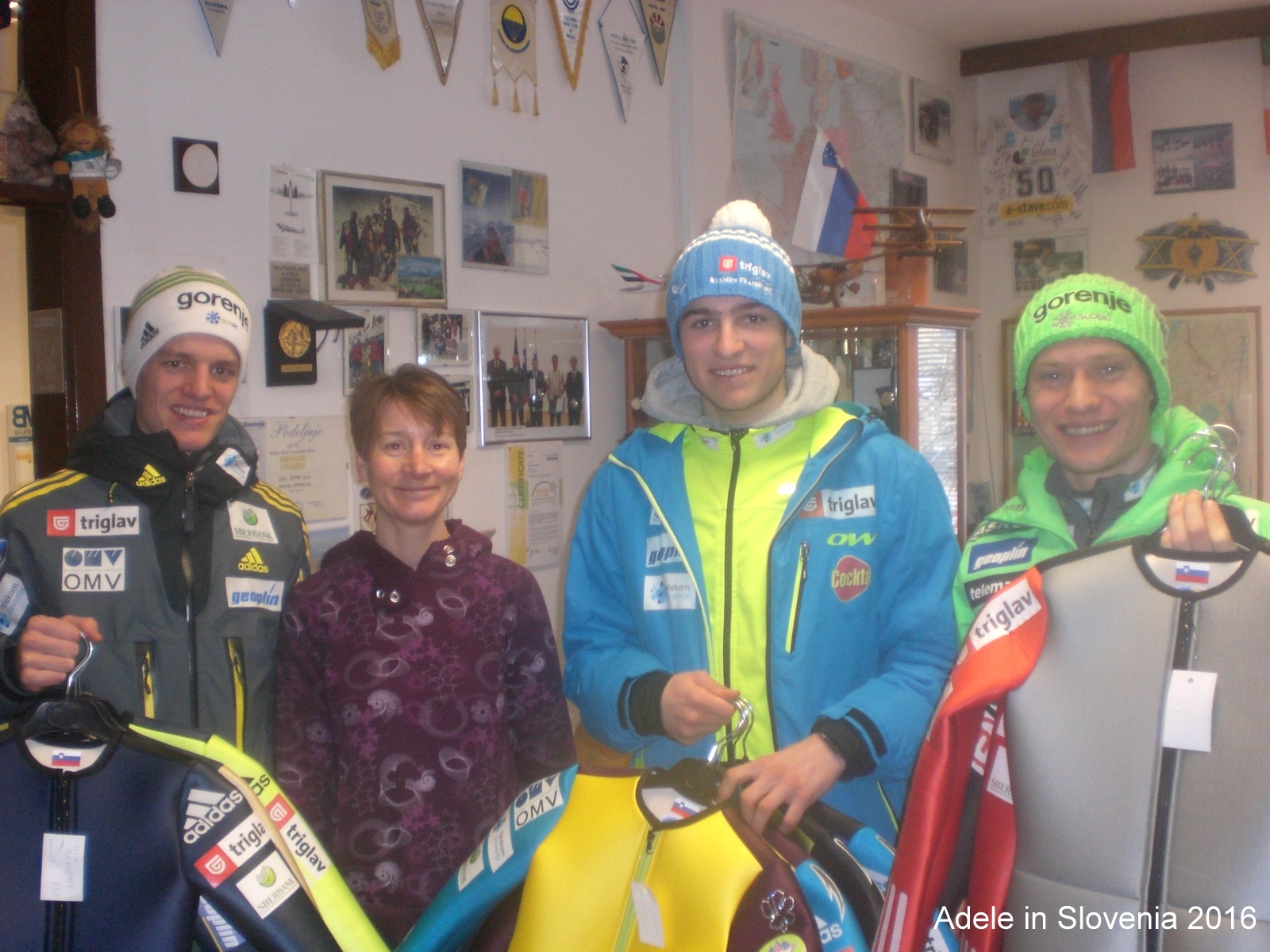
I popped in for a nose last week and was lucky enough that during the time of my visit 3 of the Slovenian ski jumping team were there, having come to pick up their new apparel, during a brief lull in training. Below you can see, from left to right, Matjaž Pungertar, Leon Šarc and Anže Lanišek – oh and me of course!
In addition to the firm’s headquarters in Lesce, it also has a shop in Bled which sells off-the-peg sportswear for hiking and other outdoor sports, as well as outfits for your four-legged friend!
Dali Šport, a family run company, has been making made-to-measure and off-the-peg clothing for over 25 years, including the outfit worn by Peter Prevc when he won silver at the 2014 Sochi Olympics.
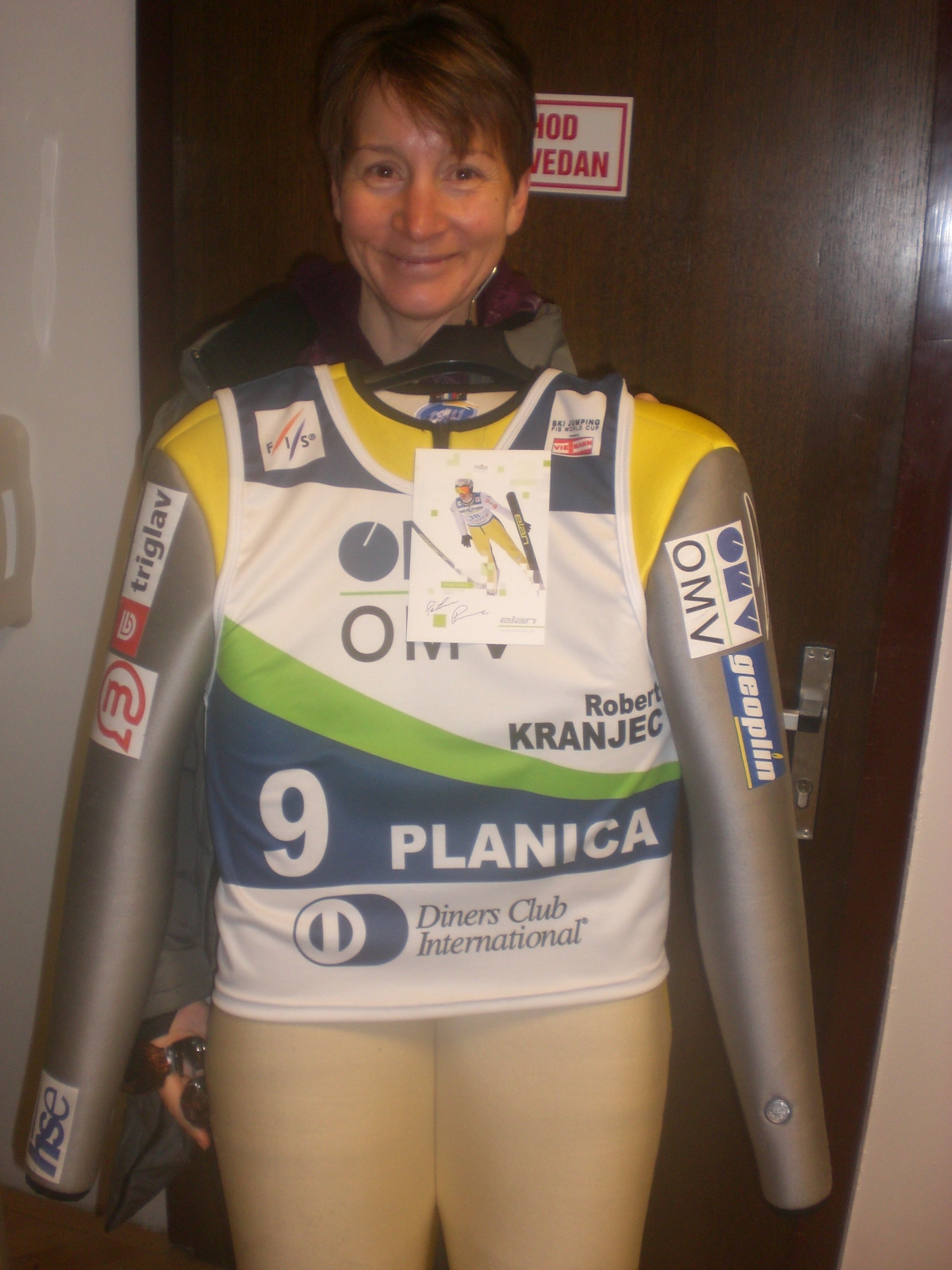
And for the ski jumper Robert Kranjec too!
LOOKING AHEAD: It’s not long now until the annual Radovljica Carnival Ball (Pustni ples) with Taste Radol’ca. This year the event will take place on Saturday 6th February at Tulipan Inn in Lesce. Tickets are now on sale at the Radovljica Tourist Information Centre. The theme of this year’s ball is ‘The RadovljicaOlympics‘ and prizes are up for grabs for those who come up with the most creative outfits. More information (in Slovene) here – http://radolca.si/kaj-poceti/dogodki/pustni-ples-z-okusi-radolce/83/724/
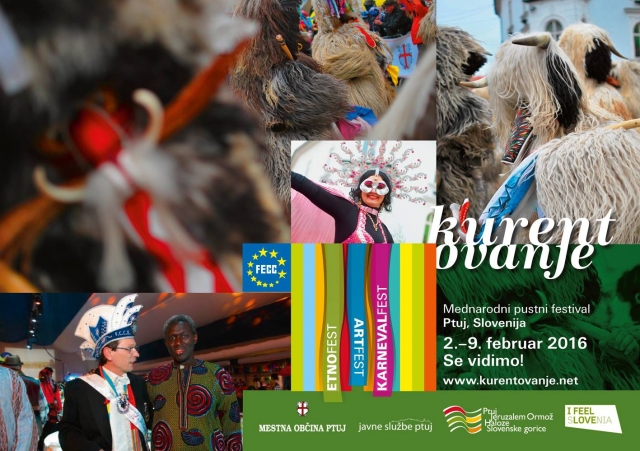
Without doubt one of the highlights of Slovenia’s event calendar is the annual PustWinterCarnival, known as Kurentovanje, which takes place in Slovenia’s oldest town, Ptuj, in the north-east of the country. This year the carnival takes place from 2-9 February. During this period numerous events take place, culminating in the main event on Shrove Sunday: The International Carnival Procession.
Carnival events take place in many parts of the country but with over 100,000 people visiting Ptuj for the carnival – coming not only from Slovenia but from many other European countries – the Ptuj carnival is one of Slovenia’s most popular and highly attended events.
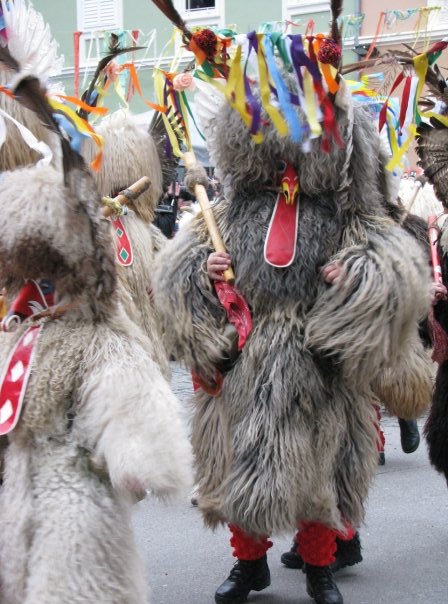
The central carnival characters, known as kurents, wear massive sheepskin costumes, and by jangling the cowbells around their waists and brandishing wooden clubs, they aim to chase away winter. I’m all for that!
Visitors to the carnival can also enjoy various arts, dance and theatre performances, which take place through the week, including the Extempore Artfest, Etnofest, a night carnival procession, a carnival party and other events for all the family.
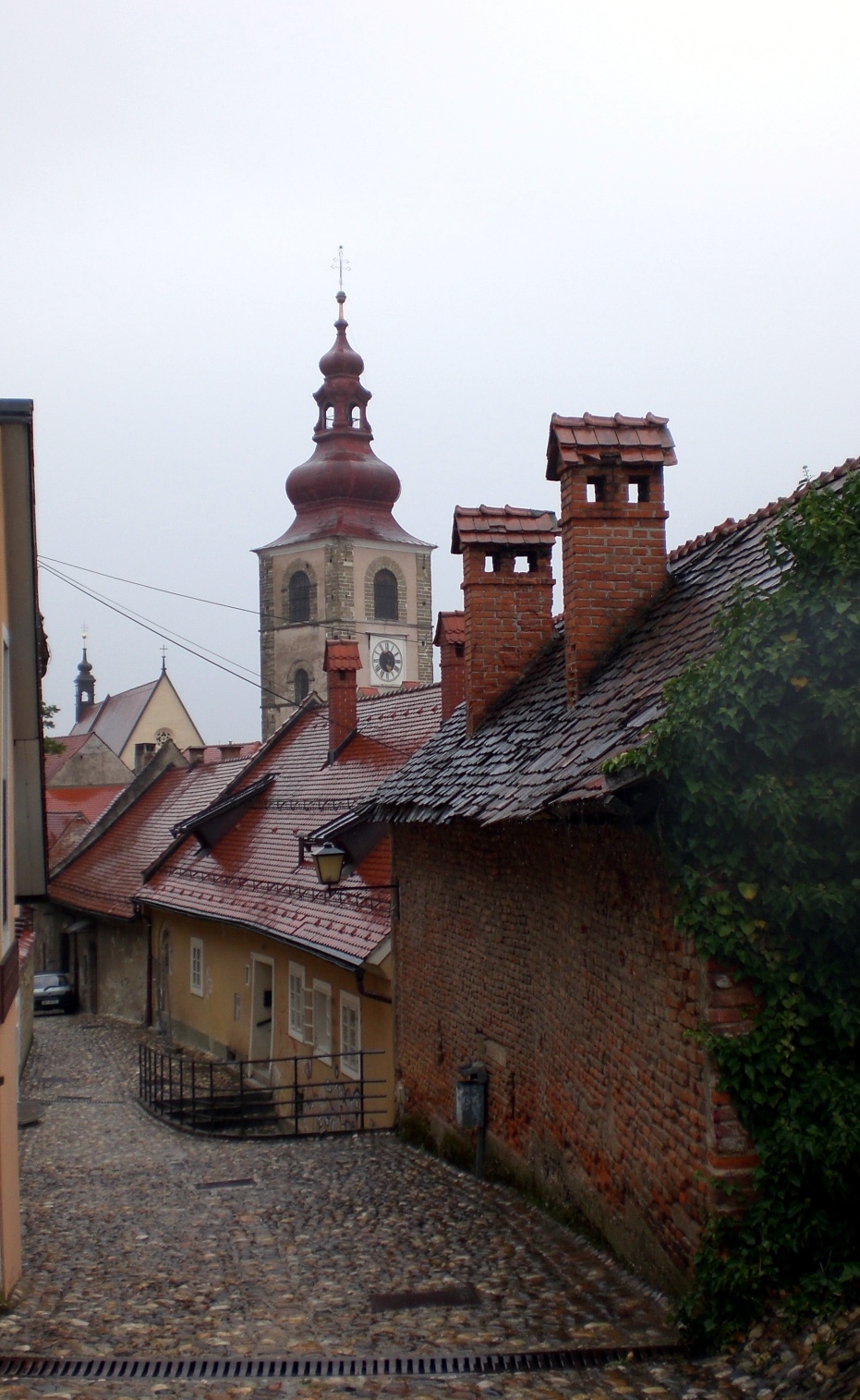
Ptuj was first mentioned by the Roman historian Tacitus in 69 AD and has had the status of a town since the Roman era. It has around 25,000 inhabitants spread across its 10 settlements. This charming compact town is packed with history and fascinating buildings and squares. Below are just some of the highlights that I discovered on my visit. Unfortunately, the weather wasn’t on my side; the heavens opened bringing biblical amounts of rain (cats, dogs, buckets – the works!), but nevertheless I saw enough to know that I want to return to explore the town further.
The 346 hectare Ptuj Lake – the largest artificial lake in Slovenia – is often referred to as the Ptuj seaside. It was formed when the Drava river was damed below Ptuj to serve as an accumulation for the Formin hydroelectric power plant. The vast lake has a marina, the only of its kind in Slovenia, that offers an array of recreative sports – both on and in the water – and is a popular destination for cycling, walking, running, or just chilling!
The Drava river and its four bridges, which have been built and rebuilt throughout the centuries, are landmarks.
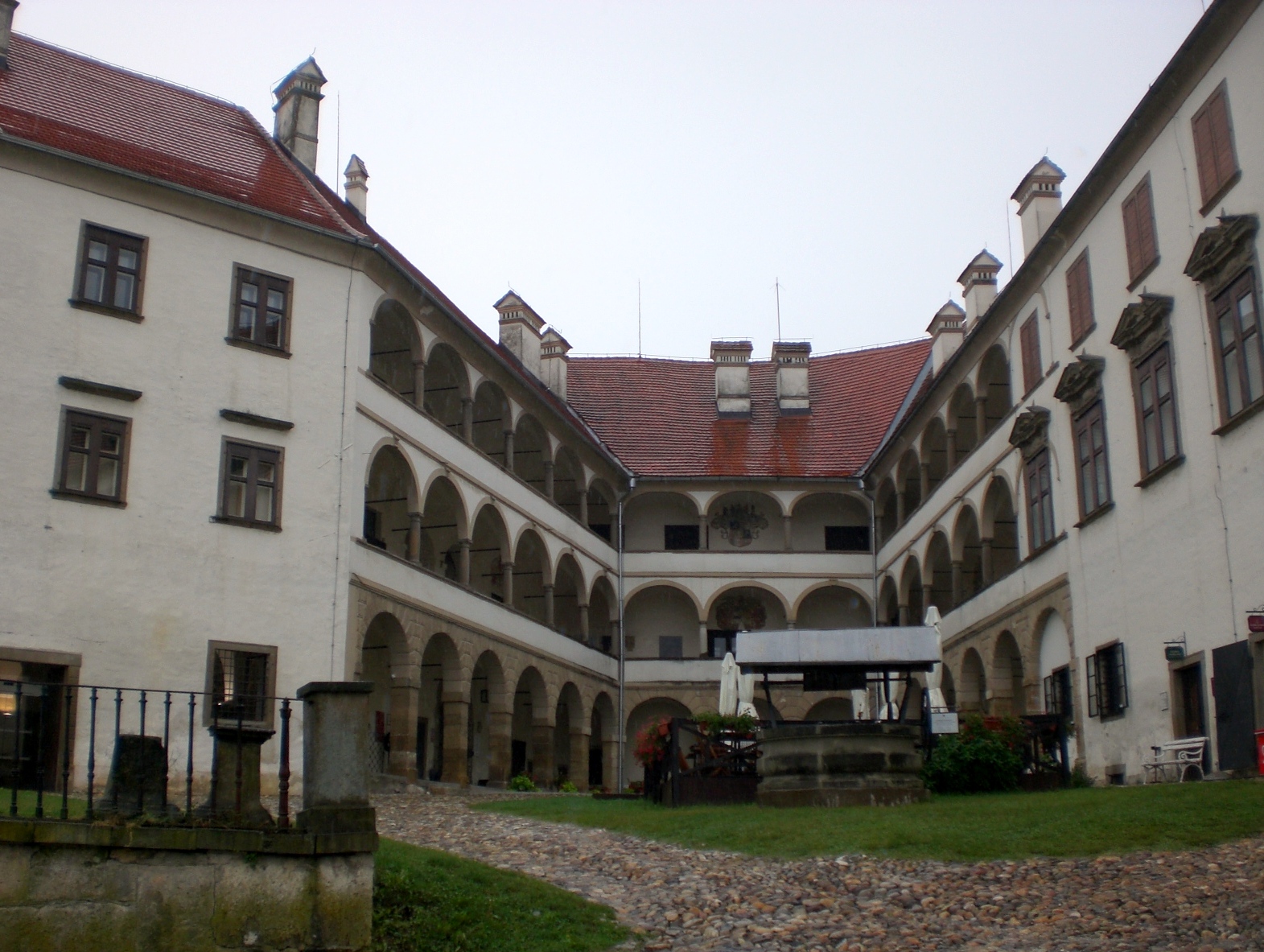
Ptuj Castle, set atop a small hill in a dominating position, dates back to the Antiquity. Today, it houses the Ptuj-Ormož Museum which is one of Slovenia’s most visited museums. It has several permanent collections and exhibitions – including collections of traditional carnival masks, musical instruments and glass paintings – as well as the Castle Gallery and temporary exhibitions – some of which can also be found, as the name suggests, in the nearby town of Ormož.
The town centre, declared a protected historic monument, is full of narrow cobbled streets, squares and noteworthy buildings. A particularly nice place to linger is the area in front of the theatre, from where you can sit on a bench and watch the world go by.
The Golden Vine, dating from 1917, is a cutting from the world’s oldest vine, originating from Lent in Maribor. Ptuj has strong links with wine, and wine aficionados should stay at, or at least visit, Hotel Mitra to see the wine cellar, named ‘The Osterberger’s Wine Cellar’ after the original owners of the hotel, the Osterberg family (1890-1945) who produced wine in the nearby wine growing region of Halože and whose award-winning wines were widely regarded in Europe and also as far afield as Argentina.
Other notable buildings include the Minorite Monastery, the Town Hall, the Town Tower, the Church of St. George, Museum Square and the Sunny Park and the Dominican Monastery – seen below – founded by the Lords of Ptuj in 1230.
In the almost nine years I’ve been living here I’ve eaten at a lot of restaurants; some average, some great and some outstanding. However, I’d go as far as to say that the meal I had last week in the new Sova Restaurant and Wine Bar in Lesce was the best yet and I haven’t stopped raving about it since!
Lesce has an incredible 12 restaurants – or rather 12 eateries – as a couple are more snack bars than restaurants. When I say ‘incredible’ I don’t mean that they are all ‘incredible’ – some are obviously better than others – it’s just incredible that Lesce, which is something between a big village and a small town, has such a wide choice. I can’t help but wonder if they will all survive, as competition is now fierce, however I certainly hope this latest addition is here to stay.
I must confess that I’m not a great gourmet when it comes to the type of cuisine which is culinary art but you, or at least I, am always left wanting more and leave the restaurant hungry. The team at Sova, however, seem to have found the perfect balance between food that both looks and tastes amazing, comes in decent-sized portions and at prices that don’t break the bank.
The restaurant is run by the team who run Fine Food at Penzion Berc in Bled which is closed during the winter thus they sought out somewhere for the team to offer their fine food – and indeed it is fine food – over the winter. In fact, I couldn’t find fault with a single aspect of the meal, which is a rarity!
Perhaps the only negative aspects, though these are not food-related, are that the restaurant doesn’t have its own car park, doesn’t have any outdoor space and is rather small inside, meaning as and when word gets out and the crowds come flocking (and I believe they will!) we will probably be fighting over tables!
I started my meal with creamy truffle soup with prosciutto chips and profiteroles.
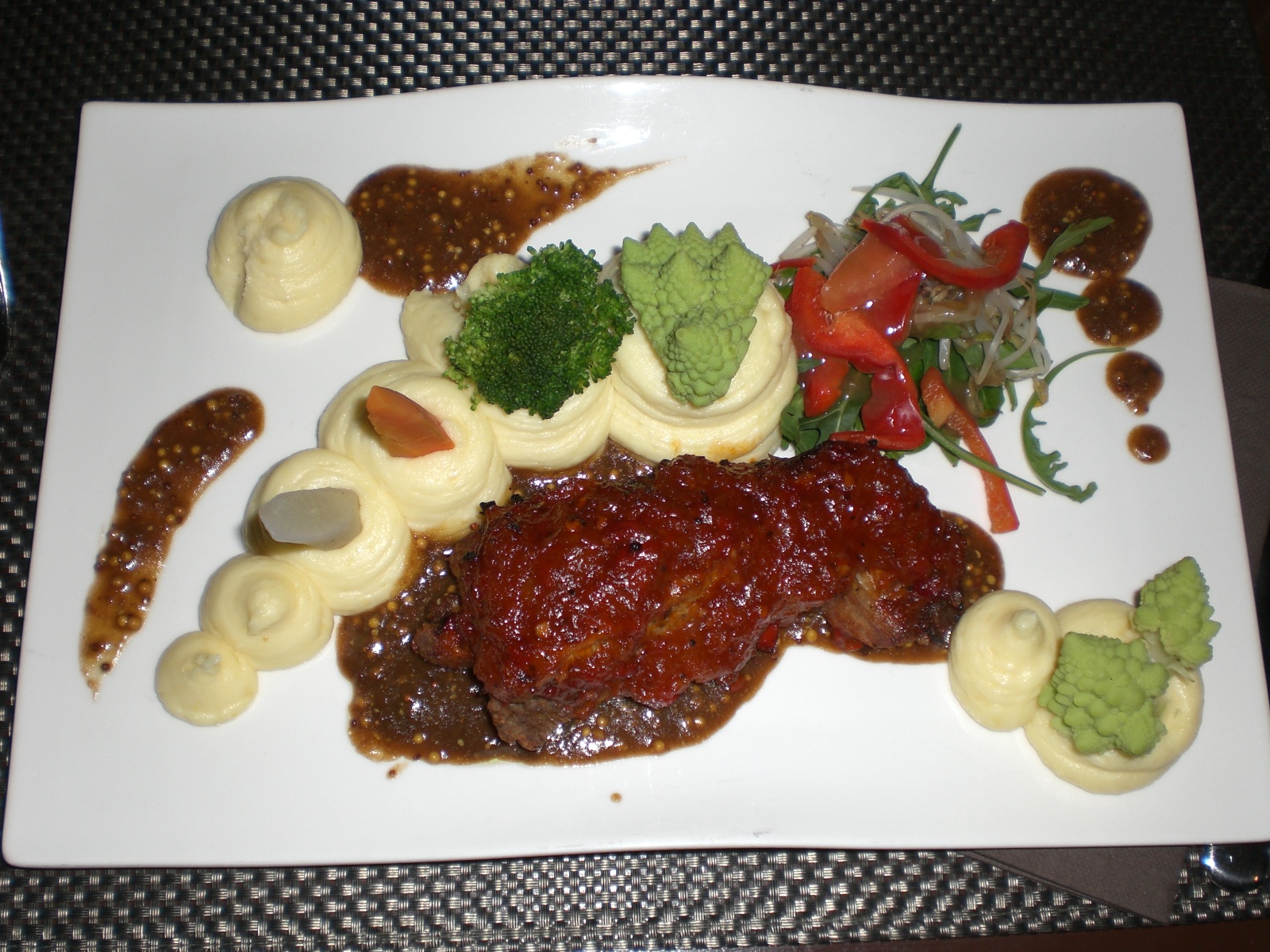
The main course was spicy slow-cooked and grilled pork rib with potato puree and garden vegetables.
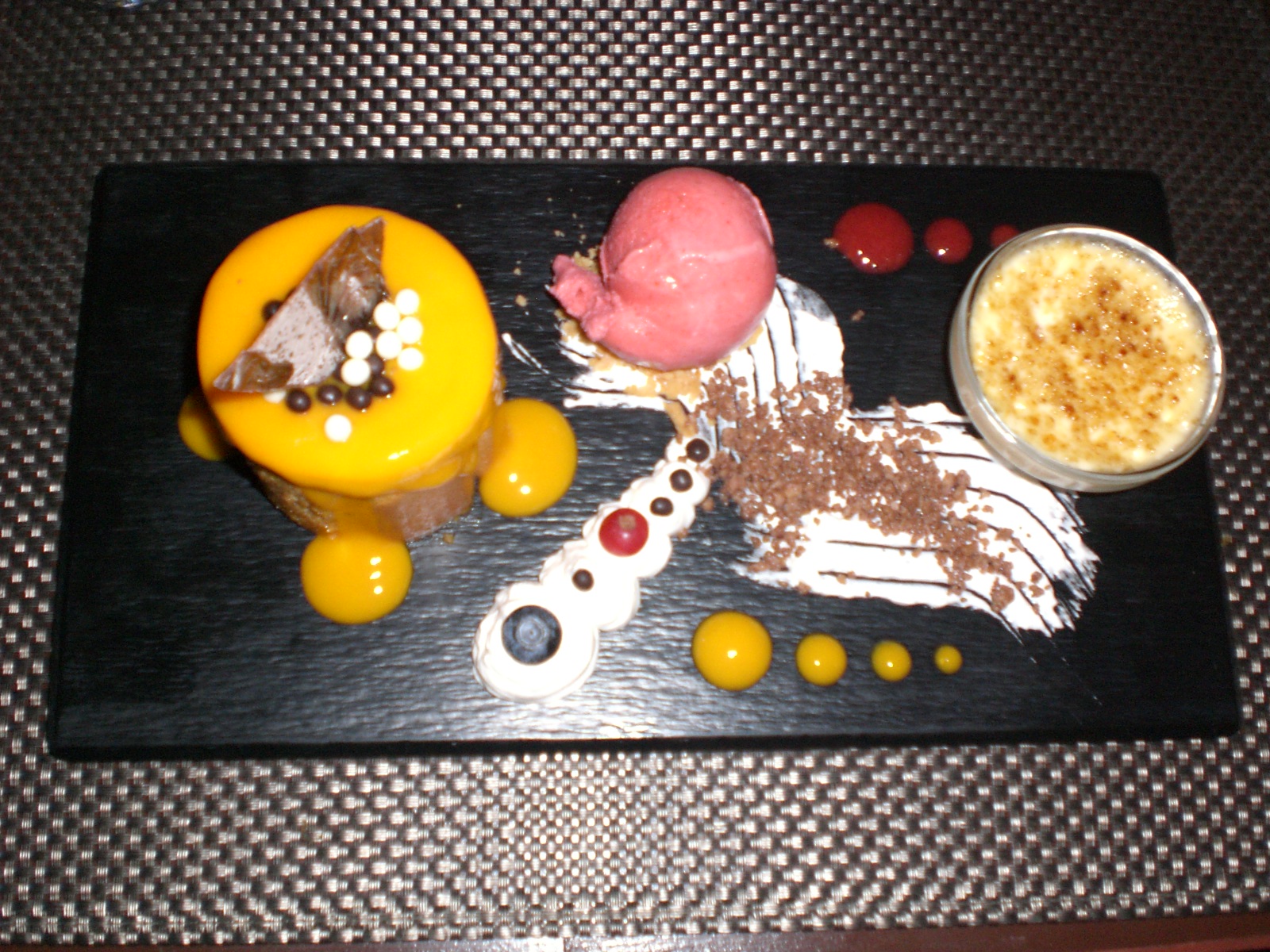
And the dessert – yes, you know that is ALWAYS my favourite bit – was mango tiramisu with white and dark chocolate, homemade ice-cream and lavender crème brulee.
Since I enjoyed it so much, I went back again two days later! This time I tried the house pizza, which comes topped with aged gauda, basil pesto, baby onions, prsut ham, and more!
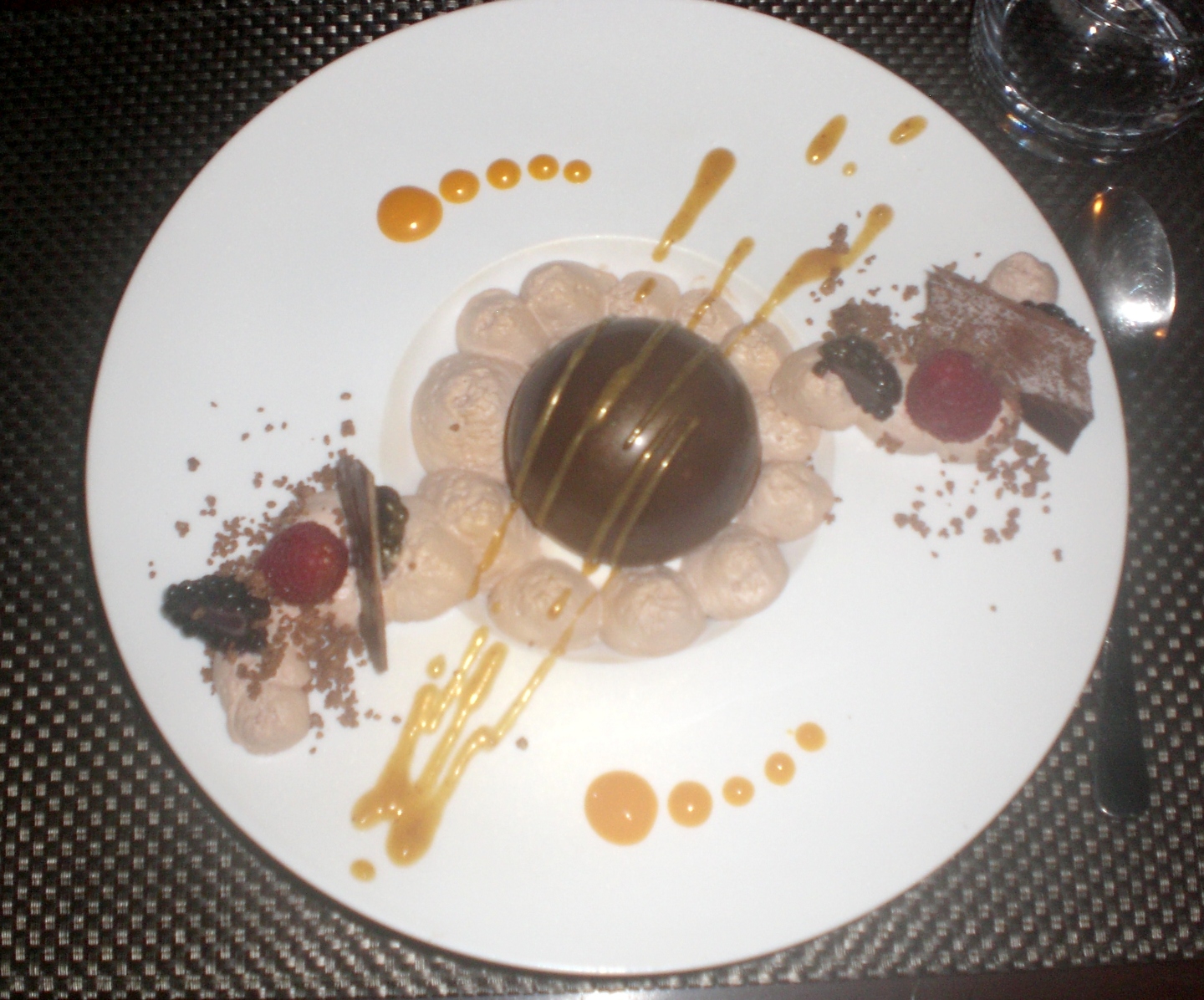
And I somehow found room to try out another pudding too! The chocolate bomb with chocolate mousse and forest fruits, with an added surprise element, which I won’t divulge as it wouldn’t then be a surprise!
New from me this week, the first in an occasional series of ‘Stories of Slovene Success’, and there is currently no greater story of Slovene success than that of Peter Prevc.
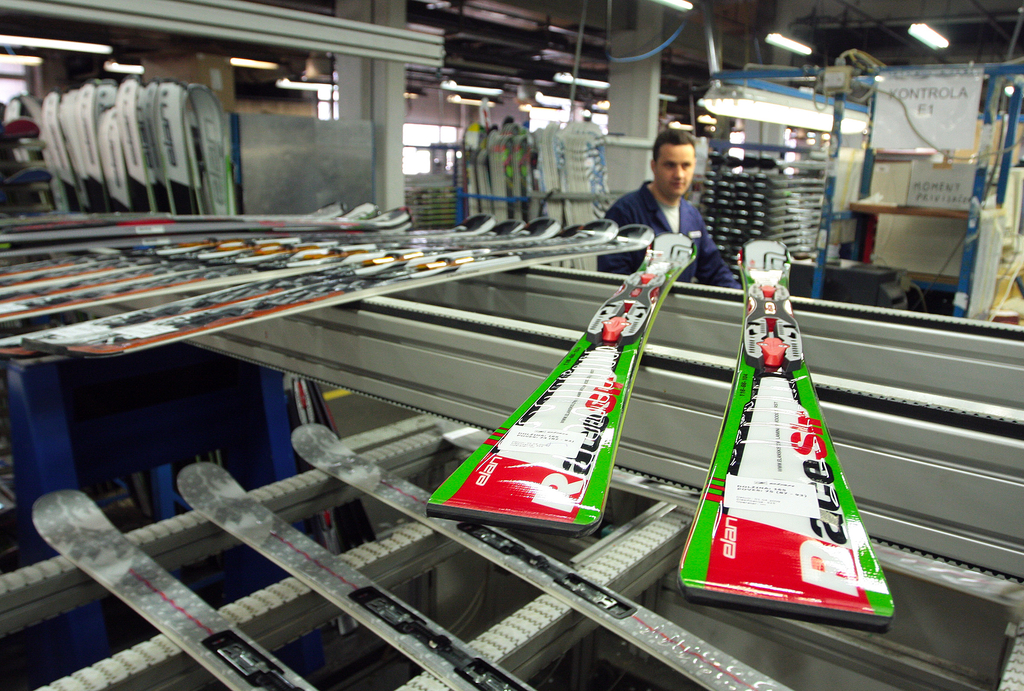
The village of Begunje na Gorenjskem, within the Radovljica municipality, is home to the world-renowned manufacturer of skis and sailboats, Elan.
Elan has a long tradition dating back to 1944 and though it may not be the biggest manufacturer of skis in the world, it is certainly right up there when it comes to innovation. The dictionary description of the word Elan – enthusiasm, confidence and style – sums up the company’s passion and commitment to producing world-class skis and sailboats.
Elan skis and sailboats are produced right here in Slovenia in the factory in Begunje, a picturesque village beneath the Karavanke mountains, whilst its snowboards are produced in neighbouring Austria and motorised yachts in Croatia.
If you are visiting the area you can call into the Elan Sports and Leisure Equipment Store, which sells not only skis and ski accessories, but also a range of clothing, bikes, and other outdoor equipment and accessories. Read more here – http://www.radolca.si/en/elan/
Sadly, as has been the fate of so many Slovene-owned companies since the start of the financial crisis (is it officially over yet or not?), Elan is no longer under Slovene ownership, however, production at the factory in Begunje continues unhindered and, with a Slovene workforce, it can still be considered a story of Slovene success.
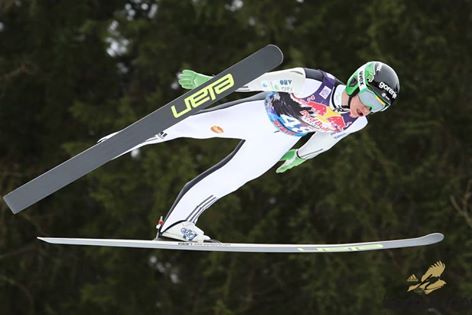
The current Slovene hero and world-class ski jumper, Peter Prevc – who is dominating this season’s ski jumping world cup – uses Elan skis and is a great advert for doing so!
On Wednesday last week he won the Golden Eagle trophy for the 4 Hills Tour, making him the first Slovene to have done so for 20 years. To say that the nation is proud of him would be a gross understatement. Just wait until this year’s Planica World Cup Ski Jumping Final (17-20th March), where I have a feeling most of Slovenia will be there supporting him and it will be off-the-scale crazy! More about Planica here – http://www.planica.si/Programme


























 Adele in Slovenia