Solkan – The World’s Largest Stone Arch Bridge – and more!

Solkan, which is just minutes from the city of Nova Gorica, is most known for its 85 metre-long stone railway bridge which claims to have the largest stone arch in the world. It was completed in 1905 but during the Sixth Battle of the Soča Front in 1916, it was blown up by the Austro-Hungary Army so that the Italians couldn’t seize it. Later, after the Treaty of Rapallo, when the territory was occupied by Italians, the stone arch was reconstructed.

CIMG9085

There’s also so much more to see and do in the area, as I found out during my recent 2 day visit. I stayed at Hotel Sabotin, a 3-star hotel which is well located for seeing all the sights of Nova gorica and Solkan, and has air-conditioning and a good restaurant.

Almost adjacent to the railway bridge which runs over the stunning emerald green Soča river, the road bridge is a popular place for kayaking and bungee jumping. In fact, whilst I was there there were some brave/fool hardy/adrenaline junkies (delete as appropriate!) leaping off the bridge into the abyss below. Unfortunately, I wasn’t quick enough with my camera to snap it but, to get the gist, here’s a picture of what lies beneath!

CIMG9072

As ever, I prefer to explore an area by getting up above it to enjoy the best views and nature and Solkan has two great options right on its doorstop.

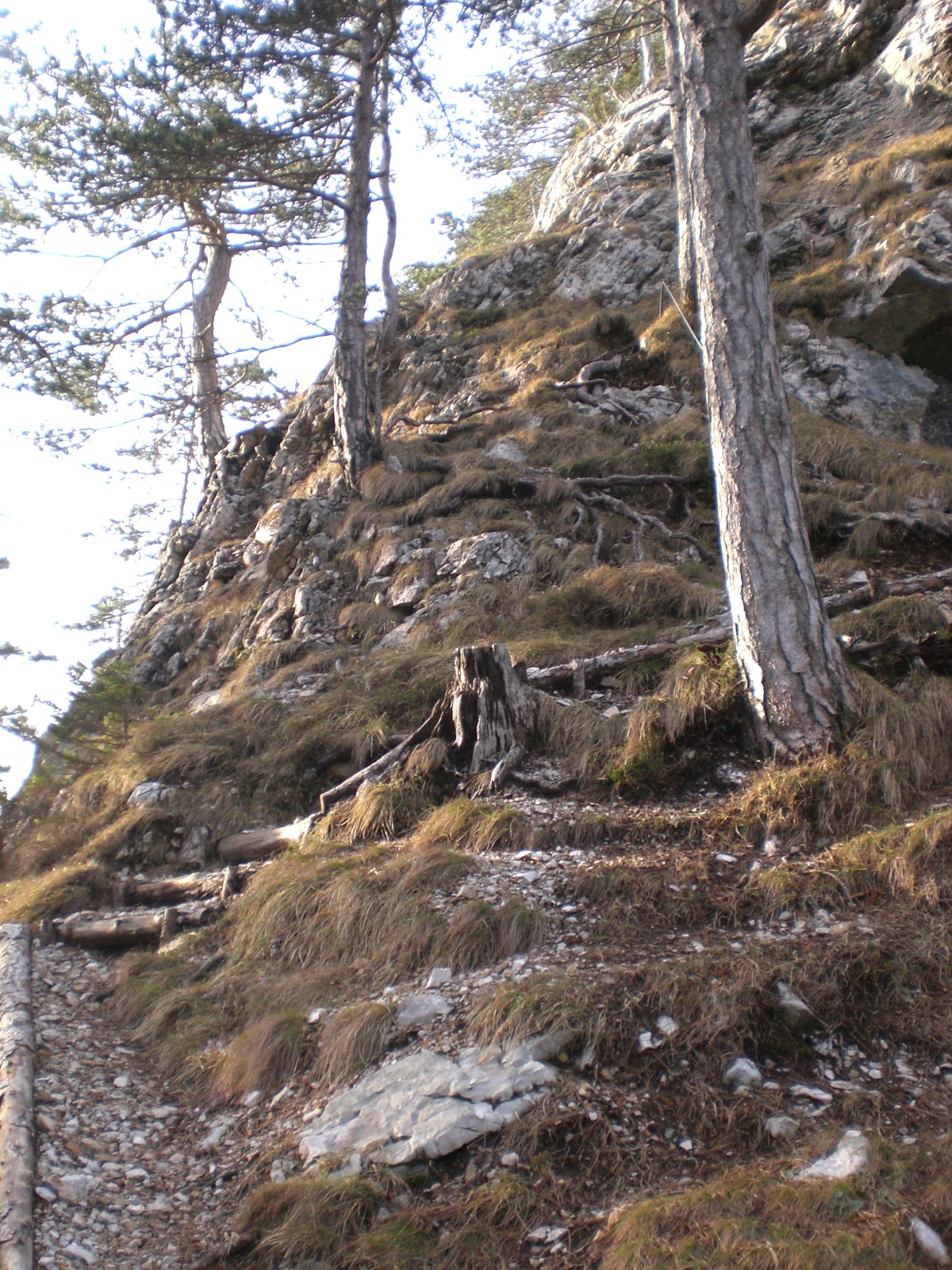
The first is Sveta gora (Holy Mountain) and the Basilica of the Assumption of Mary which is a popular pilgrimage site and also part of the extended Slovenian Mountain Transversal, however, you can also drive up if you don’t fancy the walk. There are numerous paths, many of which lead through First World War bunkers, so if pitch black tunnels aren’t your thing, then choose your route wisely! I chose a route which included bunkers but, in all honesty, after the first, relatively short one, I chickened out of the second 260m-long one and instead took the path around it. Although the sight is impressive up close, and offers panoramic views, you can’t actually get a feel for its sheer size from up close and, for me, the best view of Sveta gora came from the second hike I did that same day, to Sabotin.

CIMG9070

Looking at Sveta gora from Sabotin

Mount Sabotin is full of interesting sights and sites. It is where the Alps, the Dinaric Karst and the Mediterranean meet. The ruins of the former St. Valentine’s Church and the entire area has been proclaimed a cross-border Park of Peace. I chose the southern route up, which is easier than the northern approach. You can also go further along the ridge and visit the Dom na Sabotin hut (609m) for refreshments, which formerly served as a frontier barrack of the Yugoslav National Army, and where you can also see exhibits from the First and Second World Wars.

CIMG9058

Whilst in the area I also took time to visit the city of Nova Gorica which lies directly on the border with the Italian city of Gorizia (Gorica). The railway line forms the border between the two countries and when you emerge from the railway station you could be forgiven for not knowing which country you are actually in. In fact, the few metres directly in front of the railway station, in Trg Europe (Europe Square) are, these days, jointly shared between the two countries and was named in remembrance of Slovenia’s accession to the EU in May 2004.
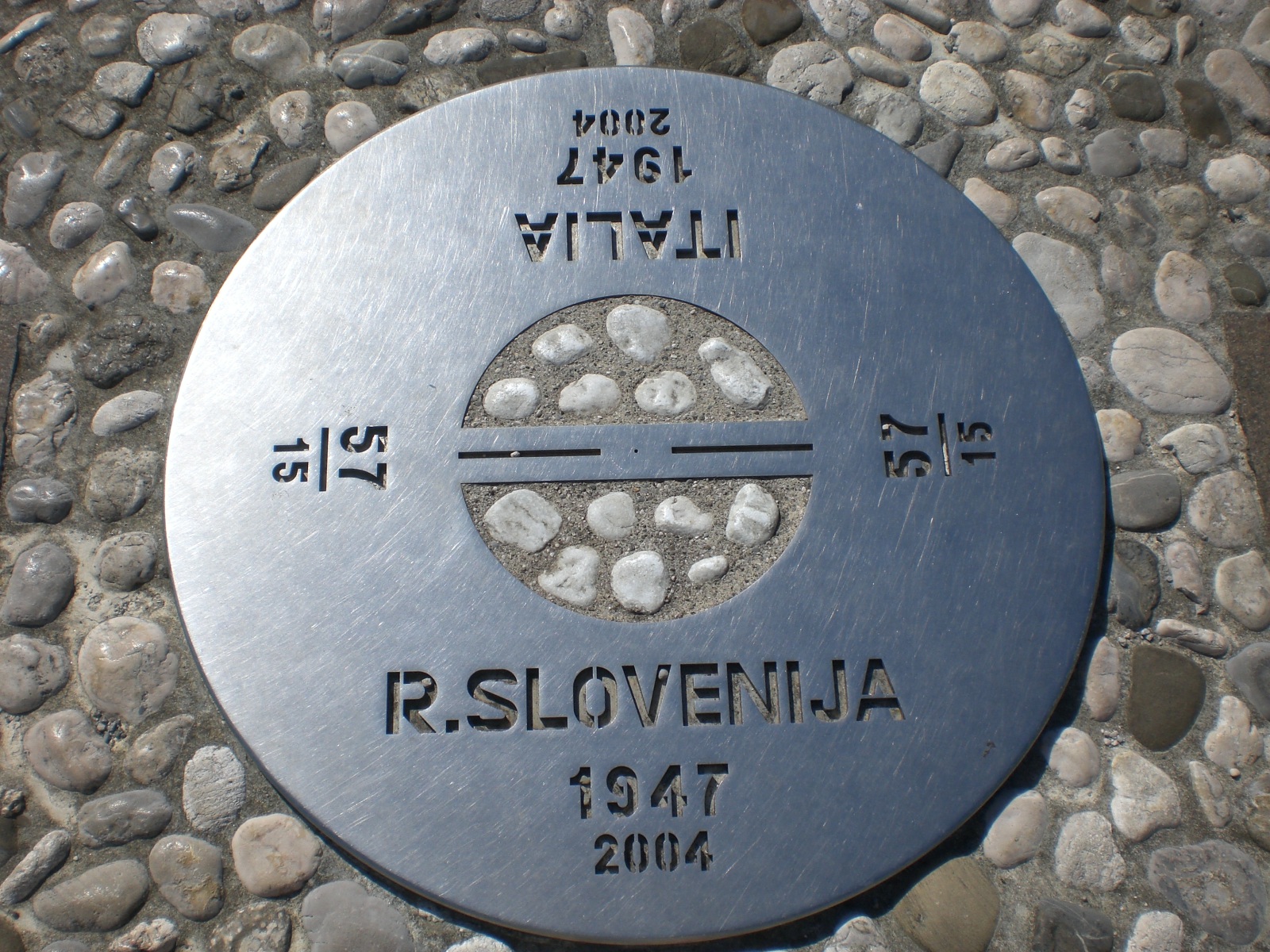
CIMG9048

In the past, however, it was all very different. A (very) brief history; From 1500 until the First World War, Gorica belonged to the Hapsburg. During the First World War local people had to flee as refugees due to the conflicts between the Austro-Hungarian Monarchy and Italy. On their return there was a new state: Italy. After the Second World War a new state border was created between Italy and Yugoslavia, which led to the growth of new Gorica – Nova Gorica.

These days Nova gorica is probably best known for its many casinos. However, there city also has many sights of interest, too numerous to list here, but below are some of the main ones.

The railway station, which is the oldest public building in the city and began operating in 1906, and also houses the Kolodvor Museum Collection.
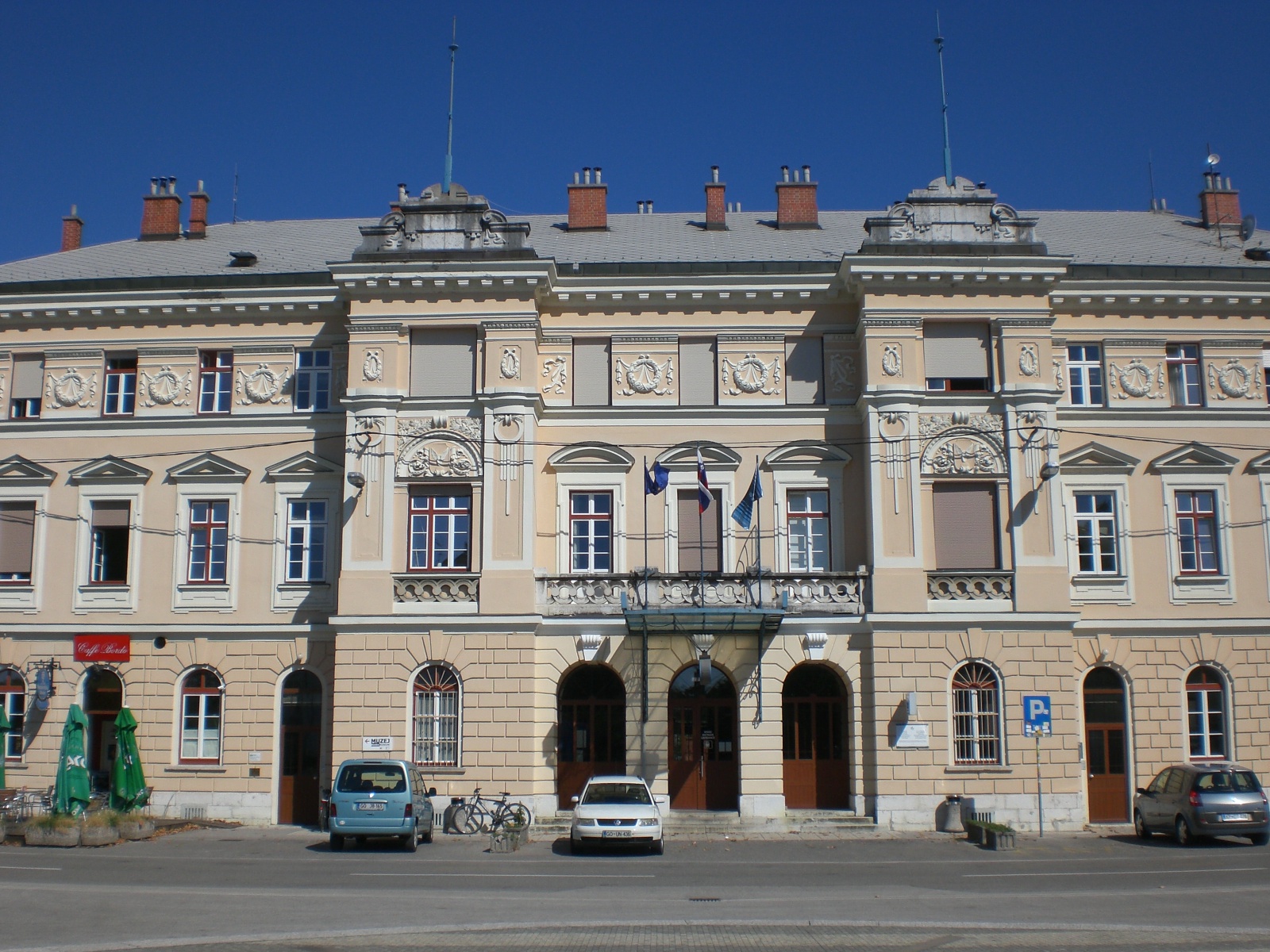
CIMG9046

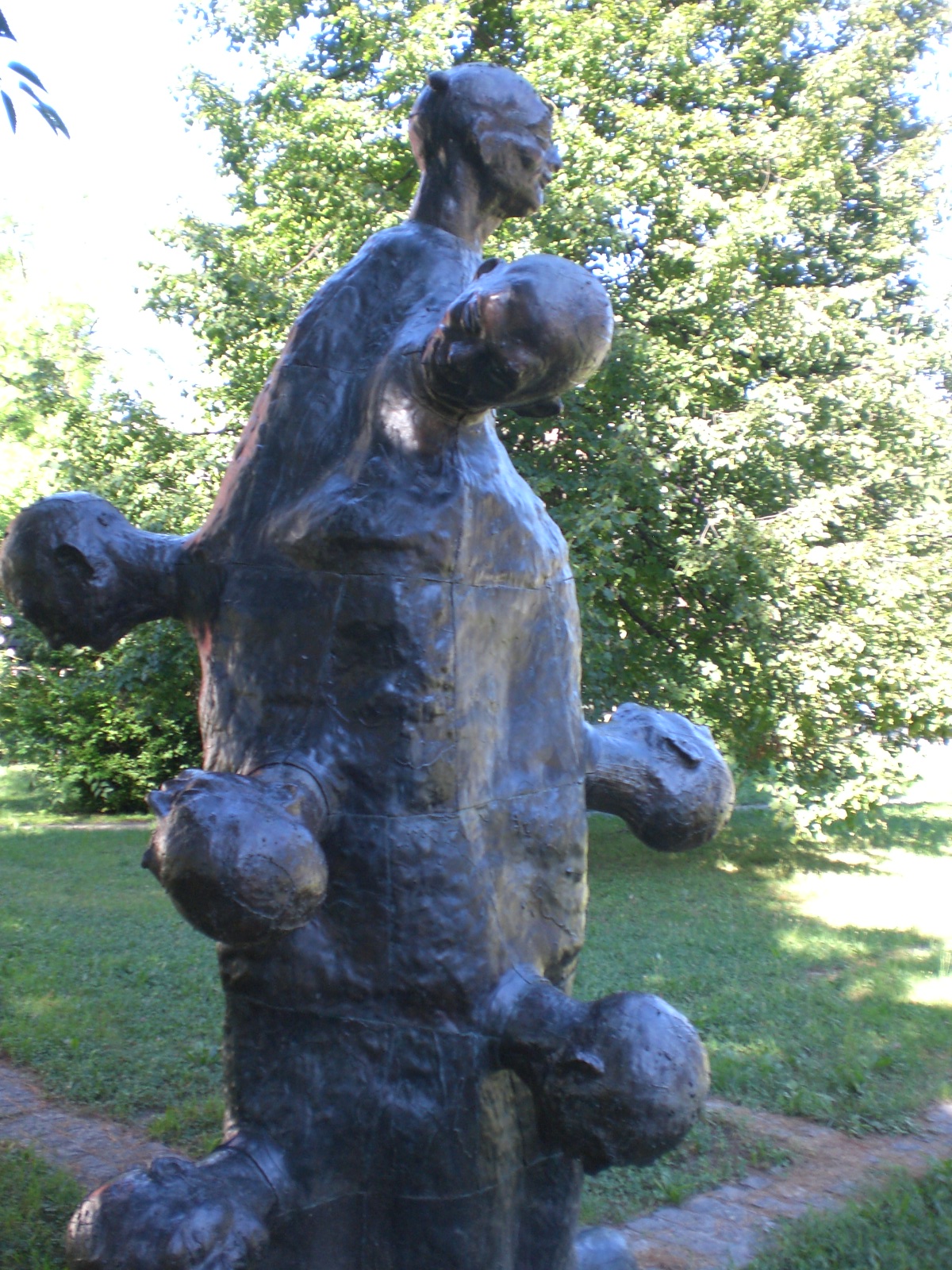
The roof of a tunnel for pedestrians and cyclists is entirely covered in plastic daisies created by Jure Poša. The city has many green areas, squares, and statues. In fact, there is an entire street lined with busts and statues (Erjaceva ulica) – The Alley of Remembrance.

CIMG9044                     CIMG9051

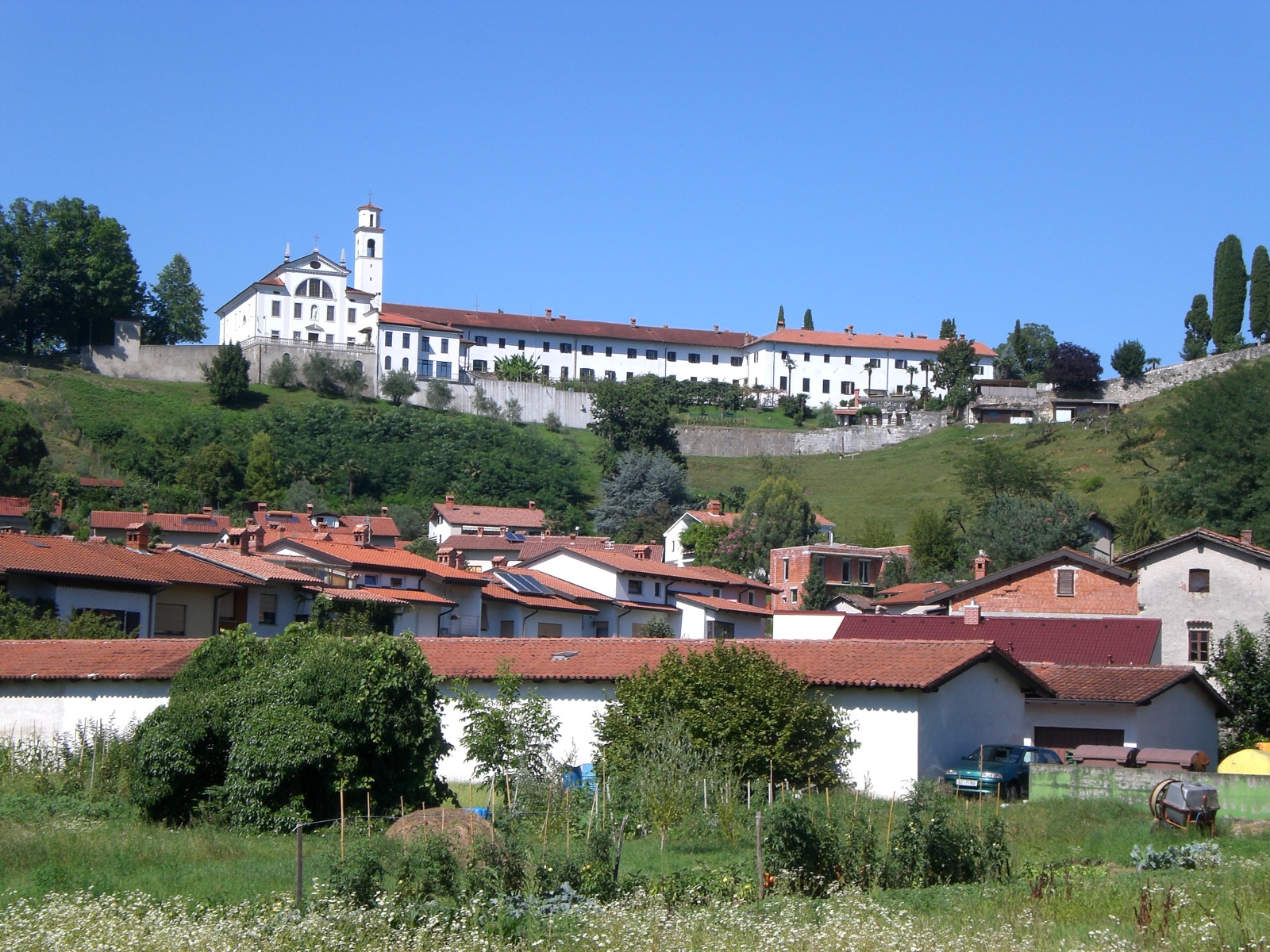
The Church of the Annunciation of Mary and the adjoining Franciscan Kostanjevica monastery stand on a small hill between Gorica and Nova Gorica on the Slovenian side of the Slovenian-Italian border.
CIMG9041

Here are some useful links for more information about the area and the places mentioned above:-

The Holy Mountain – http://bit.ly/1Nh6gKS

The Solkan Bridge – http://bit.ly/1K9wBY9

Nova Gorica and Solkan Tourist Information – http://www.novagorica-turizem.com/

© AdeleinSlovenia 2015

More Rainy Days Ideas – Radovljica and Studor

Most of July was blissfully hot and dry, and indeed records were being broken left, right and centre, until, that is, last week when a new, less than remarkable, record was set of just 20 minutes sunshine over a 5 day period. Let’s hope that record is consigned to the history books and not repeated any time soon! Fortunately, by Friday the sun had worked its way back and it was immediately hot again. The consequence, however, is that there wasn’t much in the way of hiking and cycling for me for the whole of last week, instead just endless trudges with my umbrella.

Once such ‘trudge’ – though in fairness the remarkable scenery means it can’t be described as a ‘trudge’ – was around the quaint village of Studor. The moody skies and the mountains of the Julian Alps rising up from Bohinj Lake only served to somehow make it even more scenic.

CIMG8691

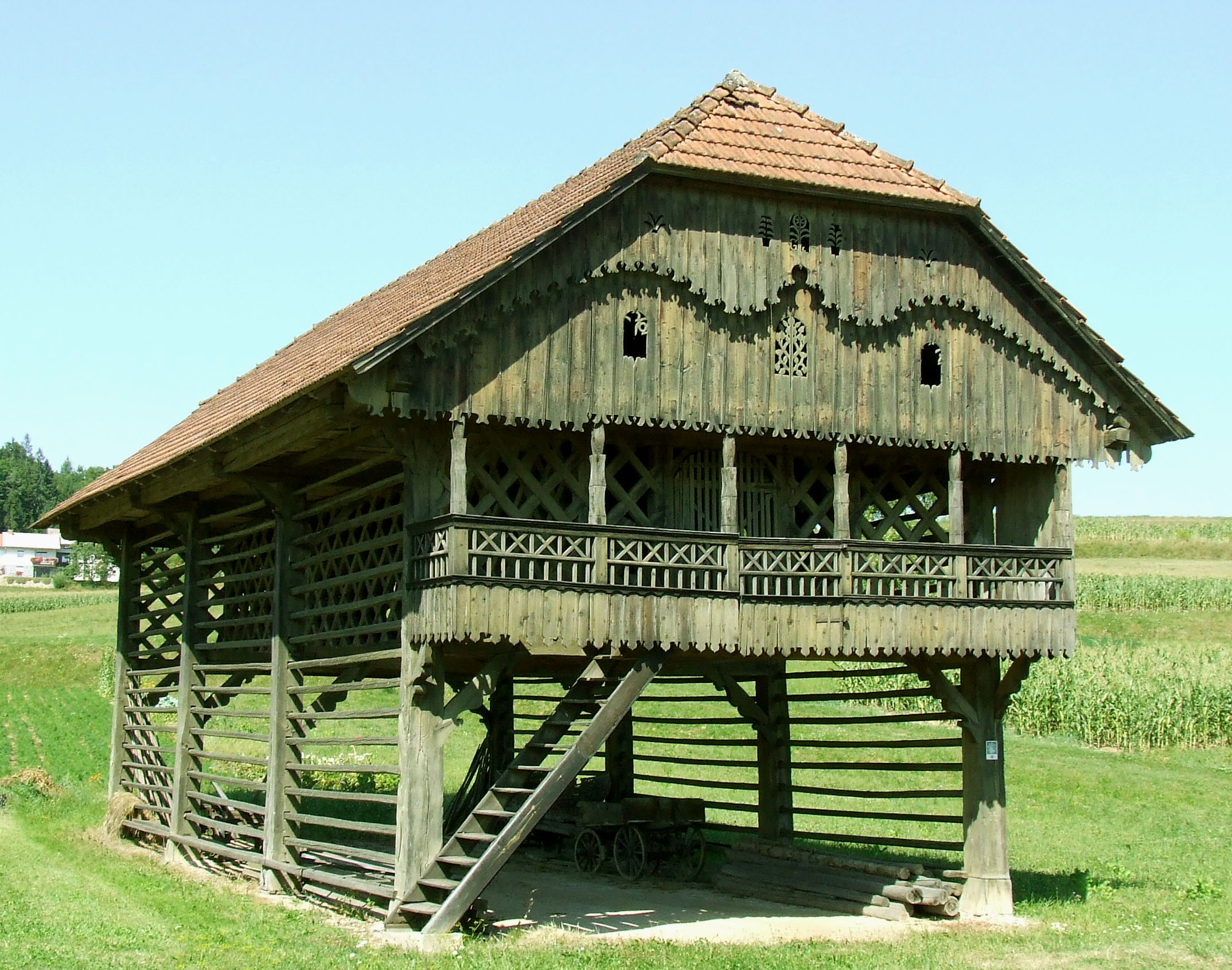
Though only tiny, Studor it is known for its double height ‘toplar’ hayracks.

TOPLAR1

The Mrcina ranch with its Icelandic horses.

CIMG8793

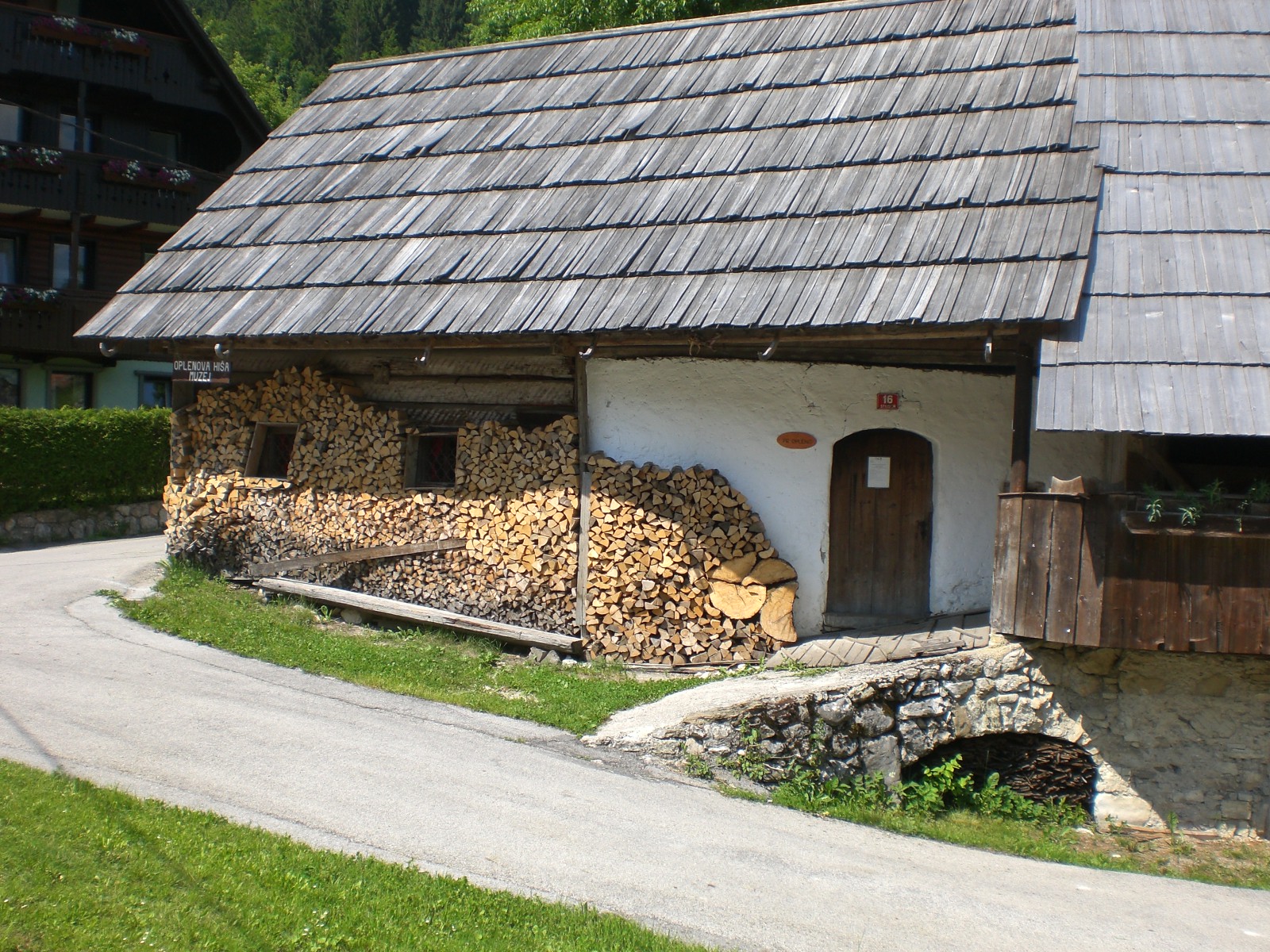
and also the Oplen House Museum (Oplenova hiša) which represents a typical 19th century home where various crafts were carried out and includes a black kitchen – http://www.slovenia.info/en/muzej/Studor-in-Bohinj,-Oplen-House-.htm?muzej=914&lng=2

CIMG8796

Meanwhile, in Radovljica, it is noticeable how rain actually attracts visitors to the area. On rainy summer days, the old town centre is often at its liveliest as people flood here from Bled, and the surrounding areas, seeking things to do on a rainy day. Popular attractions include:

The Museum of Apiculture, housed in the Radovljica Mansion, where you can learn all about the history and importance of beekeeping in Slovenia and see the collection of painted beehive panels, each one tells its own story, including the oldest one in the world.

cebelarski muzej        ceb muz

The Gingerbread Workshop at Lectar Inn, where you can see gingerbread hearts being made and decorated, pick up some souvenirs and/or enjoy a delicious meal in the restaurant.

CIMG7939

There’s also the Šivec House Gallery, St. Peter’s Church and, a little further afield, the iron-forging village of Kropa, the village of Kamna Gorica with its many bridges and streams, the ruins of Kamen Castle and the home of Avsenik music in Begunje, and the Vila Rustica archeological site and Village Museum in Mošnje.

All of the above mentioned are also accessible on the Hop-On Hop Off Tourist Bus which runs on Tuesdays and Thursdays throughout the summer – http://www.radolca.si/en/hop-on-hop-off-radolca/

Of course, on rainy days food and drink is usually top of most people’s list and Radovljica doesn’t disappoint on this score either with a plethora of cafes, and tasty homemade food at the Taste Radol’ca restaurants including Kunstelj Inn, Lectar Inn, Joštov hram, Vila Podvin. More information can be found here or click on the Taste Radol’ca heading at the top of this page – http://www.radolca.si/en/taste-radolca/

© AdeleinSlovenia 2015

Highland Hiking and Lakeside Chillin’ in Bohinj

Another fantastic week of high temperatures is behind us, though the rain on Saturday has now cooled things down quite significantly. Needless to say, I’ve been making the most of the fine weather with plenty of hiking and cycling trips.

The highlight of my week was a day spent in the Bohinj area, which never fails to impress. Here I will share the details to hopefully provide some ideas and inspiration and, just a reminder, that at weekends you can also travel to Bohinj on the Hop-On Hop-Off Tourist bus which costs just 5 euros per person for the whole day. More information here – http://www.radolca.si/en/hop-on-hop-off-radolca/

My day began with a 7am departure from Radovljica – in order to beat the traffic, the heat, and find a parking space – arriving in the village of Stara Fužina at 7.45 from where I began my hike. From there, less than an hour’s hike leads to a wonderful viewpoint overlooking the lake, the Julian Alps and the Vogel ski centre. This can be a destination in itself, as the views are more than just reward for the effort. For an added reward, just a further 5 minutes from the viewpoint, you can enjoy some mountain refreshment at the Vogar mountain hut (Koča na Vogarju) – 1054m.

CIMG9013        CIMG9015

I resisted the temptation and continued to Planina pri jezeru – 1453m (literally – highland by the lake), from where there are paths branching off in various directions. From here, it is just a further 2.5 hours (approx.) on foot to reach one of the most popular hiking destinations in the Julian Alps, the 7 Triglav Lakes Valley. However, I instead turned left to reach Planina Viševnik, then Vodićni vrh – 1486m, before descending back to the road which, eventually, returns to just near the Vogar hut and then back to Stara Fužina.

CIMG9024        CIMG9026

Those who would rather hike less but still reach the highlands and get some great views, can drive up to Planina Blato on the toll road (10 euros) – 1147m, from where the are numerous onward options on foot.

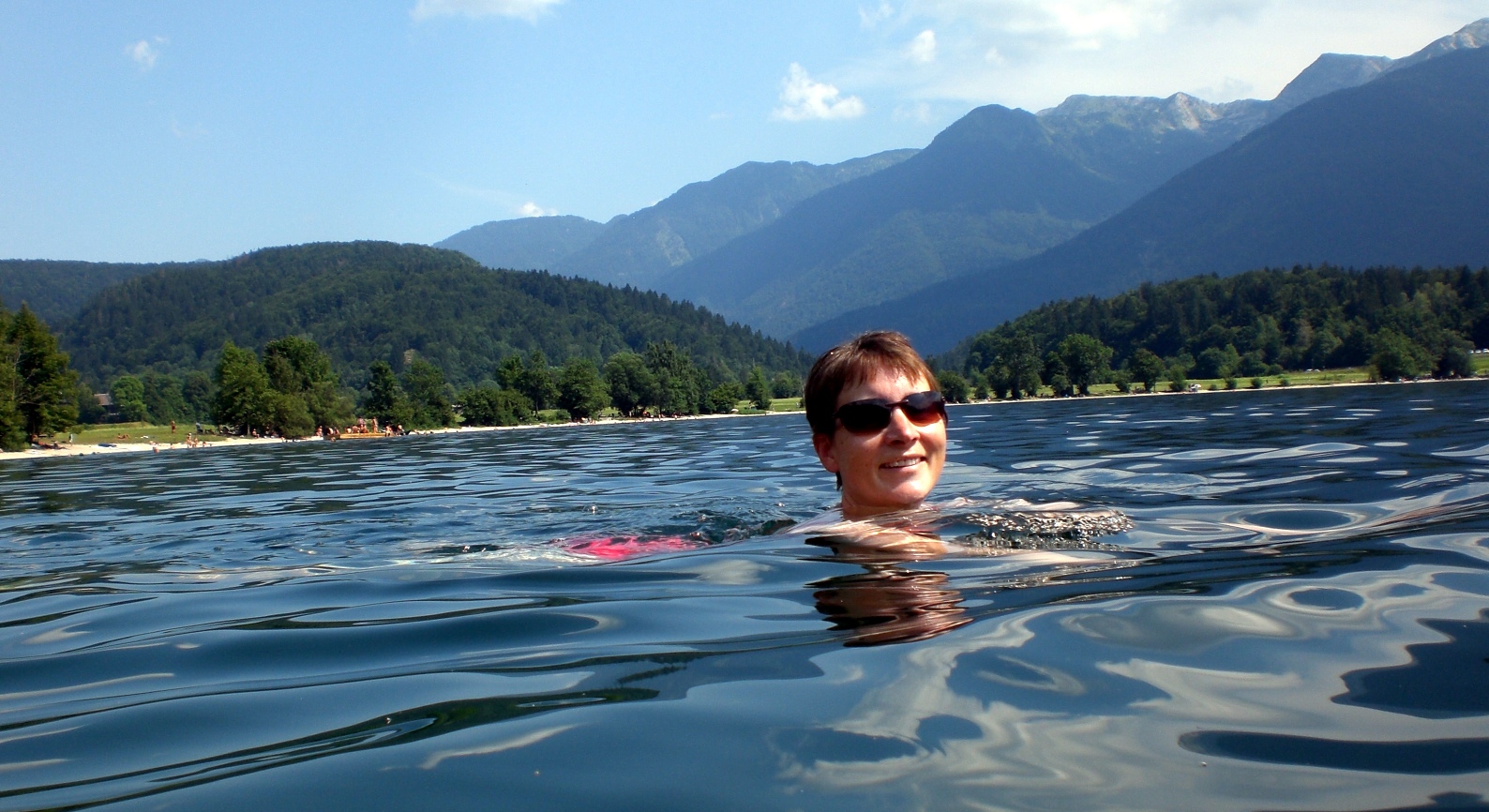
Now, I must admit that I’m a self-confessed wimp when it comes to cold water and, until last week, I had always declared any water I had dipped my big toe into as ‘too cold’. But last week, finally, after five-and-a-half hours of hiking, the cool water of Bohinj lake was calling my name. With the temperatures being so high for so long, the water in the lake was actually warm enough – even for me – and dare I say I actually enjoyed it!

CIMG9027

If you’re looking for something to do this coming weekend on Sunday 2nd August it’s the annual Medieval Day in Linhart Square in Radovljica’s old town centre. It’s always a firm date in my diary and there’s something for all the family including market stalls selling local handicrafts and food, medieval dances, street performances and archery. More information here – http://www.radolca.si/en/what-to-do/events-1/medieval-day-in-linhart-square/83/310/

© AdeleinSlovenia 2015
Top Ten Summer Activities in Radovjlica

Phew, last week was, and thus far this week is, a scorcher. I’m not, though, complaining! I never do when it comes to the heat as I much prefer it to the cold, snow and drawn-out winters. There is no shortage of things to do when the weather is like this, so this week I thought I’d offer some suggestions, in no particular order, for surviving the summer heat in, and around, the Radovljica area.

1. ICE-CREAM! Lots of it! Ok, so I said above ‘in no particular order’ but I confess that ice-cream comes in at, or at least near, number one on my list! I can think of at least 6 places that sell ice-cream in Radovljica, though there’s probably more, many of which produce delicious homemade stuff too.

2. THE SAVA RIVER – in it, on it, by I, or even over it. You won’t catch me dipping even my big toe in it – it’s too cold for me – but those hardy enough to brave the icy water can take a dip in the river at various places. I prefer to walk by it, the new Sava River Trail is ideal as the trail benefits from the coolness of, in places, running right at the river’s edge, and also through the forest – http://radolca.si/en/the-sava-river-trail/. Others may prefer to enjoy the Sava river by partaking in one of the many water sports on offer such as rafting, kayaking, canyoning or canoeing – http://www.radolca.si/en/rafting-kayaking-canyoning/, or you can even zip over it on the zipline at Tinaraft.

CIMG7860

3. FOREST – Since around 60% of Slovenia is covered by forest, and the Radovljica area has its fair share, there’s more than enough to go round and ample space and opportunities to enjoy the forest, be it walking through it or seeking respite in the shade, The vast Jelovica Plateau, which forms the backdrop to Radovljica, is a great place to start, though do go armed with a map as ‘vast’ is an understatement! Vodiška planina, as seen below, has a mountain hut serving tasty homemade food and is a popular spot with locals. More here – http://www.radolca.si/en/jelovica-plateau/

CIMG6799

4. SWIMMING – Radovljica has an Olympic-size swimming pool and during the summer it’s open-air. There is also another outdoor pool in Kropa. More details about both can found here – http://www.radolca.si/en/swimming/

5. MOUNTAINS – Head up into the mountains for fresher, cooler air. The Karavanke mountains are less crowded than the better known Julian Alps, and are right on the doorstep. Don your hiking gear (hiking boots, poles, rucksack, food & drink etc.) and a map, and head off to discover the Karavanke – http://www.radolca.si/en/karavanke-range/

CIMG8031

6. CYCLING – Mountain biking in the cool forests of the Jelovica plateau or road biking on one of the many cycle routes around the area. Take your pick! http://www.radolca.si/en/cycling/

7. TASTE RADOLCA WITH A VIEW! Seat yourself in one of the Taste Radol’ca restaurants, enjoy a cold glass of something, and/or some homemade local food, and soak up the views. One of the best views can be found at Kunstelj Inn, but then nowhere exactly has a bad view! During the heat the usual hearty Gorenjska staples (stews, soups, roasts etc.) can seem a bit heavy but grilled dishes, such as the traditional Balkan cuisine found at Jostov hram in Podnart, hit the spot – http://www.radolca.si/en/restaurant-jostov-hram/

10363773_10152923757123715_7286653725815475040_n

8. OUTDOOR CULTURE AND EVENTS – The Summer Events Programme includes a wealth of outdoor concerts, open-air street theatre, open-air cinema, and much more. More information can be found here – http://www.radolca.si/en/what-to-do/

9. CAVING – Well, where could be cooler, in more ways than one, than a cave! – http://www.radolca.si/en/caving/

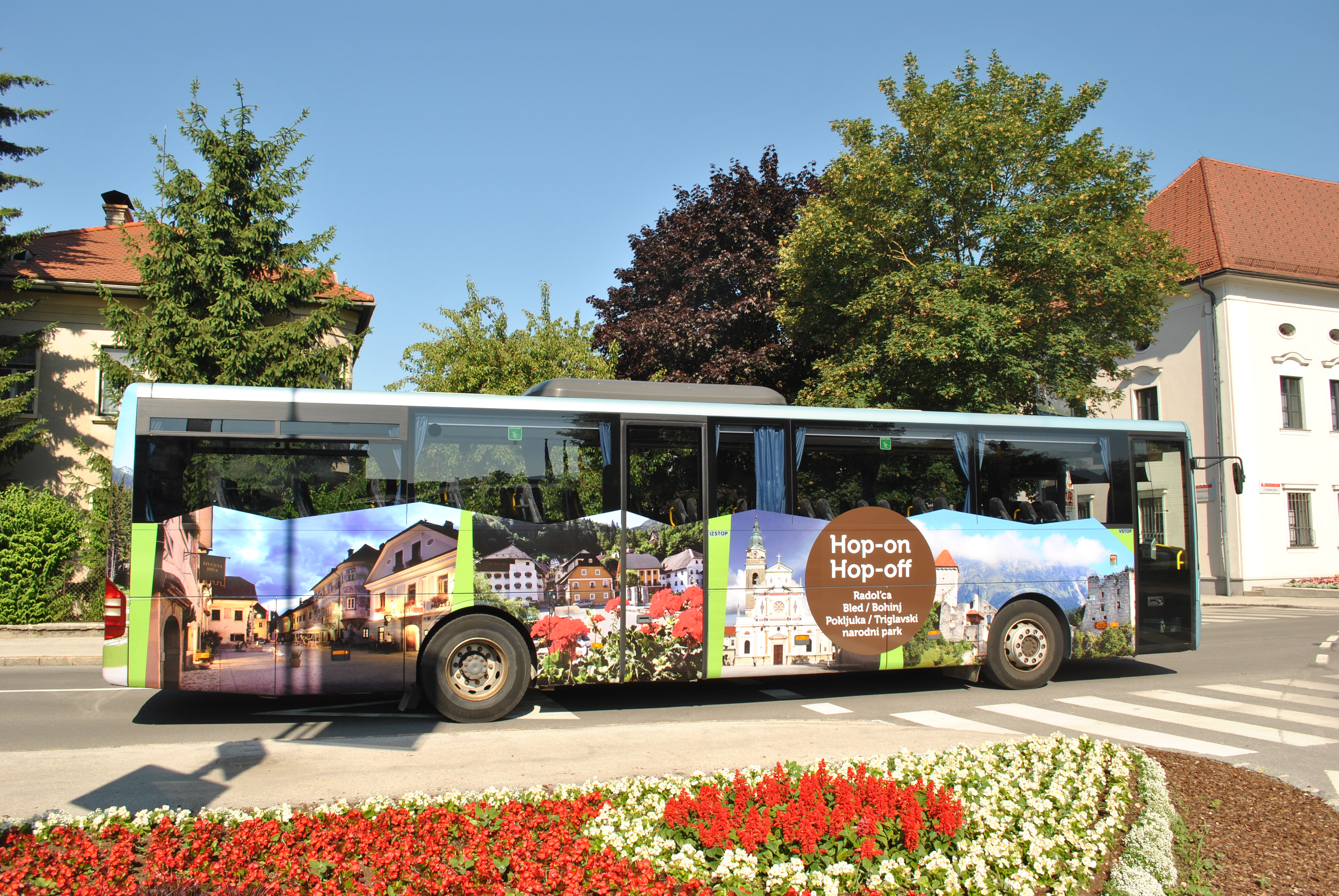
10. HOP-ON HOP-OFF TOURIST BUS – Actually, this is ideal regardless of the weather. Get on and off the bus at various places along the route and see sights of interest. The bus runs on Tuesdays and Thursdays during July and August. More information here – http://www.radolca.si/en/hop-on-hop-off-radolca/

Hop on hop off radolca

So, that’s my list which I hope provides some inspiration and ideas for spending summer days in, and around, Radovljica. I do hope, thought, that I’m not tempting fate by talking about the glorious weather since I seem to recall that this time last year the weather was similarly wonderful, but thereafter it went rapidly downhill for the rest of the ‘summer’. Fingers crossed for this year!

© AdeleinSlovenia 2015

Hiking, cycling and strolling in sunny Slovenia!

After the excesses of the Easter weekend (see last week’s post), this weekend was devoted to my number one passion i.e. being outdoors, and as a bonus the whole weekend the country was bathed in fabulous warm sunshine. It was certainly a far cry from last weekend’s snowy/windy/cold and very changeable weather and, as you will see below, I managed to squeeze in quite a lot!

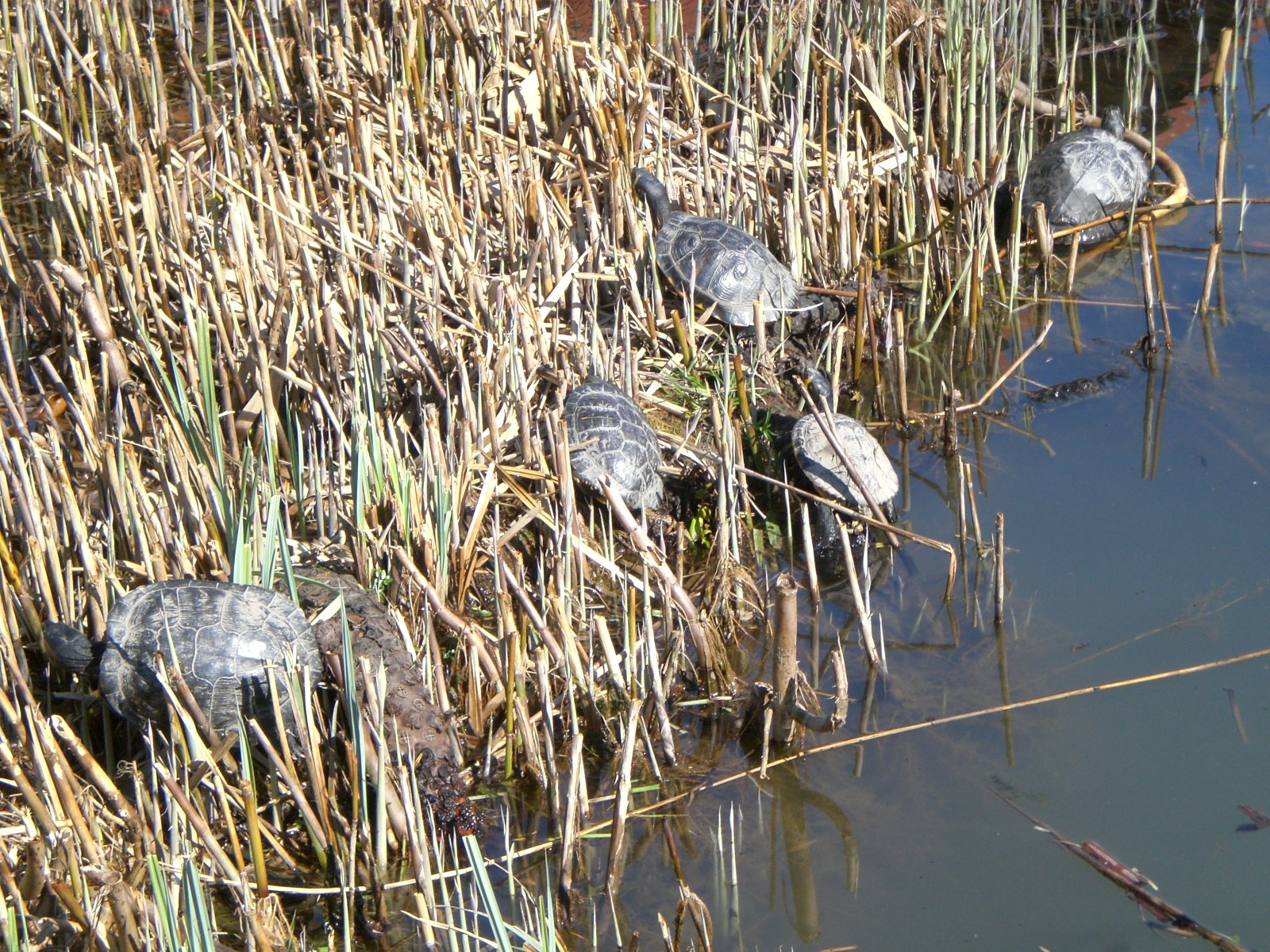
  • A stroll amongst the spring flowers in Ljubljana’s Botanic Gardens where even the terrapins were basking in the sun.

CIMG8427        CIMG8423

  • A walk up to Ljubljana Castle.

CIMG8429

  • A hike up to the Potoška highland (Potoška planina).

CIMG8494

As you can see, in places there was still some snow. In fact, it is quite difficult at the moment to choose where to hike because the sunny slopes, up to around 1200-1300m, are now free of snow, however, any higher, and particularly in shaded areas, there is still a lot of snow and ice to contend with, so hikes into the higher mountains will have to wait a while yet. These past couple of days though, due to the high temperatures, it is beginning to melt fast so hopefully it won’t be too much longer until I can begin to start venturing further and higher.

CIMG8489          CIMG8491

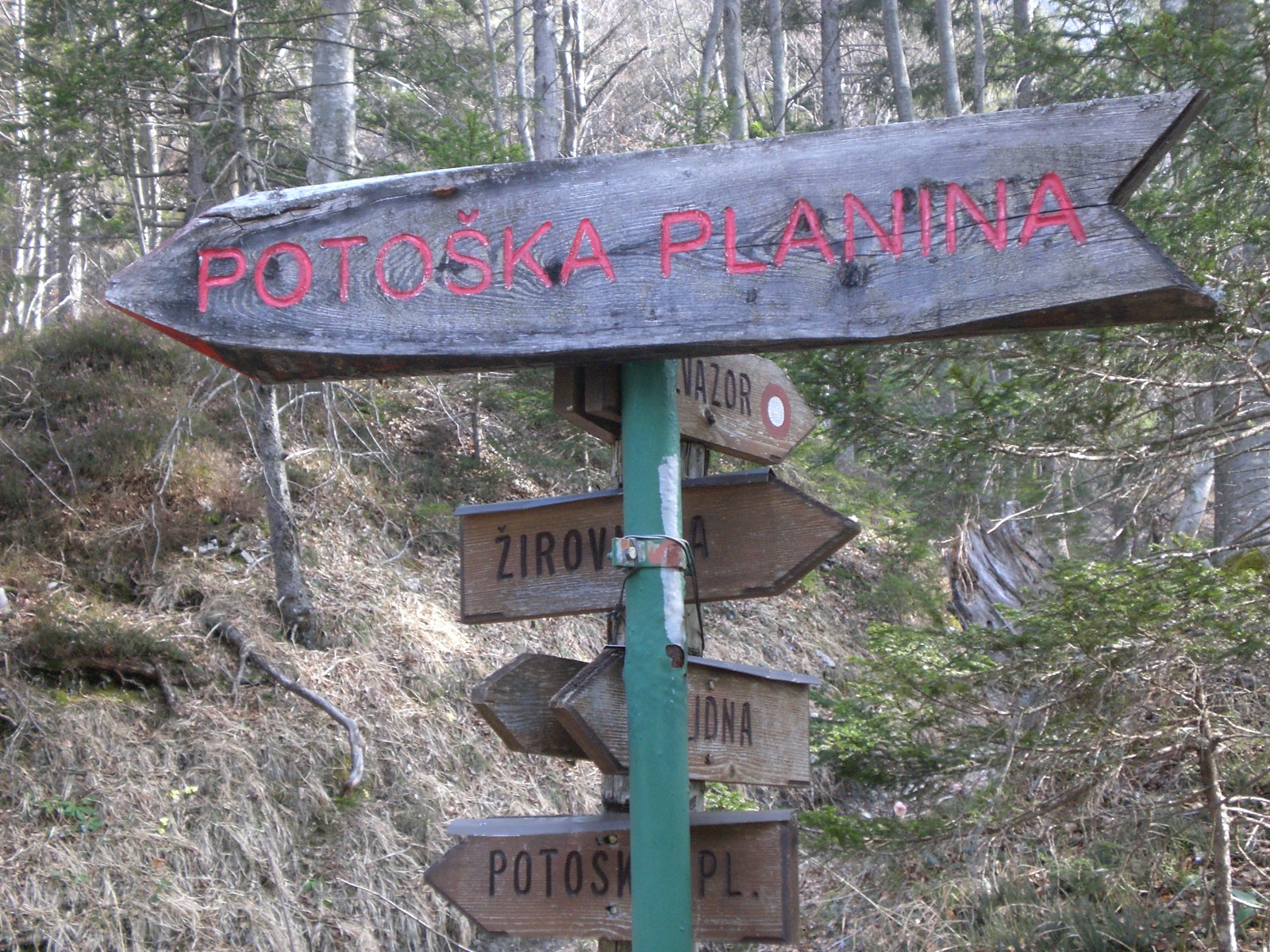
I began from the reservoir in Žirovnica, which I had cycled to from home, then followed the path up towards the Valvasor mountain hut (Valvasorjev dom). On reaching the road forest road, which is crossed in order to continue towards the hut, there is a sign for Ajdna and Potoška planina to the left. I had actually intended to go to Ajdna but there was a training course for mountain guides taking place there all weekend so I instead continued on the forest road up to the Potoška highland (1270m) from where there are far-reaching views across the Julian Alps and along the Upper-Sava valley towards Kranjska Gora, however, it was rather hazy sunshine so the photos don’t really do the views justice on this occasion. From the highland I turned right to continue towards the Valvasor hut but, rather than going to the hut itself, I continued on to the next highland, Žirovniška planina. There are several such mountain highlands that lie on the slopes beneath Stol, the highest mountain in the Karavanke range.

CIMG8487          CIMG8496

  • A ride on the new bike path in Jesenice. I love this new path as its traffic-free and now joins up with the bike path from Mojstrana towards Kranjska Gora and onwards into Italy.

jes kol pot

Next weekend, of course, its the Radovljica Chocolate Festival so will once again be dedicated to my other passion i.e. chocolate! All the chocolately fun kicks off on Friday 17th April at 3pm and continues all weekend. The full festival programme is now available here – http://www.festival-cokolade.si/en/programme/

© AdeleinSlovenia 2015
Spring in Slovenia; cycling, flowers, chocolate and more!

In last week’s blog I wrote about the St. Gregory’s Day celebrations which take place annually on the eve of St. Gregory’s Day, in this case, last Wednesday 11th March, in the villages of Kropa and Kamna Gorica. I was a little disappointed that due to work commitments I was unable to go this year, however, as luck would have it one of the locals from Kamna Gorica, put together this short video so I, and now you, can have a glimpse into the custom and see the colourful creations made by local children. https://www.youtube.com/watch?v=ABGRQ79oC7k&feature=youtu.be

What struck me initially on watching it is that it was still daylight, whereas last year when I attended on the same day and date -11th March 2014 – it was already dark. This year spring seems to have come early, and with it, longer and warmer days, and the forests are now carpeted with beautiful spring flowers. Ok, I know its a bit early to be celebrating spring ‘proper’, after all it could, and probably will, still snow. However, after last year’s washout of a spring and summer, this dry, mild(ish) period is much appreciated.

spring flowers 13Mar2015

So, with spring in the air, my thoughts have started turning to cycling and I began dusting off my bike this weekend. After month’s of not cycling, and with a nip still in the air, the first rides of the year are always gentle ones, on flat, easy surfaces, such as from Radovljica via Lesce and Hraše to join the 12km-long Imperial Road (cesarska cesta), a gravel road that leads towards Žirovnicahttp://en.zirovnica.eu/experiences/active-breaks/cycling/family-cycling-trips/along-the-imperial-road/

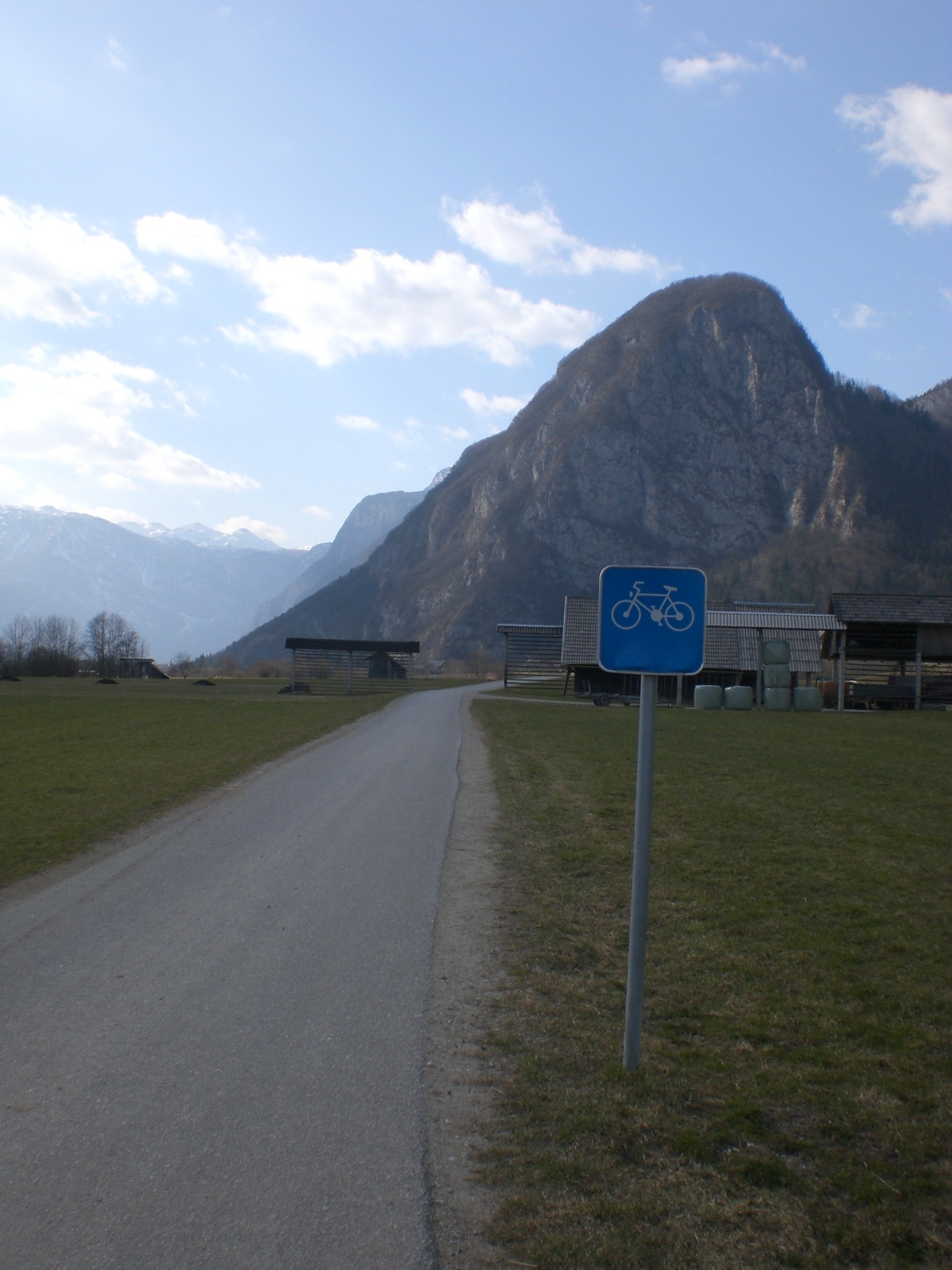
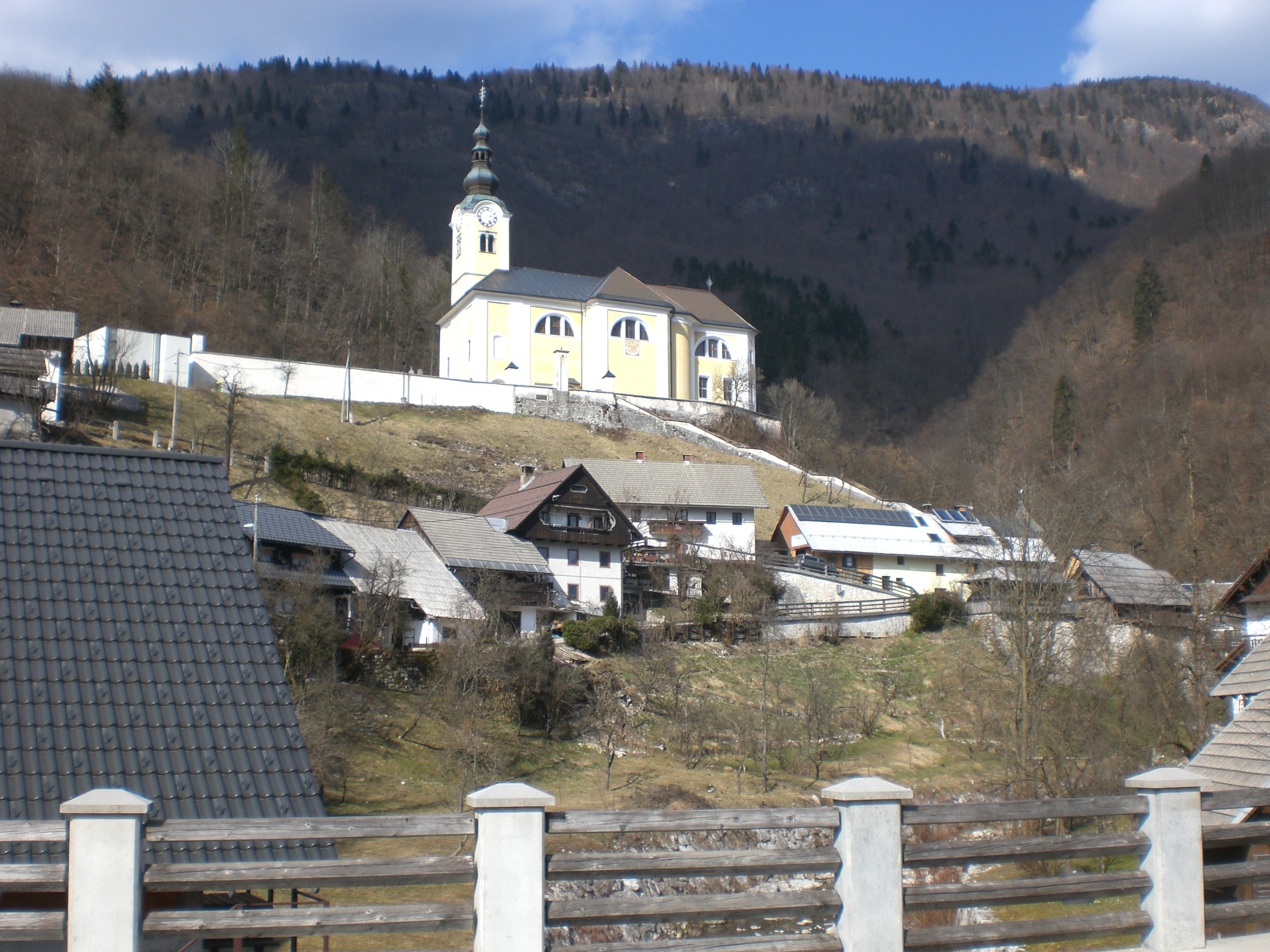
Another such flat(ish) and easy(ish), as well as being particularly scenic and traffic-free, cycle path is that from Bohinjska Bistrica to Bohinj Lake then onwards towards the villages of Stara Fužina, Studor and Srednja vas. The cycle path is well-marked and the views of the Julian Alps and the surrounding villages and lake certainly take your mind off the couple of short, but very steep, inclines. This section, seen below, leads from Srednja vas towards Studor. with the imposing Baroque St. Martin’s church on a small hill directly above the village.

CIMG8394      CIMG8396

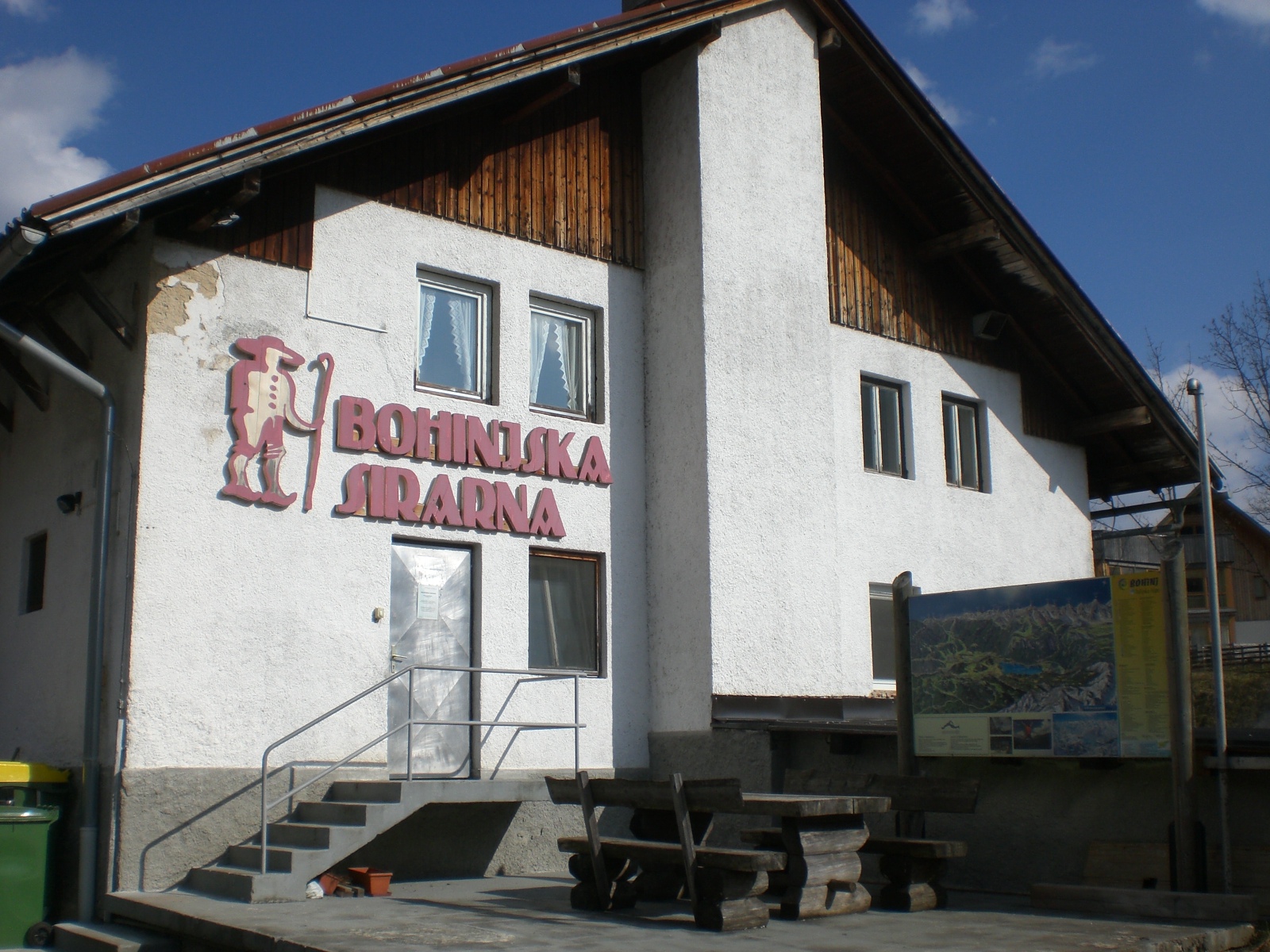
It’s worth making the short detour to see the church, which contains paintings by well-known Slovene artists, and also nearby is the Ribnica waterfall and the Bohinj Cheese Dairy (Bohinjska sirarna) where one can stop off to buy locally produced cheese (open weekdays 7am – 2pm).

CIMG8402      CIMG8398

Preparations are now in full flow for this year’s Radovljica Chocolate Festival. This event just keeps growing and growing in popularity, and this year it will be even bigger and better. The Festival will take place over 3 days (instead of the previous 2) from Friday 17 to Sunday 19 April and will also be extended to take place not only in the historic old town centre and the Radovljica Manor (grascina), but also in the Town Park. Read more about the Festival here – http://www.radolca.si/en/what-to-do/events-1/festival-of-chocolate/83/309/

I can’t wait!!!

© AdeleinSlovenia 2015

Historic Radovljica / Retro skiing in Kropa

I recently came across this fascinating website which contains digital archives of photos, postcards and texts about Radovljica – the oldest dating back to 1689. The collection on the website is also being added to, as and when locals offer suitable pictures from their own archives, and can be viewed here – http://www.dar-radovljica.eu/

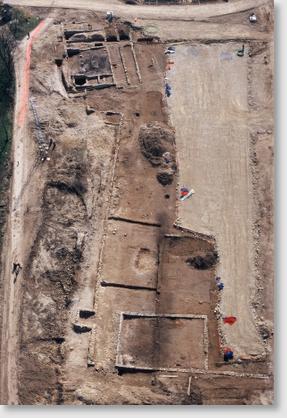
History buffs might also be interested to know that Radovljica is the oldest settled area so far discovered in the Gorenjska region. Settlements have been discovered from the Middle Palaeolithic Age (40,000 BC) with the first permanent settlement arriving during the Hallstatt period of the early Iron Age. There are also archaeological sites which can be visited in the area including Villa Rustica in the village of Mošnje; a Roman villa which was discovered in 2006 – http://www.radolca.si/en/villa-rustica/

arheoloska-odkritja-mosnje-1_gallery_big-420-420-15132390

It’s been a relatively ‘unwintery’ winter’s week, with no extremes of weather – thank goodness – until yesterday when a rain storm made a, fortunately, brief appearance bringing with it more snow on higher ground. At the Kredarica mountain hut (Triglavski dom na Kredarici) a record-breaking gust of wind, measuring 221kmph, was measured on Saturday. Kredarica is the closest hut to Slovenia’s highest mountain, Triglav (2864m), and at 2515m is the highest hut in Slovenia. It is only officially open for a couple of months a year – usually from the end of June to the end of September – dependant on weather conditions, however, it is permanently manned by meteorologists.

Talking of snow, last weekend saw the annual Retro Ski Race ‘The Koledniki Cup’ held in Kropa in the Lipnica Valley. It is a competition which invariably involves a degree of humour as competitors try to demonstrate their skills using antique skis, clothing and equipment – which serve as a reminder of how far technology has come – together with an accompanying entertainment programme, culminating in the ‘Pig’s Head Cup’ ski jumping competition.

retro ski1  retro ski 2

Judging by the number of emails I’ve had in the past week, it must now be the time of the year when people are starting to dream of warmer days and start planning their summer escapes. People who find my blog often write with various questions relating to their planned visit. With this in mind, I decided it would be a good idea to collate some of the more frequently asked questions and try to begin addressing them throughout the course of the coming weeks and months. One question that seems to crop up quite frequently is:

‘When does the Vršič pass open?’

At 1611m the Vršič pass is Slovenia’s highest mountain pass and crosses the Julian Alps to connect the Gorenjska region and the Soča valley. It has a total of 50 hairpin bends. It is usually closed throughout winter due to snow and the risk of avalanches, however, it is very difficult to say exactly when it will open/close as it is dependant on the amount of snowfall. As you can see from the picture below, showing me standing on the ‘road’, taken last winter when I walked up to bend number 17 (read more here – https://adeleinslovenia.wordpress.com/2014/01/27/winter-on-the-vrsic-pass/), there is good reason for it to be closed! It is usually open at the latest by the start of May but it has also been closed until the end of May during years of particularly heavy snowfall and its also not unusual for it to then close again for a day or two if there is heavy snowfall, which is still possible in May. If you are planning a trip which involves going over the Vršič pass, then you should check the up-to-date traffic information (see Links to Tourist Information on the right side of this blog) and, if necessary, take the alternative route which involves continuing on past Kranjska Gora into Italy, then taking the Predel pass into the Soča valley. This is also a scenic route with plenty to see enroute, including the Kluže Fortress.

CIMG7029  CIMG7035

So, I hope that answers that question! More to come….

© AdeleinSlovenia 2015

Humanfish (proteus) in Slovenia / Hotel and Restaurant Krek

In last week’s blog, written when it was dry, sunny and mild, I mentioned the new Sava River Trail, vowing to write more about it this week once I had had time to further explore it. However, once again the weather scuppered my plans. I must admit, I did wonder about the wisdom of erecting the signage and arranging the path at this time of year which is notoriously wet, since, as the name suggests, the path runs alongside the Sava river and even during the driest of months will be wet in places.

After last week’s torrential rain and flooding, it will be impassable in places so I’ll write about that at another, drier, time of year; goodness only knows when that will be though as this year anything is possible! Last week it started raining on Monday evening and continued until the early hours on Sunday – literally – it didn’t stop, not even for five minutes. This has inevitably led to more widespread flooding, villages being entirely cut-off, and more heads being scratched and questions asked in a year that has, so far, seen an unprecedented 15 extreme weather events in Slovenia; beginning with the glaze ice in February and continuing fairly unabated since then. The sheer frequency alone should surely be more than a warning that we, and by ‘we’ I mean all of us – not just here in Slovenia – need to take climate change more seriously and, although we can’t interfere with nature, we can at least take more preventative measures and governments need to be assigning more funds to addressing flooding and other climate related issues. Oops, I’ll get off my soap box now!
However, the flooding did turn up one interesting discovery, the very rare proteus, sometimes also known as a humanfish due to the colour of its skin, which was found in the flooded cellar of a house in Kompolje. These rare cave dwelling vertebrates live, eat, sleep and breath in the subterranean waters of the karst caves, and are an endemic species of the Dinaric Alps. They are only found in Slovenia, specifically at the Postojna caves, and occasionally in neighbouring parts of Italy and Croatia which share the same karst characteristics. In this case, it was carefully captured and collected by the relevant cave experts who could ensure a safe return to its habitat.

Humanfish

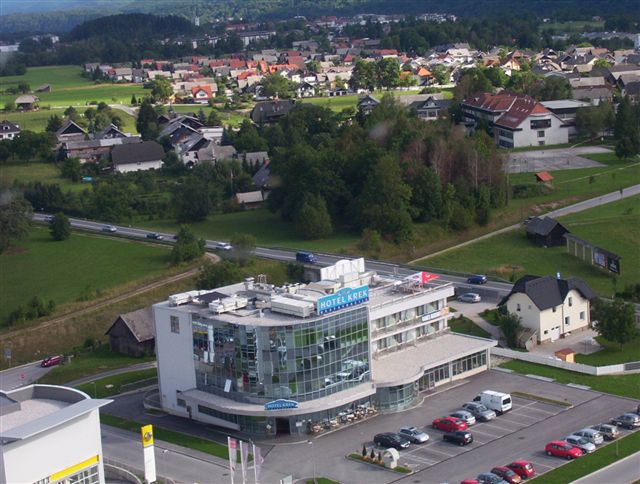
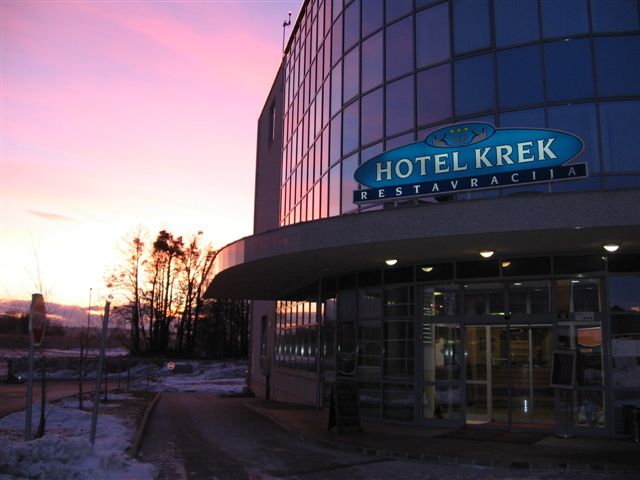
Also in last week’s blog I mentioned the arduous task facing me(!) of visiting the remaining restaurants which have now joined the Taste Radol’ca collaboration, and which I have yet to review. This week then, it was the turn of Hotel and Restaurant Krek in Lesce. The hotel is situated just off the motorway at the exit for Lesce/Bled, next to the services, a casino and a coupe of supermarkets. It is a particularly popular destination for those transiting through Slovenia, as well as those looking for a mid-priced, convenient hotel close to Bled, Radovljica and the surrounding areas. The hotel’s restaurant is particularly popular at lunchtime with locals who pop in for daily light lunches (malice) and it’s large function area also regular hosts business events, seminars etc. Lesce Sports Airfield, from where panoramic flights across the Julian Alps can be taken, is just a few minutes from the hotel.

Aerial view  dec jan 10 11 013

Having lived here for over 7 years now, I have been past the hotel hundreds of times, on my way to the shops and/or for petrol. However, I will admit, that it never occurred to me to go there for lunch or dinner. Having met and had a similar discussion with the management, I realise this is perhaps a common misconception as one wouldn’t necessary think of going to a hotel restaurant for dinner, thinking of it as being merely for hotel guests. However, this is certainly not the case and by joining the Taste Radol’ca collaboration, Krek hope to further spread the word among locals and visitors about their restaurant and fortunately I also now know and can contest it is worthy of a pit-stop.

A friend and I had the special ‘Taste Radolca’ menu, which is available for the whole month of November at 15 euros for 3 courses (the same price applies at all the other participating Taste Radol’ca restaurants during November). However, the restaurant also offers a full menu of other typical Slovene, and non-Slovene, dishes.
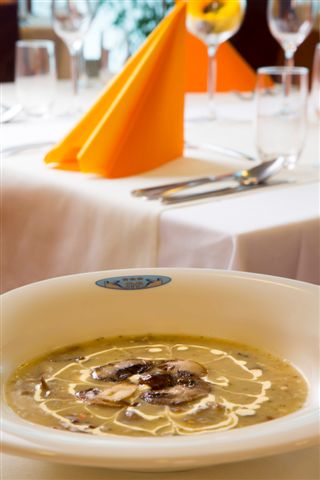
The food was beautifully presented, tasty and excellent value;  mushroom soup to start (although I requested pumpkin soup as having tasted it at last week’s opening event, I knew just how delicious it was!), followed by the main course of roast pork with honeyed-apples and a trio of struklji, for dessert triple-chocolate cake which was rich and chocolately enough even for me!
JUHA  IMG_41280000 PECENKA IMG_414600000

The Slovene television programme Na Lepše, about tourism in Slovenia, broadcast a feature about Taste Radol’ce (Okusi Radol’ce) in last Friday’s edition. You can watch it here, with a thankfully minor appearance by me, here – http://4d.rtvslo.si/arhiv/na-lepse-oddaja-o-turizmu/174303338

Of late, Slovenia seems to be cropping up increasingly in articles published in the press and online, and in various ‘Top Ten’ lists. Many of the articles are inevitably about Bled, which is indisputably picturesque, however it has all kind of been said before. So this week it was nice to see Slovenia’s only national park, Triglav National Park, featuring in one of these lists. Despite it being referred to as ‘Solvenia’, the Park appears at number 9 in this list of 24 awe-inspiring National Parkshttp://www.buzzfeed.com/mackenziekruvant/national-parks

© AdeleinSlovenia 2014


A weekend of winter sports in Gorenjska, Slovenia

It was a big weekend of winter sporting events in the Gorenjska region of Slovenia. On Pokljuka the World Biathlon Cup took place whilst in Kranjska Gora it was the Vitranc Skiing World Cup competition. Whilst this was great for the many spectators and armchair fans of winter sports, it left me with something of a quandry about where to go in order to avoid crowds and traffic congestion. And with the weather forecast to be glorious all weekend, which it was, I had to come up with something!

Fortunately Radovljica‘s favourable location, flanked by the Karavanke range, the Julian Alps and the Jelovica plateau, means one doesn’t have to go far to have a wealth of options. However, at the moment there is still several metres of snow in the high mountains, whilst at lower altitudes there is the problem of the vast amount of fallen trees resulting from February’s ice-storm. So one has to carefully select where to go bearing all these factors in mind. In the end, I settled on Dovška Baba, part of the Karavanke range, reached from the village of Dovje. I make the hike to the peak of Dovška Baba (1891m) at least a few times a year, usually during the summer and autumn, but it is also popular during the winter, albeit in the current conditions, it is perhaps more suited to ski touring than hiking. From the top there are stunning views in all directions; on the Slovene side across towards the village of Mojstrana, Triglav and the Julian Alps, and into Austria on the other side.

Nad Dovjem 16 februar  2013 007

Nad Dovjem 16 februar  2013 003

There is a small hut, which isn’t open during the winter, located on the Dovška Rožca highland (1650m) and due to the amount of snow and the hike taking way longer than it would usually do, I only went as far as the hut on this occasion. I walked up on the road, but having later noticed that the path was somewhat trodden, I pondered whether or not to return on the road or the path. In the end I plumped for the path, which leads fairly steeply down through the forest, thus making for a much quicker return trip but also a VERY wet one since by then the snow was incredibly wet as it was so warm and I returned to my car with feet wetter than had I been for a swim!

Everywhere you go at the moment, you can hear the constant and distinctive din of chainsaws, as foresters, and forest owners, go about clearing up the devastation from the ice storm. One the one hand I find the noise comforting, to know that some of the impassable areas may soon once again become passable. However, on the other hand it evokes a degree of sadness at the sheer amount of trees that have been lost. In what could perhaps be considered something of a silver lining, I read this week that hundreds of the unemployed are to be offered the chance to train as foresters in order to help the clear-up operation, which will last several years.

And in another stark reminder, a friend and I had something of an unexpected adventure during our lovely sunny Sunday afternoon stroll, from Radovljica down to the Fux suspension bridge over the Sava river, where we were pleasantly surprised to find the path free of debris. Had we returned the same way it would have been fine, but choosing to take a different path proved to be a mistake and involved us clambering steeply up an embankment due to the sheer number of fallen trees entirely blocking the way ahead. But we survived to tell the tale!

Nabiranje regrad 9Mar08 002

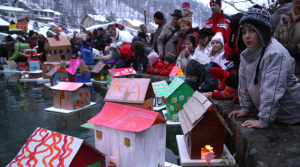
This coming week, on Tuesday 11th March, on the eve of St. Gregory’s Day, it will be once again time for the local age-old iron-forging custom of floating handmade creations, illuminated by candles, in the streams and villages of the iron-forging villages of Kropa and Kamna Gorica. The events, which begin at 5pm in Kropa and 6pm in Kamna Gorica, involve the floating of the models, which are a mixture of unique art creations made from paper, cardboard and wood with candles affixed either on the exterior or interior, creating a colourful effect against the dusk setting, together with an accompanying programme. This custom dates back to the era of manual iron-forging, before the introduction of the Gregorian calendar in 1582, when the name day of St. Gregory was considered the first day of spring. Unlike last year, this year the spring gods appear to be listening as the week ahead looks set to be bathed in sunshine and pleasant spring temperatures.

1886_middle

Also coming up soon it will once again be ‘Restaurant Week‘ (Teden restavracij – website only in Slovene –http://tedenrestavracij.si/ ) throughout Slovenia. During the period from 22nd – 30th March, many of the finest restaurants throughout the country will offer specially prepared menus, of at least three courses, for the set price of just 14 euros per person, which means a great opportunity to try out some new and different restaurants. In the Radovljica area, both Vila Podvin and Gostilna Kunstelj are participating. But hurry, bookings must be made in advance and many restaurants are already fully booked. I’ve made my reservation already!

If you are Facebook user, don’t forget to like the new ‘Adele in Slovenia‘ page, where, in between my weekly blog posts, you will be able to find up-to-date news and information about things happening in Radovljica and the surrounding areas.

© AdeleinSlovenia 2014

Fascinating Ajdna!

No, the title of this week’s blog isn’t a reference to the British cabaret act of (almost) the same name (Fascinating Aida), but in fact a reference to the fascinating archeological site of Ajdna.

Ajdna is a peak, located at an altitude of 1064m, high above the village of Potoki. It is part of the Karavanke range, on the slopes of Stol which is the highest mountain in the Karavanke. On a clear day, as it was when I went this week, the views along the Upper Sava Valley, as well as across the Julian Alps, are magnificent and far reaching.

CIMG6998

As well as being an interesting place to walk and to admire the views, there was another reason for my visit since last year, for my birthday, two friends gave me a necklace with a bird (as seen below), the symbol of Ajdna. Following that, we all planned to go together for a walk there but for a variety of reasons i.e. too hot, raining, busy etc. our trip never quite came to fruition. So this week, with the perfect (spring) winter weather we have been having, I decided that now was the time to go. Who would have thought that it would be possible in mid-January!

pic-3-1

Today the site has been designated an archeological monument of great importance and has a protected status. The settlement that stands here is thought to be from the late Antiquity, though evidence, some of it dating back as far as the collapse of the Roman Empire (476 AD), shows that it may have been inhabited far earlier. The peak provided locals with an excellent refuge from the troubles taking place down below in the valley, not to mention with excellent views too! Ajdna is also thought to be the highest lying settlement of its kind in Slovenia.

Excavations didn’t begin here until 1976 and since then remains of weapons, jewellery and other household objects, as well as many graves, have been found, some of which are now on display in the Gorenjska Museum in Kranj. It is thought the site was home to around 100 people. Today many well-preserved buildings still remain and there are photographs and posters documenting the finds.

CIMG7004

  CIMG7006

There are several ways to reach Ajdna, depending on which direction you are coming from and also depending on how far you want to walk. There is a path which leads directly up from Potoki or from Završnica, in the direction of the Valvasor mountain hut.

Since it was a lovely day and I fortunately had time on my side, I started from Žirovnica and made a long walk of it. First, I climbed the stairs adjacent to the water tower, through the tunnel and continued on the path to reach the Završnica reservoir. From here I followed the marked path as if going to Valvasor dom, turning left on the mountain road approximately 15 minutes beneath Valvasor dom. From here its along the road for approximately 15-20 minutes until the junction with the turn off marked for Ajdna. The path at first goes downhill, through the forest, until reaching the base of the peak. From here there is a choice of the harder, climbing path (15 mins) or the easier path (20 mins). I chose the harder path up and the easier path down. The path up, though not technically difficult, does require sturdy footwear, a steady hand, concentration and no fear of heights as it leads directly up the rock face – but it is well-equipped with steel cable and foot and hand holds. For those not so keen on such ascents, or those with small children, take the slightly longer path to the right, which though easier, also requires a degree of concentration as the area is quite exposed and prone to rockfall. Whichever way you reach it, you will be richly rewarded for your efforts! I will gradually be adding more photos of this, and some of my other trips, on my Pinterest profile too, just click here – http://www.pinterest.com/adeleinslovenia/

CIMG6990

  CIMG6993

So, as you can see from the photos, there is still no snow here in the valley. For the first part of this week, some rain is forecast, with snow at around the 1,000 metre level. For anyone booked to ski at Kranjska Gora, I’m afraid to report that it is pretty green there. However, I’ve heard that some of the hotels are arranging shuttles to alternative ski resorts either within Slovenia or to nearby Austria or Italy so all is not lost. At Vogel and Krvavec however, there is plenty of snow and they are having a great season and with Slovenia being such a small country, its quite easy to get from resort to resort, without long distances involved.

If you are visiting the area, whether to ski or not, there are of course plenty of other things to see and do to. Take a look back through some of my previous posts for some ideas. I’ve covered a pretty wide spectrum about Radovljica, where I live, but also about many other areas around the region and even further afield.

This week there will be a FREE guided tour of the medieval old town of Radovljica on Tuesday 14th January at 10am. There is also an outdoor ice rink in Radovljica, open weekdays from 3-6pm, weekends from 10-6pm. Entrance is free for children up to the age of 18 (with their own skates) and just 2 euros for adults. On Thursday 16th there will be a public production by the Avsenik Music School in Begunje beginning at 6.30pm at the Avsenik Museum – entrance is free.

© AdeleinSlovenia 2014