Spas, Caves, Eats and Other Rainy (and Not So Rainy) Day Ideas!

Anyone visiting Slovenia in the last fortnight might be forgiven for thinking it rains here a lot! Please be reassured, however, that this much rain in June is not the norm. In the 9+ years I’ve been living here, I don’t think I can remember such a prolonged period of wet weather at this time of year. It really is turning out to be a strange year, weather-wise. After having very little snow during winter, we then had snow in late-April, and now, in the second-half of May and early June, it seems to be April! It’s been either raining torrentially or the clouds have been looming ominously, making it frustratingly difficult to go anywhere too far from home.

The good news is that it’s set to improve soon, just a couple more days of these storms then hot, dry weather is headed our way, yippee! In the meantime, I thought I’d share some of my ideas for how to spend rainy, as well as not so rainy, days in the Radovljica area and elsewhere in Slovenia.

VISIT A SPA

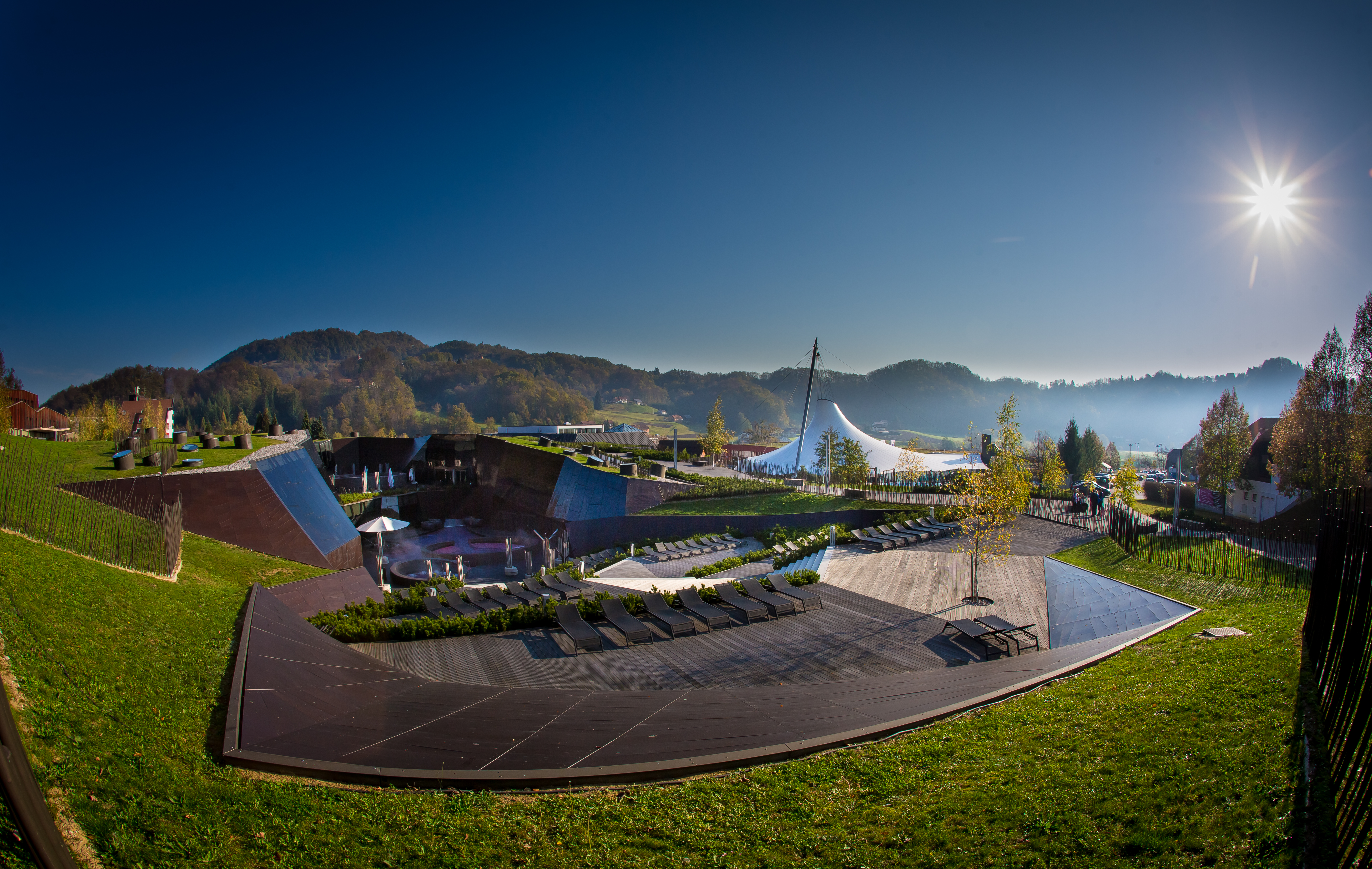
It doesn’t matter what the weather is doing outside if you are inside getting wet anyway! All of Slovenia’s thermal spas feature indoor and outdoor pools, saunas, jacuzzis and modern wellness facilities, offering something for all the family. You can read plenty more about spas and the facilities here and read some insider tips from me, here – https://spasinslovenia.com/

banner-spas-in-slovenia-by-adele-2

DELVE INTO THE MAGICAL UNDERWORLD IN CAVES

A visit to one Slovenia’s caves, such as Postojna Caves or the UNESCO-listed Škocjan Caves, is ideal whatever the weather. There are over 9,000 caves in Slovenia, though only a small number of these are open to the public. The temperature in the caves is constant year-round so it really doesn’t matter if its snowing or there’s a heat-wave! All of the caves are fascinating and unique, and the current phenomena of the newly-hatched ‘baby dragons’ at Postojna Caves provides an additional reason to visit. Read more here – https://adeleinslovenia.com/2016/06/01/the-phenomenal-postojna-proteus-phenomena/

Underground river Pivka in Postojna Cave_photo Iztok Medja for Postojnska jama

VISIT, TASTE & DRINK RADOVLJICA

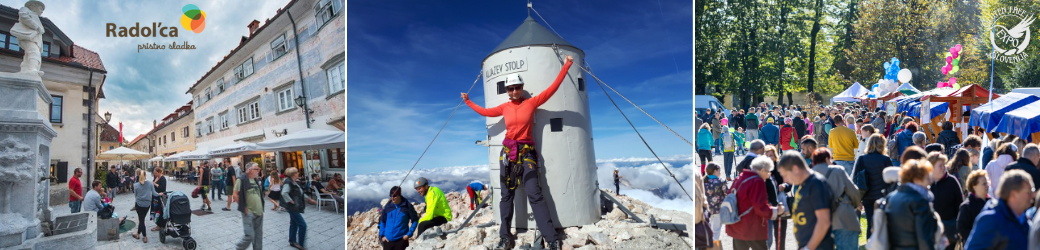
Rainy days always bring an influx of visitors to the Radovljica area as the small town packs in quite a few sights of interest. You can visit the Lectar Gingerbread Workshop, the Museum of Apiculture, the Šivec House Gallery, and the Beekeeping Education Centre of Gorenjska. More here – http://www.radolca.si/en/

Lectar - workshop&museum4

I don’t know about you, but this miserable weather makes me want to eat, eat, and then eat some more! The participating Taste Radol’ca restaurants all offer home-cooked, and locally sourced and produced food. Or why not visit the Sodček Wine Bar for a wine tasting session. More here – https://adeleinslovenia.com/taste-radolca/

10982079_873359362707281_3075502047712497002_n


LISTEN TO SLOVENE FOLK MUSIC AT AVSENIK

Visit Avsenik in Begunje na Gorenjskem – home to the world-renowned legendary Avsenik music – a popular style of folk music. There are regular live events, festivals and workshops, and you can also visit the gallery and museum. More here – http://www.avsenik.com/en

TAKE IN SOME CULTURE AT SUMMER MUSEUM NIGHT

There are hundreds of museums and galleries in Slovenia and a lot of attention is placed on culture and cultural-related events and activities. Next Saturday, 18th June, is Summer Museum Night, when, from 6pm until midnight, museums and galleries throughout the country offer free entrance and host special events. More information here – http://www.tms.si/PMN/?page_id=67

13391436_1254815417862725_8796467594062826276_o

GO SHOPPING

Admittedly, I’m not a fan of shopping, particularly large shopping centres and especially when on holiday in a place where the great outdoors is so ‘great!’ So when I say ‘shopping’ I don’t mean traipsing round clothes shops, and getting hot, bothered and irritated in changing rooms (or is that just me?). Instead, when on holiday, I prefer to browse craft shops, visit local markets, buy and try local produce, and try to find unique buys. I particularly like foodie events such as Odprta Kuhna (Open Kitchen), which takes place every Friday (weather permitting) in Ljubljana. Closer to home at Vila Podvin in Mošnje a market takes place on the first Saturday of every month from 9am-noon, come rain or shine. You can meet local producers, buy food and non-food goods, and enjoy a delicious lunch cooked by one of Slovenia’s top chefs, Uroš Štefelin. More information here – http://www.vilapodvin.si/events

13315217_1099312450142574_3689530167458356188_n


I hope to have provided some ideas and inspiration, after all, the weather may mean some plans have to curtailed but there’s always plenty more to see and do until the next sunny day comes along!

© Adele in Slovenia


The Phenomenal Postojna Proteus Phenomena!

Whilst I generally tend not to write about those places in Slovenia that are already huge tourist attractions, preferring instead to write about some of the lesser-known parts of this wonderful country that I now call home, the current phenomena that is occurring in the Postojna Cave is hitting the headlines all over the world and really is a major news story, so I decided it was time to find out more and see it up close for myself.

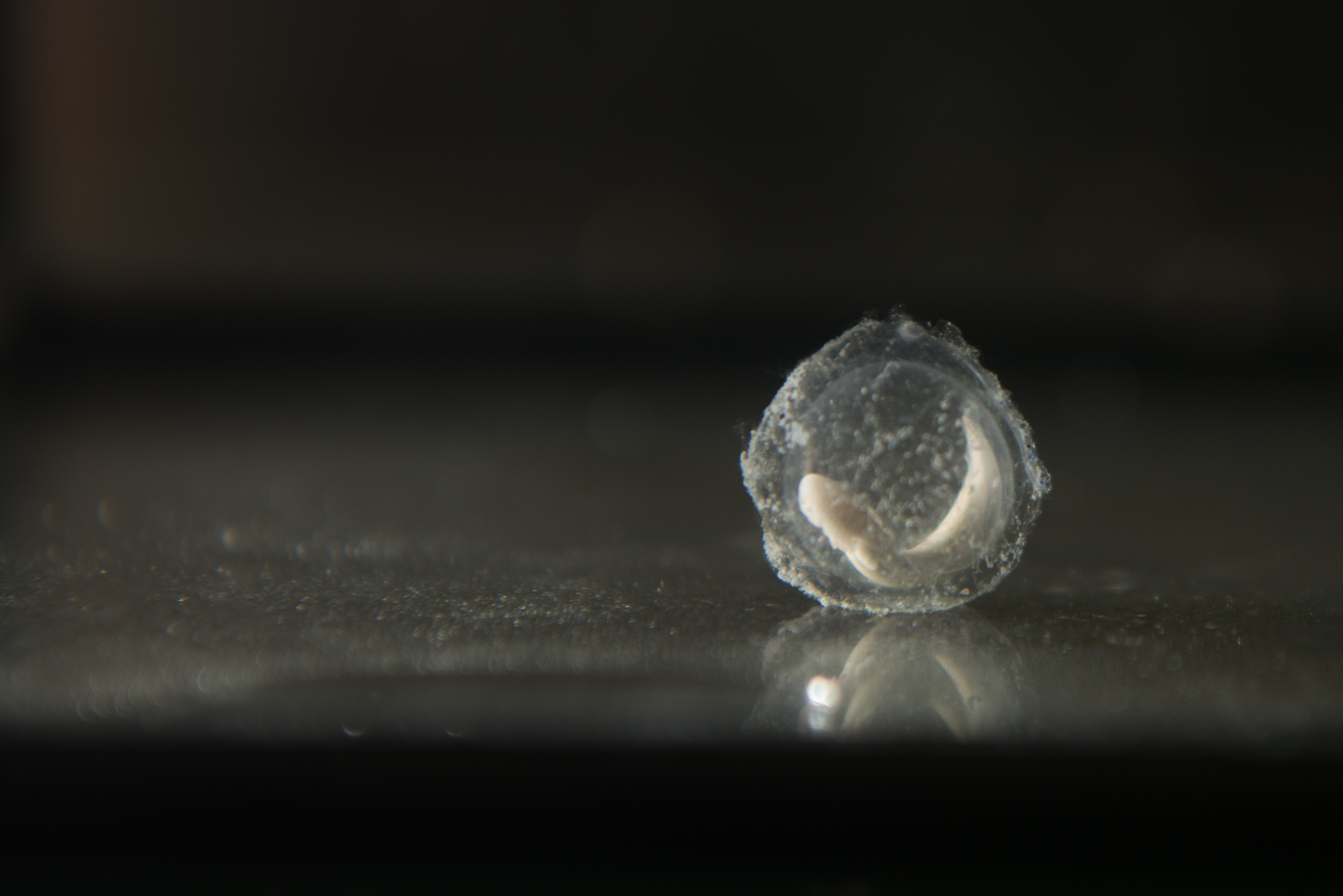
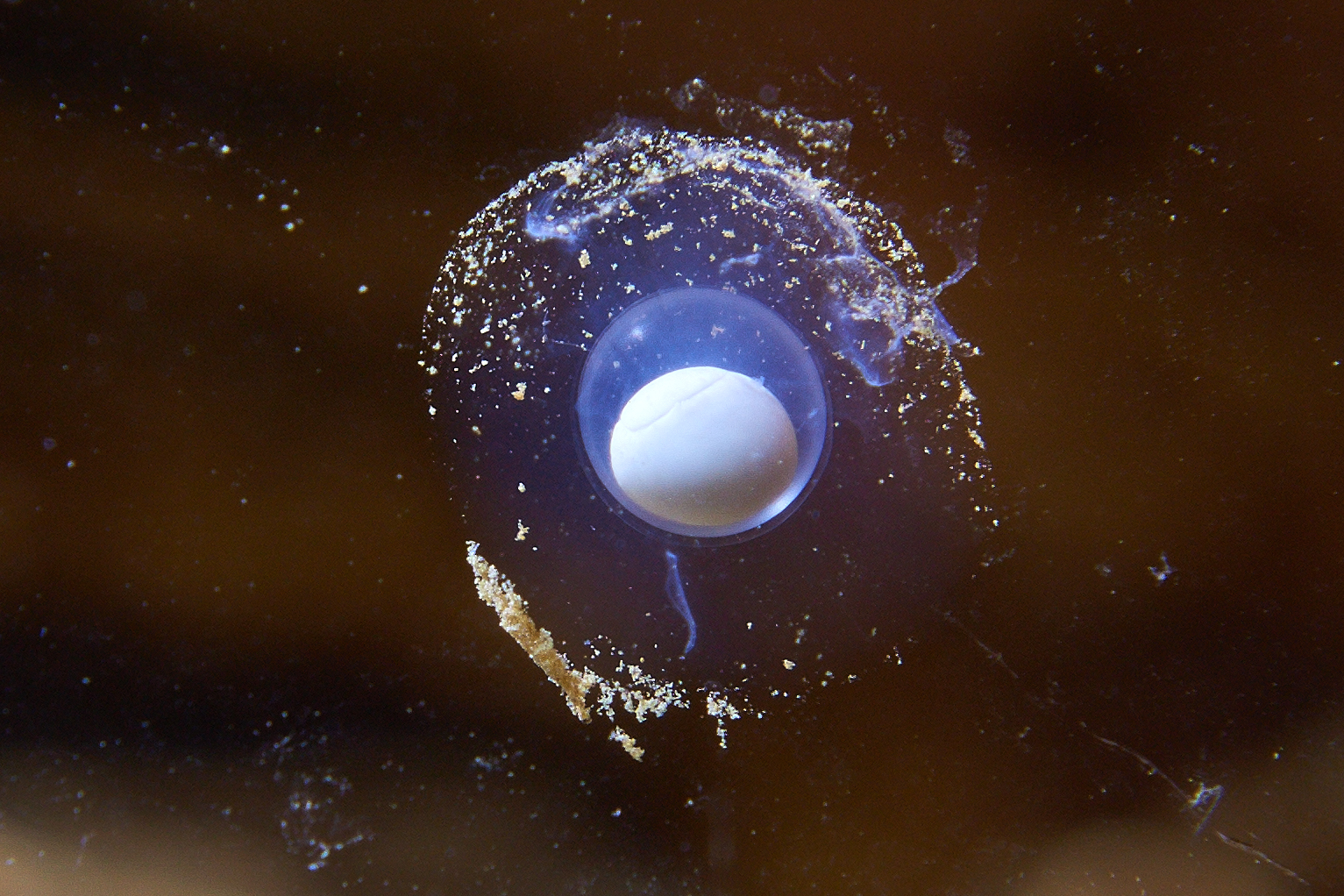
So, what’s all the fuss about? Well, it’s this weird and wonderful creature – the proteus – also known as the olm or humanfish – which has laid eggs and the world has been waiting to see if these amazing ‘dragon baby’ embryos will hatch.

The olm in Postojna Cave_photo Iztok Medja for Postojnska jama - Kopija

Photo: Iztok Medja

Today, Wednesday 1st June 2016, is a momentous day as the first one hatched and made its debut appearance!

Slika%201_30_2016

Photo: Postojna Cave

The news about this significant, once in a decade, event first broke at the end of January 2016 when a cave guide noticed the first egg attached to the wall of the aquarium. The female then laid over 50 more eggs until she stopped laying on 10th March.

DSC_2388

Photo: Iztok Medja

And then the long wait began for the team of biologists at the Postojna Cave, who have been carefully monitoring movements and, like expectant parents, have been eagerly awaiting the happy day! As any expectant parents will know, it can sometimes seem like a long frustrating wait but, hopefully, the end results are worth the wait! Though one has now hatched, it’s still a waiting game for the remainder.

Biologists at their daily work

Photo: Postojna Cave

When talking with the cave’s management team and biologists, and hearing their tales of tears of joy, I could actually sense the expectancy, excitement, and pride in the job. Yes, the Postojna Cave is a huge tourist attraction but it is also a significant place for research and development of cave habitat and it is clear this is something not taken forgranted.

Cave biologists inspect the eggs daily and remove any that are decaying, which is not an easy task. A biologist has to dive into the large aquarium and inspect the eggs in a difficult-to-reach spot that is half a metre below the surface.

These tiny embryos are fighting against the odds to survive, as only a small percentage have a good chance of developing into adults and there is also the risk of genetic mutations.

Photo: Iztok Medja

Photo: Iztok Medja

The more the eggs develop, the higher the pressure for them to survive. Whilst the Postojna Cave has an excellent programme in place for looking after the proteus, this mysterious animal is still at the mercy of nature and its unpredictability. Preparations for the potential newborns will be very demanding and therefore Postojna Cave’s biologists paid a visit to a French lab, returning with numerous pieces of valuable advice.

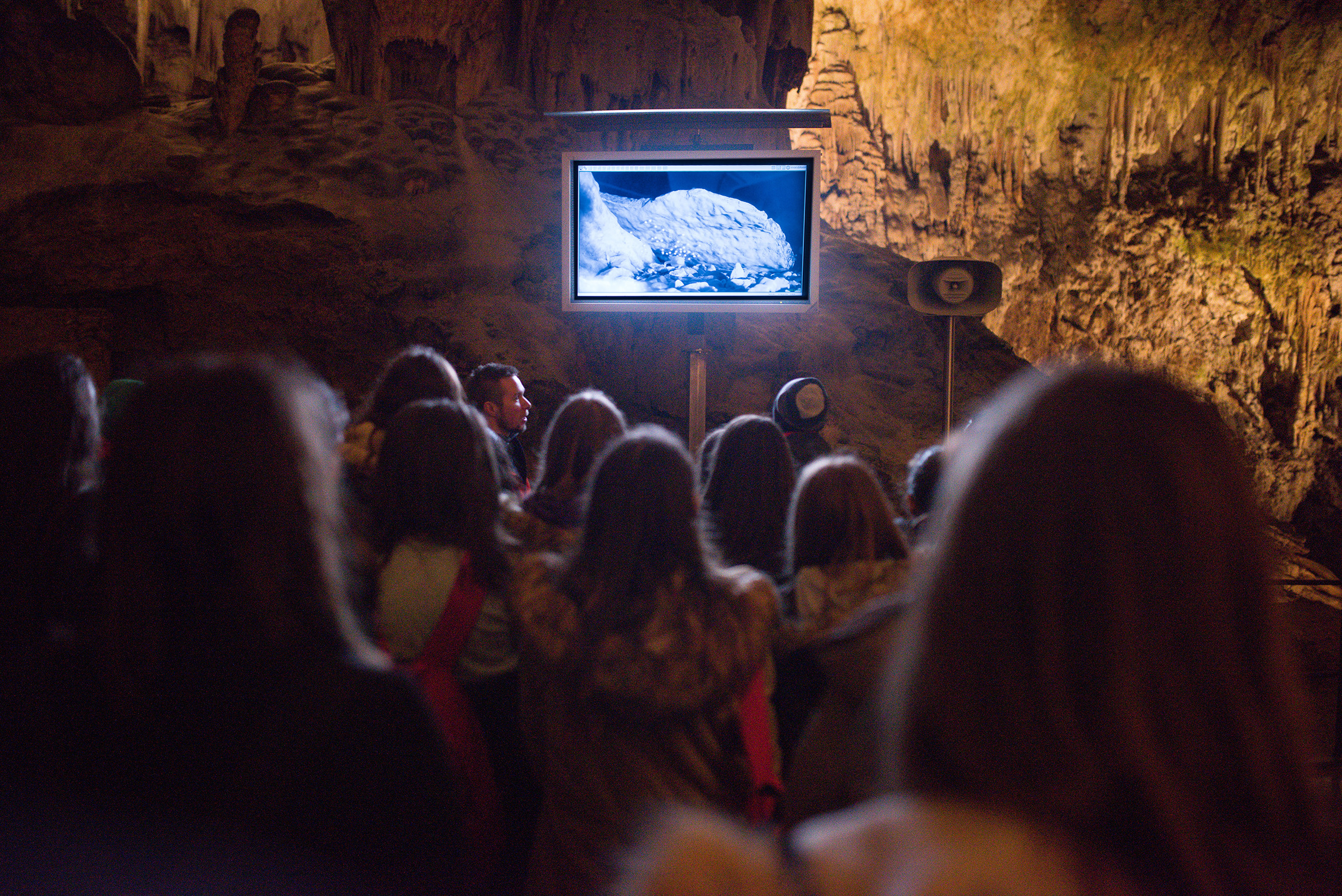
 Visitors can’t actually see the eggs up-close, since light, noise, and any other elements which could result in harm to the eggs, is avoided at all costs. Therefore, a screen has been provided for visitors where they can watch live footage of the eggs moving and developing.

Photo: Iztok Medja

Photo: Iztok Medja

Take a look at this short mesmerising video showing the movement and progress of the embryos.

As I had already visited the Postojna Cave on 2 previous occasions, this time, instead of taking the tourist train into the caves, I first visited the Vivarium Proteus where you can see and learn about all the weird and wonderful creatures that live in the cave system, then toured the new EXPO Karst exhibition, which is full of interesting and interactive exhibits about the cave’s history and formation. Apparently, if I grew like a stalagmite, I would be 18,000 years old!

CIMG1314

You can learn about the fascinating Karst world and meet some of its inhabitants!

CIMG1316

Find plenty more information about the Postojna Cave here – http://www.postojnska-jama.eu/en/home/ and keep up-to-date with developments here in the fascinating Olm Diary, written by the biologists in charge of the eggs – http://www.postojnska-jama.eu/en/news/2016/olm-diary/

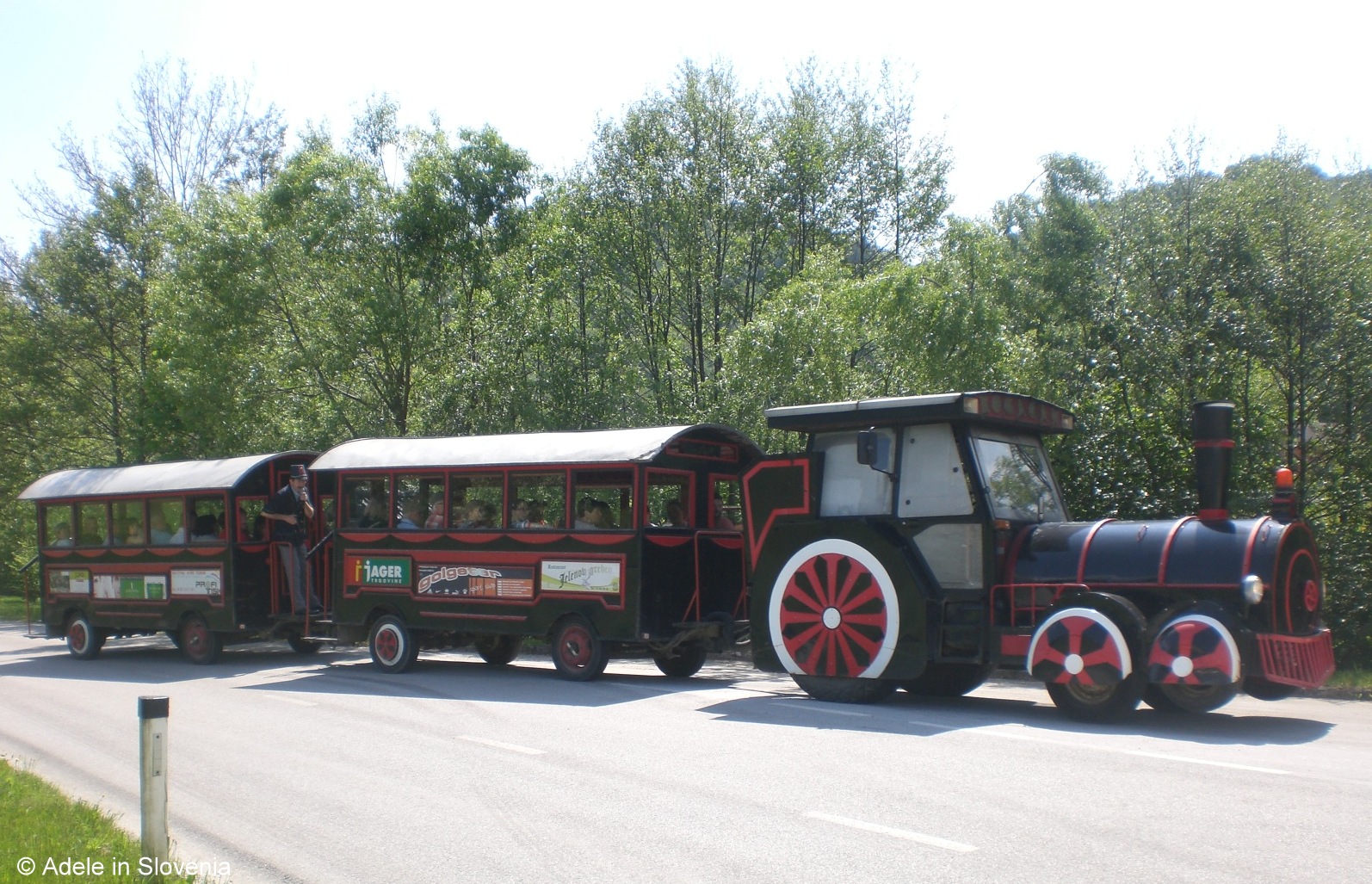
For those who haven’t yet visited the Postojna Cave, I highly recommend it, it’s like nothing you’ve ever experienced before, and everyone, regardless of whether young or old, loves a ride on the mini-train!

Photo: Iztok Medja

Photo: Iztok Medja

© Adele in Slovenia


Keeping cool in Hell! + Bistra Castle and Technical Museum

One wouldn’t immediately think of going to Hell to keep cool, so, let me explain.

It was stiflingly hot last weekend, not that I’m complaining, and so I got to thinking where I could go to see some new sights and to also keep cool and the Hell Gorge (Soteska Pekel) was just the ticket – especially as it’s been on my personal list of places to go in Slovenia for a while.

CIMG8916

Near the entrance to the Hell Gorge. ‘Pekel’ in Slovene means Hell! Photo: Adele in Slovenia
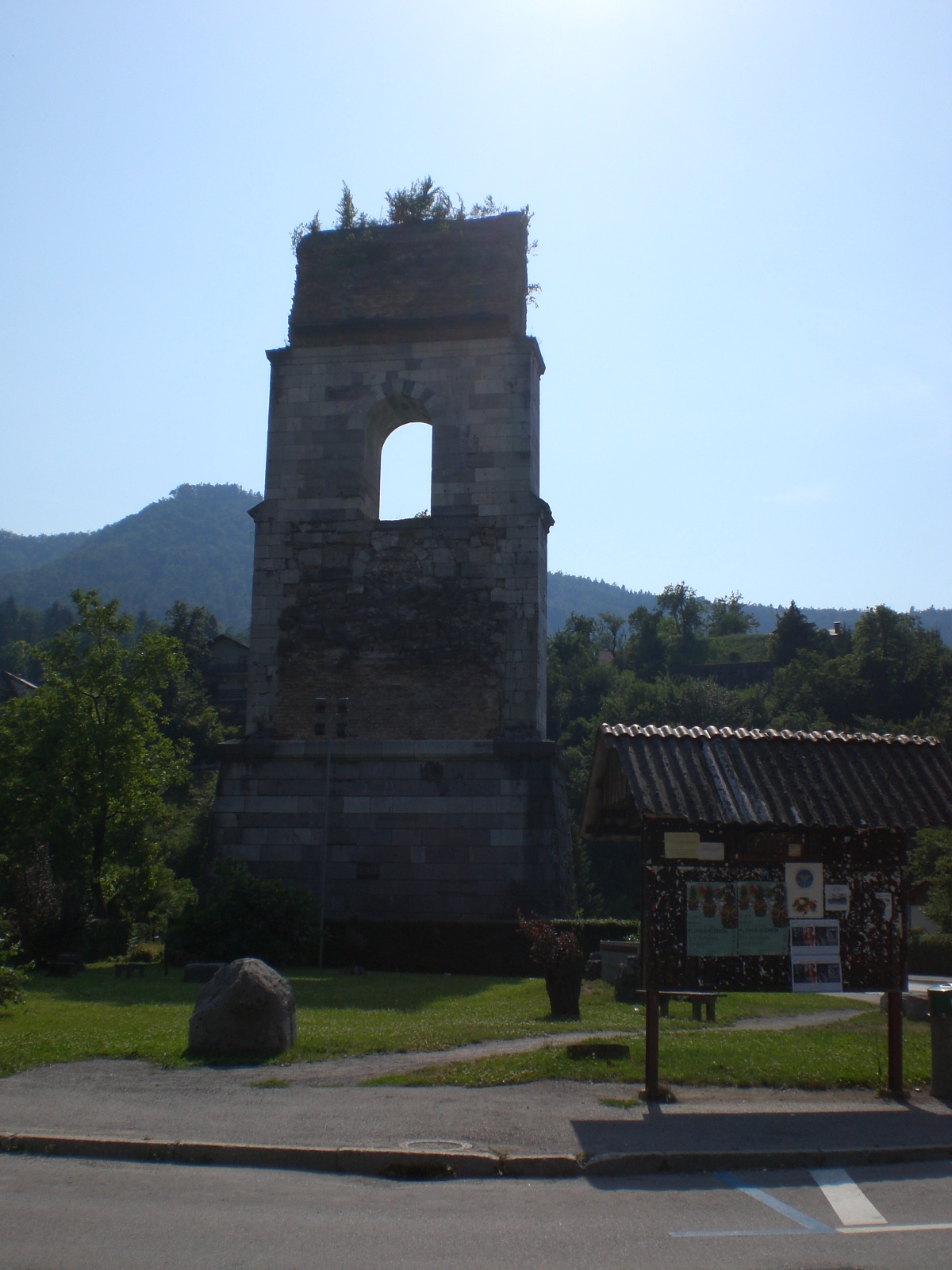
From where I live in Radovljica it took me about an hour –  from Ljubljana it’s just 23km – to reach the small town of Borovnica, where the last solitary column of the Borovnica railway viaduct can be seen. The first train travelled across the viaduct in 1856 and, at that time, the 561 metre-long viaduct was considered a technical and architectural masterpiece.

CIMG8935

The solitary remaining column of the Borovnica viaduct. Photo: Adele in Slovenia
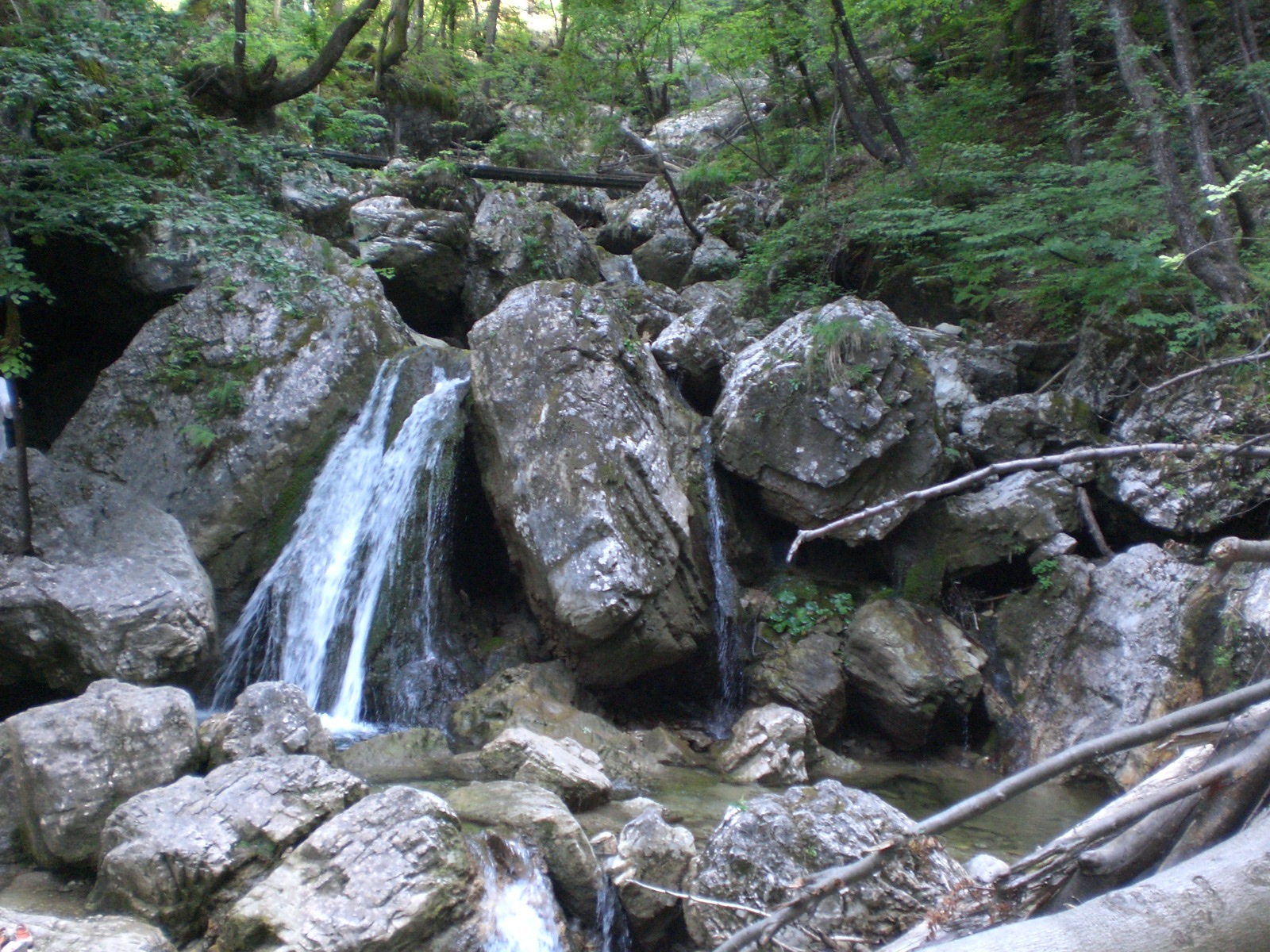
From Borovnica its a further 4kms to reach Hell Gorge, just near the village of Ohonica. The gorge was formed due to subsidence of the Ljubljana Marshes (Ljubljansko Barje). The steep gorge was carved out by the rushing waters of the Otavščica, which springs from the Bloke plateau and falls over the walls and rocks of the gorge. On the flat plains near Dražica it then joins with the Prušnica and flows towards the Ljubljana Marshes and onwards into the Ljubljanica river.

The highlight of Hell Gorge is its five waterfalls, four of which fall over 15 metres and the highest over 22 metres. The first two waterfalls are easily accessible and its only takes about 15 minutes from the car park to reach the 2nd waterfall. The path is a little rough in places so good footwear is a must. To access the 3rd, 4th, and 5th waterfalls, however, the path is more rigorous, ascends from 335m to 650m and, in places, pegs, ladders and steel ropes are in place to assist and it is advisable only for those used to hiking and with good hiking shoes – a walk in the park it is not!

CIMG8918

The first waterfall – a mere 4m. Photo: Adele in Slovenia

CIMG8927

The 2nd waterfall.

CIMG8923

The first of the ladders. This one leads from the 2nd waterfall up towards the 3rd.

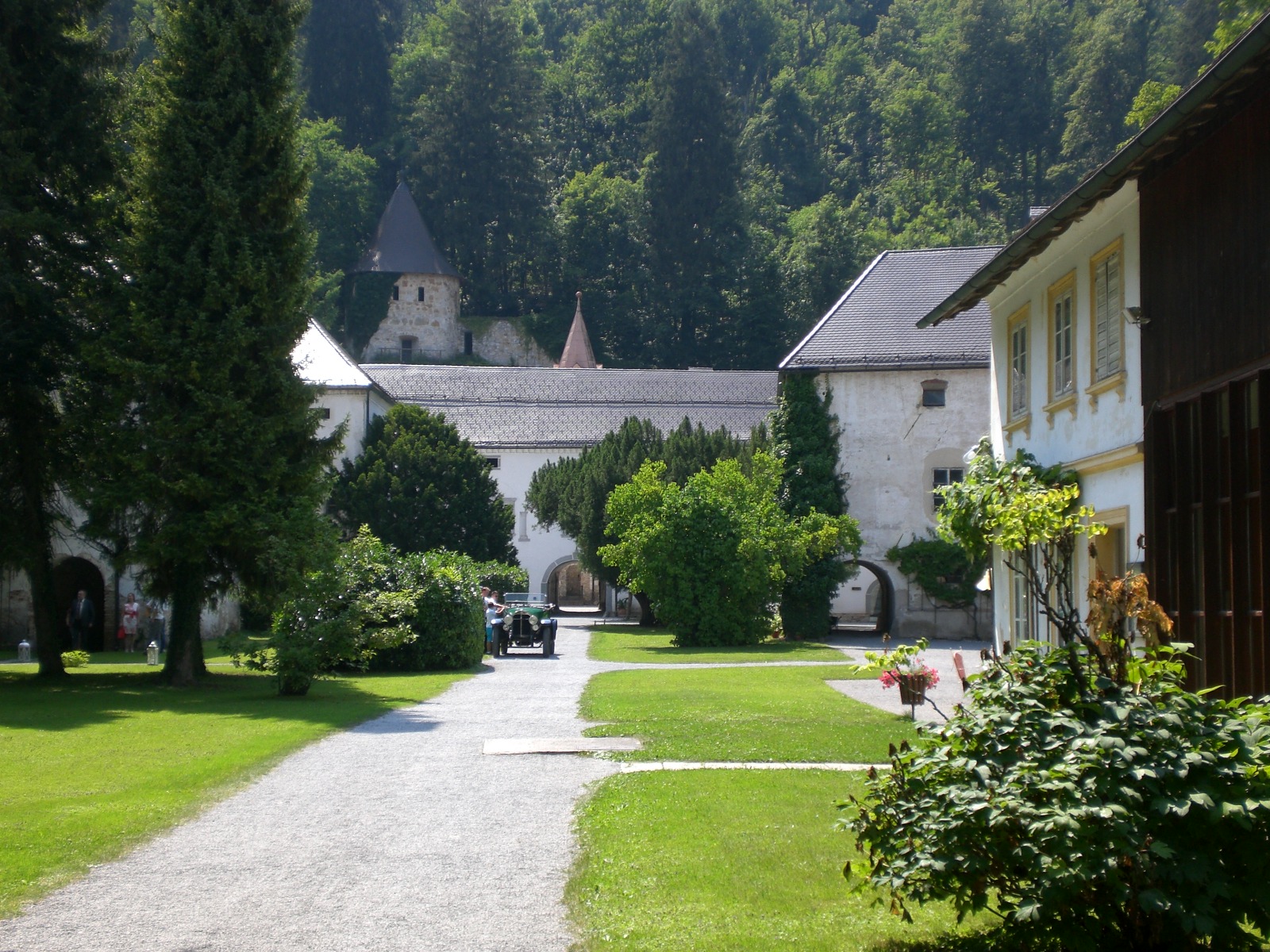
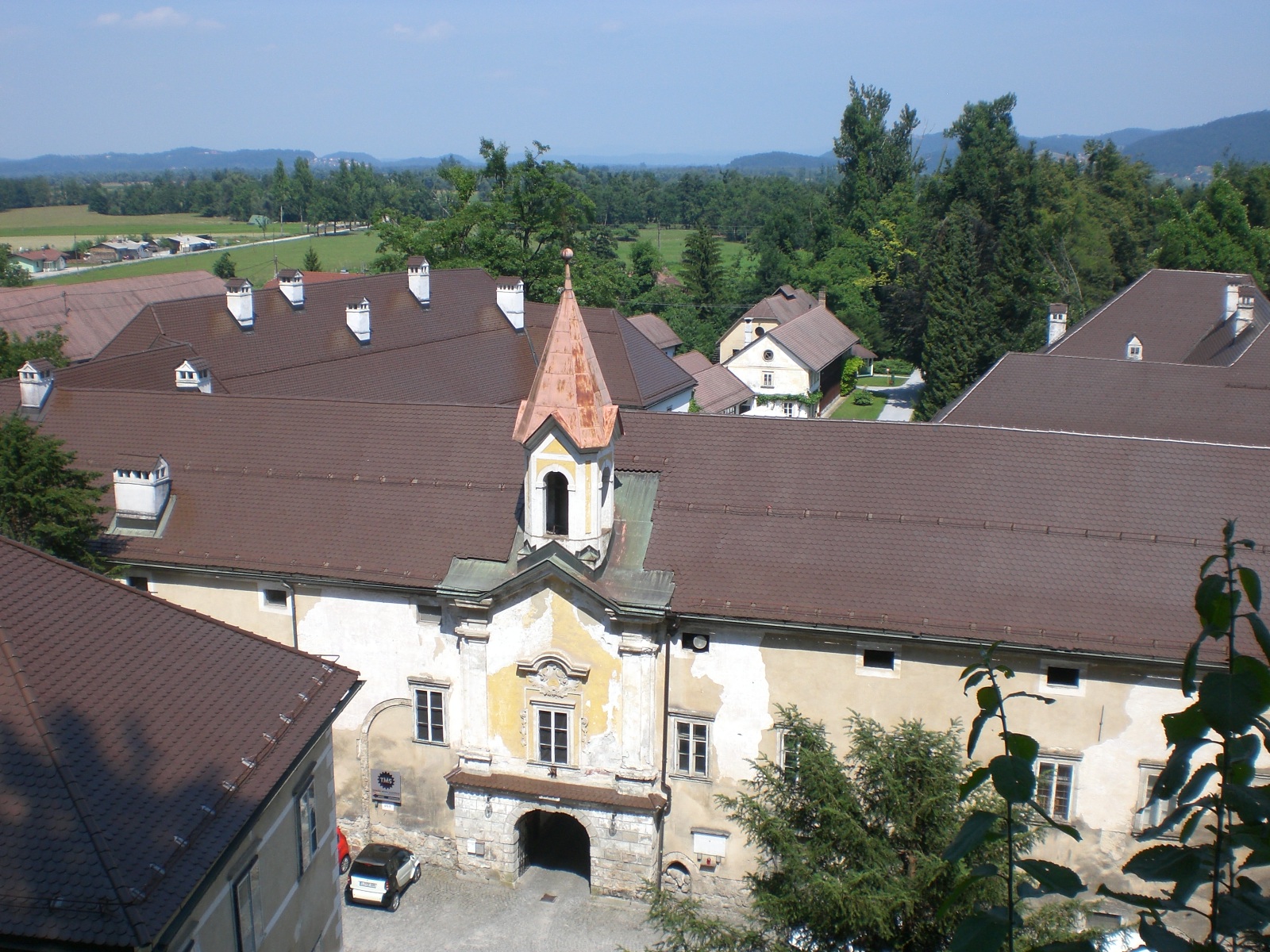
On the way back I also stopped at Bistra Castle, since the road travels, literally, through the middle of the castle. These days the castle houses the Technical Museum of Slovenia – one of Slovenia’s most important and visited museums.

CIMG8914

The Technical Museum of Slovenia in Bistra. Photo: Adele in Slovenia

The castle, built in the 13th century, was originally a Carthusian monastery during the period from 1260 – 1782 until the Carthusian order was dissolved. It was later purchased by the businessman, Franc Galle, who changed the building into a manor house. Since 1953 it has been open to the public in its current form as the Technical Museum of Slovenia.

CIMG8905

The park which is part of the grounds of the Technical Museum. Photo: Adele in Slovenia

CIMG8907

A few minutes uphill for great views – worth the climb! Photo: Adele in Slovenia

The museum houses an eclectic mix of exhibitions with departments of forestry, woodworking, fishing, electrical engineering, textiles, printing, traffic, and agriculture, as well as the Slovenian Hunting Museum and a collection of ex-President Tito’s cars.

CIMG8913

One of ex-President Tito’s many cars. Photo: Adele in Slovenia
More information about the museum can be found here – http://www.tms.si/

There is also another gorge around the Ljubljana Marshes area – the Iški Vintgar gorge. You can read more about that here – http://bit.ly/1UJjnd5 and about the Ljubljana Marshes here – http://bit.ly/1HjYn5I

© AdeleinSlovenia 2015

It’s Spring and Radovljica is Alive!

Winter seems to have finally lost its vice like grip and spring has courageously battled through and taken over – yippee! Walking around Radovljica this week has been a pleasure – seeing people sitting outside cafes for their morning coffee, children (and some adults too!) eating ice-cream, people playing various sports in the sports park and generally people emerging from the long winter spent cooped up indoors – much like bears awaking from their winter hibernation – and enjoying feeling the warmth of the sun. Never have I been so pleased to see that large, round, yellow, warming object in the sky on Tuesday – it’s got some making up to do so let’s hope it’s here to stay. I also hope it will get to work on melting some of the metres and metres of snow in the mountains so I can get up high hiking again asap.

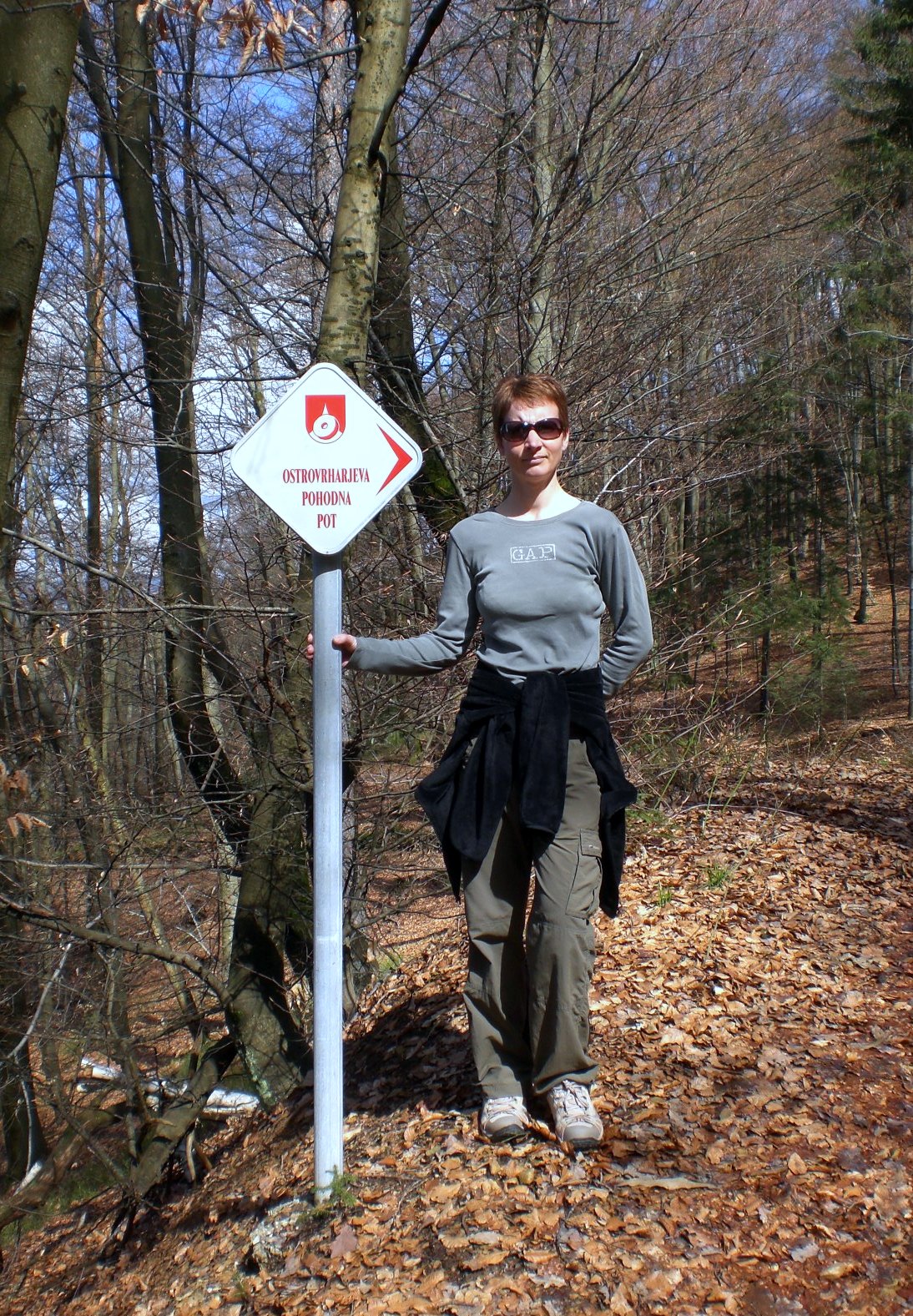
Although I’m not entirely adverse to winter walking in the fresh snow during the winter ‘proper’, by this time of year the novelty of walking in the snow has long since worn off am I’m longing to be able to start walking to some of the higher lying areas. However, in the meantime, its time to get resourceful and find places to walk which are a little lower and south facing, where the snow has already begun to melt. I co-wrote a guidebook about Slovenia some time back and from the time when I was researching it and gathering information, I have a folder full of brochures and leaflets which, at times like these come in very handy. So a rummage through the folder led me to deciding on walking the Ostroverhar Trail on Saturday, and a good choice it was too!

Podgrad pri Lj 13 april 2013 004

The circular trail starts in the village of Podgrad, near Ljubljana and leads over Kašelj hill (Kašeljski hrib) and past the remains of two medieval castles, both of which were a part of the Osterberg property, home of the Ostrovrhar knights. The Old Castle (Stari grad) is thought to date back to 1256 and first belonged to the Spanheim family. Over the years it has had numerous owners but since 1930, it has been the property of the Kansky family, manufacturers from Podgrad. Another interesting feature of the path is the millstone quarry beneath the castle. Here, since the Middle Ages until production ceased, millstones were cut (like the one I’m sitting on below), with a diameter of about one metres and a thickness of 20 centimetres, and you actually still see where they were cut from the rock. The path is well-marked and it took about 2.5 hours to walk the entire trail.

Podgrad pri Lj 13 april 2013 005

Podgrad pri Lj 13 april 2013 012

Sunday was a beautiful, warm, spring day so it was time to dust off my bike and get the cogs turning once again. I haven’t cycled properly since October so it was a tentative start but as they say, you never forget how to ride a bike, and once I got going it felt great. I cycled to the Završnica valley where, at the start of the valley, there is a small reservoir. This is also the start point for many hikes in the surrounding Karavanke Alps – more about which I will be writing as soon as the snow has melted!

Zavrsnica

Preparations are in full swing for next weekend’s Festival of Chocolate in Radovljica – if you are anywhere near the area, don’t miss it, it’s sure to be a delicious weekend! Last year’s event was so popular that this year it has been extended to two days. This year, there will be a new system in place whereby coupons can be purchased which can then be exchanged for tastings of the chocolate goodies on offer at all the stalls. More information about the festival can be found here – http://www.festival-cokolade.si/  As probably the world’s biggest chocoholic, I will definitely be paying a visit!

© Adele in Slovenia
A rude awakening!

I couldn’t believe my eyes this morning when I woke up and looked out the window to see a thick blanket of fresh snow, which is still falling heavily now as I write. It seems even the forecasters hadn’t seen it coming as rain was forecast rather than snow. Those that know me well, and any regular readers, will know that I am not a big fan of the white stuff and especially now when there has already been so much of it this winter. It’s a particular shame as Saturday was a beautiful sunny day and I was revelling in seeing the many spring flowers which had been rapidly appearing from the undergrowth during the past week – what a welcome sight- but now once again buried under heavy snow. I for one hope the rain will appear soon to wash it all away so spring can really get on with springing! For the skiers out there though, its going to be a very long ski season so they are certainly happy.

Despite the less than favourable weather, there has been quite a lot happening in the Radovljica area this past week. On Monday at dusk, the tradition of floating handmade models, made by local children and illuminated by candles, in the streams in the villages of Kropa and Kamna Gorica took place. This age-old iron-forging custom, takes place annually on the eve of St. Gregory’s Day. The models, which are a mixture of unique art creations made from paper, cardboard and wood with candles affixed either on the exterior or interior, create a colourful effect against the dusk setting. This custom dates back to the era of manual iron forging, before the introduction of the Gregorian calendar in 1582, when the name day of St. Gregory was considered the first day of spring. What a shame that once again this year the spring gods didn’t appear to be listening or taking any notice but it is nonetheless a magical scene to watch the faces of the children as their colourful creations float off along the stream.

St Gregorys

St Gregorys 2

On Wednesday the new bookshop in Radovljica played host to the great Slovenian alpinist, author and expedition leader, Viki Grošelj, who came to give a short talk (and of course book promotion) and I was lucky enough to be able to go along and listen to him recounting some of his experiences and recalling anecdotes. Viki is one of the few alpinists in the world who has climbed the ten summits of over 8,000 metres in the Himalayas, including Everest and K2, and has written numerous books about his experiences. We in the audience only got to hear a fraction of his tales but undoubtedly he must have a lifetime of stories to tell, of jubilant triumphs, extreme conditions, harrowing successful and less successful expeditions – some of them tinged with sadness – as inevitably friends and colleagues have fallen victim to the might of the mountains and the elements along the way.

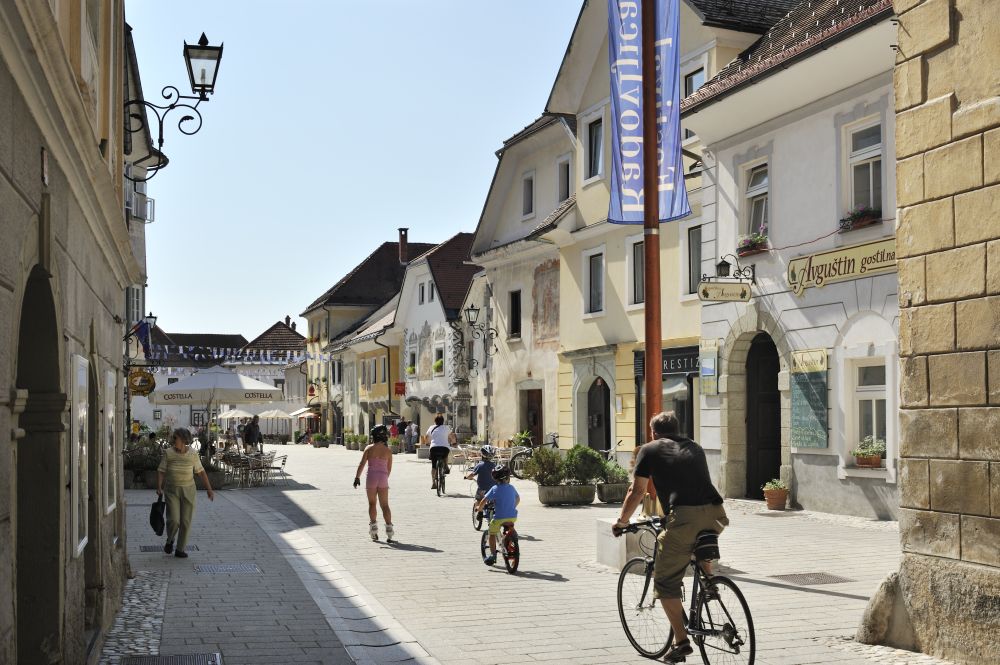
On Saturday, it was a crisp but beautifully sunny day and I decided to take a little trip out to the town of Škofja Loka. Škofja Loka boasts one of the three best preserved medieval town centres in Slovenia, the other two being Radovljica, where I live, and Ptuj, where I’m ashamed to say I still haven’t been, though it’s definitely firmly on the list of places to go! Škofja Loka was actually among one of the places I considered living when I moved to Slovenia. Like Radovljica, it has a lot of history and many places, buildings and natural features of note, is surrounded by pristine nature, offers a mulititude of walking and cycling paths and is also convenient for getting to Ljubljana. However, in the end I plumped for Radovljica, a decision I don’t regret.

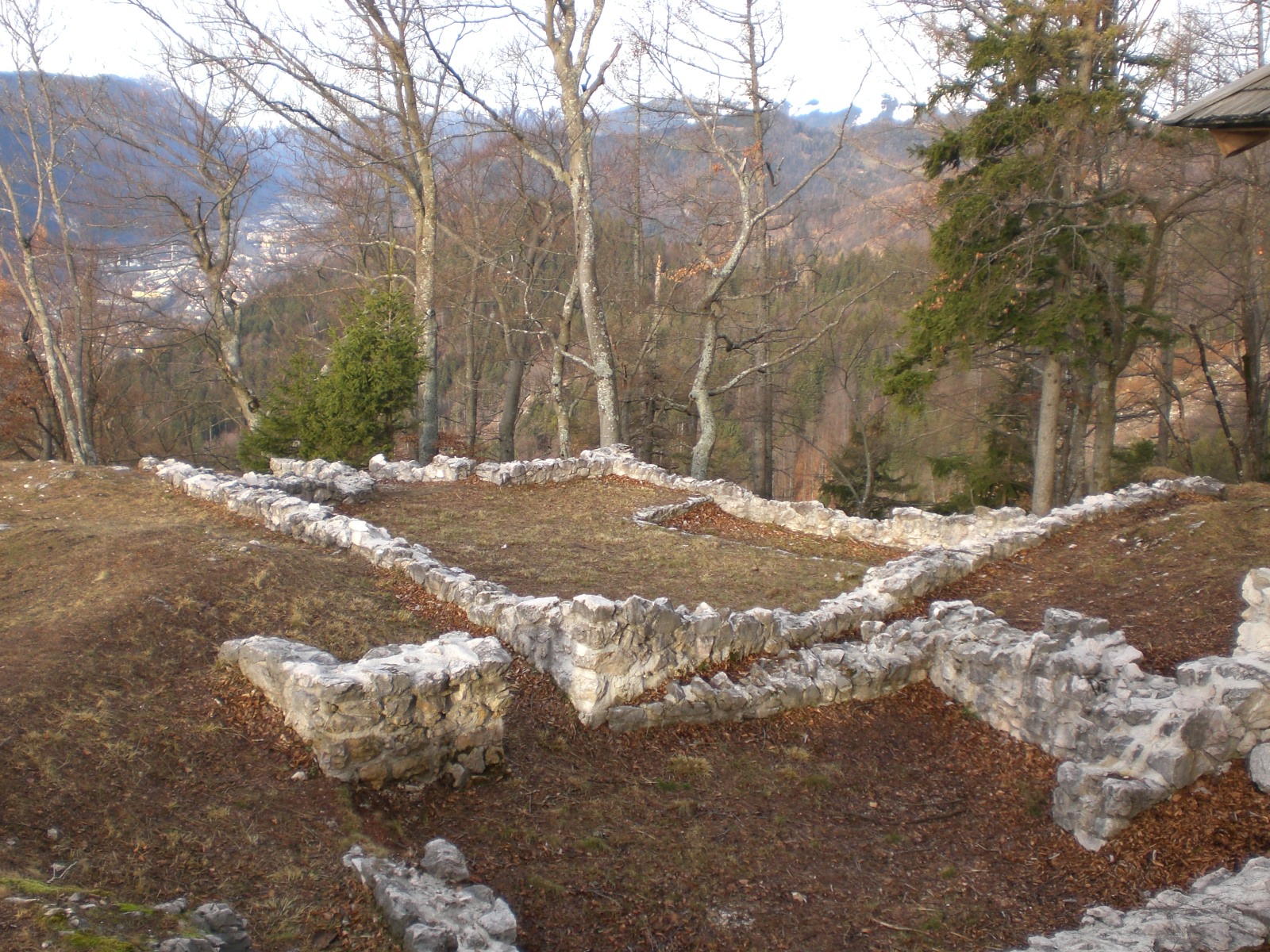
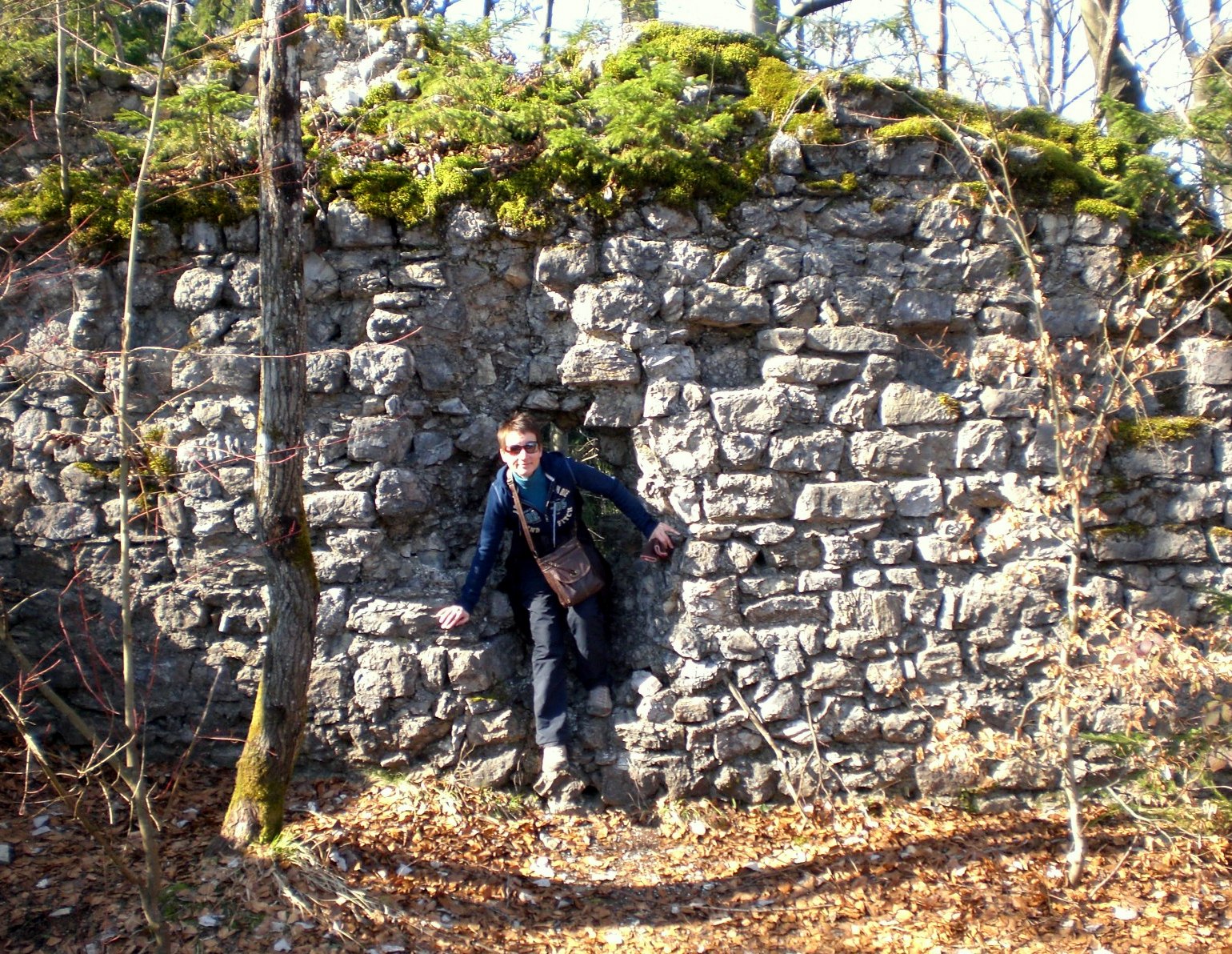
Škofja Loka has several castles, two of which I visited. The newer of the two, the impressive and imposing Loka Castle (Loški grad), was originally built in the 13th century but was completely renovated following an earthquake in 1511. The castle stands on a small hill just above the town centre and also houses the Loka Museum. The remains of the Old Castle (Stari grad), shown in the picture below, stand a little further and higher away and can be reached on foot, approximately 30 minutes walk away from Loka Castle, by following the signs for the Loška Nature Trail.

Stari grad 16 marec 2013 003

Incidentally, Radovljica also briefly got its own castle this winter, albeit a snow castle!Snezni grad

© Adele in Slovenia

The faintest hint of spring

It’s been a bit of a soggy week as the snow has begun to give way to the rain as the air temperature gradually warms up. I hope it’s a first sign of spring though I very much doubt that we’ve seen the end of the snow completely. Fortunately last weekend was sunny, or at least up above 1500 metres it was anyway. Having heard on the weather forecast that this was going to be the case, it was time to head for higher ground in search of the sun and once again I was rewarded for the effort. I was beginning to doubt it, leaving Radovljica and making the journey through Bled up to the Pokljuka plateau, it was damp and cloudy the whole way up. Even when parking the car and starting to walk higher it was still cloudy but then, as if in a wonderland, the sun appeared way up above the clouds – what a magical feeling.

Pokljuka is the largest forest plateau in the Julian Alps and spans almost 20km both in length and width. Being such a large area, its borders fall within the municipalities of both Bled and Bohinj whilst parts of it lie within Triglav National Park. Its height varies from 1000 – 1400ms in the flat plateau areas and with the surrounding mountains to over 2000ms. The highest point is the peak of Debela Peč.

There’s always something going on on Pokljuka, whether summer or winter, it’s a haven for outdoor lovers and fortunately for me, it’s easily accessible from Radovljica. Reaching Pokljuka by public transport is somewhat more difficult as buses do not run there during the winter months but during the summer there are buses from Bled.

In addition to skiing, downhill and cross-country, there are numerous walking routes of varying lengths and difficulties. As you can see from this photo, taken at Planina Lipanca, there is a very wide choice of directions to walk – and this is just one of the options, there are many, many more.

Mrezce 2 marec 2013 007

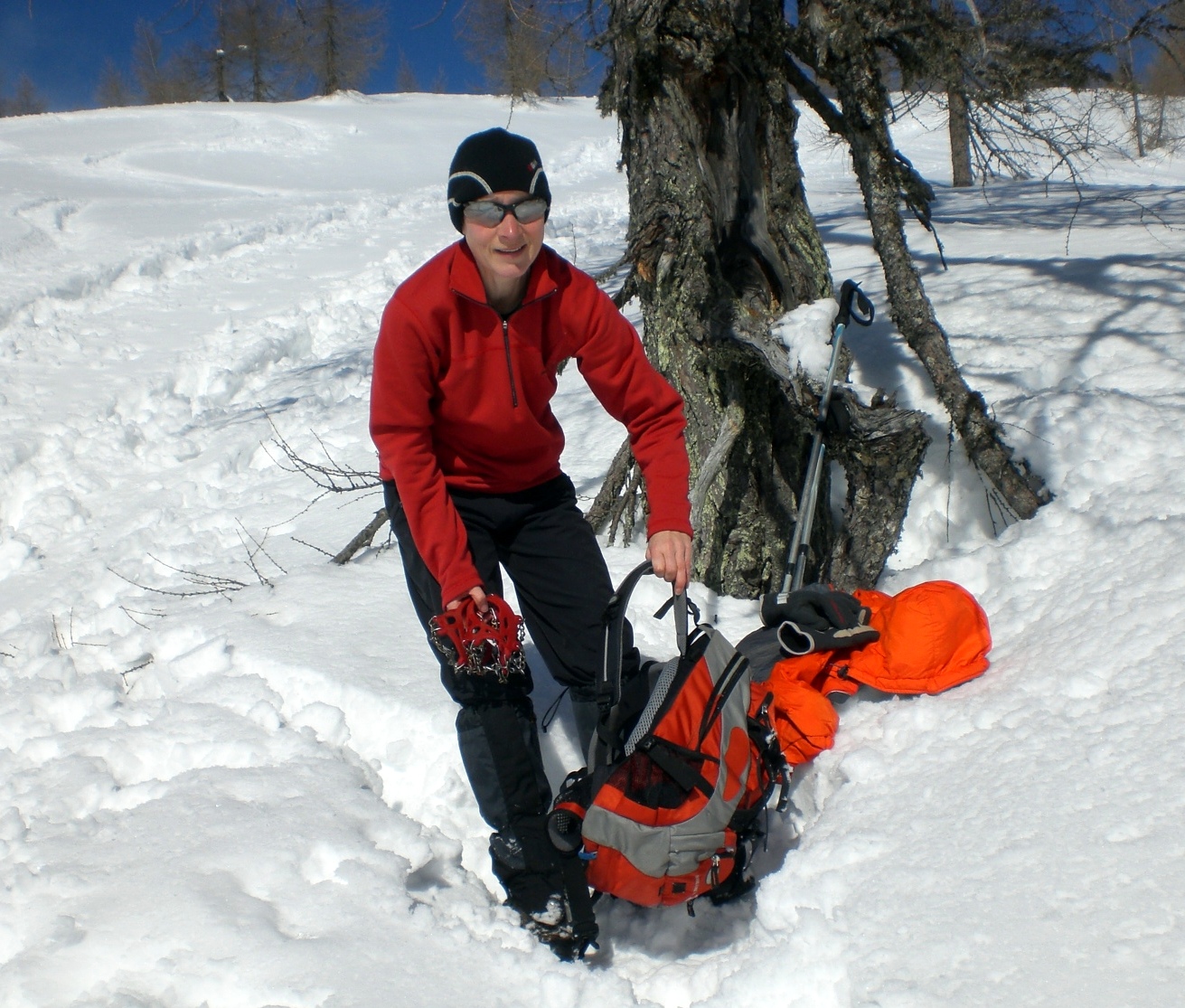
In a previous blog (A mixed bag – December 2012), I wrote about how I always have 2 pairs of crampons with me when walking in the winter, just in case one pair should break. How fortunate then that I was prepared when this happened last week. Here you see me preparing to take a seat in the snow to put them on ready to make my descent. They come in so useful not only when it’s icy but also in the morning, if the temperatures have been very low overnight, the snow can become very hard and slippery in places, especially where others have walked, and wearing these can facilitate the descent although they aren’t meant for serious alpinism. I mention this because I was pleasantly surprised by the customer service received when visiting the Veriga Factory in Lesce, near Radovljica, where they make these crampons as well as snow chains for cars. In addition to purchasing a new pair of crampons, to make up for the breakage, I was given me some spare links and replacement rubber, in order to be able to repair the broken pair, a snazzy bag to keep them in and even a hat too – not to be sniffed at! So should you find yourself walking in Slovenia in the winter, my advice would be to have a pair of these with you, just in case, they are light and easy to carry and you just never know when they might come in handy – http://en.veriga-lesce.si/crampons-for-shoes/

Mrezce 2 marec 2013 003

After the disappointment of not being able to go away with my parents during the school winter holidays – the snow hampered my travel plans – I managed to squeeze in a (very) flying visit back to the UK. I met up with my parents and a couple of friends and just about had time to fill up my suitcase with lots of shopping too! The support my parents have given me since my move here has been phenomenal and therefore the little time we get to spend together these days is precious – Happy Mother’s Day Mum!

I’ll be making my once a month visit to Ljubljana next week – I work there once a month – and I’ll be going with a renewed perspective having come across this new video. So for anyone else who might be thinking about visiting Slovenia – this might help to convince you – http://www.youtube.com/watch?feature=player_embedded&v=SBV3UJuJKao

© Adele in Slovenia
An icy dip

Brrr… it makes me shiver just thinking and writing about it but some hardy folk braved the ice cold waters of Lake Bled last week for the Bled Winter Swimming Cup 2013, which since starting in 2010, has now become an annual event – ice permitting.

The water temperature on the day of the swim was a balmy 3 degrees and the air temperature 0 degrees. The event attracted 67 competitors from far and wide: Australia, Croatia, Germany, Ireland, Portugal, Russia, UK, USA and of course Slovenia.

All the men’s events were won by Slovenes whilst the women’s events were won by a Slovene, a Germany and an Australian. The shortest event was 25 metres and the longest 50 metres. However, one brave chap, from England no less, where we’re not exactly famed for our tolerance to the extreme cold, then went on to swim the ice mile in 37.23 minutes, hats off all round to him I say!

This year, although there have been record levels of snowfall, the air temperature hasn’t actually been as low as last year and therefore, fortunately for the competitors, the lake hasn’t frozen over. This time last year it was completely frozen over with a very thick layer of ice and for the first time since moving here I was able to walk across the ice to the island and the church in the middle of the lake. What a strange and slightly unsettling experience (as you might gather from my facial expression in the photo below – that and the fact it was freeeeezing!). However, I certainly wasn’t alone, there were plenty of others walking and skating on the ice too so I decided to put my apprehensions aside and join them. And it was worth it for my first chance to reach and explore the tiny island and so I can finally say I’ve been there.

Blejsko jezero Januar 2012 002

Fortunately, living in Radovljica, which is just 7km from Bled, I am able to walk and run frequently around Lake Bled – I couldn’t possibly count how many times I’ve done so in the past 6 years and it still hasn’t lost its appeal. Bled has been a popular tourist destination since the 19th century and is probably most known for its island in the middle of the lake, home to the Church of St. Mary which was originally built in the 8th century and renovated in the 15th and 18th centuries. The stairway which leads from the lake up to the island has 99 steps and dates from 1655. The island can only be reached by boat and visitors can either rent a boat and row themselves or use one of the traditional Bled ‘pletna’ boats whose oarsmen will do the hard work for you.

Alternatively, a walk, or even a run, around the lake as I do is a very popular activity year-round. It’s approximately 6km around but the time passes easily whilst admiring the beauty of the island, Bled Castle and the backdrop of the mountains of the Karavanke Alps.

Since I love being up in the mountains rather than just looking at them, and since Friday brought some much needed and long awaited warm sunshine, I went for a walk with a friend to the Roblek mountain hut (Roblekov dom) which at 1657m is the highest of the huts on Begunjščica, a part of the Karavanke Alps. It was so sunny and warm up there, we could have stayed all day, alas we had to get back so we’d didn’t have much time to linger but just long enough to feel some of the sun’s rays and take a few photos.

Roblek 1 marec 2013 002

Roblekov dom is named after Hugon Roblek, who was born in Radovljica. He was a successful pharmacist and one of the fighters who defended the northern border in the Austrian Koroška region. In 1920, whilst staying in the National Home in Trieste, Italian fascists set fire to the home and Roblek fell to a sad death when trying to jump out of a window to save his life. In his will, Roblek left all his assets to the Radovljica branch of the Slovene Mountain Association who built Roblekov dom using his legacy.

Roblek 1 marec 2013 005

© Adele in Slovenia
Cake and Confessions!

First, the confession. I must have the world’s worst sweet tooth! Chocolate, cakes, biscuits, you name it – if it’s sweet it’s got my name written all over it. So, it was with delight that I read last week that Radovljica has now got its own cake and therefore I hastily arranged a tasting.

The idea for Linhart’s cake (Linhartov cukr), as it is known since Radovljica is the birthplace of the first Slovene dramatist and playwright Anton Tomaž Linhart, came about during conversations held in Lectar Inn between its proprietor, Jože, and locals who recalled how in days gone by in Linhart’s era, local school children used to come to Lectar for cake.

And so the idea to try to recreate and revive this tradition was born and Jože and his team at the Lectar Inn set about trialling and testing recipes, based upon traditional recipes, until they were satisfied with the result.

The cake was launched at a special event on St. Valentines Evening and from now on will be available daily, to eat in or take-away, at Lectar Inn.

The cake, which has become a talking point about town, uses only natural ingredients, comprises a light sponge base topped with a moist apple layer, using organic locally grown apples, and finished with a light cream icing. A silhouette of Linhart is then added to the top for decoration and to mark it out as Linhart’s cake. You can see me indulging, or about to indulge, below, with a little drop of (medicinal!) blueberry schnapps!

Radovljiska torta 22 februar 2013 004

The family run Lectar Inn, which is in the centre of the historic old town of Radovljica, has been in operation for over 180 years and is a popular attraction for locals and visitors from all over Slovenia, as well as tourists from far and wide. The waiters and waitresses are dressed in traditional Slovene dress and food is prepared and cooked using traditional methods and recipes. In addition to the restaurant, Lectar also houses a working gingerbread museum and a penzion with 9 rooms. More information about Lectar can be found here – http://www.lectar.com/_en/index.html

It was yet another snowy night when I visited Lectar, so it felt great to be somewhere warm and hospitable, enjoying good food and company and momentarily forgetting about the blizzard outside. It has been another week dominated by snowfall, which I for one, really hope will end soon as it’s about time spring sprung! I’ve managed a couple of walks up to Talež (see my previous blog entitled ‘Sporting Slovenia’) which have involved wading through knee-deep snow – pretty to look at but exhausting – still, helps to burn off all that cake!

© Adele in Slovenia

Six years and counting!

Wow, I can’t believe it. Today is the 6th anniversary of my move to Slovenia. The time really has flown by. I wonder how many hundreds, or perhaps thousands, of kilometres I’ve walked, cycled and run around Slovenia during that time! Slovenia is a fantastic place to visit on holiday, particularly for those, like myself, who love being outdoors. However, it certainly isn’t an easy place to live, or rather to try and make a living and it definitely hasn’t all been plain sailing. There have been a lot of highs and low and I’ve been trying to find a word, or words, to sum up the past 6 years but it’s proving harder than anticipated and therefore I think the following pairs of words are more apt:
• Happiness (the good times) and sadness (the bad times)
• Hope (the promise of new work) and despair (it never materialises)
• Elation (actually getting the work) and despondency (feeling like giving up the fight)
• Excitement (conquering a mountain or a tough bike climb) and frustration (finding it difficult to conquer my fears of going downhill, but what goes up must come down!)
• Freedom (being outdoors enjoying the beauty and sounds of nature) and frustration (bureaucracy, bureaucracy, bureaucracy)
• Joy (getting invited somewhere, a hope of meeting new people) and dejection (see despair).

Friday was a public holiday – Prešeren’s Day, which is celebrated in the memory of the death of the great Slovene poet, France Prešeren. I went to Kranj, the capital of the Gorenjska region and just a 20 minute drive from Radovljica, where every year on the 8th February the Prešeren Fair takes place. All around the old town there are links to him including: Prešeren Grove, the cemetery where he was laid to rest, Prešeren Theatre, Prešeren Monument, Prešeren Street, with its Gothic and Baroque townhouses and Prešeren House, now a museum, and where the poet spent the latter years of his life and died. The fair combines a street market with re-enactments of traditions from Prešeren’s times; clothing, music, dance etc. and its always really busy and buzzy. I have been for the last three years and it’s always a pleasant and different way to spend a couple of hours.

On Saturday it was carnival time in Radovljica! Well not just in Radovljica actually. The tradition of ‘Pust’ is a celebration of the harsh winter giving way to spring and a new cycle of farming and nature, though personally mid-February seems a bit optimistic to celebrate this when the snow covered land stills feels incredibly wintery to me! I can but hope that someone, somewhere up there is taking note and it might actually stop snowing soon!

A number of events take place across Slovenia for the Pust Festival. The largest Pust Carnival takes place annually in Ptuj from 3rd – 12th February where up to 150,000 people attend the 100 or so events taking place during the carnival period. The second largest carnival takes place in Cerkno. Pust is synonymous for its ornate costumes and masks (pictured below) with each region having its own variations, customs and habits. If you happen to be in Slovenia during this period, perhaps on a skiing holiday, you should take some time out and go and visit one of these carnivals, wherever you are, there is bound to be one happening near you.
za_prireditev_na_Ptuju_20434

Here in Radovljica, the Pust procession took place on Saturday. Children from the local area all get dressed up in costumes and parade through the town and the streets are lined with people cheering them on.

On Pust Tuesday, children get dressed up in costumes and masks in what resembles a curious mix of Halloween, complete with trick-or-treating, and Pancake Day, albeit with doughnuts being eaten rather than pancakes! Not wishing to be a party-pooper, and of course in keeping with tradition, I did my bit by munching through several doughnuts too!

I remember shortly after having moved here, seeing children dressed up and going from house to house however at that time I didn’t know what it was all about – I assumed they must celebrate Halloween in Slovenia in February!

© Adele in Slovenia