Taste Radol’ca 2016 – A Taste of Tradition at Gostilna Tavčar

Though I had been meaning to do so for a while, I had yet to visit Gostilna Tavčar in Begunje na Gorenjskem since it changed hands. Therefore, a visit to try the Taste Radol’ca 2016 menu gave me the perfect excuse!

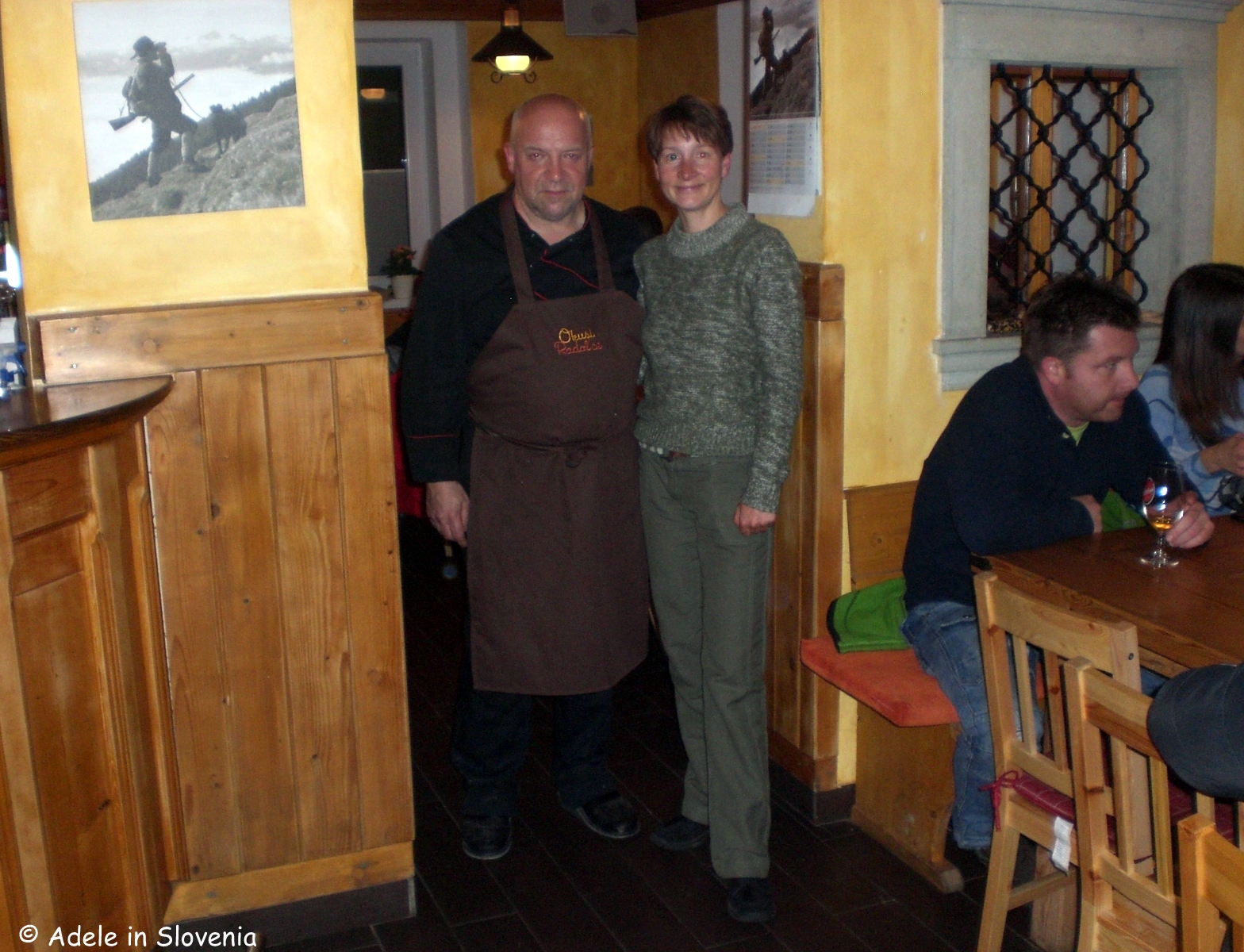
Gostilna Tavčar is a typically traditional Slovenian restaurant and, what particularly struck me was, despite it being my first visit, I was greeted like an old friend. Since it re-opened the restaurant has become a firm favourite with locals – always a good sign, I think. A large part of that can, no doubt, be attributed not only to the great food, but also to the chef and owner, Mitja, who likes to take time out of the kitchen to mingle with guests.

cimg2557

Mitja describes himself as “one of the old-school generation of cooks” and there’s nothing wrong with that I say!

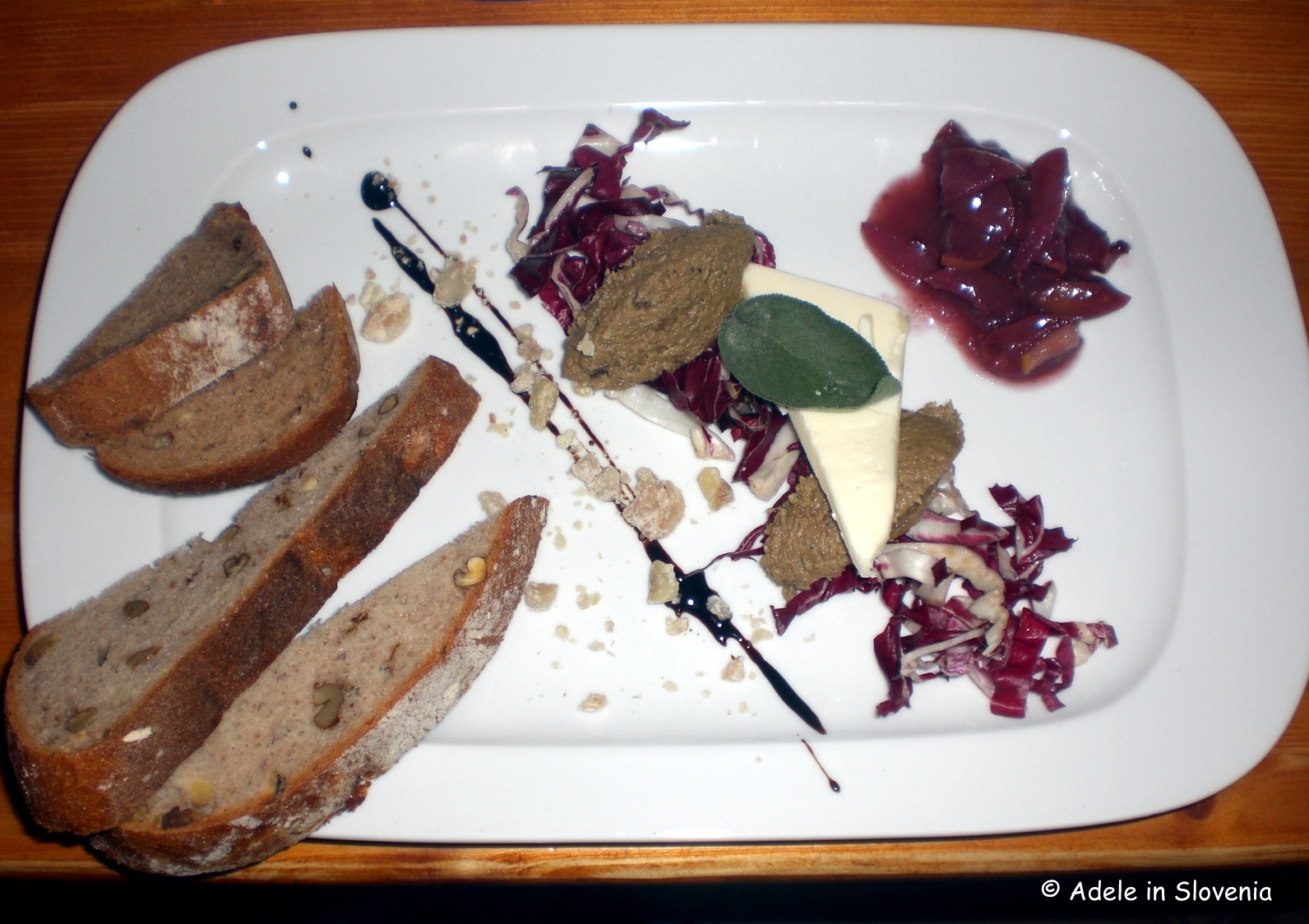
Now, time to get down to the serious business of the food! The starter was guinea fowl pate with grated ‘tepka‘ pears and homemade buckwheat and walnut bread.

cimg2538

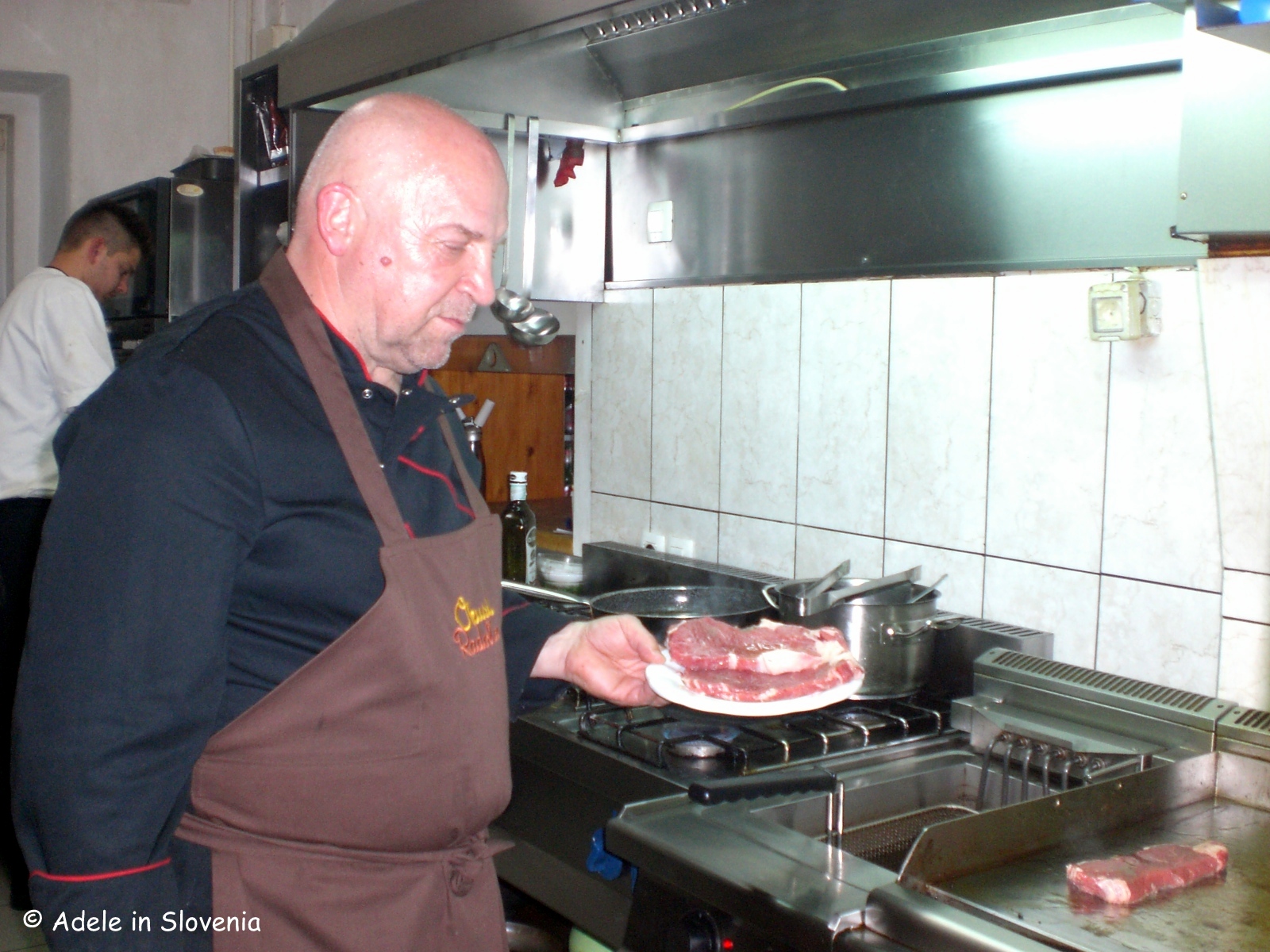
I then sneaked into the kitchen to see my main course being cooked – the finest Angus rumpsteak, no less! And, as with all Taste Radol’ca menus, it costs just 16 euros for 3 courses, all made using local ingredients, and excellent value for money.

cimg2548

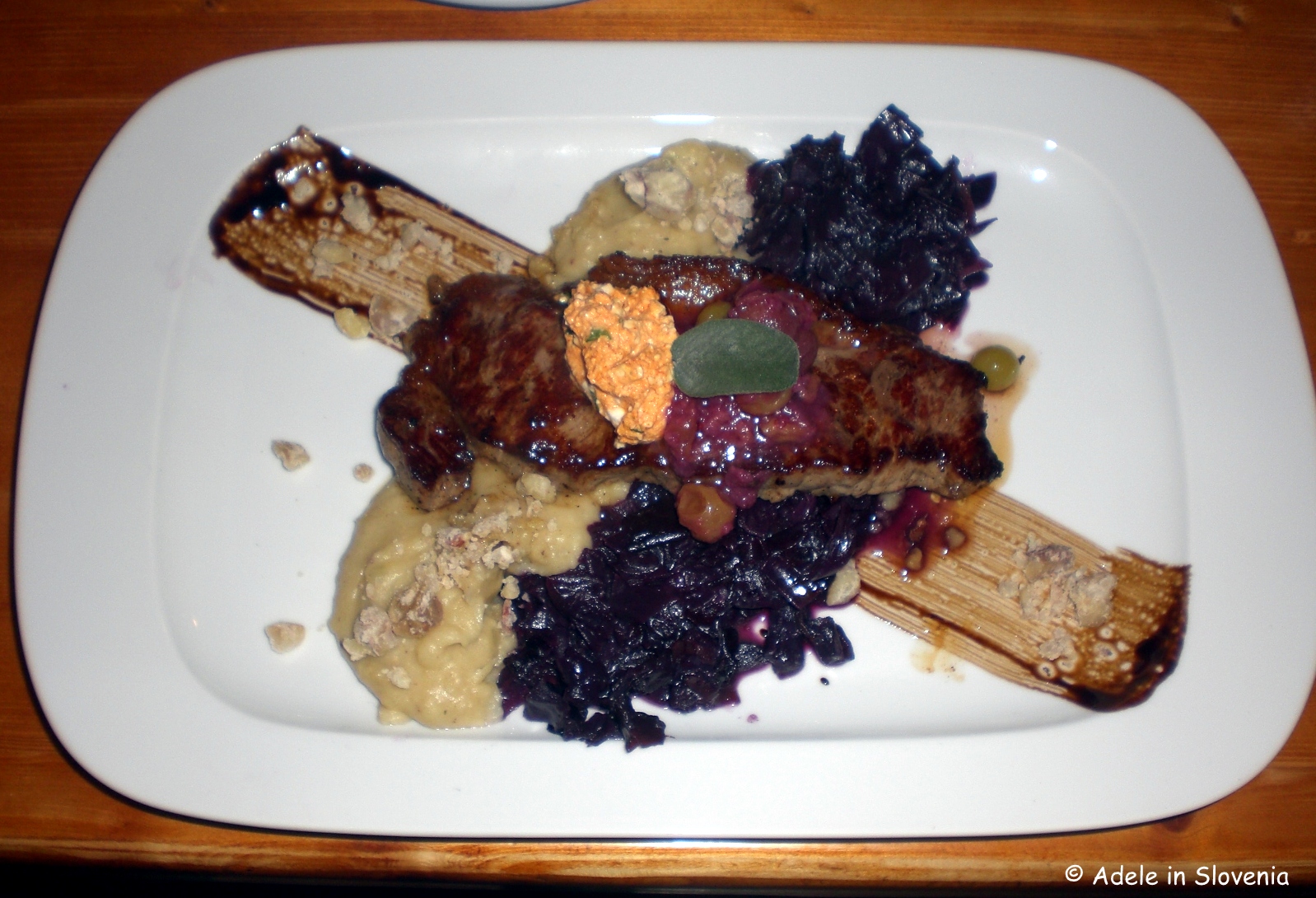
My steak arrived – cooked to perfection – accompanied by chestnut puree and red cabbage.

cimg2543

With just a dessert-sized space left in my stomach, it too didn’t disappoint. Tavčar plum mošnjiček – light pastry pockets served warm filled with hot plum sauce and strawberries.

cimg2551

Gostilna Tavčar is open daily and also offers light lunches (malice), lunches and dinners as well as weekend and Sunday lunch specials.

Taste Radol’ca menus are available at 13 participating restaurants for the entire month of November. You can find more information about Taste Radol’ca here – http://www.radolca.si/en/what-to-do/events-1/taste-radolca-2016/83/394/

© Adele in Slovenia


The Wild Nature, Waterfalls and Wonderful Sights of Slovenia’s Green Karst

Slovenia’s Green Karst is awash with wild nature and wonderful sights, including an impressive number of lakes and caves, castles, museums, and unique Karst features. Some of these sights, such as the Postojna Caves, the Park of Military History in Pivka etc., are already firmly on the tourist map, whilst others attract less attention, but are no less deserving of a visit. In this blog I have highlighted just a few more of the delights I discovered whilst exploring the Green Karst, but, believe me, there are still so many more!

There are hundreds of waterfalls in Slovenia, some very well-known and which attract visitors in their thousands, others less so, though many of these are equally, if not more, impressive. One such is the Sušec waterfall in Ilirska Bistrica.

The waterfall is just a ten-minute walk from the centre of the town – just follow the signs for Slap Sušec – along a pleasant leafy path beside the brook, where you can immediately feel the chill of the water in the air.

cimg2483

The Sušec waterfall has 7 springs and is particularly impressive after heavy rainfall when its foam-like waters gush over the moss-covered limestone rocks below.

cimg2489

For such an impressive waterfall, it was strange to have the place to myself!

cimg9980

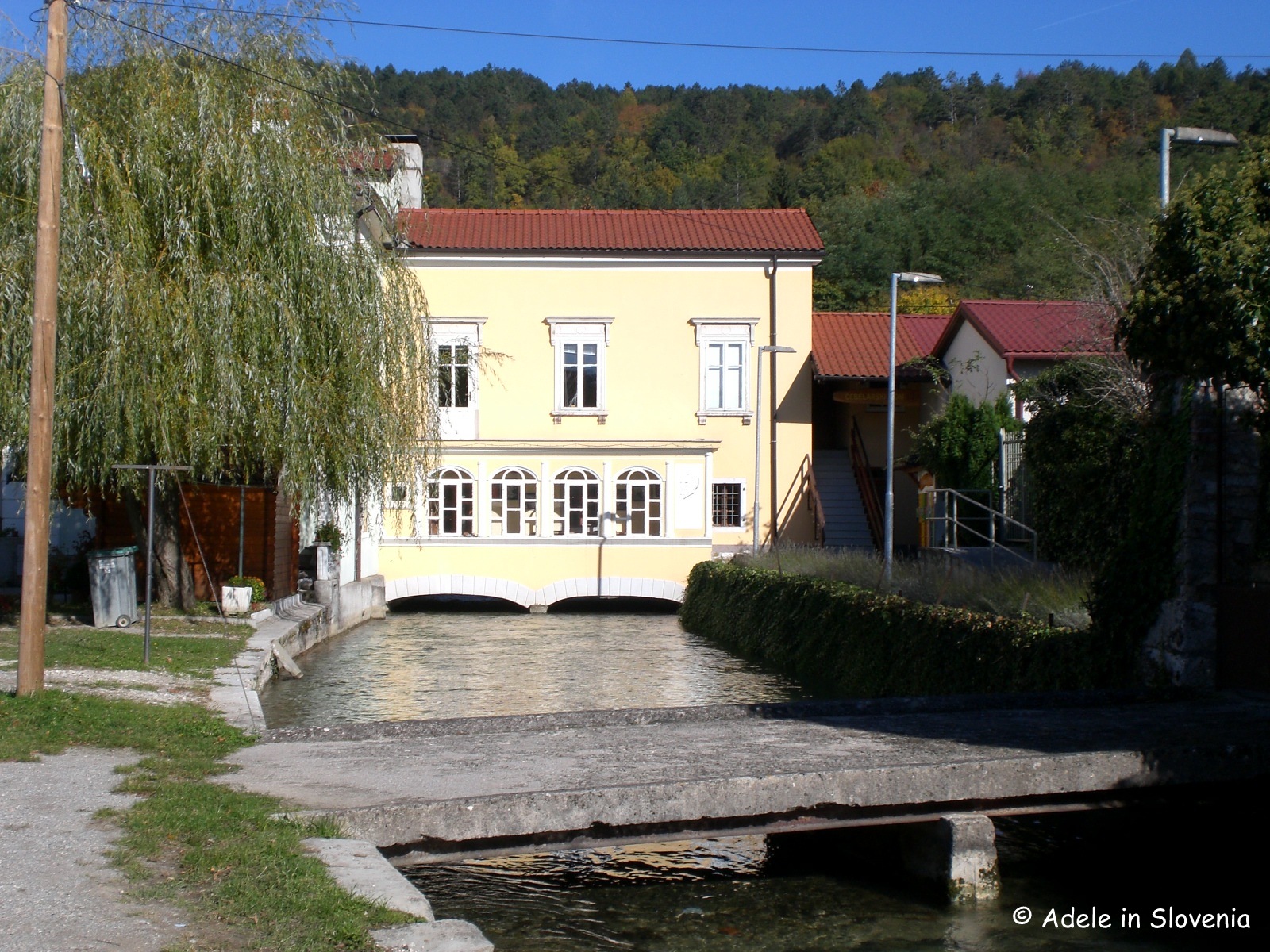
The town of Ilirska Bistrica itself has numerous watermills and sawmills running through it, dating back to a time when the town’s strategically important location – at the crossroads of Ljubljana, Trieste and Rijeka – meant it was a thriving hub. It is located in the valley under Mount Snežnik – the highest non-alpine mountain in Slovenia at 1796m.

cimg9968

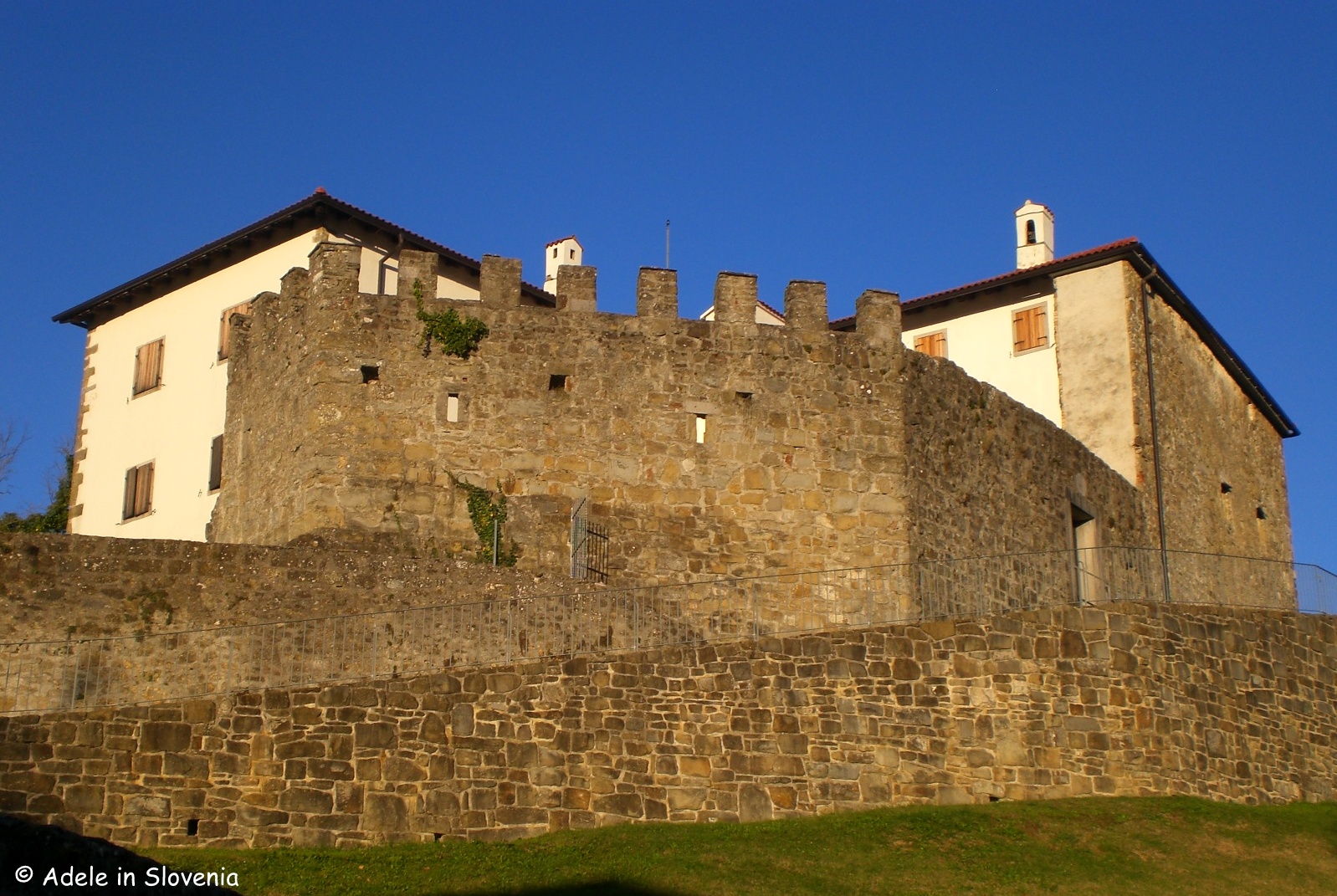
Whilst in the area another ‘don’t-miss’ sight is Prem Castle. The imposing castle, in the village of the same name, occupies a dominant position and makes a mighty impressive sight when looking up from the road through the Ilistrica Bistrica valley and Brkini hills.

cimg2492

The Romanesque castle was built in the 11th century in a strategic position above the river Reka (‘reka’ means ‘river’ in Slovene, thus it’s the ‘river River’ – I kid you not!). It has been owned by numerous counts (Hapsburg, Walsee, Portia etc.) during its long history and played an important role in battles.

In the 16th century a stronger defence wall and large watch tower were added, seen below with St. Helena’s church in the background. The church’s current appearance dates from 1868 and it is an unusually large church for a relatively small village. The interior of the church contains some interesting frescoes dating from 1921, the work of the famous Slovenian painter Tone Kralj.

cimg2519

Although the castle was badly damaged after World War II, it has been sympathetically restored. The castle’s interior stone walls and hidden passages tell interesting stories of its history.

cimg2501

The most impressive room is the Ceremonial Hall, which contains a 17th century baroque mirror, the only original artefact in this impressive painted room.

cimg2512

The upstairs of the castle houses an exhibition and a small chapel, and is a popular venue for intimate weddings and other small events. The castle is open at weekends from April to October, and outside of these times by prior arrangement.

Even if you visit when the castle isn’t open, I recommend driving up to the village of Prem, from where there are wonderful views over the surrounding Brkini hills and the countryside of the Green Karst, which are currently awash with the vibrant colours of autumn.

cimg2493

This is but a snapshot of what the Green Karst has to offer. So, be sure to include a visit to the area on your travels in/through Slovenia!

Information about all the above and what else to see and do in the Green Karst can be found here – http://zelenikras.si/en/ and you can also read more here about my visit earlier this year to one of the 17 intermittent lakes and to the Park of Military History in Pivka  – https://adeleinslovenia.com/2016/05/05/pivka-pause-ponder-play/

© Adele in Slovenia

Taste Radol’ca 2016 at Draga Inn – A Winning Start!

As there are 13 restaurants involved in this year’s Taste Radol’ca, I made a start last week already at attempting to try as many as possible during the month of November – all in the name of blog research for you, dear readers, of course!

Having perused the menus, I plumped for Draga Inn (Gostišče Draga), located in the Draga valley in Begunje na Gorenjskem, for my first Taste Radol’ca 2016 meal, and what a fine choice it was too!

There are 2 four-course menus to choose from, both costing just 16 euros, which is fantastic value and, as is the whole ethos of Taste Radol’ca, all products are sourced from local suppliers. I’ll let the photos of the food do (most of) the talking!

I opted for Menu I. but swapped to the Menu II. starter – game ragu with homemade cheese and bacon strukelj.

cimg2522

The alternative starter is smoked trout with horseradish, honey and creamed celery.

cimg2525

This was followed by cream of barley soup with chanterelle mushrooms.

cimg2527

I’m still salivating when I think about the main course – succulent wild pork in cranberry sauce, calf cheek, puree of carrot, and bean strukelj.

cimg2531

For those opting for Menu II. there is fillet of trout with mixed seeds, vegetable bake and pumpkin jam, which, although I’m not a lover of fish, also looked delicious.

cimg2533

The portion sizes (even for my large appetite!) were just perfect, therefore we still, just about, had room for dessert. Strawberry dumpling, cinnamon ice-cream, and honey and chocolate cream.

cimg2536

Sitting next to the log-burner, the ambience was cosy and warm and it was delightful to enjoy great food in the company of good friends – a welcome change from dining on my tod! So, thanks Jana, Tone and Pia!

So, one down, only 12 to go, though, this meal was so good, I have a feeling I will have to squeeze in another visit to Draga Inn before the month is out!

© Adele in Slovenia

It’s Wine Time – the Vinarium Tower and the Lendave Gorice Hills!

St. Martin’s Day is celebrated every November in Slovenia in a big way! Throughout the country, whether in a wine-growing region or not, you will find wine-related events taking place, and, even if like me you aren’t a big wine drinker, soaking up the atmosphere and savouring the excellent accompanying homemade food makes a visit to one of the ‘Martinovanje‘ events a must!

One such wine-growing area is Lendava, in the far northeast of Slovenia, which is a melting-pot of culture and cuisine, with influences from its neighbours – Hungary and Croatia.

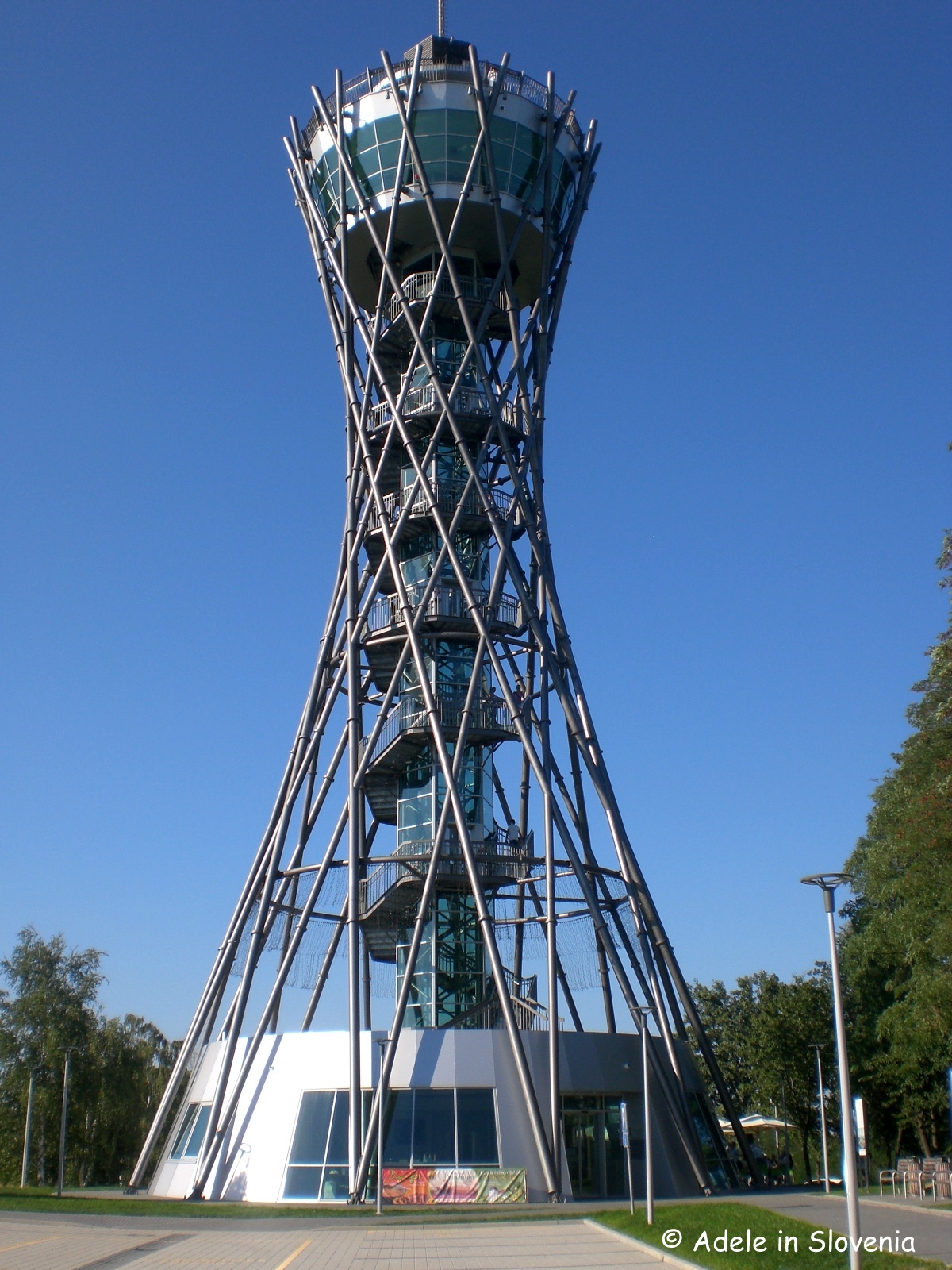
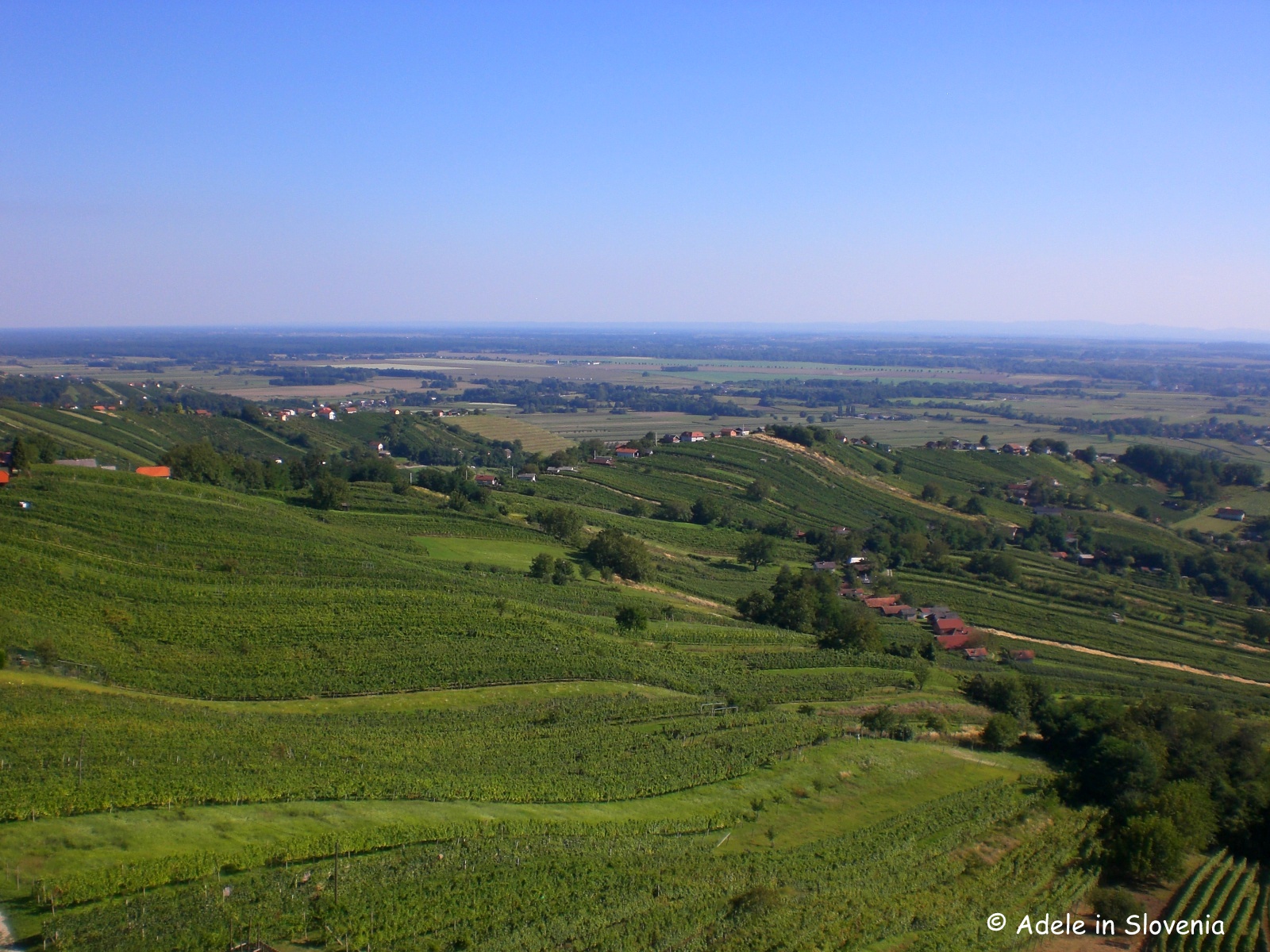
The town’s star attraction is undoubtedly the Vinarium Tower, which opened in 2015 and has rapidly become a favourite destination for visitors from far and wide. The 53.5m-high tower offers superlative panoramic views over the Lendavske gorice hills and further to the Mura river and the lowlands of neighbouring Hungary, Croatia and Austria. There is a lift which rapidly takes visitors up to the observation deck on the upper level, or, those up for it, can tackle the 240 stairs instead! Information about opening hours and ticket prices can be found here – http://www.vinarium-lendava.si/

cimg2163

As one would expect from being up so high, the views extend as far as the eye can see. The Lendave gorice hills are prime wine-growing territory, and it would be rude not to try a drop or two of the local wine after your visit! On the drive between the town up towards the Vinarium Tower, there are numerous small domestic wine producers, where you can stop and sample and, of course, buy some to take home – at prices that you will love!

cimg2152

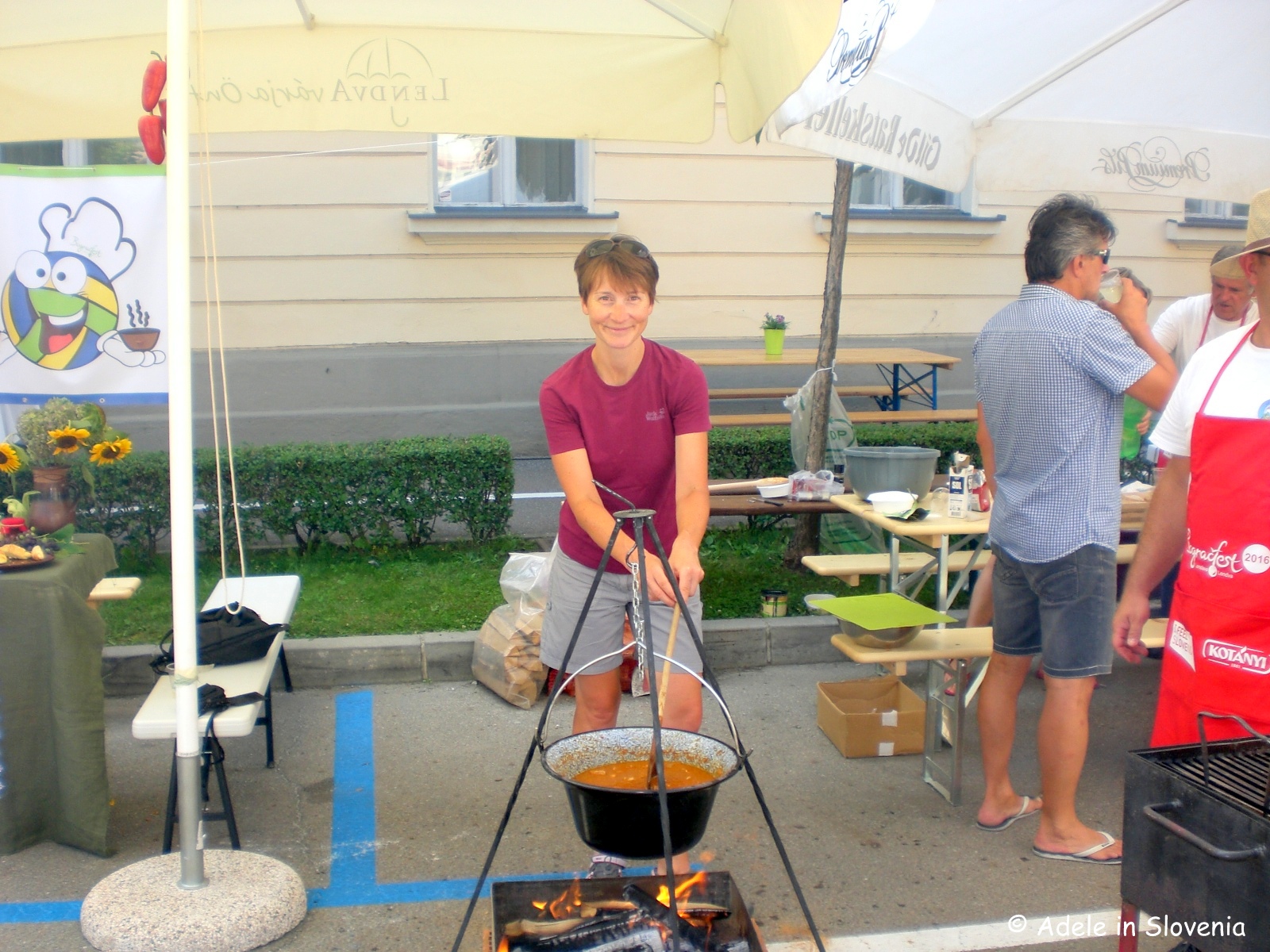
In front of the Vinarium tower, there are a handful of food and drink outlets, where you can enjoy, amongst others, a white wine spritzer – the most typical refreshing drink in this area – and local food such as bograč and langaš.

cimg2165

Lendava is synonymous with bograč, which is a dish fairly similar to goulash, however, the secret is in the 4 different kinds of meat and a few other key ingredients (each cook, of course, has their own secret formula!). Langaš is a potato-based dough, deep fried and topped with lashings of garlic and oil – healthy it’s not, but then you only live once!. My visit to the area coincided with the annual Bogračfest – a festival and competition in cooking bograč.

cimg2186

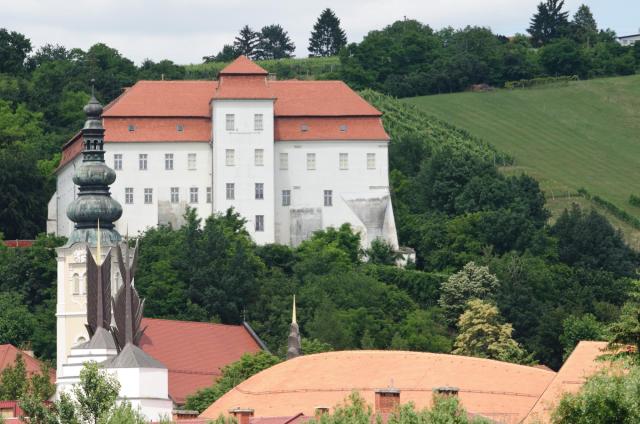
The centre of Lendava itself has a pleasant relaxed air to it; a mixture of pavement cafes, the imposing St. Catherine’s Church and Lendava Castle perched on a small hill overlooking the town. The castle’s baroque appearance dates from the 18th century, though it was first mentioned in records dating as far back as 1192. Today it houses archaeological, historical and ethnologic collections as well as a gallery.

13698281_1225368114153556_933717523607354099_o

The Cultural Centre, which comprises a theatre and concert hall, is a magnificent eye-catching building. It was actually designed by one of Hungary’s most famous architects, Imre Makovecz. In this part of the country, you will notice all public signs in both Slovene and Hungarian languages, and there are strong ties between the minorities of both nations living in harmony on either side of the border.

01100254f-700

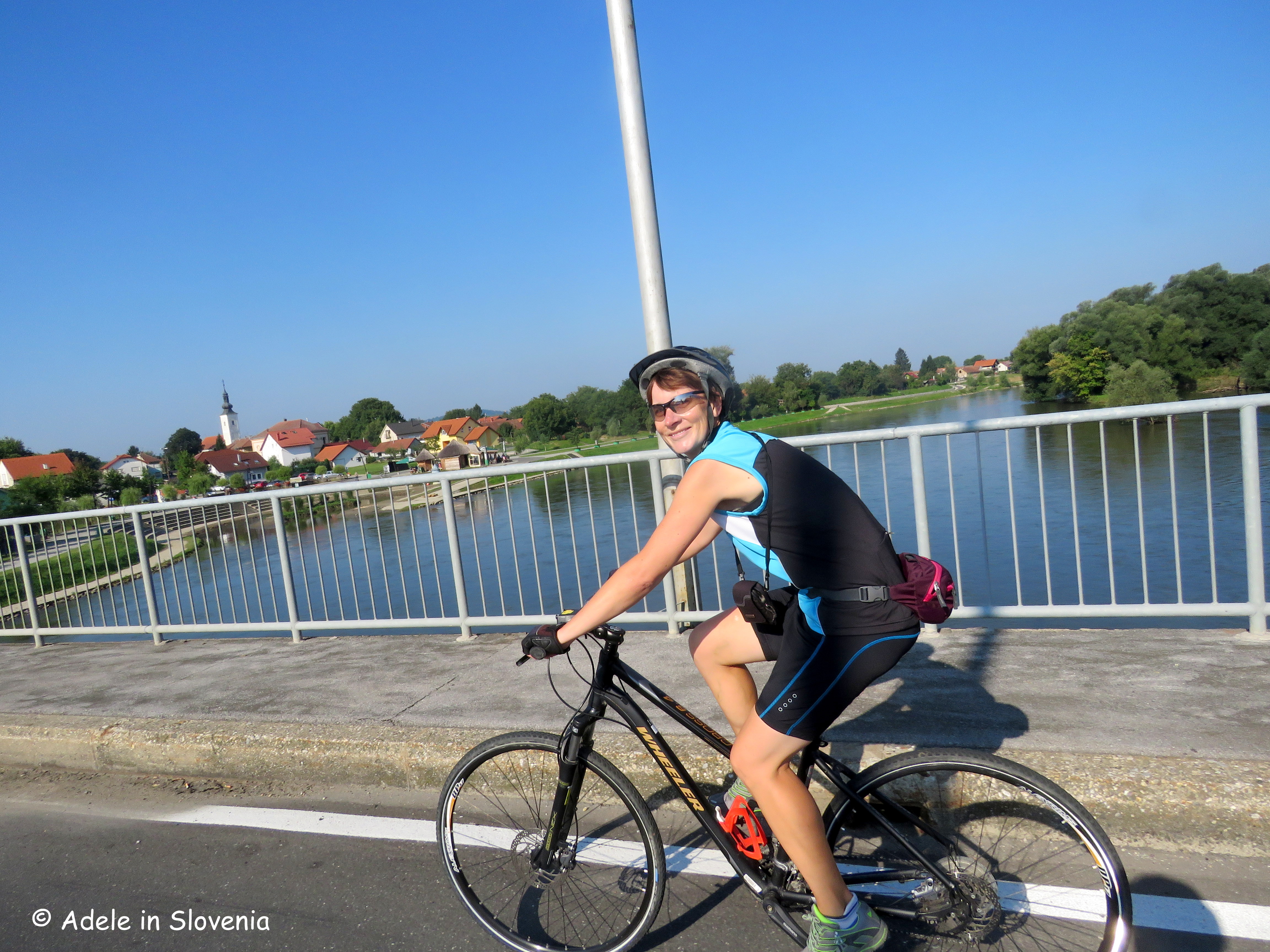
If, like me, you like cycling, then the area is perfect and you can even visit 3 countries in one ride. Not wishing to be greedy (Ok, time was also an issue, as Bogračfest was calling!), I ‘just’ visited 2 countries on my 3-hour, cca. 60km bike ride.

img_9234

After crossing the border into Croatia, I, or rather ‘we’ cycled alongside the Mura river, which forms a natural border between the two countries.

I was lucky enough to have a cycle pal for this ride, in the form of Paul, a fellow Brit who lives not far from Lendava who knows the cycle routes in this area like the back of his hand. I admire Paul hugely, and he and I share the same virtues, struggles, joy and passion for living in Slovenia. He has painstaking, and single-handedly, renovated an old mill – Slomškov Mlin in Razkrižje (more about that when its time for the official opening!) – and also runs a cycle tour company offering guided or self-guided tours and the chance to hire bikes and e-bikes. Find out more about Simply Cycling Slovenia here – http://design-it.si/cycling/

img_0678

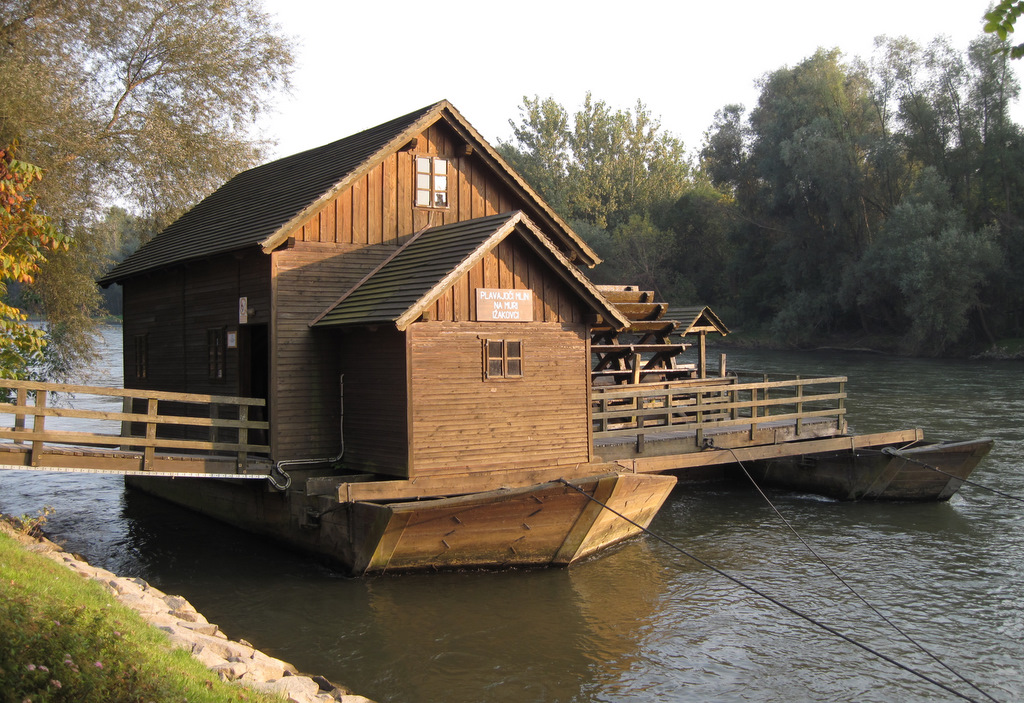
After having a guided tour of the mill, we stopped at a pleasant picnic area near one of the few remaining famous floating mills which are found on both sides of the Mura river.

img_9255

This mill, called ‘The Island of Love’, is located on the Slovene side of the Mura river.

plavajoci_mlin_na_muri_-_izakovci

The centrally-located Lendava Thermal Spa is an ideal place to base yourself for exploring the area, with its indoor and outdoor thermal pools, saunas, energy park, traditional cuisine, and full range of treatments, many of them based on its unique paraffin water known for its healing and rejuvenating properties. Find out more here – http://goo.gl/GRXeZz

KONICA MINOLTA DIGITAL CAMERA

Enjoy celebrating St. Martin’s Day – wherever you are and however you choose to celebrate it – no excuses needed!

© Adele in Slovenia

It’s Time to Taste Radol’ca (again)!

Yes, it’s that time again. Taste Radol’ca Time!

For the 4th consecutive year, for the whole month of November the participating Taste Radol’ca restaurants, of which this year there are 13, will be dedicated to serving up tasty dishes, made from locally-produced and sourced ingredients, at the very reasonable price of just 16 euros for a 3-course menu.

This year 2 new restaurants have joined the Taste Radol’ca ‘family’ – Gostilna Tavčar, located in Begunje, and Gostilna Avguštin, situated in the heart of Radovljica’s historic old town centre.

Preparations are now in full swing, the chefs have been putting their heads together, recipe testing is complete and they, or rather we all (including me!), are eagerly awaiting the start!

14517647_652426054924741_6851347398127977143_n

The opening event, which will take place on Friday 28th October, is this year being held at Vila Podvin in Mošnje. The event, which is open to everyone, kicks-off at 5pm in front of Vila Podvin with a local market and a chance to sample some of Radol’ca’s delicacies.

cimg0106

This is followed by a 5-course dinner, beginning at 7pm, for which tickets are now available at 29 euros per person. The menu is being kept under close wraps for the time being, but I have no doubt it will be equally as tempting, if not more so, than last year!

12190827_1025127160871979_5778827778720657330_n

In addition to the opening event and the month-long special menus available at all participating restaurants, there will also be other Taste Radol’ca themed events taking place throughout the whole month, including cheese tasting and tours of Lectar Inn’s Gingerbread Workshop.

There is also a chance to win tickets to attend the Taste Radol’ca Closing Party, this year to be held on 2nd December at 7pm at Gostišče Draga, in the Draga Valley in Begunje, as well as the chance to win a cookery course with one of Slovenia’s top chefs, Uroš Štefelin.

In order to stand a chance of winning tickets, just start eating and the more you eat the more of a chance you stand of winning! Pick up a stamp-collecting card from the Radovljica Tourist Information Centre (TIC), and each time you enjoy one of the Taste Radol’ca menus during the period from 29th October – 30th November, you get a stamp. Collect a minimum of 5 stamps and submit the card to the Radovjlica TIC by 1st December to be entered into the prize-draw.

14720545_1202989179744296_247529571283659762_n

More information can be found here (in English) – http://www.radolca.si/en/what-to-do/events-1/taste-radolca-2016/83/394/ and here (in Slovene, with additional information) – http://www.radolca.si/kaj-poceti/dogodki/okusi-radolce-2016/83/2053/

© Adele in Slovenia


Discover Brežice and the Bizeljsko Wine Road

The town of Brežice, in the south-east of Slovenia, is framed by the Gorjanci mountain range, is the location of the confluence of the Sava and Krka rivers, home to the magnificent Brežice Castle and other sights of interest, as well as being close to Bizeljsko and the Bizeljsko-Sremič Tourist Wine Route and the Čatež Thermal Spa.

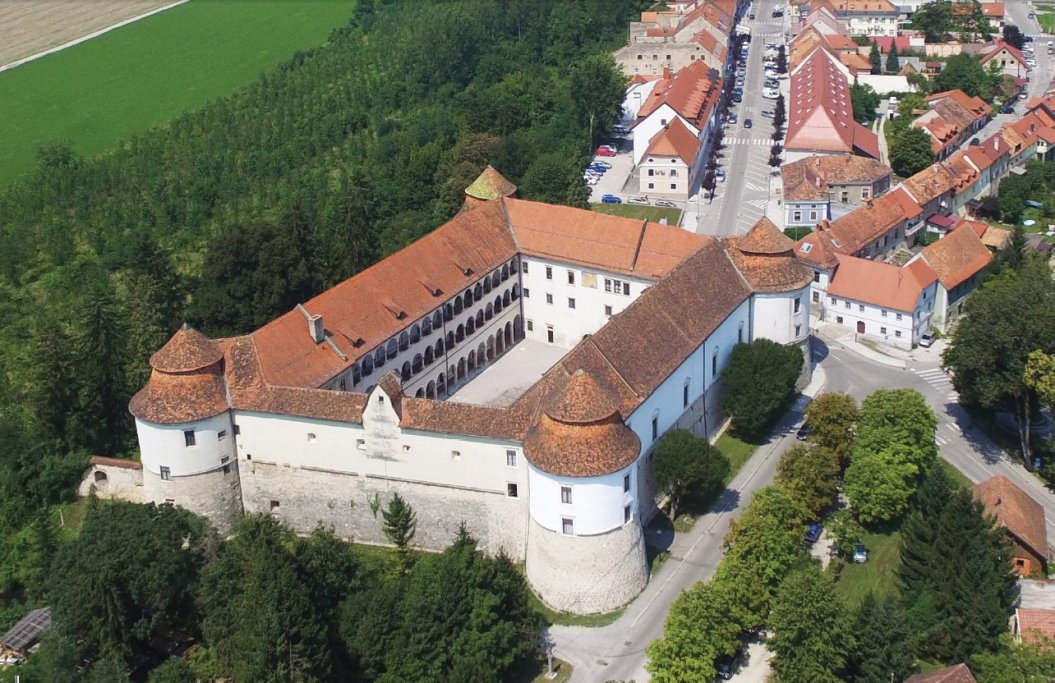
During my stay at the Čatež Thermal Spa, I took time to ‘Discover Brežice’ – as the town’s tourism slogan goes. I set off by bike and first headed to the Brežice Castle and Museum, which is without doubt the jewel among the town’s historic buildings.

3080

The Renaissance castle was turned into a residential castle by the aristocratic Attems family in the late 17th/early 18th century. The Baroque painted Knights’ Hall is most definitely the pièce de résistance and really has to be seen to be able to appreciate its full magnificence and the vibrancy of colours.

CIMG1841

The 46 metre-high Brežice Water Tower was built in 1914 in order to provide the town with water. It no longer serves its original purpose but remains the most visible and well-known of the town’s landmarks. Today you can sit in the café on the ground floor and look up to enjoy the view!

vodni stolp

Whilst in the area you simply must drive, cycle, or walk, along part of the Bizeljsko-Sremič Tourist Wine Road and pay a visit to a ‘repnice‘ – quartz sand caves which are nowadays used for storing wine.

cimg1798


From Brežice it took around 45 minutes by bike to reach the Najger repnice. The area’s landscape has an almost Tuscan feel to it and, although I was cycling on main roads, traffic was light and it was a pleasurable and scenic ride. The area is part of the Kozjanso Nature Park – one of the oldest and largest protected areas in Slovenia.

CIMG1782

Not really knowing what to expect, I found the Najger repnice absolutely fascinating. Repnice caves were originally used for storing turnips (‘repa‘ in Slovene, hence the name ‘repnice‘) during winter, at the time when turnips were the main fodder for livestock.

CIMG1784

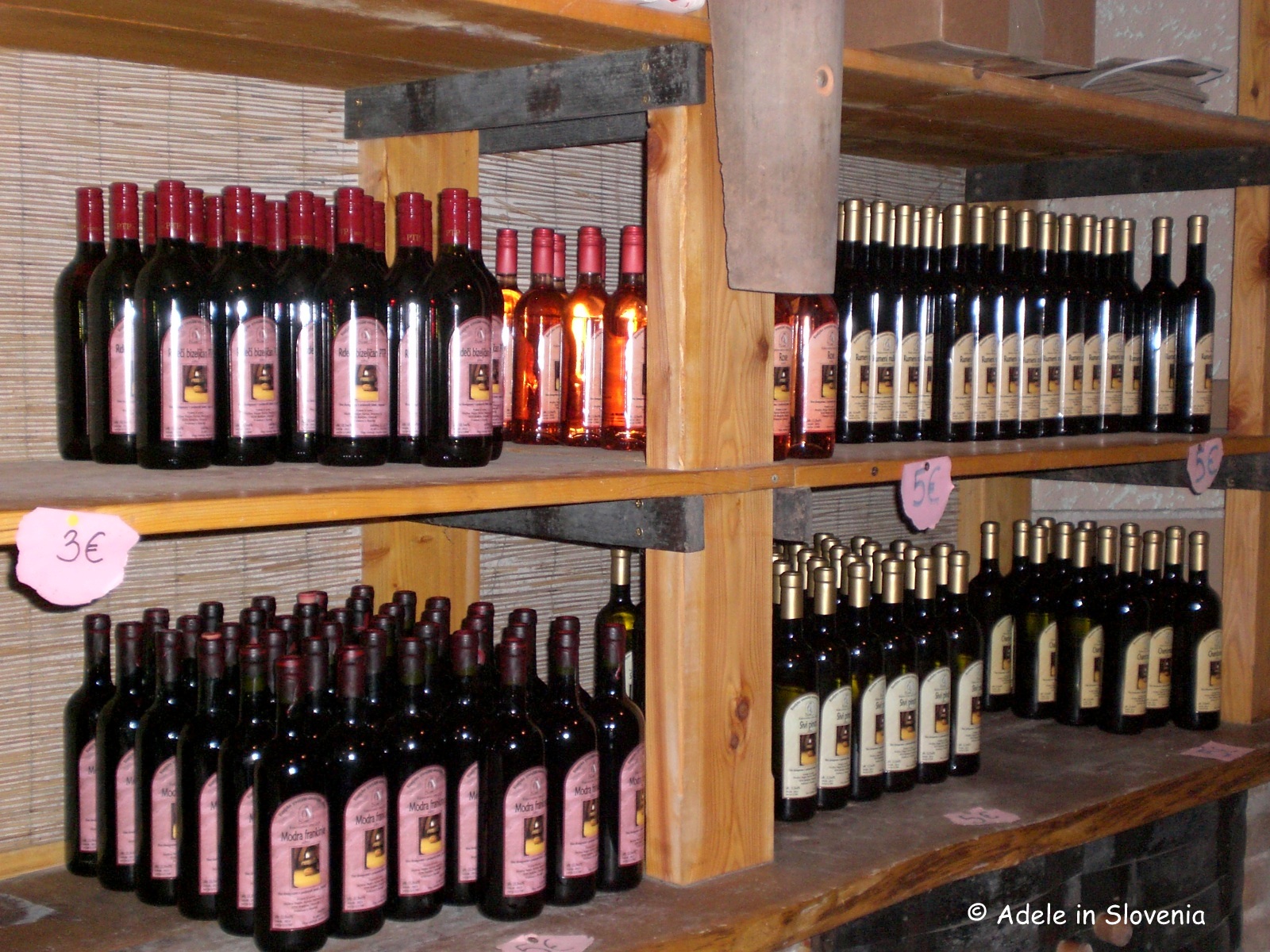
These days, the caves, made from dug out quart sand, are used for storing wine and visitors have a chance to taste and buy some of the excellent home-made wines, accompanied by a plate of home-produced cheese and dried meats, or other homemade delights.

CIMG1804

The rooms inside the caves are at a constant temperature, offering perfect conditions for storing wine. To really understand the marvel of these caves it is necessary to understand how much work went in to digging them out; for each small room it took around 3 months of working 8 hours per day. Now if that isn’t hard labour and dedication I don’t know what is. The results, however, were well worth it!

CIMG1791

If you look closely at the sandstone you can make out various natural shapes and patterns. Which animal can you see here?

CIMG1797

Following the tour of the cave there was also the chance to buy some of the home-produced wine, at more-than reasonable prices, which makes an idea gift or a treat for yourself – it was sweet muscat wine for me!

CIMG1812

The vast Terme Čatež Thermal Spa is one of the main attractions in the area and offers year-round water-based fun for all the family. You can read a full account of my visit here – http://wp.me/p7jQx9-8y

In bygone days, boats and ferries regularly transported people and goods from one side of the Sava river from the Čatež Thermal Spa to the village of Mostec and back. Nowadays, the special ‘brod’ ferries offer short pleasure trips along the river.


CIMG1766

The 7-day Brežice My Town Festival, the largest festival in the Posavje region, takes place annually at the end of June and attracts thousands of visitors from Slovenia and neighbouring countries. The festival programme includes a wide range of concerts, performances, activities for children, sports challenges and a chance to sample some of the best local cuisine.

For more information about all the above visit the Discover Brežice website – http://www.discoverbrezice.com/EN/

© Adele in Slovenia

Taste Tepka Pear Perfection at Vila Podvin

The tepka pear is a rare variety of pear that is only grown in a few areas of Slovenia and, in recent years, has been coming back into popularity largely due to its unique flavour and versatility.

Flying the flag for the tepka pear is one of Slovenia’s top chefs, Uroš Štefelin, at Vila Podvin. Uroš’ ethos of cooking is based on using local ingredients to give traditional Slovene food a modern twist, thus, incorporating tepka pears into his dishes fits the bill perfectly.

12924607_1055621994511620_3629632656492390110_n

Curious to find out more about this rare pear, and, of course, taste it, I went along to Vila Podvin in Mošnje last week (luckily for me it’s only a few kilometres from where I live!) to try an entire menu based around tepka pears, with the aim of helping to spread the word about this gem of a fruit.

In their natural form, as seen below here on the left, one could be forgiven for thinking that the brown inside of the pear means it is rotten, but this is quite normal, though, for my taste at least, the texture is a little gritty. The tepka pear seen on the right below is the dried version and, and, as is the case with many fruits, drying or cooking them makes the flavour far sweeter and more intense.

cimg2351

The tepka pear works equally well in sweet and savoury dishes – all that is needed is a little imagination, which Uroš has in spades! So, if you’d like to get to know this interesting little fruit, read on, and, if you like what you see, be sure to pay a visit to Vila Podvin to try some for yourself!

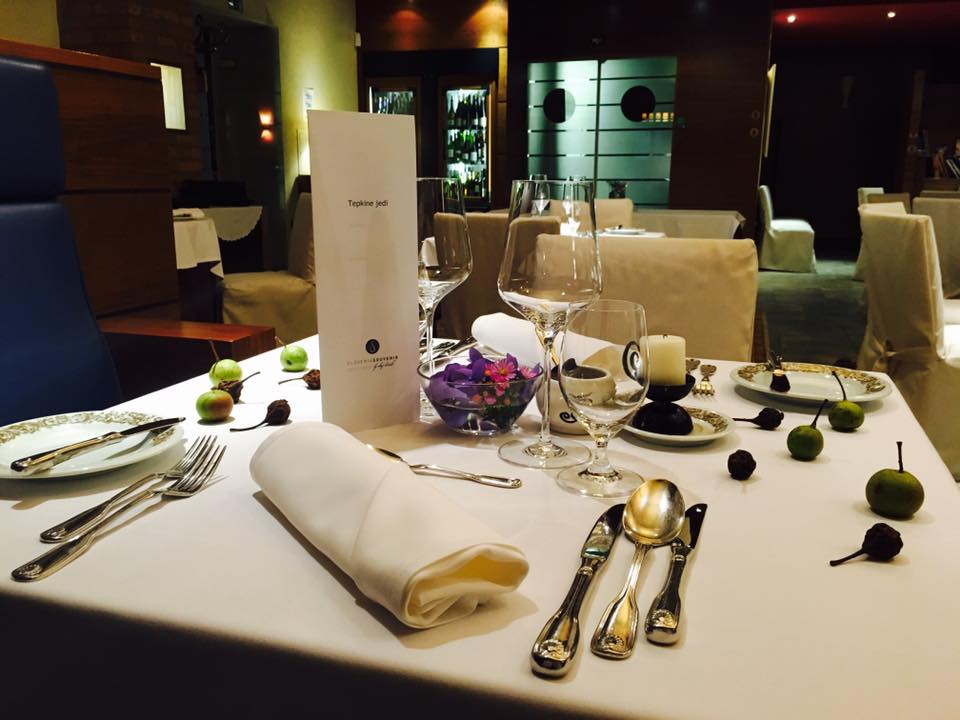
If you opt for the tepka-based menu, you can expect your table decoration to be tepka-based too!

14448983_1195797713827380_6558383087345365871_n

Menus at Vila Podvin are seasonal and based on locally available ingredients so, although there is usually always something tepka-based available, if you want the full tepka works, then be sure to book ahead!

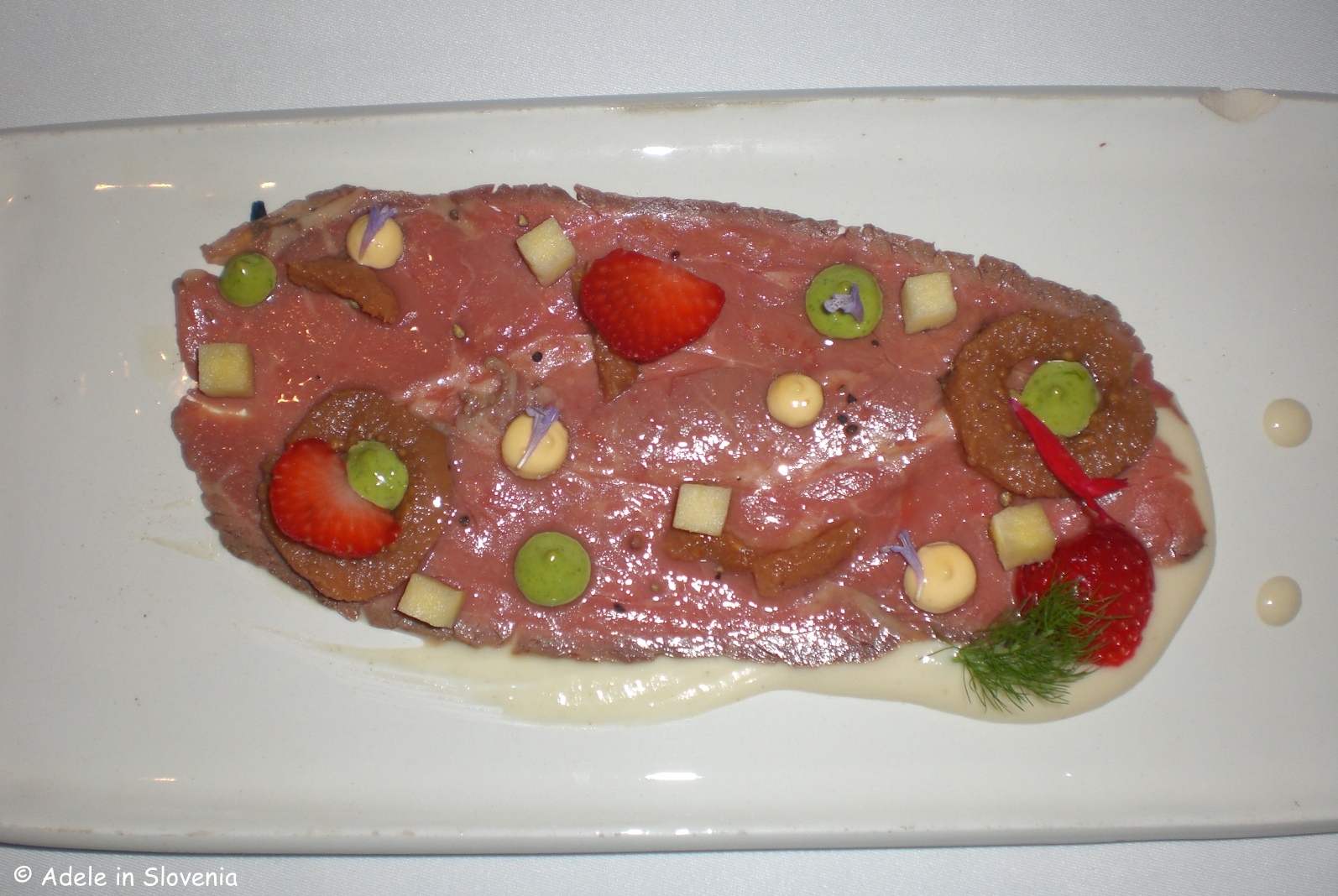
The first of the 6 course tasting menu I devoured was beef carpaccio with sliced cooked tepka pear and horseradish mayonnaise.

cimg2340

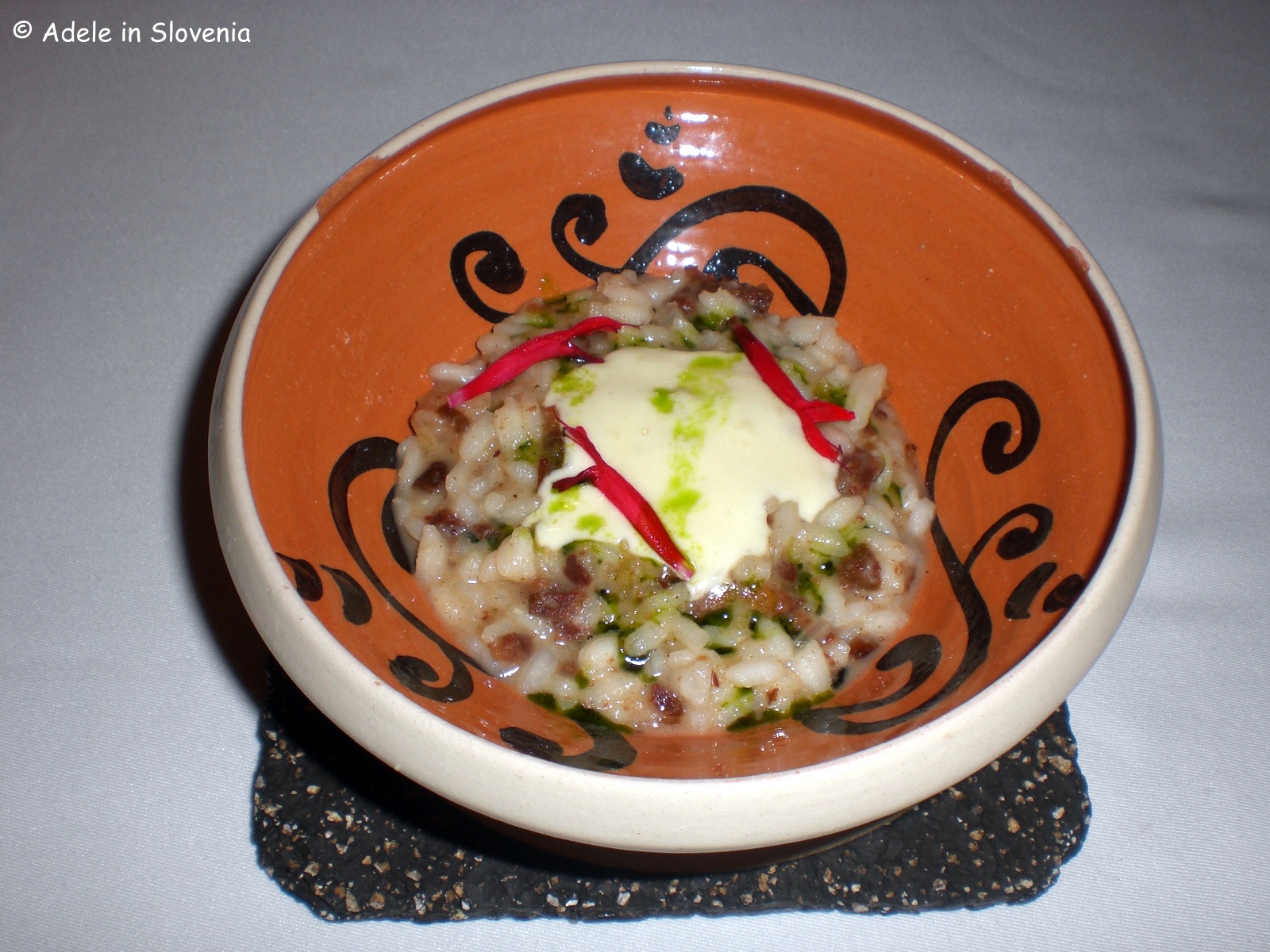
Next up was barley risotto with tepka pear, horseradish and goats cheese.

Vila Podvin also has its own in-house pottery workshop in the entrance lobby. The unique plates and bowls in/on which the food is served are designed by the house artist, Barba Štembergar Zupan, who transforms clay into Podvin ceramics decorated with motifs of Ljubno potters. It’s this attention to detail, both in the food and presentation, that makes all the difference.

cimg2342

Although Vila Podvin is a superior-quality restaurant with a renowned head chef and excellent and knowledgeable waiting staff, the atmosphere is pleasantly relaxed and intimate and doesn’t feel in any way stuffy or formal. So, if you want to go into the kitchen, just ask – as I did!  I was just in time to see my third dish being served up!

cimg2348

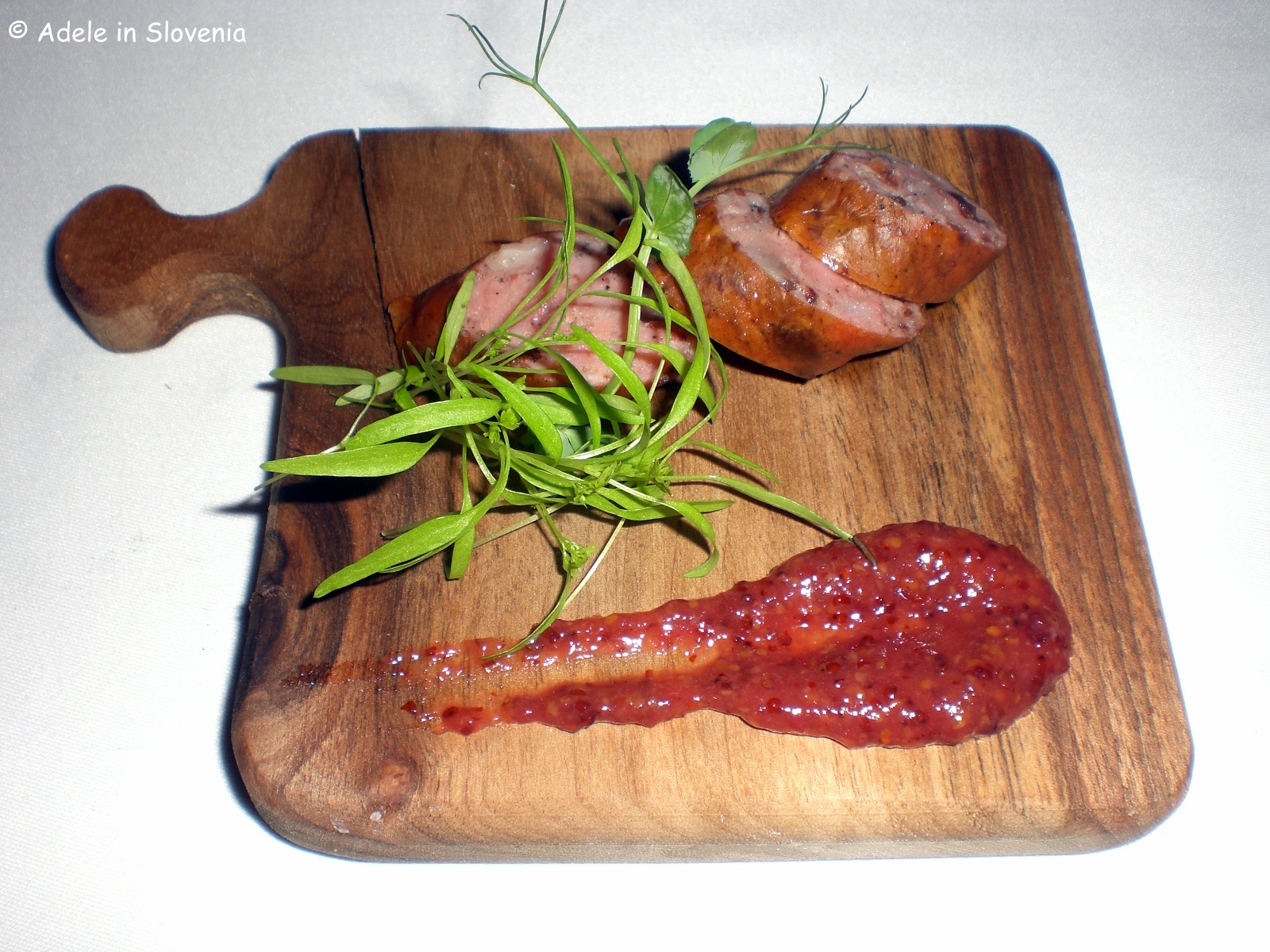
Carniolan sausage, otherwise known as Kranjska klobasa, with tepka, served with plum jam with mustard seeds.

cimg2349

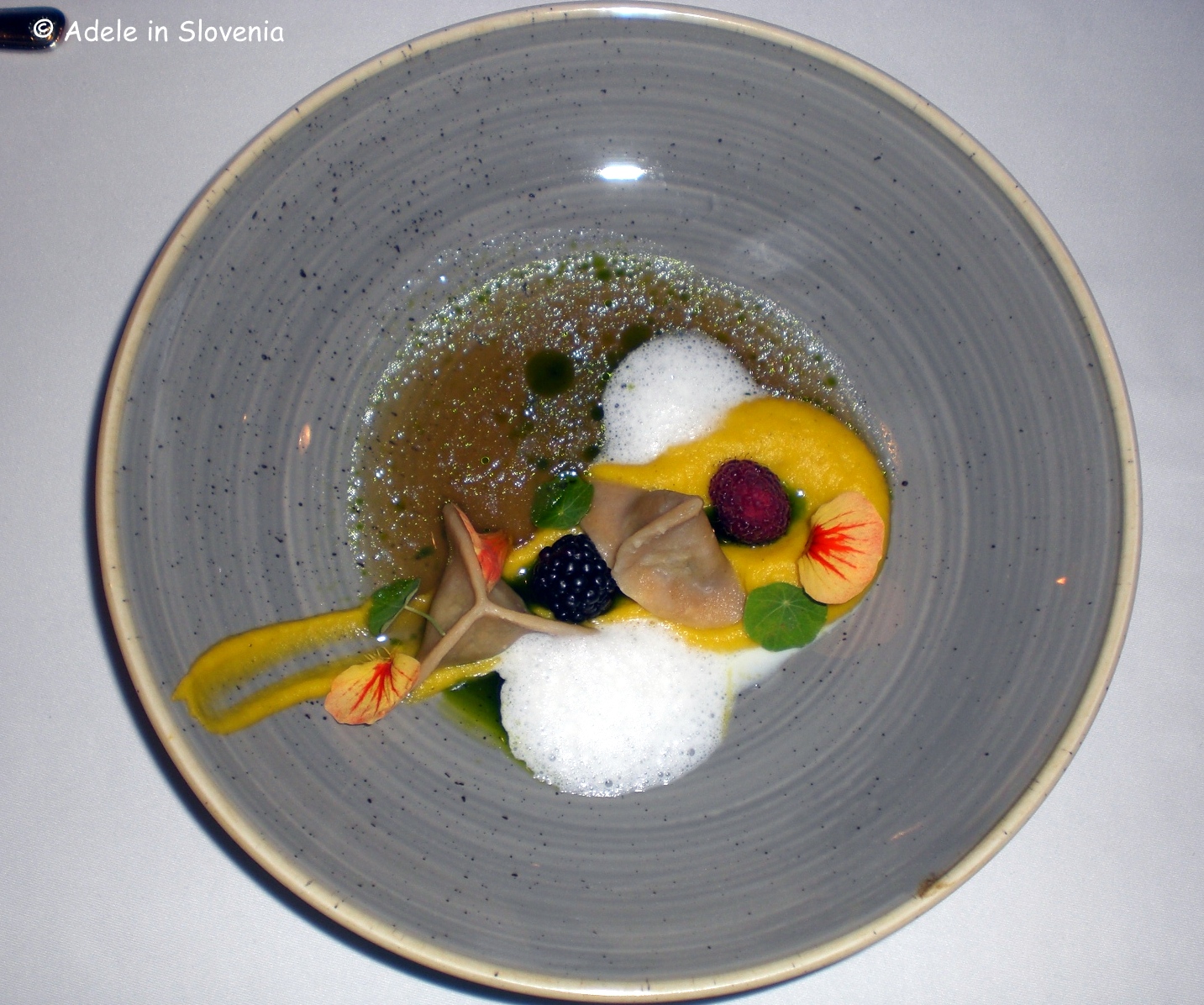
The next course was pasta filled with goose liver and tepka pear with a clear mushroom broth.

cimg2353

The final savoury dish was saddle of roe deer on a base of red polenta with tepka pear, black walnuts with berries and a honey sauce.

cimg2355

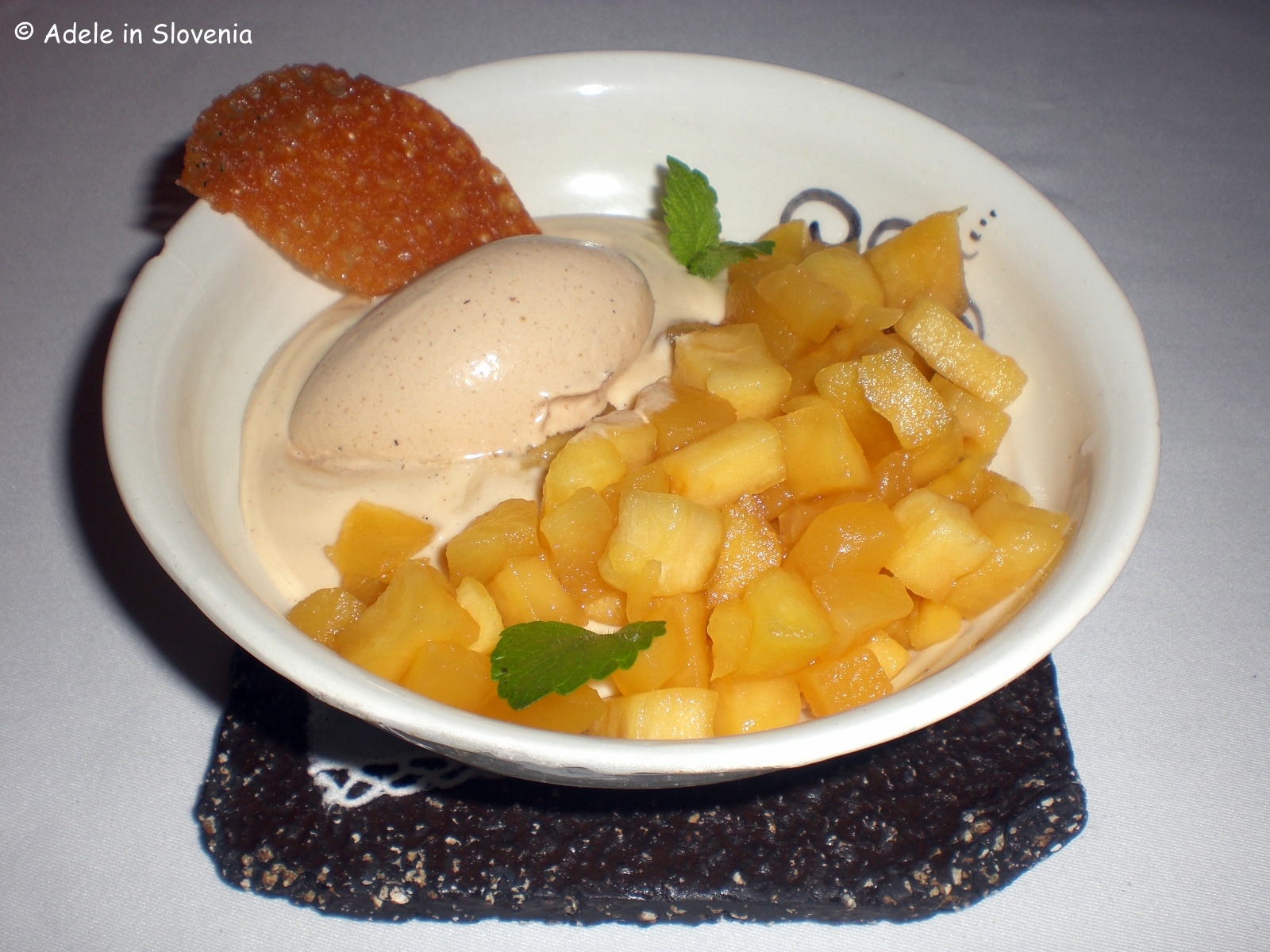
Fortunately I still had room, just about, for dessert – which is always my favourite part of every meal! A deconstructed apple strudel with tepka pear ice-cream – delicious!

cimg2359

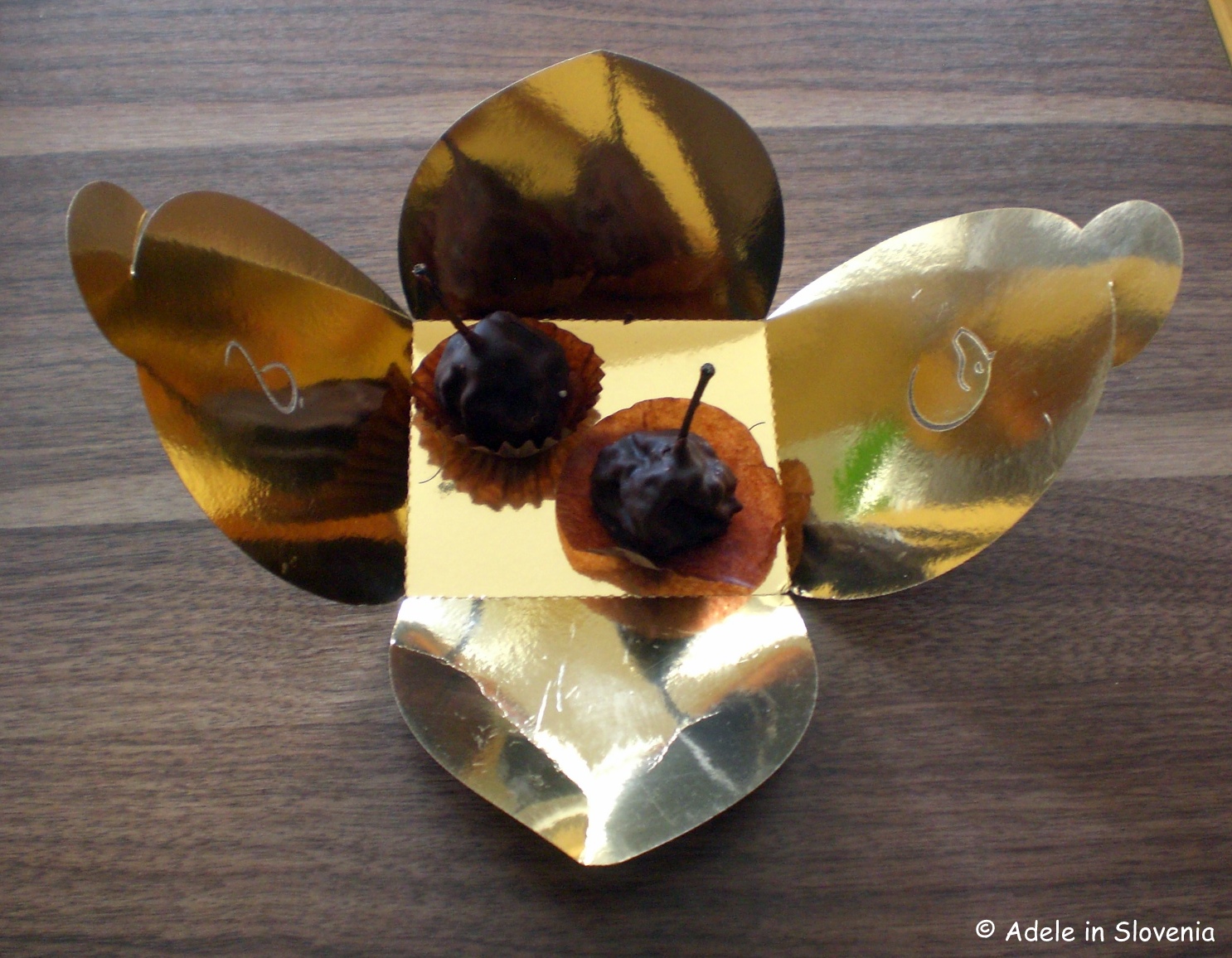
The final icing on the cake was the dried, soaked, succulent chocolate-covered tepka pears, which I opted to take home!

cimg2366

You can also buy tepka pear treats to take home, including fruit juice, liqueur, and sausages, and there is a chance to sample them at the monthly Vila Podvin local market. Read more here – https://adeleinslovenia.com/2016/09/05/shop-locally-at-radovljicas-farmers-and-craft-markets/

Find out more about Vila Podvin, which is also one of the participating Taste Radol’ca restaurants and will this year host the opening event at the end of October, here – http://www.vilapodvin.si/EN/

© Adele in Slovenia


Wacky and Wonderful Rainy Day Ideas in Slovenia – The Sunny Side of the Alps!

Autumn can be one of the nicest times of year here in Slovenia. The heat of the summer has subsided, and with it the risk of afternoon showers, the roads and tourist hotspots are less crowded, and the leaves falling from the trees are a wonderful kaleidoscope of autumn gold and russet colours.

However, although Slovenia is often called ‘The Sunny Side of the Alps’, let’s face it, it does also rain at times!

Bohinj Lake in Autumn – Photo: Dunja Wedam_3099_orig

Much of Slovenia’s natural beauty lies in the great outdoors. So, as I know only too well, it can be frustrating when it isn’t possible to get out there and enjoy it. But, it doesn’t have to spell disaster! There are still plenty of things to see and do, whatever the weather. So, in this blog, I’ve listed a few ideas for what to do on those gloomy, rainy, and maybe even snowy, days!

MUSEUMS – There are hundreds to choose from, thus it’s nigh-on impossible to single one out, so I’ve whittled down the choice somewhat, though, of course, the list is far from exhaustive. Below are just a few of the largest and most popular.

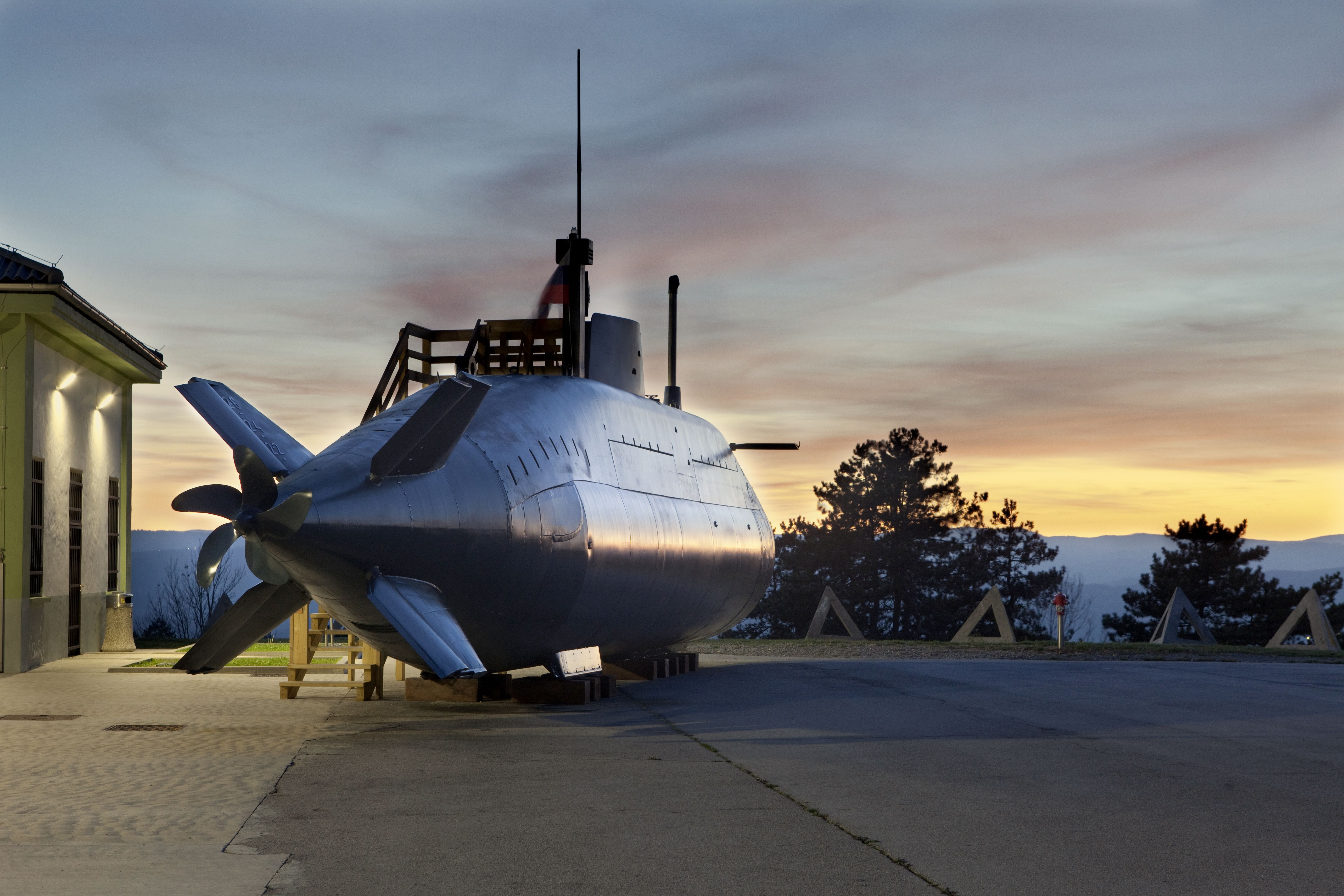
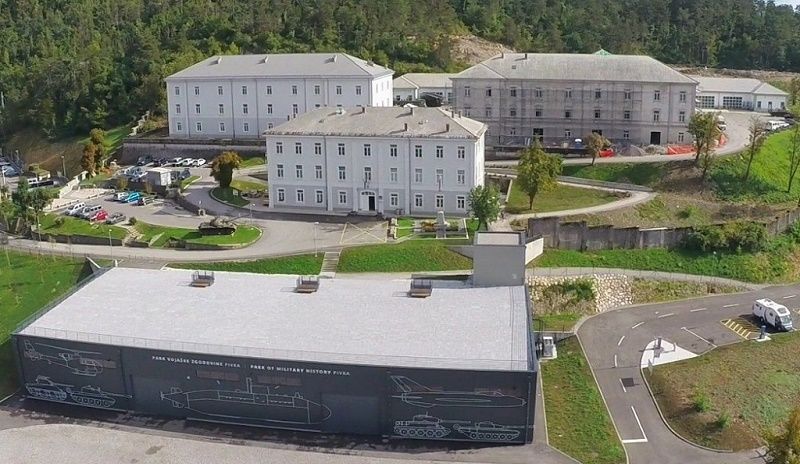
The Park of Military History in Pivka – even those who don’t consider themselves fans of military history, will find something here. The highlight is the chance to go inside the P-913 Zeta submarine. Read more about my recent visit here – http://goo.gl/nWm3Mq and find more information here – http://parkvojaskezgodovine.si/en/

Photo:

Photo: Simon Avsec http://www.slovenia.info

The UNESCO-listed Anthony’s Shaft Idria Mercury Mine – more than 700kms of tunnels, and 500 years of mercury mining. More information here – http://www.antonijevrov.si/index.php/en

Photo: Visitidrija.si

Photo: Visitidrija.si

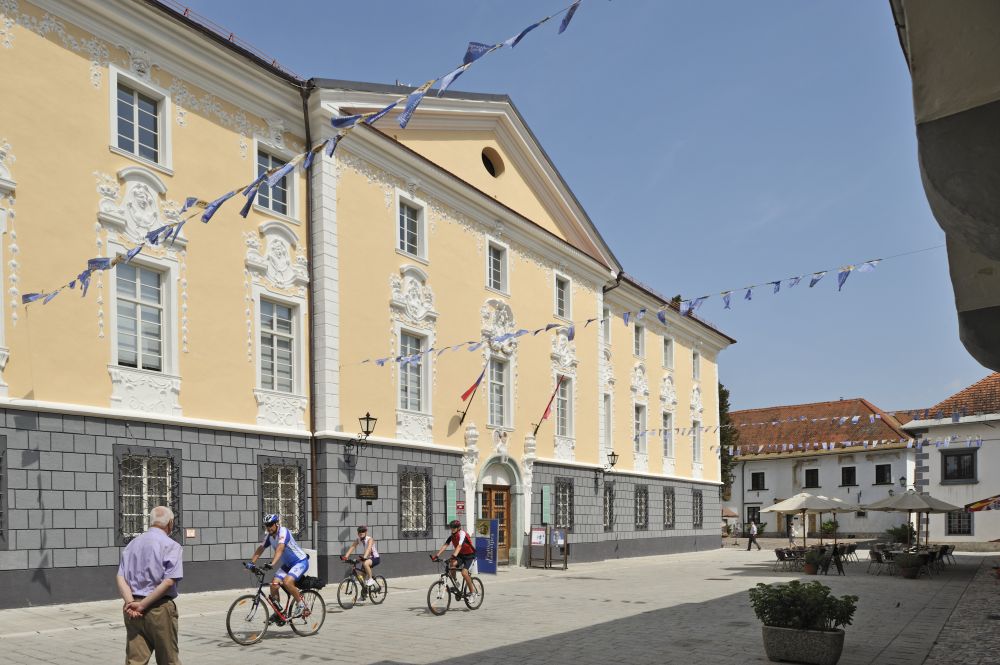
The Museum of Apiculture in Radovljica – housed in the magnificent Baroque Radovljica Mansion. Learn about beekeeping in Slovenia and see the oldest beehive panel in the world.

Radovljica SLO 2011

Photo: Tourism Radovljica

Škofja Loka Museum – housed in Loka Castle, one of Slovenia’s finest castles in the heart of the historic medieval old town. It boasts extensive and impressive museum collections. More information here – http://www.loski-muzej.si/en/

Photo: Jana Jocif

Photo: Jana Jocif

The Ptuj-Ormož Museum – housed in Ptuj Castle, in Slovenia’s oldest city. Highlights include the collections of traditional carnival masks, musical instruments and glass paintings, as well as the Castle Gallery. More information here – http://pmpo.si/en/

gradsta3-e1455185283533-1600x792-ptuj

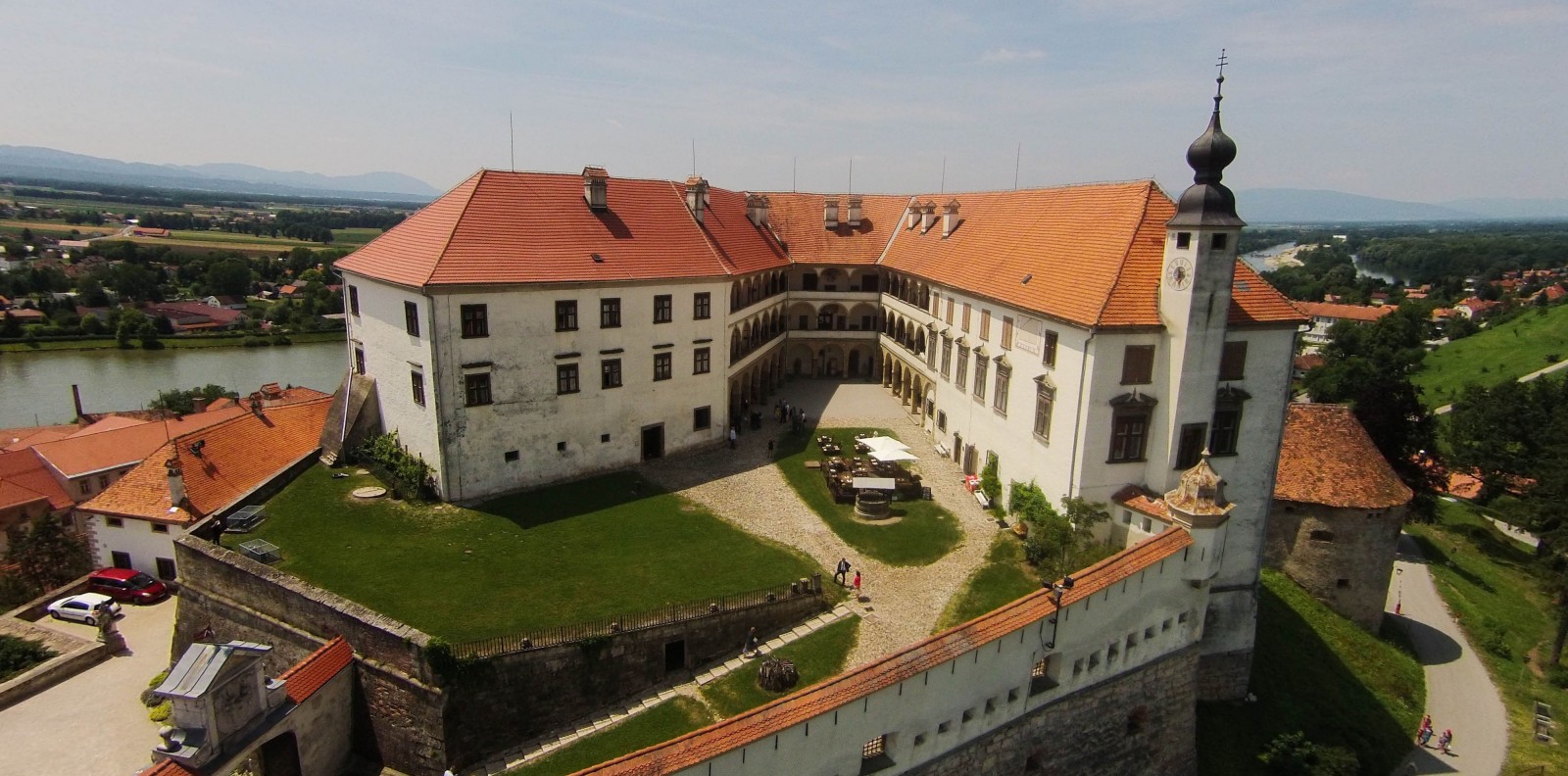
Bistra Castle and the Technical Museum of Slovenia. The castle was originally a Carthusian monastery during the period from 1260 – 1782 and was later changed into a manor house. It houses an eclectic mix of exhibitions including the Slovenian Hunting Museum and a collection of ex-President Tito’s cars. Read more here – http://wp.me/p3005k-NM and find more information here – http://www.tms.si/index.php

CIMG8905

Ljubljana’s museums and galleries – being the capital city, there is a wide choice, among them the National Gallery, the Museum of Modern Art, the City Art Museum, and the Railway Museum. Find out more here – http://goo.gl/WCnyYn

EAT, DRINK AND BE MERRY! – It certainly doesn’t have to be bad weather to ‘Eat, Drink and Be Merry’, but a dose of traditional hearty Slovene food on a cold damp day is sure to lift your spirits!

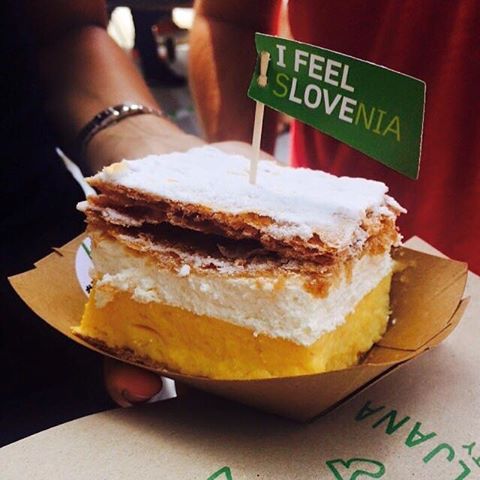
Suggested traditional dishes and foods include; bograč, štruklji, jota, ričet, žlikrofi, kremšnita, gibanica. Read more in this previous blog entitled ‘Love Food – Love Slovenia: 10 Must Try Foodshttps://adeleinslovenia.com/2016/02/18/love-food-love-slovenia-10-must-try-slovene-foods/

kremsnita

WINE or CRAFT BEER TASTING – Take your pick! There is plenty to choose from! You could head to one of the many wine-growing areas, such as Goriška Brda and the Vipava Valley, or, if you are in the capital, leave the choice to an expert and set off on a Ljubljananjam guided food walk, which can be tailored to suit. Read more here http://goo.gl/KqwmVo and find more information here – http://www.ljubljananjam.si/

cimg9517

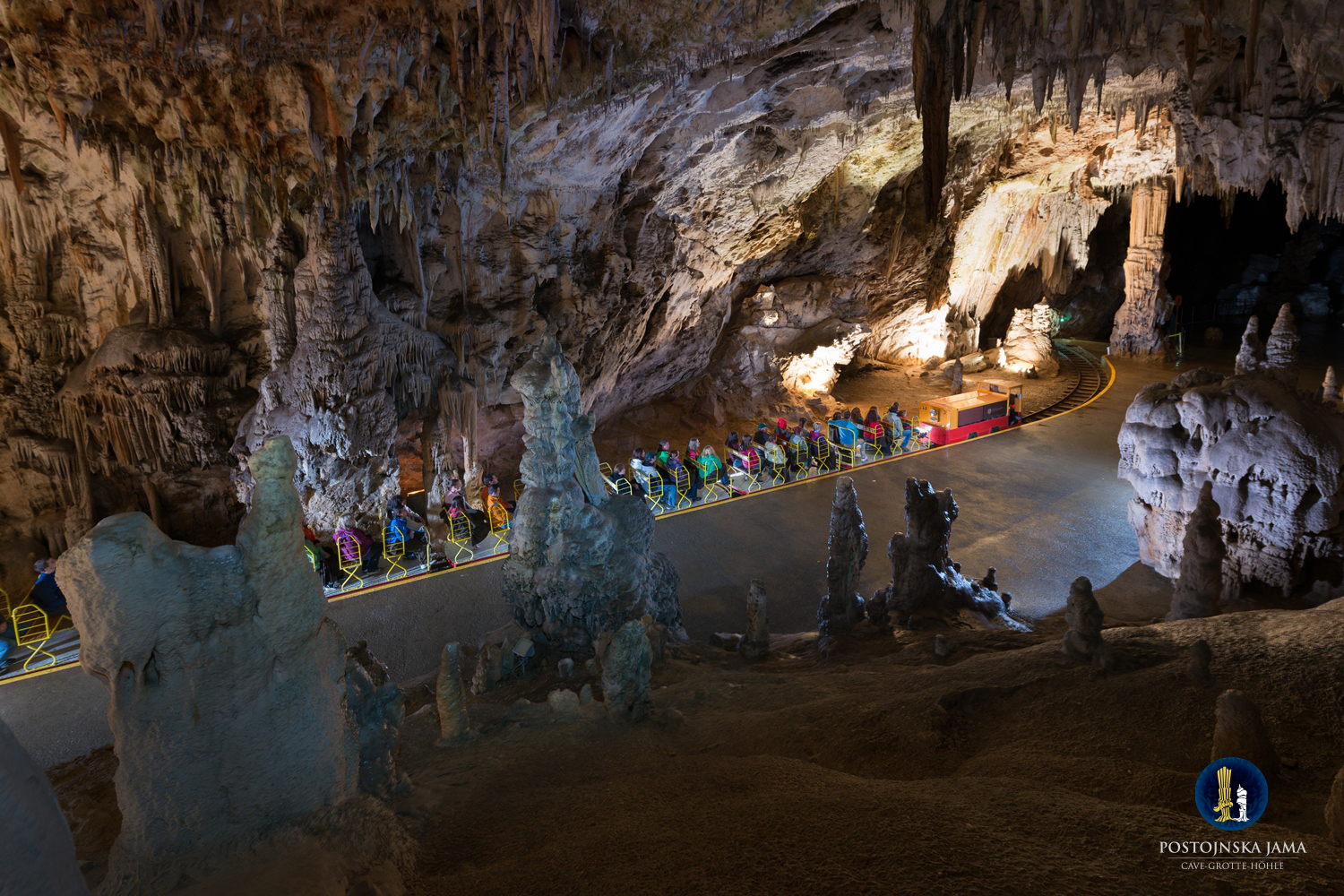
EXPLORE A CAVE OR TWO – With a constant temperature year-round, a visit to one of Slovenia’s tourist caves isn’t weather dependant. The Postojna Caves and the UNESCO-listed Škocjan Caves are the most popular, though there are also hundreds of other smaller caves.

Photo: Iztok Medja for Postojnska jama

SOMETHING DIFFERENT – Not necessarily ‘wacky’ but here are a few ‘out there’ ideas for a different way to spend a rainy day.

Cycle through a mountain! Just because it’s not cycling weather, it doesn’t mean you can’t cycle! For a unique experience try mountain biking through the former lead, zinc and iron ore mines under the Peca massif in Koroška. Read more here – http://goo.gl/DOvjXl

cimg2051

Try and escape the Enigmarium Escape Rooms – Literally lock yourself in (or rather someone else locks you in!) a room, or even an igloo, and try to escape by solving clues before the time runs out. Don’t get locked in! Find out more here – http://escape-room.si/?lang=en

Photo: Enigmarium.si

Photo: Enigmarium.si

And finally, if its wet outside, how about some pampering and/or water-based enjoyment at one of Slovenia’s thermal spas. This year I have been on a journey of discovery of them all – well almost all, just one to go! You can follow my journey here – https://spasinslovenia.com/

cimg2235

© Adele in Slovenia


The Pivka Park of Military History – A Historic Year!

It’s been quite a year thus far for the Park of Military History in Pivka. Visitor numbers are up by an astonishing 40%, as word spreads about this fascinating museum and its extensive and diverse collections. Last week the park celebrated its 10th birthday – in true military style of course – with a week of events culminating in the annual Festival of Military History, which I attended on Sunday.

It’s easy to reach Pivka, which is in Slovenia’s Green Karst region. It can be a destination in itself, or you can combine it with a visit to one of the other nearby attractions in the area, such as the Postojna Caves, Predjama Castle or the Lipica Stud Farm. The park is also an ideal place to visit on those pesky rainy days!

For those without transport, a bonus is that it is easy to reach Pivka by train. Direct trains run from Slovenia’s capital, Ljubljana and onwards toward Rijeka in Croatia. On arrival you can already see the imposing renovated barracks in which the museum is housed. When exiting the train station, just look for the museum symbols marked on the pavement.

dsc00052

After crossing the tracks, head downhill, following the green signs, and within 10 minutes you are there!

dsc00053

One of the biggest draws at the Park is undoubtedly the P-913 Zeta submarine, which visitors have a chance to go inside, accompanied by a guide, to experience the cramped conditions the submarine crew worked under.

podmornica-p-913

Photo: Simon Avsec – http://www.slovenia.info/

The renovated barracks housing the museum collections were built by the Kingdom of Italy around 1930 in order to defend the Rapallo border and were later home to the Yugoslav People’s Army. Since 2004 the Park has been developing and has now become the largest museum complex in Slovenia, as well as one of the largest military historical complexes in this part of Europe.

Of the numerous military-related events that take place at the Park throughout the year, last weekend’s 10th Festival of Military History, which was meticulously organised, is the largest. Below you can see some of the action that took place.

Demonstrations of tanks operating in combat situations.

dsc00094

A dynamic display of anti-terrorist measures with the helicopters of the Special Forces and the Slovene Army.

dsc00102

Recreations of various World War II military camps – Partisan, Soviet, American, and German. At times I felt like I had walked onto the set of MASH!

dsc00074

There was even fresh Jerry soup!

dsc00087

A chance to walk through a cavern. Provided, of course, you could get past the guards!

dsc00075

There was plenty of opportunity to get involved, ask questions, and, of course, pose for a few snaps for posterity!

dsc00068

A chance to get ‘hands on’ with the ammunition. The first, and hopefully only, time I will be holding such a weapon!

dsc00078

Not even the occasional torrential downpour dampened the spirits of these strapping Romans (from Ptuj)! Can you spot the odd one out?

dsc00057

There was also archery, a small market area, a collection of old-timer cars, and free transport to/from the railway station. The festival was a roaring success and another testament to the Park’s popularity.

You can find out more about the Park here – http://parkvojaskezgodovine.si/en/ and also read more about other things to see and do in the area, including the 17 intermittent lakes, in a previous blog from earlier this year – https://adeleinslovenia.com/2016/05/05/pivka-pause-ponder-play/

You don’t need to especially be a lover of museums, history, or military history (I wouldn’t consider myself to be!) to enjoy a visit. The exhibits are fascinating and there’s something for all the family. I highly recommend a visit!

© Adele in Slovenia


Biking and Hiking in Koroška – Through and On Mount Peca!

For lovers of the great outdoors, particularly hiking and cycling, Slovenia’s Koroška region offers a wealth of opportunities and exciting, unique experiences and was somewhere I had long had on my list of places to get round to visiting.

This is not a place of mass-tourism, and is all the better for it. Instead it’s crammed with unspoilt nature, picturesque alpine valleys, peaceful hamlets, remote and hidden delights, farmsteads and tourist farms with hospitable locals. In fact, Koroška is among the most mountainous of Slovenia’s regions – hence it has my name written all over it!

I stayed at the family-run Bike and Eko Hotel Koroš, in Jamnica, near Mežica – the Alpine and mining centre of the Mežiska valley. As you can see below, the views I woke up to of the surrounding countryside and mountains were pretty breathtaking!

CIMG2063

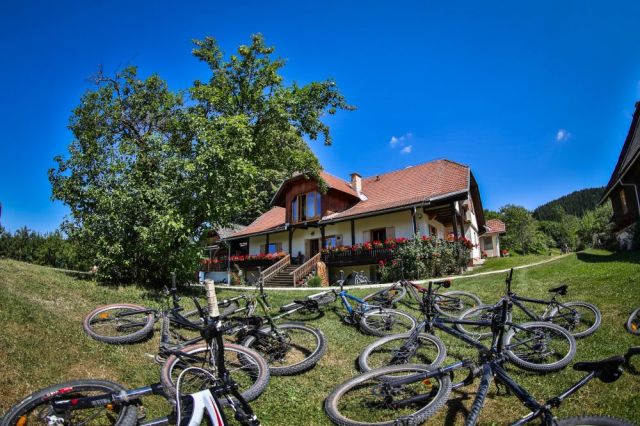
The hotel stands at an altitude of 900m, and is the first dedicated bike hotel in Slovenia.
koros5

As well as offering 10 simple rooms and excellent home-grown and home-cooked food, it boasts the Jamnica Single Trail Bike Park – a paradise for fans of adrenaline-filled mountain biking. Making the most of the idyllic surroundings, and with the agreement and co-operation of the local community, the hotel’s owners have prepared a network of 30km of single trails which you can tackle alone or with a guide. More information about the hotel and bike park here – http://www.mtbpark.com/si/main/ekohotelkoros
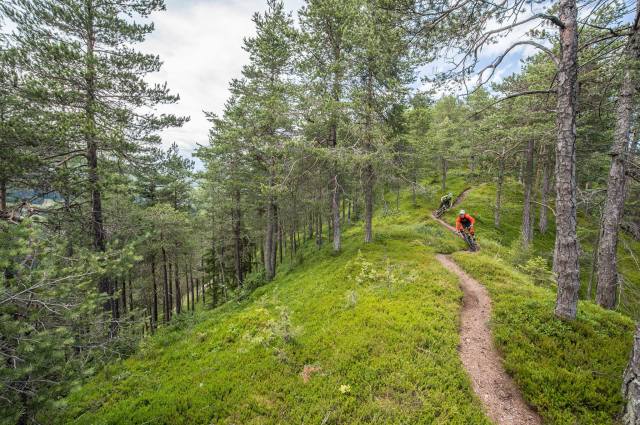
Photo: Rupert Fowler

Lead, zinc and iron ore mining was once the region’s key industry and there was, or rather still is, a labyrinth of tunnels under Mount Peca stretching for around 800 kilometres. At the peak of its production, around 2,000 people worked in the mine’s various units, which operated for three centuries, with production finally ceasing in 1994.

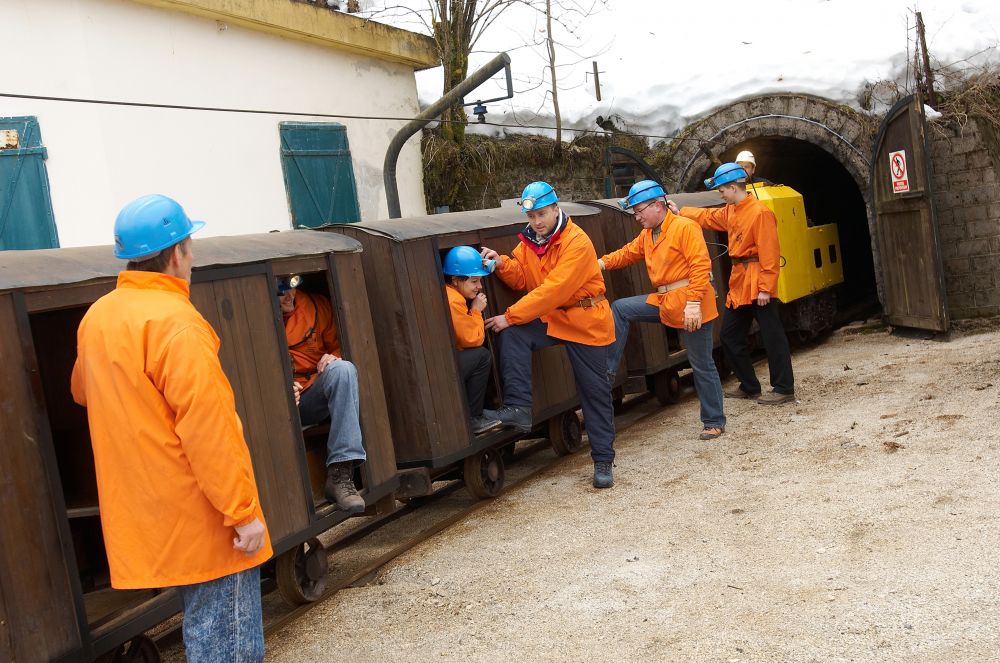
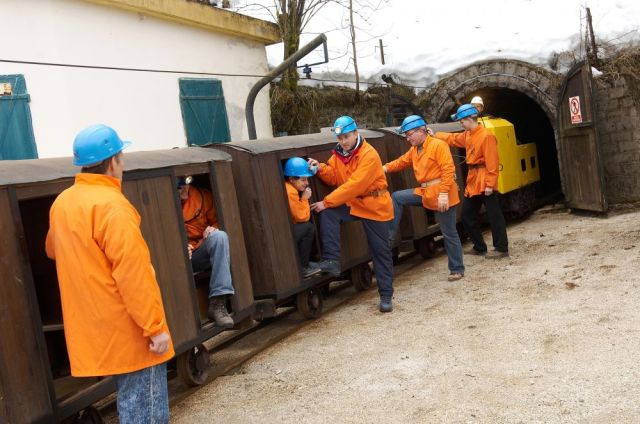
Nowadays, just a small part of the mine is open for tourists who can choose from 3 ways of experiencing it. The more sedentary option is to take a tour of the 3.5km Glančnik tunnel on board an original mining train. You also get to don some miners’ gear, to make the experience even more authentic! However, it’s not entirely sedentary, as the experience also includes a 1.5km walk through part of the mine.
vlak

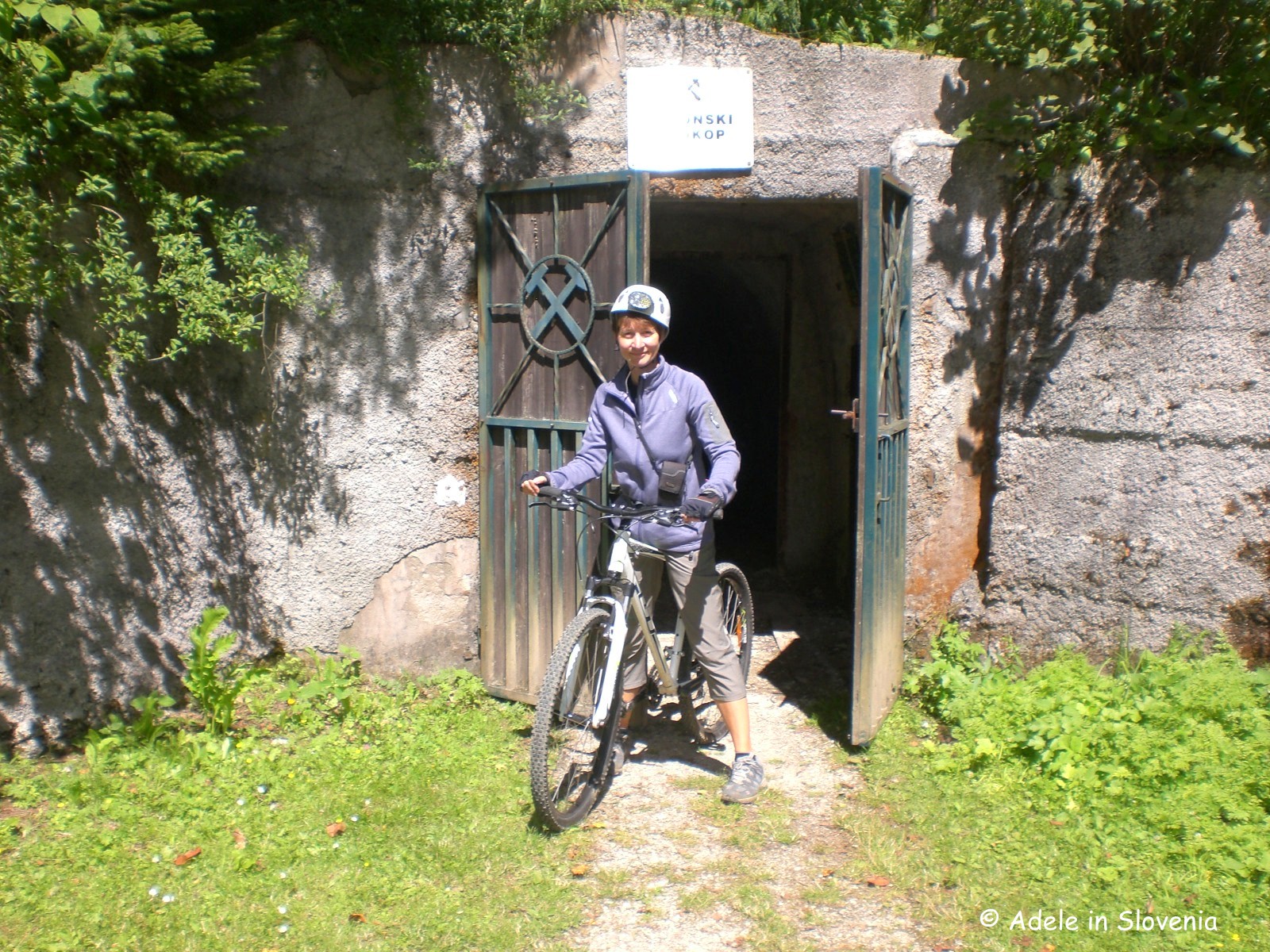
Another option, and for a unique and thrilling experience, is to explore the tunnels on a guided mountain bike trip – which was my choice!

The mountain bike experience lasts around 3 hours and begins with a short van ride to the entrance at Igrčevo, in Črna na Koroškem. Each participant is provided with a helmet and headlamp. Do make sure to have extra layers of clothing as it is a constant 10˚C inside the mines. It was around 30˚C outside on the day of my visit, so warm clothes were not at the forefront of my mind, though, I sure wish I had taken warm gloves!

CIMG2037

It feels slightly disconcerting at first, but you soon adjust to cycling through the narrow low tunnels. Along the way the guide gives information about the working conditions in the mine and you can see some remains of equipment used and names scribbled on the mine’s walls. The total ride itself is only around 6km, with a negligible incline.

CIMG2051

All the experiences begin at the cross-border Karavanke Geopark in Mežica, which in itself is worth a visit, and in 2013 it became a member of the European and global network of geoparks under the auspices of UNESCO.

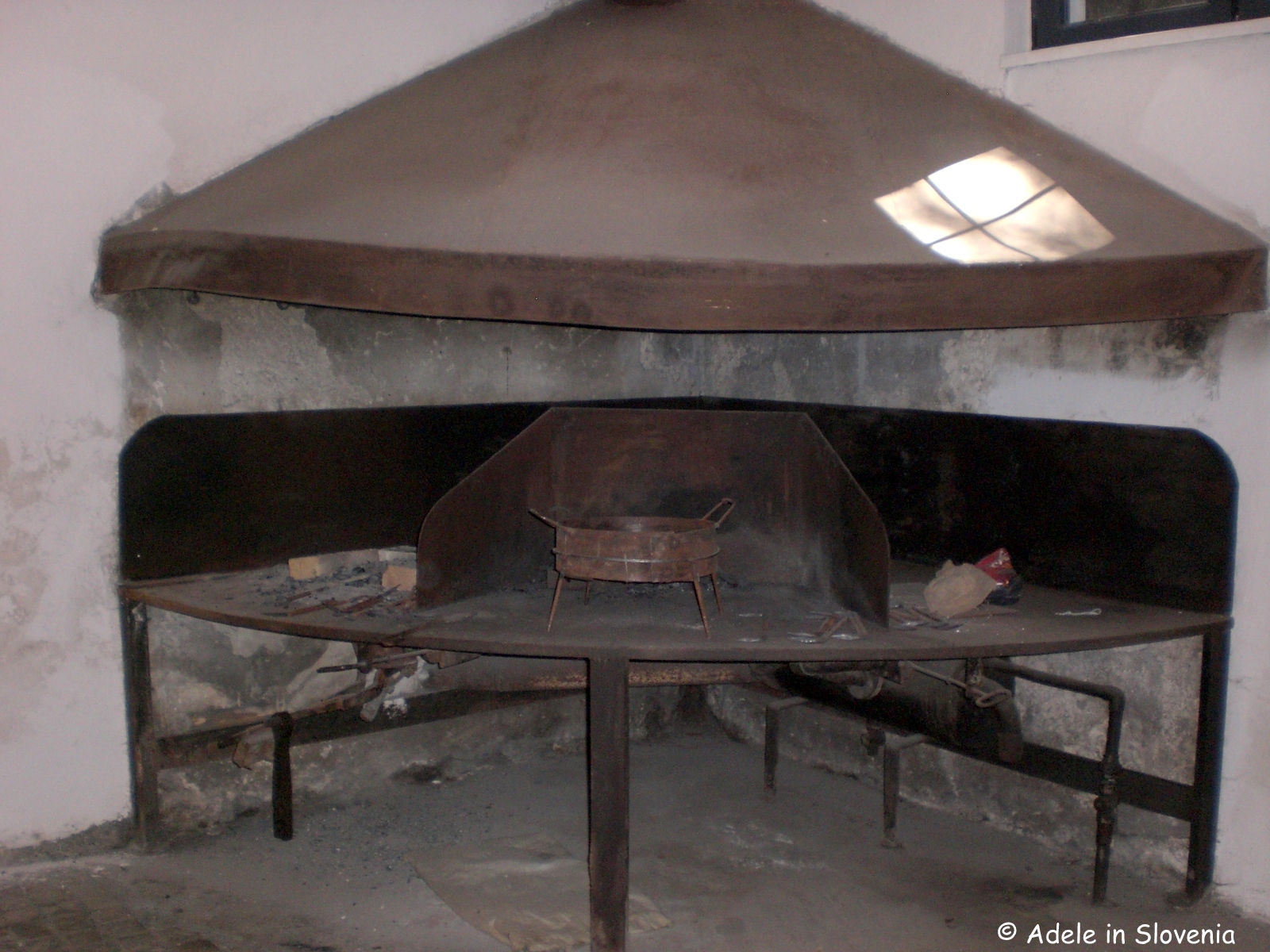
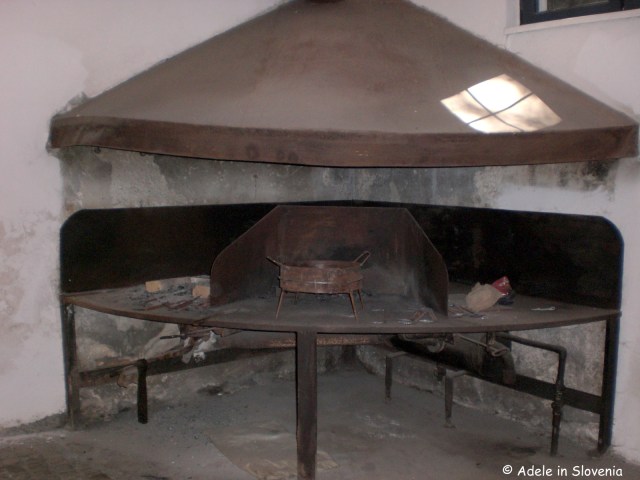
The centre offers a glimpse into the more than 400 million-year-old history of the area of today’s eastern Karavanke and comprises an exhibition area with exhibits including a fully-preserved smithy, an information area with a café and gift shop, and it also hosts workshops and other events.
CIMG2032

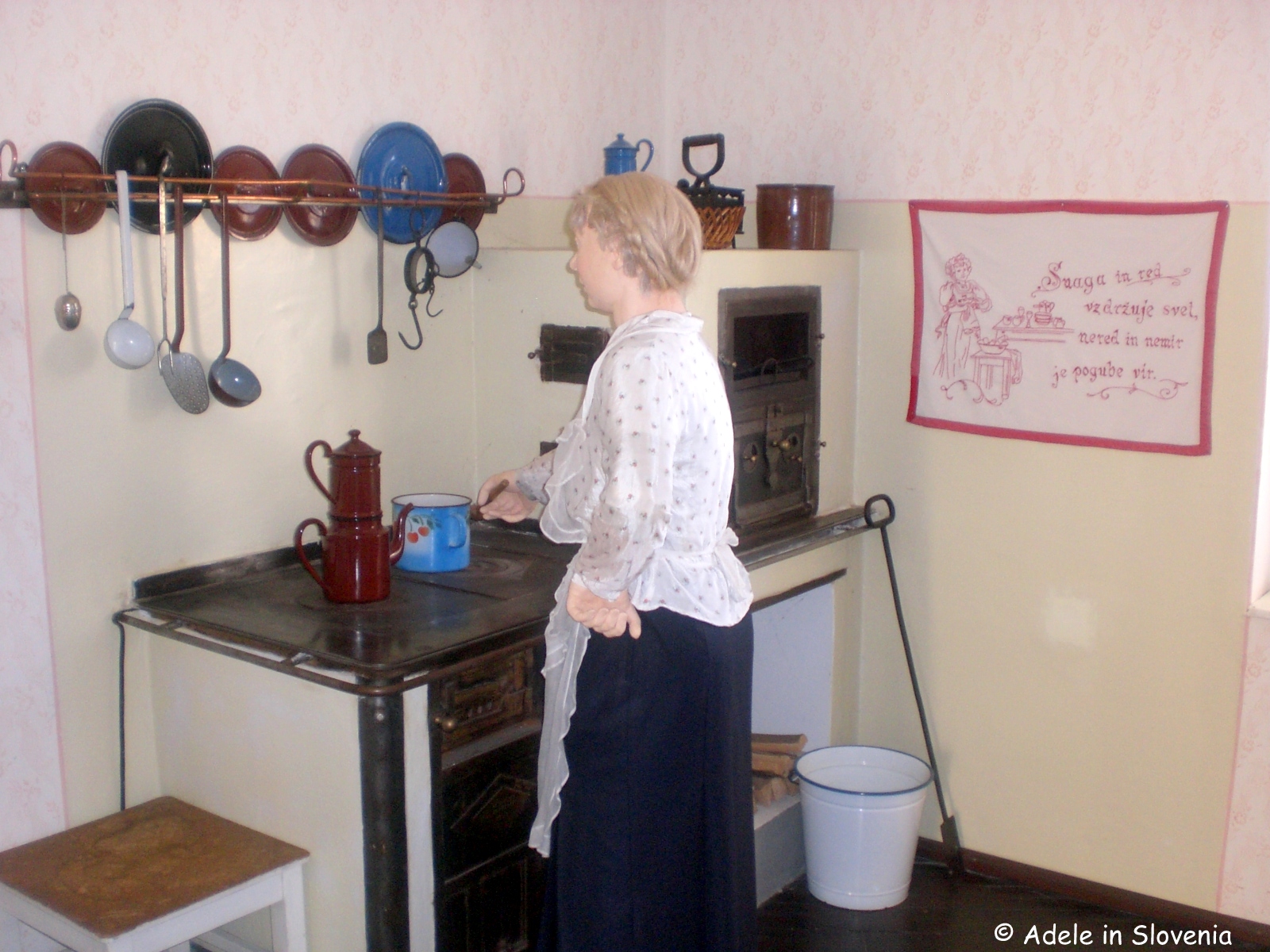
In an adjacent building there is museum, which gives a further insight into the lives of those working in, or connected to, the mines, and a collection of ores, minerals and fossils.

CIMG2058

Note: for bike and kayak tours, prior reservations are required; the minimum age is 10. More information about the Geopark can be found here – http://www.podzemljepece.com/?lang=en

Having spent the afternoon going through Mount Peca, next morning it was time to go ON Mount Peca – this time on foot! Peca is part of the Karavanke chain, which has a total length of around 120km and forms a natural border between Slovenia and Austria.

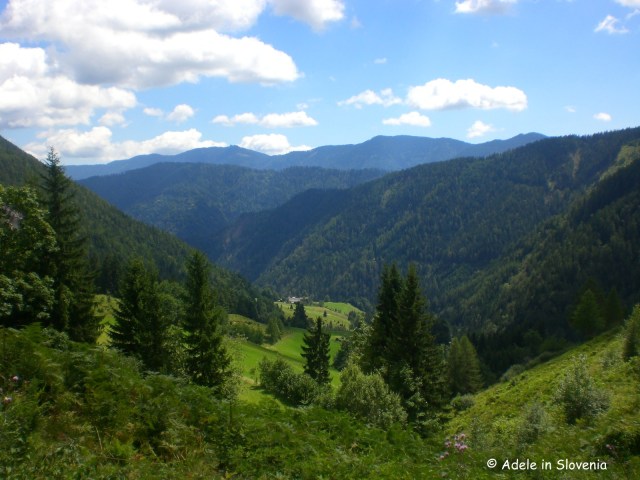
The Peca massif forms part of the Eastern Karavanke and can be approached from either Slovenia or Austria. I chose to begin my hike from the serene and stunning Topla Valley, which is surrounded on all sides by lush forest and contains just a handful of farmsteads – each with a traditional shingle roof. This protected valley really is like something out of a fairytale and is about as unspoilt as it gets.
CIMG2098

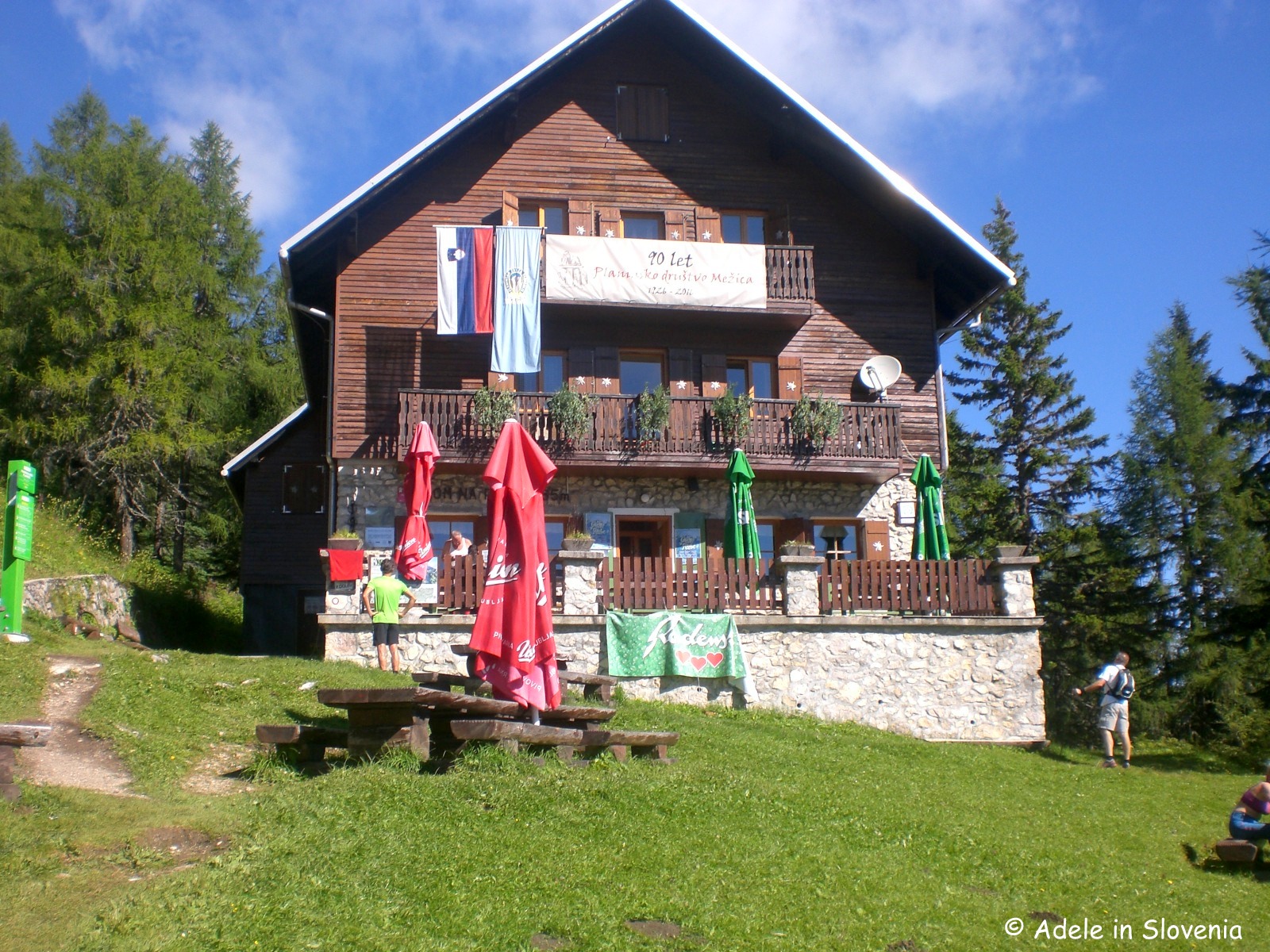
At the far-end of the valley, near the entrance to the Topla mine, a path leads steeply up through the forest taking about 2 hours to reach the Dom na Peci mountain hut (1665m), where you can enjoy delicious home-cooked stews, štruklji, strudel and other types of food, which always seem to somehow taste even better when you have earnt them after a long hike!I

CIMG2076

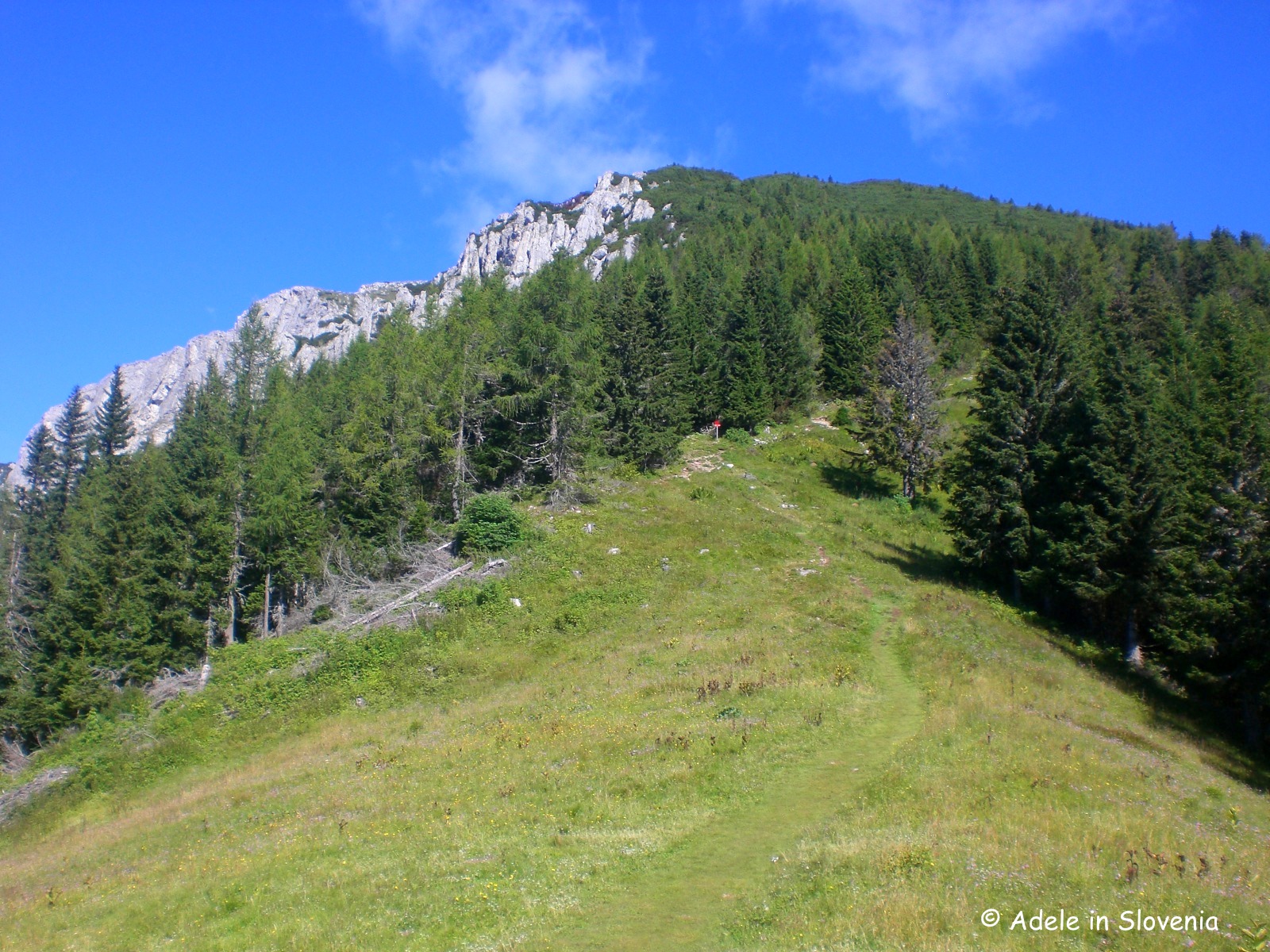
However, knowing it was still a way to go to reach the top of Peca, Kordeževa glava (2125m), and not wishing to do so with a full stomach, I resisted the temptation and continued onwards and upwards! At first across a meadow, then the terrain becomes more rocky, but still relatively easy, though for those who like more challenging climbing routes (that doesn’t include me, I hasten to add!), there is also an alternative path to the top, which is classified as ‘demanding’.

CIMG2077

The higher you go, the better and more far-reaching are the views, and the more the effort pays off!

CIMG2081

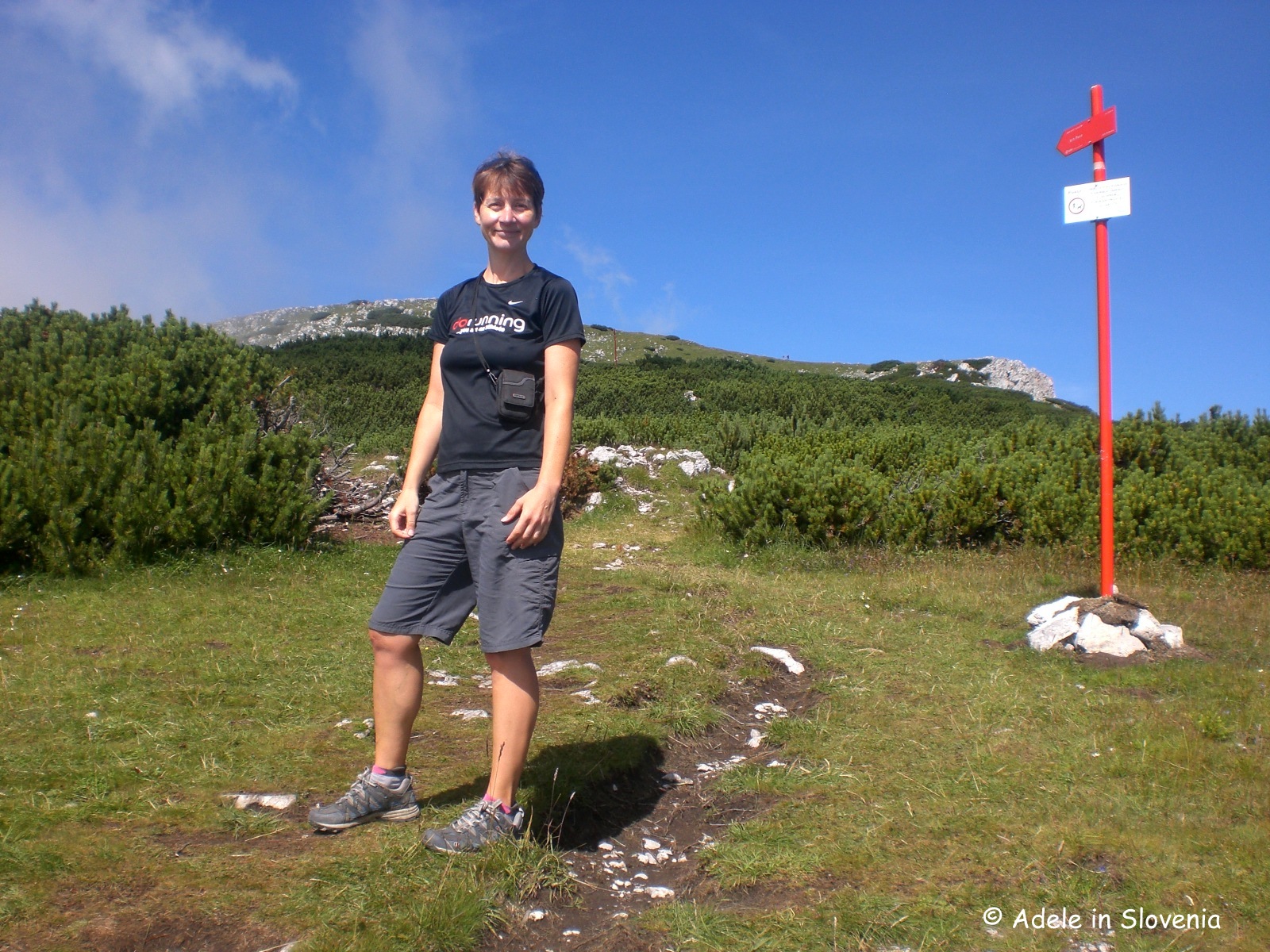
Despite it being a searingly-hot mid-August weekend, I still had the place to myself! Well, not exactly, but in fact there were just about the right number of people for my liking. Enough that one could pass the time of day and exchange a few words with fellow hikers here and there, and find some friendly folk to take the odd snap for me, but not so many that it felt crowded – just perfect!

CIMG2089

Koroška tends to get somewhat overlooked in terms of tourism, at least in terms of those visiting from outside of Slovenia, however, I recommend that for lovers of the outdoors, it definitely deserves to be included in your holiday plans.
This gives just a brief snapshot of the area; more information about what else to see and do can be found here – http://www.koroska.si/en/

© Adele in Slovenia