Spas, Caves, Eats and Other Rainy (and Not So Rainy) Day Ideas!

Anyone visiting Slovenia in the last fortnight might be forgiven for thinking it rains here a lot! Please be reassured, however, that this much rain in June is not the norm. In the 9+ years I’ve been living here, I don’t think I can remember such a prolonged period of wet weather at this time of year. It really is turning out to be a strange year, weather-wise. After having very little snow during winter, we then had snow in late-April, and now, in the second-half of May and early June, it seems to be April! It’s been either raining torrentially or the clouds have been looming ominously, making it frustratingly difficult to go anywhere too far from home.

The good news is that it’s set to improve soon, just a couple more days of these storms then hot, dry weather is headed our way, yippee! In the meantime, I thought I’d share some of my ideas for how to spend rainy, as well as not so rainy, days in the Radovljica area and elsewhere in Slovenia.

VISIT A SPA

It doesn’t matter what the weather is doing outside if you are inside getting wet anyway! All of Slovenia’s thermal spas feature indoor and outdoor pools, saunas, jacuzzis and modern wellness facilities, offering something for all the family. You can read plenty more about spas and the facilities here and read some insider tips from me, here – https://spasinslovenia.com/

banner-spas-in-slovenia-by-adele-2

DELVE INTO THE MAGICAL UNDERWORLD IN CAVES

A visit to one Slovenia’s caves, such as Postojna Caves or the UNESCO-listed Škocjan Caves, is ideal whatever the weather. There are over 9,000 caves in Slovenia, though only a small number of these are open to the public. The temperature in the caves is constant year-round so it really doesn’t matter if its snowing or there’s a heat-wave! All of the caves are fascinating and unique, and the current phenomena of the newly-hatched ‘baby dragons’ at Postojna Caves provides an additional reason to visit. Read more here – https://adeleinslovenia.com/2016/06/01/the-phenomenal-postojna-proteus-phenomena/

Underground river Pivka in Postojna Cave_photo Iztok Medja for Postojnska jama

VISIT, TASTE & DRINK RADOVLJICA

Rainy days always bring an influx of visitors to the Radovljica area as the small town packs in quite a few sights of interest. You can visit the Lectar Gingerbread Workshop, the Museum of Apiculture, the Šivec House Gallery, and the Beekeeping Education Centre of Gorenjska. More here – http://www.radolca.si/en/

Lectar - workshop&museum4

I don’t know about you, but this miserable weather makes me want to eat, eat, and then eat some more! The participating Taste Radol’ca restaurants all offer home-cooked, and locally sourced and produced food. Or why not visit the Sodček Wine Bar for a wine tasting session. More here – https://adeleinslovenia.com/taste-radolca/

10982079_873359362707281_3075502047712497002_n


LISTEN TO SLOVENE FOLK MUSIC AT AVSENIK

Visit Avsenik in Begunje na Gorenjskem – home to the world-renowned legendary Avsenik music – a popular style of folk music. There are regular live events, festivals and workshops, and you can also visit the gallery and museum. More here – http://www.avsenik.com/en

TAKE IN SOME CULTURE AT SUMMER MUSEUM NIGHT

There are hundreds of museums and galleries in Slovenia and a lot of attention is placed on culture and cultural-related events and activities. Next Saturday, 18th June, is Summer Museum Night, when, from 6pm until midnight, museums and galleries throughout the country offer free entrance and host special events. More information here – http://www.tms.si/PMN/?page_id=67

13391436_1254815417862725_8796467594062826276_o

GO SHOPPING

Admittedly, I’m not a fan of shopping, particularly large shopping centres and especially when on holiday in a place where the great outdoors is so ‘great!’ So when I say ‘shopping’ I don’t mean traipsing round clothes shops, and getting hot, bothered and irritated in changing rooms (or is that just me?). Instead, when on holiday, I prefer to browse craft shops, visit local markets, buy and try local produce, and try to find unique buys. I particularly like foodie events such as Odprta Kuhna (Open Kitchen), which takes place every Friday (weather permitting) in Ljubljana. Closer to home at Vila Podvin in Mošnje a market takes place on the first Saturday of every month from 9am-noon, come rain or shine. You can meet local producers, buy food and non-food goods, and enjoy a delicious lunch cooked by one of Slovenia’s top chefs, Uroš Štefelin. More information here – http://www.vilapodvin.si/events

13315217_1099312450142574_3689530167458356188_n


I hope to have provided some ideas and inspiration, after all, the weather may mean some plans have to curtailed but there’s always plenty more to see and do until the next sunny day comes along!

© Adele in Slovenia


Birthdays in Slovenia

On the whole, birthday celebrations in Slovenia at not dissimilar to the birthday celebrations I was used to in the UK, and probably those in countless other countries. The birthday girl/boy might celebrate with friends and/or family, invite people round or go out for a drink and/or a meal and those with birthdays in the summer often have a picnic or barbeque.

However, the one big difference, and one which I’m still at odds with, even after having now celebrated 10 birthdays since moving to Slovenia, is that the one whose birthday it is has to arrange AND pay for whatever the celebration is! Now, this isn’t by any means a question or money, it’s just, for me at least, the principle that it should be the one day in the year that the birthday girl/boy is made to feel special and doesn’t have to run around preparing everything and paying for it too!

So, this year I was particularly delighted when a friend, who knows my feelings on this subject – and knowing I would otherwise be alone and would no doubt spend the day working, offered to organise my birthday celebration. We started with a lovely spread and a few sherries!

CIMG1320

Followed by a delicious Hersheys chocolate cake – minus the Hersheys!

CIMG1326

Later we drove to Kranj to watch our friend, Tanja Jamnik – President of the Musica Viva Choir, perform with the choir for their 70th anniversary concert. The hall was jam-packed, with standing room only at the back and it was lovely to see such appreciation of good music and recognition of the choir’s significant achievements throughout the years.

13265942_10154271017690739_3528713341847318411_n

Musica Viva, which currently comprises 37 singers, has performed as far afield as Argentina and the USA, as well as scores of concerts in Europe, and has won a host of awards. More information here – http://www.musicaviva.si/

CIMG1334

As someone who has moved over 30 times, from country to country and home to home, it has always been difficult to make, and maintain real friends. Having finally found my ‘home’ in Slovenia I have really learnt to appreciate such occasions, so, thank you Neda, Emilija, Jana, Tanja and Anja for a lovely evening. Perhaps the idea of making the birthday girl/boy feel special might even catch on!!!

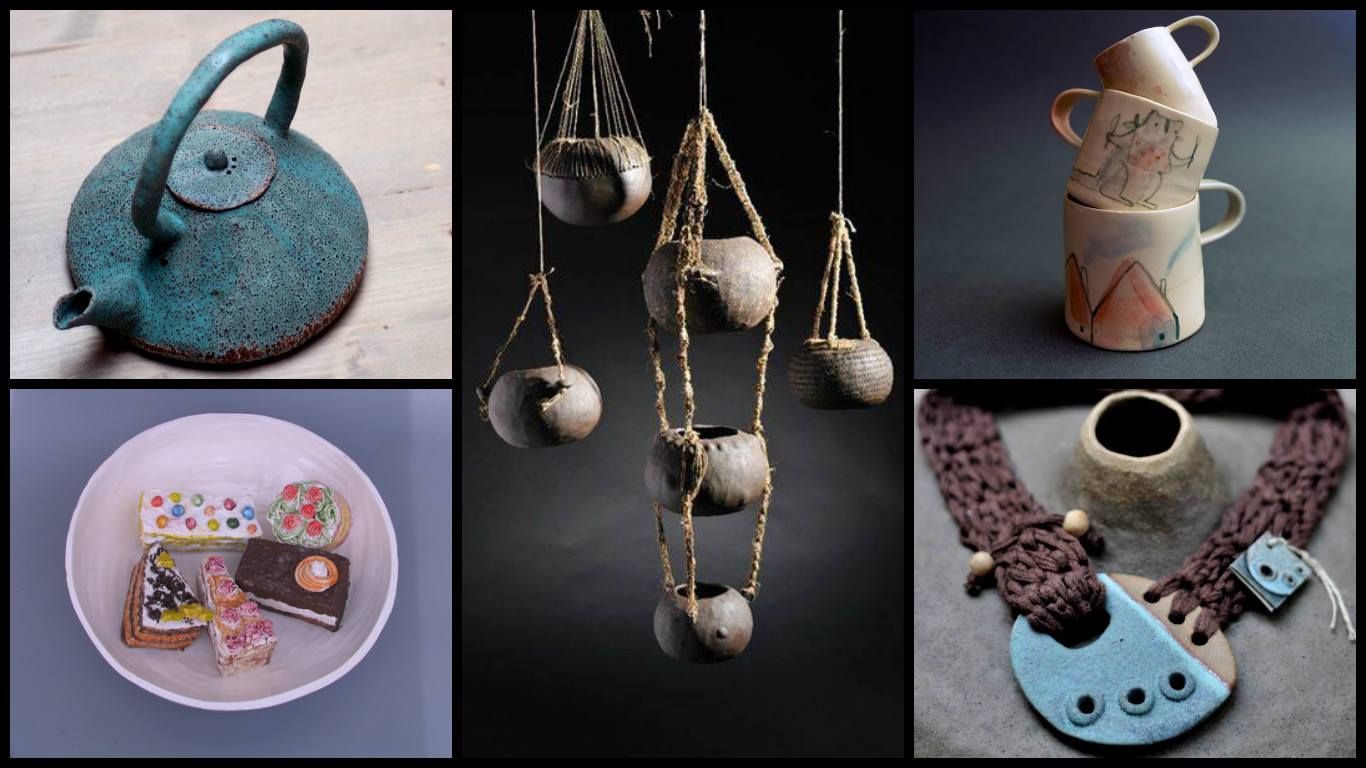
This coming weekend Market Day, the main event of this year’s International Ceramics Festival in Radovljica, will take place on Saturday 28th May from 10am – 7pm. More than 20 ceramists will be exhibiting and selling their works in Radovljica’s historic old town centre.

Ceramics Festival2 2016

More information here – http://www.radolca.si/en/what-to-do/events-1/radovljica-international-ceramics-festival/83/385/

© Adele in Slovenia


A Feast of Festivals in Radovljica

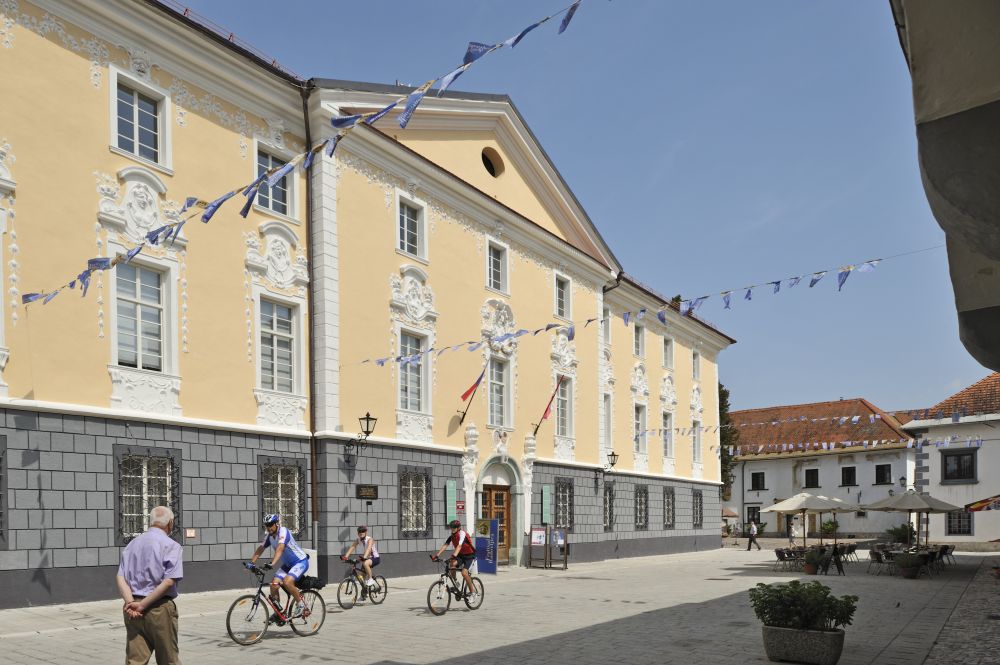
Linhart Square, named after the Slovenian playwright and historian Anton Tomaž Linhart, is the hub of Radovljica’s cultural scene. A whole host of events take place in the square throughout the year, including:

  • The annual Chocolate Festival – April
  • The International Ceramics Festival – May
  • Summer Music Evenings – June & July
  • The Early Music Festival – August
  • Medieval Days – August
  • Advent Market – December

Radovljica SLO 2011

The Baroque Radovljica Mansion hosts concerts all year round, featuring national and international choirs, bands, and the very popular annual Early Music Festival, as well as being home to the Museum of Apiculture and the Municipal Museum.

Radovljica SLO 2011

Šivec Houseivčeva hisa) stands out amongst the town houses and is regarded as one of the finest examples of medieval burgher architecture in the whole of Slovenia. The façade of the house is dominated by a 17th century fresco depicting the Creation of Eve.

Radovljica SLO 2011

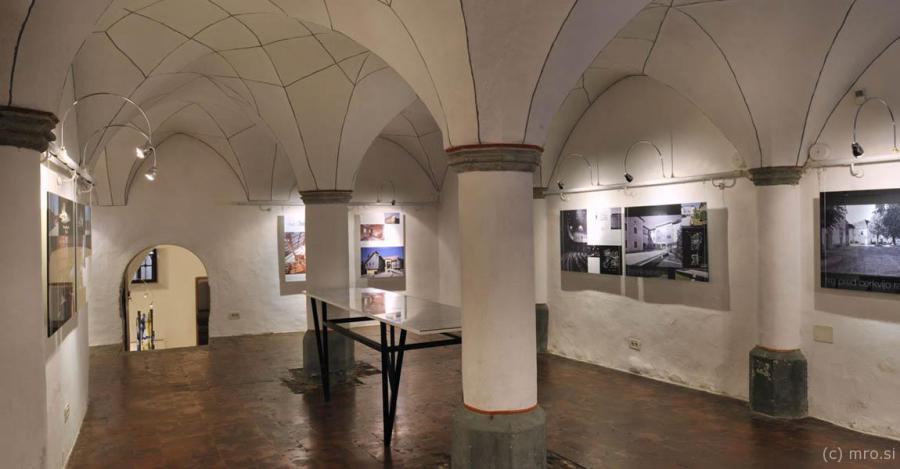
Šivec House is a bourgeois house from the middle of the 16th century of late Gothic architecture. After restoration in 1976 all of the houses’s original beauty was uncovered including the façade as well as the interior with a collonaded entrance hall, kitchen and granary, and, on the first floor, a representation of living quarters. Nowadays, this room, with its extraordinary ambiance, serves as a wedding hall, and the collonaded entrance hall houses as an art gallery.

The gallery on the ground floor hosts rotating exhibitions (on average 10 per year), whilst the upper floor houses a permanent collection of original illustrations and another room is used as a venue for civil wedding ceremonies.

Sivceva hisa

The next new exhibition, Modern German Ceramics, will open on 29th April, with the opening ceremony at 7pm, and run until 29th May.

vabilo-keramika

More details about Radovljica’s museums and the Šivec House Gallery, including opening times and admission prices, can be found here – http://mro.si/english/ and more about Radovljica here – http://www.radolca.si/en/

© AdeleinSlovenia 2016

The Four Seasons of Spring!

Last week we really did have all the four seasons within the space of four days. It began with a few snowflakes on Wednesday morning, which later became heavy snowfall,  and certainly made a bit of a mockery of last week’s blog entitled ‘Spring in the Karavanke’. It’s now anything but spring in the Karavanke!

Though it had been forecast that it could snow in places at around the 700 metre level, Radovljica, where I live, is at 496m, so no-one, forecasters included, was quite expecting the snow to reach the valley – and certainly not so much of it – considering the previous week we had had temperatures in the twenties.

So this is what spring in the Karavanke now looks like!

13062176_1074769012580907_4605015675305884375_n

It wasn’t just in Gorenjska in the north-west of Slovenia either, it also snowed in other lower-lying regions of the country. I spent 2 days in Dolenjska, in the south-east, and it even snowed there too.

Hiking at the moment isn’t advisable as the late-spring snow is very wet and heavy, and has caused a lot of damage with branches and trees down, whilst the danger of avalanches is at level 4 – the highest level being 5. Instead however, those who are die-hard fans of winter and skiing once again took to the slopes as the Vogel ski resort re-opened for the extended holiday weekend.

On Saturday it was a return to temperatures of 18 degrees and the valley was bathed in sunshine and the Sava river at Radovljica was looking its sparkling best when I went for an early morning walk.

CIMG1177

However, it was a different matter when I got into the forest as I tried, and in places failed, to pick my way under and over fallen trees on the path up to Talež. It’s amazing the devastation just 24 hours of snow caused – more than in the whole of last winter.

CIMG1179

I was amazed and saddened at the number of fallen trees and branches, almost reminiscent of the damage caused by the glaze ice two winters ago, though, thankfully, nowhere near to that extent.

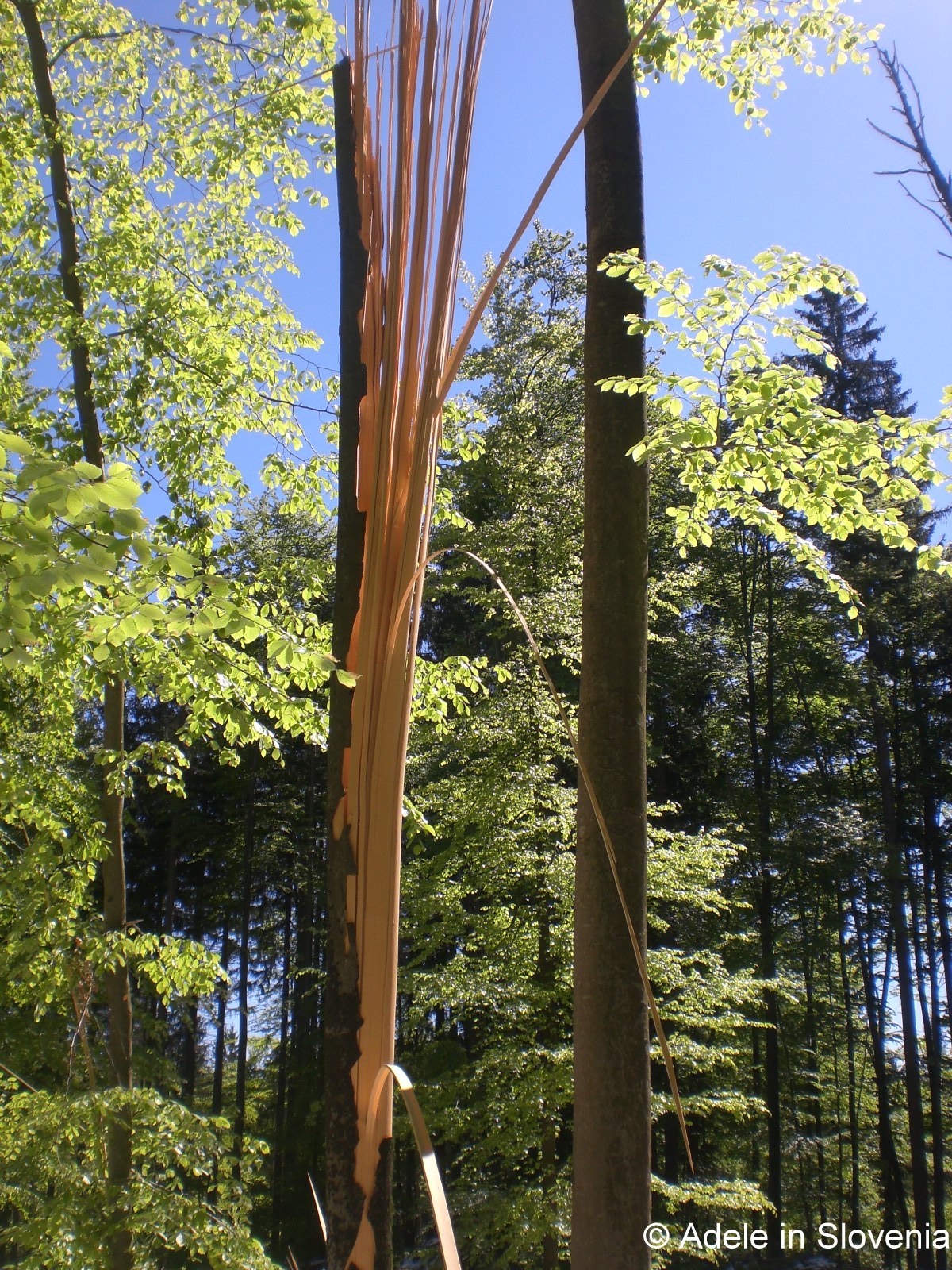
Some trees, such as this one below, had literally been torn apart under the weight of the heavy snow.

CIMG1181

It’s been over 20 years since there has been such heavy snowfall this late in the year, so this prompted me to try and uncover some historical snowy spring facts:

  • In 1907 40cm of snow fell on 29th April in Bohinjska Bistrica
  • In 1974 in Nomenj it snowed on the 10th of June
  • In 1985 it snowed on 3rd May
  • In 1988 it snowed on 24th April
  • The earliest snowfall of the year was recorded in 1972 on 11th September in Kotlje

Unfortunately it has also caused a huge amount of damage to crops and vines – in places its reported that up to 90% have been destroyed. This year’s honey production is also expected to be severely affected. Over one-third of honey produced in Slovenia is acacia honey, and a large number of the blooms have been destroyed. It’s all such a shame and another reminder of the equal wonders and cruelty of nature.

Roll on summer!!!

© Adele in Slovenia


Spring in the Karavanke Mountains

After all the excesses of the Radovljica Chocolate Festival, last week was all about my other great love – Slovenia’s great outdoors!

Spring has arrived in the Karavanke mountains and, particularly on the south facing slopes, the snow is melting at a pace, or rather ‘was’. When I started writing this blog last week, it certainly was ‘Spring in the Karavanke Mountains’. Now, however, looking out of my window at the fresh snow, and digging out my gloves and warm clothes again, it feels anything but spring-like! Nevertheless, the blog below remains ‘as was’ and hopefully spring-proper will return very soon.

It is, however, a different matter on the north facing slopes of the Karavanke, so it’s still a bit too soon in the season for any serious hiking above 1,500 metres, and it’s an entirely different matter in the Julian Alps, where there is still a significant amount of snow, even at lower levels.

It’s still a little nippy early morning, especially for cycling, but wrapped up well I cycled from Radovljica to the Završnica reservoir then headed on foot to Smolnik (1002m). What I particularly like about Smolnik is that despite it being near the Valvasor mountain hut (Valvasorjev dom) – a very popular destination for hikers, Smolnik itself is relatively unknown as the path is not marked, thus only those ‘in the know’ frequent it – until now perhaps!!!

CIMG0854

Though I also often hike up to the Valvasor hut at this time of year, what sets Smolnik apart is the view, since the views from the hut are rather restricted. The path up through the forest is very steep, so I consider a pair of hiking poles a must – though there is an option to approach it from the opposite direction, via the road that leads to the Ajdna archeological site, which is a far less steep option. In places it little more than a mass of tangled tree routes, however, the path is clear and easy to follow.

CIMG0856

On reaching the top of Smolnik there are wonderful views across the valley and towards Bled Lake, a great reward for my effort.

CIMG0858

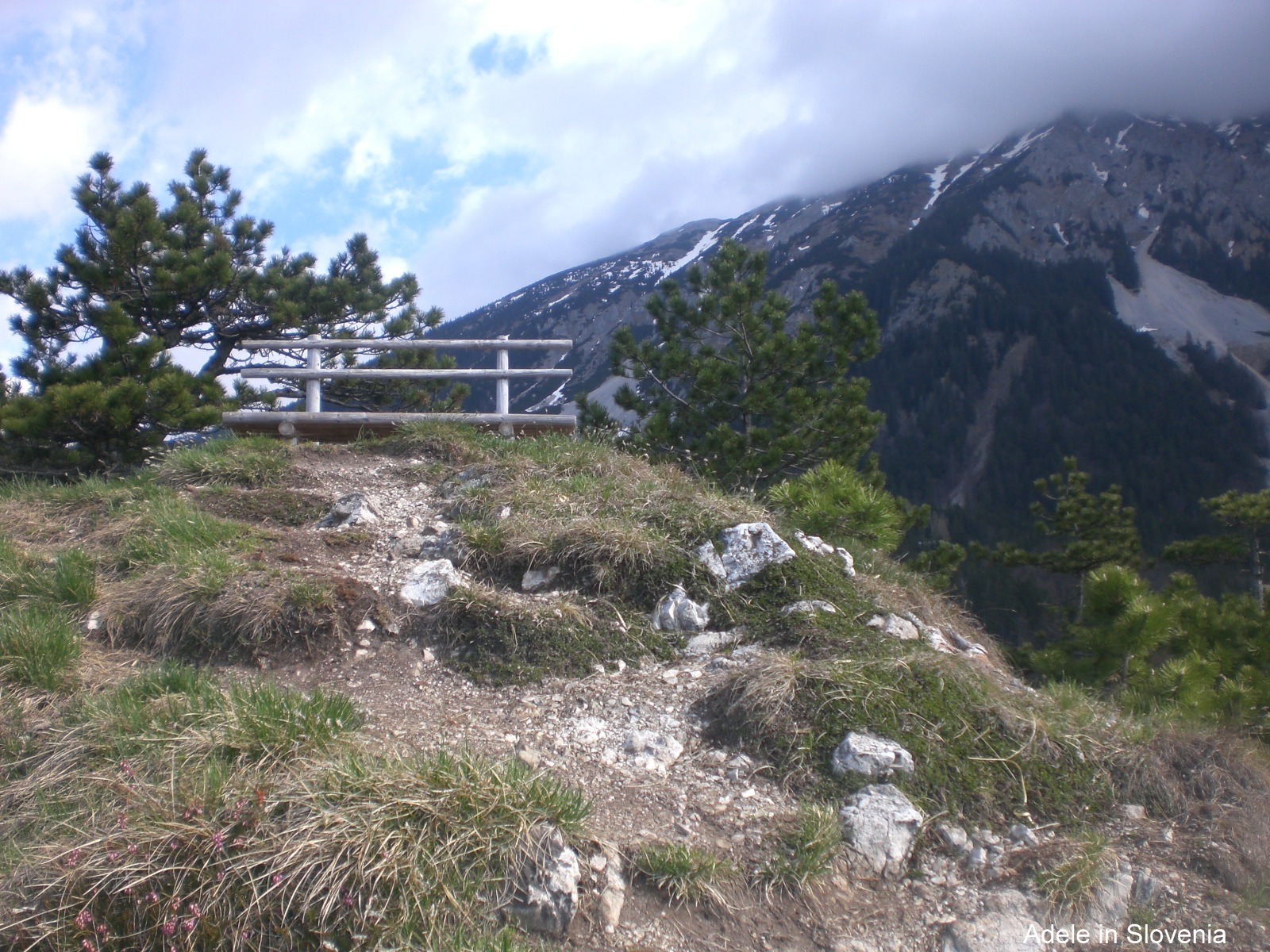
There is a bench for resting weary limbs if required, with Stol, the highest peak in the Karavanke range, dominating the backdrop, and looking very ‘moody’ on this occasion.

CIMG0859

From the peak of Smolnik it’s easy to reach the Valvasor mountain hut, from where you can continue to one of the mountain highlands as I did – in this case the Žirovniška planina highland, for marvellous views of the snow-capped Julian Alps, or continue towards Ajdna, which is well worth a visit. You can read more about that in a previous blog here – https://adeleinslovenia.com/2014/01/13/fascinating-ajdna/

CIMG0865

It’s just the start of the season, so plenty of this, and more, to come!

© Adele in Slovenia 2016

The Health, Wealth and Wonders of Slovenian Waters

Water! Something many, or rather most, of us probably take forgranted. We turn on the tap and there it is. We bathe in it, swim in it, gaze in wonder at its magnificence in the form of waterfalls, lakes and rivers, and enjoy recreation in, and on, it.

In Slovenia we are very lucky to live in such a water-rich country where there is such a pure and readily available source of drinking water. The most well-known bodies of water in Slovenia are the two biggest Alpine lakes in Bled and Bohinj, whilst health spa tourism is another major element. Slovenia is one of the richest countries in Europe in terms of water. It has almost 27,000 kilometres of rivers, streams and other watercourses. It also has numerous thermal and mineral springs and many subterranean waters.

In this blog I’ve provided some suggestions on how, and where, to experience Slovenian waters.

DRINK IT!

Just turn on the tap! It’s a simple as that! Tap water in Slovenia, unless marked to the contrary, is safe and drinkable.

In addition, there are bottled Slovenian waters with proven added benefits, that are widely available such as Radenska mineral water – naturally carbonated and still natural mineral water, and Donat Mg mineral water – with over 1000mg of magnesium per litre.

CIMG9920

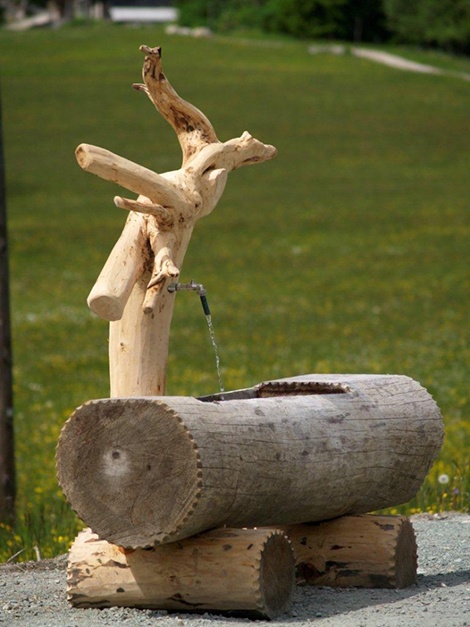
You can also drink water direct from springs in other locations, such as this one in Jezersko, the Jezerska slatina spring, reputed to have one of the highest magnesium contents of all mineral waters in Slovenia. It’s freely available so take a water bottle and try it for yourself!

_6077410a

BATHE IN IT!

Indoors or outdoors, take your pick!

You could brave it in one of the crystal-clear lakes or rivers, or instead choose one of the many indoor pools at Slovenia’s thermal spas, many of which are fed directly by thermal waters, such as at Dolenjske Toplice. More here – https://spasinslovenia.com/2016/03/29/dolenjske-toplice-wellbeing-in-the-embrace-of-nature/

Wellness-01

BALNEOTHERAPY – REAP ITS BENEFITS!

At each of Slovenia’s 14 state-verified thermal spas the water has been proven to have beneficial and curative effects on the body.

After the sluggish days of winter which, for me and probably countless others, involve eating comfort food and too many hours spent cooped up indoors, spring is time for rejuvenation of both body and mind, it can also be the time to address any niggling health issues. A visit to one of Slovenia’s spas is a great way to kick-start the process, be it for pampering, relaxation, a wellness or medical programme, or just a break away and a chance to explore some of the wonderful countryside surrounding the spas.

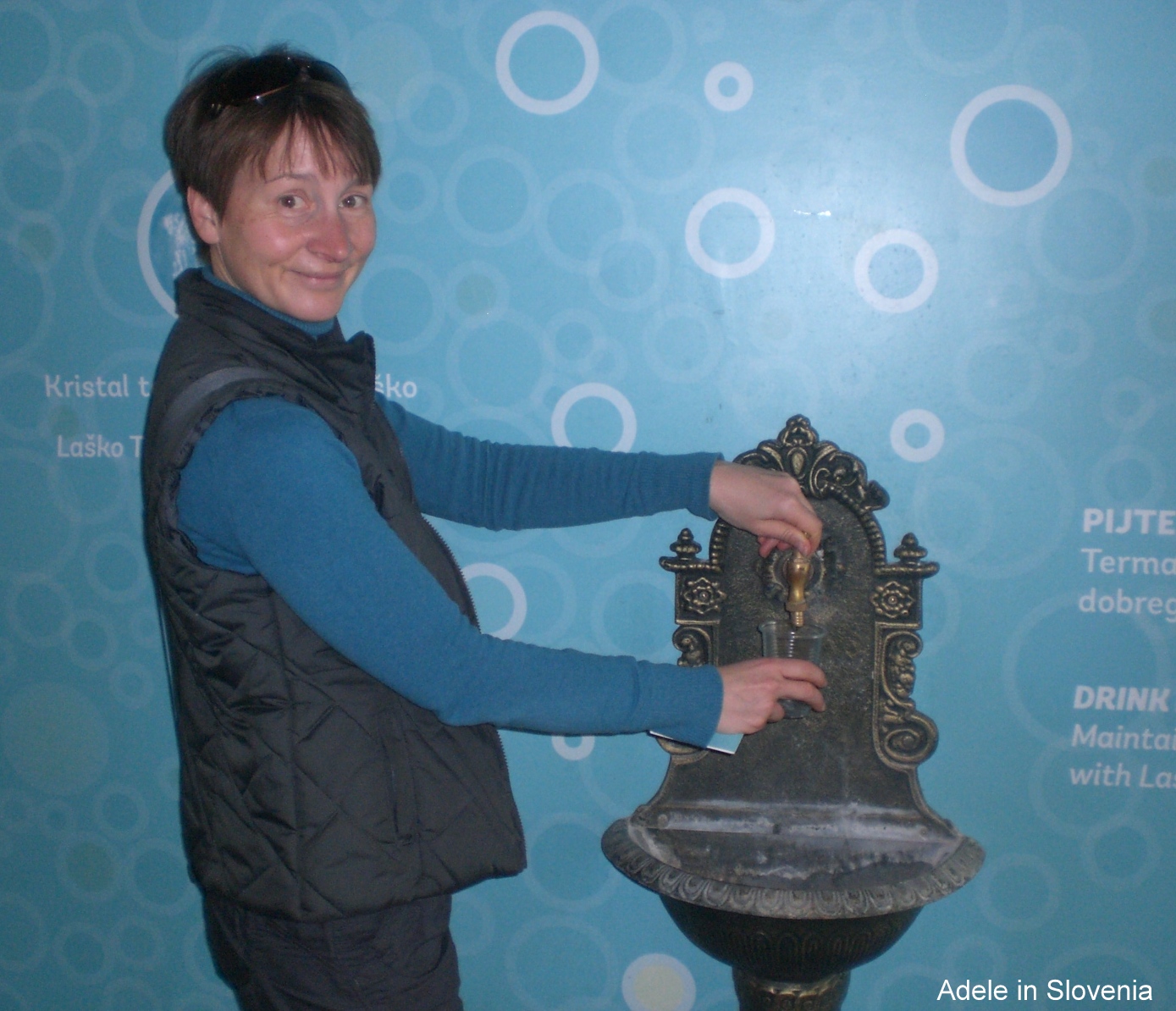
Balneotherapy is a natural approach for the treatment of diseases or illness through the use of water. Balneotherapy treatments are available at all of the state-verified thermal spas and, even if you don’t book any actual course of treatment, you can still reap the benefits of the water by drinking it direct from the spas’ springs. This one below is at the Thermana Laško spa. More here – https://spasinslovenia.com/2016/04/11/i-love-lasko/

CIMG0667

MARVEL AT IT!

Slovenia is blessed with a remarkable amount of waterfalls, lakes, rivers, and other watercourses.
Among the favourite well-known waterfalls there are those such as Savica, Kozjak and Boka. However, I prefer to seek out some of the lesser-known ones, such as this one, the Grmecica waterfall, located near Nomenj, off the road from Bled to Bohinj.

CIMG7469

And without doubt my favourite lake is the mesmerising Bohinj Lake, even if the water is damn cold!

Bohinjsko jezero 2. Avgust 2011 006

FISH IN IT!

This spot at the entrance to the Radovna valley is a paradise for fishermen, and the 16km, largely traffic-free, cycle route through the valley is also one of my favourite places to cycle.

CIMG7437

MORE INFORMATION

Since there is so much to write about Slovenia’s spas, I have now created a new blog entirely dedicated to the subject – ‘Spas in Slovenia’. I hope you will join me on my journey of discovery of each of the spas. You can read the blog here – http://spasinslovenia.com/

You can also read more here – http://www.slovenia.info/en/Healthy-touch-of-the-Slovenian-waters.htm?zdravilni_dotik_slovenskih_voda=0&lng=2

© AdeleinSlovenia 2016


The 5th Radovjlica Chocolate Festival – a New Guinness World Record!

Regular readers of my blog will know that I usually always post new blogs on Mondays. However, in a break with tradition, I’m posting today with BREAKING NEWS – and for two reasons.

First, I can’t contain my excitement that today, at 5pm today, it became official that a new Guinness World Record was set at the 5th Radovljica Chocolate Festival for the World’s Largest Chocolate Bar by Area.

CIMG0851

The chocolate bar was made by the Cukrček chocolatier and measured over 140 square metres, smashing the previous record of 102 square metres. It took over 300 hours to piece together the 28,000 pieces of chocolate.

After his speech, Slovenia’s Prime Minister, Miro Cerar,  became the first person to get a taste of the record-breaking chocolate bar. Visitors to the festival this weekend can try it too, through the purchase of tasting coupons.

The second reason for my early blog posting is that, since the festival has only just begun, there’s still plenty of time for anyone wavering as to whether or not to visit this weekend.

CIMG0836

There’s chocolate of every size, shape, and taste imaginable.

CIMG0842

Over 50,000 people visited last year’s festival; this year looks set to be a whole lot more. That means there are an awful lot of chocolate lovers out there – I’m not alone!

This year you can come and sit on the chocolate throne and be the King (or Queen) of Chocolate too!

CIMG0818

Visit Lectar Inn to see, and taste, the incredibly cute chocolate gingerbread men.

CIMG0822

There is a jam-packed, or should I say chocolate-packed, programme of events and entertainment taking place all weekend. Here are just some of the highlights still to come:

  • Watch the process of chocolate being made at the chocolate factory
  • Try a mini-planica ski jump (sorry, children only!)
  • Join a cookery workshop and make your own cup-cake
  • Listen to concerts, watch dance shows, stilt walkers, puppet shows and circus entertainers
  • Watch some of Slovenia’s top chefs creating chocolate-based dishes
  • Go to Kunstelj Inn’s Garden Party for cocktails, burgers and more

Find the whole festival programme here – http://www.festival-cokolade.si/en/programme/

© AdeleinSlovenia 2016
The Bohinj Wild Flower Festival – A Jubilee Year

The annual Bohinj International Wild Flower Festival will take place from 21st May to 5th June and this year, the 10th successive year, marks a jubilee. The first festival was held in 2007 and since then it has been growing (pun intended!) in popularity, and gaining ever more recognition, by the year.

The main theme of the festival is the presentation of alpine flowers in the waters, meadows, hills and mountains of the areas surrounding Bohinj Lake, part of Triglav National Park.

During the festival a variety of events take place including guided walks and hikes, workshops, local craft and farmers markets, exhibitions, excursions, concerts and culinary evenings.

There are also activities for the whole family including a ‘Weekend for Families and Children’ which includes flower-related events as well as participation in water sports and other outdoor activities.

Childrens Wknd Bohinj flower festival

You can get really hands-on at many of the workshops, first picking the flowers, then preparing them for various uses.

flower festival workshop

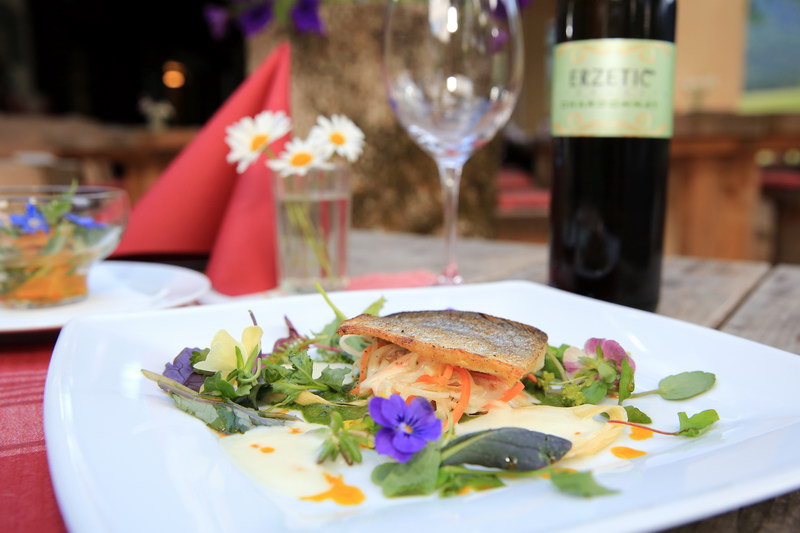
Culinary evenings take place at selected local restaurants, such as at the restaurant at Camp Danica in Bohinjska Bistrica, seen below, where you can enjoy local delicacies, such as trout, paired with edible wild flowers.

culinary evening danica

There are around 70 known types of flower which are endemic to Slovenia, and/or the immediate surroundings. A walk among them is a botanist’s dream. Theses species include:

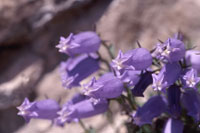
Zois’ bellflower – endemic to Slovenia, Austria and Northern Italy and most prevalent in the Julian and Kamnik-Savinja Alps (shown below)

zoisova_zvoncnica_1s

Triglav Hawksbeard – discovered by one of the first four men to climb Triglav in 1778. It was found near where the Planika mountain hut now stands. It is very rare and is on the list of threatened species. So rare, I haven’t yet found it to photograph myself!

European False Stitchwort – first discovered near Ljubljana Castle in 1762 by the Carinthian botanist Jesuit Franc Ksaver Wolfen. It belongs to the Pink family, to which carnations also belong.

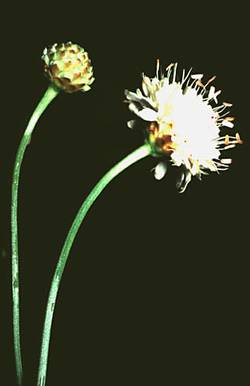
Trenta Scabious – discovered over 200 years ago in Idrija by a physician. The original finding is preserved in Slovenia’s Natural History Museum.

trenta-scabious-scabiosa-trenta-355e5ab376

Depending on the weather – late snowfall can sometimes mean the season begins later – you can expect to find wildflowers in the meadows and highlands from the end of May through to late summer.

If you are interested in wild flowers, and/or considering a visit, here’s a sneak peek of what you can expect to see, those that I have been lucky enough to encounter on my hikes within Triglav National Park.

  • Here I am on a hike in the highlands above Bohinj Lake; from Planina Krstenica towards Ogradi.

Bohinjske planine 27. Julij 2011 007

  • Surrounded by wonderful wild flowers during a summer walk to the Seven Triglav Lakes valley. One can almost feel as if in a botanical garden, whilst completely at one with nature.

Sedmera jezera Julij 2010 009

Here are a few of my close-up snaps.

  • Alpine carnation (Alpski nagelj) – also known as Alpine Pink

OLYMPUS DIGITAL CAMERA

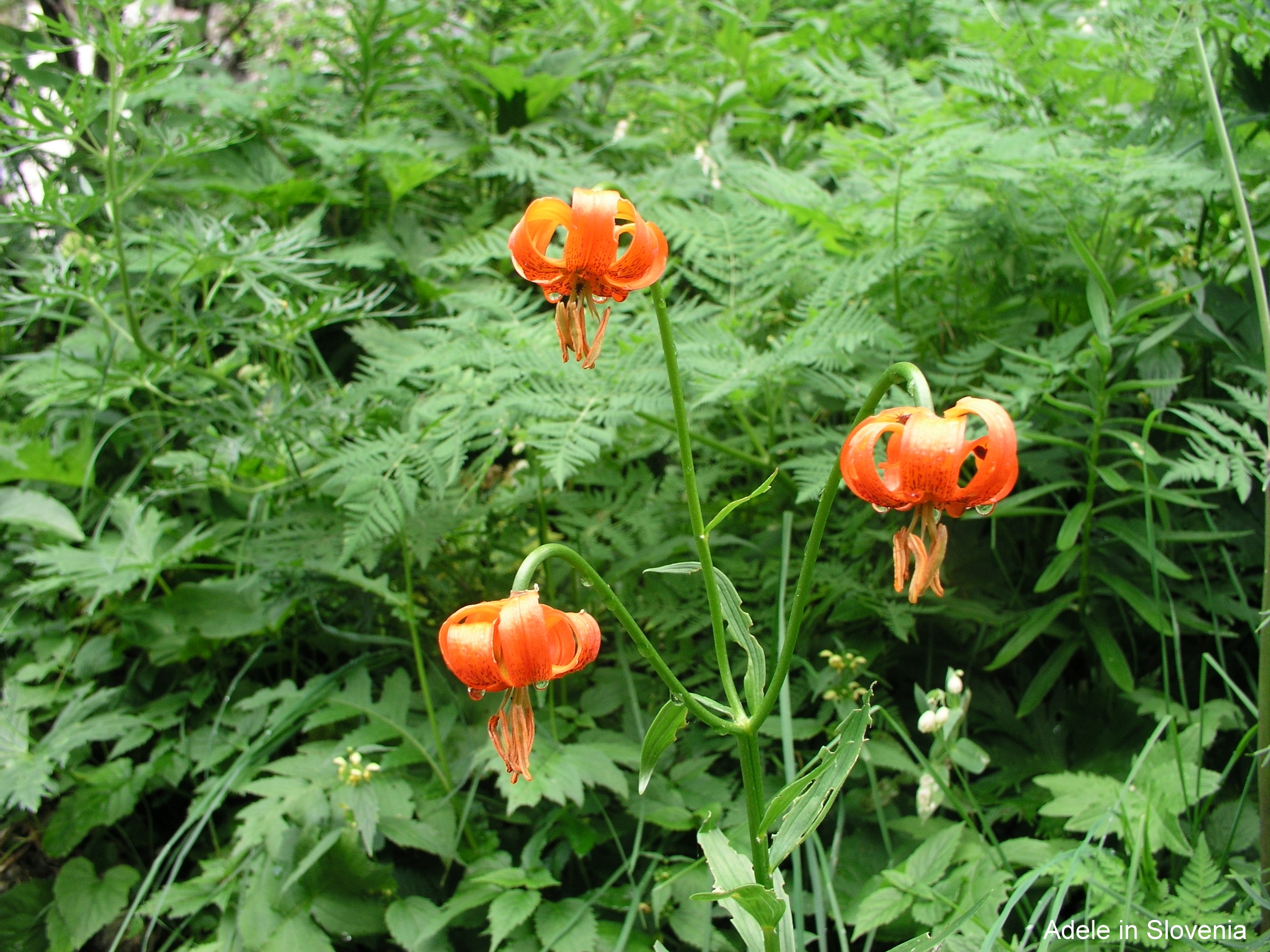
  • Carniolan lily (Kranjska lilija) – Not entirely endemic to Slovenia, since it can also be found in areas from north-east Italy to Bosnia, however, it is most common in Slovenia.

OLYMPUS DIGITAL CAMERA

  • Yellow Gentian (Košutnik) – native to the mountains of central and southern Europe

OLYMPUS DIGITAL CAMERA

  • Edelweiss (Planika) – this one probably doesn’t need any explanation as it’s widely known, but I had to include it as it’s such a special one, and also because we have a mountain hut named after it, which sits just beneath our highest mountain, Triglav.

Komna 14 Julij 2012 004

You can read more about the festival and find the whole of this year’s programme here – http://www.bohinj.si/alpskocvetje/eng/index.php

© AdeleinSlovenia 2016
 

Let the Train Take the (Chocolate) Strain!

As anyone who has been to any of the previous Chocolate Festivals in Radovljica will know, the event is VERY popular and becoming more so every year. And, if you haven’t yet been, then it’s time to come and see what all the fuss is about!

So, this year, why not visit the Chocolate Festival by train, eliminating the stress of trying to find somewhere to park, and also the ‘chocolate fun‘ will begin from the moment you step onto the train.

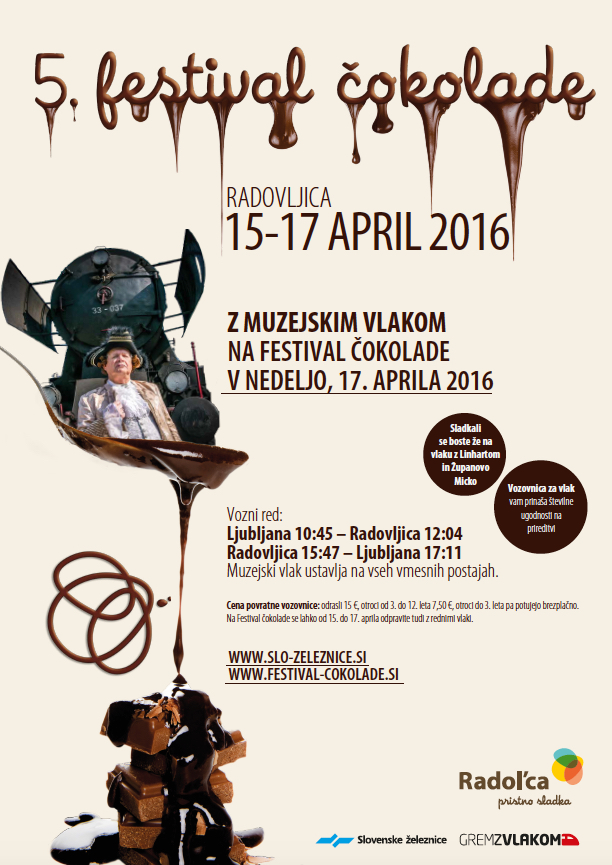
A special heritage train will operate on Sunday 17th April, leaving Ljubljana at 10.45, arriving in Radovljica at 12.04. On board the train there will be entertainment, and, of course, chocolate!

muzejski_vlak_press

The return train leaves Radovljica at 15.47, arriving in Ljubljana at 17.11. So, that means more than 3-and-a-half-hours of chocolate indulgence in Radovljica!

Luckily for me I live in Radovljica so I only have a 5 minute walk to be in chocolate heaven, however, I’m quite tempted to take the train, just for the experience!

Poster image 2

There are also a number of additional bargains and offers at the festival for those who arrive by train, including:

  • Chocolate from the Guinness World Record chocolate bar for just 4 coupons – instead of the usual 5
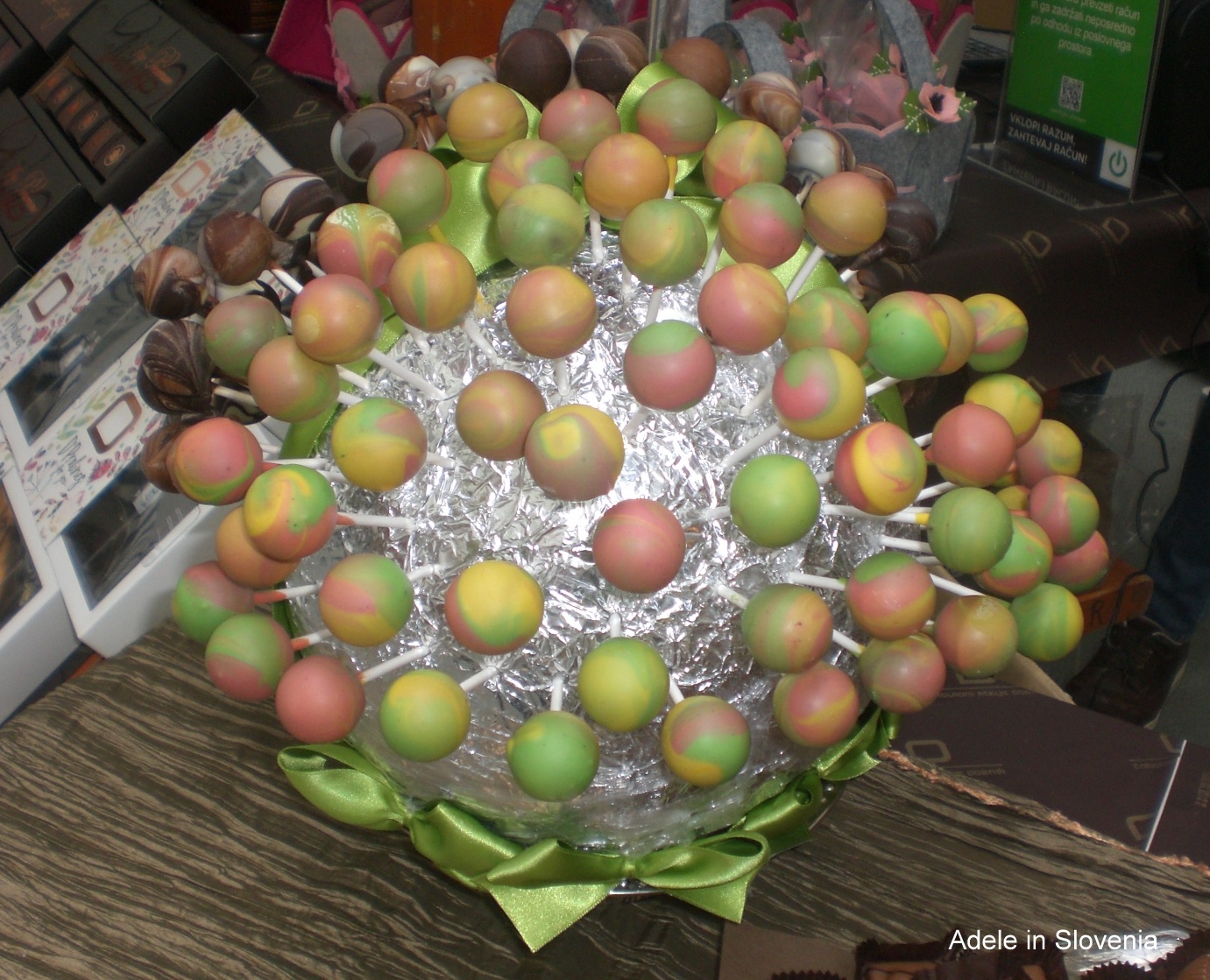
  • Kunstelj cake pops (seen below) for 2 coupons each – instead of the usual 3
  • 10% discount on the purchase of bottled wine at the Sodček wine bar – located at the entrance to the old town centre
  • Free guided tour of the Lectar Gingerbread Workshop
  • Reduced-price entrance to the Museum of Apiculture and the Municipal museum – payment with coupons

CIMG8542

More information about the special train (it seems, currently only in Slovene!) here – http://www.slo-zeleznice.si/sl/potniki/izleti-in-prireditve/z-muzejskim-vlakom-na-festival-cokolade-v-radovljico and about the festival (in English) here – http://www.radolca.si/en/what-to-do/events-1/chocolate-festival/83/309/

Of course, taking the train isn’t just possible during the time of the festival, but all-year round you can visit Radovljica by train. The railway station is located just metres from the historic old town centre and the journey from Ljubljana, which takes just under an hour, offers great views and a relaxing way to travel. More information here (this time also in English!) – http://www.slo-zeleznice.si/en/

© AdeleinSlovenia 2016
 

Fucanje: a traditional Easter game of money, money, money!

The game of ‘fucanje‘ traditionally takes place at Easter in Slovenia. It involves players, all male, competing in a coin throwing contest, each aiming for their coin to land closest to the target. The winners then ‘takes all’!

On Easter Sunday in the municipality of Radovljica ‘fucanje‘ took place outside the cultural centre in the villages of Mošnje and also in Begunje na Gorenjskem behind the Tavčar restaurant.

12909674_564769800359702_5745541462094381496_o

It’s nice to see these kinds of traditions being upheld, and the events always draw quite a crowd.

12496146_564769977026351_8595064718227735184_o

At the cultural centre in Mošnje there was also an Easter exhibition of coloured eggs, known as ‘pirhi‘, created by children from the local school, as well as an exhibition of lacework produced by the Železniki Pensioners Association.

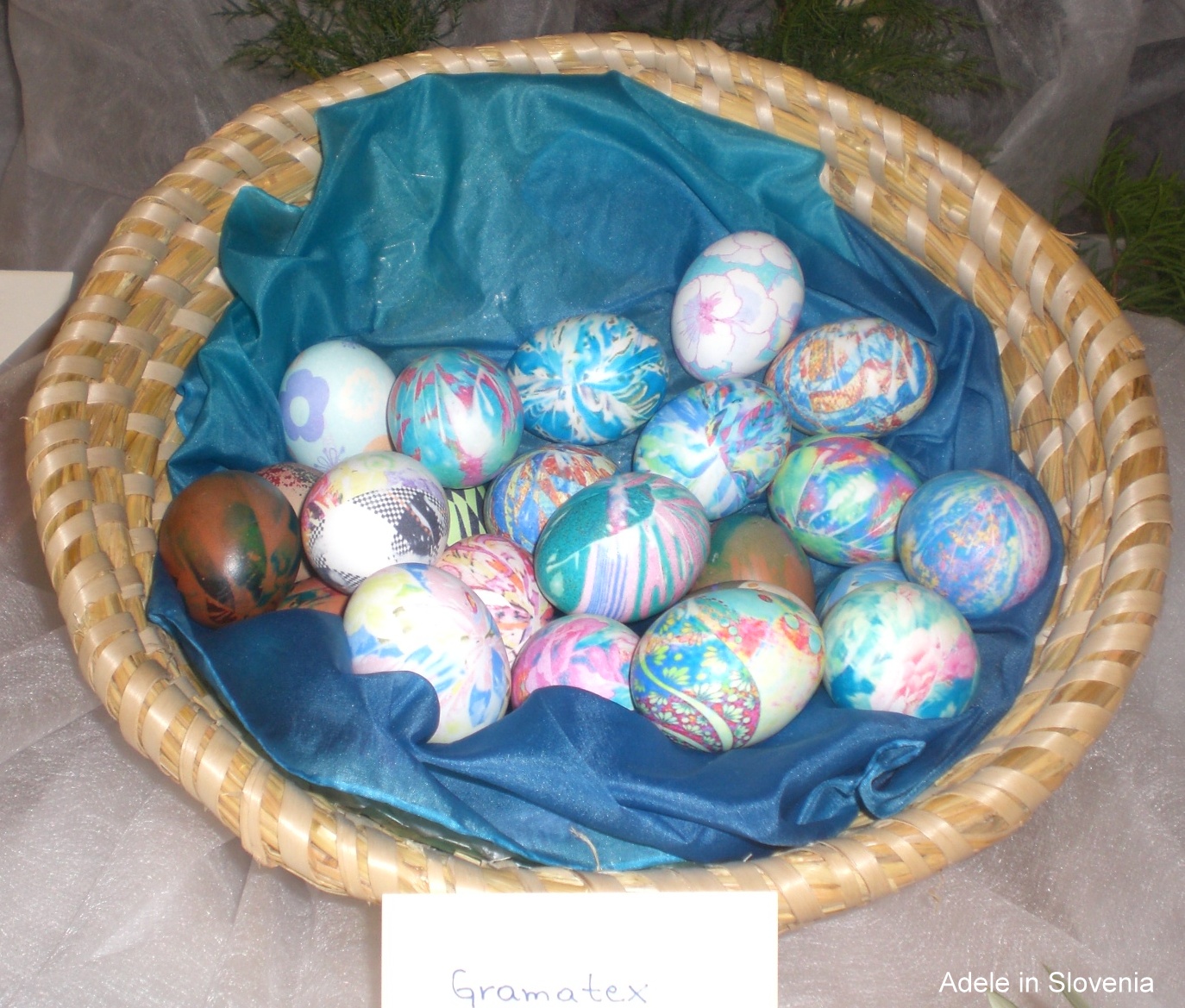
There were coloured eggs of all shapes and sizes. These ones were produced using a silk technique.

CIMG0694

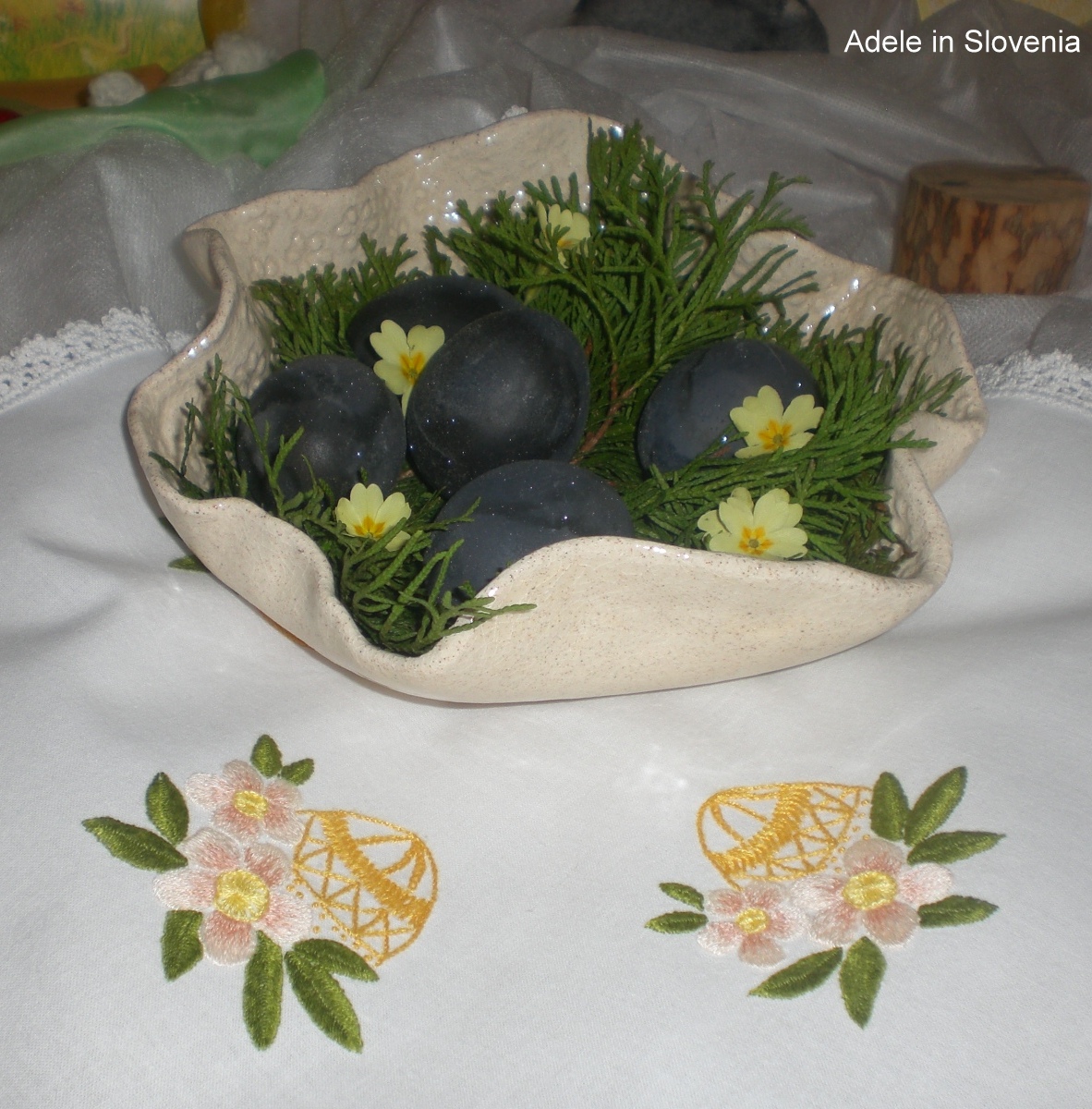
These were dyed using teran wine. Apparently it doesn’t affect the taste – shame about that!

CIMG0701

This one’s an ostrich egg!

CIMG0697

And these cute little coloured eggs, which must have involved a painstaking amount of work, are quail’s eggs.

CIMG0698

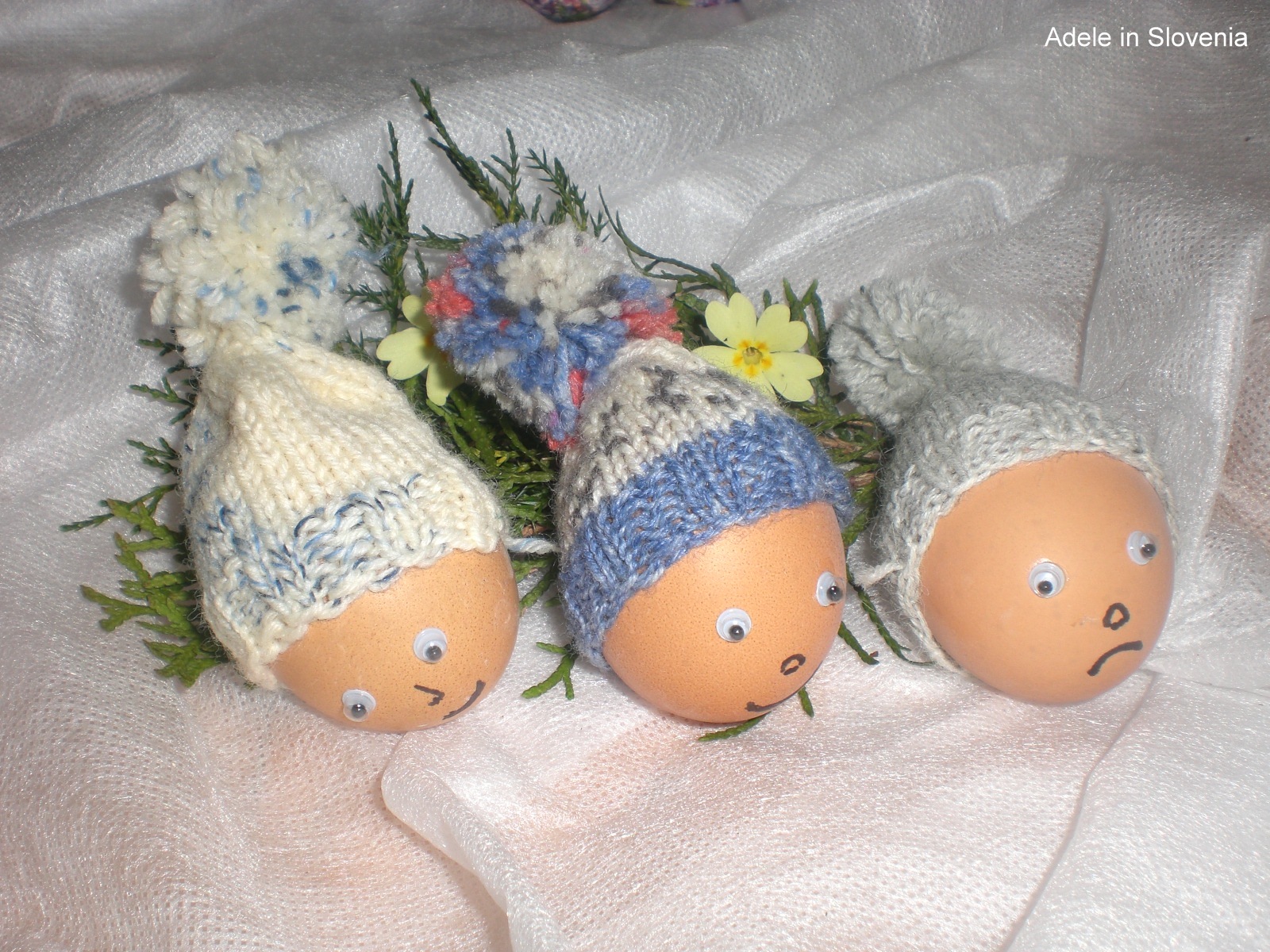
These ones are just plain old eggs, but I couldn’t resist them!

CIMG0699

Though it’s a fairly small village, the Mošnje Tourist Association is quite active and arranges quite a number of annual events. The next such will be the mid-summer’s eve bonfire on 17th June, whilst on 23rd and 24th September the village’s main event ‘Mošnje Days’ takes places. There is also a small museum in the village as well as an interesting archeological trail. You can read more about the village in a previous post here – https://adeleinslovenia.com/2015/07/20/all-about-mosnje/ and about the archeological trail and the museum here – http://www.radolca.si/en/mosnje-archaeological-trail/ and here – http://www.radolca.si/en/mosnje-museum/

Happy Easter!

© AdeleinSlovenia 2016