Yummy Stories of Slovene Food (in the snow!)

Autumn came to an abrupt end on Saturday when, after an entire month with no rainfall, it instead SNOWED! This was accompanied by a marked drop in temperatures; in some places on Saturday morning the temperature was in the mid-high teens, by the afternoon it was just 1 degree; on average around 20cm of snow fell.

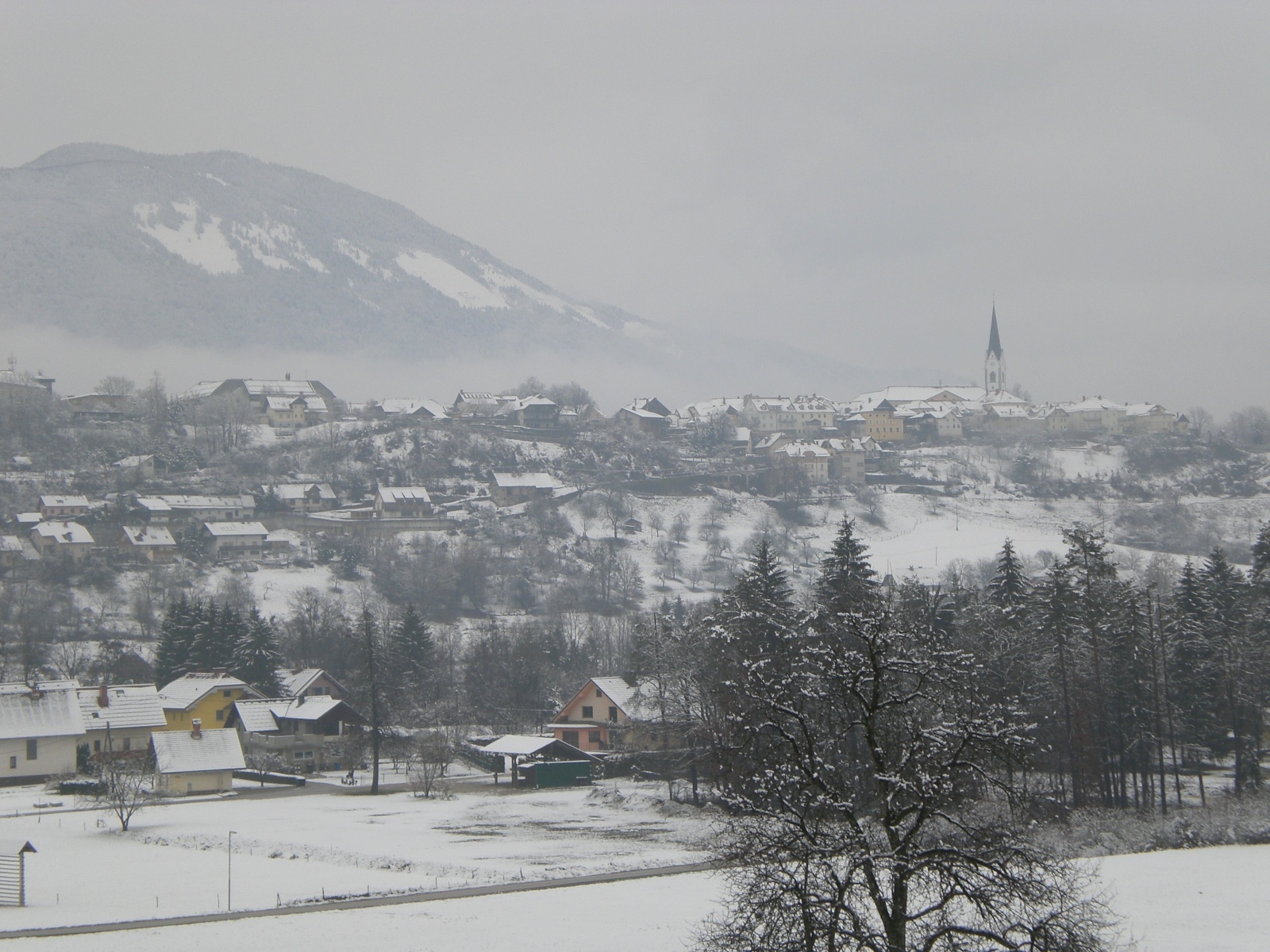
Though I’m really not a fan of the white stuff, I have to admit that Radovljica did look quite pretty when I went out for a walk on Sunday morning. Mind you, to me, Radovljica looks lovely come rain or shine (or snow!).
CIMG0244

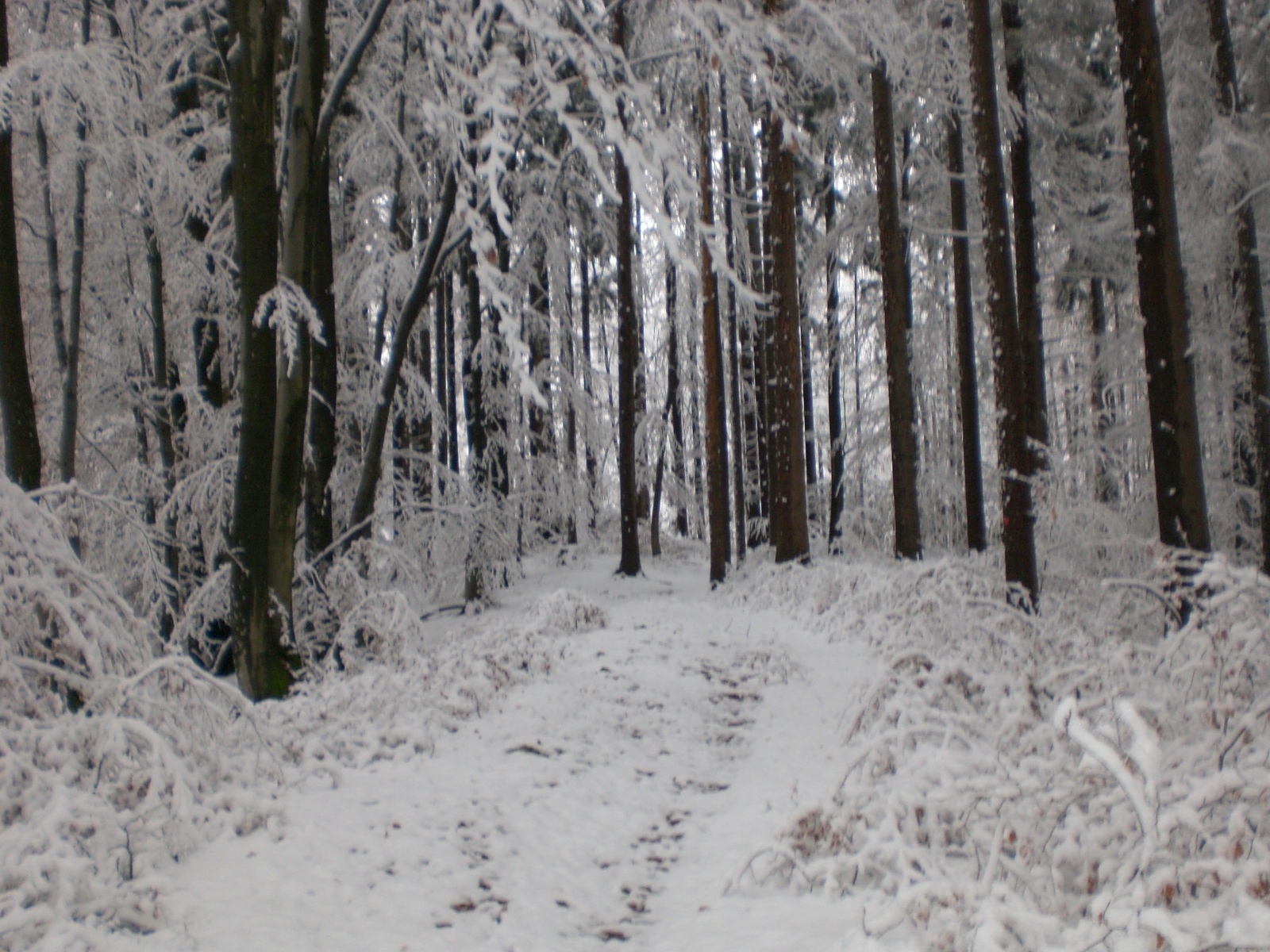
Walking through the virgin snow in the forest towards Talež early on Sunday morning.
CIMG0242

As is usually the case in Slovenia – other than in times of particularly heavy snowfall – the roads were cleared quickly and efficiently and there was no major disruption to my journey on Saturday from Radovljica to Ljubljana, where I had been invited to be one of two ‘guest speakers’ at Njam Zgodbe 2015 (Yummy Stories) – a foodie/blogging event. The event was a mixture of talks, workshops, networking, and, of course, yummy food.

12239658_10206860440723156_2202071368528508758_n

Though my blog is not a food blog per se, as regular readers will know, I do love food (especially chocolate!) and write about it often, and even more so in the winter when my outdoor activities are somewhat curtailed due to the weather. In the 8+ years I’ve been living in Slovenia, the food scene has come on leaps and bounds, not only due to the vast number of new restaurants offering cuisine from all over the world, but also due the ever-growing importance and recognition of locally sourced and produced ingredients and fresh, seasonal food; this is also reflected in the increasing number of food-related blogs.

FullSizeRender

It was for this reason that I decided to dedicate part of my talk to Taste Radol’ca as, being from Radovljica, it is something close to my heart – not to mention my stomach!

After my presentation the event attendees were able to try some of the goodies from Radol’ca’s restaurants; the famous cake-pops (grizike) from Kunstelj Inn, ‘tepke‘ pears in chocolate from Vila Podvin, and chestnut and pear tarts from Grajska Gostilnica. I think it’s fair to say that they went down well with the attendees, all of whom certainly know their food!

CIMG0228

There’s just one week left to try out the special menus at the Taste Radol’ca restaurants as, on 30 November, it all sadly ends for this year. Well, not quite, as this year, for the first time, there is also a closing party to look forward to. Tickets are now on sale for the party at Joštov hram in Podnart on Friday 4th December; those who collect stamps by visiting at least 4 of the restaurants also have a chance to win free entry. More information here – http://www.radolca.si/en/taste-radolca/
 

Kunstelj Cooks & Draga Delights!

We’ve been spoilt with another week of warm autumn sunshine which was perfect for hiking and even a bit of cycling too. Unfortunately it looks set to end this week but it was certainly nice while it lasted!

In addition to the month-long of special menus at participating Taste Radol’ca restaurants, this year there are also a number of accompanying events which are open to everyone and FREE to attend.

These days there is ever more interest in where the food on our plates actually comes from. Knowing exactly where our food comes from is not only good for our health – food direct from the farm isn’t stuffed full of E numbers and the like – but it also helps support local farmers, producers and small businesses.

Since moving to Slovenia, and in particular since the launch of Taste Radol’ca, where the focus is on local food, I too have very much begun to embrace this style of buying and eating.

This week I visited two of the restaurants, this time not to indulge in the special menus – as delicious as they are – but to see the opening of a new mini-shop at Draga Inn and to participate in a culinary workshop at Kunstelj Inn.

The Draga Valley, at the far end of the village of Begunje na Gorenjskem, is the starting place for a number of hiking paths in the Karavanke mountains. The valley is also home to the restaurant with rooms Draga Inn (Gostišče Draga).

CIMG0141

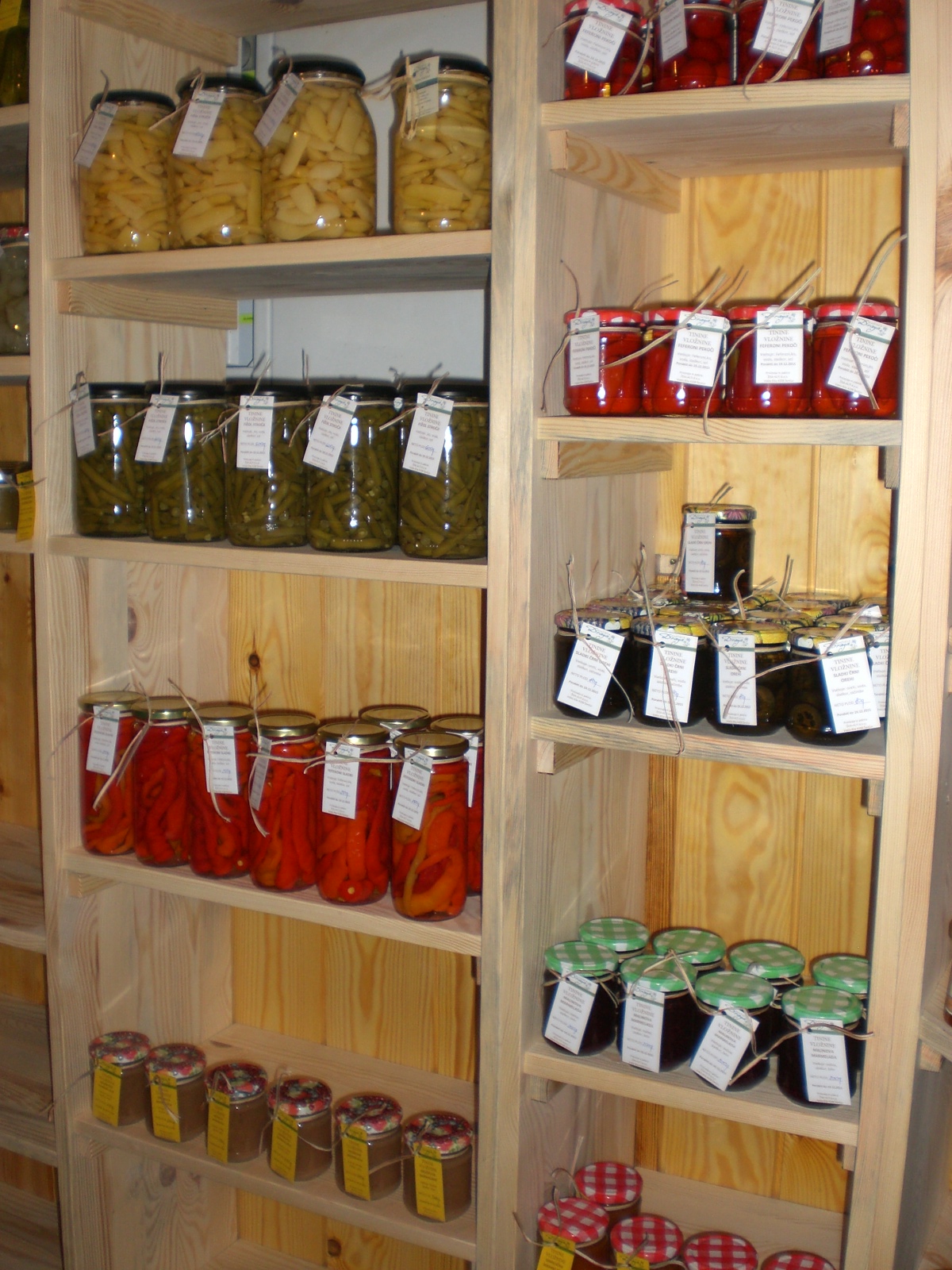
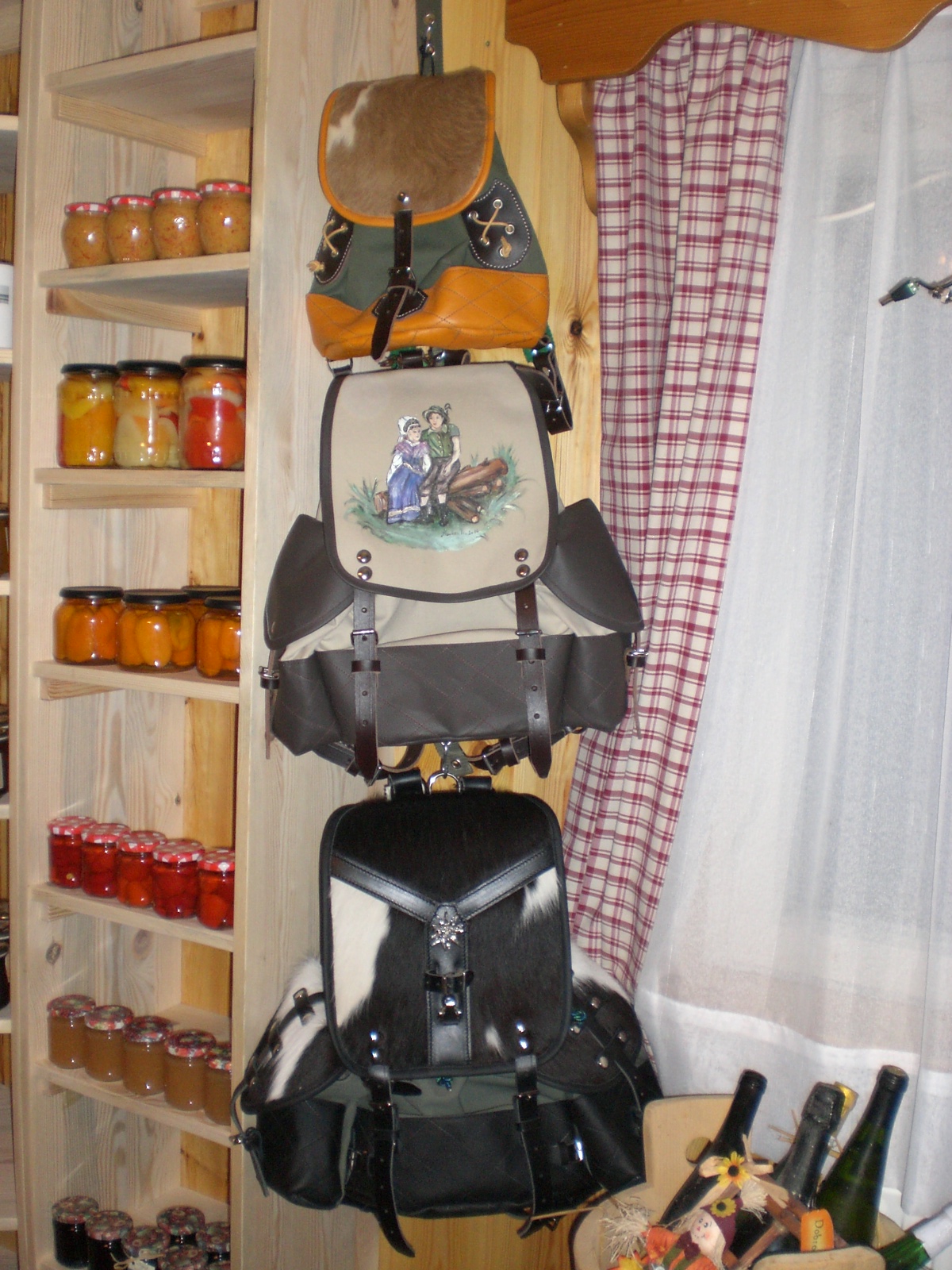
The inn has now expanded its offer by opening its own mini-shop stocked with products exclusively from the valley or the family farm; a range of pickled vegetables grown in the Inn’s garden, home-cooked jams, honey from the valley’s beekeeper and these rather attractive hand-painted and produced rucksacks, which are apparently ‘flying off the shelves’.CIMG0144

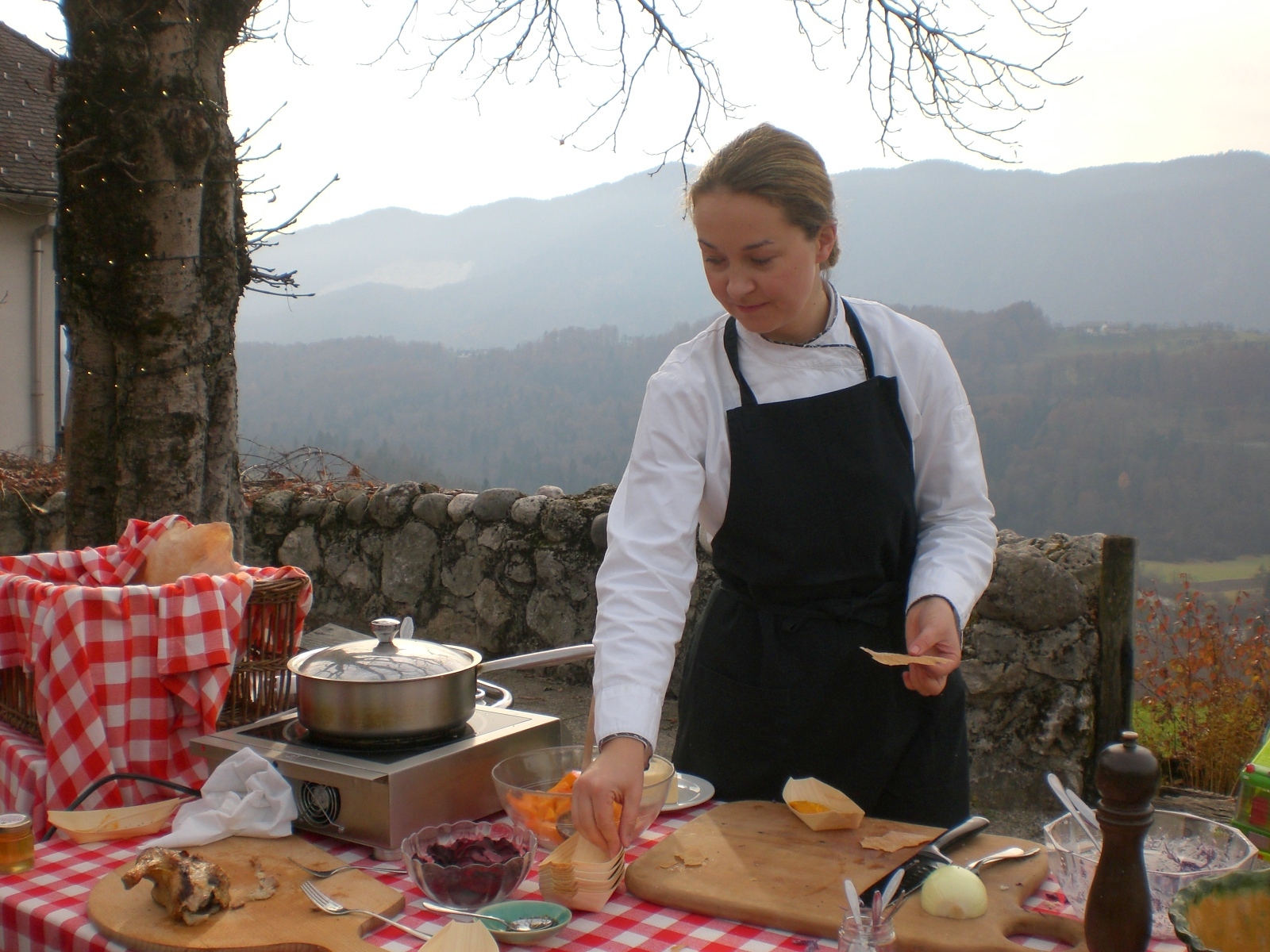
On Saturday the first Kunstelj Cooks (Kunstelj kuha) workshop took place at Kunstelj Inn in Radovljica. The fine autumn weather was a bonus and meant that the workshop could be held outside on the terrace, which just happens to be one of my favourite places in Radovljica, to sit and admire the views of the Julian Alps, the Jelovica plateau, and the lush Lipnica valley.

CIMG0216

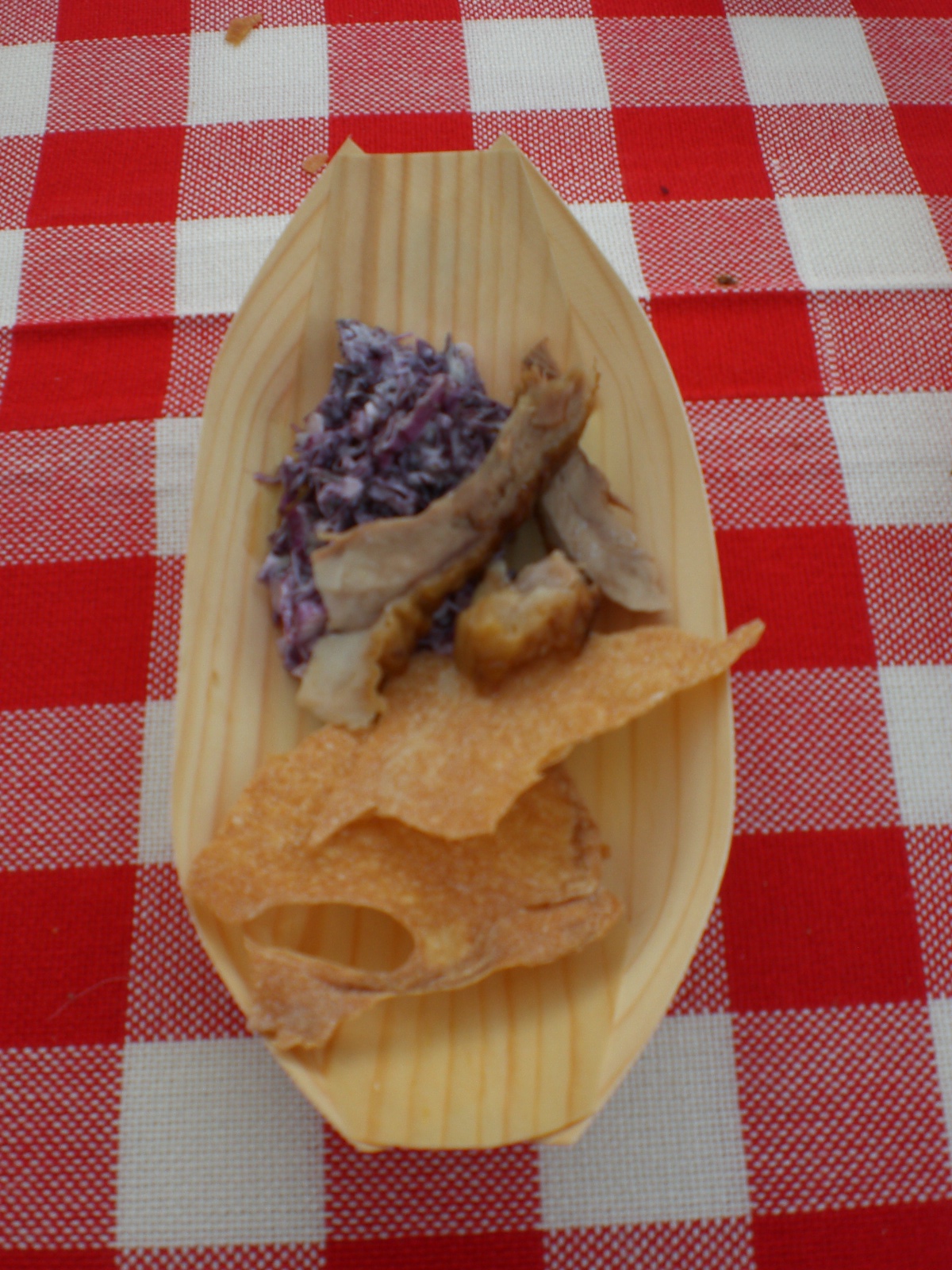
At this first workshop, to coincide with the celebrations for St. Martin’s Day, Kunstelj’s talented head chef, Maja Buden, used ingredients that are typical for St. Martin’s meals and showed how they could be used in a novel way.

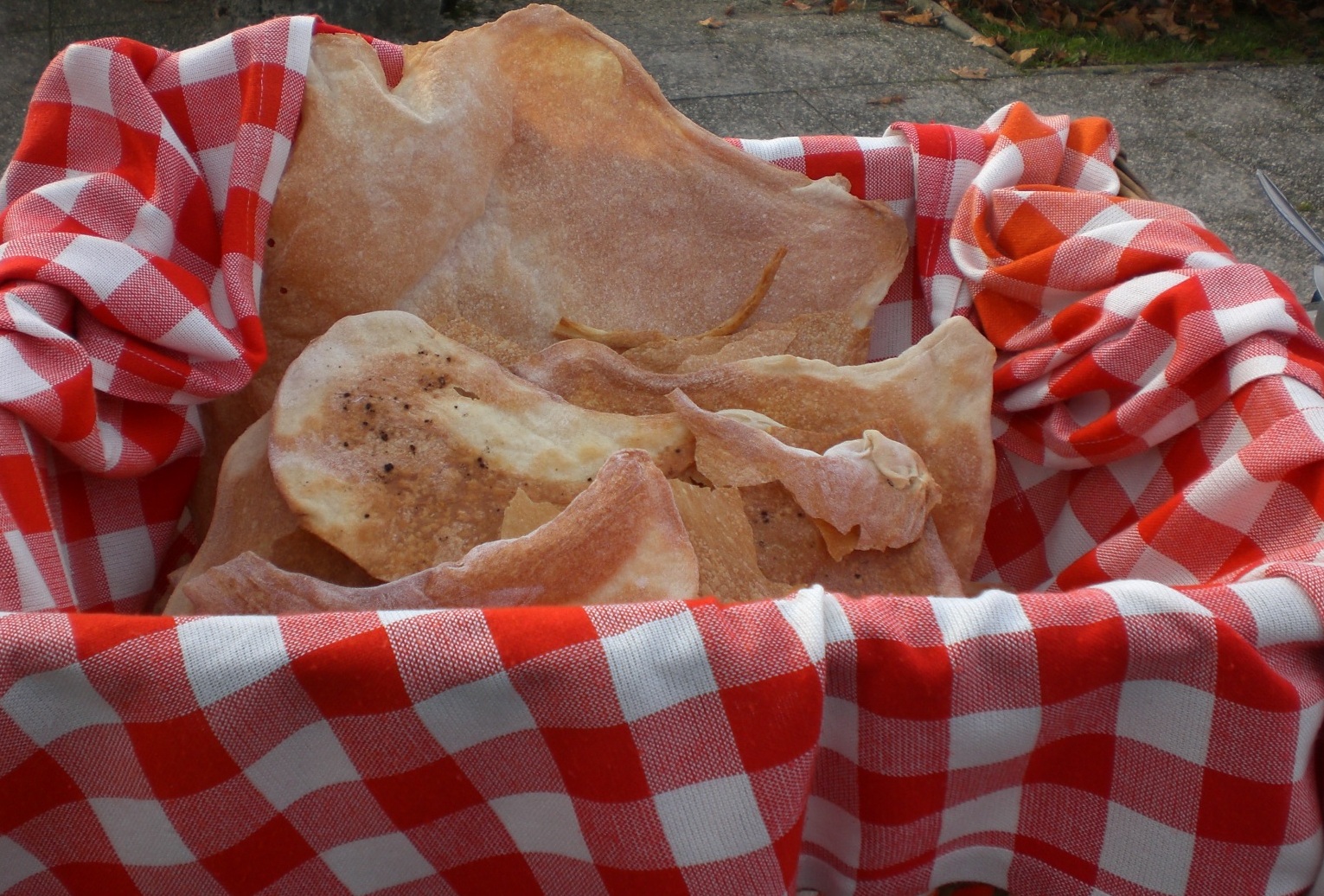
A traditional St. Martin’s Day meal in Slovenia comprises roast goose or duck, served with mlinci, as seen below (a kind of thin dried pastry that is prepared by boiling over liquid – water, stock or soup, over then ), and red cabbage.

CIMG0215

Maja used all these traditional ingredients to create these delicious bite-size St. Martin’s mouthfuls!

CIMG0212                     CIMG0213

Next Saturday, 21st November, there will be another Kunstelj Cooks workshop. This time Maja promises she will be rustling up desserts. Do come, it’s tasty, interesting and FREE!

More information:

Taste Radol’ca – http://www.radolca.si/en/what-to-do/events-1/taste-radolca/83/380/

Kunstelj Inn –

Draga Inn – http://www.gostisce-draga.si/

Adventures on Kum – Slovenia’s Best Mountain Hut and Mountain Dessert!

Hiking is very popular in Slovenia. There are over 170 mountain huts spread across the hills and mountains of the Julian Alps, the Karavanke, the Kamnik-Savinja Alps, the Pohorje, Jelovica and Pokljuka plateaus and all the other areas. The huts range in facilities, in general the higher you go the more basic they become. Some, particularly the higher lying ones, are only open in the high season (July-September), others are open year-round though, out of season just at weekends, whilst a small handful, including this one, are open all year round, regardless of the season.

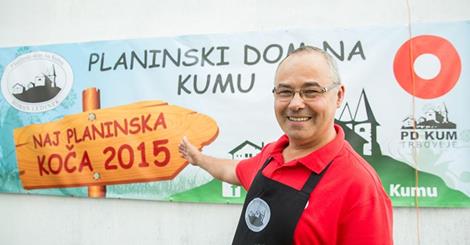
Every year in Slovenia the public votes for their favourite mountain hut to win the title of ‘Best Mountain Hut’. This year the competition was won by the mountain hut on Kum (Koča na Kumu) and since I’d never been there, and since the warm autumn weather we’ve been experiencing of late has meant the hills and mountains beckoning for hiking, I visited Kum last weekend and, well – wow – now I know why!

Dom na kumu

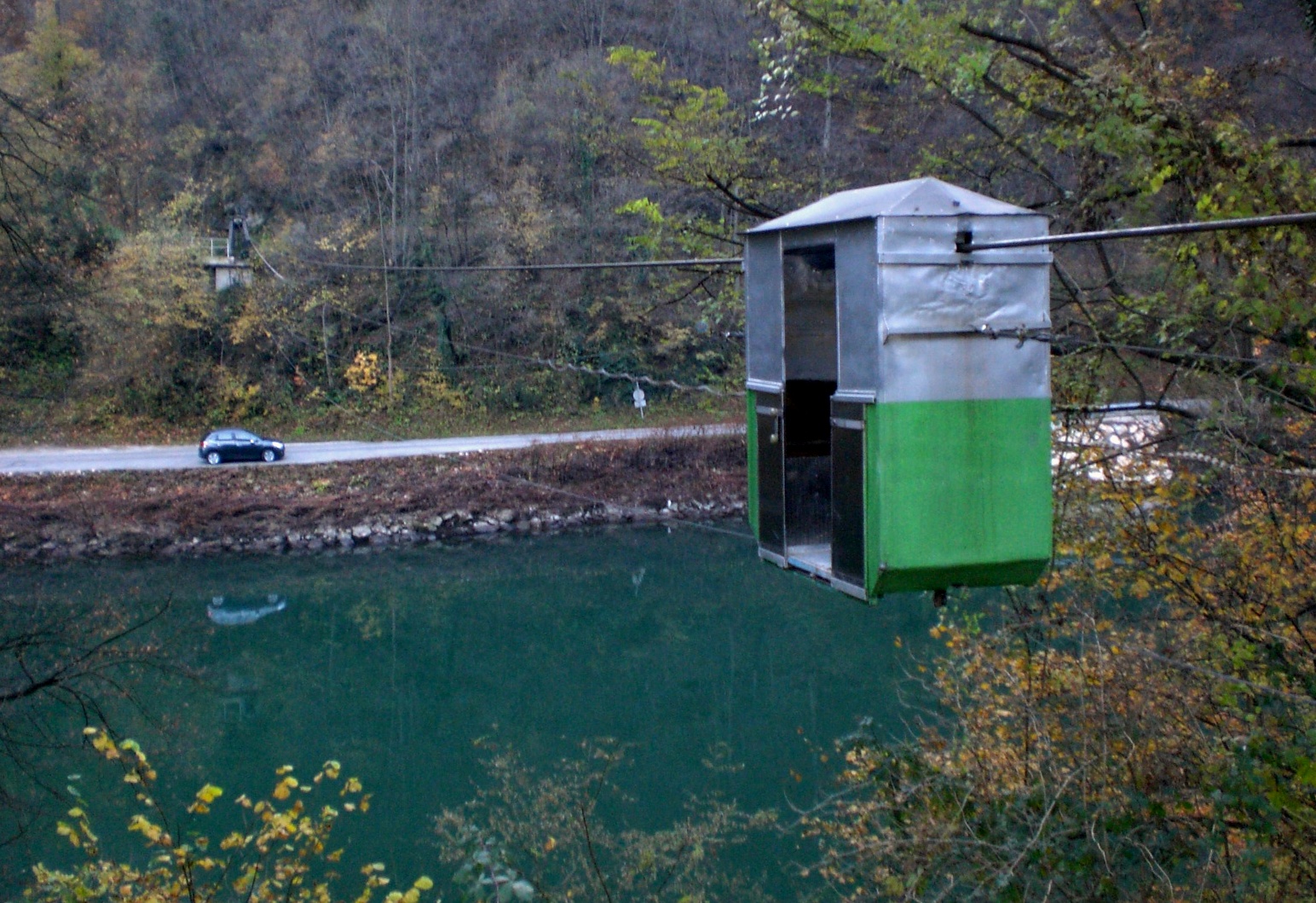
At 1220m Kum is the highest peak in the Posavje region. It can be reached from a number of places, including from Trbovlje, Radeče and Zagorje ob Savi. However, having read about the mini-cabin used to cross the Sava river at Zidani most, where one of the routes begins, I decided that sounded like an adventure with my name on it! This little cabin (for want of a better word) is also used by locals wishing to cross the river to avoid an otherwise lengthy detour.

CIMG0151

As I wanted to make an early start on Sunday morning, and also because I wanted to suss out the cabin in advance, I decided to stay the night before at my new favourite hotel, Rimske terme in Rimske Toplice. I say ‘favourite hotel’ because I visited once and liked it so much, and there was so much to see and do, that I returned a week later, hence there’ll be much more about that in a coming blog.

Zidani most is one of Slovenia’s most important railway junctions, and is also known for its 3 bridges – two railway and one road – as well as being at the confluence of the Savinja and Sava rivers. Though surrounded by wonderful nature, to be honest, from what I saw of the place, there’s not really an awful lot else to see or do there, though I might be doing it a disservice since I only used it as a base for my walk.

If arriving by train, on exiting the station turn left then walk along the road for about 1km to where the road crosses the railway. If arriving by car then you can park on the dirt road beside the Sava river. Then, its a quick hop into the cabin to wizz (ahem!) over the river to begin the hike. Well, at least that was the plan! If there is a group of you, it would be far easier as those on the opposite side of the river bank can help by winching the cabin if (and when!) it doesn’t quite make it over the river!

CIMG0153

So, just get in, take the obligatory photo, close the ‘door’ and let gravity do its thing!

CIMG0174     CIMG0175

The cabin is just big enough for 2 people. If, however, you are alone, you might want to ask a friend to help (or flutter your eyelids at a friendly local – though you could have a bit of a wait, there aren’t many!) when you (inevitably) get stuck halfway across the river and don’t have the strength to pull yourself the rest of the way!

The path leads up alongside a stream, steeply at first, crossing the stream in several places (I’d advise against taking this path after heavy rainfall as imagine it gets pretty slippery and treacherous). It emerges to meet a road then continues up along a sunny balcony, passes weekend houses from where the endless and rewarding views begin.

CIMG0177

The panoramic views are breath-taking and, despite not being that high, you really do feel on top of the world. On a clear day, you can see all of Slovenia’s mountain ranges and Slovenia’s highest mountain, Triglav, as well as peaks in neighbouring Croatia and Austria.

CIMG0188

On the top there is a large antenna, the mountain hut and St. Neža’s church. There is also a small play area for children, farm animals and an orientation table.

964548_179870262178927_522267212_o

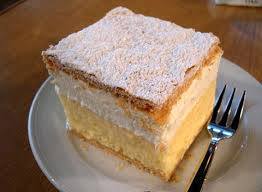
Inside the hut, where I was warmly greeted, the first thing that caught my eye was the chiller cabinet full of cakes! That in itself is a rare sight as most mountain huts have the usual fare of soups, stews and strudel. It’s not surprising then that the hut’s kremšnita (a cream slice, otherwise known as ‘Bled cake’) was declared the best mountain dessert of 2015. Of course there’s plenty of other tasty food on offer too.

kremsnita naj sladica


Kum is also popular destination during the winter and the hut is open all-year round, so, what are you waiting for?!

Useful links – Kum Mountain Hut – http://bit.ly/1kEitRE


The Katzenstein Mansion – A Chilling Reminder of the Past

The imposing Katzenstein Mansion, which stands in the heart of the village of Begunje na Gorenjskem, has had a long and interesting past. The mansion was built in the 14th century; renovations in the 16th, 17th and 18th centuries contributed to its current Renaissance and Baroque appearance.

CIMG0120

The mansion’s setting and surroundings are idyllic and I always enjoy a walk around the park, particularly in this beautiful autumn weather we are currently enjoying, to admire the mansion and gaze up at the surrounding mountains of the Karavanke range. A great way to see more of the village is to walk the marked Begunje Village Trailhttp://radolca.si/en/begunje-village-trail/

CIMG0138 CIMG0127

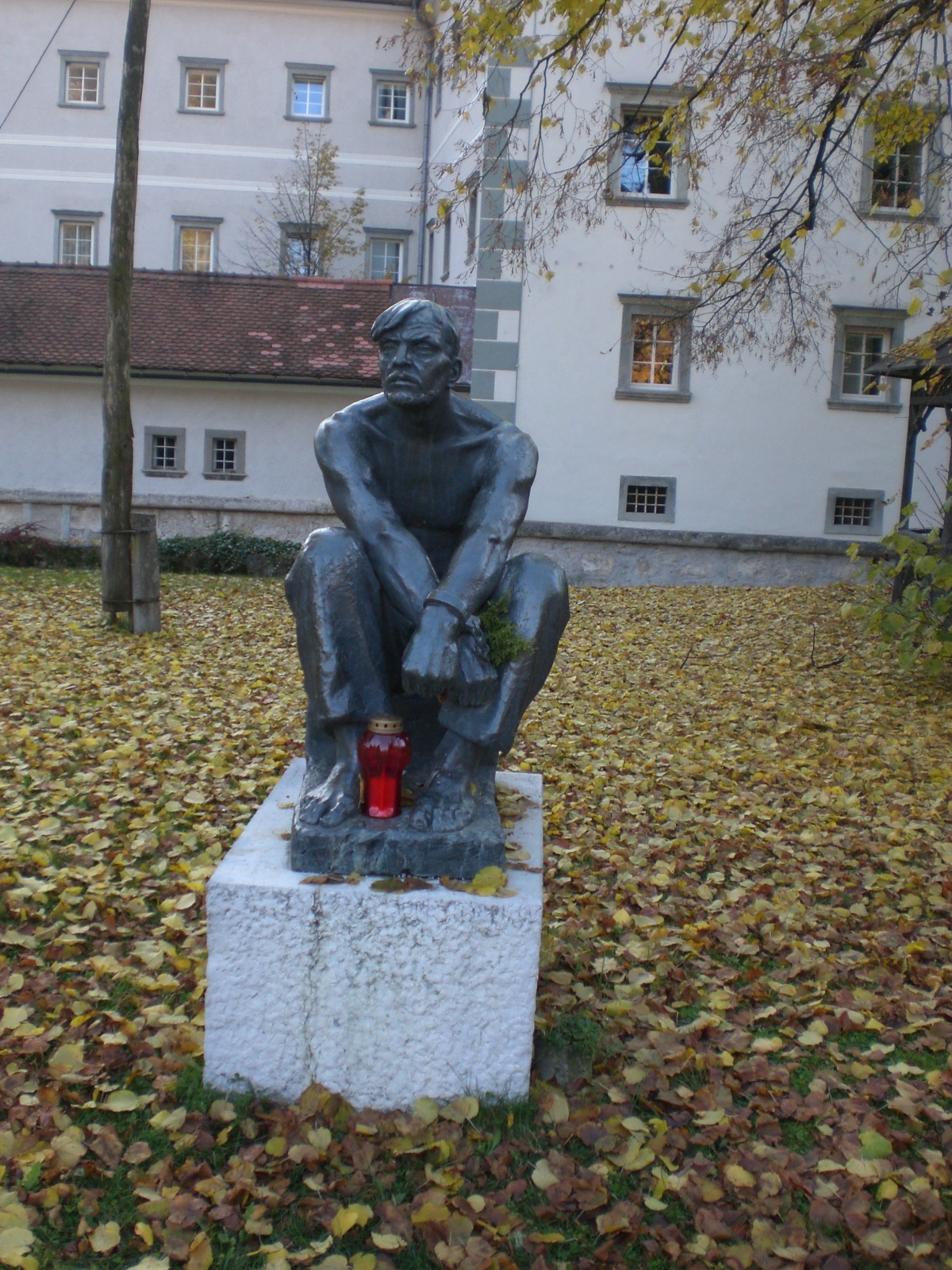
The park is particularly known for its pavilion and the Chapel of St. Joseph, designed by the most famous Slovenian architect, Jože Plečnik, and is also home to a small cemetery where 457 hostages and 18 World War II combatants are laid to rest. The bronze statues of a hostage and a prisoner, as well as the karst marble sculpture of a female hostage are the work of the sculptor, Boris Kalin.
CIMG0122
1n 1875 Katzenstein Mansion was sold to Austro-Hungarian judicial authorities and a prison, holding 300 female prisoners, was established. During the German occupation, it became a Gestapo prison and political prisoners were incarcerated in the mansion; after the war it again reprised its role as an all-female prison.
Since 1953, the main part of the mansion has been operating as the Begunje Psychiatric Hospital, whilst since 1961 in the building at the north-western end of the residential wing – annexed in 1875 – the Museum of Hostages (Muzej Talcev) has been housed since 1961.

CIMG0129

I must confess that until last week I hadn’t actually visited the museum, though had walked past it countless times. Somehow it seemed a bit depressing, however, following a recent chat with the director of Radovljica’s museums I realised that it was time to actually go and though the museum is only small its historic importance shouldn’t be overlooked. It doesn’t hurt for one to take a moment of quiet reflection to consider the suffering of the hostages held here.

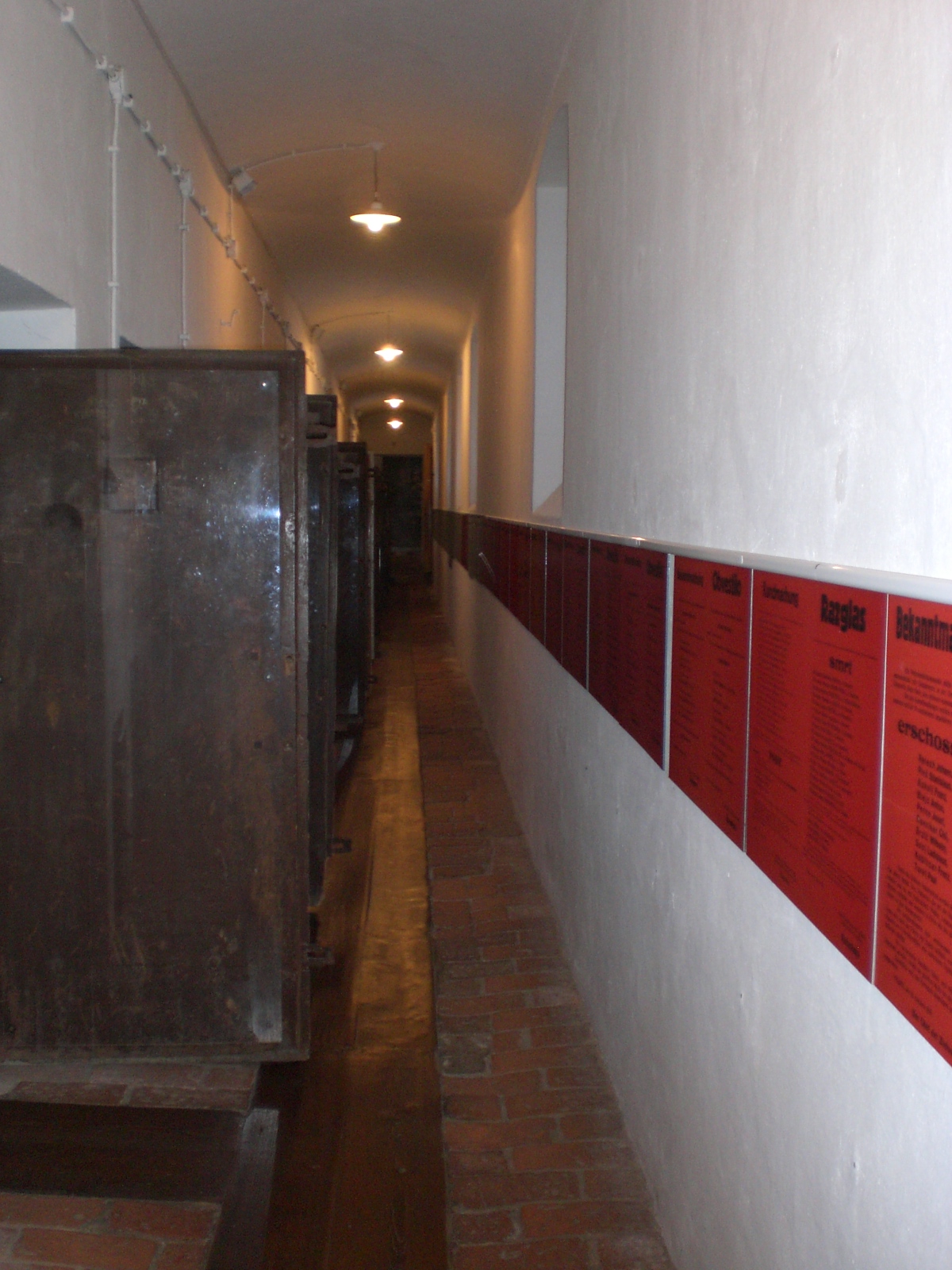
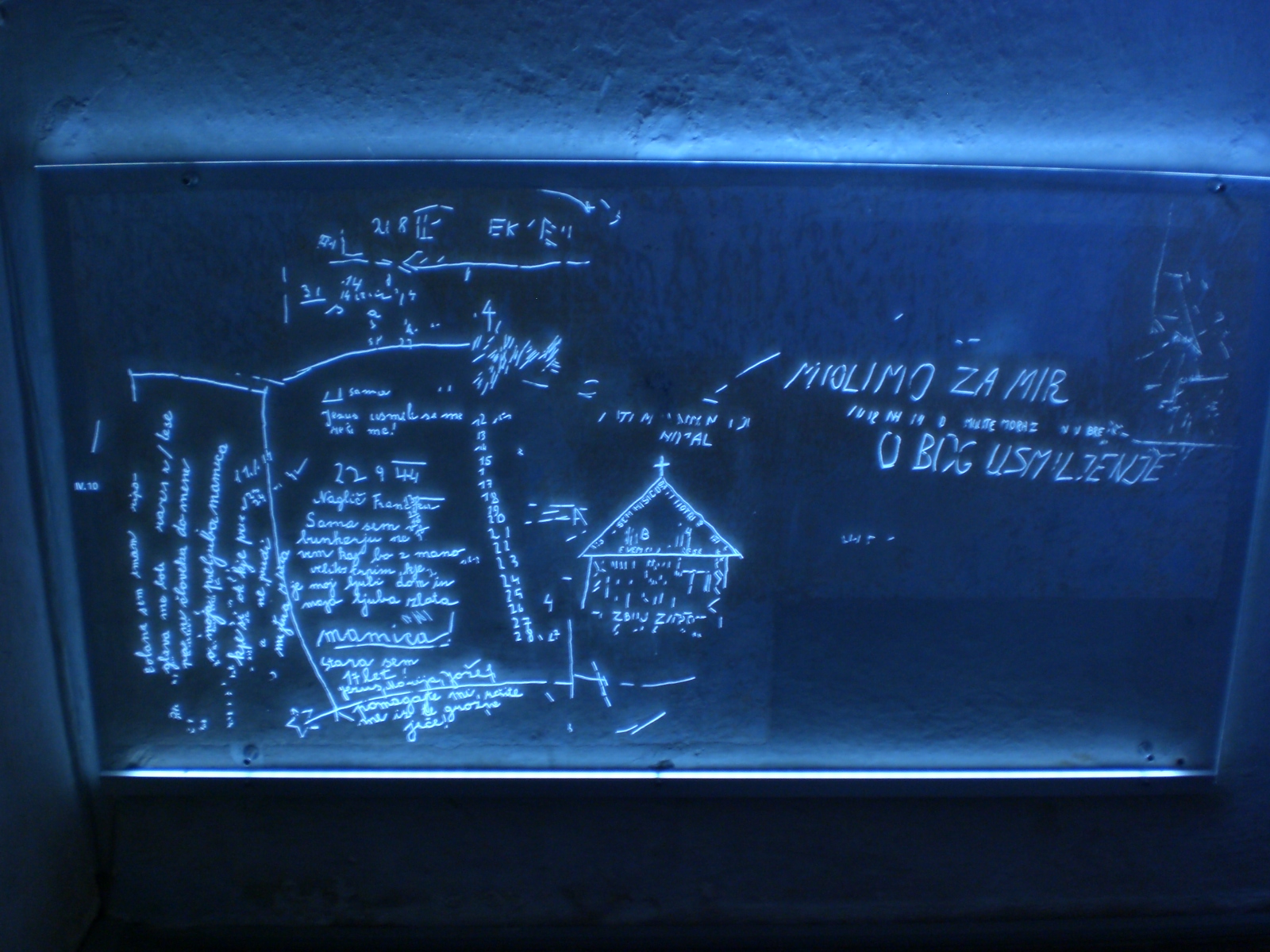
Inside, on the walls of the former prison cells, you can see written records left by the prisoners and announcements by the occupiers concerning executions.

CIMG0131

Read more about the Museum of Hostages, opening times etc. here – http://radolca.si/en/begunje-museum-of-hostages/ AND here – http://www.muzeji-radovljica.si/3m_talci/_predstavitev.html
Read more about Katzenstein Mansion here – http://www.radolca.si/en/katzenstein-mansion/

Nuts about Doughnuts in Trojane!

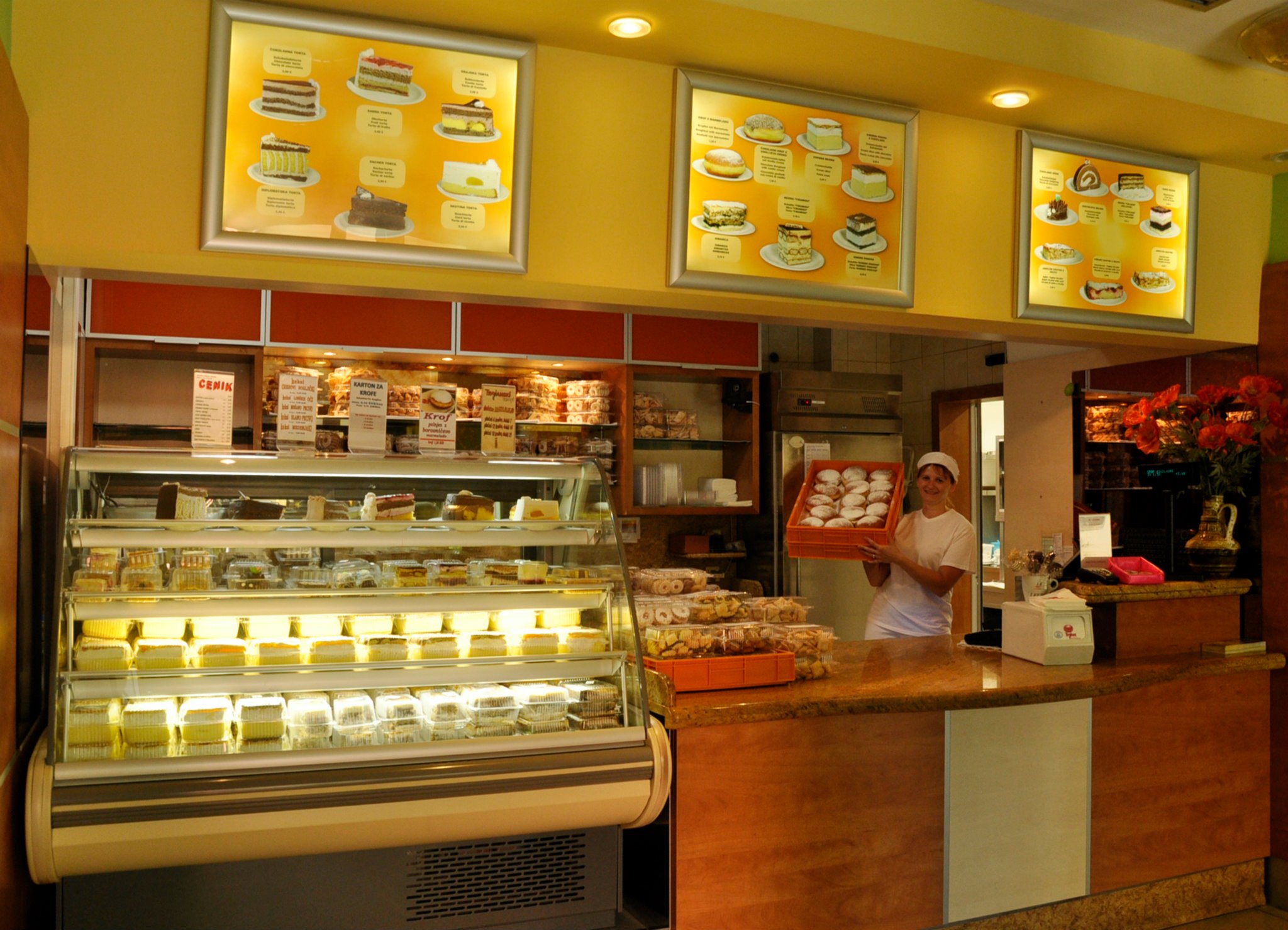
Say the word ‘Trojane‘ to pretty much anyone in Slovenia, no matter where they live, and they are likely to know instantly what you are talking about – doughnuts!

The reason being is that the village of Trojane has become a Slovene institution thanks to Gostilna Trojane, which comprises a restaurant, café, cake shop and gift shop and it is most famous for its Trojane doughnuts.

10535666_483372415131311_4313963531887816353_o

Here’s a very potted history. Before the motorway was built, all traffic travelling from Ljubljana towards the northeast of Slovenia i.e. Celje, Maribor, Ptuj, and onwards towards Austria and Hungary, used to travel through the centre of Trojane and it also marks the halfway point on the trade route between Trieste and Vienna where, 150 years ago, the then tavern provided a stopover for weary travellers to rest, sleep and eat. Nowadays, the motorway skirts the village, which must have been a boon for residents, though at the time Gostilna Trojane had serious concerns about the effect it would have on their business. They certainly needn’t have, as in fact business even increased!

avtobus

In the 1930s a younger generation took over the restaurants and later, having seen the rising popularity of doughnuts in Vienna, had the idea of making them in Slovenia. Thus, in 1960, Trojane doughnuts were created and the rest, as they say, is history! Initially the doughnuts were served, free of charge, just to chauffeurs, bus drivers etc. as a dessert after their meal. But word soon spread and before long people were flocking to try them.

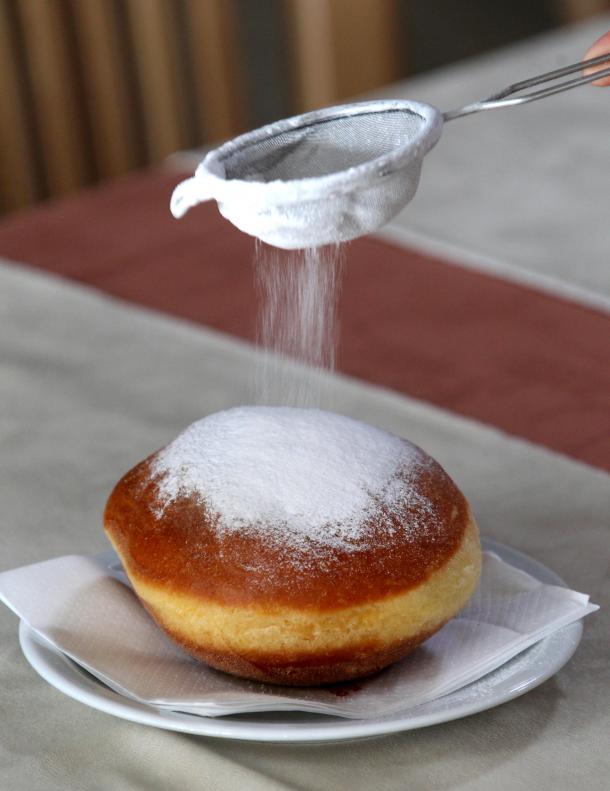
They are definitely at their best when still warm! The classic doughnut is filled with apricot jam, though other variations are available.

image_10368815_1

These days, for most people its almost impossible, indeed unthinkable, to drive past Trojane without stopping for a doughnut, cake, or a hearty meal from the very extensive menu and although it’s not exactly on my doorstep, if I’m in that direction I also always make a beeline there – well with the world’s worse sweet tooth I would!

On a recent visit I sat down with Urška Strnad, Head of Service, to find out more about the company and get some facts and figures, which left me even more impressed by this place. Despite its astonishing success, the privately run company certainly isn’t resting on its laurels. They have recently renovated a previous unused part of the building and can now cater for up to 850 guests in total, as well as having installed solar panels to add to their dedication to being environmentally-friendly. The majority of the 150+ staff live within a 15km radius, and car-sharing is encouraged. Additionally, everything is made on-site and only Slovene ingredients are used in all the bakery products.

Trojane doughnuts are significantly larger than the average doughnut, each one weighing 180-200g. I was astonished to discover that every doughnut is actually made by-hand and when you consider that they make, on average, between 10-15,000 per day – yes, per day – that’s no mean feat!

CIMG9825

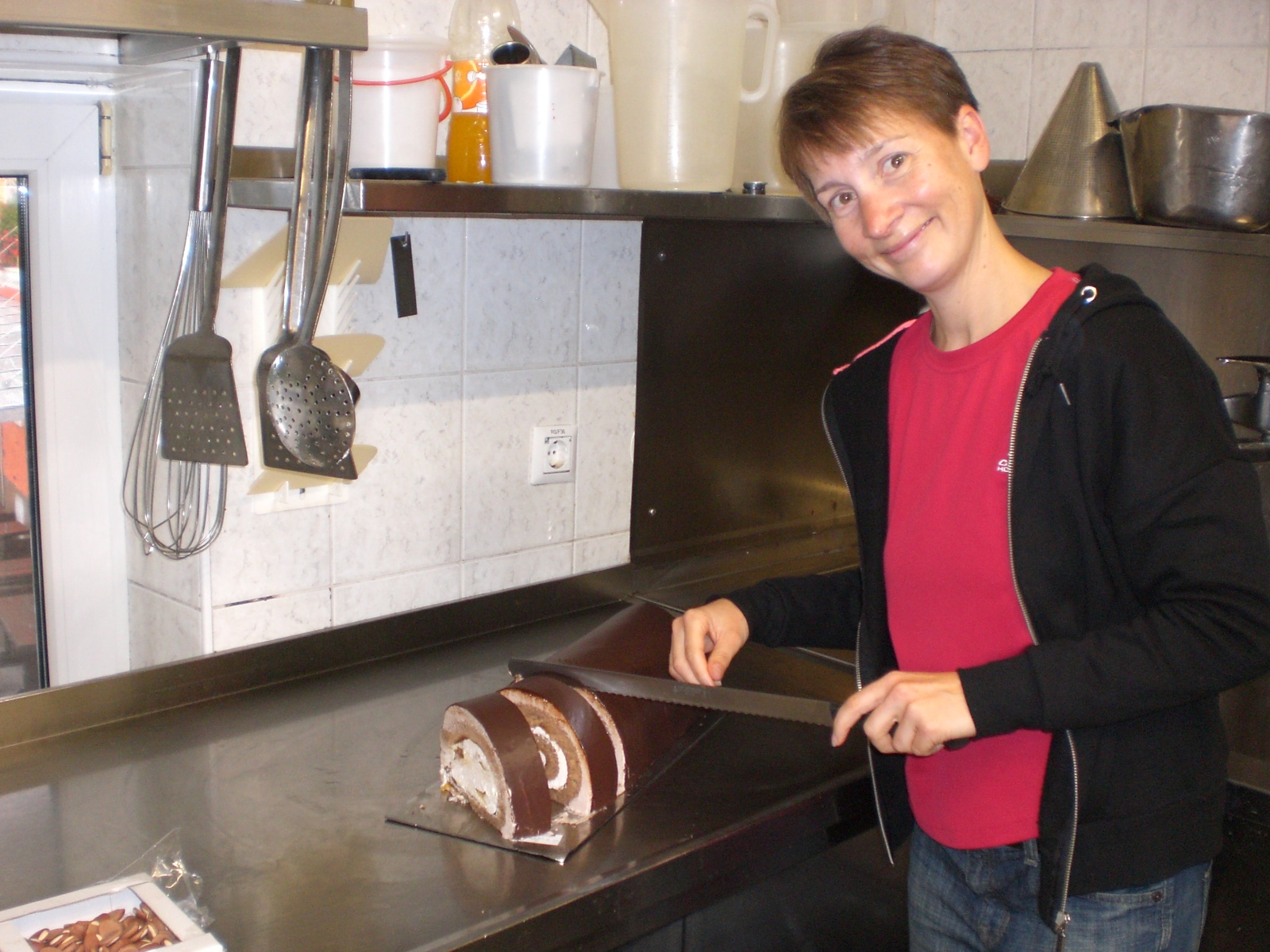
As you might expect, I’ve tried everything ‘sweet’ on offer and, in addition to the doughnuts, my personal favourites are the chestnut roulade and the gibanica – one piece of which is enough to feed a small army! I was even allowed to have a go at cutting and decorating a roulade, though, I think I’d better stick to eating them rather than icing them!

CIMG9849          CIMG9859

Trojane isn’t just about food though, just take a look at the views.

10446230_676072415861309_8997364148797348286_o

It’s also worth taking the time to explore the area surrounding the village and perhaps, as I did, work up an appetite for the inevitable indulgence to follow, by taking a walk on one of the surrounding hills or the forests of the picturesque Zasavje valley.

In the immediate vicinity of Gostilna Trojane, you can walk from Zavrh up to the viewing tower ‘Stolp na Rebri’  – also later written as ‘Stolp na Rebru’ – hmm, the wonders of the Slovene language!

CIMG9821

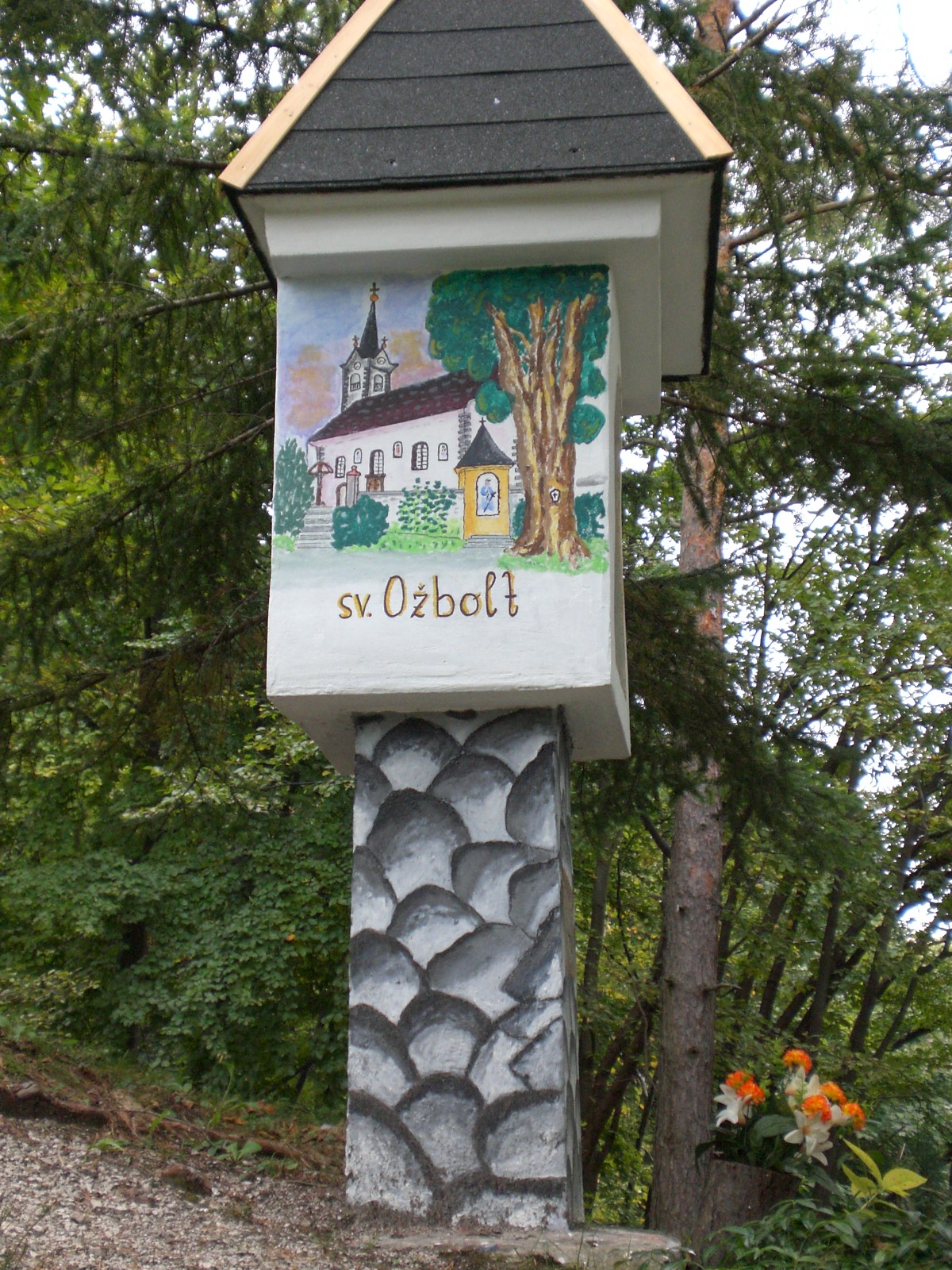
The path starts 200 metres or so from the restaurant complex at the sign for ‘Zavrh‘. You can park here or continue a little further up and park where the tarmac road ends and continue on foot up the gravel track. You first reach a shine to St. Ozbolt.

CIMG9812

The path then leads a little more steeply up through the forest taking approximately 45 minutes to climb to 878m where a wooden viewing tower is located.

CIMG9815

It’s worth climbing up to the top for views like this and in the knowledge delicious food awaits down there in the valley!

CIMG9817

Other popular destinations for a walk in the area is to Spilk, or to the Čemšeniška planina highland and the mountain hut Koča na Čemšeniški planini. These two are also now on my list of places to go – well, any excuse to visit Trojane!

Useful links:

Gostilna Trojane –

@AdeleinSlovenia 2015

The Rosary Bead Path (Rožnovenska pot)

Thank goodness that week is over. It was wet, wet, and, for good measure, a bit more wet! Even on Monday, which the forecasters said would be “sunny, so make the most of it as it will be the only dry day of the week”, it drizzled, and we were enshrouded in low cloud all day. Then the heavens opened and stayed open for 4 days – non stop. Rivers were swollen and, at least in my case, cabin-fever began to set in.

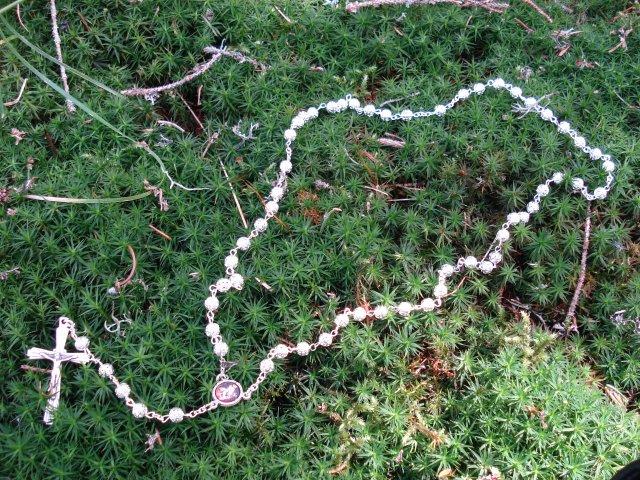
Fortunately, the weather redeemed itself somewhat at the weekend and we finally saw the sky and a few hours of much needed sunshine, which allowed for a jaunt out. Since many places were waterlogged I decided to investigate and walk part of the Rosary Bead Path (Rožnovenska pot) which I had stumbled upon during the summer and vowed to return to investigate further. The path, which leads to some of the key religious edifices and sights in the municipalities of Radovljica and Tržič, is shaped like a rosary bead, as seen below, hence the name.

phoca_thumb_l_004%20-%20Skriti%20zaklad

Although the path has religious connections – there are pilgrimage walks here a couple of times a year – it also takes in some great countryside and sacral architecture, so even those not interested in the religious side will enjoy walking some, or all, of the path.

The path officially begins in Brezje, at Slovenia’s national sanctuary, the Basilica of Mary Help of Christians. However, since its circular, you could actually begin it anywhere along the 12.2km route.

phoca_thumb_l_025%20-%20bazilika%20marija%20pomagaj

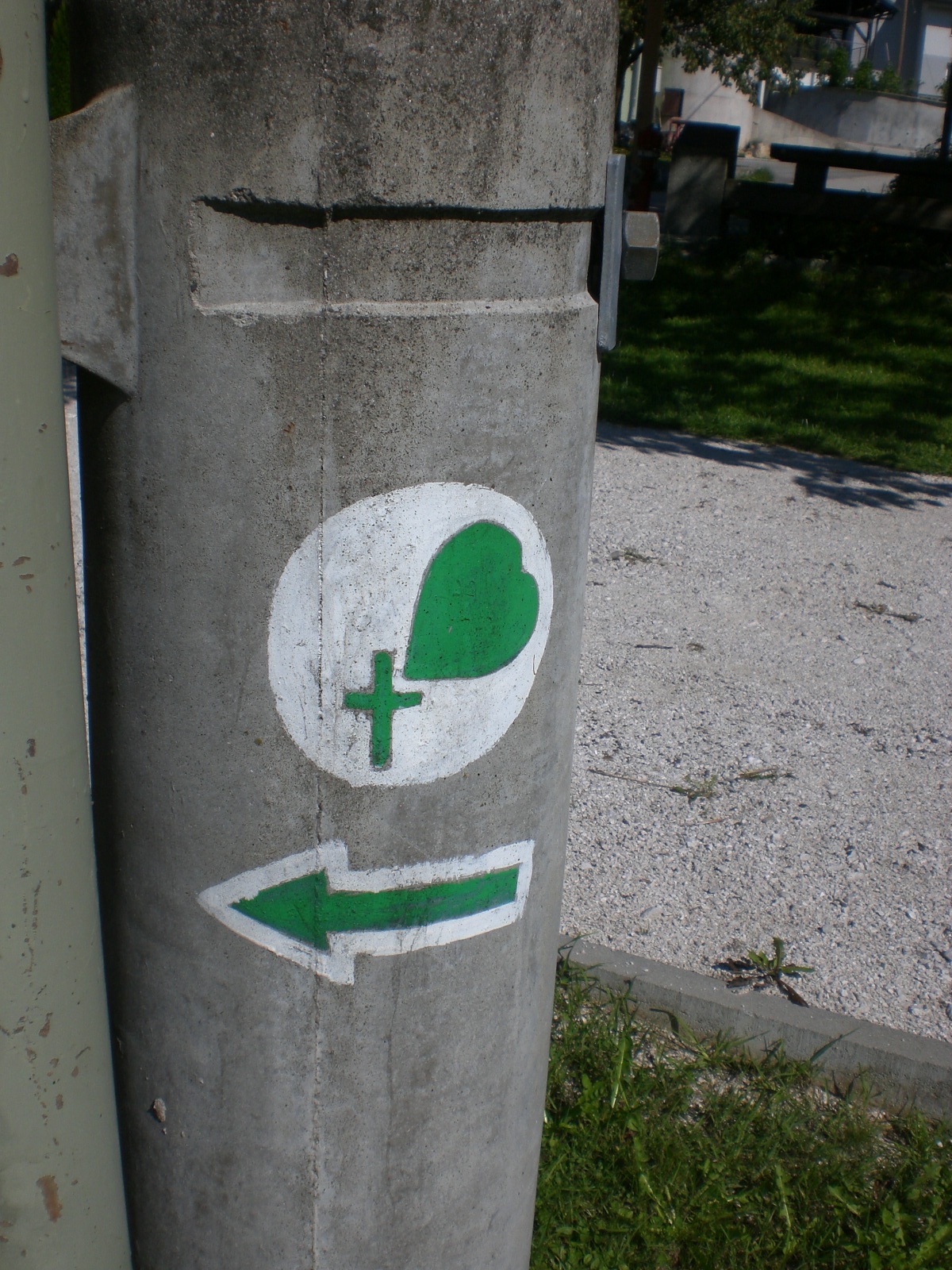
The path is split into five sections and marked with green way-markers as well as being equipped with information boards and newly installed stone markers showing additional information.

CIMG9727

phoca_thumb_l_023%20-%20Zadnja%20skrivnost%20pred%20razpotjem

The path links four churches – in Kovor, Brezje pri Tržiču, Leše and Brezje – and is very scenic throughout with views of the Karavanke mountains . The terrain is a mixture of fields, meadows, forest and short sections of (quiet) roads, There are also benches, toilets (I was more than astonished to see a new-looking wooden toilet block in the middle of the forest!) and two places where drinking water can be obtained. Those completing the whole route are also invited to sign in the walk record books which are found in the village of Hudo (number 12), and at the shrine in Brezje pri Tržiču. It was here, at number 42, that I met a very kind and friendly lady, who is one of those who maintains the path and who gave me a leaflet and told me more about the path, and is happy to offer advice or information to anyone passing en-route.

Useful Links:

Basilica of Mary Help of Christians – http://www.radolca.si/en/brezje-basilica/

Rosary Bead Path (Rožnovenska pot) – only available in Slovene OR http://www.radolca.si/roznovenska-pot-brezje/

© AdeleinSlovenia 2015

The Heart of Slovenia – Lukovica

The Heart of Slovenia comprises the towns of Lukovica, Litija, Kamnik, and the surrounding villages and countryside. I have been to Kamnik on several occasions but had never been to Lukovica or Litija. So, when I discovered there was going to be an Open Weekend in Lukovica, I decided it would be a good opportunity to visit, particularly as my parents were here on a visit from the UK and, unfortunately, the weather had taken a turn for the worse. In fact, however, despite the weather our day spent in Lukovica turned out to be one of the highlights of their week-long trip.

CIMG9640

The village of Brdo pri Lukovici

Our first port of call was the Slovenian Beekeeper’s Association Centre in Brdo pri Lukovici, where on a stroll along the Beekeeping Education Path visitors can get right up close to the 3 large beehives of the Lukovica, Grosuplje and Domžale beekeeping associations. The centre offers an expansive range of services for beekeepers, training and education, a restaurant, a shop, and also, upon prior arrangement, guided tours can be arranged.

CIMG9642

You can get right up close to the colourful beehives and watch the bees busy at work

Also in the same village are the remainders of the Renaissance Brdo Castle, also known as Kersnik Manor (Keršnikova graščina), after the influential Slovene writer, Janko Kersnik, who is buried here in the family vault. The castle was built at the beginning of the 16th century and was burnt down during the second World War. The walls and tower have been partly renovated.

CIMG9659

The remains of Brdo Castle with its renovated facade

After leaving the centre of Lukovica, and more by luck than judgement, we happened upon Dvorec Rus, in the village of Šentvid pri Lukovici, which was also holding an open-day. Wow, what a goldmine this place is, and such a revelation. From the outside it looks like a fairly ordinary building, however, inside it’s a real treasure trove of historical museum items, a gallery, a wedding hall, and more. The history of the building dates back to 1710 and through the years it has had many different owners and functions, most recently and until just a few years ago, it was a restaurant. These days its maintained by an enthusiastic group of volunteers who organise occasional concerts, workshops, theatre productions etc. We were welcomed like old friends, shown around, and then sat around the fire (yes, it was August, but it was cold!) and enjoyed the hospitality and array of home-produced treats that were on offer.

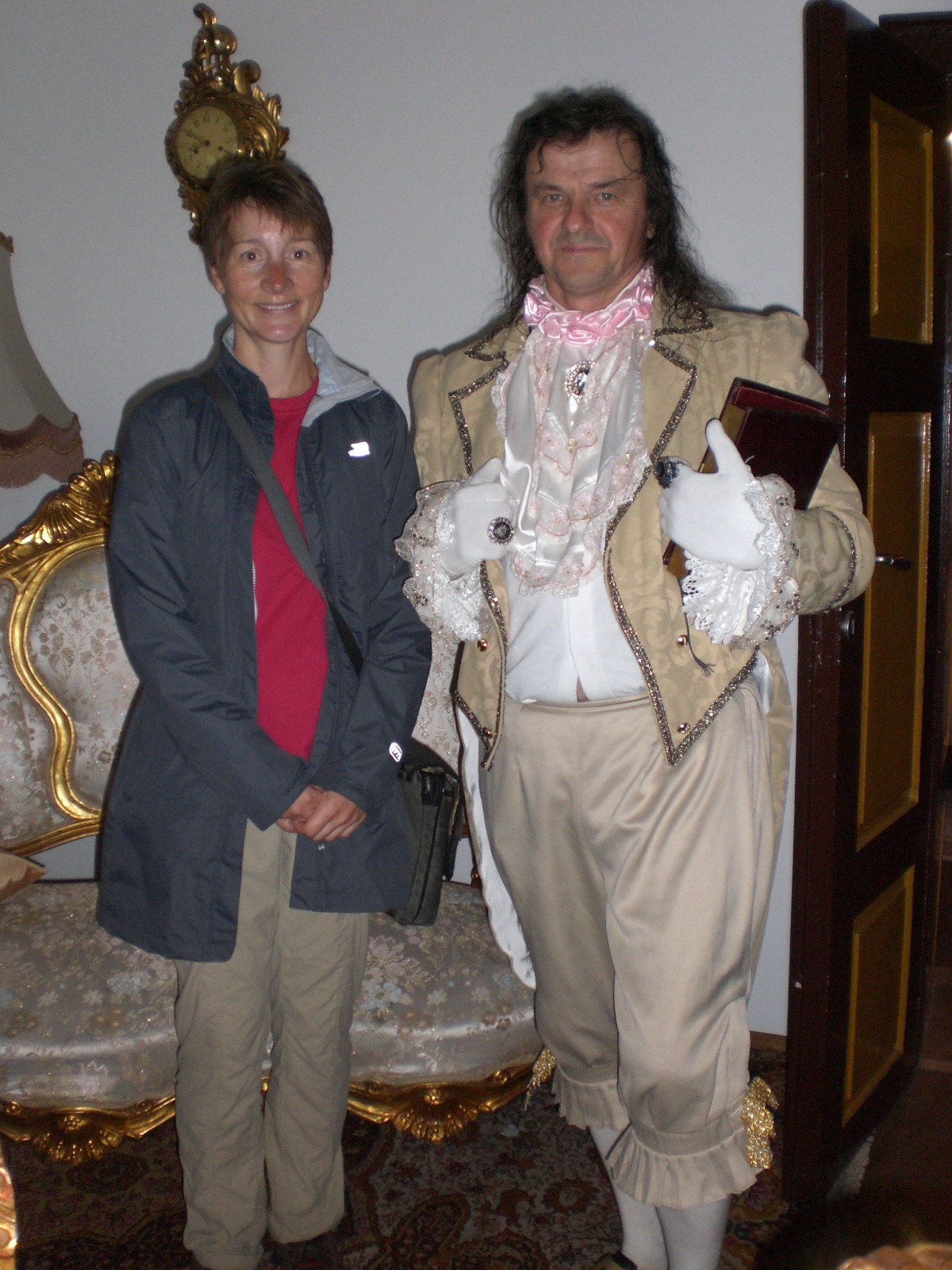
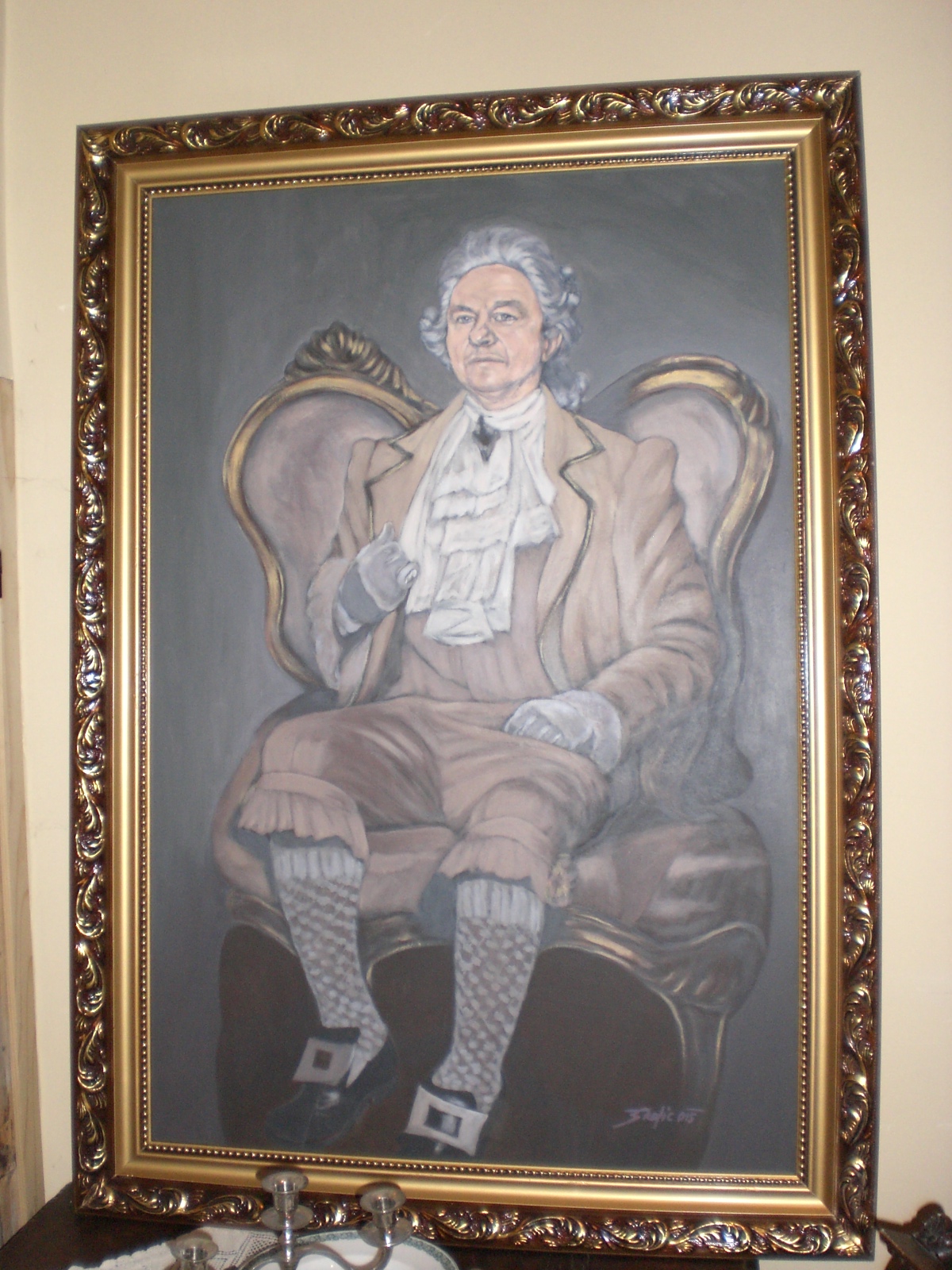
Here is me with the current owner, who looks remarkably similar to the house’s original owner, as seen in the 2nd photo below!

CIMG9688

Me with the current owner of Dvorec Rus!

CIMG9677

The original owner of Dvorec Rus. Spot the similarity to the photo above?

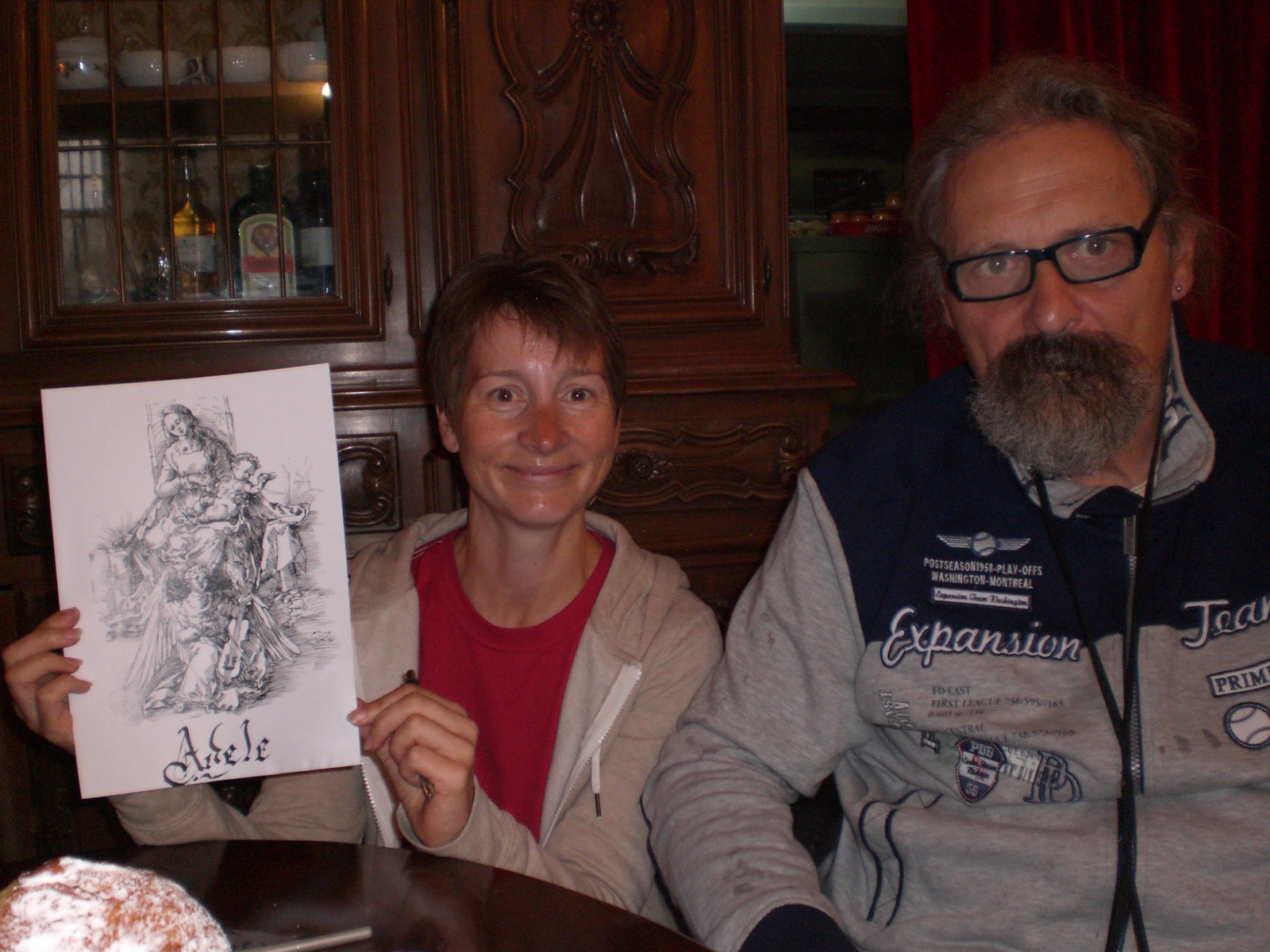
I also had the opportunity to meet the renowned Slovene castle writer, calligraphist and artist, Stane Osolnik, who drew this wonderful picture for me. I felt truly honoured.

CIMG9689

Stane Osolnik drew this beautiful picture for me

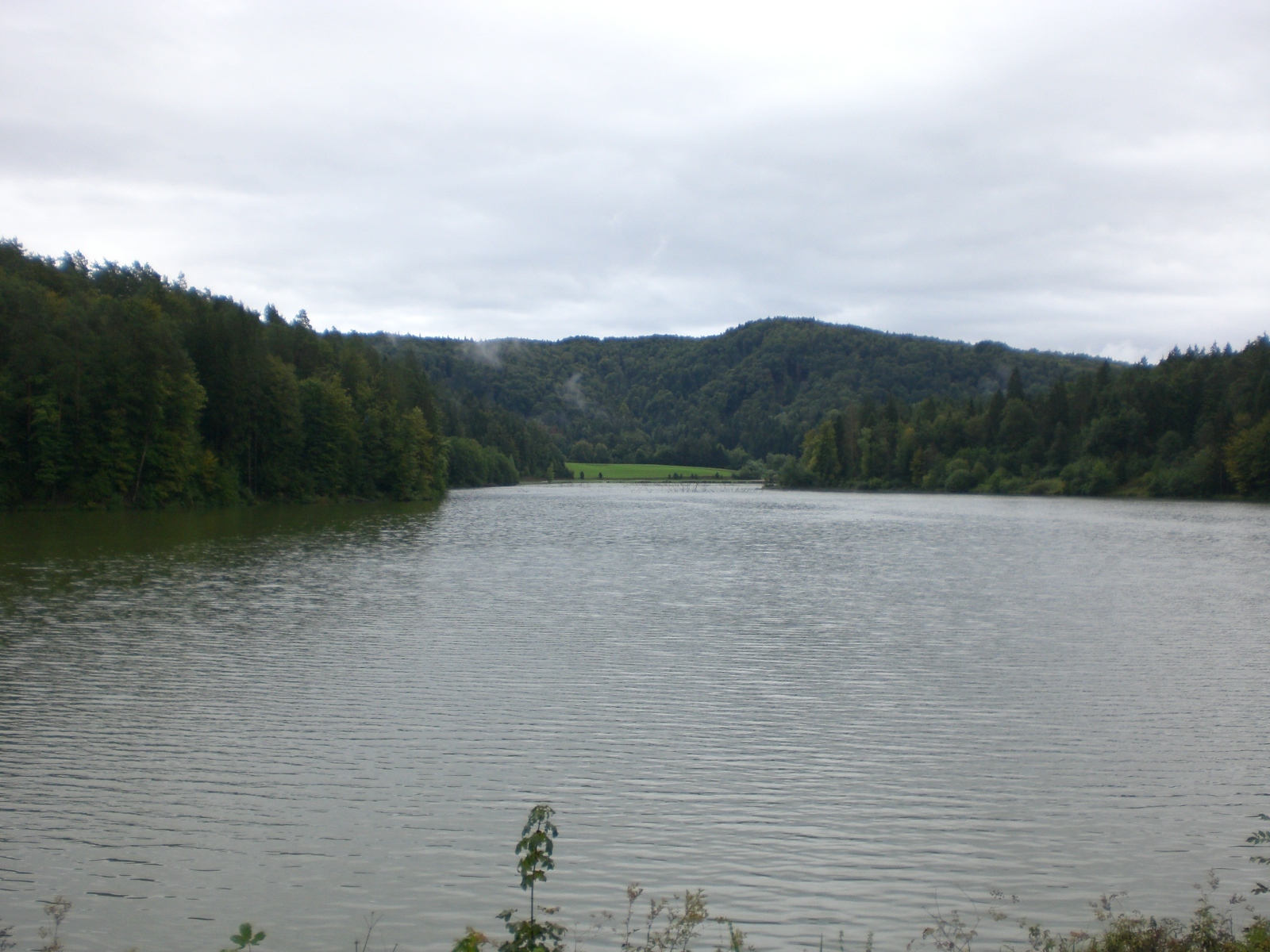
By now the rain had eased and we were able to continue a further few kilometres onwards to the artificially built Lake Gradišče (Gradiško jezero), where we walked the 4-km path around the lake. The lake was built to prevent flooding following the building of the motorway and these days its a popular recreational and picnic spot

CIMG9690

Lake Gradisce was built to prevent flooding after the motorway was built.

To see more of Lukovica, including some of the places I mentioned above, you can watch this newly produced video – https://www.youtube.com/watch?v=rGCvIeNDbFg

You will note the title of this blog ‘Part One’, since I’m certainly not done with exploring the Heart of Slovenia, so watch this space for more!

More information:

Beekeepers Association of Slovenia (in Slovene) – http://www.czs.si/

The Heart of Slovenia Tourism – http://www.heartofslovenia.com/en/tourism

Grajska gostilnica – A New Era

In late spring this year the restaurant Grajska gostilnica in Radovljica was given a new lease of life when it was taken over by Borut Salmič, who previously worked as Head Chef at several prestigious restaurants in the Gorenjska region, including Lambergh Chateau and Hotel.

It’s great to have a new (albeit old) restaurant in the centre of Radovljica, with a view over the town park. It offers top-quality food at affordable prices – classic Slovene dishes as well as more modern cuisine ‘ all with an added twist from Borut.

I have visited quite a few times in the past couple of months and have been working my way through the menu. In addition to the main menu, there is a snack menudaily lunch specials and a wine cellar where special events can be held.

Starters include cold-cut boards and soups.

CIMG8842

Main courses include steaks, pasta, risottos, fish, salad plates and more.

CIMG8843

And my personal favourite, stuffed dough parcels (kruhki), served on a board with dips:

CIMG9709

Home-made desserts are a particularly speciality, and for someone like me with a very sweet tooth they are heavenly.

CIMG8846

Grajska gostilnica will be (re)joining the other Taste Radol’ca restaurants, and preparations are well-underway for this year’s opening event next month. More on that soon – watch this space!

More information about Grajska gostilnica can be found here – http://en.grajska-gostilnica.si/home.html

These days I spend quite a significant amount of time scouring the internet and other media to find out what events are going on in the local, and wider, area and have discovered that next weekend, 18 – 20 September, there is an awful lot going on. In fact, almost too much!

It’s a shame as, inevitably, with so many things going on, it will be impossible to get to all of them. Should any of the event organisers happen to be reading this, perhaps for the future it would be worth considering some kind of co-ordination ‘date-wise’ as it would mean higher attendance numbers at events and more opportunities for us i.e. Joe Public’ to attend them, since this past weekend, there were no such events.

Anyway, that’s just my two-pennies worth, though, I suppose its better to have too many events than not enough! So, here are just some of the larger events taking place next weekend. Now I must just decide which to attend!

Sevnica: So Much to see and Do!

One of the aims of my blog is to draw attention to lesser-known areas of Slovenia, or at least those that are lesser-known to those visiting Slovenia from abroad. Places that, on first glance, you, and indeed I, might not give a second glance and by doing so I myself have discovered, and am still doing so, so many wonderful parts of the country that are ripe for exploring.

This time it’s Sevnica in the southeast of Slovenia in the Posavje region which is the country’s most forested areas – 68%, has two wine roads and is one of the main wine growing regions in Slovenia, and has numerous beautiful castles and churches and other sights of interest.

CIMG9556

The new town of Sevnica was developed with the building of the railway line and is the main residential and shopping area and is on the main line from Ljubljana so even for those without their own transport it’s easy enough to visit. The town’s star attraction is undoubtedly Sevnica Castle, set on top of a small hill above the old town centre. It’s worth taking a tour of the castle as it contains much of interest including the Castle Puppet Theatre, Wine Cellar, Baroque Salon, School Museum and several galleries and exhibitions, and the Castle Café, the terraces of which offer fabulous views.

CIMG9557          CIMG9575

CIMG9568

Sevnica is the starting point of the Bizeljsko-Sremiška wine road, as well as being on the Gornjedolenjska wine road, hence the whole area is awash with rolling green hills, vineyards and beautiful vistas. Tourist farms and vineyard cottages, called zidanice, are popular options for sampling some of the local wine and food, and also provide accommodation, so you can enjoy more than just a taste!

CIMG9583

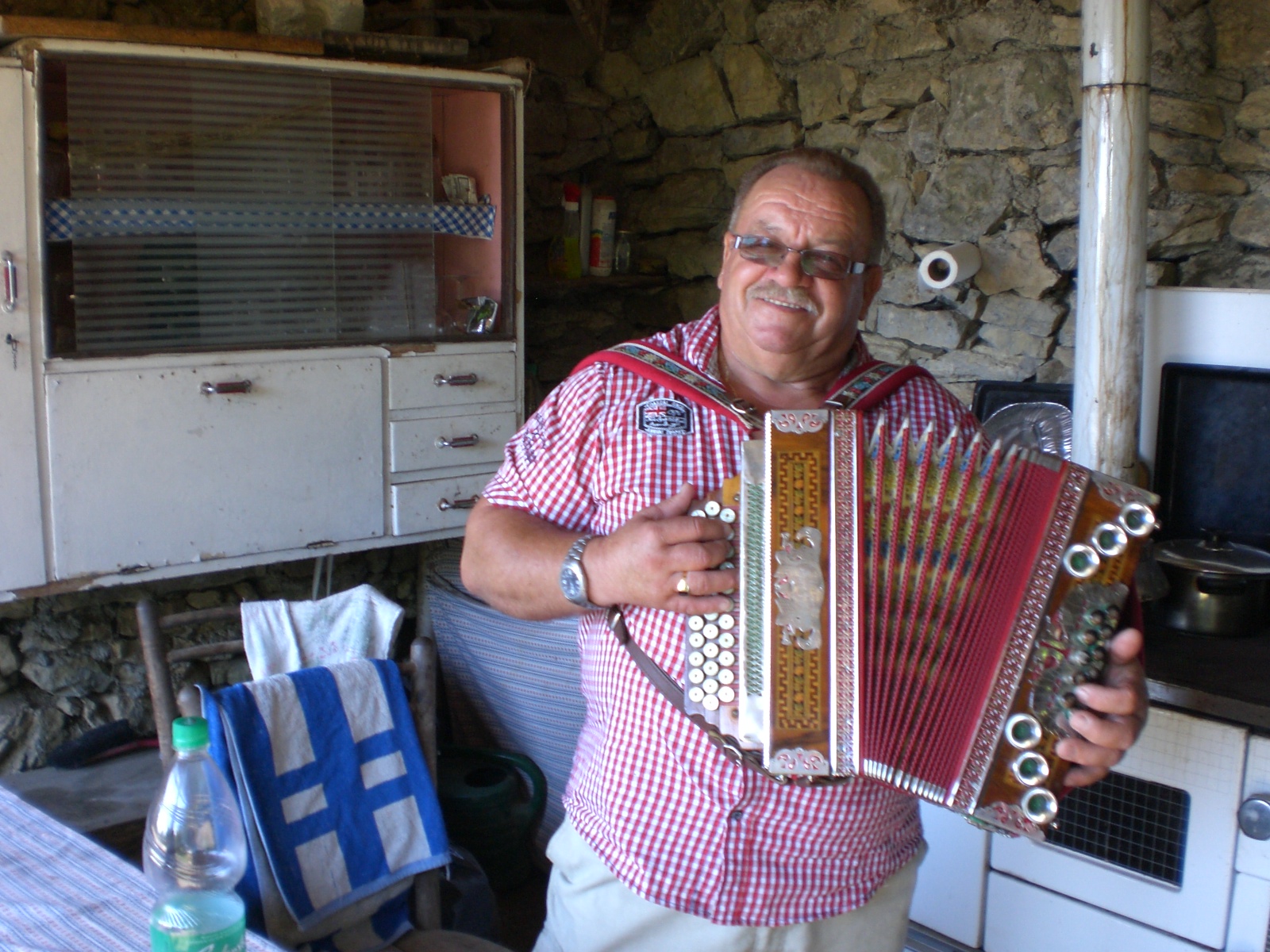
I timed my visit to coincide with the Sevnica Mountain Marathon (Sevniški planinski maraton) which was organised for the first time this year to mark the 110th year of the Sevnica Mountain Association. The marathon takes place along the Sevnica Mountain Route (Sevniška planinska pot) which can also be walked independently as it is very well-marked throughout. The day of the marathon was a sweltering 33 degrees but fortunately much of the route is through the forest which provided welcome shade. The event was very well run and I have nothing but praise for the organisers. There were a choice of 6 routes ranging from 6km to 67km. Surprisingly, the most popular route was the longest one, I hasten to add that I didn’t opt for that one! I instead chose the 30km Ajdovska route which covered a total of just under 8,000 metres of incline and just over 8,000 of decline. Along the way there were water, feed stations and we were even greeted at one stop by accordion music.

149476

CIMG9592

The route passed the Ajdovski gradec Archaelogical Park, where a short guided tour was available, and later ascended to the peak of Lisca, home to the very popular Tončkov dom mountain hut where a hearty dish of goulash was on offer for hikers. The site was discovered by locals in 1811 when a Roman tombstone and sarcophagus was found and later more detailed excavations took place. Today the remains of the foundations of a late Roman or early Christian settlement from the 5th or 6th century can be seen.

CIMG9589

CIMG9597

The Sava River runs through the heart of Sevnica and acts as a border between the regions of Dolenjska and Štajerska. It is popular with anglers as due to the slow flow of the river there is an unusually high number and variety of fish in this part of the river and access to the river is also easy here due to well-maintained paths. it is also here that the Sava rivers makes its biggest bend as it heads onwards towards Croatia. Beside the river there are a group of stones, which form a Geopuncture Circle, created by the distinguished author Marko Pogačnik.

CIMG9534

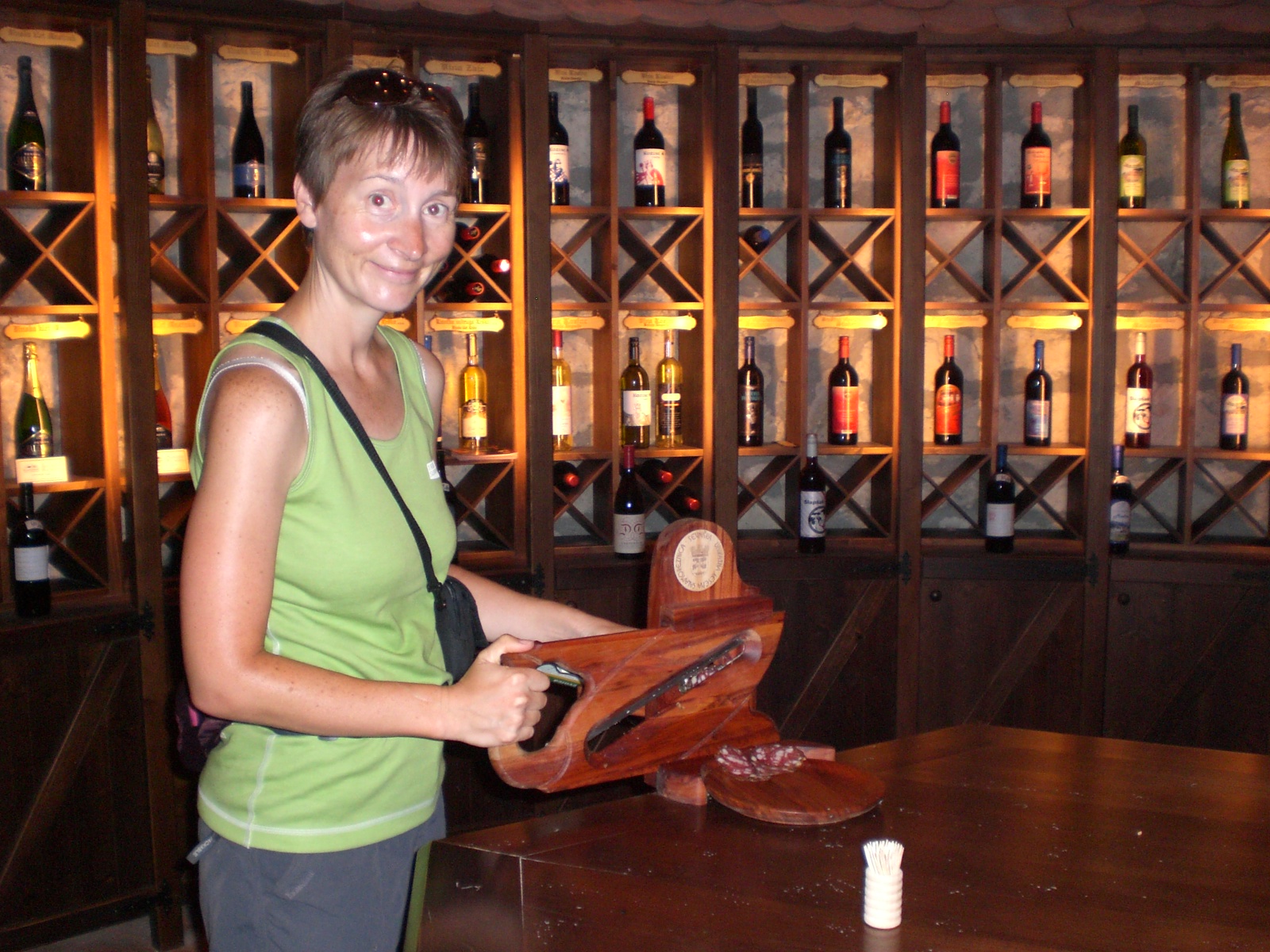
Another speciality in Sevnica is the annual Salamijada (Salami Festival) which has been running for over 50 years and takes places at the popular restaurant Gostilna Vrtošek in the old town.  During my tour of Sevnica Castle I also had a chance to sample some of the delicious local salami (and that comes from someone who doesn’t even usually like salami!) produced by the Grajske mesnine butchers, who also produced other local specialities available at the town’s Farm Co-operative (Kmetijska zadruga).

CIMG9573

So, as you can see, there’s plenty to see and do in Sevnica. Way too much for just one blog! Information about all the above, and more, can be found on the very comprehensive Tourism Sevnica website – see below.

Useful links:

Tourism Sevnica – http://www.dozivljaj.si/

Sevniska planinska pot – http://www.pd-lisca.si/sevniska-planinska-pot.html

Fishing on the Sava River – Sevnica – http://www.ribiskekarte.si/en/rd-sevnica/sava-18

© AdeleinSlovenia 2015

Food, Glorious Slovene Food!

In the 8+ years I’ve been living in Slovenia the food scene has certainly come on in leaps and bounds. There’s still plenty of the traditional Slovene food which we all (including me) love, but there is also no shortage of variety with a plethora of international restaurants opening, particularly in the capital Ljubljana which is now right up there with other capital cities in terms of its variety of restaurants serving food from across the world.

Just last week there was an article published in the local media (in English) entitled ‘Top 10 delicious Slovenian dishes’ which you can read here – http://www.rtvslo.si/news-in-english/top-10-delicious-slovenian-dishes/372078

Many places, including Radovljica where I live, have also begun initiatives such as Taste Radol’ca whereby local restaurants unite to arrange special events and offer dedicated menus using local produce. More information here – http://www.radolca.si/en/taste-radolca/
11659555_471681756332506_3179824717989752957_n

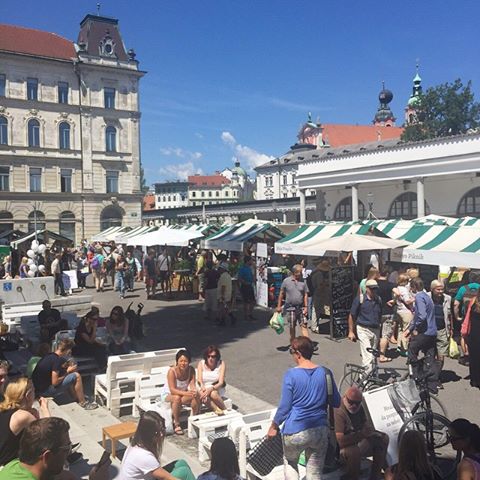
There are also some great food events taking place such throughout the country, particularly the weekly ‘Odprta Kuhinja’ (Open Kitchen) street food market, which this year has also been successfully expanded to Celje and Koper. This is a hugely popular event with both locals and tourists and allows visitors to try out all kinds of different foods, with restaurants taking part on a rotational basis so there’s always something new on offer. More information here – http://www.odprtakuhna.si/

Odprta kuhna

Despite living less than 45 minutes away, I don’t find myself often in Ljubljana, and when I do its for work and I’m usually in a rush and am left wishing I had more time to look around and have a chance to try out some of the goodies on offer. So, I decided to address this and, having read so much about her and her Food Walks, I contacted Iva Gruden, founder of Ljubljananjam Food Walks. What Iva doesn’t know about food in Ljubljana isn’t worth knowing!

A Ljubljananjam Food Walk offers the chance to take a walk around the city to see some of the great sights near the Ljubljanica river and Ljubljana Castle, and also a little further afield, and enjoy some of the best food and drink the city has to offer too.

CIMG9500

The philosophy of Eva’s Food Walks is based around showing the best local producers, restaurants, pubs, cafes – those offering something slightly different from the normal Slovene fare, or Slovene food ‘with a twist’. The Food Walks cater for small groups and can therefore be entirely personalised to your and your group’s wishes.

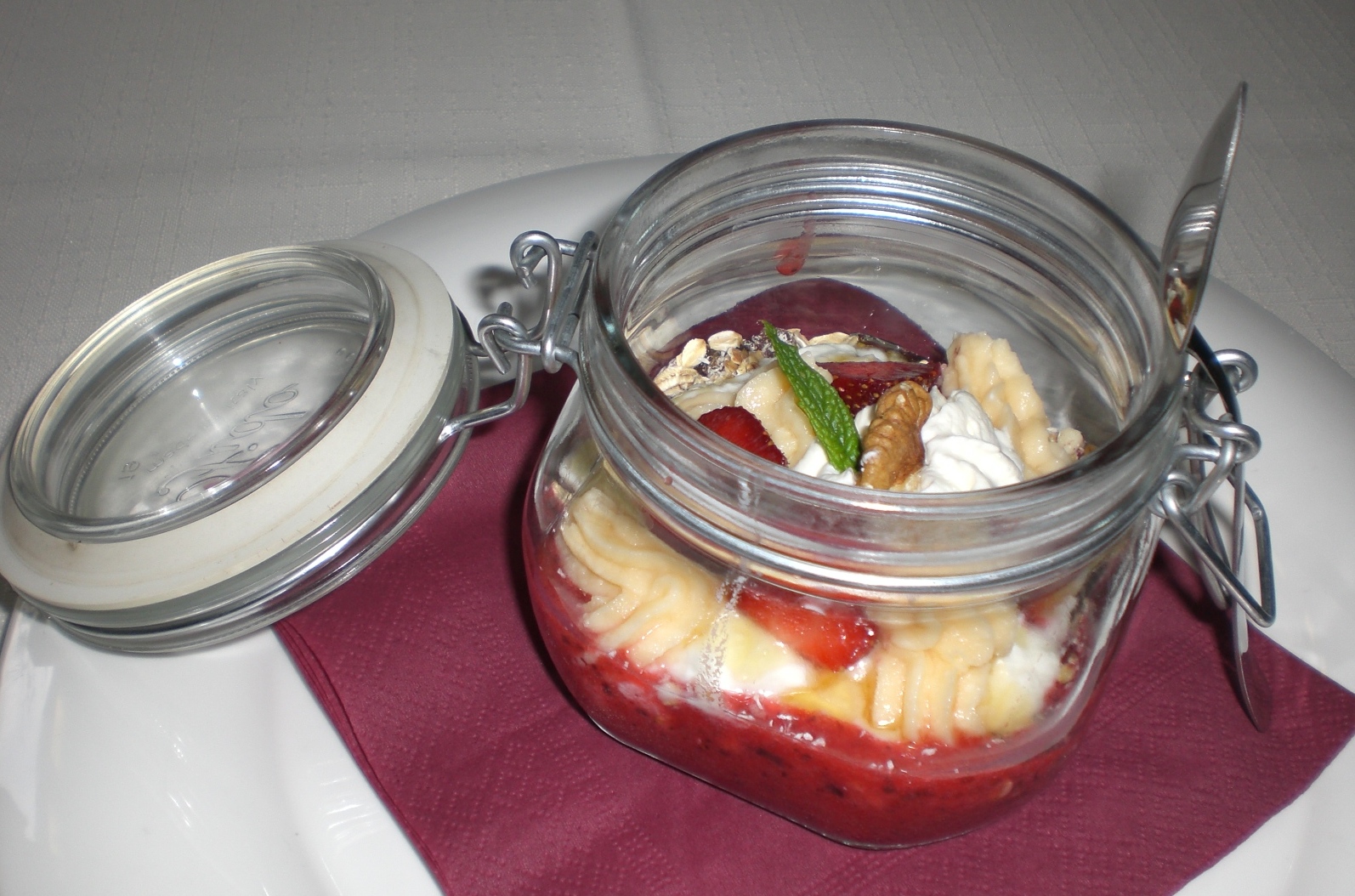
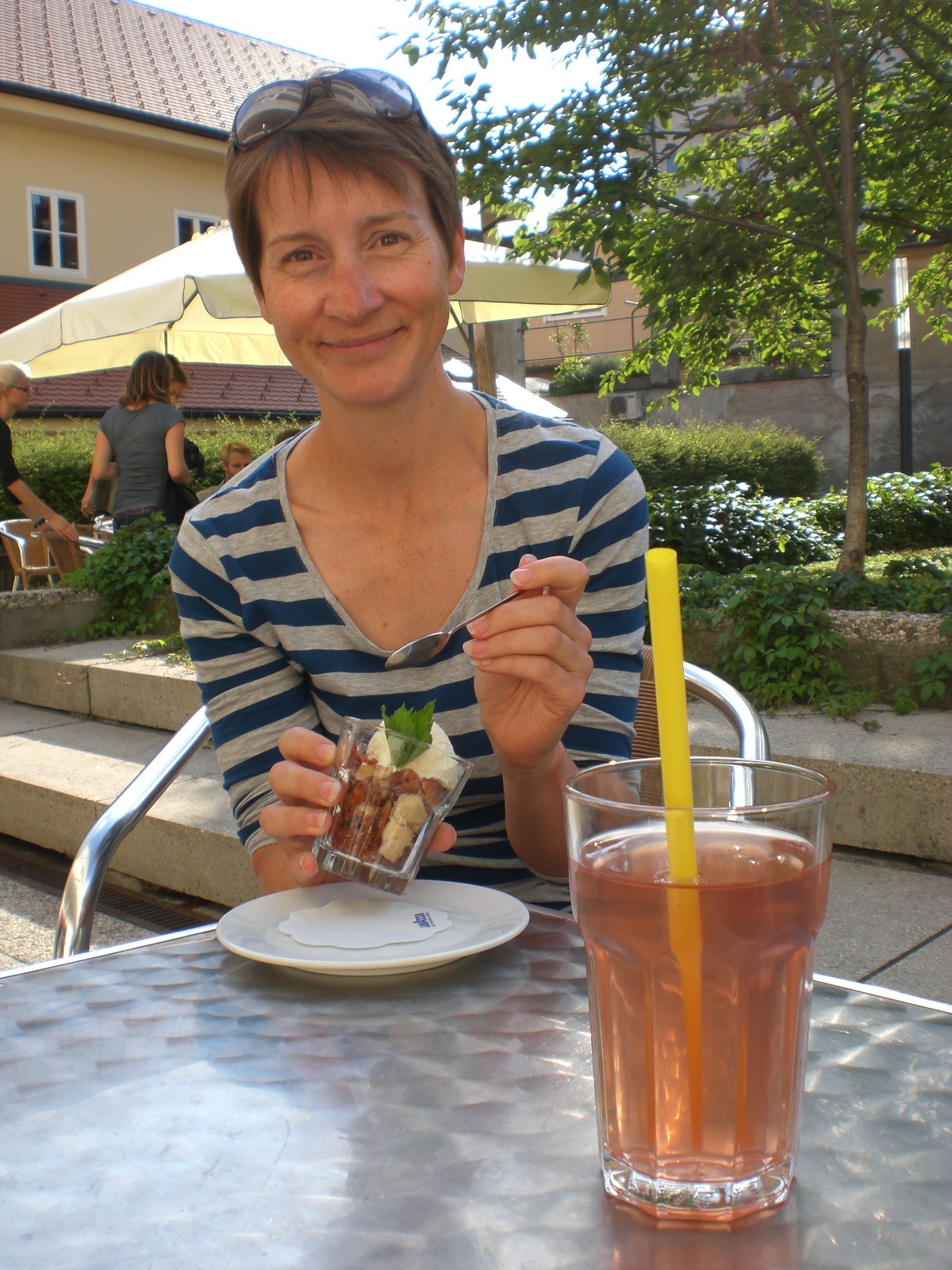
One such example is the deconstructed apple strudel I enjoyed on the walk. Strudel is found pretty much everywhere throughout the country, so finding a new way to serve it is refreshing. Savouring it in a small Italian restaurant, just metres from the main tourist area in a peaceful courtyard, which I would never have otherwise known about, made it all the more enjoyable.

CIMG9513        CIMG9517

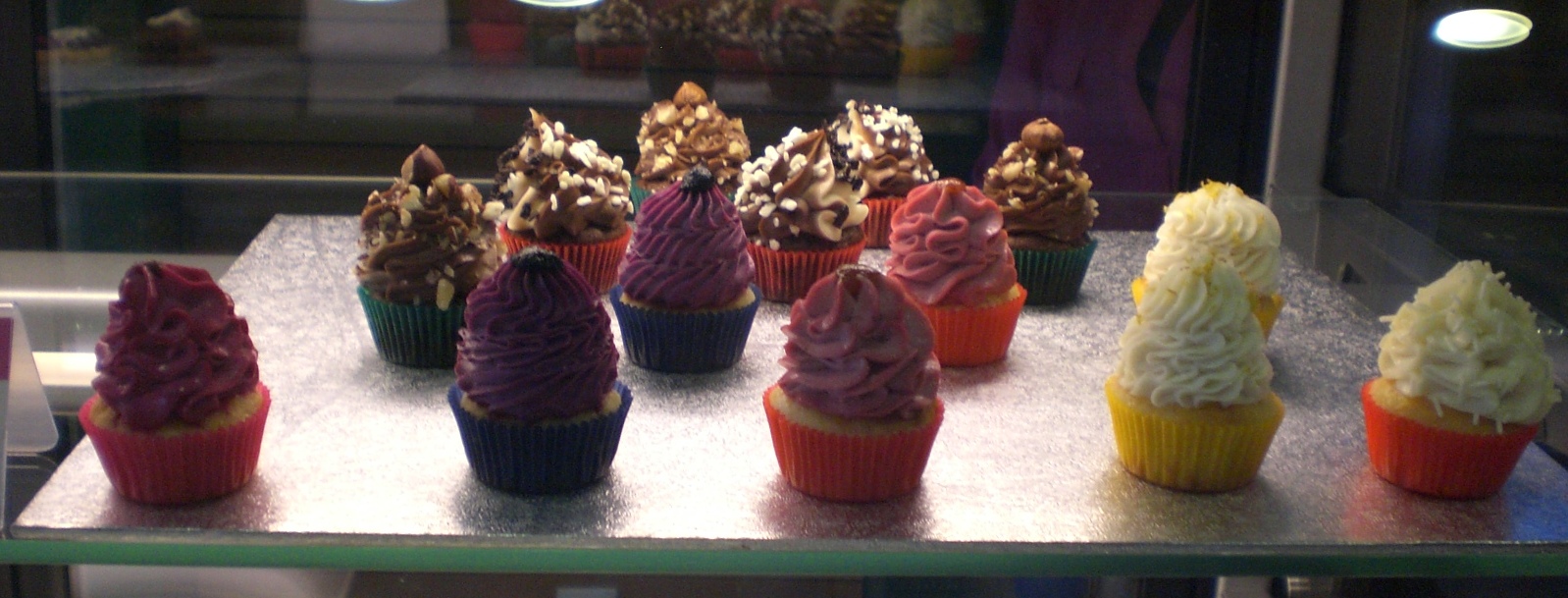
I also had a chance to sample delicious cupcakes and jams, bought some bread from a small craft bakery, where the bread is a million miles from that sold in supermarkets, and sampled some craft beer.

CIMG9524

For more information about Iva’s Food Walks visit her great website which labels itself as Ljubljana Foodies’ Hub and also has a complete listing of all things ‘foodie’ happening in the capital – http://www.ljubljananjam.si/

© AdeleinSlovenia 2015