Solkan – The World’s Largest Stone Arch Bridge – and more!

Solkan, which is just minutes from the city of Nova Gorica, is most known for its 85 metre-long stone railway bridge which claims to have the largest stone arch in the world. It was completed in 1905 but during the Sixth Battle of the Soča Front in 1916, it was blown up by the Austro-Hungary Army so that the Italians couldn’t seize it. Later, after the Treaty of Rapallo, when the territory was occupied by Italians, the stone arch was reconstructed.

CIMG9085

There’s also so much more to see and do in the area, as I found out during my recent 2 day visit. I stayed at Hotel Sabotin, a 3-star hotel which is well located for seeing all the sights of Nova gorica and Solkan, and has air-conditioning and a good restaurant.

Almost adjacent to the railway bridge which runs over the stunning emerald green Soča river, the road bridge is a popular place for kayaking and bungee jumping. In fact, whilst I was there there were some brave/fool hardy/adrenaline junkies (delete as appropriate!) leaping off the bridge into the abyss below. Unfortunately, I wasn’t quick enough with my camera to snap it but, to get the gist, here’s a picture of what lies beneath!

CIMG9072

As ever, I prefer to explore an area by getting up above it to enjoy the best views and nature and Solkan has two great options right on its doorstop.

The first is Sveta gora (Holy Mountain) and the Basilica of the Assumption of Mary which is a popular pilgrimage site and also part of the extended Slovenian Mountain Transversal, however, you can also drive up if you don’t fancy the walk. There are numerous paths, many of which lead through First World War bunkers, so if pitch black tunnels aren’t your thing, then choose your route wisely! I chose a route which included bunkers but, in all honesty, after the first, relatively short one, I chickened out of the second 260m-long one and instead took the path around it. Although the sight is impressive up close, and offers panoramic views, you can’t actually get a feel for its sheer size from up close and, for me, the best view of Sveta gora came from the second hike I did that same day, to Sabotin.

CIMG9070

Looking at Sveta gora from Sabotin

Mount Sabotin is full of interesting sights and sites. It is where the Alps, the Dinaric Karst and the Mediterranean meet. The ruins of the former St. Valentine’s Church and the entire area has been proclaimed a cross-border Park of Peace. I chose the southern route up, which is easier than the northern approach. You can also go further along the ridge and visit the Dom na Sabotin hut (609m) for refreshments, which formerly served as a frontier barrack of the Yugoslav National Army, and where you can also see exhibits from the First and Second World Wars.

CIMG9058

Whilst in the area I also took time to visit the city of Nova Gorica which lies directly on the border with the Italian city of Gorizia (Gorica). The railway line forms the border between the two countries and when you emerge from the railway station you could be forgiven for not knowing which country you are actually in. In fact, the few metres directly in front of the railway station, in Trg Europe (Europe Square) are, these days, jointly shared between the two countries and was named in remembrance of Slovenia’s accession to the EU in May 2004.
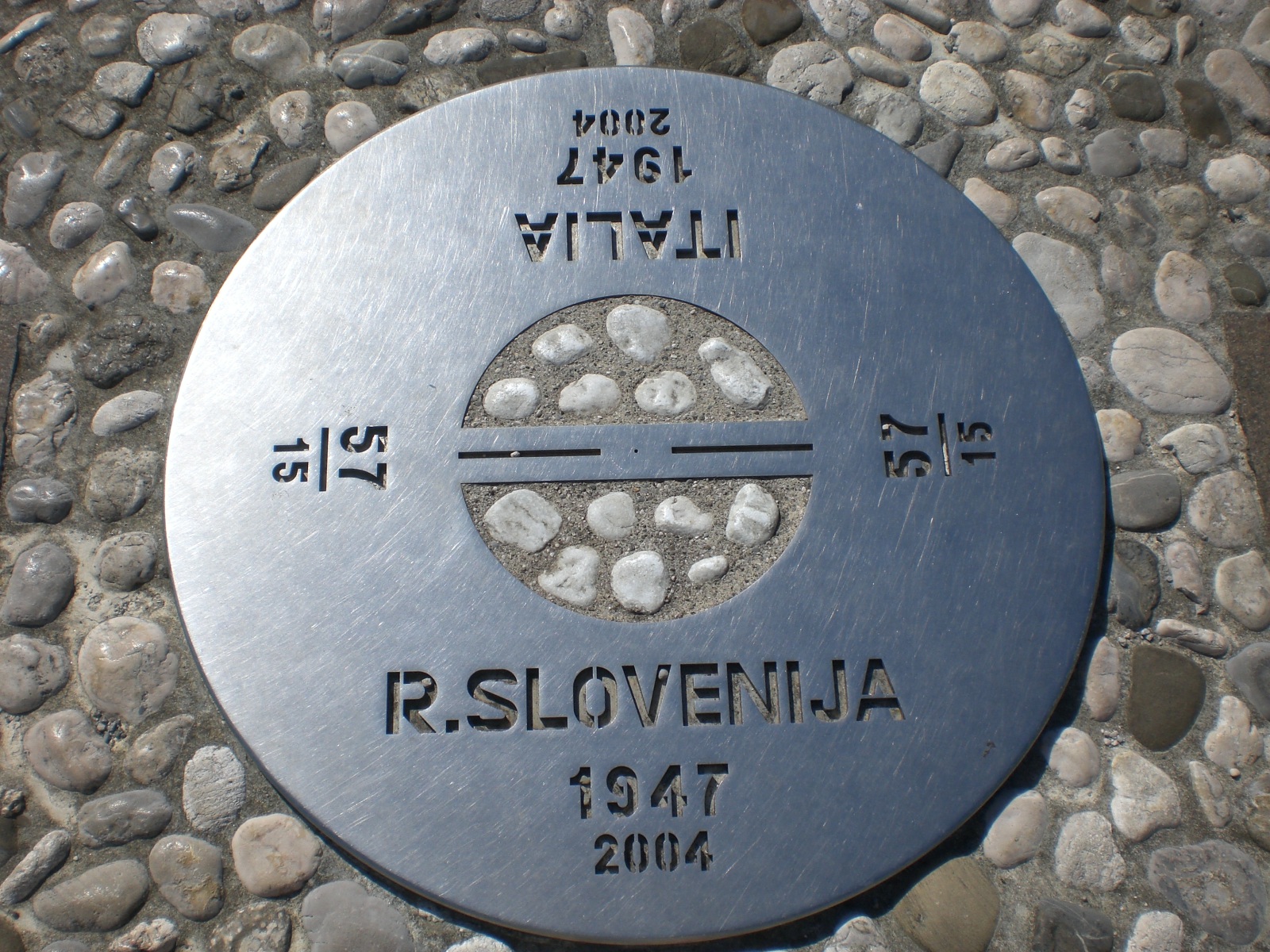
CIMG9048

In the past, however, it was all very different. A (very) brief history; From 1500 until the First World War, Gorica belonged to the Hapsburg. During the First World War local people had to flee as refugees due to the conflicts between the Austro-Hungarian Monarchy and Italy. On their return there was a new state: Italy. After the Second World War a new state border was created between Italy and Yugoslavia, which led to the growth of new Gorica – Nova Gorica.

These days Nova gorica is probably best known for its many casinos. However, there city also has many sights of interest, too numerous to list here, but below are some of the main ones.

The railway station, which is the oldest public building in the city and began operating in 1906, and also houses the Kolodvor Museum Collection.
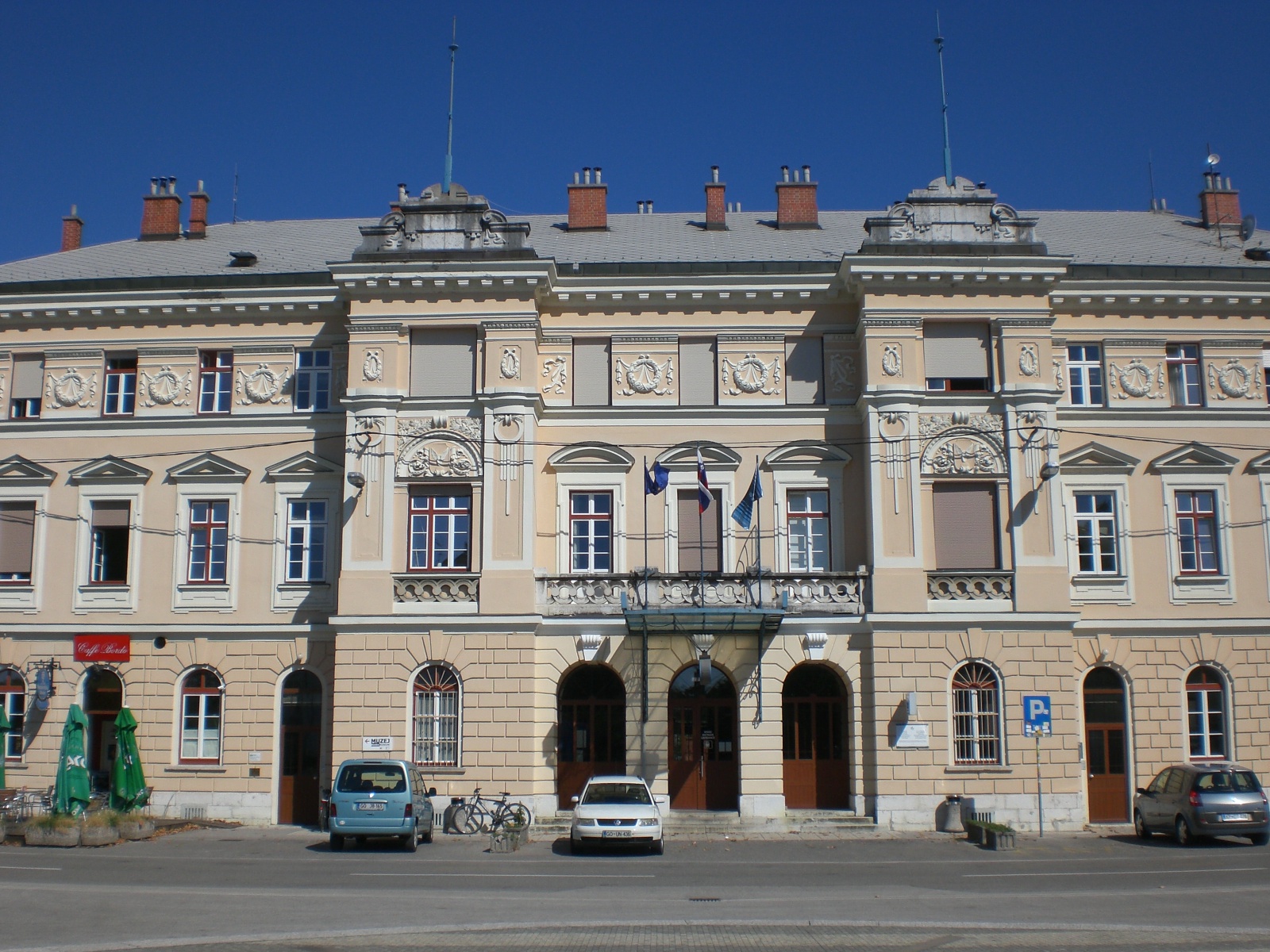
CIMG9046

The roof of a tunnel for pedestrians and cyclists is entirely covered in plastic daisies created by Jure Poša. The city has many green areas, squares, and statues. In fact, there is an entire street lined with busts and statues (Erjaceva ulica) – The Alley of Remembrance.

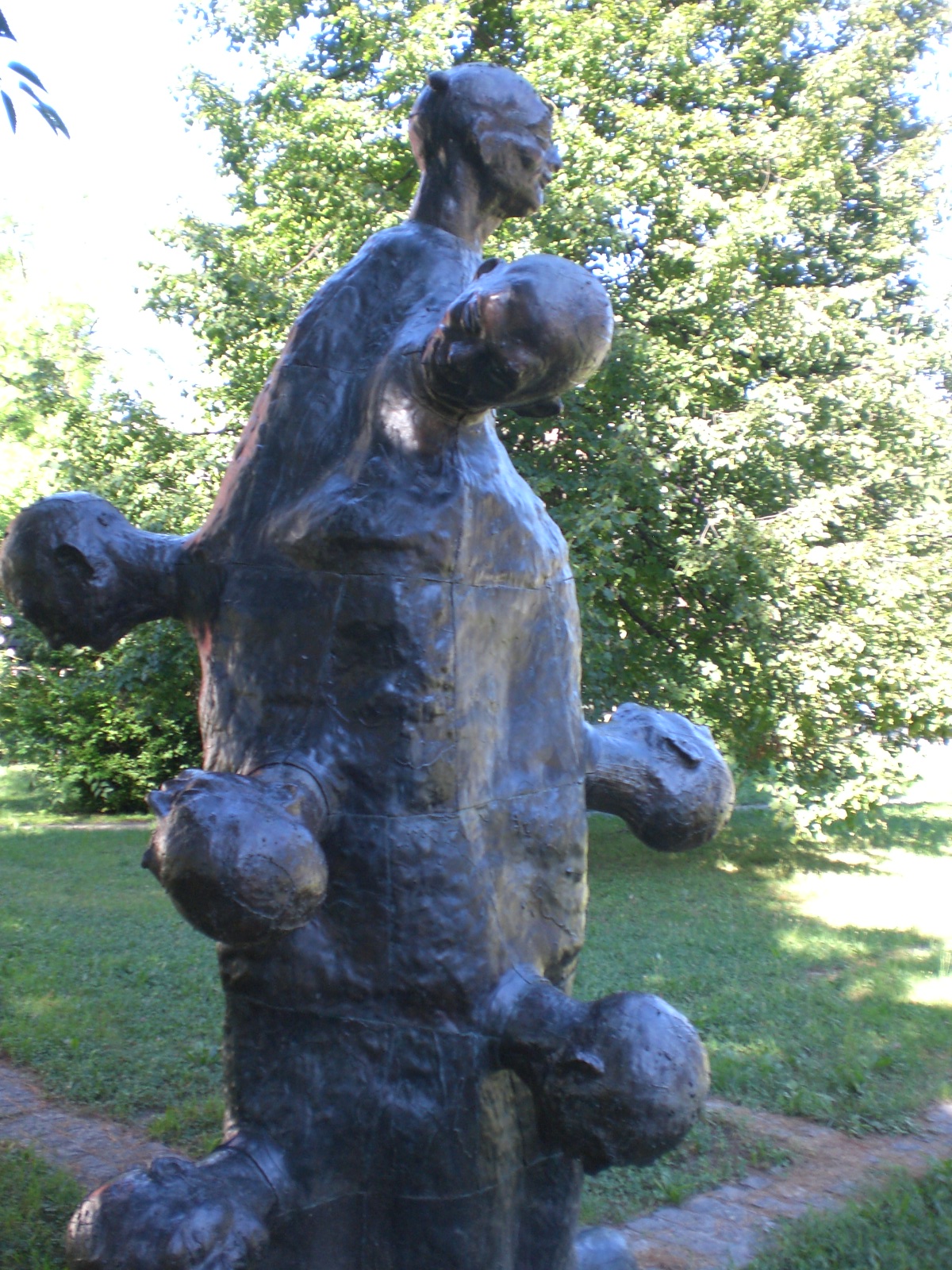
CIMG9044                     CIMG9051

The Church of the Annunciation of Mary and the adjoining Franciscan Kostanjevica monastery stand on a small hill between Gorica and Nova Gorica on the Slovenian side of the Slovenian-Italian border.
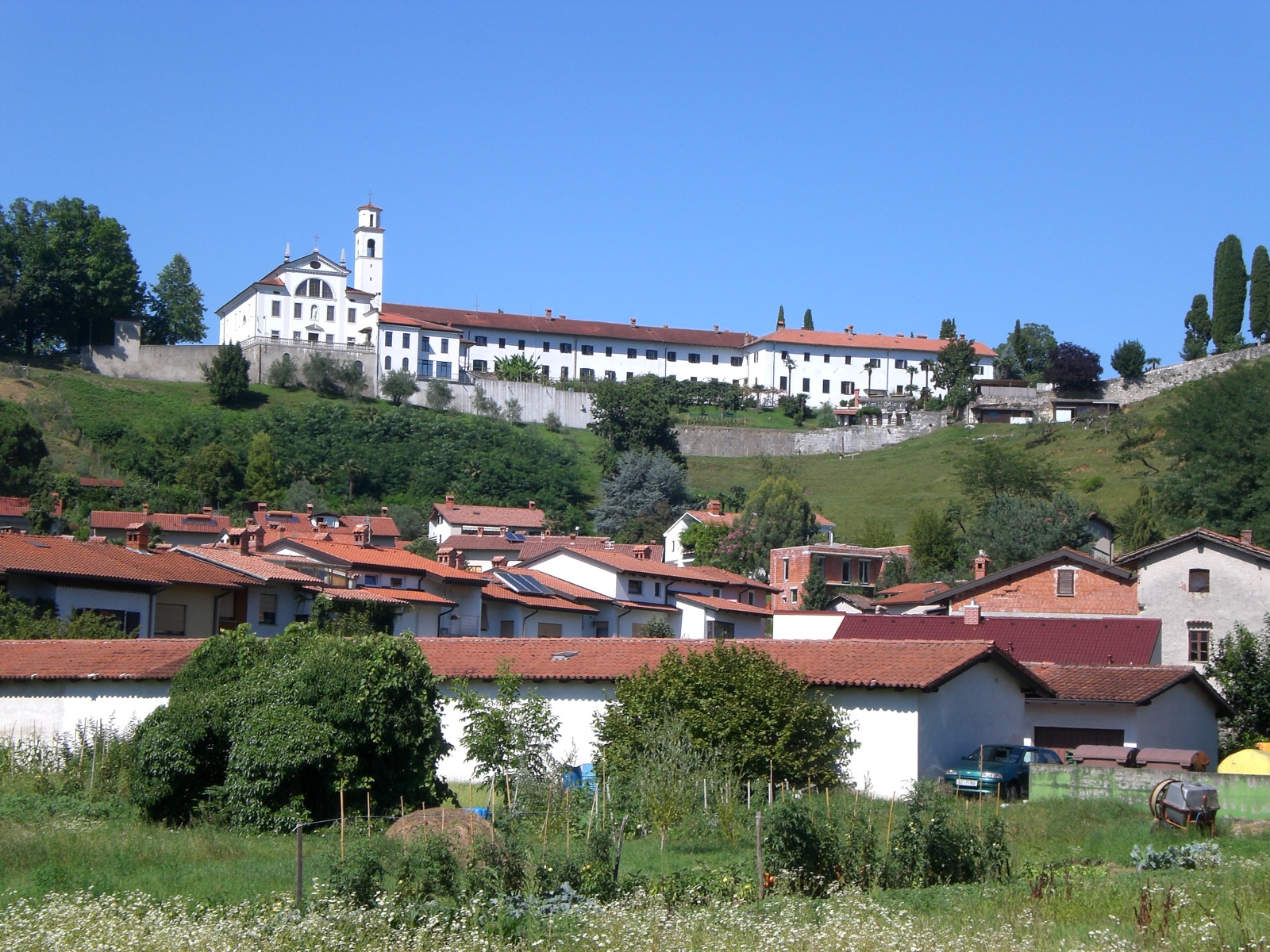
CIMG9041

Here are some useful links for more information about the area and the places mentioned above:-

The Holy Mountain – http://bit.ly/1Nh6gKS

The Solkan Bridge – http://bit.ly/1K9wBY9

Nova Gorica and Solkan Tourist Information – http://www.novagorica-turizem.com/

© AdeleinSlovenia 2015

The Radovljica Festival / Završnica Recreation Park

The Radovljica Early Music Festival began on Saturday 8th August and runs until Sunday 23rd August. There is a rich programme of concerts, workshops and masterclasses which take place in Radovljica Mansion and St. Peter’s Church. More details can be found here – http://www.radolca.si/en/what-to-do/events-1/radovljica-festival/83/260/ and also here – http://www.festival-radovljica.si/en/

1108-Leila-Schayegh

Leila Schayegh

0808-Ensemble-Phoenix-Munich-photo-Ivan-Maly

Phoenix Munich Ensemble

As much as I love hiking and cycling in the hilly and mountainous surroundings of Radovljica, there are the occasional times – such as when I’ve already hiked for 5 hours and am tired but don’t want to be at home when the weather is so beautiful – when a nice leisurely bike ride is called for. Fortunately, we have that here too!

So, on Friday, after the aforementioned 5 hour hike (more about that another time), I cycled to the Završnica Recreation Park in the Završnica Valley which, from home, takes less than 45 minutes, taking the route Radovljica – Lesce – Hraše – Rodine – Zabreznica – Žirovnica – Moste – Završnica, and then to the Zavrh bar which has lately become one of my favourites places to sit and enjoy a drink beside the cool of the Završnica stream.

CIMG9158

Chilling by the stream!

The reservoir is also the start point of the 2km-long Završnica Trim Trail which leads beside the stream to the Zavrh bar and onwards, making it perfect for these sultry hot days when the cool of the forest offers some respite from the heat.

CIMG9161

The Zavrsnica reservoir (and me!)

The Recreation Park also comprises a football field, a natural climbing wall and beach volleyball courts. The Završnica Valley is also an excellent starting point for mountain biking, and for hikes in the Karavanke mountains, such as to Stol, the highest mountain in the Karavanke, or to the ski slopes and the spring of the Završnica stream at Zelenica. Fishing and horse-riding are also popular activities in the valley.

CIMG9154

The new bridge connecting the trim trail

In winter there is a cross-country skiing area and, if the snow conditions are right, the road which leads up to the Valvasor mountain hut is turned into a sledging track. More information about the valley can be found here – http://www.zavrsnica.si/?id=50 (Slovene) or http://en.zirovnica.eu/home/ (English)

But it’s not time to be thinking about winter yet. Still more good weather ahead this week to enjoy….

© AdeleinSlovenia 2015

More Rainy Days Ideas – Radovljica and Studor

Most of July was blissfully hot and dry, and indeed records were being broken left, right and centre, until, that is, last week when a new, less than remarkable, record was set of just 20 minutes sunshine over a 5 day period. Let’s hope that record is consigned to the history books and not repeated any time soon! Fortunately, by Friday the sun had worked its way back and it was immediately hot again. The consequence, however, is that there wasn’t much in the way of hiking and cycling for me for the whole of last week, instead just endless trudges with my umbrella.

Once such ‘trudge’ – though in fairness the remarkable scenery means it can’t be described as a ‘trudge’ – was around the quaint village of Studor. The moody skies and the mountains of the Julian Alps rising up from Bohinj Lake only served to somehow make it even more scenic.

CIMG8691

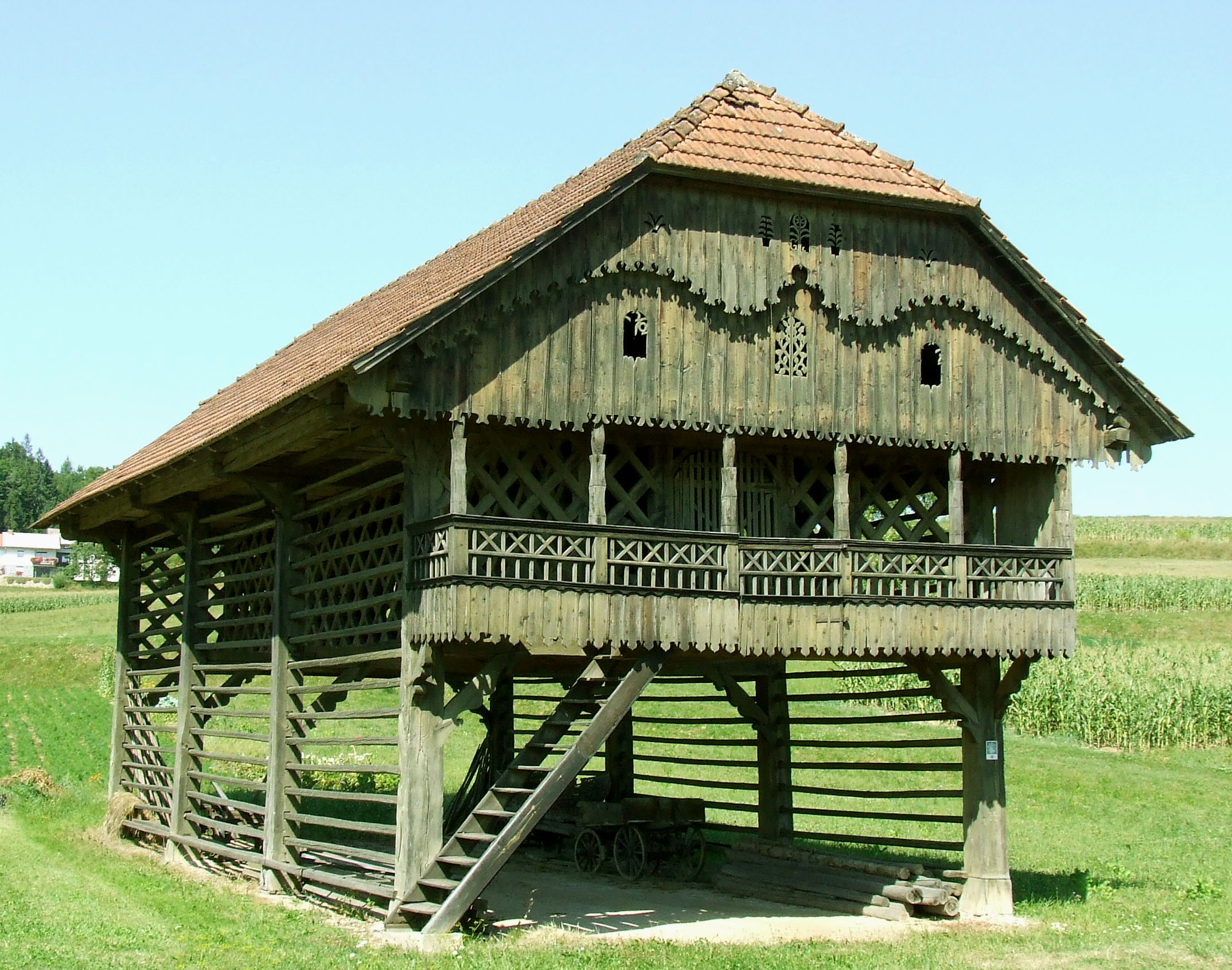
Though only tiny, Studor it is known for its double height ‘toplar’ hayracks.

TOPLAR1

The Mrcina ranch with its Icelandic horses.

CIMG8793

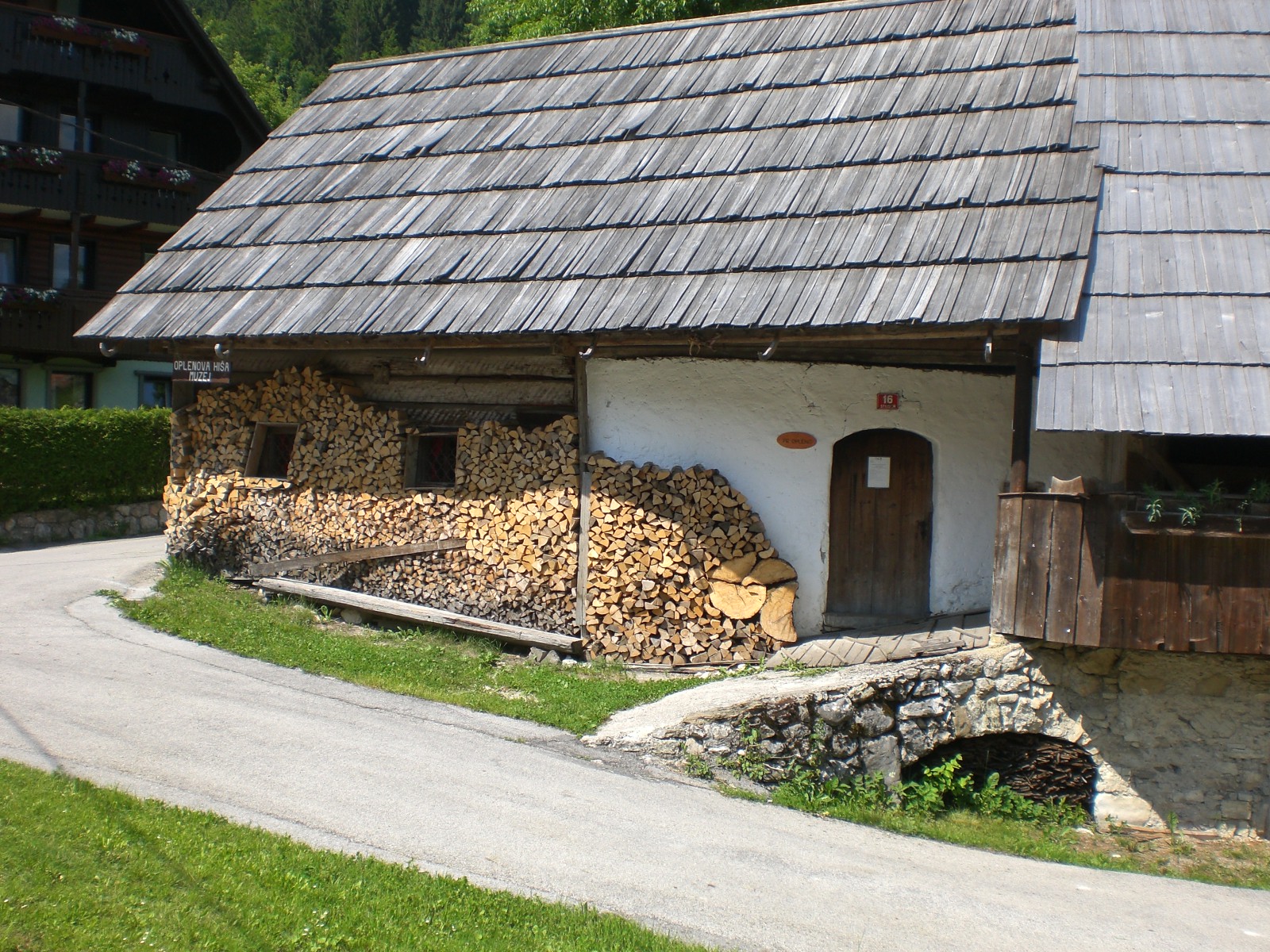
and also the Oplen House Museum (Oplenova hiša) which represents a typical 19th century home where various crafts were carried out and includes a black kitchen – http://www.slovenia.info/en/muzej/Studor-in-Bohinj,-Oplen-House-.htm?muzej=914&lng=2

CIMG8796

Meanwhile, in Radovljica, it is noticeable how rain actually attracts visitors to the area. On rainy summer days, the old town centre is often at its liveliest as people flood here from Bled, and the surrounding areas, seeking things to do on a rainy day. Popular attractions include:

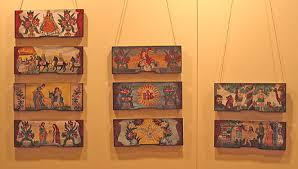
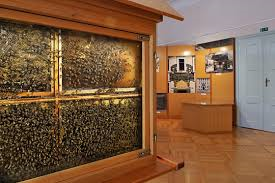
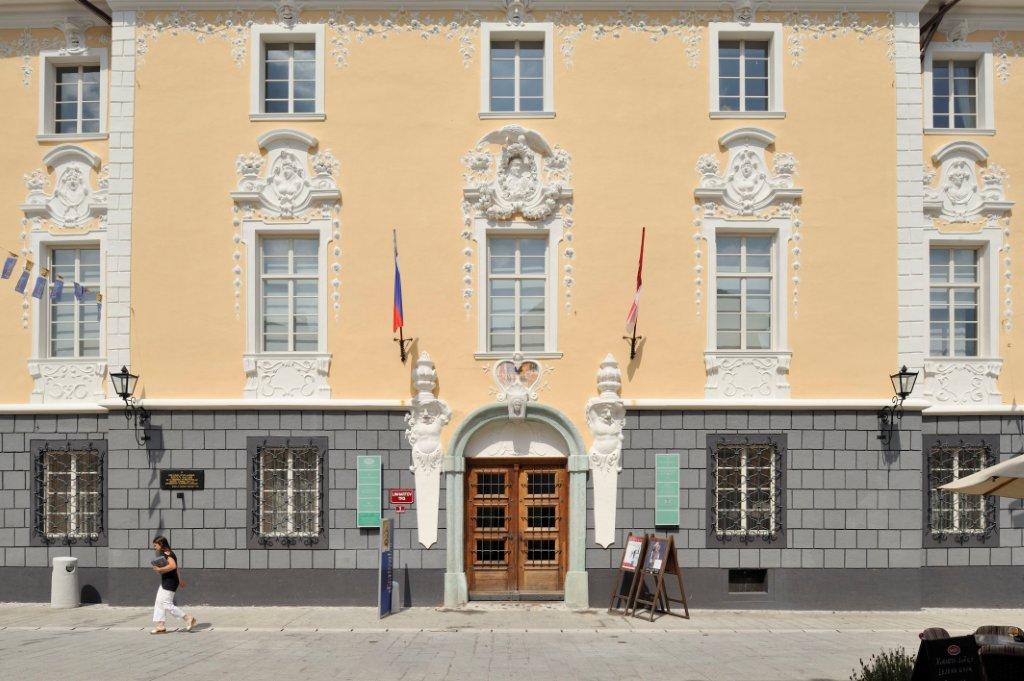
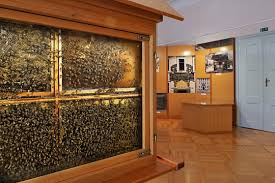
The Museum of Apiculture, housed in the Radovljica Mansion, where you can learn all about the history and importance of beekeeping in Slovenia and see the collection of painted beehive panels, each one tells its own story, including the oldest one in the world.

cebelarski muzej        ceb muz

The Gingerbread Workshop at Lectar Inn, where you can see gingerbread hearts being made and decorated, pick up some souvenirs and/or enjoy a delicious meal in the restaurant.

CIMG7939

There’s also the Šivec House Gallery, St. Peter’s Church and, a little further afield, the iron-forging village of Kropa, the village of Kamna Gorica with its many bridges and streams, the ruins of Kamen Castle and the home of Avsenik music in Begunje, and the Vila Rustica archeological site and Village Museum in Mošnje.

All of the above mentioned are also accessible on the Hop-On Hop Off Tourist Bus which runs on Tuesdays and Thursdays throughout the summer – http://www.radolca.si/en/hop-on-hop-off-radolca/

Of course, on rainy days food and drink is usually top of most people’s list and Radovljica doesn’t disappoint on this score either with a plethora of cafes, and tasty homemade food at the Taste Radol’ca restaurants including Kunstelj Inn, Lectar Inn, Joštov hram, Vila Podvin. More information can be found here or click on the Taste Radol’ca heading at the top of this page – http://www.radolca.si/en/taste-radolca/

© AdeleinSlovenia 2015

The extremely panoramic Solčava Panoramic Road!

Despite English being my mother tongue, and despite the English language being rich in superlatives, I’m struggling to come up with suitably apt words to describe the breath-taking scenery I witnessed last weekend when I journeyed to see the Solčava Panoramic Road. So, I’ll do my best to give you some impressions and a sneek peek of some of the views you can expect, however, I urge you to go and see it for yourself!

CIMG8979

Views of the Kamnik-Savinja Alps

Though it is a little off-the-beaten-track, the Upper Savinja valley has to be one of the most scenic places in Slovenia. It is bursting with waterfalls, the craggy Kamnik-Savinja Alps, sublime views, high-lying farms, and other natural phenomena, not to mention the friendly locals – of which there are only around 500 dispersed across an area of just over 100km³.

The area comprises three valleys, the most known among them is the Logar Valley (Logarska dolina), together with Robanov kot and Matkov kot. The 96 km-long Savinja river flows through the valley and onwards, eventually flowing into the Sava river.

My first port of call was the Rinka Centre in Solčava, which houses the Tourist Information Centre, post office, and a café and gift shop which sells handicrafts and food produced exclusively in the local area including delicious cheeses and the speciality of the area zgornjesavinjski želodec (Upper Savinjska pig stomach) – akin to salami but far more succulent. One could easily while away a couple of hours in the centre looking at the exhibition, watching the film presentation and tasting the local products. In the rectory opposite there is a paleontology exhibition and a separate room with a collection of several hundreds of species of butterfly.

CIMG8936

A traditional black kitchen

CIMG8960

The Lintver Dragon which accompanies you along the Solcava Panoramic Road.

Directly opposite the centre the impressive Gothic Church of Our Lady of the Snows stands proudly, as if guarding the village, on a small rise above the village. Since Solčava has not had its own priest for some time, the church is kept locked, apart from during mass, but the staff at the Rinka Centre can arrange a visit.

CIMG8946

The Church of Our Lady of the Snows in Solcava

Next I returned to Robanov kot where I was staying at the Govc-Vršnik tourist farm. I was immediately made to feel welcome in this large, family-run home-cum-farm. The lady of the house, Marija, immediately offered me a drink we enjoyed a lovely chat during which she told me that the number of repeat guests to the farm speaks for itself about its popularity. For me the definite highlight was the total serenity. No cars or other noise pollution, total silence, which, in these frenetic times, is something to really cherish.

CIMG8947

The Govc-Vrsnik Tourist Farm in Robanov kot

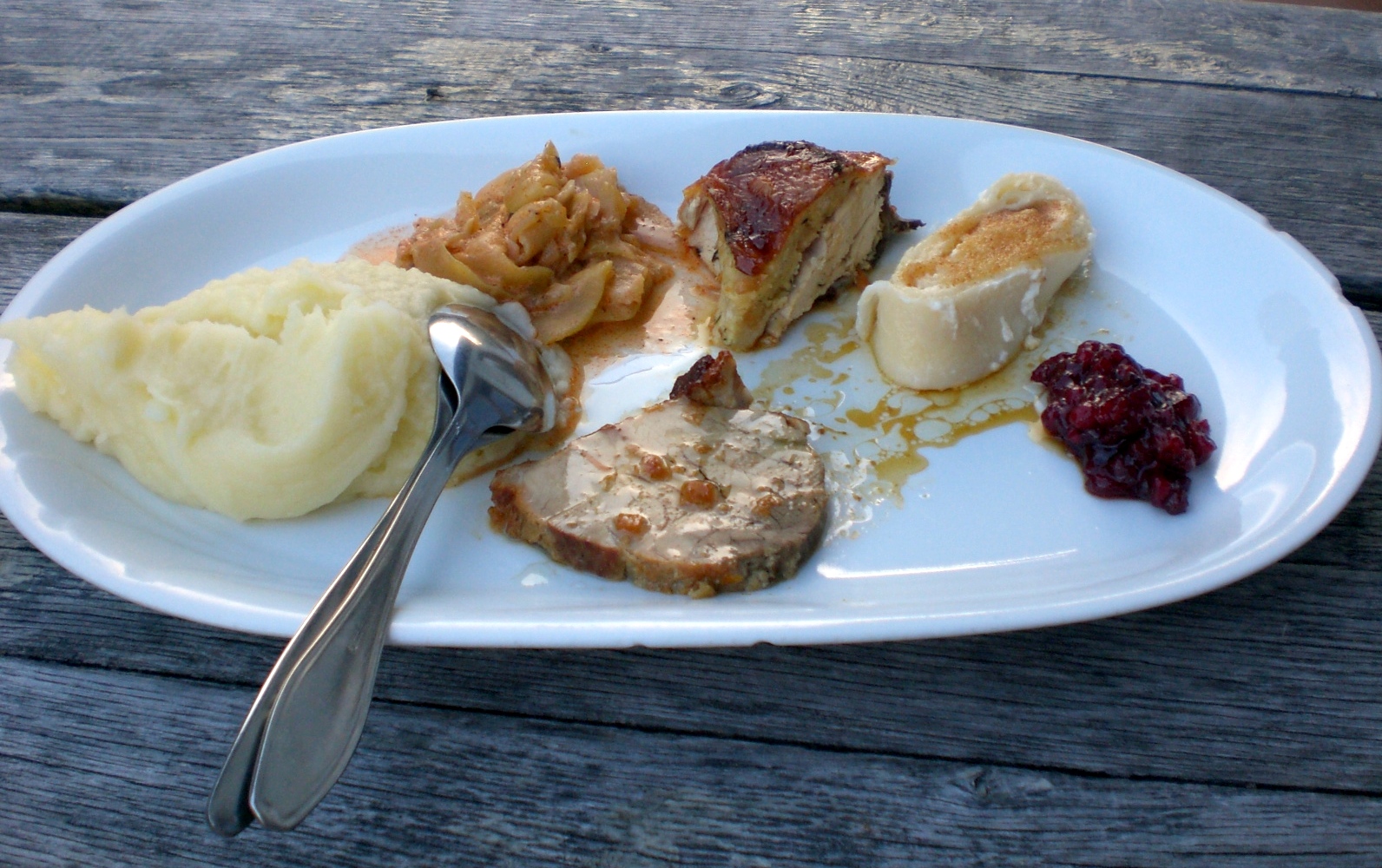
The other highlight is most certainly the food which is all home-produced and delicious. I was treated to the local speciality soup ‘sirnica‘, made using milk whey, eggs, and a few other secret ingredients, followed by a delicious main-course consisting of chicken, pork, štruklji, pumpkin, and potato. Dessert was warm apple and curd cheese strudel. I was well set up for the next day’s hiking!

CIMG8964

Tasty dinner at the Govc-Vrsnik tourist farm

From the farm there is an easy path which leads to Robanova planina, taking around 45 minutes, where, during the summer months, the alpine dairy is open and you can enjoy homemade soups, cheese, cold-cuts, or strudel.

CIMG8951

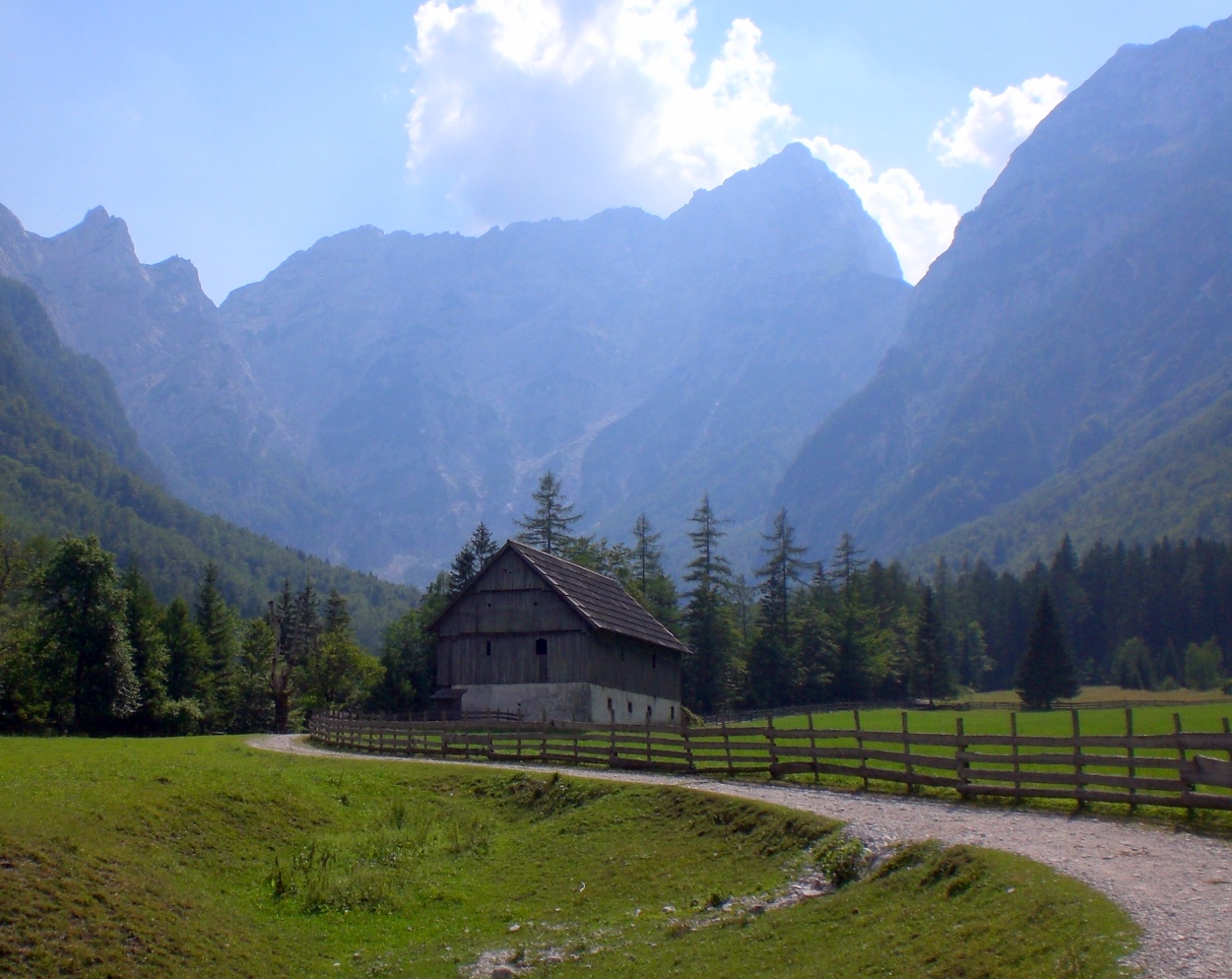
On the way to the Robanova planina highland

CIMG8953

The Alpine Dairy at Robanova planina

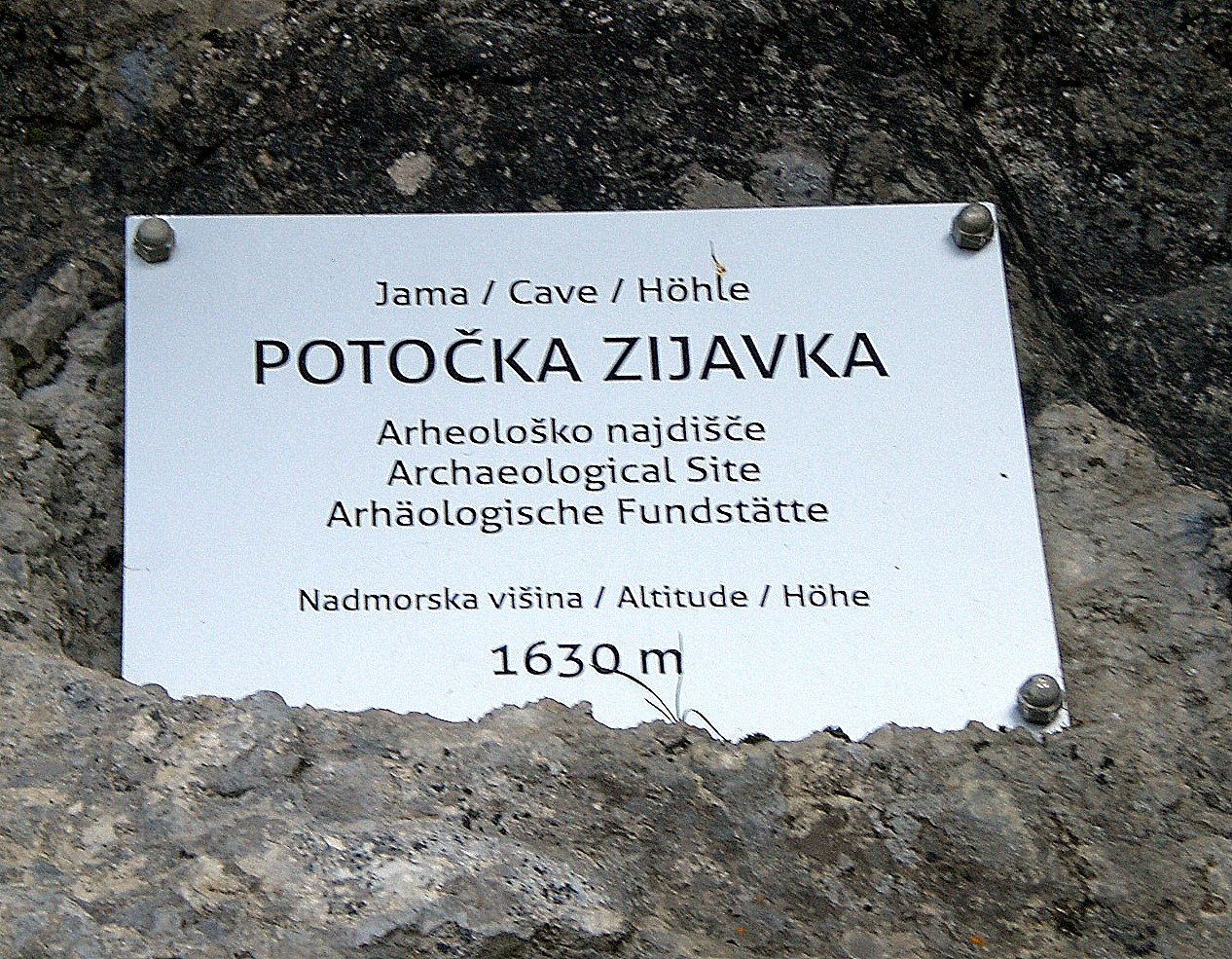
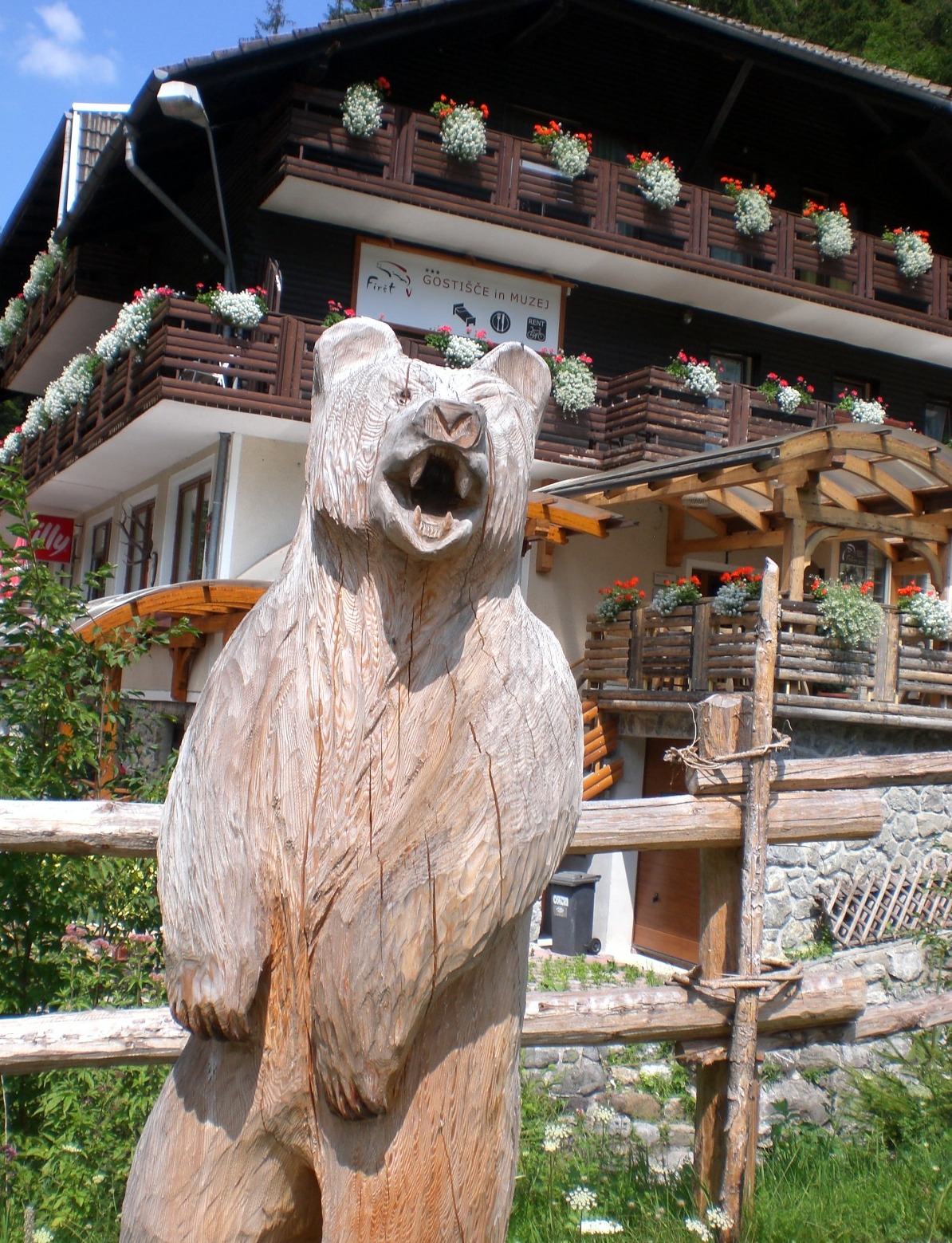
The next morning I made an early start and by 7am was hiking up to the Potok cave (potočka zijalka) beneath Mt. Olševa. You can either, as I did, hike the whole way up, beginning at the wooden bear adjacent to the Firšt Inn and Fidov gaj Museum, though, in truth, this first part of the path, which leads steeply up through the forest, initially lacks views and the more favourable option may be to begin at the Rogar Tourist Farm on the Panoramic Road. The Bear Trail is well marked throughout.

CIMG8990

The start of the Bear Trail at Gostisce First

CIMG8981

Just follow the bear!

This 115m-long cave was first excavated in 1928 and, over a seven-year period, hundreds of objects were found including tools, bones, and animal remains, including an estimated 1000 cave bears as well as almost 40 other species including lynx, wolves and chamois. The world’s oldest sewing needle (which can be seen in the Rinka Centre) was also among the findings. It is thought the cave might have been used as a hunting station. From the cave you can either return by the same route or you can continue on to Govce, the highest part of Olševa (1929m). However, this is considered a demanding path as there are exposed sections and, in places, steel ropes to assist, therefore, it is only suitable for experienced and well-equipped hikers.

CIMG8973

The entrance to the Potok Cave Archaeological Site

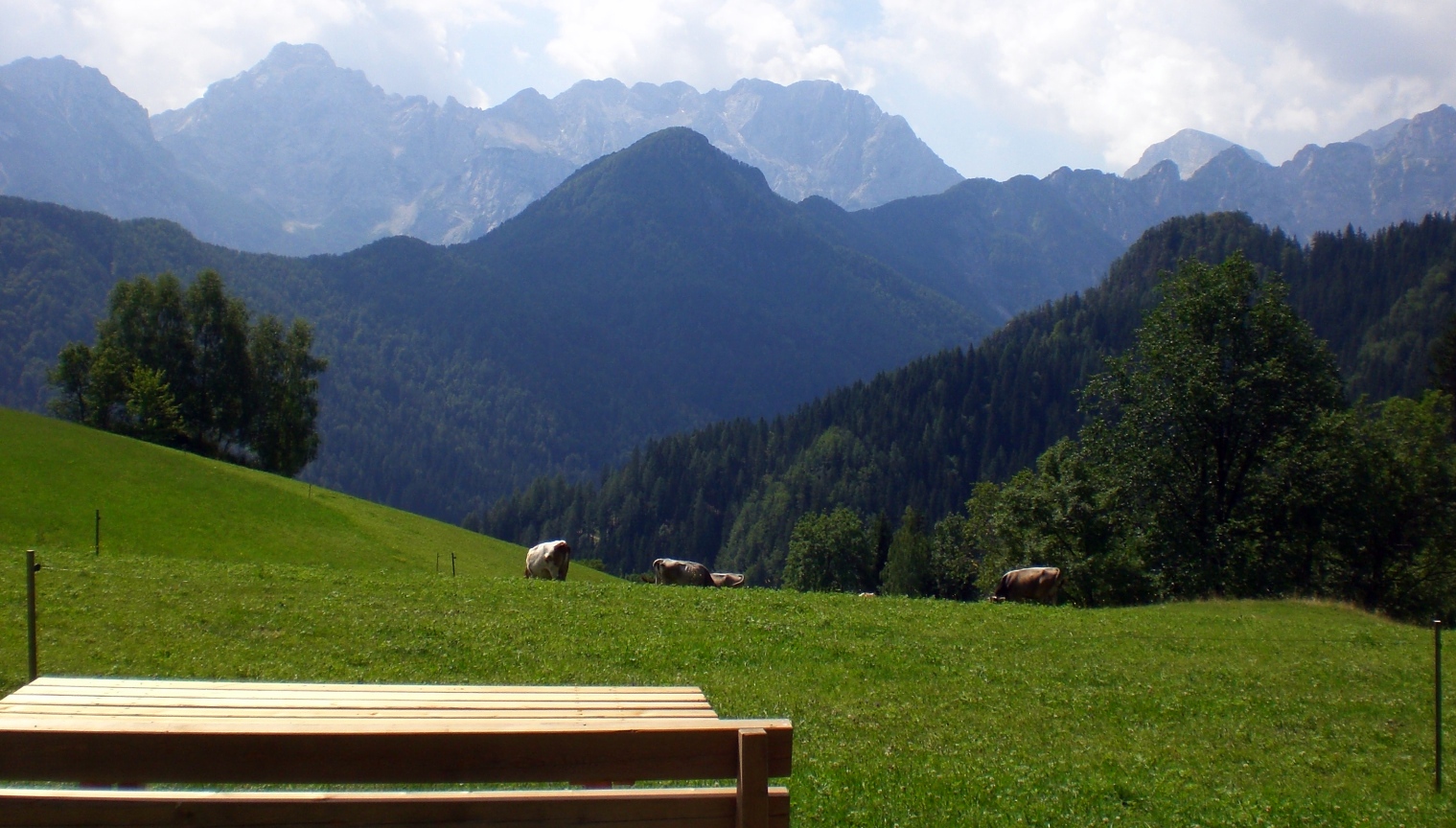
Next came the main reason for my trip. to travel along the newly improved, and now entirely accessible, Solčava Panoramic Road. You can choose to drive, cycle, or walk along the road which winds its way along the foothills of the Olseva mountain, and surely has to be among the most scenic roads in Slovenia. The road is also named ‘The route with the most beautiful views’ and the description is certainly apt. The total length is 37km, there are 4 access points, and 4 different routes. Therefore, it’s easy to pick and choose what you want to see dependent on how much time you have. I’d recommended devoting it as much time as possible and taking time to stop at all the points of interest along the road such as the numerous tourist farms, each offering delicious homemade goodies. I stopped at two of them and bought some tasty cheese, bread, and supped some tea made from mountain flowers.

CIMG8987

The Church of the Holy Ghost on the Panoramic Road

CIMG8997

More great views, this time Mt. Olseva in the background

Along the road there are various viewpoints, newly equipped with benches and information boards. One particular sight of interest is the spring of iron water (železna voda). The water from this underground spring originates from the tectonic fault that runs along the Kamnik-Savinja Alps. It’s in rich in iron and, believe me, it tastes like it! It’s like coins, however, locals says it has healing powers so I took a quick slurp nonetheless!

CIMG8993

At the Zibovt Tourist Farm

CIMG9002

The spring of iron water

Here are some useful links to help plan a trip to the Solčava area:

Solčava Tourist Informationhttp://www.solcavsko.info/index.php?jez=EN OR http://logarska-solcavsko.si/

Govc-Vršnik Tourist Farmhttp://www.govc-vrsnik.com/en/

Solčava Panoramic Roadhttp://www.solcavska-panoramska-cesta.si/en

© AdeleinSlovenia 2015

Highland Hiking and Lakeside Chillin’ in Bohinj

Another fantastic week of high temperatures is behind us, though the rain on Saturday has now cooled things down quite significantly. Needless to say, I’ve been making the most of the fine weather with plenty of hiking and cycling trips.

The highlight of my week was a day spent in the Bohinj area, which never fails to impress. Here I will share the details to hopefully provide some ideas and inspiration and, just a reminder, that at weekends you can also travel to Bohinj on the Hop-On Hop-Off Tourist bus which costs just 5 euros per person for the whole day. More information here – http://www.radolca.si/en/hop-on-hop-off-radolca/

My day began with a 7am departure from Radovljica – in order to beat the traffic, the heat, and find a parking space – arriving in the village of Stara Fužina at 7.45 from where I began my hike. From there, less than an hour’s hike leads to a wonderful viewpoint overlooking the lake, the Julian Alps and the Vogel ski centre. This can be a destination in itself, as the views are more than just reward for the effort. For an added reward, just a further 5 minutes from the viewpoint, you can enjoy some mountain refreshment at the Vogar mountain hut (Koča na Vogarju) – 1054m.

CIMG9013        CIMG9015

I resisted the temptation and continued to Planina pri jezeru – 1453m (literally – highland by the lake), from where there are paths branching off in various directions. From here, it is just a further 2.5 hours (approx.) on foot to reach one of the most popular hiking destinations in the Julian Alps, the 7 Triglav Lakes Valley. However, I instead turned left to reach Planina Viševnik, then Vodićni vrh – 1486m, before descending back to the road which, eventually, returns to just near the Vogar hut and then back to Stara Fužina.

CIMG9024        CIMG9026

Those who would rather hike less but still reach the highlands and get some great views, can drive up to Planina Blato on the toll road (10 euros) – 1147m, from where the are numerous onward options on foot.

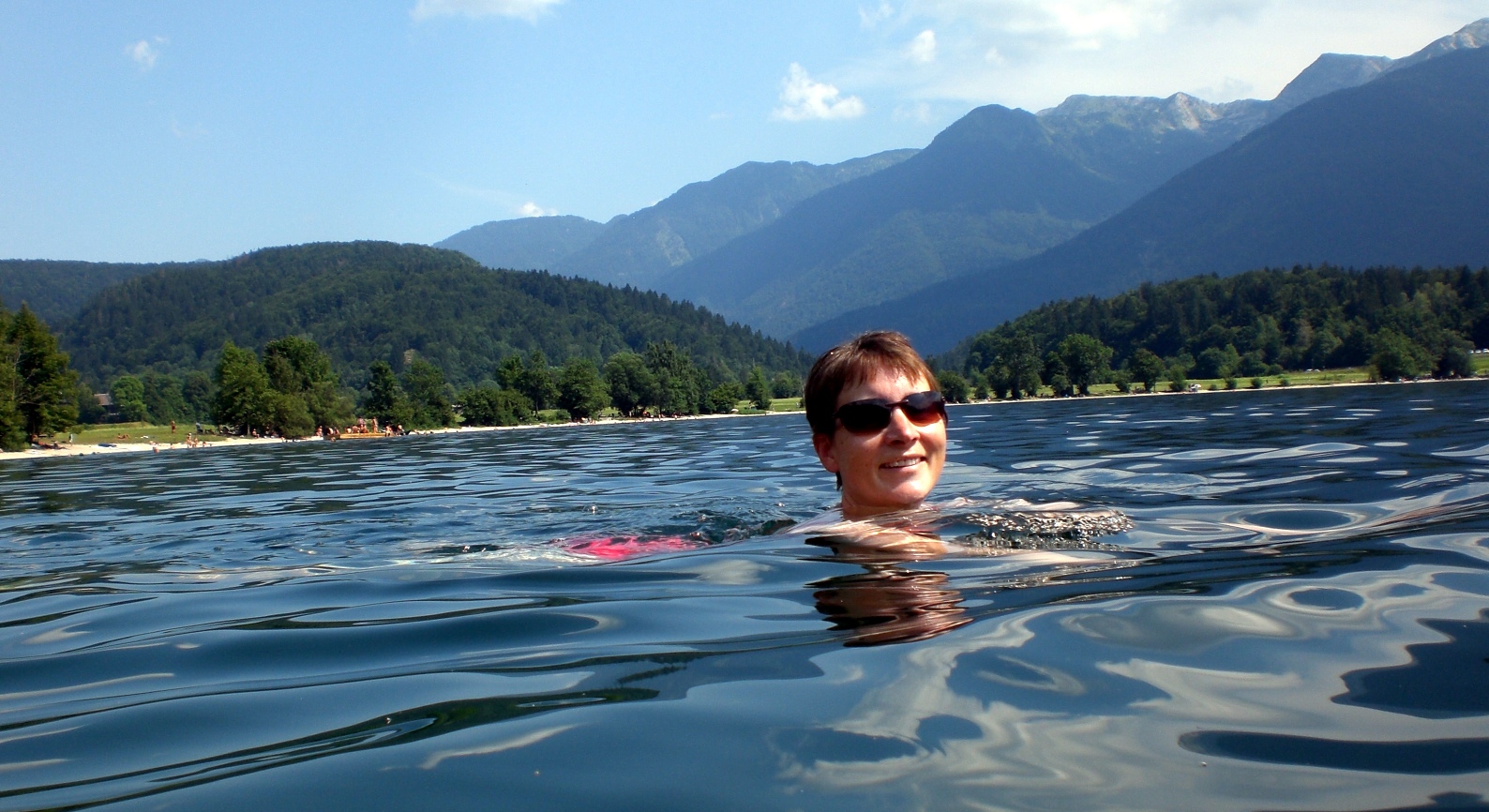
Now, I must admit that I’m a self-confessed wimp when it comes to cold water and, until last week, I had always declared any water I had dipped my big toe into as ‘too cold’. But last week, finally, after five-and-a-half hours of hiking, the cool water of Bohinj lake was calling my name. With the temperatures being so high for so long, the water in the lake was actually warm enough – even for me – and dare I say I actually enjoyed it!

CIMG9027

If you’re looking for something to do this coming weekend on Sunday 2nd August it’s the annual Medieval Day in Linhart Square in Radovljica’s old town centre. It’s always a firm date in my diary and there’s something for all the family including market stalls selling local handicrafts and food, medieval dances, street performances and archery. More information here – http://www.radolca.si/en/what-to-do/events-1/medieval-day-in-linhart-square/83/310/

© AdeleinSlovenia 2015
All About Mošnje

After last year’s record washout of a summer, this year couldn’t be more different. Records are again being broken but this time for the number of consecutive day where the temperature is above 30 degrees. Currently, it looks like more of the same to come for the next week too.

If you are thinking of seeking water-based refreshment then currently the ever cool Sava river is a mere 15 degrees. the Soča river slightly warmer at 17 degrees and the Adriatic Sea at the Slovene coast a balmy 30 degrees.

I prefer to seek shade in the forest so, when I paid a visit yesterday to the newly renovated and remodelled Village Museum in Mošnje, I went via the Radovljica Forest Nature Trailhttp://www.radolca.si/en/radovljica-forest-educational-trail/

For its size, the village of Mošnje packs in quite a number of sights of interest and things to do. The first place reached on entering the village is Vila Podvin where one of Slovenia’s top chefs, Uroš Štefelin, works his culinary magic. In addition to the usual culinary delights on offer, every Thursday during the summer Vila Podvin hold a Summer Steak and Chocolate evening, where, in the tranquil garden with a view of Podvin Castle, you can eat the finest steak and accompaniments, followed by chef Uroš’ heavenly signature chocolate dessert,

Vila podvin summer bbq     grad podvin

Vila Podvin also hosts a local market on the first Saturday of each month where the focus is on local products and produce.

vila podvin market1

Continuing through the village, passing Podvin Castle – which has sadly been abandoned for quite some time now – you pass the fire station and a pizzeria, before reaching the Church of St. Andrew, one of the oldest churches in Slovenia. http://www.radolca.si/en/mosnje-church/

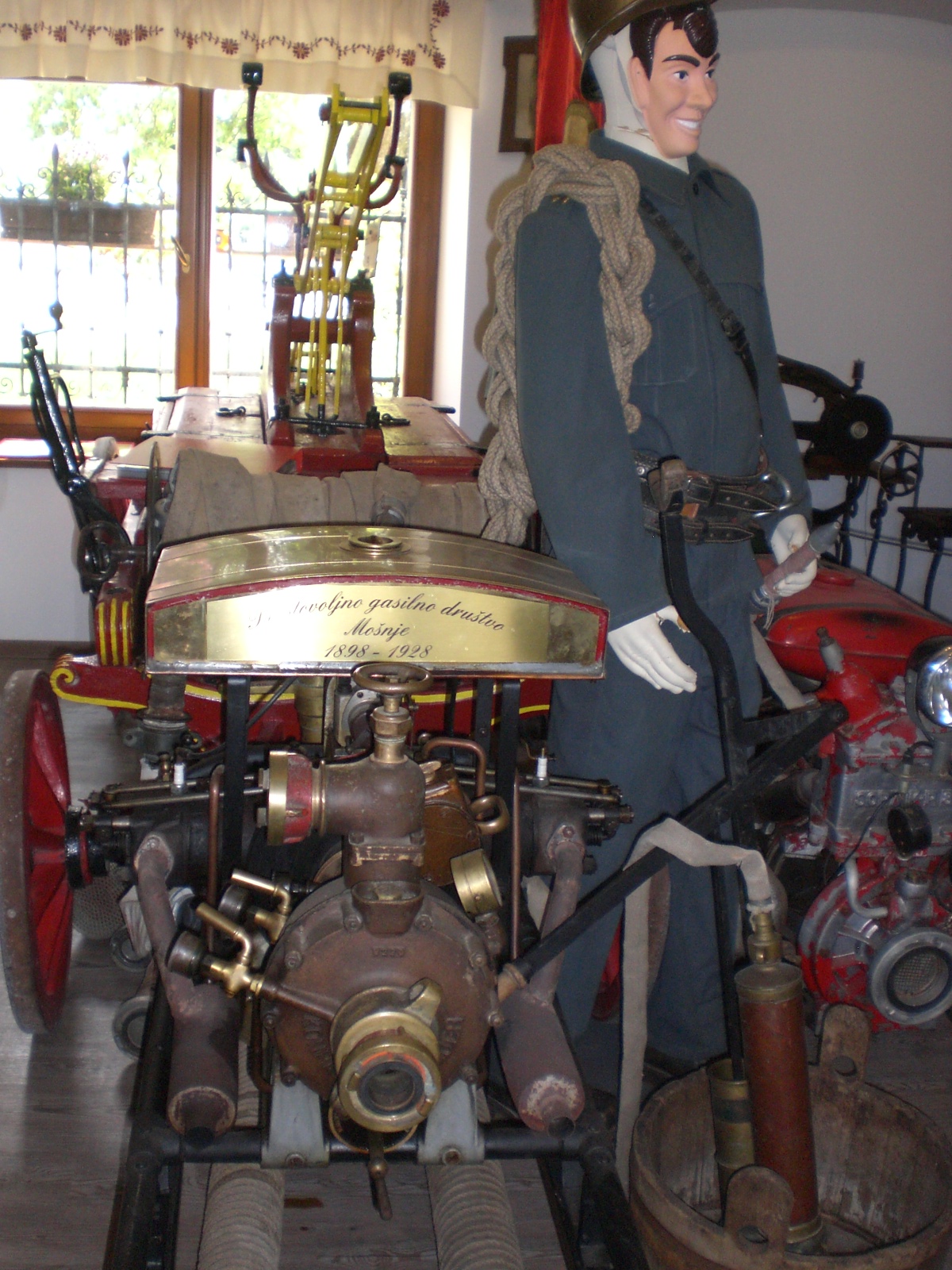
Opposite the church is the Mošnje Village Museum which contains an ethnological collection and was recently refurbished. The museum can be visited by prior arrangement or, every Thursday during the summer, as part of the programme of the Hop-On Hop-Off tourist bus. For further information contact – tdmosnje@gmail.com or damjanapangerc@gmail.com

CIMG9007     CIMG9011

The best way to see the village and the sights of interest is to walk around the Mošnje Archeological Trail which leads around the village and to the Villa Rustica Archeological Sitehttp://www.radolca.si/en/mosnje-archaeological-trail/

CIMG9006

After leaving Mosnje, the next village reached is Globoko, home to the Barbana Lipizzaner Stud Farm, (http://www.barbana.si/en) where Lipizzaner horses are bred, and the Globočnik Excursion Farm, a traditional farmhouse – also a member of Taste Radol’ca – that offers home cooking which can be enjoyed in the authentic black kitchen.

14-IMGP5541      02-IMGP5524

By prior arrangement, you can also arrive in Globoko by train, as the station is on the main line between Ljubljana and Jesenice, and be met by a horse and carriage from the stud farm for a ride to Mošnje and around the local area.

There are also several events that take place throughout the year in the village including the Midsummer’s Eve celebration, Mošnje Days Fete in September and Easter Games and Exhibition.

© AdeleinSlovenia 2015
New Culinary Experiences & Cycling Tours in Radol’ca

There’s lots happening in the Radol’ca area right now so here’s a round up of the latest news.

NEW: ALL DAY BREAKFAST- Gostilna Kunstelj in Radovljica is now serving an all-day breakfast!

zajtrk 2

The breakfast is not your usual fry-up, but instead the focus is on homemade and/or locally produced food and drink, typical of the area, and includes; cold meats and cheeses, homemade bread with butter and honey from a local beekeeper, apple juice and honey liqueur, eggs baked with home-grown herbs and more.

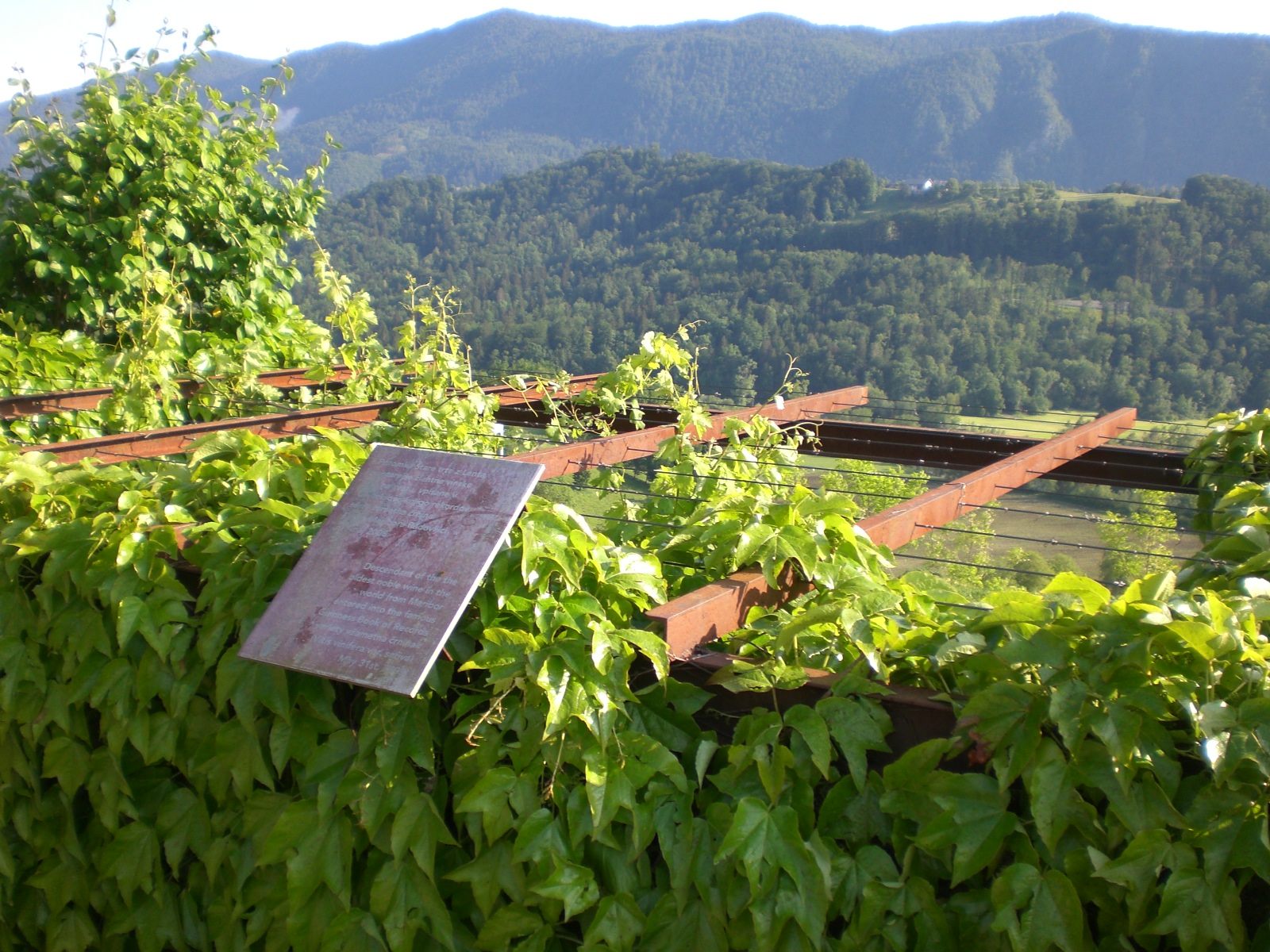
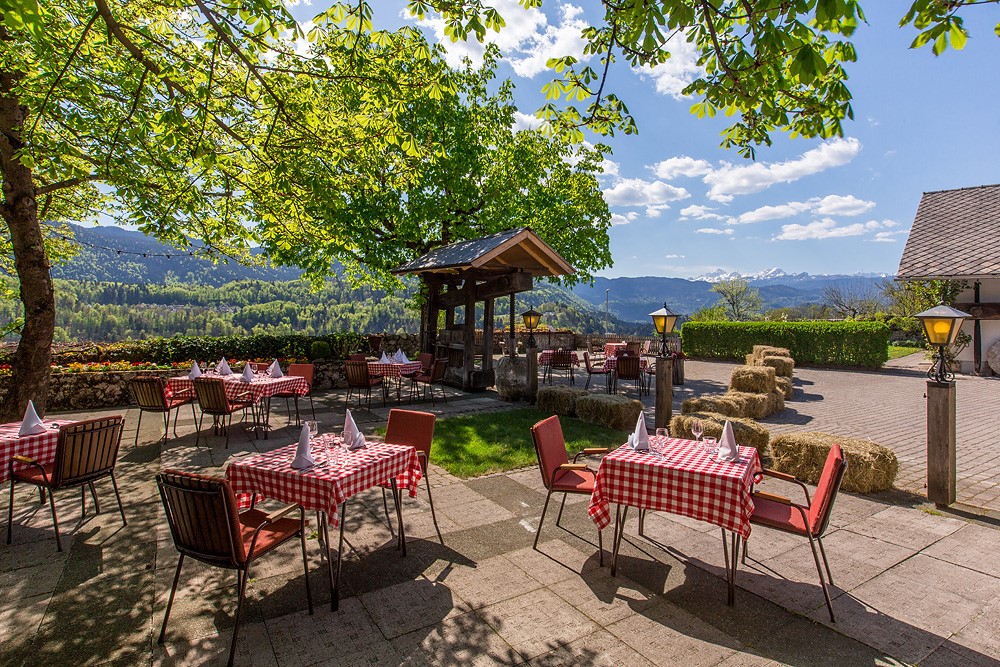
Weather permitting, breakfast may be taken outside on the terrace with wonderful views of the Julian Alps, the Jelovica plateau, and in the cool beneath the small Wine Square area which is home to a descendant of Slovenia’s oldest vine – located in Maribor – which is over 400 years old and is listed in the Guinness Book of Records – http://maribor-pohorje.si/the-old-vine–the-oldest-vine-in-the-world.aspx

CIMG8783

In addition to the new all-day breakfast, Gostilna Kunstelj have now prepared a special area for private picnic dining for up to 8 people in a shaded area, again with the wonderful views mentioned above. By prior arrangement, buffets, finger food, or traditional Slovene menus can be served. See here for more information – http://www.kunstelj.si/

1        2

NEW: FREE BIKE TOURS – If you are visiting the Radol’ca area this summer, are staying in accommodation within the Municipality of Radovljica, and would like to see more of the area at a leisurely pace by bike, you can avail of new FREE guided bike tours. The guided trips begin from the Šobec Camp, or can also be joined at Lesce Railway Station, and en-route visit Radovljica, Mosnje, Brezje and Begunje. More information is available here – http://www.radolca.si/en/free-guided-cycling-tour/

cycling

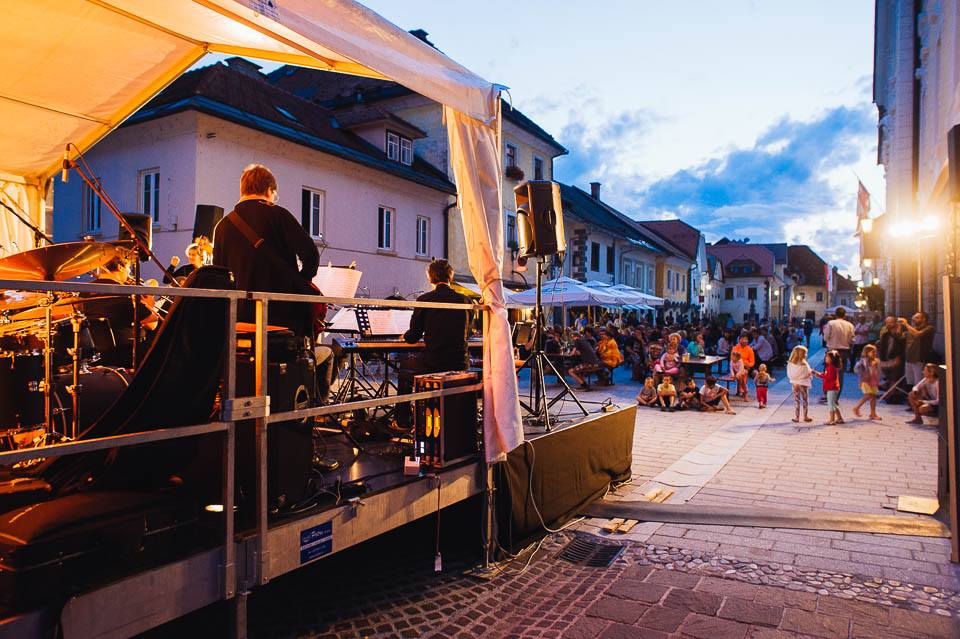
NEW: FRESH THURSDAYS IN THE SQUARE – Every Thursday in July there is live entertainment in Linhart Square, the heart of Radovljica’s old town, in the form of street theatre and live music. Last week we were entertained by the Šugla Street Theatre and later the Krško Big Band. This week there’s more from the Šugla Street Theatre to be followed by music from Marko Hatlak & Funtago. Everyone welcome!

glasba na trgu2

© AdeleinSlovenia 2015

Keeping cool in Hell! + Bistra Castle and Technical Museum

One wouldn’t immediately think of going to Hell to keep cool, so, let me explain.

It was stiflingly hot last weekend, not that I’m complaining, and so I got to thinking where I could go to see some new sights and to also keep cool and the Hell Gorge (Soteska Pekel) was just the ticket – especially as it’s been on my personal list of places to go in Slovenia for a while.

CIMG8916

Near the entrance to the Hell Gorge. ‘Pekel’ in Slovene means Hell! Photo: Adele in Slovenia

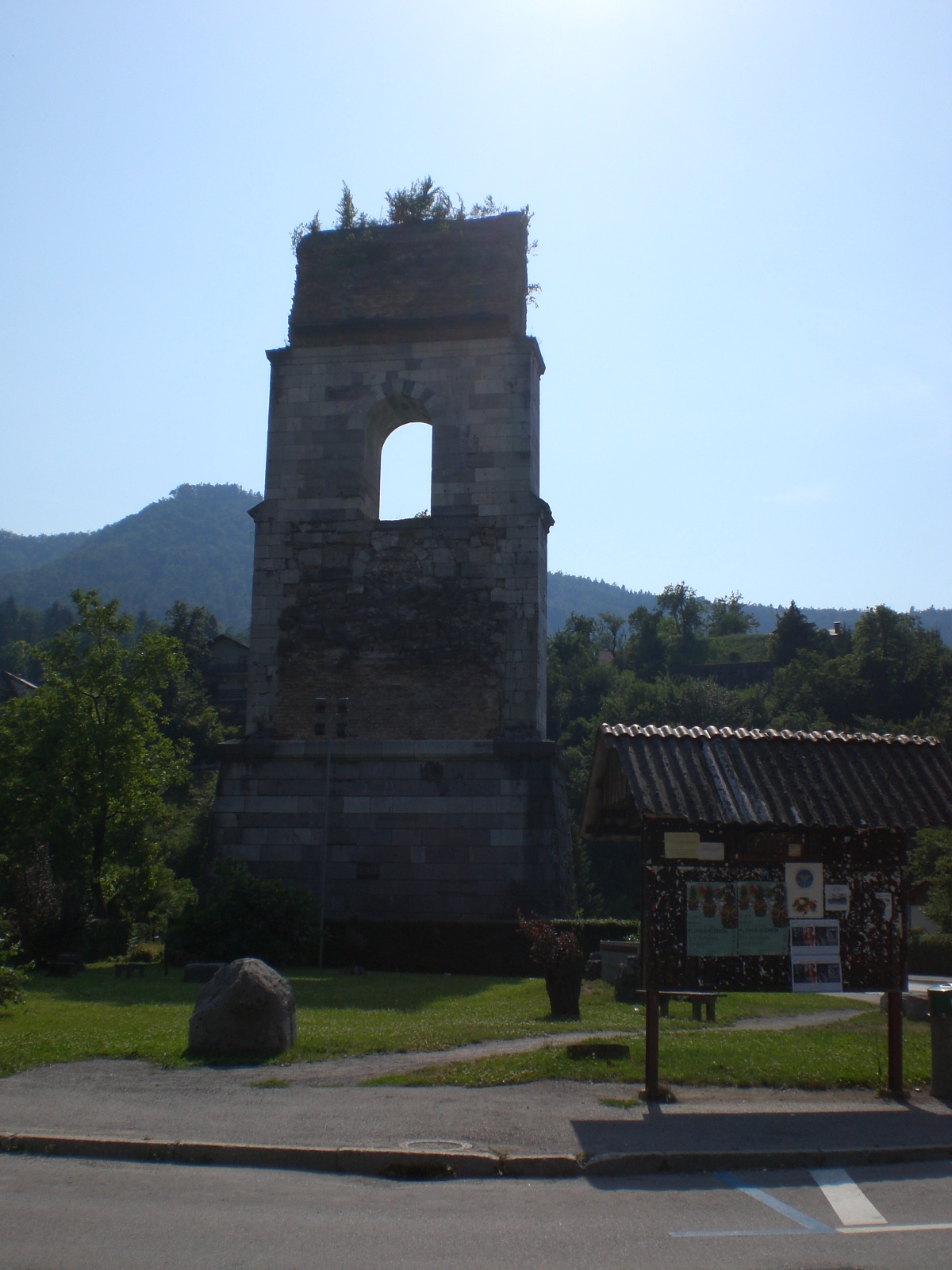
From where I live in Radovljica it took me about an hour –  from Ljubljana it’s just 23km – to reach the small town of Borovnica, where the last solitary column of the Borovnica railway viaduct can be seen. The first train travelled across the viaduct in 1856 and, at that time, the 561 metre-long viaduct was considered a technical and architectural masterpiece.

CIMG8935

The solitary remaining column of the Borovnica viaduct. Photo: Adele in Slovenia

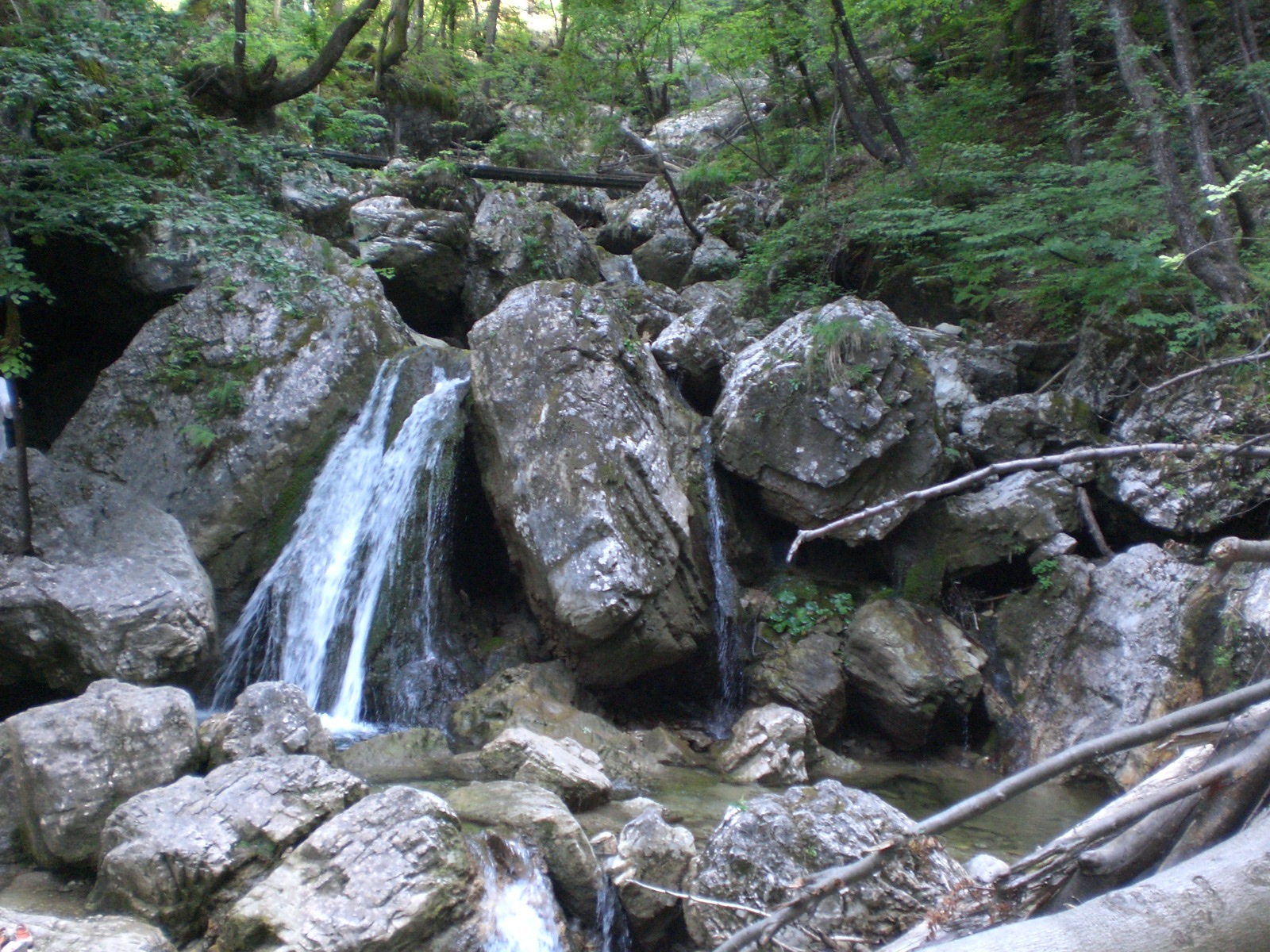
From Borovnica its a further 4kms to reach Hell Gorge, just near the village of Ohonica. The gorge was formed due to subsidence of the Ljubljana Marshes (Ljubljansko Barje). The steep gorge was carved out by the rushing waters of the Otavščica, which springs from the Bloke plateau and falls over the walls and rocks of the gorge. On the flat plains near Dražica it then joins with the Prušnica and flows towards the Ljubljana Marshes and onwards into the Ljubljanica river.

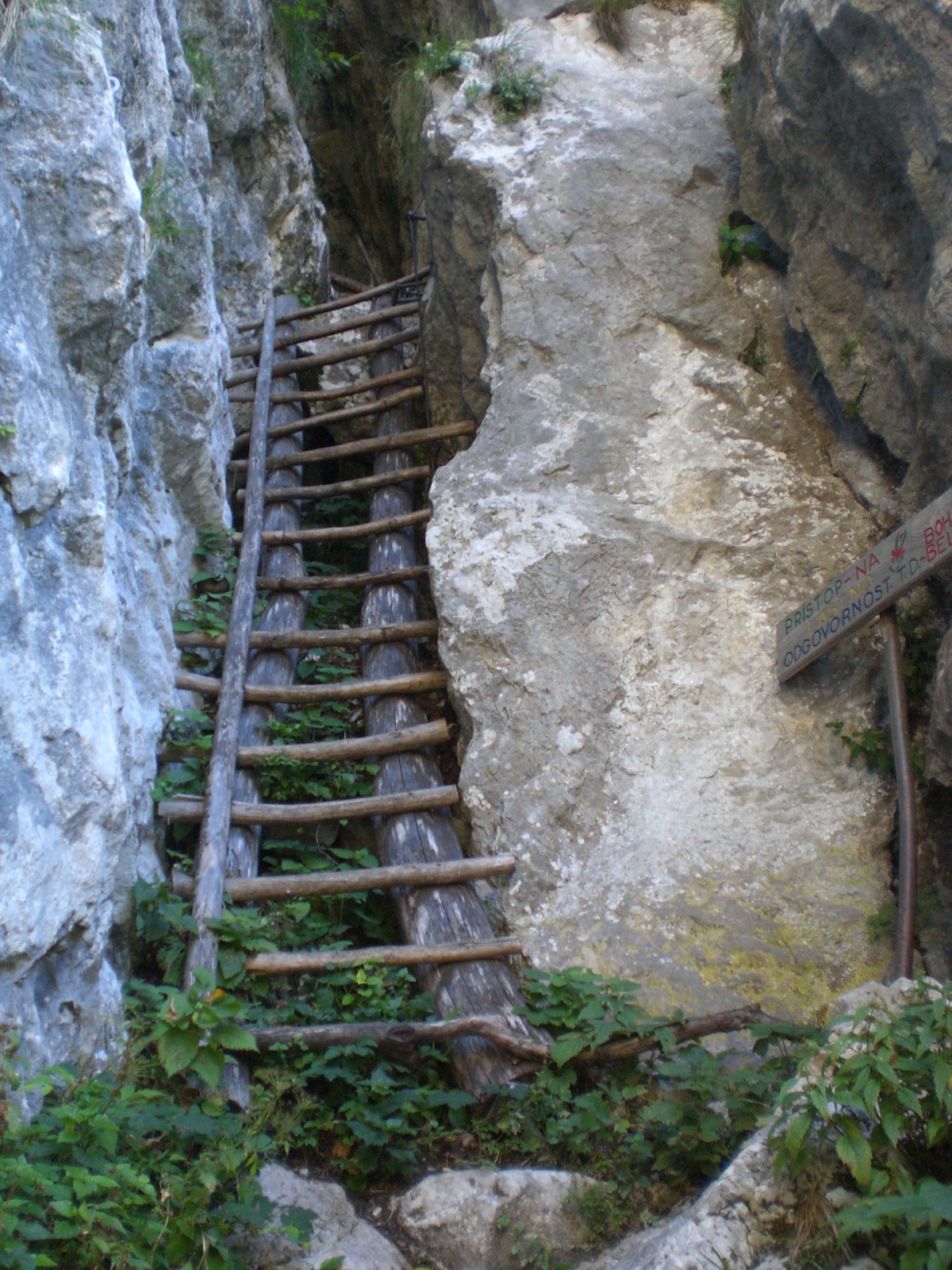
The highlight of Hell Gorge is its five waterfalls, four of which fall over 15 metres and the highest over 22 metres. The first two waterfalls are easily accessible and its only takes about 15 minutes from the car park to reach the 2nd waterfall. The path is a little rough in places so good footwear is a must. To access the 3rd, 4th, and 5th waterfalls, however, the path is more rigorous, ascends from 335m to 650m and, in places, pegs, ladders and steel ropes are in place to assist and it is advisable only for those used to hiking and with good hiking shoes – a walk in the park it is not!

CIMG8918

The first waterfall – a mere 4m. Photo: Adele in Slovenia

CIMG8927

The 2nd waterfall.

CIMG8923

The first of the ladders. This one leads from the 2nd waterfall up towards the 3rd.

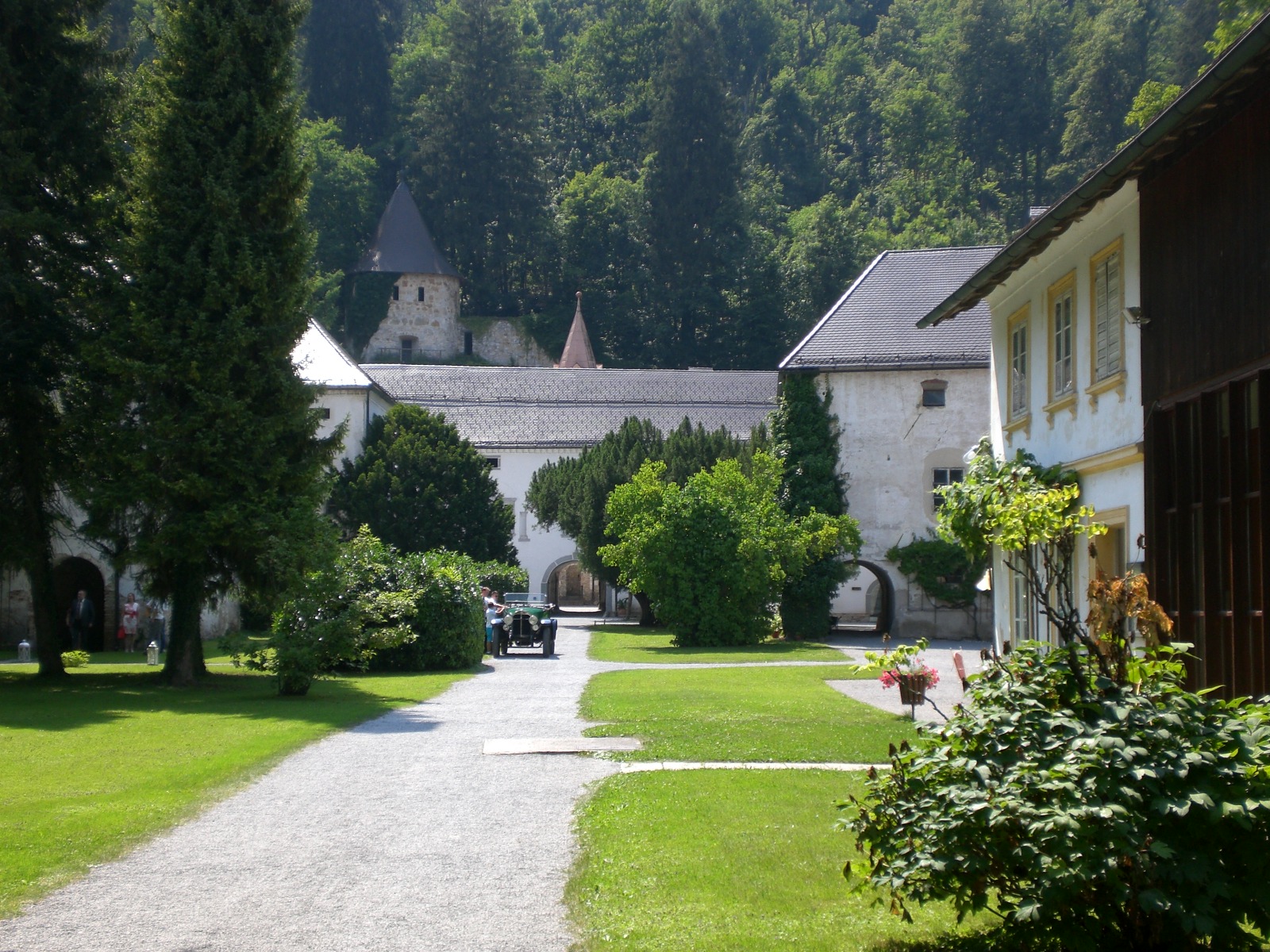
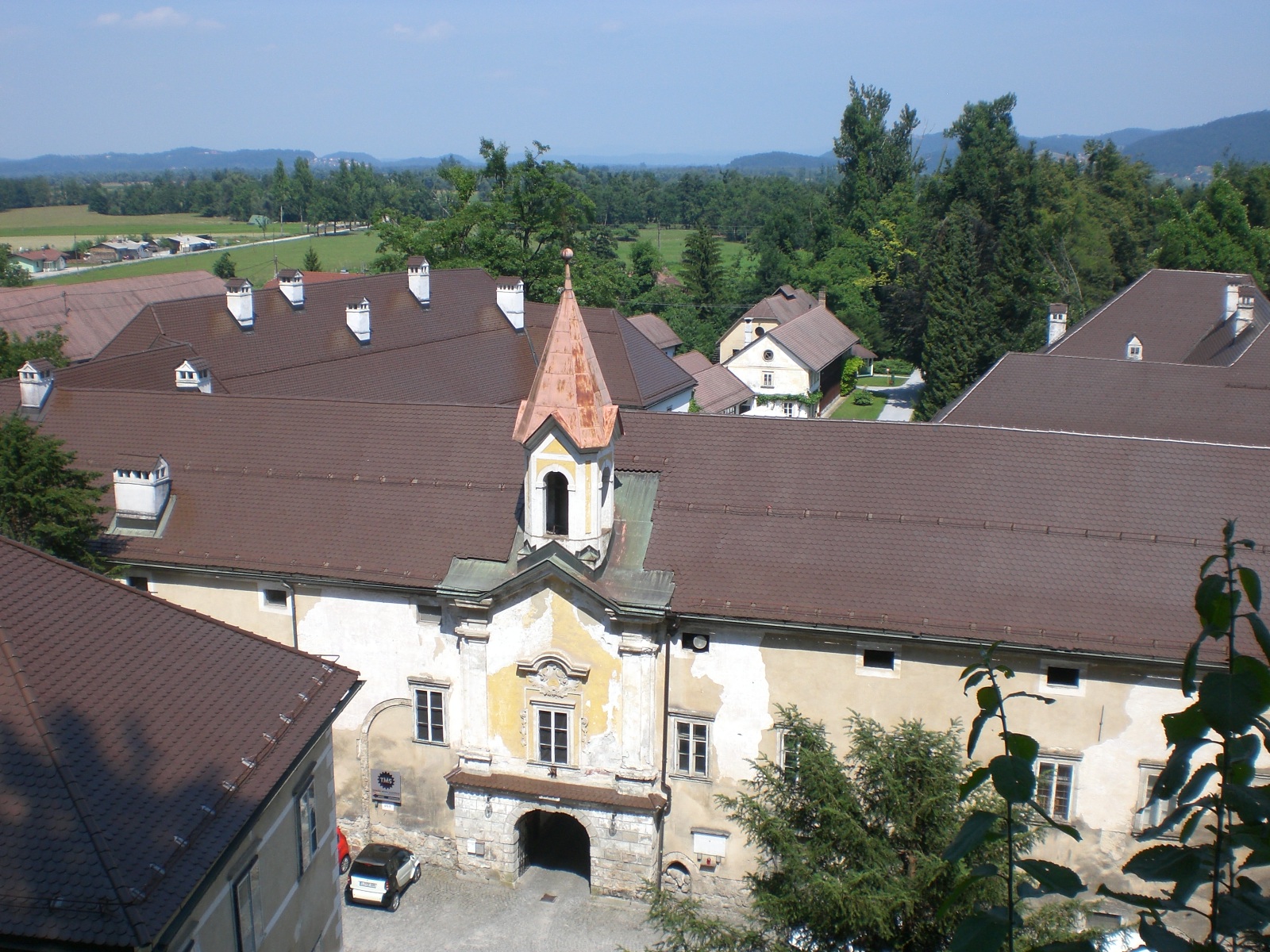
On the way back I also stopped at Bistra Castle, since the road travels, literally, through the middle of the castle. These days the castle houses the Technical Museum of Slovenia – one of Slovenia’s most important and visited museums.

CIMG8914

The Technical Museum of Slovenia in Bistra. Photo: Adele in Slovenia

The castle, built in the 13th century, was originally a Carthusian monastery during the period from 1260 – 1782 until the Carthusian order was dissolved. It was later purchased by the businessman, Franc Galle, who changed the building into a manor house. Since 1953 it has been open to the public in its current form as the Technical Museum of Slovenia.

CIMG8905

The park which is part of the grounds of the Technical Museum. Photo: Adele in Slovenia

CIMG8907

A few minutes uphill for great views – worth the climb! Photo: Adele in Slovenia

The museum houses an eclectic mix of exhibitions with departments of forestry, woodworking, fishing, electrical engineering, textiles, printing, traffic, and agriculture, as well as the Slovenian Hunting Museum and a collection of ex-President Tito’s cars.

CIMG8913

One of ex-President Tito’s many cars. Photo: Adele in Slovenia

More information about the museum can be found here – http://www.tms.si/

There is also another gorge around the Ljubljana Marshes area – the Iški Vintgar gorge. You can read more about that here – http://bit.ly/1UJjnd5 and about the Ljubljana Marshes here – http://bit.ly/1HjYn5I

© AdeleinSlovenia 2015
The Blacksmiths Festival + Hiking, Cycling and Mushrooms galore!

Summer is well and truly here – hooray! And with it come numerous fairs, festivals and other outdoors events, as well as myriad opportunities for hiking, cycling, swimming and enjoying the great outdoors.

I had a pretty active weekend myself. On Saturday I went by bike from Radovljica to Bohinjska Bela, the other side of Bled, from where I then hiked up to Galetovec, beginning at the climbing area by the Iglica waterfall. You can read more about hiking to Galetovec in this previous post – http://bit.ly/1HHmigK

CIMG6650

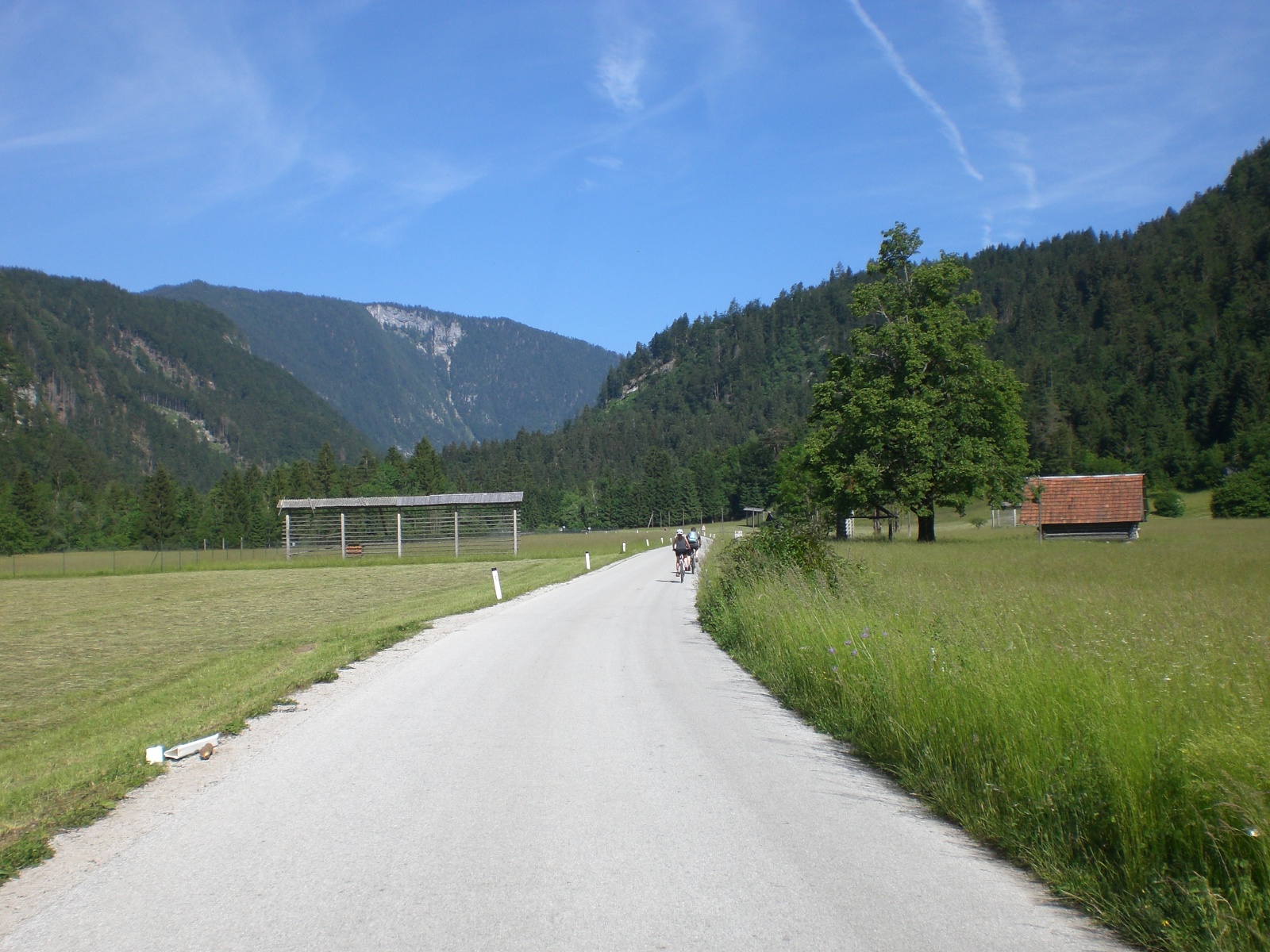
On Sunday I went by bike through the Radovna valley, which is always the place I head to bike when the heat is on as the cycle path leads mostly alongside the Radovna river and in the cool of the forest beneath the Mežakla and Pokljuka plateaus. I returned on the D2 cycle path from Mojstrana to Jesenice, and then by road back to Radovljica. You can read more about cycling in Radovna in this previous post –  http://bit.ly/1NL6B9f

CIMG7440

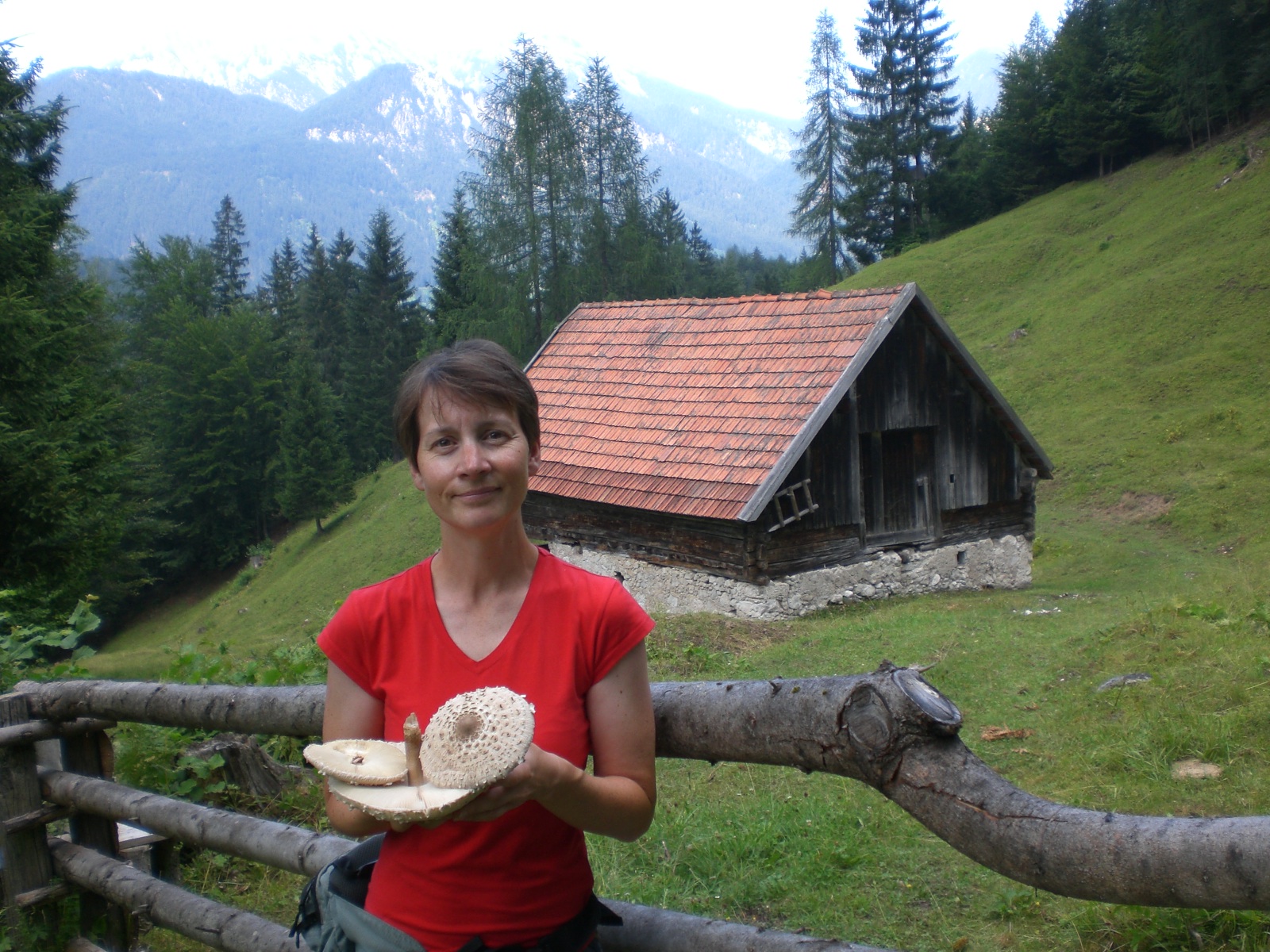
Other than that I was keeping cool in the shade of the forest, which isn’t hard to do when Slovenia is 60% covered by forest. I even got lucky and found my first mushrooms of the year which were delicious cooked up with chard from my vegetable plot!

CIMG8884

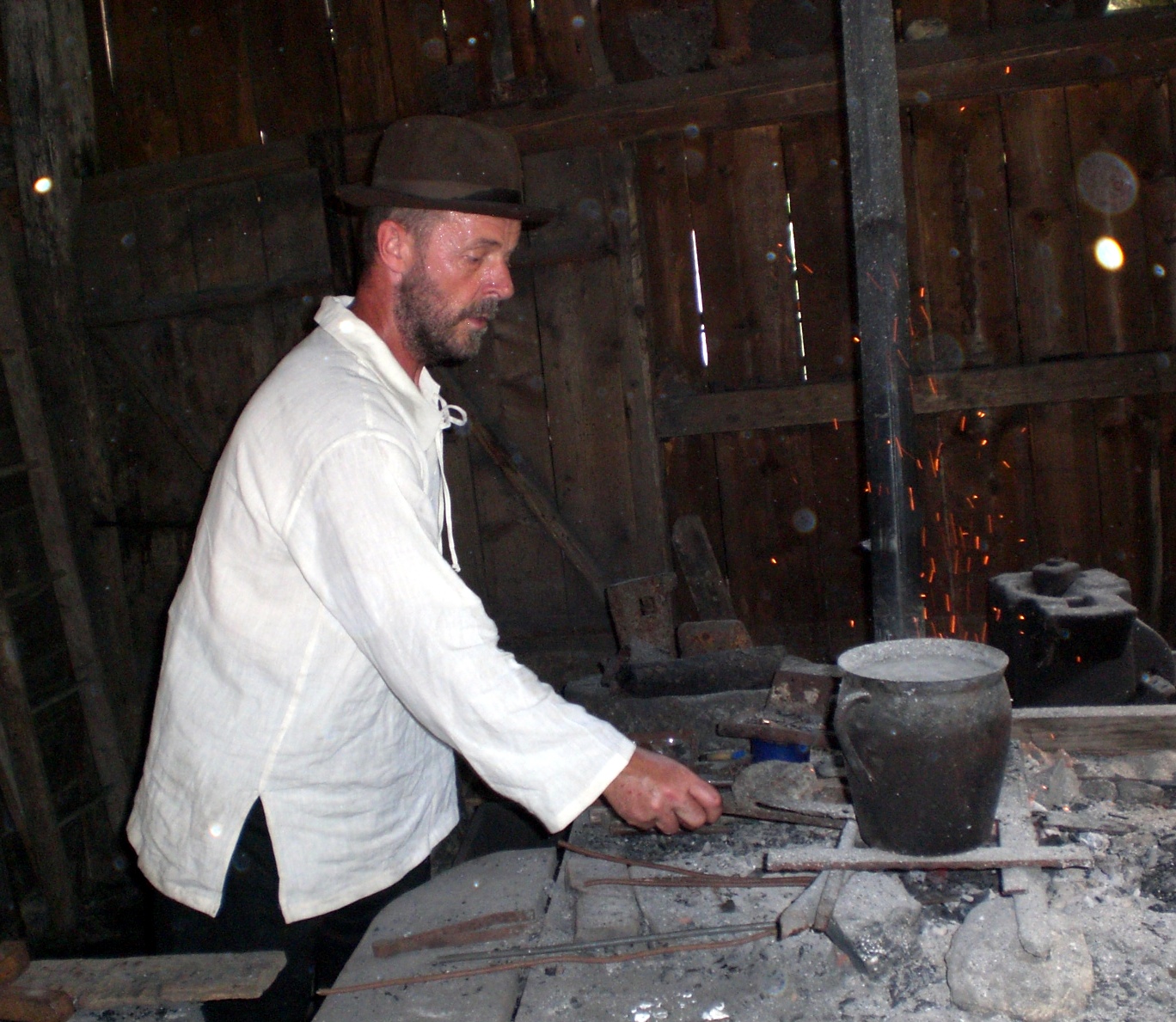
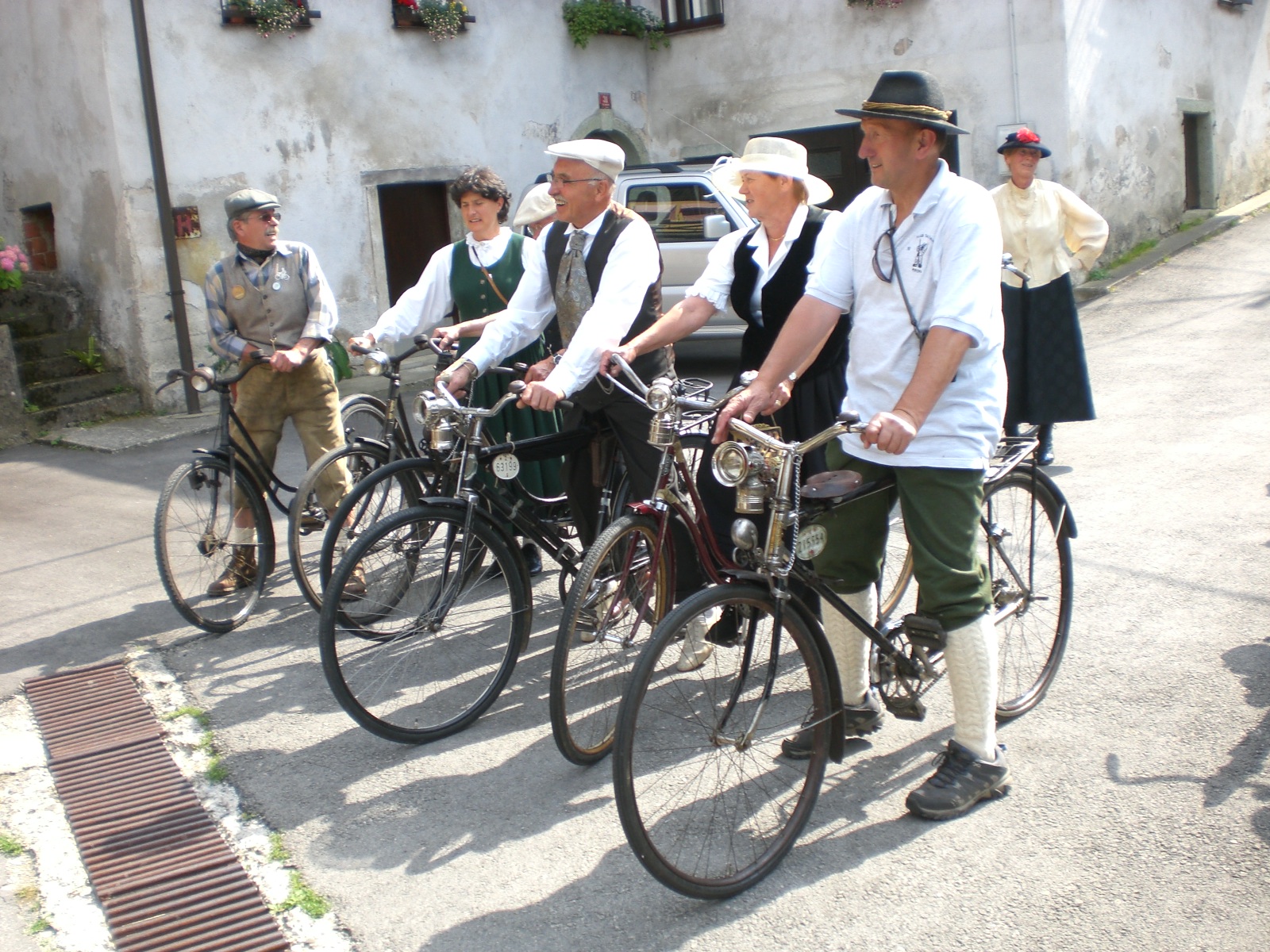
On Saturday it was also the annual Blacksmiths Festival (Kovaški smaren) in the village of Kropa, the cradle of Slovene iron-forging. The village, which sits snugly at the far eastern edge of the Jelovica plateau, is crammed with interesting sights and architecture and preserved technical heritage which is showcased during the annual festival. There were demonstrations of hand forging of nails in the Vigenjc Vice Blacksmiths Museum, a small handicraft market, old-time bikes, open days at the Blacksmiths Museum and the Fovšaritnica Museum House, as well as at the headquarters of UKO Kropa, which is keeping the iron-forging tradition alive in Kropa and specialise in all manner of wrought iron furnishings and fittings.

CIMG6416         CIMG6436

Kropa is one of the destinations that can be visited on the Hop-On Hop-Off tourist bus which is now operating. The bus visits Kropa on Tuesdays on the route which also includes Bled, Radovljica and Kamna Gorica. As the name implies, you can get on and off the bus at the various place along the route and either wander at your own leisure or participate in one of the guided tours. The bus also runs on Thursdays additionally to Begunje and Brezje, and at weekends to Triglav National Park. More information can be found here – http://www.radolca.si/en/hop-on-hop-off-radolca/

The nation was saddened by the news of the death last week of the legendary Slavko Avsenik, the founder of Slovene national folk music. The music of the Avsenik brothers is popular worldwide, particularly in neighbouring European countries, but also farther afield. The family home, and venue for the Avsenik Festival, regular concerts, gallery and museum, is at Pr’Jožovcu in Begunje na Gorenjskem. To date they have produced over 1000 songs, which are now being performed by younger generations of the family, so there is no doubt that his music will live on forever.

© AdeleinSlovenia 2015

Mystery Shopping in Radovljica!

The Slovene daily newspaper, Dnevnik, is currently running a kind of ‘Mystery Shopper’ project whereby foreigners living in Slovenia are sent to various locations across the country to assess things such as accessibility, information received at the local tourist office, restaurants and cafes, accommodation and activities in the area. As can be seen from the article below, which is all in Slovene hence my precis here, last week two Czech girls visited Radovljica and gave it rave reviews, well except for the accommodation which was slated. In fairness, however, Grajski Dvor hotel is currently undergoing refurbishment after a long period of closure and is most certainly ‘a work in progress’. Personally I think its promising and encouraging that a local businessman has been willing to undertake this big renovation project to ensure that the hotel will, eventually, be returned to its former glory and will stay in local hands. I actually went to see the newly refurbished rooms for myself last week and what struck me most was how clean the place was. For a 3 star hotel, which doesn’t pretend to be anything more, offers reasonable rates and is very centrally located, I think it’s worthy of a bit more than the 3 out of 10 awarded. Other than that, they gave everything 10 out of 10 meaning Radovljica currently leads the list of places visited and assessed so far! https://www.dnevnik.si/1042715656/magazin/prosti-cas/dnevnikova-izvidnica-radovljiska-pravljica-a-le-s-polno-denarnico What struck me as most surprising was that despite having lived in Slovenia for several years, the girls had never heard of Radovljica. Surely almost everyone who lives in, and visits, Slovenia knows Bled – of course – well Radovljica is just 7km from Bled! So, whether you live here or are on holiday, next time, just turn off the motorway one junction before the exit for Bled and come and see it and sample it for yourselves – don’t miss out! This is a summary of what the pair did, saw, ate, drank etc. On day one they arrived by car, just a 30 minute drive from Ljubljana. They first went to the Tourist Information Centre, which is ‘very easy to find’ – its the first building on the right on entering the old town centre – http://www.radolca.si/en/tic/ The welcome and information they were given in the tourist office was excellent, even though they tried hard to play the role of ‘annoying tourists’! They were given maps of local walking trails, suggestions for what to see and do including rafting, canyoning and kayaking, and ideas for places to eat and drink. Unfortunately the weather wasn’t conducive to outdoors activities so, following the suggestions given in the Tourist Information Centre, they first visited the Museum of Apiculture, which is housed in the magnificent Radovljica Manor, where they were given a short guided tour to learn about the history of beekeeping in Slovenia and where there is an actual hive you can watch bees come and go. They bought some honey-related gifts and souvenirs and then continued into the adjoining Municipal Museum. 3 Radovljiška graščina ceb muz Next up was a visit to the well-known Lectar Inn. This restaurant with rooms and gingerbread-making workshop is much favoured amongst Slovenes and visitors from far and wide. It is run by husband and wife Lili and Jože, assisted by their family and a loyal staff, dressed in Slovene national attire. The ground floor houses a restaurant, the upper floor has accommodation, and downstairs is the gingerbread heart workshop where visitors can watch, and upon prior reservation also try for themselves, the art of making these traditional souvenirs. 1781946_780217605407996_3932387495050073481_n     CIMG7936 In the evening they went to the Academia bar and were surprised at how lively it was, having thought of Radovljca as being ‘a bit of a sleepy town’. In fact Radovljica has a lot of restaurants, cafes and bars –  a surprising amount for a town of its size where you can try out some specialities from the Taste Radol’ca restaurants too – http://www.radolca.si/en/inns-and-restaurants/ 10982079_873359362707281_3075502047712497002_n     CIMG8163 The next day they walked on the new Sava River Trail – http://www.radolca.si/en/the-sava-river-trail/ 10404285_999836556694053_9154493743495987424_n     CIMG8124 Enjoying the walk so much they ended up continuing to the ruins of Lipnica Castle (Pusti grad) and the Natural Science Trailhttp://www.radolca.si/en/lipnica-castle-natural-science-trail/ CIMG6948 This is just the tip of the iceberg of things to see and do in the area but I hope it at least provides some ideas and inspiration. © AdeleinSlovenia 2015