Bees in Art / Taste Radol’ca and Win, Win, Win!

After such a wonderful hot summer, autumn is turning out to be a bit of a washout, or rather a ‘damp-out’, which is rather disappointing as this time of year, when the leaves on the trees are turning into their brilliant autumnal colours, is usually a perfect time for hiking in the mountains. Alas, there’s not much of that happening at the moment but I hope to be able to bring you some trip reports soon. Still, there’s plenty of other stuff going on to keep me busy!

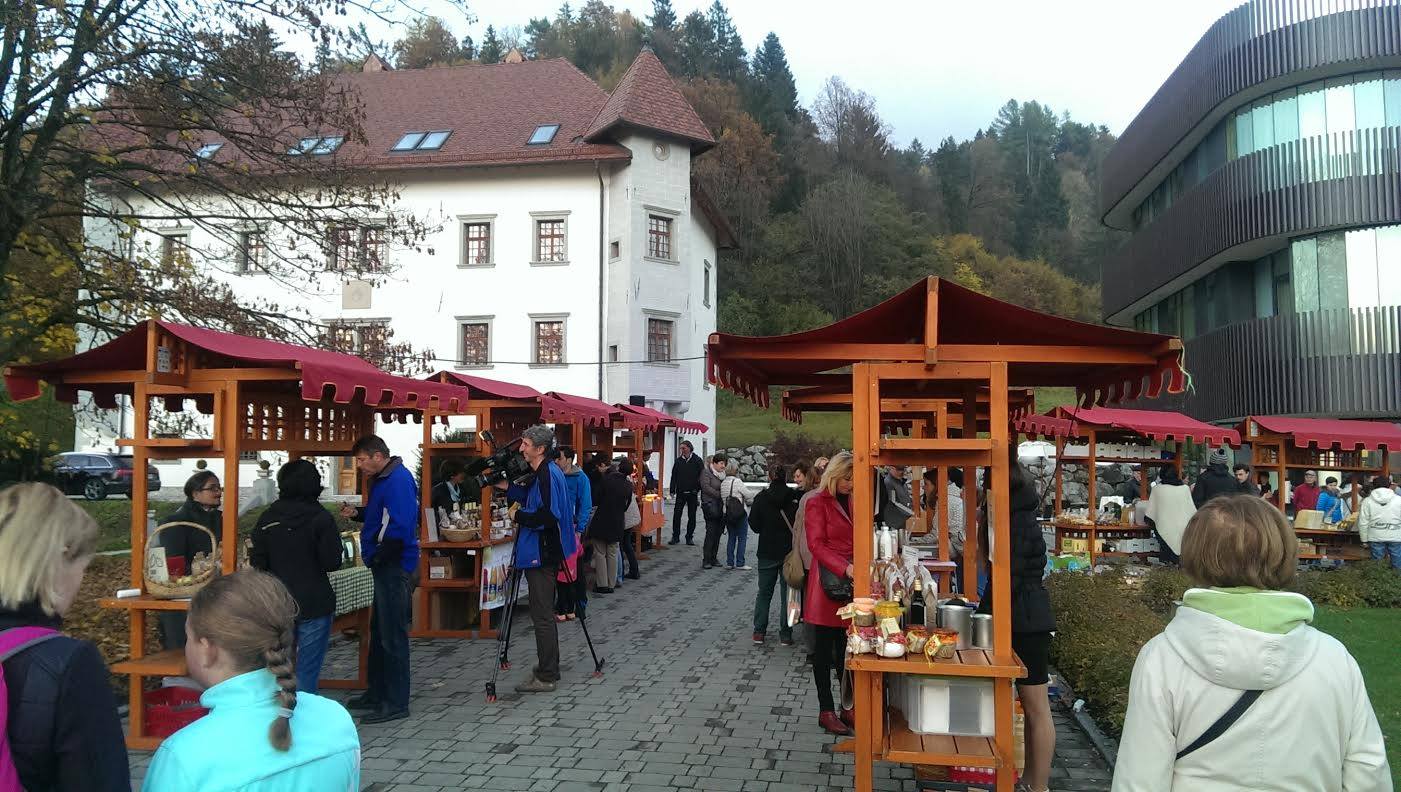
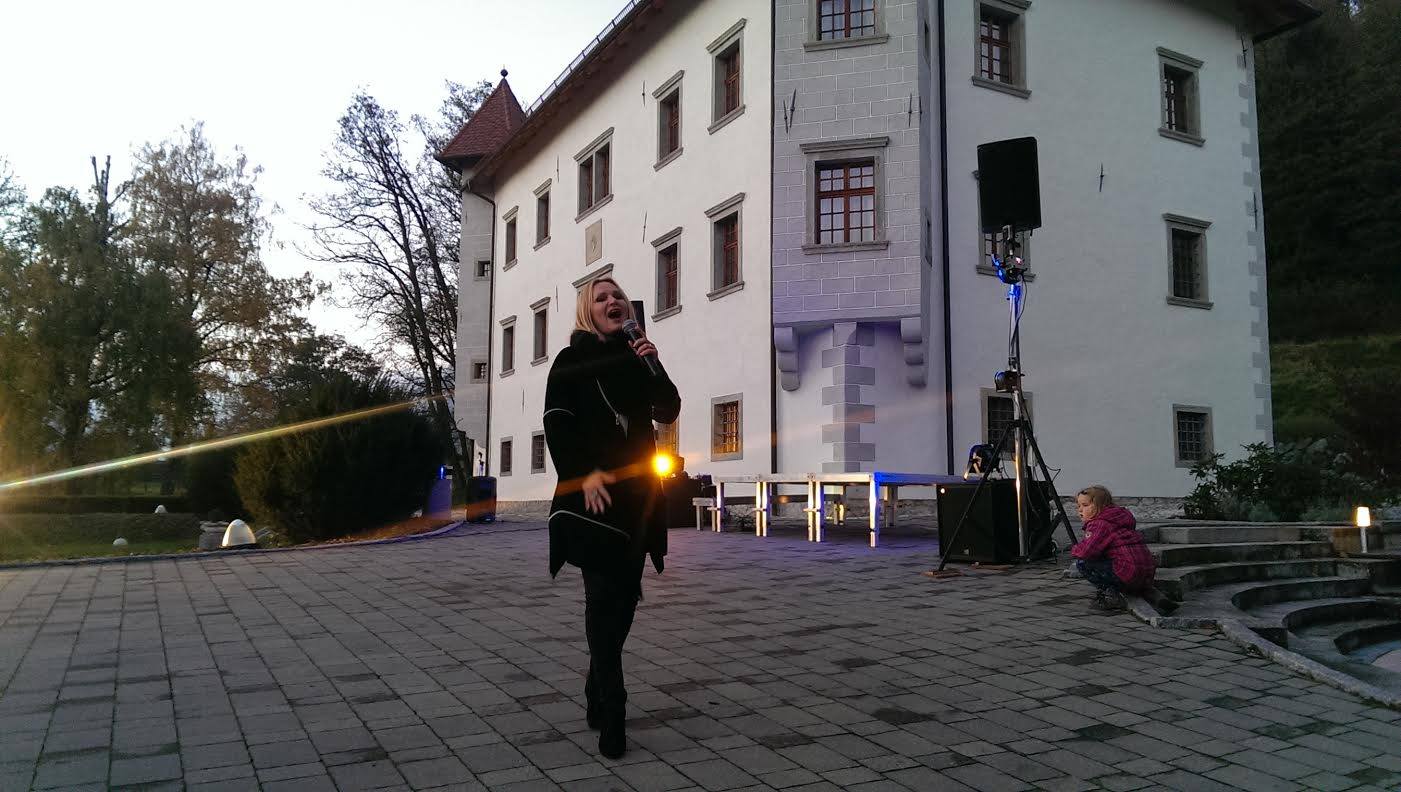
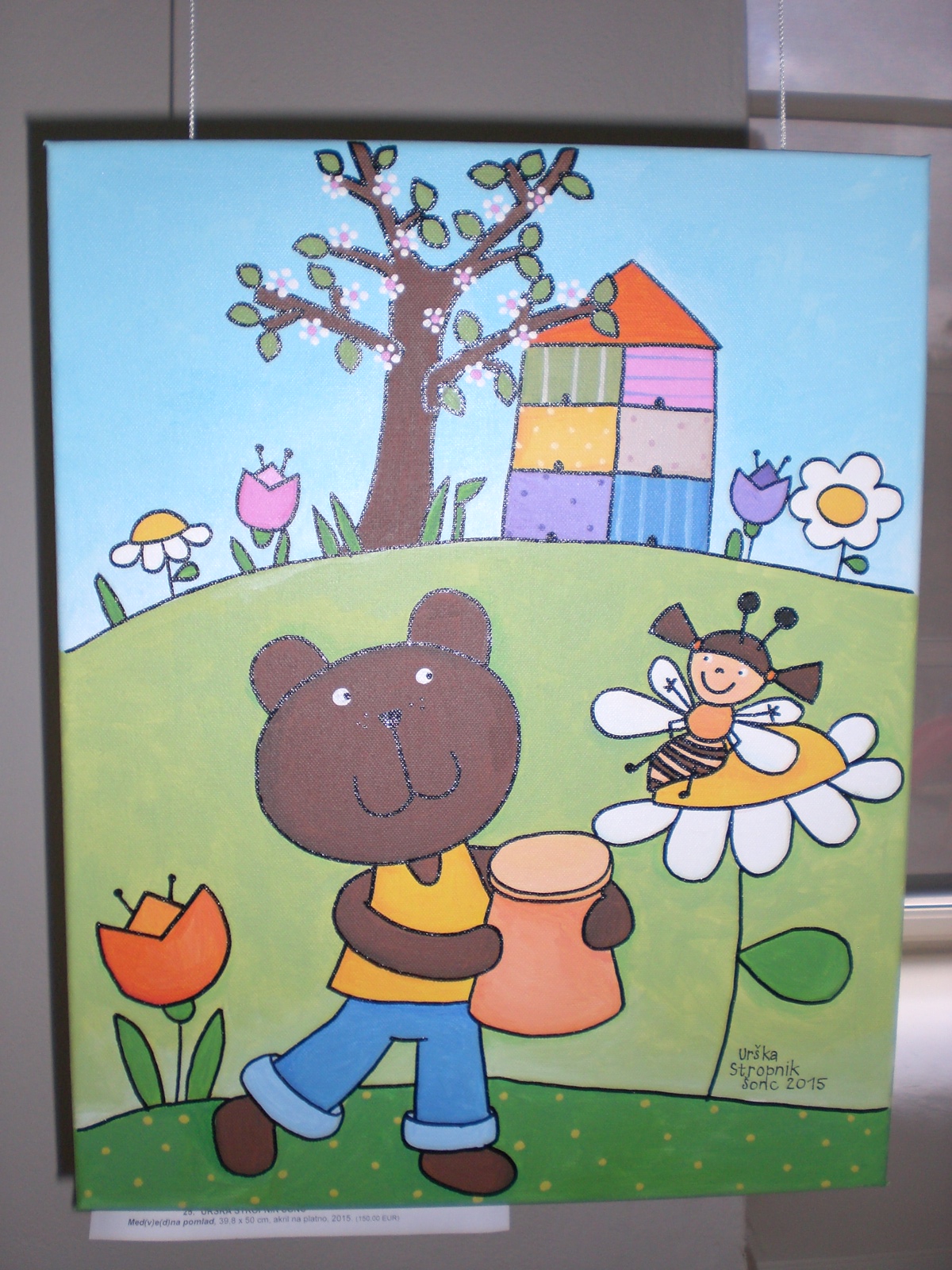
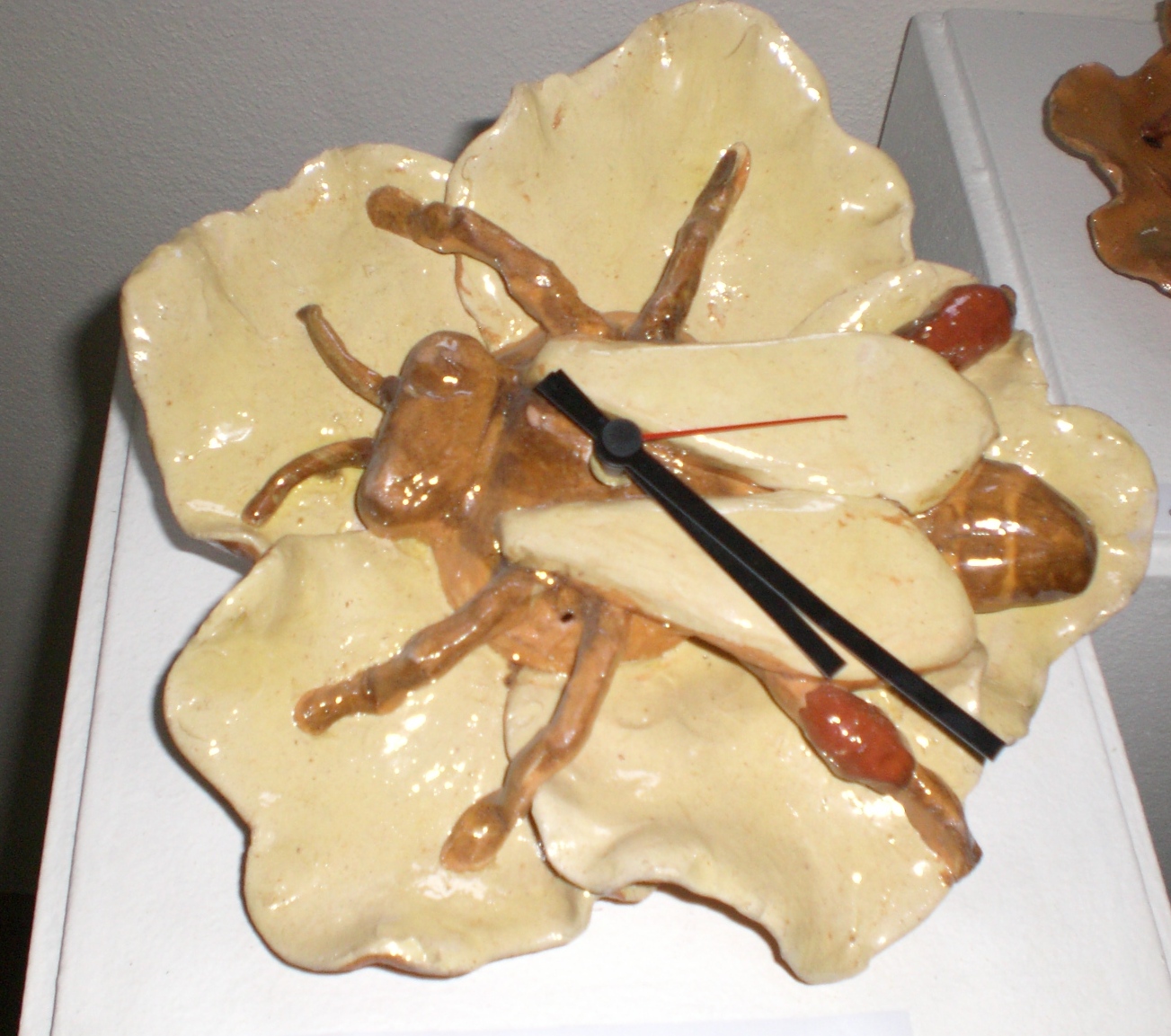
In support of the initiative by the Slovenian Beekeeping Association to have 20th May declared World Bee Day, last week Radovljica’s Museum of Apiculture opened a new exhibition entitled ‘Bees in Art’. I went along to the exhibition opening last Thursday, which was also attended, amongst others, by the Minister for Agriculture, in a show of support for the initiative.

CIMG9896

The exhibition, which is on display until 31st December, features 24 works of art created by Slovene artists, all of which are bee-related. In addition to browsing the exhibition, if any of the pieces take your fancy, visitors are invited to purchase the piece, which can be taken home after the exhibition closes, and in doing so you contribute to supporting the initiative.  Much progress has already been made with the government having endorsed the initiative and the United Nations currently considering it. Slovenia could really be considered a world leader when it comes to beekeeping and the Slovenian Beekeeping Association will not rest until World Bee Day becomes official and will contribute to further promoting the important role bees play in all our lives.

CIMG9892

If you would like to see the exhibition, then pop along to the museum in Radovljica’s old town. See here for opening times and further information –  http://www.radolca.si/en/radovljica-apiculture-museum/

CIMG9894

Taste Radol’ca Prize Competition

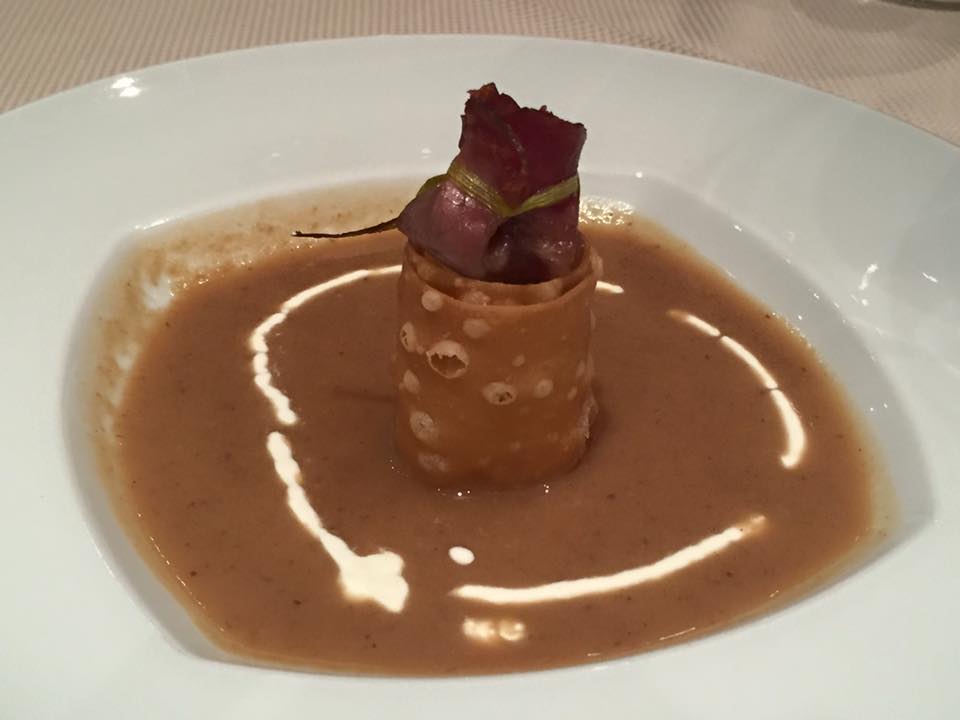
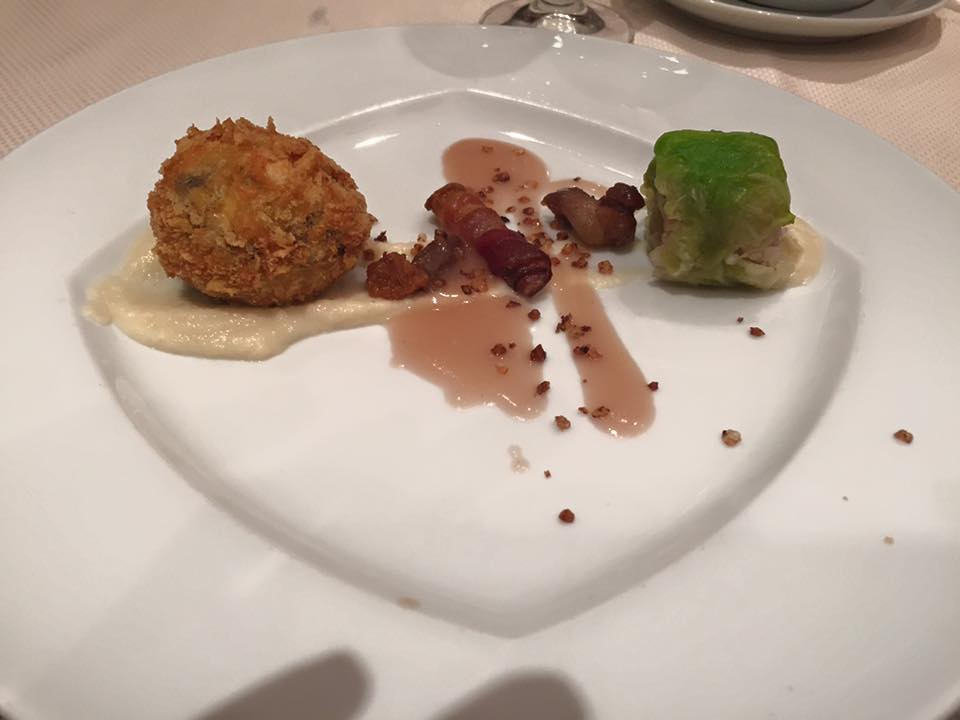
The start of this year’s month-long Taste Radol’ca event is drawing ever nearer. Now, two new prize competitions have just been announced which will make visiting Taste Radol’ca restaurants during the month of November even more tempting. All you have to do is visit 7 of the participating restaurants during the month and, in addition to eating lots of yummy food, you win yourself a ticket to the Closing Party at Jostov hram in Podnart. The second competition rewards those who submit the best photos of their Taste Radol’ca culinary experience.

1512864_471682126332469_5214037377450130341_n

More information about this year’s event and the prize competitions can be found here – http://www.radolca.si/en/taste-radolca/

I feel a gluttonous month coming up!

© AdeleinSlovenia 2015

Prekmurje – The Land of Storks, Pumpkins, Floating Mills and more….

Having lived in Slovenia for over 8 years, and being a lover of hiking and all things Alpine, I had yet to visit the northeast of Slovenia. I’d long intended to get there but, in truth, I suppose I always assumed it would be a bit ‘flat and boring’. Well, I stand corrected. Yes, it is flat in places, but there are also rolling hills, vineyards, castles, lakes, numerous spas, delicious food, and more. So here’s a brief run down of my visit which will hopefully whet your appetites too!

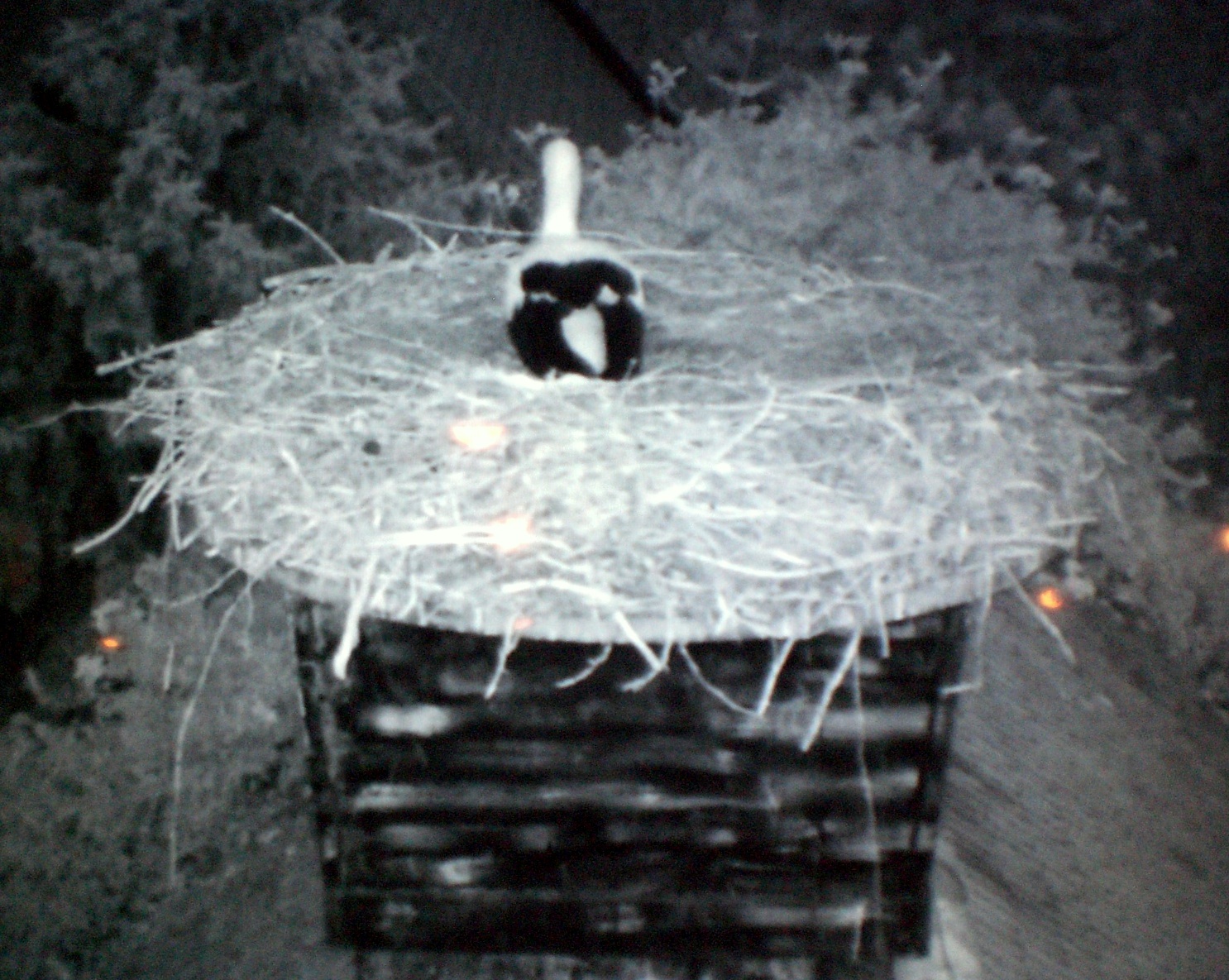
The Prekmurje region, part of Slovenia’s Pomurje, is named after the Mura river and is known, among other things, for its many storks which can be seen throughout the area nesting on chimneys tops and in large nests balanced precariously on telegraph poles. The hotel where I stayed even had its own stork family nesting on the roof and a live camera broadcasting on a screen in the restaurant so guests can sit and enjoy a meal whilst watching them!

CIMG9346

This stork was sat contentedly on its nest whilst I enjoyed my dinner!

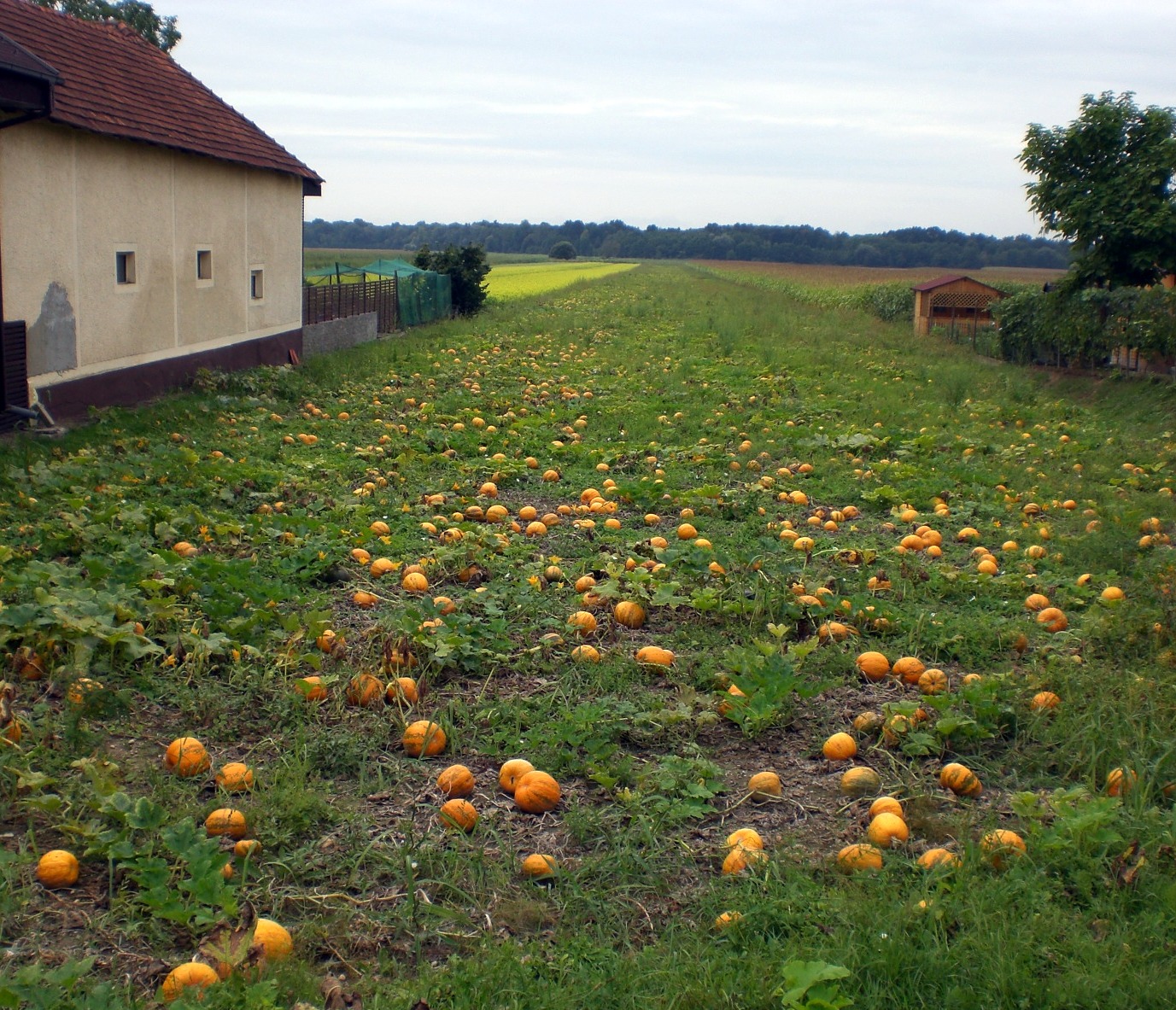
Prekmurje is also known for its pumpkins and, at the time of my visit, it was prime harvesting time. Thousands of pumpkins can be seen scattered across fields, though, they are mainly used for their seeds which are extracted to make the delicious pumpkin-seed oil which is another typical product in this area and makes an excellent salad dressing. I also tried ice-cream served with pumpkin-seed oil and, though it might sound an odd combination, it works!

CIMG9370

Nearby, in the village of Markišavci, I visited the family run Kodila Ham Producers which produces and sells all manner of delicious meats, as well as other local produce. The firm’s speciality are the dried hams which are first rubbed with salt, being left to air-dry for 18-45 days, then rinsed, smoked, rubbed (in this case with buckwheat flour and pig fat) and left for up to 6 months. The hams have been awarded the status of food of protected geographic origin and a part of the trademark ‘Scent of Prekmurje (Diši po Prekmurju) which brings together a number of indigenous foods, some of which, including Prekmurje ham and the layer-cake ‘gibanica‘ have now been given the status of protected foods.

CIMG9377

The Kodila hams. I can’t portray the smell but it was very tempting!

safe_image

Prekmurje gibanica cake – layers of pastry, apple, poppy seeds, curd cheese and walnuts – delicious!

The Bukovnica lake (Bukovniško jezero) is a 4.5ha, 2-5m deep, man-made lake and is a popular fishing and picnic spot. There are plenty of places to walk nearby, and the area around the lake is home to the renowned energy points that are thought to have special energy that calms, relaxes, revitalises and have healing properties. There is also an adventure park in the forest which surrounds the lake, which offers all sorts of different adventures for all the family.

CIMG9391

Bukovnisko jezero lake

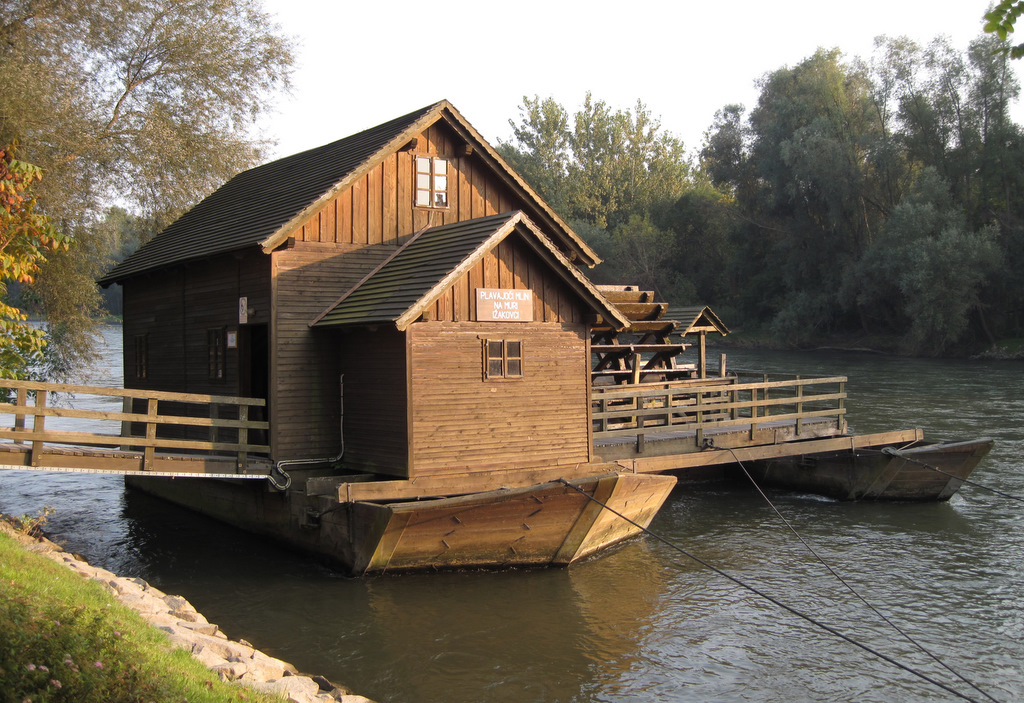
The first use of floating mills on the Mura river dates back to the 4th century when flooding was a frequent problem in the area and thus the floating mills were designed to rise with the water levels. At their peak there were 94 mills operating on the river. Many of them were lost along the years due to fires and others mishaps, whilst the advances in technology, the arrival of electricity, and attacks from the German army, saw off the majority of the mills and today just two mills remain. The larger one, seen below, is at Ižakovci, whilst there is another small mill near the village of Veržej. Both these mills are still active and visitors are able to see the process of flour-making and even buy flour to take home.

Here is a link to a popular Slovene song about the mills on the Mura river – https://www.youtube.com/watch?v=TjKuXUbbNwE

Plavajoci_mlin_na_Muri_-_Izakovci

One of the last remaining floating mills on the fiver Mura at Ižakovci

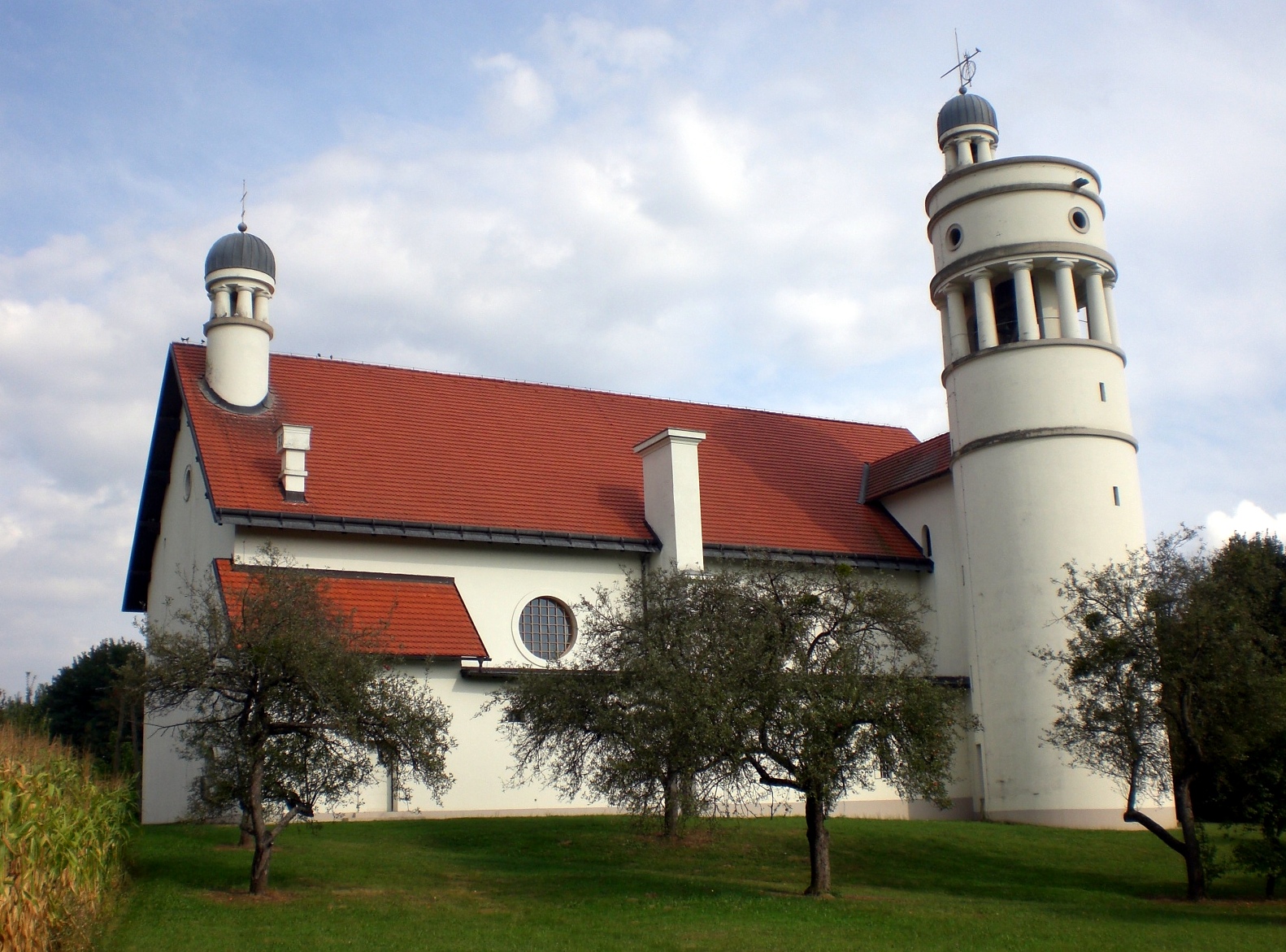
Prekmurje’s most famous and popular church, the Church of the Ascension is situated in Bogojina and was designed by the famous Slovene architect, Jože Plečnik (1872-1957), and built during the period 1924 – 1927. Plecnik’s architecture is well-known in Europe and particularly made its mark on Vienna, Prague and Ljubljana. Ljubljana’s Triple Bridge is among the most notable of his works.

CIMG9393

As you can see, there’s more than enough to keep you occupied for a few days, or even longer, in Prekmurje.

Useful links:

The Church of the Ascension – http://www.slovenia.info/en/cerkev/Bogojina,-Church-of-the-Ascens.htm?cerkev=4735&lng=2

Diši po Prekmurju – http://www.disi-po-prekmurju.si/en/informacija.asp?id_meta_type=46

Bukovnica Lake Adventure Park – http://www.pustolovskipark.si/en/

Tourism Pomurje – http://www.visitpomurje.eu/en/home

© AdeleinSlovenia 2015

Slovenia’s only preserved moat tunnel

The old town of Radovljica is home to Slovenia’s only preserved moat tunnel which runs under the entrance to the historic old town centre. It was renovated, and partly built-over, some years back, and is well-illuminated, meaning you can walk through it at any time as part of a visit to the old town centre. I’m rather lucky as I live just minutes from the old town and can therefore walk through it every day – and I do!

Radoljice1HDR

The history of the town dates back to the thirteenth century, whilst during the 15th-16th centuries, in addition to the moat, Radovljica had as many as 16 defence towers.

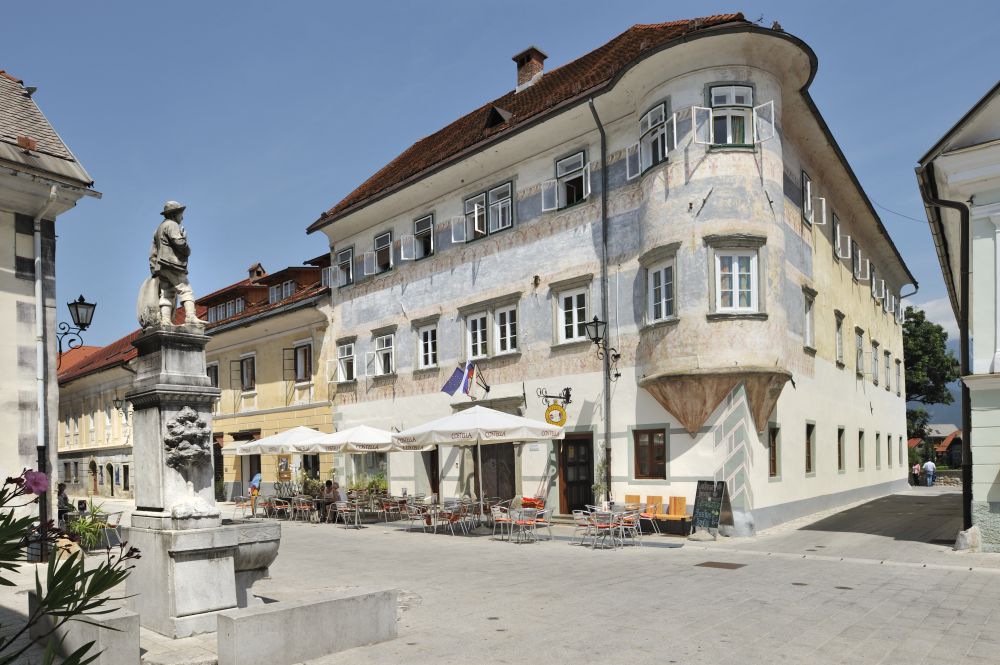
The old town has many notable buildings, many of them with frescoes, such as Vidic House, seen below, which now houses a café and youth hostel.

Radovljica SLO 2011

If you would like to learn more about Radovljica’s historic past then you can join a FREE guided tour every Tuesday at 10am, which begins from the Tourist Information Centre at the entrance to the old town. More information here – http://www.radolca.si/en/guided-tour-of-radovljica/

AUTUMN 2015 RESTAURANT WEEK

The bi-annual event Restaurant Week (Teden restavracij) sees some of the best restaurants throughout Slovenia offering special set menus for just 15 euros per person. It has become hugely popular with the limited places at many restaurants selling out very quickly, hence prior booking is essential.

This autumn Restaurant Week will take place from 16-25th October and includes no less than three – yes 3 – of Radol’ca’s restaurants. Since it’s not easy to get accepted, due to the stringent conditions to be met, that’s proof positive of the great restaurants we have here in Radol’ca – all of which I, of course, have tried!

There is more information available on the official website (link below), however, it is only available in Slovene and therefore I have below also included links to my reviews of the individuals restaurants where you can also find more information – http://tedenrestavracij.si/

Kunstelj Inn in Radovljica – known for its wonderful views and great home-cooked, seasonal and local food – http://wp.me/p3005k-ev

1

Vila Podvin in Mošnje – where one of Slovenia’s best chefs, Uroš Štefelin, creates masterpieces on a plate – http://wp.me/p3005k-ai

Vila_Podvin_Jost_Gantar_MALA (59)

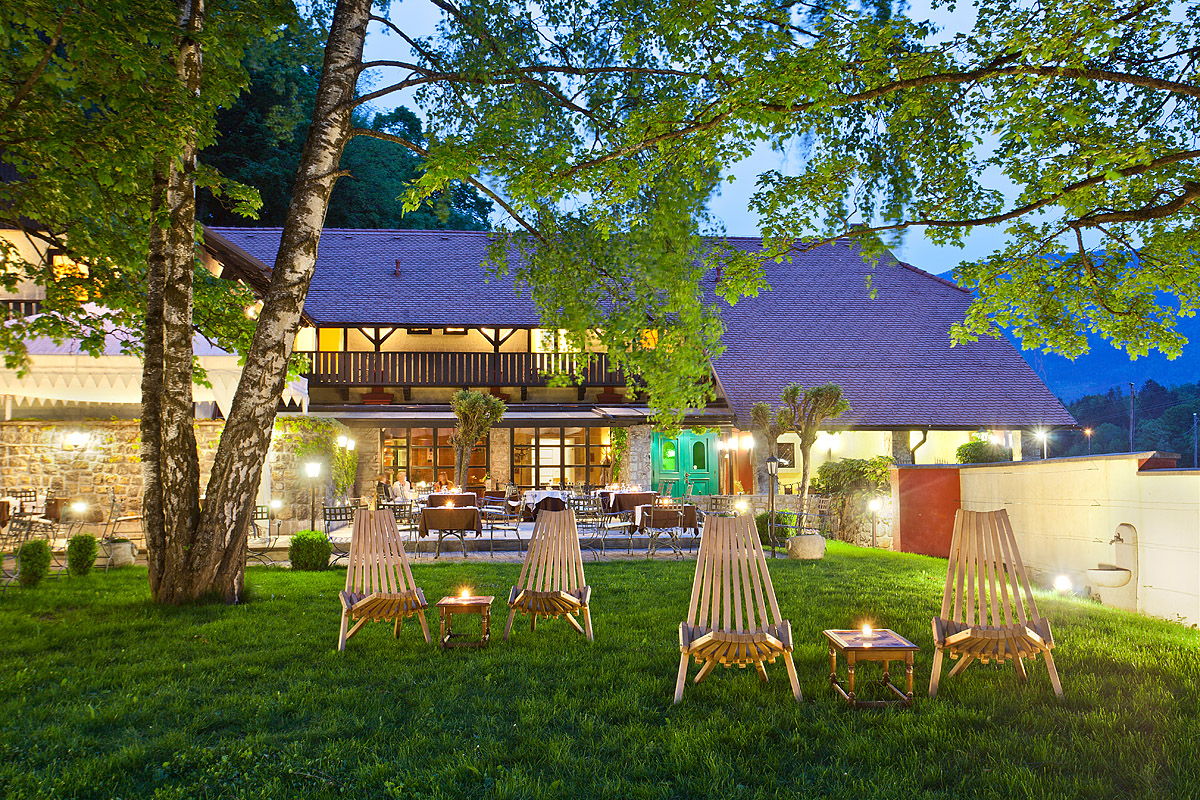
Restaurant Lambergh in Dvorska vas – Chef Grega Rozman heads up the kitchen at this luxury country hotel and adjoining chateau – http://wp.me/p3005k-db

Dvorec (11)

© AdeleinSlovenia 2015
The New Triglav National Park Centre and a Froggy Tale!

Triglav National Park is Slovenia’s only national park, covers an area of 880 square kilometres and has 3 information centres including the newly-built and recently opened centre in the village of Stara Fužina, near Bohinj lake, which I visited for the first time last week.

Downstairs the centre, which is open 10am-3pm on weekdays and 10am-5pm at weekends, has a permanent exhibition, information and exhibits about the park, and a small area selling local products.

CIMG9740

However, its the upstairs viewing room that makes this place so special. The saying ‘a room with a view’ is certainly apt for this, and no photo-shopping is required. They have managed to capture the views and the essence of Bohinj lake and the surrounding mountains perfectly with the full-depth windows, relaxing hanging chairs and selection of magazines.

CIMG9750

The only thing missing was a nice cup of tea with which to be able to sit and marvel at the views!

CIMG9756

Whilst in the area I paid a visit to another of my favourite haunts, Čokohram, in the tiny village of Česnjica, near Bohinj lake. I wrote extensively about this in a previous blog – http://bit.ly/1iq7MR4 – however, this time there was an added reason for my visit, apart from the obvious reason of gorging myself with chocolate and cake.

Inside the tiny building the walls have been hand-painted with several pictures of frogs and, on a previous visit, the owner, Alenka, had begun to tell me about the reason for this and her plans for the future. So, I wanted to find out more, as I’m always one for listening to an interesting local story.

CIMG9708

Though, in fact, I won’t give too much away yet as Alenka has plans to create a ‘frog-based’ theme path that will lead from Bohinj lake to Čokohram in Česnjica – and you can be sure I’ll be writing about that as soon as the plan is realised.

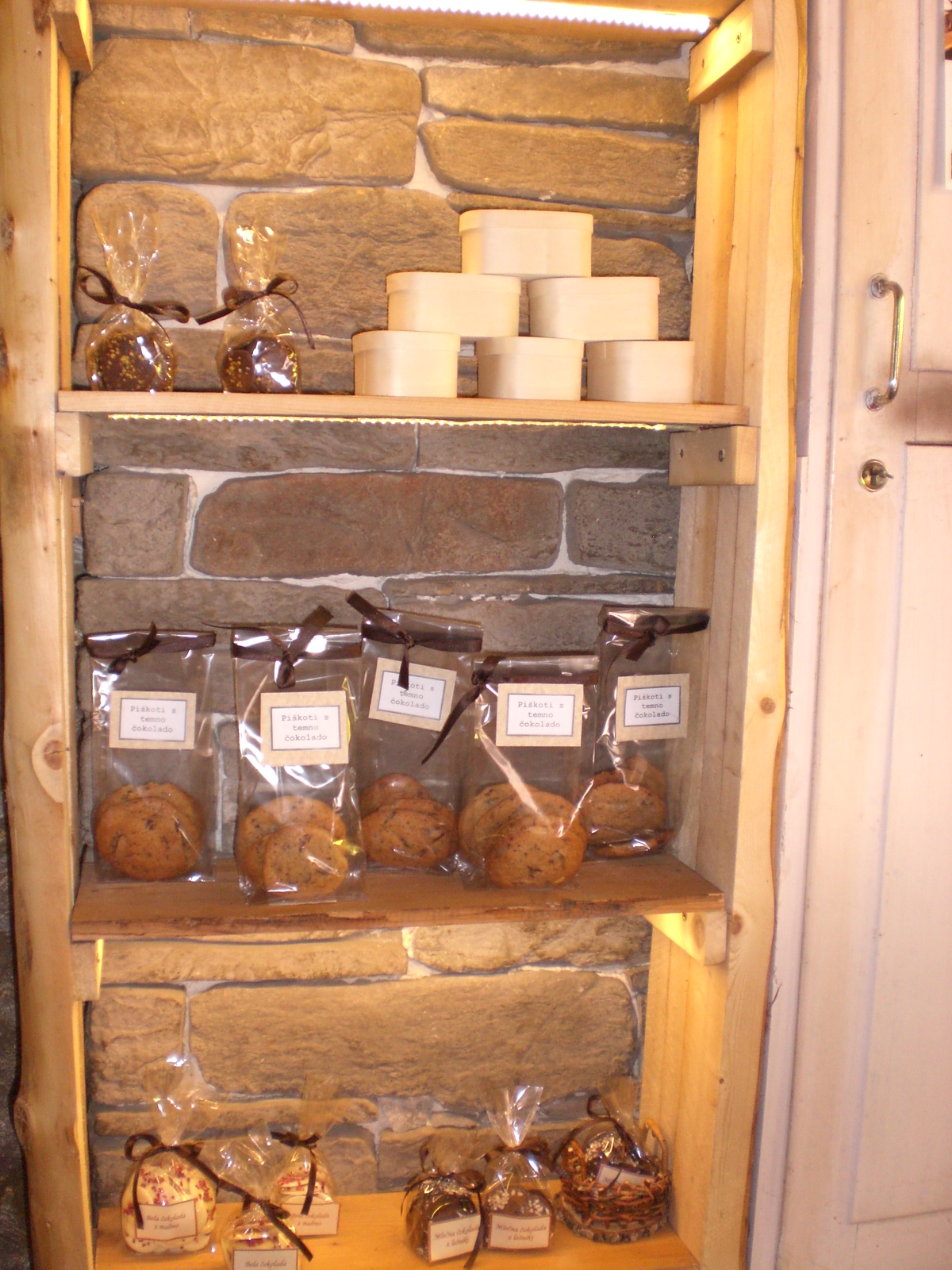
In the meantime I’ll share some photos I took of the delicious things on offer, as each time I visit there is something new. This time I noticed new chocolate liqueur, home-baked chocolate cookies, and cake pops. Nothing escapes me!

CIMG9706           CIMG9703

I also worked on persuading Alenka to be a part of next year’s Radovljica Chocolate Festival, which has become THE unmissable chocolate event in Slovenia and the date of next year’s festival has already been announced – 15-17th April 2016.

The Heart of Slovenia – Lukovica

The Heart of Slovenia comprises the towns of Lukovica, Litija, Kamnik, and the surrounding villages and countryside. I have been to Kamnik on several occasions but had never been to Lukovica or Litija. So, when I discovered there was going to be an Open Weekend in Lukovica, I decided it would be a good opportunity to visit, particularly as my parents were here on a visit from the UK and, unfortunately, the weather had taken a turn for the worse. In fact, however, despite the weather our day spent in Lukovica turned out to be one of the highlights of their week-long trip.

CIMG9640

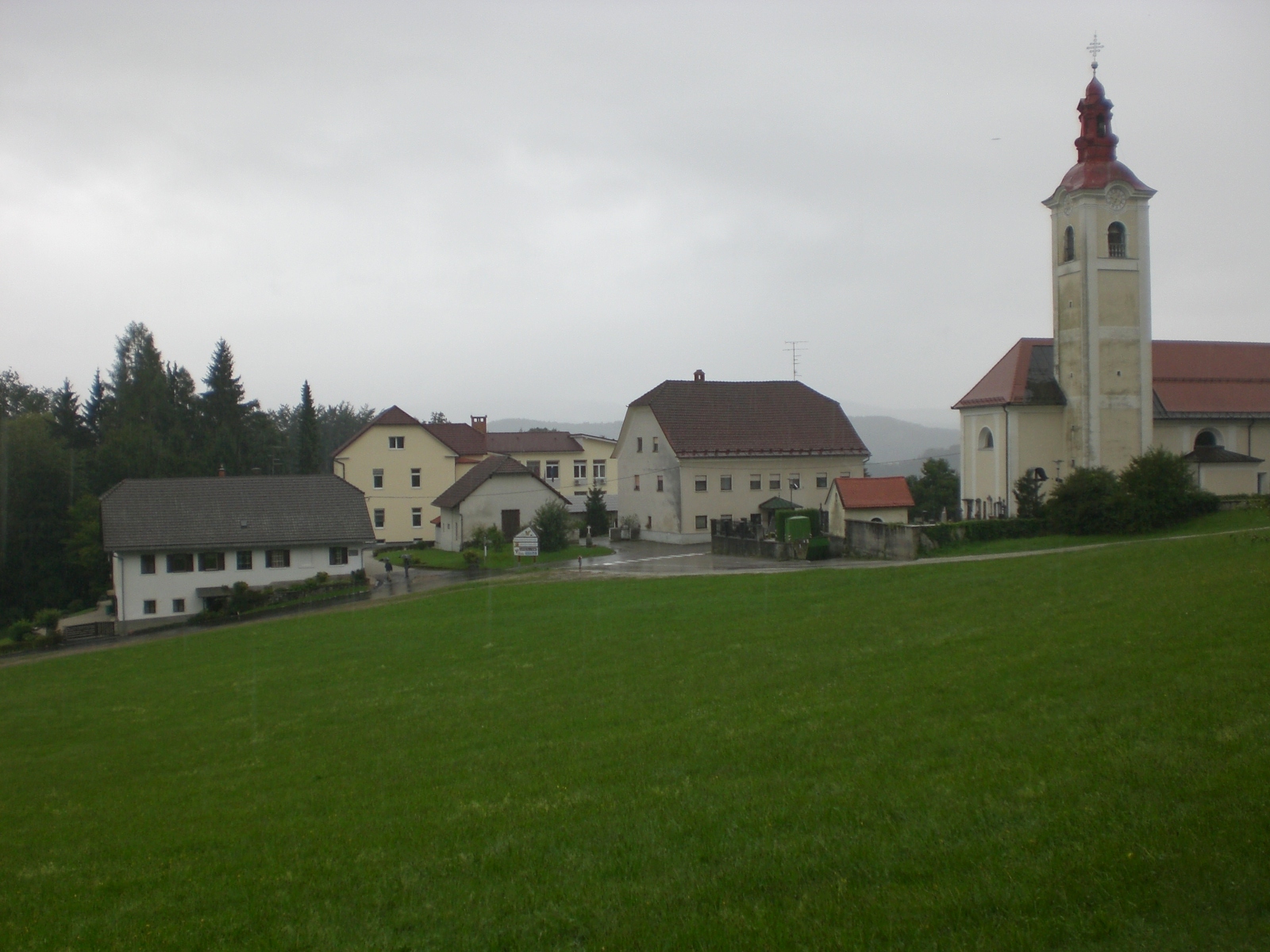
The village of Brdo pri Lukovici

Our first port of call was the Slovenian Beekeeper’s Association Centre in Brdo pri Lukovici, where on a stroll along the Beekeeping Education Path visitors can get right up close to the 3 large beehives of the Lukovica, Grosuplje and Domžale beekeeping associations. The centre offers an expansive range of services for beekeepers, training and education, a restaurant, a shop, and also, upon prior arrangement, guided tours can be arranged.

CIMG9642

You can get right up close to the colourful beehives and watch the bees busy at work

Also in the same village are the remainders of the Renaissance Brdo Castle, also known as Kersnik Manor (Keršnikova graščina), after the influential Slovene writer, Janko Kersnik, who is buried here in the family vault. The castle was built at the beginning of the 16th century and was burnt down during the second World War. The walls and tower have been partly renovated.

CIMG9659

The remains of Brdo Castle with its renovated facade

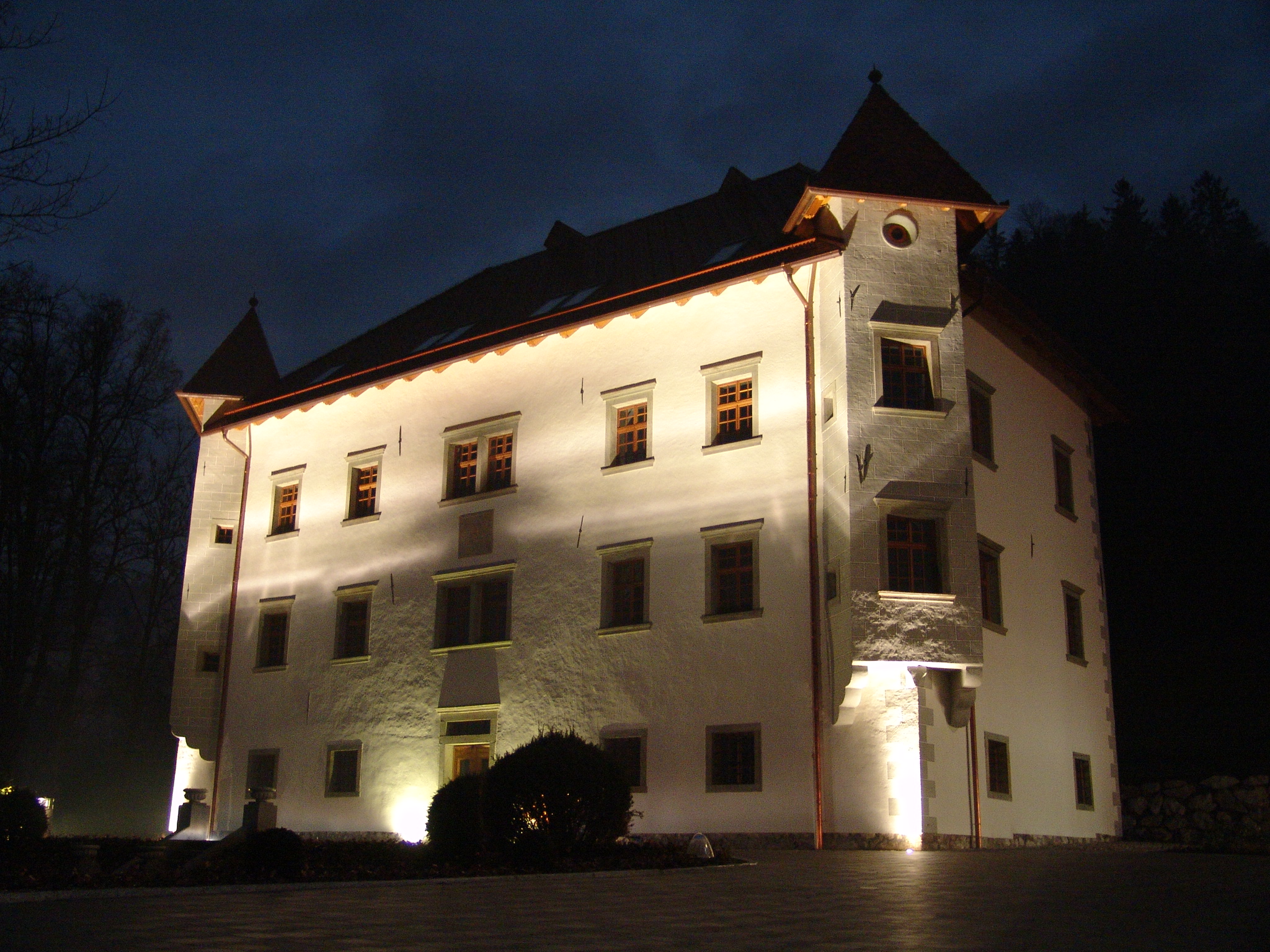
After leaving the centre of Lukovica, and more by luck than judgement, we happened upon Dvorec Rus, in the village of Šentvid pri Lukovici, which was also holding an open-day. Wow, what a goldmine this place is, and such a revelation. From the outside it looks like a fairly ordinary building, however, inside it’s a real treasure trove of historical museum items, a gallery, a wedding hall, and more. The history of the building dates back to 1710 and through the years it has had many different owners and functions, most recently and until just a few years ago, it was a restaurant. These days its maintained by an enthusiastic group of volunteers who organise occasional concerts, workshops, theatre productions etc. We were welcomed like old friends, shown around, and then sat around the fire (yes, it was August, but it was cold!) and enjoyed the hospitality and array of home-produced treats that were on offer.

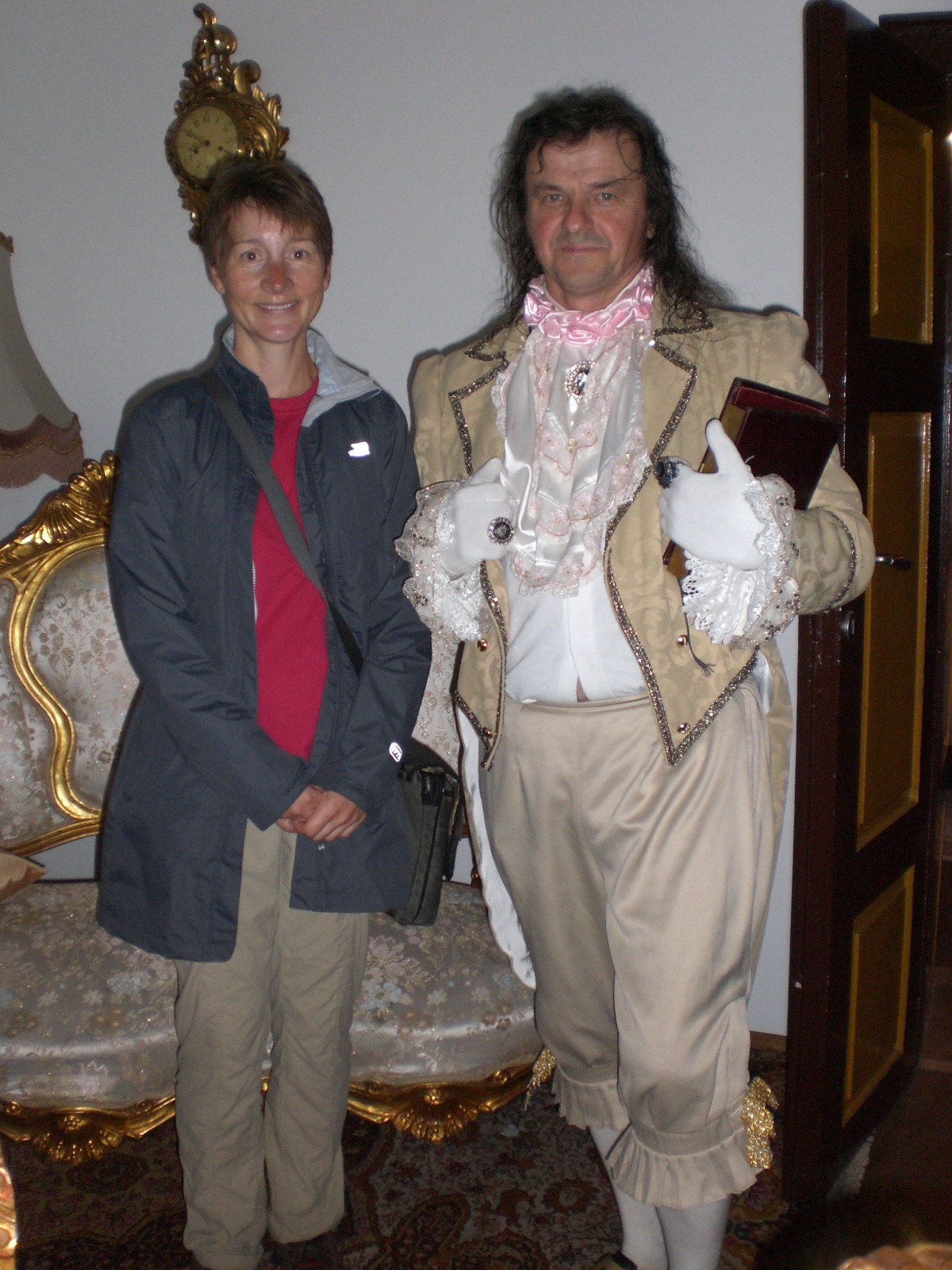
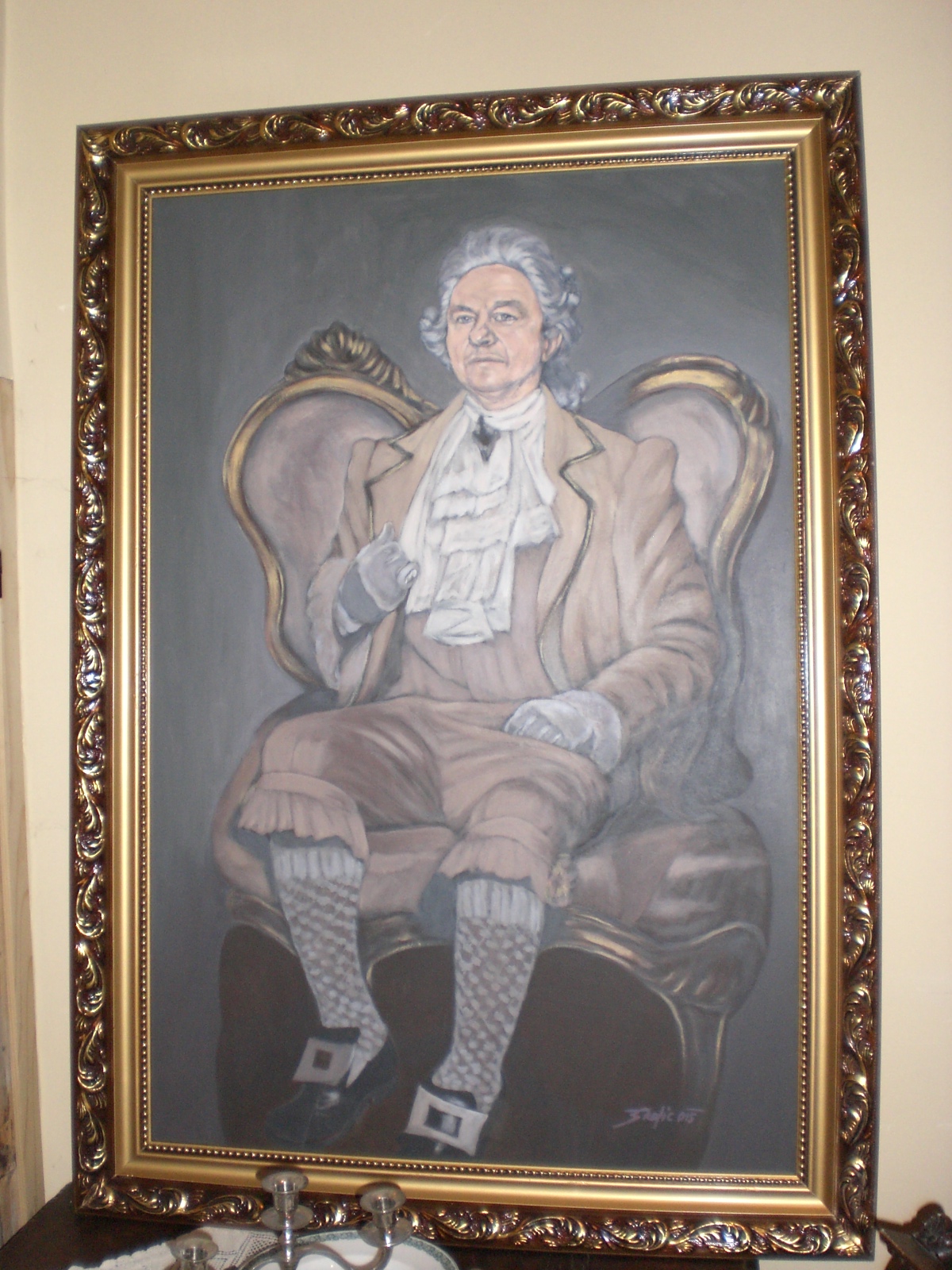
Here is me with the current owner, who looks remarkably similar to the house’s original owner, as seen in the 2nd photo below!

CIMG9688

Me with the current owner of Dvorec Rus!

CIMG9677

The original owner of Dvorec Rus. Spot the similarity to the photo above?

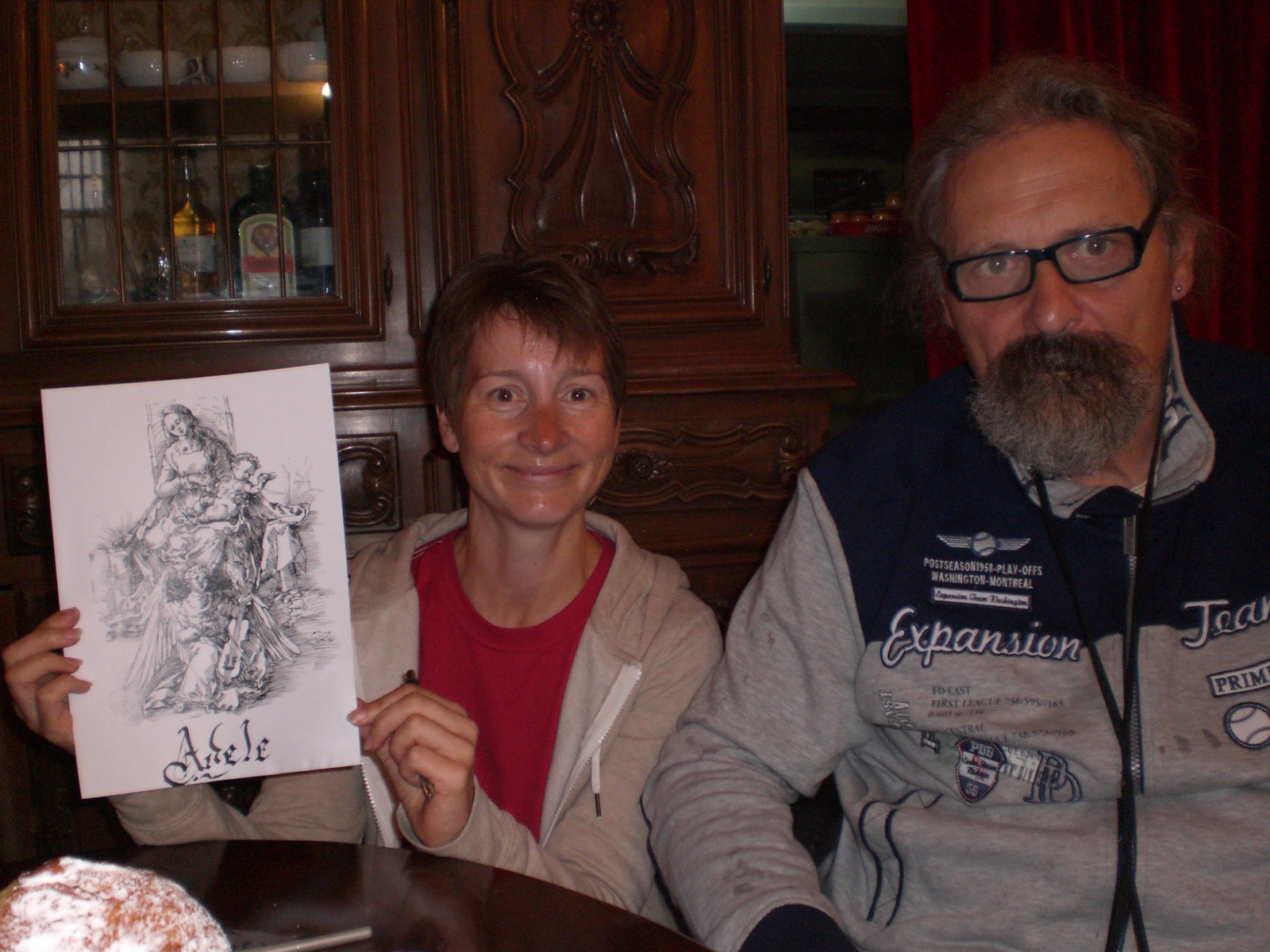
I also had the opportunity to meet the renowned Slovene castle writer, calligraphist and artist, Stane Osolnik, who drew this wonderful picture for me. I felt truly honoured.

CIMG9689

Stane Osolnik drew this beautiful picture for me

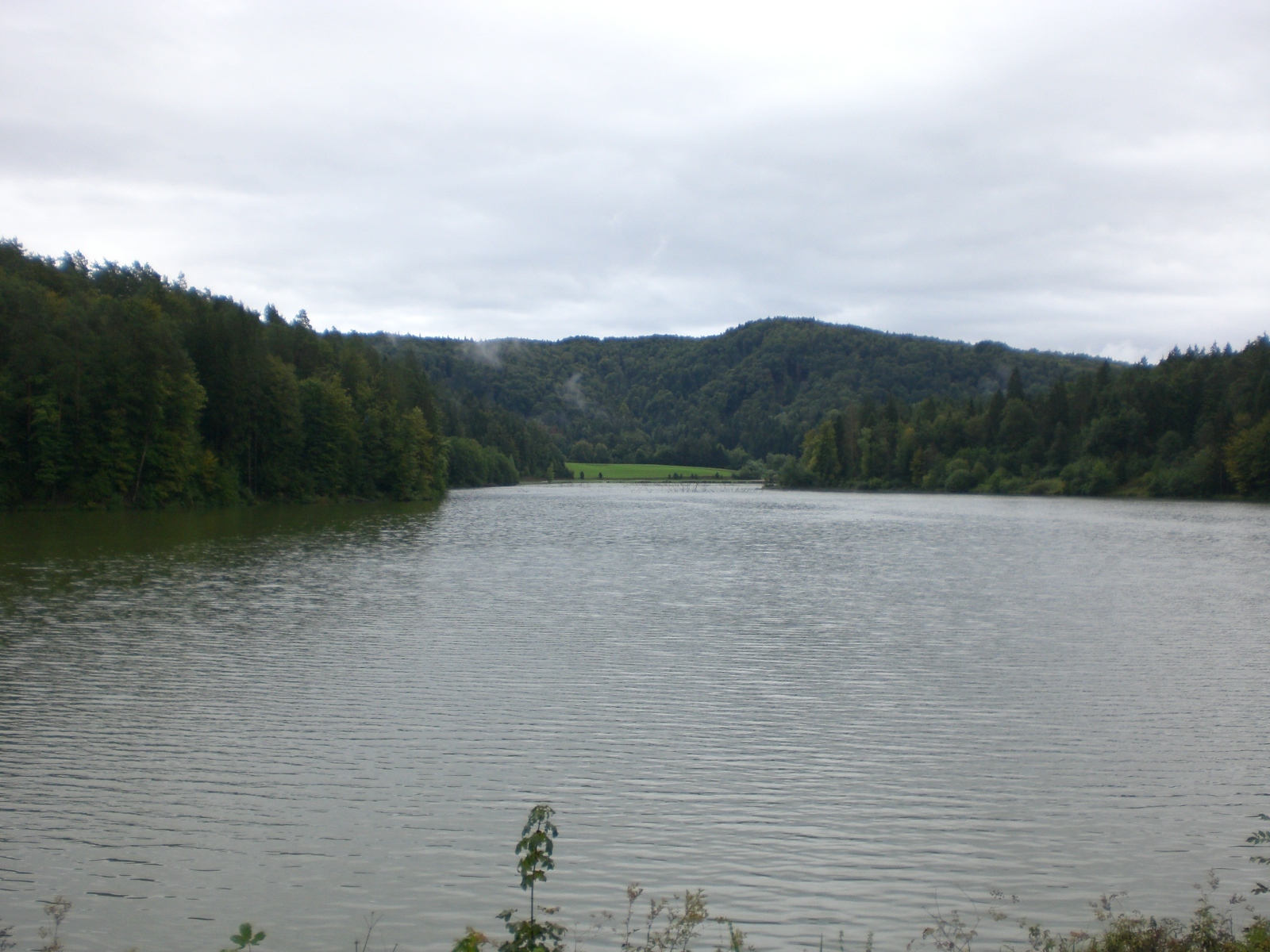
By now the rain had eased and we were able to continue a further few kilometres onwards to the artificially built Lake Gradišče (Gradiško jezero), where we walked the 4-km path around the lake. The lake was built to prevent flooding following the building of the motorway and these days its a popular recreational and picnic spot

CIMG9690

Lake Gradisce was built to prevent flooding after the motorway was built.

To see more of Lukovica, including some of the places I mentioned above, you can watch this newly produced video – https://www.youtube.com/watch?v=rGCvIeNDbFg

You will note the title of this blog ‘Part One’, since I’m certainly not done with exploring the Heart of Slovenia, so watch this space for more!

More information:

Beekeepers Association of Slovenia (in Slovene) – http://www.czs.si/

The Heart of Slovenia Tourism – http://www.heartofslovenia.com/en/tourism

Culinary Radol’ca & a Festival(ful) Weekend

As I mentioned in last week’s blog, there were a lot of events going on this past weekend, and I had some difficulty choosing which to attend. In the end I managed to fit in 3 in one day, such is the benefit of living in a small country. The weather also contributed to my decision as when I awoke early on Saturday morning the skies were looking ominously gloomy and so I decided that a day out to the coast to visit the Sweet Istra Festival and to see some sunshine and sea would make a change. It was like mid-summer there, so I certainly achieved what I set out too and I even managed to also squeeze in visiting the Festival of Honey in Lesce, and Mošnje Days in Mošnje.

The Sweet Istra Festival (Sladka istra) takes place in Koper every September, and for lovers of all things sweet i.e. me, it makes a great day out. It’s held right next to the sea in the old town of Koper, home to Slovenia’s only port. There were cakes, chocolates and sweets of all shapes and sizes. Even, as seen below, a giant fish made out of chocolate being sculpted by Blaž Habjan in the Land of Chocolate, where I recognised many of the chocolatiers from Radovljica’s Chocolate Festival.

CIMG9781

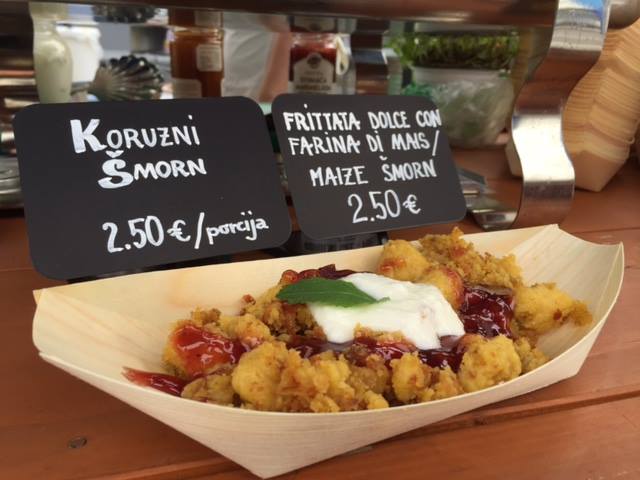
There were typical Istran dishes such as this koruzni šmorn – a kind of shredded pancake made from corn flour.

12032945_996659263688503_2117190933919814988_n

On my way back I stopped off at the Festival of Honey at the Beekeeping Centre in Lesce where there were stalls selling honey and beekeeping products, workshops for children, honey drinks, ice-cream and other dishes, and a chance to look around the centre and see the various equipment available for beekeepers for processing wax, bottling etc.

10801627_991196990895822_1626238758914675371_n

I was particularly taken by these cute honey pots!

CIMG9783

My final port of call was to Mošnje where the Mošnje Days event was taking place. There was an open-day at the village museum, locally produced food, stilt walkers, and much merriment. I arrived rather late after my long day out but fortunately there was still a little food left in the pot!

fb7c710c-db5b-48b4-9b5c-b53c6d7ae239

Tourism Radol’ca have produced a new culinary guide to the Radol’ca area which includes details of all the restaurants that are part of Taste Radol’ca, and since the focus is on local food, the guide also include details of local suppliers. Additionally, the chefs have divulged recipes for some of their favourites dishes so you can try making them at home.

okusi%20radolce-naslovnica

Take a look at the brochure here – http://issuu.com/turizemradovljica/docs/kulinaricna_brosura_radolca

Grajska gostilnica – A New Era

In late spring this year the restaurant Grajska gostilnica in Radovljica was given a new lease of life when it was taken over by Borut Salmič, who previously worked as Head Chef at several prestigious restaurants in the Gorenjska region, including Lambergh Chateau and Hotel.

It’s great to have a new (albeit old) restaurant in the centre of Radovljica, with a view over the town park. It offers top-quality food at affordable prices – classic Slovene dishes as well as more modern cuisine ‘ all with an added twist from Borut.

I have visited quite a few times in the past couple of months and have been working my way through the menu. In addition to the main menu, there is a snack menudaily lunch specials and a wine cellar where special events can be held.

Starters include cold-cut boards and soups.

CIMG8842

Main courses include steaks, pasta, risottos, fish, salad plates and more.

CIMG8843

And my personal favourite, stuffed dough parcels (kruhki), served on a board with dips:

CIMG9709

Home-made desserts are a particularly speciality, and for someone like me with a very sweet tooth they are heavenly.

CIMG8846

Grajska gostilnica will be (re)joining the other Taste Radol’ca restaurants, and preparations are well-underway for this year’s opening event next month. More on that soon – watch this space!

More information about Grajska gostilnica can be found here – http://en.grajska-gostilnica.si/home.html

These days I spend quite a significant amount of time scouring the internet and other media to find out what events are going on in the local, and wider, area and have discovered that next weekend, 18 – 20 September, there is an awful lot going on. In fact, almost too much!

It’s a shame as, inevitably, with so many things going on, it will be impossible to get to all of them. Should any of the event organisers happen to be reading this, perhaps for the future it would be worth considering some kind of co-ordination ‘date-wise’ as it would mean higher attendance numbers at events and more opportunities for us i.e. Joe Public’ to attend them, since this past weekend, there were no such events.

Anyway, that’s just my two-pennies worth, though, I suppose its better to have too many events than not enough! So, here are just some of the larger events taking place next weekend. Now I must just decide which to attend!

Sevnica: So Much to see and Do!

One of the aims of my blog is to draw attention to lesser-known areas of Slovenia, or at least those that are lesser-known to those visiting Slovenia from abroad. Places that, on first glance, you, and indeed I, might not give a second glance and by doing so I myself have discovered, and am still doing so, so many wonderful parts of the country that are ripe for exploring.

This time it’s Sevnica in the southeast of Slovenia in the Posavje region which is the country’s most forested areas – 68%, has two wine roads and is one of the main wine growing regions in Slovenia, and has numerous beautiful castles and churches and other sights of interest.

CIMG9556

The new town of Sevnica was developed with the building of the railway line and is the main residential and shopping area and is on the main line from Ljubljana so even for those without their own transport it’s easy enough to visit. The town’s star attraction is undoubtedly Sevnica Castle, set on top of a small hill above the old town centre. It’s worth taking a tour of the castle as it contains much of interest including the Castle Puppet Theatre, Wine Cellar, Baroque Salon, School Museum and several galleries and exhibitions, and the Castle Café, the terraces of which offer fabulous views.

CIMG9557          CIMG9575

CIMG9568

Sevnica is the starting point of the Bizeljsko-Sremiška wine road, as well as being on the Gornjedolenjska wine road, hence the whole area is awash with rolling green hills, vineyards and beautiful vistas. Tourist farms and vineyard cottages, called zidanice, are popular options for sampling some of the local wine and food, and also provide accommodation, so you can enjoy more than just a taste!

CIMG9583

I timed my visit to coincide with the Sevnica Mountain Marathon (Sevniški planinski maraton) which was organised for the first time this year to mark the 110th year of the Sevnica Mountain Association. The marathon takes place along the Sevnica Mountain Route (Sevniška planinska pot) which can also be walked independently as it is very well-marked throughout. The day of the marathon was a sweltering 33 degrees but fortunately much of the route is through the forest which provided welcome shade. The event was very well run and I have nothing but praise for the organisers. There were a choice of 6 routes ranging from 6km to 67km. Surprisingly, the most popular route was the longest one, I hasten to add that I didn’t opt for that one! I instead chose the 30km Ajdovska route which covered a total of just under 8,000 metres of incline and just over 8,000 of decline. Along the way there were water, feed stations and we were even greeted at one stop by accordion music.

149476

CIMG9592

The route passed the Ajdovski gradec Archaelogical Park, where a short guided tour was available, and later ascended to the peak of Lisca, home to the very popular Tončkov dom mountain hut where a hearty dish of goulash was on offer for hikers. The site was discovered by locals in 1811 when a Roman tombstone and sarcophagus was found and later more detailed excavations took place. Today the remains of the foundations of a late Roman or early Christian settlement from the 5th or 6th century can be seen.

CIMG9589

CIMG9597

The Sava River runs through the heart of Sevnica and acts as a border between the regions of Dolenjska and Štajerska. It is popular with anglers as due to the slow flow of the river there is an unusually high number and variety of fish in this part of the river and access to the river is also easy here due to well-maintained paths. it is also here that the Sava rivers makes its biggest bend as it heads onwards towards Croatia. Beside the river there are a group of stones, which form a Geopuncture Circle, created by the distinguished author Marko Pogačnik.

CIMG9534

Another speciality in Sevnica is the annual Salamijada (Salami Festival) which has been running for over 50 years and takes places at the popular restaurant Gostilna Vrtošek in the old town.  During my tour of Sevnica Castle I also had a chance to sample some of the delicious local salami (and that comes from someone who doesn’t even usually like salami!) produced by the Grajske mesnine butchers, who also produced other local specialities available at the town’s Farm Co-operative (Kmetijska zadruga).

CIMG9573

So, as you can see, there’s plenty to see and do in Sevnica. Way too much for just one blog! Information about all the above, and more, can be found on the very comprehensive Tourism Sevnica website – see below.

Useful links:

Tourism Sevnica – http://www.dozivljaj.si/

Sevniska planinska pot – http://www.pd-lisca.si/sevniska-planinska-pot.html

Fishing on the Sava River – Sevnica – http://www.ribiskekarte.si/en/rd-sevnica/sava-18

© AdeleinSlovenia 2015
Food, Glorious Slovene Food!

In the 8+ years I’ve been living in Slovenia the food scene has certainly come on in leaps and bounds. There’s still plenty of the traditional Slovene food which we all (including me) love, but there is also no shortage of variety with a plethora of international restaurants opening, particularly in the capital Ljubljana which is now right up there with other capital cities in terms of its variety of restaurants serving food from across the world.

Just last week there was an article published in the local media (in English) entitled ‘Top 10 delicious Slovenian dishes’ which you can read here – http://www.rtvslo.si/news-in-english/top-10-delicious-slovenian-dishes/372078

Many places, including Radovljica where I live, have also begun initiatives such as Taste Radol’ca whereby local restaurants unite to arrange special events and offer dedicated menus using local produce. More information here – http://www.radolca.si/en/taste-radolca/

11659555_471681756332506_3179824717989752957_n

There are also some great food events taking place such throughout the country, particularly the weekly ‘Odprta Kuhinja’ (Open Kitchen) street food market, which this year has also been successfully expanded to Celje and Koper. This is a hugely popular event with both locals and tourists and allows visitors to try out all kinds of different foods, with restaurants taking part on a rotational basis so there’s always something new on offer. More information here – http://www.odprtakuhna.si/

Odprta kuhna

Despite living less than 45 minutes away, I don’t find myself often in Ljubljana, and when I do its for work and I’m usually in a rush and am left wishing I had more time to look around and have a chance to try out some of the goodies on offer. So, I decided to address this and, having read so much about her and her Food Walks, I contacted Iva Gruden, founder of Ljubljananjam Food Walks. What Iva doesn’t know about food in Ljubljana isn’t worth knowing!

A Ljubljananjam Food Walk offers the chance to take a walk around the city to see some of the great sights near the Ljubljanica river and Ljubljana Castle, and also a little further afield, and enjoy some of the best food and drink the city has to offer too.

CIMG9500

The philosophy of Eva’s Food Walks is based around showing the best local producers, restaurants, pubs, cafes – those offering something slightly different from the normal Slovene fare, or Slovene food ‘with a twist’. The Food Walks cater for small groups and can therefore be entirely personalised to your and your group’s wishes.

One such example is the deconstructed apple strudel I enjoyed on the walk. Strudel is found pretty much everywhere throughout the country, so finding a new way to serve it is refreshing. Savouring it in a small Italian restaurant, just metres from the main tourist area in a peaceful courtyard, which I would never have otherwise known about, made it all the more enjoyable.

CIMG9513        CIMG9517

I also had a chance to sample delicious cupcakes and jams, bought some bread from a small craft bakery, where the bread is a million miles from that sold in supermarkets, and sampled some craft beer.

CIMG9524

For more information about Iva’s Food Walks visit her great website which labels itself as Ljubljana Foodies’ Hub and also has a complete listing of all things ‘foodie’ happening in the capital – http://www.ljubljananjam.si/

© AdeleinSlovenia 2015

Kamna Gorica: Langus Days / The Sextons’ Museum House

After a 30km hike on Saturday (more about that soon!) in 30+ degree temperatures, I was pretty out for the count by early Saturday evening, that was until I was suddenly awoken with a start, though it wasn’t until the next morning that I found out why. There was an earthquake, measuring 4.1 on the richter scale, the centre of which was in the Bovec area in the Soča valley, and was felt throughout the west of the country.

In fact, earthquakes are not an entirely uncommon occurrence here, there have been four recorded this year and in April 2014 there was a 4.4 magnitude quake in South-West Slovenia. However, the majority of them are almost undetectable. The biggest earthquake, 6.1 magnitude, struck Ljubljana in 1895 on Easter Sunday. Seventeen years ago one of the strongest quakes of this century, 5.6 magnitude, caused considerable damage in the Soča valley area, but fortunately no lives were lost.

The annual Langusovi dnevi (Langus Days) event begins this week in the village of Kamna Gorica. The event is held on the first weekend of September in memory of the painter Matevž Langus (1792-1855). Various artistic, creative, social and recreational events, for adults and children alike, take place during the course of the celebration.

CIMG7613

For its size the small village of Kamna Gorica, in the Lipnica valley, crams in a number of sights of interest. The Sextons’ Museum House, dating from 1803, stands perched on a small hill above the village, next to St. Trinity’s church, and affords wonderful views across the village and to the mountains of the Karavanke range.

11008517_636617816474072_57606250200389934_n

In 2014 the house, which had previously lain derelict for years, was re-opened after thorough restoration. Visitors can see the original black kitchen and preserved living areas which offer an insight into life in Kamna Gorica in the past. Together with nearby Kropa, Kamna Gorica was formerly one of the main iron working villages in the area of what is the present day Slovenia. It is also known for the many water canals that run through the village which previously served the needs of the forges and led to the village also being known as ‘Little Venice’. Entrance to the museum house is free, though voluntary donations towards its upkeep are appreciated. More information can be found here – http://www.radolca.si/en/the-sextons-museum-house

safe_image

The main events of this year’s Langus Day take place on Saturday 5th September and include:

  • 10am – 2pm – Creative Workshops for All Generations
  • 10am – 5pm – Open Day at the Sexton’s Museum House
  • 2pm – Free Guided Tour of Kamna Gorica
  • 4pm – Children’s 200m, 400m & 1100m Run
  • 5pm – Adult’s 5km Run

More information about these and other Langus Day events can be found here – http://www.radolca.si/en/langus-days/

Finally, as summer slowly draws to an end (boohoo!) it’s official that this has been the 2nd hottest summer ever since records began in 1900, with 42 days being above 30 degrees C.

© AdeleinSlovenia 2015