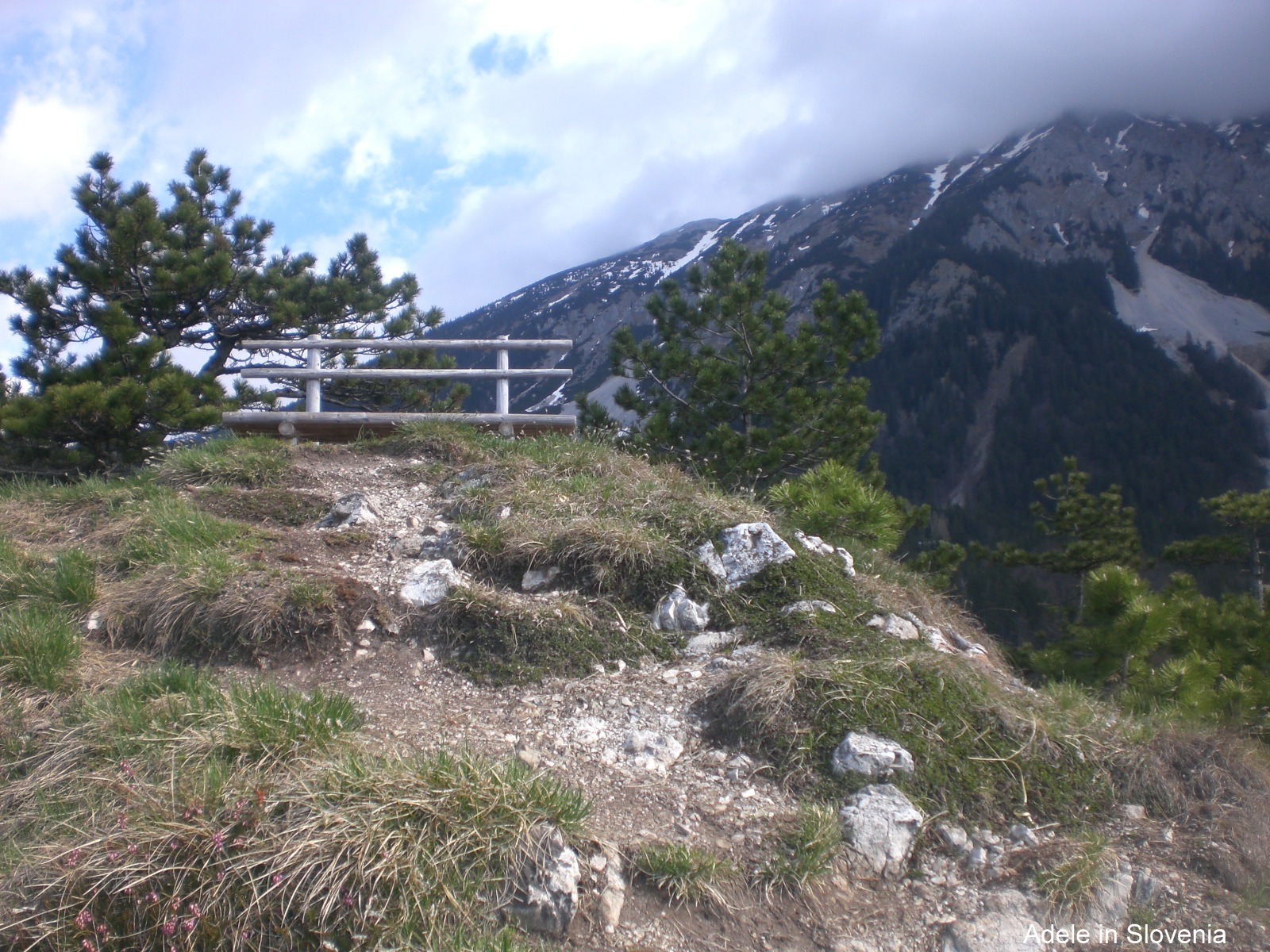
Kindness in the Karavanke

In this often turbulent world we live in, the kindness of strangers is something to be valued and cherished, as I discovered on my latest adventure in the Karavanke mountains last weekend!

CIMG2132

Those of you who also follow me on my Adele in Slovenia Facebook page are likely to have already read my (mild) rant last week about the queues of people and two hour wait to ascend to the top of Slovenia’s highest mountain, Triglav, on a busy Bank Holiday weekend in August.

I have often waxed lyrical here about the Karavanke mountains, which seem to get so overlooked by those visiting Slovenia who automatically head for the better-known Julian Alps. The Karavanke form a natural border between Slovenia and Austria so, in addition to offering myriad possibilities for day and multi-day hikes, there are the added bonuses of less crowds and far-reaching views across 2 countries.
CIMG2129

My home town of Radovljica is in a perfect location to base yourself to explore the Karavanke mountains, being in close proximity to Stol – the highest peak of the Karavanke, as well as Begunščica and numerous other peaks, many of which I have written about previously. Note: you can use the search facility on this blog to find previous posts by using keywords and/or visit the Tourism Radol’ca website for more information – http://www.radolca.si/en/hiking/

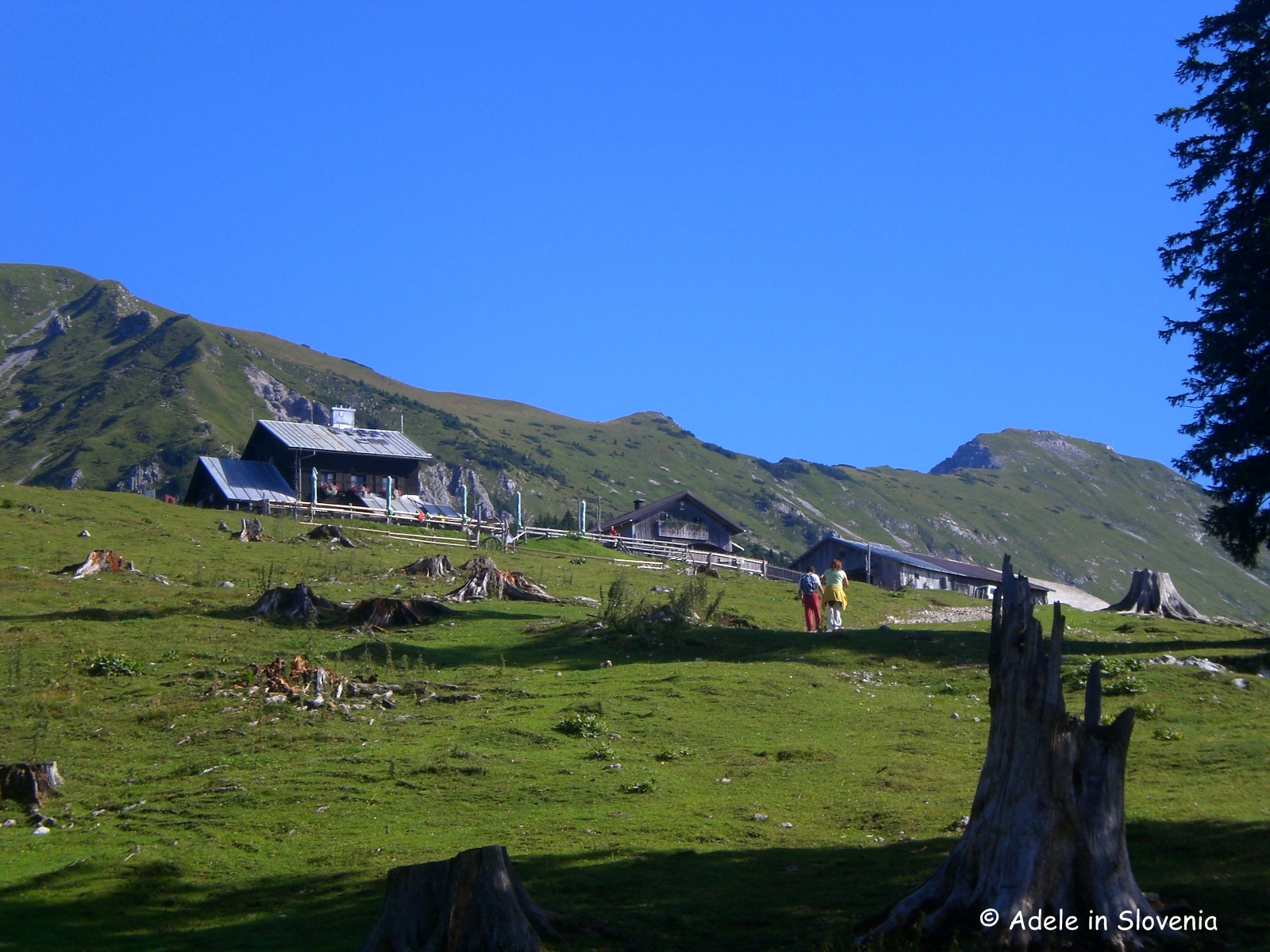
So, back to my latest adventure. This time I headed slightly further from home to hike in the Karavanke mountains, first to Tržić, then to the village of Dolina, near Jelendol, from where I hiked up to the ever-popular Kofce highland and mountain hut (1488m). The sky really was that perfectly blue – no photo-shopping required!
CIMG2107

From there I continued to the Šija highland and hut and past grazing cattle, of which there are plenty on the highlands along the length of the range.

CIMG2117

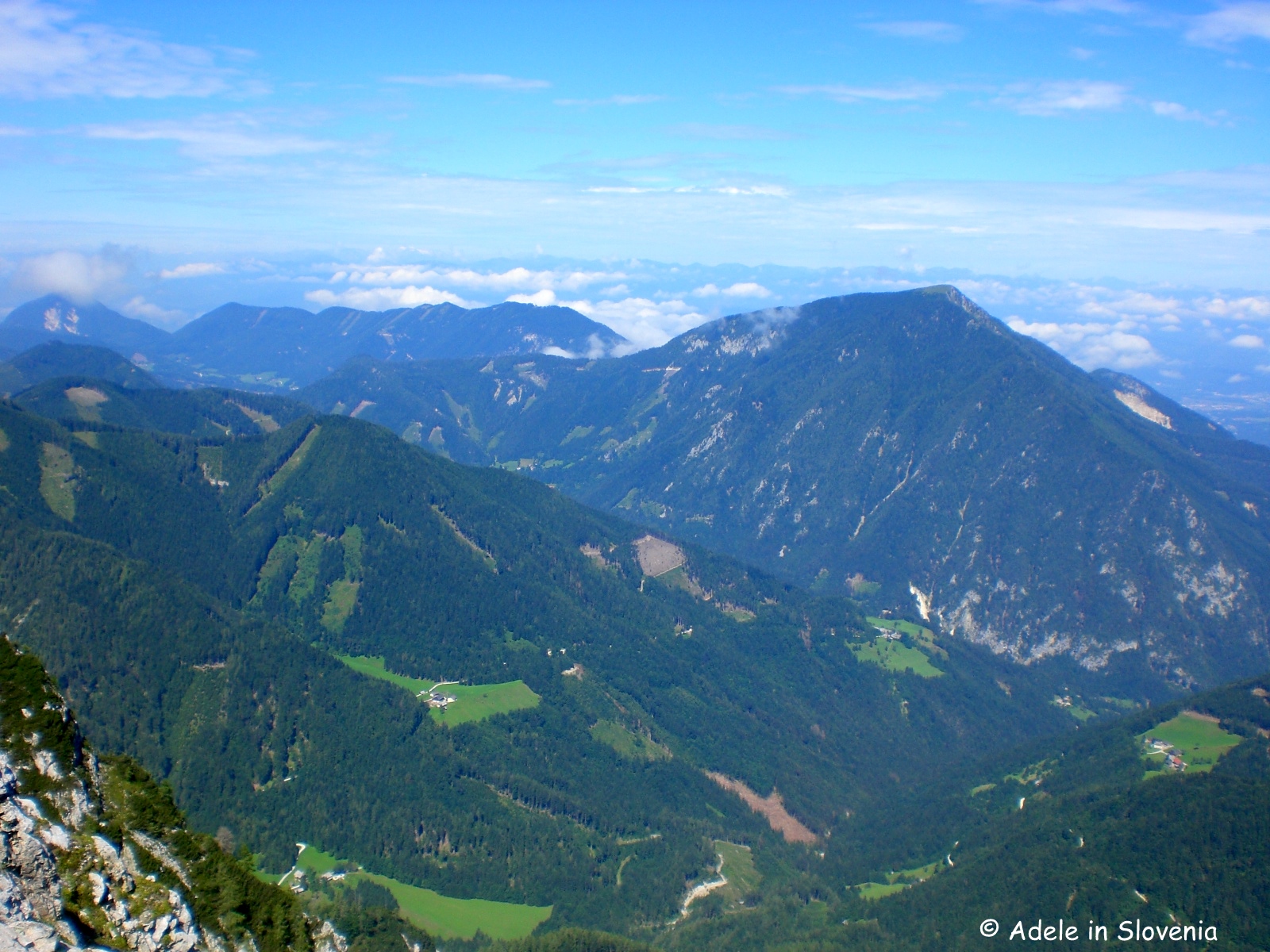
Next I continued along an old unmarked path to the Pungrat highland before joining the path up to Škrbina ridge (1869 m) from where there were bird’s eye views across both Slovenia and Austria.

CIMG2125

As much as I hate crowds (as per the Triglav rant), there was barely a soul to be found here so I was more than elated to encounter two kindly, gallant strangers who came to my rescue when I got myself into a spot of bother just beneath the peak of Kladivo (2094m). They were passing in opposing directions but didn’t hesitate to help, which served as the wonderful reminder of how such altruistic acts of simple kindness can make the world a much better place.

So, thank you once again Olga and Anže for for your help and part in a (mostly!) wonderful, and certainly unforgettable, day. As was well that ended well and new acquaintances were made to boot. So, all in all, despite my little ‘moment’, it was a(nother) great day in the Karavanke!

CIMG2128

© Adele in Slovenia


Rogla: Year-round Recreation and Fun for All!

If you love the great outdoors, spending your free time being active, and breathing in fresh mountain air, then you will love Rogla! Located in the northeast of Slovenia on the Zreče side of the Pohorje massif at an altitude of 1517m, Rogla is a ski resort and year-round recreation destination.

Visit for a day, stay for a few days, or even longer, there’s no shortage of things to see and do! There is a choice of accommodation on Rogla – hotels, bungalows, apartments – but for the most modern and luxurious among them I’d certainly recommend the latest addition, the new Hotel Natura, which is really something a bit special!

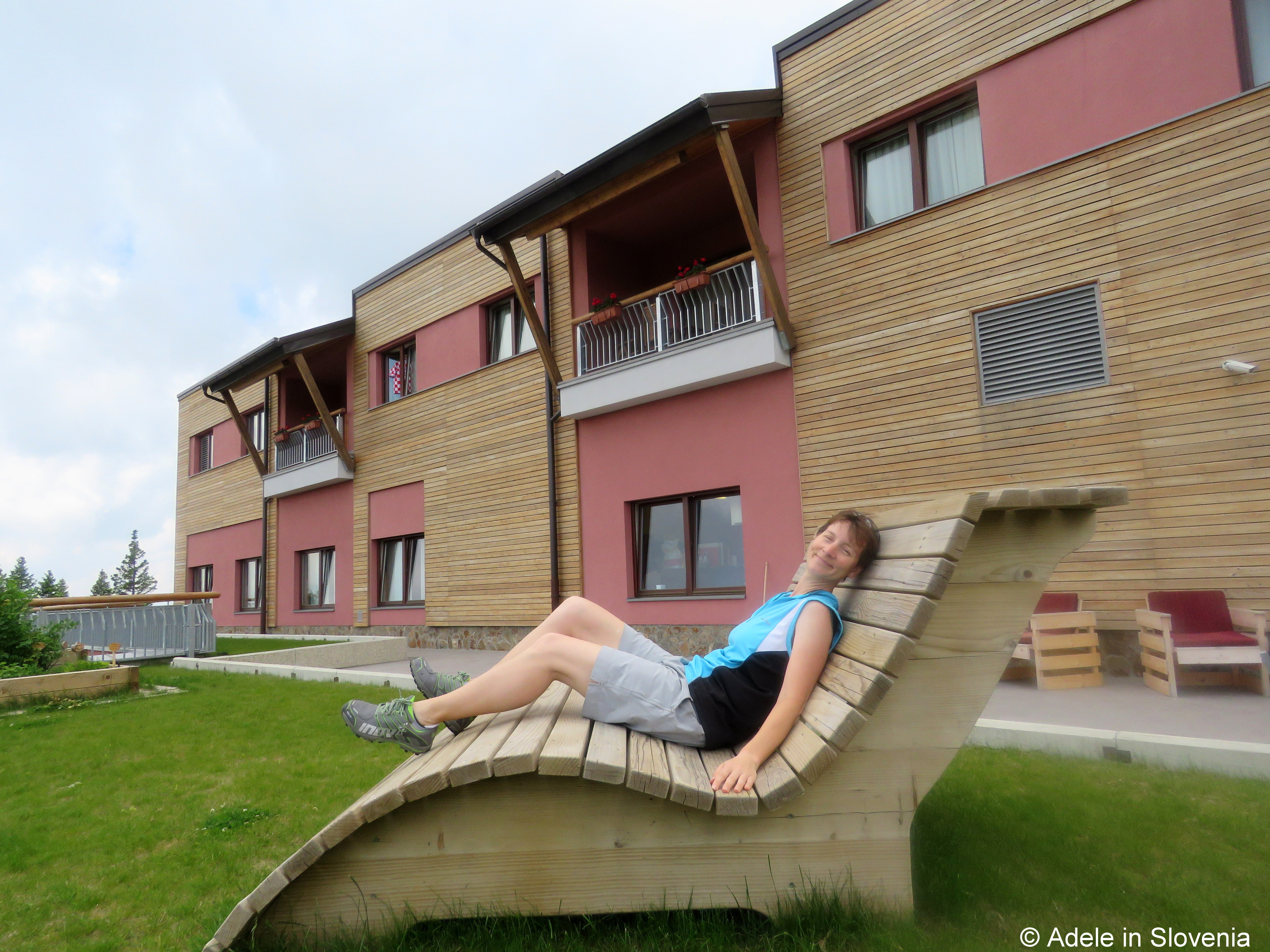
I went to check it out during a recent visit to the Zreče thermal spa, read more here – http://wp.me/p7jQx9-7O and, well, me being me, decided to cycle up to Rogla! On reaching the hotel, after a 2 hour+ uphill ride (Zreče 360m – Rogla 1,517m) the giant wooden recliners on the hotel’s terrace were beckoning and thereafter it was hard to tear myself away!

IMG_7675

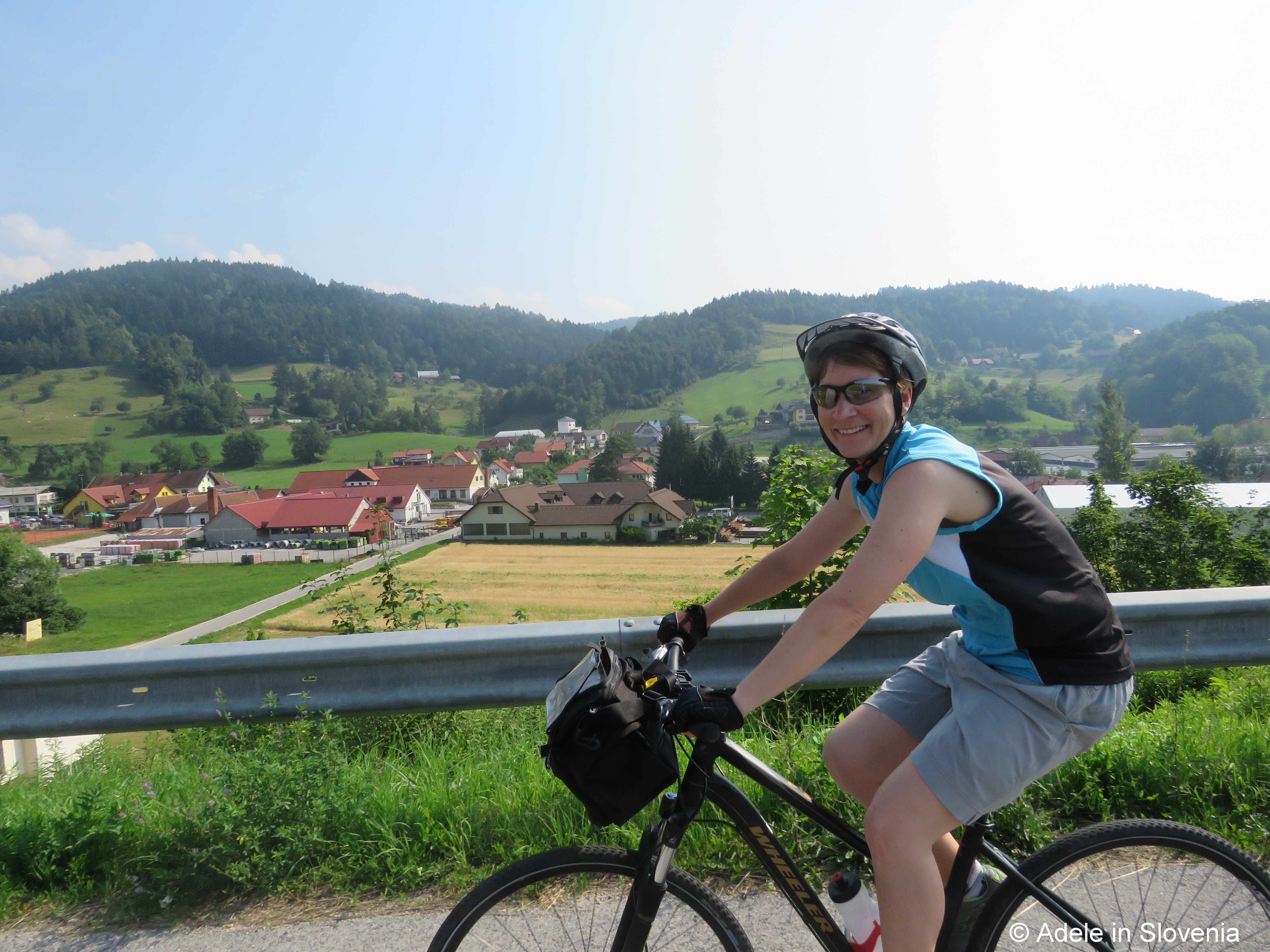
If you’re a keen cyclist then, although long, the road to Rogla is good and it makes a great day out. You can choose to either go on the main road, or, as I did, ride up at first on minor roads – which I’d recommend for great views and less traffic – before joining the main road, or for those with mountain bikes you can take one of the forest roads. There are also numerous other marked cycle routes on the plateau itself.

IMG_7618

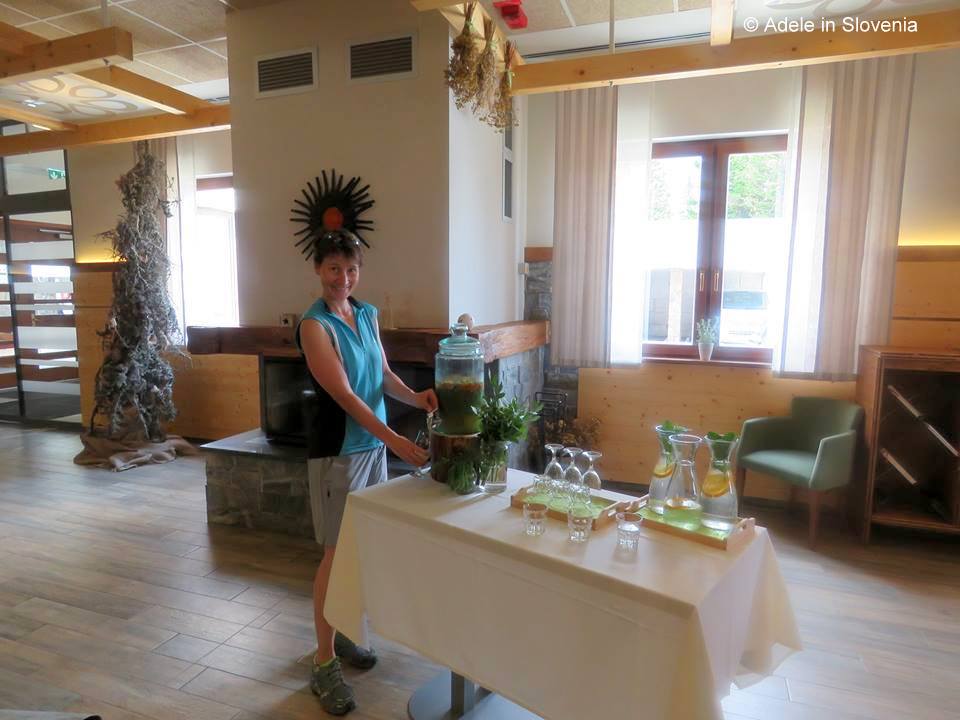
Hotel Natura is the first hotel reached when arriving on Rogla and an excellent place to stay to explore the area, or just call in for a delicious meal made using local Pohorje ingredients as part of ‘Taste Rogla’. I headed straight for a glass of refreshing homemade iced herbal tea and elderflower cordial served in the hotel’s very welcoming and comfortable lounge area.

13480252_10154234045204780_1045207313_n

natura

Next came a well-earned meal in Restaurant Brusnica which was beautifully and imaginatively presented as well as being scrumptious!

CIMG1534

CIMG1535

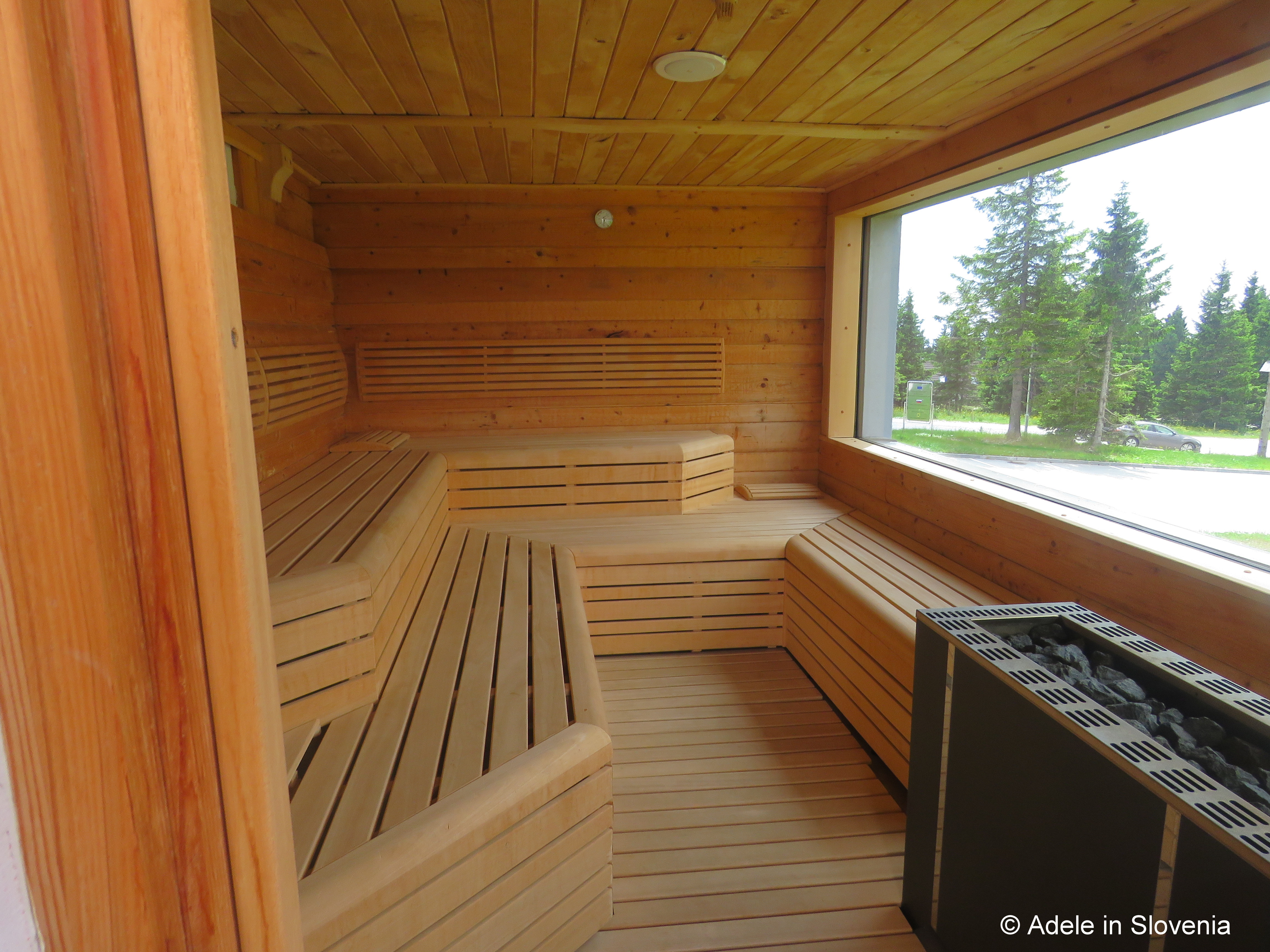
Hotel Natura offers excellent wellness facilities, massages, baths, and a sauna with a panoramic view – in winter overlooking a cross-country skiing poligon. I can image that the wellness facilities must particularly come into their own during winter after a long day’s skiing.

IMG_7703

Of course, if you stay at Rogla itself then you don’t have to cycle all the way up there and can instead spend more time exploring the area – note to self, do that next time! If you prefer exploring on foot, then Rogla is great for leisurely strolls or longer hikes. Pick up a map of the Rogla hiking trails and you can choose from 9 marked trails, varying in length from 2.3km to 25.9km.

One of the most scenic is the path to the Lovrenc lakes, which is made up of 20 small lakes that formed during the Ice Age. The lakes, which do not have a surface water inflow and are supplied only by rainwater, are surrounded by dwarf pine and in places are bursting with water lilies.  To get a better impression of the size and scope of the lakes, head for the best vantage point – the lake tower.

Lovrenska-jezera

The Rogla Bike Park has 6 trails ranging in length and difficulty, including a beginners polygon and obstacle trails. Mountain bikes can be rented and instructors are also available. More information here – http://bit.ly/29IhQSh

Bike-park-Rogla-6

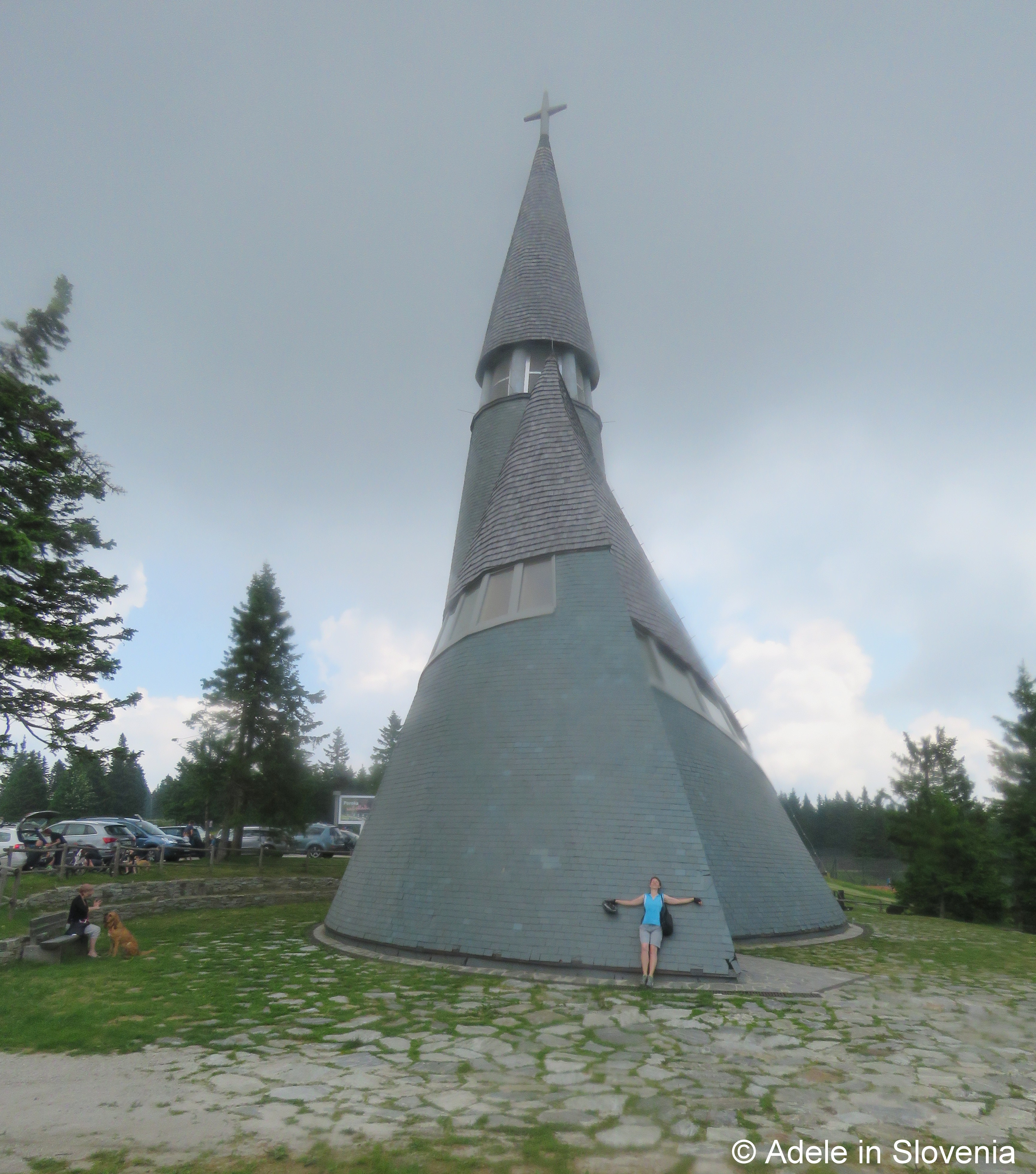
Working began on building the rather unusual looking Church of Jesus Christ on Rogla in 2006 and it was blessed in 2010. The church has three bells, an impressive altar and notable church organ.

IMG_7649

Before starting the long (though very quick!) descent back to Zreče, there was time to enjoy a bit more adrenalin with a 1,360 metre descent on the Zlodejevo toboggan run. The return is by drag lift I hasten to add!

IMG_7659

Other outdoor facilities include a funpark, tennis courts. football field and running tracks. The Rogla Sports Centre is particularly popular with athletes seeking altitude training. There is a high altitude training room equipped with a multitude of fitness equipment where conditions up to 7,000 metres above sea-level can be simulated.

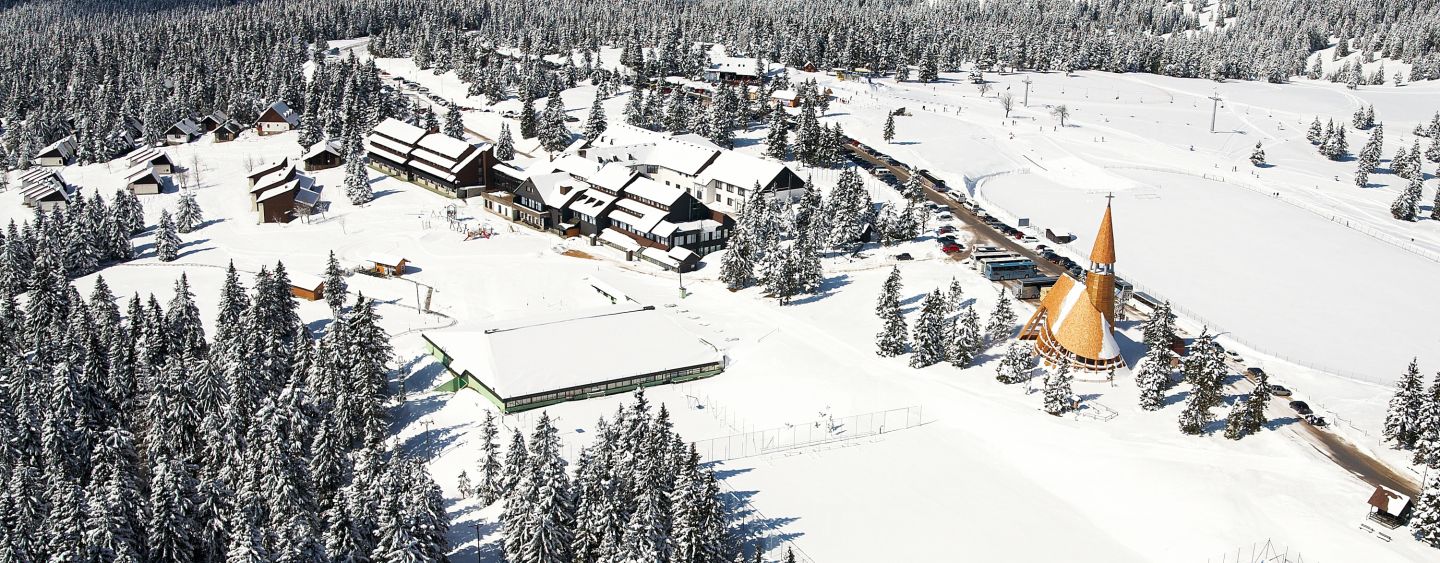
With an average of 100 days of snow cover per year, Rogla really is a year-round destination. In winter it offers downhill skiing, cross-country skiing, snowboarding, snowshoeing, winter hikes and other fun snow-based activities.

rogla-z-letala

This is but a snapshot of all there is to see and do on Rogla! Find out plenty more here – http://www.rogla.eu/en/

© Adele in Slovenia


Gostilna Gačnk – Slovene Food and Hospitality at its Best!

Gostilna Gačnk, in the settlement of Log near Cerkno, is a family-fun traditional Slovenian guest house and restaurant with a more than 100-year tradition. I stayed there last weekend whilst exploring Cerkno and the surrounding areas for a future blog post and had originally intended to just mention where I’d stayed, however, I soon found out that to do so would be an injustice, since this place deserves a blog all of its own, so, here it is!

Despite being mid-summer, on the day of my arrival it was unseasonably chilly thanks to a brief cold front that had spread across the country the day before. So, I took a seat next to the wood burner, had a cup of tea (as we English do!), and enjoyed a lovely natter with the very affable owner, Matjaž.

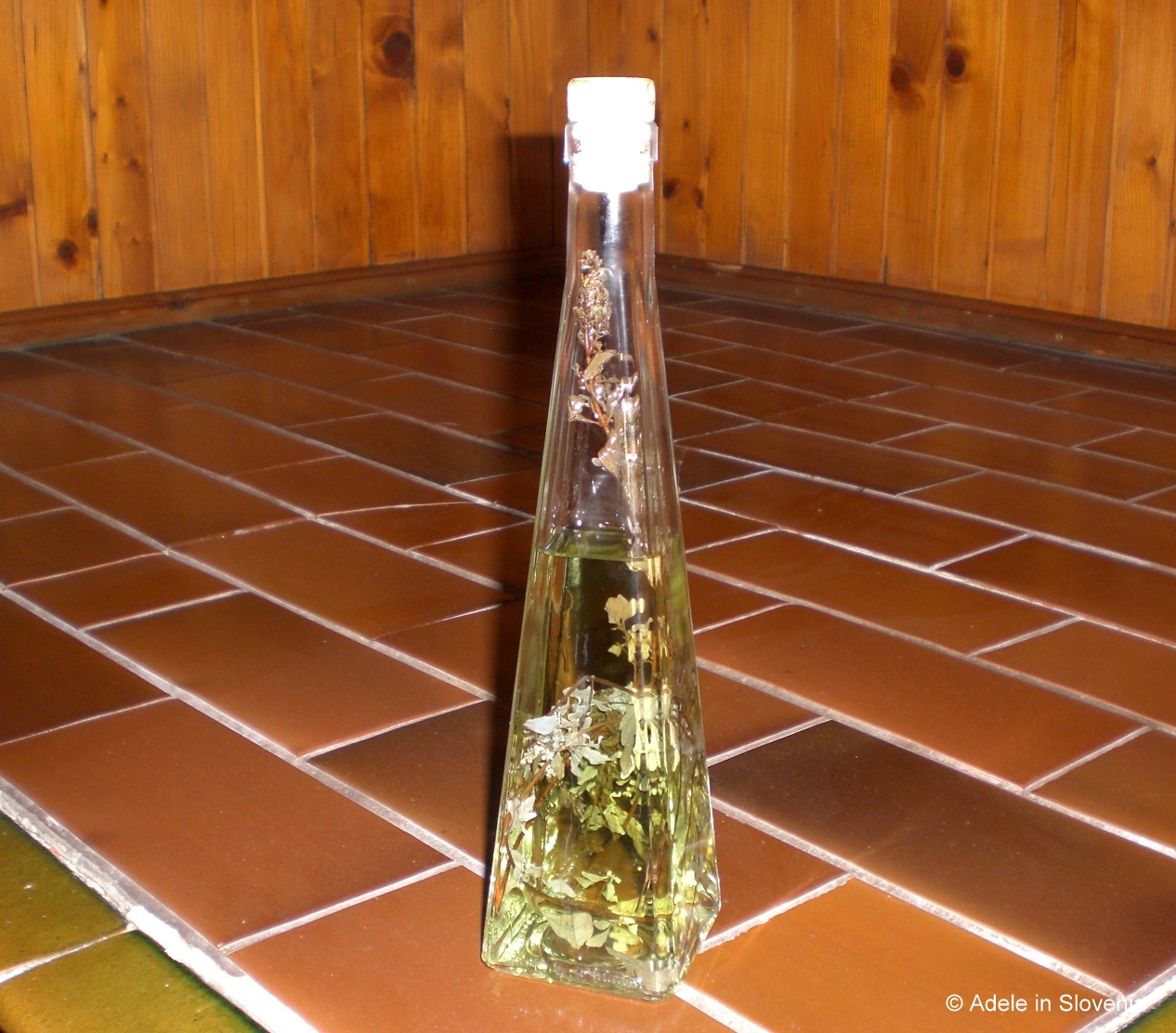
After discussing what to see and do during my weekend visit, and following a short walk, I was offered a glass of homemade schnapps made from ‘palaj‘ (Latin: Micromerio thymifolio), which grows exclusively in the area around Novaki, specifically on and between the peaks of Kopa and Porezen, and, as such, is a real speciality and rarity.

CIMG1635

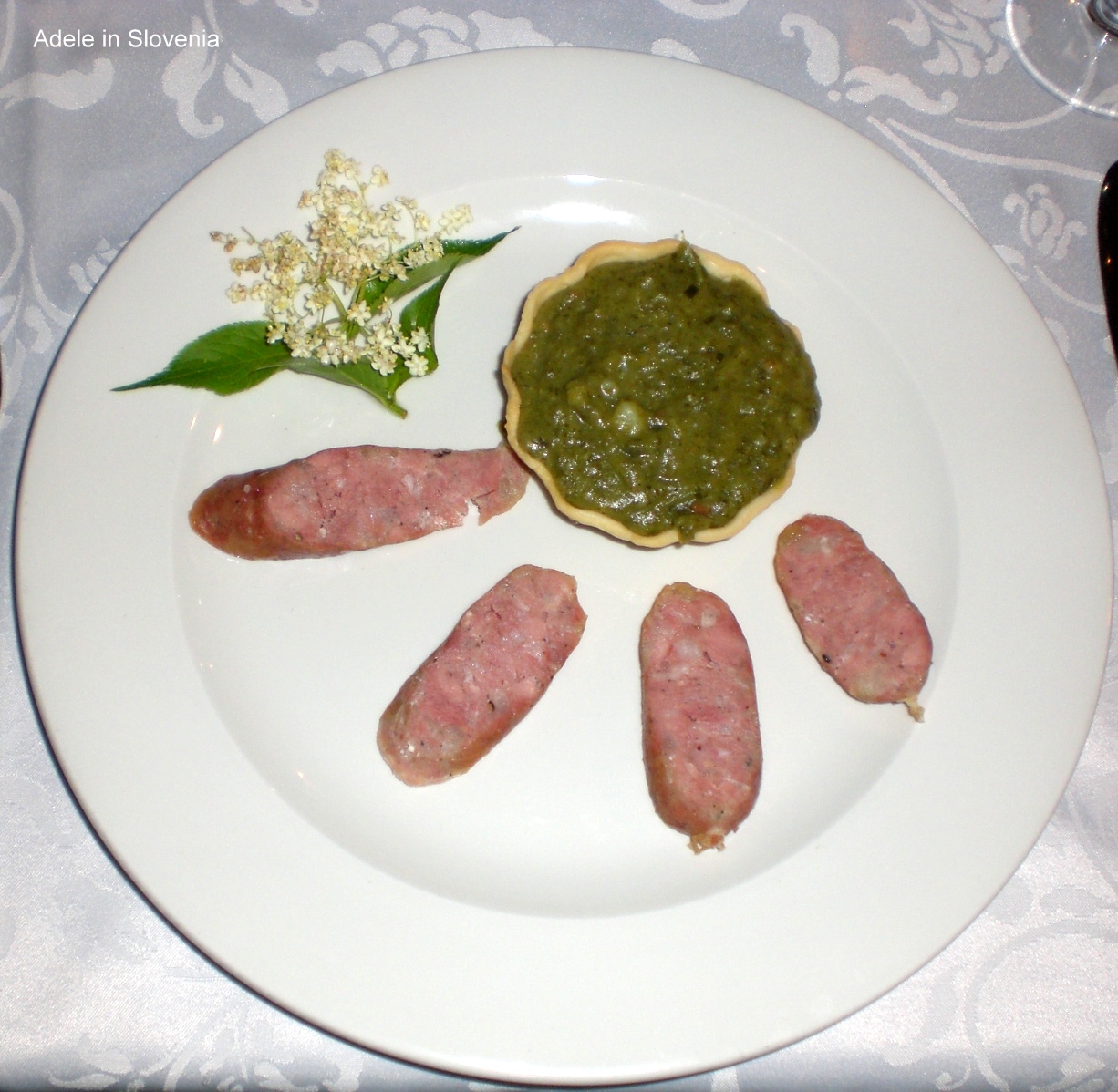
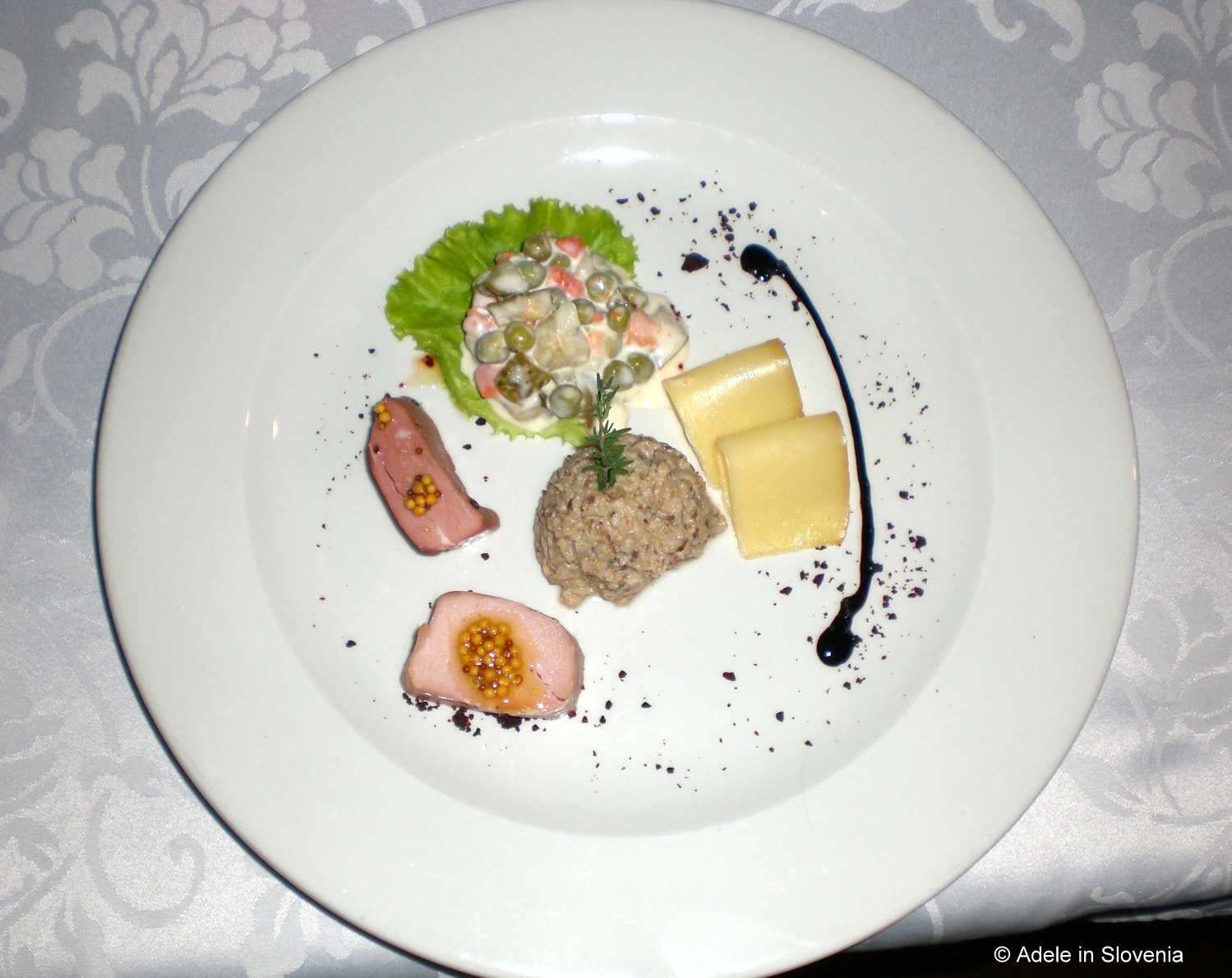
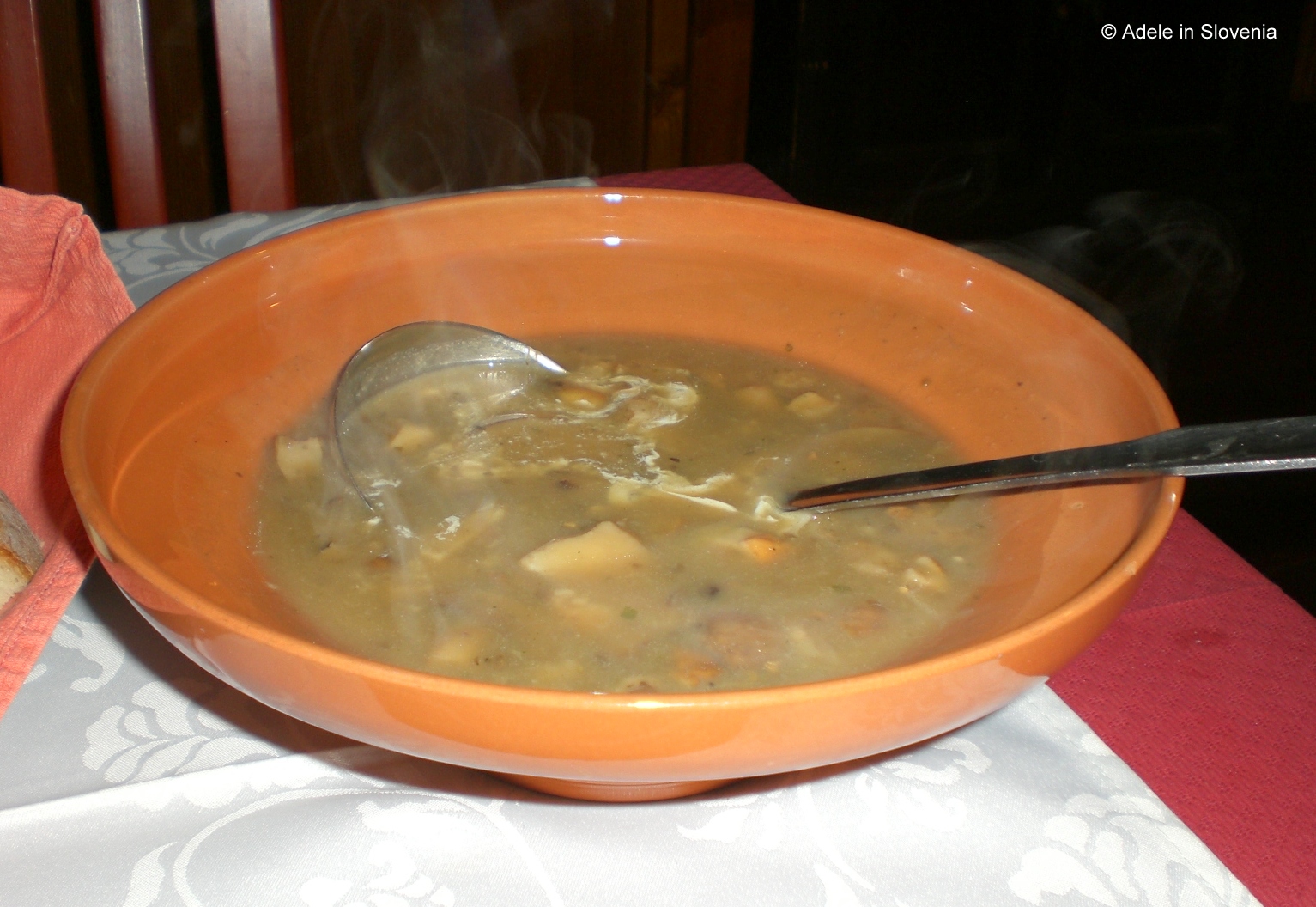
This was just a prelude to the excellent hospitality and meals I was to enjoy over the weekend. For a change I had some company for dinner, when a fellow blogger, who lives in Cerkno, joined me and was to prove great company as we shared tales of blogging. We left it to the team in the kitchen to surprise us with some local delights (other than instructions from me for ‘no fish!’). I particularly enjoyed the starter as it was something I’ve never tried before – ‘smukavc‘ – a thick soup made from cabbage and served in a pastry ‘bowl, with home-produced sausage.

CIMG1637

Gačnk specialises in dishes cooked outside over an open fire and other traditional Slovenian dishes such as žlikrofi and štrukjli.

peka_zunaj

As I was planning a full day of exploring the next day, I arranged for a ‘packed breakfast’ which was excellent and included bread freshly baked in the clay oven, which is a weekend speciality at the gostilna.

gacnk5

Gostilna Gačnk is ideally situated for visiting the Franja Partisan Hospital, the entrance to which is only 10 minutes away on foot. The gostilna’s main dining area is dedicated to the physician Franja Bojc Bidovec, after whom the hospital was named.

After a full day out exploring, I returned starving and eagerly awaiting dinner. There was also a wedding taking place, one of many that are held regularly at weekends here, so I was able to look on and enjoy watching others enjoying their celebration whilst savouring a beautifully presented, and equally delicious, dinner.

CIMG1692

CIMG1694

CIMG1696

Though it could be considered a little out of the way for some, Gostilna Gačnk is actually excellently located for exploring the Cerkno area, and even further afield, particularly if you like hiking, skiing, cycling, or other outdoors activities and are seeking peace and quiet. I will be writing plenty more about what to see and do in the area in a future blog coming soon, so stay tuned!

You can find more information here – http://www.cerkno.com/

© Adele in Slovenia

Love Swimming, Love Slovenia!

It’s always lovely to hear from, and meet, readers and self-professed ‘fans’ of my blog. In the past 3 years I have received hundreds of emails, comments, messages on Facebook etc., some wanting ideas and advice, others just writing to say ‘thanks’, and have also enjoyed many a wonderful Taste Radol’ca meal together with readers generously wishing to show their appreciation.

It was particularly nice, then, when I recently met a whole group of readers! Patricia, a regular reader of my blog, has shared it with many of her group of fellow Americans, who were staying in Radovljica for a family swimming camp. She told me how helpful my blog had been in planning excursions and activities for the swimming camp and invited me to join the group for their final night’s banquet dinner at Kunstelj Inn – one of the Taste Radol’ca restaurants and just one of the venues where members of the group stayed during their visit.

CIMG1603-001

Maja and her team at Kunstelj Inn cooked up a delicious meal, using locally-sourced ingredients, and, as ever, the views from the terrace provided the icing on the cake!

13308531_1217230541621319_1581784669002045216_o

This was the 4th consecutive year that the Piranhas Swimming Club from Stuttgart chose Radovljica as the base for its summer family swimming camp. This year’s group totalled 108, comprised of 40 swimmers, with their families and friends, and, in some cases, 3 generations of the same family.

During their time staying in Radovljica, they certainly packed in a lot of sightseeing and activities, which just goes to show, as if proof were needed, what a wonderful place Radovljica is to base yourself for a holiday in Slovenia.

Radovljica’s Olympic-size swimming pool was the venue for the daily pool-based training and fun sessions. More information about Radol’ca’s swimming pools here – http://www.radolca.si/en/swimming/

Slovenia Swim Camp 2016 - Radovljica

They swam in Bled Lake.

Slovenia 2016 - Swimming Lake Bled

And did an open-water swim in the Adriatic sea in Piran Bay.

Slovenia 2016 - Open Water swim in Piran Bay

When not swimming, and for the non-swimmers among them, there was a whole host of other organised activities including cookery classes at Kunstelj Inn.

Slovenia 2016 - Cooking Class at the Kunstelj

Rafting on the Sava and Soča rivers.

Slovenia 2016 - Rafting the Soca River

Other activities included a visit to the iron-forging village of Kropa, a ride in the cable car to Vogel, kayaking on Bohinj Lake, hiking to the Savica waterfall, a visit to the Škocjan Caves, fishing, playing golf, making the famous Lectar gingerbread hearts at Lectar Inn in Radovljica, and more!

Patricia told me that they have all ‘fallen in love with Slovenia and Radovljica’ and are already planning the 2017 camp. So, I look forward to seeing you all back here next year. In the meantime, I’ll keep writing and providing ideas for some more activities for next year, so, stay tuned!

© Adele in Slovenia

Award-Winning Olimje – A Very Special Slovene Village

The village of Olimije is located in the east of Slovenia in the Styriatajerska) region, right on the border with Croatia. The whole area is idyllic, awash with unspoilt nature, lush green forests, hills, vineyards, and far from any major roads, industry and pollution. It’s no wonder, then, that it has won several ‘best kept’ village awards.

The star of the show, which has people flocking to see from far and wide, is the Olimje church, Minorite monastery and old pharmacy.

CIMG1243

Olimije is almost a direct extension of the town of Podčetrtek, which has a tourist information centre, numerous accommodation options, eateries and a handful of shops. The town is also served by special ‘spa trains’, operated by Slovenian Railways, which run from Ljubljana. Visitors arriving by train are also entitled to special discounts and benefits. More information here – http://www.slo-zeleznice.si/en/passenger-transport/around-slovenia/the-spa-train

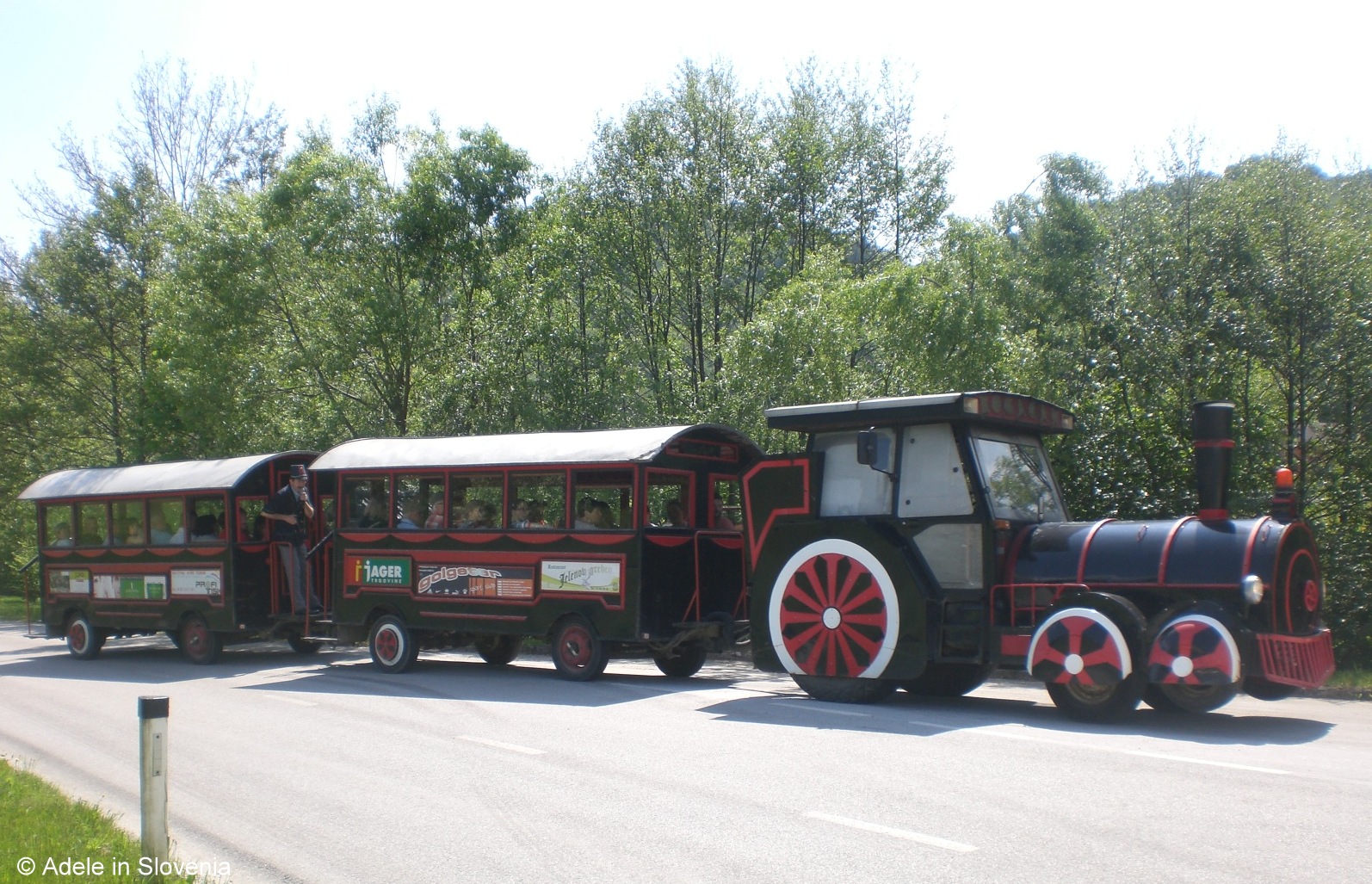
Once there, the dinky tourist road train is a perfect way to get around and see all the area’s sights of interest.

CIMG1236

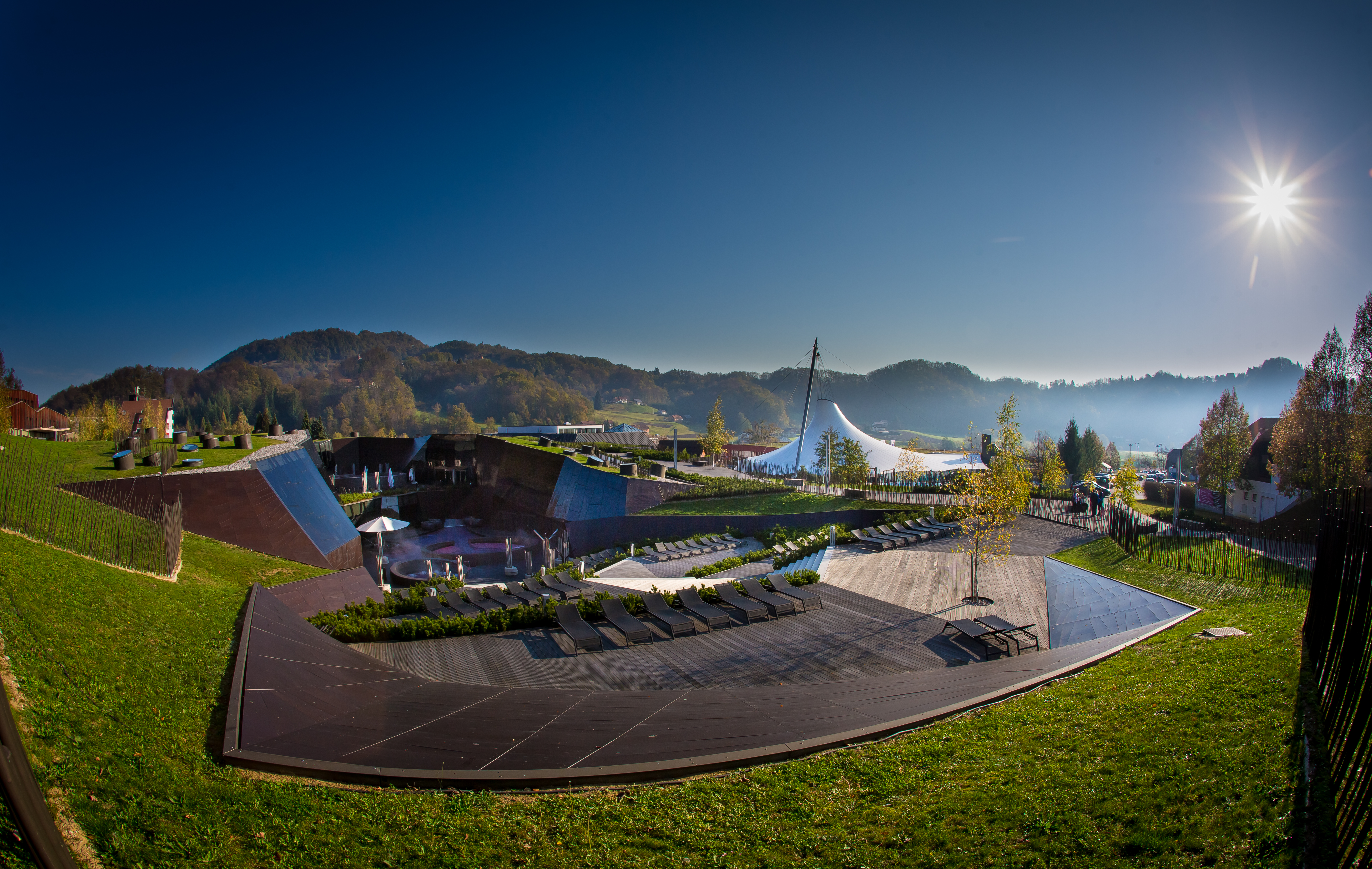
During my 3-day visit I stayed at the Olimia Thermal Spa, which makes an ideal base for exploring the area, and where you can also indulge in some luxurious treatments and water-based activities at the Orhidelia Wellness Centre that has for the last five consecutive years been voted the best in Slovenia. You can read plenty more about that here –https://spasinslovenia.com/2016/06/07/terme-olimia-the-best-wellness-centre-in-slovenia/

Terme-Olimia-exterior

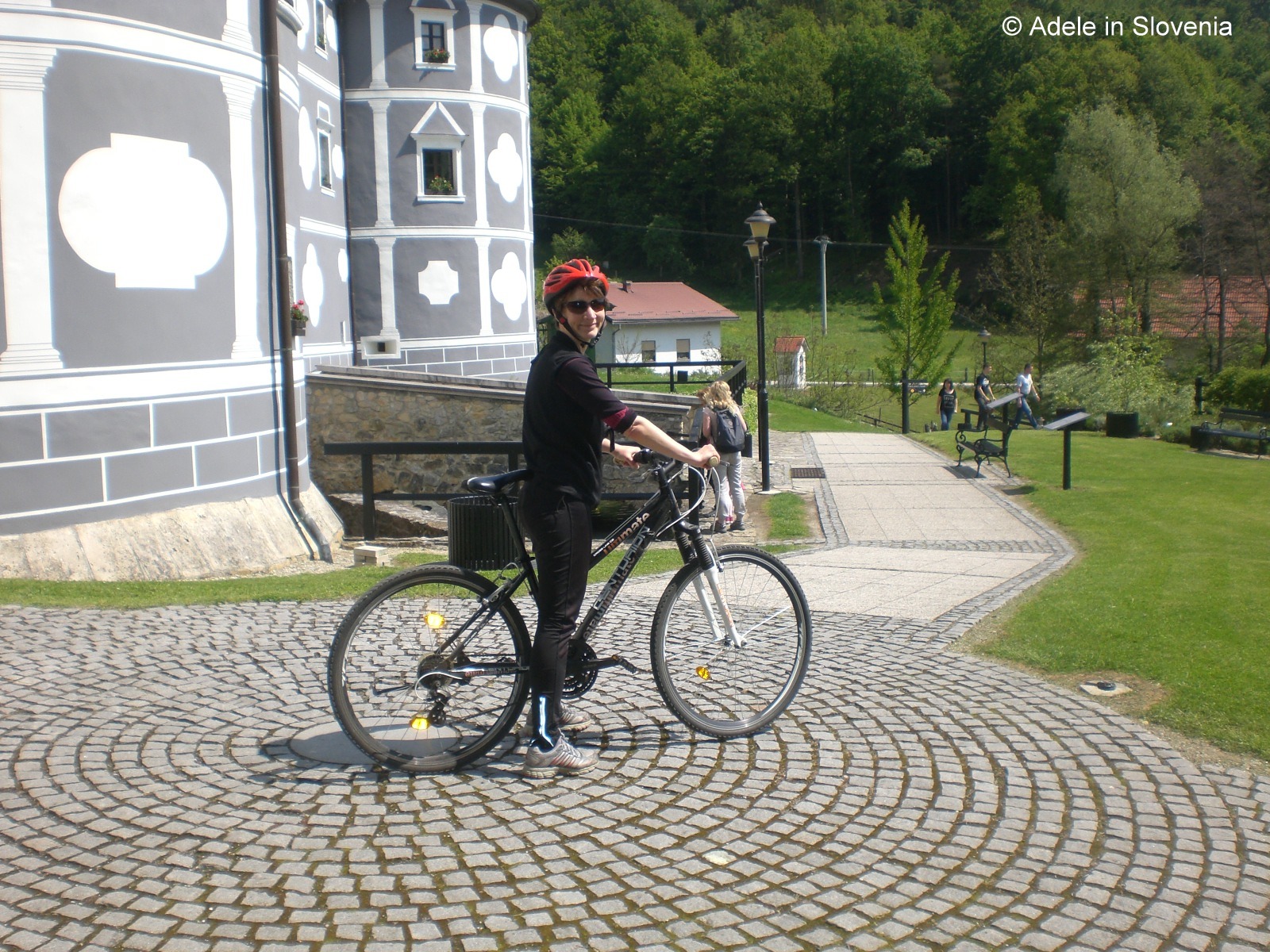
From the spa I went by bike on the cycle path to Olimje. My first port of call was a visit to the Olimje church, monastery and old pharmacy. This place, formerly a castle, was first mentioned in historical records in 1208 as a place of the Shrine of the Assumption of Mary. The castle was then turned into a monastery and pharmacy – now one of the oldest pharmacies in Europe.

CIMG1231

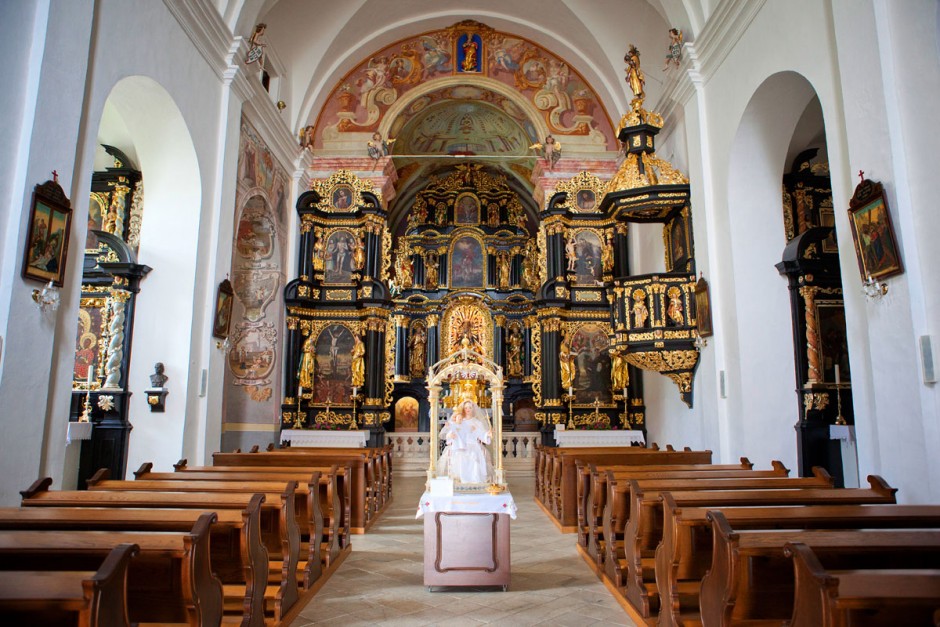
For over 120 years it was inhabited by the Pauline Monks, who, in 1665, were responsible for building the magnificent and extremely ornate Baroque church, which features one of the biggest golden altars in Slovenia, as well as numerous other notable pictures, frescoes and statues.

samostan-olimje-88995

The Pauline Monks produced their own natural remedies, and, according to their monastic rule, the monastery had to have a room for any sick brothers with an adjacent room for medicine and remedies. The frescoes in the pharmacy were painted by Lerchinger in 1780 and represent various biblical scenes.

CIMG1253

I was astonished at the number of people, hailing from all over Europe, that were queuing in the pharmacy to buy herbal teas, tinctures, syrups and apiculture products. There seems to be a ‘cure’ for every ailment imaginable, all of which are grown and produced by the monks-in-residence.

CIMG1252

Adjacent to the monastery building is the Syncerus Chocolate Boutique (Čokoladnica Olimje). Yes, you’re right, that was the MAIN reason for my visit!

CIMG1257

I was, literally, like a kid in a sweet shop trying to choose from all the delicious handmade chocolates on offer and I might, just might, have bought a few (kilos!). The shop is open daily throughout the year, from 10am – 5pm in winter, and from 10am – 7pm in the summer season. More information here – http://cokoladnica-olimje.si/

2f2b21b908c6cb0314fc2e7e6031b6da

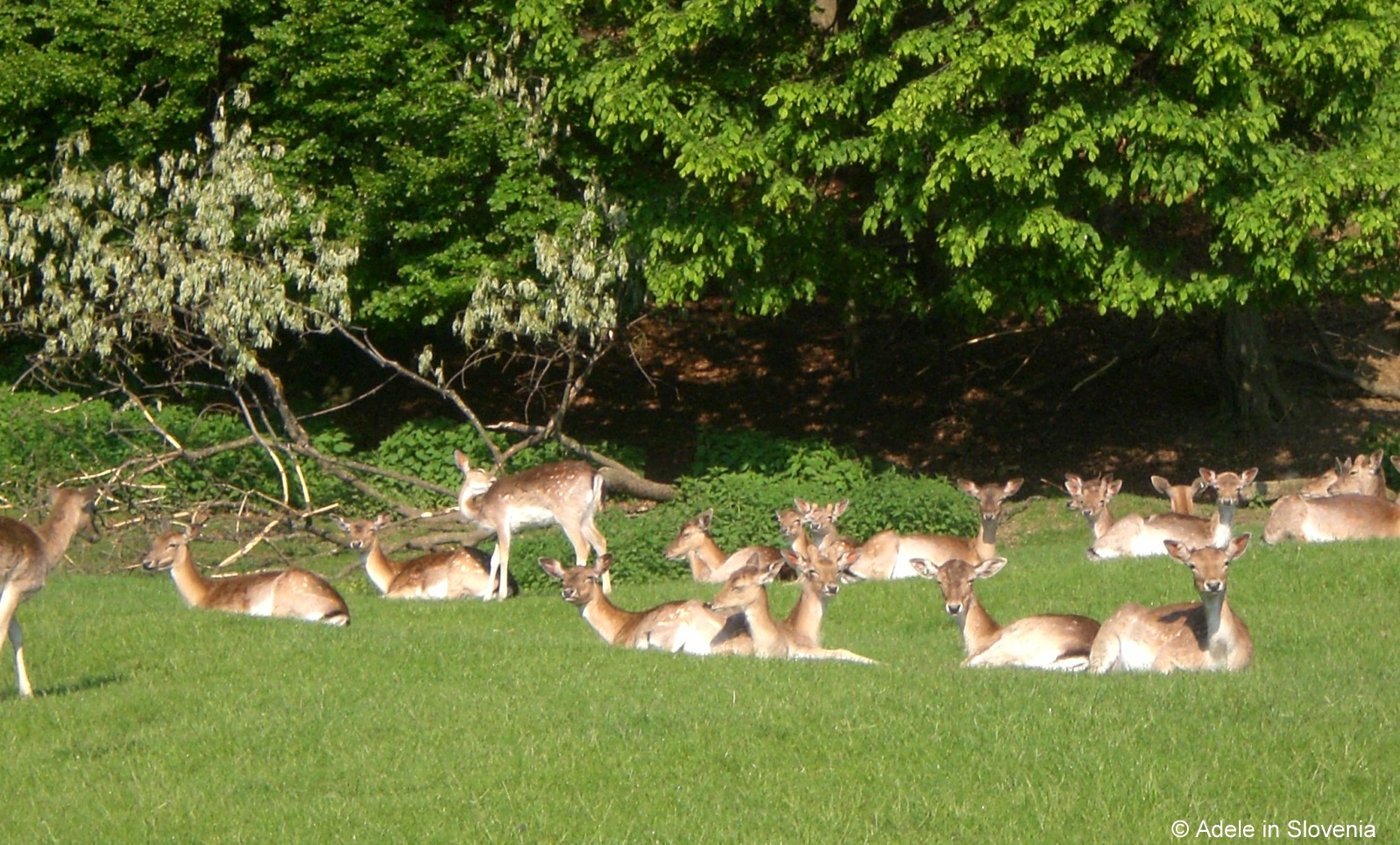
My next stop, just a few minutes uphill from the monastery, was the Jelenov Greben deer farm. The estate comprises a guest house and apartments, a restaurant, a shop selling homemade products such as venison sausages, jams, juices, honey etc., the Star Ata winery and, the stars of the show, the deer and mouflon which roam the estate freely and seem largely unperturbed by humans – meaning you can even get right up close to feed them. More information here – http://www.jelenov-greben.si/

CIMG1274

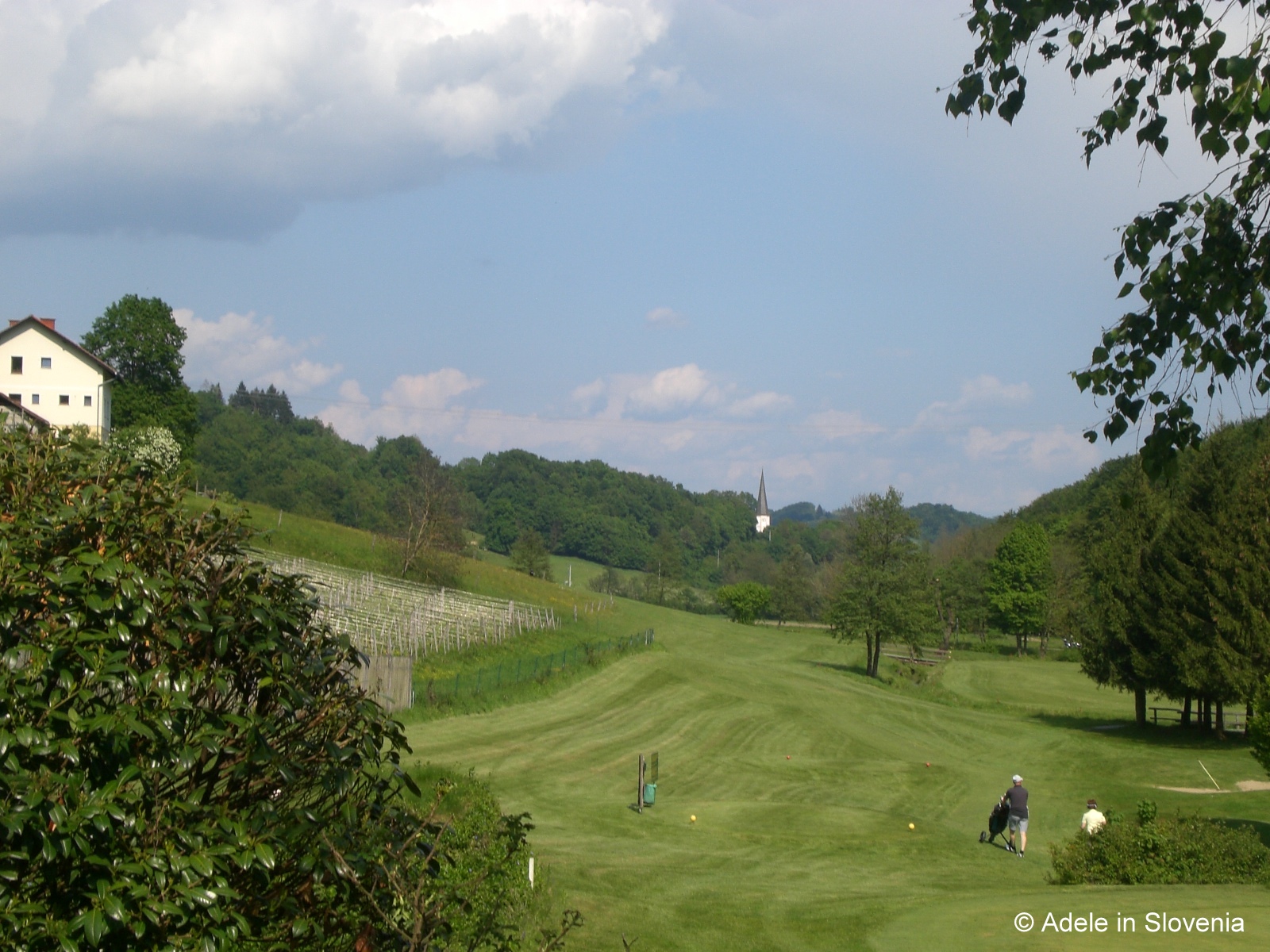
Also within close proximity is the Amon Estate, which is a family-run business and the oldest private winemaking company in Slovenia. The estate features a 9-hole golf course – A Golf, a guest house, and a small shop selling homemade products. It was a perfect spot for me to sit back, take a break, and enjoy the tranquillity and the views. More information here – http://www.amon.si/index.php?si

CIMG1260

More information about all the above, and more, can be found here – http://www.turizem-podcetrtek.si/en/

© Adele in Slovenia

The Phenomenal Postojna Proteus Phenomena!

Whilst I generally tend not to write about those places in Slovenia that are already huge tourist attractions, preferring instead to write about some of the lesser-known parts of this wonderful country that I now call home, the current phenomena that is occurring in the Postojna Cave is hitting the headlines all over the world and really is a major news story, so I decided it was time to find out more and see it up close for myself.

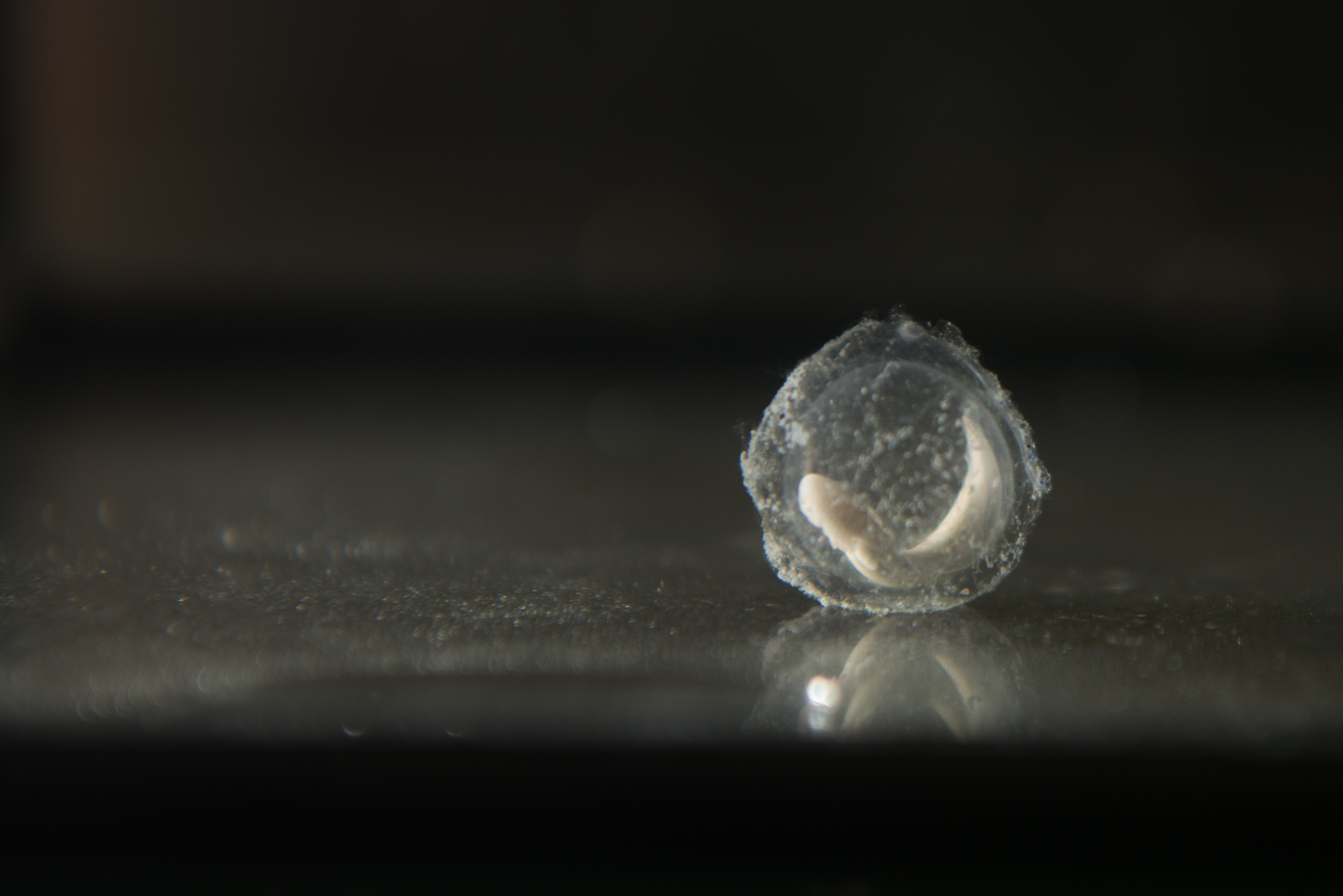
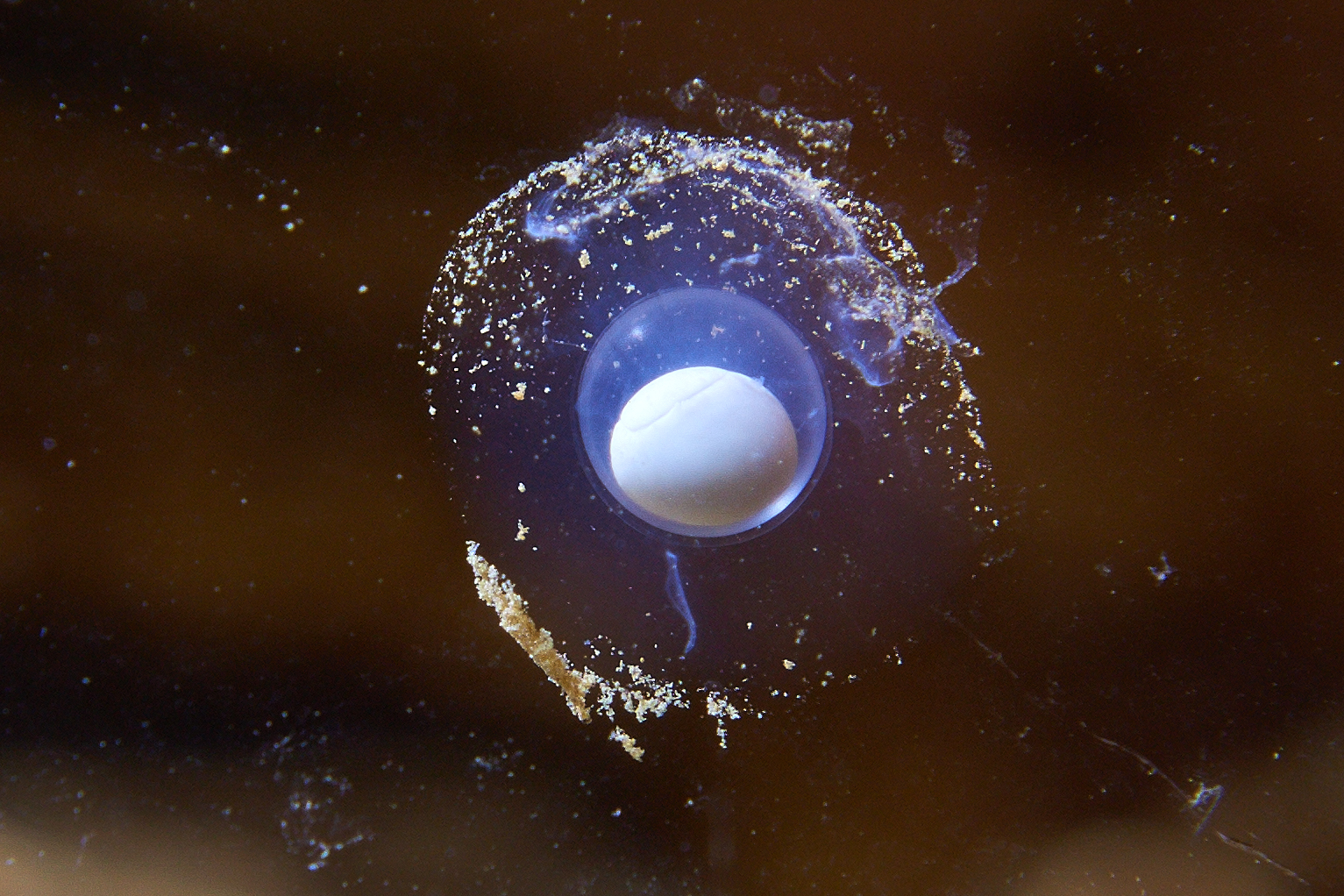
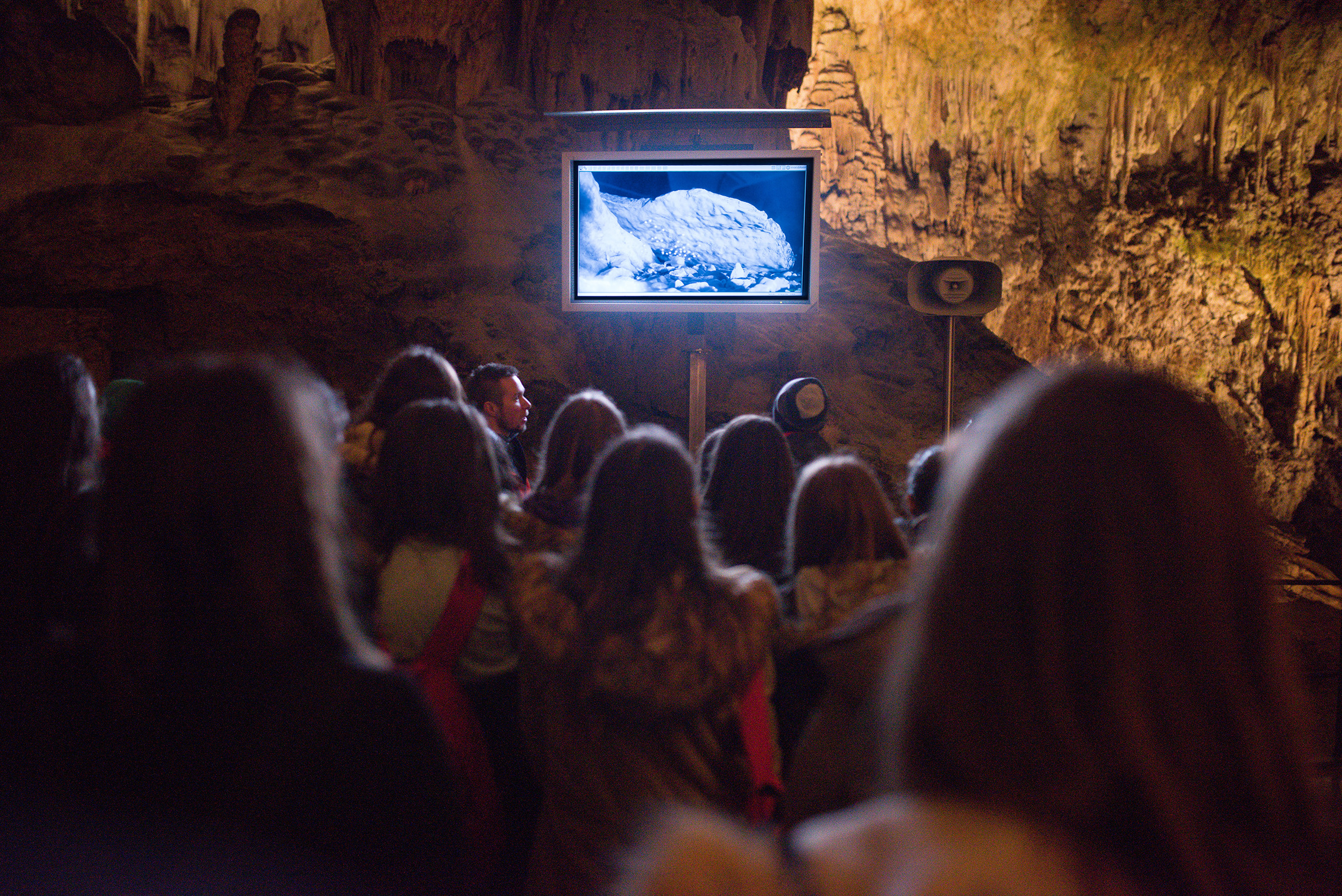
So, what’s all the fuss about? Well, it’s this weird and wonderful creature – the proteus – also known as the olm or humanfish – which has laid eggs and the world has been waiting to see if these amazing ‘dragon baby’ embryos will hatch.

The olm in Postojna Cave_photo Iztok Medja for Postojnska jama - Kopija

Photo: Iztok Medja

Today, Wednesday 1st June 2016, is a momentous day as the first one hatched and made its debut appearance!

Slika%201_30_2016

Photo: Postojna Cave

The news about this significant, once in a decade, event first broke at the end of January 2016 when a cave guide noticed the first egg attached to the wall of the aquarium. The female then laid over 50 more eggs until she stopped laying on 10th March.

DSC_2388

Photo: Iztok Medja

And then the long wait began for the team of biologists at the Postojna Cave, who have been carefully monitoring movements and, like expectant parents, have been eagerly awaiting the happy day! As any expectant parents will know, it can sometimes seem like a long frustrating wait but, hopefully, the end results are worth the wait! Though one has now hatched, it’s still a waiting game for the remainder.

Biologists at their daily work

Photo: Postojna Cave

When talking with the cave’s management team and biologists, and hearing their tales of tears of joy, I could actually sense the expectancy, excitement, and pride in the job. Yes, the Postojna Cave is a huge tourist attraction but it is also a significant place for research and development of cave habitat and it is clear this is something not taken forgranted.

Cave biologists inspect the eggs daily and remove any that are decaying, which is not an easy task. A biologist has to dive into the large aquarium and inspect the eggs in a difficult-to-reach spot that is half a metre below the surface.

These tiny embryos are fighting against the odds to survive, as only a small percentage have a good chance of developing into adults and there is also the risk of genetic mutations.

Photo: Iztok Medja

Photo: Iztok Medja

The more the eggs develop, the higher the pressure for them to survive. Whilst the Postojna Cave has an excellent programme in place for looking after the proteus, this mysterious animal is still at the mercy of nature and its unpredictability. Preparations for the potential newborns will be very demanding and therefore Postojna Cave’s biologists paid a visit to a French lab, returning with numerous pieces of valuable advice.

 Visitors can’t actually see the eggs up-close, since light, noise, and any other elements which could result in harm to the eggs, is avoided at all costs. Therefore, a screen has been provided for visitors where they can watch live footage of the eggs moving and developing.

Photo: Iztok Medja

Photo: Iztok Medja

Take a look at this short mesmerising video showing the movement and progress of the embryos.

As I had already visited the Postojna Cave on 2 previous occasions, this time, instead of taking the tourist train into the caves, I first visited the Vivarium Proteus where you can see and learn about all the weird and wonderful creatures that live in the cave system, then toured the new EXPO Karst exhibition, which is full of interesting and interactive exhibits about the cave’s history and formation. Apparently, if I grew like a stalagmite, I would be 18,000 years old!

CIMG1314

You can learn about the fascinating Karst world and meet some of its inhabitants!

CIMG1316

Find plenty more information about the Postojna Cave here – http://www.postojnska-jama.eu/en/home/ and keep up-to-date with developments here in the fascinating Olm Diary, written by the biologists in charge of the eggs – http://www.postojnska-jama.eu/en/news/2016/olm-diary/

For those who haven’t yet visited the Postojna Cave, I highly recommend it, it’s like nothing you’ve ever experienced before, and everyone, regardless of whether young or old, loves a ride on the mini-train!

Photo: Iztok Medja

Photo: Iztok Medja

© Adele in Slovenia


Seriously Scrumptious Štruklji!

It’s kind of difficult to describe štruklji, and when reading menus there are all manner of descriptions that get lost in translation –  the majority of which certainly don’t do them justice! I love them and was therefore even more delighted when I recently saw that Draga Inn, which is among my favourite local restaurants, and which already makes great savoury štruklji, has now added a new range of sweet štruklji to its menu, which can also be bought to take home.

It didn’t take me long to go and try them out for myself, especially since chocolate is involved! Oh my, are they good, if you like štruklji, you simply have to try them! This is the white chocolate version, which was my favourite among the new varieties, though the walnut one came a close second!

Draga struklji bela cok

Štruklji are made using a light dough, of which there are many variations but the most basic ingredients are flour, water, a dash of oil and a pinch of salt – some doughs also contain egg. Once the dough has been allowed to rest it is rolled out, filled, wrapped in a soft muslin cloth, then boiled, or occasionally wrapped in foil and baked.

They can be eaten either as a side dish, instead of potatoes, rice etc., as a main meal in itself, or sweet versions as dessert.

The most common type of štruklji are filled with skuta – a type of curd cheese (not cottage cheese as it is invariably translated). At Draga Inn the savoury version are served as an accompaniment to their delicious venison goulash, which I can also highly recommend.

Draga struklji 1

Of course, the quality varies, as does the ratio of dough to filling. Sometimes they can be somewhat bland and dry, but the ones at Draga Inn have a perfectly light dough with a very generous amount of filling and are anything but bland. It was impossible to choose which one(s) to taste, as they all looked and sounded so delicious, so I just tasted all the new flavours – blueberry, walnut, white chocolate, and dark chocolate – and left both very content and fit to burst!

Draga struklji tem cok

Draga Inn is one of the participating Taste Radol’ca restaurants, where the emphasis is on using local ingredients, and these štruklji are no exception. Read more here – http://www.radolca.si/en/taste-radolca/

Draga sruklji oreh

Draga Inn is located at the end of the Draga Valley, in Begunje na Gorenjskem. The valley is a very popular starting point for hikes in the Karavanke mountains and en-route to the valley you can visit the ruins of Kamen Castle.

radolca 2012

You can find more information about Draga Inn here (note that the website is currently being reconstructed) – http://www.gostisce-draga.si/

Until the expiry of the offer on 8th June, you can also use the Adele in Slovenia Discount Card at Draga Inn. Even more reason to go and try the delicious food! More here – https://adeleinslovenia.com/contact/

© Adele in Slovenia

Pivka: Pause, Ponder & Play

Just when I thought I had discovered most of the best that Slovenia has to offer, a short break spent in the Pivka area, part of Slovenia’s Green Karst region, has opened my eyes to a whole new world, ripe for exploring and perfect for lovers of the great outdoors.

So why the title ‘Pause, Ponder & Play’?

PAUSE – I, as I’m guessing countless others, am guilty of passing through Pivka en-route to Croatia. But, I urge you, don’t! There really is so much to see and do in this area, it deserves at least a few hours of your day, if not a few days, so, pause in Pivka!

PONDER – A visit to the Park of Military History is a must, where you can ponder and reflect on the action seen by all the tanks, aircraft, artillery and ammunition.

PLAY – There’s plenty to see and do for all the family. Visit or stay at a tourist farm, get outdoors – hiking, cycling, visit one of the numerous bunkers or caves, such as the Pivka cave, seen belowor, in the spring, one of the 17 intermittent lakes.

Pivka_Cave_2_Iztok_Medja_Postojnska_jama_Archive_3976_orig

Photo: Iztok Medja – http://www.slovenia.info/


I began my 2 day visit at the Ecomuseum of the Pivka Seasonal Lakes. This brand new museum acquaints visitors with the phenomena of the 17 Karst lakes which, after heavy rainfall, fill with water.

CIMG0722

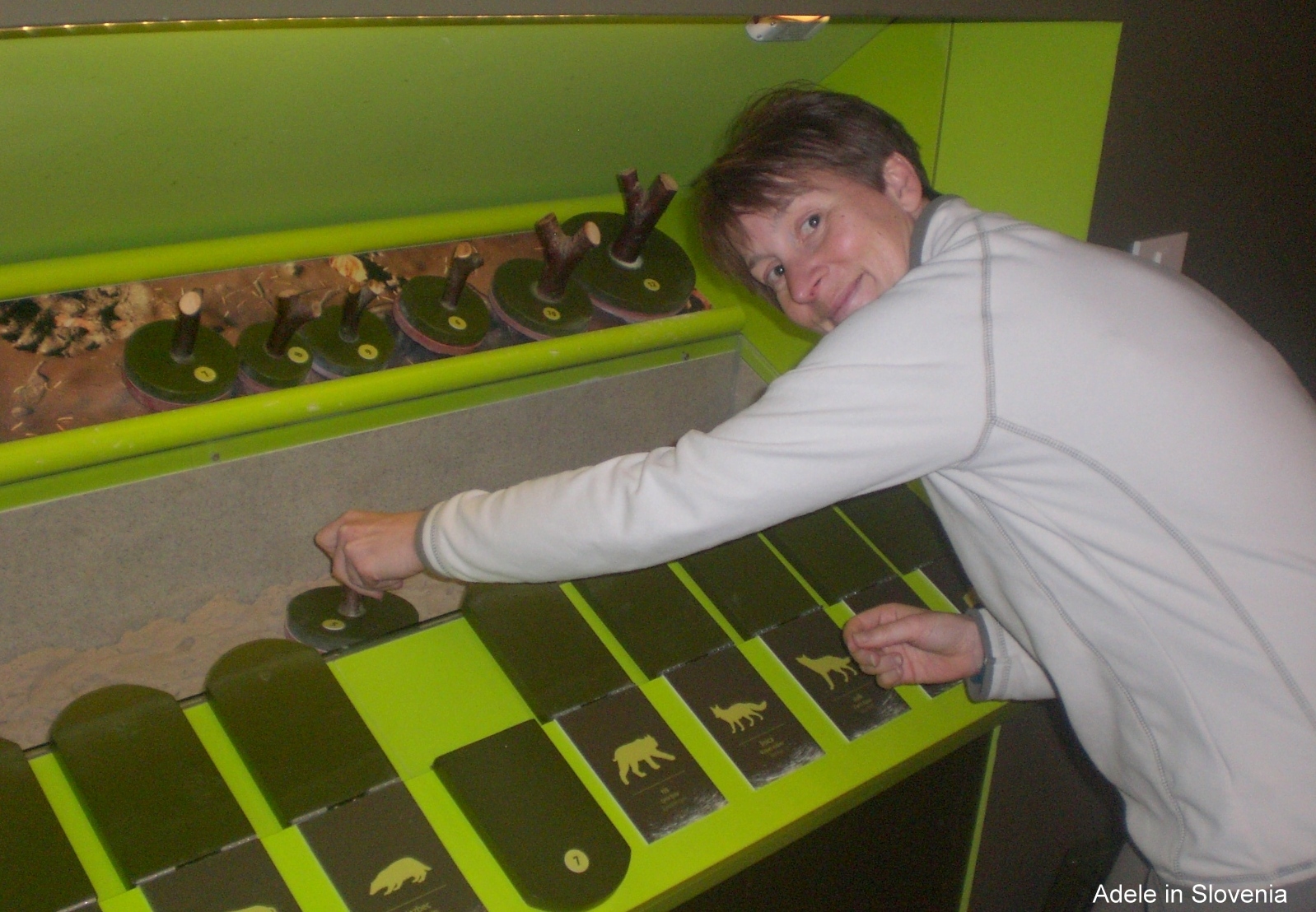
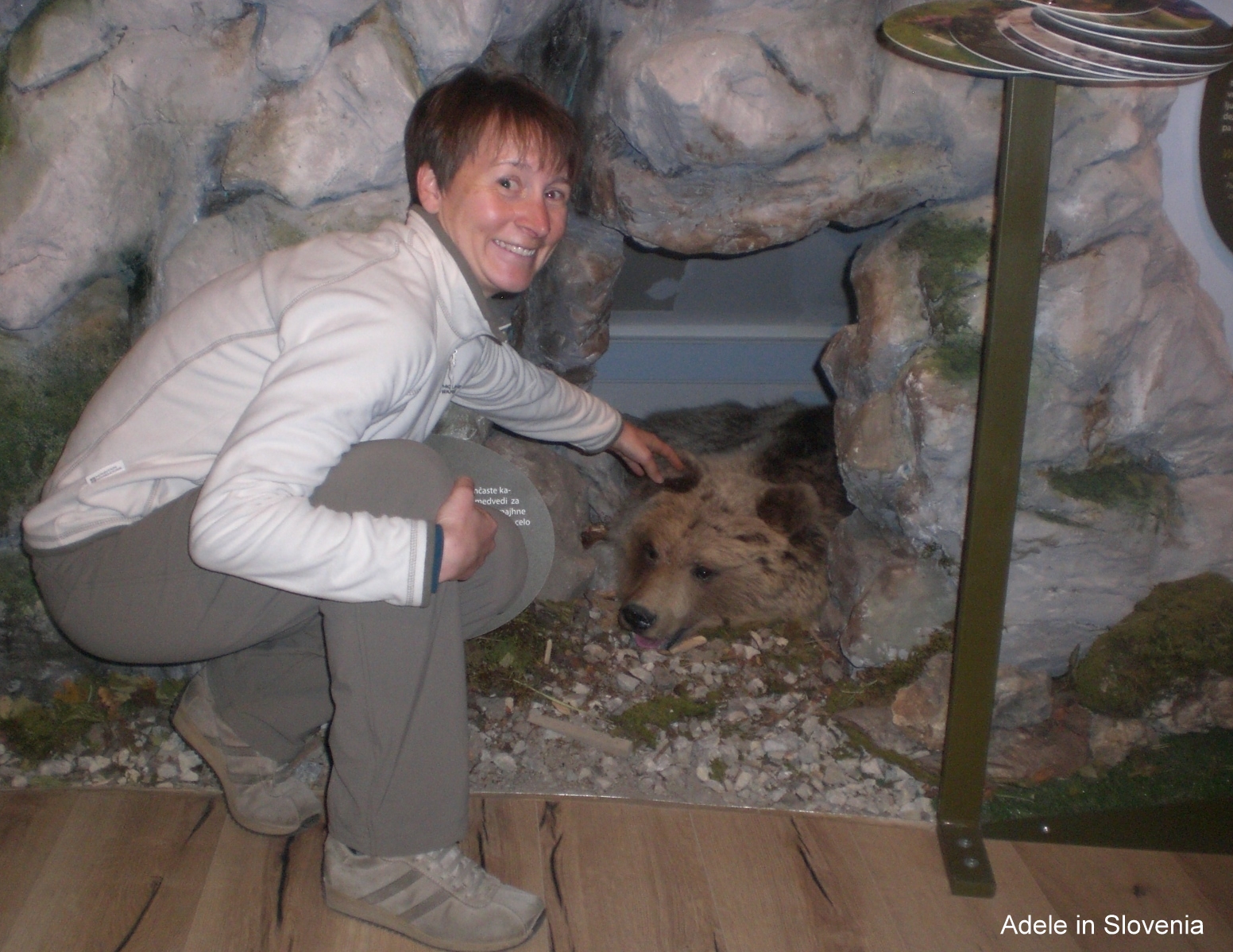
There are a number of interactive exhibits, including an encounter with a bear! Speaking of which, bear watching is something that can also be arranged in the Pivka area.

CIMG0726

I visited the 2nd biggest of the lakes, Petelinsko jezero, and it was hard to imagine that within a month or so of my visit the water will have entirely disappeared, leaving just a flower-covered meadow.

CIMG0728

It was rather convenient that at the time of my visit, there just happened to be a private party, or rather the remains of one, taking place by the lake, and I was treated to champagne and chocolate-covered strawberries!

CIMG0732

My next stop was to visit the Park of Military History. I’ll hold my hands up and admit that, not being a particular fan of either museums or military history, I wasn’t expecting to be won over by it, however, how wrong I was, and it has now earnt its place as by far my favourite museum in Slovenia!

Immediately on approach the imposing renovated barracks impress. The barracks were built by the Kingdom of Italy around 1930 in order to defend the Rapallo border and were later home to the Yugoslav People’s Army. Since 2004 the museum has been developing and has now become the largest museum complex in Slovenia, as well as one of the largest military historical complexes in this part of Europe.

One of the highlights of my visit was undoubtedly the chance to go inside a submarine – a first for me! During the winter the submarine is housed indoors, then in late spring it is moved outdoors –  at 19 metres in length and weighing 76 tonnes thats no small feat. The P-913 Zeta submarine was gifted to the Park of Military History in 2011 from the Republic of Montenegro.

Podmornica P-913

Photo: Simon Avsec – http://www.slovenia.info/

If you opt for a guided tour of the park, which I recommend (for groups upon prior booking), you also have a chance to go inside the submarine.

CIMG0749

There is a huge collection of tanks and other military vehicles, aircraft and ammunition. Exhibitions include ‘The Armour of Freedom’ and ‘Partisan Tanks’, which includes Soviet tanks, such as the T-34/85 Soviet tank, one of the best known tanks of the Eastern front. The M47 Patton, the heaviest tank in the collection, consumes an incredible 700 litres of high-octane fuel per 100km. Environmentally-friendly it’s not!

CIMG0738

Housed in an entirely new building, there is an exhibition entitled ‘The Road to Independence’, which documents Slovenia’s road to independence. There are plenty of interactive exhibits and all exhibits are described in both Slovene and English.

The museum shop stocks a wide range of military souvenirs, clothing, equipment and other memorabilia.

You can find more information about the Park of Military History here http://parkvojaskezgodovine.si/en/ and watch this short video to see more.

You can also find more information about Pivka and the Green Karst area here http://zelenikras.si/en/ and watch this video.

Whilst exploring the area I stayed at the wonderful Pri Andrejevih Tourist Farm in Narin, more about which I will write in a future blog – watch this space!

© AdeleinSlovenia 2016


The Four Seasons of Spring!

Last week we really did have all the four seasons within the space of four days. It began with a few snowflakes on Wednesday morning, which later became heavy snowfall,  and certainly made a bit of a mockery of last week’s blog entitled ‘Spring in the Karavanke’. It’s now anything but spring in the Karavanke!

Though it had been forecast that it could snow in places at around the 700 metre level, Radovljica, where I live, is at 496m, so no-one, forecasters included, was quite expecting the snow to reach the valley – and certainly not so much of it – considering the previous week we had had temperatures in the twenties.

So this is what spring in the Karavanke now looks like!

13062176_1074769012580907_4605015675305884375_n

It wasn’t just in Gorenjska in the north-west of Slovenia either, it also snowed in other lower-lying regions of the country. I spent 2 days in Dolenjska, in the south-east, and it even snowed there too.

Hiking at the moment isn’t advisable as the late-spring snow is very wet and heavy, and has caused a lot of damage with branches and trees down, whilst the danger of avalanches is at level 4 – the highest level being 5. Instead however, those who are die-hard fans of winter and skiing once again took to the slopes as the Vogel ski resort re-opened for the extended holiday weekend.

On Saturday it was a return to temperatures of 18 degrees and the valley was bathed in sunshine and the Sava river at Radovljica was looking its sparkling best when I went for an early morning walk.

CIMG1177

However, it was a different matter when I got into the forest as I tried, and in places failed, to pick my way under and over fallen trees on the path up to Talež. It’s amazing the devastation just 24 hours of snow caused – more than in the whole of last winter.

CIMG1179

I was amazed and saddened at the number of fallen trees and branches, almost reminiscent of the damage caused by the glaze ice two winters ago, though, thankfully, nowhere near to that extent.

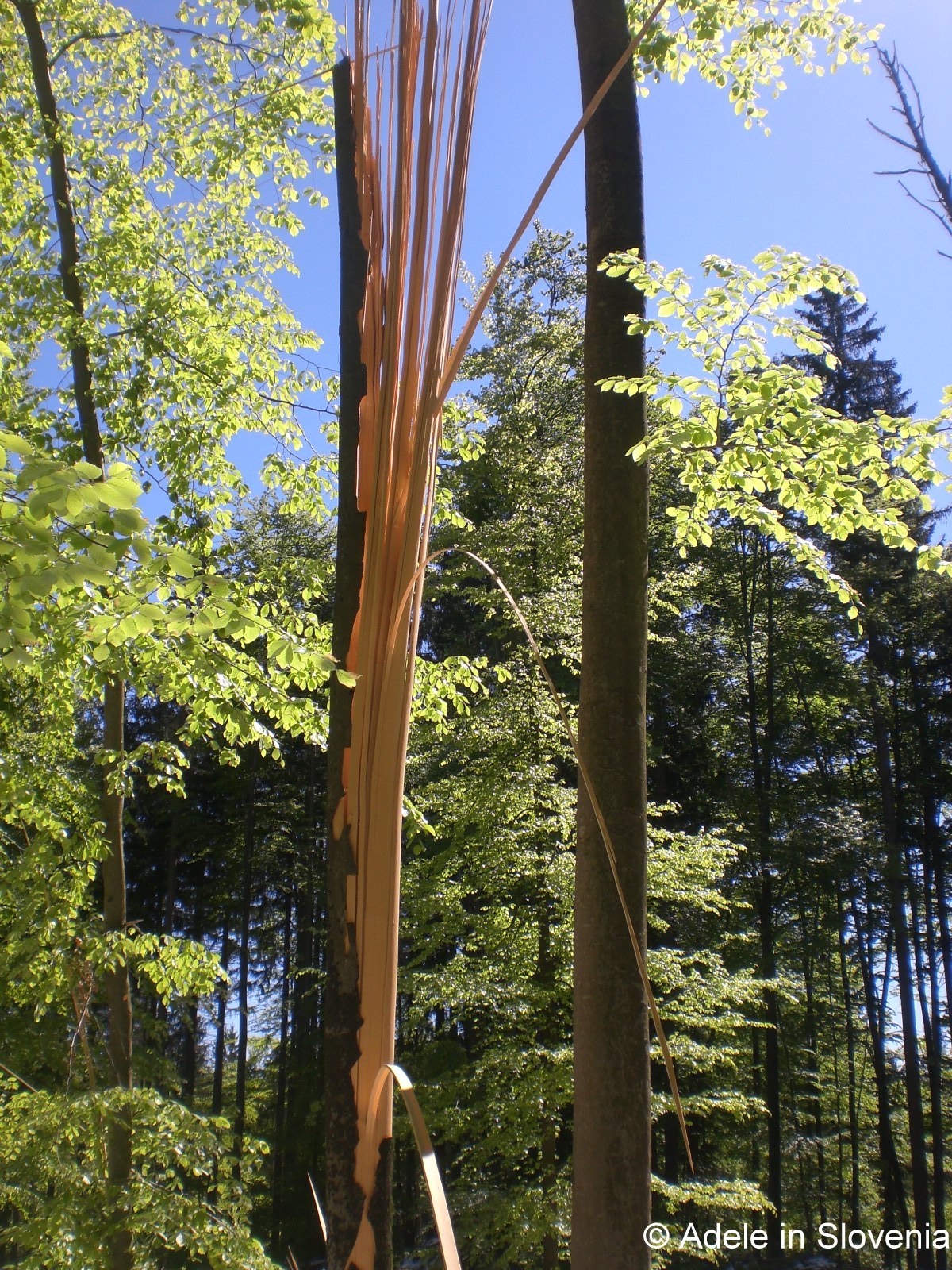
Some trees, such as this one below, had literally been torn apart under the weight of the heavy snow.

CIMG1181

It’s been over 20 years since there has been such heavy snowfall this late in the year, so this prompted me to try and uncover some historical snowy spring facts:

  • In 1907 40cm of snow fell on 29th April in Bohinjska Bistrica
  • In 1974 in Nomenj it snowed on the 10th of June
  • In 1985 it snowed on 3rd May
  • In 1988 it snowed on 24th April
  • The earliest snowfall of the year was recorded in 1972 on 11th September in Kotlje

Unfortunately it has also caused a huge amount of damage to crops and vines – in places its reported that up to 90% have been destroyed. This year’s honey production is also expected to be severely affected. Over one-third of honey produced in Slovenia is acacia honey, and a large number of the blooms have been destroyed. It’s all such a shame and another reminder of the equal wonders and cruelty of nature.

Roll on summer!!!

© Adele in Slovenia


Spring in the Karavanke Mountains

After all the excesses of the Radovljica Chocolate Festival, last week was all about my other great love – Slovenia’s great outdoors!

Spring has arrived in the Karavanke mountains and, particularly on the south facing slopes, the snow is melting at a pace, or rather ‘was’. When I started writing this blog last week, it certainly was ‘Spring in the Karavanke Mountains’. Now, however, looking out of my window at the fresh snow, and digging out my gloves and warm clothes again, it feels anything but spring-like! Nevertheless, the blog below remains ‘as was’ and hopefully spring-proper will return very soon.

It is, however, a different matter on the north facing slopes of the Karavanke, so it’s still a bit too soon in the season for any serious hiking above 1,500 metres, and it’s an entirely different matter in the Julian Alps, where there is still a significant amount of snow, even at lower levels.

It’s still a little nippy early morning, especially for cycling, but wrapped up well I cycled from Radovljica to the Završnica reservoir then headed on foot to Smolnik (1002m). What I particularly like about Smolnik is that despite it being near the Valvasor mountain hut (Valvasorjev dom) – a very popular destination for hikers, Smolnik itself is relatively unknown as the path is not marked, thus only those ‘in the know’ frequent it – until now perhaps!!!

CIMG0854

Though I also often hike up to the Valvasor hut at this time of year, what sets Smolnik apart is the view, since the views from the hut are rather restricted. The path up through the forest is very steep, so I consider a pair of hiking poles a must – though there is an option to approach it from the opposite direction, via the road that leads to the Ajdna archeological site, which is a far less steep option. In places it little more than a mass of tangled tree routes, however, the path is clear and easy to follow.

CIMG0856

On reaching the top of Smolnik there are wonderful views across the valley and towards Bled Lake, a great reward for my effort.

CIMG0858

There is a bench for resting weary limbs if required, with Stol, the highest peak in the Karavanke range, dominating the backdrop, and looking very ‘moody’ on this occasion.

CIMG0859

From the peak of Smolnik it’s easy to reach the Valvasor mountain hut, from where you can continue to one of the mountain highlands as I did – in this case the Žirovniška planina highland, for marvellous views of the snow-capped Julian Alps, or continue towards Ajdna, which is well worth a visit. You can read more about that in a previous blog here – https://adeleinslovenia.com/2014/01/13/fascinating-ajdna/

CIMG0865

It’s just the start of the season, so plenty of this, and more, to come!

© Adele in Slovenia 2016