Cycling from Radovljica: Slovenia’s Scenic Bled–Bohinj Bike Route

In recent years, Slovenia has become a nation of cyclists. Of course, the success of Slovenia’s cyclists, particularly Tadej Pogačar, has certainly contributed to this. Those of you who are fans of cycling will no doubt have watched the recent Tour de France and seen Pogačar win for the fifth time — a simply stunning Slovenian success story.

Following in Pogačar’s footsteps, or rather wheels, on Sunday we decided to try out the newly-opened Bled–Bohinj cycle route. It took years of waiting patiently for the cycle path to be finished – the project began in 2022 – but in the end it was worth the wait.

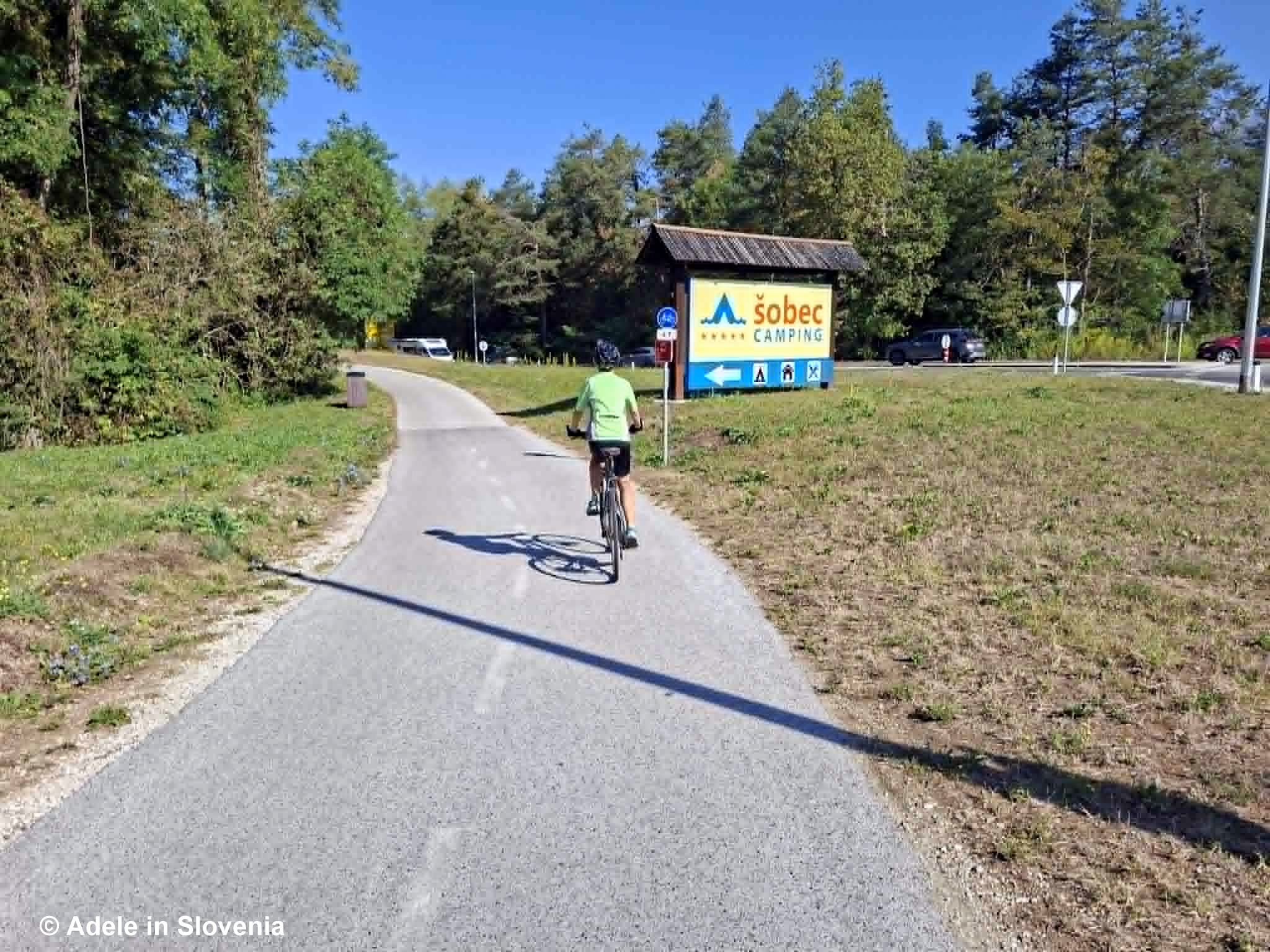
The route officially starts from Bled, however, we started from home, i.e. Radovljica/Lesce, where there is a bike lane on the main road leading to the traffic lights at the main junction between Lesce and Bled. Radovljica has a good network of cycle paths for road bikes and mountain bikes: https://www.radolca.si/en/activities-and-experiences/cycling/network-of-cycling-paths. From the junction, there is a bike path parallel to the main road. It crosses the road leading to the Šobec Camp, passes River Camping Bled before leading down to cross the Sava River, before climbing towards Bled.

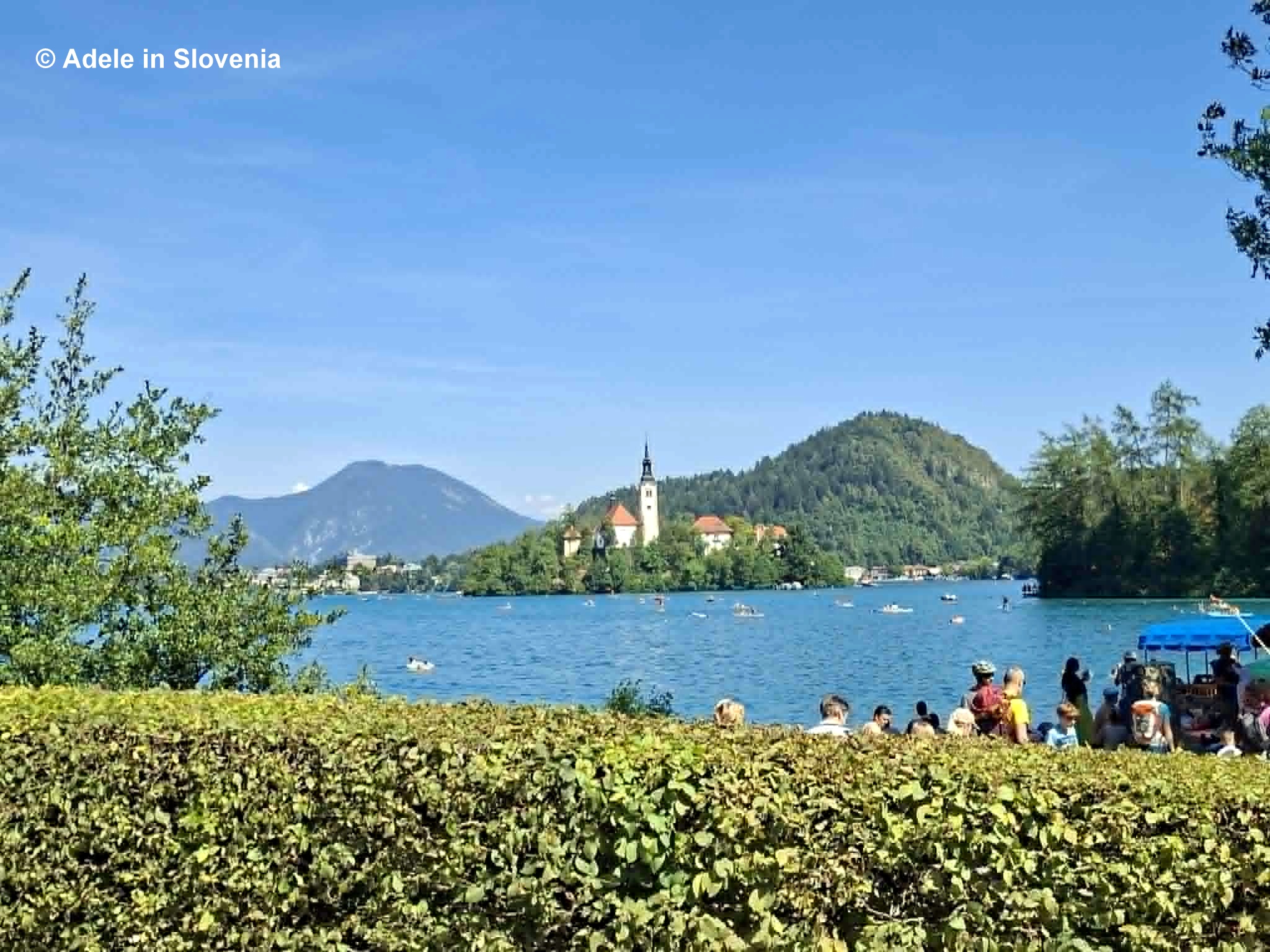
Because cycling around Lake Bled isn’t permitted, and cycling on the main road through the town isn’t pleasant due to the heavy traffic, the cycle route makes a detour around Bled towards Bled railway station, above Lake Bled.

Thereafter, there is a short section on the main road before reaching the village of Bohinjska Bela. At the time of writing (11th August 2026), there is a detour in place between Bohinjska Bela and the hamlet of Obrne, which means having to cycle on the road. I’d recommend waiting until the road reopens, especially if you have children, as this section is quite long and, during the peak summer season, there is a constant stream of traffic.

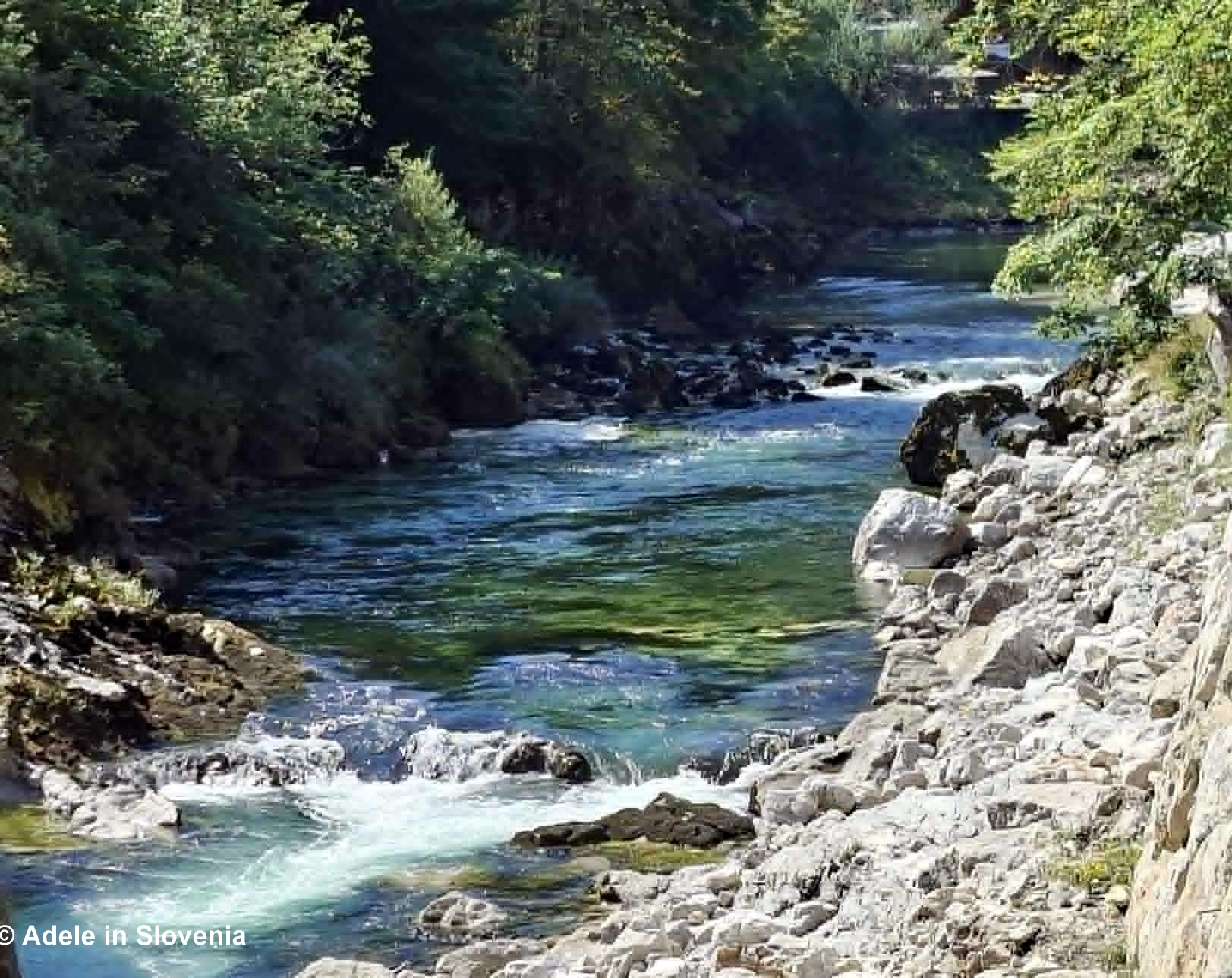
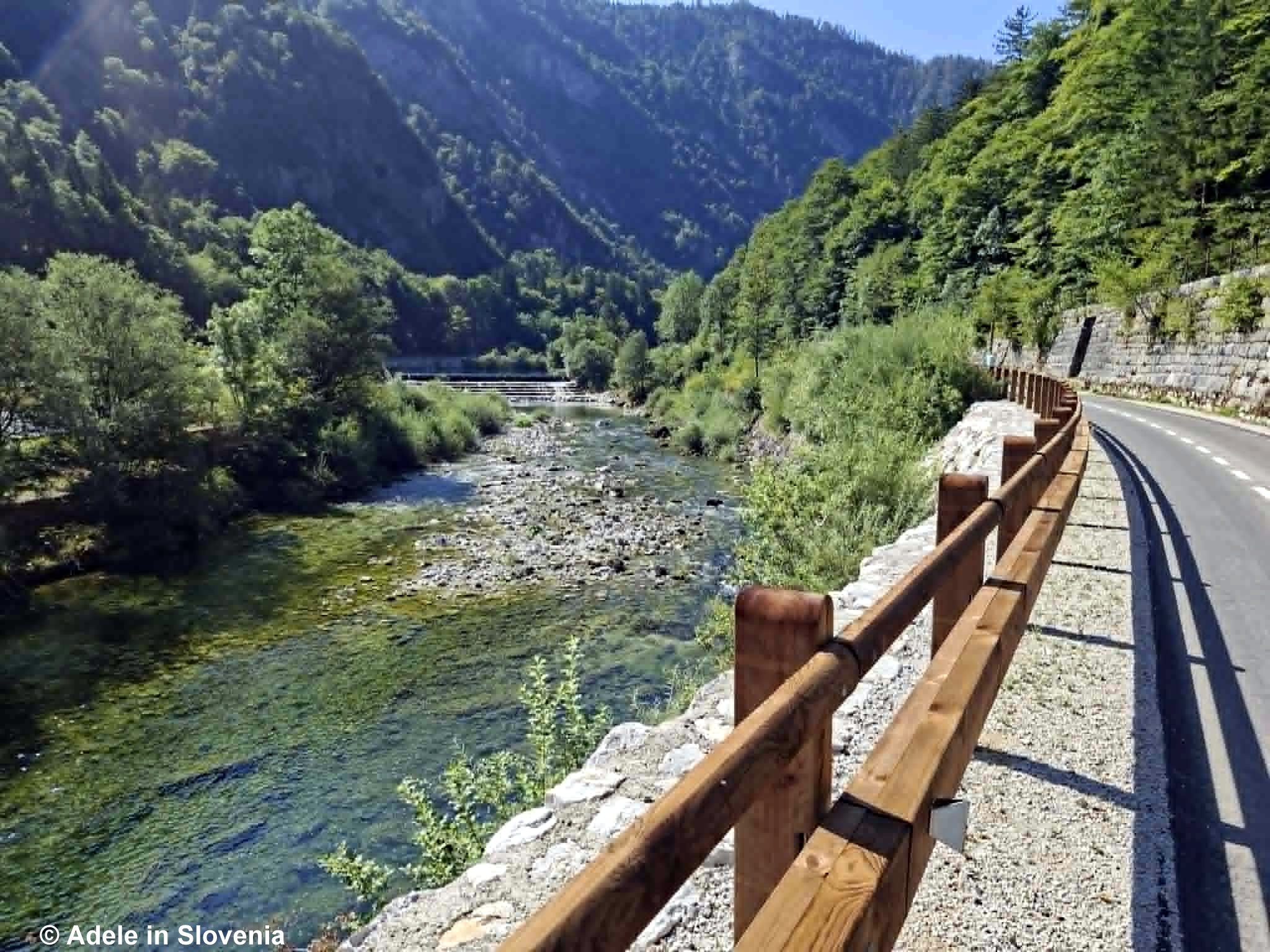
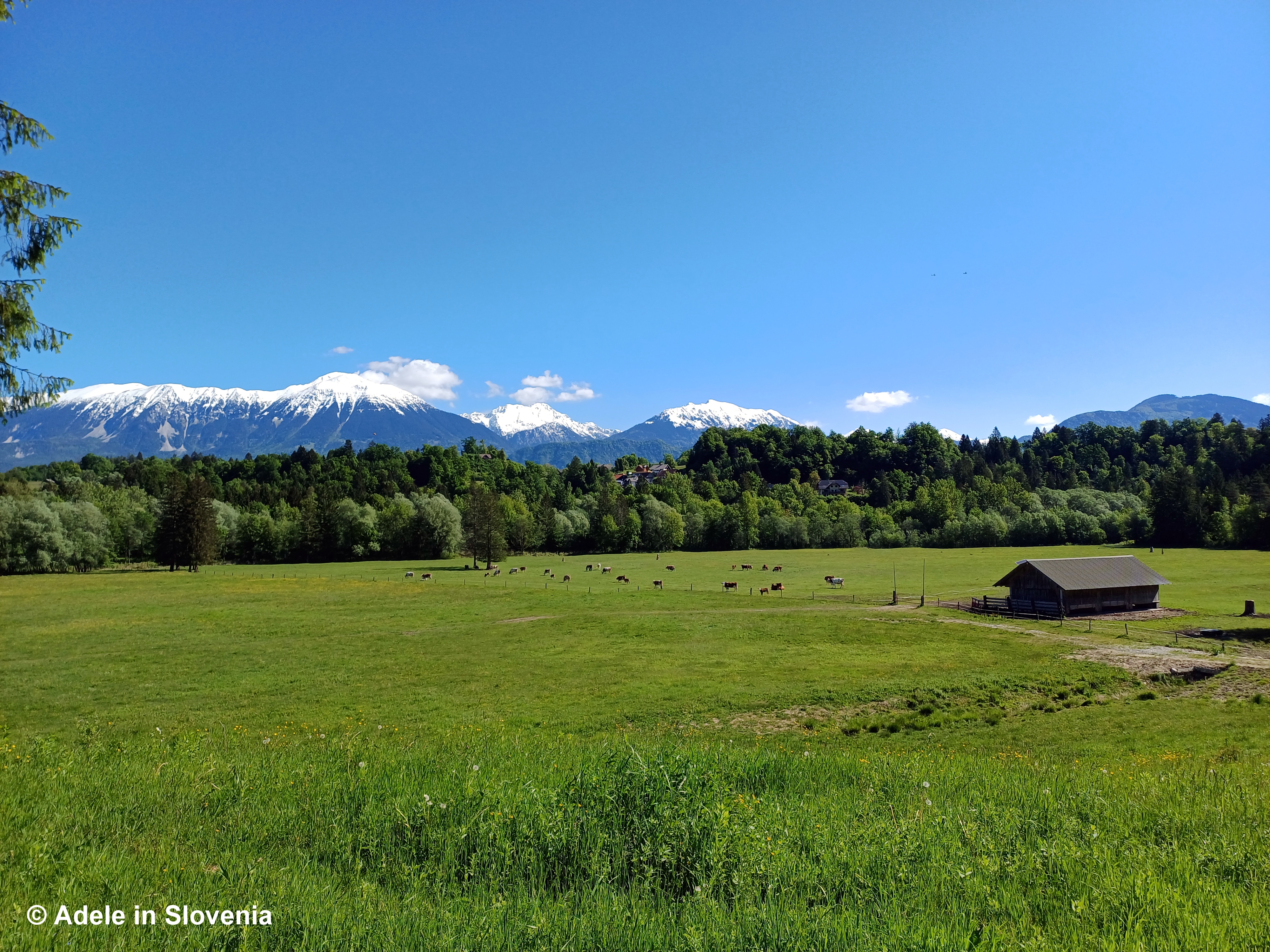
Once back onto the cycle path the real enjoyment begins; think stunning views of the turquoise river, lush forests, hills and mountains, and all entirely traffic-free.

We stopped at the sign for the Grmečica waterfall. However, like many of Slovenia’s watercourses, it has dried up. Of course, Slovenia isn’t alone in this; worringly, drought conditions are present in many parts of Europe. In addition, the country’s firefighters and armed forces have been battling four forest fires recently, so please, please, take care and be aware of the ever-present danger and, of course, heed the warnings of not lighting fires outdoors and saving water.

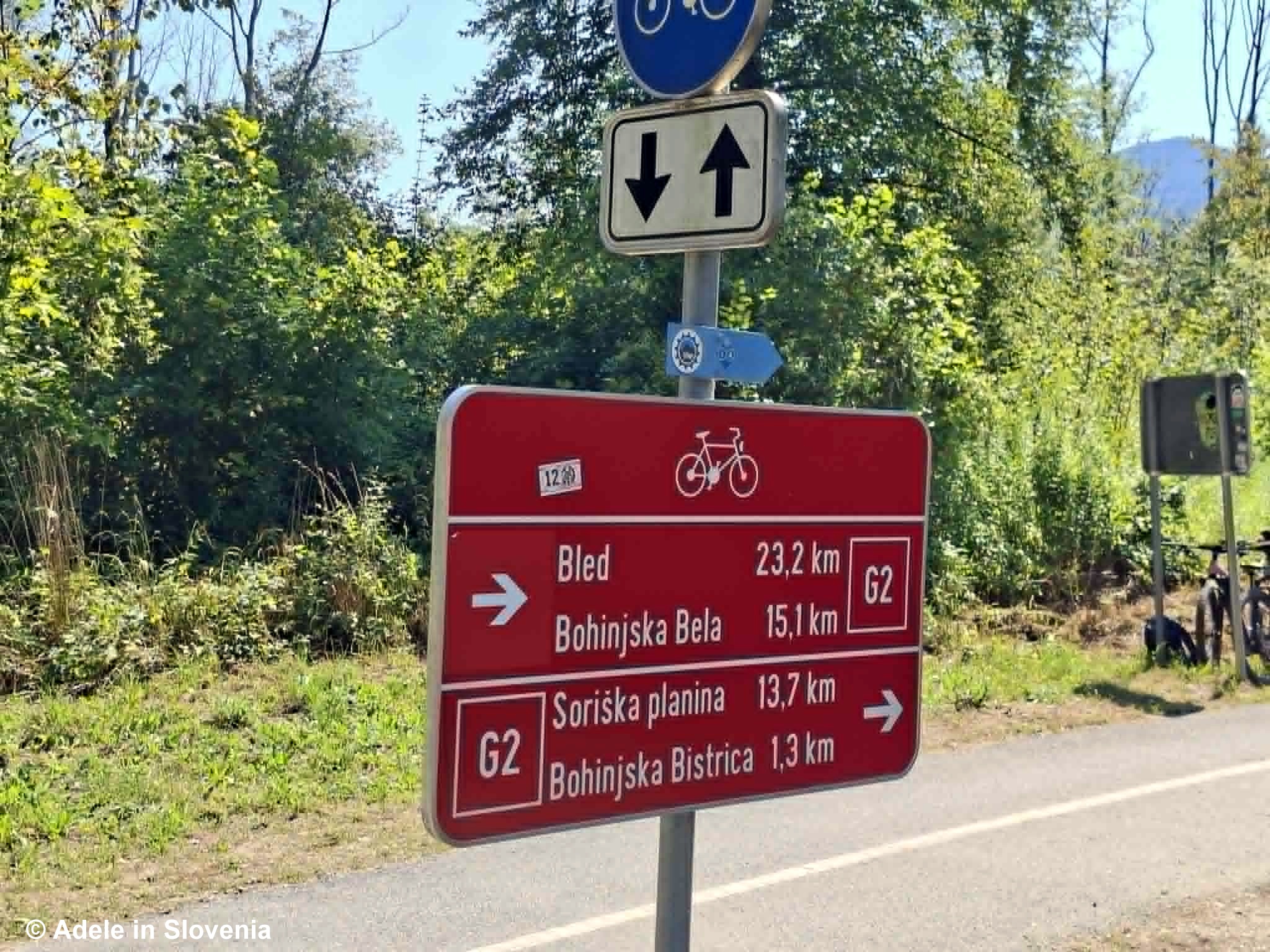
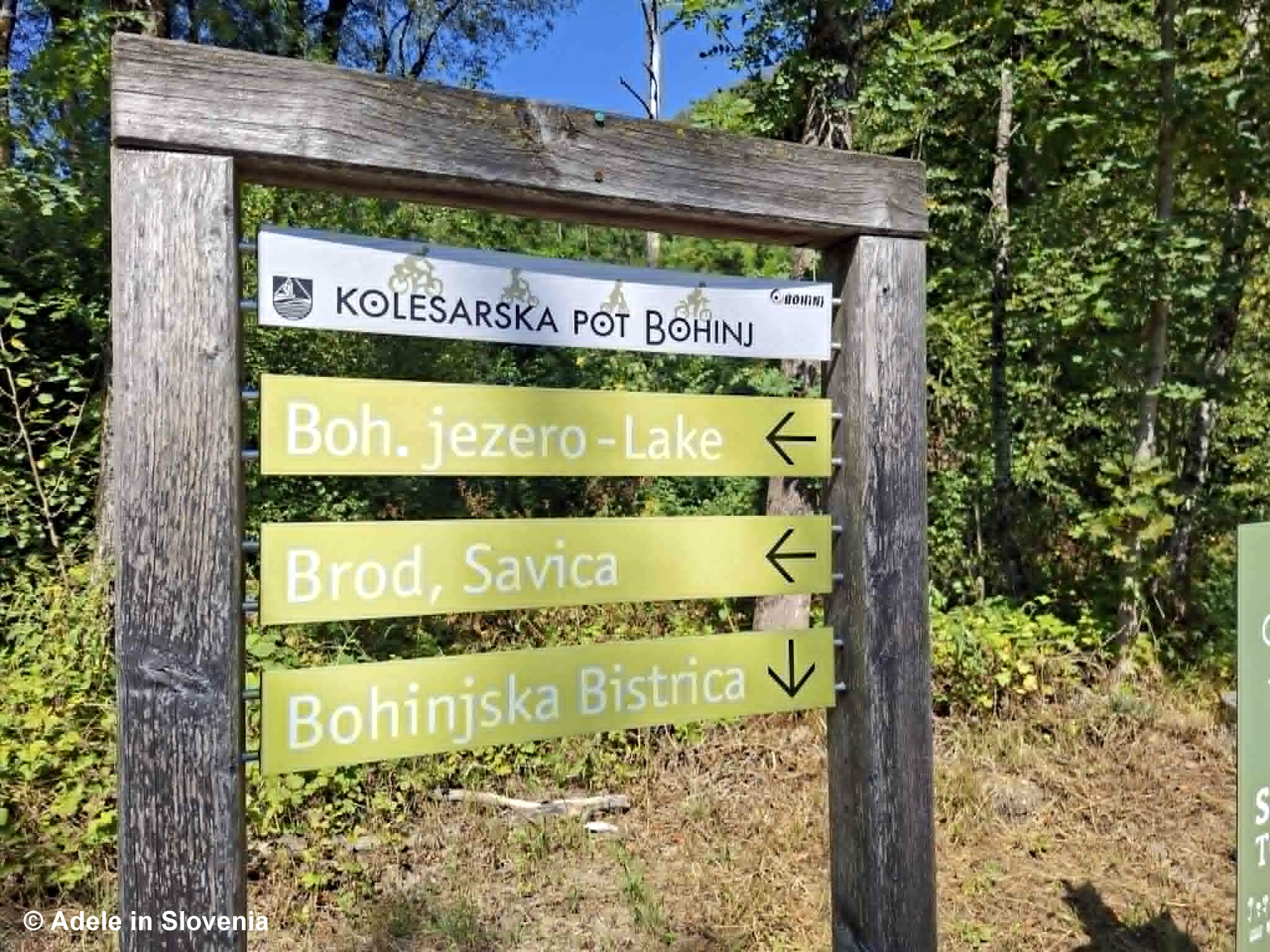
The route is well signposted throughout. The route from Bled to Bohinjska Bistrica follows red signposts, thereafter local Bohinj signs show the route.

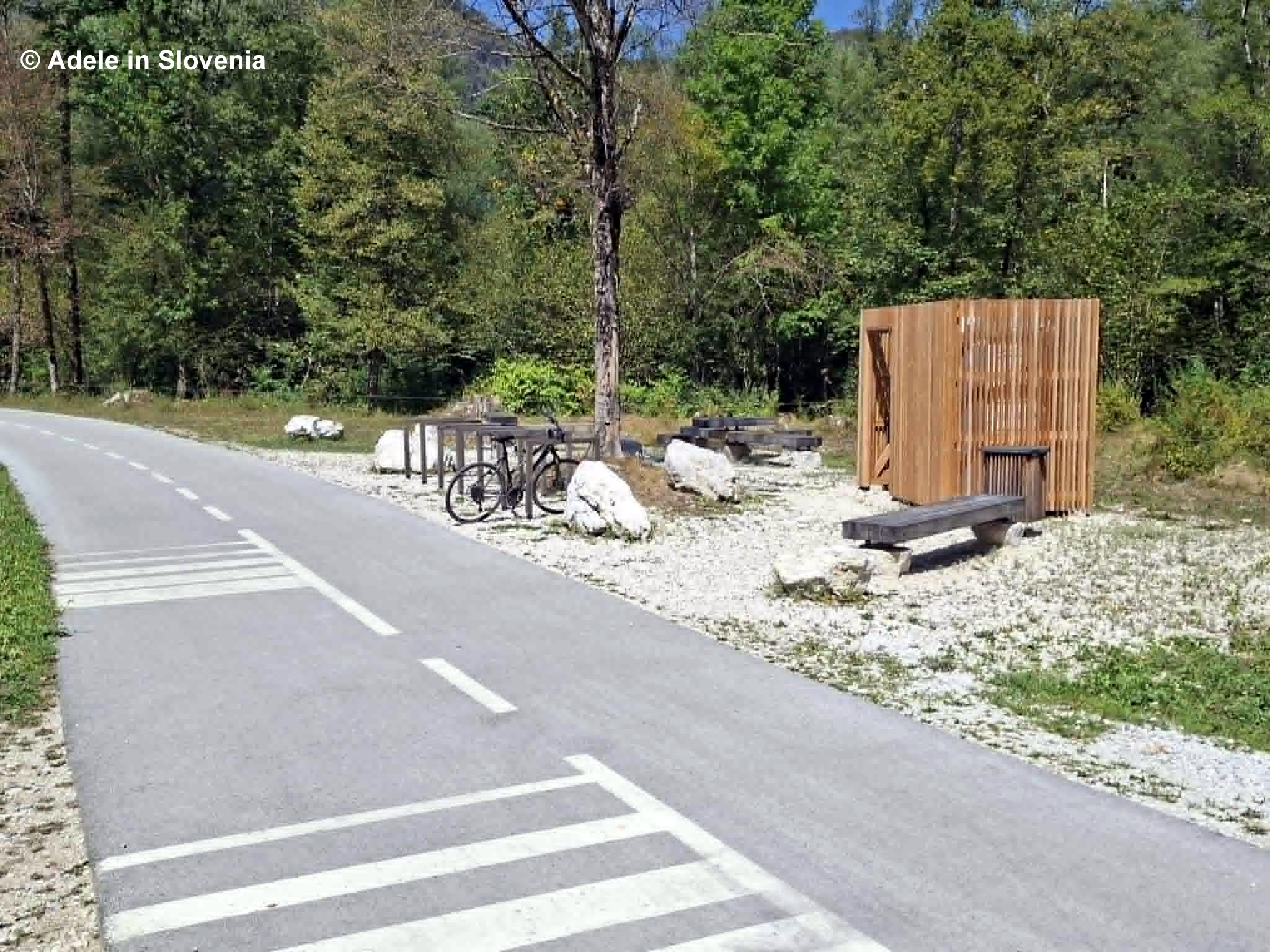
Importantly, there are also a few stopping areas with portaloos and benches.

On reaching Bohinjska Bistrica, at the time of writing there is a short diversion in place, but on quiet roads so it’s not a problem. You rejoin the path at the Danica Camp, from where the path leads through Brod and on to Lake Bohinj; note that this section has a few ups and downs requiring low gears but nothing too extreme.

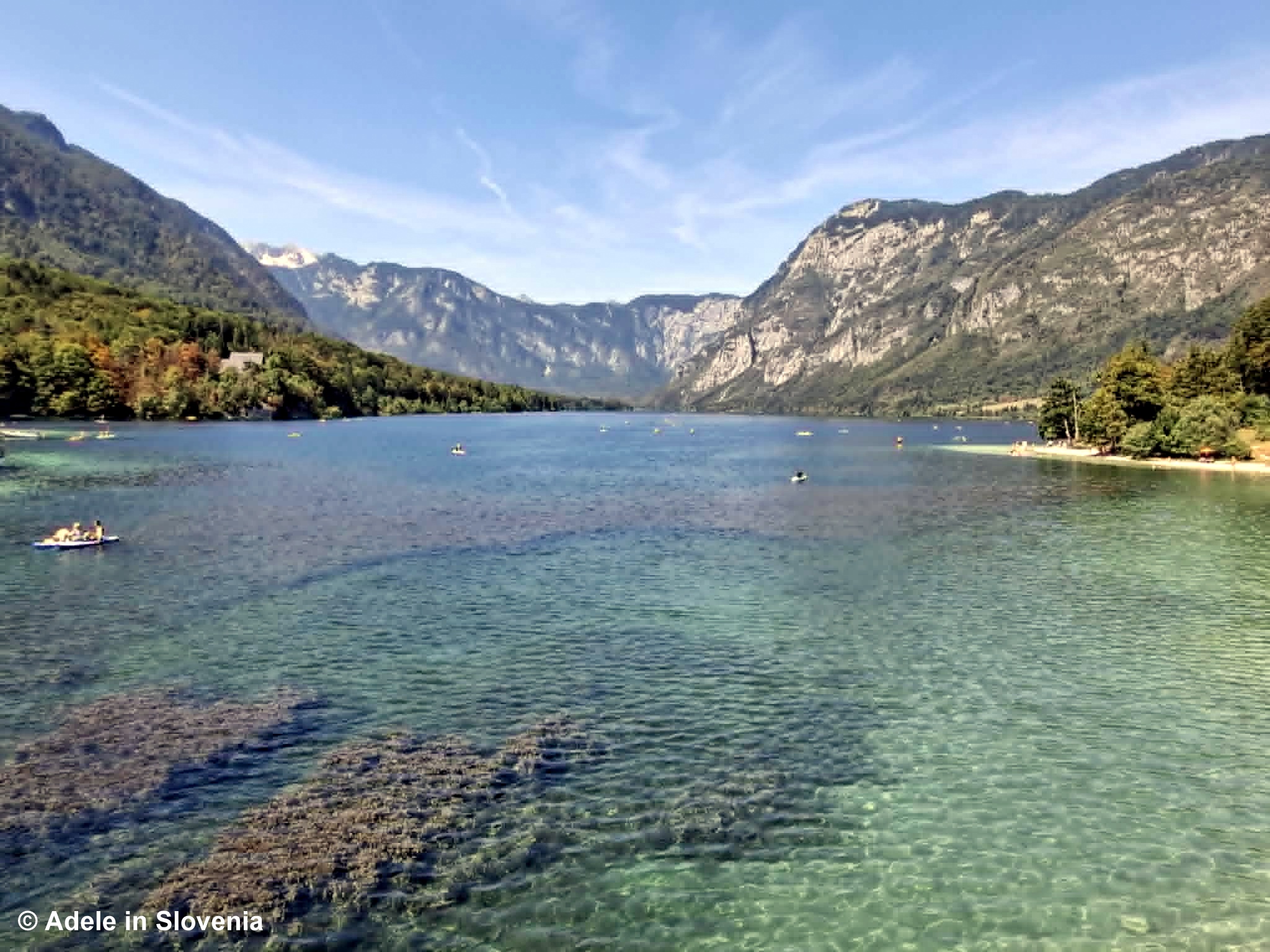
The reward comes in the magnificent view of crystal-clear Lake Bohinj and the surrounding Julian Alps.

The entire route from Bled via Bohinjska Bistrica to Lake Bohinj is cca. 28 kilomtres. For those of you who might not want to cycle the entire route there and back, there is an option to take the train to, or from, Bohinjska Bistrica, meaning you only have to cycle one-way, plus the addition cca. 8 kilometres to/from Lake Bohinj.

Have you tried out the new cycle route yet? If not, let me know your impressions when you do!

© Adele in Slovenia


Discover Kropa with Blacksmith Elf!

The village of Kropa never fails to charm me. It’s location, surrounded by the steep slopes of the Jelovica plateau, together with its special heritage and characteristic architecture, gives this small village a unique appearance and atmosphere.

I visit at least once a week during summer, from home by bike, then to hike up to the Vodiška planina mountain pasture and hut.

As the views from the mountain pasture and hut are obstructed by forest, its worth going to the 1,227 metre-high Zidana skala viewpoint, from where there are magnificent views down over the village and onwards.

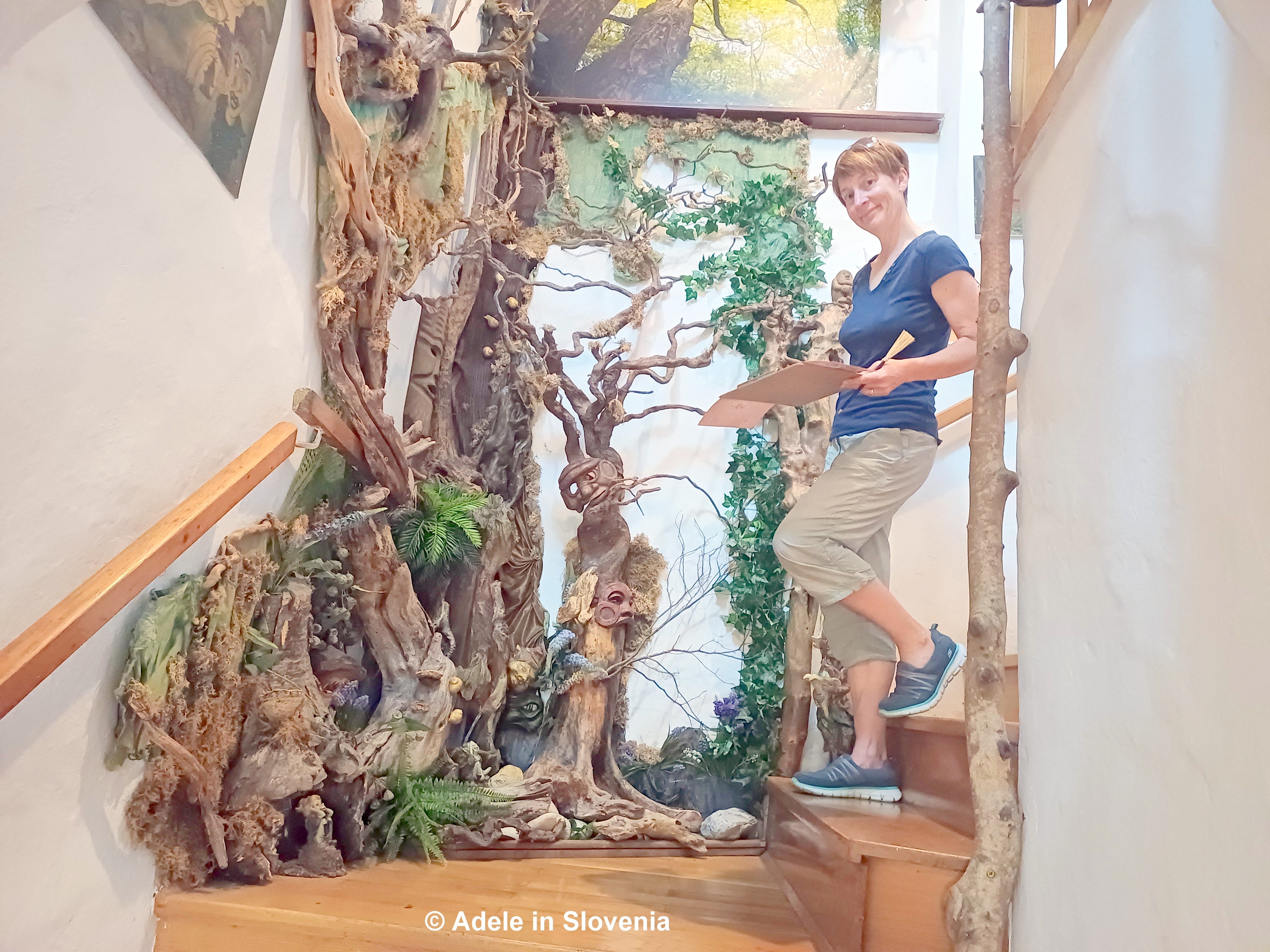
Today, in addition to the aforementioned, I took time to check out the brand new family theme trail: Join Blacksmith Elf Along the Kropa Nail-makers’ Trail, which is a great way to learn more about the exceptional heritage of the village, while children – young and old – will love trying to solve the puzzles and riddles, as well as the interactive points in the Kotel Learning Park.

Before setting off, be sure to pick up a copy of the trail booklet, which is available at the Iron Forging Museum in Kropa, as well as at the Radovljica Tourist Information Centre.

Armed with the booklet, head for the first point of the trail – the lower pool.

Then walk through the narrow streets and alleys, following the map to visit other points throughout the village.

Along the way you will pass the Vigenjc vice forge, the only preserved authentic 19th century of its kind in Kropa…


… and the Educational Park in Kotel.

Although small, there’s more than enough to do in Kropa for a day or two, depending on how active you want to be and how curious you are.

During summer, holders of a Julian Alps Summer Card can take part in a free guided tour of Kropa, as well as other attractions in the Radol’ca area.

That’s all from me for now. After today’s cycle and hike, I’m off for an ice-cream!

© Adele in Slovenia

Unlock the Secrets of Alchemy: Radovljica’s New Magical Experience

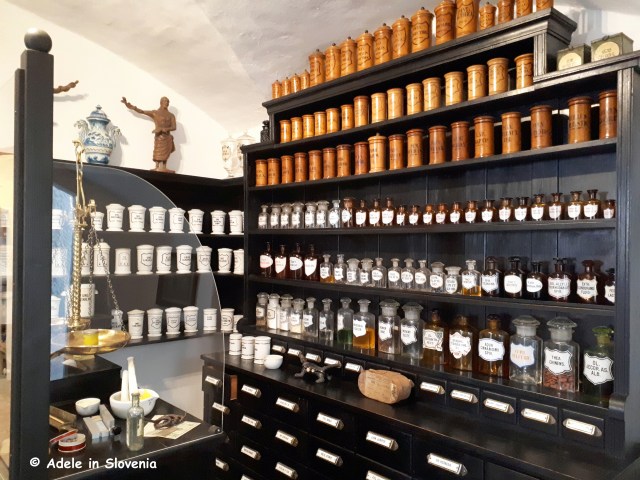
I first visited the Pharmacy and Alchemy Museum in Radovljica on the occasion of its official opening in April 2019. The museum is located in a beautifully restored bourgeois house in Linhart Square, the heart of Radovljica’s old town.

Last week, as part of my planning as the founder and organiser of Gluten-Free Expo Slovenia, I revisited the museum and was delighted to discover it now has a new, interactive, alchemy experience, ideal for the whole family.

The exhibits in the museum have been collected over a 40-year period by its owner, who, together with his daughter, Anika, has now gathered the objects in one place and opened this intriguing museum. On entering it is like taking a step back in time.

Since my husband is the biggest kid ever, he was seriously excited at the prospect of being able to try out the new experience, so, without ado, we did just that!

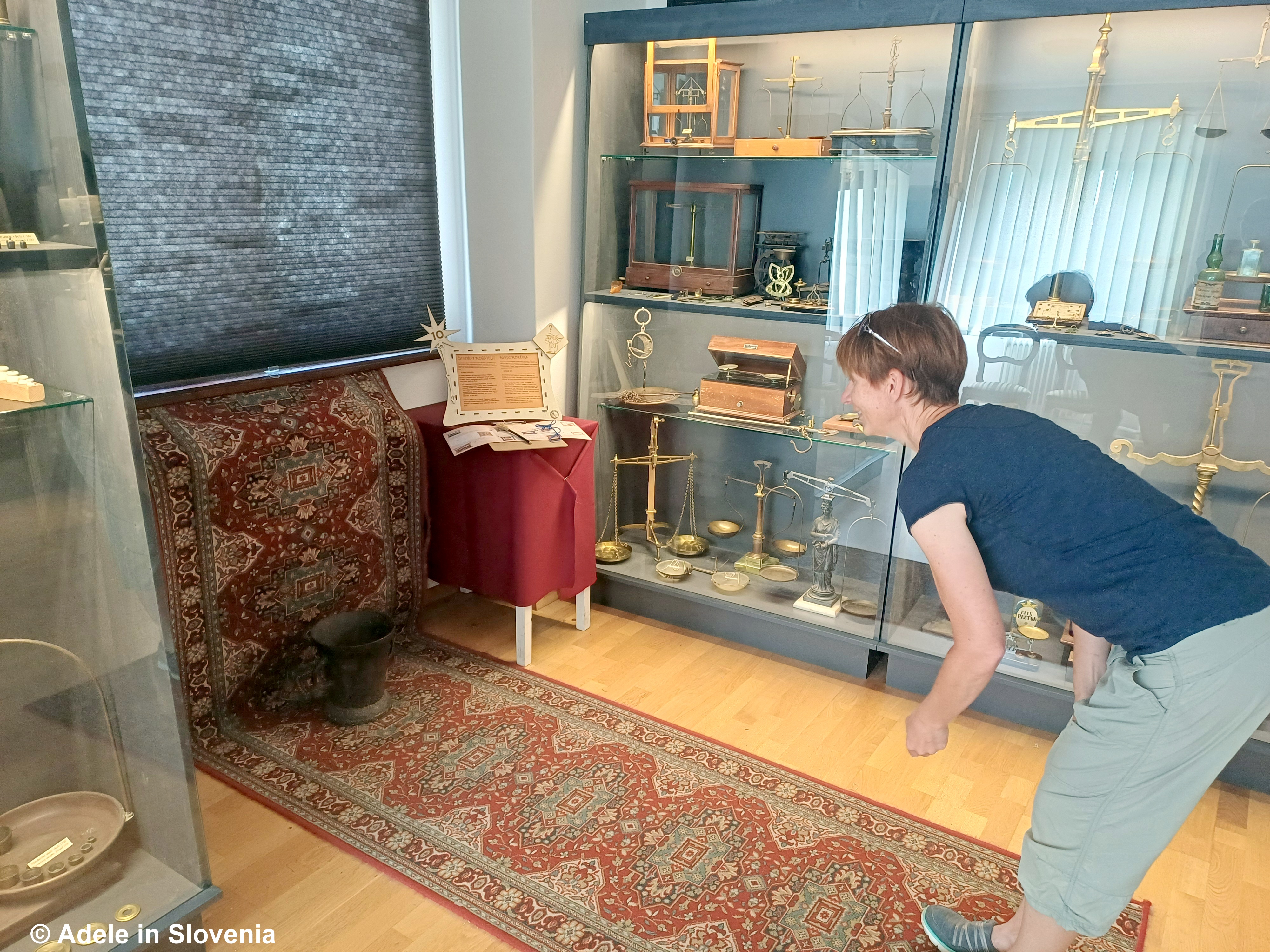
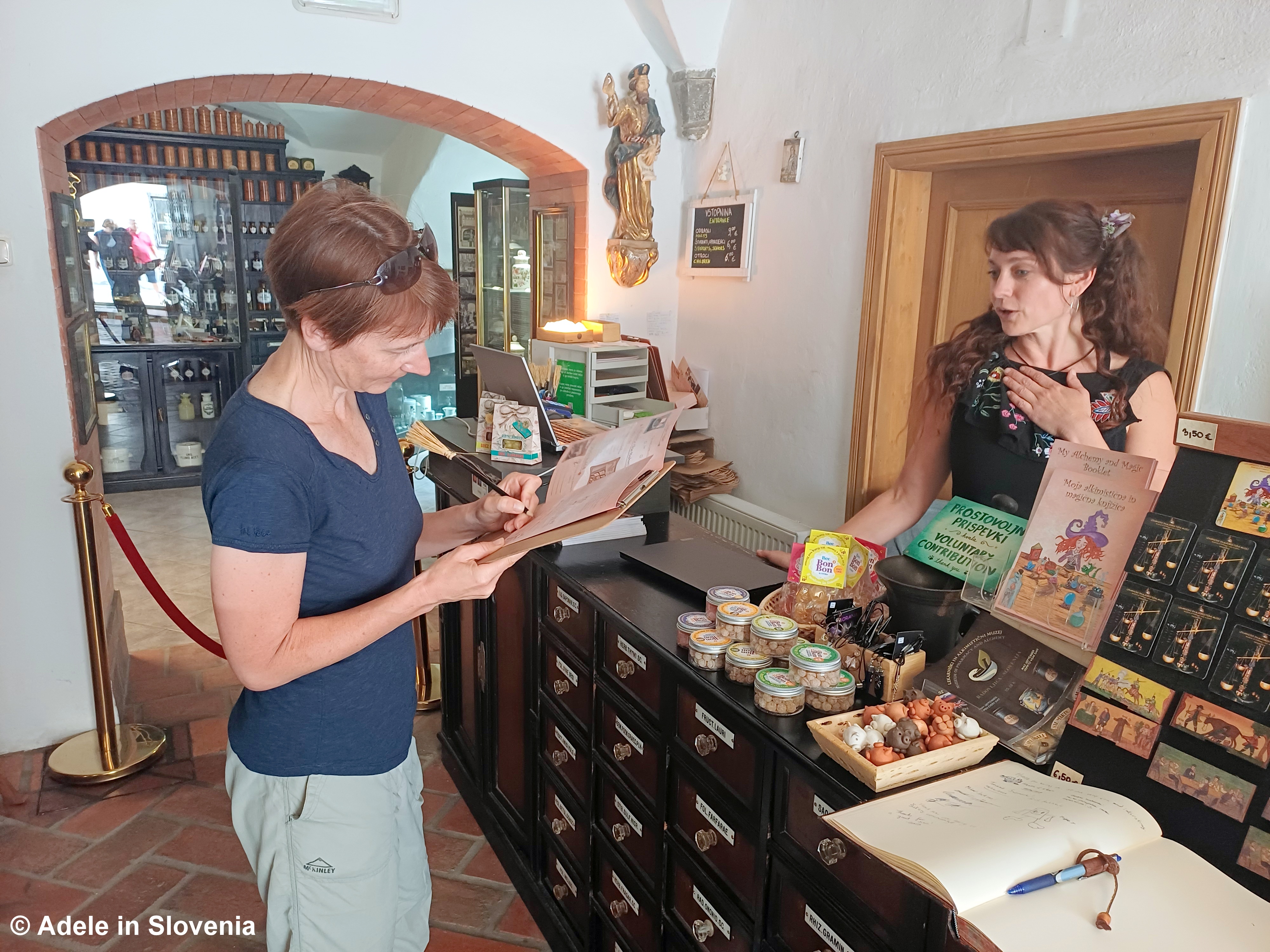
On arrival, we were given a booklet of tasks and some basic instructions, then we set off to explore the museum and solve the alchemy and magic tasks.

Fortunately, Anika was there to help when we needed a bit of a helping hand to ‘wake up the dragon’!

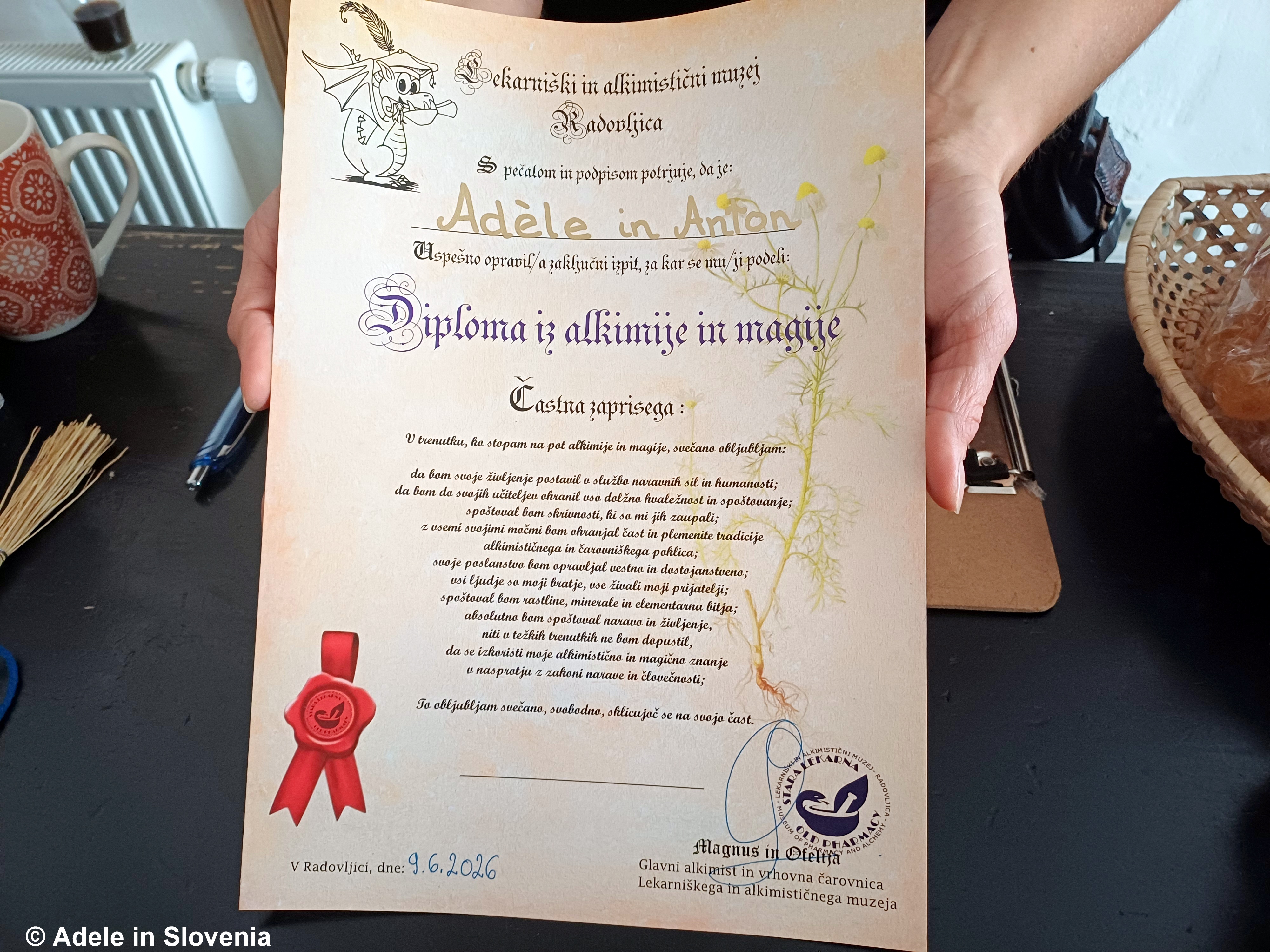
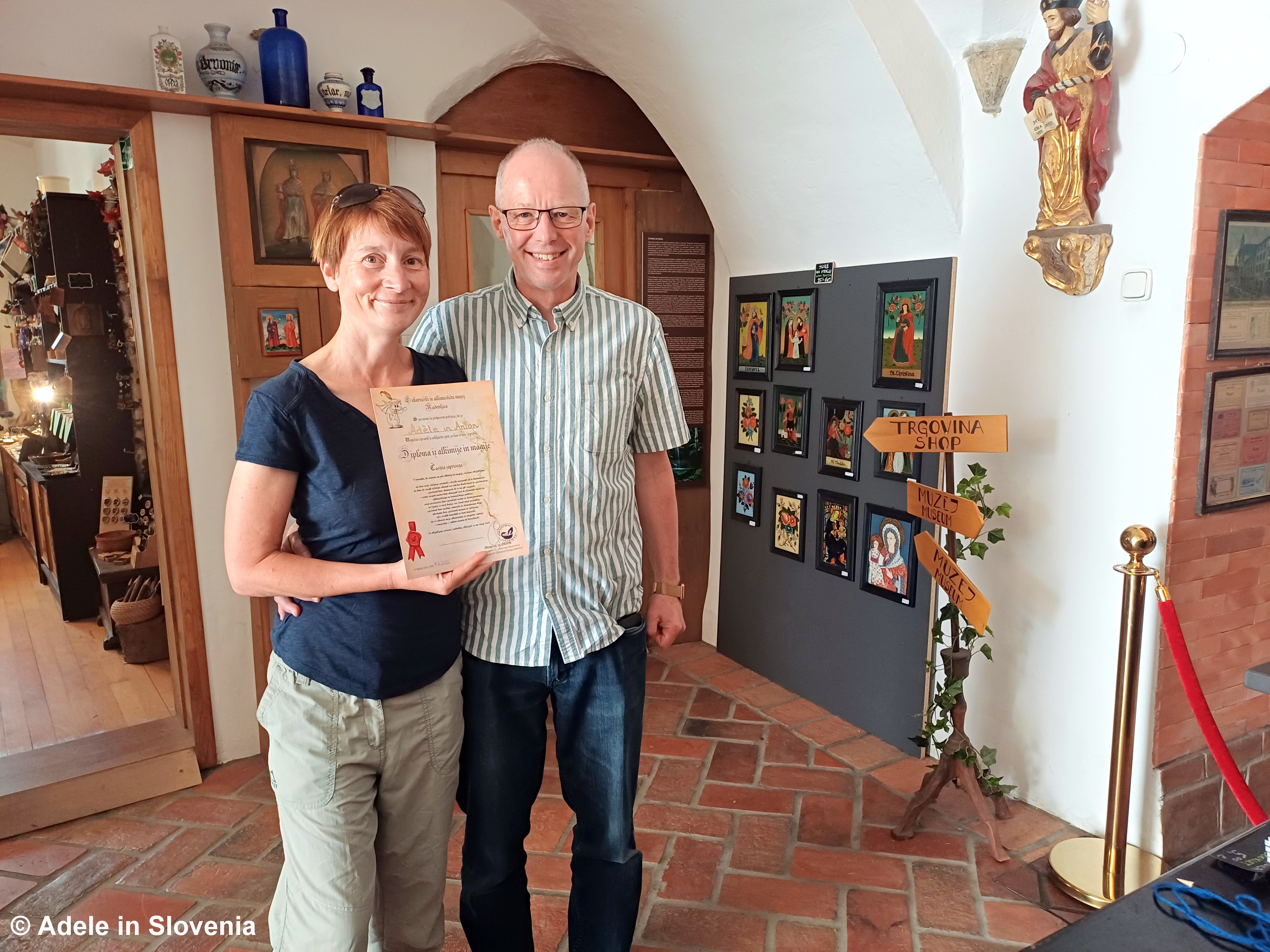
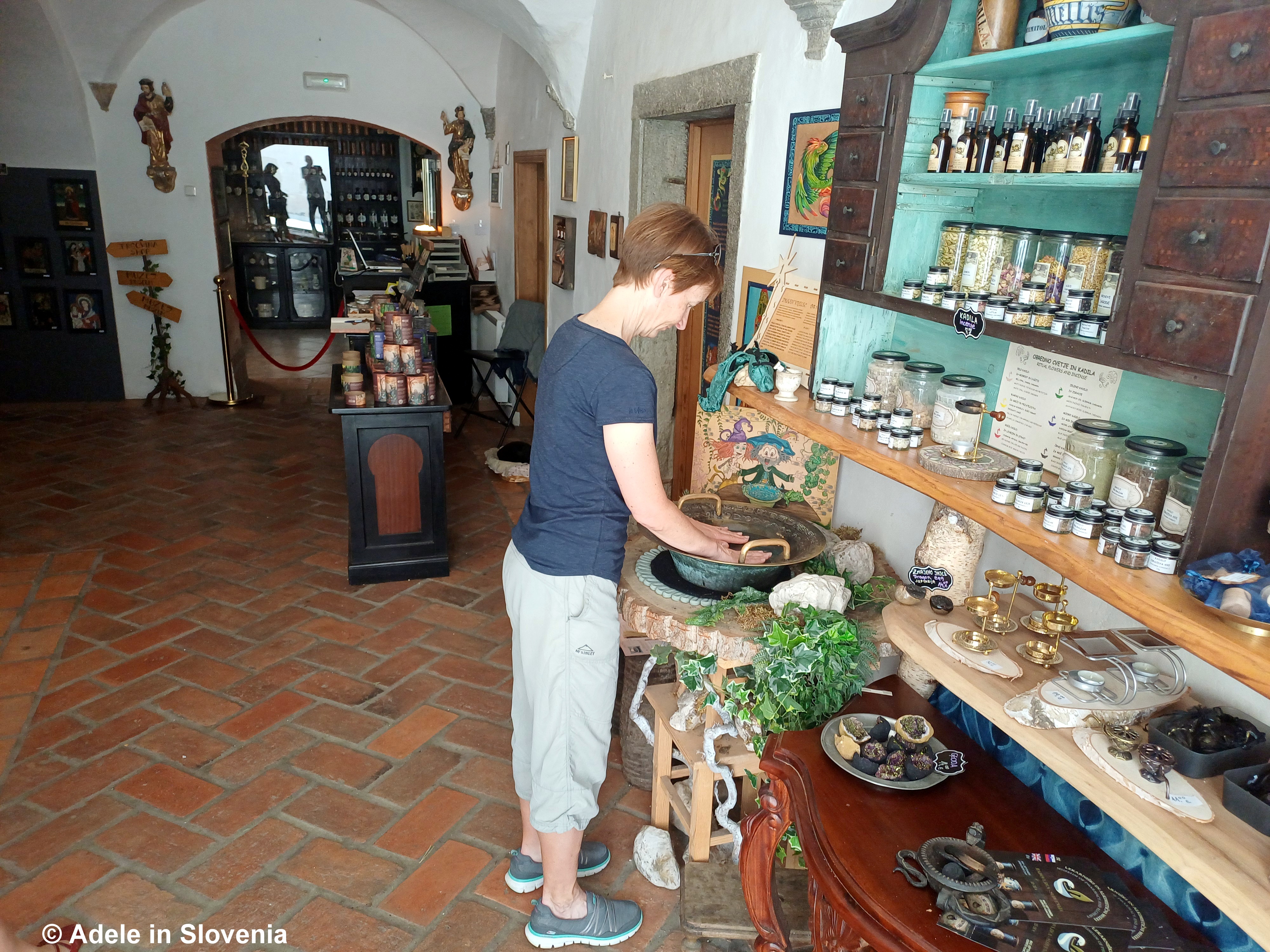
There are ten tasks to be completed and, if successful, you are rewarded with an Alchemy and Magic Diploma.

We weren’t entirely successful – it’s not as easy as it may seem –  but did well enough to ‘earn’ a diploma!

If you like escape rooms, you’ll love this!

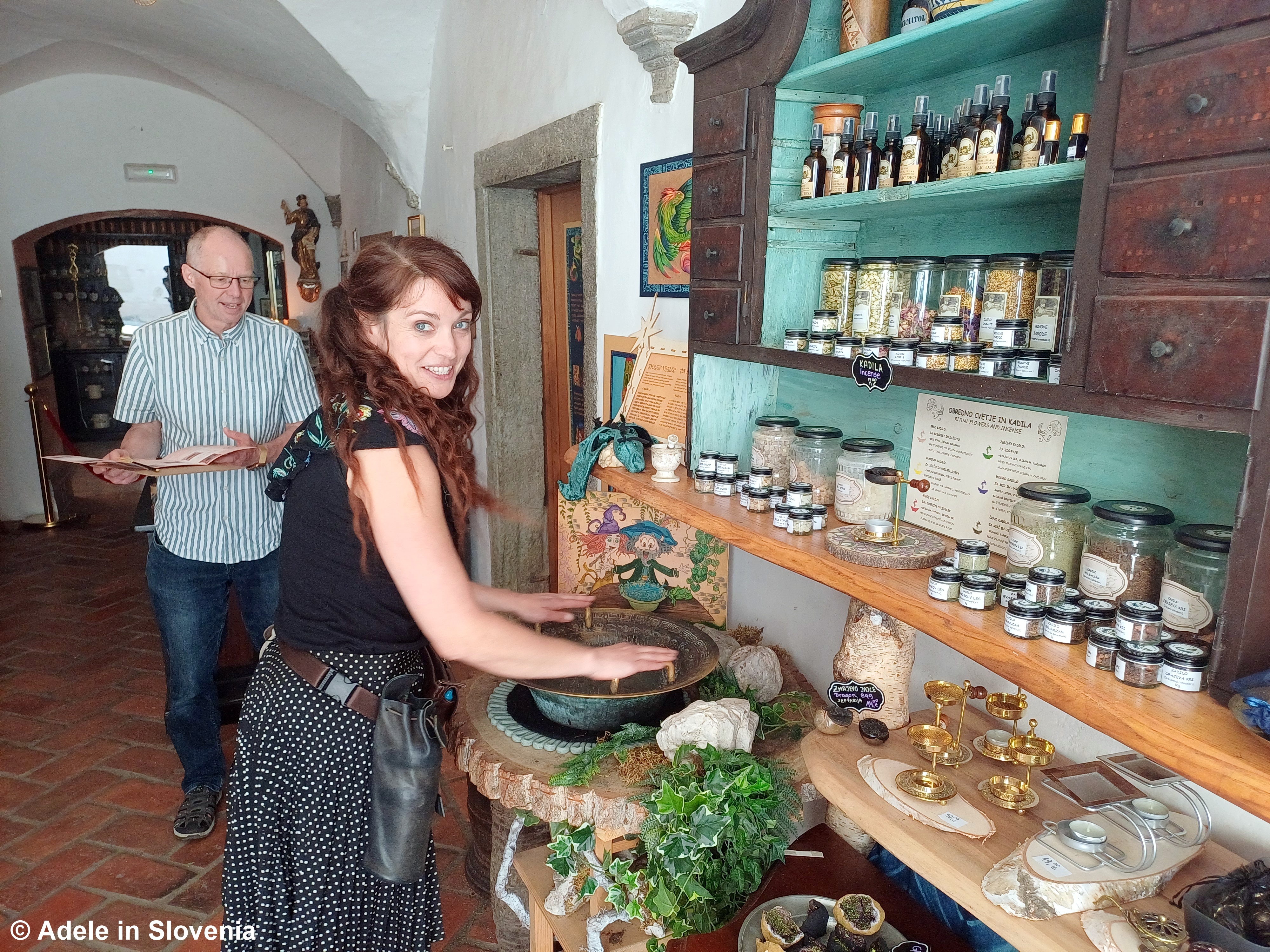
Before leaving, be sure to visit the museum shop, which is crammed with various lotions and potions, natural cosmetics, teas, honey and other souvenirs and gifts to take home for friends and/or family, or even to treat yourself!

A visit to the museum is interesting year-round but is particularly attractive on rainy days, as you easily spend a couple of hours perusing the exhibits, solving the tasks and browsing the museum shop.

© Adele in Slovenia

Babji zob …

After a dismal week of rain, cold temperatures and even fresh snow in the higher Alpine valleys, we woke up yesterday to glorious – albeit rather chilly – morning. Naturally, there was only one thing to do: head out into the hills and make the most of it.

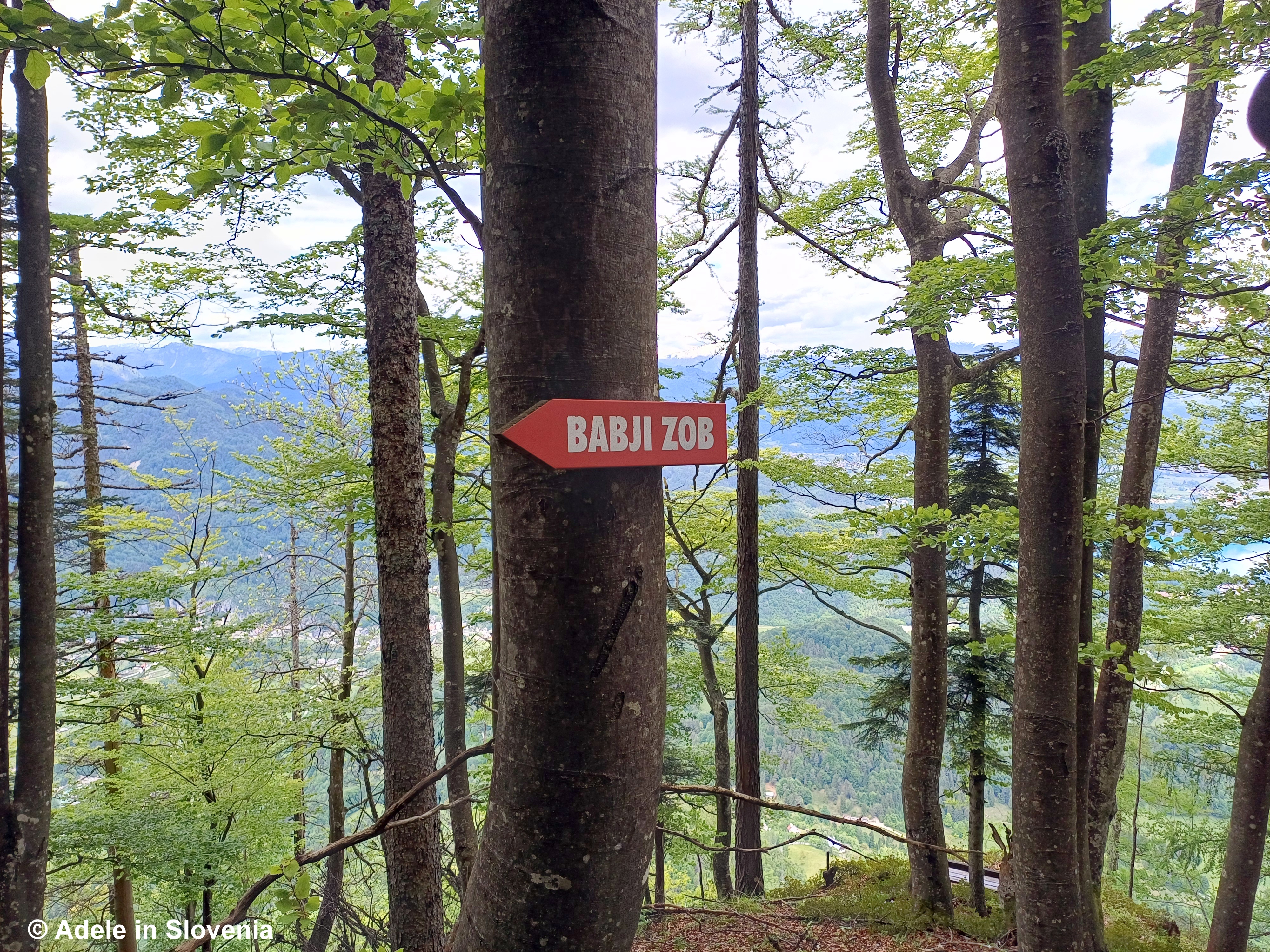
As we generally prefer to hike ‘from the door‘ whenever possible, this time we chose a route to Babji zob – a distinctive tooth-shaped rock formation that rises dramatically above the western edge of the Jelovica Plateau.

Our route was mostly circular and came to around 31 km in total, although there are numerous ways to shorten the hike depending on your starting point and whether you have transport available.

Our route:
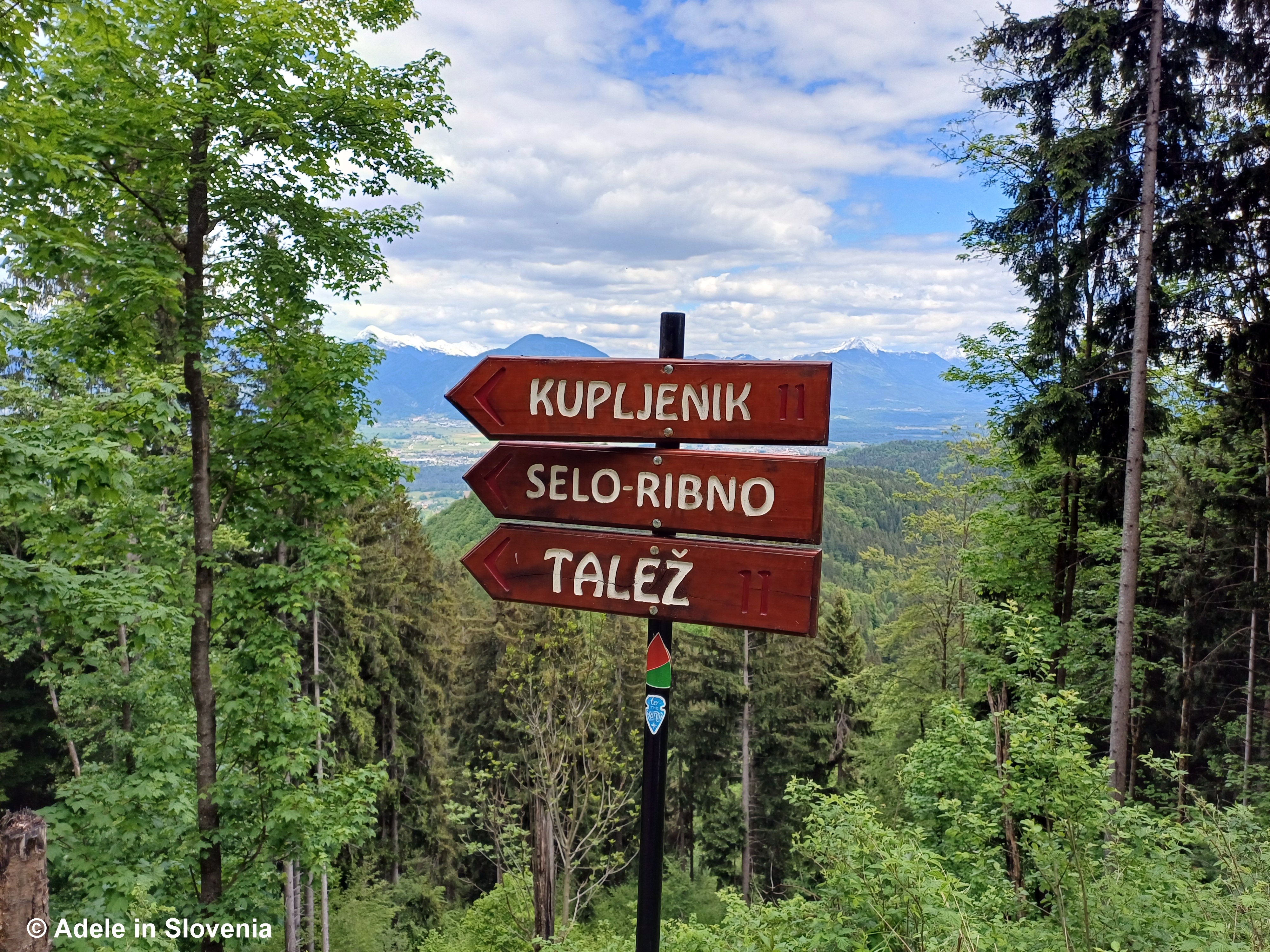
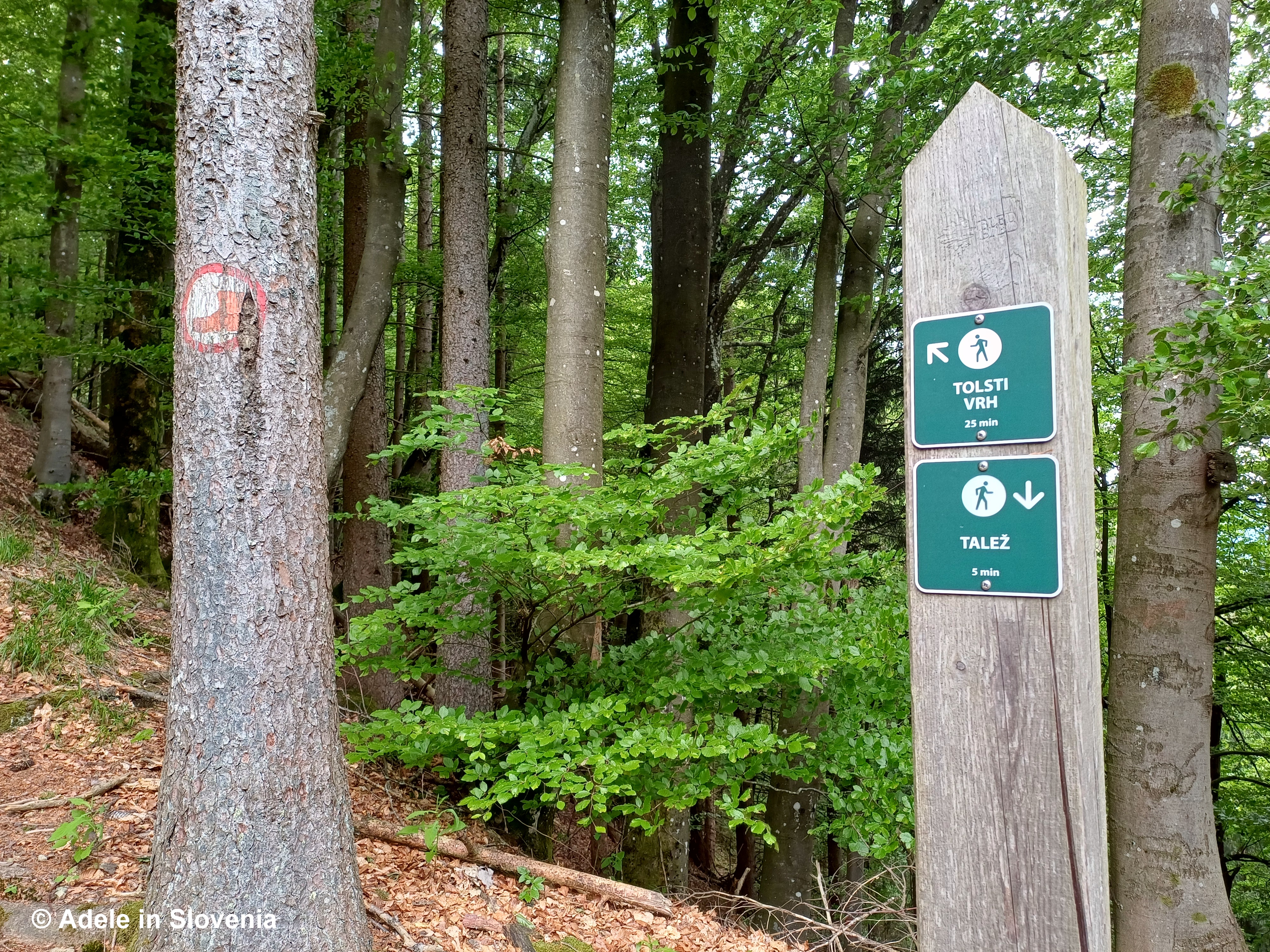
Lesce – Šobec Camp – Bodešče – alongside the Sava River to Selo pri Bledu – Kupljenik – Babji zob – Tolsti vrh – Talež – Bodešče – Šobec Camp – Lesce.

For those based in Radovljica, it’s also possible to approach via the trail from Talež, which I wrote about in a previous blog post here. The route is marked — albeit very sparsely — with small red-and-white boot symbols painted on trees. You definitely need to keep your wits about you to spot the markers, especially in woodland sections, and if you’re unfamiliar with the terrain I’d strongly recommend using a GPS track.

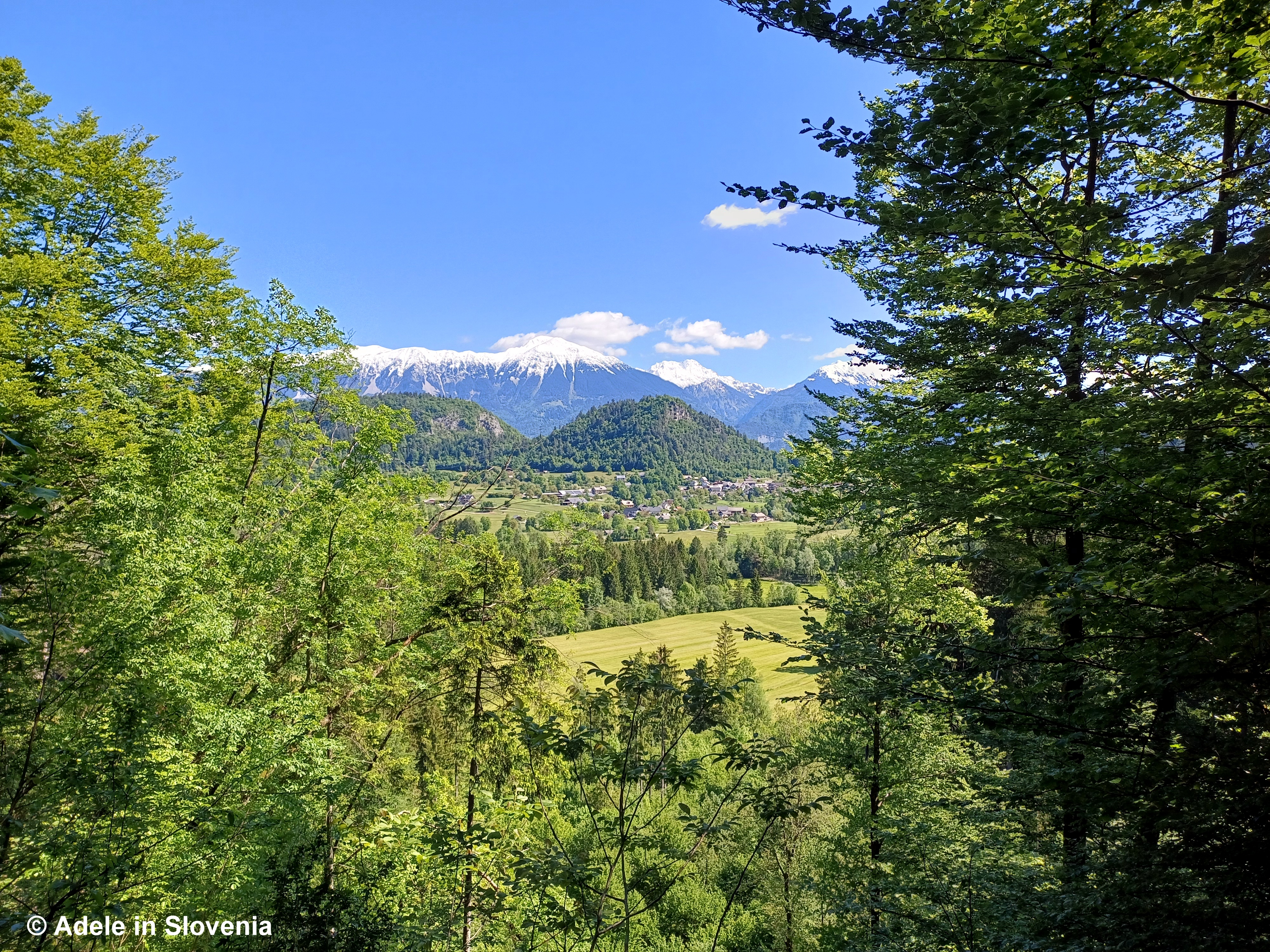
A considerably shorter option would be to drive to Kupljenik and start from there, although that generally means doing the route as an out-and-back walk rather than a circular one. The first section of our hike was fairly gentle, following woodland paths and tracks past Šobec Camp before continuing  alongside the Sava River. As soon as we started walking up towards Kupljenik the views, as you will see, were stunning.

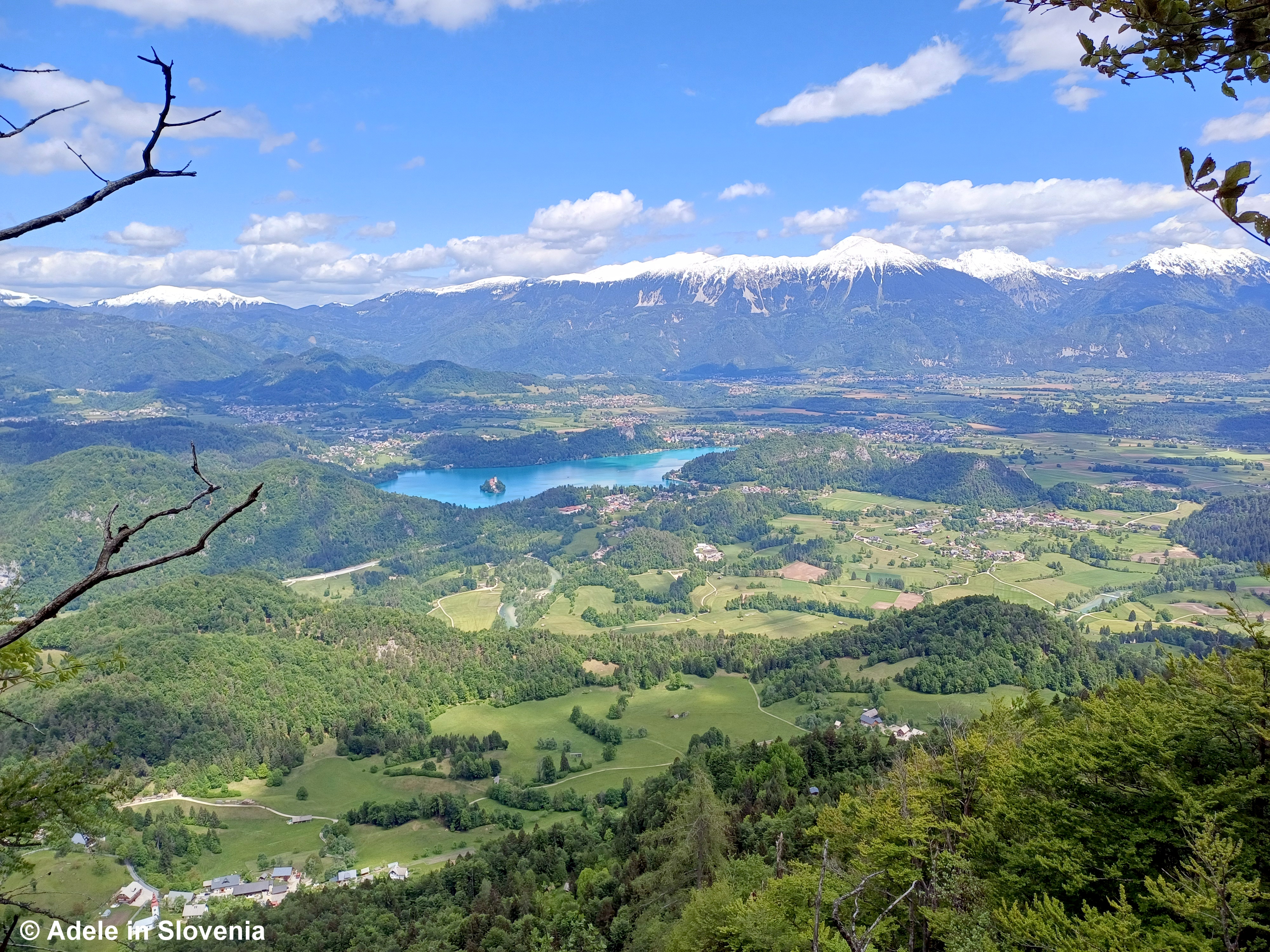
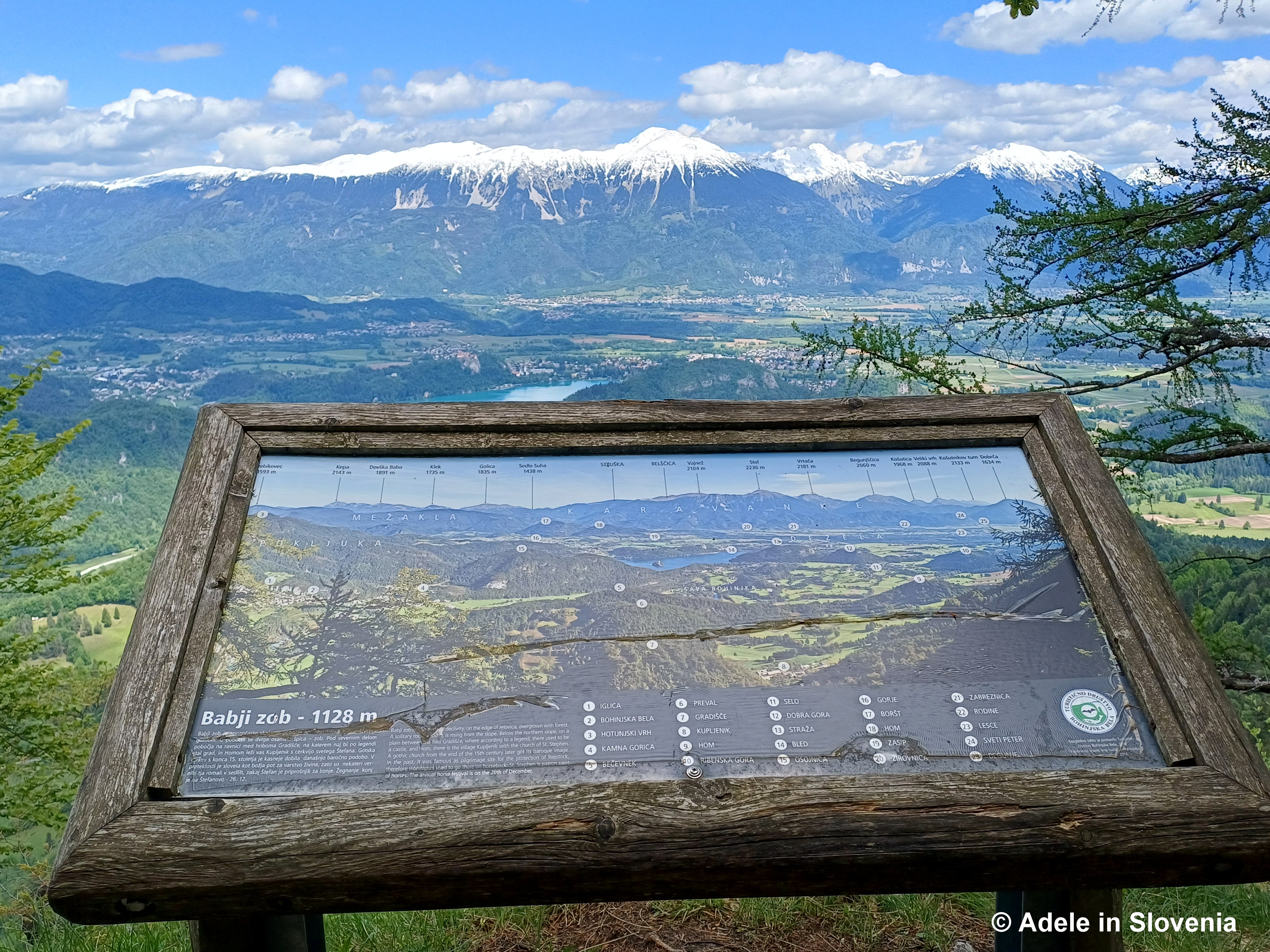
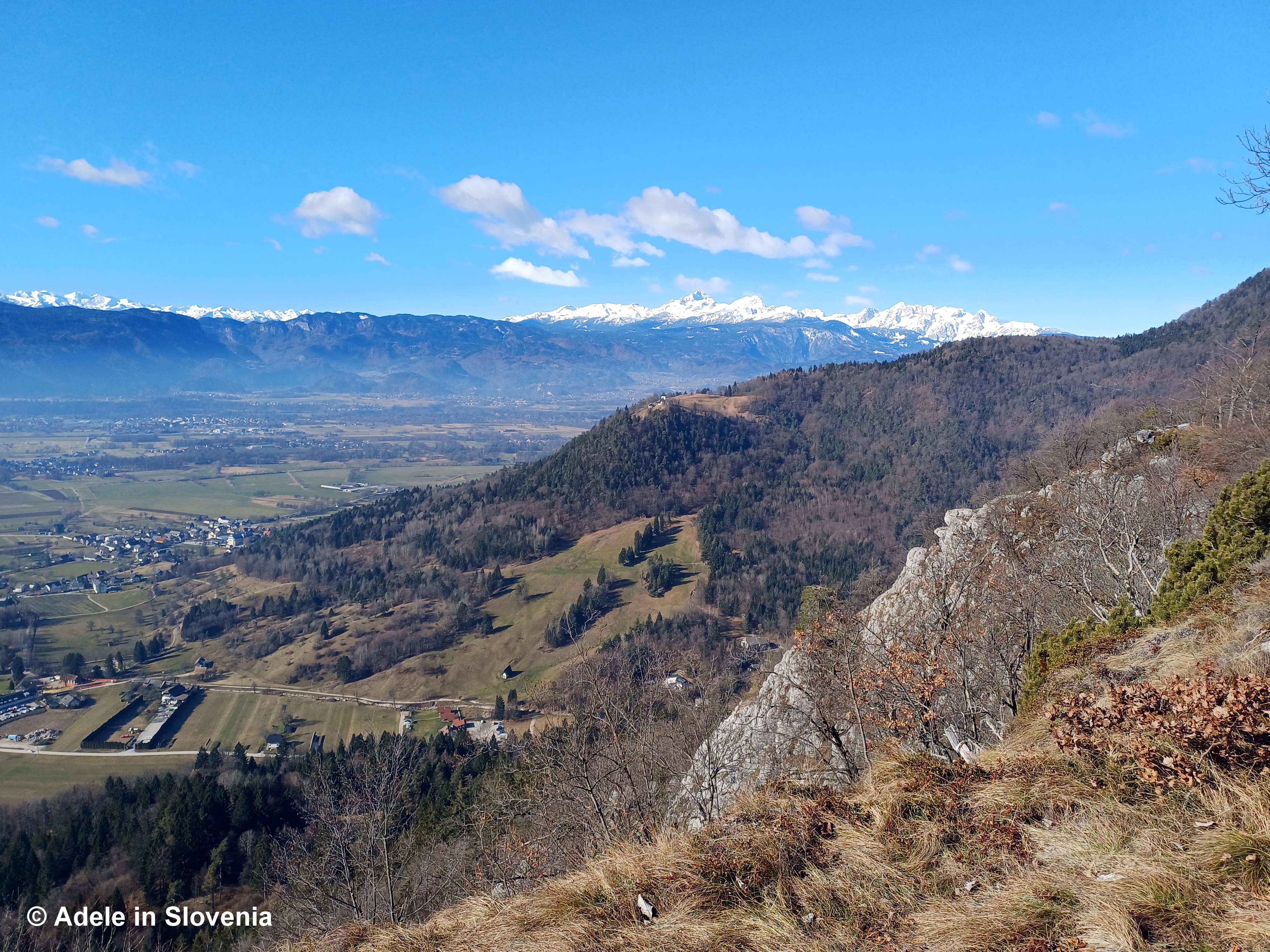
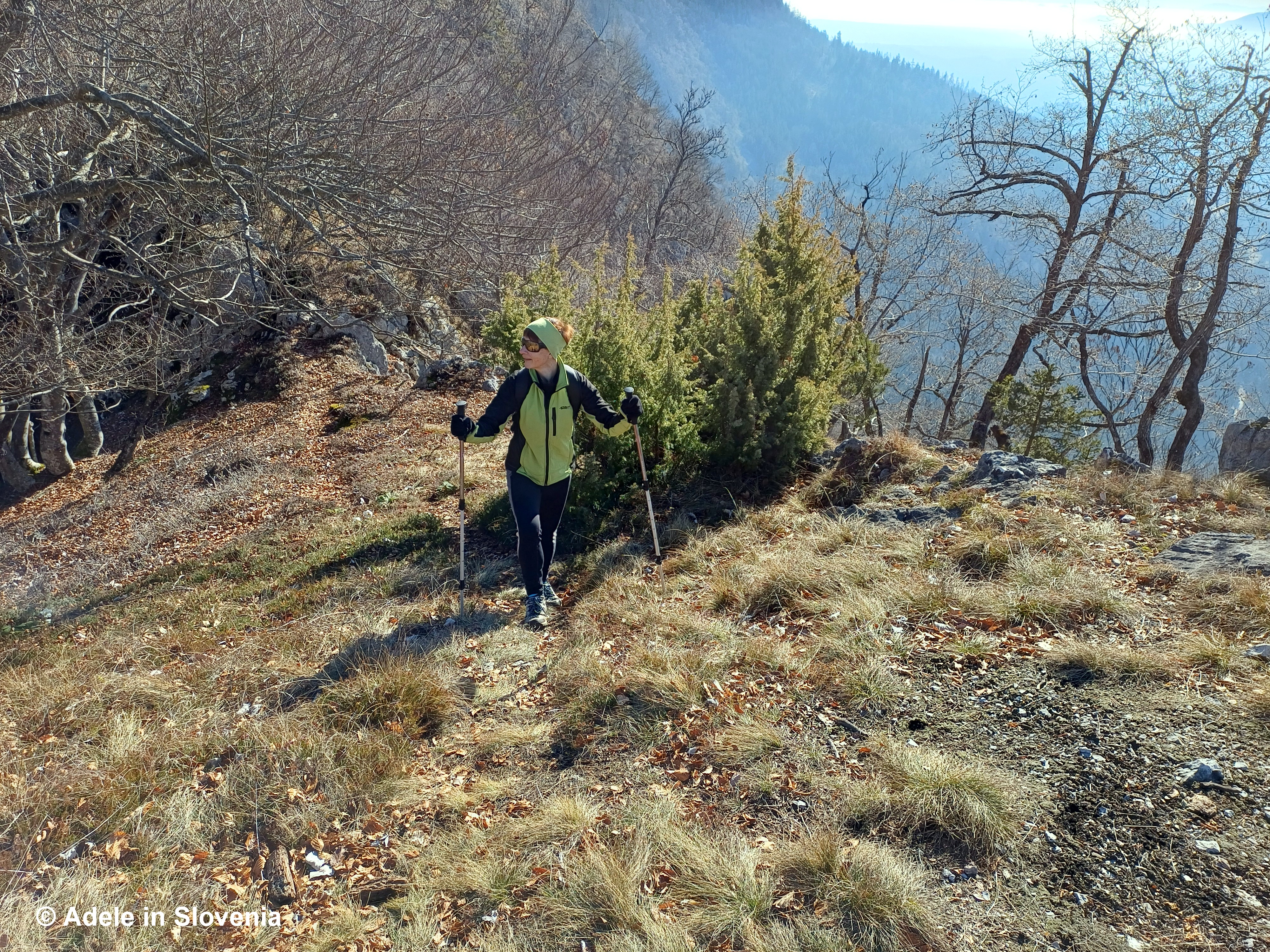
Once on the main, marked path to Babji zob, the climb begins properly, steadily gaining height through forest towards the ridge. Once you reach the ridge, the reward is immediate. The views suddenly open up across the Radovljica Plains, towards Lake Bled and across the Karavanke Mountains.

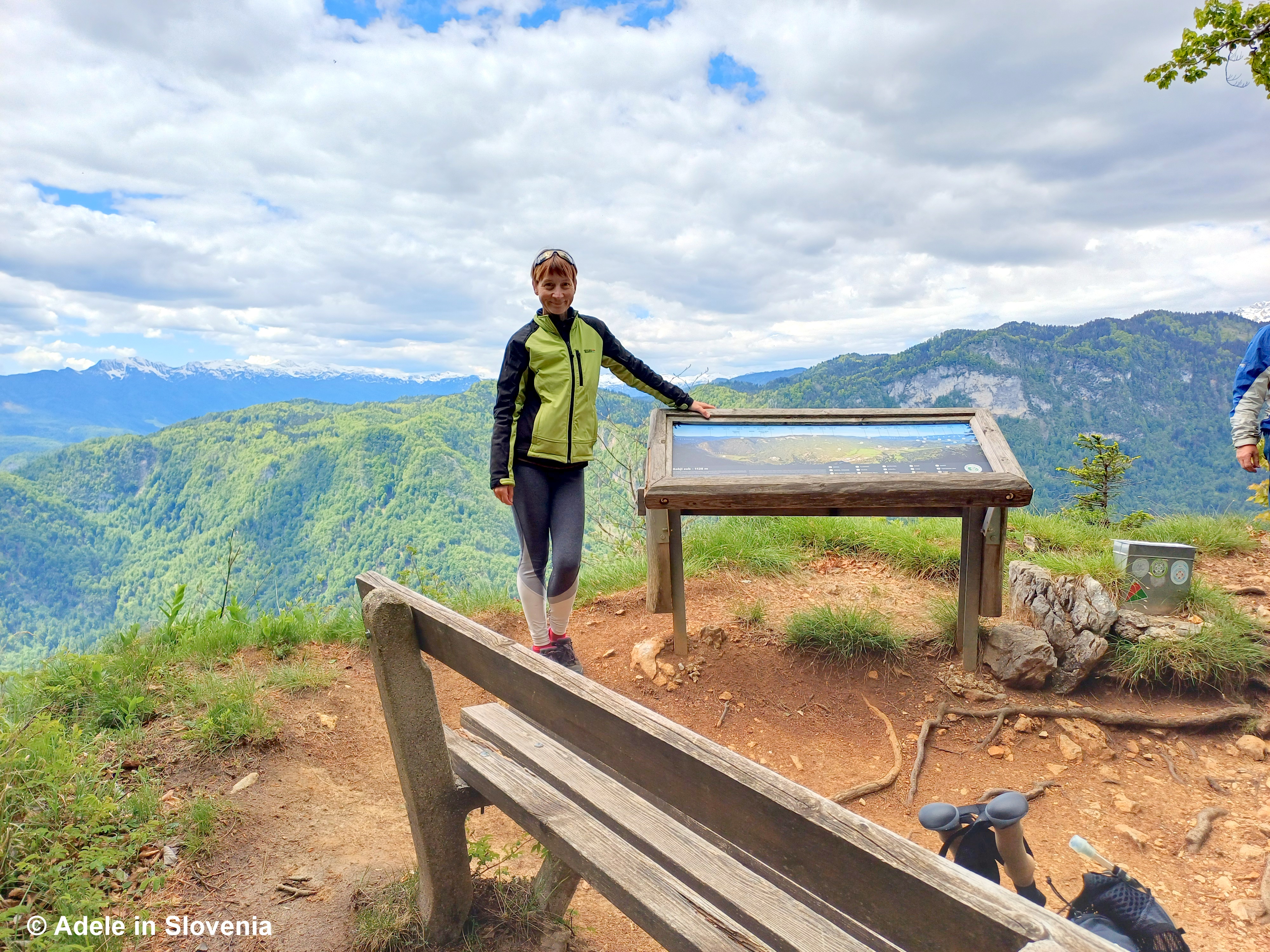
And then comes the highlight: Babji zob itself. Perched dramatically above the steep slopes below, this striking rocky outcrop has long been one of the most recognisable viewpoints on Jelovica. The name literally means ‘Old Woman’s Tooth’ — a reference to the jagged shape of the rock formation.

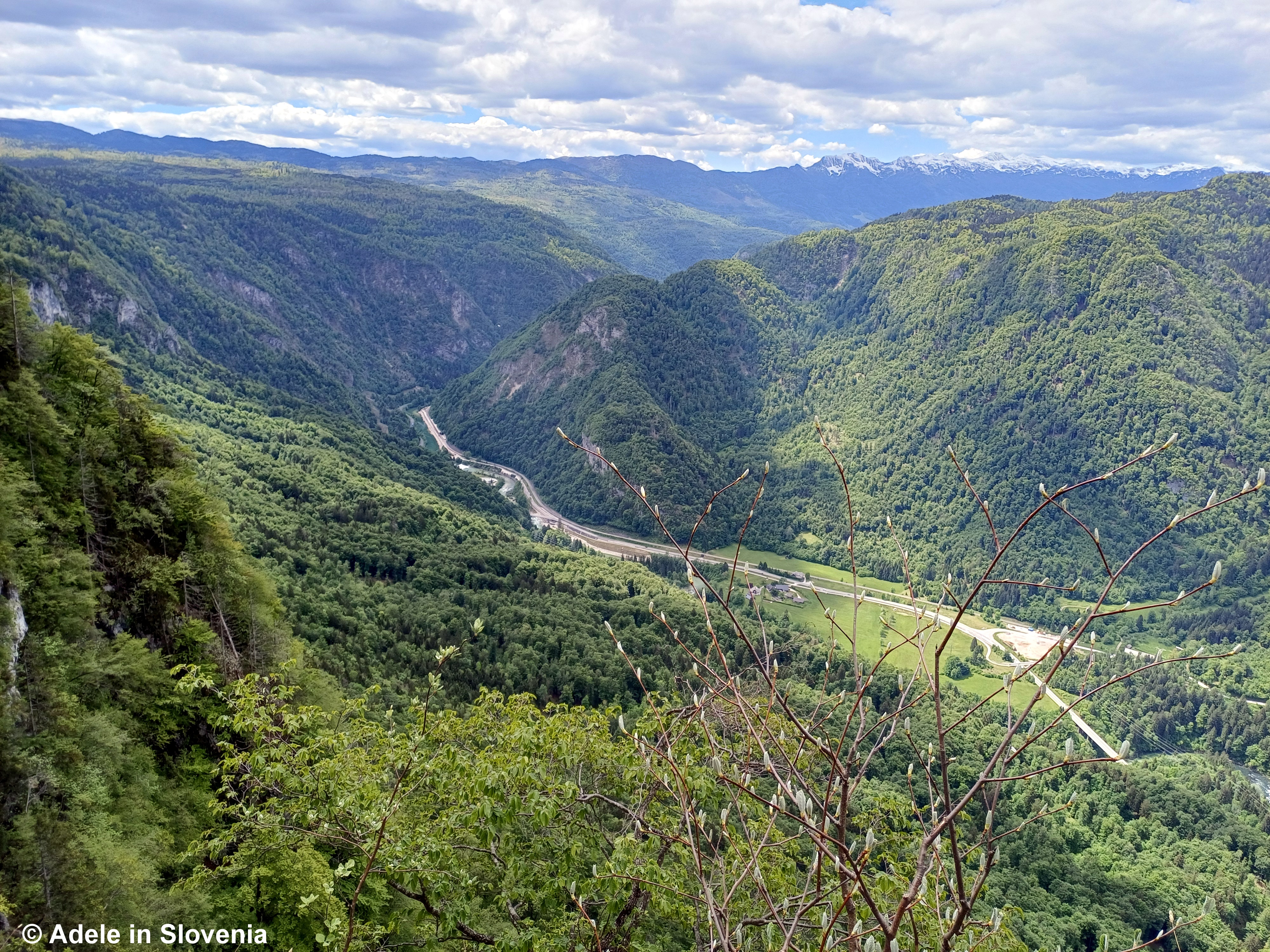
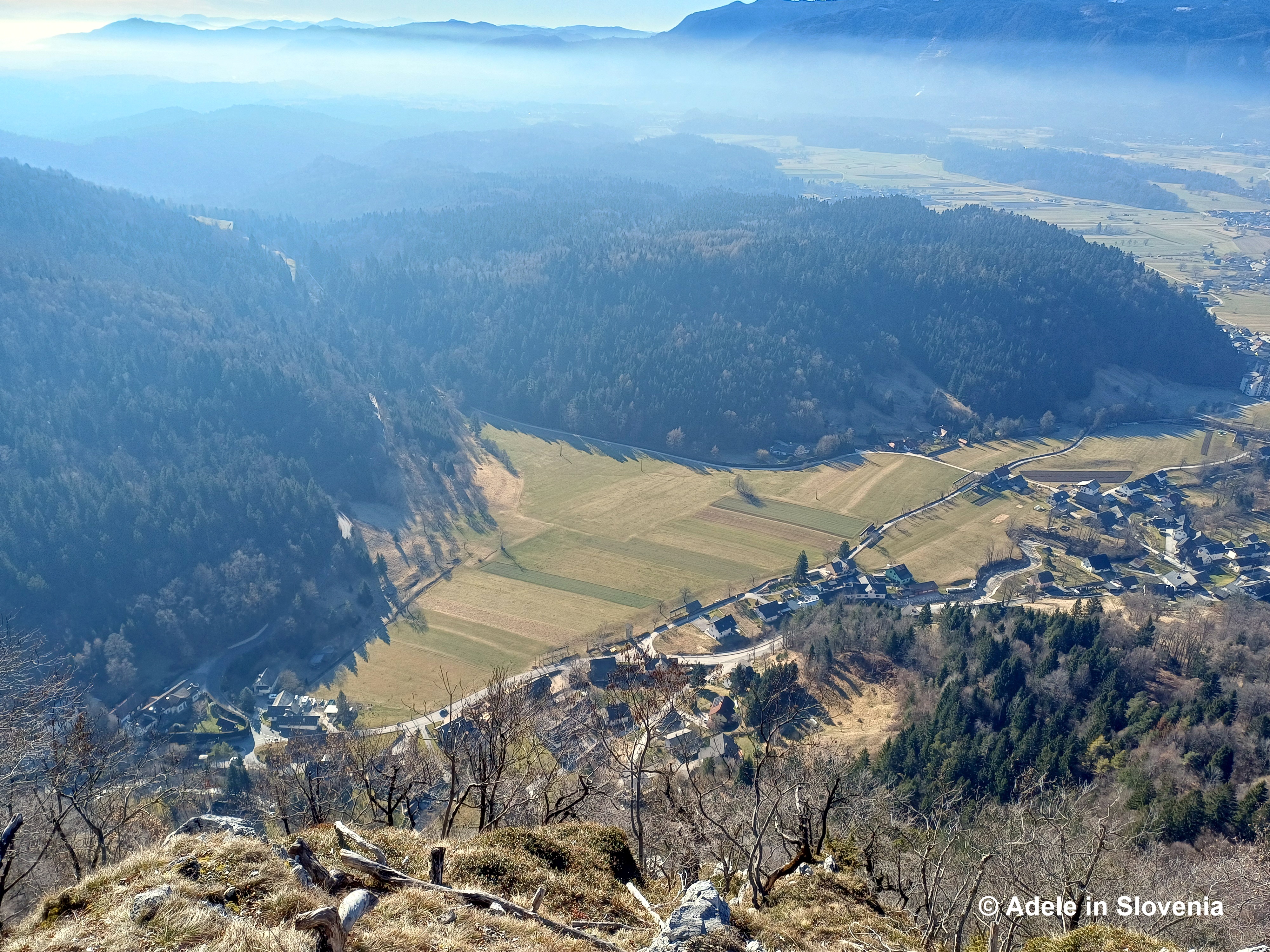
The views from Babji zob are spectacular in a completely different direction: across to Bohinjska Bela, the winding road towards Bohinjska Bistrica, and the magnificent peaks of the Julian Alps and Triglav National Park.

From Babji zob we continued towards Tolsti vrh before descending via Talež. By this point, it felt almost spring-like despite the fresh snow still visible high in the mountains.

If it’s open, I recommend stopping off at Lovska koča na Taležu hut, which is open daily throughout the summer season and at weekends during the rest of the year. It’s a perfect place to get a drink and a bowl of something filling while soaking up the views over the valley below.

All in all, this turned out to be one of those classic Gorenjska hiking days: cold morning air, crystal-clear visibility, quiet forest trails and mountain views that make every kilometre worthwhile.

How lucky I am to live where I do!

© Adele in Slovenia
The Sweetest Weekend of the Year!

If you’ve ever needed an excuse to eat your body weight in chocolate (purely for cultural and/or investigative reasons, obviously), this is it.

Every April, my little corner of Slovenia quietly turns into something rather magical. The cobbled streets of Radovljica fill with the smell of melted chocolate, Linhart Square buzzes with people munching on chocolates, and suddenly it becomes the sweetest town in the country.

The chocolate weekend that everyone waits for

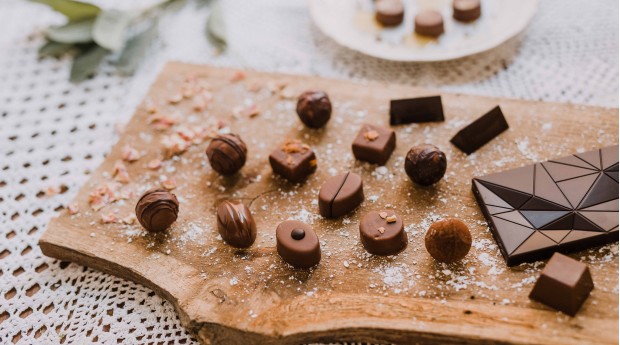
The Radovljica Chocolate Festival is back again on 18–19 April 2026, and it’s not exaggerating to call it the chocolate event in Slovenia. In fact, it’s widely considered the biggest and most complete chocolate festival in Slovenia, attracting chocolatiers from across Slovenia and beyond.

May be an image of grass

And it’s not just a few stalls and a polite nibble. We’re talking:

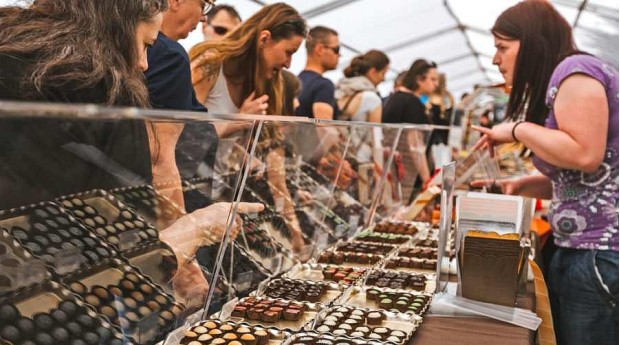
  • Dozens of chocolatiers (from artisan to well-known names)

The Radovljica Chocolate Festival

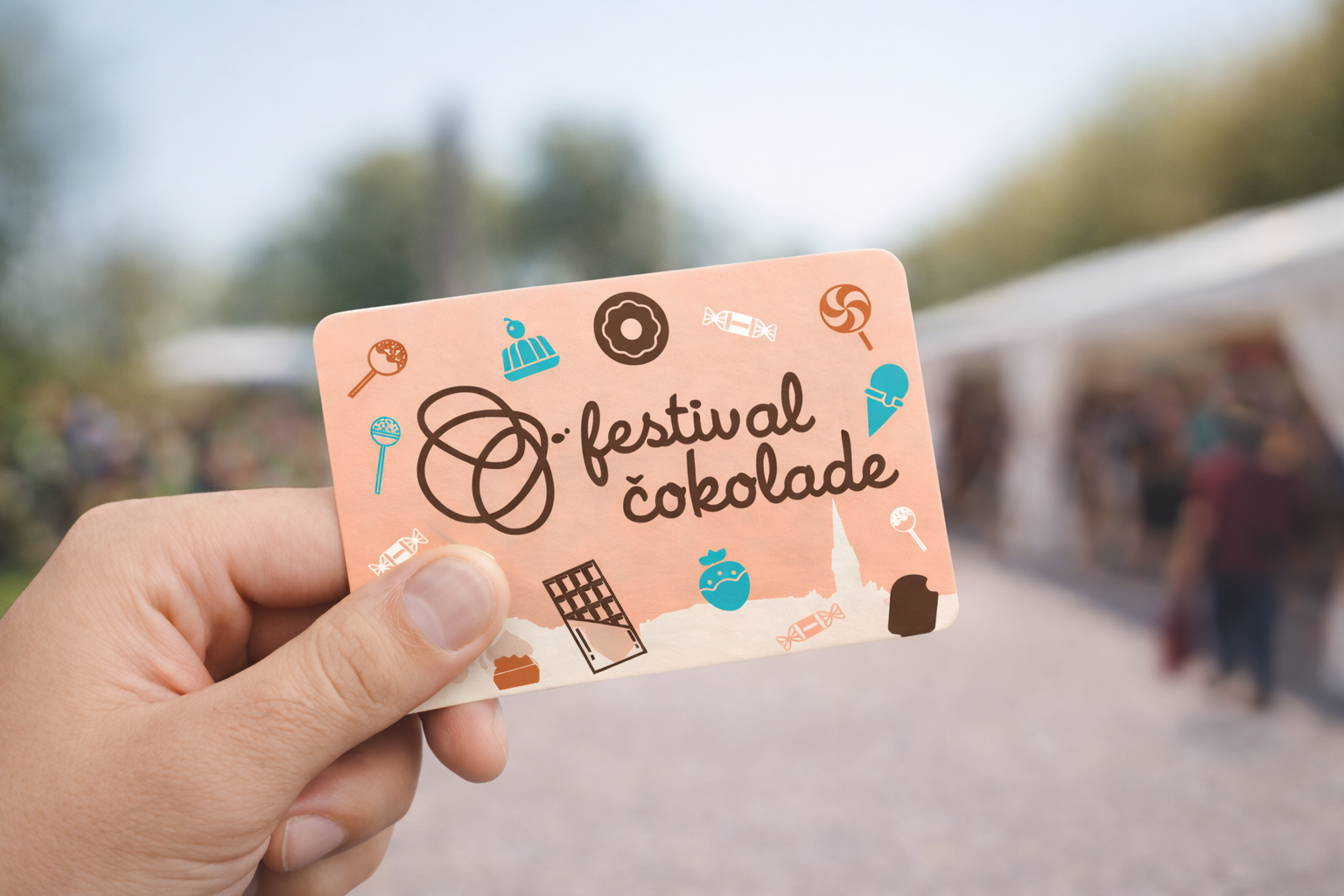
  • Tastings  – this year a new festival card system has been introduced for tastingsTastings - Radovljica Chocolate Festival
  • Live cookery shows and workshops

  • Street performers, music and buzzing festival energyMay be an image of crowd
  • And not forgetting, plenty to keep kids entertained (and adults pretending they’re there for the kids).

The festival spreads across the old town – Linhart Square, the park, Radovljica Manor – so one can wander through history while eating chocolate. Not a bad combo.

Why Radovljica, though?

People often ask why this festival happens here of all places. Once you know the backstory, it makes perfect sense.

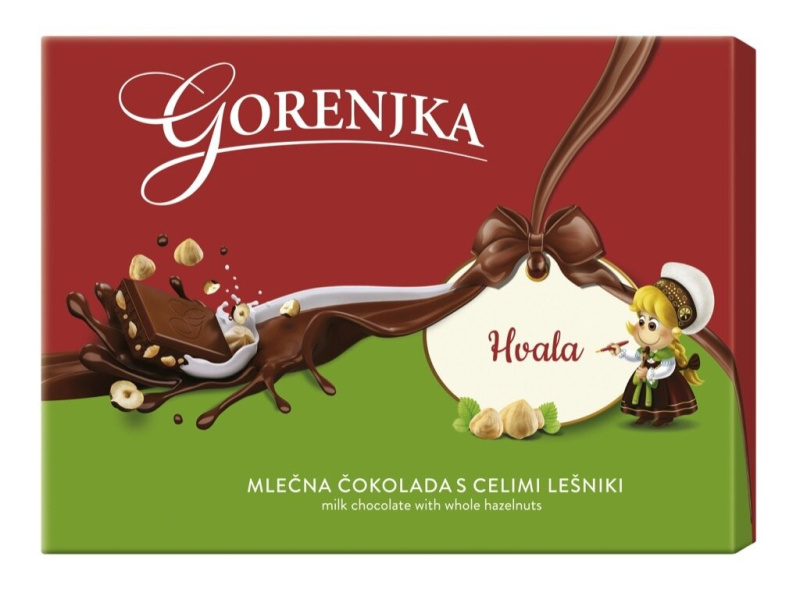
Chocolate has been part of life in this area since 1922, when what would become the famous Gorenjka brand started production nearby. Over the years, that tradition has evolved into a cluster of small, passionate chocolatiers. Hence, the festival isn’t just a tourist event, it’s rooted in something real.

Čokolada z lešniki, Gorenjka, 450 g

It’s not just a one-weekend wonder

For those unable to visit the festival, don’t worry, as Radovljica is quietly sweet all year round. You can still piece together your own sweet experience, featuring chocolate, honey and more. You can find more about culinary activities and experiences in Radol’ca here.

Chocolate stops

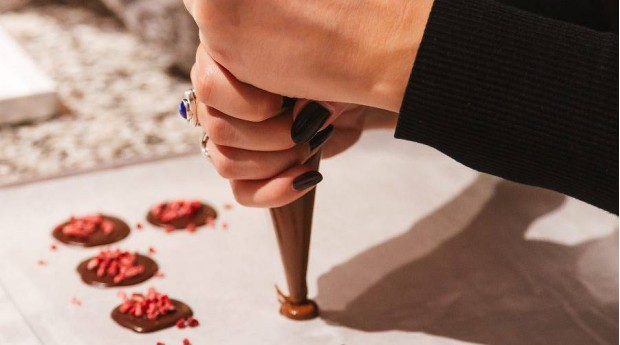
You can visit boutique chocolatiers such as the Radolska čokolada chocolatier, located at the entrance to the old town centre, where everything is handcrafted and there is a focus on using local flavours.

There’s also the award winning Molinet House of Chocolate, located in the Lipnica Valley, which has at proper artisan feel. This place isn’t open to the public, however, visits can be arranged by contacting the Radovljica Tourist Information Centre.

Honey

This is Slovenia, after all, a land known for its bees and honey.

Radovljica is also home to beekeeping traditions, and you can taste local honey, visit beekeeping-related exhibits, or just pick up some delicious sweet treats at local shops, including the Radovljica Tourist Information Centre and the Babka Beekeeping Shop at the Beekeeping Education Centre of Gorenjska in Lesce.

Slow, sweet wandering

One of my favourite things to recommend, particulary for first time visitors, is simply:

  • coffee and cake (or ice-cream) in the old town
  • a wander through the old town centre (pop into the Tourist Information Centre for a map and information about the notable buildings)
  • a lazy stroll with views of the Karavanke and Julian Alps

May be an image of gelato and strawberry

A few practical tips for visiting the Chocolate Festival

  • Come early if you want to avoid the biggest crowds (it tends to get very busy at peak hours on both days)
  • Pace yourself—there is such a thing as too much chocolate (apparently!)
  • Stay overnight if you can—the atmosphere in the evening is lovely
  • Come with friends and family so you can ‘share’ the experience

Final thoughts

If you can’t make it to the festival, it’s not the end of the world. Whenever you visit the Radovljica area, there’s plenty to see and do, whether you are looking for an active, relaxing, gourmet … holiday, or even all of the aforementioned!

© Adele in Slovenia
From Ruins to Ridge: A Winter Hike Above Begunje

After a very dismal January and an equally dismal first half of February, we were finally treated to two glorious days of sunshine this week. With school holidays in this part of Slovenia, there was really only one option: make the most of it.

So off we went on an adventurous hike into the unknown – well, almost! Read on to find out more…

I’ve actually been in two minds about writing a blog post about this hike. For much of the way the trail isn’t marked, and the first section is very, very steep. However, once you reach the ridge, the effort is more than rewarded with sweeping views over the Draga Valley and the surrounding peaks.

Before describing the route, I must emphasise:

  • While not technically difficult, this is certainly not a ‘walk in the park’ and is best suited to experienced hikers with a good sense of direction.
  • Hiking poles and proper footwear are essential. The ascent is steep and can be slippery.
  • Take sufficient water — there are no mountain huts along the ridge itself. If you opt for a circular route, refreshments are available at one of two mountain huts lower down (season dependent).
  • Only attempt this hike in dry weather. After rain, the forest section can be treacherous.

The Route

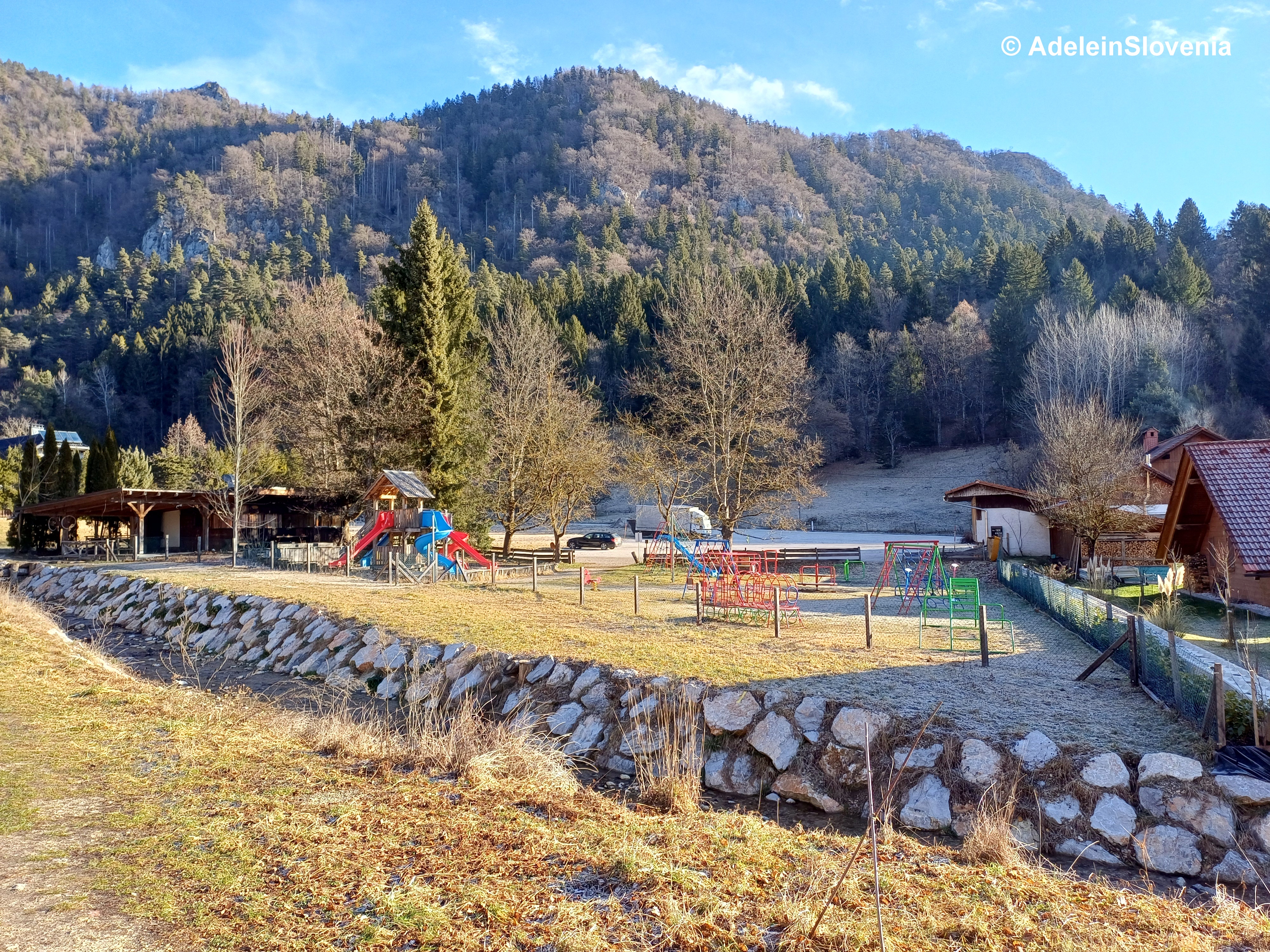
We started at the Krpin Recreation Centre in Begunje na Gorenjskem.

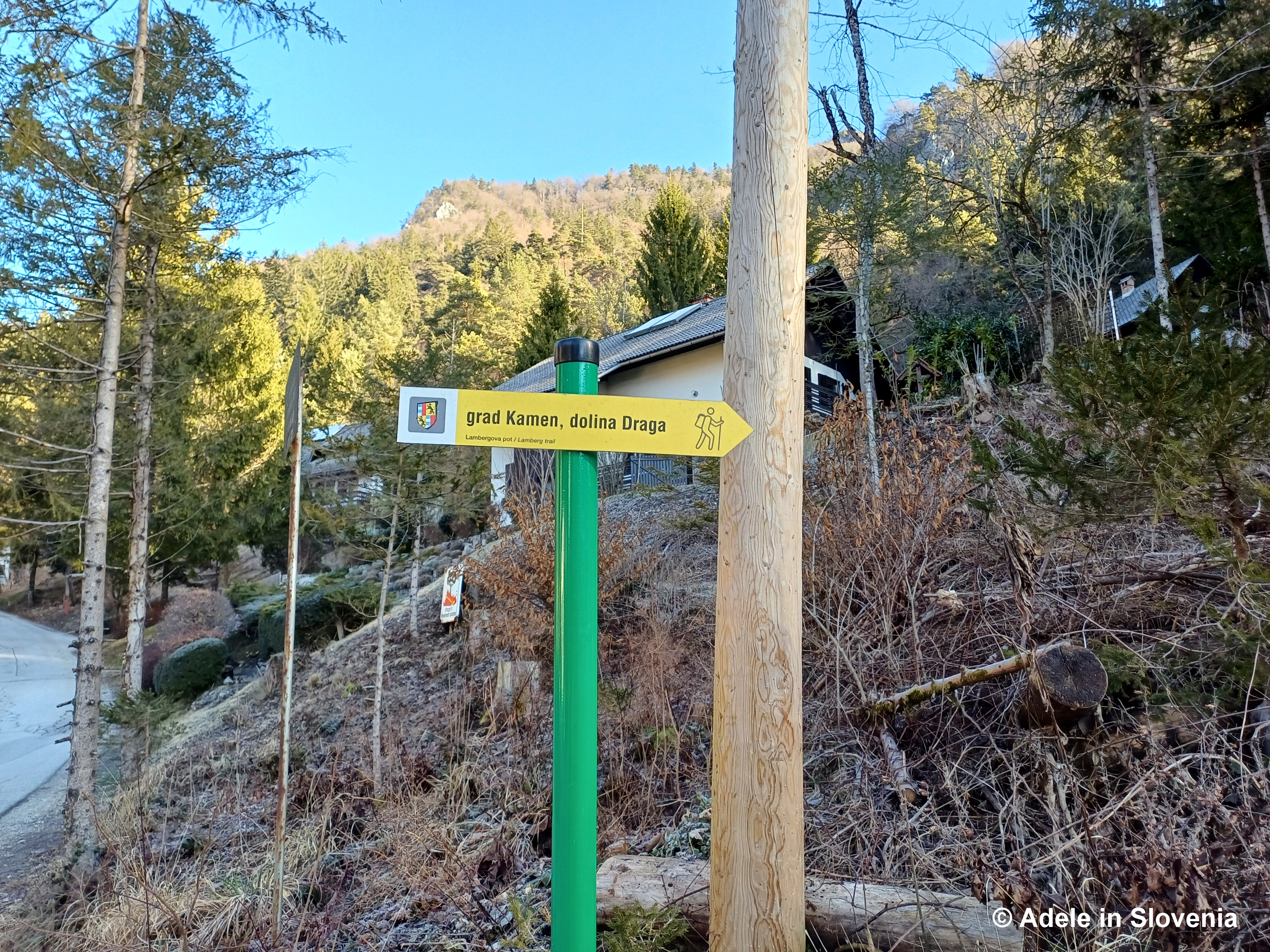
From there, we followed the well-established Lamberg Trail that runs parallel to the Draga Valley towards the Gostišče Draga inn. This initial section is easy and pleasant, gently warming up the legs.

About halfway along, you reach the ruins of Kamen Castle, where there is also an information board.

Directly opposite this board, look carefully: a narrow, steep path heads straight up into the forest. It isn’t signposted.

At first, the trail is clearly visible. Soon, however, it becomes faint, occasionally disappearing under leaves before reappearing again. There are no official markings here, so your main objective is simple: gain height and aim for the ridge above. There are a few possible variations, but as long as you keep ascending in roughly the same direction, you will eventually emerge onto the ridge.

This section took us about an hour — a relentless, calf-burning climb with very few flat sections. Definitely the ‘earn your views’ part of the hike.

The Ridge

Once you reach the ridge, the forest opens up and the views immediately make you forget the effort. A short walk brings you to Mali vrh (988 m), the first proper viewpoint.

From here onwards, the path along the ridge is much clearer and easier to follow. It gently rises and falls, weaving through forest and open sections, offering occasional glimpses down into the valley below and across to higher peaks in the distance.

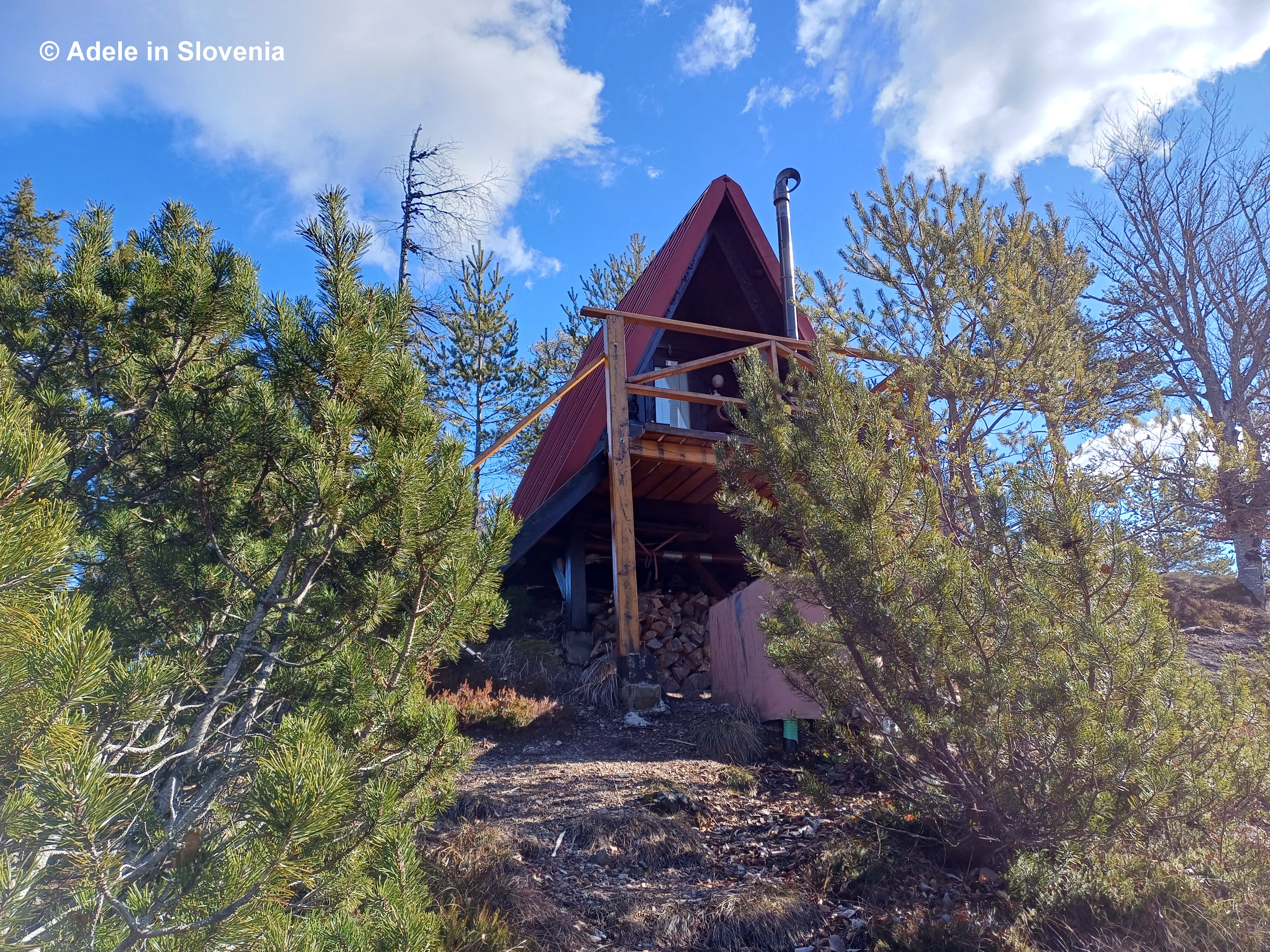
Eventually, you reach a small bivouac — a simple shelter on the ridge. It’s a good place for a short break and to assess your onward options.

From here, there are several choices. I strongly recommend using a GPS tracker (we didn’t and had a few moments of “Is this definitely the path?”). Tourism Radol’ca offers an interactive map.

You could return back along the same trail or take the trail to the right at the bivaouc and continue to the highest point of the route: Veliki Gač (1,053 m). From here, you can also make short detours to Jamarski vrh and Tolsti vrh if you wish to extend the outing.

Returning – Circular Options

We opted for a circular route. After leaving the main ridge path, we followed sparse tree markings in the form of three dots (resembling traffic lights).

These eventually lead to a junction, marked with a faint arrow, where you rejoin officially marked trails — the familiar red and white circular waymarks.

At this point you have options:

  • Turn left towards the Tomčeva koča mountain hut on the Poljška planina mountain pasture and then descend via a marked trail back into the Draga Valley.
  • Or turn right and follow the marked trail back towards Begunje na Gorenjskem and the Krpin Recreation Centre.

As there are several variations depending on time, weather and energy levels, I won’t describe them all in detail here. The following link provides additional information to help you decide on your preferred return route:
https://www.hribi.net/trenutne_razmere/slo/greben_nad_begunjami_-_najvisji_vrh_veliki_gac_1053_m/11/7044/1

We hiked for around five hours in total, but it can easily be a full-day’s hike if you stop along the way and stop off to eat your packed lunch or at one of the mountain huts (if you plan to do the latter, be sure to check opening times in advance).

If you attempt it, let me know how you get on!

Until next time …

©Adele in Slovenia

Safe Slovenia

For many years now, I’ve made it my goal to write at least one blog post per month. That said, I have to admit that winter doesn’t always make this easy. When the days are short, the skies are grey and the weather feels permanently undecided, inspiration can be harder to come by — especially when there are no golden sunsets, alpine hikes or postcard-perfect views to photograph and write about.

Ironically, it was exactly this gloomy weather that sparked the idea for today’s post. This morning, while out for a walk armed with my umbrella, I found myself wandering along the Sava River. As I did, I heard the familiar crack-crack-crack of gunfire coming from the nearby army barracks in Bohinjska Bela, not far from Bled.

I didn’t flinch in the slightest. Anyone who’s lived in the area for a while knows the sound well — routine training, nothing more. But it did make me stop and think. For someone unfamiliar with Slovenia, that noise could be genuinely alarming. Without context, hearing gunshots echoing through a quiet valley is enough to make anyone uneasy.

It’s a similar story a couple of times a year when a cannon is fired from the village of Kamna Gorica in the Lipnica Valley — as well as from many other villages across the country — as part of long-standing traditions, such as marking May Day or other local celebrations. To locals, it’s simply part of the rhythm of life. To visitors, it can be a bit unnerving.

And that got me thinking about perception versus reality. How safe is Slovenia?

With that in mind, I decided to dig into some interesting facts and figures to see where Slovenia really stands when it comes to safety — not just in comparison with other EU countries, but globally too.

Of course, personal impressions only tell part of the story. Feeling safe and being safe are not always the same thing, and I was curious to see whether my everyday experience of Slovenia is backed up by actual data. So I started looking at international safety rankings, crime statistics and comparisons with other European countries.

So, this blog doesn’t contain any stunning vistas, but it does contain some interesting facts and figures that I hope you will find interesting; whether you live here or plan to visit, it’s good to have peace of mind.

What I found didn’t surprise me, since I’ve been living here for almost 19 years now (yes, really!), but it did quietly confirm what many already know. Time and again, Slovenia appears near the very top of global and European rankings for safety, low crime and overall peacefulness. In fact, when you start comparing the numbers, Slovenia consistently outperforms many much larger and better-known countries.

Global and European Safety Rankings

Peacefulness

  • Slovenia consistently ranks among the top 10 most peaceful countries in the world according to the Global Peace Index – often placed around 8th–9th globally, ahead of many Western European states.
  • In Europe, Slovenia is regularly listed within the top 10 safest and most peaceful nations — alongside Iceland, Austria, Denmark and Portugal.
  • Within the European Union, Slovenia ranks among the safest member states in terms of peace and low crime levels, often placing better than larger countries like France, Sweden, or the UK.

Crime and Safety Statistics

Low Violent Crime

  • Slovenia’s homicide rate is extremely low, around 0.5–0.52 murders per 100,000 people, among the lowest in the EU.

Low Crime Index

  • According to quality-of-life indices:
    • Slovenia’s crime rate is low, roughly 5.4 crimes per 100,000 people in some global rankings (Crime Index ~24.2), placing it well below many European countries.
    • Slovenia’s Safety Index (≈75–78) compares favourably with many EU countries (higher is safer in these indexes).

Perceptions of Safety

  • In Ljubljana, the capital city, safety indexes show high levels of perceived safety:
    • ~92% feel safe walking alone during the day
    • ~78% feel safe walking alone at night — strong figures compared to many European cities.
World Context
  • Slovenia’s peace ranking places it ahead of many globally known safe countries — higher than several larger Western states — which is impressive given Slovenia’s small size.

Why Slovenia Is Seen as Safe

Stable Society

  • Low violent crime and minimal terrorism risk contribute to its peaceful reputation.

Peaceful Governance

  • Factors like low political instability, effective law enforcement, and a stable democratic system help maintain safety.

Strong Quality of Life

  • Slovenia combines safety with other quality-of-life positives, such as access to nature, moderate population density, and strong community ties.

Reading through all these figures, rankings and indexes is reassuring, but what really matters, at least to me, is how safe I feel in everyday life.

It’s the small things such as being able to walk in the forest or walking home after dark without thinking twice. It’s knowing that an unexpected bang or gunshot echoing through the valley usually has a perfectly ordinary explanation – a military exercise, a celebration, a tradition that’s been carried on for generations.

Slovenia isn’t perfect, and of course crime exists here, and there are endless political scandals, much like everywhere. But compared to much of Europe – and the world – it remains remarkably calm, stable and relatively safe. And I certainly hope it remains this way in the future too.

I’ll end by going back to the start, i.e. winter in Slovenia. Fortunately, for visitors, there is still plenty to see and do, even though it can sometimes feel as if the weather is trying its best to dampen our spirits.

You can read about Winter Activities in the Radol’ca area, and also a previous blog I wrote titled 5 Great Winter Hikes in Radovljica and the Surroundings.

Until next time … Stay safe and stay warm!

© Adele in Slovenia
A Return to Radol’ca!

For those of you who don’t know, I moved to Slovenia, specifically Radovljica – from the UK – in 2007, and have lived here ever since. Well, that is up until 1st July this year when, due to being let down at the last minute re the purchase of a flat, also in Radovljica, we had to temporarily move elsewhere; albeit not far, just up the valley to Gozd Martuljek, near Kranjska Gora.

Whilst Gozd Martuljek is a true paradise – nature, peace and a wealth of outdoor opportunities, particularly the traffic-free cycle track into Italy – I don’t know anyone there and with the onset of winter, I was very pleased to return to the Radol’ca area early this November. To be able to again walk and cycle familiar routes, see familiar faces and feel at ‘home’ is priceless.

It wasn’t long before I was out exploring some of my favourite walks and hikes, a couple of which I’d like to share with you.

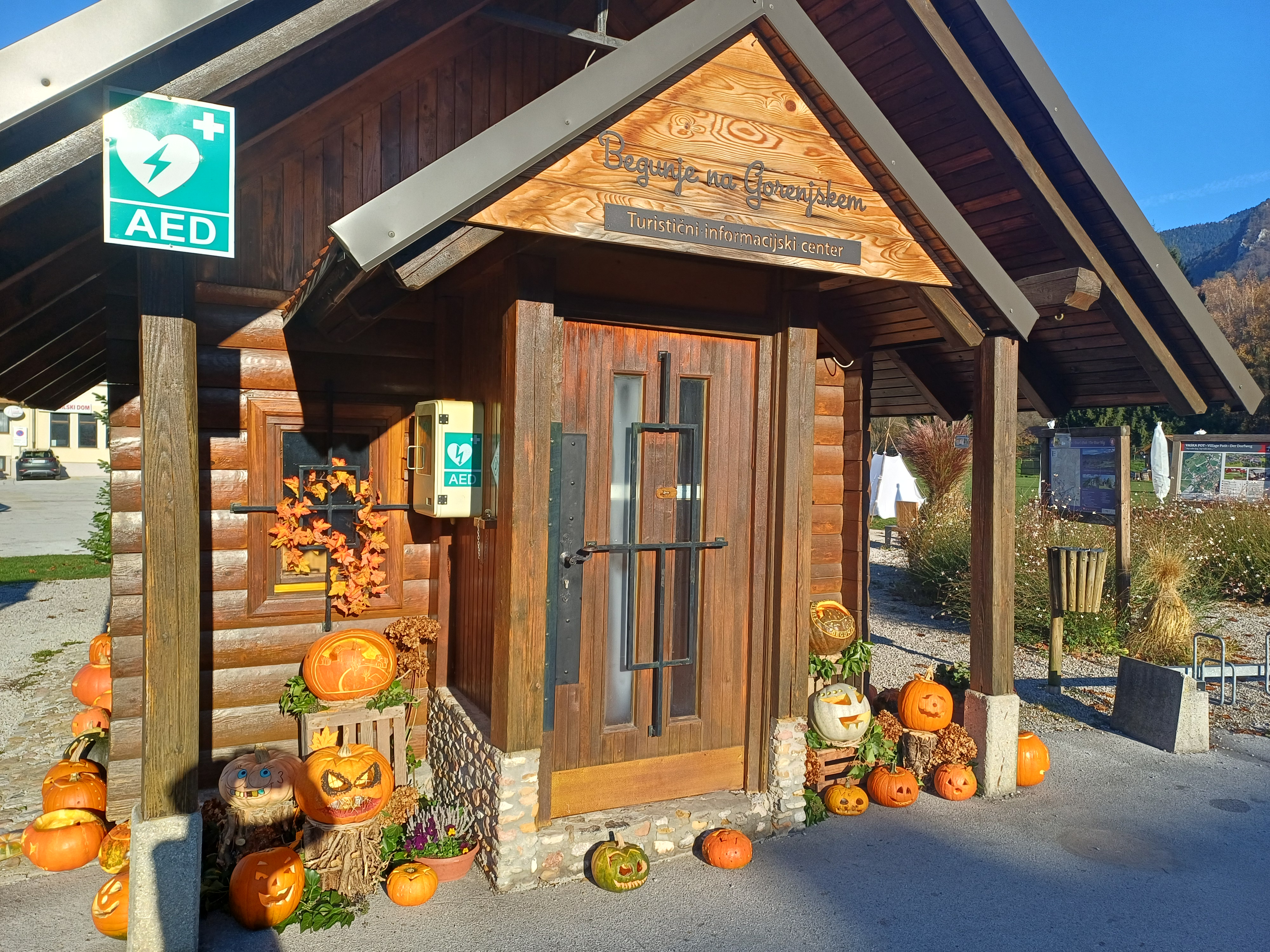
The first, and one of my regular ‘haunts’ starts near the Tourist Information Centre in Begunje na Gorenjskem, from where there are numerous trails leading up to St. Peter’s Church.

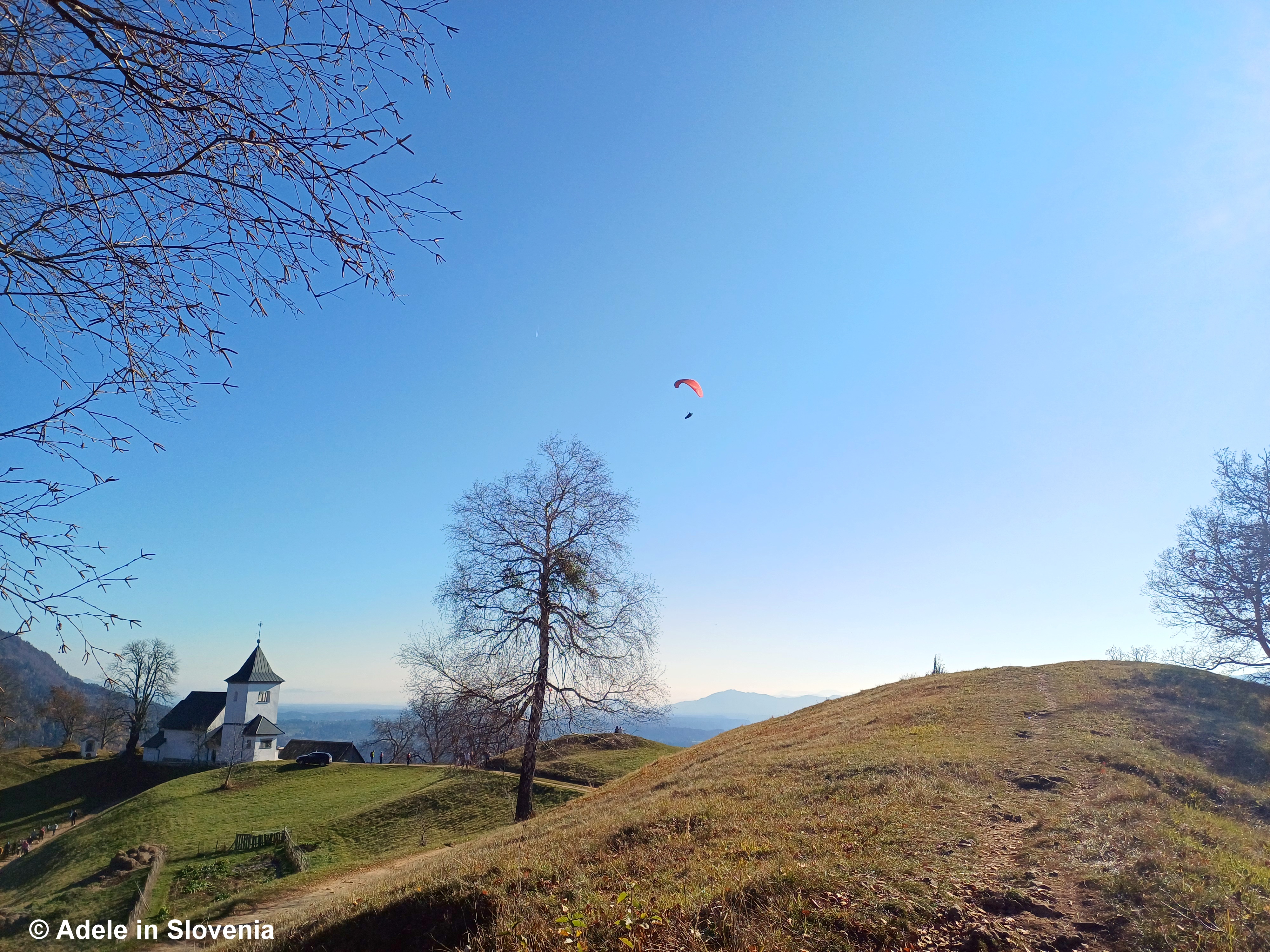
The church and the nearby Sankaška koča hut can be a destination in themself or you can continue, like I regularly do, onward to the Smokuški vrh viewpoint, from where there are wonderful views towards Lake Bled and the Julian Alps.

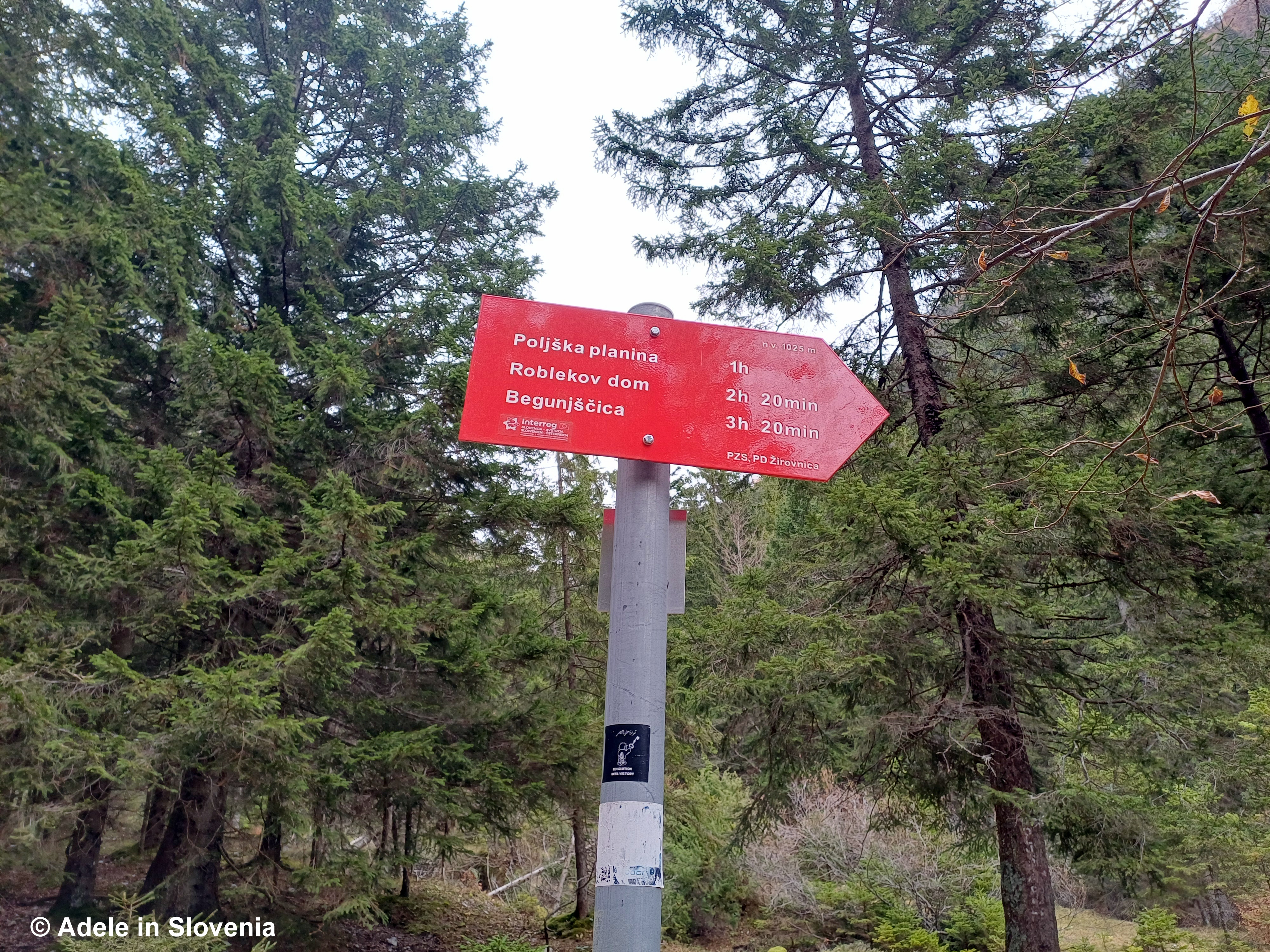
One of the most well-known mountain huts and hikes in the area is to the Roblekov dom mountain hut on Mt. Begunščica in the Karavanke mountains. Since I’ve been there many, many times, and since we have a joint passion for exploring lesser-trodden paths, we decided to approach it from the other side, i.e. from the Završnica Valley in the neighbouring municipality of Žirovnica.

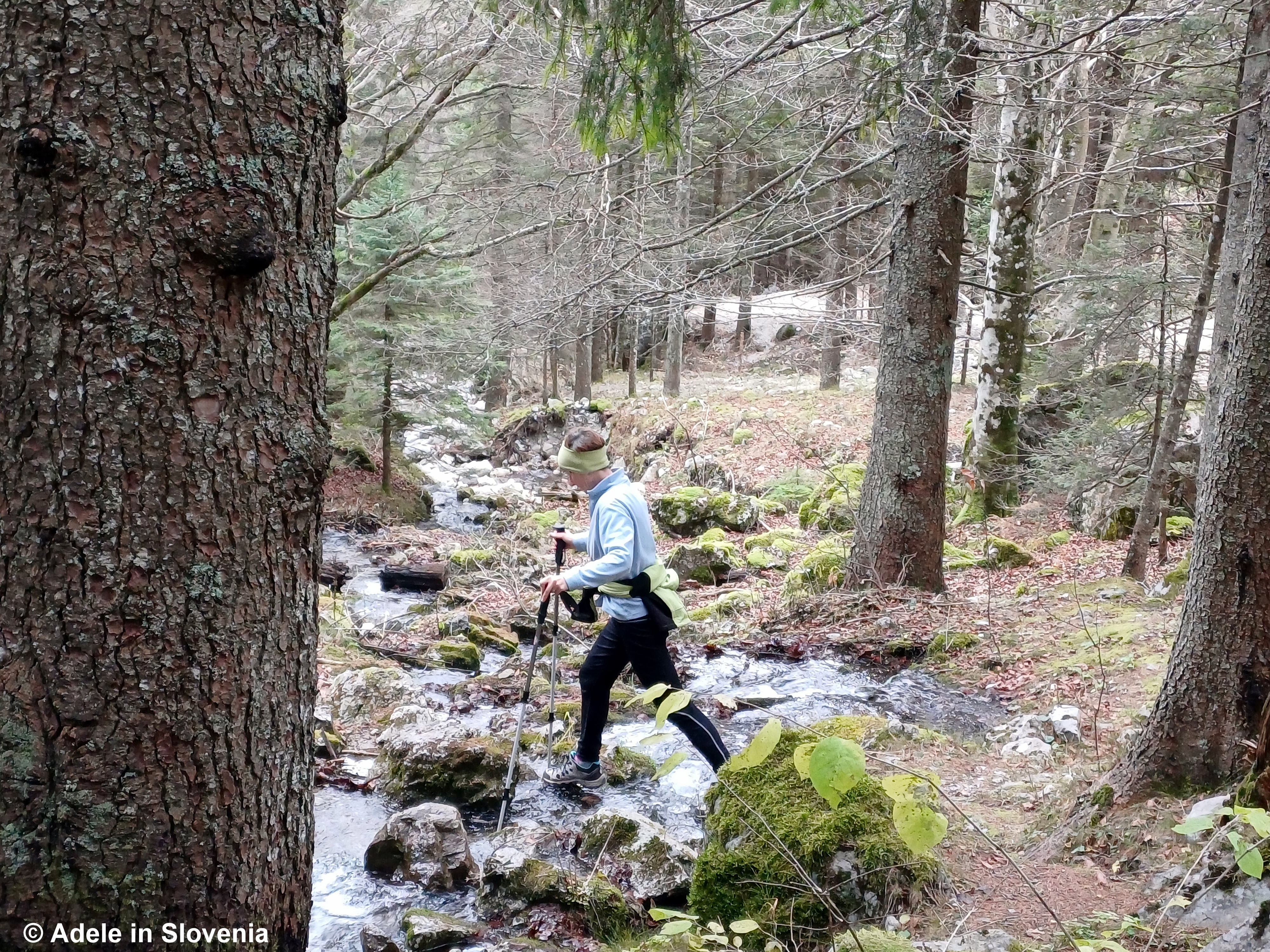
By following the red and white circular trail markers, you can do a circular hike by taking the trail from the Završnica valley up to the Roblekov dom mountain hut.

Before reaching the Poljška planina pasture, which is about halfway, the trail markers lead down towards the pasture before heading up again towards the Roblekov dom mountain hut. Alternatively, if, like us, you spot yellow markers on trees and opt to follow them, you will also reach the hut on a pleasant trail, though you do need to keep your eyes out for the markers.

To make the route circular, from the hut, hike down to the Poljška planina mountain pasture, from where you take the marked route towards the Sankaška koča hut, branching off for Smokuški vrh and following the ridge (as described in a previous blog here https://adeleinslovenia.com/2024/08/21/a-radolca-ridge-hike/), from where you can return to the Završnica valley.

Before setting off on these, or any other hiking trails in the area, be sure to take a look at the map of hiking trails and/or pop into the Radovljica Tourist Information Centre for more information, and be sure you are properly equipped, which means having good footwear too!

With winter fast approaching, too fast for my liking, if you are planning a visit to Slovenia, you might like to read my previous blog titled 5 Great Winter Hikes in Radovljica and the Surroundings.

The countdown to the festive season is on, and the Christmas tree in Linhart Square – the heart of Radovljica’s old town – is taking shape. The switching on of the festive lights will take place on 30th November, which is always a magical event for all the family.

©Adele in Slovenia


Open Day at the Dolenc Farm

As we are well into autumn now, it’s time for Culinary Autumn in Radol’ca. This year’s timetable of tasty events is more jam-packed than ever. From lunch at a farm, various open days and guided bike trips to an opening dinner, the Month of Local Cuisine and a closing event.

As I am somewhat limited as to what events I can join in, due to being a coeliac, when browsing the list of events I decided I would start by going to the open day at the Dolenc Farm (Kmetija Dolenc). Located in Vrbnje, in close proximity to Radovljica, I must have run past the farm at least several hundred, if not thousand, times since living in Radovljica, but have never taken the time to stop and see how it operates and what it offers.

To reach the farm from Radovljica, simply pass under the motorway (near Spar), turn immediately right then the farm is on your left – you can’t miss it!

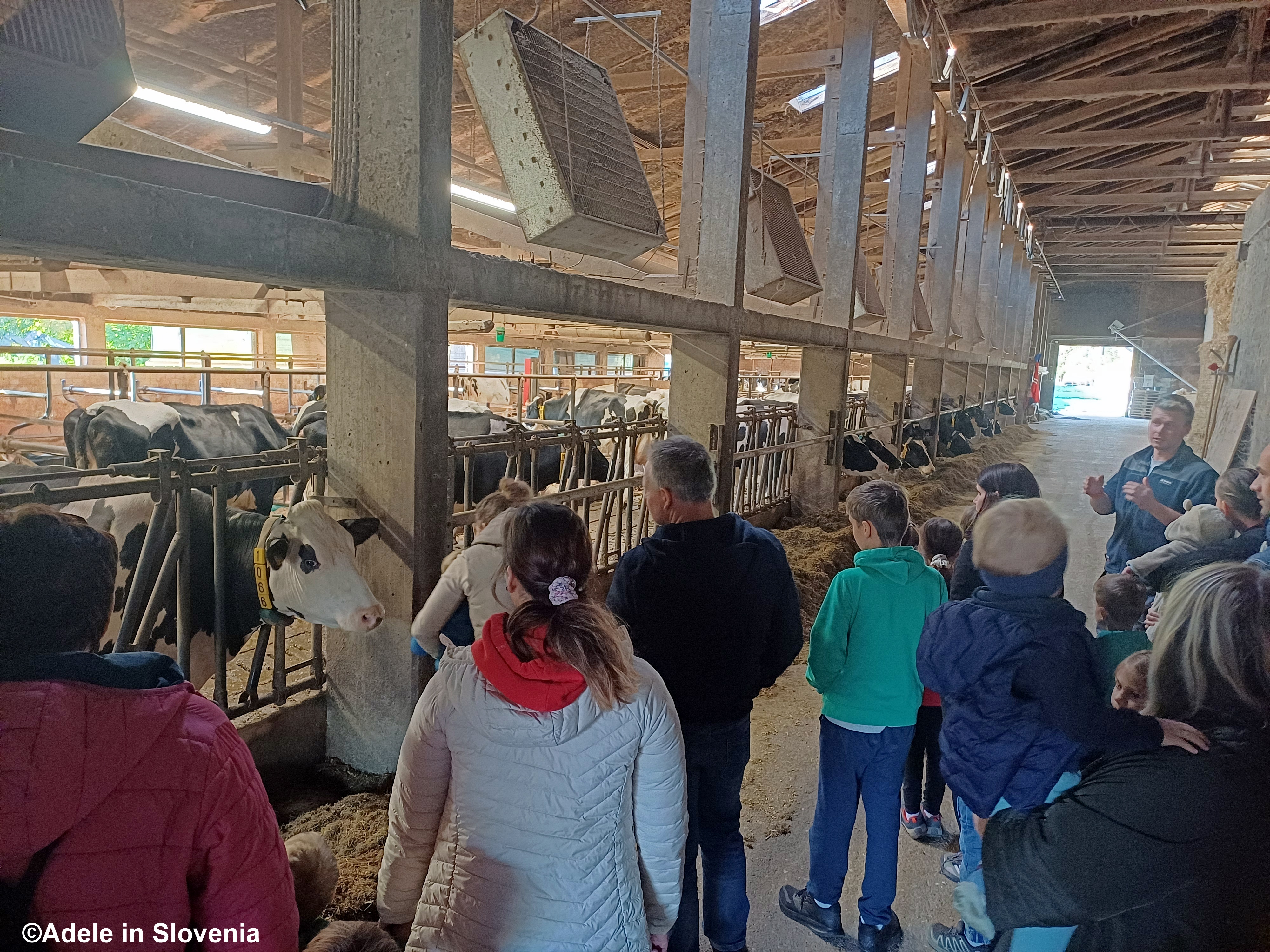
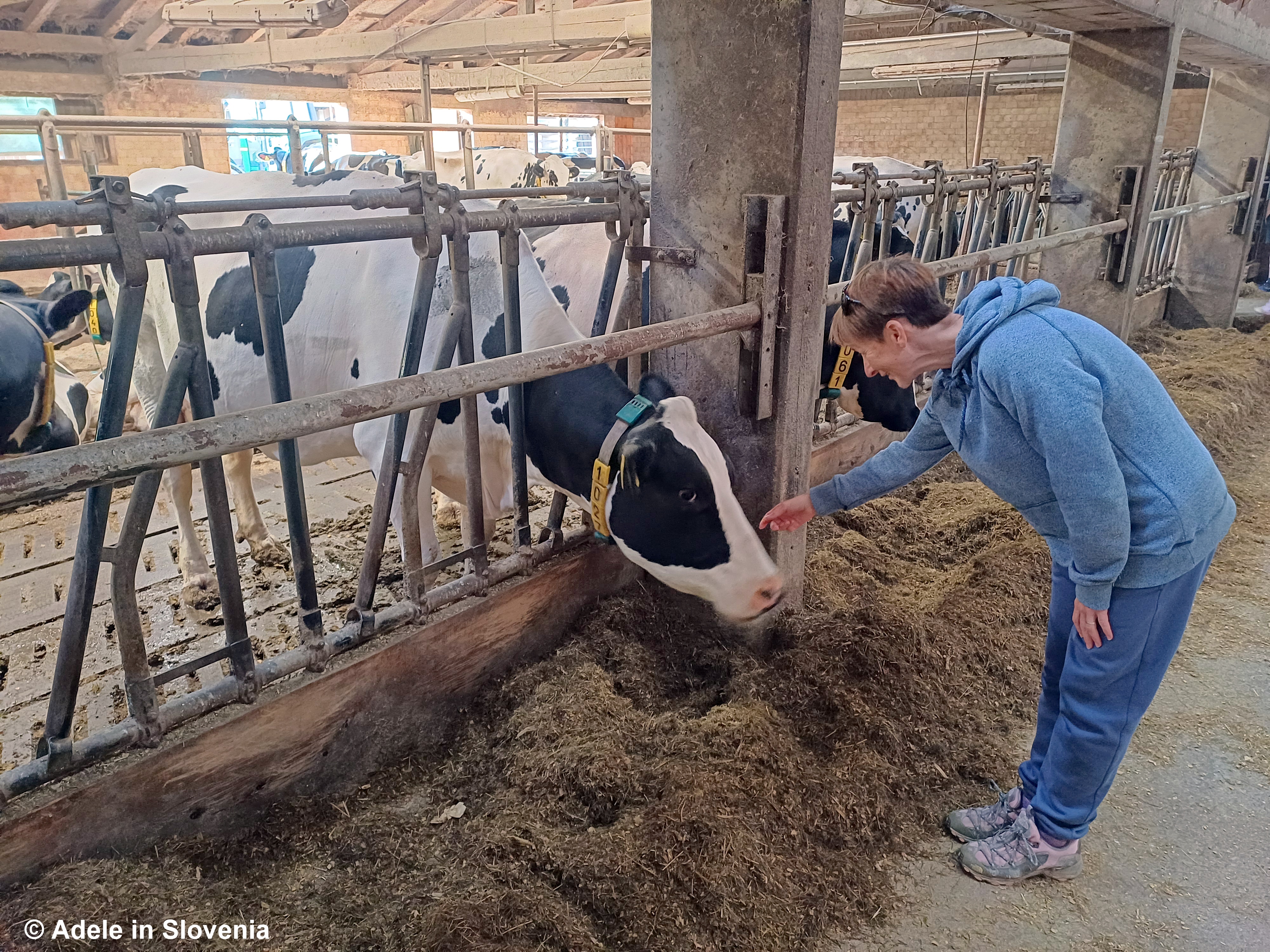
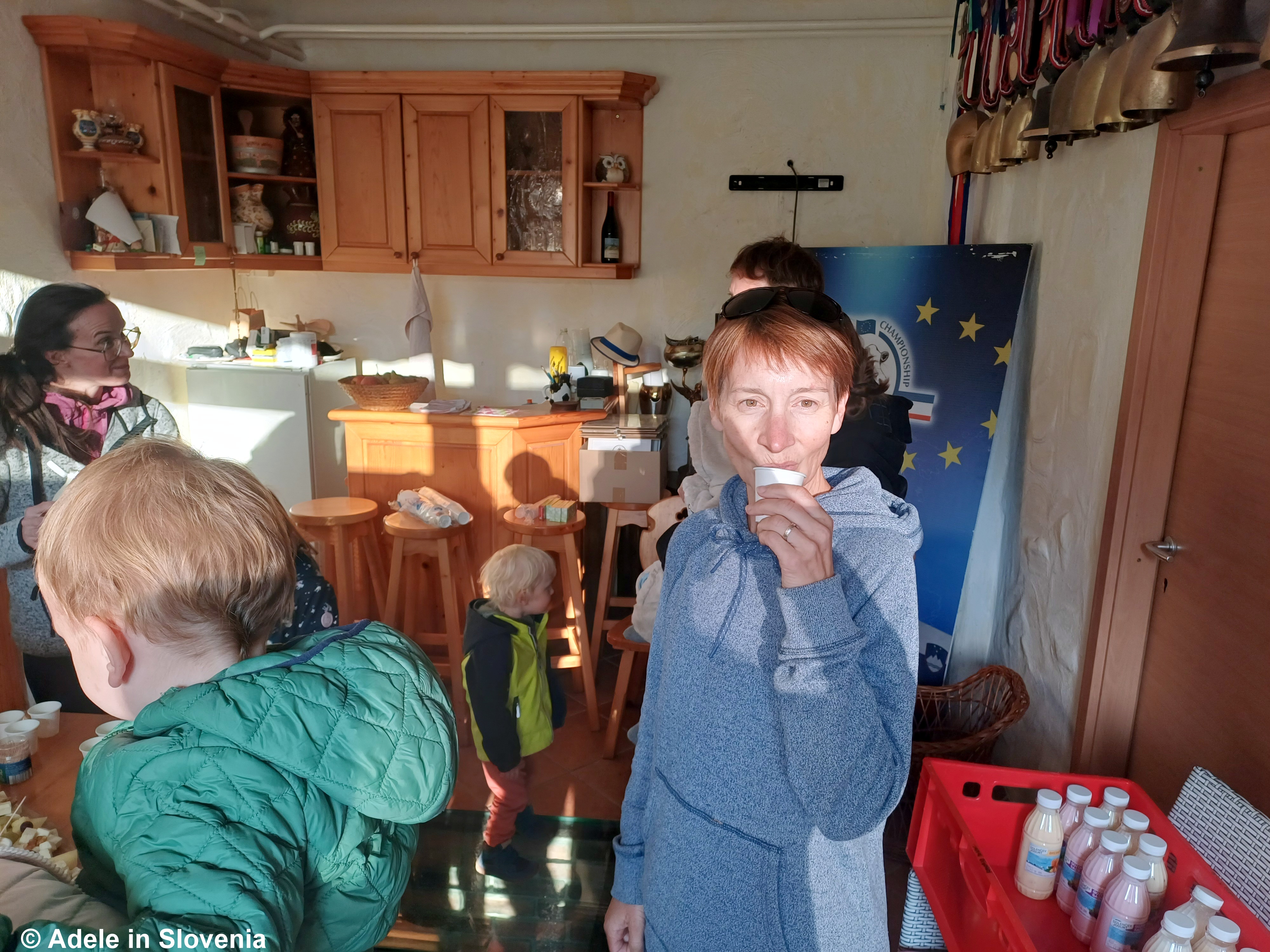
I must say, the visit to the open-day was a real eye-opener. I knew farming was hard graft, what I wasn’t aware of is how much automation and technology is changing the farming industry too. Despite this, at the Dolenc Farm, the owners know every cow by name and are clearly passionate about what they do. It is one of the largest and most modern farms in the area.

Below are just a few of the interesting facts I learnt during my visit.

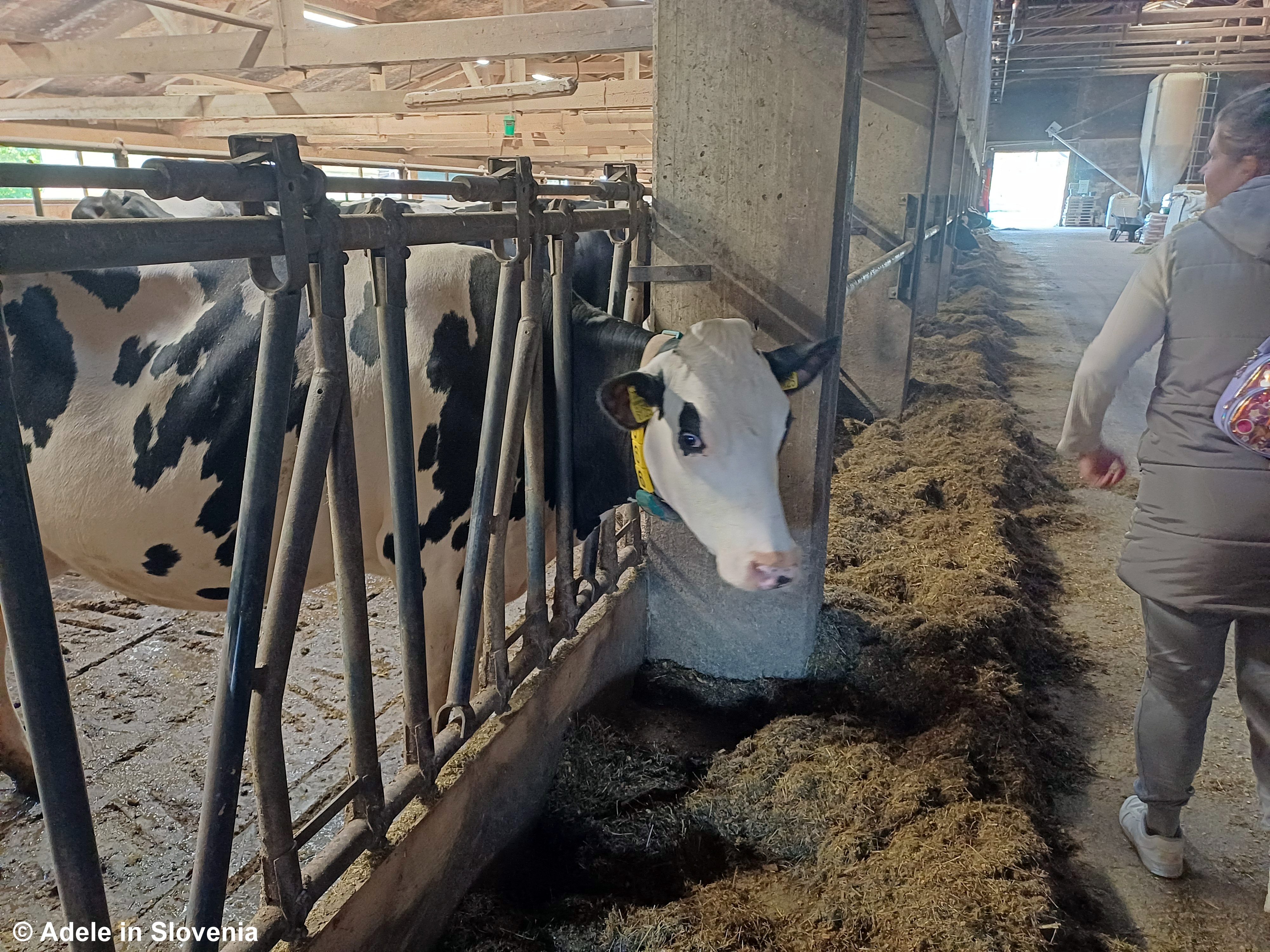
Each cow has a collar that transmits information, such as how much it has eaten and drunk, how long it has grazed, chewed the cud, etc. This information is relayed direct to the farmer, who, in the event that something isn’t as it should be, can react almost immediately to rectify the situation.

A robot pushes the fodder from the store to the feed area, and also clears the excrement.

Cows prefer the cold to the heat, hence the farm has fans to keep them cool, even when the temperature outdoors is below zero.

A lot of hay is used!

Calves are kept in special nursery pens, and at first sometime need a bit of help and encouragement to start suckling.

The quality of the milk at the Dolenc Farm is five times better than the average best; most of it goes to Italy for sale. A sad sign of the times and reflection of the state of farming and price cutting policies among governments, major shopping chains, etc.

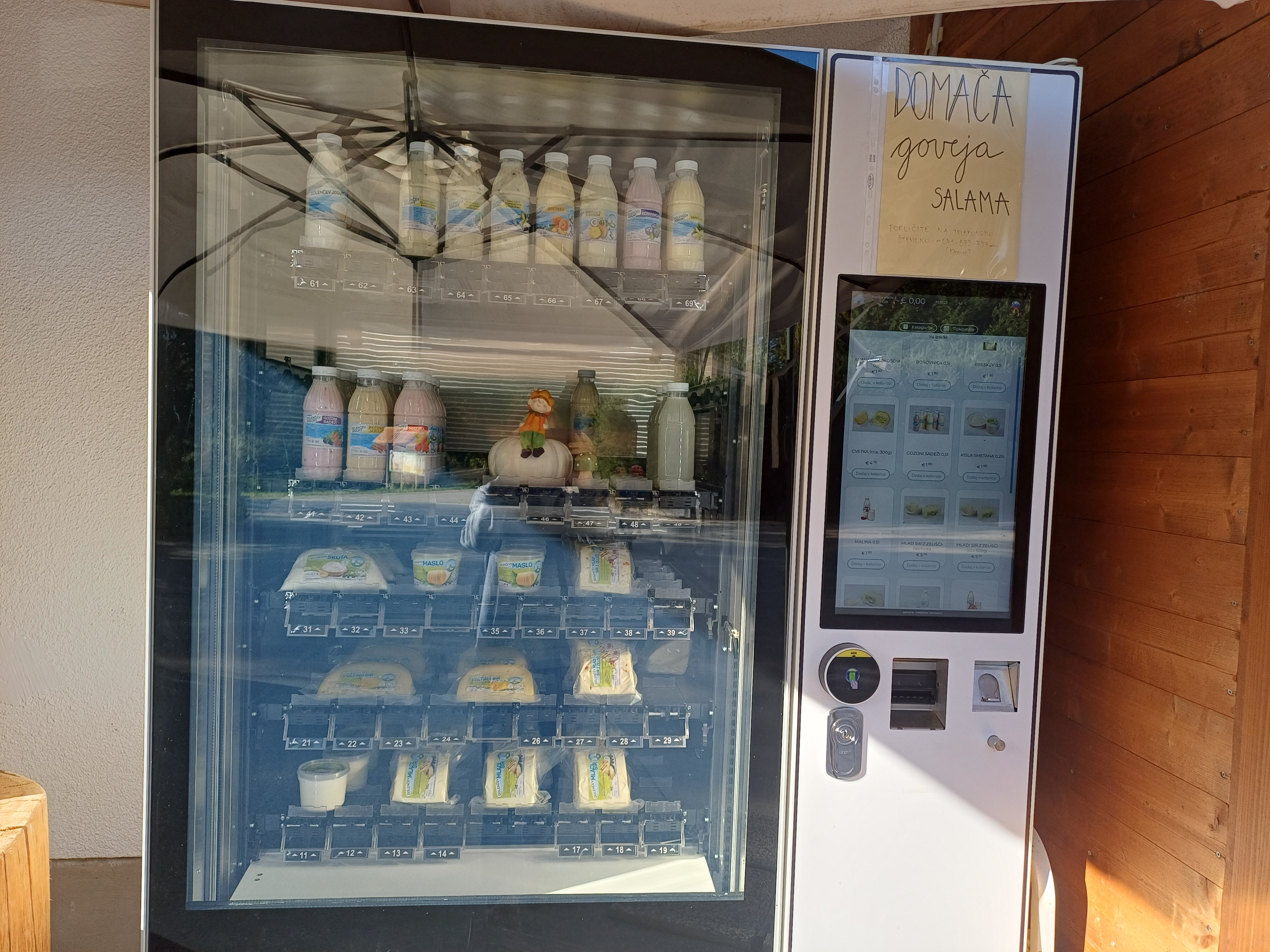
Fresh milk is available from a vending machine.

Work at the farm is a real family affair, with father and son looking after the livestock, and mother and daughter-in-law taking care of the retail side of things as well as providing tastings for visitors.

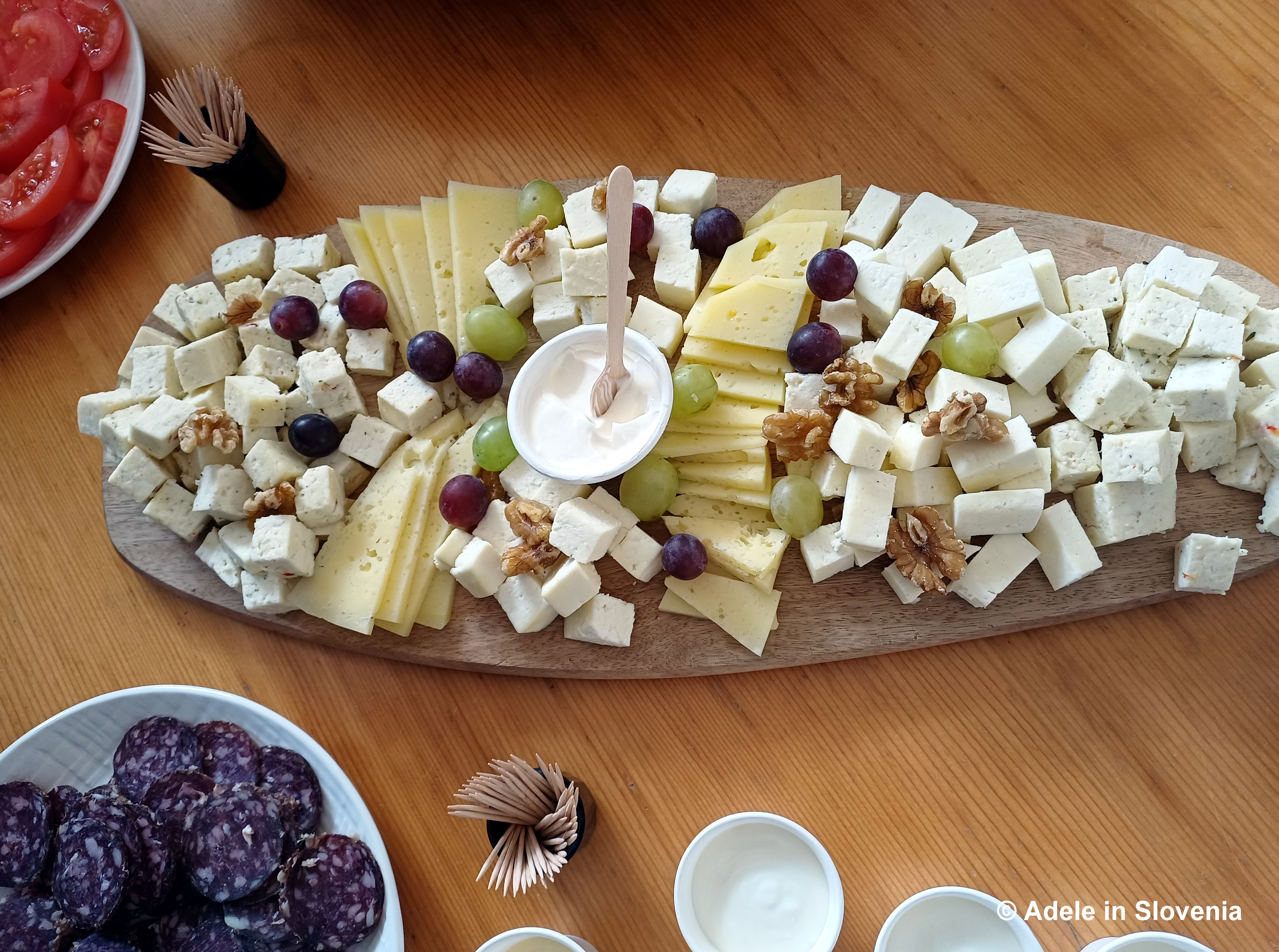
Fortunately for me, or rather us, gluten isn’t used anywhere throughout the farm, except in one kind of yoghurt that contains chocolate cereal, hence we were both able to try all the other delicious yoghurts and cheeses.

And, of course, we couldn’t leave without buying some of the tasty yoghurts and cheese to take home. The farm previously had a small shop, however, nowadays visitors can purchase products 24/7 from the vending machine.

As I mentioned at the start, this is just one of many events taking place from now until the start of December in the Radol’ca are. Among the others are:

Wishing you a delicious culinary autumn, wherever you are and whatever tickles your taste buds! Until next time…

© Adele in Slovenia
A Gluten-Free, Jam-Packed Weekend Ahead!

For the last three years, September has been by far the busiest month of the year, and this year is no exception. Why you may ask? Well because, for all my sins, I’m the initiator and organiser of Gluten-Free Expo Slovenia – the biggest gluten-free event in the country, and possibly currently also in the region.
It began in 2023 as a festival, then was last year upgraded to an Expo, which, of course, means even more work for me. I suppose some might say I’ve only got myself to blame, but, as a coeliac myself, I somehow found myself wanting to help by providing an event for fellow coeliacs, as well as those with an intolerance to gluten and foodies in general. Why the latter? Because these days, gluten-free food has come a long way and, with the exception of a few ready packaged products, you often wouldn’t even know its gluten free, and that is certainly the case with all the delicious, fresh food on offer at Gluten-Free Expo Slovenia!

Of course, the fact its held in Radovljica, my favourite town in Slovenia, is an added bonus!

This year’s Expo begins on Saturday 27th September with an Algerian cookery workshop, followed by a special Farmer’s Feast lunch at Lincer in Lesce.

Then, in the evening, treat yourself to a really unique Two Chefs’ Dinner at Hiša Linhart, cooked by Michelin-starred chef Uroš Štefelin and Janez Repolusk, himself a coeliac, from Gostilna Repolusk in Slovenia’s Koroška (Carinthia) region.

No photo description available.

In between, there will be enough time to visit Kamen Castle in Begunje na Gorenjskem, where, as part of the Pranger Festival of Poetry, Criticism, Translation and Reading, you can enjoy the ambience of poetry reading (albeit in Maltese, but it’s about expression rather than understanding) and accordion music, amid the scenic backdrop of the castle ruins. Or if that doesn’t appeal, work up an appetite by making the short hike on the St. Peter’s Trail up to St. Peter’s Church above the village or take one of the theme trails in the area.

Also as part of the Pranger Festival, an art market will take place in Linhart Square in Radovljica from 10 a.m. on Saturday 27th September.

More about the Pranger Festival here (in Slovene): https://www.radolca.si/sl/koledar-prireditev/festival-pranger and in English: https://pranger.si/en/

Sunday 28th September is the main day of Gluten-Free Expo Slovenia, when there will be over 25 stalls in Linhart Square – the heart of Radovljica’s old town – where you can try and buy a whole range of food, gluten-free of course, though you won’t know it!

In addition, there will be a series of cookery demonstrations and talks (English translation will be available for the latter), a magician, live music and more.

For more information and to make bookings for any of the workshops, talks or lunches/dinners, get in touch by sending an email to glutenfreeexposlo@gmail.com

Here’s a glimpse into last year’s Expo.

Please do come along to say ‘Hi’ and to support me/us in our endeavours to put Slovenia on the gluten-free map of the world!
© Adele in Slovenia