World Bee Day: The Anton Janša Honey Route

Much of the history of beekeeping in Slovenia can be attributed to Anton Janša (1734-1733) and still today barely a word is said about Slovenian beekeeping without his name being mentioned. Perhaps it was fate then that I moved to Slovenia, and particularly to the Gorenjska region, from where more than 150 prominent beekeepers hail, including Anton Janša, with whom I also share a birthday – 20th May – which is now (hopefully) to become World Bee Day! I live in Radovljica, home to the Museum of Apiculture and close to the village of Breznica where Anton Janša, was born.

logo

Slovenia is the only EU member state that has protected its indigenous bee, the Carniolan bee, which means that no other bee can be bred here. The Carniolan bee is the 2nd most widely used breed of bee in the world and originated in this region of the country.

slika14

The initiative for a World Bee Day was started by the Slovene Beekeeping Association, who, rightly so, believe there should be a World Day in recognition of something that is of such vital importance to the world. I whole-heartedly support this movement, after all, there are World Days for pretty much everything these days, so bees more than deserve to be recognised.

To mark this, I went on my own little ‘bee adventure’, following part of the Anton Janša Honey Route, which takes in Radovljica, Bled, Vrba, and Škofja Loka.

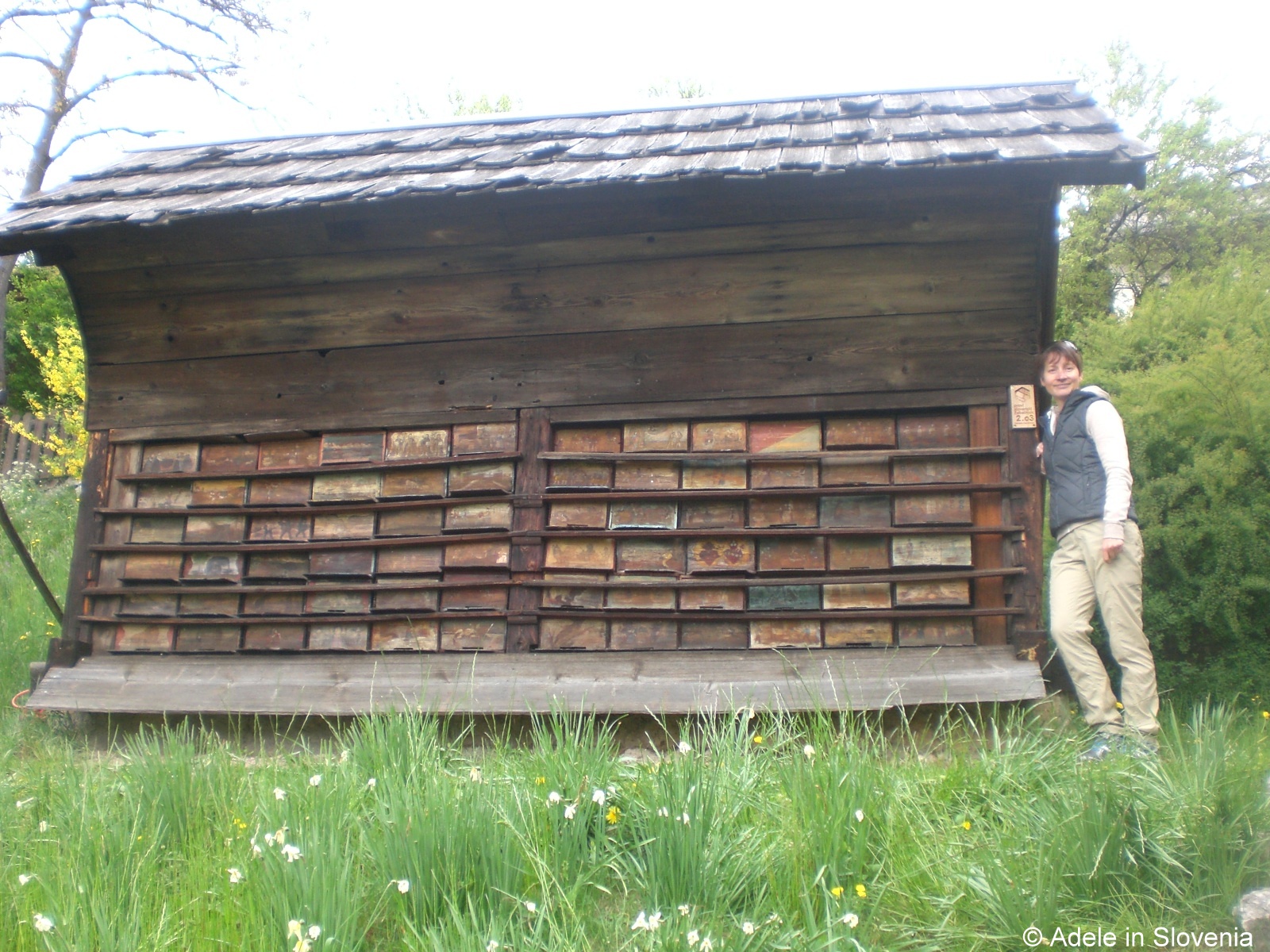
I began by visiting Janša’s beehive in Breznica which is part of the Žirovnica Path of Cultural Heritage that connects the birth places of many notable Slovenes including Dr. France Prešeren, Matija Čop, Franc Saleški Finžgar and Janez Jalen. More information here – http://bit.ly/1T26zxe
CIMG0884

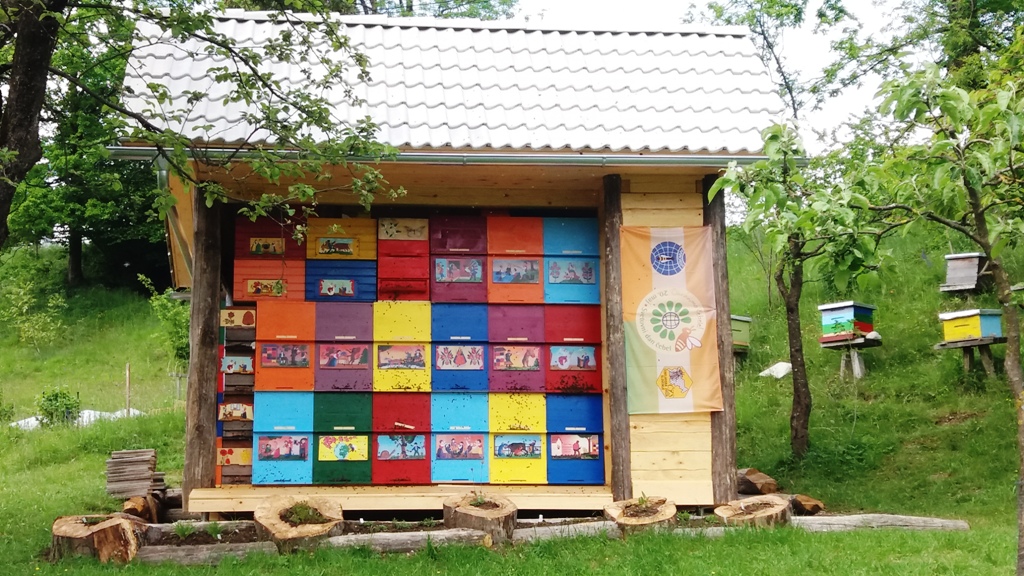
As with the majority of hives in Slovenia, Jansa’s features original painted beehive panels, unique to Slovenia, each of which depicts a humorous or satirical story – this one shows animals taking over the role of humans.

CIMG0890

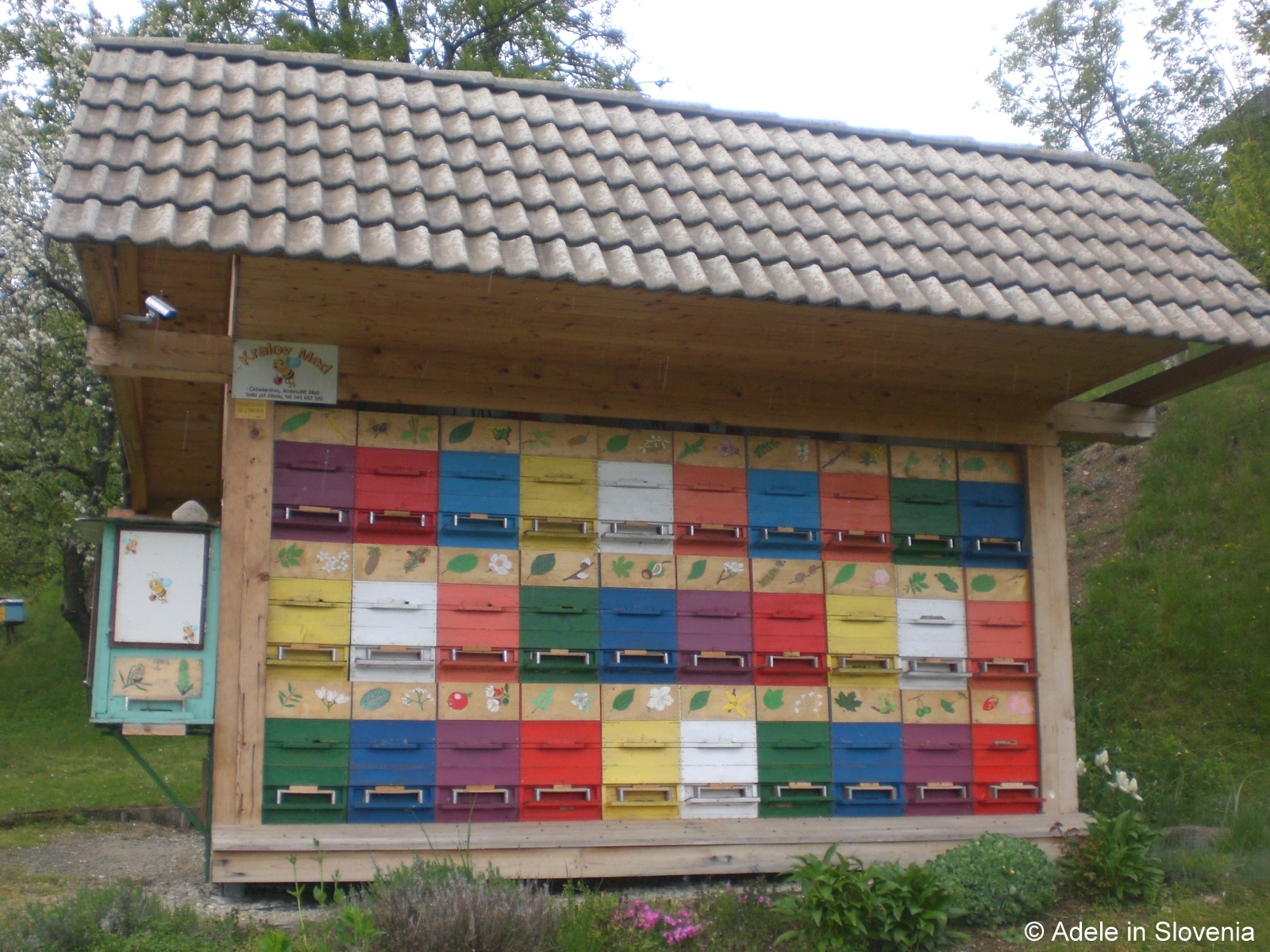
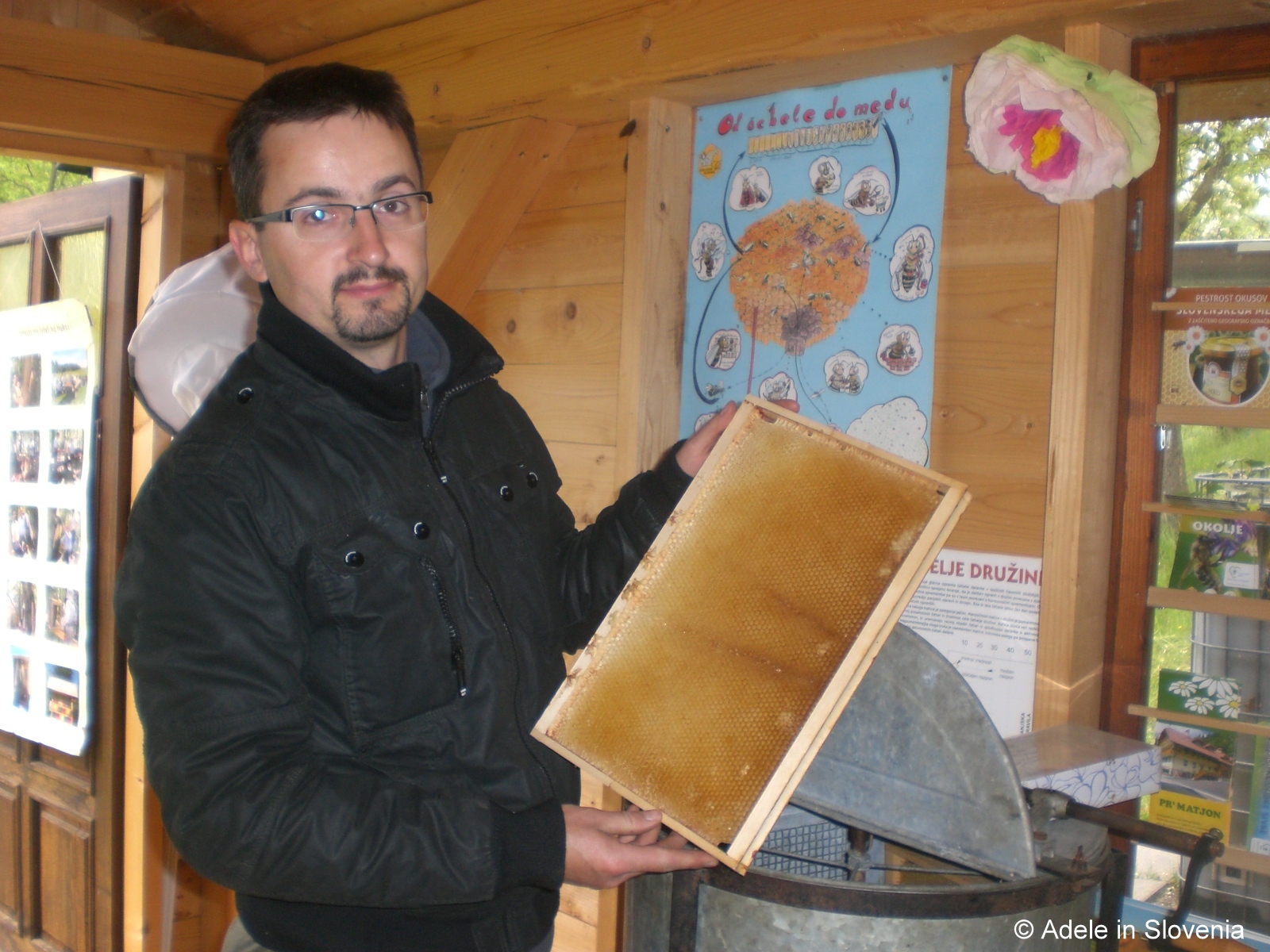
I also visited the Kralov med hives in the hamlet of Selo, near Bled, where beekeeper Blaž Ambrožič oozed enthusiasm when showing and telling me about the wonders of bees.
CIMG1024

I thought I knew a reasonable amount about beekeeping, however, Blaž told me so many astonishing facts about beekeeping that I can but recommend that you go and find out more for yourself! After all, it seems that barely a day passes when there isn’t more astonishing evidence about the importance of bees and the benefits of honey. It really is one of the best foods of nature as well as being credited with alleviating a range of medical conditions and lately has also become the latest trend in beauty products. You can also read about my recent experience of a bee sting facial here – http://bit.ly/1Spm1o2
CIMG1031

The star of the show at Kralov med is undoubtedly the hive that was painstakingly transplanted from a tree trunk and transported, bees and all, to where it sits today, and where the bees are still working diligently.

CIMG1026

As a measure of the calm characteristics of the Carniolan bee, Blaž encouraged me to put my hand inside the hive and the bees were completely unperturbed by my presence.

CIMG1028

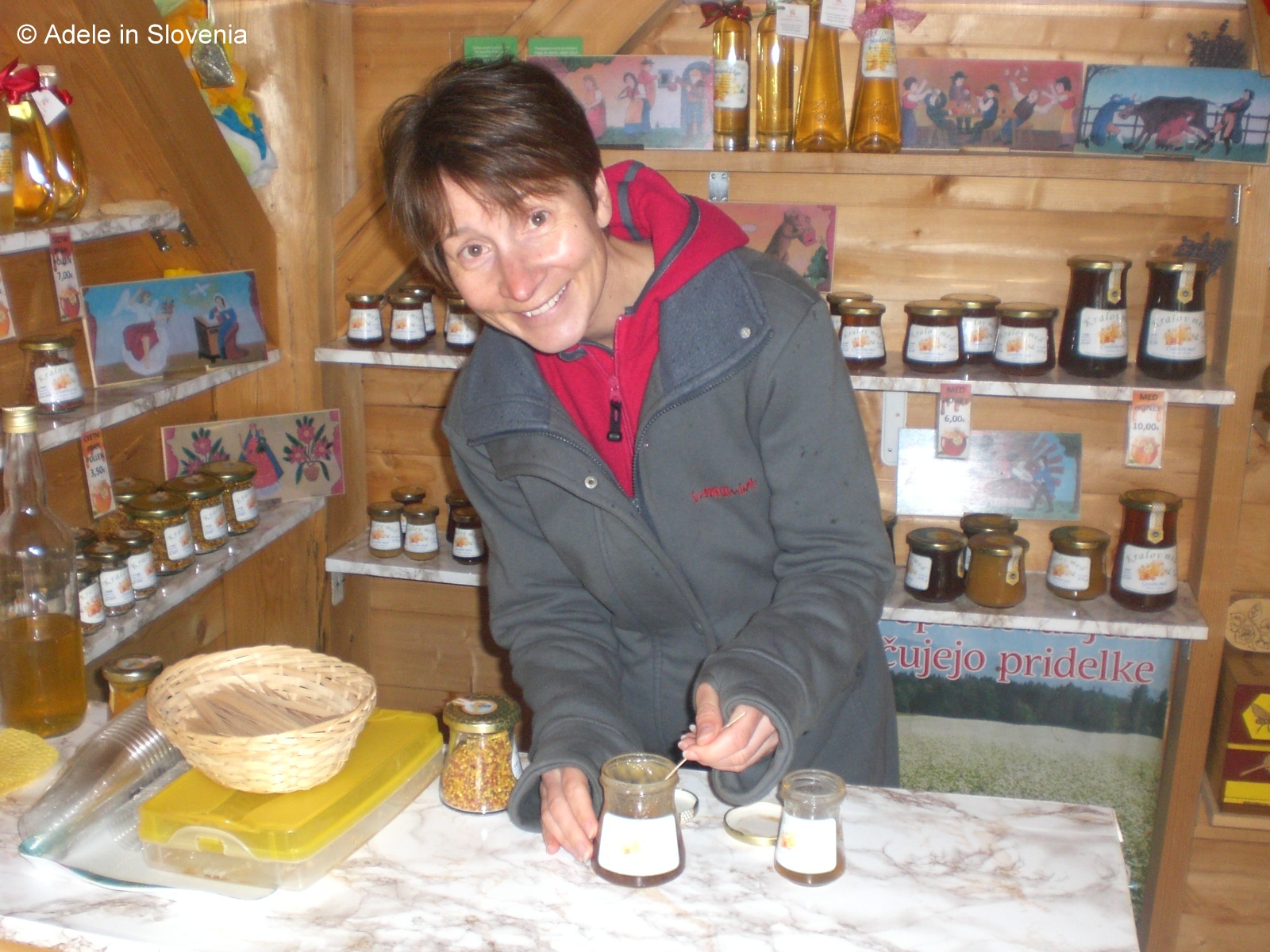
I had a chance to try some of the honey and learn about the various characteristics and properties of the different kinds of honey and propolis.
CIMG1029

At the time of my visit a brand new hive had just been built which will also be available for apitherapy and visitors will even be able to sleep there, all the while inhaling the intoxicating scents of the bees, which is known to have beneficial effects, particularly for those suffering from respiratory diseases.
?


Can you find out more about Kralov med here – http://www.kralov-med.si/en/home/

The Anton Janša route also includes:

  •  The Carniolan queen mating station in the Završnica valley
  • The Museum of Apiculture in Radovljica, which features, amongst other exhibits, hundreds of beehive front panels including the world’s oldest – http://www.radolca.si/en/radovljica-apiculture-museum/
  • The hamlets of Combe and Bitnje in Bohinj, where the internationally renowned bee merchant Jan Strgar kept his bees and who, together with Mihael Ambrožič, was responsible for the spread in popularity of the Carniolan bee

You can also visit the Beekeeping Education Centre of Gorenjska in Lescehttp://www.cricg.si/angleski-jezik/ and follow developments regarding the World Bee Day Initiative here – https://www.facebook.com/worldbeeday/?fref=ts

So, come on, let’s unite to support World Bee Day and Save the Bees!

© Adele in Slovenia


The Bohinj Wild Flower Festival – A Jubilee Year

The annual Bohinj International Wild Flower Festival will take place from 21st May to 5th June and this year, the 10th successive year, marks a jubilee. The first festival was held in 2007 and since then it has been growing (pun intended!) in popularity, and gaining ever more recognition, by the year.

The main theme of the festival is the presentation of alpine flowers in the waters, meadows, hills and mountains of the areas surrounding Bohinj Lake, part of Triglav National Park.

During the festival a variety of events take place including guided walks and hikes, workshops, local craft and farmers markets, exhibitions, excursions, concerts and culinary evenings.

There are also activities for the whole family including a ‘Weekend for Families and Children’ which includes flower-related events as well as participation in water sports and other outdoor activities.

Childrens Wknd Bohinj flower festival

You can get really hands-on at many of the workshops, first picking the flowers, then preparing them for various uses.

flower festival workshop

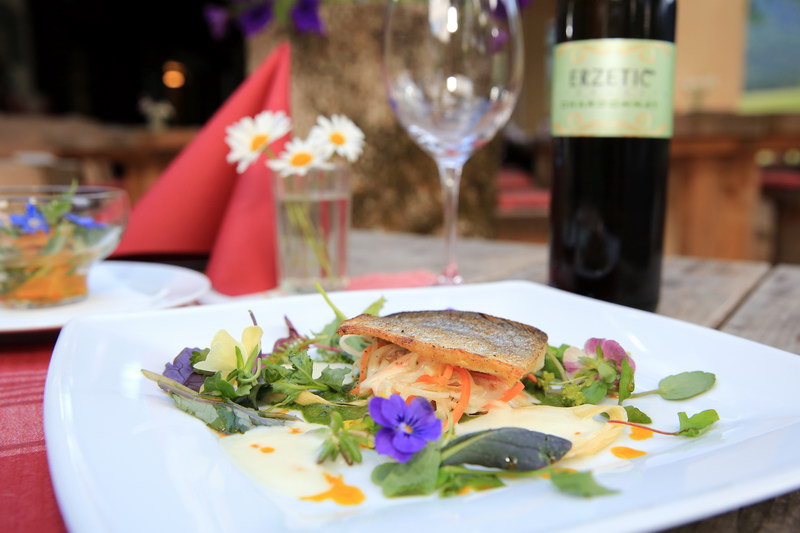
Culinary evenings take place at selected local restaurants, such as at the restaurant at Camp Danica in Bohinjska Bistrica, seen below, where you can enjoy local delicacies, such as trout, paired with edible wild flowers.

culinary evening danica

There are around 70 known types of flower which are endemic to Slovenia, and/or the immediate surroundings. A walk among them is a botanist’s dream. Theses species include:

Zois’ bellflower – endemic to Slovenia, Austria and Northern Italy and most prevalent in the Julian and Kamnik-Savinja Alps (shown below)

zoisova_zvoncnica_1s

Triglav Hawksbeard – discovered by one of the first four men to climb Triglav in 1778. It was found near where the Planika mountain hut now stands. It is very rare and is on the list of threatened species. So rare, I haven’t yet found it to photograph myself!

European False Stitchwort – first discovered near Ljubljana Castle in 1762 by the Carinthian botanist Jesuit Franc Ksaver Wolfen. It belongs to the Pink family, to which carnations also belong.

Trenta Scabious – discovered over 200 years ago in Idrija by a physician. The original finding is preserved in Slovenia’s Natural History Museum.

trenta-scabious-scabiosa-trenta-355e5ab376

Depending on the weather – late snowfall can sometimes mean the season begins later – you can expect to find wildflowers in the meadows and highlands from the end of May through to late summer.

If you are interested in wild flowers, and/or considering a visit, here’s a sneak peek of what you can expect to see, those that I have been lucky enough to encounter on my hikes within Triglav National Park.

  • Here I am on a hike in the highlands above Bohinj Lake; from Planina Krstenica towards Ogradi.

Bohinjske planine 27. Julij 2011 007

  • Surrounded by wonderful wild flowers during a summer walk to the Seven Triglav Lakes valley. One can almost feel as if in a botanical garden, whilst completely at one with nature.

Sedmera jezera Julij 2010 009

Here are a few of my close-up snaps.

  • Alpine carnation (Alpski nagelj) – also known as Alpine Pink

OLYMPUS DIGITAL CAMERA

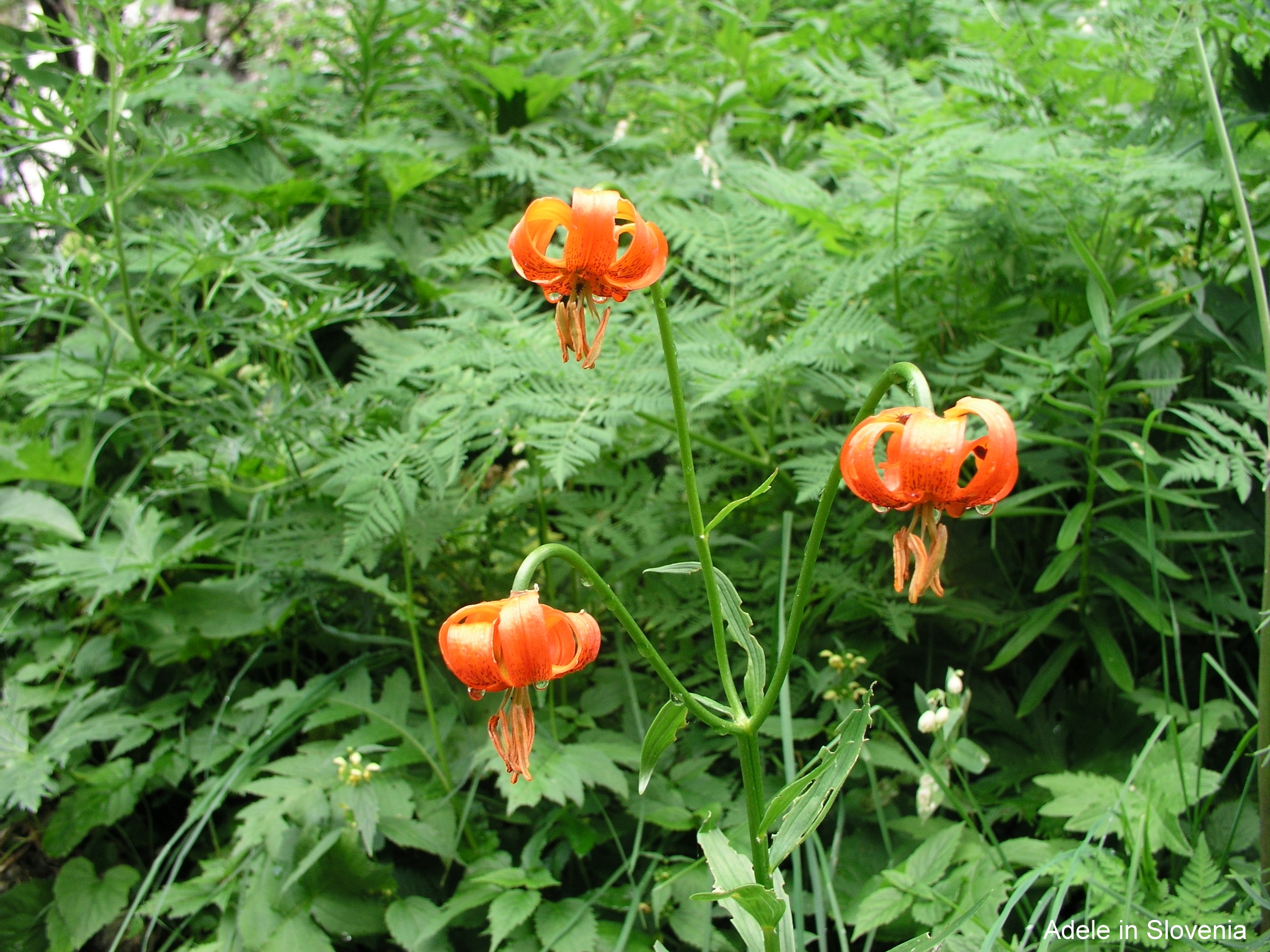
  • Carniolan lily (Kranjska lilija) – Not entirely endemic to Slovenia, since it can also be found in areas from north-east Italy to Bosnia, however, it is most common in Slovenia.

OLYMPUS DIGITAL CAMERA

  • Yellow Gentian (Košutnik) – native to the mountains of central and southern Europe

OLYMPUS DIGITAL CAMERA

  • Edelweiss (Planika) – this one probably doesn’t need any explanation as it’s widely known, but I had to include it as it’s such a special one, and also because we have a mountain hut named after it, which sits just beneath our highest mountain, Triglav.

Komna 14 Julij 2012 004

You can read more about the festival and find the whole of this year’s programme here – http://www.bohinj.si/alpskocvetje/eng/index.php

© AdeleinSlovenia 2016


Highlights of Triglav National Park!

In this blog I’d like to show you some of the highlights of Triglav National Park, including some of my personal favourite parts, which will hopefully provide some ideas and inspiration for those interested in exploring this wonderful part of Slovenia.

Triglav National Park is Slovenia’s only national park and is the heart of the Julian Alps. The park is located in the north-western part of Slovenia and is named after the country’s highest mountain, Mt. Triglav (2,864m). It covers an area of over 83,000 hectares.

On my blog I have always strived to ensure I give readers a personal account of my adventures and experiences in Slovenia, rather than just regurgitating information which is already readily available. Therefore, I’m not ashamed to admit that I’ve never actually been to the top of Triglav, though I’ve been close!

CIMG7569

Unlike in some national parks, there are no official entry and exit points to the park, and no entrance fees to be paid. However, there are some rules by which visitors must abide to protect the flora and fauna of this jewel of nature. For example, wild flowers are not to be picked, no fires may be lit, and camping anywhere within the park, other than in designated campsites, is strictly forbidden.

One among my many favourite parts of Triglav National Park is Krn Lake (1391m) – as seen below, with Mt. Krn (2244m) in the background.

For this trip I started from the car park at the Savica waterfall in Bohinj and walked up to Komna (1520m), onwards past the Koča pod Bogatinom hut to the Vratca saddle then descended to the Dom pri Krnskih jezerih hut (1385m) where I stayed overnight. The next morning I got up (very!) early to hike up Mt. Krn, then returned the same way back to Savica. It makes a long 2nd day but the scenery is so wonderful, and other than the climb up to Krn, its reasonably easy going. If you don’t need to return back to Savica, then you can instead take the path down to the Dom dr. Klemena Juga hut (700m) in the Lepena valley from where you can explore the beautiful Soča valley.

krnsko-jezero-julij-2010-006

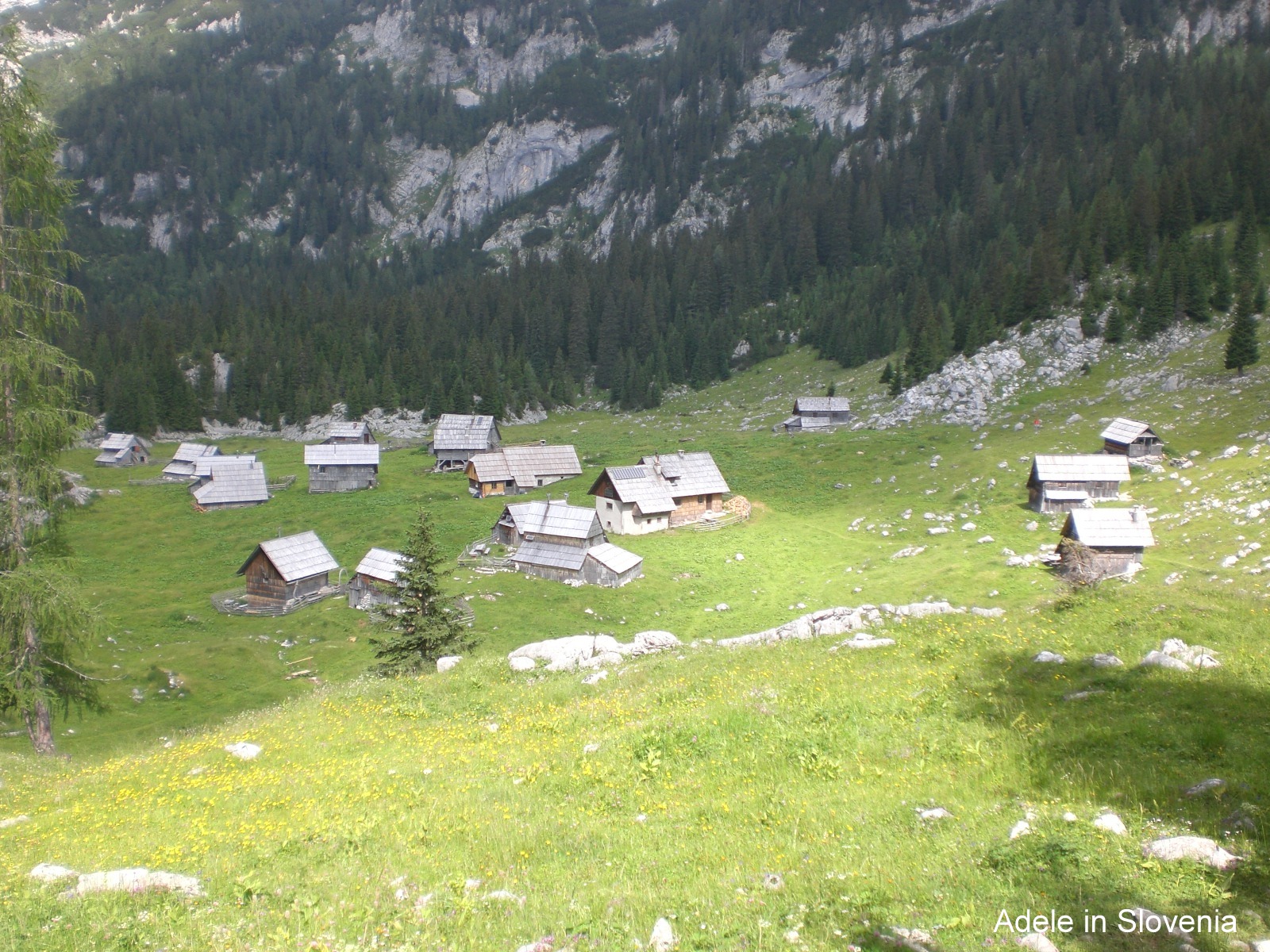
The picture-postcard pretty Planina pri Jezeru highland is another of my favourites and the options for reaching it are numerous. I like to start from Stara Fužina and walk first to Vogar, from where there are magnificent views over Bohinj lake and the surrounding mountains, then past the Kosijev dom na Vogarju hut (1054m).

CIMG9013

On this hike I continued first towards the Planina pri Jezeru hut (1453m) but then branched off towards Planina Blato (1147m) then to Planina Laz (1560m) – the oldest highland in Slovenia. From Planina Laz a very pleasant almost level route leads to Planina pri Jezeru from where, after a break for some sustenance, I returned to the Vogar highland and back to Stara Fužina. There are, however, also several other alternative routes that I have also taken, such as via Planina Viševnik and onwards to Pršivec (1761m).

laz

Planina Laz is on part of the Tourist Cheese Route (Turistična sirarna pot). The route leads across the many highlands in the Bohinj area where cheese and other dairy products can be sampled and bought. The route, which is marked with yellow signs, also leads past numerous natural features of interest such as gorges, waterfalls, museums, churches, and archeological sites. The path covers a very wide area so its not possible to walk it in its entirety (at least not in a day), so it’s best to just choose part of it and visit one or two of the highlands and dairies.

krnsko-jezero-julij-2010-012

One of the most popular destinations for hiking in Triglav National Park is the Seven Triglav Lakes Valley. It is doable in a day trip, particularly if you drive up the toll road, saving yourself approx. 1.5 hours of hiking, to begin at Planina Blato. However, to have time to fully experience and appreciate the entire length of the valley, it is best to stay at least one night in a mountain hut, such as the Koča pri Triglavskih jezerih (1685m), where you also get a chance to soak up the atmosphere of the surroundings, enjoy some hearty homemade food, and chat to some fellow hikers.

Sedmera jezera Julij 2010 026-001

As you can see, there’s no shortage of routes to choose!

CIMG6468 (2013_07_22 14_09_31 UTC)

Wherever you see signs such as this one, you can buy home-produced cheese, sour milk, and other highland treats!

CIMG6469 (2013_07_22 14_09_31 UTC)

And you can certainly see exactly where it comes from. There are no food miles here!

Bohinjske planine 27. Julij 2011 026

Provided you have a map of the Julian Alps it is very easy to put together an itinerary for day, or multi-day, hikes. Routes are generally well-marked and there are plenty of mountain huts where you can overnight, though in the summer months I’d recommend booking ahead for the most popular huts – you wouldn’t want to hike all that way to find yourself without a bed for the night!

Triglav National Park awaits – time to get exploring!

© AdeleinSlovenia 2016


The New Triglav National Park Centre and a Froggy Tale!

Triglav National Park is Slovenia’s only national park, covers an area of 880 square kilometres and has 3 information centres including the newly-built and recently opened centre in the village of Stara Fužina, near Bohinj lake, which I visited for the first time last week.

Downstairs the centre, which is open 10am-3pm on weekdays and 10am-5pm at weekends, has a permanent exhibition, information and exhibits about the park, and a small area selling local products.

CIMG9740

However, its the upstairs viewing room that makes this place so special. The saying ‘a room with a view’ is certainly apt for this, and no photo-shopping is required. They have managed to capture the views and the essence of Bohinj lake and the surrounding mountains perfectly with the full-depth windows, relaxing hanging chairs and selection of magazines.

CIMG9750

The only thing missing was a nice cup of tea with which to be able to sit and marvel at the views!

CIMG9756

Whilst in the area I paid a visit to another of my favourite haunts, Čokohram, in the tiny village of Česnjica, near Bohinj lake. I wrote extensively about this in a previous blog – http://bit.ly/1iq7MR4 – however, this time there was an added reason for my visit, apart from the obvious reason of gorging myself with chocolate and cake.

Inside the tiny building the walls have been hand-painted with several pictures of frogs and, on a previous visit, the owner, Alenka, had begun to tell me about the reason for this and her plans for the future. So, I wanted to find out more, as I’m always one for listening to an interesting local story.

CIMG9708

Though, in fact, I won’t give too much away yet as Alenka has plans to create a ‘frog-based’ theme path that will lead from Bohinj lake to Čokohram in Česnjica – and you can be sure I’ll be writing about that as soon as the plan is realised.

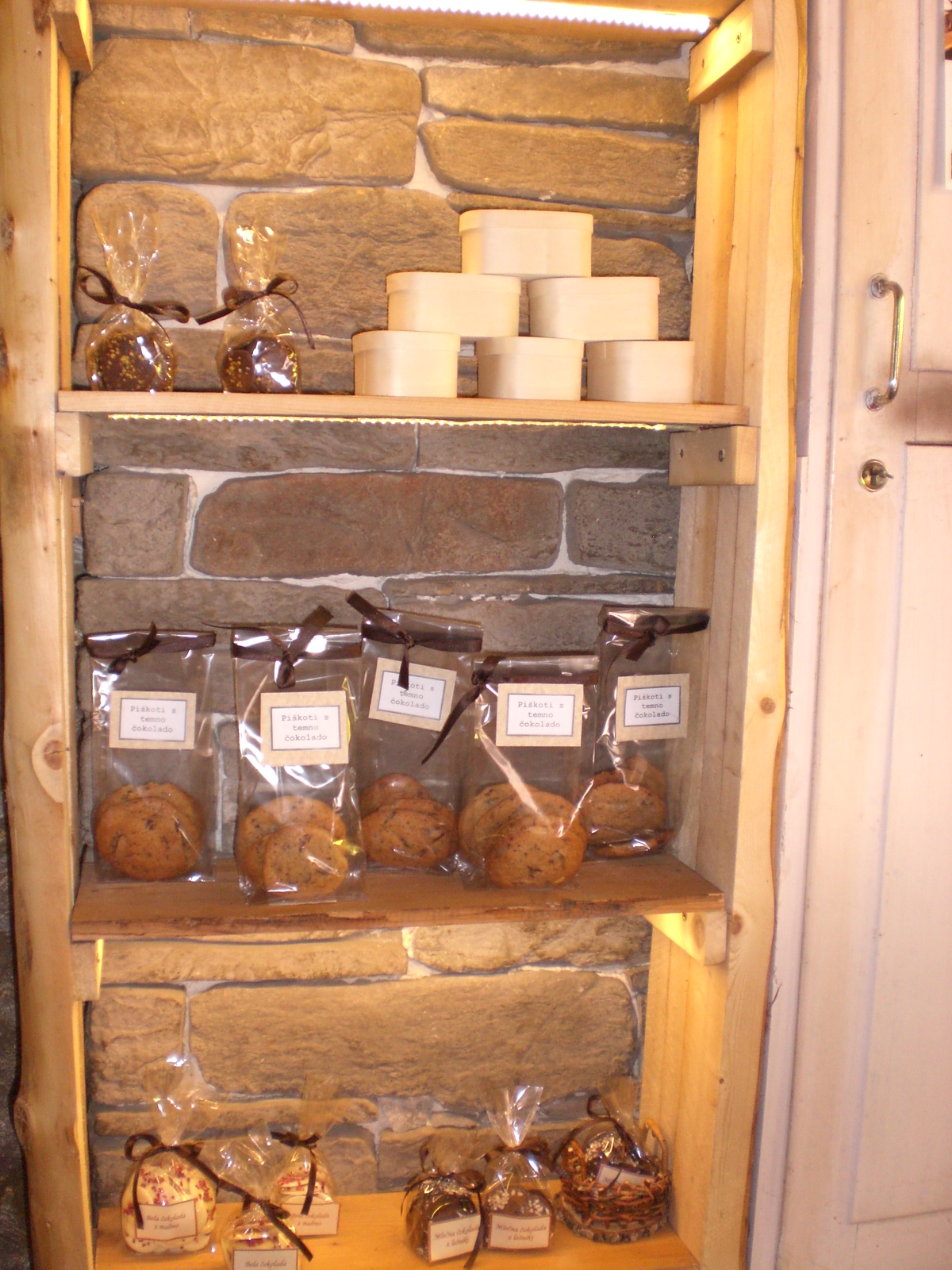
In the meantime I’ll share some photos I took of the delicious things on offer, as each time I visit there is something new. This time I noticed new chocolate liqueur, home-baked chocolate cookies, and cake pops. Nothing escapes me!

CIMG9706           CIMG9703

I also worked on persuading Alenka to be a part of next year’s Radovljica Chocolate Festival, which has become THE unmissable chocolate event in Slovenia and the date of next year’s festival has already been announced – 15-17th April 2016.

Grajska gostilnica – A New Era

In late spring this year the restaurant Grajska gostilnica in Radovljica was given a new lease of life when it was taken over by Borut Salmič, who previously worked as Head Chef at several prestigious restaurants in the Gorenjska region, including Lambergh Chateau and Hotel.

It’s great to have a new (albeit old) restaurant in the centre of Radovljica, with a view over the town park. It offers top-quality food at affordable prices – classic Slovene dishes as well as more modern cuisine ‘ all with an added twist from Borut.

I have visited quite a few times in the past couple of months and have been working my way through the menu. In addition to the main menu, there is a snack menudaily lunch specials and a wine cellar where special events can be held.

Starters include cold-cut boards and soups.

CIMG8842

Main courses include steaks, pasta, risottos, fish, salad plates and more.

CIMG8843

And my personal favourite, stuffed dough parcels (kruhki), served on a board with dips:

CIMG9709

Home-made desserts are a particularly speciality, and for someone like me with a very sweet tooth they are heavenly.

CIMG8846

Grajska gostilnica will be (re)joining the other Taste Radol’ca restaurants, and preparations are well-underway for this year’s opening event next month. More on that soon – watch this space!

More information about Grajska gostilnica can be found here – http://en.grajska-gostilnica.si/home.html

These days I spend quite a significant amount of time scouring the internet and other media to find out what events are going on in the local, and wider, area and have discovered that next weekend, 18 – 20 September, there is an awful lot going on. In fact, almost too much!

It’s a shame as, inevitably, with so many things going on, it will be impossible to get to all of them. Should any of the event organisers happen to be reading this, perhaps for the future it would be worth considering some kind of co-ordination ‘date-wise’ as it would mean higher attendance numbers at events and more opportunities for us i.e. Joe Public’ to attend them, since this past weekend, there were no such events.

Anyway, that’s just my two-pennies worth, though, I suppose its better to have too many events than not enough! So, here are just some of the larger events taking place next weekend. Now I must just decide which to attend!

More Rainy Days Ideas – Radovljica and Studor

Most of July was blissfully hot and dry, and indeed records were being broken left, right and centre, until, that is, last week when a new, less than remarkable, record was set of just 20 minutes sunshine over a 5 day period. Let’s hope that record is consigned to the history books and not repeated any time soon! Fortunately, by Friday the sun had worked its way back and it was immediately hot again. The consequence, however, is that there wasn’t much in the way of hiking and cycling for me for the whole of last week, instead just endless trudges with my umbrella.

Once such ‘trudge’ – though in fairness the remarkable scenery means it can’t be described as a ‘trudge’ – was around the quaint village of Studor. The moody skies and the mountains of the Julian Alps rising up from Bohinj Lake only served to somehow make it even more scenic.

CIMG8691

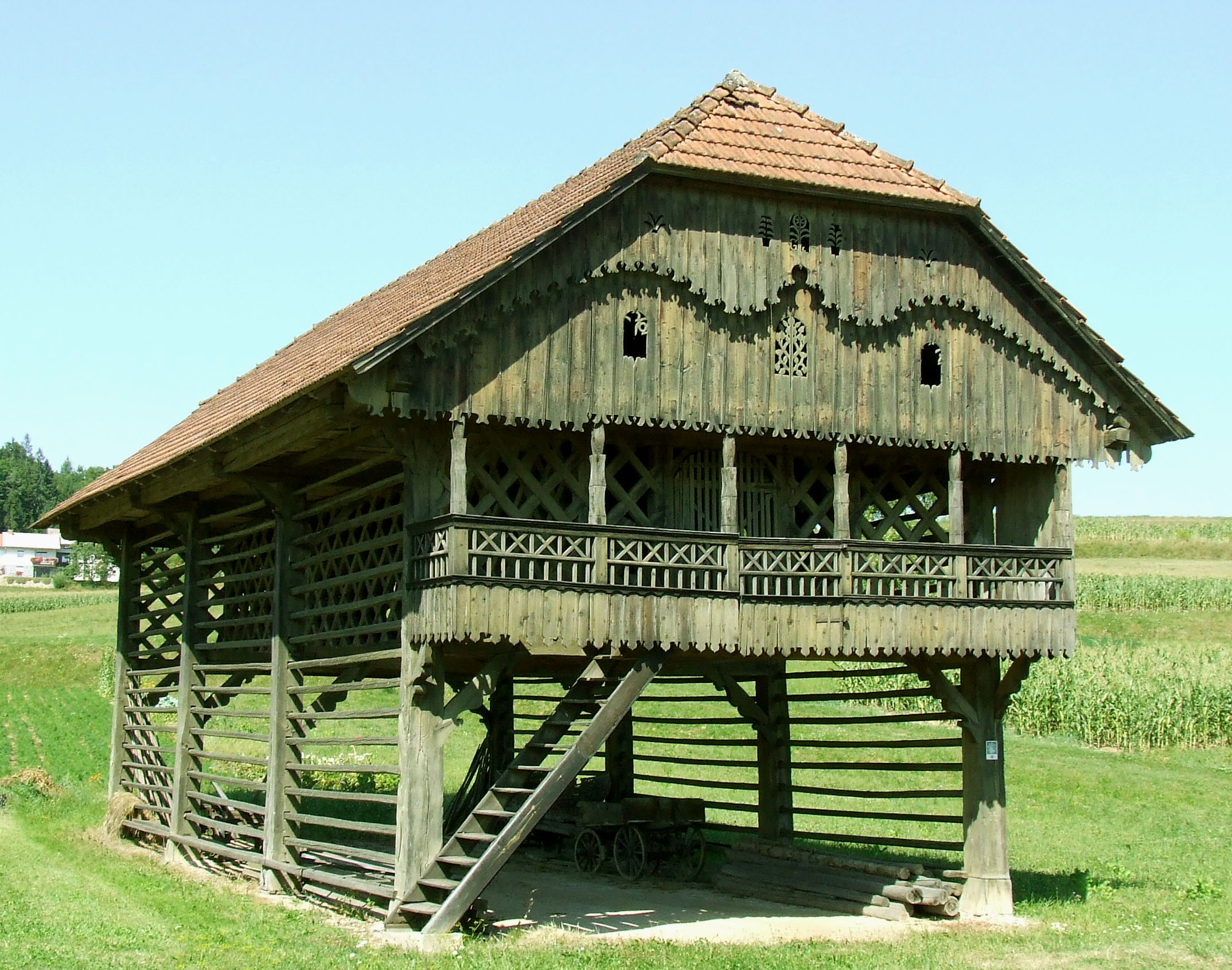
Though only tiny, Studor it is known for its double height ‘toplar’ hayracks.

TOPLAR1

The Mrcina ranch with its Icelandic horses.

CIMG8793

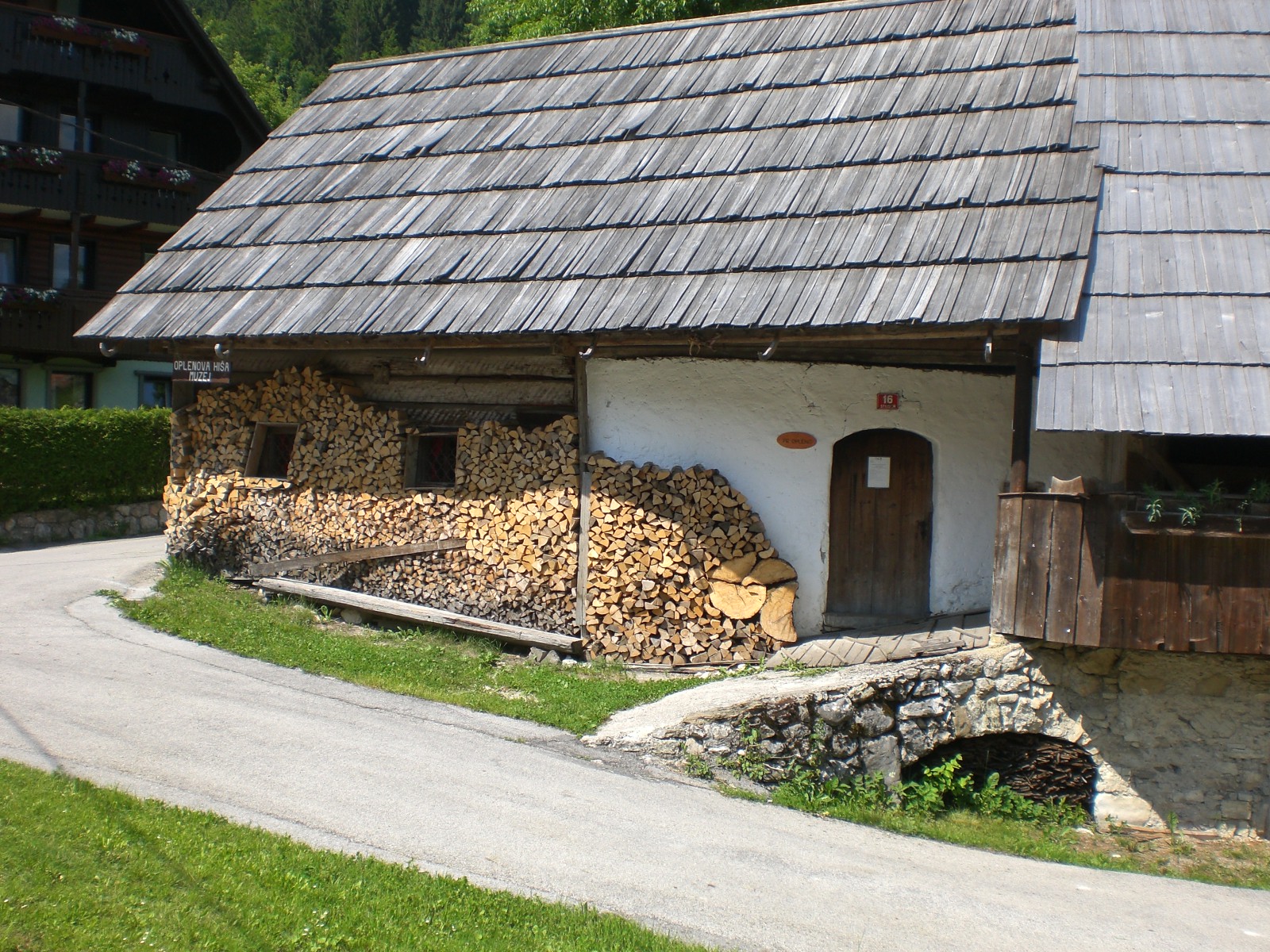
and also the Oplen House Museum (Oplenova hiša) which represents a typical 19th century home where various crafts were carried out and includes a black kitchen – http://www.slovenia.info/en/muzej/Studor-in-Bohinj,-Oplen-House-.htm?muzej=914&lng=2

CIMG8796

Meanwhile, in Radovljica, it is noticeable how rain actually attracts visitors to the area. On rainy summer days, the old town centre is often at its liveliest as people flood here from Bled, and the surrounding areas, seeking things to do on a rainy day. Popular attractions include:

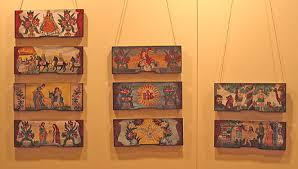
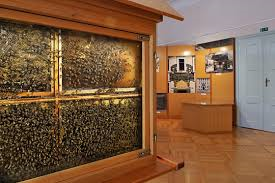
The Museum of Apiculture, housed in the Radovljica Mansion, where you can learn all about the history and importance of beekeeping in Slovenia and see the collection of painted beehive panels, each one tells its own story, including the oldest one in the world.

cebelarski muzej        ceb muz

The Gingerbread Workshop at Lectar Inn, where you can see gingerbread hearts being made and decorated, pick up some souvenirs and/or enjoy a delicious meal in the restaurant.

CIMG7939

There’s also the Šivec House Gallery, St. Peter’s Church and, a little further afield, the iron-forging village of Kropa, the village of Kamna Gorica with its many bridges and streams, the ruins of Kamen Castle and the home of Avsenik music in Begunje, and the Vila Rustica archeological site and Village Museum in Mošnje.

All of the above mentioned are also accessible on the Hop-On Hop Off Tourist Bus which runs on Tuesdays and Thursdays throughout the summer – http://www.radolca.si/en/hop-on-hop-off-radolca/

Of course, on rainy days food and drink is usually top of most people’s list and Radovljica doesn’t disappoint on this score either with a plethora of cafes, and tasty homemade food at the Taste Radol’ca restaurants including Kunstelj Inn, Lectar Inn, Joštov hram, Vila Podvin. More information can be found here or click on the Taste Radol’ca heading at the top of this page – http://www.radolca.si/en/taste-radolca/

© AdeleinSlovenia 2015

Highland Hiking and Lakeside Chillin’ in Bohinj

Another fantastic week of high temperatures is behind us, though the rain on Saturday has now cooled things down quite significantly. Needless to say, I’ve been making the most of the fine weather with plenty of hiking and cycling trips.

The highlight of my week was a day spent in the Bohinj area, which never fails to impress. Here I will share the details to hopefully provide some ideas and inspiration and, just a reminder, that at weekends you can also travel to Bohinj on the Hop-On Hop-Off Tourist bus which costs just 5 euros per person for the whole day. More information here – http://www.radolca.si/en/hop-on-hop-off-radolca/

My day began with a 7am departure from Radovljica – in order to beat the traffic, the heat, and find a parking space – arriving in the village of Stara Fužina at 7.45 from where I began my hike. From there, less than an hour’s hike leads to a wonderful viewpoint overlooking the lake, the Julian Alps and the Vogel ski centre. This can be a destination in itself, as the views are more than just reward for the effort. For an added reward, just a further 5 minutes from the viewpoint, you can enjoy some mountain refreshment at the Vogar mountain hut (Koča na Vogarju) – 1054m.

CIMG9013        CIMG9015

I resisted the temptation and continued to Planina pri jezeru – 1453m (literally – highland by the lake), from where there are paths branching off in various directions. From here, it is just a further 2.5 hours (approx.) on foot to reach one of the most popular hiking destinations in the Julian Alps, the 7 Triglav Lakes Valley. However, I instead turned left to reach Planina Viševnik, then Vodićni vrh – 1486m, before descending back to the road which, eventually, returns to just near the Vogar hut and then back to Stara Fužina.

CIMG9024        CIMG9026

Those who would rather hike less but still reach the highlands and get some great views, can drive up to Planina Blato on the toll road (10 euros) – 1147m, from where the are numerous onward options on foot.

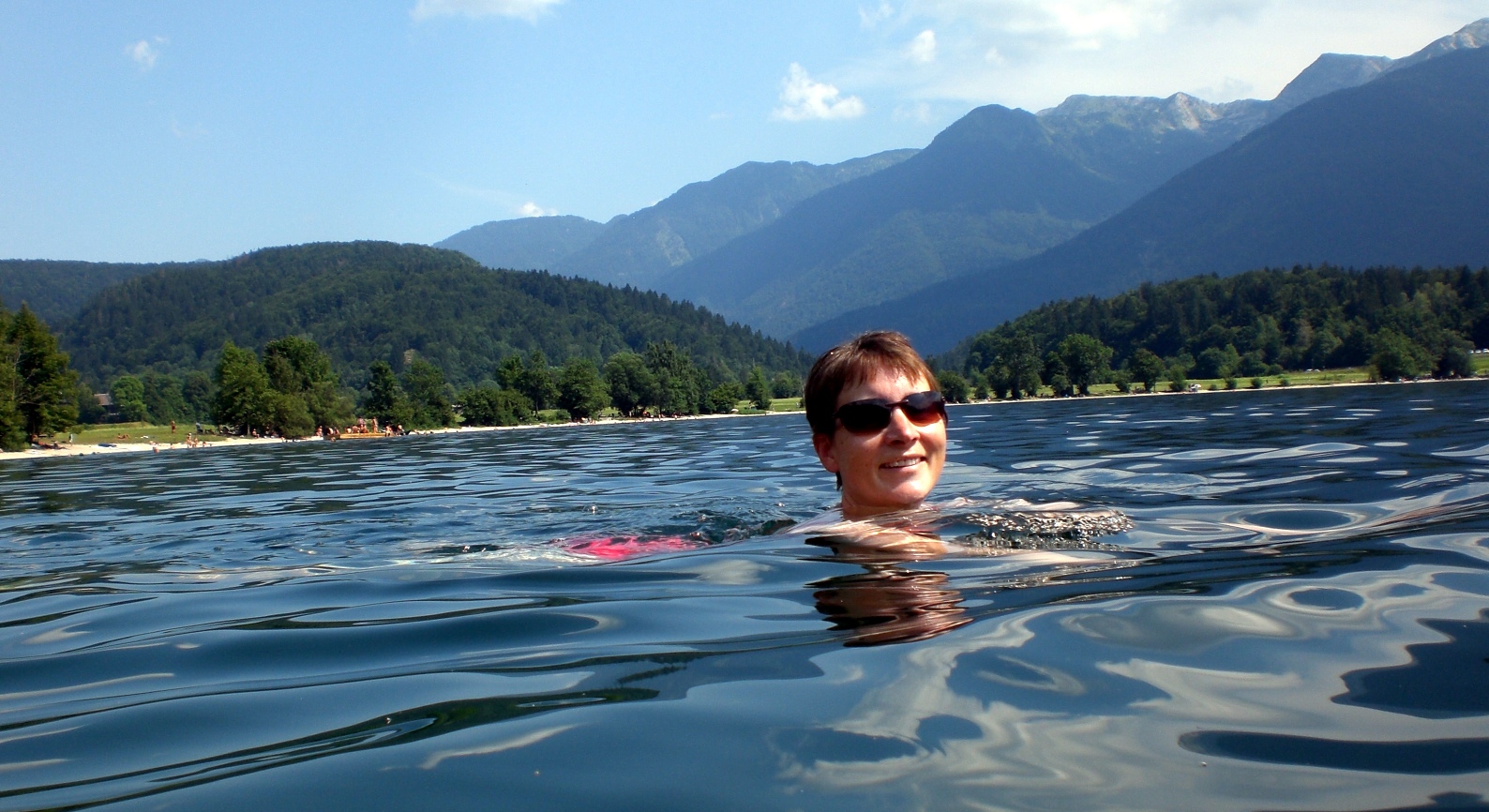
Now, I must admit that I’m a self-confessed wimp when it comes to cold water and, until last week, I had always declared any water I had dipped my big toe into as ‘too cold’. But last week, finally, after five-and-a-half hours of hiking, the cool water of Bohinj lake was calling my name. With the temperatures being so high for so long, the water in the lake was actually warm enough – even for me – and dare I say I actually enjoyed it!

CIMG9027

If you’re looking for something to do this coming weekend on Sunday 2nd August it’s the annual Medieval Day in Linhart Square in Radovljica’s old town centre. It’s always a firm date in my diary and there’s something for all the family including market stalls selling local handicrafts and food, medieval dances, street performances and archery. More information here – http://www.radolca.si/en/what-to-do/events-1/medieval-day-in-linhart-square/83/310/

© AdeleinSlovenia 2015

Easter Snow, Easter Food, and Chocolates Galore at Coko-Hram!

We may not have had a White Christmas, although the first snow of the year arrived on Boxing Day, however, this Easter was marked by abnormally cold and wintery temperatures. In fact, this past few days we’ve really had it all weather-wise; on Friday I was sitting outside a café in the sun drinking tea; on Saturday I was walking in the rain with my umbrella; on Sunday I was gazing out of the window at falling snowflakes and now, as I sit writing this on Monday, there’s another flurry of snow, well almost a blizzard actually combined with gusting winds. Winter certainly had the final say this Easter!

I read an interesting comparison yesterday of the temperature recorded at Kredarica, the mountain hut beneath Slovenia’s highest mountain, Triglav (2864m), where, on Christmas Day the temperature was +2.9 degrees, whilst on Easter Sunday it was MINUS 12, brrr…….. Thus, any plans for long hikes this weekend were scuppered and therefore my next love – food – was high on the agenda instead!

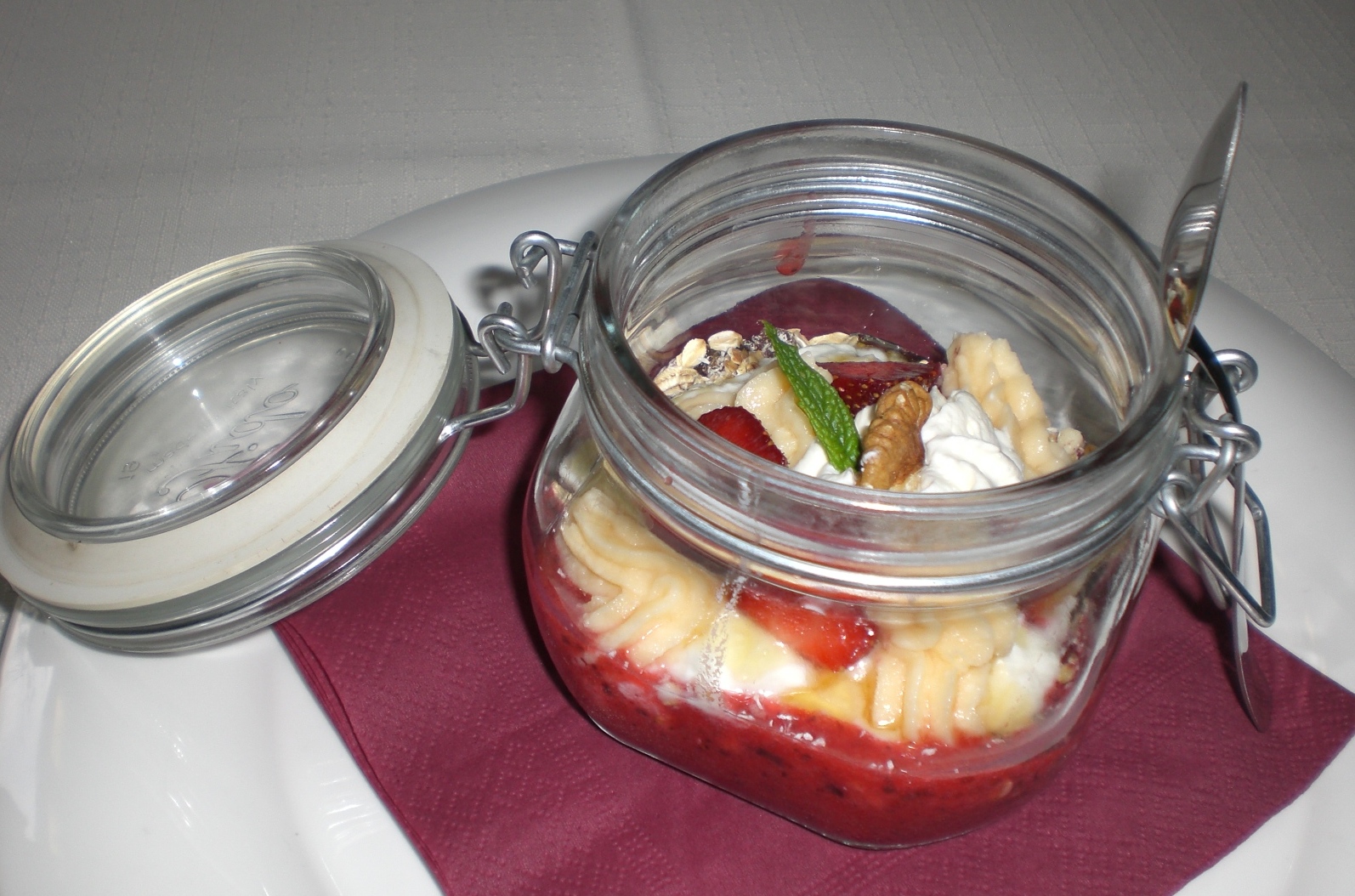
Food is a big deal in Slovenia at Easter. The most common tradition is for a family breakfast on Easter Sunday, consisting of baked ham with fresh horseradish, pirhi (coloured hard-boiled eggs) and, of course, potica (a rolled filled cake). As I have been asked to write as a guest on an American food blog – what an honour – this year I decided to do some Easter baking of my own and am rather proud of my first attempts at ‘šunka v testu’ – ham baked in a bread crust. Here is a sneek peek photo of my Easter table and I will post the link to the full blog when it is published.
CIMG8479

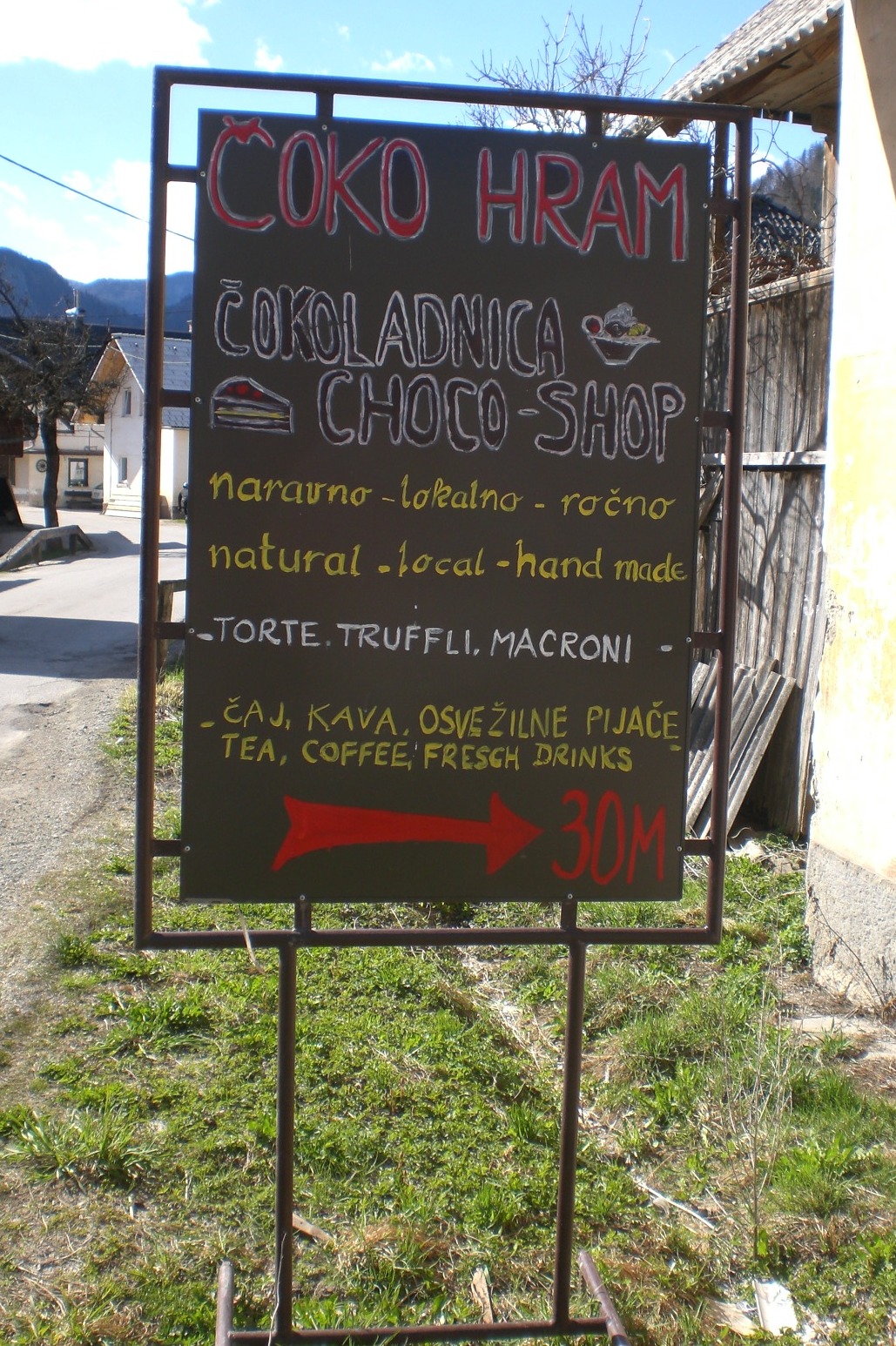
I already knew that April was going to be an indulgent month, and a heavenly one for a chocoholic like me – what with Easter and the Radovljica Chocolate Festival (see below for more details) both on the agenda. However, it just got even better when, on Friday, I discovered the cutest little café where they produce and sell the most amazing cakes and chocolates. Truly chocolate heaven for me! The place in question is Čoko-Hram in the tiny village of Bohinjska Češnjica near Bohinj lake. Blink and you could miss this place which, from the outside, belies what lies within. It is set just next to the road but a lack of good signage (new signs are being prepared!) means one could easily drive past, as I have done many-a-time, without giving it so much as a second look. But to do so is a crime – seriously – believe me!

CIMG8449          CIMG8434

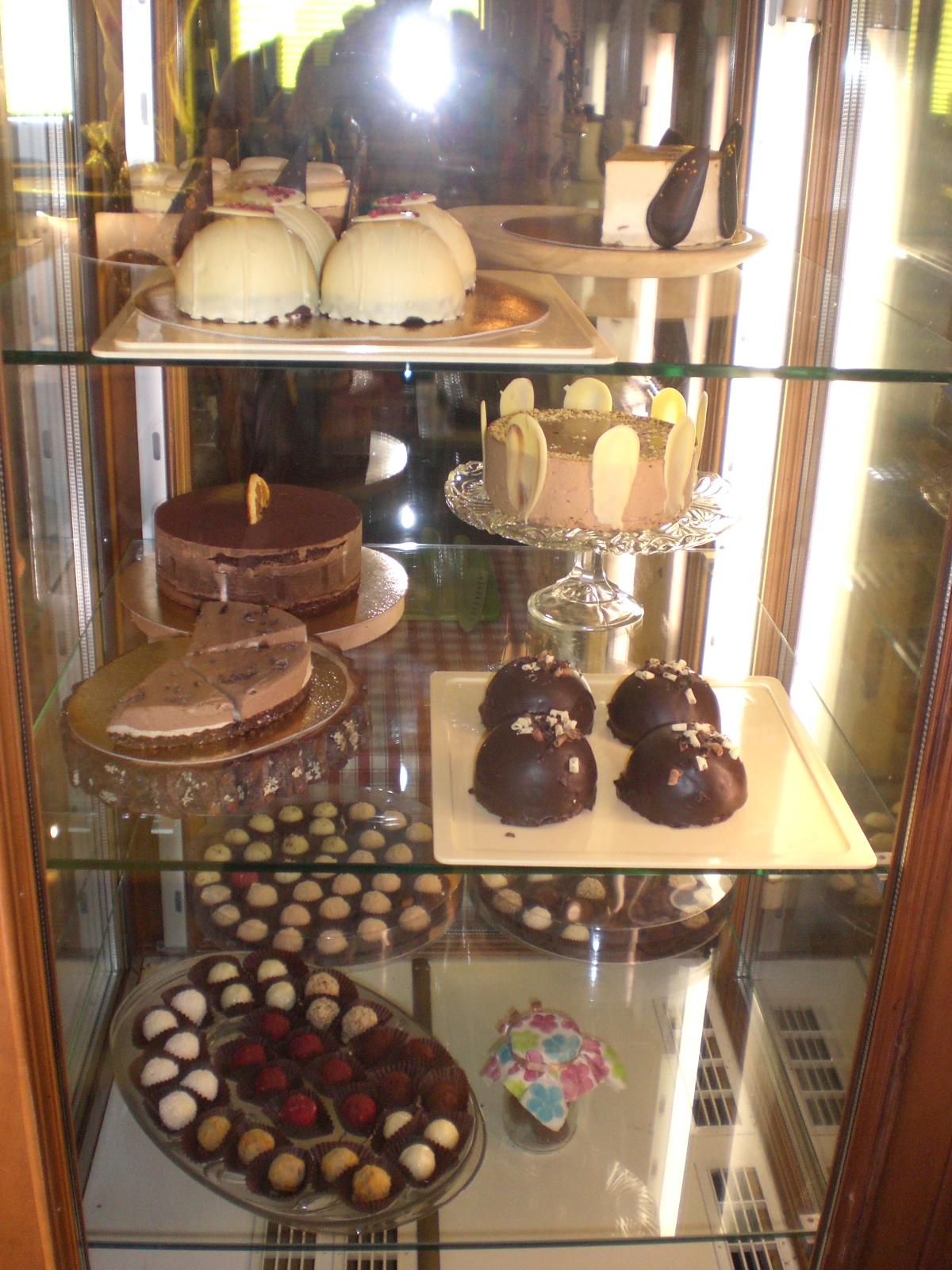
Once I stepped inside I was immediately charmed by the cute little chairs, tables, chalkboard drinks menus, and other homely touches; not to mention the glass chiller cabinet bursting full of delicious cakes and truffles, and the corner where home-produced chocolate, of all flavours, shapes and sizes, is displayed and for sale. So, as you can imagine, I had some serious tasting to do!

CIMG8435          CIMG8436

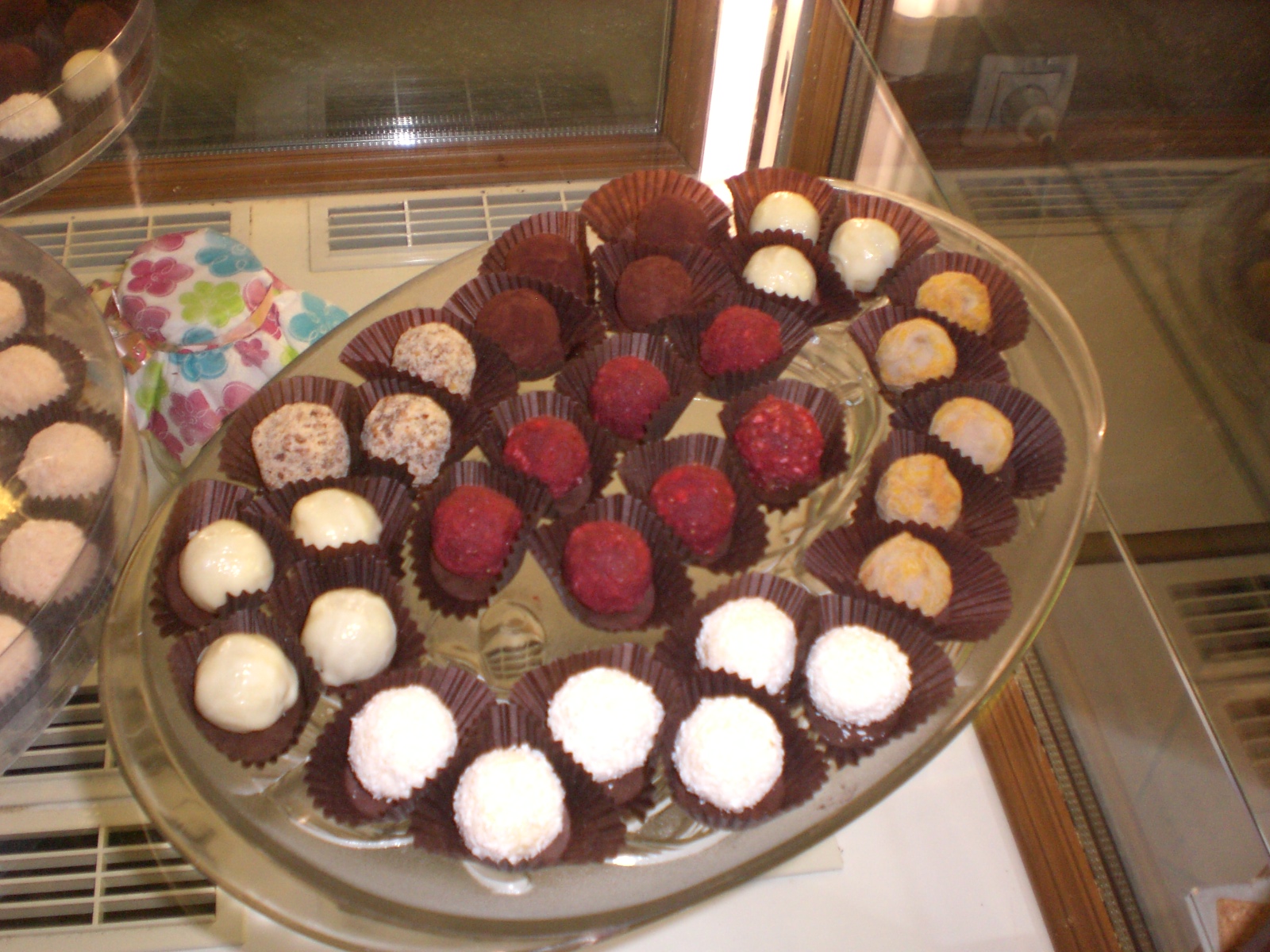
Now, I love strong cheese; stilton, extra-mature cheddar – the stronger the better – but I have always turned my nose up at Mohant, a local cheese from the Bohinj area which has an extremely pungent aroma. So, when I was offered a taster of a truffle filled with mohant, I wasn’t overly enthusiastic at the prospect, but I tell you, it works! The combination of the sweet white chocolate and the creamy mohant truffle centre is genius – although I can imagine it might be a bit ‘Marmite’ for some people i.e. you either love it or hate it! Another such daring flavour combinations is dark chocolate with zaseka (smoked minced lard no less!), and others flavours and centres including tarragon, yoghurt, raspberry, honey-lemon-ginger, and many more. And then there were the cakes – oh the cakes! Where should I start? Perhaps it would be easiest to say, don’t just take my word for it, go and try them for yourself!

CIMG8448          CIMG8431

Čoko Hram is owned and run by the same family who own the four-star Hotel Kristal in Ribčev Laz, just metres from Lake Bohinj. This is, in fact, how I came to visit Čoko Hram, rather than driving past as I would usually have done, since the chocolates are also on sale in the hotel, which I had visited as I had heard great things about their centre for Ayurveda massage and medicine – Calendula Ayurvedic & Medicinal Clinic – and wanted to see it and try it out for myself. I emerged 90 minutes later and, thanks to the healing hands of the Nepalese masseur, blissfully chilled-out and ready for anything- well almost anything! More about the clinic and hotel, which also features a rich collection of paintings from the annual artist colonies held there, can be found here – http://www.hotel-kristal-slovenia.com/index.php

Tourism Rado’l’ca are slowly tempting us details of the programme for this year’s Chocolate Festival which takes place 17-19th April. The full programme will be made available in the next few days on the festival website (I should know – I’m translating it!) and features such events such as:

  • Mini Planica – Jumping in Chocolate with Franci Petek
  • Culinary Shows by Taste Radol’ca restaurants and 3 of Slovenia’s top chefs
  • Chocolate Fortune Telling
  • Chocolate Adventure through Radovljica

….and much more – http://www.festival-cokolade.si

I have a feeling I will be writing a lot more about chocolate in the coming weeks! Hopefully, though, I’ll be offsetting all the indulgence with some hiking too, well if the weather plays ball that is!

© AdeleinSlovenia 2015