A One-Stop Buzzing(!) Centre in Lesce

I don’t know about you but I find February a rather depressing month.

One the one hand, the days are getting longer and spring flowers have already begun to spring, but on the other, it’s still winter, and I tend to find myself asking where my mojo has gone and how to find it again.

So, this February I decided it was about time I did something positive in terms of seeking my mojo and thus devised a three-pronged strategy:

  1. I needed a massage.
  2. I needed some ‘me time’.
  3. I needed to do the above with as little effort as possible!

So, when pondering where to go and what to do, I remembered that on a recent visit to the Gorenjska Beekeeping Education Centre in Lesce, I noticed that, in addition to all the beekeeping-related activities there, massages are also available.

So, an idea sprang to mind for a few hours of ‘me’ time, which would only involve a ten-minute walk from home, i.e. little, or no, effort on my part.

The plan was to starting with a massage, then have a relaxing drink in the onsite BeeJoy caffee (sic), followed by a bit of retail therapy(!) in the Babka beekeeping shop. That should do the trick!

The Centre is a ‘hive’ of activity, for both beekeepers and other visitors.
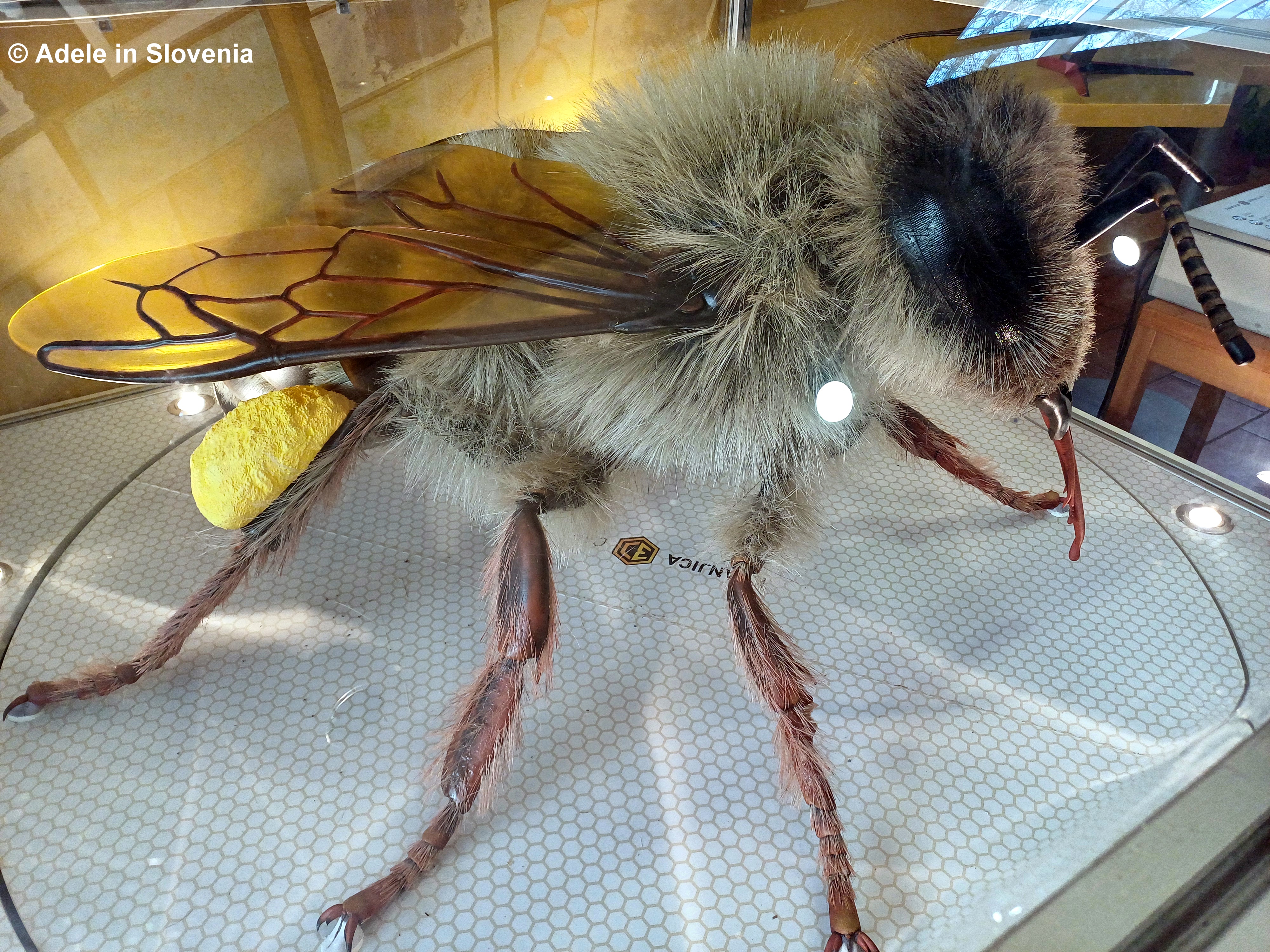
I headed straight downstairs for a massage, which I had been soooo looking forward to, and wasn’t disappointed. Denis adopts a holistic approach, whereby he doesn’t just try to solve the problem of various aches and pains (of which I have many!), but also find their source.
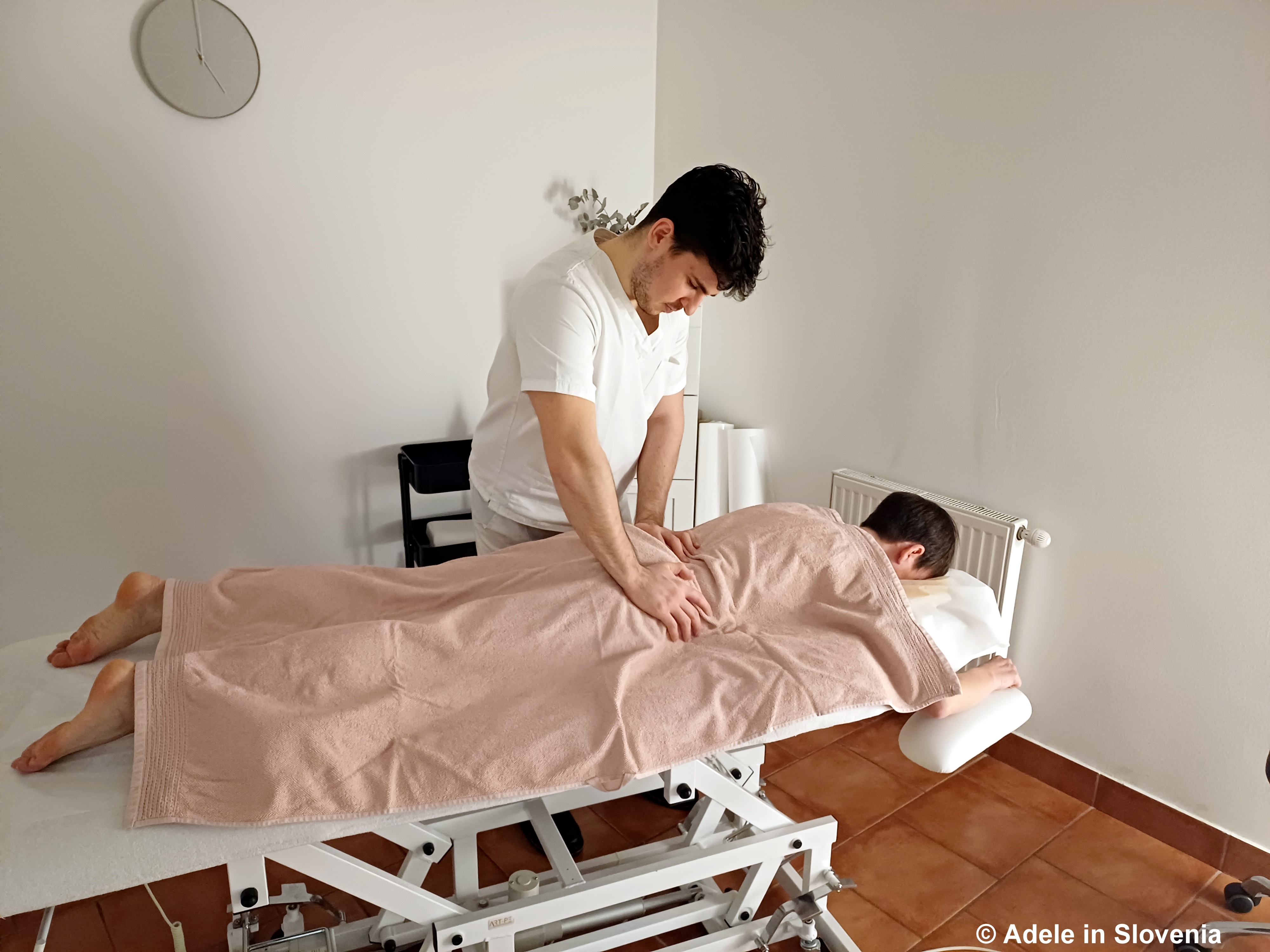
After a massage, I headed upstairs towards the cafe. On the stairwell there is a wood carving of St. Ambrose, the patron saint of bees, beekeepers and candlemakers. The carving was done by Radovljica’s mayor, Ciril Globočnik.

In summer, customers can sit outside and watch the busy bees coming and going from the traditional Slovenian apiary in the garden of the Beekeeping Centre.

Obviously, with it being winter, I didn’t sit outside and preferred instead to admire the view from afar!

No photo description available.

Relaxed and quenched, I ended my visit to the Centre with a visit to the Babka beekeeping shop, where beekeepers and the public alike can find everything they could possibly need, from a myriad of types and flavours of honey, which you can try before you buy…

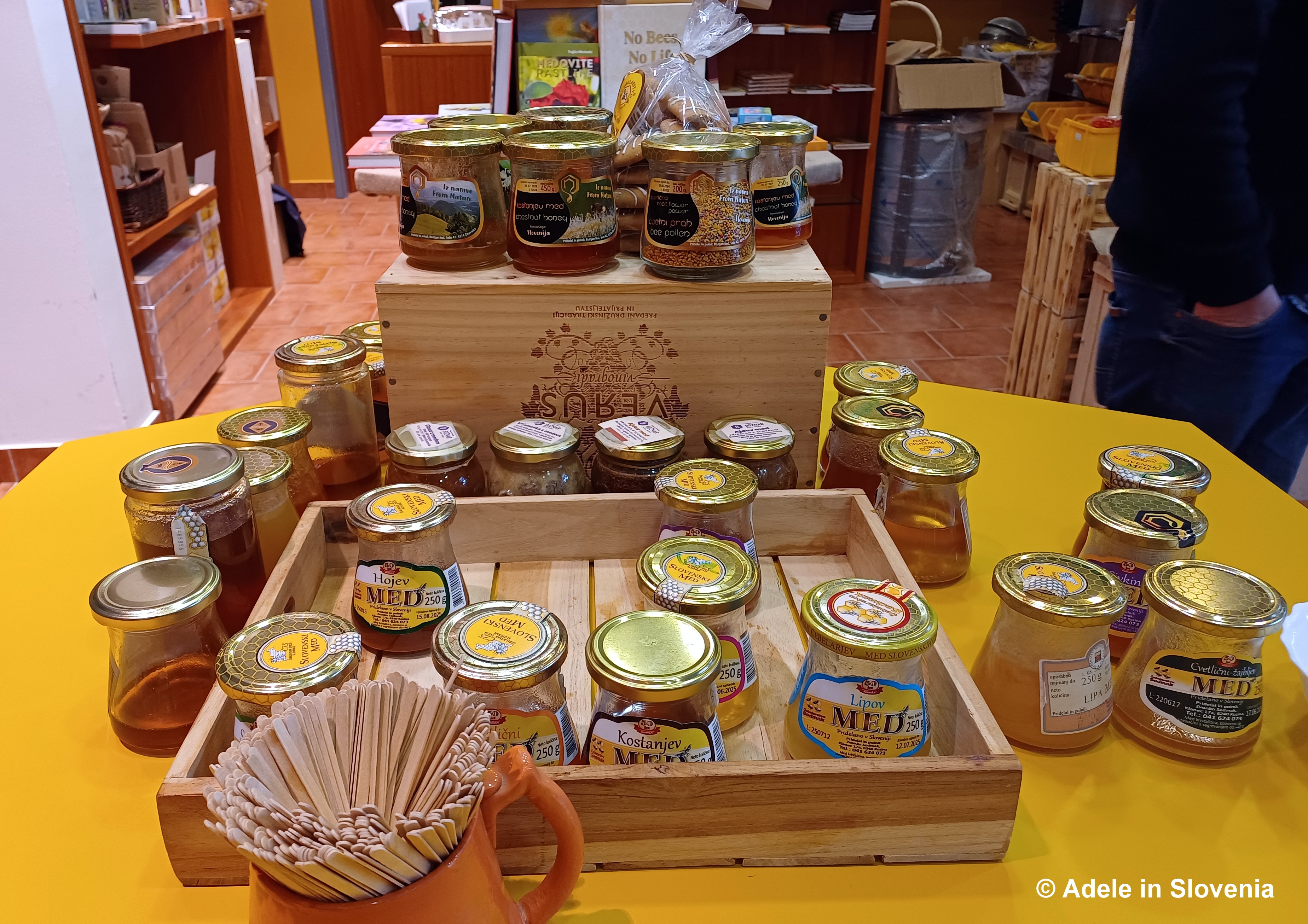
… to beekeeping equipment, clothing, books and more.

From May to September, guided tours of the Centre are available, which include honey tasting.

For more information, and to discover all the other ‘buzzing’ activities in Radovljica, including the Museum of Apiculture, and the ‘Follow a Bee Through Radovljica’ family beekeeping adventure, contact the Radovljica Tourist Information Centre.

Here’s hoping that by next month, when I write my next blog, spring will be well and truly here. Until then…

© Adele in Slovenia
 

Create and Meet in Radol’ca

It’s been 17 years now since I moved from the UK to Slovenia, and soon after moving here I quickly realised that the key to life and work in Radol’ca (the brand name for the main town of Radovljica and all the surrounding towns and villages) is collaboration among locals.

It is such collaboration that has resulted in a new range of experiences in and around the municipality, which offer visitors (both domestic and foreign) the chance to enjoy unique insights into the area’s traditions, cuisine and life – past and present.

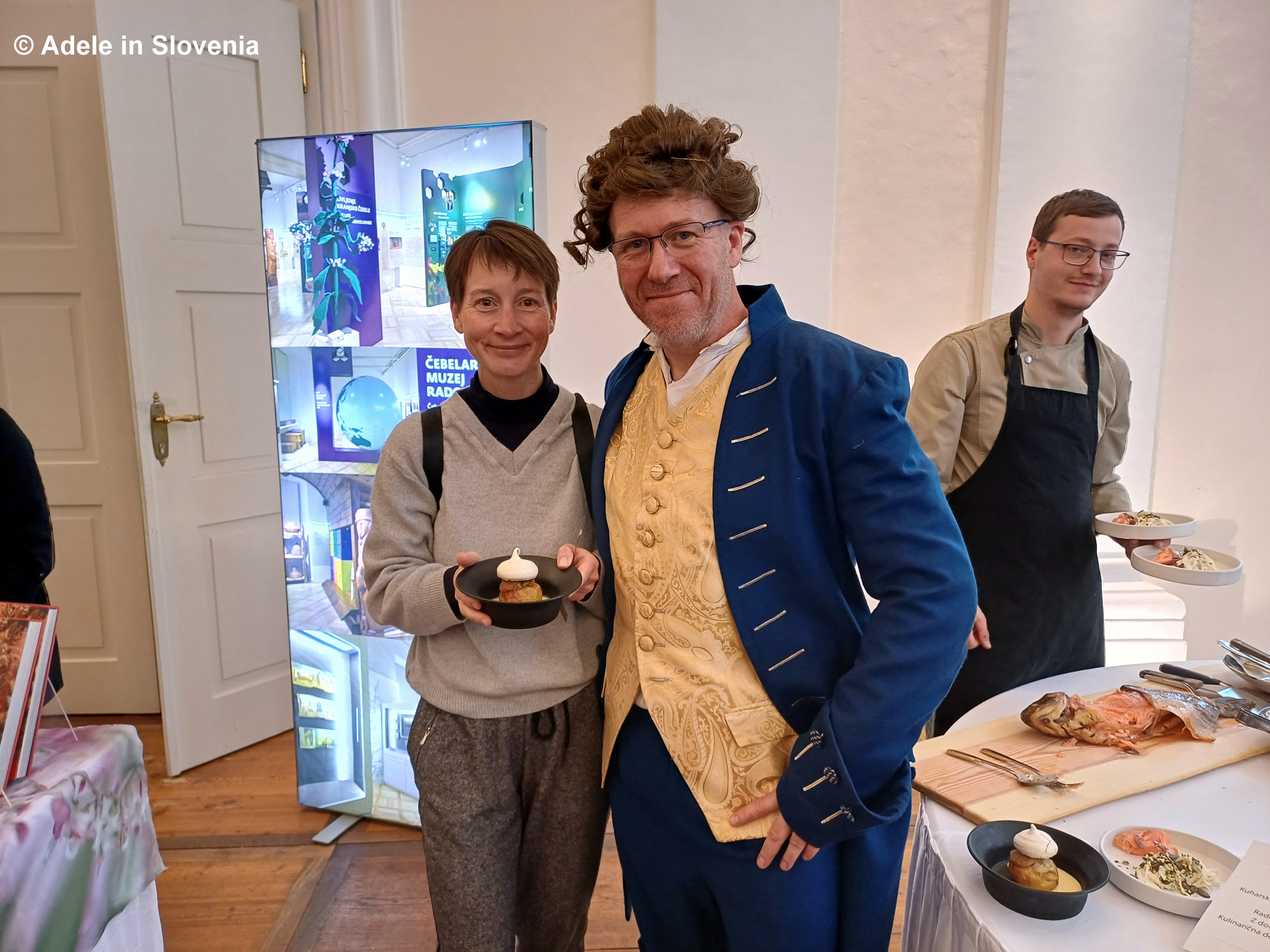
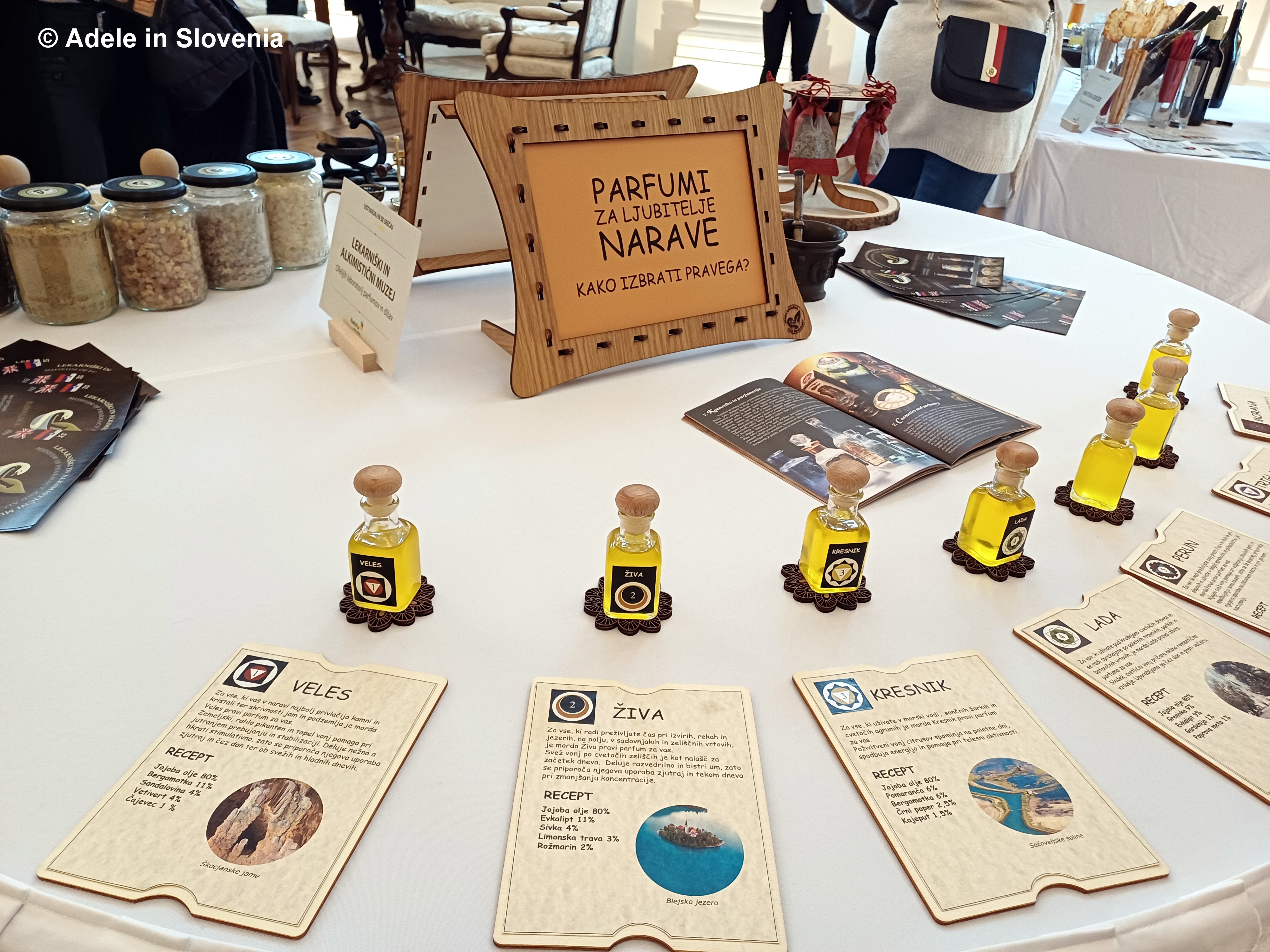
Earlier today I was fortunate to attend an event in the magnificent Radovljica Manor, at which we had a chance to find out more about the new experiences that can be arranged for groups (ranging from a minimum of 4 up to groups of 20+) and meet those involved in offering various workshops and other activities, such as:

Herbal workshops organised by the Radovljica Pharmacy and Alchemy Museum.

Painting workshops with the academic painter and Radovljica resident Meta Šolar.

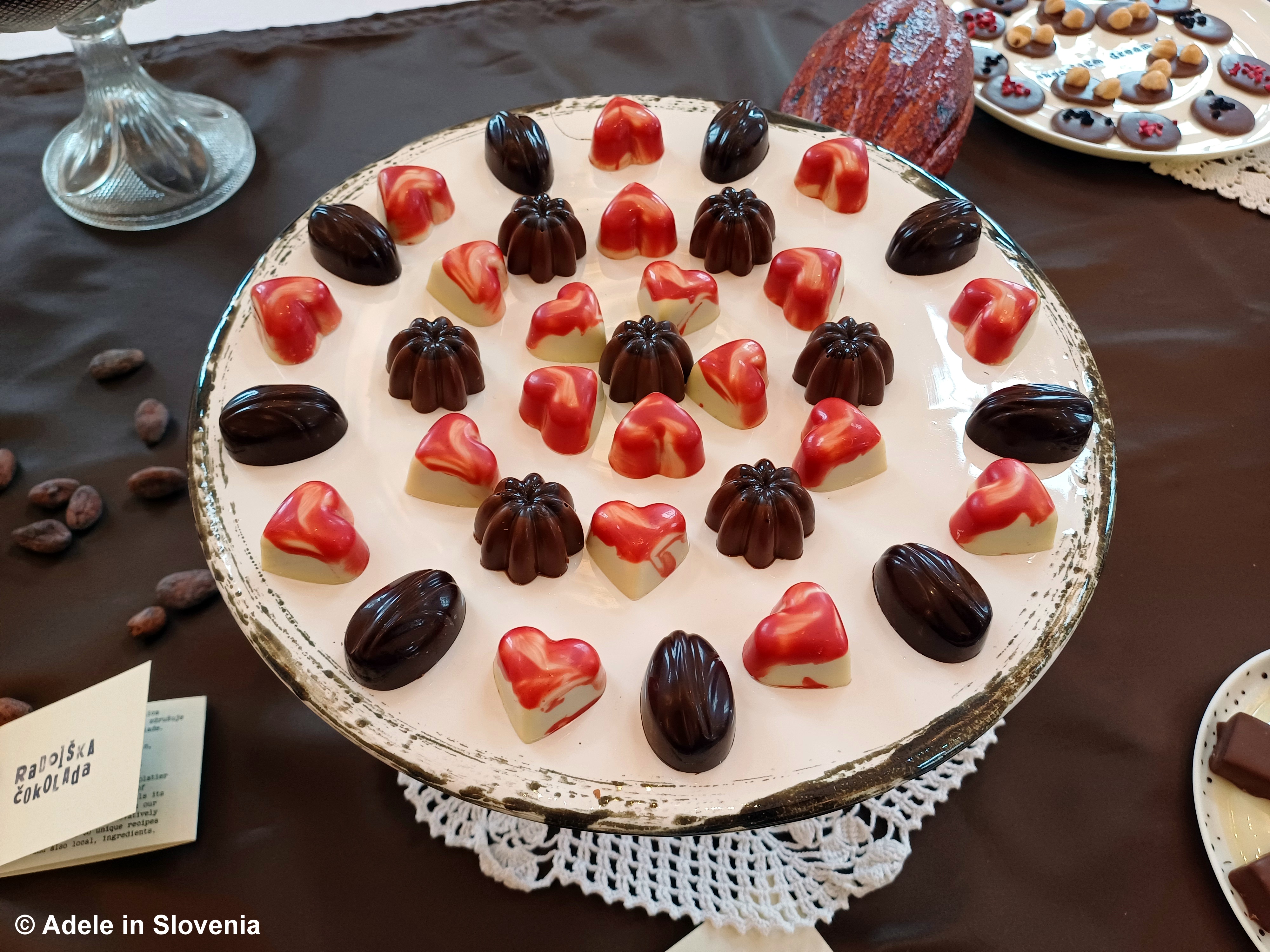
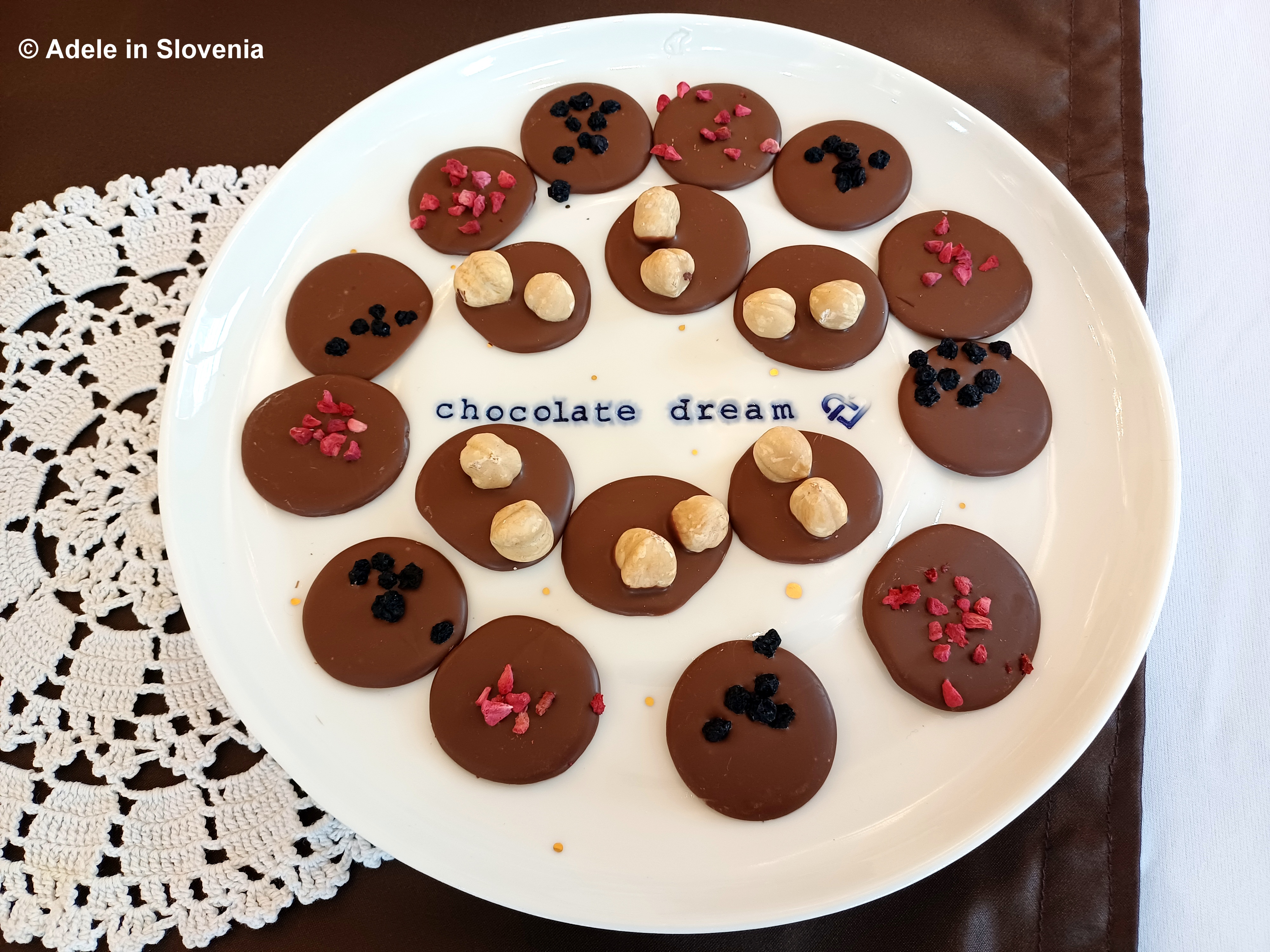
Chocolate tastings and workshops at the Radolška čokolada chocolatier.

Cookery workshops at Hiša Linhart in Linhart Square

…with food cooked by the Michelin-starred chef Uroš Štefelin and his team of chefs.

Thanks, Uroš, for making something gluten-free, so I could try it too!

Tasting of Slovenian Wines at the Sodček wine bar, located at the entrance to the old town centre.

No photo description available.

A Town of Chocolate, run by the Radovljica Tourist Board, in cooperation with the Radolška cokolada chocolatier.

Painting beehive frontal panels or making nesting boxes for bees at the Museum of Apiculture.

Decorate a Lectar honeybread heart at Gostilna Lectar.

These are just some of the ways you can experience the ‘real’ Radol’ca. More information about the above and more can be found here.

© Adele in Slovenia


Slovenian Culture – Radol’ca-style!

Slovenia takes its culture seriously, and this is most visible every year on 8th February when the country celebrates Prešeren Day – a national cultural holiday – dedicated to its most treasured poet, France Prešeren.

Various events take place throughout the country, the largest of which are in Kranj and Vrba. The former is nowadays known as Prešeren’s Town, while the latter was his birthplace.

In Vrba, which is in close proximity to Radovljica, every year on 8th February people flock from around the country to take part in a 10-kilometre walk along the Žirovnica Cultural Heritage Trail. The trail begins at Prešeren’s birth house

May be an image of 6 people and text

…then continues via fields and country paths to the birth houses of Žirovnica’s other famous men as well as Anton Janša’s apiary.

The Prešernov smenj fair in Kranj also attracts huge crowds. The event is dedicated to all-things from Prešeren’s time; music, dance, clothing, food …

May be an illustration of 9 people

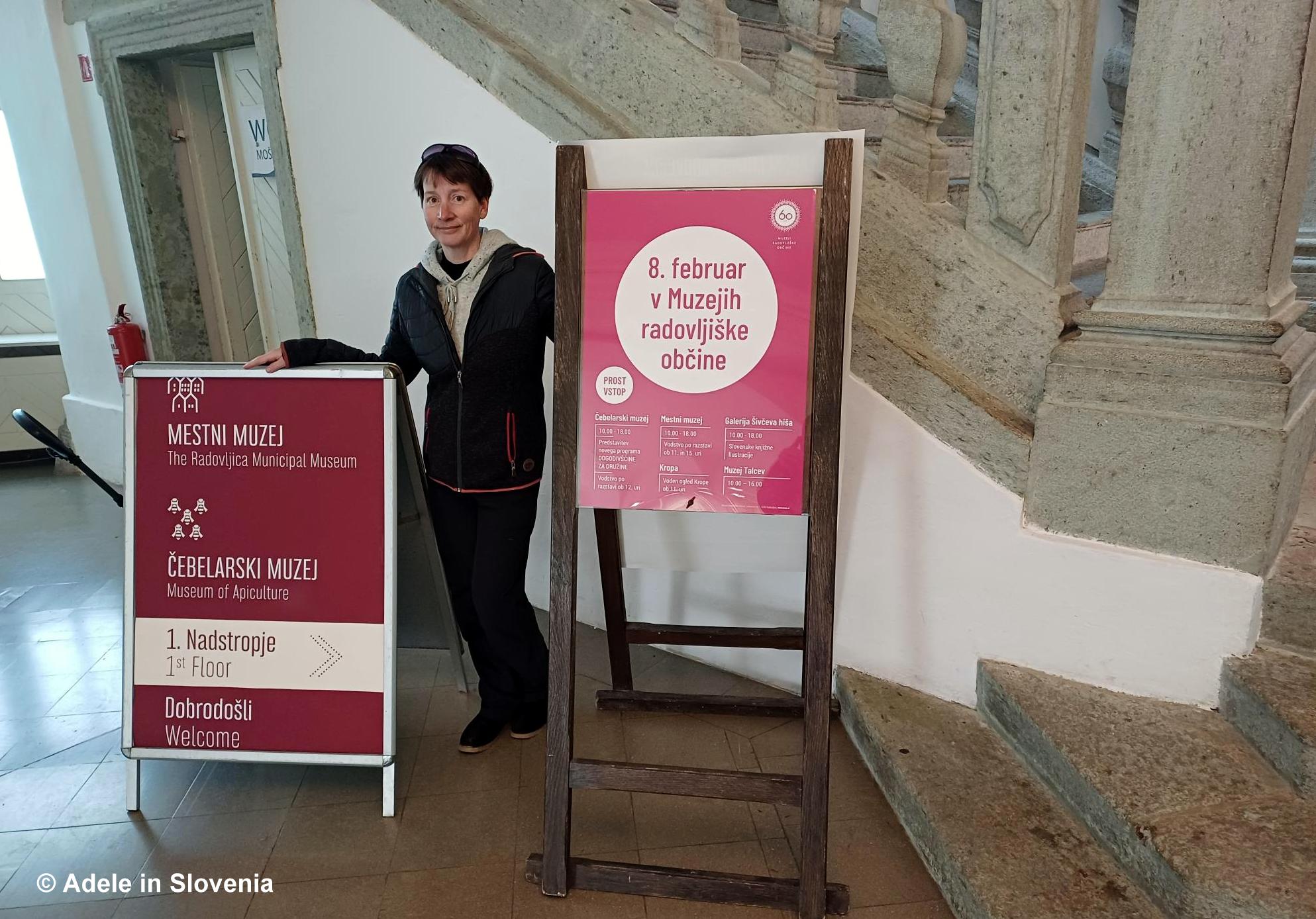
Throughout the country all museums offer free admission on 8th February to enable everyone to be part of Prešeren Day.

The Radol’ca area has more than its fair share of museums; 12 to be precise (excluding galleries):

Museum of Apiculture, Radovljica

Municipal Museum, Radovljica

Pharmacy and Alchemy Museum, Radovljica

Lectar Workshop and Museum, Radovljica

Iron Forging Museum, Kropa

Fovsaritnica Museum House, Kropa

Sextons’ Museum House, Kamna Gorica

Museum of Hostages, Begunje na Gorenjskem

Elan Alpine Ski Museum, Begunje na Gorenjskem

Avsenik Museum, Begunje na Gorenjskem

Ethnological Museum, Mošnje

Nativity Museum, Brezje

While deciding what to do this year on 8th February, I realised that I had been to all the above museums, except one – the Municipal Museum. So, it was time to tick that one off the list too!

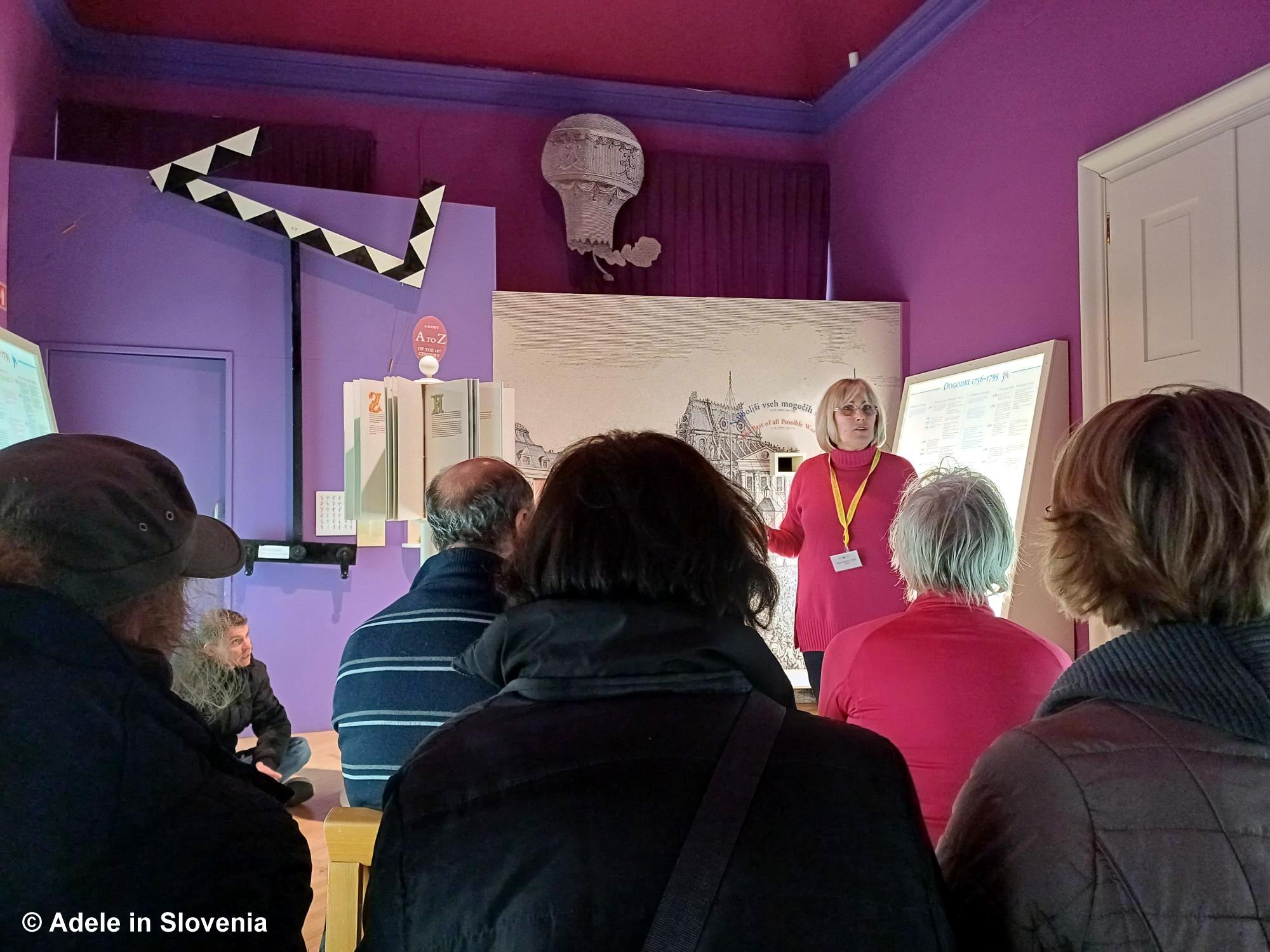
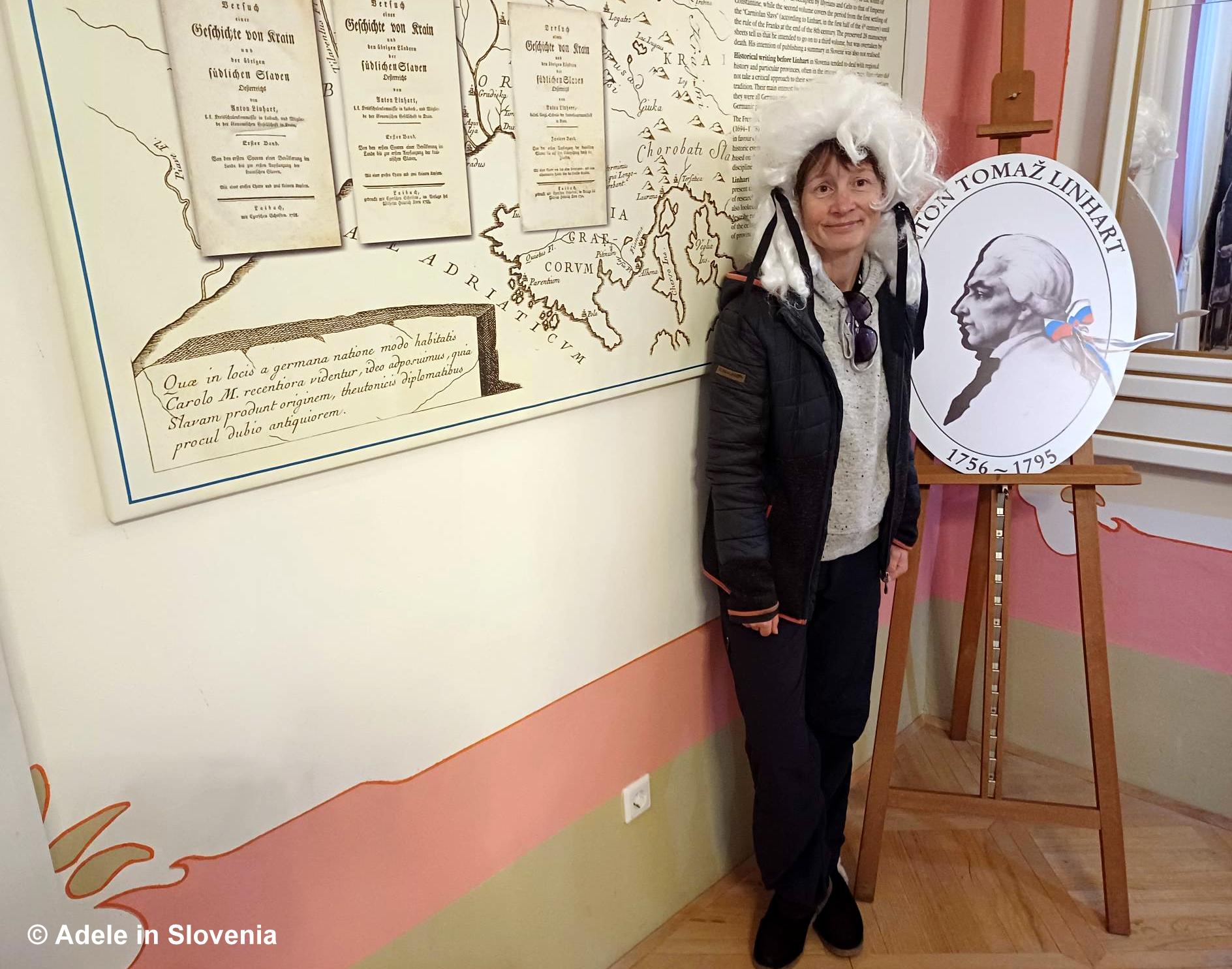
The museum is dedicated to Radovljica’s most well known (former) resident – Anton Tomaž Linhart: The 18th century was a time of great change in Europe. One of the central characters in the then Carniola was Anton Tomaž Linhart from Radovljica, the father of Slovenian theatre and scientific historiography.

The museum is located on the first floor of the magnificent Radovljica Manor.

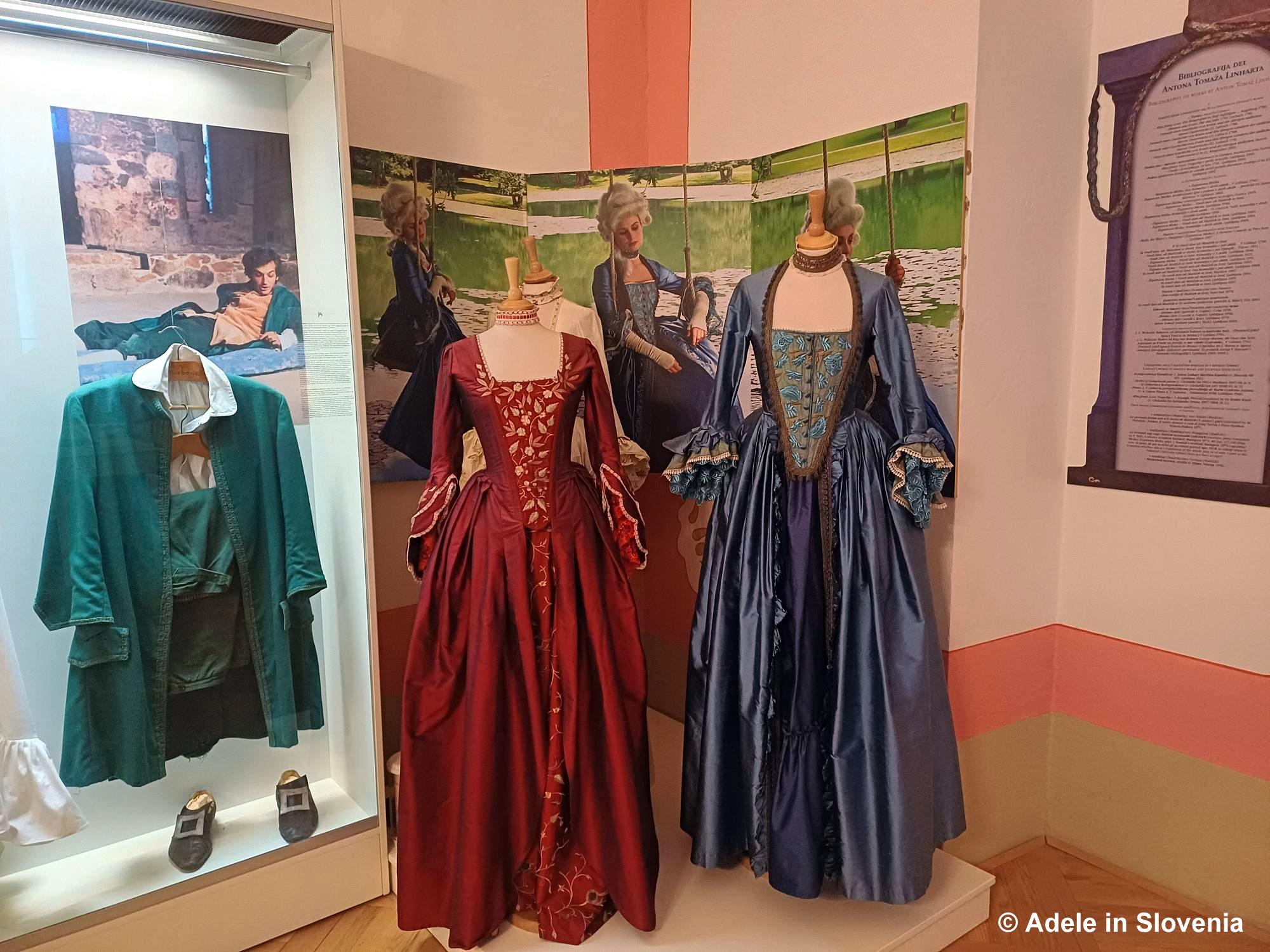
If I’m honest, it had probably never occurred to me to visit the museum as I thought that since it’s all dedicated to one person, there is only so much you can hear and see about that person. But, I stand corrected! Though the content is indeed dedicated to Anton Tomaž Linhart, it is also an opportunity to find out about life, clothing and customs in the eighteenth century.

And to have a bit of fun dressing up too!

Upon prior arrangement, guided tours are available in Slovene, German and English.

Our national day of culture may be over for this year, but there are hundreds of (other) museums throughout Slovenia to explore throughout the year.

© Adele in Slovenia


Slovenian Beekeeping Placed on the UNESCO Representative List of Intangible Cultural Heritage

First, the bad news… It has been wet and unseasonably cold for pretty much the whole of May so far, which is bad, or even catastrophic, news for Slovenia’s bees and beekeepers. The latter are keeping their fingers (and toes) crossed that conditions improve soon in order to salvage what they can from the grazing season.

Now, the good news. Slovenia’s application to be placed on the UNESCO Representative List of Intangible Cultural Heritage has been accepted, a process in which the Museum of Apiculture in Radovljica played a large part, together with the Slovenian Beekeepers’ Association and the Slovenian Ethnographic Museum. To mark World Earth Day, on 22nd April, Radovljica played host to a special event to mark Slovenia’s entry onto the aforementioned UNESCO List. Among those in the photo below are the mayor of Radovljica, the president of the Slovenian Beekeeping Association, the director of Radovljica Municipal Museums, Slovenia’s Minister for Culture, the president of the Radovljica Beekeeping Society, and, of course, our many beekeepers!

May be an image of 6 people

The following quote by Dr. Asta Vrečko, Slovenia’s Minister of Culture, sums up the significance of this achievement for Slovenian culture: “The inscription of beekeeping on the UNESCO List of Intangible Cultural Heritage is of exceptional significance for Slovenia and the world. At the time of climate change, bees and beekeeping must receive special attention, and traditional beekeeping, which is a way of life in harmony with nature, must be nurtured in particular. The beekeeping heritage has a long history that is intertwined with culture and amateur art. Today, urban apiaries also present an important segment of beekeeping.”

Beekeeping in Slovenia on the UNESCO Representative List of Intangible Cultural Heritage | GOV.SI

Here’s some fascinating Slovenian bee facts and figures I came across while reading the Sunday paper, which, by the way, is published on a Wednesday!

  • There are over 11,000 beekeepers in Slovenia
  • Slovenian beekeepers have over 200,000 bee families
  • There are 30 registered breeders of queen bees in Slovenia, who breed around 40,000 queens per year
  • There are 206 beekeeping societies in Slovenia

There are numerous ways you can get acquainted with Slovenia’s bees and beekeepers in the Radovljica area.

Undoubtedly, Erik Luznar is Radovljica’s star beekeeper, in more ways than one! Not only is he one of the few beekeepers here who does it for a living, but he is also now a star in India too, thanks to one of the country’s most popular vloggers, Dhruv Rathee, who visited Erik and his bees to find out more. Over 2 million people have watched it!

In addition to the aforementioned Museum of Apiculture, which is a ‘must see’ when visiting Radovljica…

… the area is also home to the Beekeeping Education Centre of Gorenjska in Lesce, where you can get up close to a traditional Slovenian apiary, and sit back and enjoy watching the bees going about their business while enjoying a hot or cold drink.

No photo description available.

This month, the Radovljica Beekeeping Society celebrated its 140th anniversary at the Centre.

And finally, don’t miss the family ‘Follow a Bee Through Radovljica‘ adventure, which is ideal for the entire family.

I hoped I’ve provided you with more than enough reasons, and inspiration, to make sure you do something bee-related on your visit to Slovenia, after all: No Bees, No Life!

© Adele in Slovenia


A New Old Walk in the Lipnica Valley

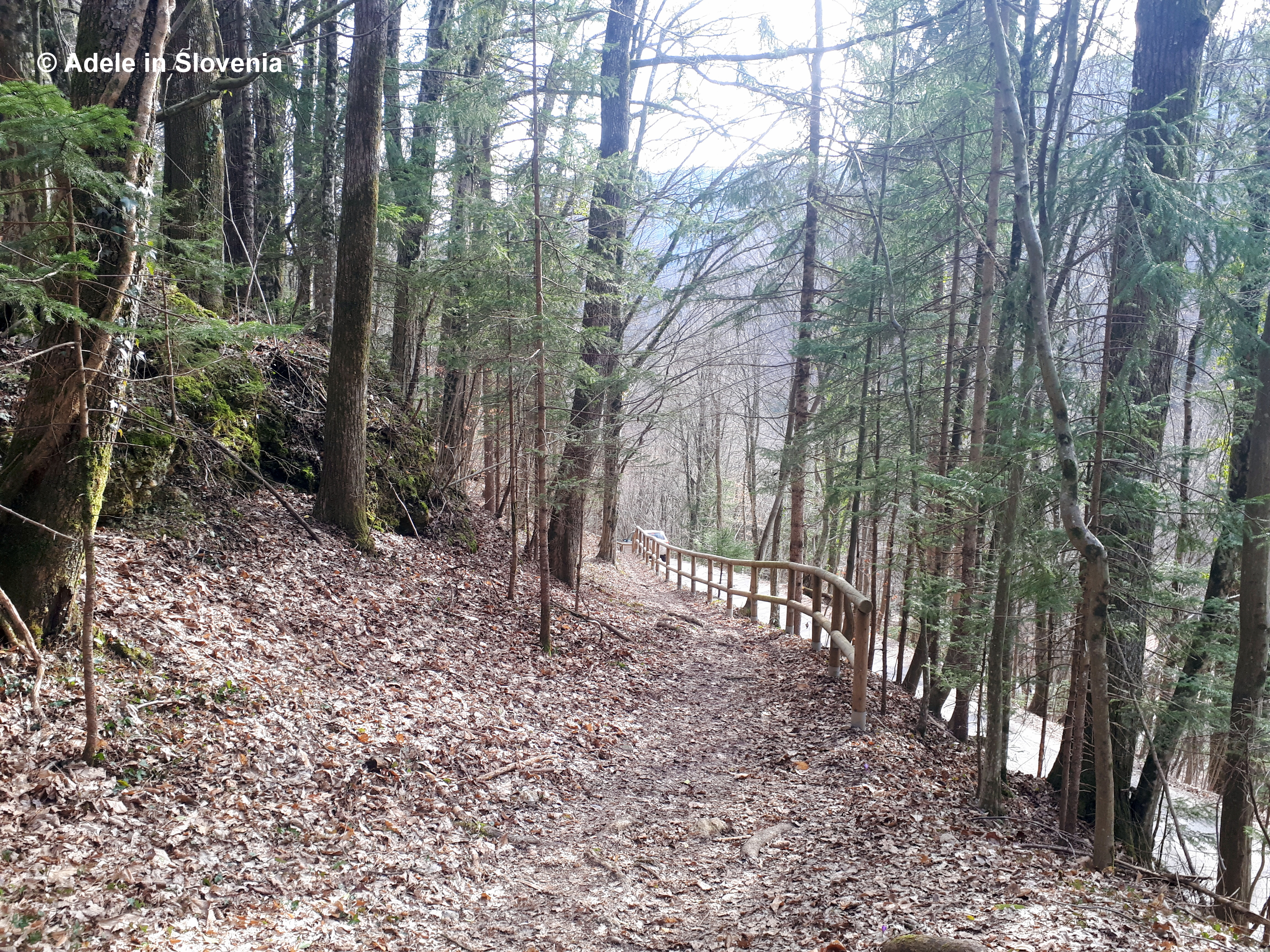
Until recently, Peter’s Trail in Kamna Gorica was only known to locals and had been somewhat retaken by nature. However, this short trail in the Lipnica valley has been reestablished, together with added footbridges, wooden railings and information boards (in English only).

The trail is a tribute to Peter Novak (1846-1910), a former Latin language lecturer at the University of Vienna, who was born in Kamna Gorica. Following his retirement, Peter returned to his native village, where he built and repaired many old paths in the vicinity of his birth village.

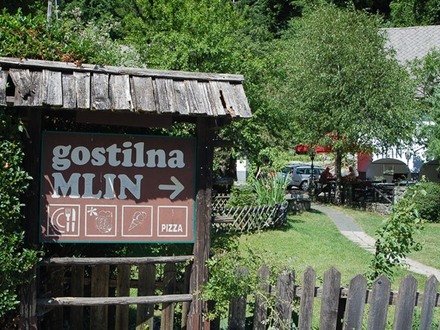
The trail begins at the Gostilna Mlin restaurant in Kamna Gorica, which at the time of writing is closed, where there is a small parking area in front of the sign for the restaurant, as seen below.

Gostilna Mlin, Julijske Alpe - Sloveniaholidays.com

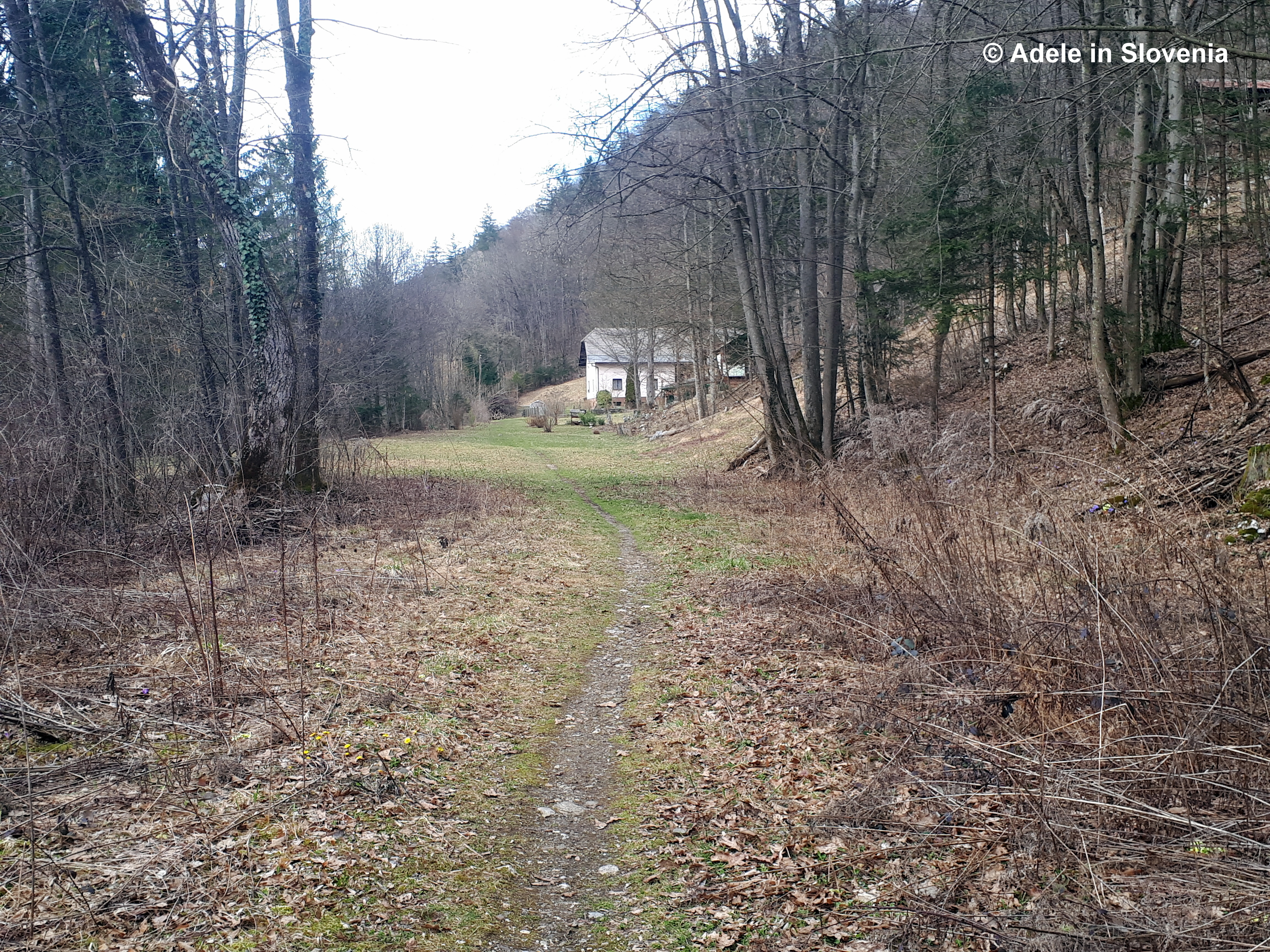
The first sign marking the trail is a little further ahead, so initially walk for around 150 metres across the grass away from the restaurant, ensuring the small brook is on your right, until you reach the first sign.

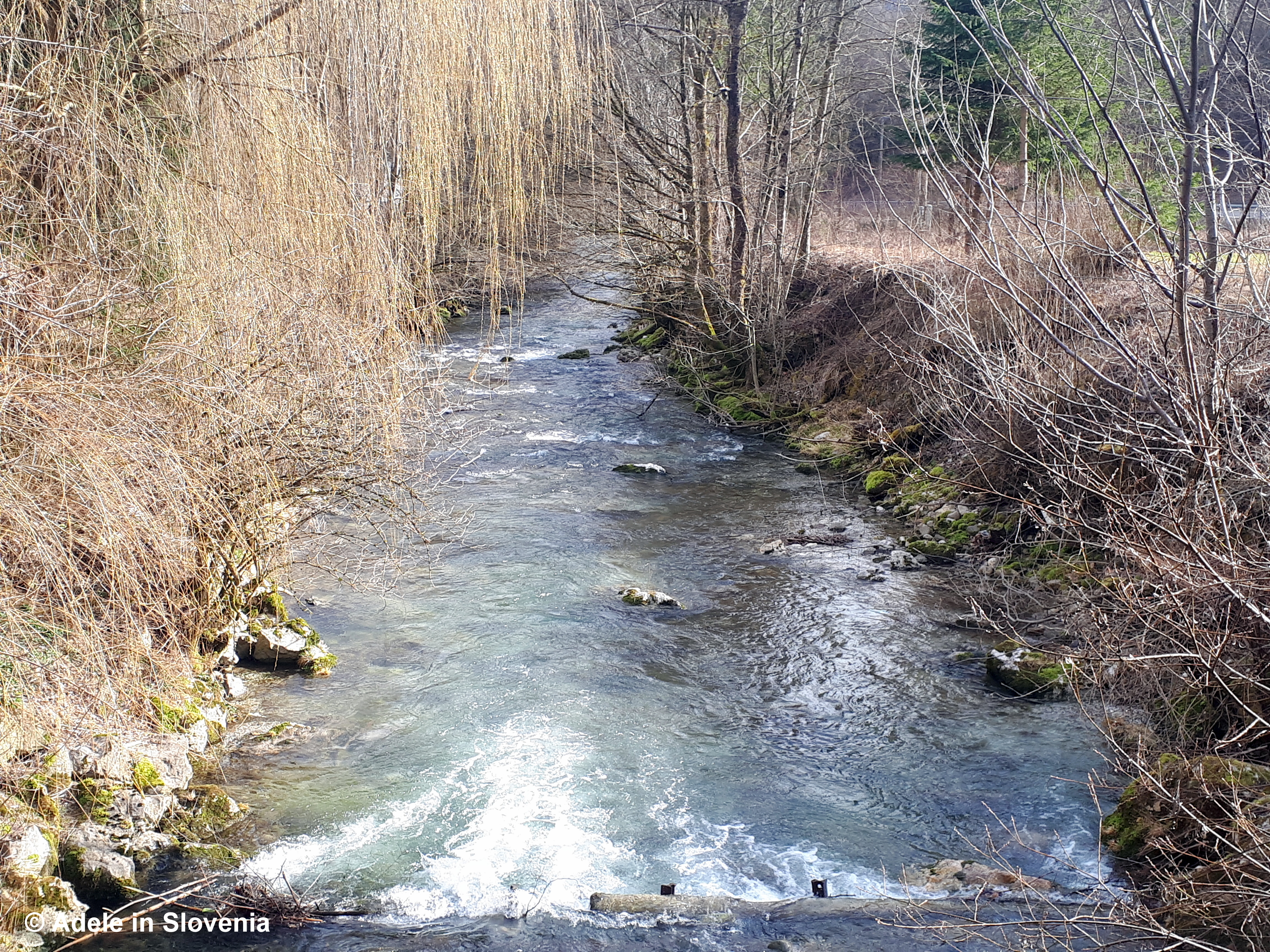
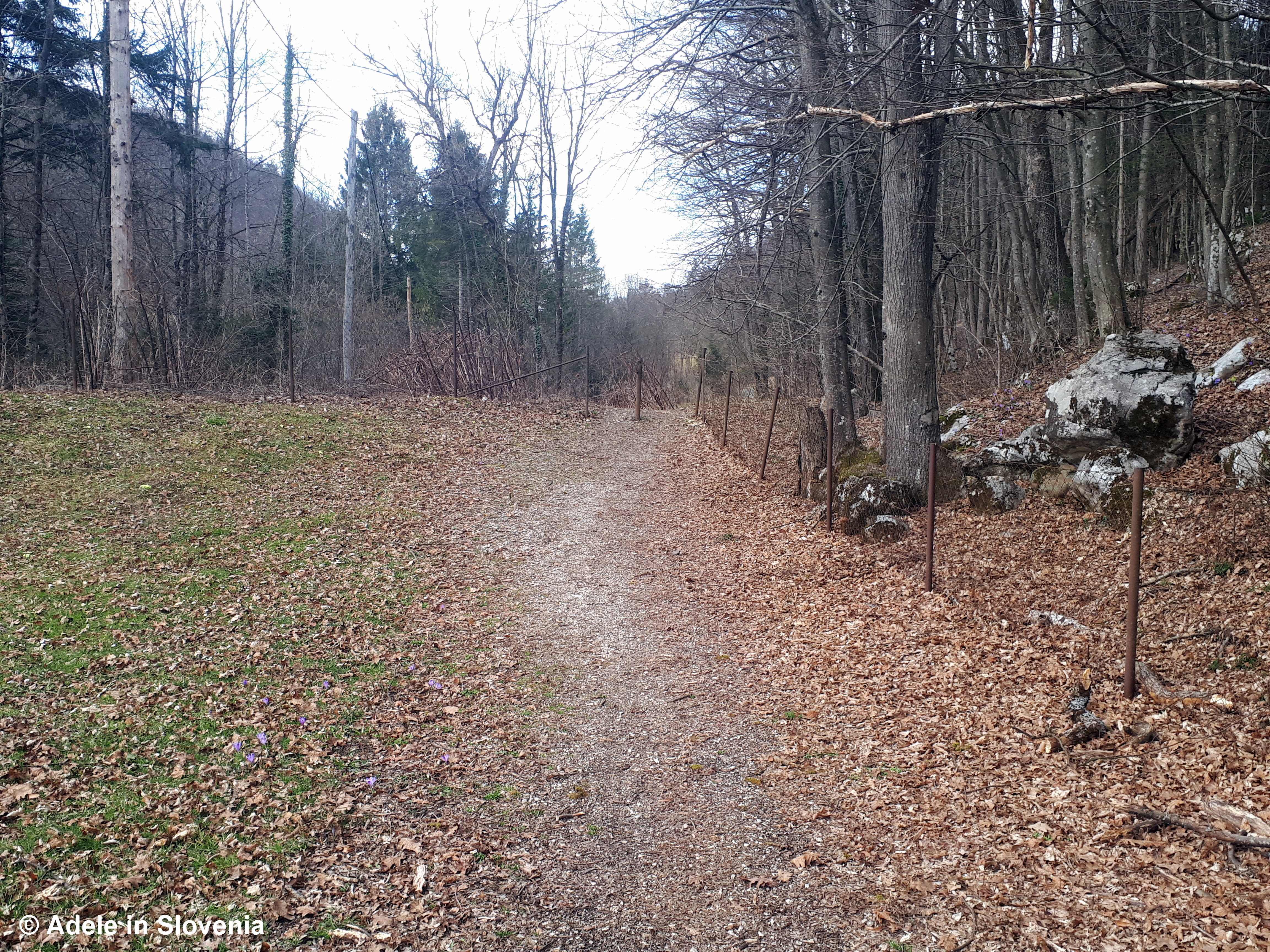
From here the path is obvious as it winds its way through the forest alongside the Lipnica river.

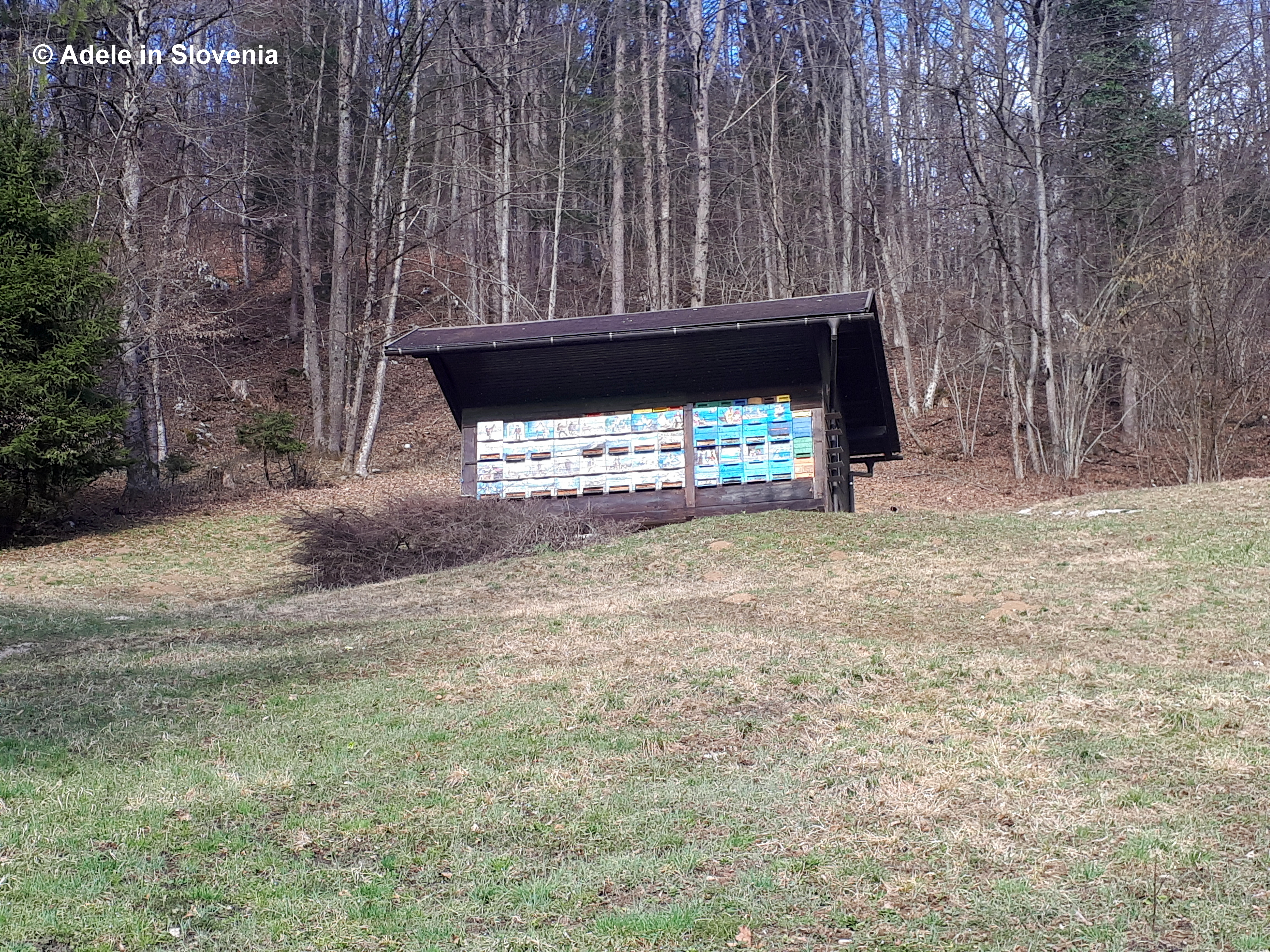
After a short while you reach a wooden hut, as seen below…

…before reentering the forest to rejoin the trail. After a short distance you once again leave the forest and come to a bridge over the Lipnica river.

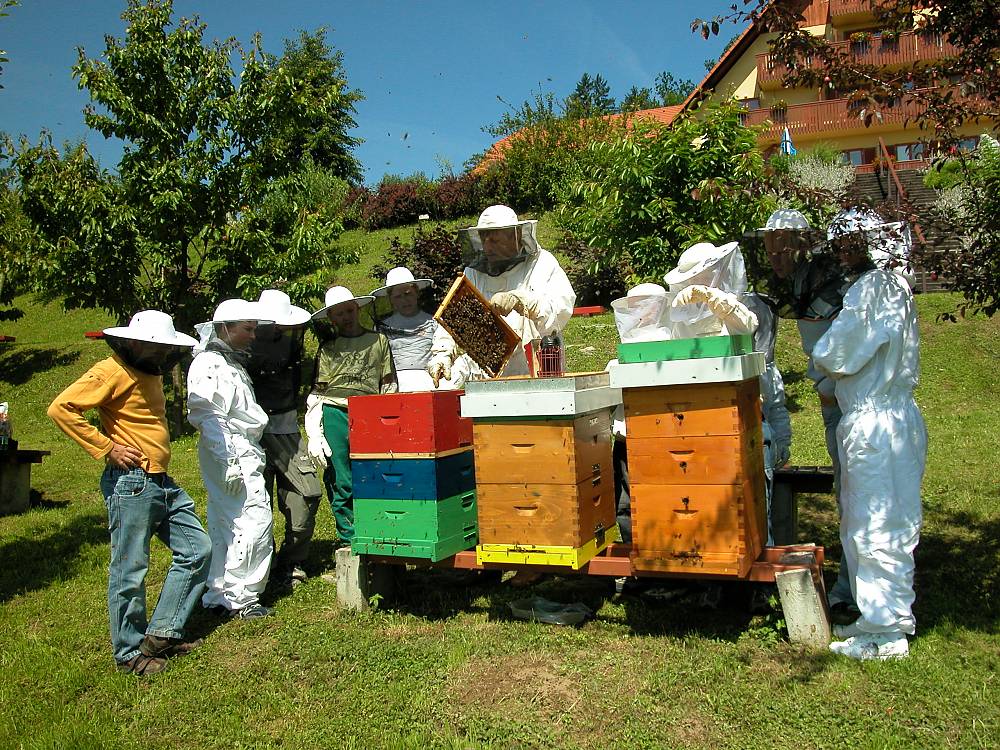
Don’t cross the bridge but instead go up to your left where you will see a beautiful, typical Slovenian apiary.

At the time of my visit in early March, the bees were already really active for the time of year. Btw, if you’d like to find out more about Slovenian beekeeping and see an exhibit of some of the oldest known apiary painted frontal boards, be sure to visit the Museum of Apiculture in Radovljica.

Follow the path that leads up to the right behind the apiary, which then emerges onto a road. Here you could just follow the road down to the crossroads and return to Kamna Gorica on the pavement, or see below for a slightly longer walk.

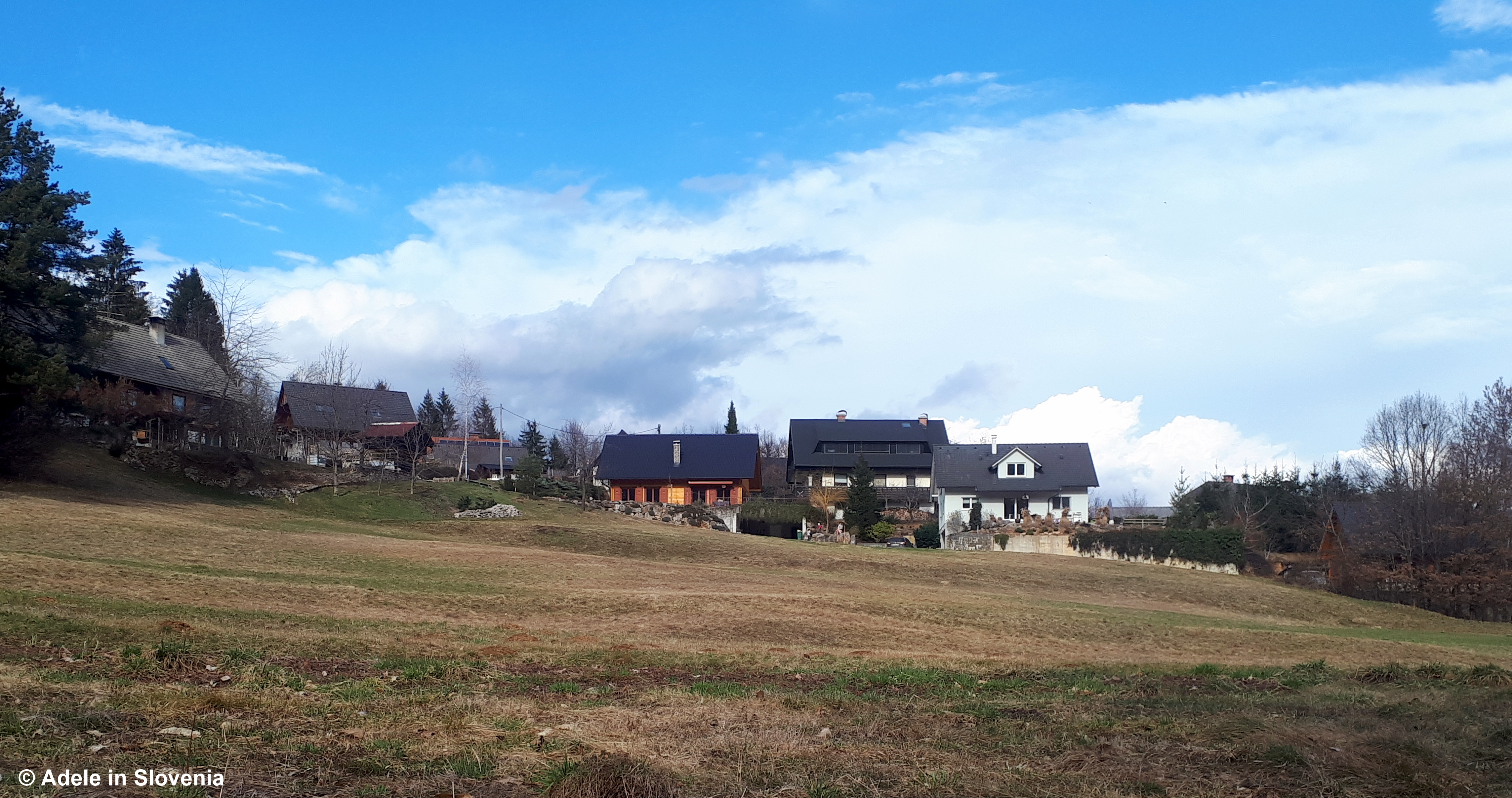
Turn left and walk a few minutes uphill on the road until you reach a clearing where you can see a small cluster of houses that make up the hamlet of Zgornja Dobrava.

Facing the above sign you will see a path behind you to the right. Follow this path, cross the road and then rejoin the trail leading downhill, adjacent to the road.

The path emerges from the forest into the playground of the Lipnica primary school, where you should immediately turn right and follow the trail, this time with the forest on your right.

You pass a house, and, if you’re lucky as we were, a very contented cat!

You will now reach the bridge you saw, but didn’t cross, earlier and can choose to either return on Peter’s Trail or turn left to reach the pavement, which you follow back to the village past a large pond.

Take time to explore the village of Kamna Gorica itself, where you can walk up to St. Trinity’s church for a lovely view over the village, visit the Sextons’ Museum House and admire the waterways that have earnt the village the name ‘Mini Venice’.

If you’d like a longer walk, it’s easy to extend the route by visiting one, or more, of the surrounding villages, notably Kropa, with its wealth of iron forging heritage.

Now is the perfect time for such a walk, as nature is emerging from its winter slumber and colour is returning to the valley.

Finally, the Radovljica Chocolate Festival is fast approaching, so make a note of the date for what will be the 10th anniversary of the ever-popular festival of chocolate and fun.

© Adele in Slovenia

The Radovljica Chocolate Festival is Back!

After a 2-year COVID-enforced hiatus, next weekend Radovljica will again rightly live up to its destination slogan – Honestly Sweet – with the return of the hugely popular Radovjlica Chocolate Festival!

While Radovljica itself hasn’t changed much in the past couple of years – in a positive way, I mean – there are some changes to the forthcoming festival, so I went along to the press preview this Wednesday to find out all the juicy, or rather chocolatey, details!

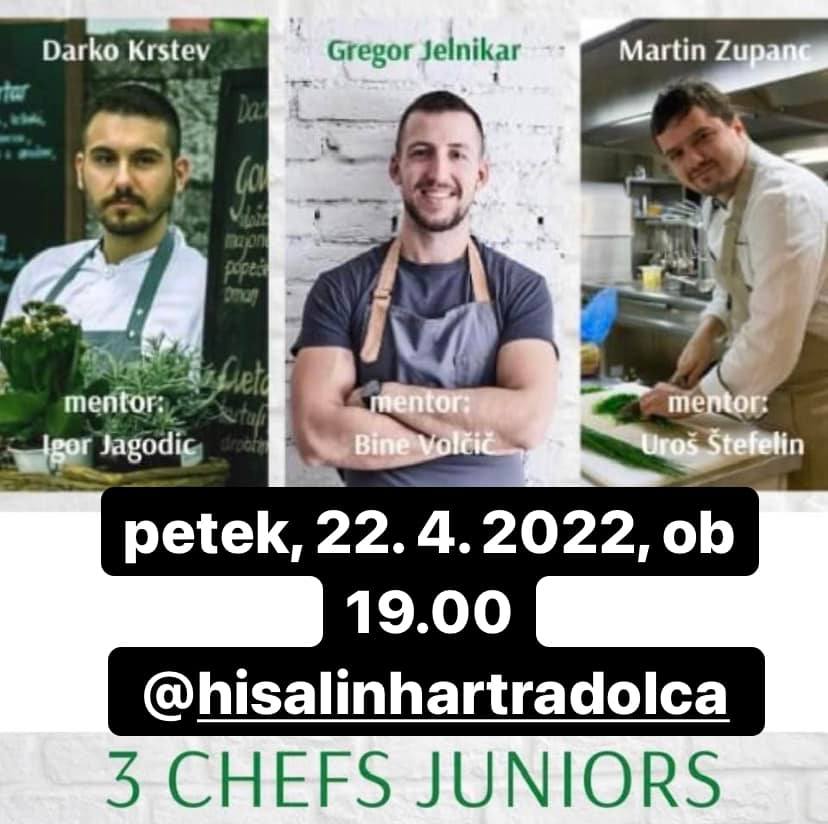
The opening event of the festival – the gourmet Three Chefs’ Dinner – takes place on Friday 22nd April at Hiša Linhart in Linhart Square. This year the stars of the show will be three young chefs, mentored by three masterchefs.

The festival itself then kicks off on Saturday 23rd April from 9am to 8pm and continues on Sunday 24th April from 9am to 6pm.

The ‘chocolate’ part of the festival will take place this year in Radovljica’s town park, which is just minutes from the main bus station, so ideal if you plan to visit by public transport (unfortunately, maintenance work will be taking place on the railway line, so this year it won’t be possible to come by train).

Chocolatiers from Slovenia, Croatia and Italy will feature at the festival. Among the chocolates available to try (through the purchase of tasting coupons) and buy will be the winning chocolates from the annual festival ‘Best Praline’ competition, which this year was judged by the owners of the prestigious Zotter chocolate factory in Austria.

And Radovljica has even more reason to be proud, since first place was awarded to the chocolate and buckwheat praline made by the new Radol’ca Chocolate chocolatier!

The new Radovljica chocolate hearts made by the Molinet chocolatier in Kropa will also make their debut at the festival.

Meanwhile, in Linhart Square – the heart of the medieval old town – there will be a jam-packed entertainment programme with something for all the family.

The main highlights of this year’s entertainment programme include cookery workshops (chocolate, of course!), live music and dance performances, a chocolate roulette wheel, a 100kg ‘bar’ of Gorenjka chocolate to celebrate the 100th anniversary of Gorenjska chocolate, stand-up comedy, face-painting, discount entry to the Museum of Apiculture, non-chocolate food from Taste Radol’ca (Hiša Linhart and Gostišče Draga) and more.

Click here to find the full programme for both days.

Hope to see you here in ‘Honestly Sweet’ Radovljica!

© Adele in Slovenia

Living Together. About Bees and Mankind

These days I mostly make my living from translating – from Slovenian into English – which, like every job, has its ups and downs. The pluses, among others, are that I’m my own boss, I work from home and can set my own working hours (to some extent), while the minuses, among others, is that often clients have very short (and unrealistic!) deadlines! And that, too, was the case when I began to work on the translation of a new book on beekeeping, however, in this case it transpired that the interesting content and efforts of all those involved made it all worthwhile.

And so, the book titled ‘Living Together. About Bees and Mankind‘ has now been published, and herewith a brief story of its creation, the author behind it, and its importance.

Petra Bole, the director of Radovljica Municipal Museums, which include the Museum of Apiculture, is the brains behind the book, which was published to coincide with the newly renovated museum and as a protocol gift on the occasion of Slovenia’s Presidency of the Council of the EU in 2021.

The 300 page book contains stunning photos and covers beekeeping-related topics such as art, bees and the past, bees and mankind, and nature.

On the occasion of its publication, Petra invited us – the team behind the book (from left to right: Barbara Bogataj – designer; me(!) – translator; Ivan Esenko – photographer; Petra Bole – author; Mihaela Pichler Radanov – editor) to a little gathering in the garden of the Šivec House Gallery to celebrate.

It is, of course, fitting that such a book has been written here in Radovljica – home to the Museum of Apiculture with its brand new exhibition, the Beekeeping Education Centre of Gorenjska, and numerous beekeepers and their colourful apiaries, and the Follow a ‘Bee’ Through Radovljica Family Adventure – and by a local resident, who, since becoming director of Radovljica Municipal Museums, has also taken up beekeeping herself!

No photo description available.

The Museum of Apiculture is housed in the magnificent Radovljica Manor in the old town centre of Radovljica.

Find out more about beekeeping in the Radovljica area here, and, if you are planning a visit to the Radovljica area this autumn, be(e) sure to do, or see, something bee-related, and in doing so play your part in recognising the importance of, and helping to preserve, our precious bees!

© Adele in Slovenia

A Celebration of World Bee Day (and my birthday!) at the Renovated Museum of Apiculture, Radovljica

After a renovation that began in autumn 2020, the Museum of Apiculture is due to officially re-open tomorrow – Saturday 22nd May. I went for a sneak preview of the new exhibition yesterday on World Bee Day, which just also happens to be my birthday! So, what better way to celebrate (especially since we are still fairly restricted in terms of what we can do and where we can go) than by going to see the new exhibition.

It would be fairly impossible to live in Radovljica and not acquire an interest in, and affection for, bees. Not only is it home to the Museum of Apiculture, but it is also home to the ‘Follow a bee through Radovljica‘ family beekeeping adventure through the town, an annual honey festival, the Beekeeping Education Centre of Gorenjska, and the landscape is dotted with numerous brightly-coloured painted apiaries.

Lately, I’ve also learnt even more about bees, since I translated all the material for the new exhibition at the Museum of Apiculture, so visiting and being able to see the final result was even more satisfying.

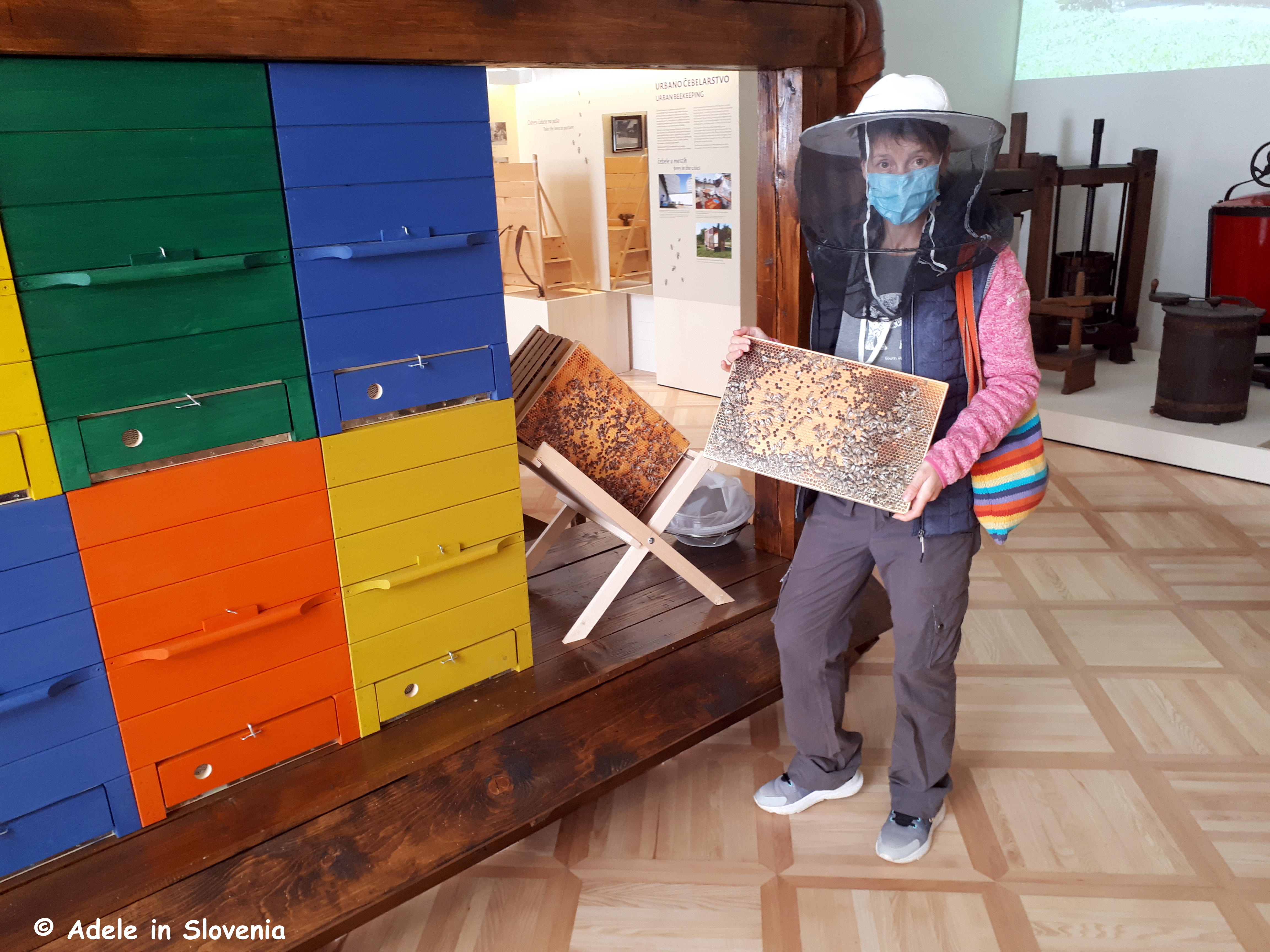
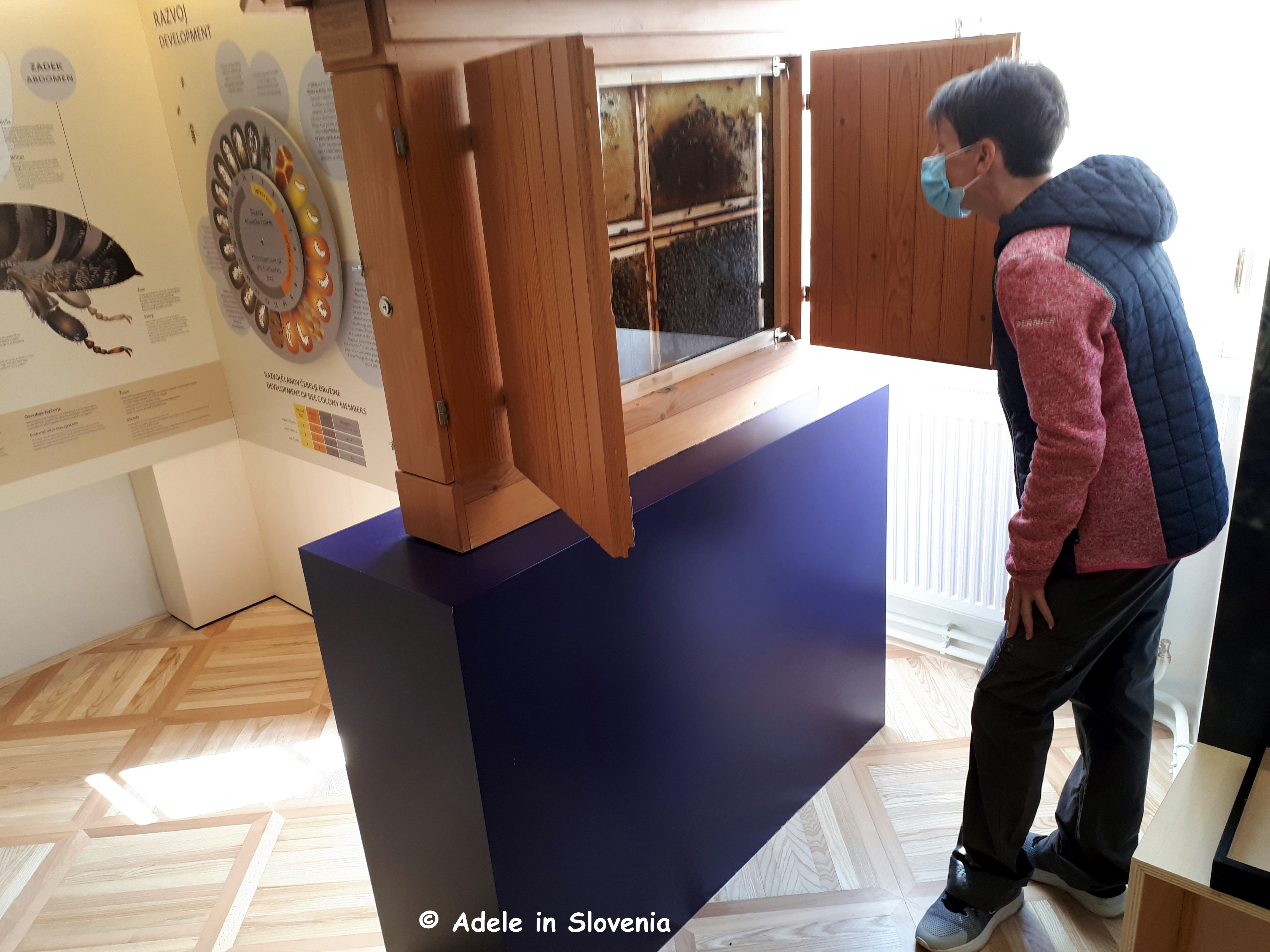
Even if you’ve never paid that much attention to bees, I recommend a visit to the museum; you will be amazed by some of the facts and figures attesting to the importance of bees in our daily lives, and you can get ‘up close and personal’ with a bee family in the observation hive, which is a real highlight.

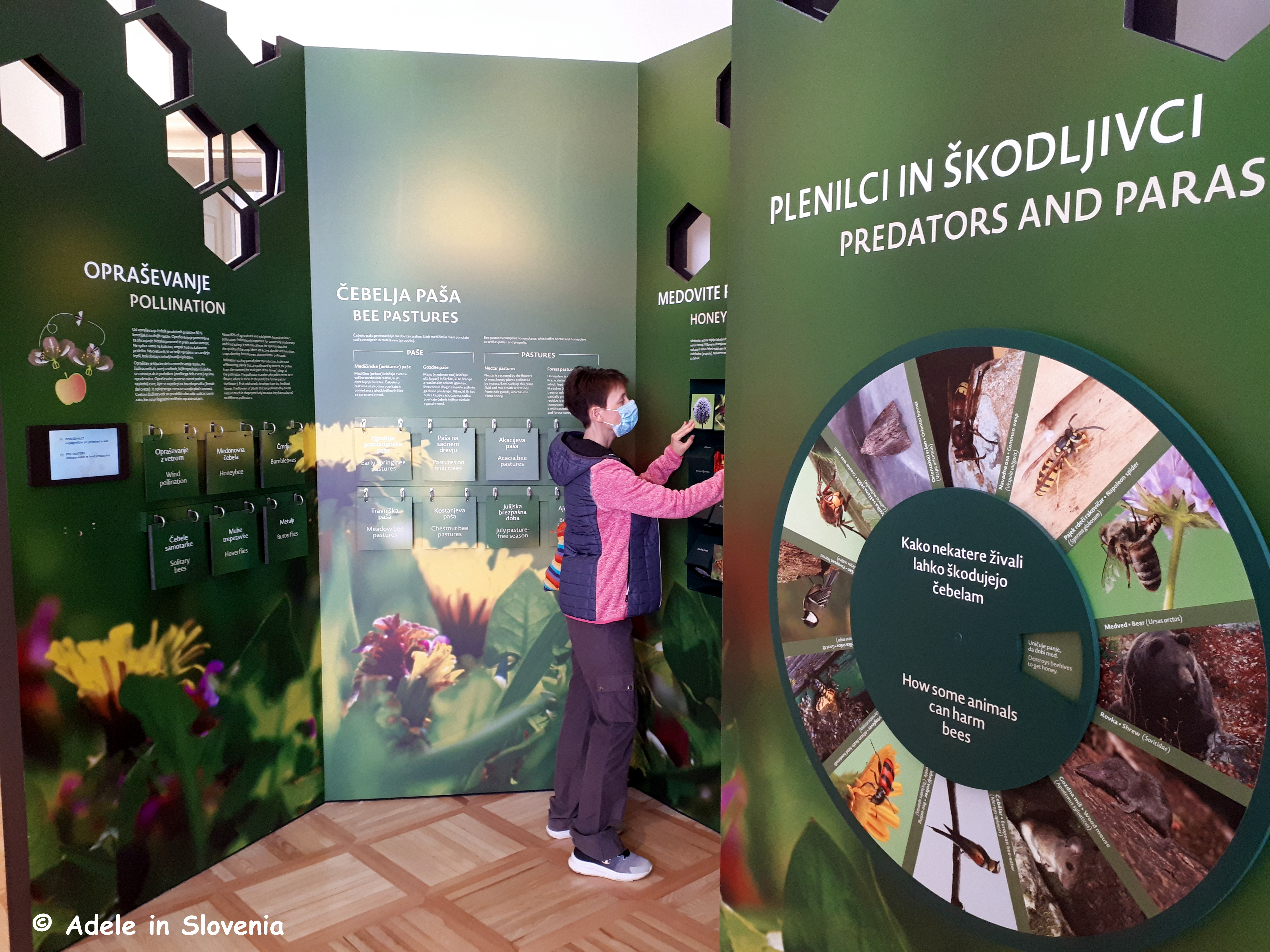
I won’t give too much away, since you simply must visit for yourself, but here are just a few of the fascinating facts about bees and an insight into the newly renovated museum, which is housed in the beautiful Radovljica Manor in the old town centre of Radovljica.

Did you know, for example, that the Slovenian indigenous bee is the Carniolan honey bee (Apis mellifera carnica) and it is the second most widespread honey bee in the world. The Carniolan bee is protected by Slovenian law and it is the only species allowed in the country. It is known for its exceptional calmness and tameness, while at the same time it provides good yields from pastures and is disease-resistant.

The new exhibition features numerous interactive points and video content, and there’s plenty to keep kids amused too – whether young or old!

Slovenia is known for its beehives, the frontal panels of which are painted with various colourful motifs, folk art telling old myths and stories. Slovenia is thought to be the only country in the world that follows this age-old practice. You can learn more about this and see an exhibition of various painted panels, including the oldest known of its kind in the world.

You can also learn about where in the world the Carniolan bee is present, all thanks to Slovenia’s great and prolific beekeepers!

Click here to find out more about this museum, as well as the other museums and galleries in Radovljica’s old towns and the surroundings of Radovljica.

© Adele in Slovenia