Highlights of Triglav National Park!

In this blog I’d like to show you some of the highlights of Triglav National Park, including some of my personal favourite parts, which will hopefully provide some ideas and inspiration for those interested in exploring this wonderful part of Slovenia.

Triglav National Park is Slovenia’s only national park and is the heart of the Julian Alps. The park is located in the north-western part of Slovenia and is named after the country’s highest mountain, Mt. Triglav (2,864m). It covers an area of over 83,000 hectares.

On my blog I have always strived to ensure I give readers a personal account of my adventures and experiences in Slovenia, rather than just regurgitating information which is already readily available. Therefore, I’m not ashamed to admit that I’ve never actually been to the top of Triglav, though I’ve been close!

CIMG7569

Unlike in some national parks, there are no official entry and exit points to the park, and no entrance fees to be paid. However, there are some rules by which visitors must abide to protect the flora and fauna of this jewel of nature. For example, wild flowers are not to be picked, no fires may be lit, and camping anywhere within the park, other than in designated campsites, is strictly forbidden.

One among my many favourite parts of Triglav National Park is Krn Lake (1391m) – as seen below, with Mt. Krn (2244m) in the background.

For this trip I started from the car park at the Savica waterfall in Bohinj and walked up to Komna (1520m), onwards past the Koča pod Bogatinom hut to the Vratca saddle then descended to the Dom pri Krnskih jezerih hut (1385m) where I stayed overnight. The next morning I got up (very!) early to hike up Mt. Krn, then returned the same way back to Savica. It makes a long 2nd day but the scenery is so wonderful, and other than the climb up to Krn, its reasonably easy going. If you don’t need to return back to Savica, then you can instead take the path down to the Dom dr. Klemena Juga hut (700m) in the Lepena valley from where you can explore the beautiful Soča valley.

krnsko-jezero-julij-2010-006

The picture-postcard pretty Planina pri Jezeru highland is another of my favourites and the options for reaching it are numerous. I like to start from Stara Fužina and walk first to Vogar, from where there are magnificent views over Bohinj lake and the surrounding mountains, then past the Kosijev dom na Vogarju hut (1054m).

CIMG9013

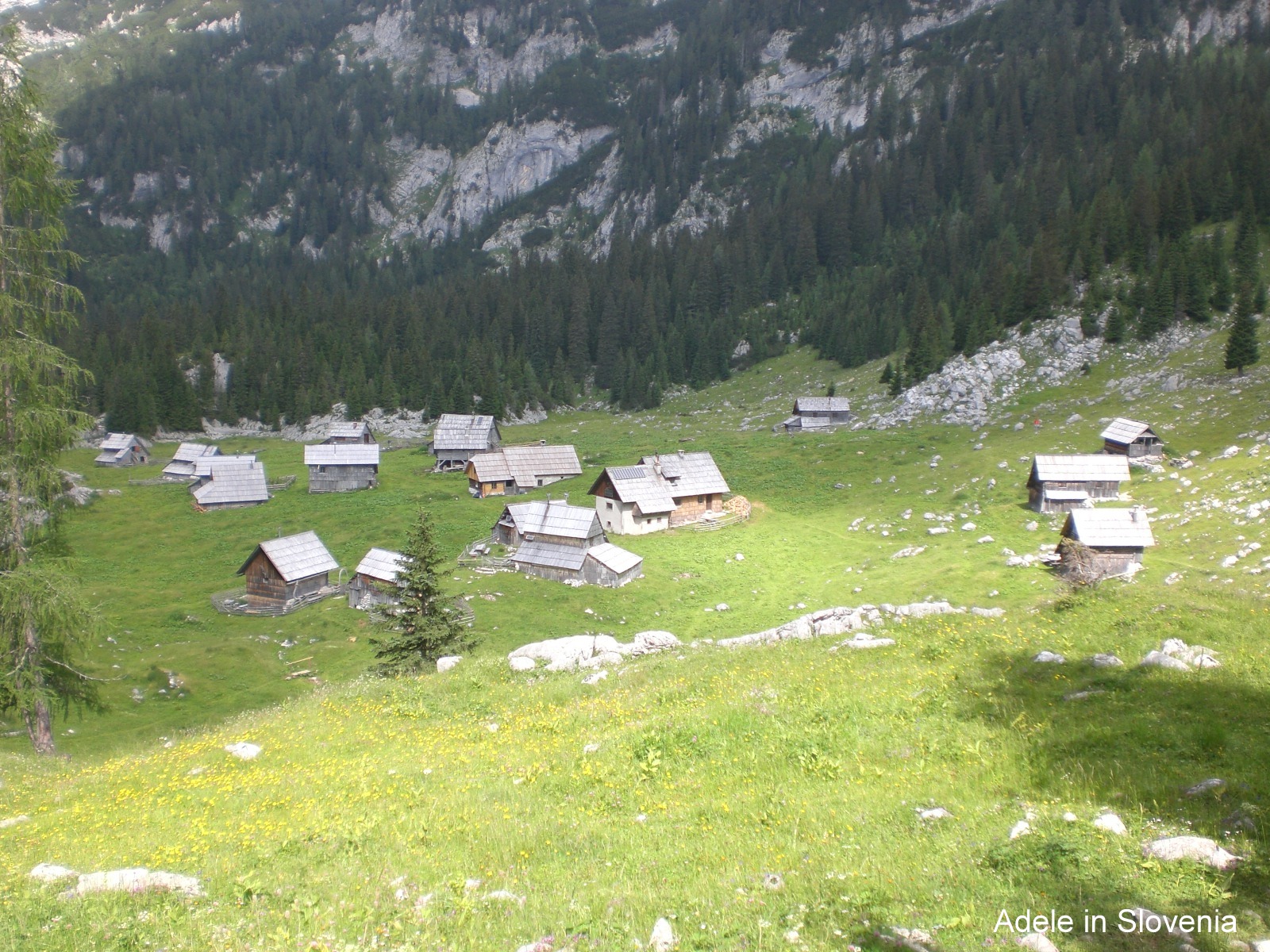
On this hike I continued first towards the Planina pri Jezeru hut (1453m) but then branched off towards Planina Blato (1147m) then to Planina Laz (1560m) – the oldest highland in Slovenia. From Planina Laz a very pleasant almost level route leads to Planina pri Jezeru from where, after a break for some sustenance, I returned to the Vogar highland and back to Stara Fužina. There are, however, also several other alternative routes that I have also taken, such as via Planina Viševnik and onwards to Pršivec (1761m).
laz

Planina Laz is on part of the Tourist Cheese Route (Turistična sirarna pot). The route leads across the many highlands in the Bohinj area where cheese and other dairy products can be sampled and bought. The route, which is marked with yellow signs, also leads past numerous natural features of interest such as gorges, waterfalls, museums, churches, and archeological sites. The path covers a very wide area so its not possible to walk it in its entirety (at least not in a day), so it’s best to just choose part of it and visit one or two of the highlands and dairies.

krnsko-jezero-julij-2010-012

One of the most popular destinations for hiking in Triglav National Park is the Seven Triglav Lakes Valley. It is doable in a day trip, particularly if you drive up the toll road, saving yourself approx. 1.5 hours of hiking, to begin at Planina Blato. However, to have time to fully experience and appreciate the entire length of the valley, it is best to stay at least one night in a mountain hut, such as the Koča pri Triglavskih jezerih (1685m), where you also get a chance to soak up the atmosphere of the surroundings, enjoy some hearty homemade food, and chat to some fellow hikers.

Sedmera jezera Julij 2010 026-001

As you can see, there’s no shortage of routes to choose!

CIMG6468 (2013_07_22 14_09_31 UTC)

Wherever you see signs such as this one, you can buy home-produced cheese, sour milk, and other highland treats!

CIMG6469 (2013_07_22 14_09_31 UTC)

And you can certainly see exactly where it comes from. There are no food miles here!

Bohinjske planine 27. Julij 2011 026

Provided you have a map of the Julian Alps it is very easy to put together an itinerary for day, or multi-day, hikes. Routes are generally well-marked and there are plenty of mountain huts where you can overnight, though in the summer months I’d recommend booking ahead for the most popular huts – you wouldn’t want to hike all that way to find yourself without a bed for the night!

Triglav National Park awaits – time to get exploring!

© AdeleinSlovenia 2016


Archery, Hiking and Taste Radol’ca in the Draga Valley

Even a very rainy Saturday didn’t dampen the spirits of the 150+ archers who came from far and wide to take part in the recent archery tournament in the Draga Valley.

I am often in the Draga valley, as it is a starting point for a number of hikes in the Karavanke mountains, and is also home to Draga Inn, which offers tasty home-cooked, traditional Slovene food. The Inn is one the participating Taste Radol’ca restaurants where you can also take advantage of the ‘Adele in Slovenia Discount Card’. More information here – http://wp.me/p3005k-1oe

On this occasion I actually visited on the day prior to the archery tournament since a) rain was forecast for the day of the tournament itself; b) I wanted to take some photos of the targets and not to become a target myself during the tournament!;  c) I anticipated parking in the narrow valley to be nigh on impossible on the day of the tournament; and d) I wanted to walk up to the Planinca planina highland, 1136m, (seen below) before the next snowfall.

CIMG0389

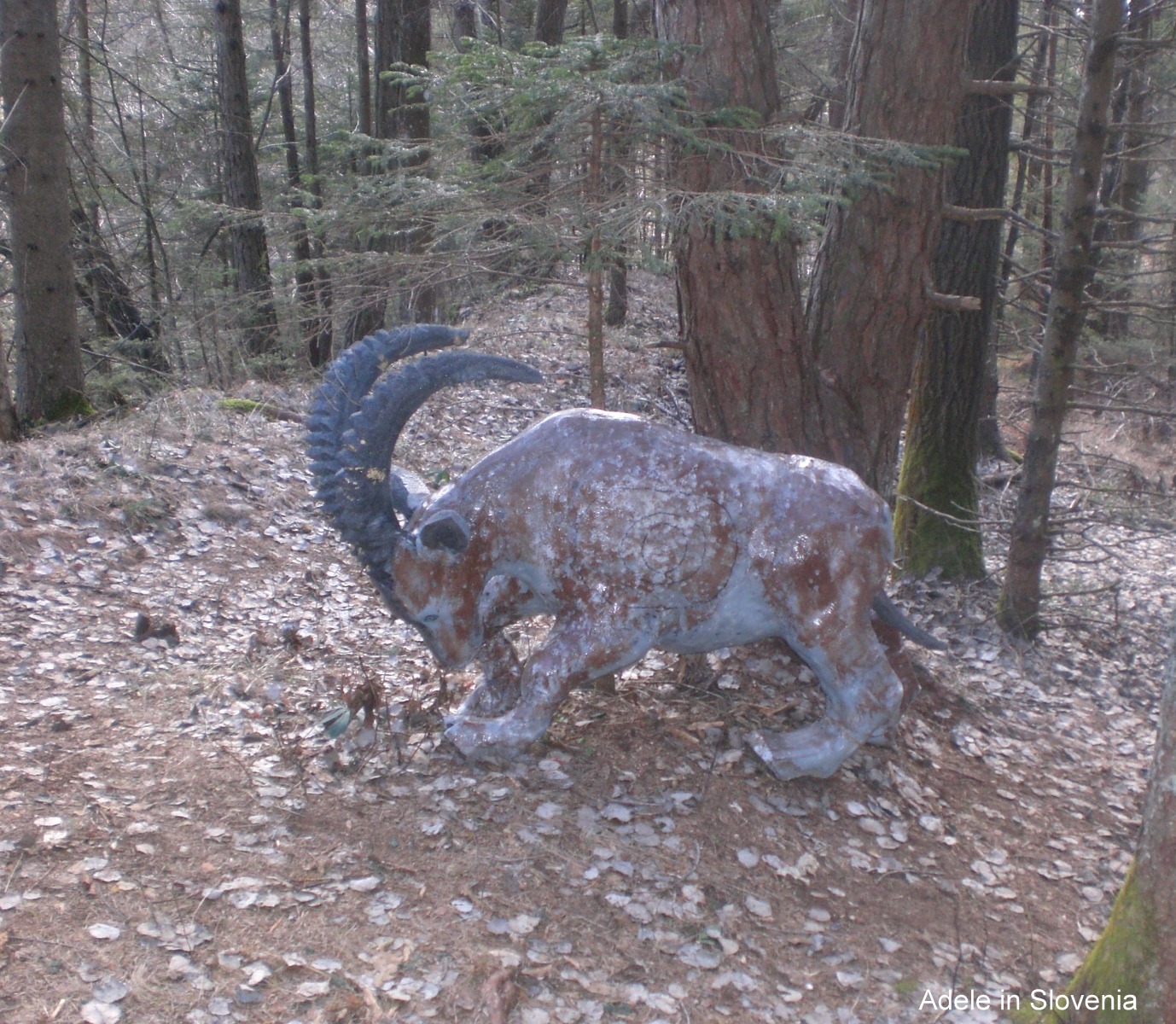
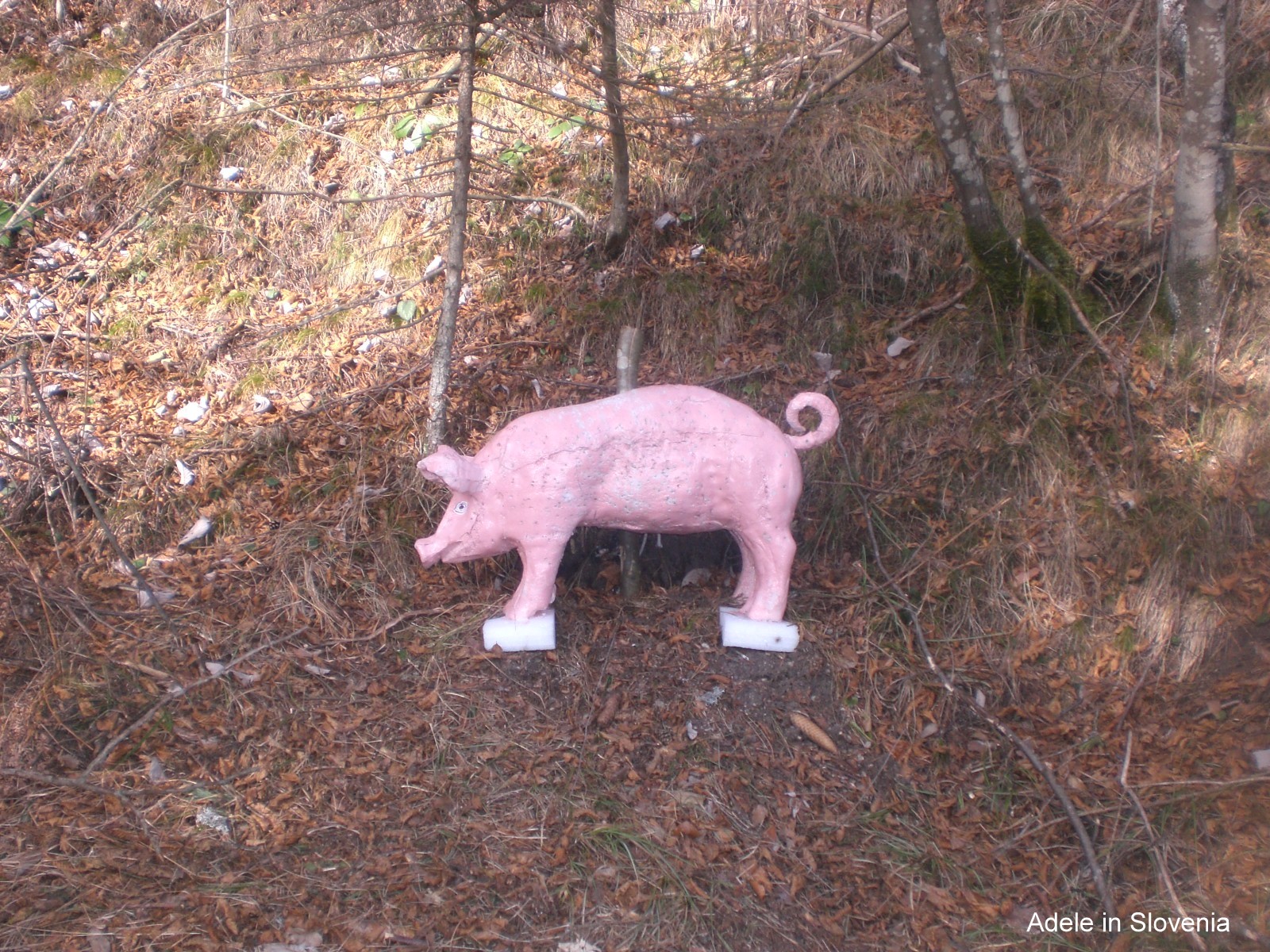
There is a very pleasant path which runs from Draga Inn, through the forest, past the remains of Kamen Castle, before emerging near the parking area at the Krpin recreation ground in Begunje na Gorenjskem. It was on this path that I first came across the targets and since then, on a number of occasions, I have been back to search for more, as each time I go I discover new ones – which is a real thrill!

radolca 2012

The annual archery tournament attracts teams from Slovenia as well as from neighbouring countries.

20160305_122038

The targets are positioned in strategic places in the forest.

CIMG0399

It makes a great walk, especially with kids, who will love trying to spot the targets! So far I have found 7, though I think there are probably several more.

CIMG0402

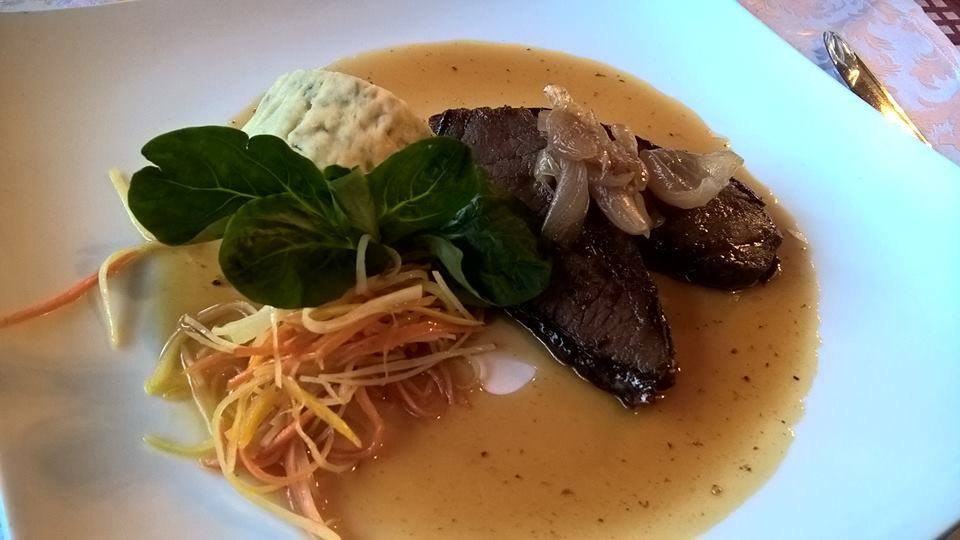
If you are visiting the valley for a walk or hike, I’d also recommend a meal at Draga Inn, which specialises in game, trout, and other local and traditional Slovene dishes.

12193715_514225562078125_7267150943857736790_n

© AdeleinSlovenia 2016

Men all over the world are crying – or so says ELAN!

So, that’s a rather strange title for my blog this week, isn’t it? I bet you’re curious what on earth it means! Let me explain.

These days watching, and listening to, the news is usually pretty depressing, I’m sure you’ll agree. So, when last week I saw the headline for the launch of Elan’s new women’s skis, it made me chuckle and I decided to find out more. Well, a bit of humour never goes a miss!

The reason why men all over the world are crying, it seems, is because they would love to get their hands on Elan’s new Delight women’s skithe lightest ever produced – using patented Slimshape technology that dramatically reduces the weight of the skis – but, alas, this time they can’t, since they’re just for the ladies!

12647821_1099675276771317_1539119334_n


12647821_1099675276771317_1539119334_n - Copy

As I wrote in a blog post just 2 weeks ago – http://wp.me/p3005k-1fl – the Elan factory, in Begunje na Gorenjskem, is just minutes from where I live and I often pop into the shop – not for skis I hasten to add! – to browse the range of outdoors clothing and equipment. I had hoped to also see the skis up close but they are so new that they are not yet even in the shop, but will be in a fortnight or so, so not long to wait! In the meantime do take a moment to watch the video and find out who else is crying https://www.youtube.com/watch?v=LGPpOD1wMkY or you can read more on the website – http://www.elanskis.com/

The advert features some of the legends from the world of extreme skiing, including Davo Karničar – the first man to ski from Everest.

Davo Karnicar

I had the pleasure of meeting Davo at his home, the Davo Karničar Mountain Lodge, in Jezersko. Read more here – http://wp.me/p3005k-5Q

CIMG6455

Amongst others, the video also includes World Champion and World Cup Winner in Ski Cross Filip Flisar (SLO), Olympic and World Cup medallist alpine skiing Christian Mayer (AUT), and extreme skier Glen Plake (USA),

Talking of skiing, did you know we actually have a small ski slope here in Radol’ca? It’s in Kamna Gorica to be precise, and despite the wonderful spring-like winter that we have been experiencing of late, whereby there is barely a flake of snow lower than 1500m, the operators have been performing wonders to keep the slope open for local children to enjoy.

Kamna Gorica skiing

Apparently, though, some snow may be headed our way later this week, which will delight all the skiers out there!

© AdeleinSlovenia 2016
New Year in Radovljica / The Dornk Excursion Farm

This year I chose to spend New Year’s Eve (very) close to home at Kunstelj Inn in Radovljica, which is just walking (stumbling!) distance away! The family run Kunstelj Inn has a long tradition and is popular with both locals and visitors to Radovljica and is one of the participating Taste Radol’ca restaurants.

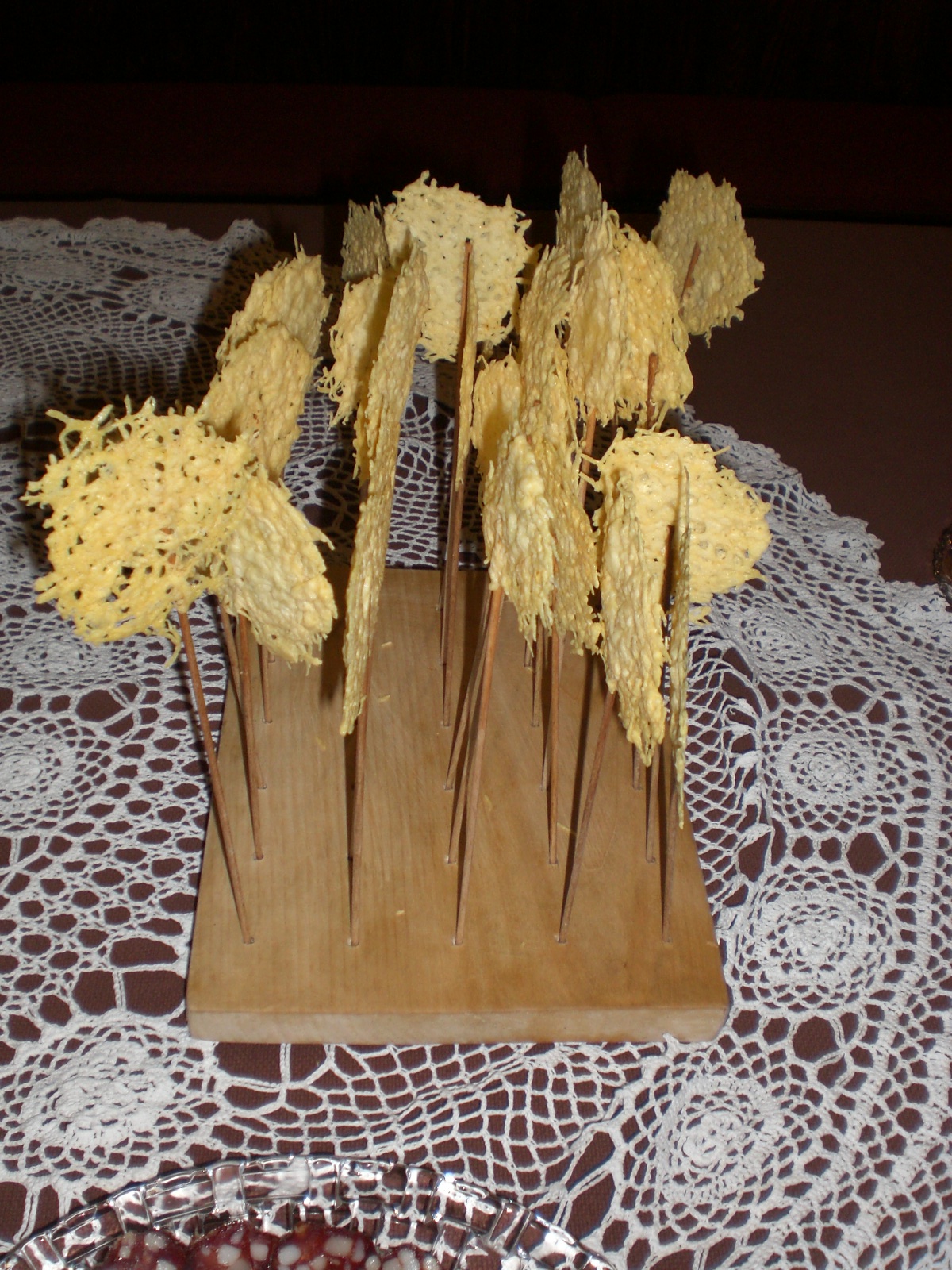
The New Year’s Eve menu consisted of a buffet of cold starters including these tasty cheese bite-pops, followed by a hot starter of pureed spinach and potato with egg.

CIMG0345          CIMG0348

The main course included probably one of the tasty pieces of duck I’ve ever eaten. It literally fell of the bone and I have no idea how they got it that succulent. The only time I ever tried cooking duck I ended up smoking out the whole kitchen!

CIMG0349

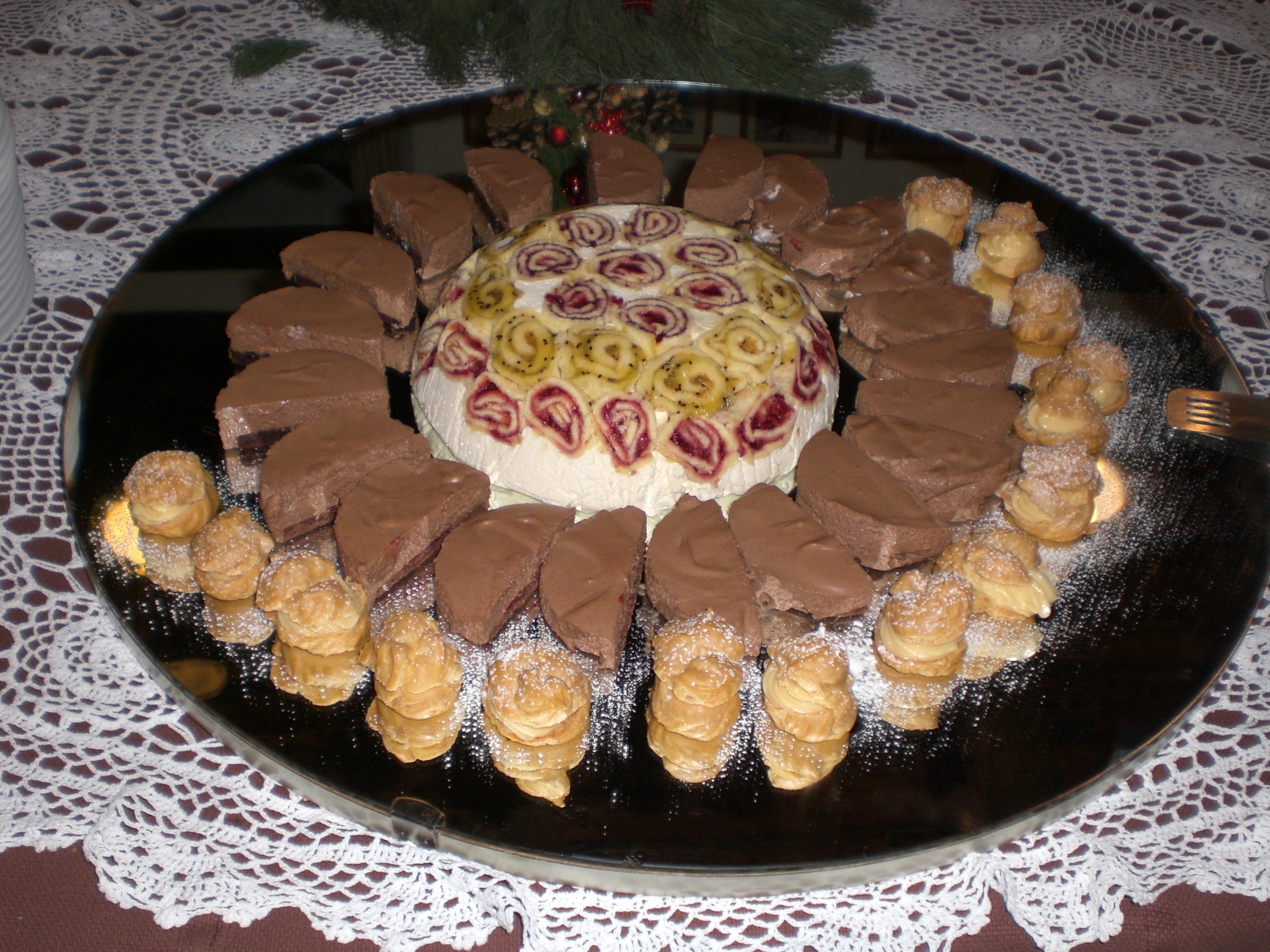
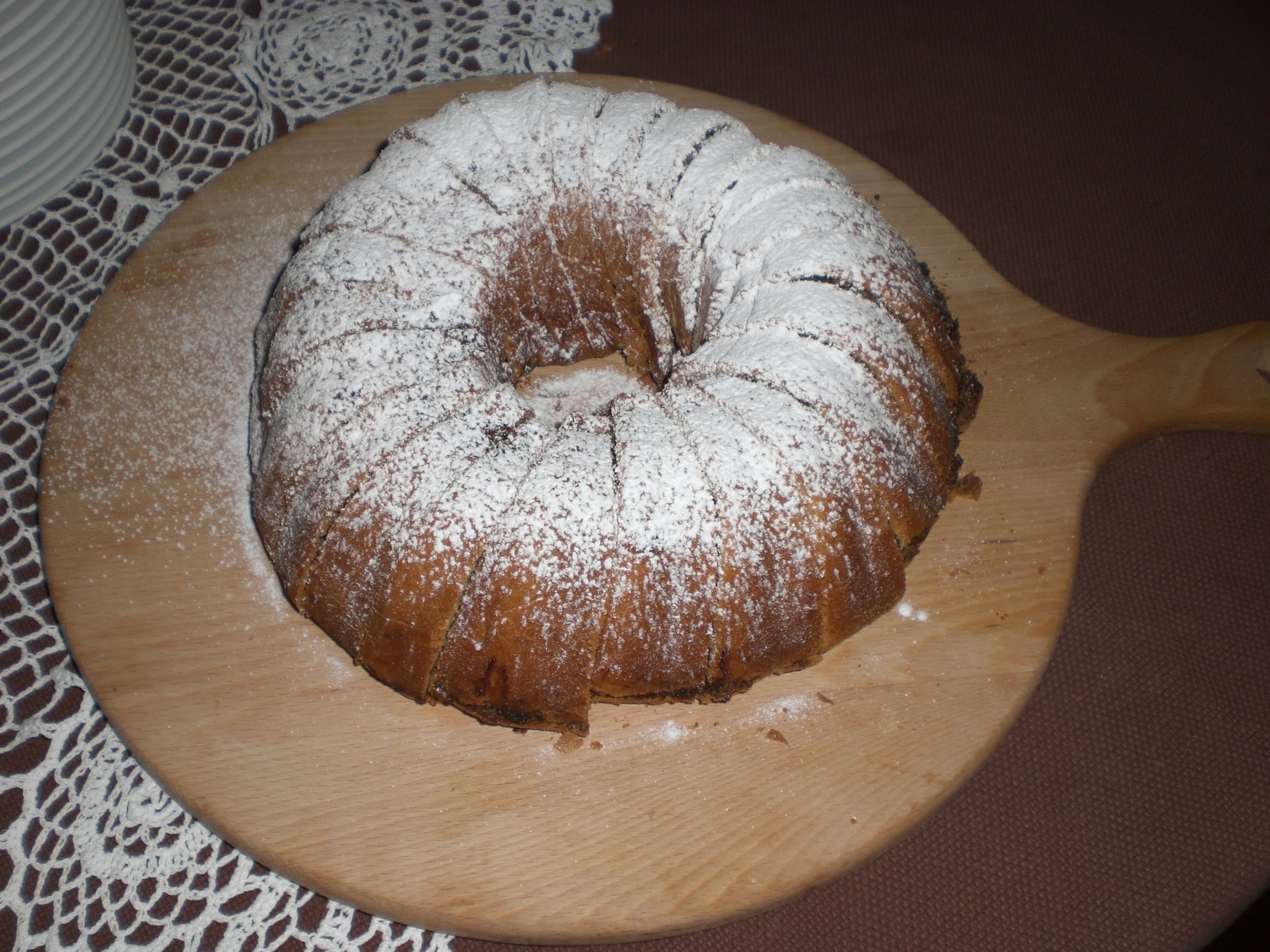
And the best bit, of course, the dessert buffet and home-made walnut potica. I was too stuffed to try it all – not like me I know – but took some potica home to try the next day, all in the name of research of course!!!

CIMG0350 CIMG0351

Meanwhile, in Radovljica’s old town crowds gathered to see in the New Year with live music from the Avsenik House Ensemble from Begunje na Gorenjskem.

Last week I visited the Dornk Excursion Farm (Izletniška kmetija Dornk) in Mlino to see the nativity scene exhibition and museum collection. Wow, this place is a goldmine, crammed to the rafters with every kind of collectable imaginable, and more! The nativity scene exhibition, housed in the stable (note – it’s not heated so wrap up well!), contains over 100 nativity scenes of various sizes and made from various materials. I was also shown around the over 240-year-old house, run by three generations of the family, which still retains its original features including a black kitchen.

CIMG0333

The nativity exhibition is open for viewings daily from 12noon – 6pm until 6th January, then every weekend until the end of January, so there’s still plenty of time. The museum collection is also available to view year-round, by prior arrangement for groups.

CIMG0318

CIMG0320

The other barn contains an extensive ethnological museum collection which also includes an amazing collection of handmade needleworkembroidery and crocheting – made by the family’s grandmother.

Dornk3           Dornk2

The farm has an extensive orchard and the owners prepare all their own juices, spirits, tea etc. which you can sample, as well as delicious homemade food such as potica, strudel etc. in the cosy snug. Find out more about Dornk here – http://dornk-bled.com/?page_id=325&lang=en

According to my annual report from the nice people at WordPress, where I host my blog, the number of readers of this blog in 2015 came from 123 countries around the world and equated to selling out 19 concerts at the Sydney Opera House – isn’t that an interesting fact! Thanks to each and every one of you!

© AdeleinSlovenia 2016
The Blacksmiths Festival + Hiking, Cycling and Mushrooms galore!

Summer is well and truly here – hooray! And with it come numerous fairs, festivals and other outdoors events, as well as myriad opportunities for hiking, cycling, swimming and enjoying the great outdoors.

I had a pretty active weekend myself. On Saturday I went by bike from Radovljica to Bohinjska Bela, the other side of Bled, from where I then hiked up to Galetovec, beginning at the climbing area by the Iglica waterfall. You can read more about hiking to Galetovec in this previous post – http://bit.ly/1HHmigK

CIMG6650

On Sunday I went by bike through the Radovna valley, which is always the place I head to bike when the heat is on as the cycle path leads mostly alongside the Radovna river and in the cool of the forest beneath the Mežakla and Pokljuka plateaus. I returned on the D2 cycle path from Mojstrana to Jesenice, and then by road back to Radovljica. You can read more about cycling in Radovna in this previous post –  http://bit.ly/1NL6B9f

CIMG7440

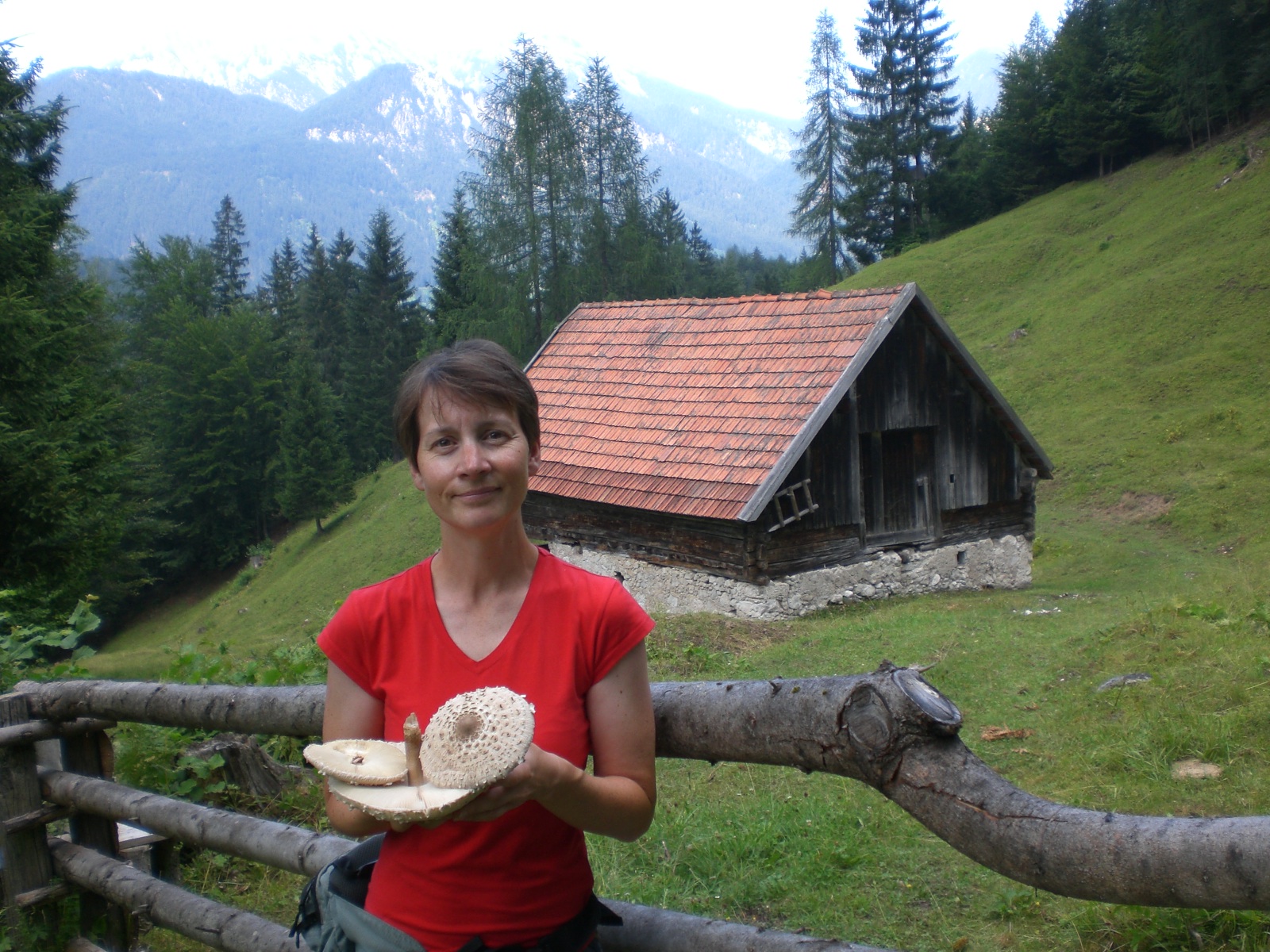
Other than that I was keeping cool in the shade of the forest, which isn’t hard to do when Slovenia is 60% covered by forest. I even got lucky and found my first mushrooms of the year which were delicious cooked up with chard from my vegetable plot!

CIMG8884

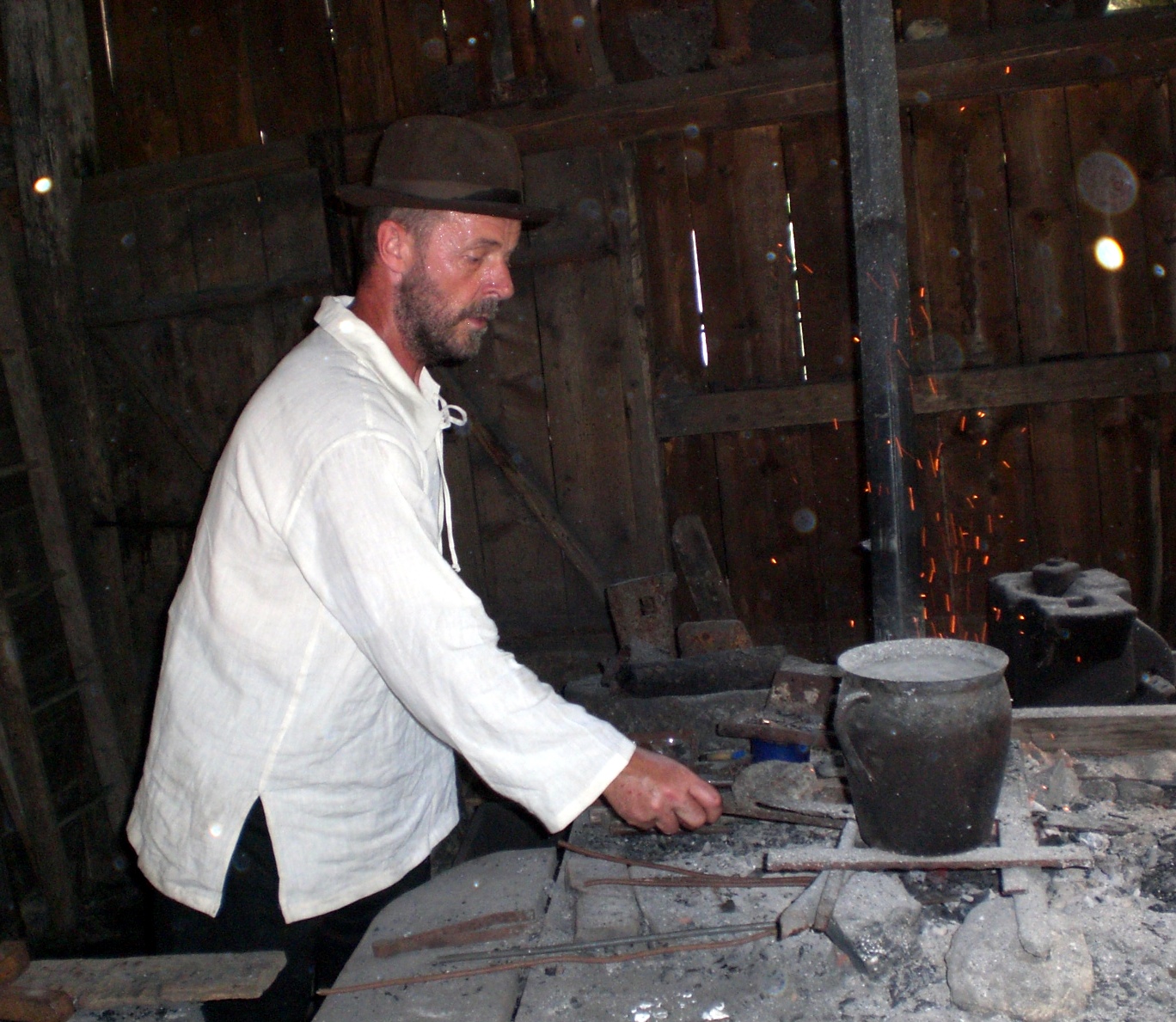
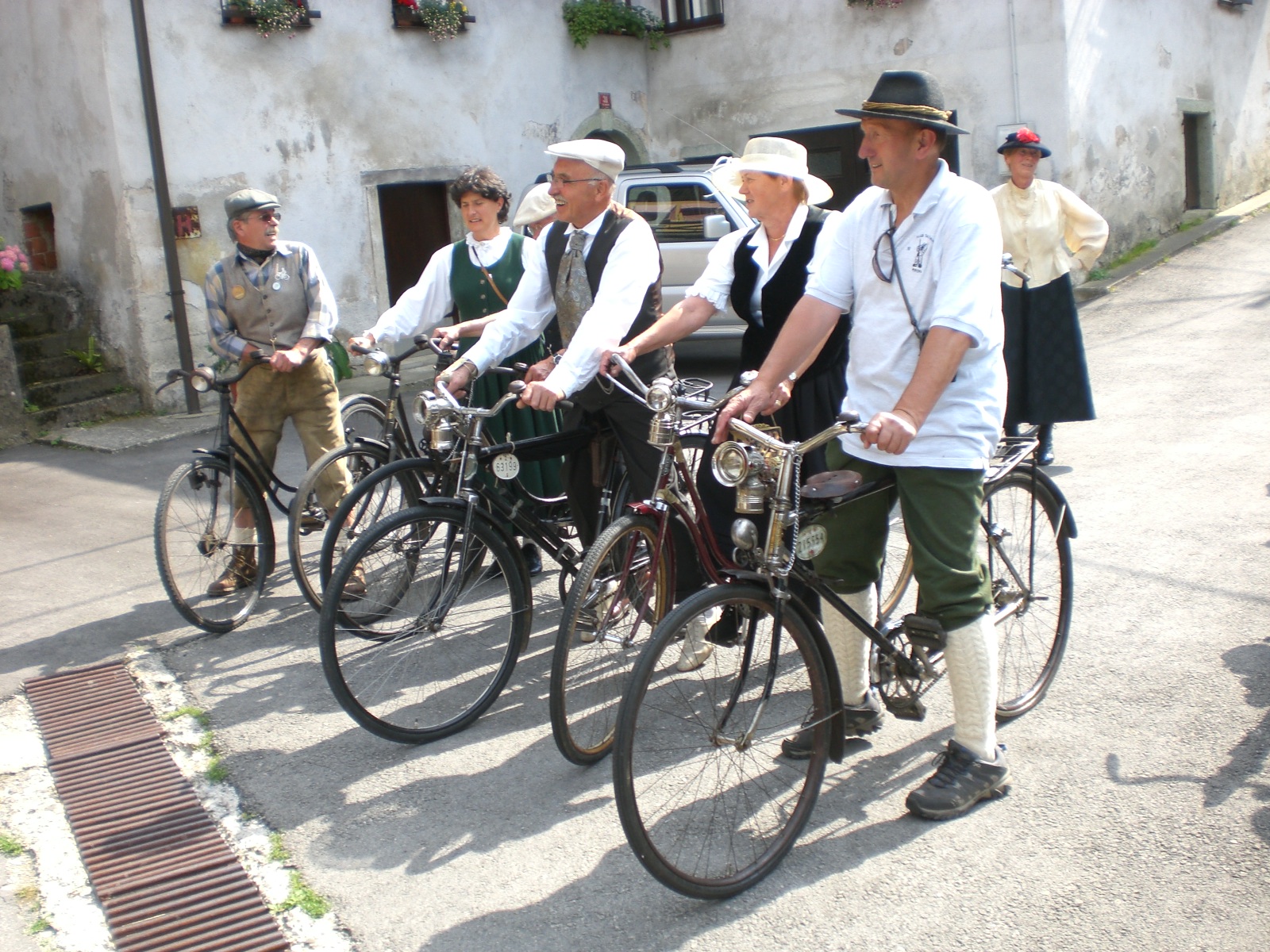
On Saturday it was also the annual Blacksmiths Festival (Kovaški smaren) in the village of Kropa, the cradle of Slovene iron-forging. The village, which sits snugly at the far eastern edge of the Jelovica plateau, is crammed with interesting sights and architecture and preserved technical heritage which is showcased during the annual festival. There were demonstrations of hand forging of nails in the Vigenjc Vice Blacksmiths Museum, a small handicraft market, old-time bikes, open days at the Blacksmiths Museum and the Fovšaritnica Museum House, as well as at the headquarters of UKO Kropa, which is keeping the iron-forging tradition alive in Kropa and specialise in all manner of wrought iron furnishings and fittings.

CIMG6416         CIMG6436

Kropa is one of the destinations that can be visited on the Hop-On Hop-Off tourist bus which is now operating. The bus visits Kropa on Tuesdays on the route which also includes Bled, Radovljica and Kamna Gorica. As the name implies, you can get on and off the bus at the various place along the route and either wander at your own leisure or participate in one of the guided tours. The bus also runs on Thursdays additionally to Begunje and Brezje, and at weekends to Triglav National Park. More information can be found here – http://www.radolca.si/en/hop-on-hop-off-radolca/

The nation was saddened by the news of the death last week of the legendary Slavko Avsenik, the founder of Slovene national folk music. The music of the Avsenik brothers is popular worldwide, particularly in neighbouring European countries, but also farther afield. The family home, and venue for the Avsenik Festival, regular concerts, gallery and museum, is at Pr’Jožovcu in Begunje na Gorenjskem. To date they have produced over 1000 songs, which are now being performed by younger generations of the family, so there is no doubt that his music will live on forever.

© AdeleinSlovenia 2015

Easter Snow, Easter Food, and Chocolates Galore at Coko-Hram!

We may not have had a White Christmas, although the first snow of the year arrived on Boxing Day, however, this Easter was marked by abnormally cold and wintery temperatures. In fact, this past few days we’ve really had it all weather-wise; on Friday I was sitting outside a café in the sun drinking tea; on Saturday I was walking in the rain with my umbrella; on Sunday I was gazing out of the window at falling snowflakes and now, as I sit writing this on Monday, there’s another flurry of snow, well almost a blizzard actually combined with gusting winds. Winter certainly had the final say this Easter!

I read an interesting comparison yesterday of the temperature recorded at Kredarica, the mountain hut beneath Slovenia’s highest mountain, Triglav (2864m), where, on Christmas Day the temperature was +2.9 degrees, whilst on Easter Sunday it was MINUS 12, brrr…….. Thus, any plans for long hikes this weekend were scuppered and therefore my next love – food – was high on the agenda instead!

Food is a big deal in Slovenia at Easter. The most common tradition is for a family breakfast on Easter Sunday, consisting of baked ham with fresh horseradish, pirhi (coloured hard-boiled eggs) and, of course, potica (a rolled filled cake). As I have been asked to write as a guest on an American food blog – what an honour – this year I decided to do some Easter baking of my own and am rather proud of my first attempts at ‘šunka v testu’ – ham baked in a bread crust. Here is a sneek peek photo of my Easter table and I will post the link to the full blog when it is published.

CIMG8479

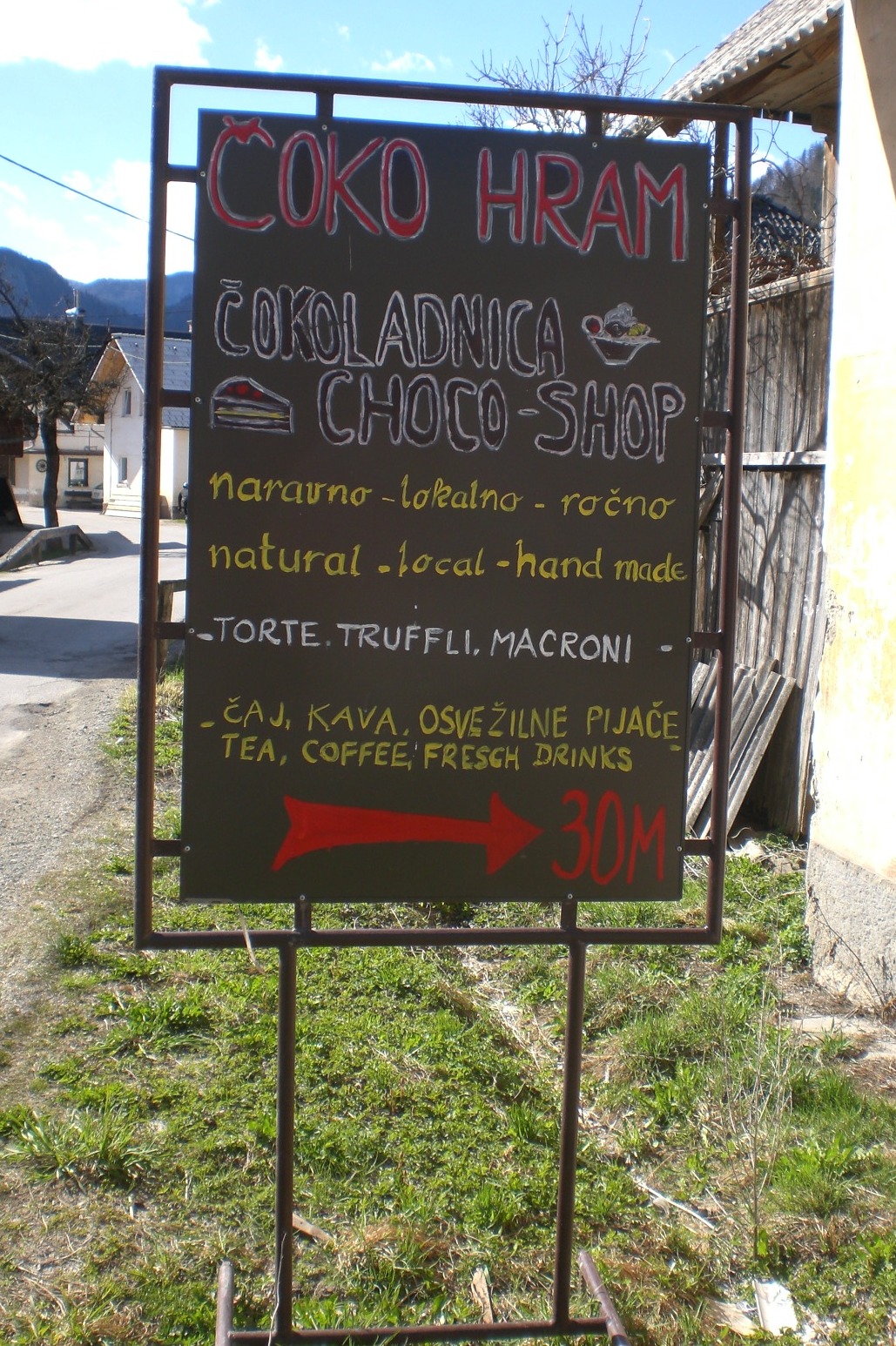
I already knew that April was going to be an indulgent month, and a heavenly one for a chocoholic like me – what with Easter and the Radovljica Chocolate Festival (see below for more details) both on the agenda. However, it just got even better when, on Friday, I discovered the cutest little café where they produce and sell the most amazing cakes and chocolates. Truly chocolate heaven for me! The place in question is Čoko-Hram in the tiny village of Bohinjska Češnjica near Bohinj lake. Blink and you could miss this place which, from the outside, belies what lies within. It is set just next to the road but a lack of good signage (new signs are being prepared!) means one could easily drive past, as I have done many-a-time, without giving it so much as a second look. But to do so is a crime – seriously – believe me!

CIMG8449          CIMG8434

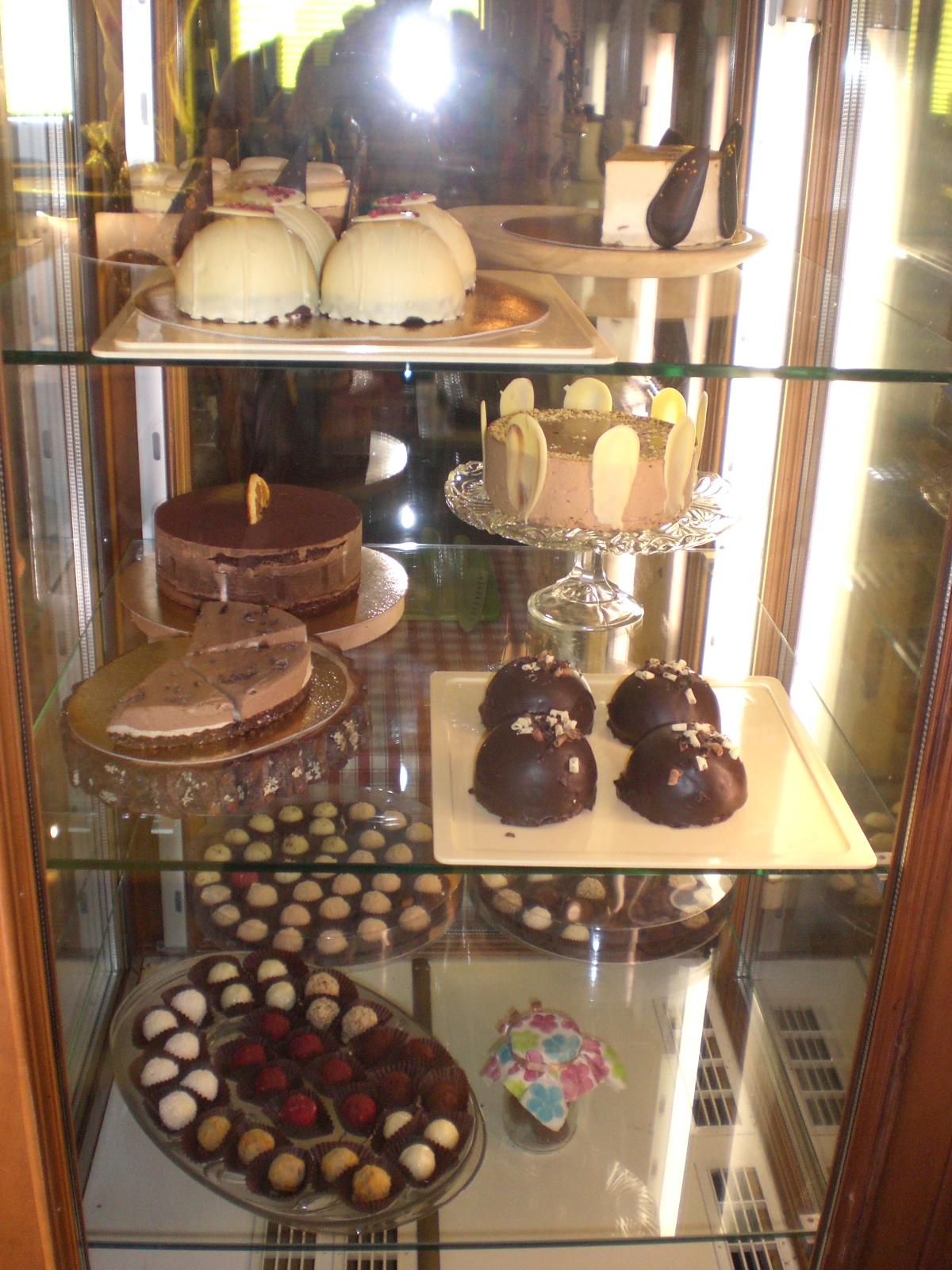
Once I stepped inside I was immediately charmed by the cute little chairs, tables, chalkboard drinks menus, and other homely touches; not to mention the glass chiller cabinet bursting full of delicious cakes and truffles, and the corner where home-produced chocolate, of all flavours, shapes and sizes, is displayed and for sale. So, as you can imagine, I had some serious tasting to do!

CIMG8435          CIMG8436

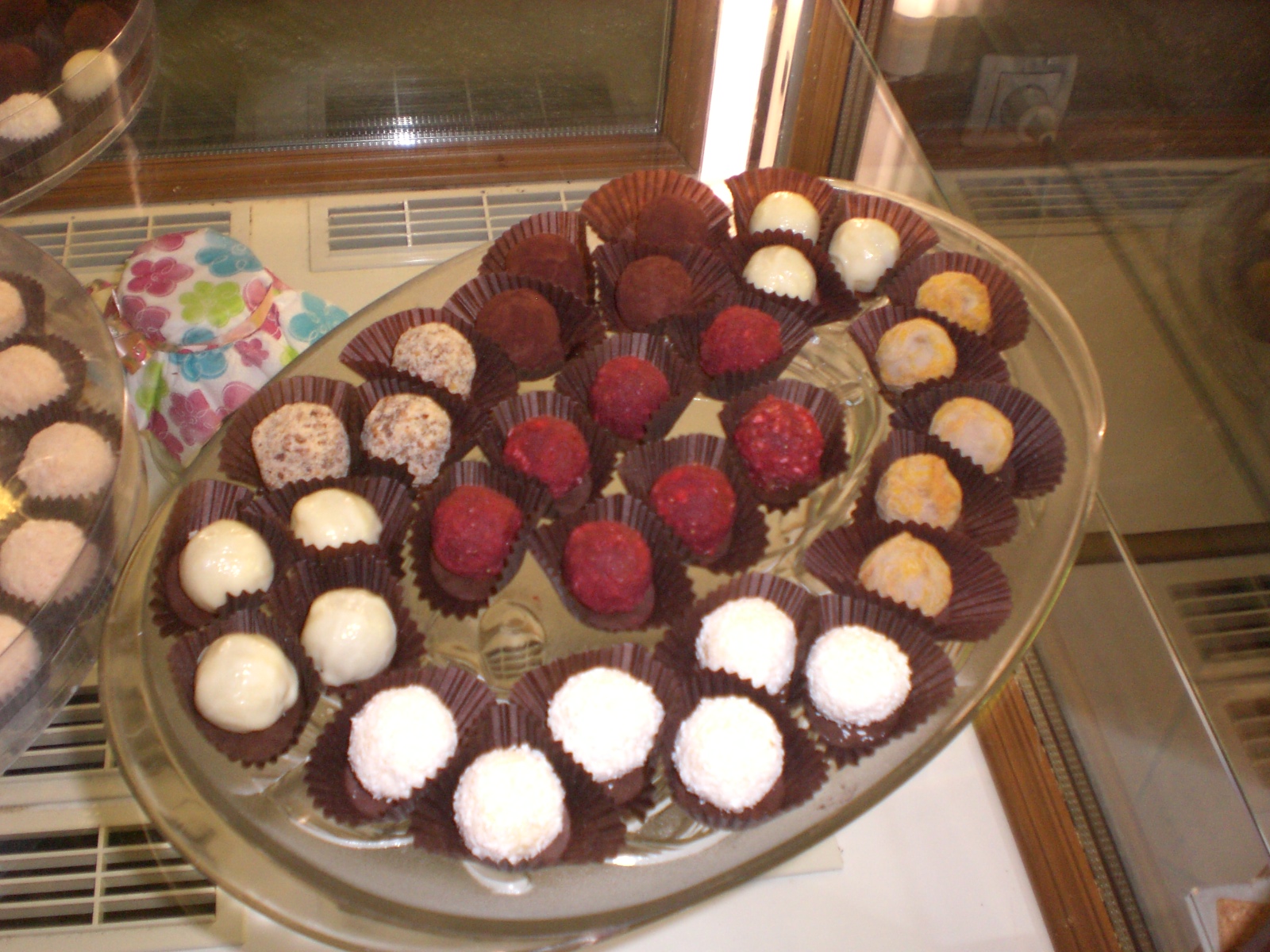
Now, I love strong cheese; stilton, extra-mature cheddar – the stronger the better – but I have always turned my nose up at Mohant, a local cheese from the Bohinj area which has an extremely pungent aroma. So, when I was offered a taster of a truffle filled with mohant, I wasn’t overly enthusiastic at the prospect, but I tell you, it works! The combination of the sweet white chocolate and the creamy mohant truffle centre is genius – although I can imagine it might be a bit ‘Marmite’ for some people i.e. you either love it or hate it! Another such daring flavour combinations is dark chocolate with zaseka (smoked minced lard no less!), and others flavours and centres including tarragon, yoghurt, raspberry, honey-lemon-ginger, and many more. And then there were the cakes – oh the cakes! Where should I start? Perhaps it would be easiest to say, don’t just take my word for it, go and try them for yourself!

CIMG8448          CIMG8431

Čoko Hram is owned and run by the same family who own the four-star Hotel Kristal in Ribčev Laz, just metres from Lake Bohinj. This is, in fact, how I came to visit Čoko Hram, rather than driving past as I would usually have done, since the chocolates are also on sale in the hotel, which I had visited as I had heard great things about their centre for Ayurveda massage and medicine – Calendula Ayurvedic & Medicinal Clinic – and wanted to see it and try it out for myself. I emerged 90 minutes later and, thanks to the healing hands of the Nepalese masseur, blissfully chilled-out and ready for anything- well almost anything! More about the clinic and hotel, which also features a rich collection of paintings from the annual artist colonies held there, can be found here – http://www.hotel-kristal-slovenia.com/index.php

Tourism Rado’l’ca are slowly tempting us details of the programme for this year’s Chocolate Festival which takes place 17-19th April. The full programme will be made available in the next few days on the festival website (I should know – I’m translating it!) and features such events such as:

  • Mini Planica – Jumping in Chocolate with Franci Petek
  • Culinary Shows by Taste Radol’ca restaurants and 3 of Slovenia’s top chefs
  • Chocolate Fortune Telling
  • Chocolate Adventure through Radovljica

….and much more – http://www.festival-cokolade.si

I have a feeling I will be writing a lot more about chocolate in the coming weeks! Hopefully, though, I’ll be offsetting all the indulgence with some hiking too, well if the weather plays ball that is!

© AdeleinSlovenia 2015

Multi-culinary Slovenia

One of the features of Slovenia’s cuisine that makes it so unique is its diversity, which is largely due to the influence from surrounding countries – Austria, Italy, Hungary. These days it is perhaps even more diverse due to the emergence of some world-class chefs who are taking traditional Slovene food and giving it a modern twist, and also due to the increasingly multi-cultural population consisting, in particular, of people from other former-Yugoslav nations.

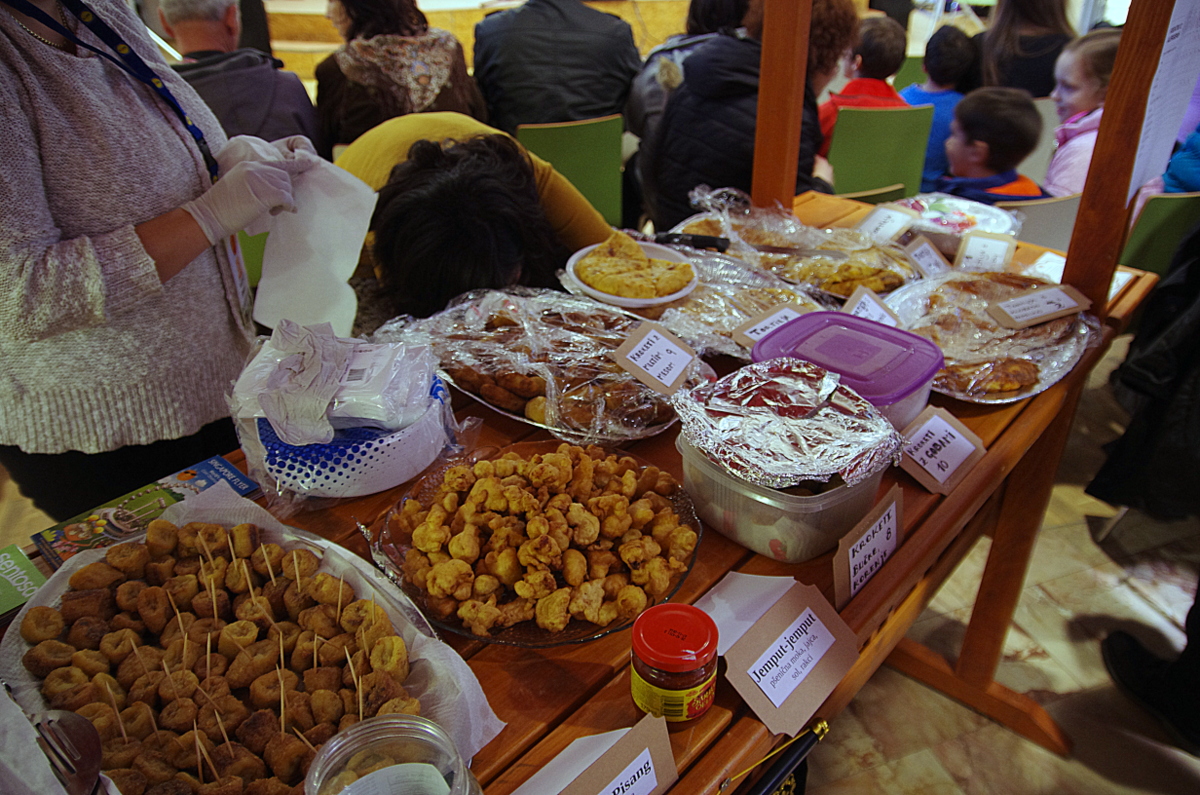
An example of this was the event ‘Multikulinarika‘ event which took place last Friday in Jesenice. Held in the Kolpern Hall at the Stara sava area (which I wrote more about in last week’s blog), the event is designed to showcase food from various nations and unite them all under one roof. There were 21 different countries represented at this year’s events including; Macedonia, India, Mexico, Albania, Serbia, Bosnia & Herzegovina, Belarus, Spain, Kosovo and of course Slovenia!

IMGP7610     IMGP7614

Taking the lead from Radovljica’s Chocolate Festival – more about that below – tasting takes place through the purchase of tasting coupons. As you can see from the photo below, I bought some and began to work my way through the cuisine of various countries!  The only problem was that there were so many different things on offer, and it was so busy, with the stands so tightly packed together, that I lost track of what I was eating and from which country! I was hoping to have a chance to chat with the stall holders, to find out more about what they had on offer, their country specialities etc., however, the crowds and the lack of space made it almost impossible. So, in the end I just headed to the stalls that were most reachable and managed to come away with plates laden with various types of burek, breads, potica, cakes, baklava and more!

IMGP7619      CIMG8419

I can see this event going from strength-to-strength, however, the organisers really need to find a larger venue which allows more space for the exhibitors, the visitors and the accompanying programme. Here are a couple more pictures of the various dishes on offer, more can be seen on my Pinterest page!

CIMG8417      CIMG8411

I have been fortunate to be privy to some of the as-yet closely under wraps, and still being finalised, details of this year’s Radovljica Chocolate Festival. The festival takes place over 3 days from 17-19th April and, in addition to the regular programme of chocolate tastings, sales and entertainment, the programme this year has quite a number of exciting new features too including; an extended festival area including a Chocolate Avenue and Chocolate Kitchen; an exclusive children’s entertainment area; a marquee where the chefs from the Taste Radol’ca restaurants will be cooking up special dishes; a Chocolate Party and other evening entertainment. You can also follow the latest news about the festival on the festival website – http://www.festival-cokolade.si/en/ and on Facebook – https://www.facebook.com/events/341095372765995/

10982079_873359362707281_3075502047712497002_n

In last week’s blog I wrote about the new route being launched by Adria airlines, Slovenia’s national carrier, offering flights 3-times per week from Maribor, Slovenia’s 2nd biggest city, to Southend-on-Sea in the UK. I’m definitely a supporter of more flight connections to/from Slovenia, especially if they are reasonably priced. The Adria flights went on sale yesterday with prices from 69 euros return and, unlike the so-called ‘low-cost’ airlines, these flights include 23kg of luggage, plus hand-luggage at no extra cost. Additionally, as an opening offer, they are throwing in a free return train ticket to London. What’s not to like! Click on the link on the right-hand-side of my blog to get booking those bargain flights!

Still on the theme of transport, I read this week about a new daily bus route from Vienna to Trieste in Italy, via Ljubljana. This also has to be another useful addition as many tourists visiting Slovenia from further afield, fly into one of the surrounding airports, such as Vienna or Trieste and this offers another choice of ways to reach Slovenia. More information here (in Slovene)  – http://www.javniprevoz.si/prevozi/avtobusni-prevozniki-slovenija/nova-vsakodnevna-avtobusna-povezava-dunaj-ljubljana-trst/

This article, published in The Guardian newspaper yesterday, about 10 of Europe’s best national parks, lists Triglav National Park, Slovenia’s only national park, at number 2. Just another reason to come and visit! http://www.theguardian.com/travel/2015/mar/30/10-europe-best-national-parks-italy-france-spain

Finally, I wish you all a very HAPPY EASTER!

© AdeleinSlovenia 2015

Hell’s Cave

The last few days have been a perfect mixture of brilliant spring sunshine with cold, bright, crisp mornings, and warm afternoons. The week ahead looks like being more of the same. So, no complaints here – for a change!

On Saturday I went, almost literally, ‘to Hell and Back’, since I visited Hell’s Cave (Jama Pekel), near Šempeter in the Savinjska valley! Actually, I’d struggle to tell you exactly where it is since finding it was far from easy and in the end it was more by luck than judgement. The journey from home in Radovljica began relatively easily, following the motorway to Ljubljana, then onwards in the direction of Slovenia’s 2nd biggest city, Maribor, taking the exit for Šempeter. I suppose I only had myself to blame as I was armed with only a basic map but, in my defence, many of the larger tourist attractions throughout the country have familiar brown signs beside the major roads to direct visitors, this one, alas, did not and is woefully lacking in signage;  rather strange since it seems to be a relatively popular and visited one. Oh well, at least I got to see some of the hidden parts of the countryside which I wouldn’t have otherwise! If you plan a visit, as long as you turn right on leaving the motorway, you will, eventually, pick up the signs to the cave as it is only a couple of kilometres from the motorway – just don’t, whatever you do, turn left!!!

Anyway, once I arrived at the cave, all was forgotten and it was well worth the effort. When one thinks of caves in Slovenia, of course the world-famous Postojna caves and the UNESCO listed Skocjan caves are the ones that immediately spring to mind. Slovenia, though, actually has over 10,000 registered caves, and to think that those are the ones that are known about, who knows what else lurks in the mysterious underworld. Many of them are largely unexplored whilst others, those that are open to the public, are not as vast as the aforementioned ones, but nonetheless each offers an intriguing glimpse into the underground karst world. Hell’s Cave is no exception, and the highlight is most certainly the 4m waterfall which is actually inside the cave, the only of its kind in the country.

CIMG8378     DSC03544

The Ponikvica stream carved out the cave and runs through it throughout the part that is now open to the public. It is well-equipped with boardwalks, ladders, lights etc. though very narrow in places and quite a lot of ducking is required for anyone over a few feet tall (oops, metres tall – still can’t get to grips with European metric measurements!). The name of the cave originates from the rocks at the entrance to the cave which, with a bit of imagination, appear to form the shape of the devil and additionally, during the winter when the temperature inside is warmer than the outdoor temperature, it appears as if steam is coming from the cave’s entrance.

DSC03556     P1090030

Guided tours of the cave are available daily on the hour, from 10am-5pm from 1st April – 30th September; in March and October it is only open at weekends with the last tour at 4pm. During our group’s tour, we witnessed a pair of sleeping bats, yet to wake up from their winter hibernations, as well as a crab-like creature which is at home in the stream within the cave. Following the tour I took a walk on the forest nature trail which begins at the entrance to the cave and is easy to follow; just follow the green owls! The 2km circular trail takes less than 30 minutes and is nice way to begin, or end, a visit to the cave.

CIMG8380     CIMG8391

Nearby is a Roman Necropolis which I had also planned to visit but on this occasion was unable to since the monuments are still covered up for the winter period. About 2000 years ago a Roman road ran through the area around Šempeter and the necropolis, discovered quite by chance in 1952, is considered the most important of the remains from the Roman era, not just in Slovenia, but in Central Europe. So, it will, for the time being, remain on my lists of ‘places to go’ and about which I hope to write about some time soon – I’ll go equipped with a map next time though!

You can read more about the cave, the necropolis, and the other attractions in the area on the Šempeter Tourist Association website here – http://www.td-sempeter.si/en/

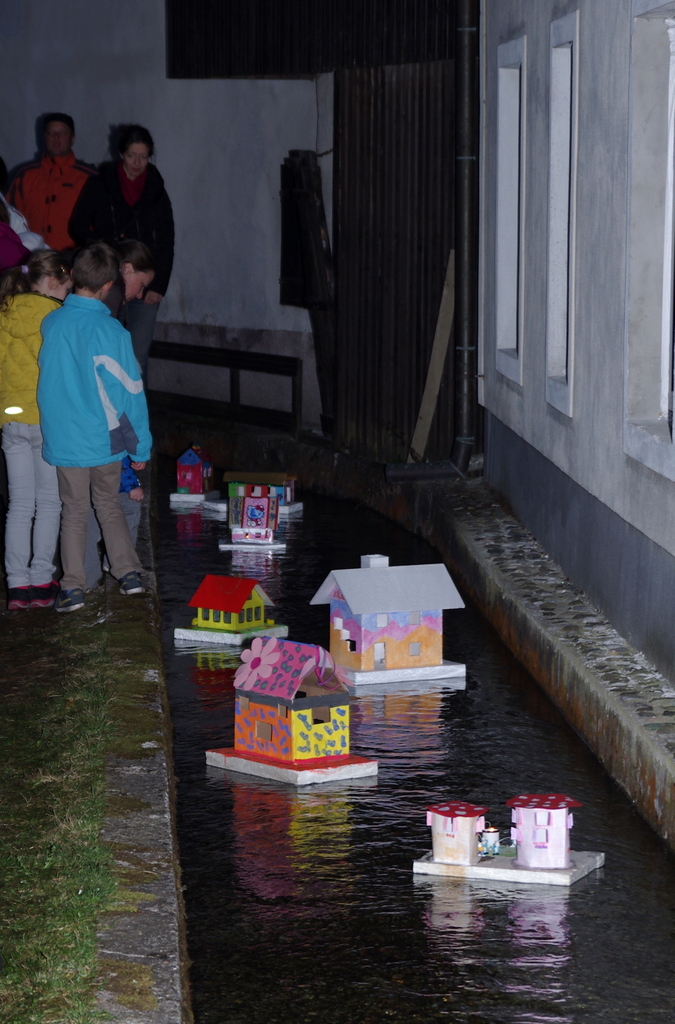
The tradition of making and floating models vessels, made by local children and illuminated by candles, in the streams in the villages of Kropa and Kamna Gorica will take place this week. This age-old iron-forging custom takes place annually on the eve of St. Gregory’s Day. The models, which are a mixture of unique art creations made from paper, cardboard and wood with candles affixed either on the exterior or interior, create a colourful effect against the dusk setting. This custom dates back to the era of manual iron forging, before the introduction of the Gregorian calendar in 1582, when the name day of St. Gregory was considered the first day of spring. With the weather we’ve been having in the past few days, this year it holds true. Unfortunately, due to work commitments, I likely won’t be able to attend this year, which is a shame as it is a spectacle worth seeing, so here are a couple of photos from last year.

01-01-IMGP9793      05-05-IMGP9806

© AdeleinSlovenia 2015

Slovenia’s Smaller Lakes

The British media have done some of my work for me this week thanks to the 2 glowing articles about Slovenia published in the press last week. I was delighted to see that Radovljica also made it into the list of places to see, as well as the usual and much written about destinations such as LjubljanaPostojna caves and Bled – so, for a change, its not just me extolling the virtues of Radovljica! You can read both the articles using the links below:

http://www.telegraph.co.uk/travel/destination/slovenia/152352/Slovenia-attractions.html

http://www.dailymail.co.uk/travel/article-2965536/From-magical-caves-charming-capital-centuries-old-castles-comfort-cuisine-Slovenia-Europe-s-hidden-gem.html

I must admit to having slightly mixed feelings about such media coverage. It’s great for Slovenia’s tourist industry and, one hopes, for the economy – which is in dire need of a boost. However, part of me also hopes that the country won’t become too popular and too over-run with tourists so it can remain as beautiful and pristine as it is. It is, of course, inevitable that visitor numbers are growing, and will continue to grow. Lucky then that I know of SO many more places worth visiting too, those hidden corners, away from the tourist hotspots, which part of me wants to keep secret but every so often I’m willing to share!!!

This weeks ‘sharing’ is about 2 of Slovenia’s lesser-known lakes that I visited last weekend. Offically the country has 321 bodies of water, though this includes some ‘lakes’ that are intermittent and some of them are barely more than large puddles. One of these, are least at first sight, is the karst Podpeč Lake (Podpeško jezero) which lies on the outskirts of Ljubljana, in the area of the Ljubljana marshes (Ljubljansko barje) in the village of Jezero near Podpeč – hence the name. Despite its modest size, it is actually classified among the deepest ‘lakes’ in Slovenia due to an underground outflow which leads to a funnel which has, thus far, been explored to a depth of 51 metres. It takes all of 5 minutes to see the lake, though one can take a walk on the road which leads around it, and there are also numerous paths which lead up through the forest including the one I took up to St. Ana’s Church (Sv. Ana) which stands on top of a hill at 484m. A church was originally erected here sometime in the 11th or 12th centuries, however, the church in its current form dates from 1883 when it was renovated in the Baroque style. It only takes around 30 mins to reach the church from the lake and it is well worth the effort for the panoramic views in all directions. The lake is also one of the start points for the longer hike up to Krim (1107m) which is the highest point in the Ljubljana basin and is easily recognisable due to the attenae which stand atop it and is a popular hiking destination for those living in, and near, Ljubljana. When I visited it was a spring-like day and it was wonderful to see snowdrops coming into bloom as where I live they have yet to creep out of their winter slumber. Unfortunately, it was also very hazy and my amateur photos really didn’t capture any of the views so I’ll jsut post these 2 as a taster!

CIMG8367       CIMG8375

The other lake I visited this weekend is somewhat larger and closer to home, the Black Lakerno jezero) in Preddvor, in an idyllic setting at the foot of the Storžič and Zaplata mountains. The lake is a popular destination for a short stroll as well as being the starting point for many hikes in the surrounding hills and mountains. Next to the lake is the Bor Hotel and the 16th century Hill Castle (Grad Hrib); I also particularly like the tree-lined Castle Avenue (grajski drevored), as seen below, and can imagine many a romantic wedding photo being taken here. On the path in the woods just beyond the lake, there were hundreds of beautiful crocuses which are really a sight for sore eyes after months of seeing just snow and ice.

CIMG8354       CIMG8356

CIMG8363      CIMG8364

It may look, from the photos above, as if there is very little snow remaining, however, these mountains are south facing and up to around the 1000m level, much of the snow has melted. However, in shaded and north facing areas, there is still snow at around the 700m level so caution, and a small pair of crampons, should definitely be in your rucksacks at this time of year when hiking. Nevertheless, meteorological spring has officially sprung and, despite this week colder temperatures and possible snow to ground level being forecast, spring is definitely on it’s way – hooray!

© AdeleinSlovenia 2015

The wonders of Slovenščina – The Slovene Language!

Why does it so often seem to happen that the weather is beautiful all week whilst we are all hard at work then, come the weekend, its all change? This is exactly what happened this past weekend when after a week of sunshine and unseasonably mild temperatures I had a head full of ideas about where I was going to go hiking at the weekend. Alas, it was a cold, wet weekend spent largely indoors working, so I’m afraid I have no snowy hikes to report this week. All rather frustrating since my shoulder is now ok(ish) and I’m raring to go! Still, there will be plenty more opportunities, as I don’t plan on being anywhere other than here in Radovljica, in Slovenia – my home!

There’s still plenty of snow around, and more due this week, for lovers of the white stuff and winter sports, and Slovenia’s winter sports stars are, again, making the country proud; in particular the ski-jumper, Peter Prevc, as seen below, who set a new world record last week of 250metres in Vikersund, Norway. He also uses skis made right here in Radol’ca, specifically at ELAN, and hails from Kranj, so the nation, unsurprisingly, is immensely proud of him. ELAN skis are based in Begunje na Gorenjskem, where they have been manufacturing skis, as well as snowboards and marine vessels, since 1944. There is also a shop open to the public. You can read more about ELAN here – http://www.radolca.si/en/elan/

prevc 1   prevc2

When I decided to move to Slovenia, I already knew a little about the complexities of Slovenščina – the Slovene language, however, it wasn’t until I started learning it that I realised just how complicated it is; the more I learnt, the more complicated it became. When I say ‘learn’ what I actually did, or rather ‘do’, is to just speak it, read it, and attempt to write it (that for me is the hardest part). I haven’t attended courses other than briefly in the early days after my move here. I am, however, constantly complemented on my Slovene, which I know is far from perfect but is ‘good enough’ – at least for now – as it is widely acknowledged as being an incredibly difficult language to learn due to, among other things, its use of the dual form (only one other European language uses this), 6 cases meaning a myriad of possible variations of each word, and over 50 dialects for a population of just 2 million people who, in some areas, don’t even understand each other!

It’s not simply enough to know a word, you have to know how to use it, and recognise it, in all its different forms. For example, the word ‘pes’ means ‘dog’, and if you look in a Slovene/English dictionary, this is what you will find. However, the word ‘psom’ also means ‘dog, as does ‘psu’, as well as a number of other variations – none of which are found in a dictionary – so one can be left clueless as to what this mystery word is!

Anyway, far be it from my to try and explain it, for a brief introduction to the language and its uniqueness, this is a fascinating read – http://lingvo.info/en/lingvopedia/Slovene

Since I am nothing if not determined, I didn’t let the difficulty of Slovene deter me. I know other expats who have either tried and been defeated by it or, worse still, not even tried since one can easily, in the main, get by using just English. However, I had a strong desire to integrate into society here and speaking the language was/is, for me, a crucial part of it. It has often been challenging, especially in the early days when my Slovene wasn’t great and people tended to speak English with me and, in many cases Slovenes, who by the way largely speak outstandingly good English (better than some of the English, believe me!) want to speak English with me, whereas I want to speak Slovene with them! Nowadays, I only speak Slovene in meetings, correspondence, social gatherings etc. and all my hard work and dedication has paid off since I’m now able to make, or at least supplement, my living from translating. Learning and perfecting the language is, however, most definitely an ongoing process!

© AdeleinSlovenia 2015