A Taste of the Pivka Lakes

The Taste of Pivka Lakes festival last Sunday was definitely among the best food events I have been to since moving to Slovenia! Not only due to the food – though that was delicious, believe me – but mainly because of the atmosphere and good spirit of the event.

Many of the villages that fall within the boundary of the Pivka Lakes Nature Park, a Natura 2000 area in Slovenia’s Green Karst area, come together on an annual basis to showcase their local specialities, some of which even vary quite substantially from village-to-village.

What I particularly liked about the Taste of Pivka Lakes festival is, unlike the majority of foodie events, there was no element of profit-making, no competitiveness, no-one trying to sell or promote their goods; it is just a case of good old-fashioned co-operation, goodwill and home-cooking by people from all walks or life regardless of their status and without any hint of greed or gluttony from either those participating or those attending – a rarity indeed! Whilst all the stalls had a makeshift box for voluntary donations, these were gratefully received but certainly not a necessity.

Those taking part included residents from local villages – Suhorje, Kal, Narin, Palčje, Šempeter na Pivki, Stara Sušica, Selce, Klenik, Trnje, Juršče, Zagorje, Drskovče – as well as the Pivka Tourist Association and the Pivka Park of Military History.

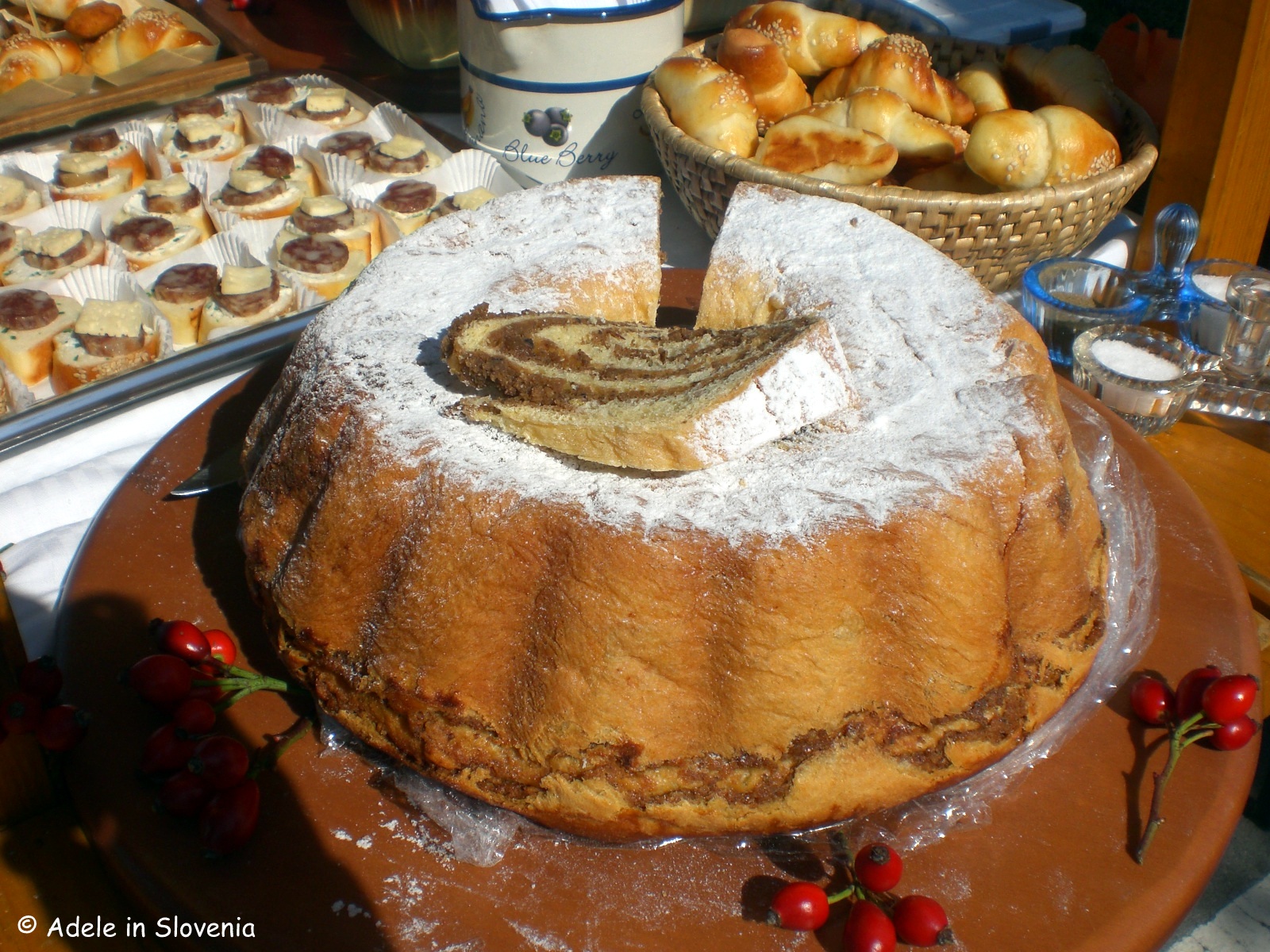
There was all manner of delicious, local, sweet, savoury, hot and cold dishes and delicacies to try; can you imagine what a tough job I had trying to do justice to it all – all in the name of research, of course!
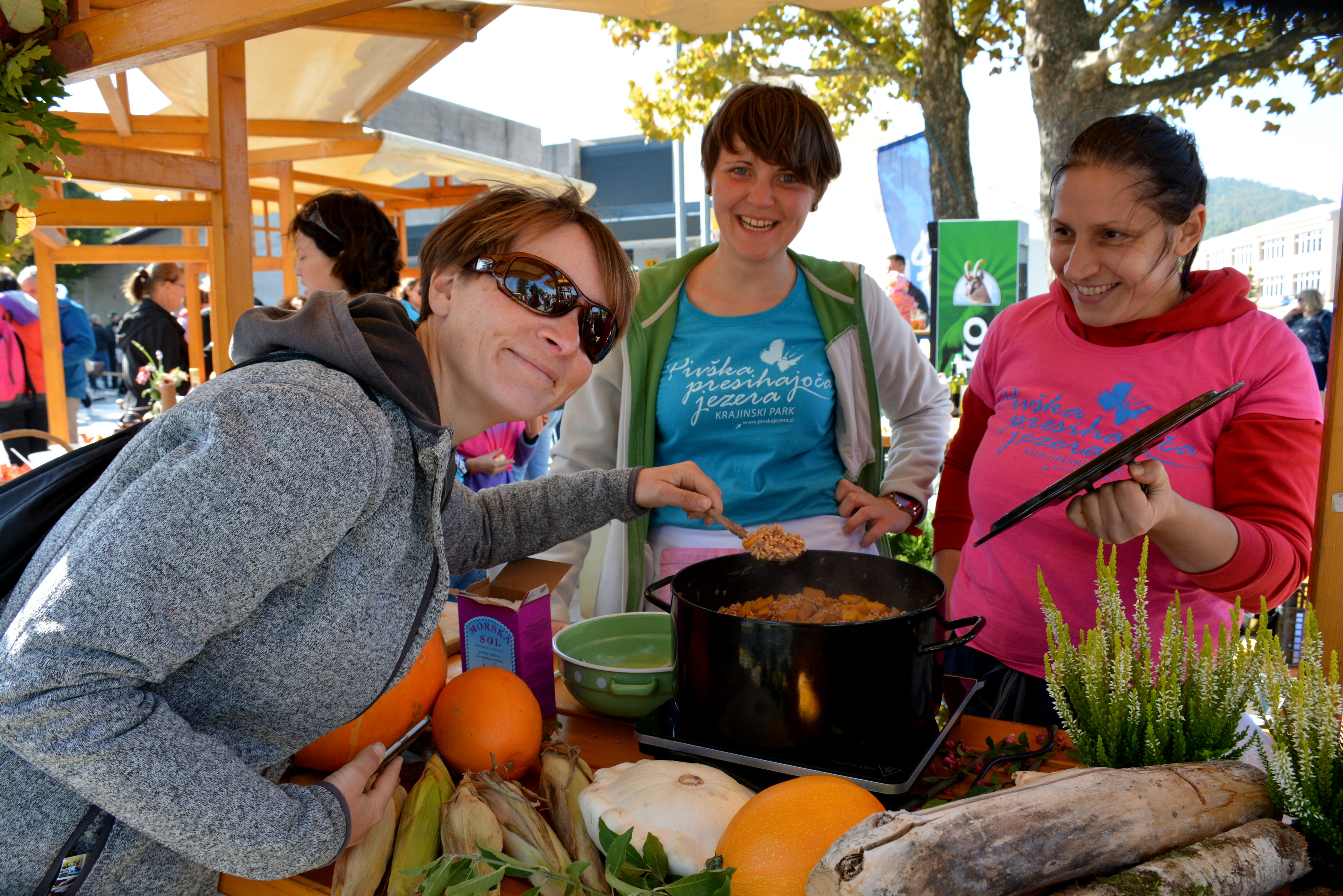
Nettle burek, various kinds of štruklji, biscuits, numerous flavours of potica, strudel, pancakes, flancati, hearty cauldron-cooked soups, stews, goulash, locally produced cheese, etc. – all served with a hefty side order of goodwill!

A brass band from Pivka’s twin town of Durach in Bavaria, provided the entertainment and joined in the fun, too!

The Pivka Lakes themselves comprise 17 intermittent karst lakes which, during and after heavy precipitation, mysteriously fill with water; at other times the water simply vanishes to leave flower-covered meadows.

The largest of the lakes, when it is a lake, that is, is Palčje Lake (Palško jezero).
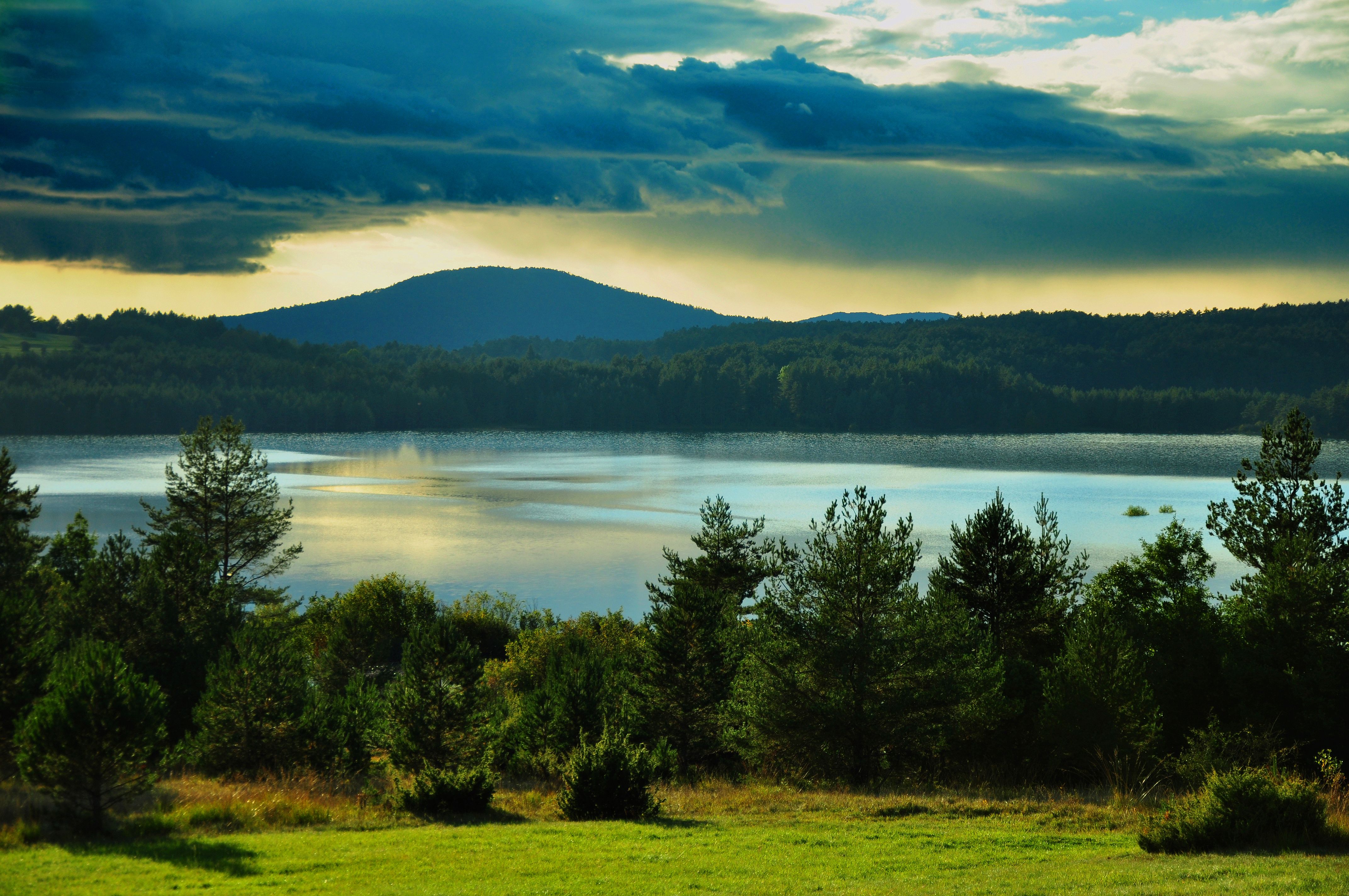
Photo: Zelenikras.si

The area is known for its biodiversity, with hundreds of species of plants, insects and butterflies, and the territory is also known for its bear, wolf and lynx. More about the lakes can be found here – https://www.naravniparkislovenije.si/en/nature-parks/the-seasonal-lakes-of-pivka-nature-park

You can read more in this blog from last year about my visit to the 2nd biggest lakePetelinsko jezero – and the new Eco-Museum of the Pivka Seasonal Lakeshttps://adeleinslovenia.com/2016/05/05/pivka-pause-ponder-play/

Find out more about what to see, do, and taste in the Green Karst area here – http://zelenikras.si/en/

© Adele in Slovenia

Roblekov dom – Slovenia’s Best Mountain Hut 2017

The Roblekov dom mountain hut on Mt. Begunščica in the Karavanke mountains has just been announced as the winner of the title ‘Best Mountain Hut 2017’.

Photo: Jani Kolman

The competition was contested by 72 out of the 181 mountain huts (including bivouacs and shelters) in Slovenia, and of the 70,000+ votes cast by the public, Roblekov dom was this year’s clear winner.

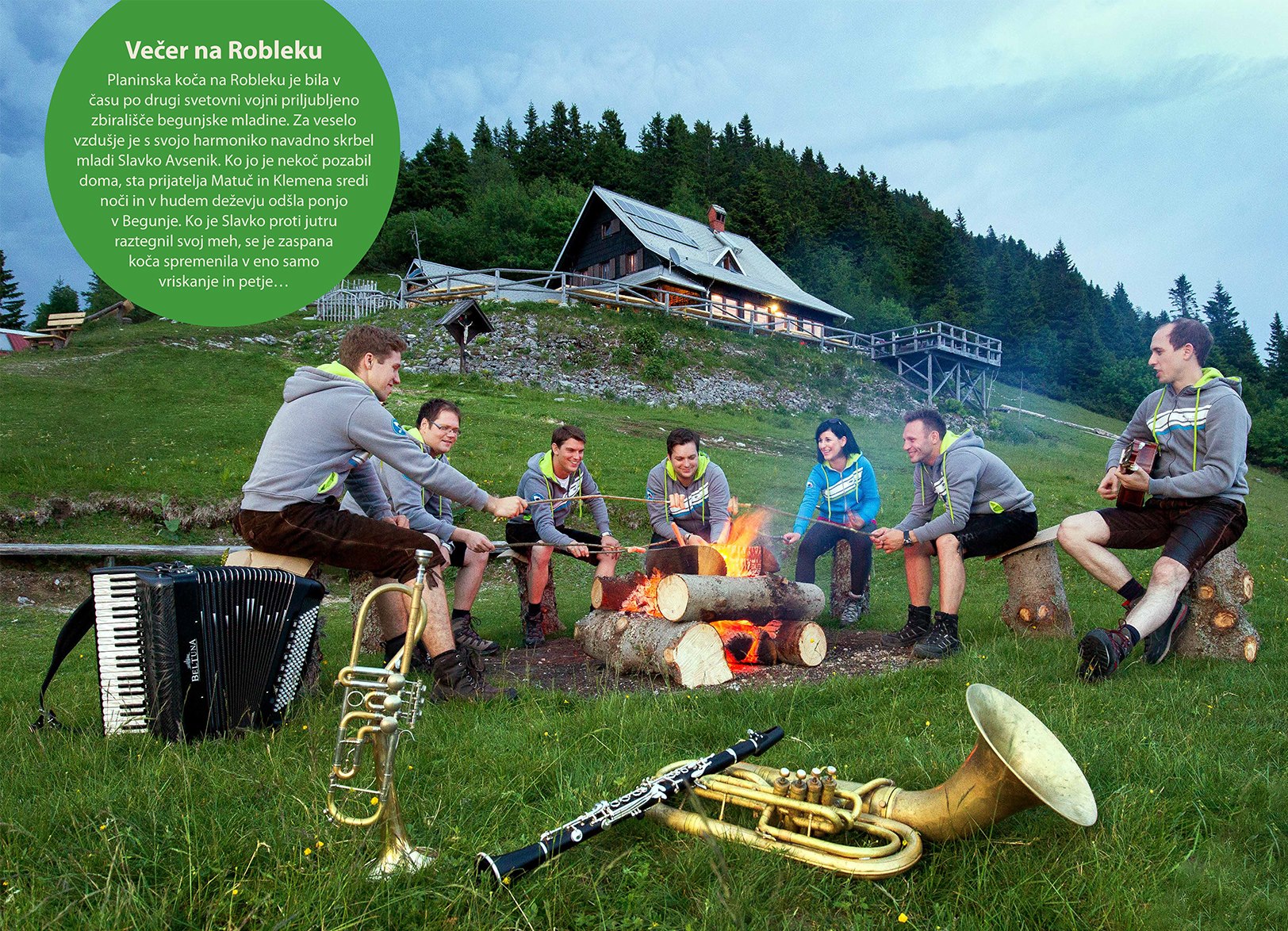
There are numerous reasons why Roblekov dom is such a well-known and popular destination for hikers from all over Slovenia – not least due to the popular song, which surely almost every Slovene knows by heart, ‘Na Roblek bom odsel’ (I’m going to Roblek), written and performed by the legend of Slovenian folk music, Slavko Avsenik. Watch and listen here!

These days the song is still performed by the hugely popular Avsenik Ensemble, from Begunje na Gorenjskem.

The Roblekov dom hut has long been a popular destination and now, with the new caretaker managers – Zdenka and Rok Podpečan, who took over the running of the hut last year and assure visitors a warm welcome regardless of the weather – the hut has now become even more popular and they have added a few of their own new touches, too!

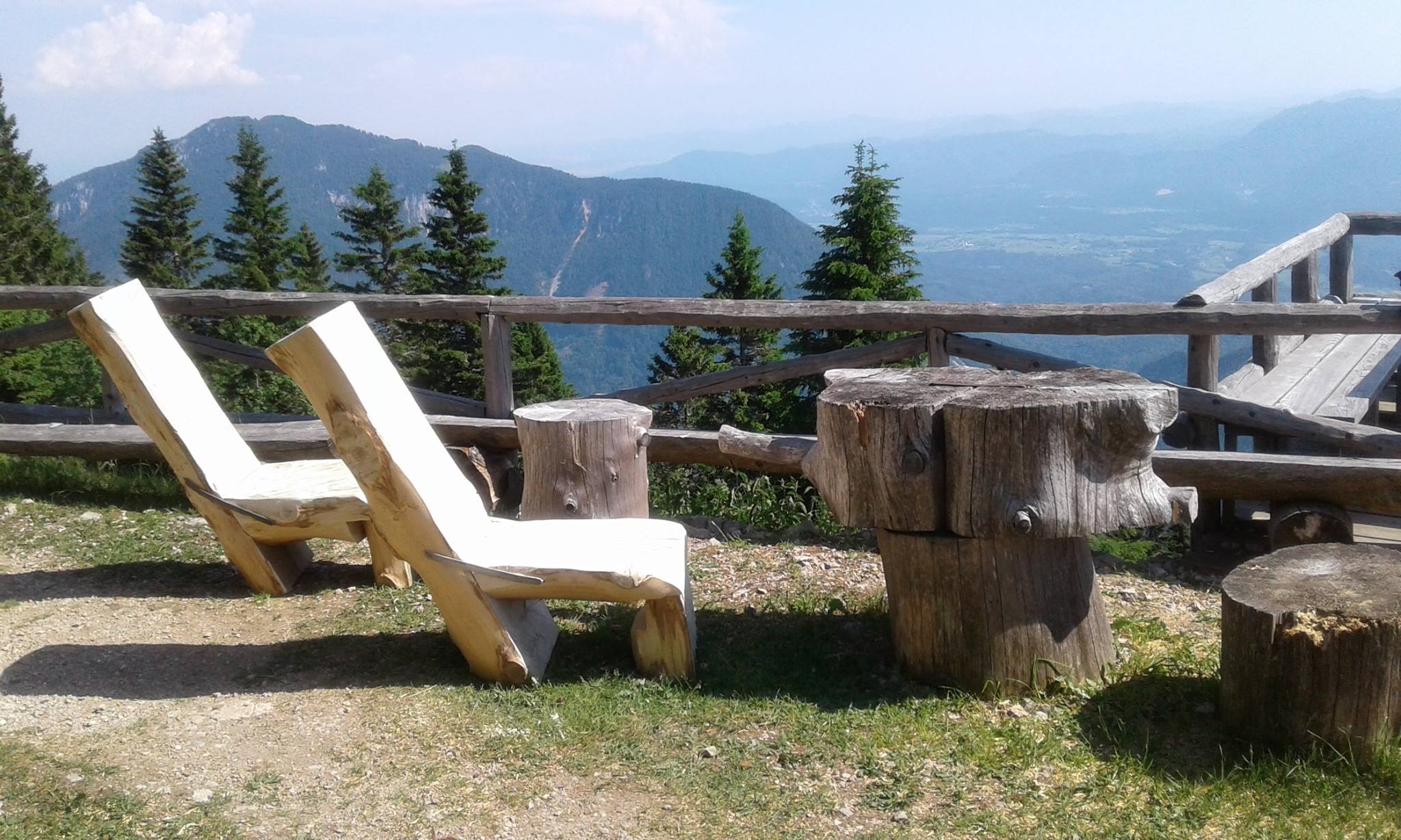
For many, myself included, the fact that you can’t reach the hut by car is a major plus i.e. you have to hike up to earn your view and/or tasty treat, making it all the more rewarding, not to mention peaceful and pollution-free.

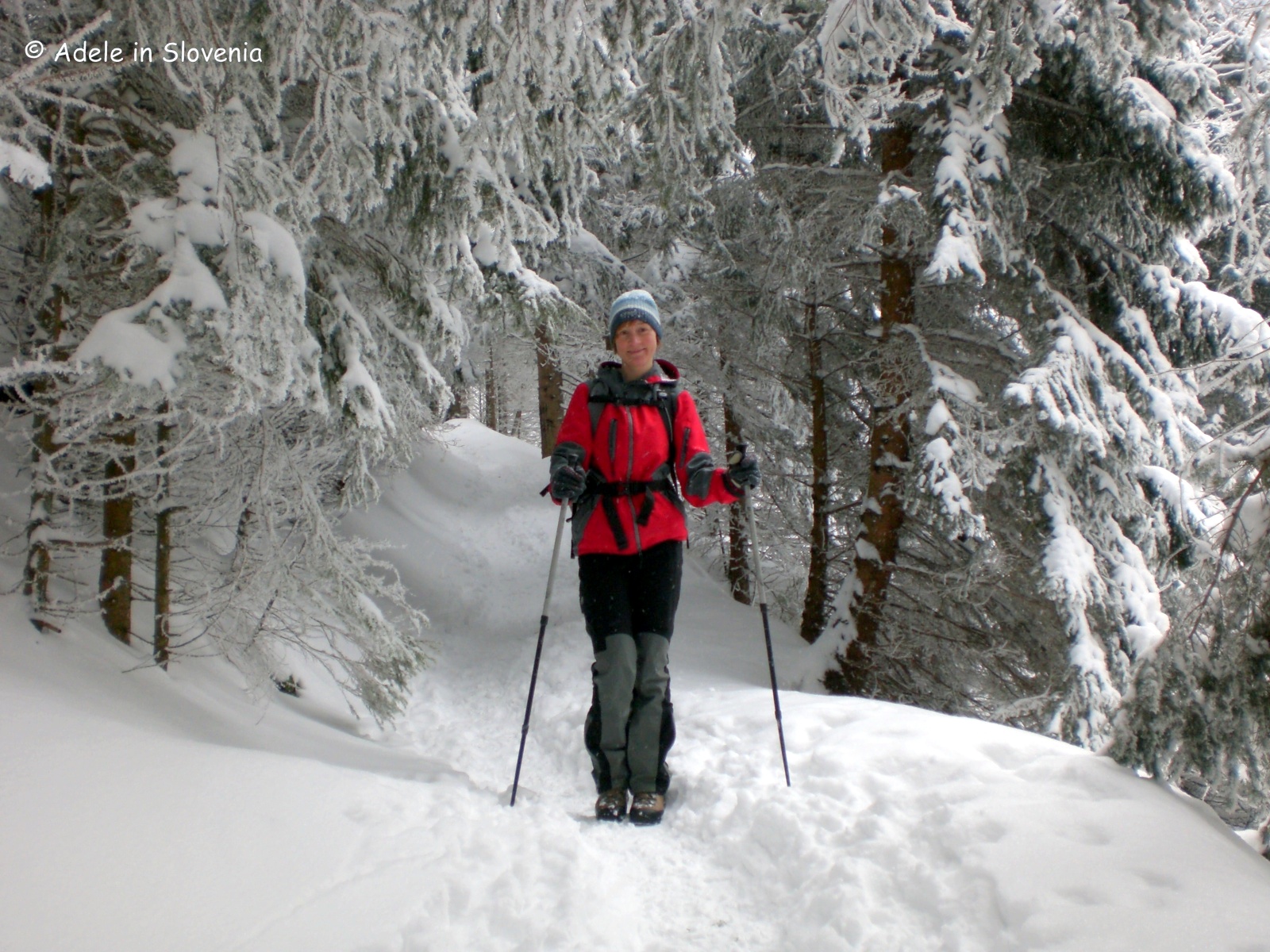
Roblekov dom is accessible year-round, and is actually probably even more popular during winter than in summer. I love hiking up there in winter to enjoy some winter sun, often finding myself above the cloud that is lingering above the valley.

Even when there is A LOT of snow, you might find me (somewhere!) up there!

Even though I don’t like snow, I will make an exception to visit Roblek dom on a sunny winter’s day!

The hut can be a destination by itself, just sit and soak up the views whilst enjoying some tasty mountain food, or as part of a hike to the top of Mt. Begunščica, which you can read more about in this blog post from earlier this year here – https://adeleinslovenia.com/2017/06/18/the-karavanke-mountains-majestic-mt-begunscica/

The most usual place to begin a hike to Roblekov dom is from the Draga valley, which is reached through the village of Begunje na Gorenjskem, and is home to the impressive ruins of the mighty Kamen Castle. You can either take the direct route up or take the Shepherd’s Trail to Preval then the path ‘čez Roža’ to reach the hut. Note, however, that during winter, when there is snow and/or ice, it isn’t advisable to attempt the Shepherd’s Trail. More about the Shepherd’s Trail can be found here – http://www.radolca.si/en/shepherds-trail-begunje/

Photo: Miran Kambić

Roblekov dom is open year-round; daily during the summer months and at weekends only throughout the remainder of the year, as well as on public holidays.

So, don’t delay, visit today, and find out for yourself why Roblekov dom has been voted Slovenia’s best mountain hut!

© Adele in Slovenia

Šubic House – The Creative Centre of the Poljane Valley

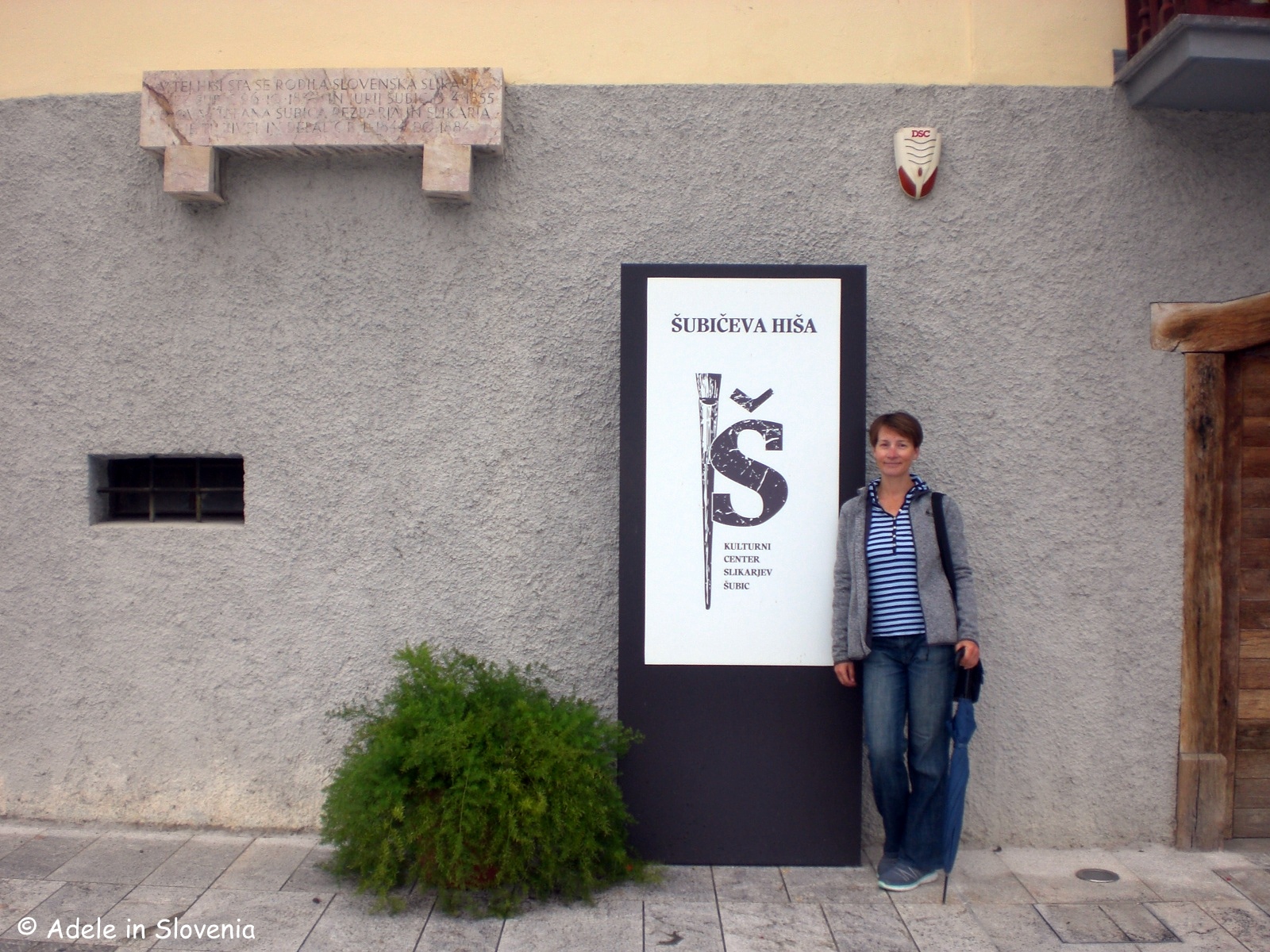
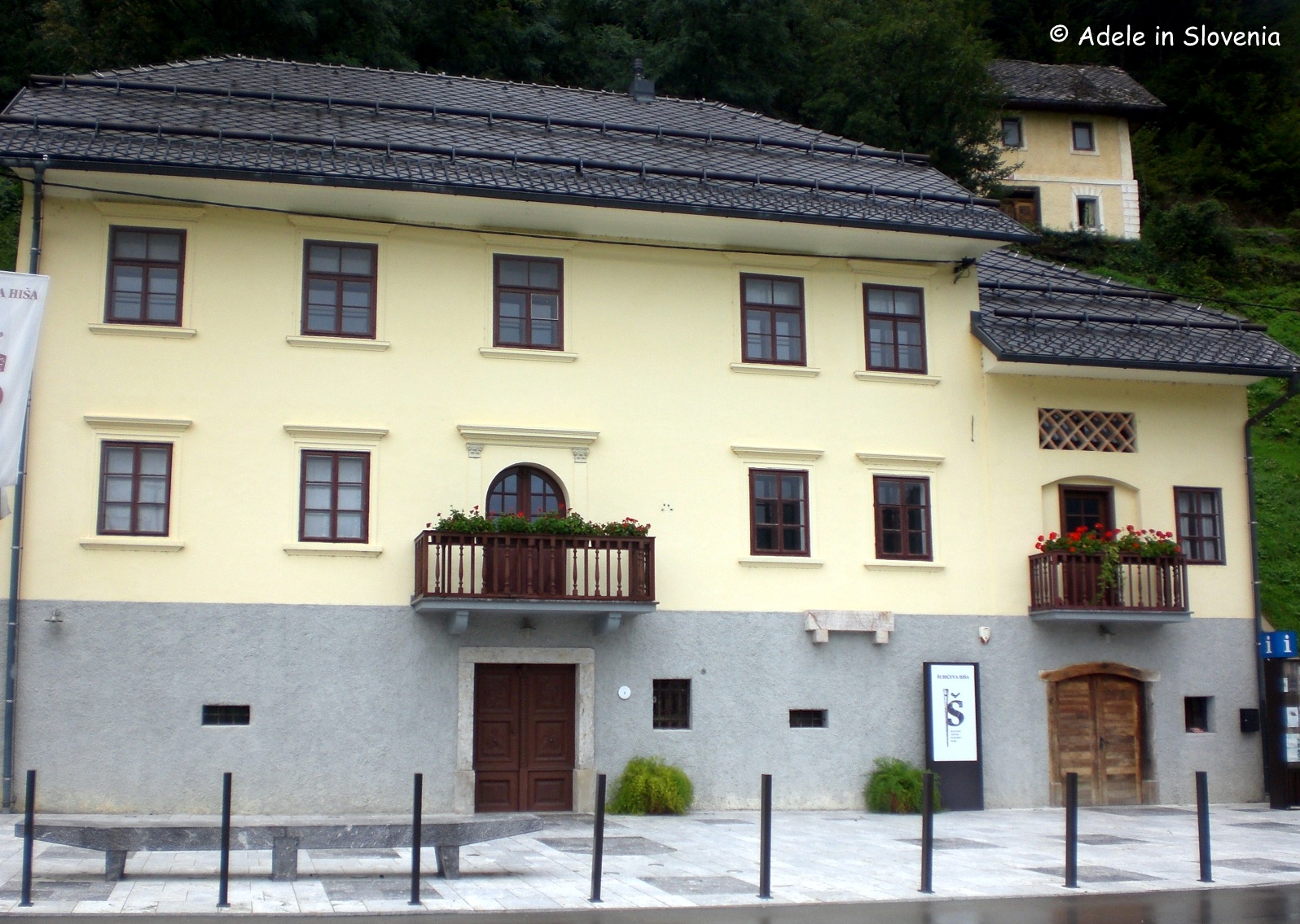
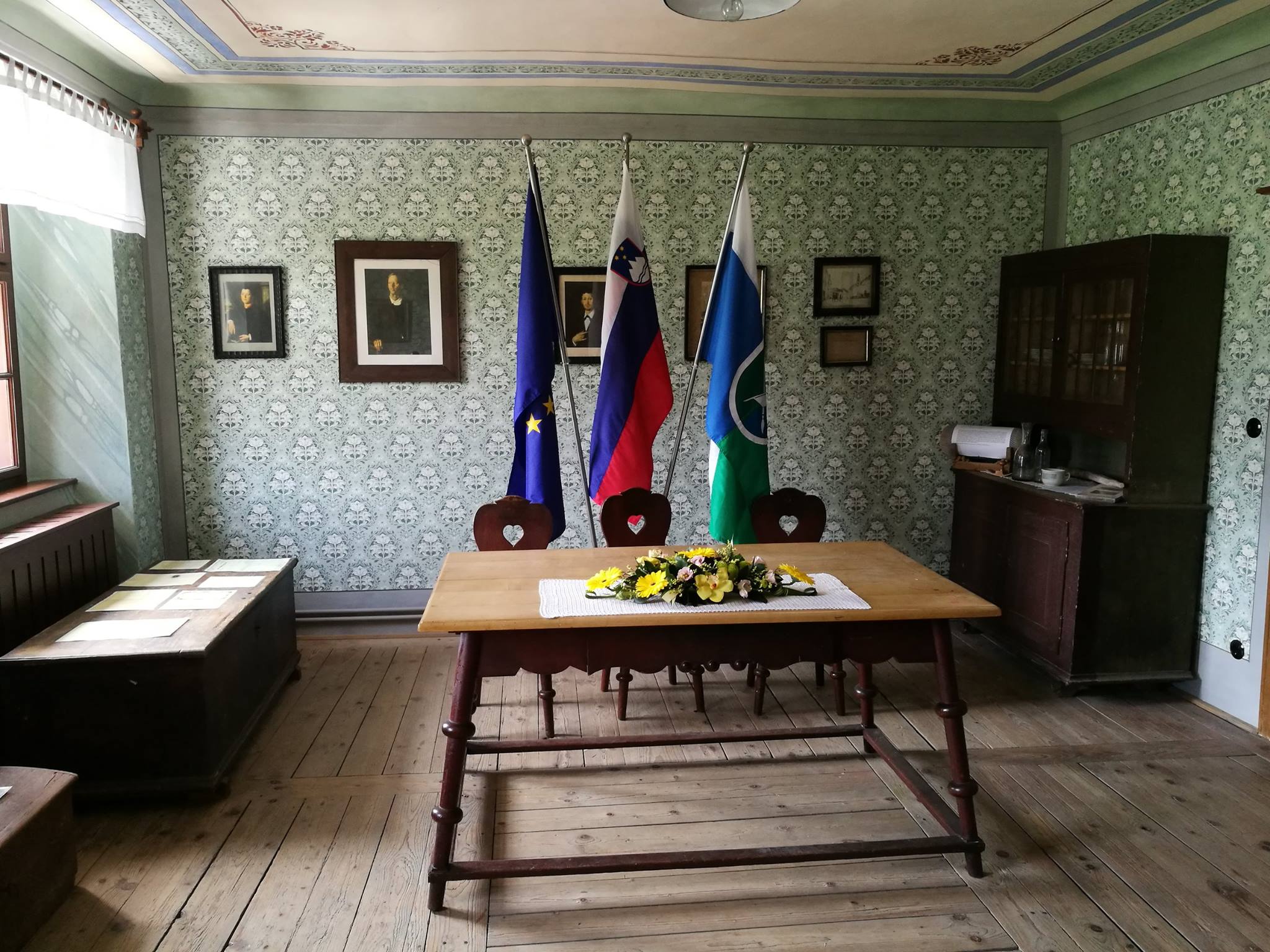
Šubic House (Šubičeva hisa) in the Poljane Valley is the creative centre of the valley. Once home to two of Slovenia’s most renowned painters, Janez and Jurij Šubic, today the house operates as a cultural centre with a permanent museum collection, an exhibition space, gallery of caricatures, an information point for visitors to the valley, and an area for enjoying and sharing creativity!

As a young lad, Boris Oblak, formerly the manager and now a guide in Šubic House, used to walk past the house on a daily basis on his way to school and admire its carved wooden doors and wonder why such a magnificent house lay empty. It is for this reason that he now still has to pinch himself when he is the one who has access to that door on a daily basis, and his infectious passion for the house and its content is clear to see from the moment you cross the threshold.

This is no ‘ordinary’ museum, it’s a centre for all. The first thing you see on entering is the imposing memorial plaque dedicated to Janez and Jurij Šubic, which was erected in 1896 in the old Poljane church and later,  following World War 11, was lost during demolition of the church. Fortunately, just a couple of years ago it was re-discovered in one of the houses in the Poljane valley and now stands proudly in its rightful place.

A family tree on the wall helps visitors to better understand the history and importance of the family and their work. In brief: according to records, Pavel Šubic Sr. (1772–1847) was the first Šubic to start with woodcarving, creating works for churches in the Škofja Loka area, and, as was typical for artisan workshops of that time, he passed the ins and outs of the artistic processes to three of his sons, Štefan, Blaž and Janez (Sr.)

Štefan Šubic (1820 ­- 1884) was the most renowned among them, creating paintings, woodcarvings and frescos all around Slovenia. His workshop was the most important Slovenian artisan workshop of the 19th century.

The artistic tradition was passed on to all five of Štefan’s sons – Jurij (1855 – 1890) and Janez Šubic (1850 – 1889) being the most renowned among them. They both studied at academies abroad and, although they died relatively young, they remain among the most important Slovenian painters.

If you would like to find out more about the artists and see their works, the National Gallery of Slovenia in Ljubljana, has permanent exhibitions featuring paintings by Jure Šubic – http://www.ng-slo.si/en/permanent-collection/1870-1900/jurij-subic?tab=collections&authorId=500 and Janez Šubic – http://www.ng-slo.si/en/permanent-collection/1870-1900/janez-subic?tab=collections&authorId=495

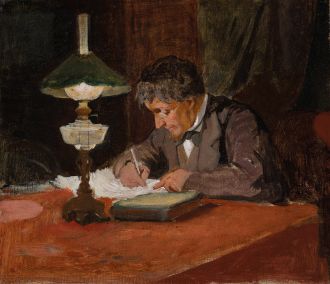
Jurij Šubic – A Letter

Janez Šubic – Still Life with Pots

Upstairs in Šubic House, the museum area has been carefully and thoughtfully arranged. I particularly like the original use of the beautifully handwritten letters – over 1,000 of them exist in total – sent between the Šubic family telling of their life, work and relationships. The letters have been imaginatively placed on, and attached to, some of the museum exhibits. Find out more about Šubic House here – http://subicevahisa.com/

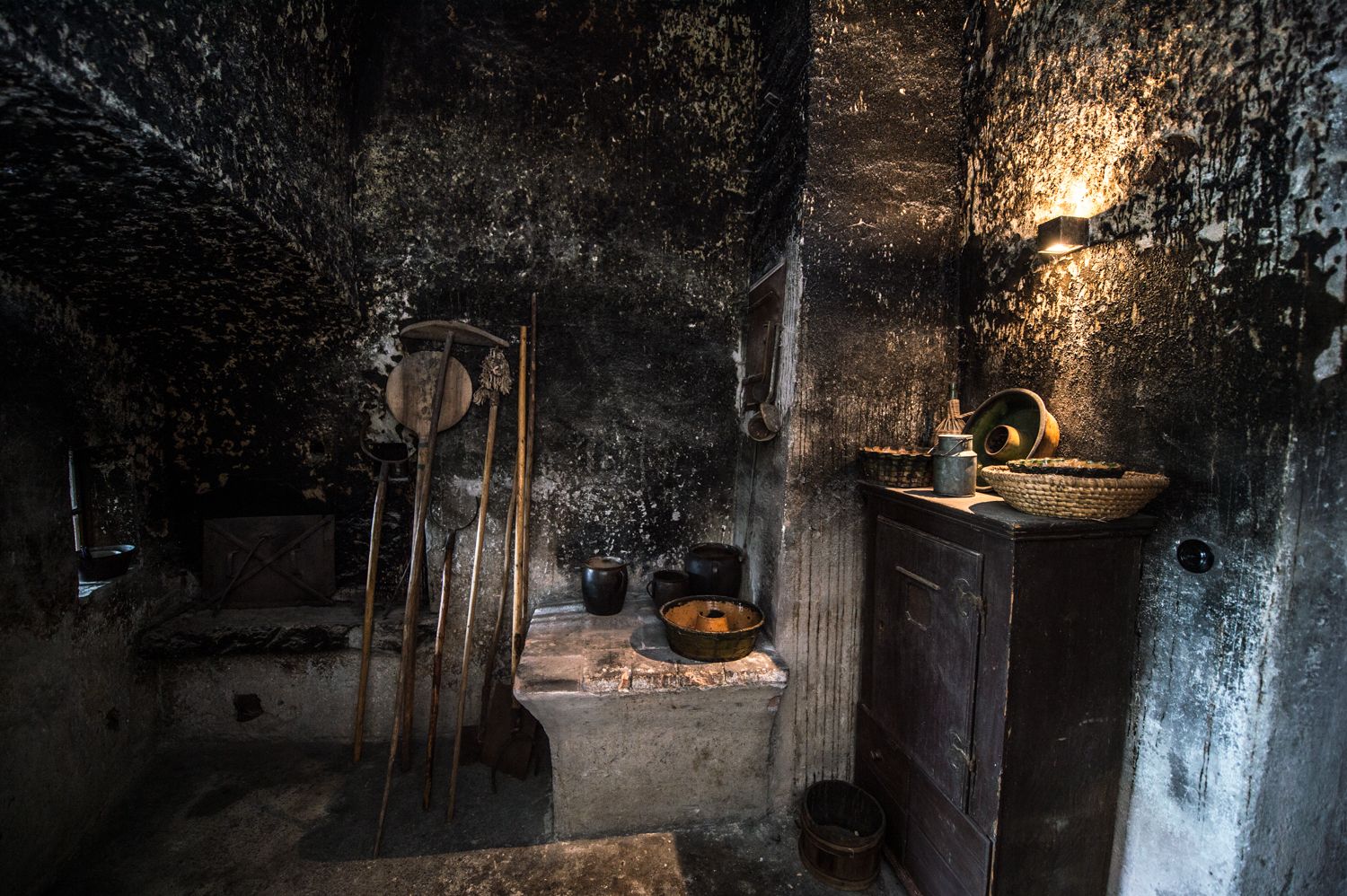
There is also an original black kitchen, complete with real smoked sausages hanging from above, and, if you are lucky, you can even try a slice!

Black kitchen in Šubic House – Photo: Klemen Razinger

Black kitchen in Šubic House – Photo: Klemen Razinger

I found it rather sad, and also poignant, to think that in the future, there will be no such lasting memories of people of the present and future generations, since these days, in this age of rapid social media, everything is so fleeting and the days of letter writing are all-but-gone.

Getting hands-on in the museum is encouraged -try wood carving, painting, join in a creative workshop or try your hand at drawing a caricature.

‘Before the Hunt’ by Jurij Šubic – I can’t take the credit for this one!

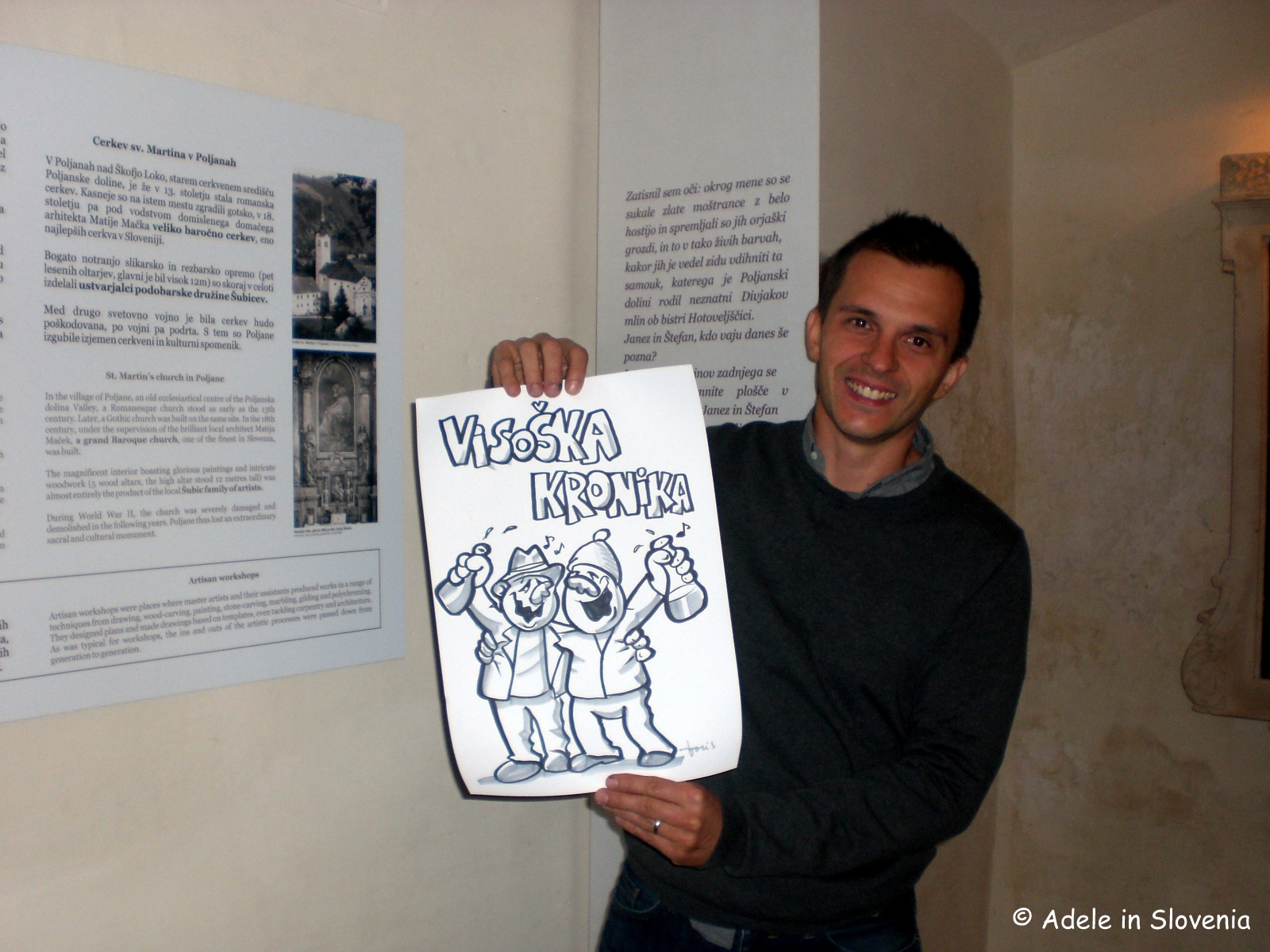
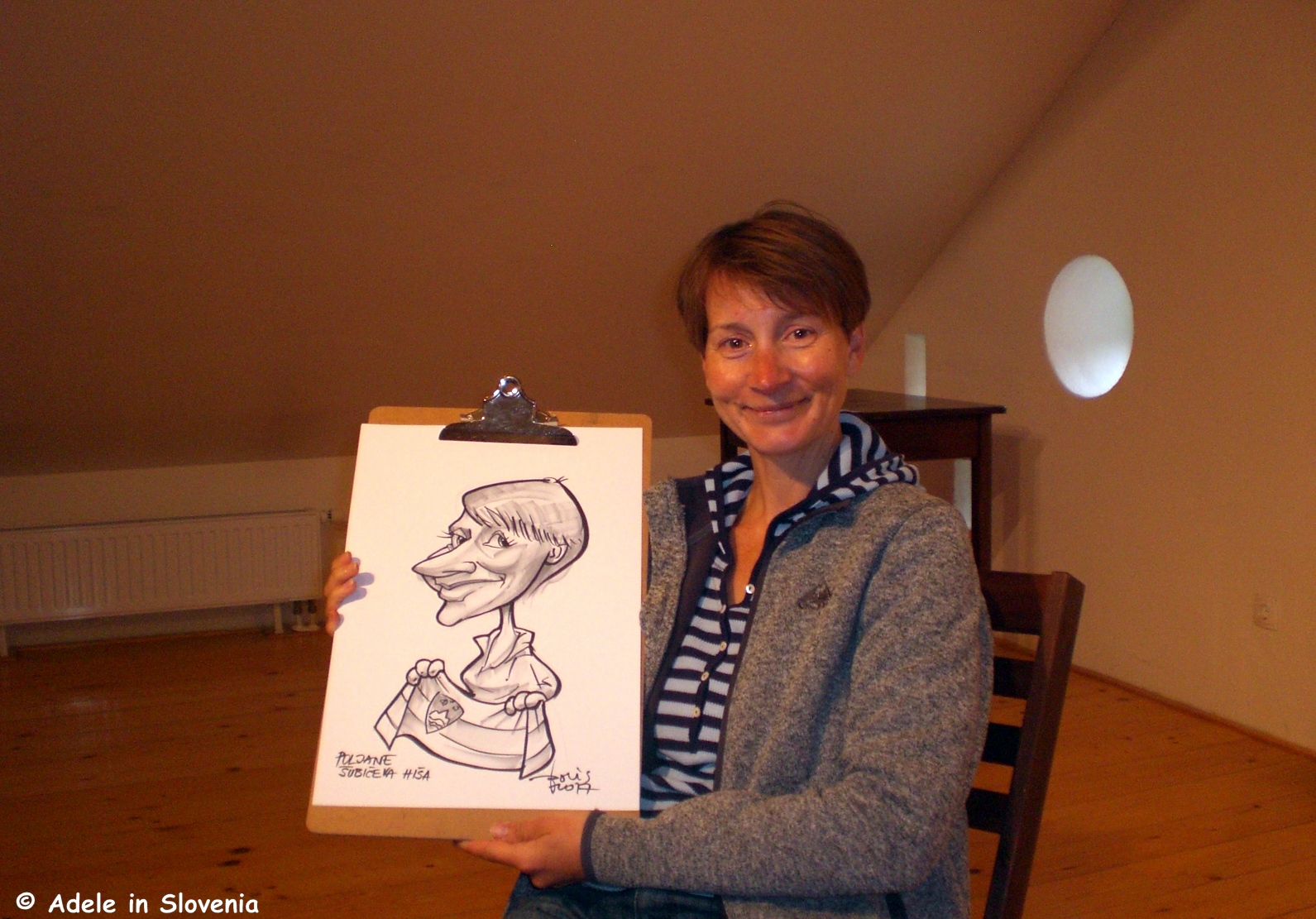
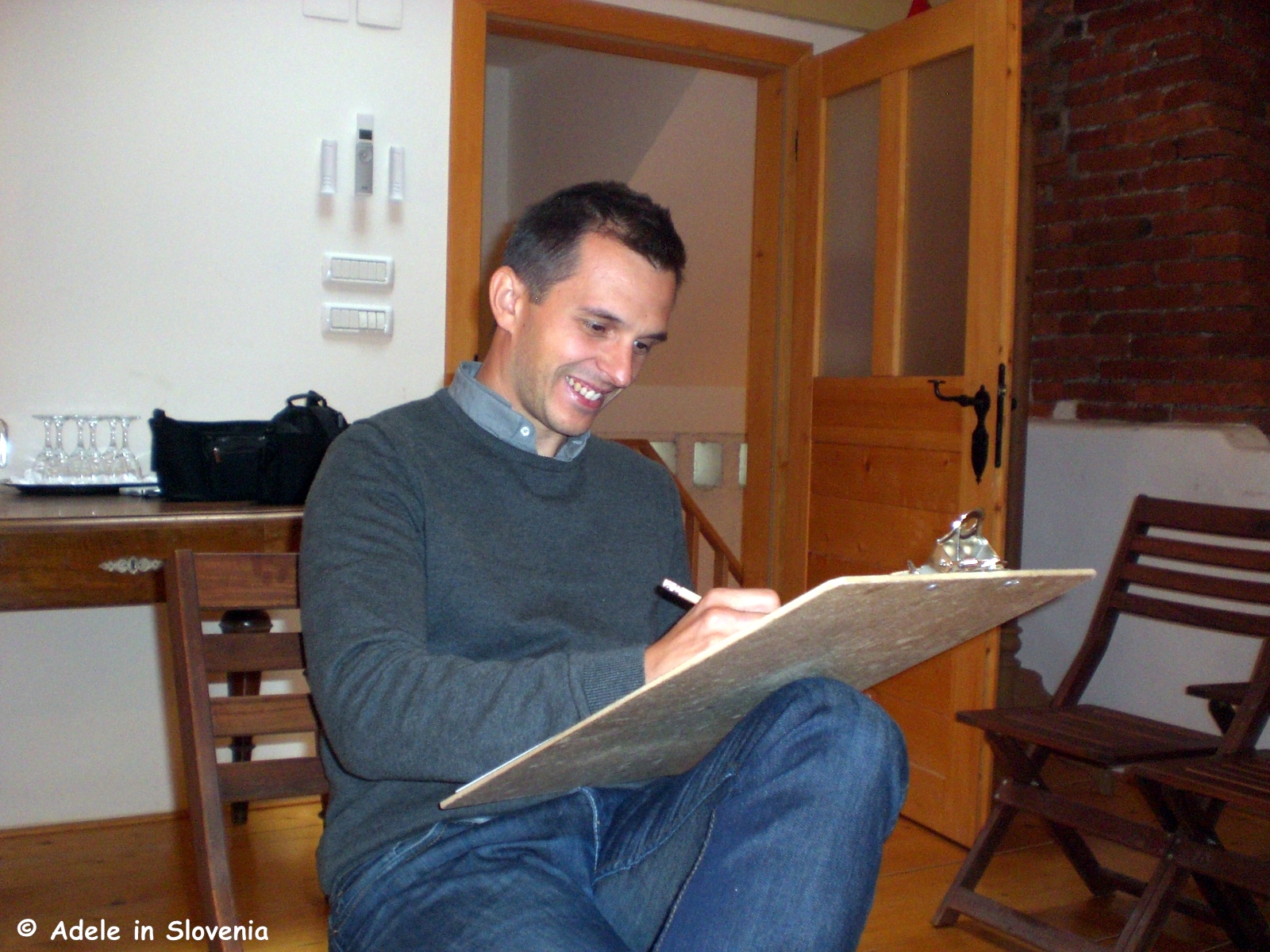
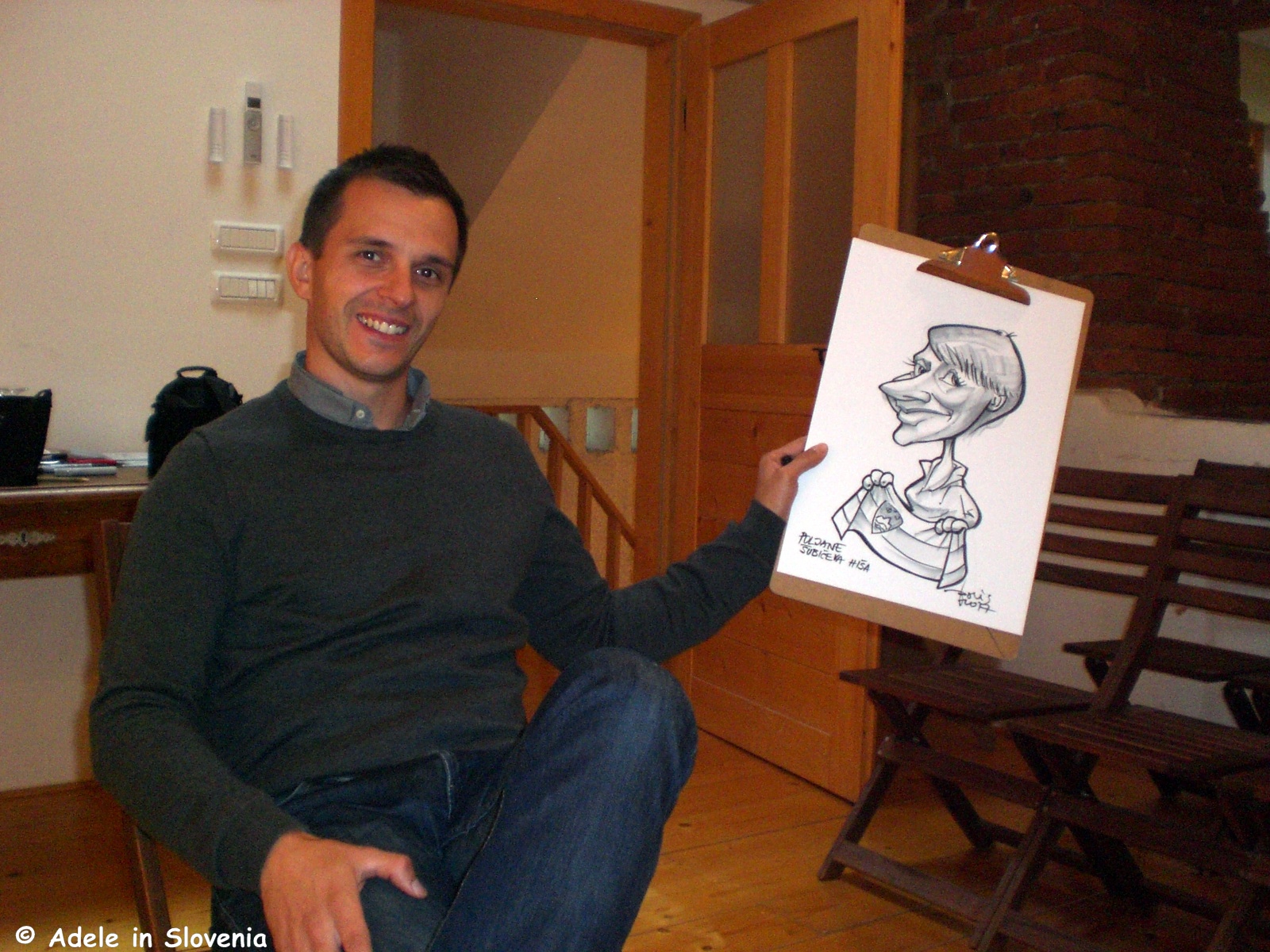
In addition to running the house, Boris is also an extremely talented artist himself, specialising in caricatures. A few of his works are exhibited in Šubic House but to see more of his amazing creations, see his website here – http://www.karikatureboris.com/en/  His drawings make great original gifts for various celebrations and occasions. Of course, he couldn’t help himself and he quickly got to work on a new caricature …

The result of which was …

One needs a sense of humour! Love the Slovenian flag, too!

From May to the end of October Šubic House is open on Tuesdays-Fridays from 10am-5pm and Saturdays 10am-1pm; winter opening times from November to the end of April are Tuesdays-Friday 10am-4pm and Saturdays 10am-1pm. For groups of 10 people or more, visits outside of these times can be arranged upon prior notice.

I recommend visiting Šubic House as part of a visit to the Poljane valley, where there’s plenty to see and do including the Pustotnik Dairy, walking the Rupnik Line theme path, hiking to Blegoš, a visit to Tavčar Manor or one of the many tourist farms. For more information about the valley see the Visit Škofja Loka website where you can also find links to my blogs on all the above topics – http://www.visitskofjaloka.si/en/

© Adele in Slovenia
A Sweet Weekend in Store – Mošnje Days, a Roman Feast and the Festival of Honey

Next weekend promises to be a ‘sweet’ one in the Radovljica area – in more ways than one – since there are two events taking place, both of which promise to be tasty!

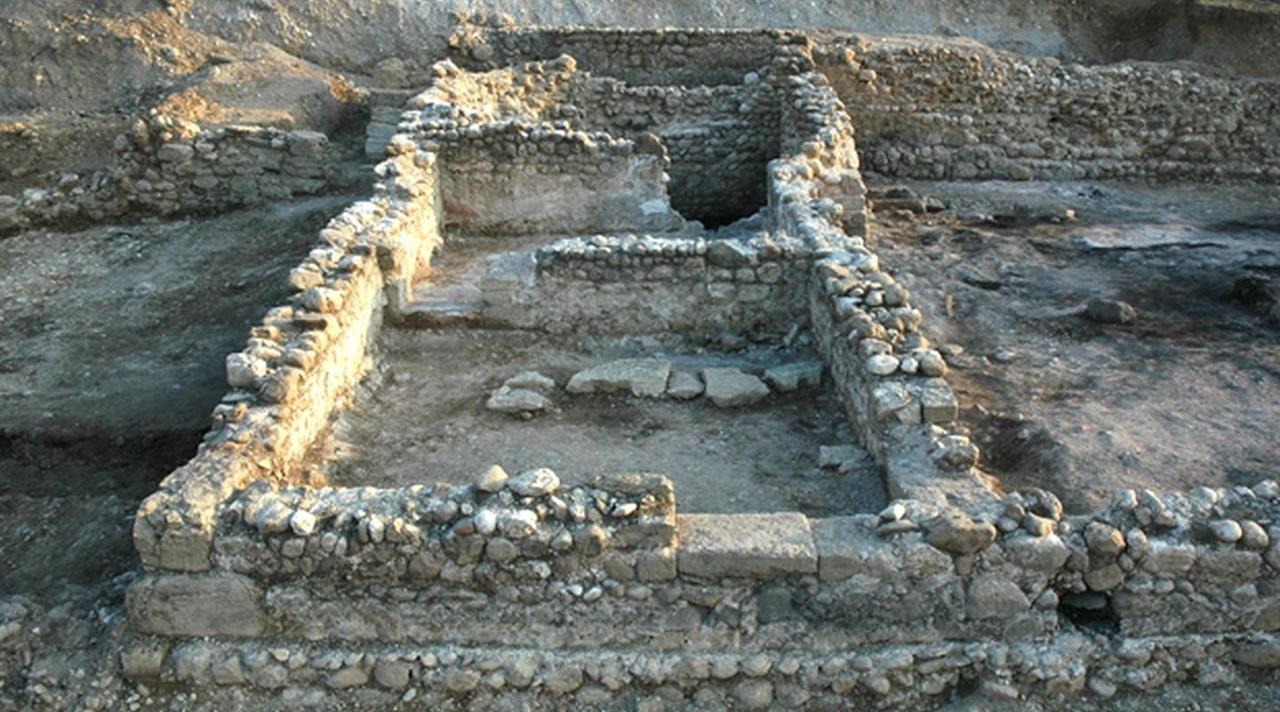
In fact, the first event – Mošnje Days – begins on Friday 22nd September. This year marks the 10th hosting of Mošnje Days and it promises to be bigger and better. This year it is particularly dedicated to Roman times, due to the Mošnje Villa Rustica archeological site – the remains of a villa dating from the 1st century which were discovered in 2006 during works to extend the Gorenjska motorway.

On both Friday and Saturday you can take a free guided tour of the Mošnje Ethnological Museum where you can see some of the artefacts found at the site including ceramicware, keys and jewellery whilst at on Friday at 6pm in the Mošnje Cultural Centre (Kulturni dom) you can see an exhibition of products from a 3-day mosaic workshop, which is also taking place as part of this year’s event, and watch a performance by pupils from the Mošnje primary school.

You can read more about the Mošnje Archeological Trail here – http://www.radolca.si/en/mosnje-archaeological-trail/

On Saturday 23rd from 1pm you can try Roman food as well as traditional Slovene dishes – there’s always something bubbling in the cauldron! – browse and buy local handicrafts, be entertained by live music from the PROJEKT ensemble, and there will be workshops for children.

Did you know that the Romans were very advanced in the field of cuisine? Why not treat yourself to the Roman-based menu available all weekend at Vila Podvin in Mošnje – one of Slovenia’s top restaurants – where head chef and co-owner Uroš Štefelin specialises in a modern take on traditional Slovenian food with a focus on local ingredients, and where you can always find something innovative to tantalise your taste buds! You can find more details about the Roman weekend menu, price and booking details here – http://goo.gl/u9m7xt

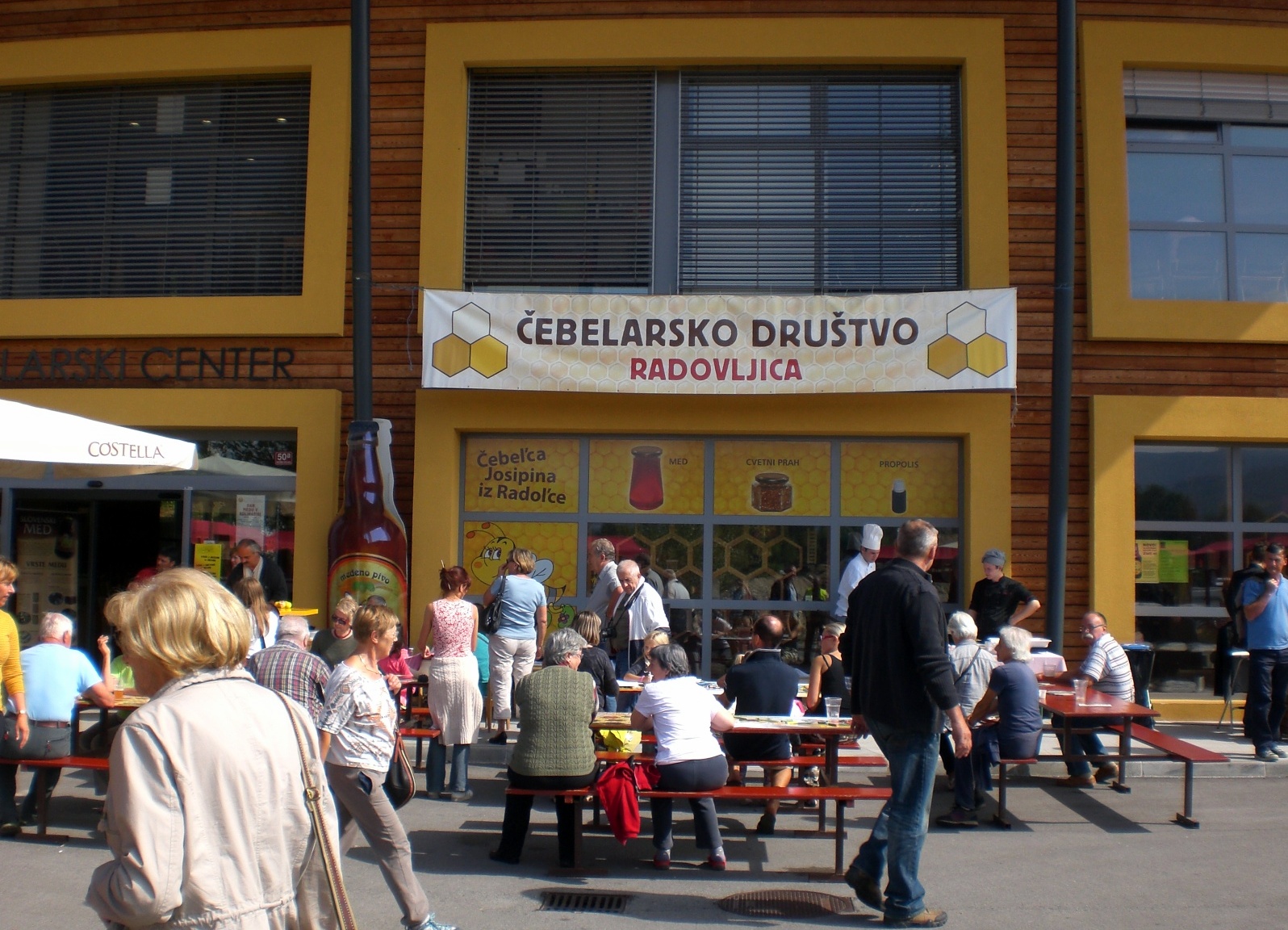
Meanwhile, at the Beekeeping Education Centre of Gorenjska in Lesce, this year’s Festival of Honey and Day of Honey in Cuisine takes place on Saturday 23rd September from 10am.

Come and find out more about Slovenian honey, taste honey and honey products, sample honey beer and honey cocktails, treat yourself or buy some gifts for friends and family, and take a tour of the centre and the apitherapy beehive.

The festival programme is below (in Slovenian only) and more about the centre can be found (in Slovenian, English and other languages) on the website – http://www.cricg.si/

From 22nd-24th September you can enjoy special honey-themed menus at selected Taste Radol’ca restaurantsGostilna Lectar, Lambergh Chateau & Hotel, Gostilna Kunstelj, Gostišče Draga, and Gostišče Tulipan, with 3-course menus costing just 15 euros per person (except Kunstelj Inn – 25 euros).

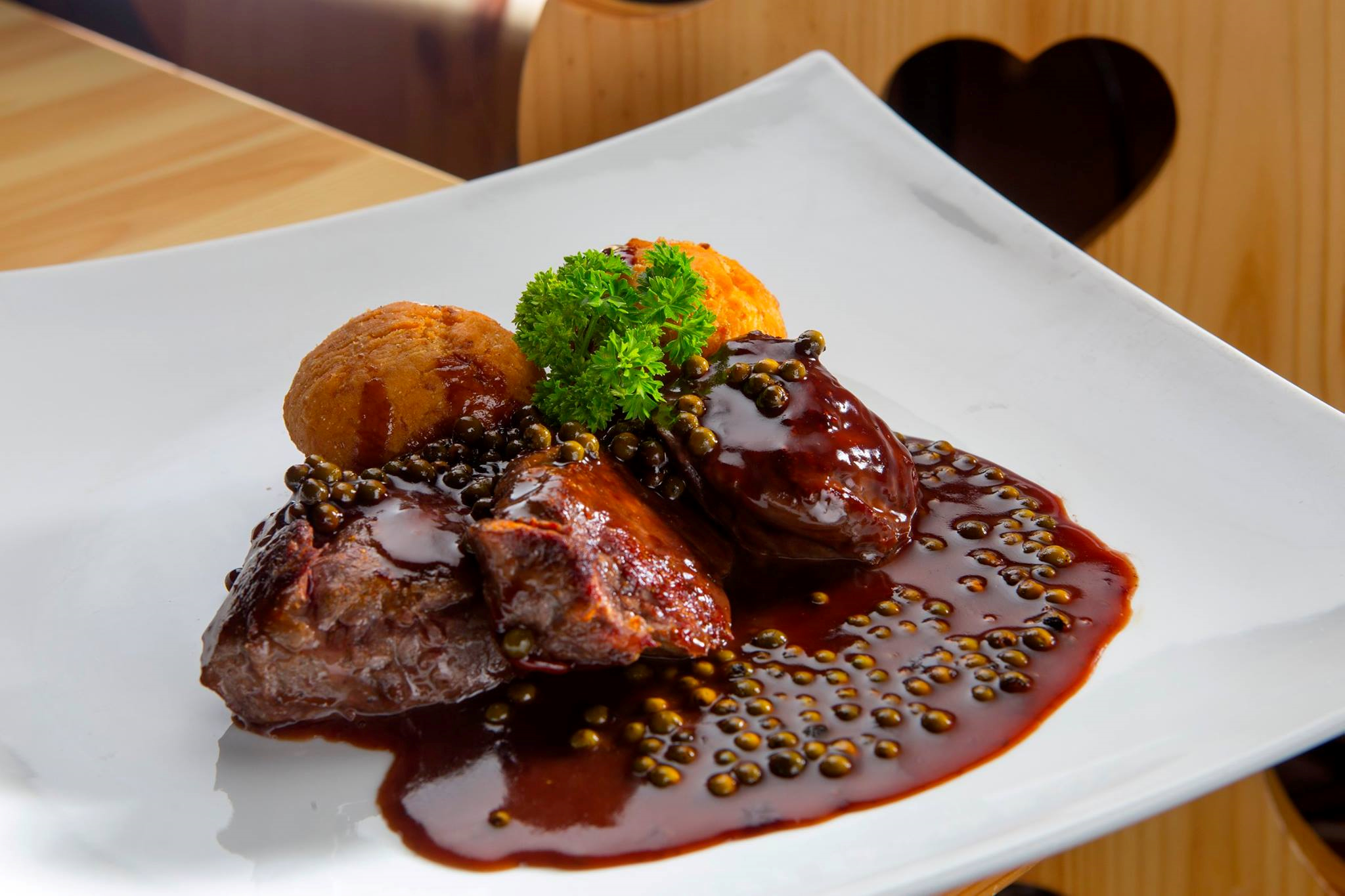
Pork fillet in honey-pepper sauce at Gostišče Draga

I’m looking forward to the ‘sweet’ weekend ahead. Do come and join the fun, too!

© Adele in Slovenia

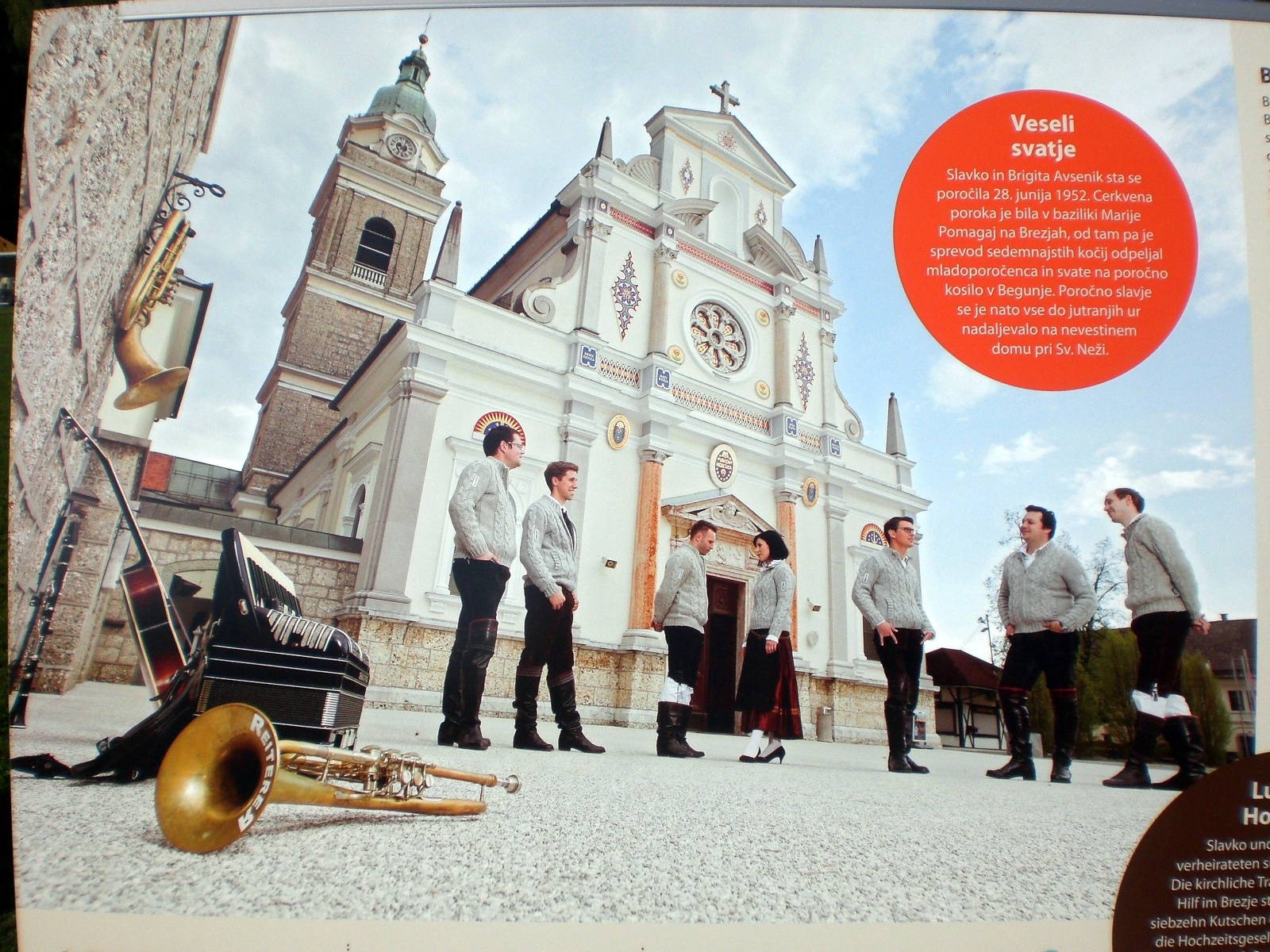
The Begunje Village Trail – Along the Paths of Slavko Avsenik

The village of Begunje na Gorenjskem is the birthplace of the founder of Slovenian folk music, Slavko Avsenik, and a gateway to numerous hikes in the Karavanke mountains.

Get to know more about the village, its history, famous residents, and village life by taking a stroll along the Begunje Village Trail.

The trail begins opposite the Avsenik guest house and restaurant, where you can visit the Avsenik Museum to find out more about the legendary Slavko Avsenik and the music of the Avsenik Brothers Ensemble, as well as about the history of the village.

You can also see some hints and tips from the Avsenik Ensemble about how and where to see and enjoy the best of the area!

Continue past the cemetery through the narrow village lanes, passing the stream in places, heading towards St. Ulrich’s church.

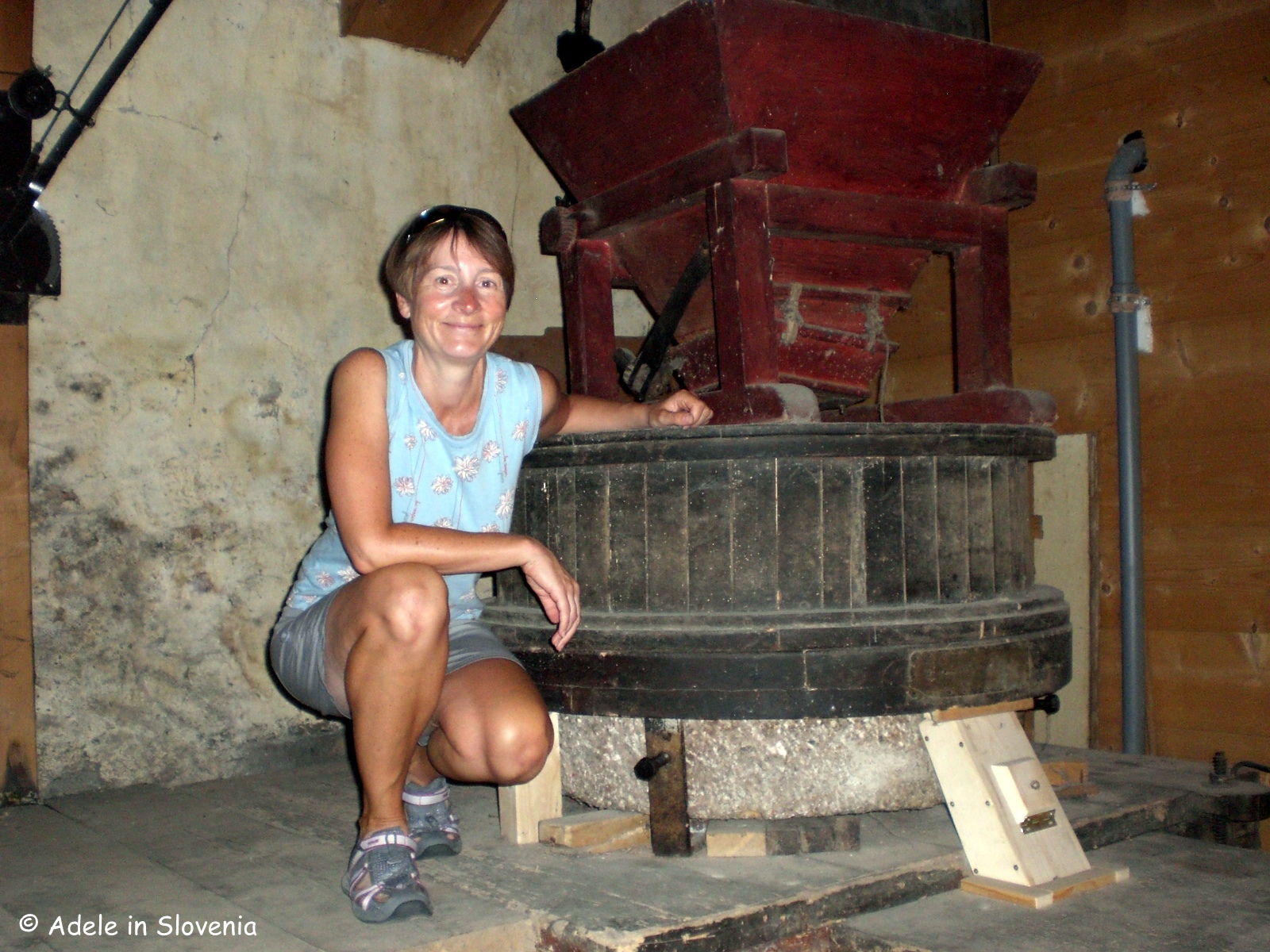
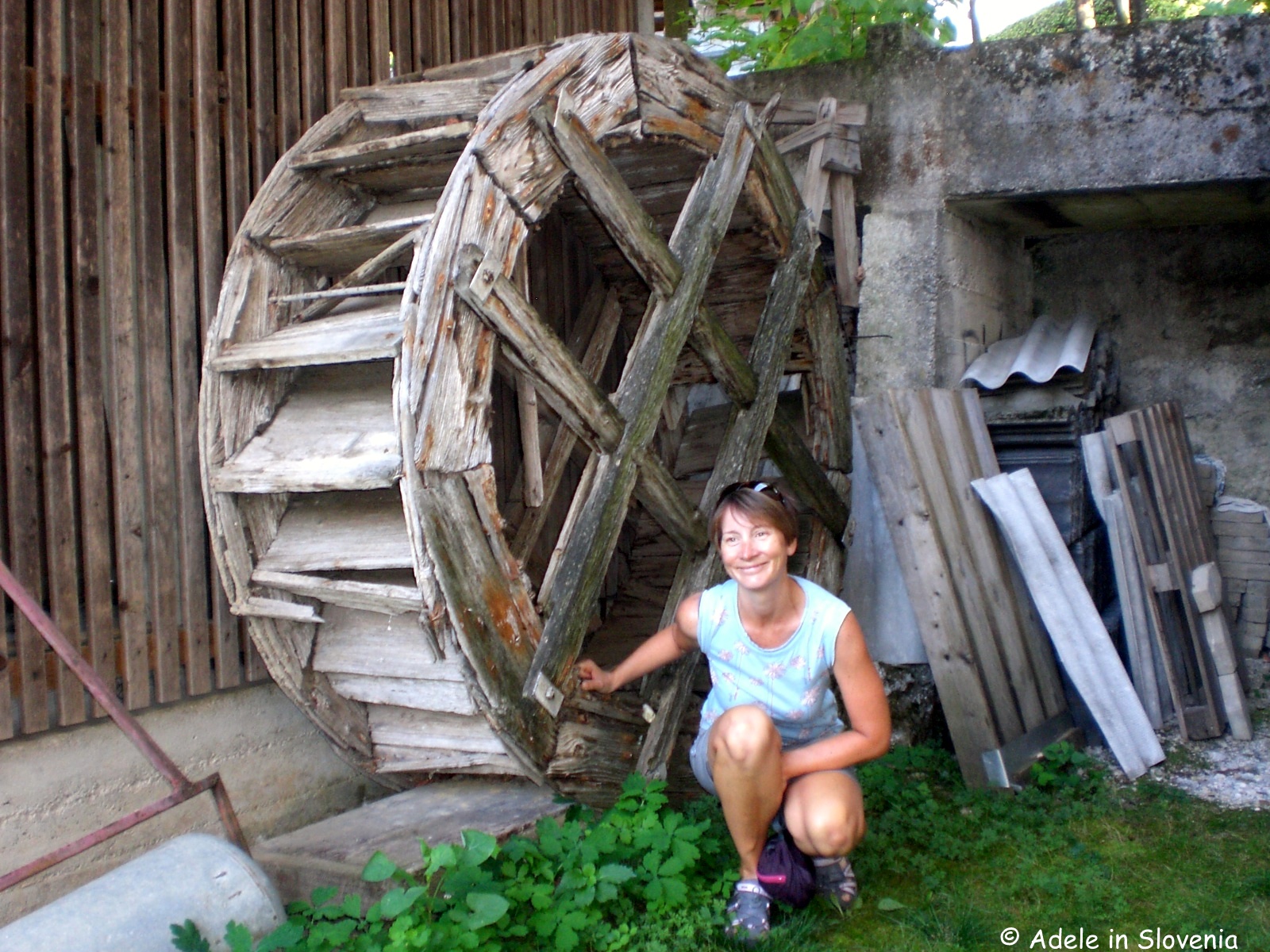
Prior to reaching the church you will see an information board and to the right you can visit Robačnekov mill. It is officially open on Tuesdays and Fridays from 9am-12noon, however, outside of these times if the owner is home, as she was when I visited, just smile nicely and she will be happy to show you round!

After passing the church you can continue through the park past Katzenstein Mansion which today houses a psychiatric hospital and, at the rear, the Museum of Hostages. It is worth visiting the museum for a sobering, somewhat chilling, but interesting experience.

1n 1875 the mansion was sold to Austro-Hungarian judicial authorities and a prison, holding 300 female prisoners, was established. During the German occupation, it became a Gestapo prison and political prisoners were incarcerated in the mansion; after the war it again reprised its role as an all-female prison. Inside, on the walls of the former prison cells, you can see written records left by the prisoners and announcements by the occupiers concerning executions.

 The park is particularly known for its pavilion and the Chapel of St. Joseph, designed by the most famous Slovenian architect, Jože Plečnik, and is also home to a small cemetery where 457 hostages and 18 World War II combatants are laid to rest.
So, as you can see, Begunje na Gorenjskem may be a relatively small village, but it’s crammed with natural and cultural sights, so be sure to stop-off to wander the village trail to find out more! More information about this and other walking and hiking paths in the Radol’ca area can be found here – http://www.radolca.si/en/hiking/

© Adele in Slovenia

The Grabnarca Waterside Nature Trail

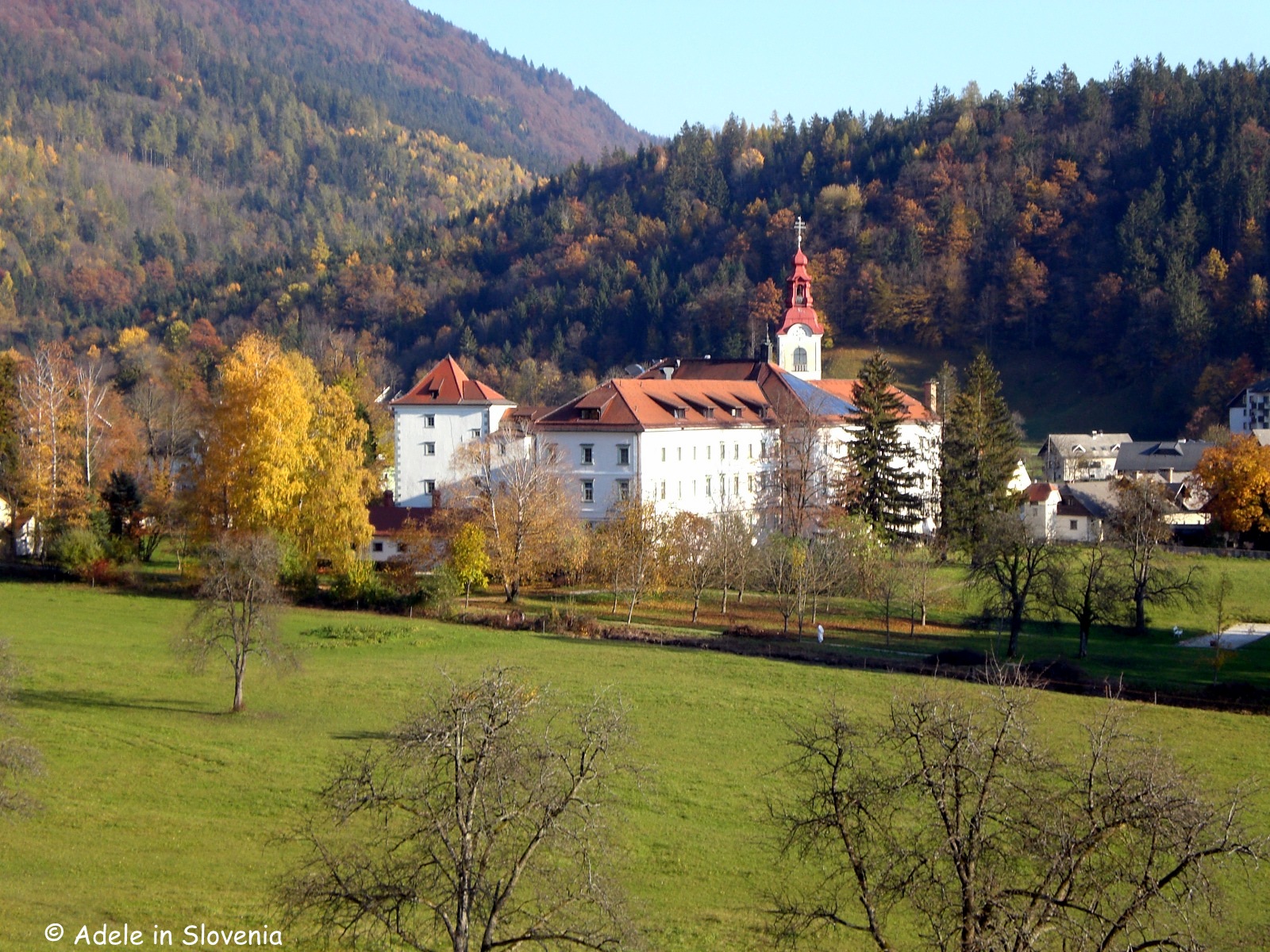
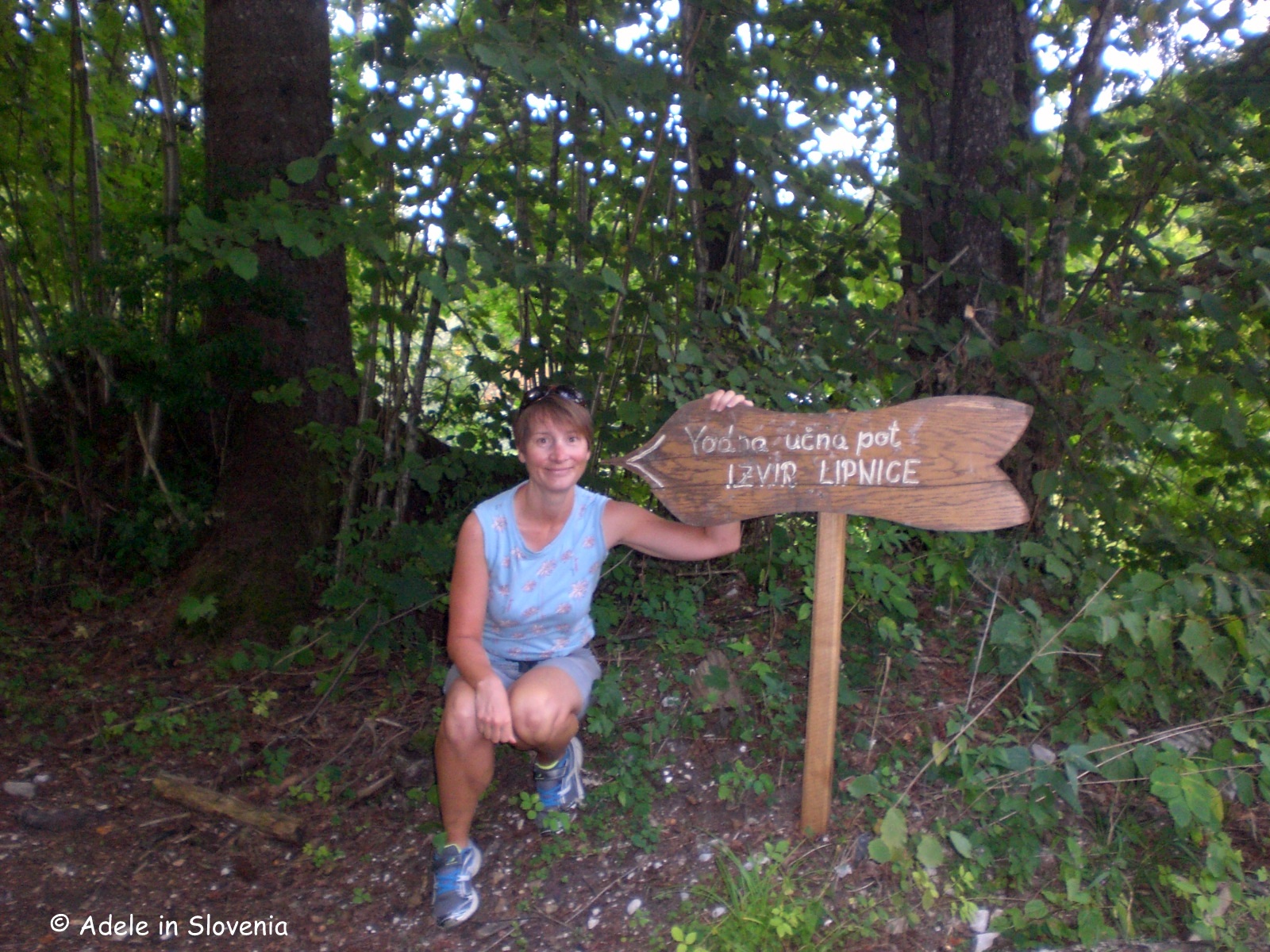
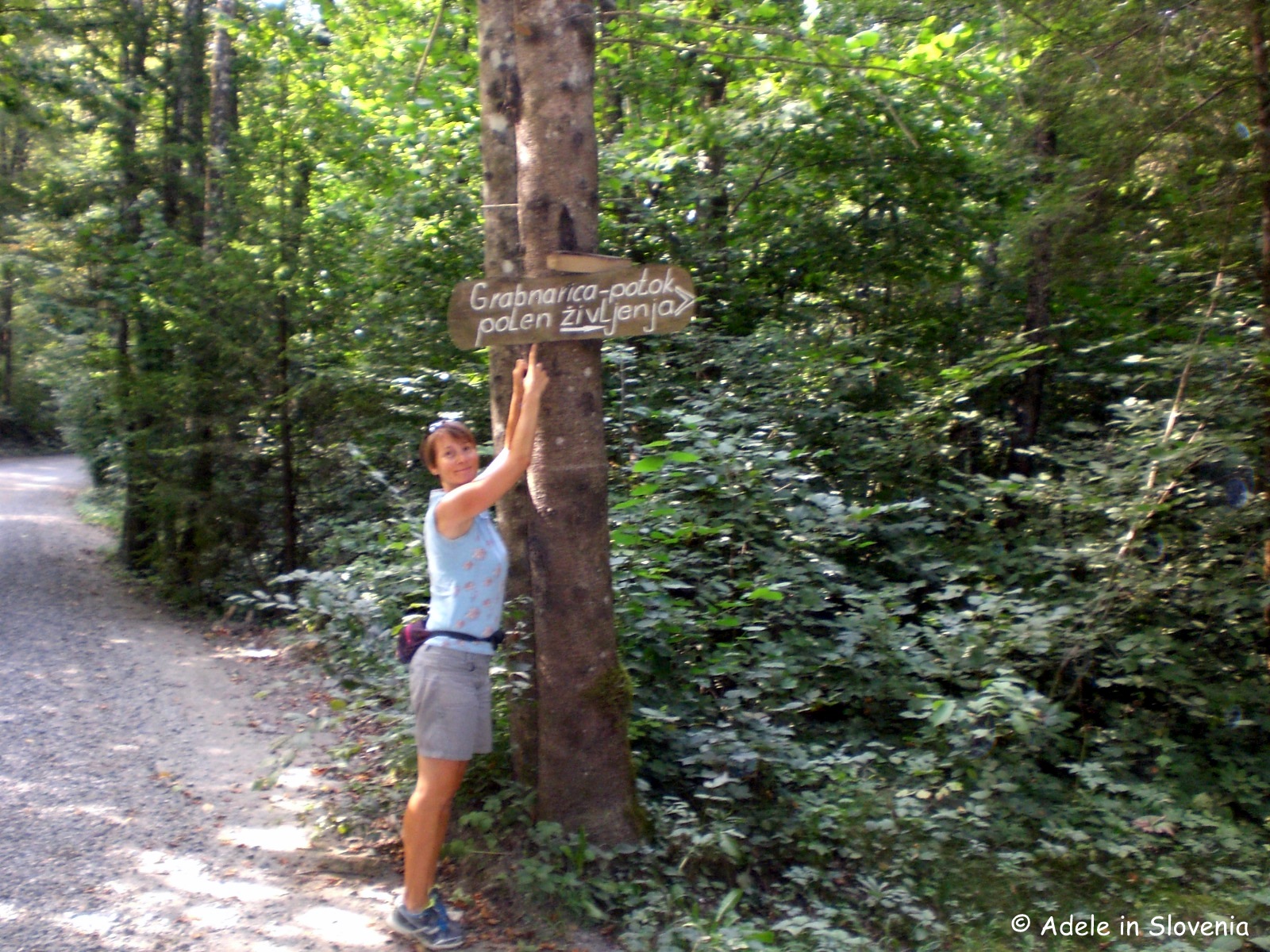
The start of the Grabnarca Waterside Nature Trail (Vodna učna pot Grabnarca), and the one shown here below, is in the village of Spodnja Lipica in the Lipnica Valley where there is a small parking area for a few cars and an information board about the trail. There is also an alternative start next to the small supermarket in the upper part of the village of Lancovo.

In places the trail follows the Grabnarca and Lipnica streams, which in the past powered mills and sawmills in the valley, and also leads to the spring of the Lipnica stream. Shortly after the trail crosses the gravel road which leads up to the Jelovica plateau.

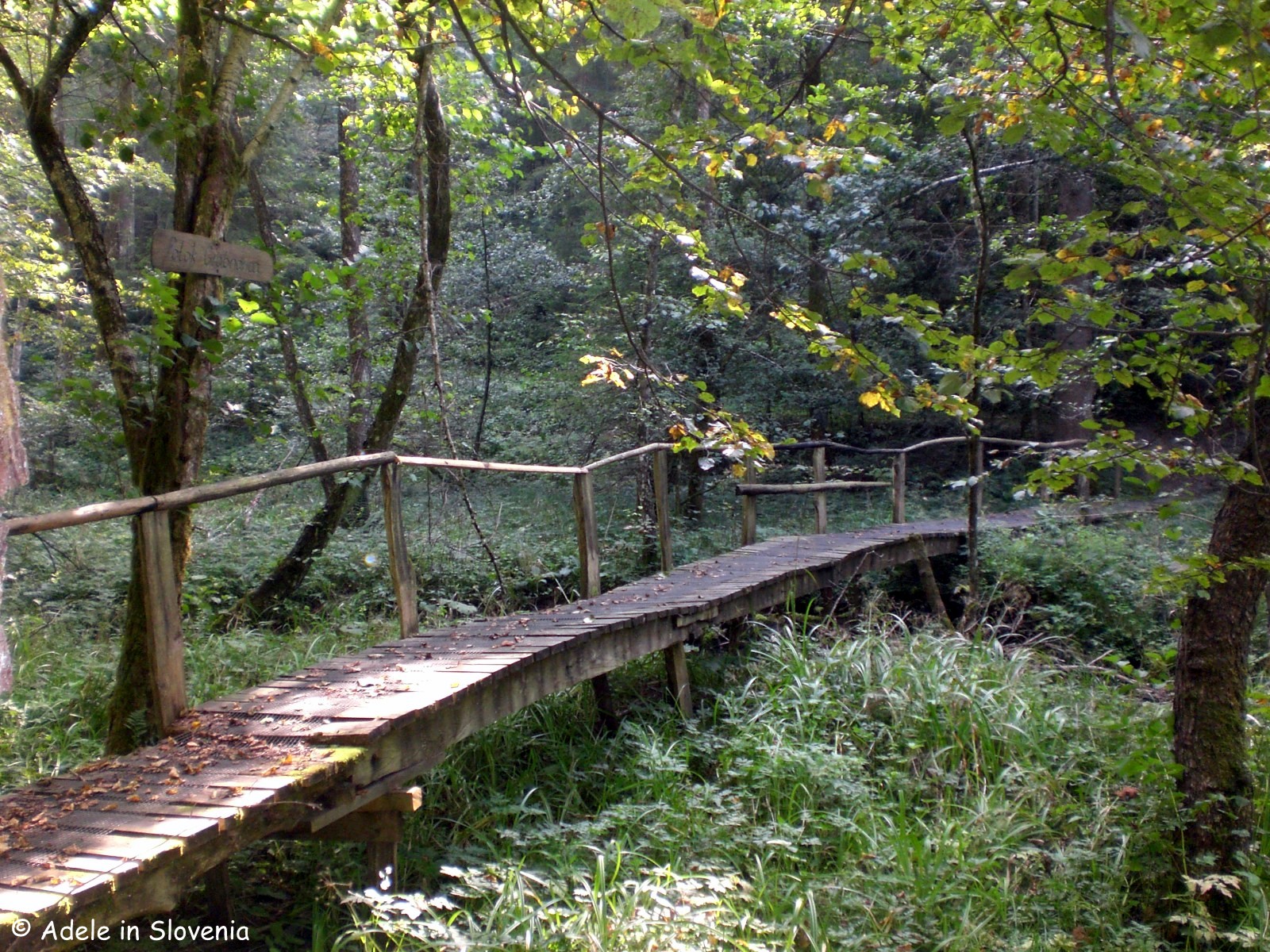
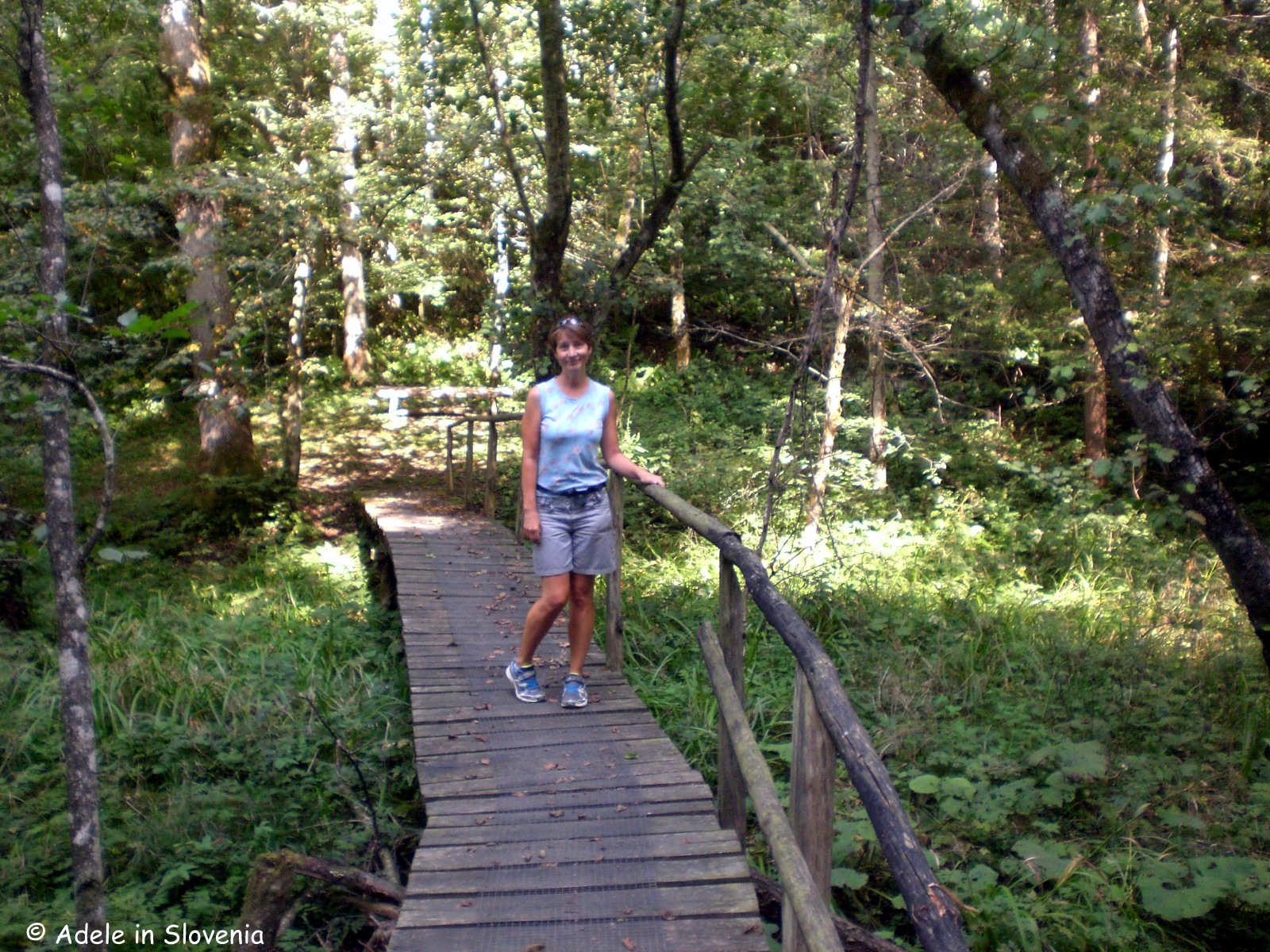
The 5km trail is largely in the forest and crosses numerous wooden bridges.

The waymarkers and information boards (in Slovene only) show pictures demonstrating the importance of the streams for people in the Radovljica area – both then and now.

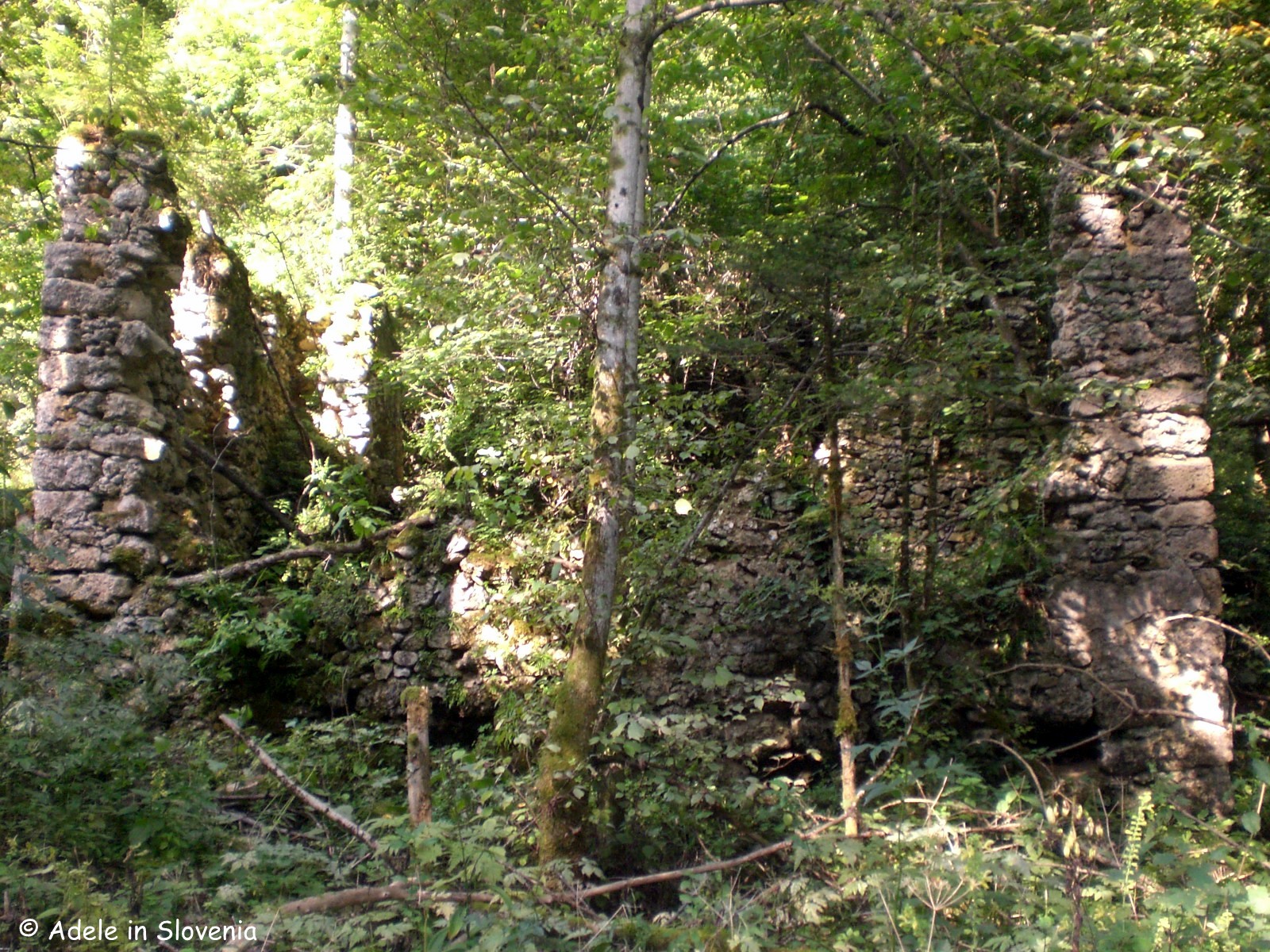
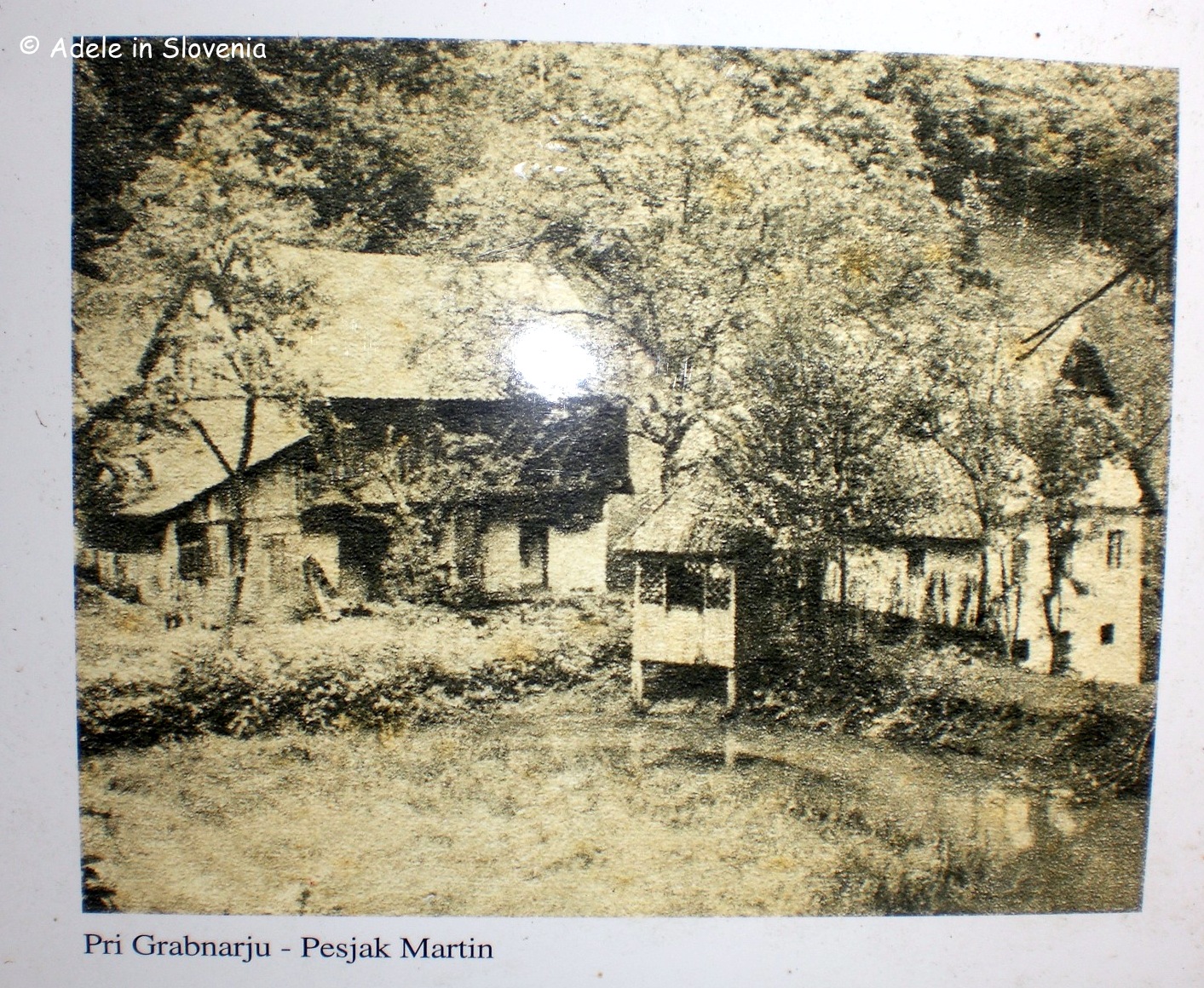
The ruins of old mills and other buildings can be seen alongside the path.

Here one is seen in its former glory.

Over a few more bridges, until you reach …

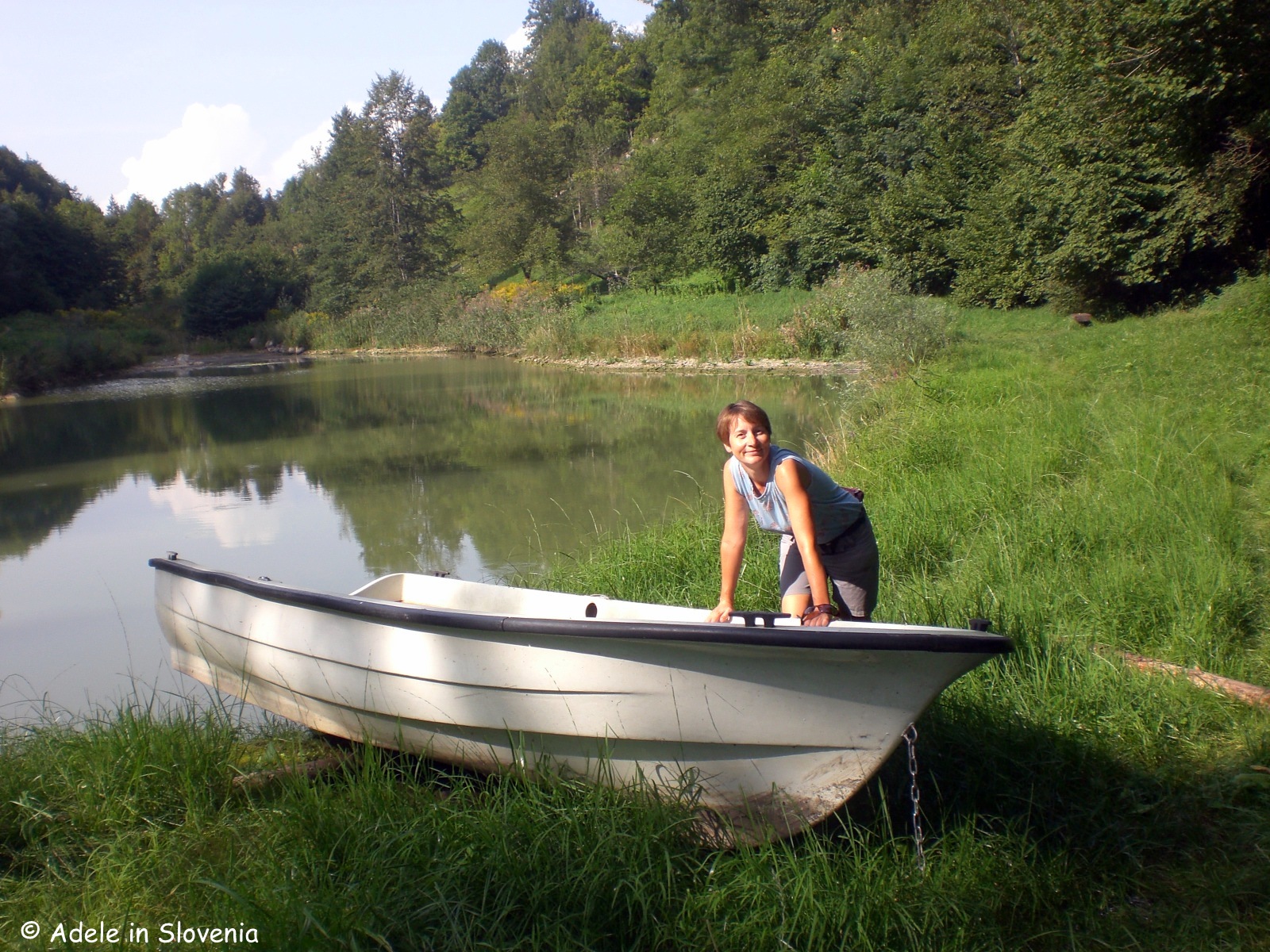
… the Vašče pond.

I can’t imagine how or when this boat last saw an action on the pond, but I guess there must be a reason it is here!

At the pond you can choose to either re-enter the forest and follow the waymarkers back to the start, or, as I did, continue a little further up towards the houses above the pond and back along the quiet country lanes to return to the start. Taking this option you are also rewarded with wonderful views of the Karavanke mountains.

I wouldn’t recommend walking this path after prolonged heavy rain, as, despite the numerous bridges, in places it can get quite muddy, but with the long, hot summer we have had of late, and which looks set to continue for at least a few days yet – not withstanding the storm that is going on outside my window right now! – now is an ideal time.

For more information see the Tourism Radol’ca website here – http://www.radolca.si/en/grabnarca-waterside-nature-trail/

© Adele in Slovenia

The Škofja Loka Hills and Caves: Lubnik and the Kevderc Cave

Lubnik (1025m) stands prominently above the town of Škofja Loka and is a favourite, and very accessible, hiking destination.

There are a number of paths to the top. You can start directly from the old town centre and take the marked path via Loka Castle and Gabrovo, from where it takes about 2 hours to reach the Dom na Lubniku mountain hut or, for a shorter hike, drive up the windy road to the village of Breznica pod Lubnikom, from where it takes just 40 minutes to reach the top and where the views are already inspiring.

As regular readers of my blog will know, I have a penchant for taking the longest possible hiking routes to reach my destination, and much prefer to walk or cycle rather than drive – anywhere and everywhere! However, I had an ulterior motive, or rather two, for choosing the shorter route in this case, namely to visit the Okrepčevalnica Malina snack bar and to find out more about the nearby Kevderc cave.

Whichever path you choose to Lubnik, you will find that they are all very well-marked with the usual red circle with a white inner painted on trees, rocks etc., so orientation isn’t a problem. The path is almost entirely through the forest, so even on the hottest of days it is pleasantly cool.

On a clear day, from the hut there are far-reaching views of the Karavanke mountains, the Kamnik-Savinja Alps and the surrounding Škofja Loka hills.

Dom na Lubniku is open year-round; during winter on Fridays, Saturdays, Sundays and public holidays; from the end of April to the end of October daily except Mondays.

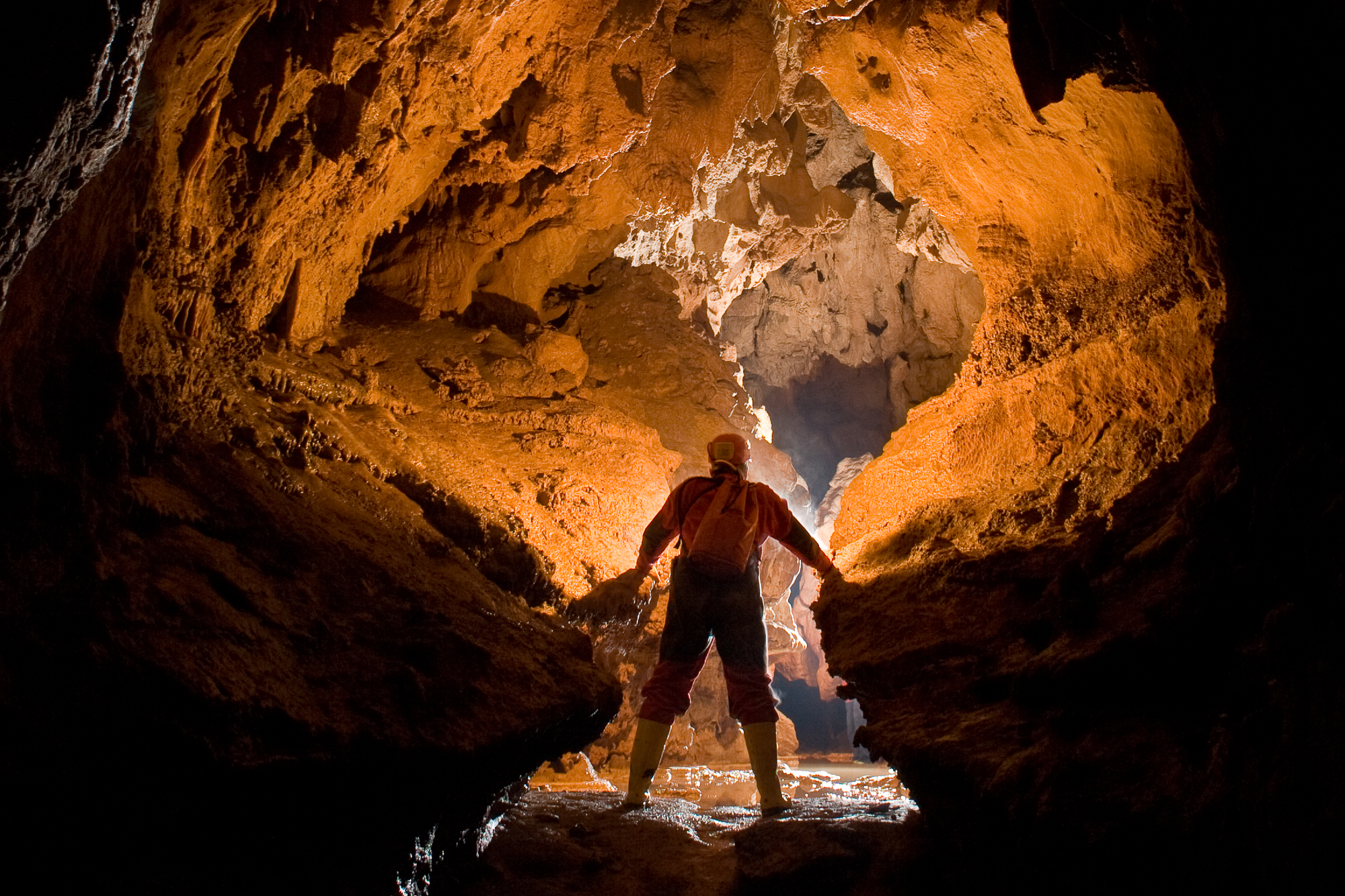
Also in the vicinity of the path to Lubnik is the fascinating Kevderc cave. Though nowhere near as well-known as Slovenia’s main tourist caves (Postojna, Škocjan, the Križna cave…), those who take time to visit the Kevderc cave will be captured by its beauty, perhaps even more so as it is so pristine, mysterious, and less-trodden.

Photo: Simon Primožič

From the entrance to the cave it is just a few metres to the first large hall which passers-by are free to access, providing you have sturdy footwear and a headlamp.

Photo: Simon Primožič

Some sections of the cave, however, can only be explored by experienced cavers.

Photo: Simon Primožič

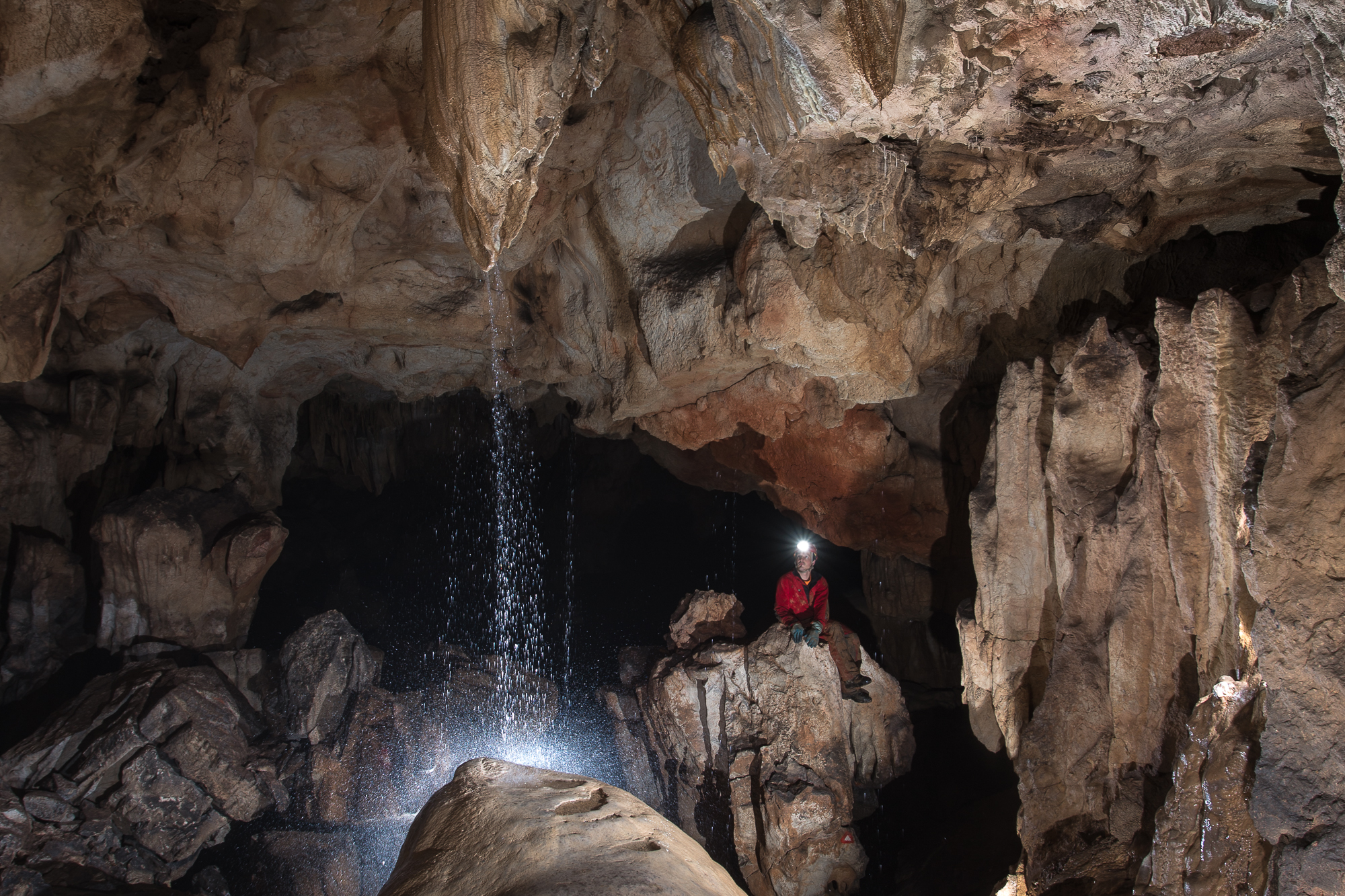
During periods of heavy rainfall, all the water from the surface runs into the cave, creating a unique fairytale-like scene.

Photo: Simon Primožič

If you would like to explore the cave further, for safety reasons it is recommended that you contact the Škofja Loka Association for Exploring the Underworld (Društvo za raziskovanje podzemlja Škofja Loka) to arrange a guided tour. Just a few metres away is the Lubnik cave, which can mostly be explored without a torch as natural light floods into its interior. For more information contact DRP Škofja Loka: +386 51 244 244, info@drp-drustvo.si.

After your hike and/or exploration of the cave, or for those cycling past on the Škofja Loka Cycle Route, I recommend stopping at the Malina snack bar (tel: 041 809 900), which is just metres from the path to Lubnik in Breznica pod Lubnikom, where you can enjoy refreshments with a view!

Traditional Gorenjska snacks, soups and stews are always available, and, upon prior arrangement, for special occasions you can enjoy a real feast!

In fine weather the view from the terrace is a winner, but, whatever the weather, you can be sure of a friendly welcome!

As my visit coincided with a group celebration, I had a chance to see how the food is cooked outdoors over hot coals.

So, as you can see, on this occasion letting the car take the strain was worth it, but you can also see more of this area by bike as it is part of the Škofja Loka Cycle Route. More information can be found on the Visit Škofja Loka website here – http://www.visitskofjaloka.si/en/

© Adele in Slovenia
Keep Cool in Kropa: The Source of the Kroparica Stream

The recent heat wave across many parts of southern Europe, including Slovenia, has seen temperatures in the mid-high 30s. I LOVE the heat and HATE the cold, so I haven’t been complaining, and since Slovenia is almost 60% covered by forest and there are rivers and streams aplenty, there’s always somewhere to escape the heat.

One such ‘cool’ place is Kropa – the cradle of Slovene iron forging.

Due to its location, nestled into a corner at the foot of the Jelovica plateau, Kropa remains cool even on the most sweltering of days.

The Kroparica stream is one of the two streams that springs from the foothills of the Jelovica plateau. The stream runs through the heart of the village and joins the other stream – the Lipnica – before continuing through the valley to meet the Sava river at Podnart.

In September 2007 the stream, which ironically was once the lifeblood of the village, burst its bank following heavy rainfall causing flooding and significant damage – as can be seen by the video below.

In its heyday of nail-making in the 18th and start of the 19th century, the ironworks in Kropa and nearby Kamna Gorica employed more than 2000 people.  The most important markets at that time were the area of the Republic of Venice and Trieste.

In the lower part of the village you can see the renovated pool which is a remainder of the lower foundry, whilst in the upper part of the village the water cascade, water troughs and barriers are remains of the upper foundry.

The Vigenc vice nail forge, located in the upper part of the village, is the only preserved foundry  for the manual forging of nails with an authentic preserved exterior and blacksmithing equipment inside. It is situated on the left bank of the stream below the dam of the former upper foundry. Next to the stream there is a wheel for driving the bellows, the interior contains three blacksmiths’ fireplaces. Around each fireplace there are six stone stumps for anvils, above the fire in the centre is the ‘kitchen’, the place where blacksmiths’ wives put their pans and cooked whilst working.

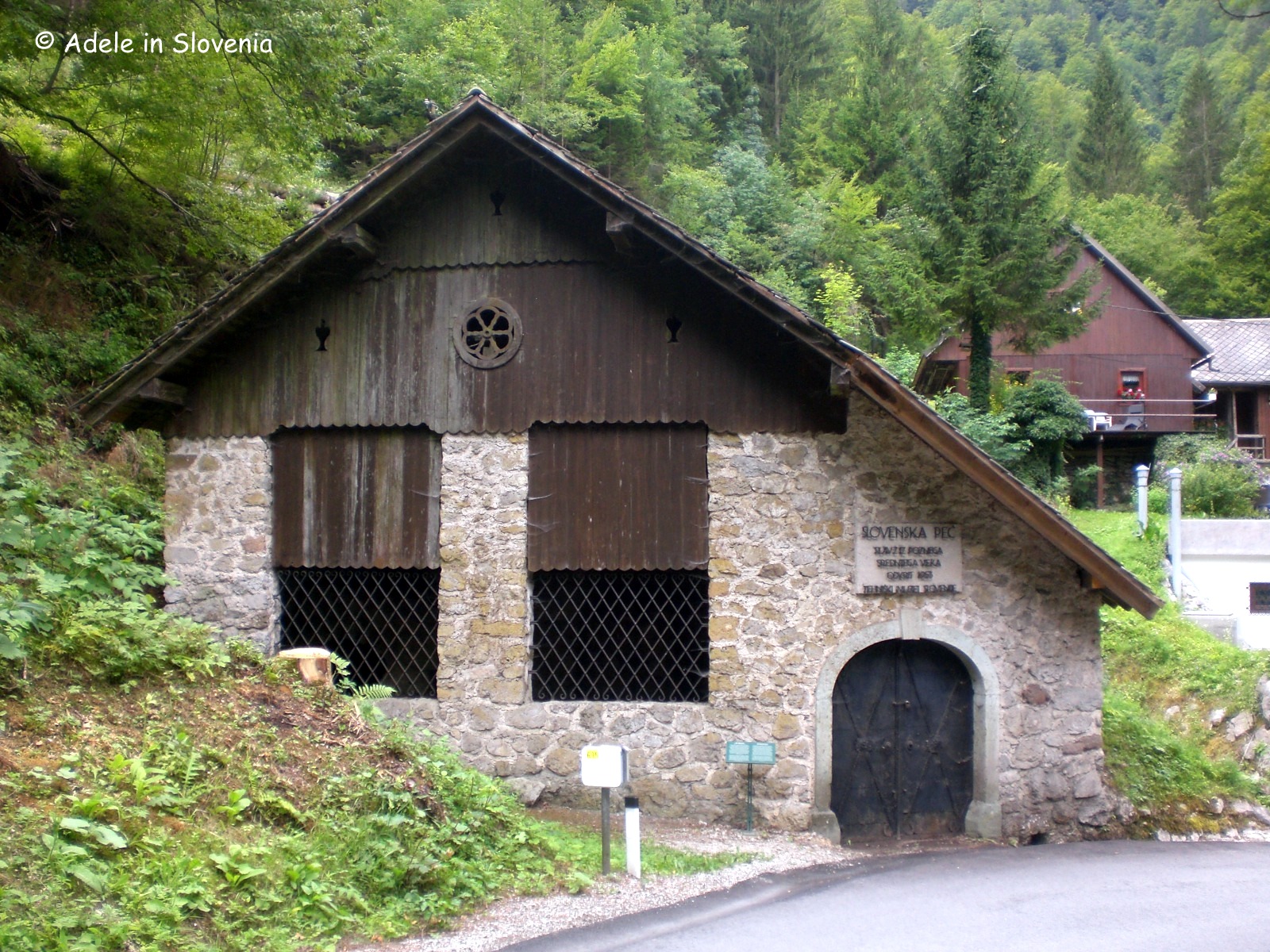
When walking around the village you can see some of the preserved technical objects beside the Kroparica stream which are evidence of the former lively ironworking industry. The Slovenian smelting furnace (Slovenska peč), dating from the 14th century, is located on a bend in the winding road that leads from Kropa up to Jamnik. Archeological remains of this important technical monument were discovered in 1953 and a protective building was erected to preserve it. The smelting furnace was 3 metres high and in 10 hours it produced 200 kilogrammes of wrought iron for forging.

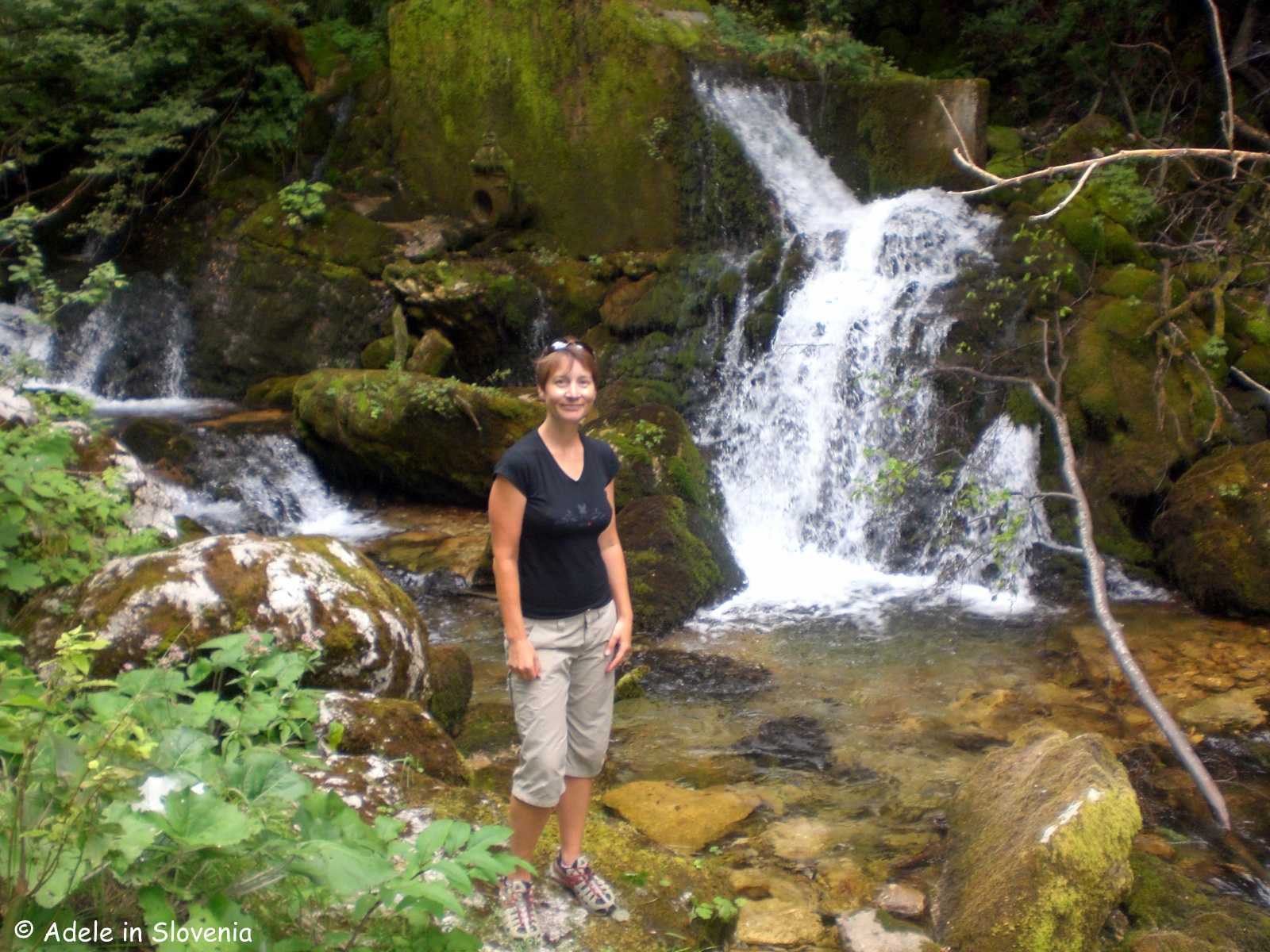
Just after passing the furnace, you will see a sign on the right-hand side of the road to Vodice – one of the many hiking paths that lead to the Vodiška planina highland and the Partisanski dom na Vodiški planini  hut. If you would like to see the source of the Kroparica stream take this path but do NOT cross the small wooden bridge, continue instead ahead, slightly uphill on a somewhat overgrown stone path for a few hundred metres to reach the source.

The path isn’t marked but just follow your nose, and the water! The stream makes its way down from its source through the village through artificially constructed water drainage systems and barriers through which water from the stream’s main channels ran to the ironworks and blacksmiths workshops.

You can reach Kropa under your own steam, or until the end of August you can catch the Hop-on Hop-off tourist bus every Tuesday. Find out more about the Hop-On Hop-Off bus here – http://www.radolca.si/en/hop-on-hop-off-radolca/

You can find out plenty more about Kropa’s old village centre, the ironworks, the museum, and its technical heritage on the Tourism Radol’ca website here – http://www.radolca.si/en/kropa/

© Adele in Slovenia
A Recce of the Rupnik Line

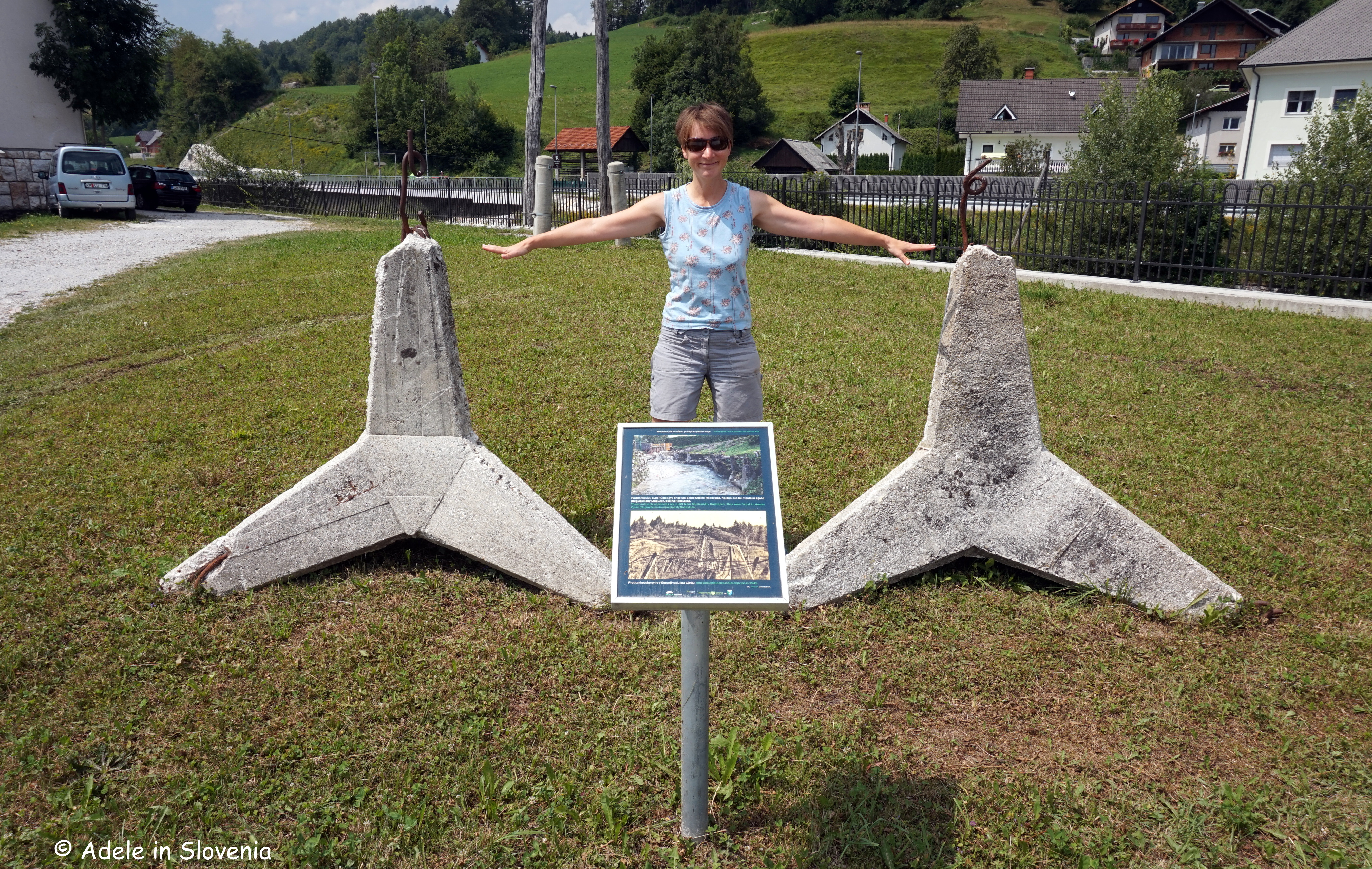
Another day of exploring the scenic Poljane valley; this time walking along part of the former Rupnik Line – a system of fortifications that were built during the 1930’s by the Kingdom of Yugoslavia as a defence line on the border with the Kingdom of Italy.

It transpired that the strategically placed forts were never actually used for military or defence purposes, but the building of the fortifications at least brought residents a temporary solution to the unemployment and financial troubles which affected them due to the location of the Rapallo Border.

The Rupnik Line theme path begins at the cemetery in Gorenja vas where there is an information board showing the route.

The path is well marked; in places with green signs, such as seen below, in other places with yellow markings painted on trees.

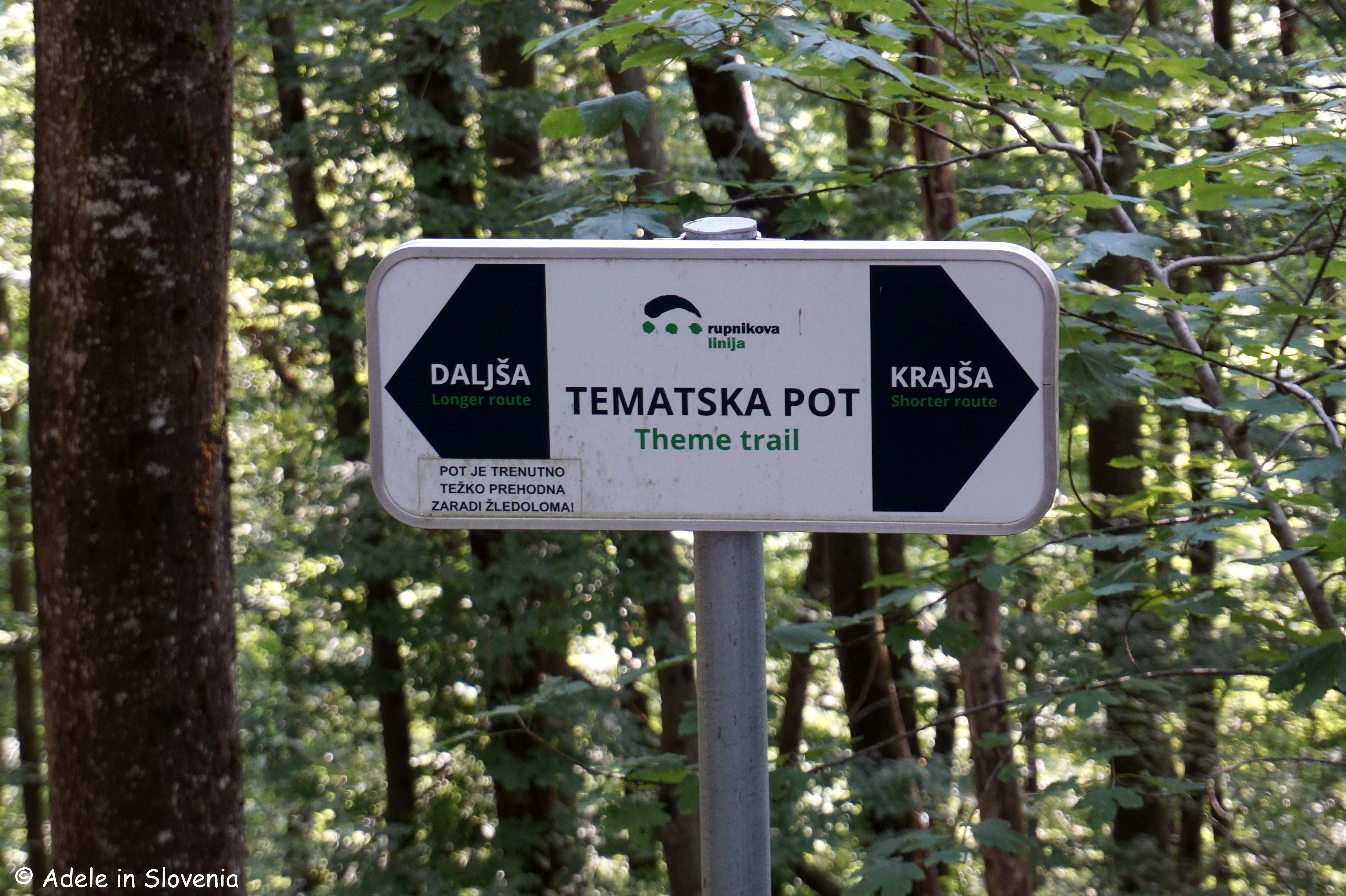
There are actually two paths – a shorter 4.5km circular path and a longer non-circular path which is 6km one-way. However, due to the ever present damage in the forest due to the glaze ice in the winter of 2014 – the clear up job is still ongoing throughout many parts of the country – walking on the longer path is not currently advised.

For the first 2km both paths follow the same route, first uphill on an asphalt road, which later becomes an unmade road then into the forest where you soon reach the first bunker.

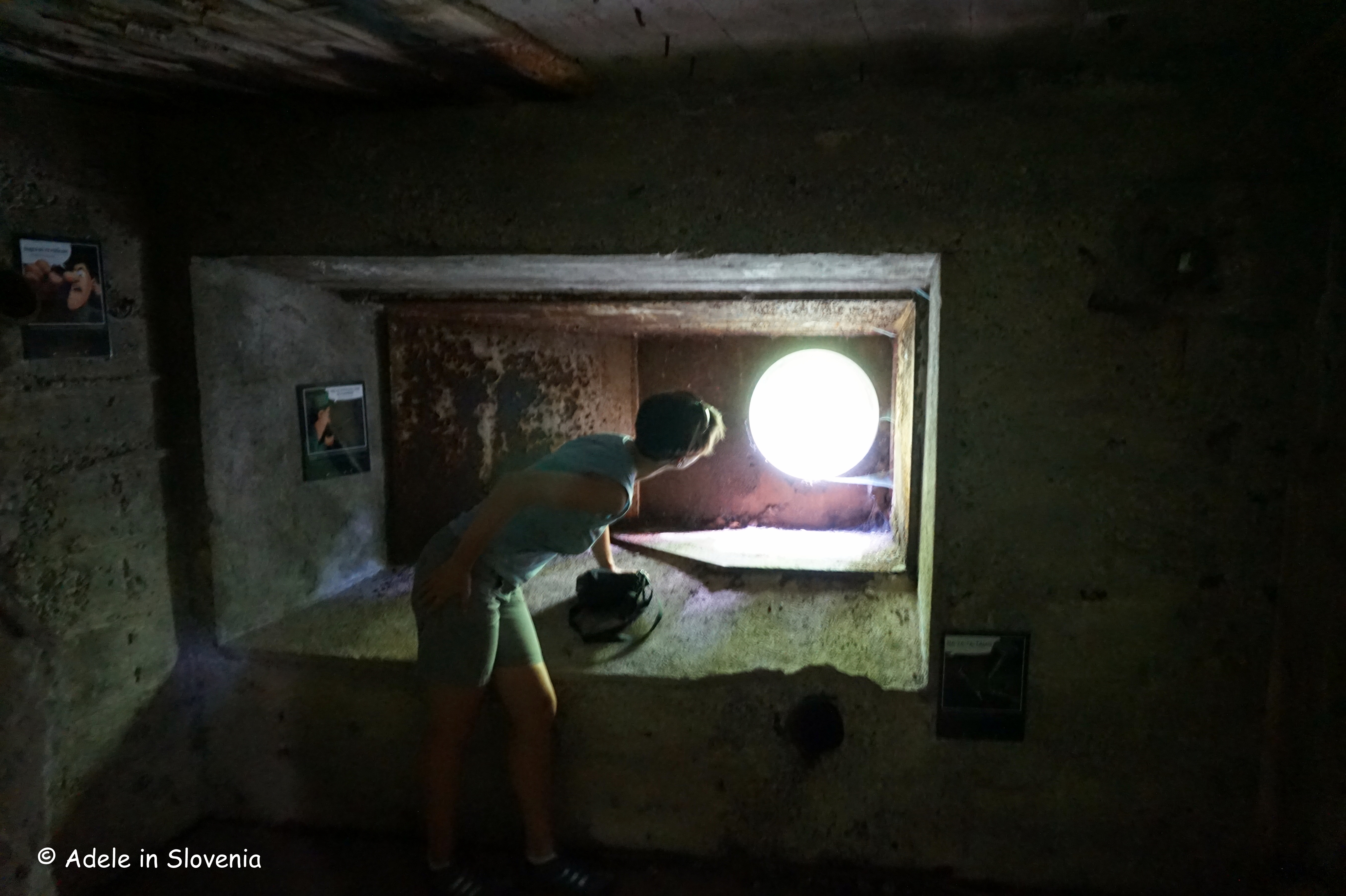
It takes a few minutes for your eyes to adjust to the darkness, but thereafter you can take a look inside. I clearly woke a bat from its slumber and not sure who was more startled, me or it!

Continue until you reach this sign, where you should take the shorter (krajša) path to the right.

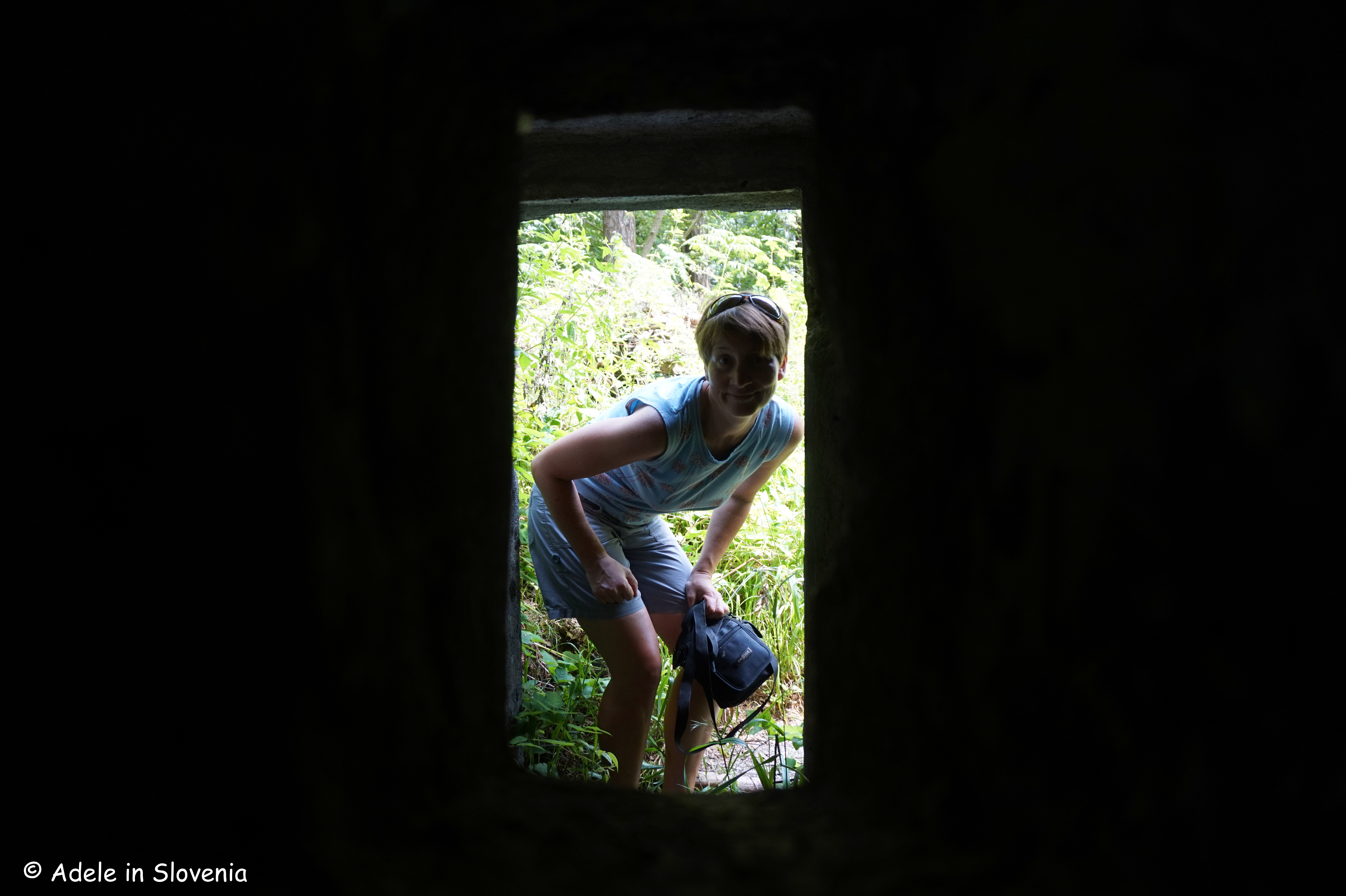
The path continues past more bunkers, each with it’s own information board where you can learn more about the fortifications and take time to explore, but do exercise caution and have sensible, sturdy footwear.

You can enter some of the bunkers, whilst others are not so accessible.

Though not part of this theme path, one of the best-preserved and largest fortifications is the underground fortress on Goli vrh where there is a permanent exhibition of remains from the time of building. I shall be writing more about this in a future blog so watch this space! Find more information about the Rupnik Line theme path on the Visit Škofja Loka website here – http://www.visitskofjaloka.si/en/experiences/theme-paths/the-rupnik-line-construction

The annual Pisana Loka Festival (Colourful Loka) takes place this year in Škofja Loka from 25th August – 3rd September. The festival is a mixture of concerts, workshops and performances – many of which are FREE – that take place at various locations, including in the heart of the old town centre and at Loka Castle.

This year part of the festival will be dedicated to Latino Loka on 2nd September in the Town Square (Mestni trg), and promises to be sizzling!

More about the festival can be found here (in Slovene only) http://www.skofjaloka.si/objava/80730, whilst further details about all the events taking place this month in Škofja Loka, including in English about the Pisana Loka Festival, can be found in the latest events calendar here – http://www.visitskofjaloka.si/si/files/default/Newsletter/Avgust%202017/spletni%20KAM-1%20avgust.pdf

© Adele in Slovenia
 

Adventure Mini Golf Panorama – The Name Says It All!
Now I know why the new mini golf course in Gorica, near Radovljica is named Adventure Mini Golf Panorama. Wow, it offers a panorama in the truest sense of the word, and with a heat wave forecast this week, its the ideal place to escape the heat, too.

I run through the village of Gorica regularly and had seen the signs for the new mini golf course, but, if I’m honest, I thought it would probably be nothing that special. Well, I couldn’t have been more wrong – this place really is rather special!

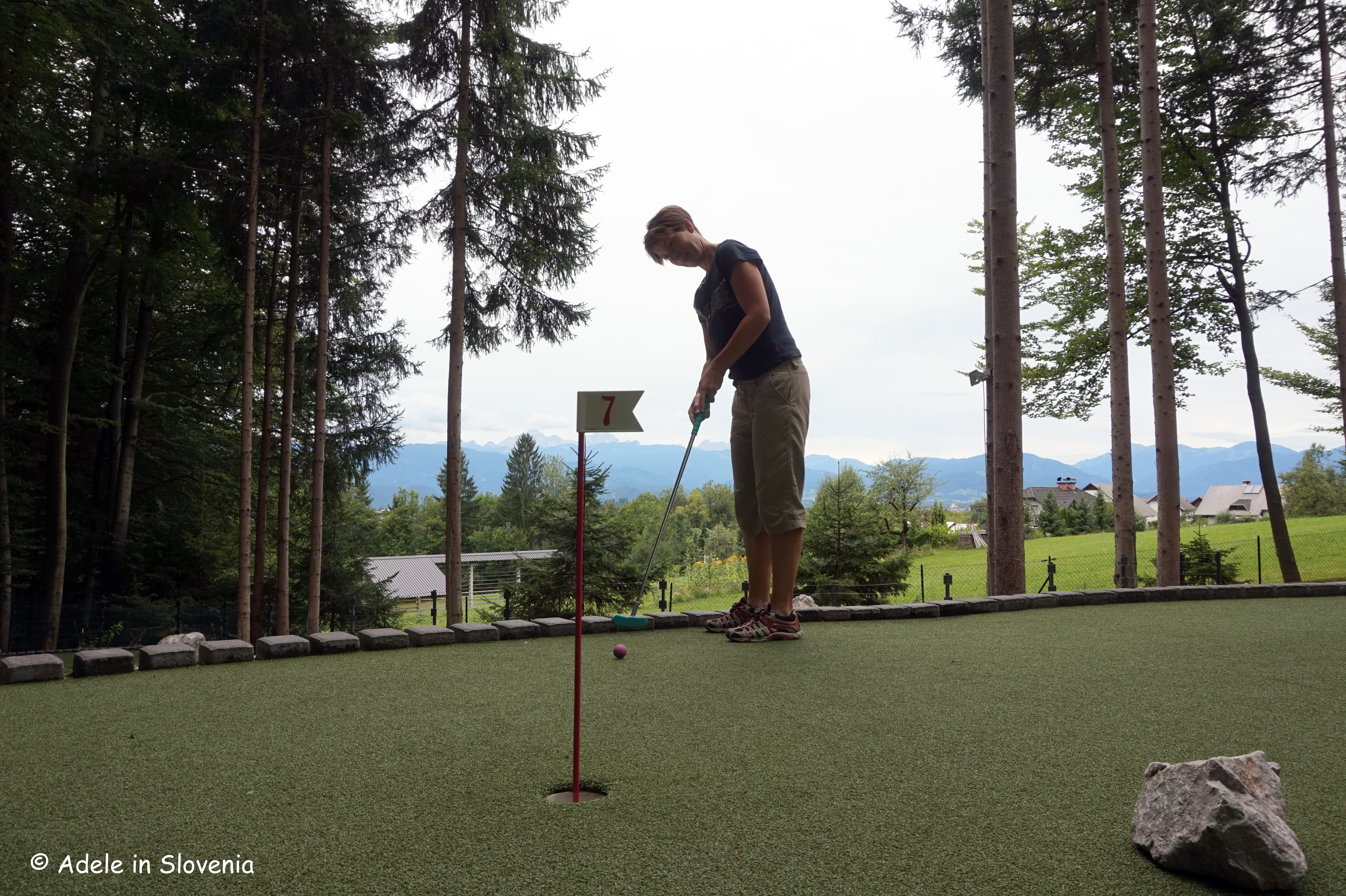
Whether you are a fan of mini golf or not, you simply must visit; be it to play a round or two or just to sit on the terrace with a drink and savour the stunning panoramic views of the Julian Alps and the Jelovica plateau.

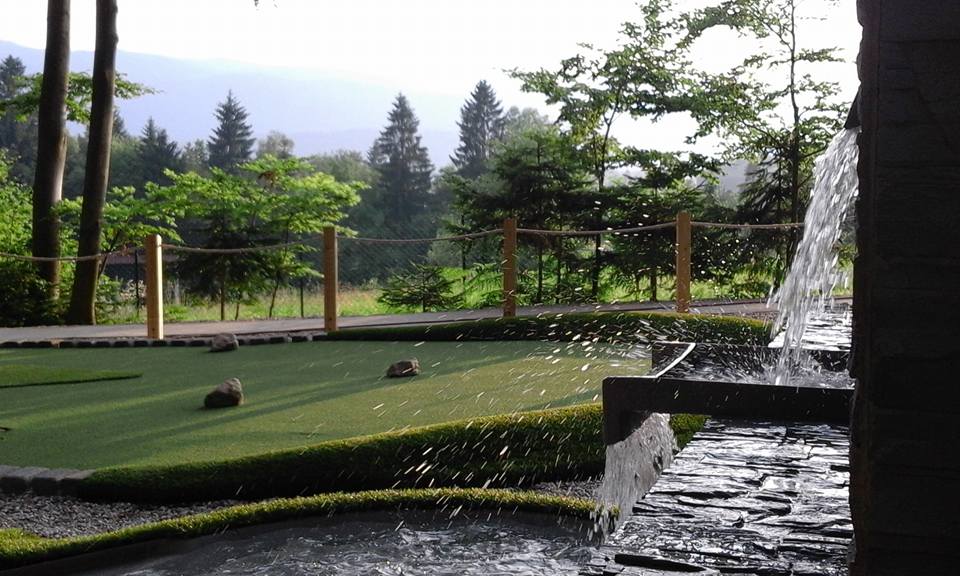
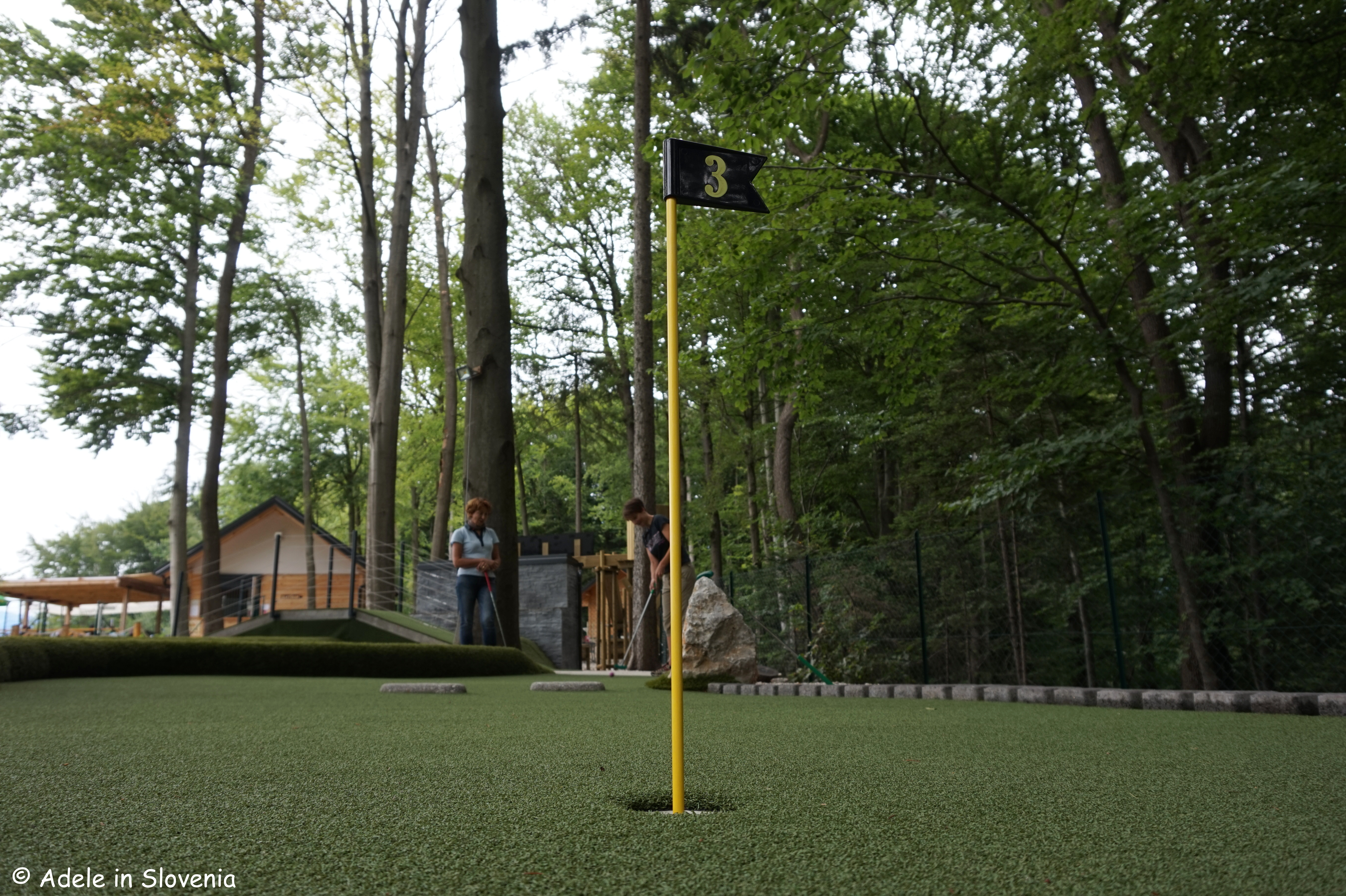
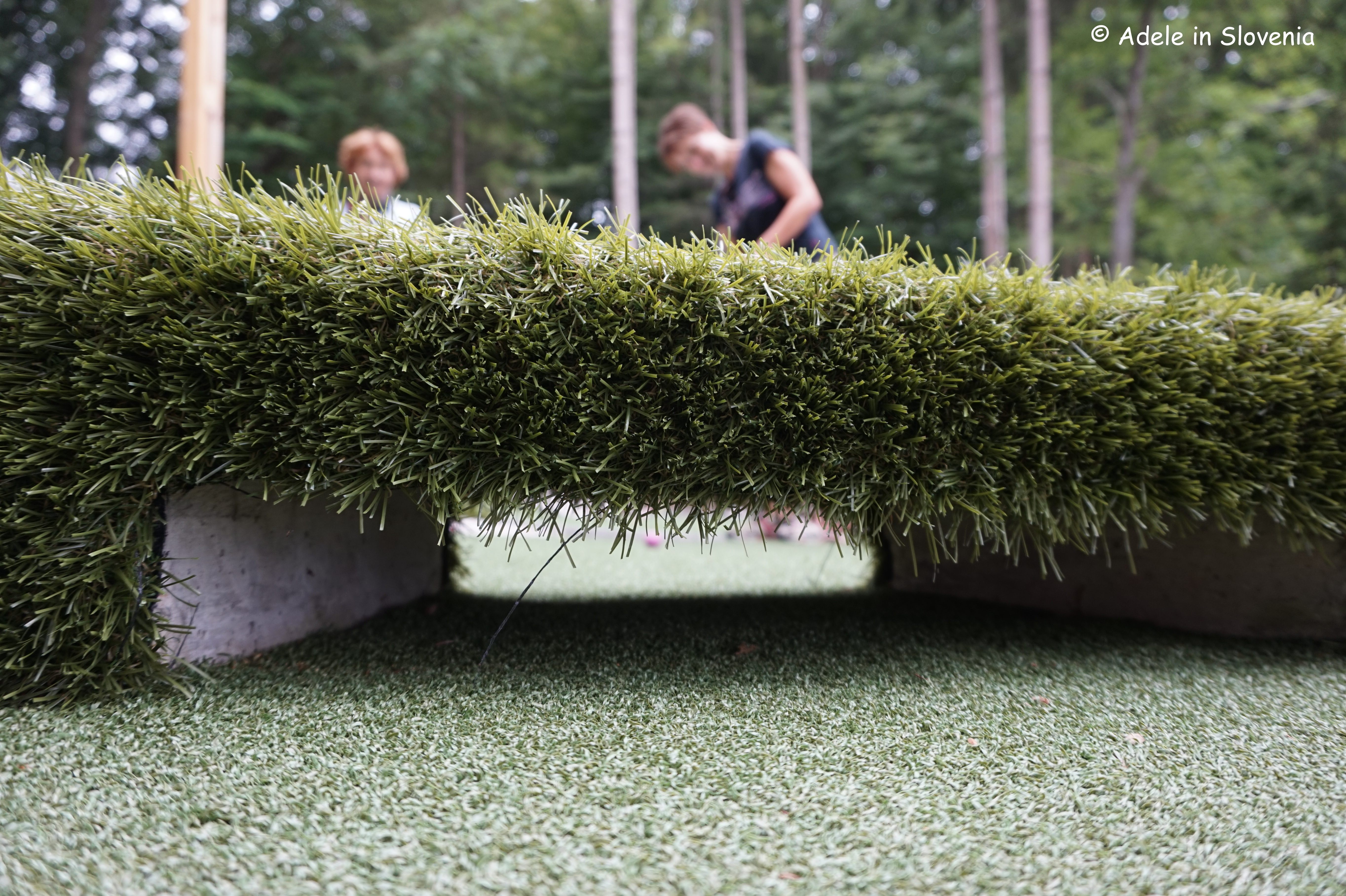
The 12-hole mini golf course has been thoughtfully arranged using superior-quality materials and is set in the cool of the forest.

Photos alone don’t do it justice, particularly as it was slightly overcast on the day of my visit. So, just go and check it out, I believe you won’t be disappointed and you’ll hopefully come away as enthusiastic as I was!

The forest setting provides the perfect respite from the heat and the whole ambience makes you instantly feel relaxed and at ease.

The course is suitable for all ages and abilities – from the littlest to the largest – as long as you can hold a club you can play!

Owner Andreja and her husband are there with a warm welcome and don’t take much persuading to join in a round or two!

The first round per visit costs 5 euros for adults, 4 euros for children, each round thereafter during the same visit costs 2 euros for adults, 1.50 euros for children.

During summer the course is open from 10am – 9pm and you can check the latest opening hours on the website here – http://adventureminigolf.si

© Adele in Slovenia