Summit Stol and Take a Seat Atop the Karavanke!

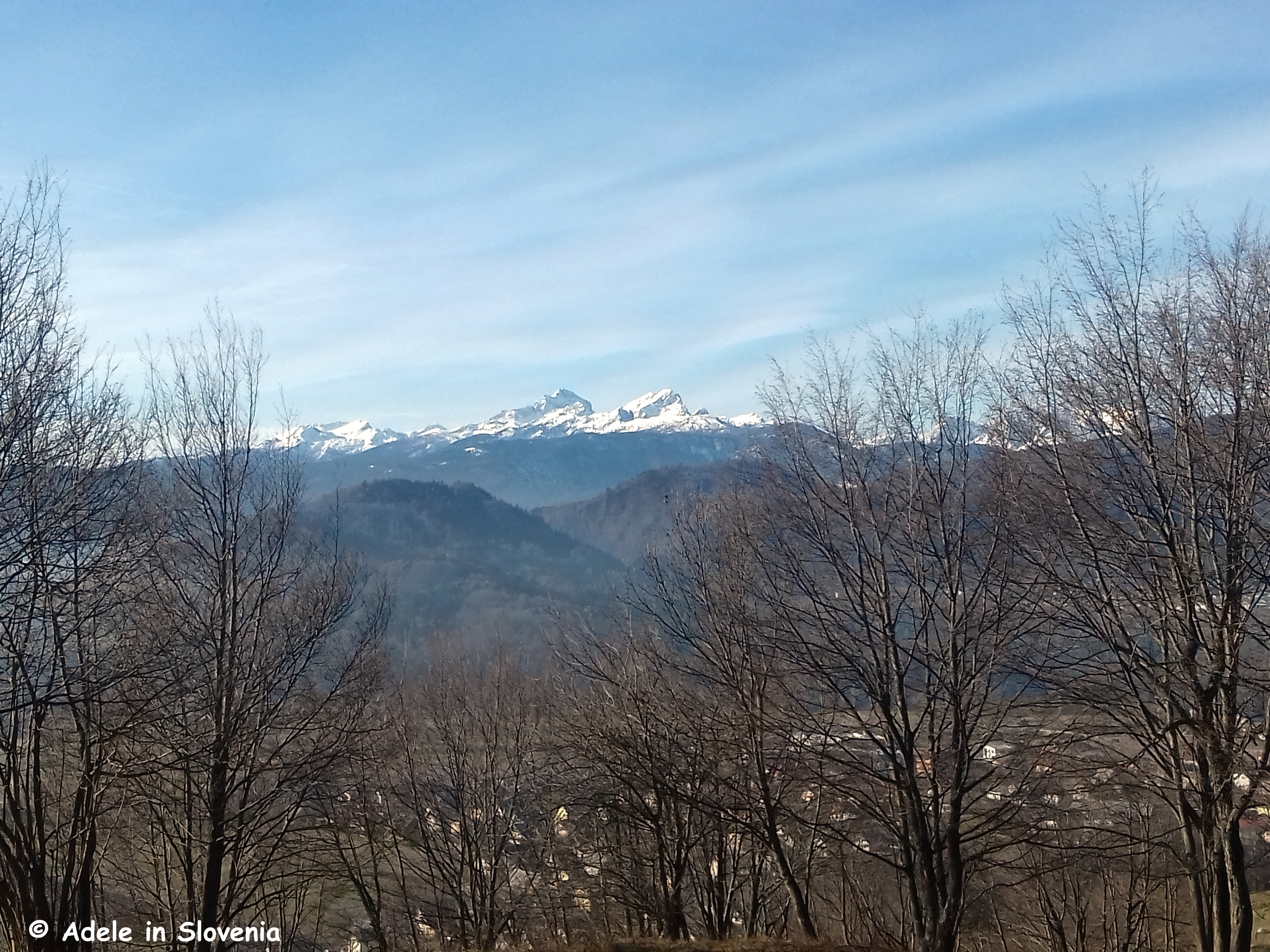
If I crane my neck, I can see Stol, the highest mountain in the Karavanke range, from my desk. Thus, it’s an ever-present feature in my life and, accordingly so, I can’t resist hiking to its top at least a couple of times per year, and yesterday it was time for the first hike to the summit this year!

The word ‘stol’ in Slovenian means ‘chair’, since when viewed from its western side (not the side I can see from here!), its summit forms a kind of ‘back’ for the flatter slightly lower summit which is home to the Prešernova koča mountain hut.

At 2,236 metres, Stol, along with the other mountains in the Karavanke range, forms a natural border between Slovenia and Austria, hence, on a clear day, there are always stunning views to be had in all directions.

Though quite a large percentage of those who hike to the summit of Stol do so by driving the 5km forest road to the Valvasorjev dom mountain hut and from there setting off on foot, I always opt to do the entire hike from the valley, as otherwise it just feels a bit like cheating to me!

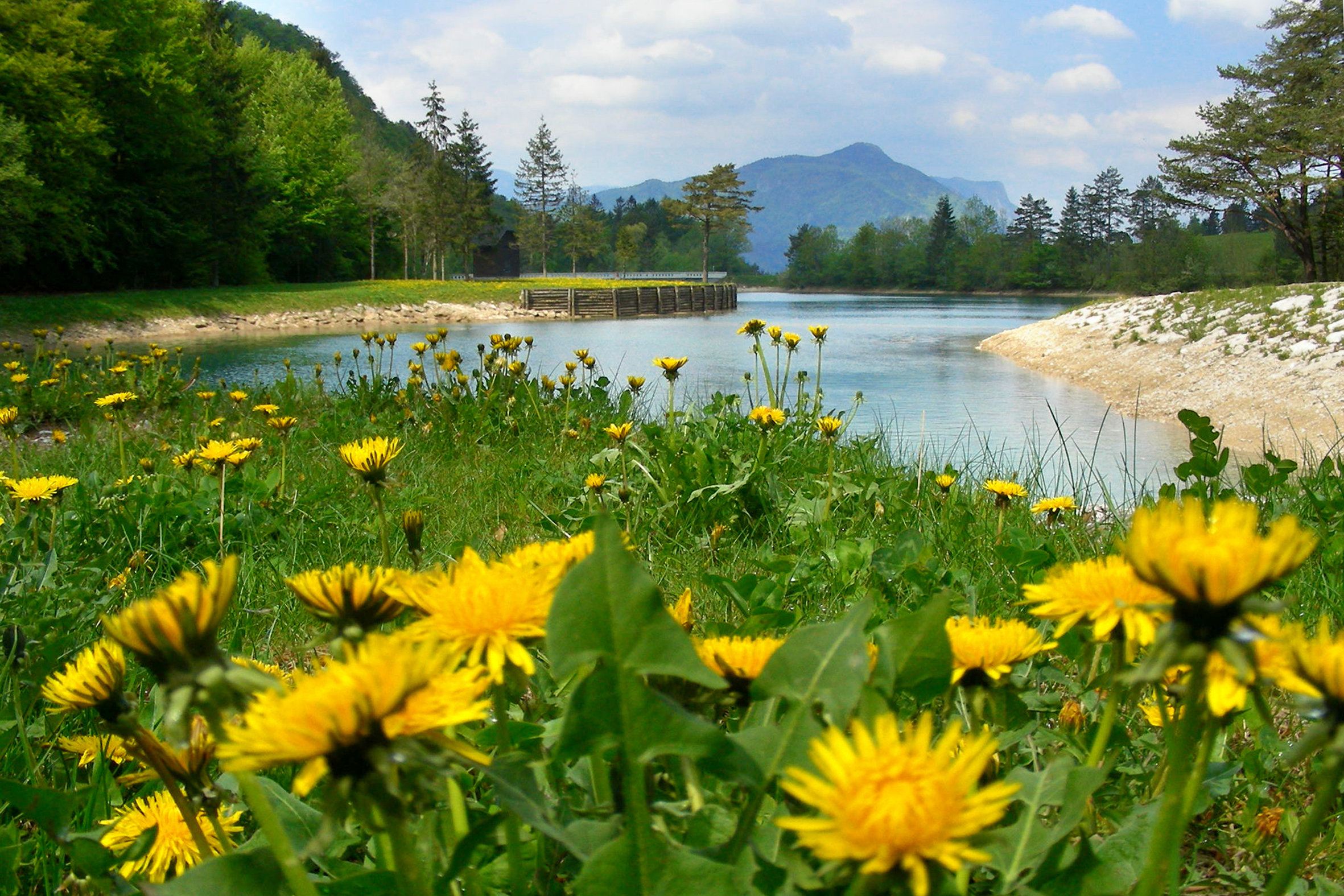
After parking at the Završnica reservoir, I set off on the first part of the trail to the Valvasorjev dom hut (cca. 50 mins) from where, as you can see below, there are numerous paths leading in various directions.

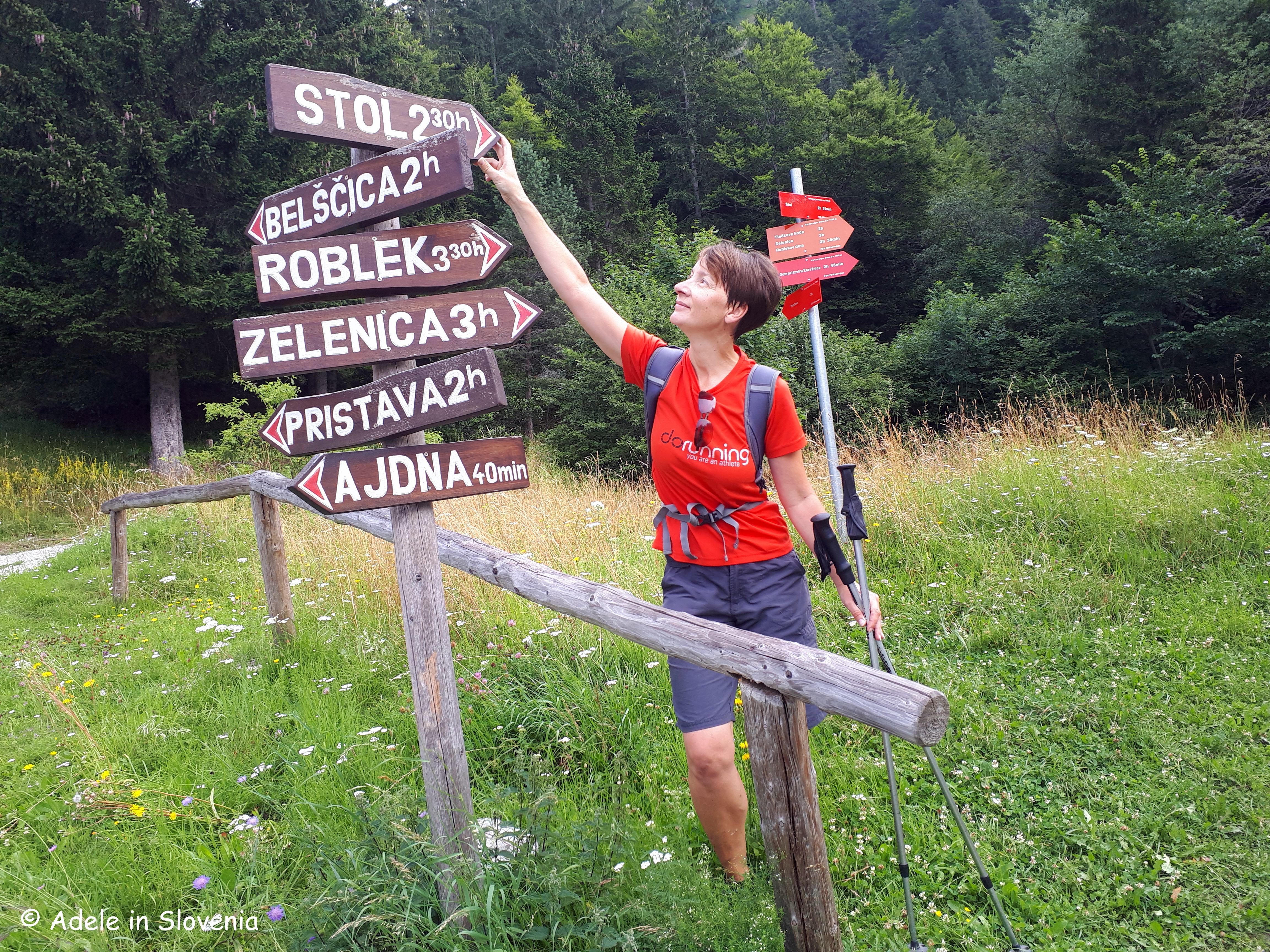
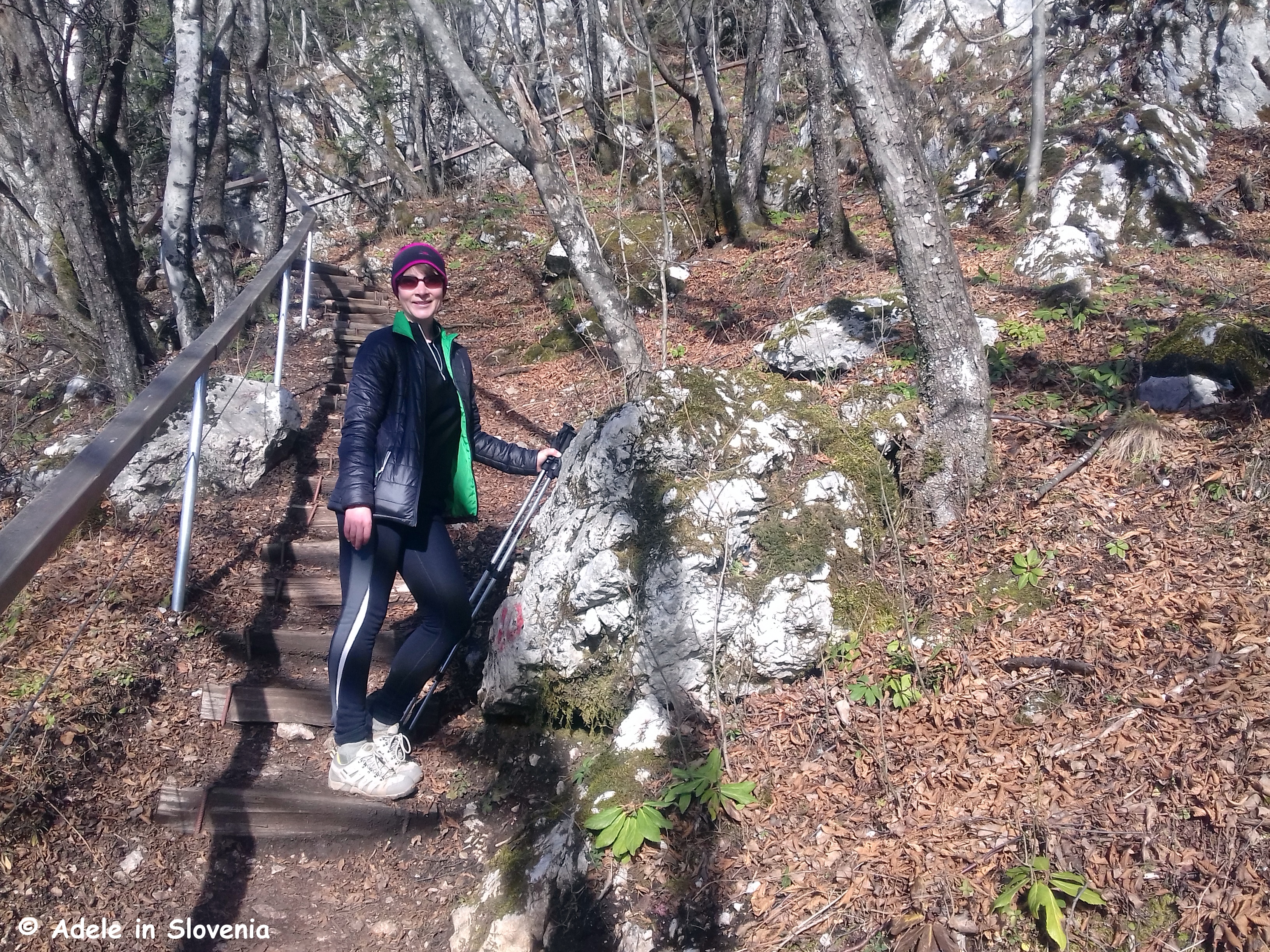
Regular readers will know that I have a penchant for circular walks, and this time was no exception! I took the shorter, steeper Žirovniška pot (Žirovnica path) up, and the longer, less steep Zabreška pot (Zabreznica path) down, which is always my preferred route.

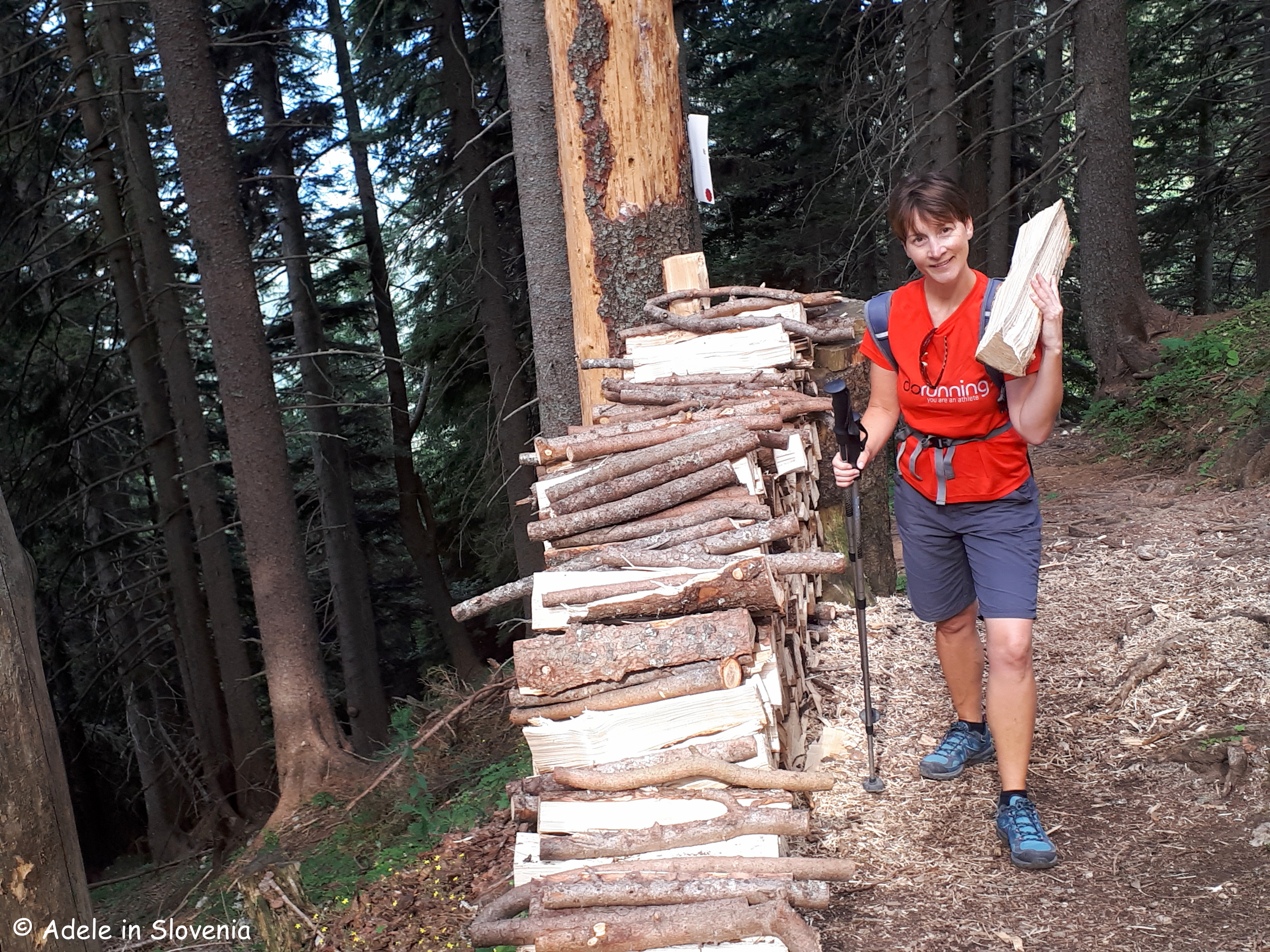
If you are feeling somewhat gallant, you might opt to not walk past the pile of logs without putting one in your rucksack or on your shoulder – the staff at the Prešernova koca mountain hut will be very grateful for your assistance in keeping the stove burning! Whether or not I was gallant enough to carry one up or not, I will leave you to decide!
It was somewhat overcast for the majority of the hike up, the story of this ‘summer’, but in actual fact a bit of cloud cover was welcome on the long, steep hike up, and on reaching the top, the clouds majestically began to part to reveal blue skies and warming sunshine, and, for a change, it wasn’t blowing a gale up there, as can so often be the case!

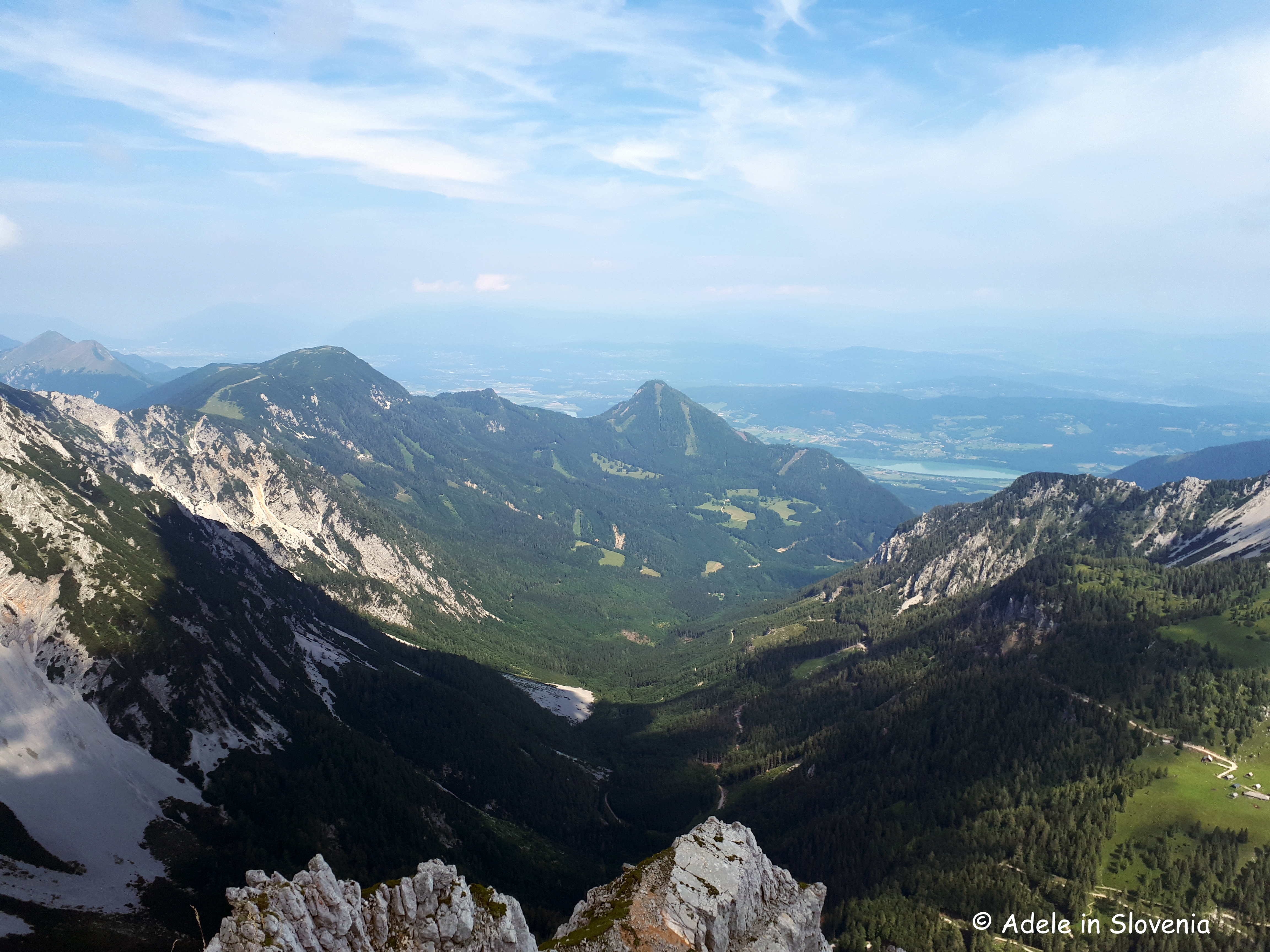
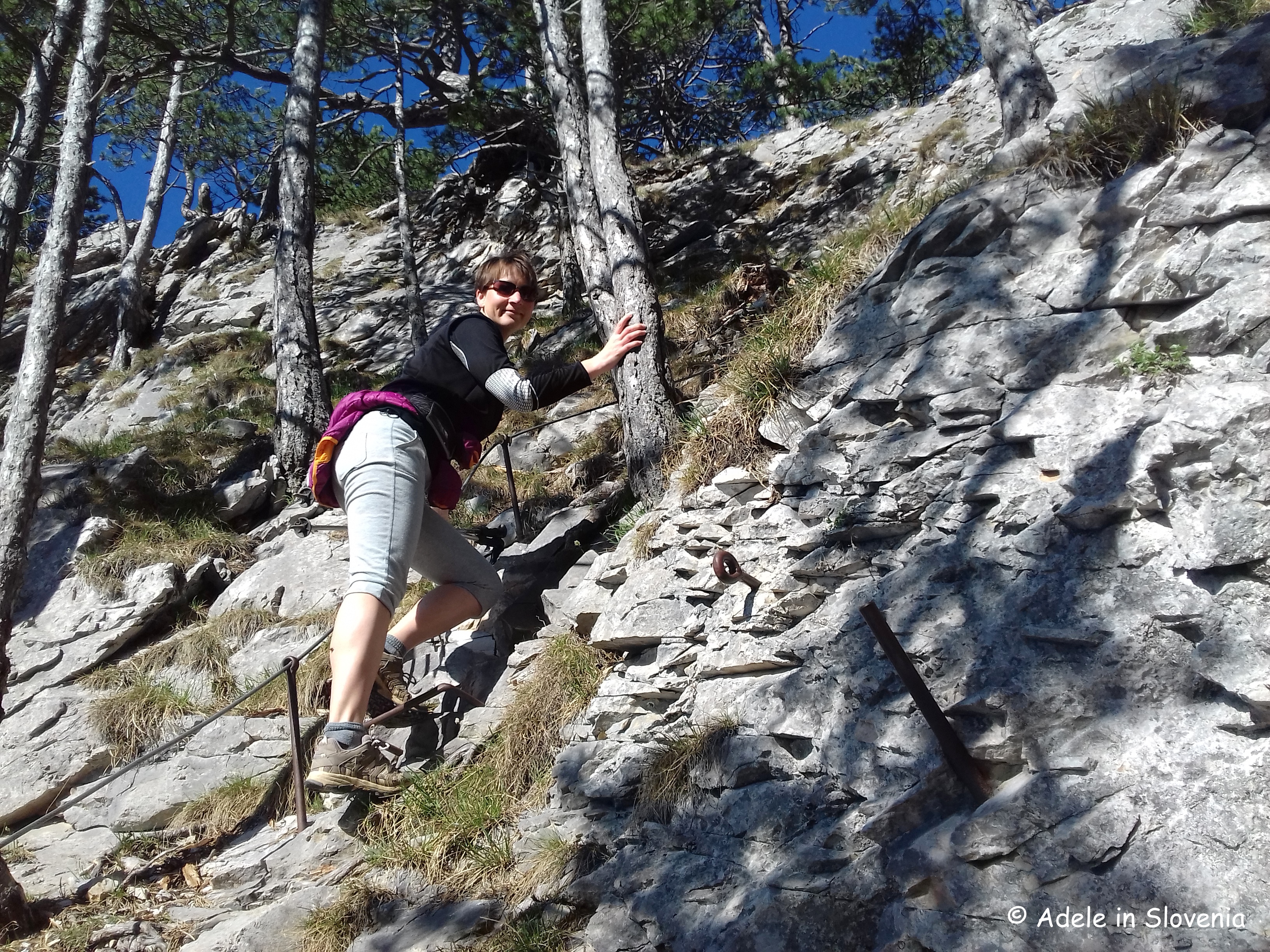
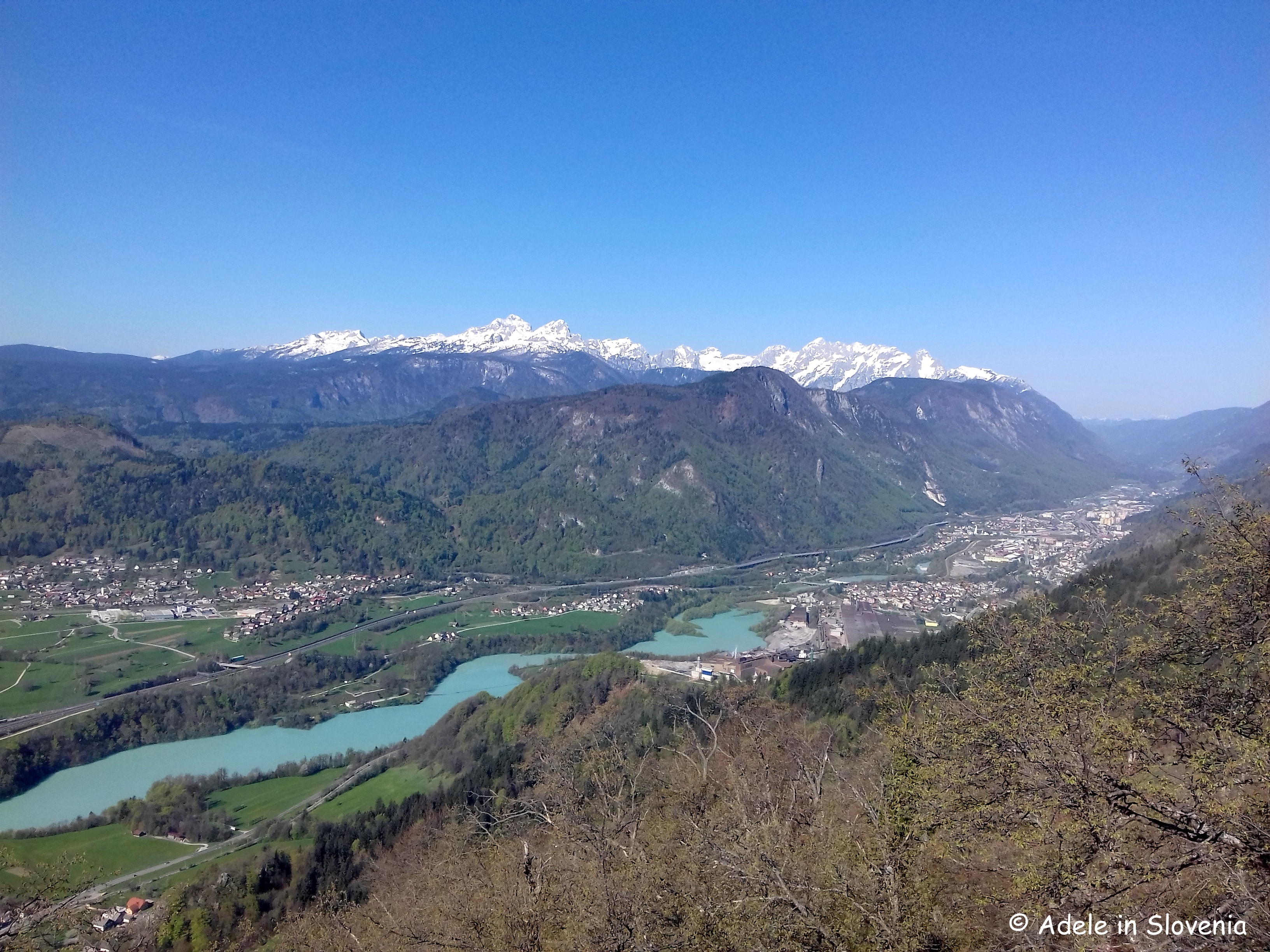
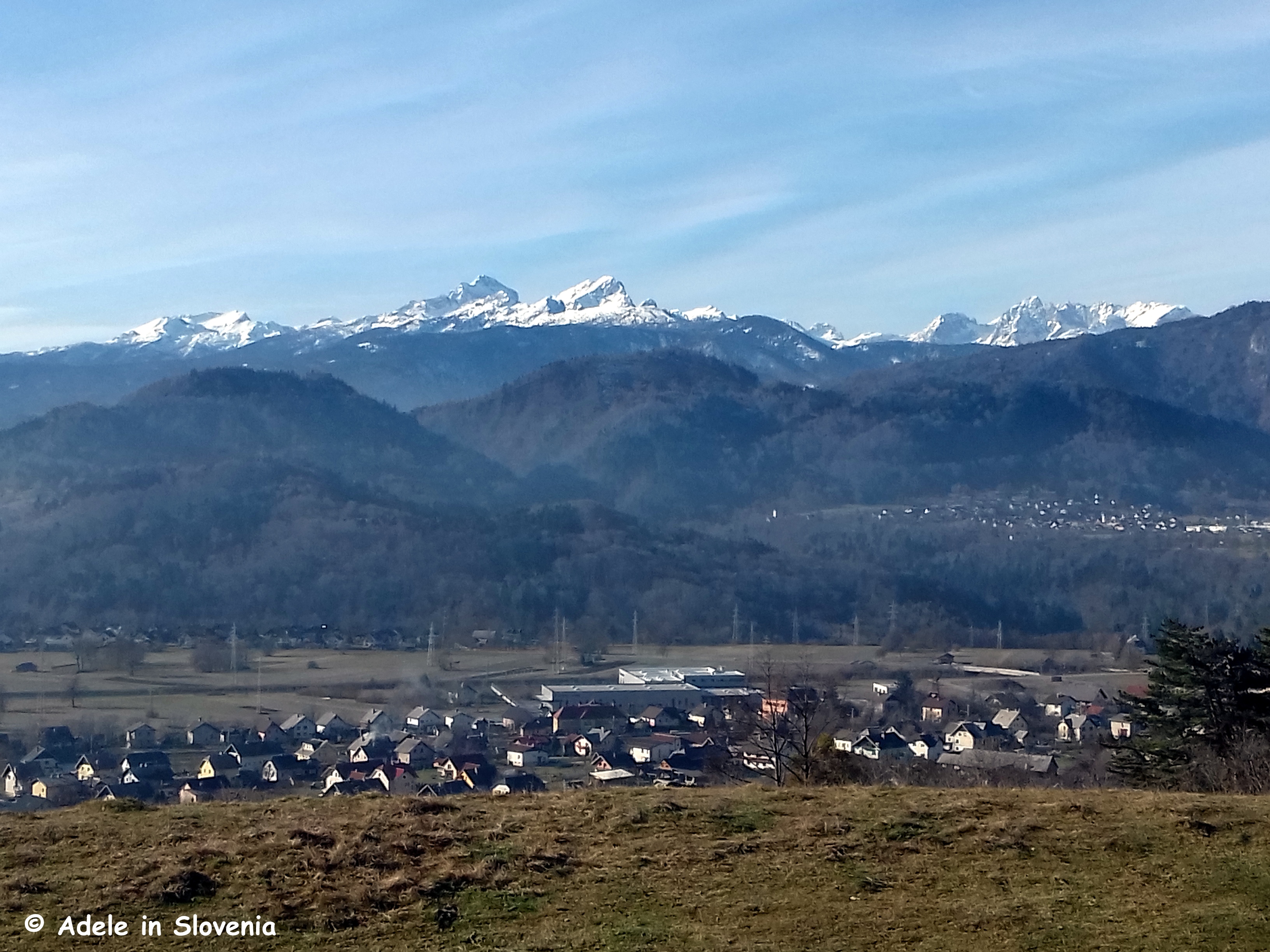
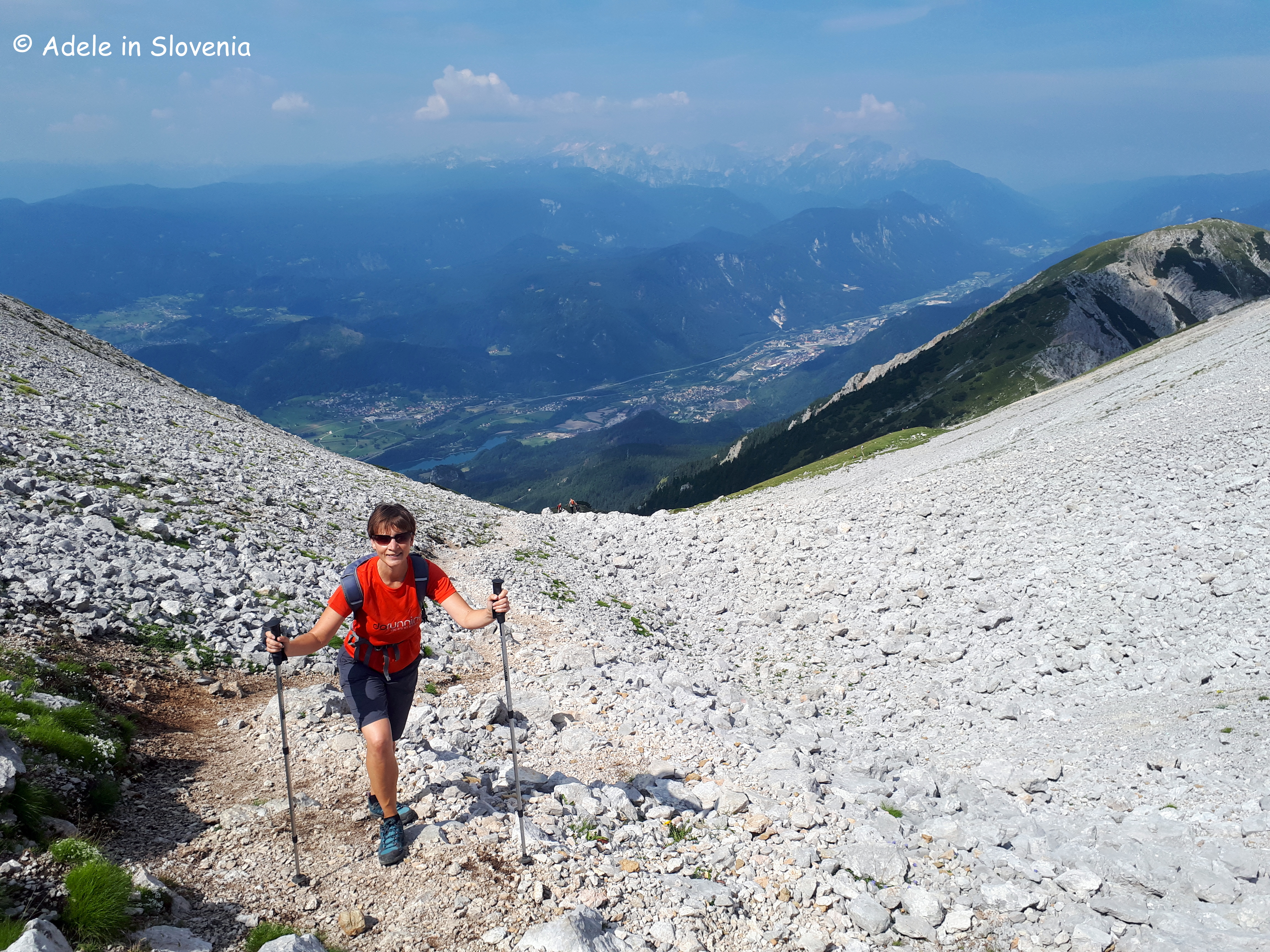
Before the final ascent to the top, the path leads up a steep stony gully, from where there is a real bird’s eye view of the Upper Sava Valley and the Julian Alps in the background. The path is distinct and well-marked throughout.
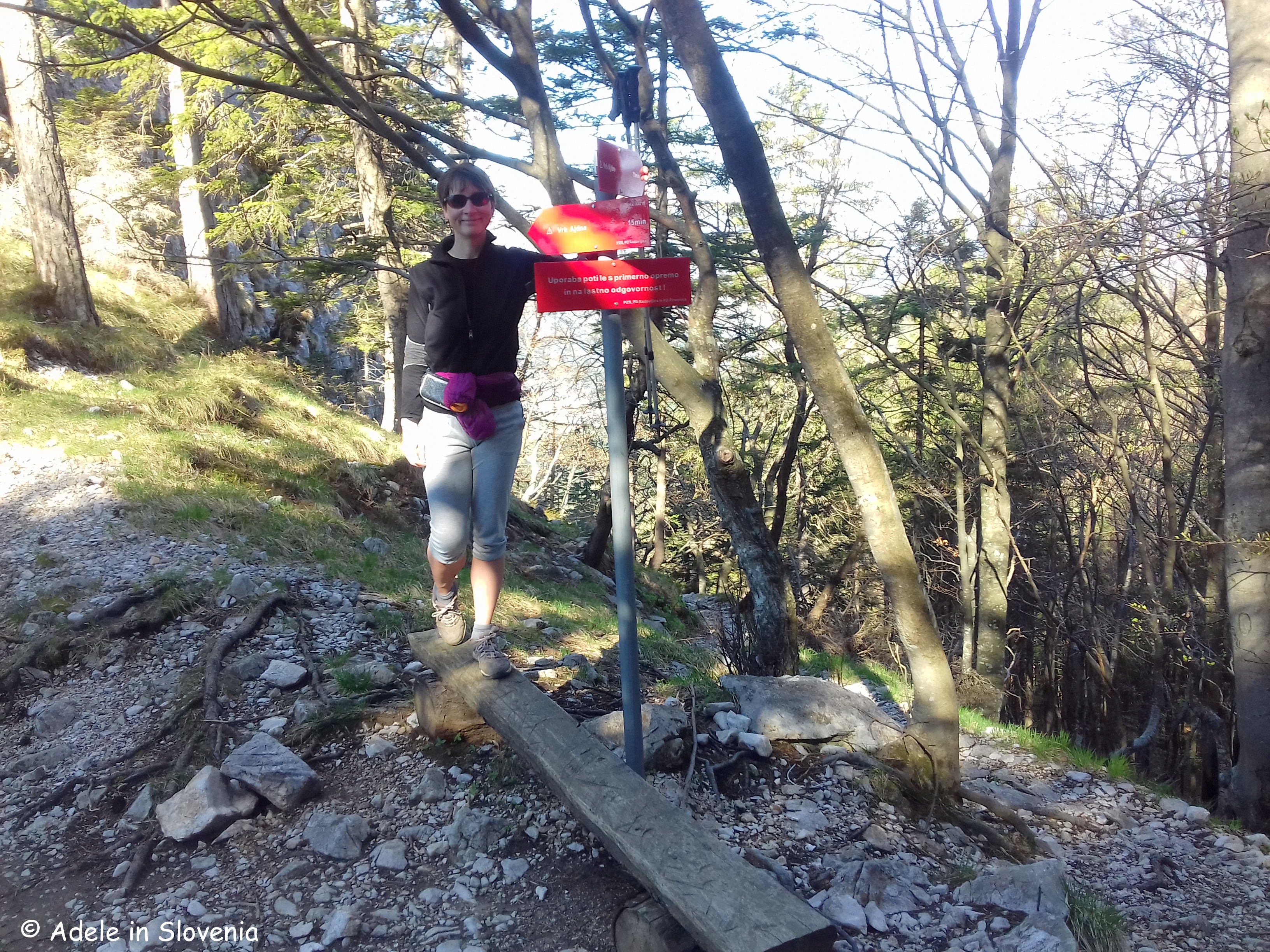
As you reach the summit, you will notice that the typical red and white Slovenian markers change to red and white with a green outer circle, denoting that the path is on the border with Austria – always a kind of exciting feeling, even after 11 years here!

It took me just over 3hrs 15 minutes to reach the summit. And, as is the tradition, don’t forget to sign the visitors’ book as you take your ‘seat’ at the top of the Karavanke!

Once at the top, among the magnificent sights, you can see Lake Bled on one side, whilst on the other Lake Worthersee in Klagenfurt.

You won’t be alone, since even if there aren’t many other hikers (on Sunday, there were!), there are always some brazen birds that don’t seem in the slightest bit scared of humans as they sit in wait for some tasty tit bits!

After descending from the summit, there was time for a quick bit of sustenance at the Prešernova koca mountain hut, where there is simple, but tasty mountain-type food and refreshments on offer, a(nother) visitors’ book to sign, and then it was time to begin the descent – more about which you can read in my next blog about the myriad of mountain pastures beneath Stol, coming soon…!

Click here for the Visit Žirovnica website where there is more information about this and other hiking trails in the Žirovnica area.

© Adele in Slovenia

Hop-On Hop-On 2018 is Here – This Year Even Bigger and Better!

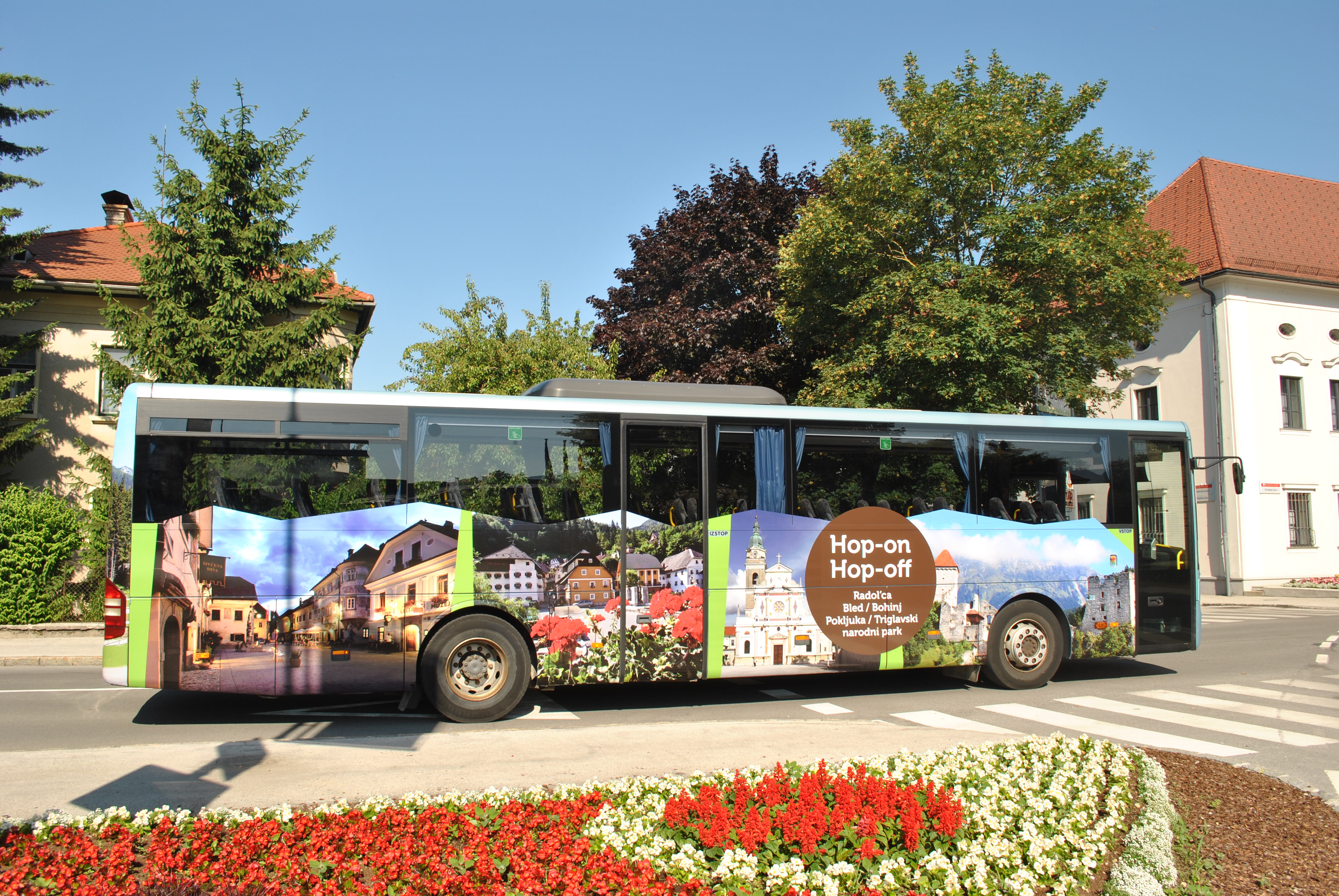
The Hop-On Hop-Off tourist bus made its first journey(s) of the season this week and this year there’s even more to see and do with two extra days added to the timetable and entirely new destinations to discover! Take a ride and discover the hidden corners of the Radol’ca countryside.

The Hop-On Hop-Off bus is a great way to discover more of Radol’ca and the surrounding areas. For those who do not have a car or those who want to simply leave the car behind and be chauffeur-driven for a change, without having to worry about reading maps, finding parking places etc.

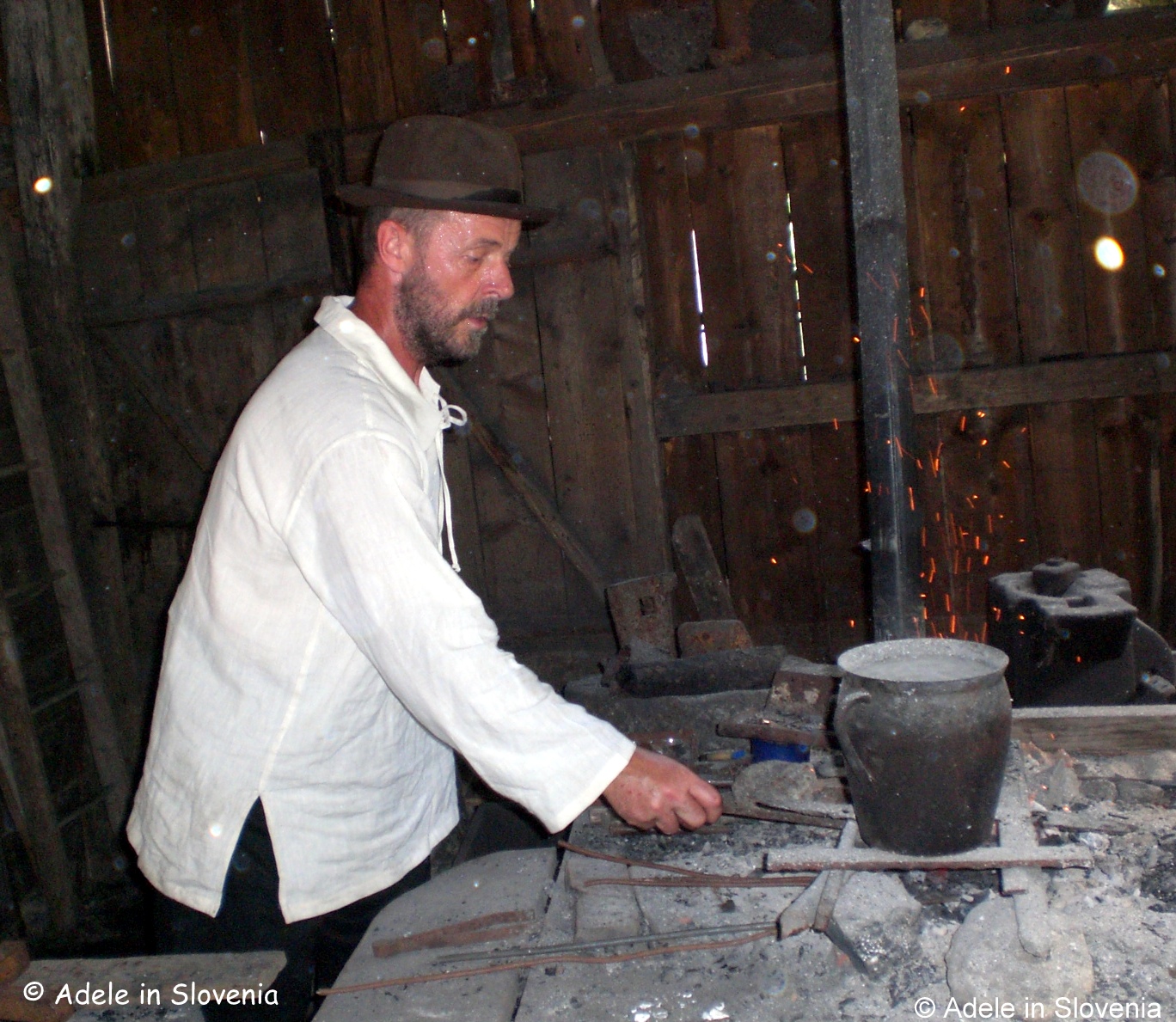
On Tuesdays you can take the ‘Charming Towns and Villages‘ route, which includes visits to Radovljica, Posavec, Ljubno and Kropa. Among the highlights of this route are the Iron Forging Museum and the Vigenc Vice foundry in Kropa, where at the latter you can see a demonstration of hand nail forging, and the Museum of Apiculture and Lectar Honeybread Museum and Workshop in Radovljica.

A demonstration of hand nail forging, Vigenc Vice Foundry, Kropa

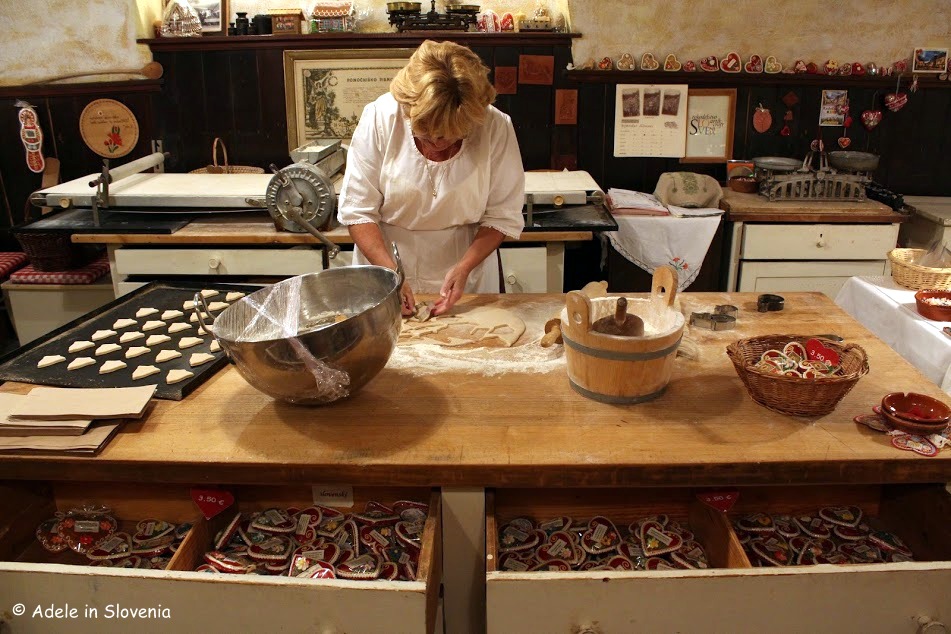
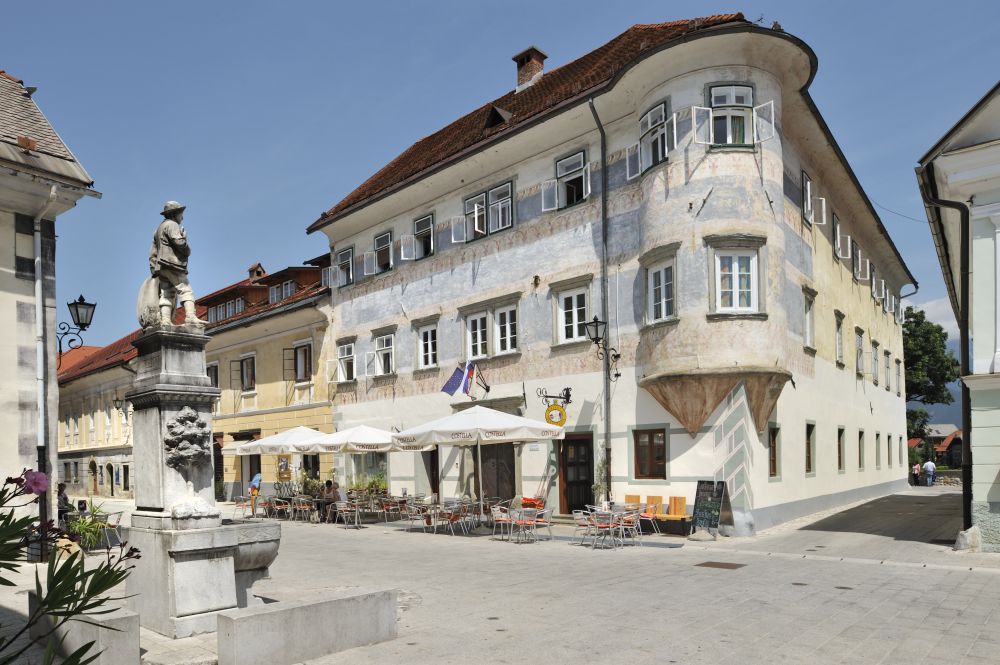
Lectar Inn Honeybread Museum and Workshop, Radovljica

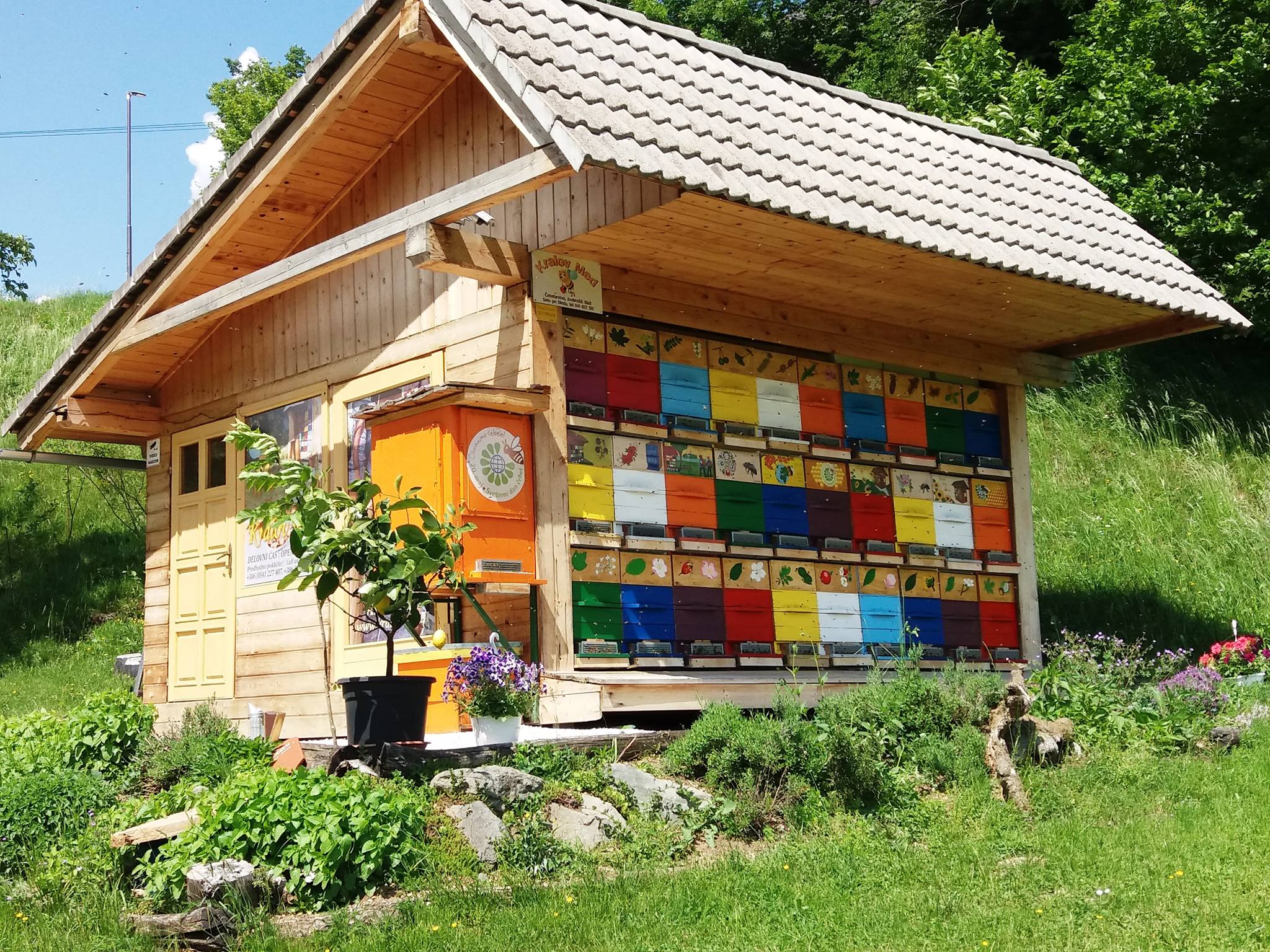
On Wednesdays the ‘Bee Our Guest‘ bus provides a fascinating insight into Slovenian beekeeping and includes visits to the Museum of Apiculture in Radovljica, the Beekeeping Education Centre of Gorenjska in Lesce, Anton Janša’s apiary in Breznica, Bee Paradise in Selo pri Žirovnici and Kralov med beekeeping in Selo pri Bledu.

Kralov med, Selo pri Bledu

Anton Janša’s apiary, Breznica pri Žirovnici

Thursday’s ‘Tales from the Countryside‘ route takes passengers to places such as Vrba, Žirovnica, Begunje na Gorenjskem, Brezje and Podvin. Among the highlights of the route are the ruins of Kamen Castle, the Avsenik Museum and the Museum of Hostages in Begunje, Adventure Mini Golf in Gorica, the Villa Rustica archaelogical site in Mošnje, and the Basilica of Mary Help of Christians in Brezje.

Adventure Mini Golf in Gorica

Završnica Valley, Žirovnica

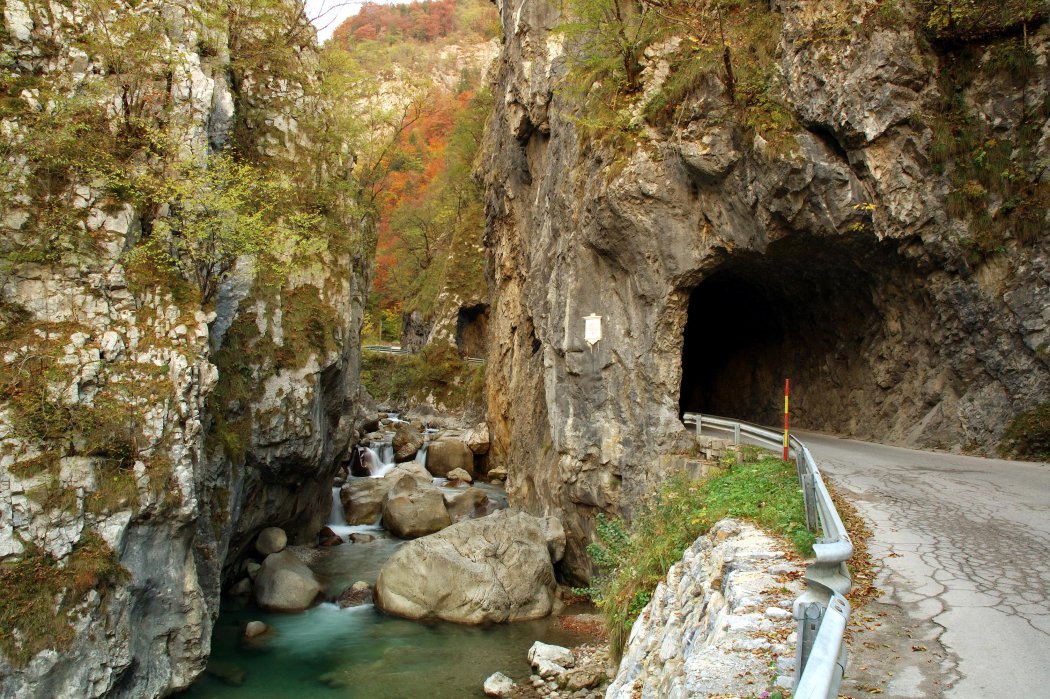
And on Fridays, the bus runs to Begunje na Gorenjskem and then along the ‘Panoramic Road to Tržič‘. Highlights include the ruins of Kamen Castle, the old town centre of Tržič, the Mebron foundry and the Dovžan Gorge.

Ruins of Kamen Castle, Begunje na Gorenjskem

Dovžan Gorge, Tržič

So, as you can see, there’s plenty to choose from; in fact the toughest decision could be choosing which of the routes to take!

Click here for more information and the full timetable.

© Adele in Slovenia


The Forgotten Village on Ajdna – A Fascinating Archeological Site and a Great Hike Too!

Ajdna is the name of a tooth-shaped peak that lies beneath Mt. Stol, the highest mountain in the Karavanke range. A hike to Ajdna is fascinating, interesting and, if you take the steep way up, also a little challenging – but don’t worry, there’s an easier route up there as well!

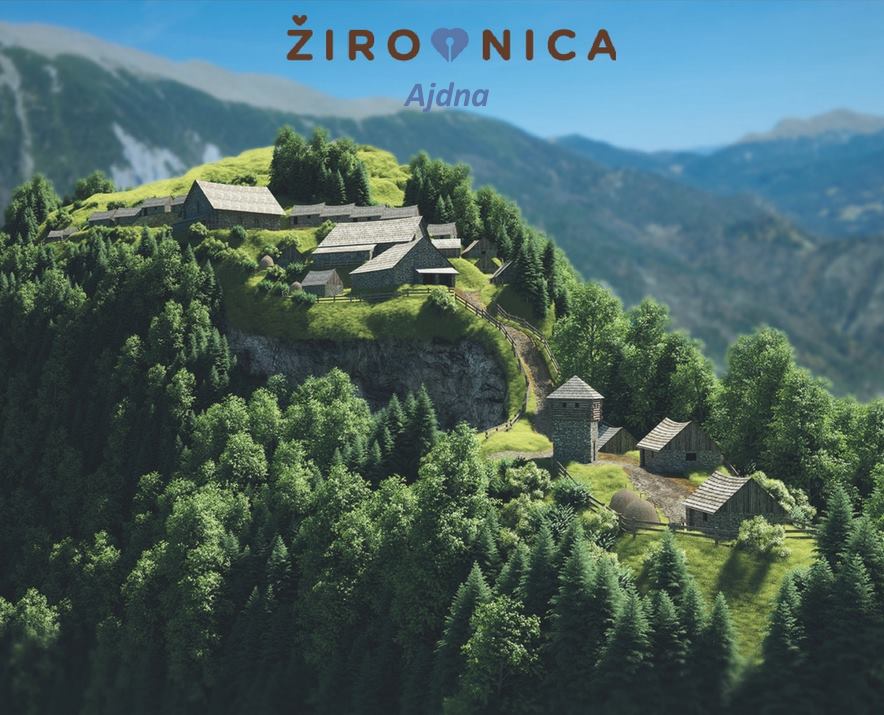
The site was first discovered by the field archaeologist Andrej Valič, who climbed to Ajdna with hunters in the 1970s. He identified the remains of an ancient village and archaeological excavations began in 1977. What they uncovered was, or rather is, truly fascinating. Below is an artist’s impression of the village on Ajdna.

Ajdna provided locals with an excellent refuge from the troubles taking place down below in the valley, though one can only imagine what conditions must have been like that led people to flee to somewhere so inaccessible and, particularly in winter one would imagine, inhospitable. Mind you, they certainly found a place of peace and with stunning views!

Ajdna was settled during the crisis times of the collapse of the Western-Roman Empire in 476 AD. Extensive, expensive and exceptionally complex conservation work was carried out and today there are well-preserved buildings and remains of buildings that are thought to date back to the late Antiquity, though some evidence shows that it may even have been inhabited far earlier.

It is estimated that Ajdna was destroyed at the end of the 6th or beginning of the 7th century. The desecration of the church points to the destruction most likely being the result of it being pillaged and set alight by attackers of other religions.

There are several ways to reach Ajdna, depending on which direction you are coming from and also depending on how far you want to walk. I took the path that leads from the reservoir in the Završnica valley. It first follows the path towards the Valvasor mountain hut, where, about 15 minutes before reaching the hut, you turn left onto a gravel road. From here its along the road for approximately 15-20 minutes until the junction with the turn off marked for Ajdna. The path at first goes downhill, through the forest, until reaching the base of the peak. From here there is a choice of the harder, climbing path (15 mins) or the easier path (20 mins). It is well marked throughout.

I chose the harder path up and the easier path down. The path up, though not technically difficult, does require sturdy footwear, a steady hand, concentration and no fear of heights as it leads directly up the rock face – but it is well-equipped with steel cable and rungs. For those not so keen on such ascents, or those with small children, take the slightly longer and easier path to the right. Whichever way you reach Ajdna, you will be richly rewarded for your efforts!

All the information boards at Ajdna are in both Slovenian and English (I should know, I translated them as part of the exhibition catalogue!), so you can read more about the finds and the history of the site.

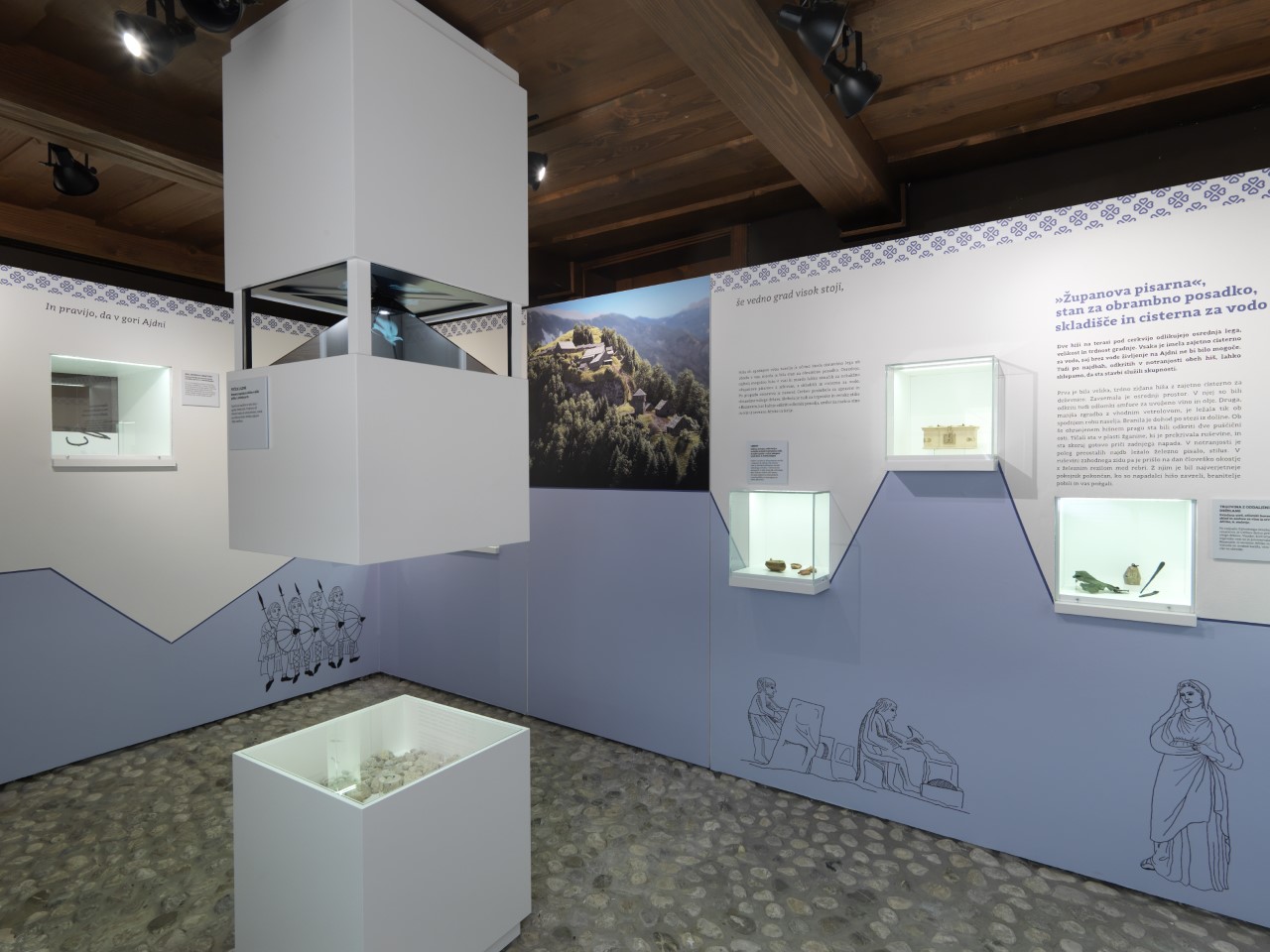
In addition, to complement a visit to Ajdna, you can visit the Ajdna Museum Room in Čop’s Birth House (Čopova hisa) in Žirovnica, where you can learn more about the site and see exhibits of the many fascinating finds including tools, earthenware, jewellery and weapons.

The house is also the seat of Tourism Žirovnica, thus you can also find out more about what to see and do in the area and/or click here for more information.

© Adele in Slovenia

Žirovnica – The Place to Be(e) to Celebrate World Bee Day!

So, at last, the long-awaited first ever World Bee Day took place on Sunday 20th May and Žirovnica was the place to be(e)!

The celebrations were centred around Breznica, the birth place of Anton Janša and home to his memorial apiary, which, following recent renovation, has been further improved by the placing of a new memorial plaque to mark World Bee Day.

There were celebrations throughout the land to mark this momentous day, even more momentous since Slovenia, and in particular the President of the Slovenian Beekeeping Association, Bostjan Noč, was the initiator of the campaign to have 20th May, the birth date of Anton Janša, Slovenia’s greatest beekeeper, proclaimed World Bee Day. After all, as we all know, or should all know, every third spoonful of food we eat is dependent on pollination by bees, thus ‘No Bees, No Life‘!

I don’t have the official numbers, however, it seemed as if the majority of Slovenia’s 10,000 beekeepers came dressed in their finest to celebrate. For a population of just 2 million, well, do the maths…!

A meeting of Slovenian beekeepers took place under the honorary patronage of the President of the Republic of Slovenia, Borut Pahor, whilst throughout the day there were bee-themed events and entertainment.

Visitors were able to watch a film presentation to find out more about the plans for the ‘Bee Park’ – a competition was held recently to come up a name for the new park. The winner has been chosen, however, as yet the name is still under wraps!

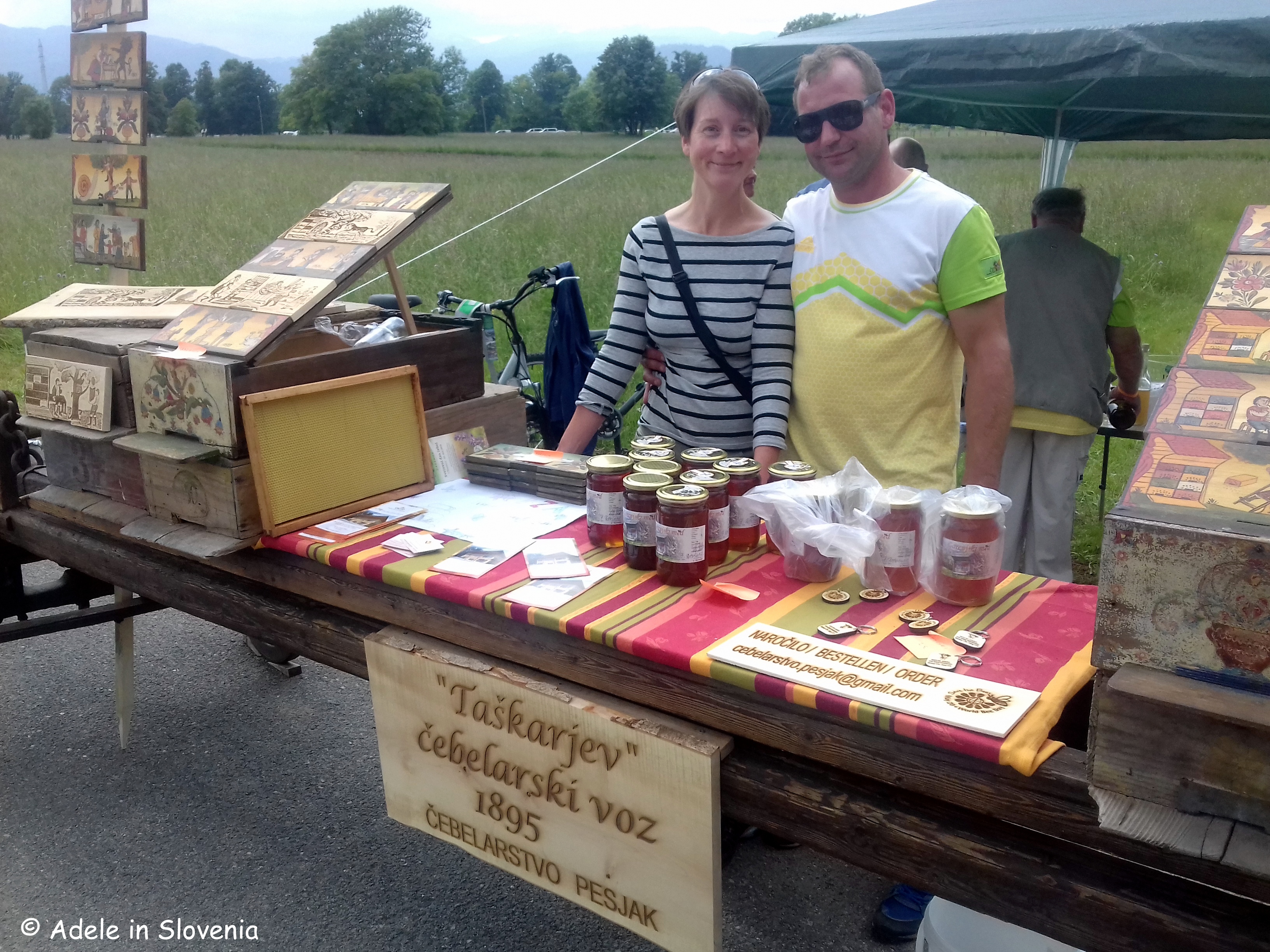
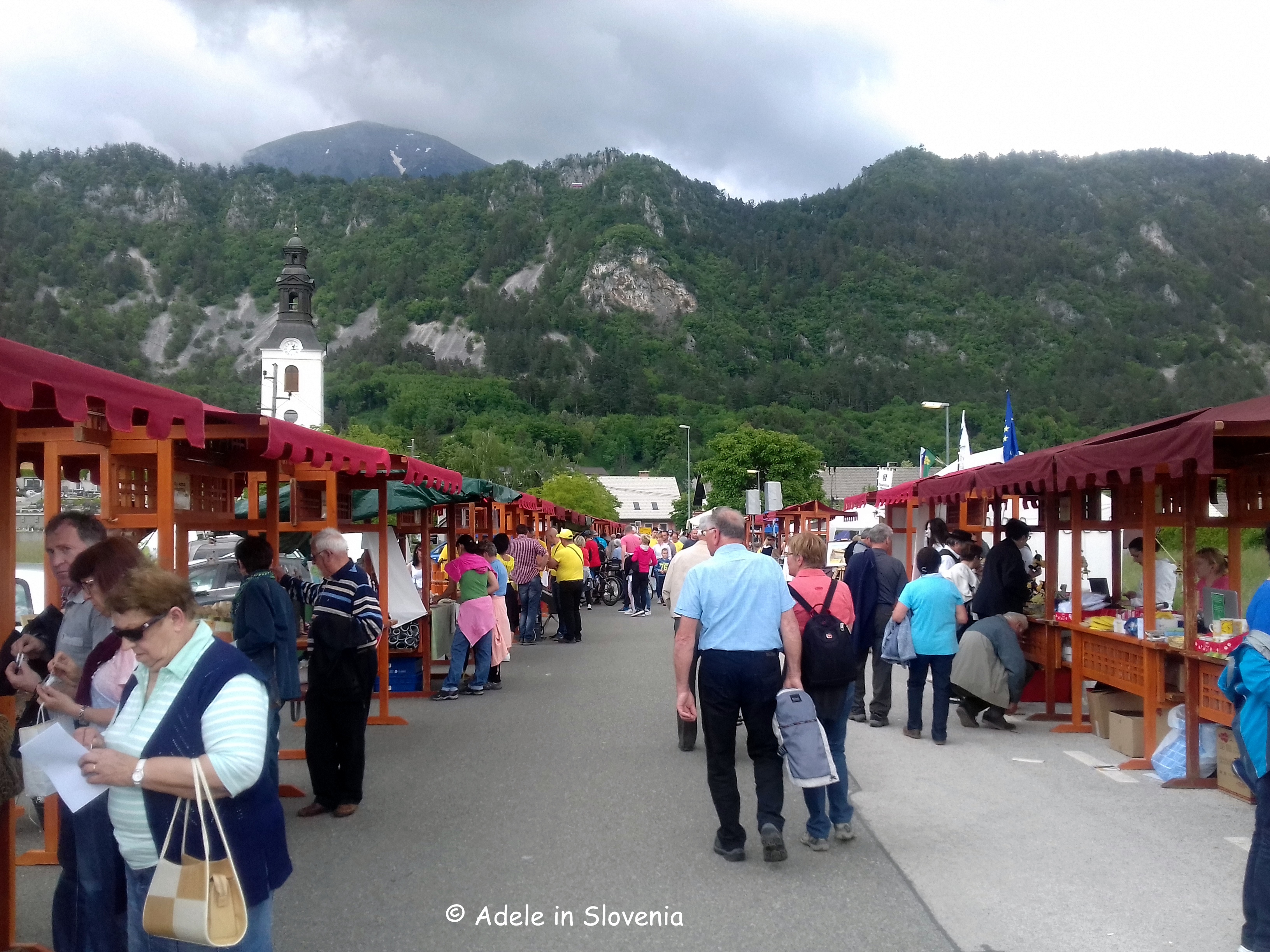
A honey market lined the streets and there were concerts, street entertainers and more!

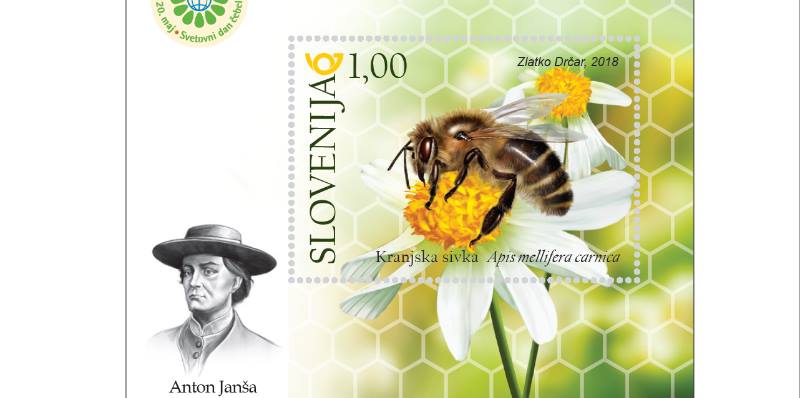
To mark the day, a new stamp was issued by the Slovenian postal service, and Slovenia also launched a special 2 euro coin. Look out for the 2 euro coins in circulation throughout the euro area –  I’ve already got mine!

A great day was had by all and the future for Slovenia’s bees and beekeepers looks very bright. The nation sure did its bees proud!

Photo: Simon Senica

This summer you can take a ride on the Bee Our Guest Hop-On Hop-Off tourist bus, which will take you on a journey through the surroundings of Bled, Radovljica and Žirovnica every Wednesday in July and August. Along the way you can visit some of Gorenjska’s beekeepers, Janša’s memorial apiary, Bee Paradise, the Beekeeping Education Centre of Gorenjska, and more!

For more information about apitourism in Slovenia see the Bee Our Guest website, and to find out more about the ‘Cradle of Slovenian Beekeeping‘ see the Visit Zirovnica website.

© Adele in Slovenia


Visit Žirovnica – Visit Tito’s Village (Titova vas)

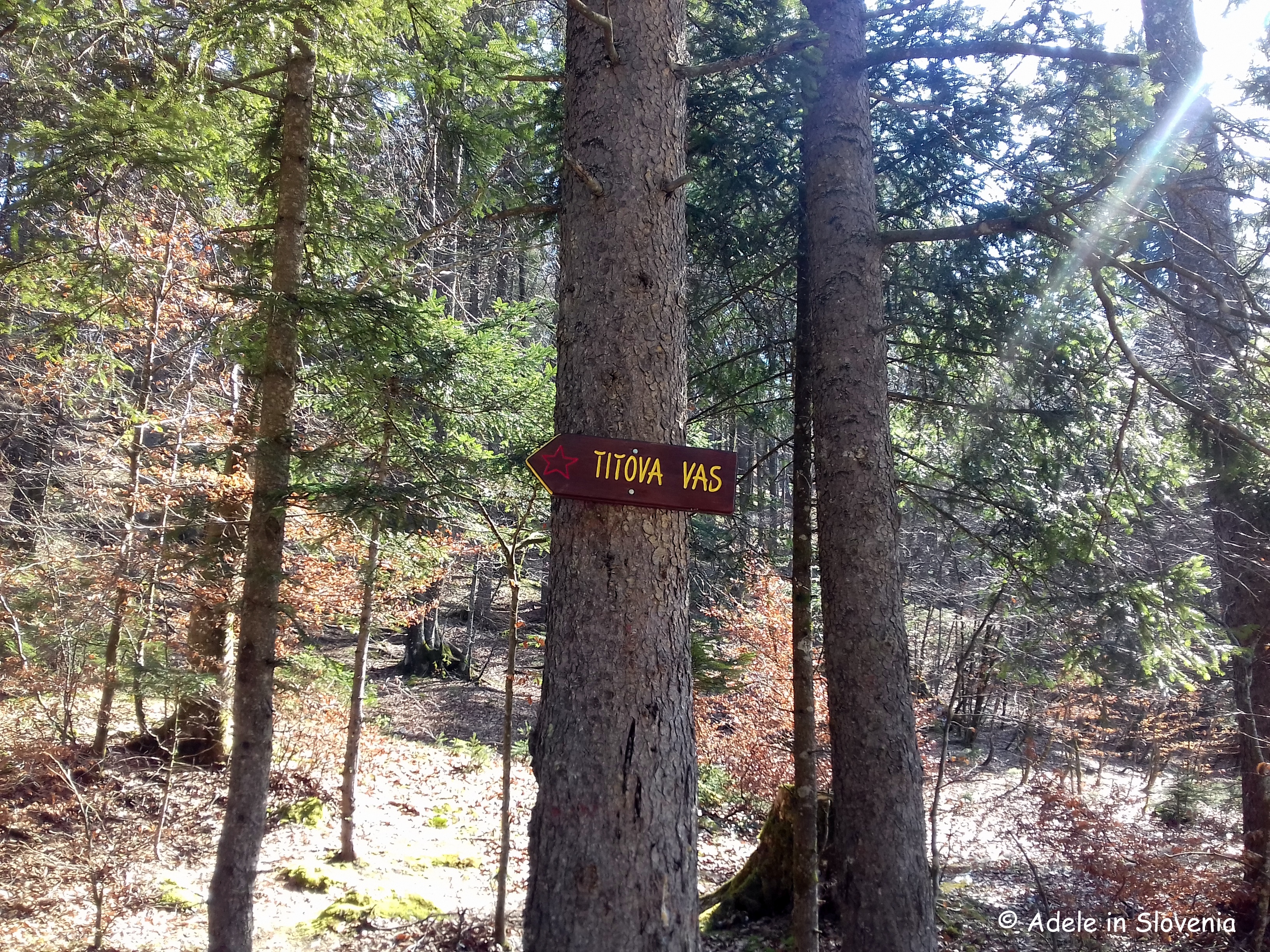
Tito’s Village (Titova vas) was a secret World War II partisan camp that was hidden deep in the forest in a remote, hidden and relatively inaccessible location beneath the peak of Smokuški vrh, in the municipality of Žirovnica. The camp had its own newspaper, a choir, butchery and everything needed for everyday life at that time.

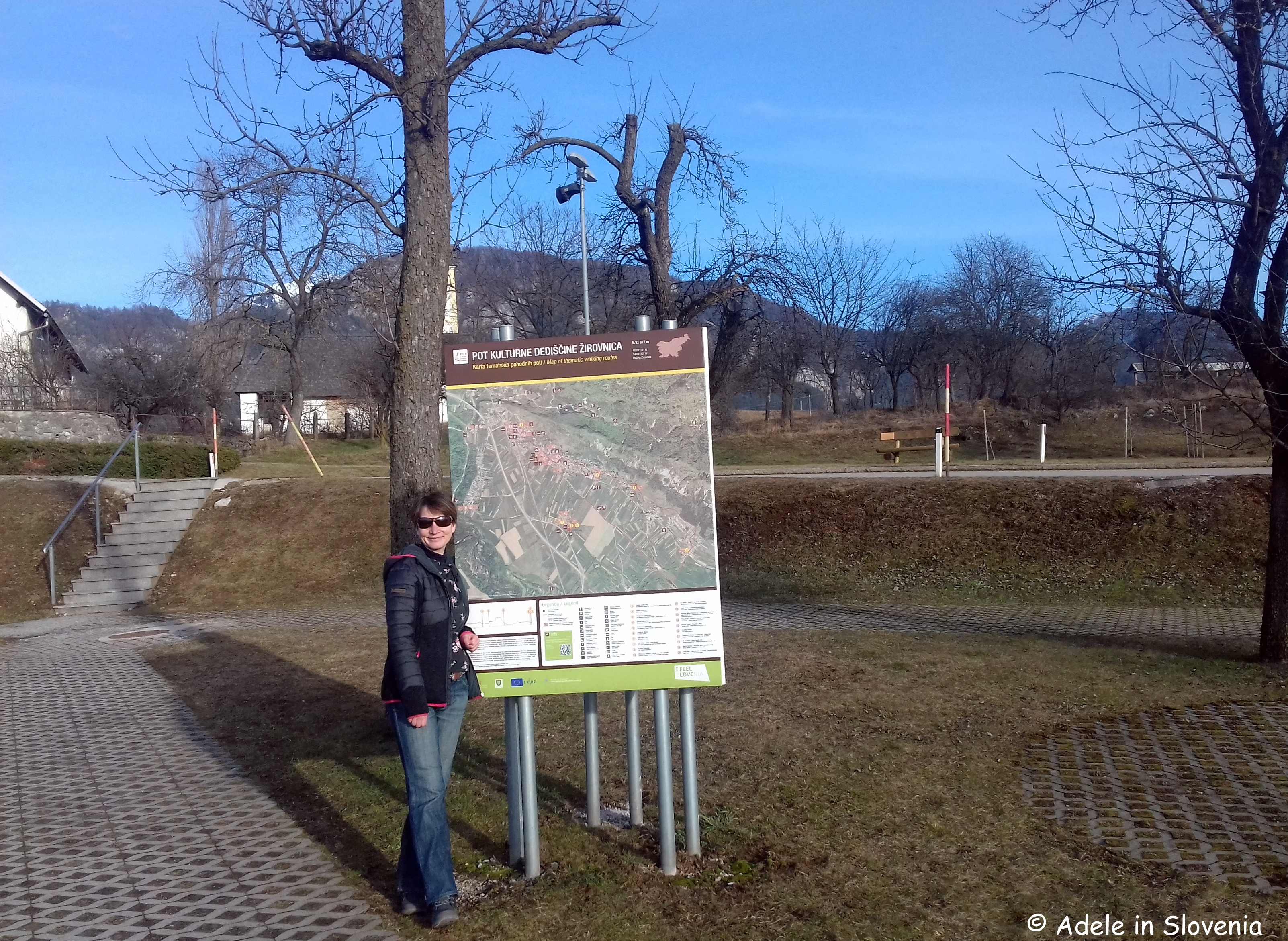
For a longer walk, you can start from the reservoir in Žirovnica where there is an information board about the trail to Titova vas and from where it is a pleasant cca. 45 min walk along the valley road which rises gently to the trailhead. If you would prefer a medium-length walk then you can start a little further along the valley at the recreation area by the Zavrh bar, or for a short walk begin at the trailhead itself further along the valley.

Do keep your eyes out for errant kangaroos, though!

From the trailhead it is just approx. 20 mins on foot to reach Tito’s Village.

The camp provided partisans with shelter from the German occupators. Considering its location, in close proximity to German strongholds in nearby Žirovnica, Bled, Koroška Bela, Javornik, Jesenice, Lesce, Radovljica, Brezje, Poljče and Begunje, the existence of the camp from 21 November 1944 – 31 January 1945 – though only 2 months – was considered long for those times.

The well-marked path leads uphill through the forest crossing small bridges and wooden footbridges over a small stream.

One get’s a real sense of how well-hidden the camp was and though today, thanks to the well-arranged trail, it’s a pleasant walk and fun to explore the area. One can only imagine what it must have been like to survive a winter here, although at least a fresh supply of water presumably wasn’t an issue.

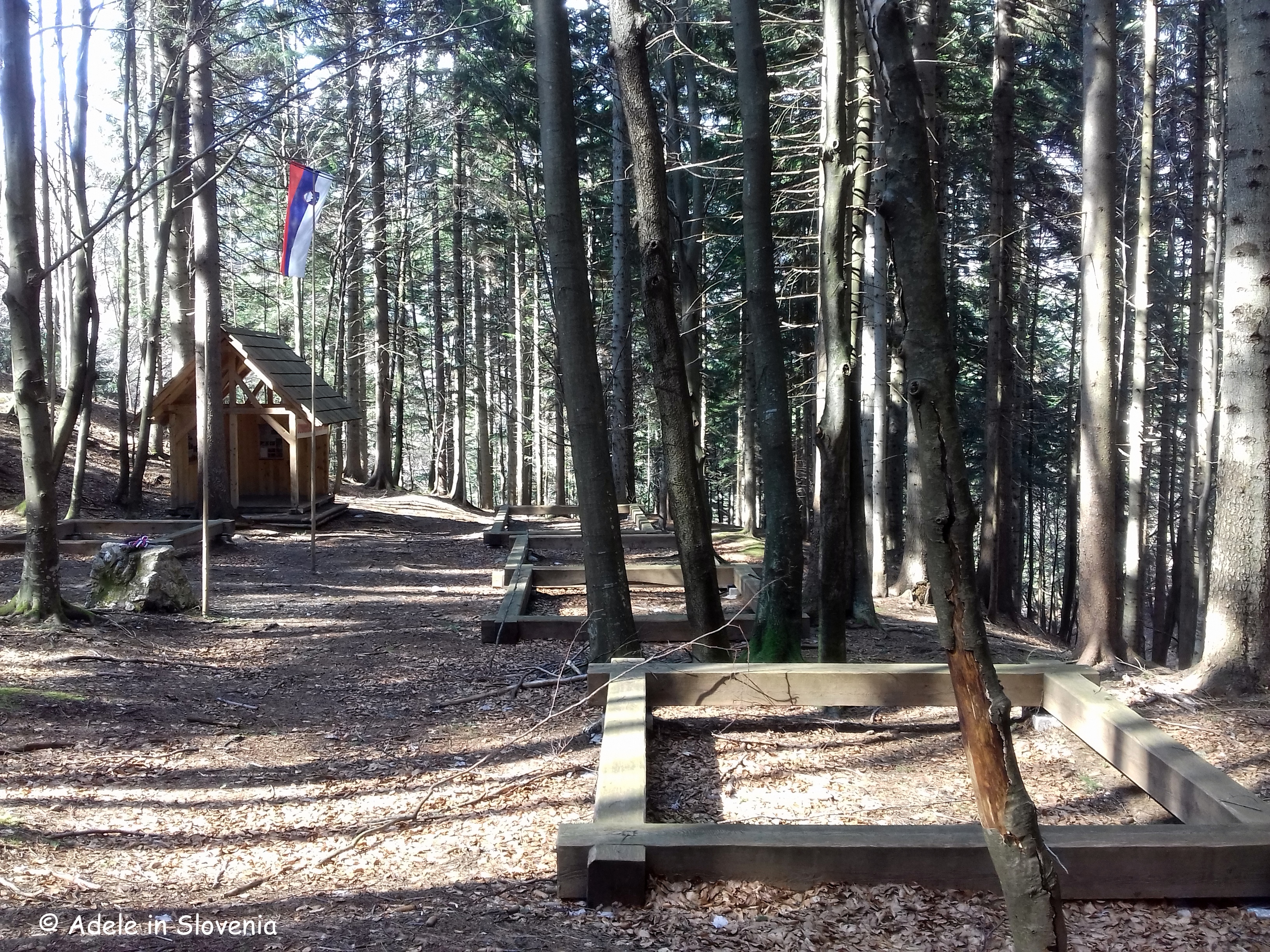
On reaching the small camp there is a visitors’ book, information boards (in Slovene only) and a memorial stone.

The walk to Tito’s Village is  interesting, educational and enjoyable, and, combined with the other sights of interest in the Završnica valley, is well worth a visit.

See the Visit Žirovnica website to find out more and this and other hiking trails in the Žirovnica area.

© Adele in Slovenia
Experience Prešeren’s Day Along the Žirovnica Path of Cultural Heritage

Despite only living to the tender age of 49, the legacy of France Prešeren (1800-1849), Slovenia’s most famous poet, remains as strong today as ever. In fact, Prešeren was, or rather is, so important to Slovenian culture, that a national holiday is dedicated to him annually on 8th FebruaryPrešeren’s Day. 

Find out more about the life and times of Prešeren, as well as that of some of Slovenia’s other great literary writers, along the Walk along the Žirovnica Path of Cultural Heritage.

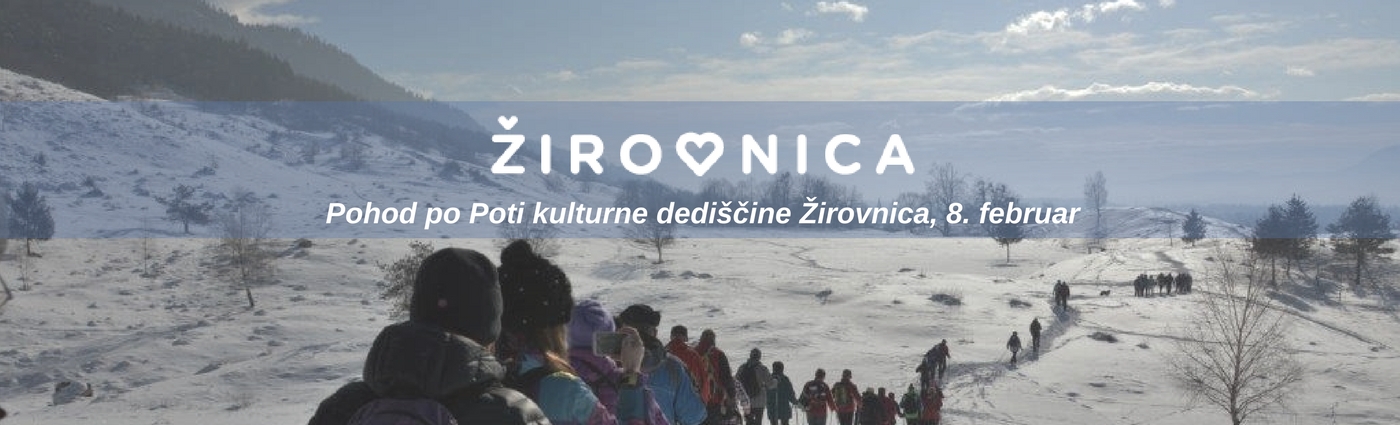
Although you can visit the attractions along the path year-round, it is a particularly special experience to do so on Prešeren’s Day, when you can join hundreds of others visitors, locals and those from further afield, to walk the path, find out more about life in Prešeren’s time, and feel a part of Slovenia’s cultural heritage.

The 10km circular path leads through the villages beneath Mt. Stol – the highest peak in the Karavanke range – taking in Prešeren’s birth house in the village of Vrba, where there is a car park and information board about the path.

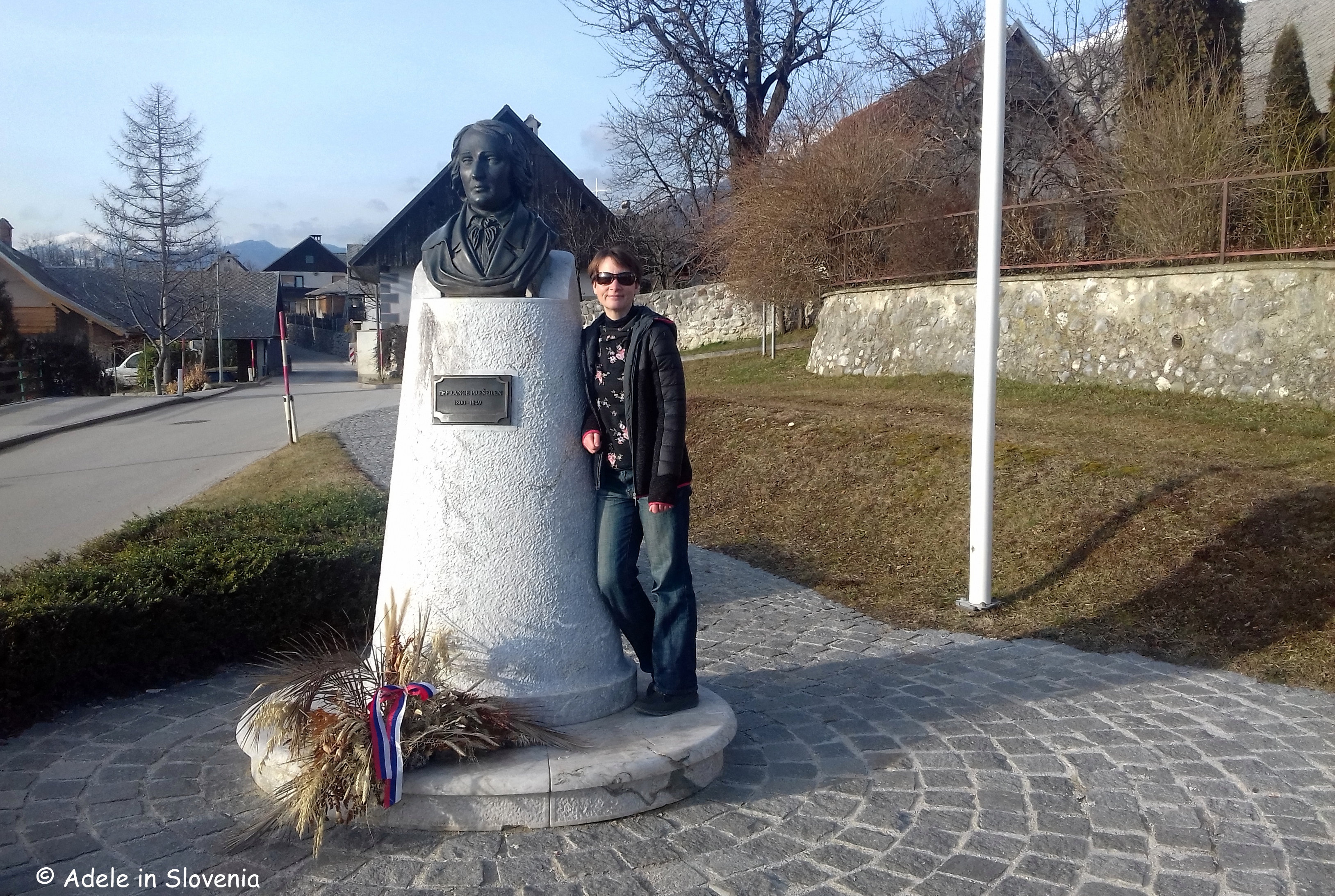
Opposite the car park there is a bust statue of the great man.

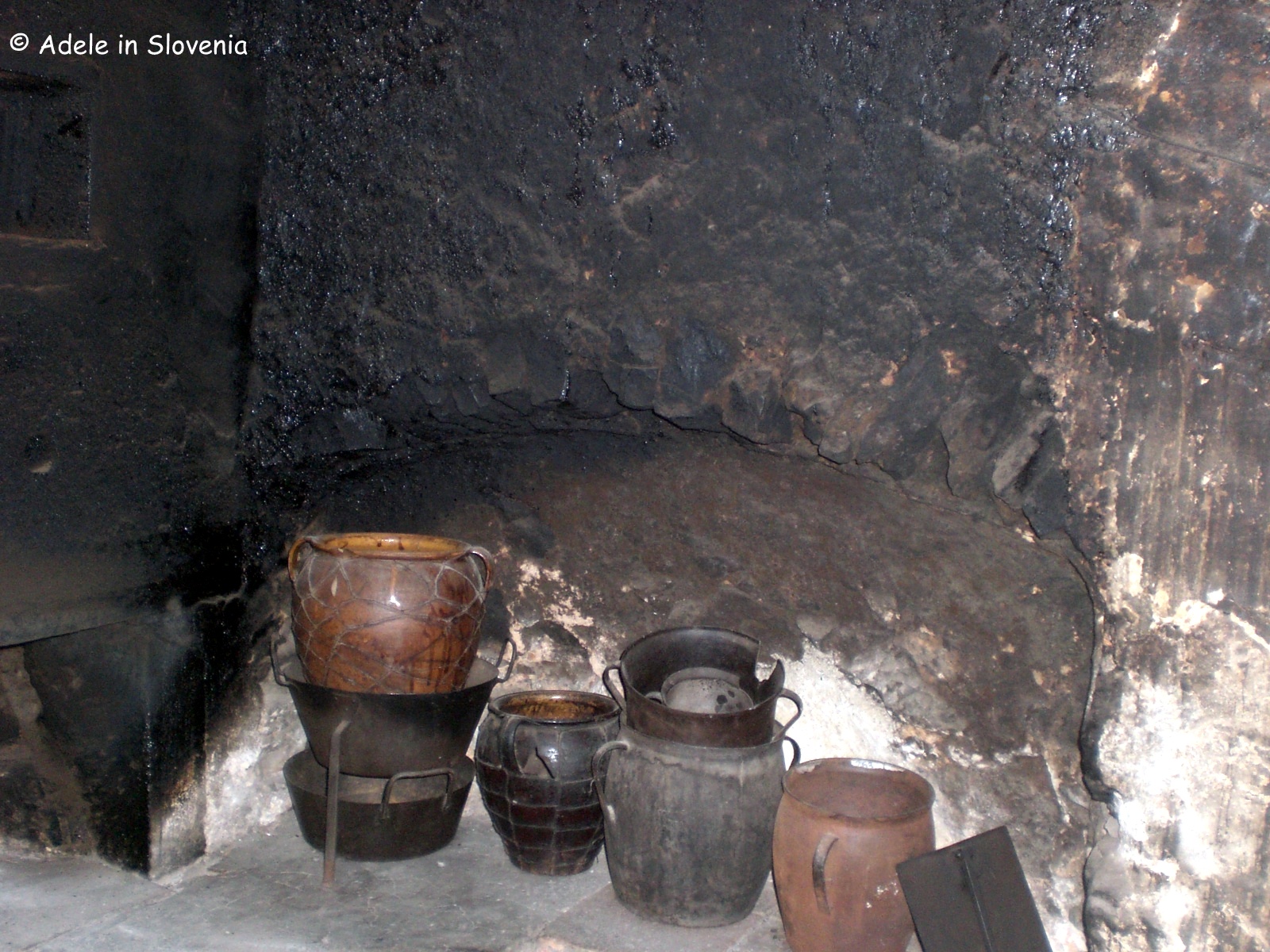
In addition to visiting Prešeren’s birth house, you can continue to the birth houses of Prešeren’s friend, the linguist and literary historian Matija Čop in Žirovnica, the writer Fran Saleški Finžgar in Doslovče, and the writer and priest Janez Jalen in Rodine. All the houses offer a unique insight into life in bygone days and you can see exhibits including an original black kitchen.

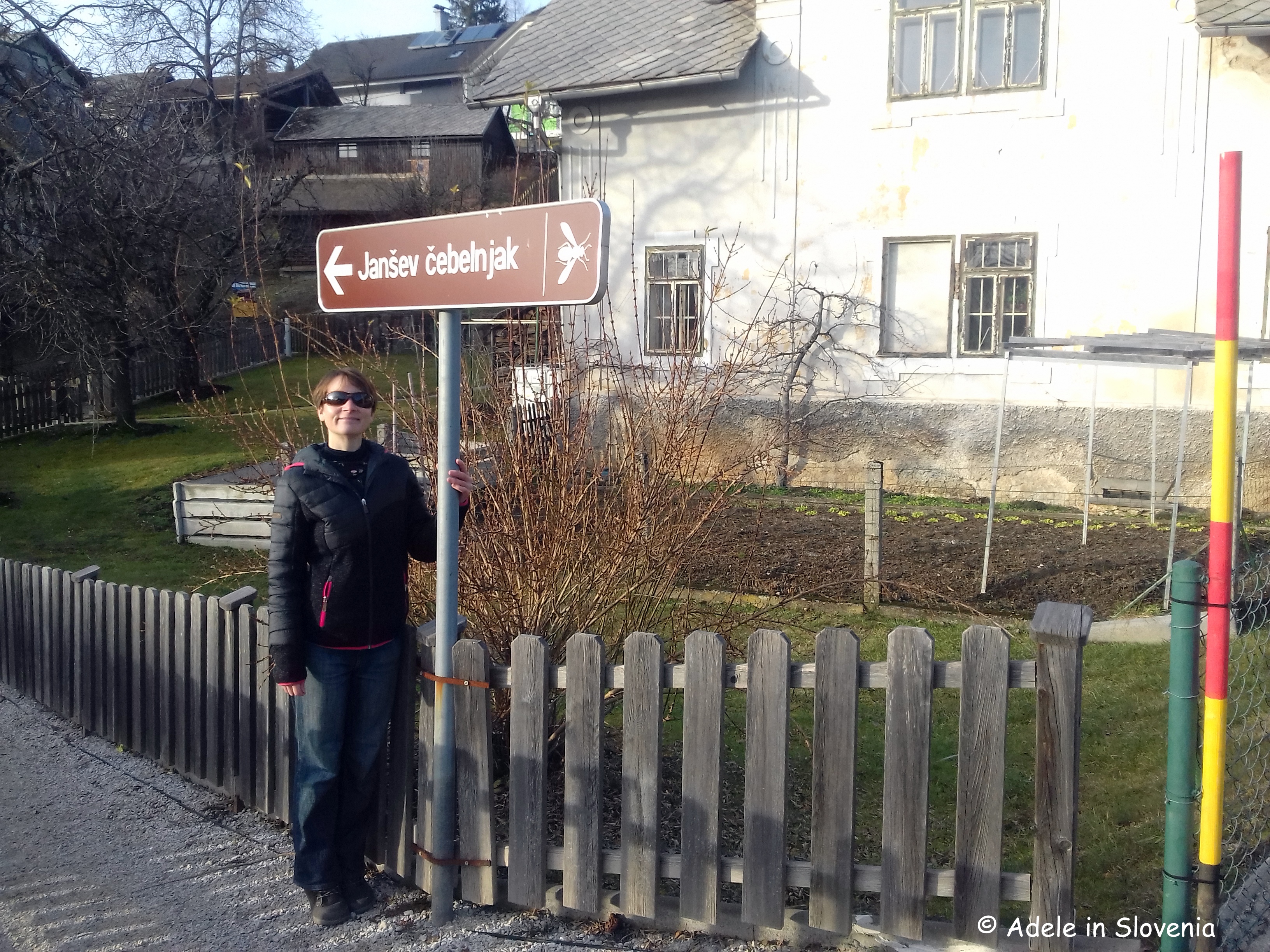
For many a particular highlight is a visit to the apiary of Slovenia’s greatest beekeeper and the pioneer of modern apiculture, Anton Janša (1734-1773)in Breznica. It’s easy to find, just follow the brown signs marked with a bee!

The apiary was carefully reconstructed in 2017 and this year will be the focal point of this year’s first ever World Bee Day, which will take place in Breznica on 20th May.

At the time of writing, there’s no snow here in the valley, but that could, of course, change by 8th February! Either way, there’s never a shortage of people joining the walk on 8th February, and there is also a rich accompanying programme on the day for all – regardless of whether you take part in the organised walk or not. It includes free entrance to all the birth houses, stalls along the way offering local food and drink, a honey market in Vrba and small farmer’s market in Rodine, entrance to exhibitions, and more! Find the full programme here (in Slovene only) – http://visitzirovnica.si/pohod-po-poti-kulturne-dediscine-zirovnica-8-februar/

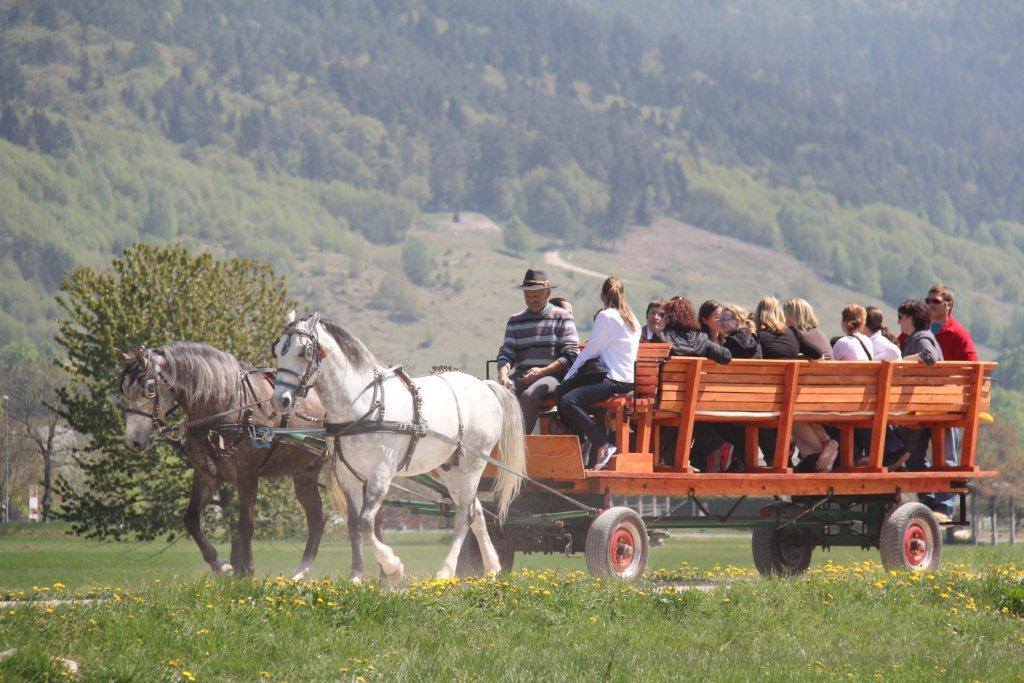
But don’t worry – if you can’t make it on 8th February, you can visit the birth houses and walk, all or some of, the trail independently or, to get the most out of it, on a guided tour. The best time to do so is every fourth Saturday in the month from March to October when guided visits to all four houses are available between 10am and 5pm. For a really special experience on this day you can visit the houses by taking a ride on a traditional horse and cart which begins at the car park in Vrba at set times.

The Visit Zirovnica website has more information about this and all the other attractions in the area.

Come and find out more about why France Prešeren is Slovenia’s equivalent to Shakespeare!

© Adele in Slovenia

Visit Žirovnica: The Sunny Path to St. Lawrence

Welcome to my first blog of 2018 and my first one about a new destination that I will be highlighting this year – Žirovnica! The area has a wealth of natural and cultural attractions, about which I will be endeavouring to write as much as possible in my regular blog posts.

Though not so well known among visitors to Slovenia, pretty much every Slovene knows, and has visited, Žirovnica; specifically to Vrba, to visit the birth house of one of Slovenia’s most famous men and greatest poet, France Prešeren (1800-1849).

At this time of year, when the days are short and sunlight is at a premium, I like to take a walk on the aptly-named Sunny Path (Sonča pot) from Žirovnica to St. Lawrence’s church (sv. Lovrenc).

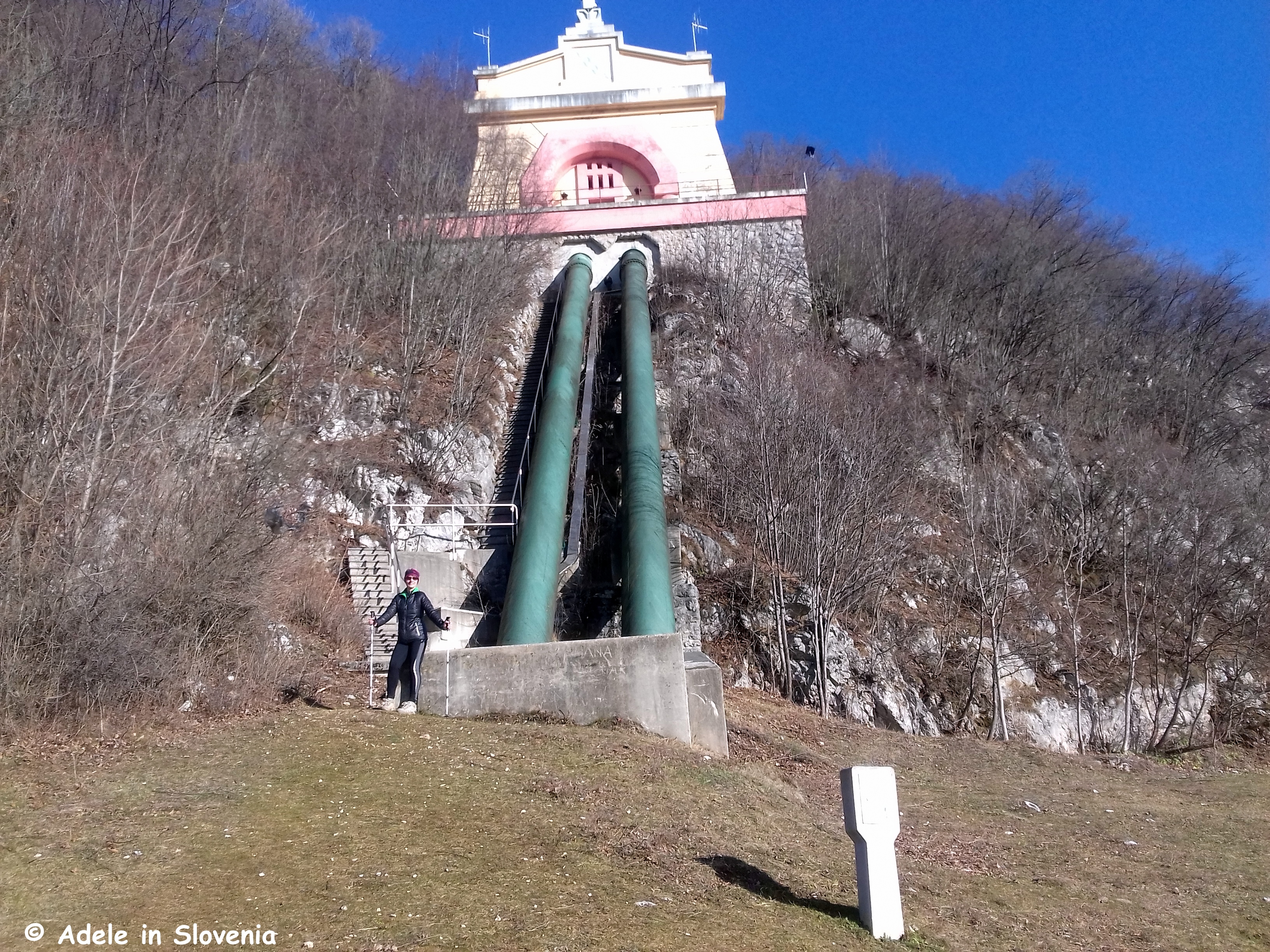
You can join the path and reach the church from several places. I like to park in Žirovnica then take the path that leads towards the steps that go up towards the distinctive water surge tank. Don’t go up the steps but just to the right the path, though not marked, is easily visible as it traverses the grassy meadows above the villages of Žirovnica.

As the name suggests, on a sunny day the path is bathed in sunlight throughout the day and also offers fantastic views over the wide Radovljica plains and towards the high mountains of the Julian Alps.

You pass a small shrine then continue on the slightly undulating terrain.

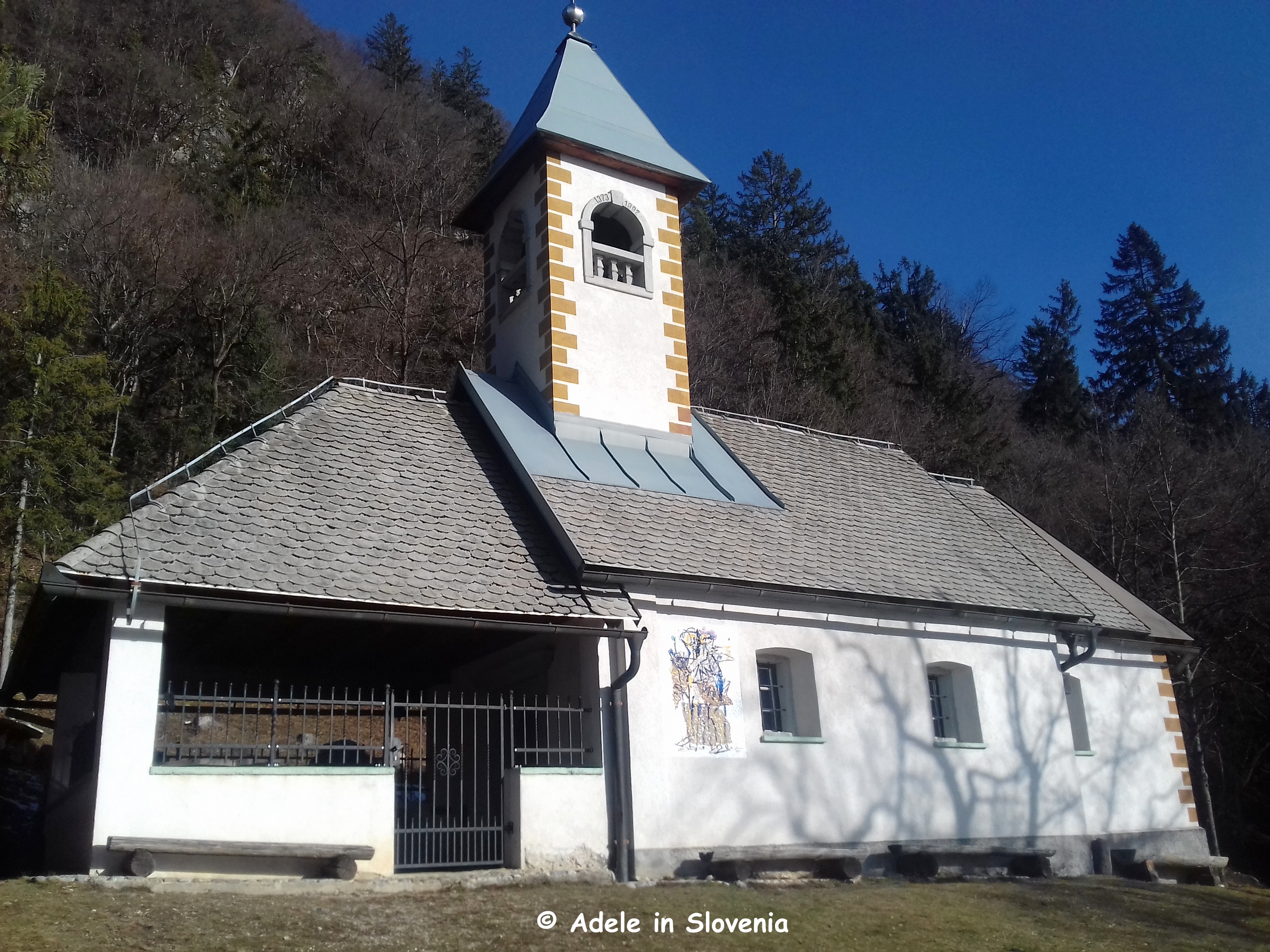
On reaching a small wooden cabin a flight of steps lead up towards St. Lawrence’s church which is nestled into the slopes above the hamlet of Zabreznica.

Although usually locked, you can take a peek into the church through the windows of the main entrance door, and with a bit of nifty camera/phone angling, get a great view of the church’s ornate interior which is adorned by the Stations of the Cross.

Other than its particularly unique and serene location and wonderful panoramic views, a particular feature of the church is its presbytery which has painted pictures of the flowers that are found in the area surrounding the church.

On the outside wall there is an unusual mosaic of St. Christopher.

A church was first built here during the time of the Turkish invasions, but was later abandoned in 1821 when a new parish church was built in the village of Breznica. In the 1990s volunteers built a new church on the foundations of the original one.

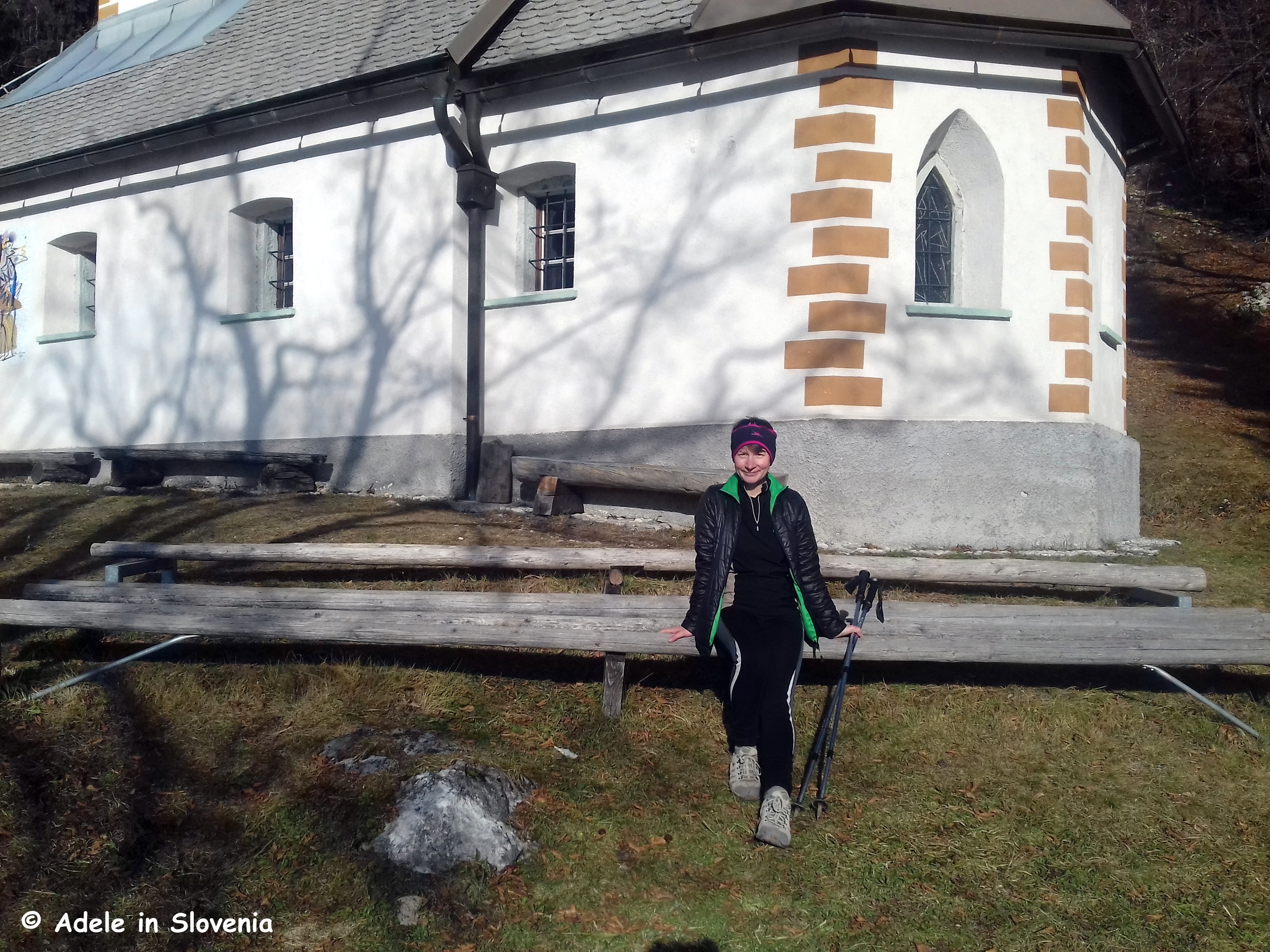
There are plenty of well-positioned benches for soaking up the rays and enjoying the view!

Even on a slightly hazy winter’s day, the views are pretty good, I’m sure you’ll agree!

You can choose to return along the sunny path, or take the path that descends steeply and directly down from the church through the forest. On reaching the bottom you can walk back through the hamlets of Breznica and Zabreznica to return to the start.

Find out more about the Sunny Path and other similar walking and hiking paths in the Zirovnica area here – http://visitzirovnica.si/en/

© Adele in Slovenia


Slovenian Beekeeping: Bee our Guest!

This week I’d like to bring you some exciting news about a great new initiative and book – both on the theme of beekeeping – something at which Slovenia excels. Despite not being a beekeeper myself, since living in Slovenia I have become acutely aware of the importance that bees play in the world and, I believe, it’s something that should be of great importance to us all. Read on…!

Photo: S Senica

The Radovljica area has long been known for its ‘sweet’ traditions, primarily beekeeping-related, as well as chocolate in recent years thanks to the very popular Radovljica Chocolate Festival! Radovljica’s old town is home to the Museum of Apiculture, whilst the Beekeeping Education Centre of Gorenjska is situated in nearby Lesce.

Now, a new initiative has been launched to unite and promote Slovenian beekeeping in the Upper Gorenjska regionBEE OUR GUEST!

Photo: S Senica

BEE OUR GUEST is a collaboration between the municipalities of Bohinj, Bled, Gorje, Žirovnica, Radovljica and Kranjska Gora, and its aim is to acquaint visitors with Slovenian beekeeping in the Upper Gorenjska region, as well as offer information, tours and packages that combine beekeeping with the region’s other numerous sights and attractions. Thus, Bee Our Guest offers something for all those who want to see and experience a different side of the area’s natural beauty – whether you are a beekeeping enthusiast or just a lover of nature and all things ‘sweet’!

The Museum of Apiculture is located in the magnificent Radovljica Mansion in the heart of Radovljica’s old town centre, where, amongst other exhibits, you can see a rich collection of hand-painted beehive front panels, including the oldest in the world; each of the panels tells its own story!

You can also observe the bees busy buzzing about their business in the observation hive! More information can be found here – http://www.radolca.si/en/radovljica-apiculture-museum/

You can pay a visit to Lectar Inn, where in the cellar you can visit the workshop and museum where they have been making traditional Lectar honeybreads for centuries. You can buy gifts and souvenirs for your loved ones or for special occasions or, upon prior arrangement, join in a workshop and have a go at making one yourself.

On the website (http://www.beeourguest.eu/) and Facebook page (https://www.facebook.com/BeeOurGuest.Slovenia/) you can also keep up-to-date with all the latest developments regarding World Bee Day, which has now been officially declared as 20th May, the birth date of Anton Janša (1734-1773), considered Slovenia’s greatest beekeeper.

“Every third spoonful of food on Earth depends on bees or, more precisely, on pollination. The more the meadows are polluted and the more frequently they are mown, the smaller the number of bees. Do we even realise what that means for our future and for us?” This comes from the authors of the newly-published book No Bees, No Life, available in English and Slovene, and is something we should all most definitely be aware of.

Written by the President of Slovenia’s Beekeeping Association, Bostjan Noč, the head of the breeding programme for the Carniolan honey bee, at the Slovenian Beekeeping Association, Peter Kozmus, and author of many books in the fields of ethnology and apiculture, Karolina Vrtačnik, as well as 66 contributions from 32 countries, the book has been receiving wide acclaim. You can find out more and/or order a copy here – https://beebooks.si/en/

I’ll be bringing you plenty more on this subject, and exploring it in more depth in the not-too-distant future, but for now, I’m off for for some quiet contemplation – oh and a cup of tea with Slovenian honey!

© Adele in Slovenia


Hop-On Hop-Off This Summer: Radovljica, Bled, Brezje, Kropa, Kamna Gorica, Begunje, Žirovnica

The Radol’ca Hop-On Hop-Off tourist bus will begin operating on Tuesday 4th July and will run every Tuesday and Thursday during July and August. This year there is an even wider range of places to visit and more things to see and do.

As in previous years a day ticket is great value at just 5 euros. You can get on and off the bus to visit sights of interest along the way, or just enjoy the ride!

On Tuesdays the route is Bled – Radovljica – Kropa, with additional stops at the Šobec Camp, Lesce, Lancovo and Kamna Gorica.

On Thursdays the route is Bled – Vrba – Žirovnica – Begunje – Brezje, with additional stops at Breznica, Spodnji Otok and Podvin.

To whet your appetite here’s a preview of just some of the things you can see and do along the way.

For the first time, this year the bus route includes Žirovnica, where you can visit the new Ajdna Museum Room to find out more about the Ajdna archeological site beneath Mt. Stol where remains were found from a Late Antiquity village dating back over 1400 years.

On especially hot days, a trip to the Završnica valley is an ideal way to seek some tranquillity and shade.

The valley is also a start point for great hikes and bike trips in the Karavanke range, including to the highest peak, Mt. Stol.

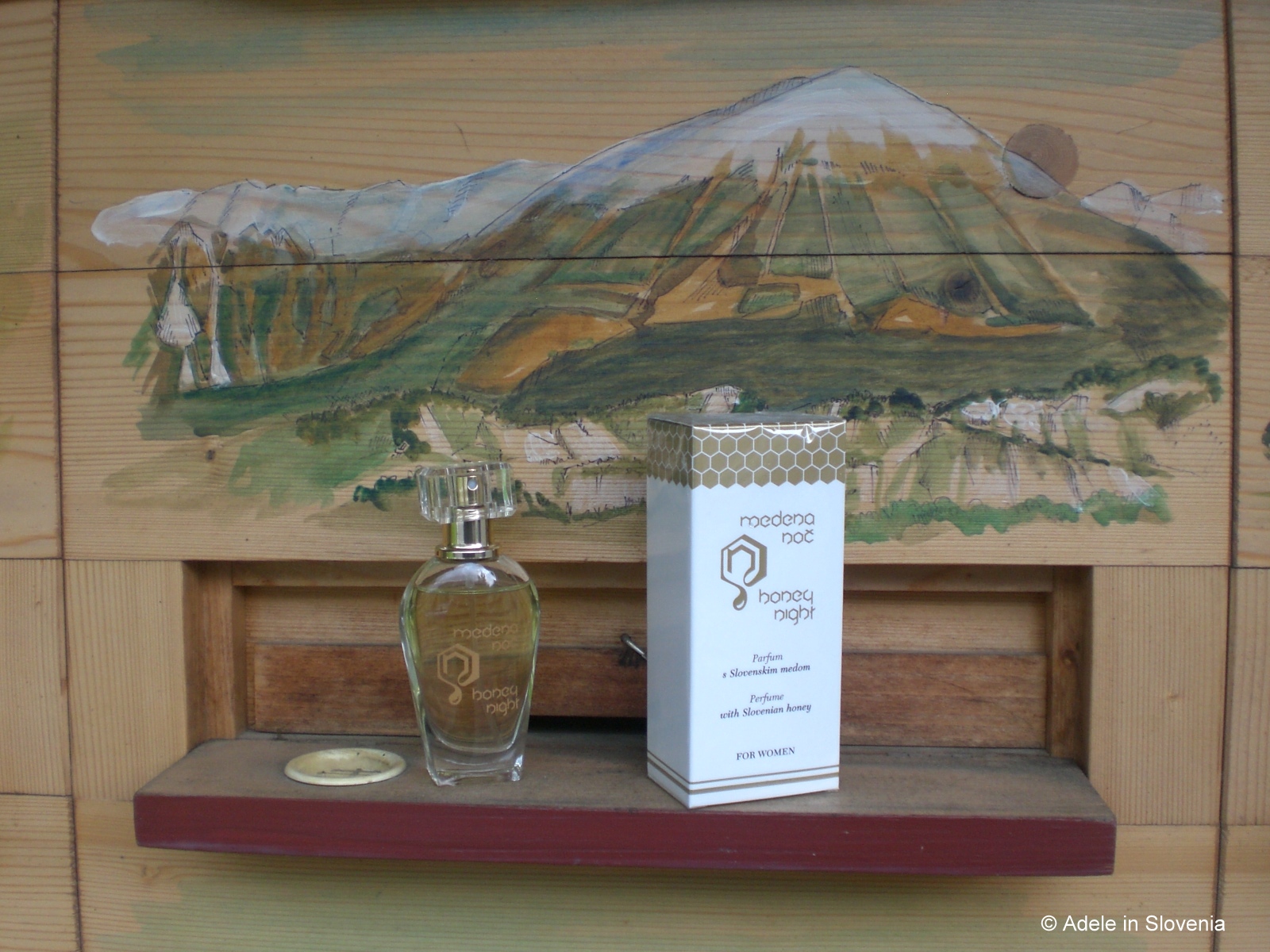
You can also visit Noč Beekeeping, where you can see some of the hives belonging to the president of Slovenia’s Beekeeping Association and his family, purchase honey and honey products, and try and buy the exclusive ‘Medena noč’ perfume made with Slovenian honey. You can read more about this in one of my previous blog posts here – https://adeleinslovenia.com/2016/06/06/perfume-made-with-slovene-honey-not-just-an-idea-a-reality/

In Brezje you can see the Basilica of Mary Help of Christians, and the Nativity Museum, or take a walk on the Path of Peace to the Peračica waterfall.

In Kamna Gorica you can walk through the village to see its many waterways, and walk up to the Sextons’ House Museum, which contains an original black kitchen. Its position offers great views over the village and towards the Karavanke mountains.

In Kropa you can visit the Iron Forging Museum, take a stroll through the village to see the former ironworkers houses, or visit the Vigenc Vice Blacksmith to watch a demonstration of manual nail forging.

In Radovljica itself there are numerous things to see and do including a visit to the Lectar Gingerbread Museum and Workshop, the Museum of Apiculture, the Šivec House Gallery, or simply enjoy a stroll through the well-preserved medieval old town and sit at the viewpoint and enjoy the views of the Sava river, the Jelovica plateau and the Julian Alps.

Or why not take the chance to find out more about Slovenian food and wine by enjoying a meal at one of the Taste Radol’ca restaurants or take a Taste Radol’ca Food Tour. More information here – https://adeleinslovenia.com/taste-radolca-tours/

Further information about the Hop-on Hop-off route and timetable can be found here – http://www.radolca.si/en/hop-on-hop-off-radolca/

© Adele in Slovenia


Perfume made with Slovene Honey? Not just an idea, a reality!

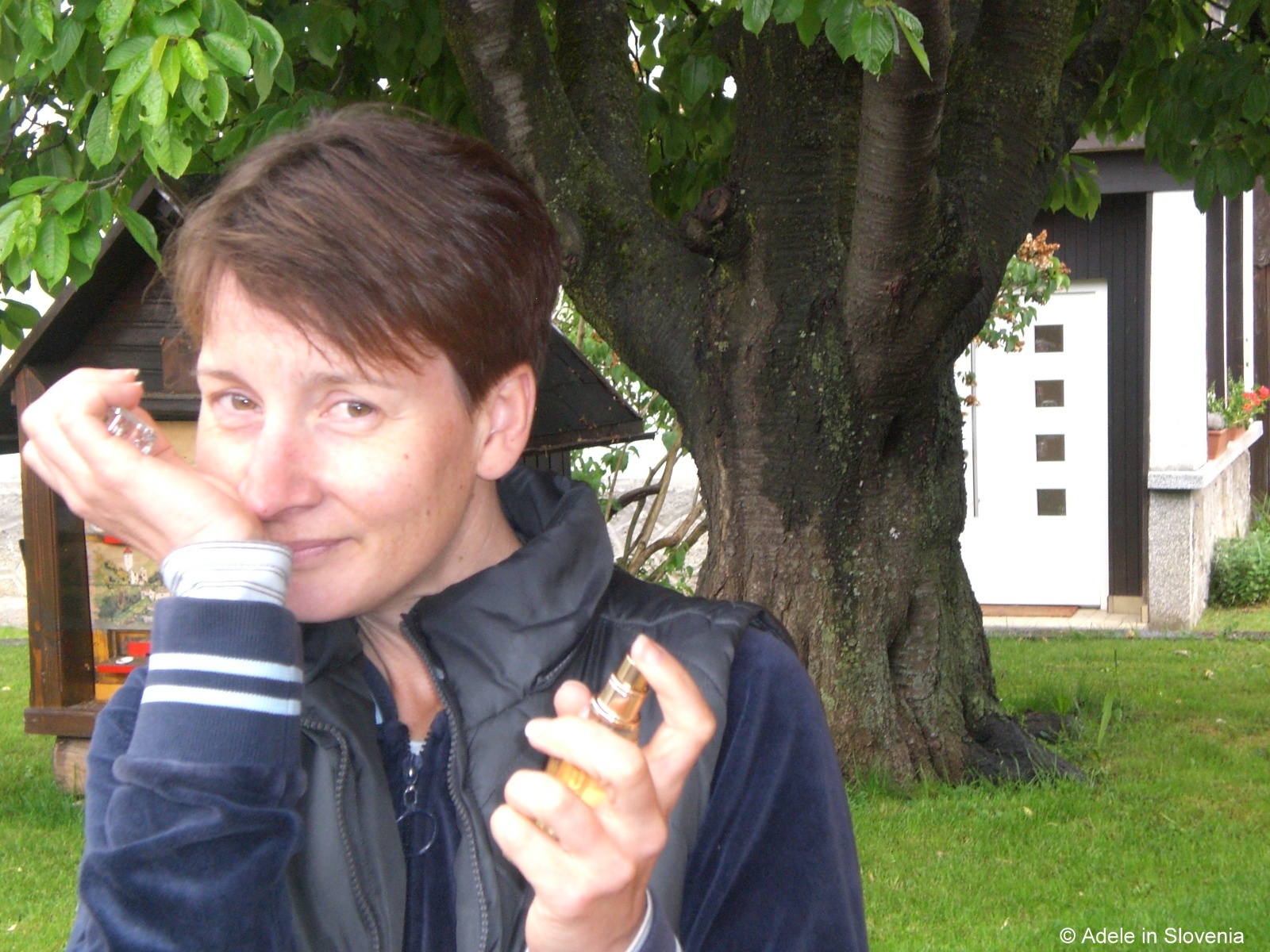
As a lover of all things sweet, though not a beekeeper myself, I consider myself a beekeeping enthusiast. So, when I read that Bostjan Noč, President of the Slovene Beekeeping Association, had just launched a perfume made with Slovene honey I buzzed straight over to visit and take a smell for myself!

CIMG1376

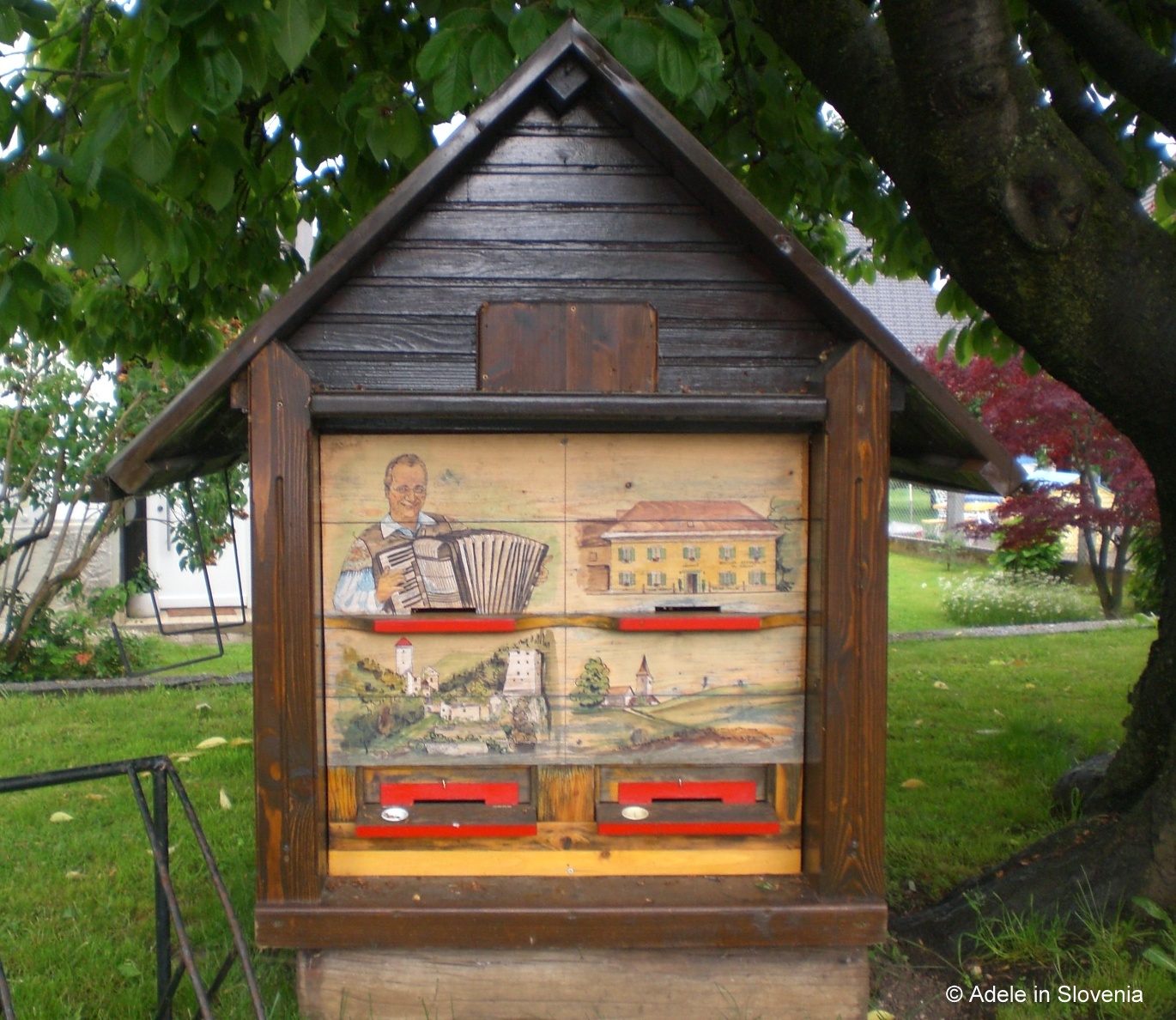
Fortunately I didn’t have far to go since the family-run Noč Beekeeping is in the hamlet of Selo, near Žirovnica, just a few kilometres from Radovljica. At the front of the family home there is a hive featuring 42 front panels painted with motifs from beneath Mt. Stol – the highest mountain in the Karavanke range. The interior of the hive is used as an outlet for selling honey and honey-related products.

053

The family have been practising beekeeping for centuries and have over 400 hives spread across various locations in Slovenia.

The perfume ‘Medena Noč’ (med being the Slovene word for honey), is exclusive to Noč Beekeeping and is currently only available direct from them, thus enquiries or orders should be address to: parfum.noc@gmail.com

In future it is planned that the perfume will be available in other outlets, so I’ll provide an update on that here in due course.

CIMG1381

The scent is described as being reminiscent of “delicate flowers, warm early-summer evenings, with a subtle undertone of honey” and I wouldn’t disagree. It really lasts too, I could still smell it hours after my test spritz! In a blind ‘smelling’ I’m pretty sure I wouldn’t have been able to identify honey as a key ingredient, as it’s not immediately obvious, but in a good way, as it means its not too sweet smelling and the combination of ingredients works.

CIMG1385

The painted front panels on this small hive are dedicated to the Slovene folk music legend, Slavko Avsenik, from nearby Begunje na Gorenjskem.

CIMG1378

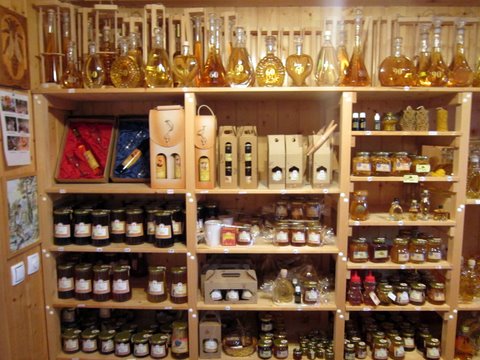
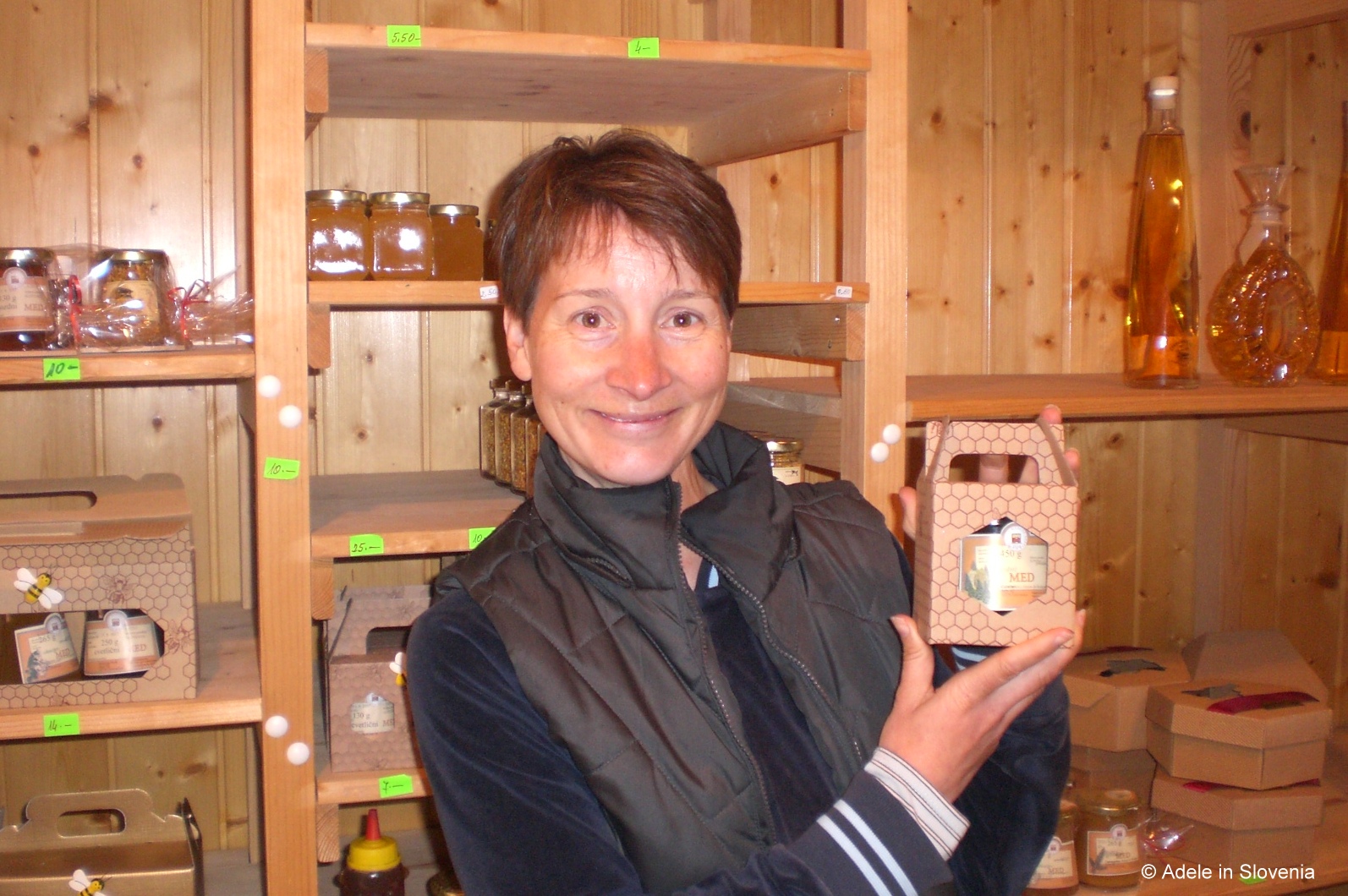
And, of course, I couldn’t come away empty handed without some Slovene honey!

CIMG1386

More information about Noč Beekeeping can be found here (in Slovene only) – http://www.cebelarstvo-noc.si/default.asp

© Adele in Slovenia