Taste Radol’ca 2018 – a Triumph of Taste and Talent!

Last Friday saw the opening event of this year’s Month of Taste Radol’ca.

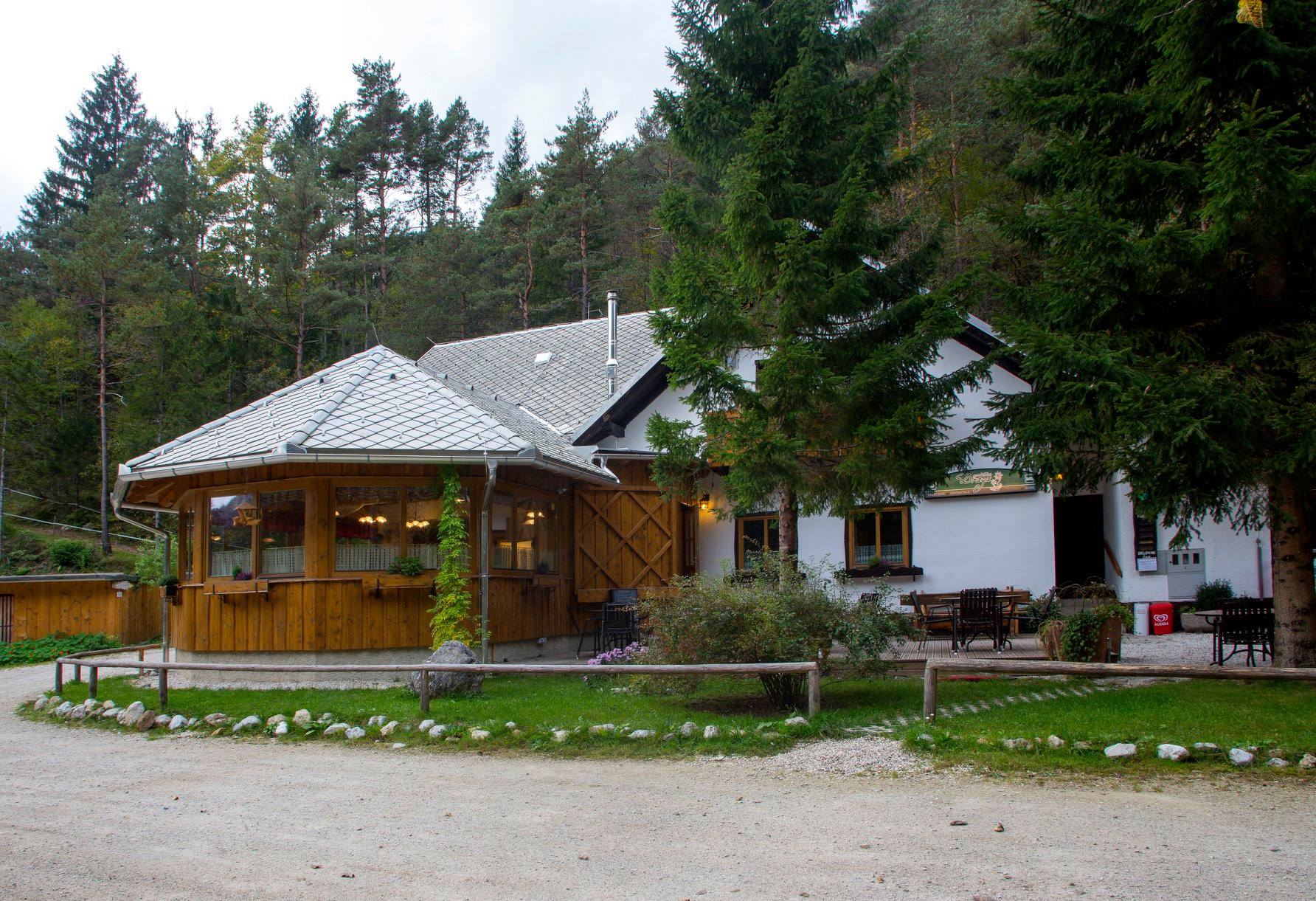
There are 9 restaurants that co-operate in Taste Radol’ca, and every year the opening dinner is held at a different venue. This year it was the turn of Joštov hram in Podnart where, as has become the tradition, all the talented Taste Radol’ca chefs combined their skills, knowledge and creativity, culminating in a unique menu and a wonderful, memorable evening.

Photo: Boris Pretnar for Visit Radol’ca

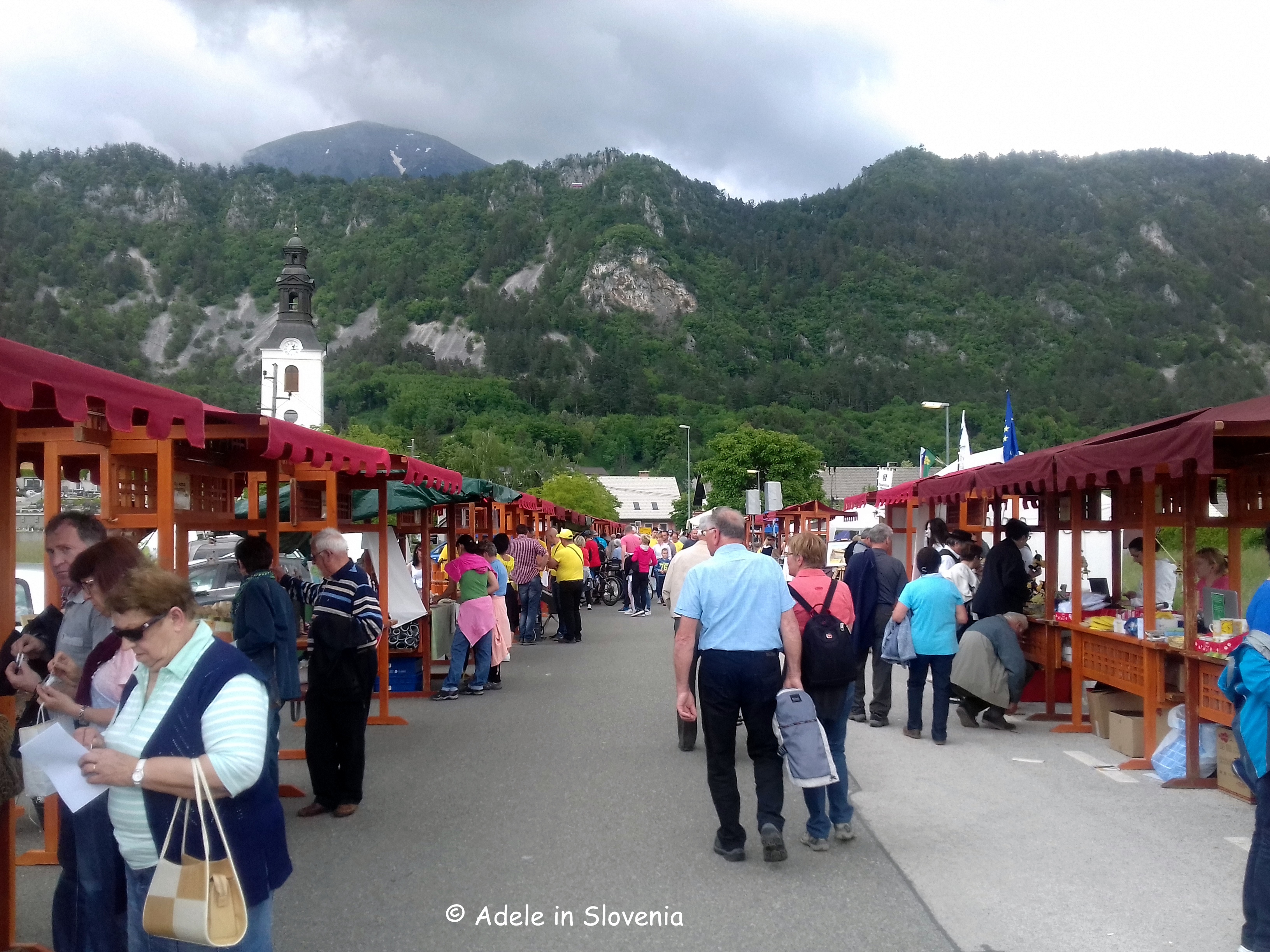
The evening began with a farmers’ market and a chance to meet local producers and try some of their produce and products direct from the farm.

And we had a chance to sample a few Taste Radol’ca treats to keep us warm too!

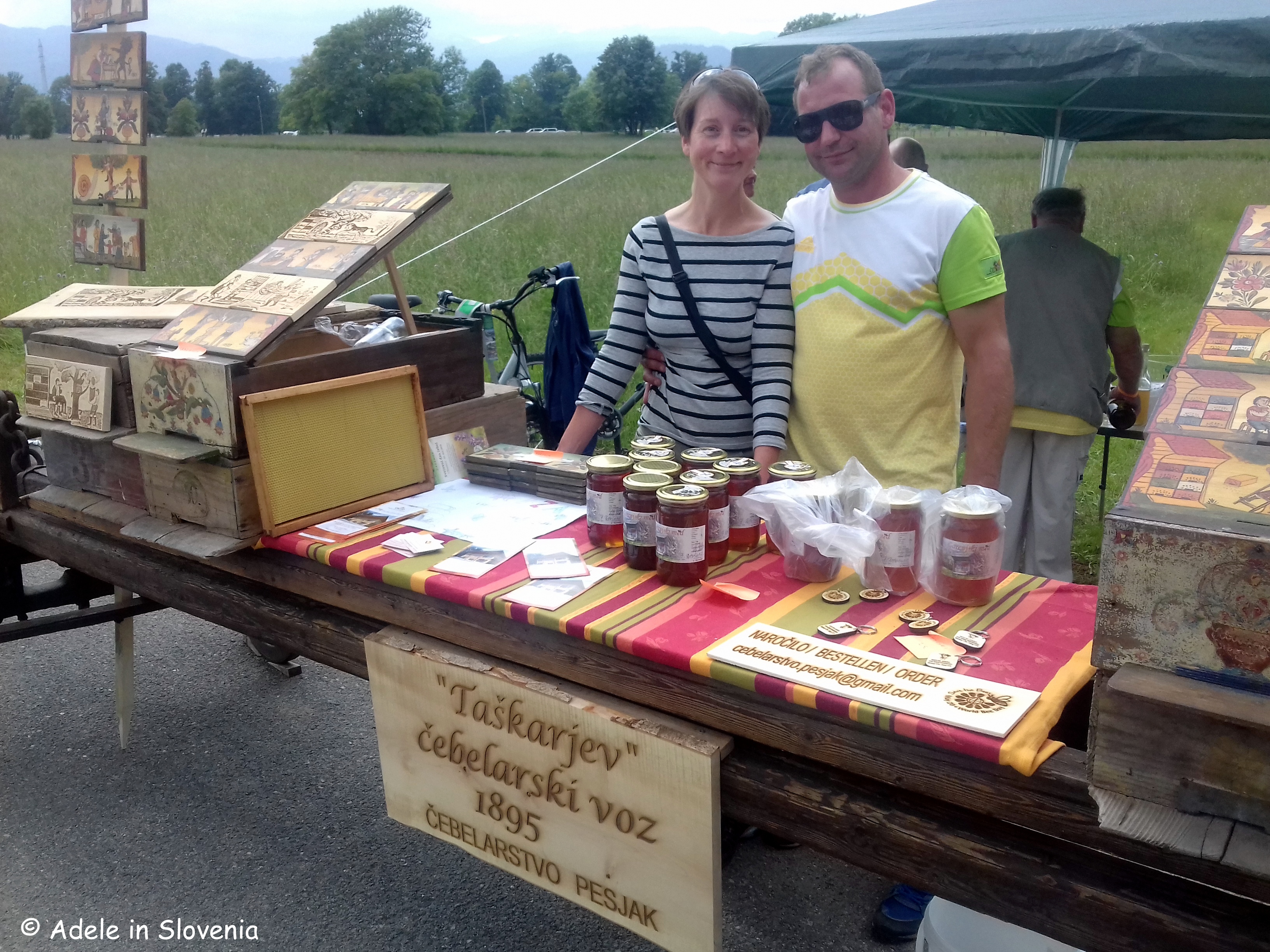
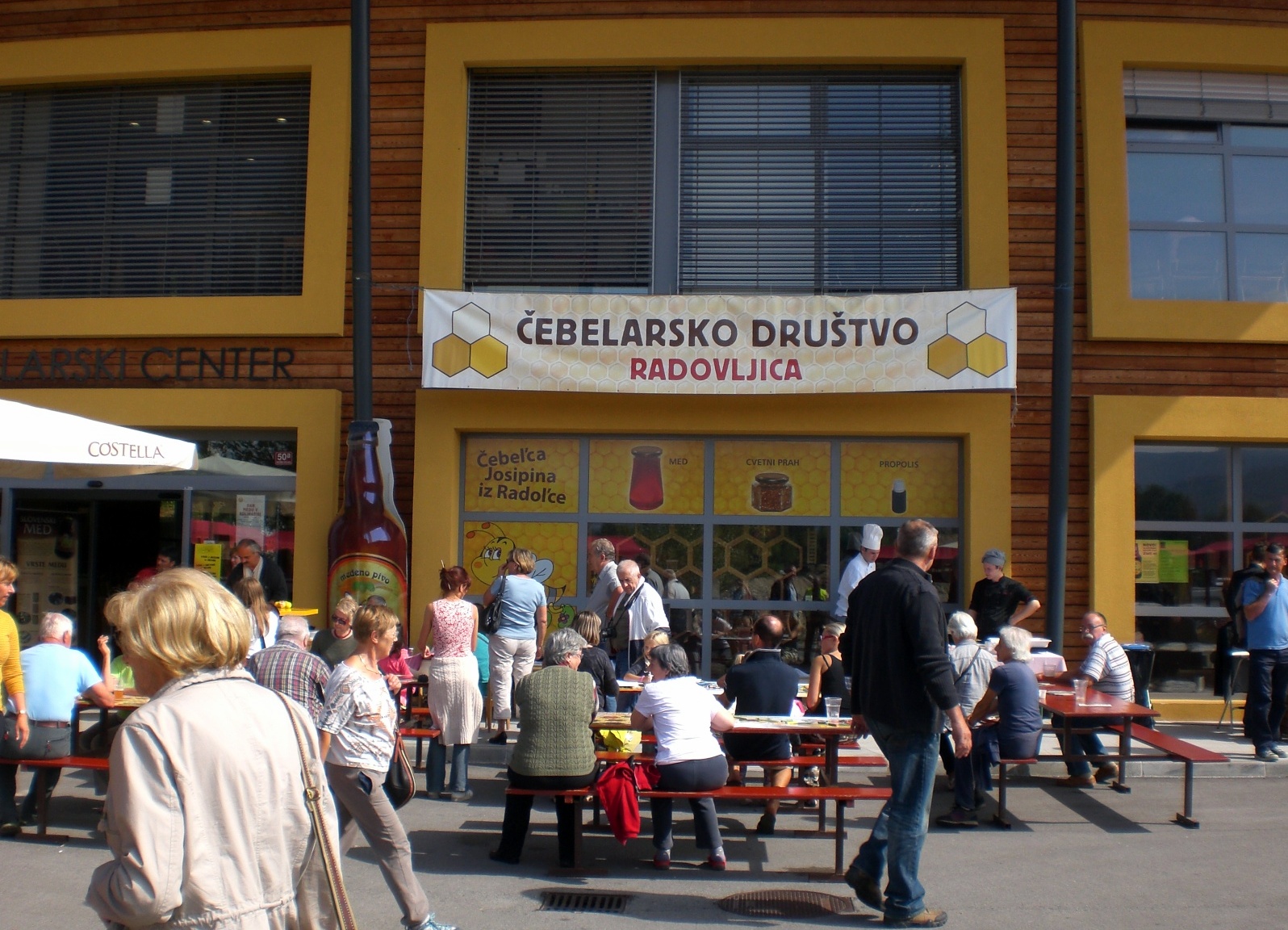
Being home to the Museum of Apiculture and the Beekeeping Education Centre of Gorenjska, the Radol’ca area is synonmous with beekeeping and the theme of this year’s Taste Radol’ca is honey. The Radol’ca area is home to numerous beekeepers, among the most well-known is Erik Luznar of Čebelarstvo Luznar, whose acacia honey was recently judged the best in the country – congratulations Erik!

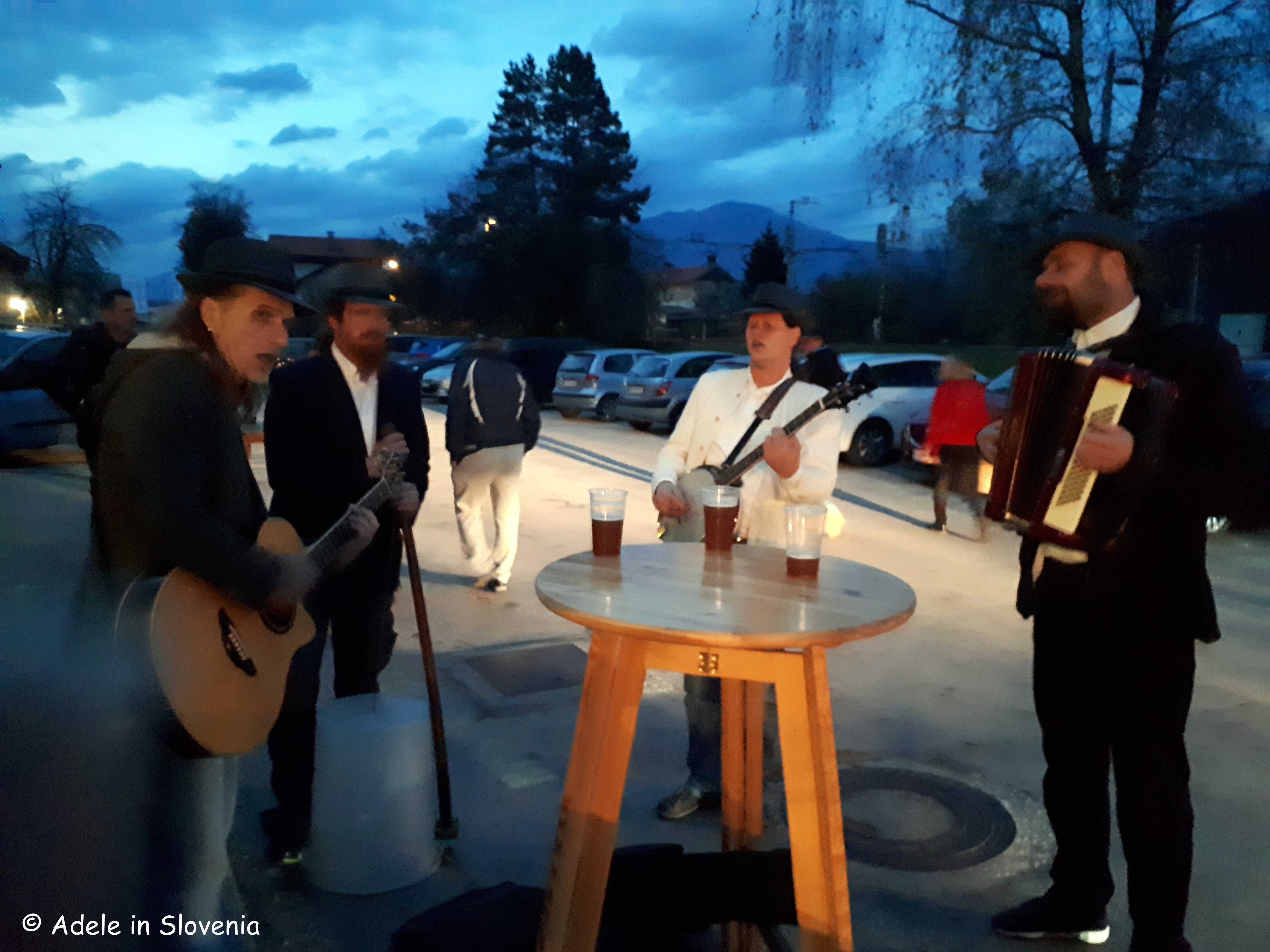
Throughout the evening music was provided by the excellent band Suho cvetje, who first played outdoors as a backdrop for the farmers’ market, and then moved indoors. Their unique style of music was just perfect for such an intimate venue, not overpowering and the perfect compliment to the jovial atmosphere.
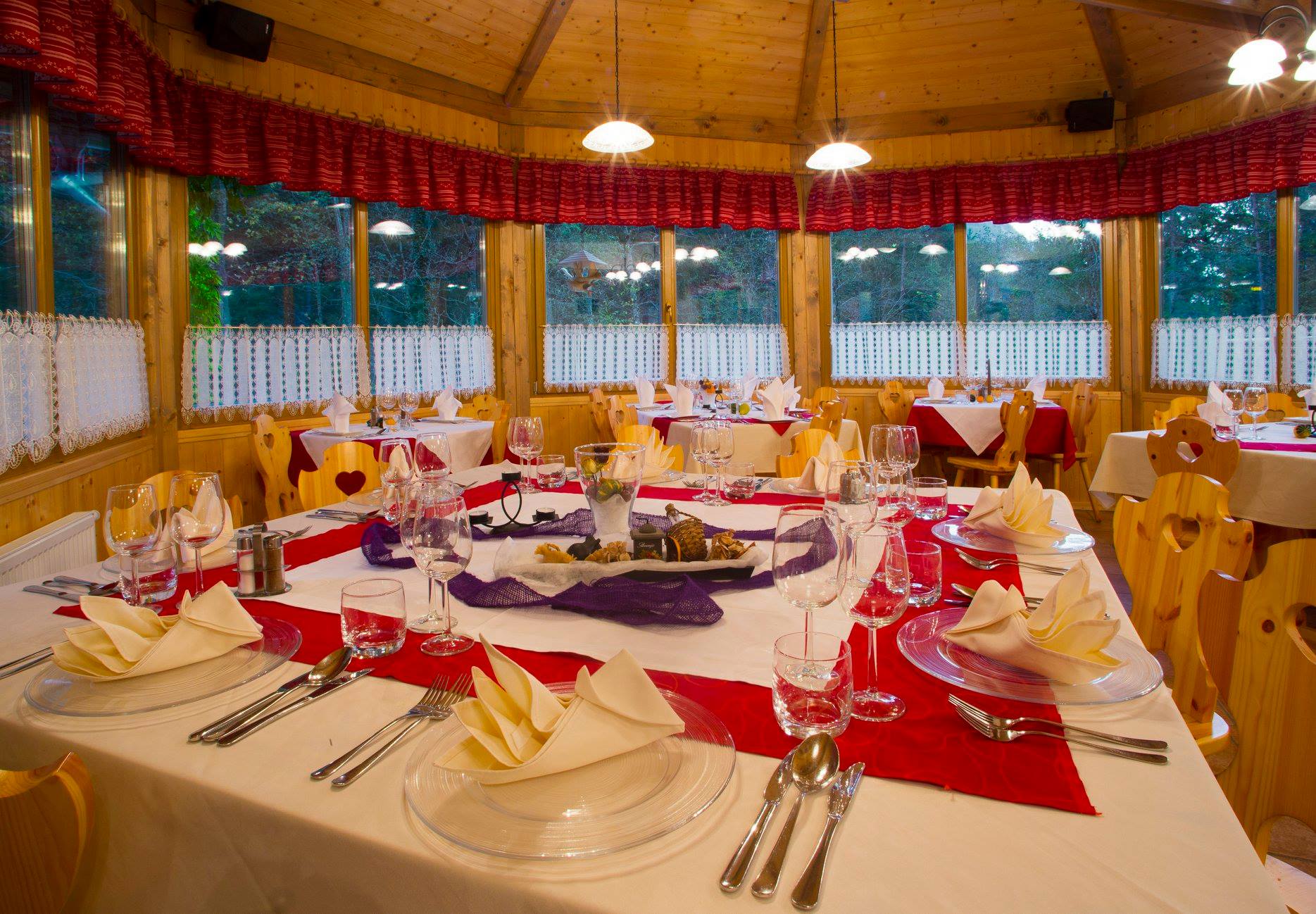
At 7pm it was time for the main event, and we were ushered to our tables to let the feasting begin!

The whole focus of Taste Radol’ca is that all dishes are prepared using exclusively local ingredients, thus supporting local farmers and producers and ensuring an absolute minimum number of food miles. The other essence is that everyone mucks in, there are no egos at play here, it’s a case of ‘all hands on deck’ as all the chefs work in harmony with spectacular results. In addition to joining forces in the kitchen, the chefs, as well as restaurant owners and staff, all muck in too!

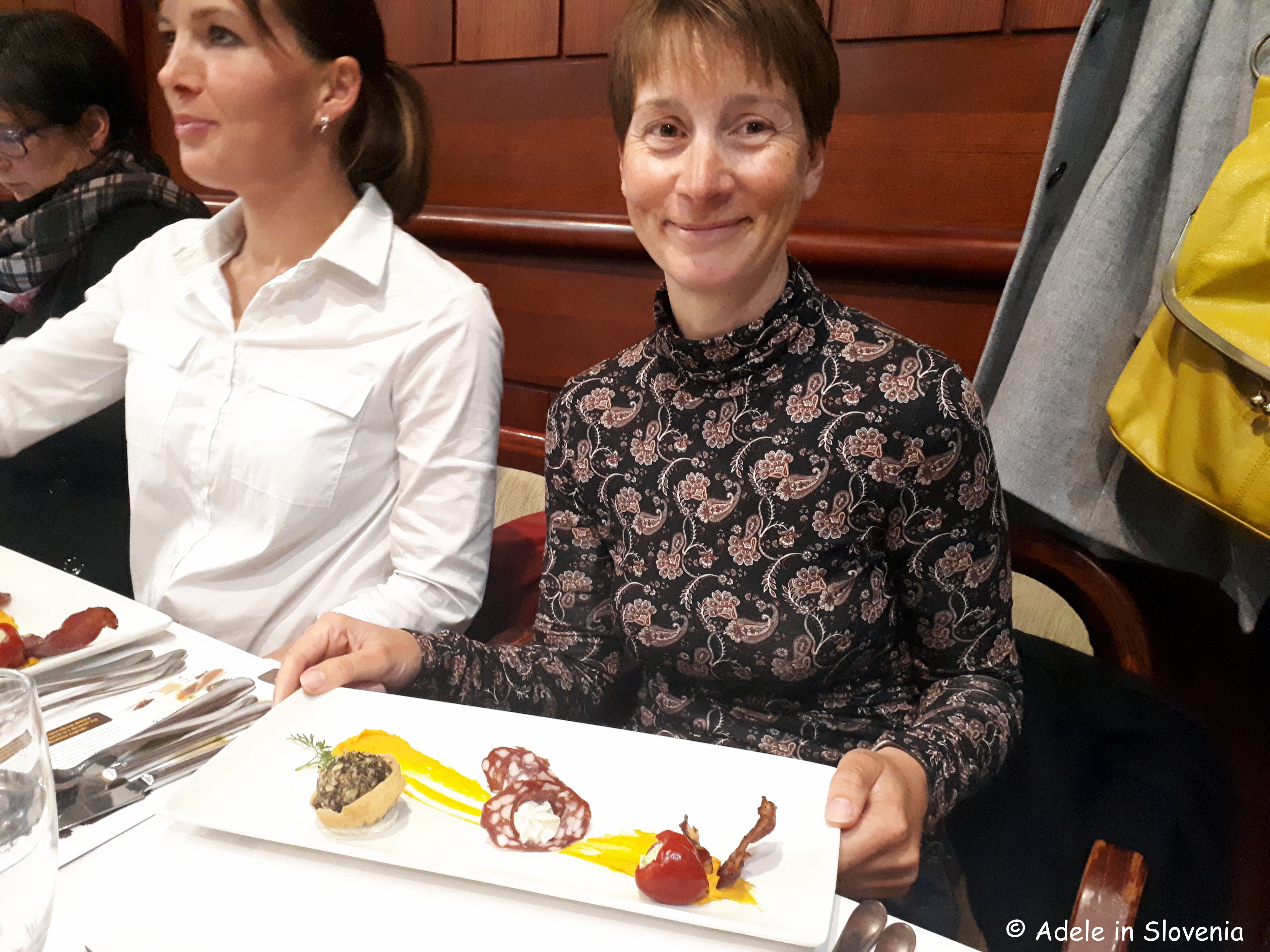
We began with a cold starter consisting of game pate, salami, hummus, pumpkin and mini peppers, prepared by Gostišče Draga and Gostišče Tulipan.
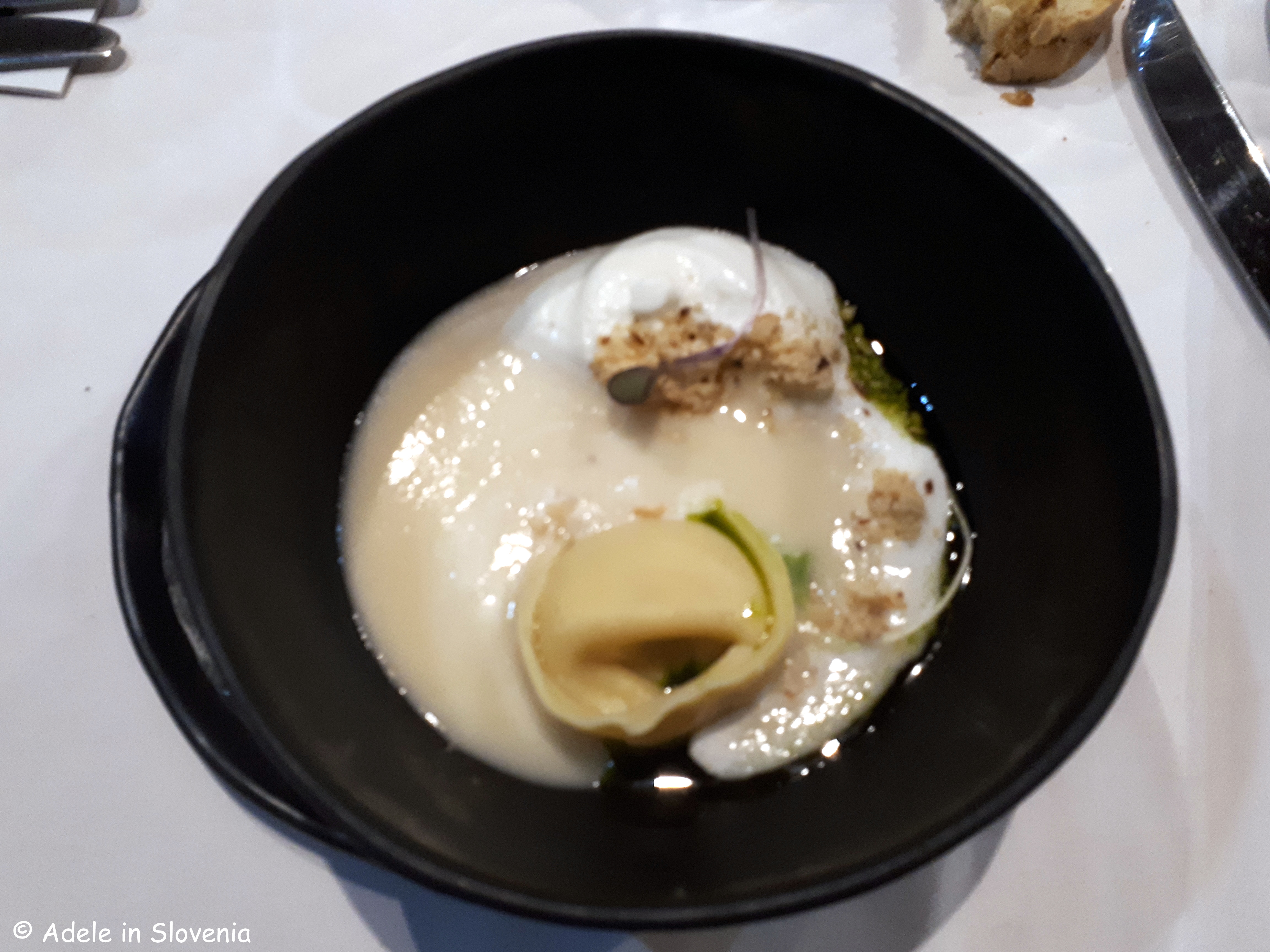
The soup was a particular treat for me – parsnip soup – parsnips are very rarely seen in supermarkets and almost never on the menus of restaurants, so bravo Vila Podvin and Lambergh Restaurant for using this wonderful vegetable! It was served with tortellini filled with mohant cheese – a distinctively pungent and whiffy cheese from the Bohinj area – served with hazelnuts, yoghurt and honey.
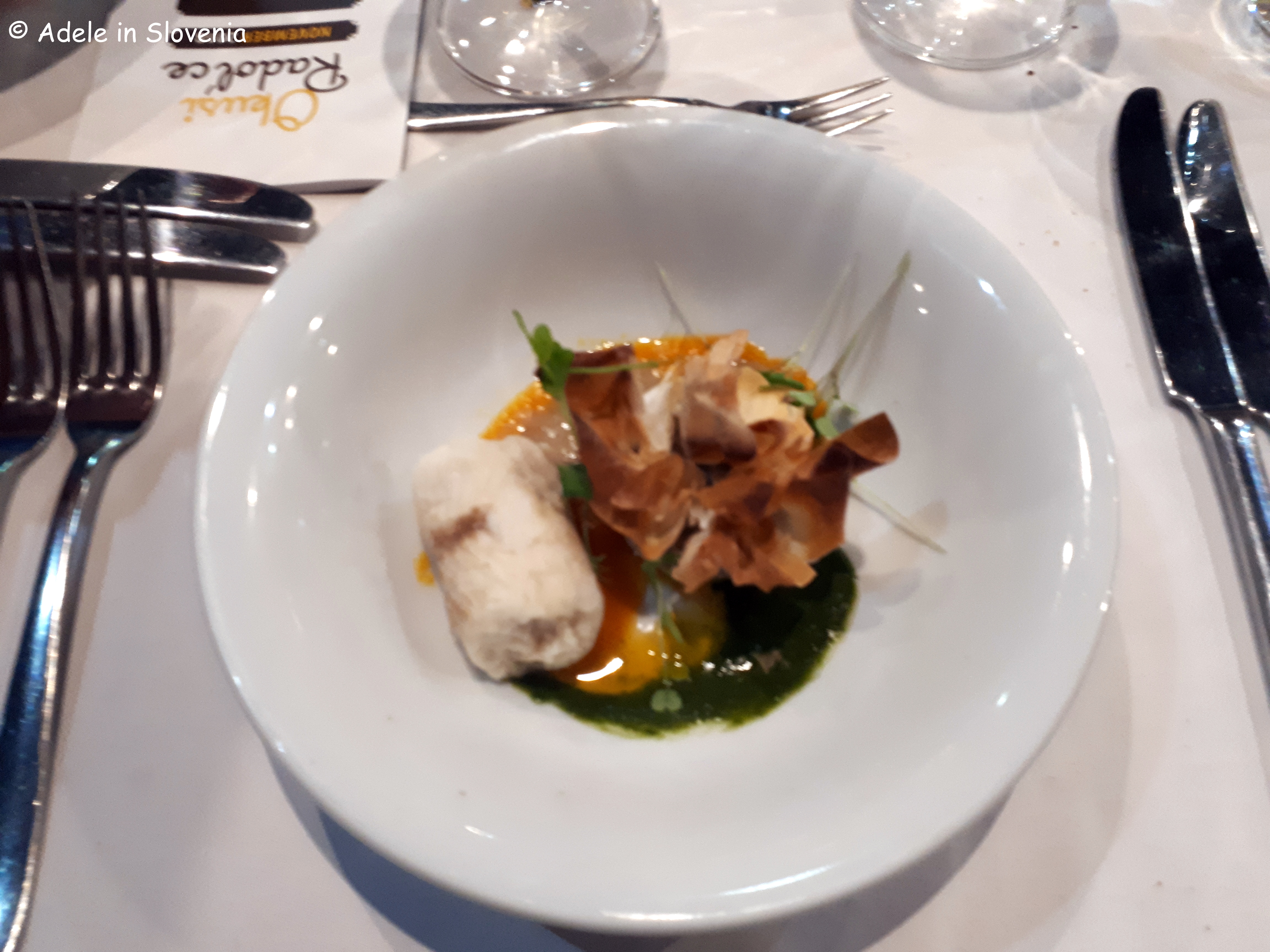
The hot starter was porcini mushrooms, from beneath Roblek, with locally-farmed trout and spinach, prepared by Gostilna Avguštin and Gostilna Pr’Tavčar.
The main course, courtesy of Joštov hram, Gostilna Kunstelj and Gostilna Lectar, was a mouthwatering combination of Kraskopolje pig wrapped in bacon with bean puree, roasted pepper sauce and spring onions.

With a nod to this year’s theme of honey, dessert, the brainchild of Gostilna Kunstelj and Gostilna Lectar, featured honeyed milk with a bee-shaped honeybread to dunk served with succulent honey cake.

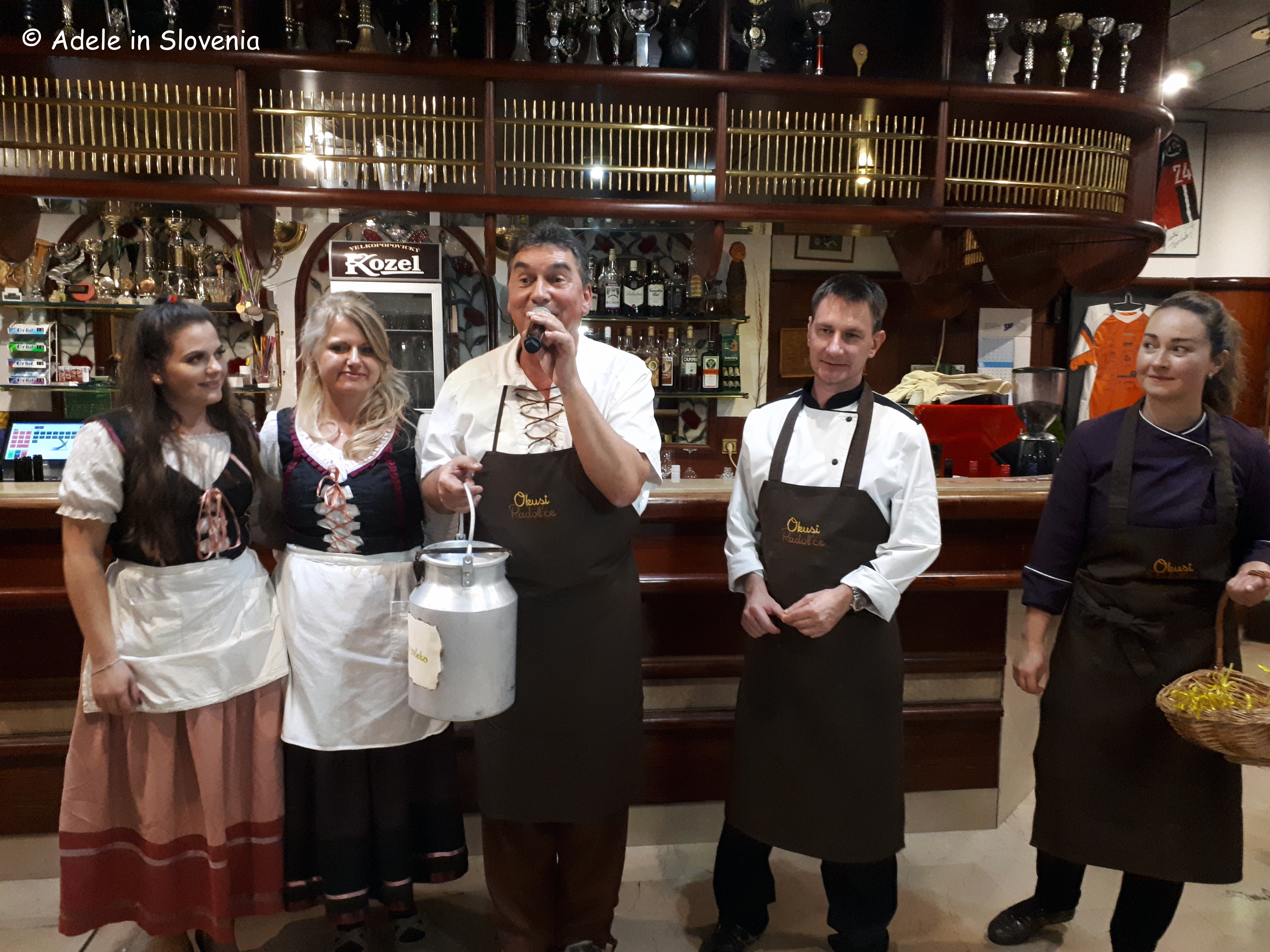
And this is but the start, there is still the whole month of November ahead to enjoy meals at all the 9 Taste Radol’ca restaurantsJoštov hram, Gostilna Avguštin, Gostilna Lectar, Gostišče Draga, Gostilna Pr’Tavčar, Lambergh Restaurant, Vila Podvin, Gostilna Kunstelj and Gostišče Tulipan.

And to give you even more incentive, if you visit at least 5 restaurants by the end of November and collect a stamp at each one, you will receive two vouchers for food at the Taste Radol’ca closing event, which will take place on 1st December together with the switching-on of the Christmas lights and the opening of the Advent Market.

I hope this has whetted your appetite to try more – I know it has mine; Taste Radol’ca here I come! Check out the menus here to help you decide where to go (first)!

© Adele in Slovenia

Hop-On Hop-On 2018 is Here – This Year Even Bigger and Better!

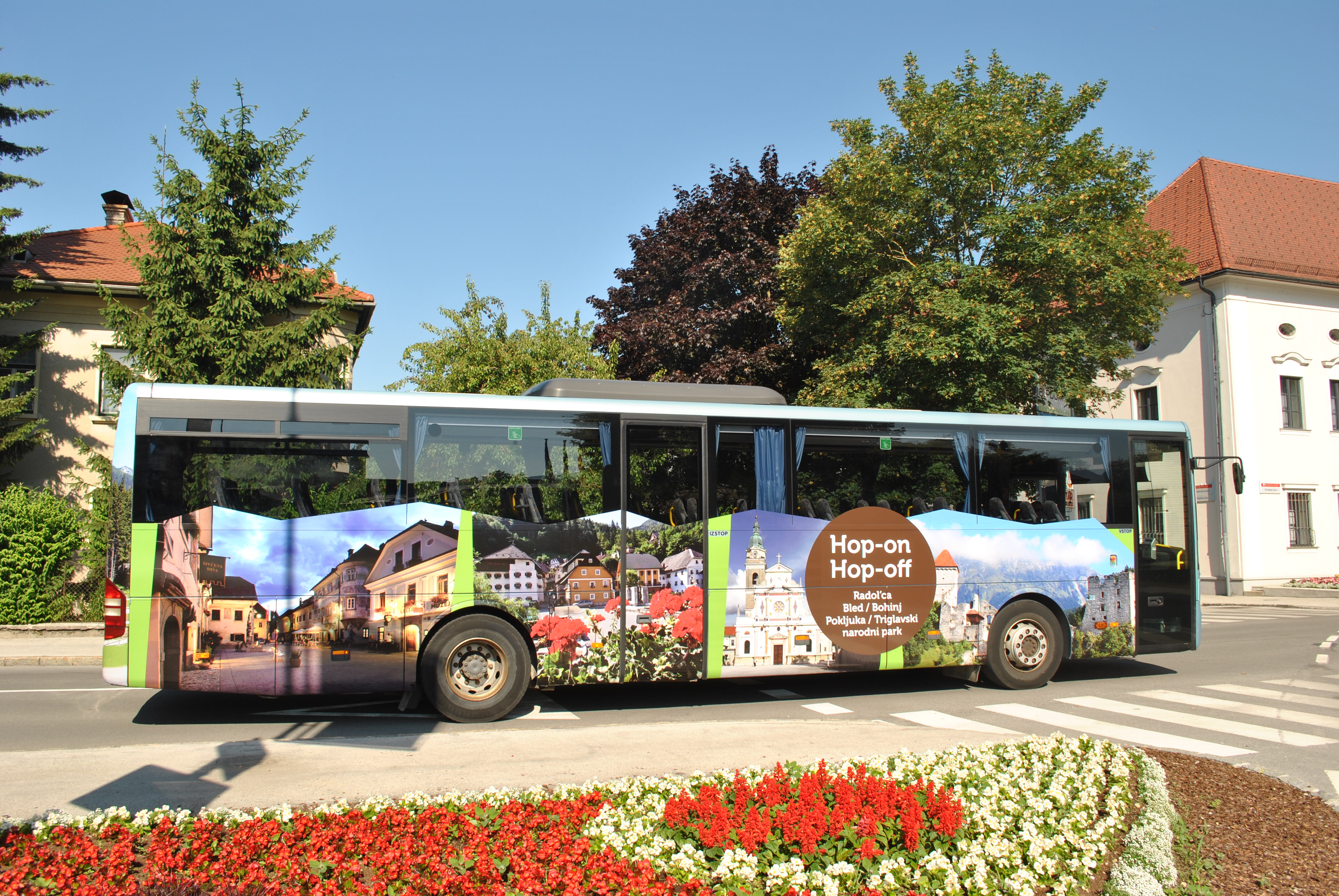
The Hop-On Hop-Off tourist bus made its first journey(s) of the season this week and this year there’s even more to see and do with two extra days added to the timetable and entirely new destinations to discover! Take a ride and discover the hidden corners of the Radol’ca countryside.

The Hop-On Hop-Off bus is a great way to discover more of Radol’ca and the surrounding areas. For those who do not have a car or those who want to simply leave the car behind and be chauffeur-driven for a change, without having to worry about reading maps, finding parking places etc.

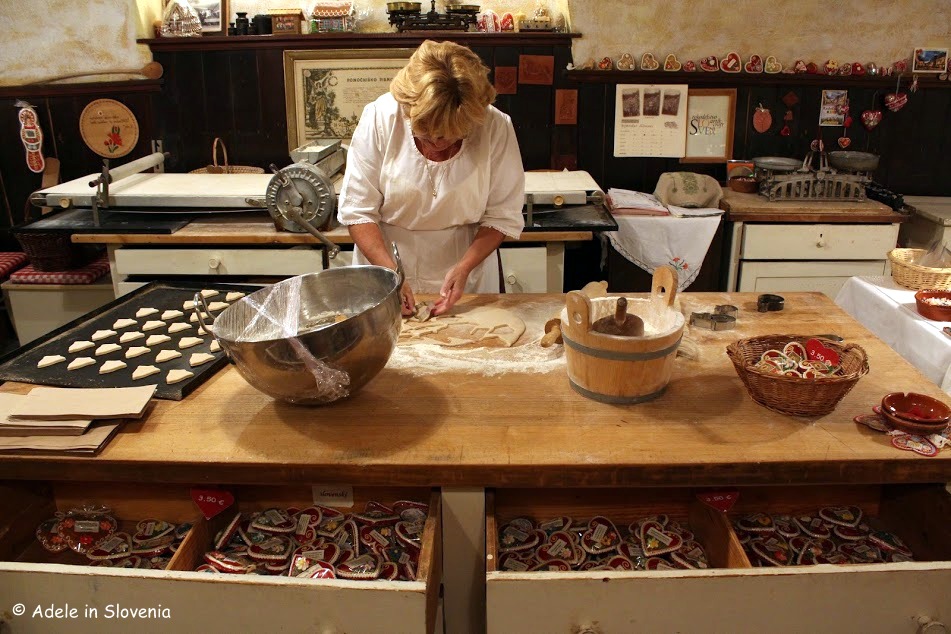
On Tuesdays you can take the ‘Charming Towns and Villages‘ route, which includes visits to Radovljica, Posavec, Ljubno and Kropa. Among the highlights of this route are the Iron Forging Museum and the Vigenc Vice foundry in Kropa, where at the latter you can see a demonstration of hand nail forging, and the Museum of Apiculture and Lectar Honeybread Museum and Workshop in Radovljica.

A demonstration of hand nail forging, Vigenc Vice Foundry, Kropa

Lectar Inn Honeybread Museum and Workshop, Radovljica

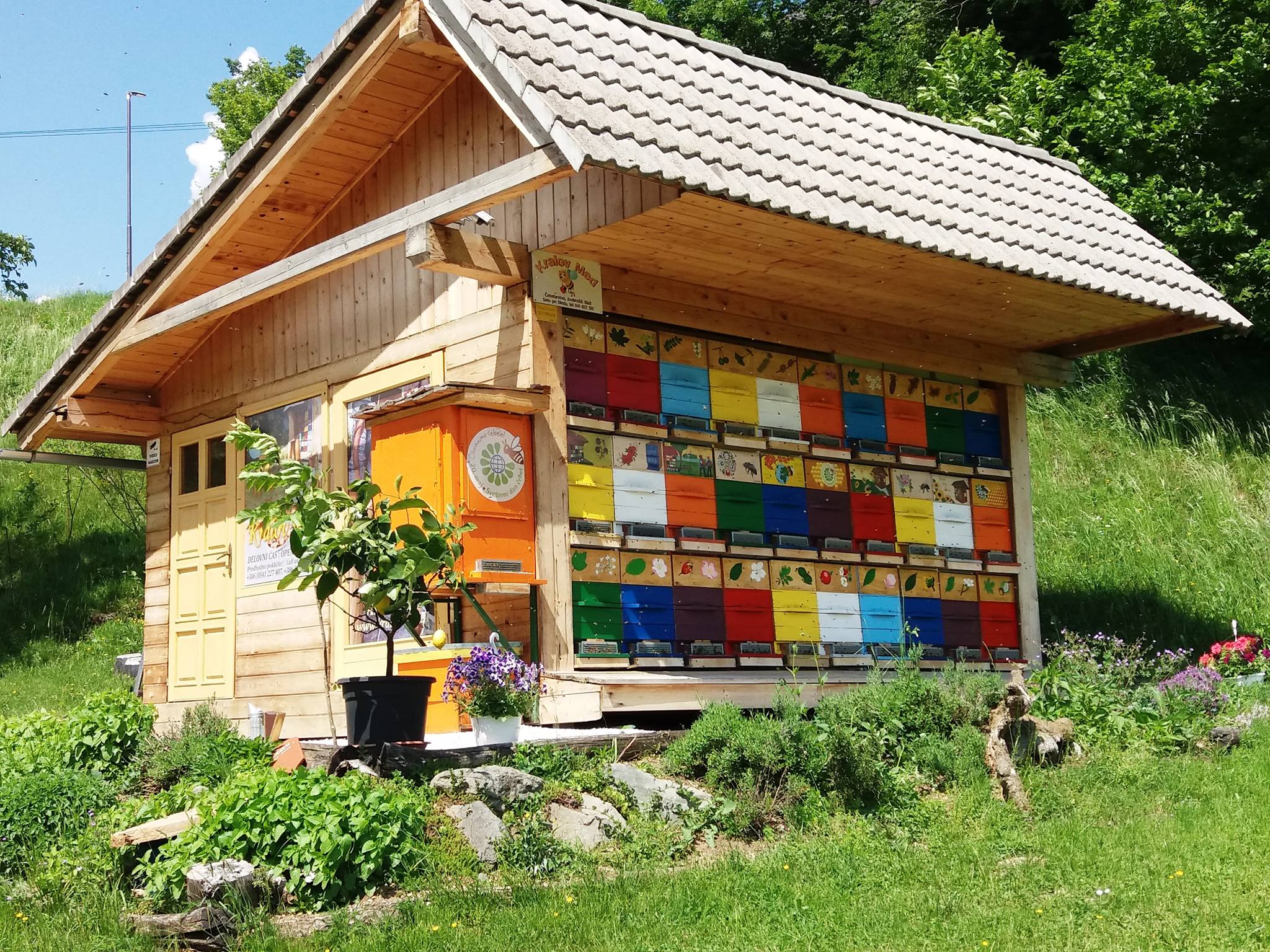
On Wednesdays the ‘Bee Our Guest‘ bus provides a fascinating insight into Slovenian beekeeping and includes visits to the Museum of Apiculture in Radovljica, the Beekeeping Education Centre of Gorenjska in Lesce, Anton Janša’s apiary in Breznica, Bee Paradise in Selo pri Žirovnici and Kralov med beekeeping in Selo pri Bledu.

Kralov med, Selo pri Bledu

Anton Janša’s apiary, Breznica pri Žirovnici

Thursday’s ‘Tales from the Countryside‘ route takes passengers to places such as Vrba, Žirovnica, Begunje na Gorenjskem, Brezje and Podvin. Among the highlights of the route are the ruins of Kamen Castle, the Avsenik Museum and the Museum of Hostages in Begunje, Adventure Mini Golf in Gorica, the Villa Rustica archaelogical site in Mošnje, and the Basilica of Mary Help of Christians in Brezje.

Adventure Mini Golf in Gorica

Završnica Valley, Žirovnica

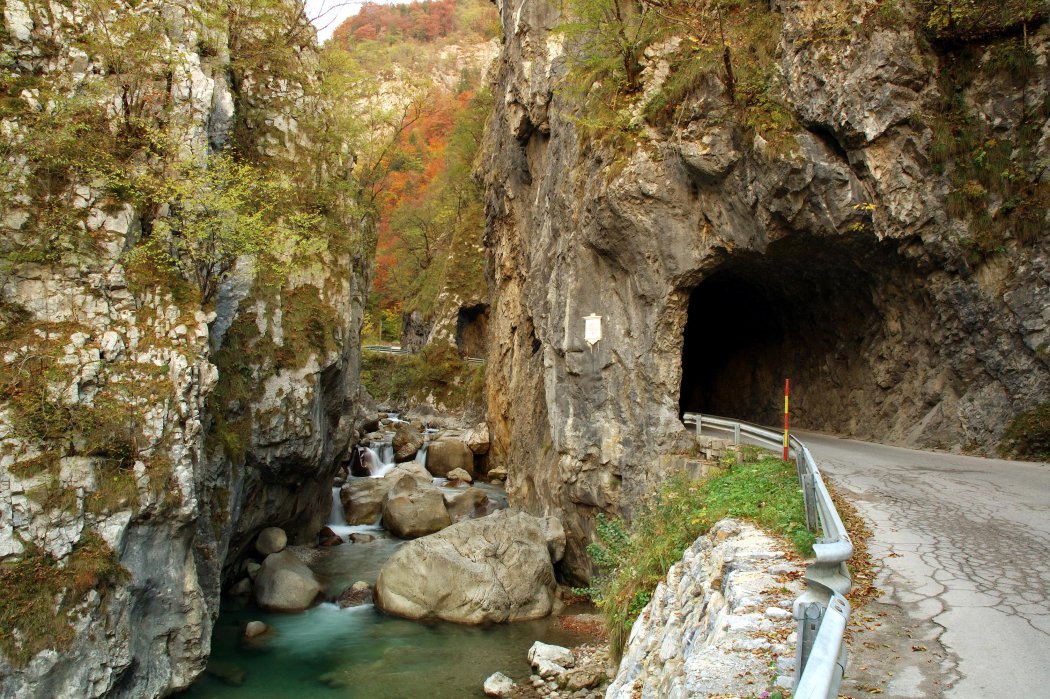
And on Fridays, the bus runs to Begunje na Gorenjskem and then along the ‘Panoramic Road to Tržič‘. Highlights include the ruins of Kamen Castle, the old town centre of Tržič, the Mebron foundry and the Dovžan Gorge.

Ruins of Kamen Castle, Begunje na Gorenjskem

Dovžan Gorge, Tržič

So, as you can see, there’s plenty to choose from; in fact the toughest decision could be choosing which of the routes to take!

Click here for more information and the full timetable.

© Adele in Slovenia


A Celebration of Birthdays and Bees in Begunje!

Sunday 20th May, in addition to being the first World Bee Day, also happened to be my birthday. So plenty of reason for celebration this year, even if it wasn’t a ‘special’ birthday (thank god!).

When deciding where to hold a small gathering for friends that would comprise great food, a beautiful setting, something active, and some beekeeping-related, the choice was obvious, it just had to be the Draga Valley in Begunje na Gorenjskem!

So, I set about making plans and my plans all came together rather well, even if I say so myself!

We began with an introduction to archery on the parkour archery course. Regular readers may recall, however, that I’m not a complete archery novice, as I went to check out the course last year when I spent a thoroughly enjoyable afternoon under the professional guidance of Robert Levstek.

It’s great fun making your way around the course with its 30 life-size animal targets dotted throughout the forest. Those with a competitive nature, and even those without, will enjoy a fun day out surrounded by the wonderful nature of the Draga Valley. Find out more here – https://adeleinslovenia.com/2017/04/10/archery-adventures-and-delicious-draga-delights/

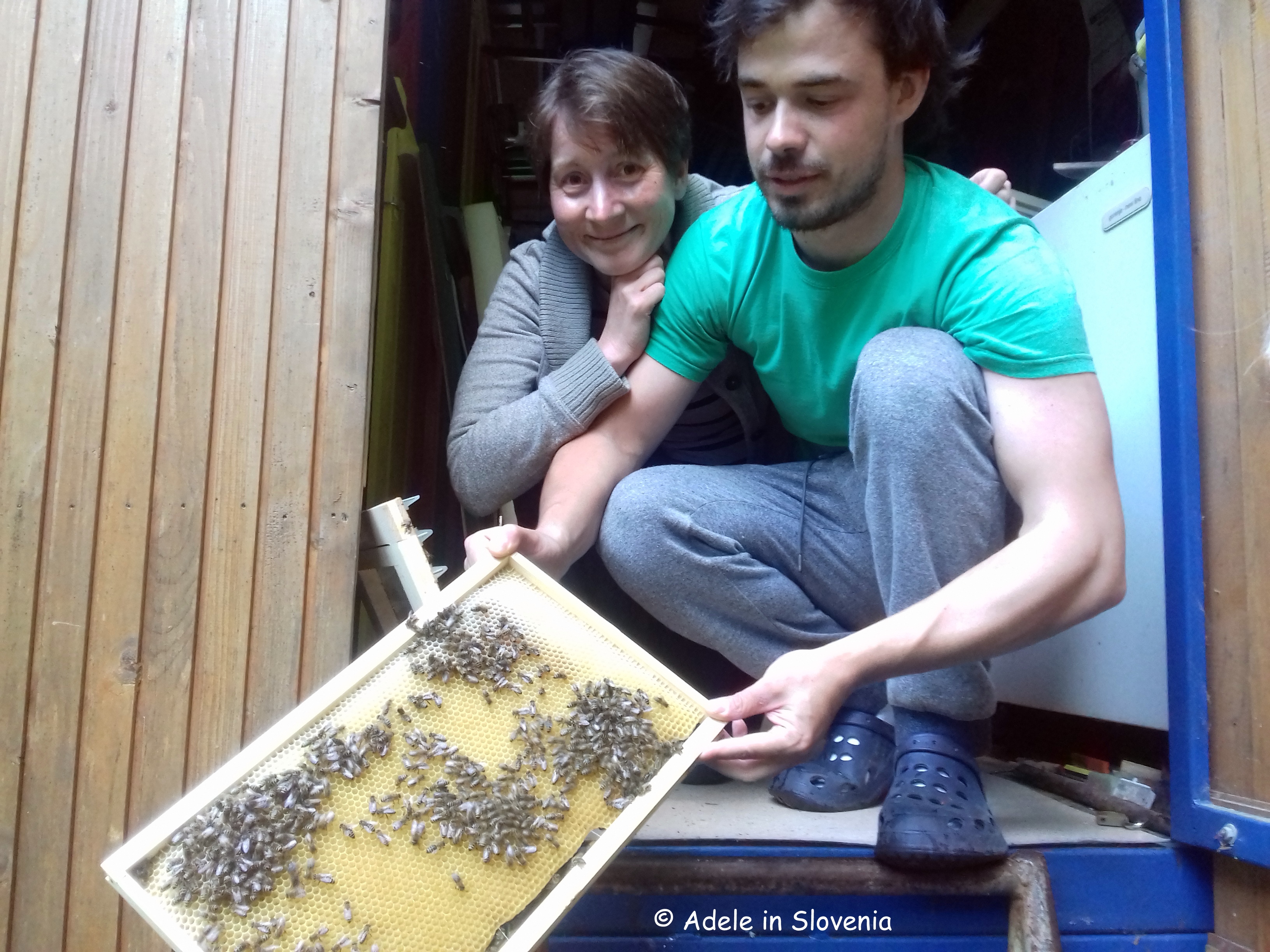
Next came the beekeeping-related part of our afternoon, and for this I contacted the local beekeeper Erik Luznar, who has one of his many hives in the valley.

Since the average age of Slovenia’s 10,000 beekeepers is 57, Erik is certainly bucking the trend in this respect, and his youth, spirit and enthusiasm made listening to him waxing lyrical about his beloved bees both pleasurable and fascinating.

And also in contrast to the majority of Slovenia’s beekeepers, beekeeping is not just Erik’s passion and hobby, it is his livelihood. He offers various types of honey (floral, acacia, forest, linden, chestnut, pine, fir), as well as royal jelly, pollen, propolis and beeswax. He also breeds queen bees, which are then sent throughout the world. So, whilst in the Radovljica area, if you would like to have a tour of his hives – independently or as part of a Taste Radol’ca tour – find out more about Slovenian beekeeping, or buy some of his award-winning honey or other bee products, he’s your man! Contact: cebelarstvo.luznar@gmail.com

Of course, no good celebration is complete without great food, and in the Draga Valley that comes in spades at Gostišče Draga, one of the participating Taste Radol’ca restaurants. If you want to enjoy a drink or three without worrying about getting home, there are rooms available above the restaurant too!

Since the Draga Valley is also an excellent starting point for hikes in the Karavanke mountains, the restaurant is a very popular choice for some post-hiking sustainance, but is equally as popular as somewhere to enjoy great Slovenian cuisine – in summer in the cool of the garden next to the stream, in winter next to the roaring wood burner.

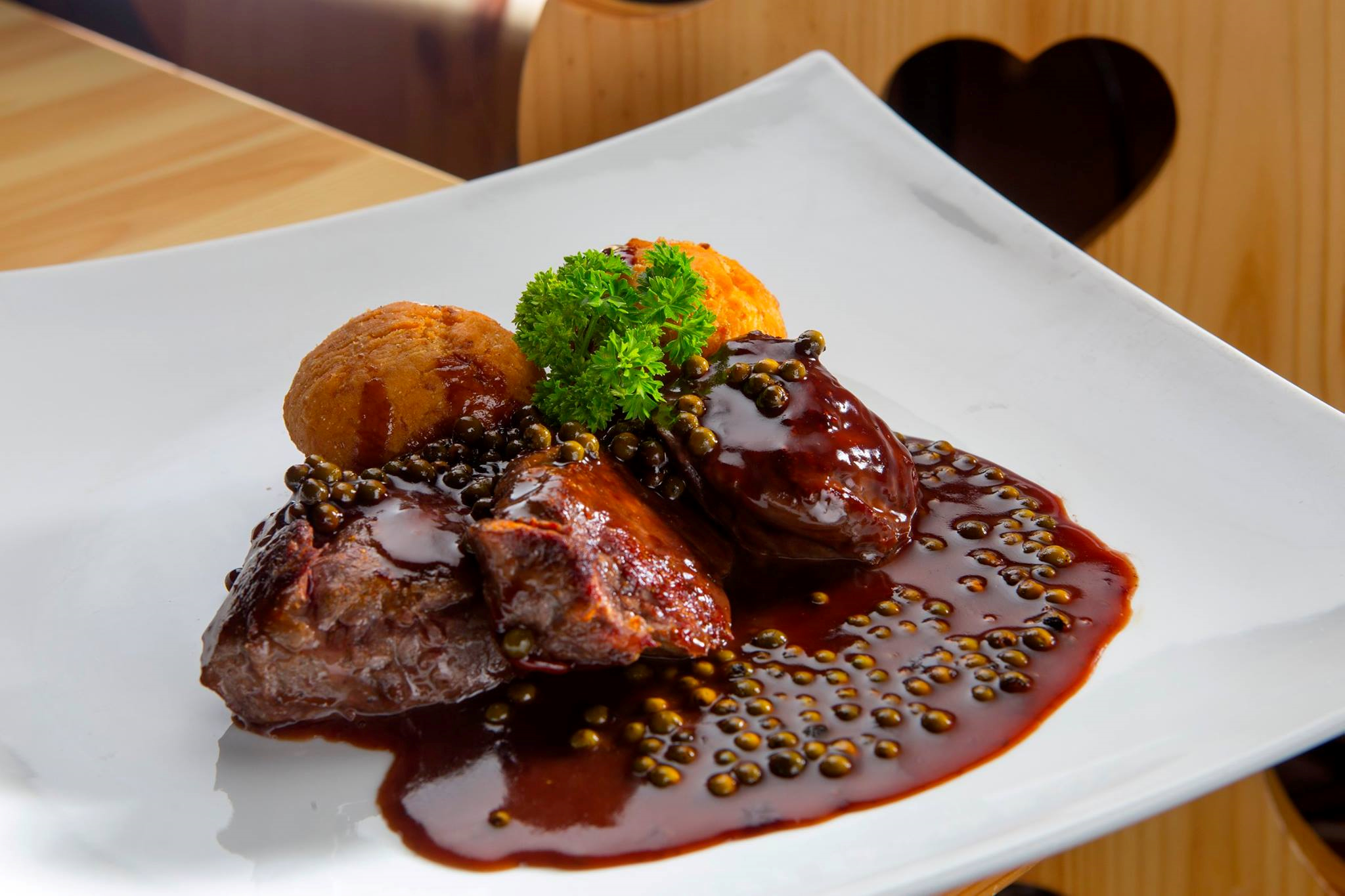
Continuing with the honey theme, we dined well on dishes such as rumpsteak in pepper and honey sauce, štruklji with honey, and other savoury delights, and not forgetting a cake, too!

For an added twist, throughout the evening there was a chance to taste many varieties of honey, with the aim of guessing which was which.

Then, to see how much we had all taken in from Erik’s educational session, I had prepared a quiz about Slovenian beekeeping, too! Of course, this meant a bit of work on my part too. I felt like a school teacher marking tests!

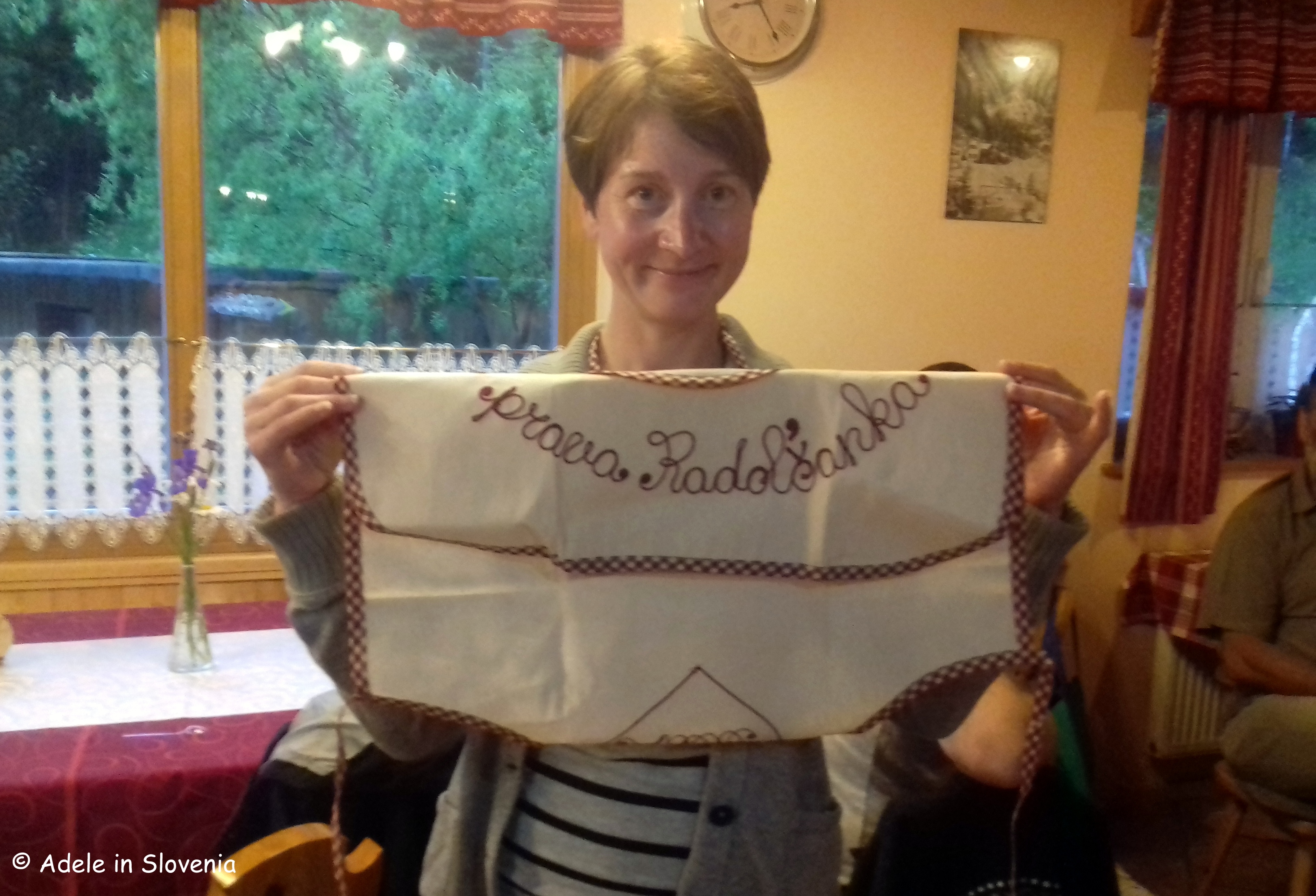
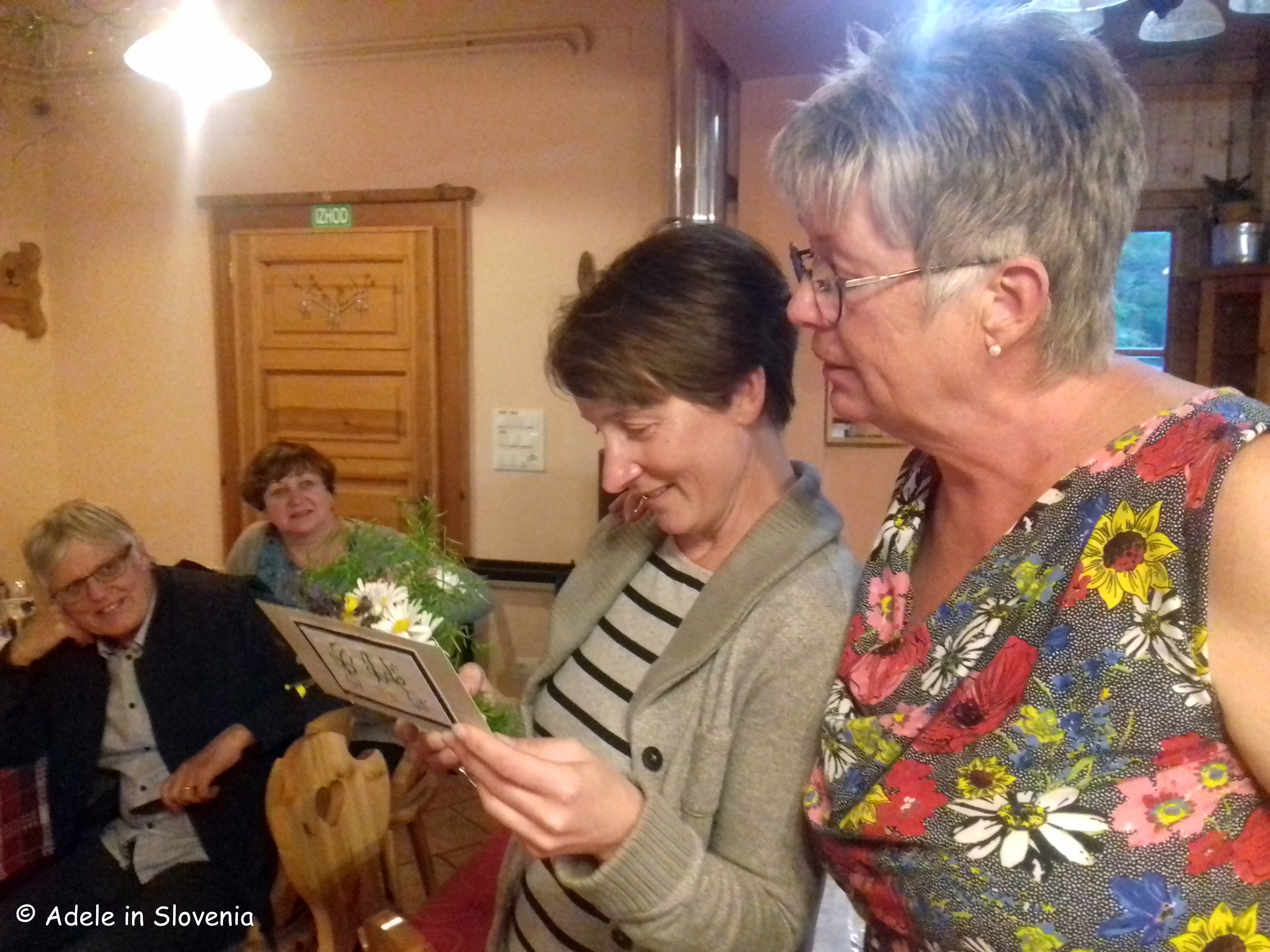
For the perfect end to the evening, I was given some lovely birthday gifts, including vouchers for massages (can’t wait Simona Slegel!) and this hand-embroidered apron that reads ‘Ta prava Radol’canka‘. Radol’canka is the word used for a female from Radovljica, so it reads ‘A real Radol’canka‘!

So, as you can see, the Draga Valley is a one-stop destination for active and tasty outings, and with a bit of added ingenuity and forward planning, a great place for group celebrations and events. Thanks to everyone who contributed to a lovely evening!

® Adele in Slovenia


Žirovnica – The Place to Be(e) to Celebrate World Bee Day!

So, at last, the long-awaited first ever World Bee Day took place on Sunday 20th May and Žirovnica was the place to be(e)!

The celebrations were centred around Breznica, the birth place of Anton Janša and home to his memorial apiary, which, following recent renovation, has been further improved by the placing of a new memorial plaque to mark World Bee Day.

There were celebrations throughout the land to mark this momentous day, even more momentous since Slovenia, and in particular the President of the Slovenian Beekeeping Association, Bostjan Noč, was the initiator of the campaign to have 20th May, the birth date of Anton Janša, Slovenia’s greatest beekeeper, proclaimed World Bee Day. After all, as we all know, or should all know, every third spoonful of food we eat is dependent on pollination by bees, thus ‘No Bees, No Life‘!

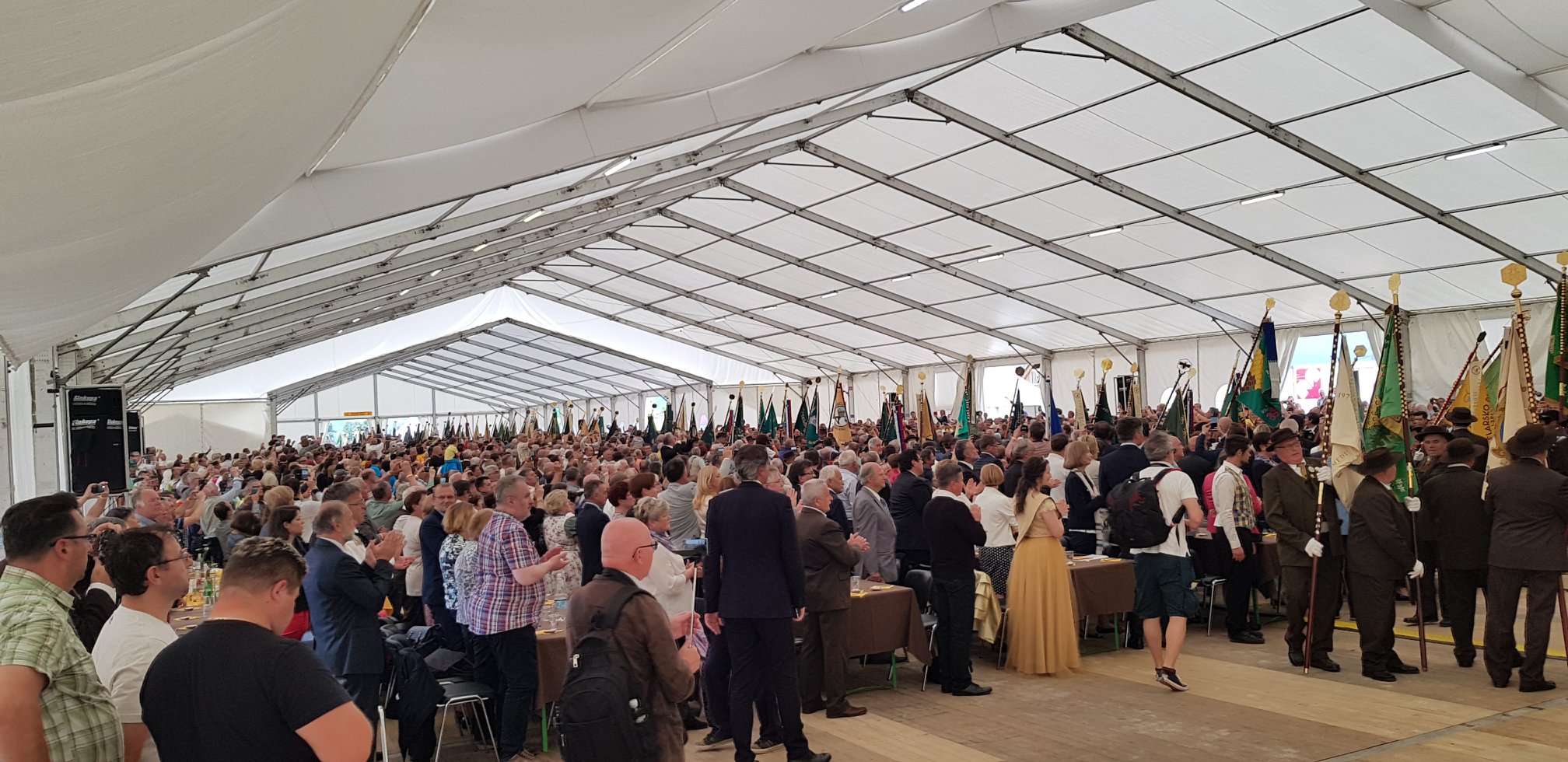
I don’t have the official numbers, however, it seemed as if the majority of Slovenia’s 10,000 beekeepers came dressed in their finest to celebrate. For a population of just 2 million, well, do the maths…!

A meeting of Slovenian beekeepers took place under the honorary patronage of the President of the Republic of Slovenia, Borut Pahor, whilst throughout the day there were bee-themed events and entertainment.

Visitors were able to watch a film presentation to find out more about the plans for the ‘Bee Park’ – a competition was held recently to come up a name for the new park. The winner has been chosen, however, as yet the name is still under wraps!

A honey market lined the streets and there were concerts, street entertainers and more!

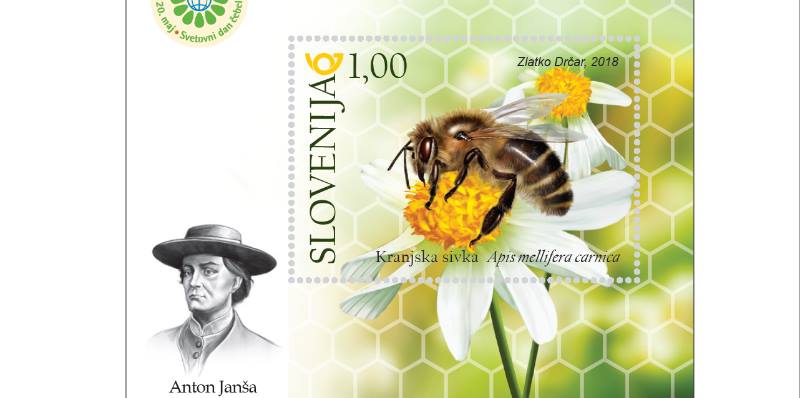
To mark the day, a new stamp was issued by the Slovenian postal service, and Slovenia also launched a special 2 euro coin. Look out for the 2 euro coins in circulation throughout the euro area –  I’ve already got mine!

A great day was had by all and the future for Slovenia’s bees and beekeepers looks very bright. The nation sure did its bees proud!

Photo: Simon Senica

This summer you can take a ride on the Bee Our Guest Hop-On Hop-Off tourist bus, which will take you on a journey through the surroundings of Bled, Radovljica and Žirovnica every Wednesday in July and August. Along the way you can visit some of Gorenjska’s beekeepers, Janša’s memorial apiary, Bee Paradise, the Beekeeping Education Centre of Gorenjska, and more!

For more information about apitourism in Slovenia see the Bee Our Guest website, and to find out more about the ‘Cradle of Slovenian Beekeeping‘ see the Visit Zirovnica website.

© Adele in Slovenia


Made in Radovljica: What to Buy, Try and … Enjoy!

With the focus these days ever-more on locally grown and produced products and foods, here are some ideas for what is available in the Radovljica area – genuinely local products that you can buy and try for yourself or purchase as ideal gifts for friends and loved ones.

Being the home of the Museum of Apiculture and the Radovljica Chocolate Festival, the Radol’ca area is synonymous with beekeeping and all things sweet.

If I want to take a small gift when visiting friends or loved ones, particularly those with a sweet tooth, I like to take Čokobelica chocolates. These bee-shaped chocolates are made exclusively for, and in, Radovljica and available at Radovljica Tourist Information Centre. The chocolates have typical, traditional Slovenian fillings such as walnut potica, tarragon potica, and poppy seed. Tried and tested – delicious!

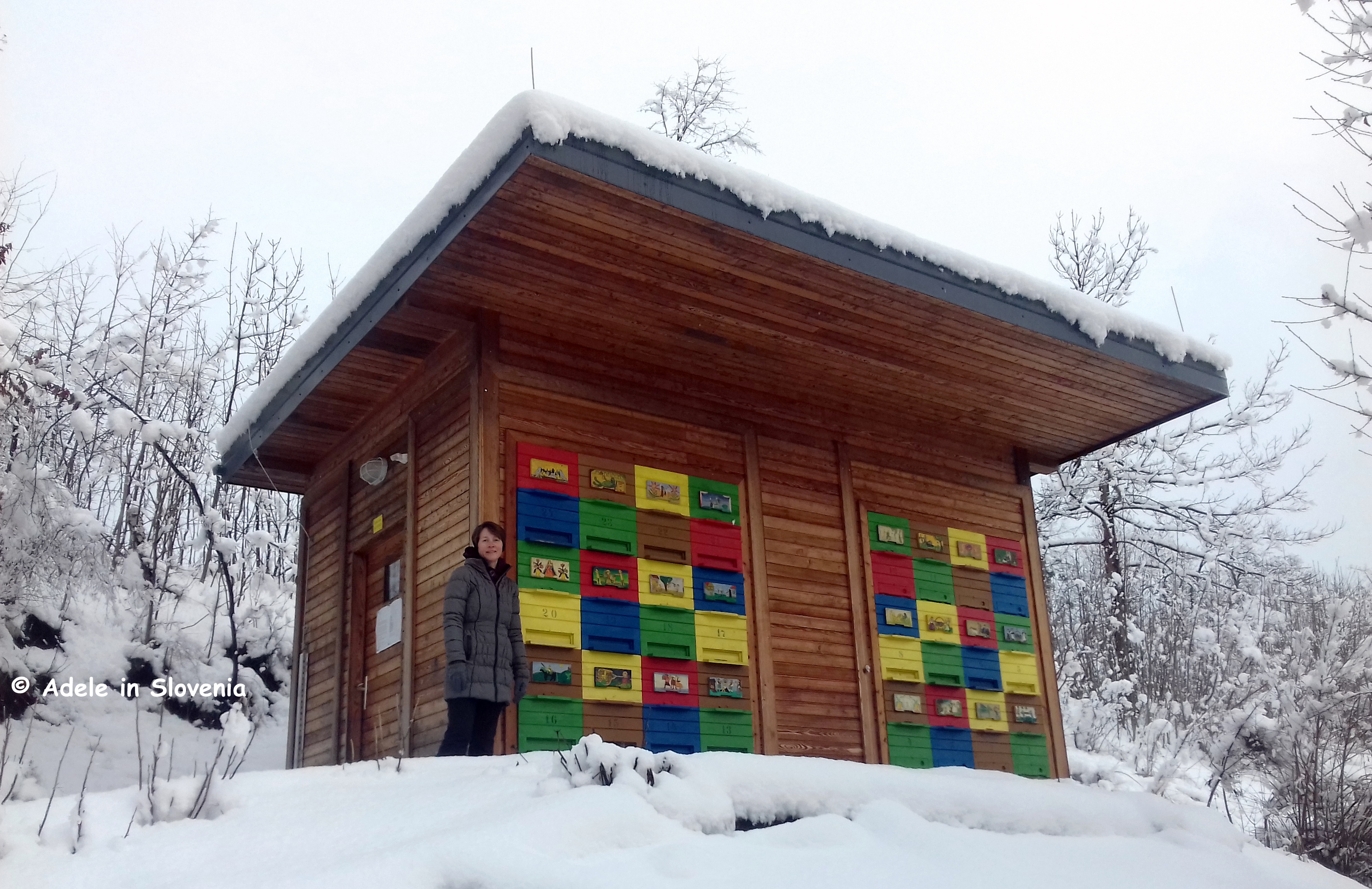
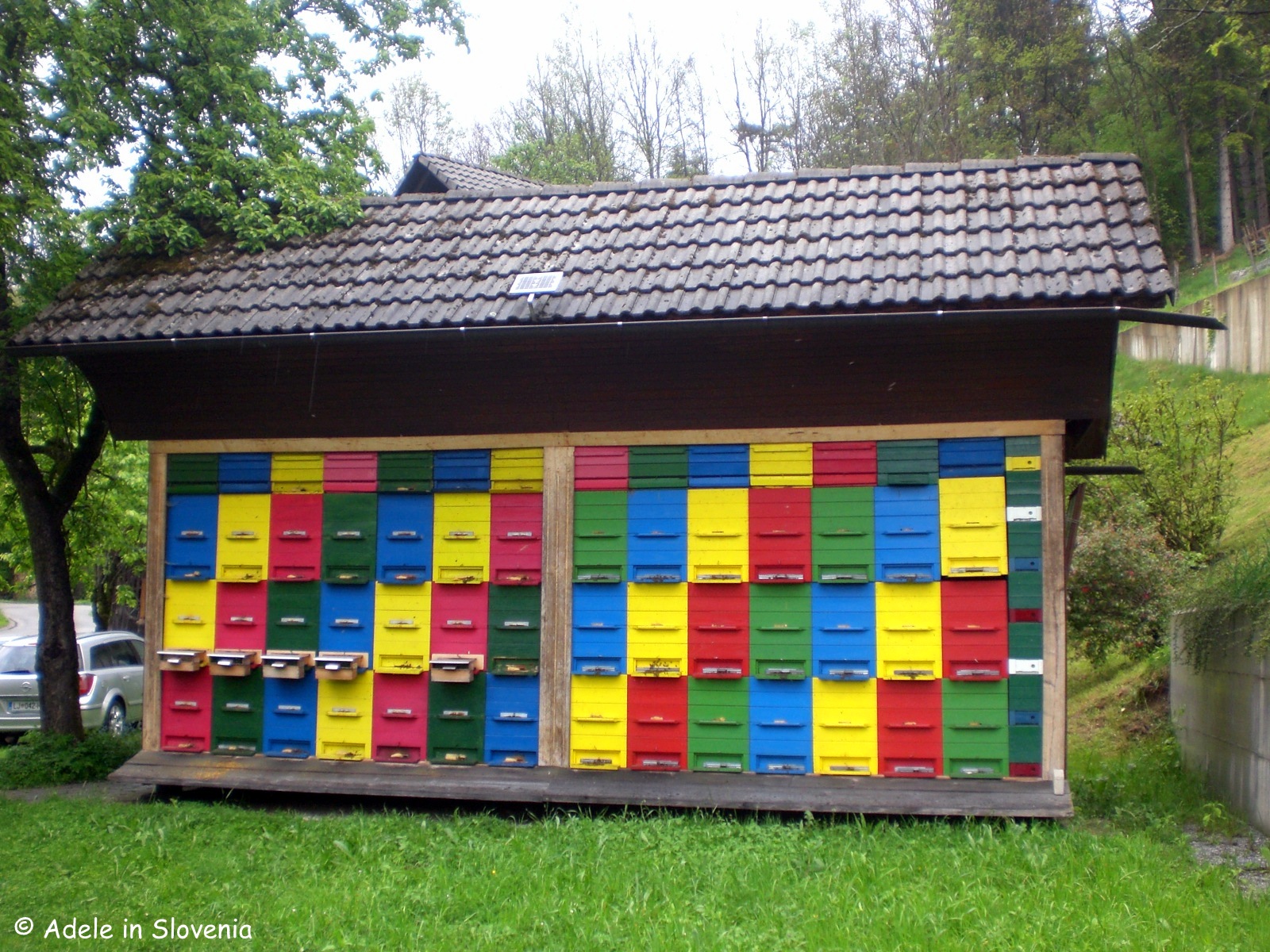
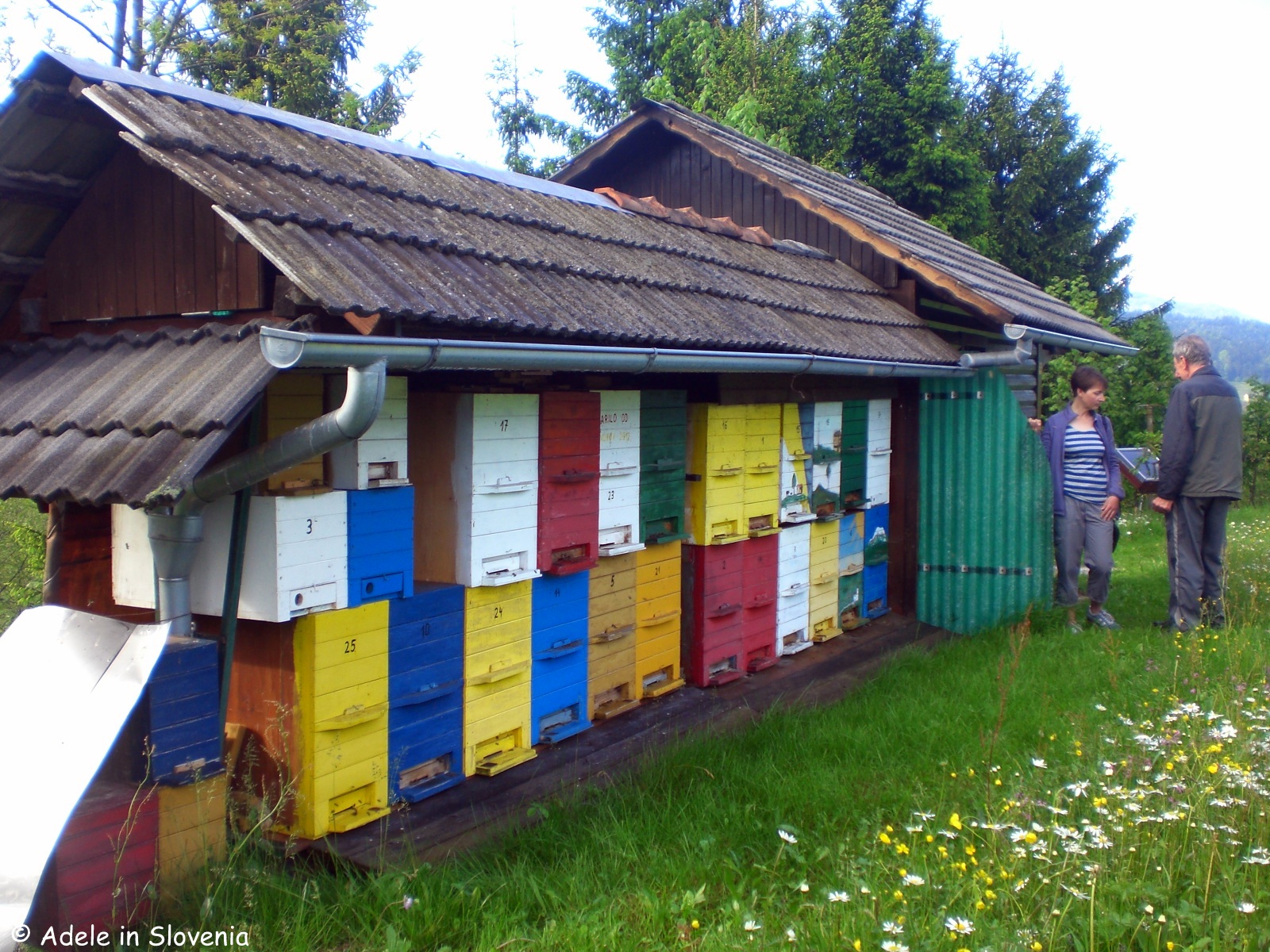
For honey and all-things honey-related visit the Beekeeping Education Centre of Gorenjska in Lesce, where, in addition to the well-stocked Bee Shop where you can buy a wide selection of honey, honey products and beekeeping equipment, you can also see the centre’s beehive with its colourful hand-painted frontal panels.

In summer you can admire the beehive from the small terrace of the centre’s coffee shop. It could perhaps be said, however, that some of the clientele are a bit odd!

The heart of Radovlijca’s old town centre is Linhart Square (Linhartov trg), named after the famous Slovenian playwright and historian Anton Tomaz Linhart (1756-1795). At Lectar Inn you can try Linhart’s cake (Linhartov cukr). The idea for the cake came about during conversations held in Lectar Inn between its proprietor, Jože, and locals who recalled how in days gone by in Linhart’s era, local school children used to come to Lectar for cake.

And so the idea to try to recreate and revive this tradition was born and Jože and his team at the Lectar Inn set about trialling and testing recipes, based upon traditional recipes, until they were satisfied with the result. It contains only natural ingredients, – a light sponge base topped with a moist apple layer, using organic locally grown apples, and finished with a light cream icing and silhouette of Linhart.

Magušar’s House (Magušarjeva hiša) in the heart of Radovljica’s old town has an arcaded gothic courtyard and pottery workshop where you can buy Magušar bowls and other pottery items made by the owners, Oli and Urban Magušar. Occasional exhibitions, workshops and other events are also held in the house.

They are also currently working on producing a catalogue of Slovenian clay, and, as you can see below – Urban in his ‘Aladdin’s cave – they have already gathered quite a selection!

Photo: Jošt Gantar for Visit Radol’ca

Kropa is the cradle of Slovenian iron forging. It experienced its biggest boom in nail-making in the 18th and the beginning of the 19th century, when the ironworks in Kropa and Kamna Gorica together employed more than 2,000 people. The end of the 19th century brought the end of the 500-year operation of the ironworks in these villages, due to the lack of domestic iron ore and unprofitability.

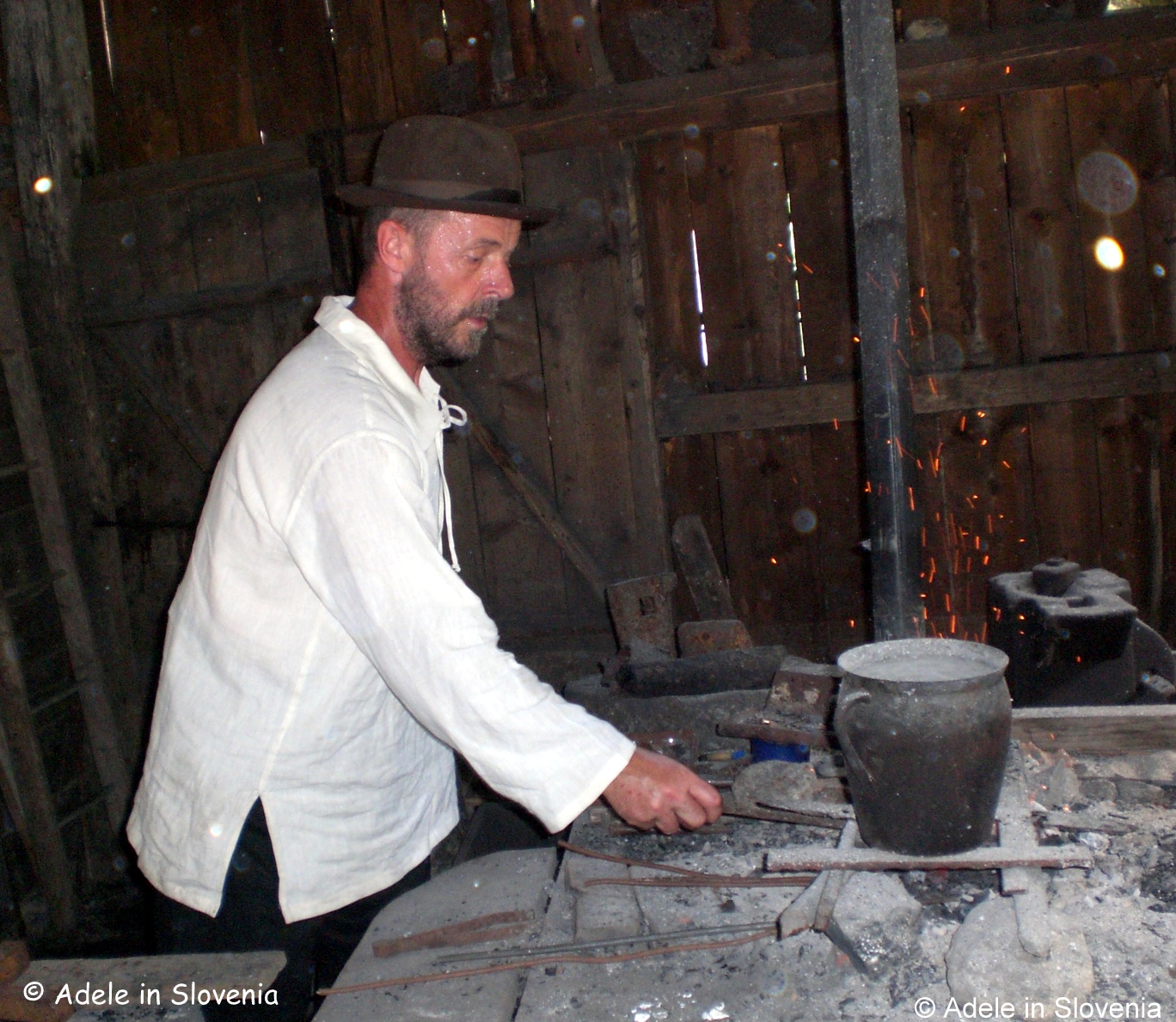
The area’s iron-forging tradition is still alive, albeit on a more boutique scale, and hand-forged wrought iron furnishings and fittings are still made and can be bought either ready-made or made-to-order at the headquarters of UKO. Upon prior arrangement, a demonstration of hand forging of nails can be seen in the Vigenjc Vice Nail Forge, and there is a wide range of exhibits at the Iron Forging Museum, which also has a small gift shop, and is open year-round.

If its skis and other outdoor equipment and clothing that you are after, then you should visit the Elan factory and showroom in Begunje na Gorenjskem.

So, there’s no excuse to leave Radovljica empty handed or with an empty belly, either!

Click here for more ideas and to find out more about ‘Made in Radol’ca‘.

© Adele in Slovenia

Experience Prešeren’s Day Along the Žirovnica Path of Cultural Heritage

Despite only living to the tender age of 49, the legacy of France Prešeren (1800-1849), Slovenia’s most famous poet, remains as strong today as ever. In fact, Prešeren was, or rather is, so important to Slovenian culture, that a national holiday is dedicated to him annually on 8th FebruaryPrešeren’s Day. 

Find out more about the life and times of Prešeren, as well as that of some of Slovenia’s other great literary writers, along the Walk along the Žirovnica Path of Cultural Heritage.

Although you can visit the attractions along the path year-round, it is a particularly special experience to do so on Prešeren’s Day, when you can join hundreds of others visitors, locals and those from further afield, to walk the path, find out more about life in Prešeren’s time, and feel a part of Slovenia’s cultural heritage.

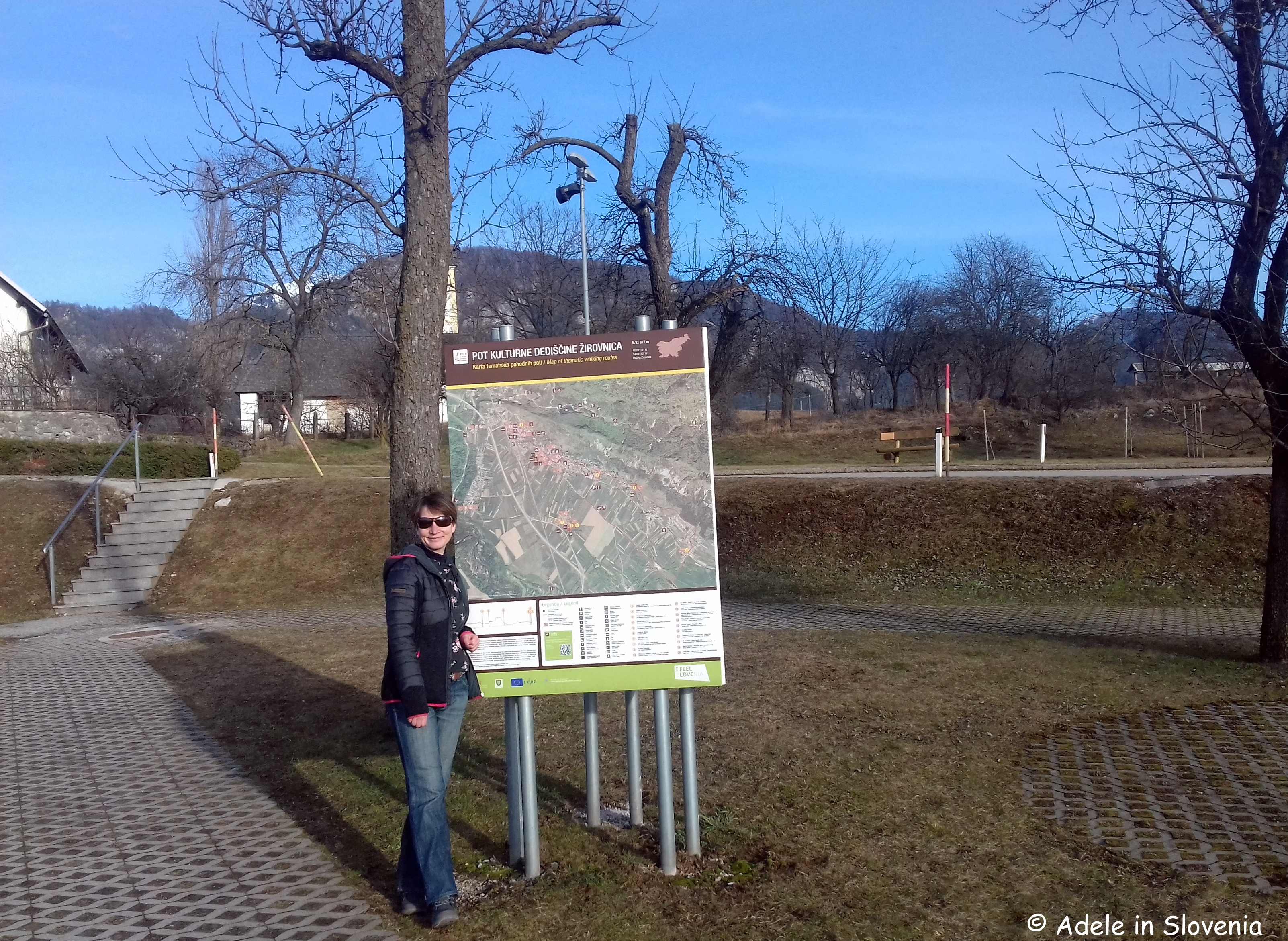
The 10km circular path leads through the villages beneath Mt. Stol – the highest peak in the Karavanke range – taking in Prešeren’s birth house in the village of Vrba, where there is a car park and information board about the path.

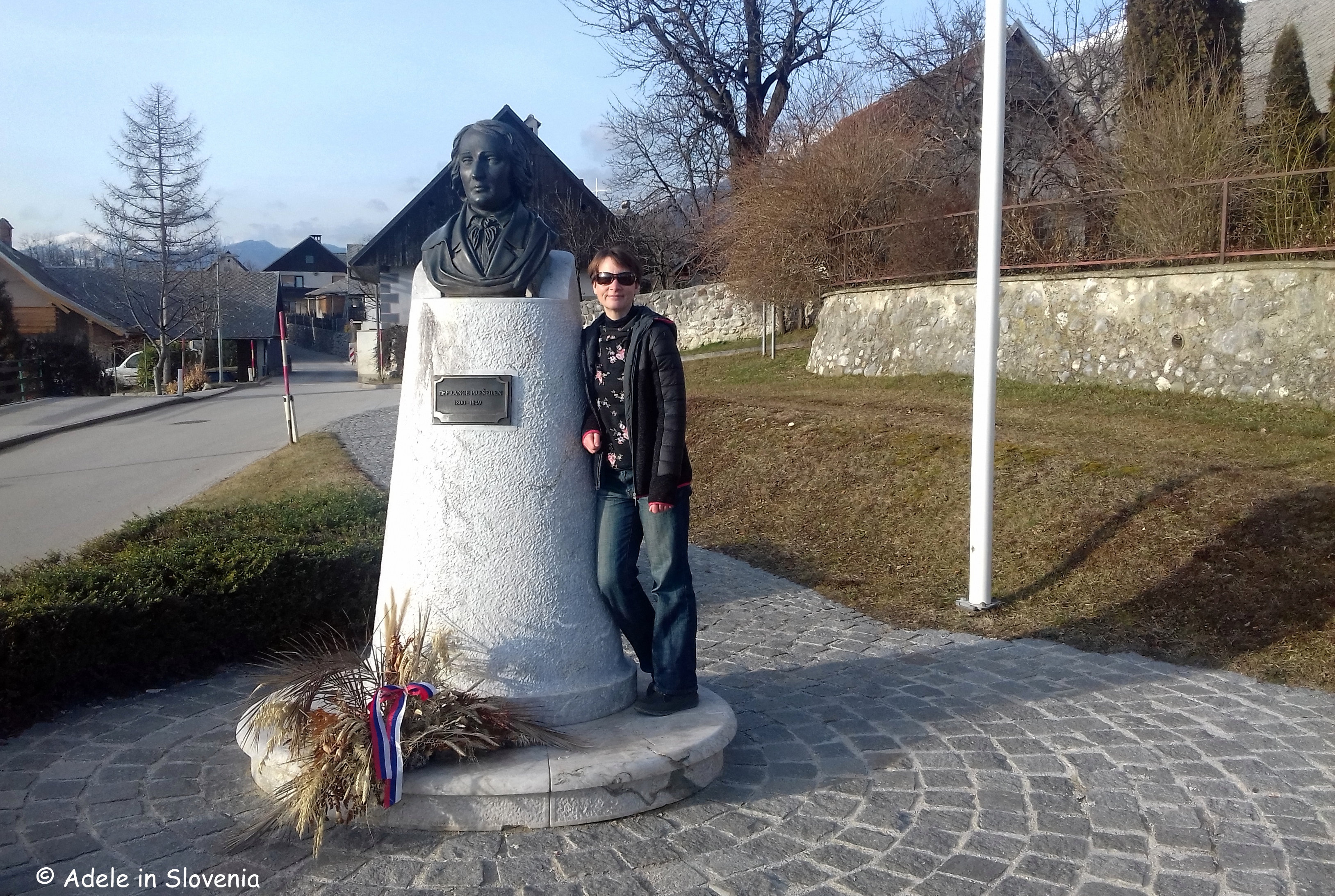
Opposite the car park there is a bust statue of the great man.

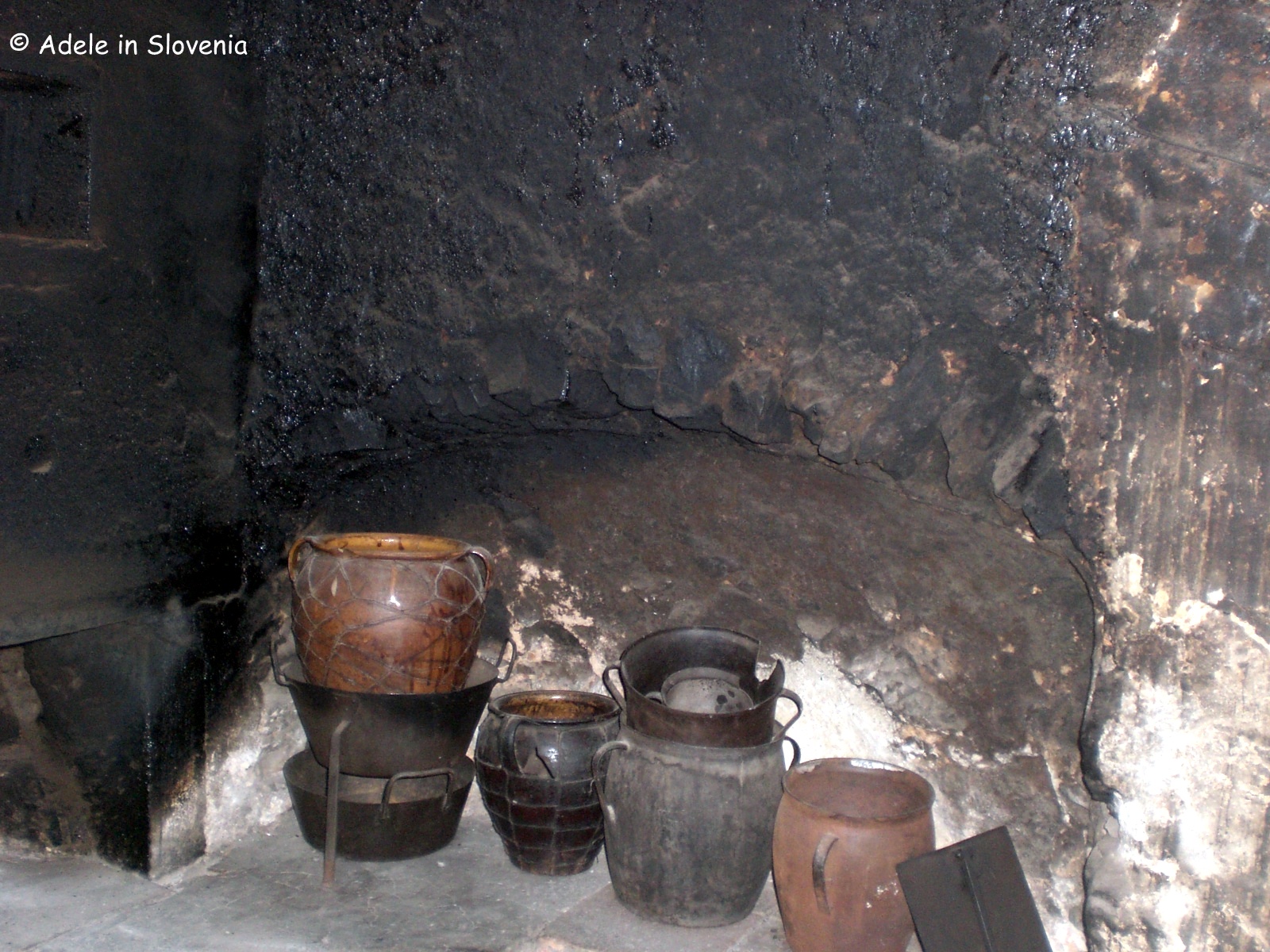
In addition to visiting Prešeren’s birth house, you can continue to the birth houses of Prešeren’s friend, the linguist and literary historian Matija Čop in Žirovnica, the writer Fran Saleški Finžgar in Doslovče, and the writer and priest Janez Jalen in Rodine. All the houses offer a unique insight into life in bygone days and you can see exhibits including an original black kitchen.

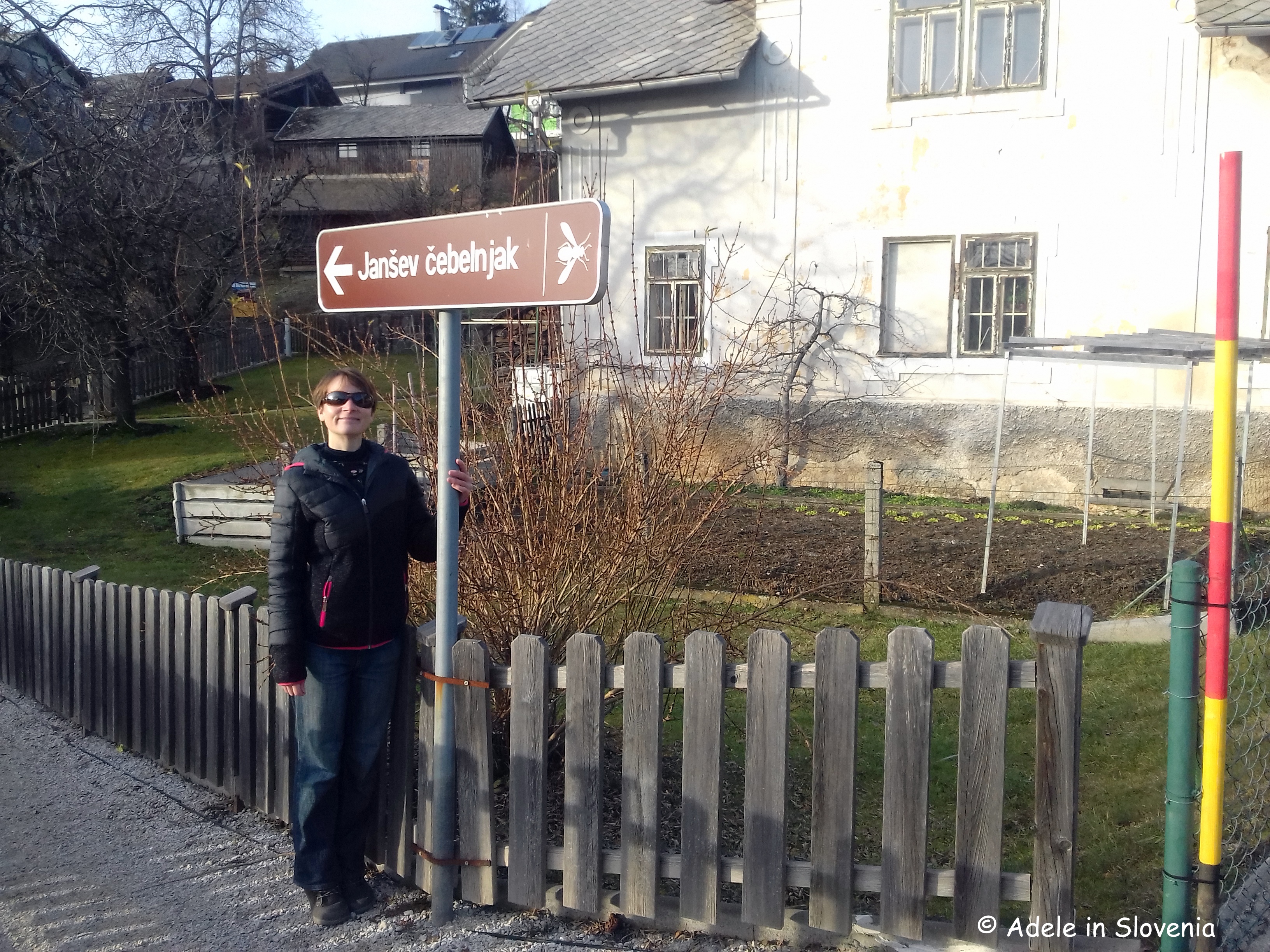
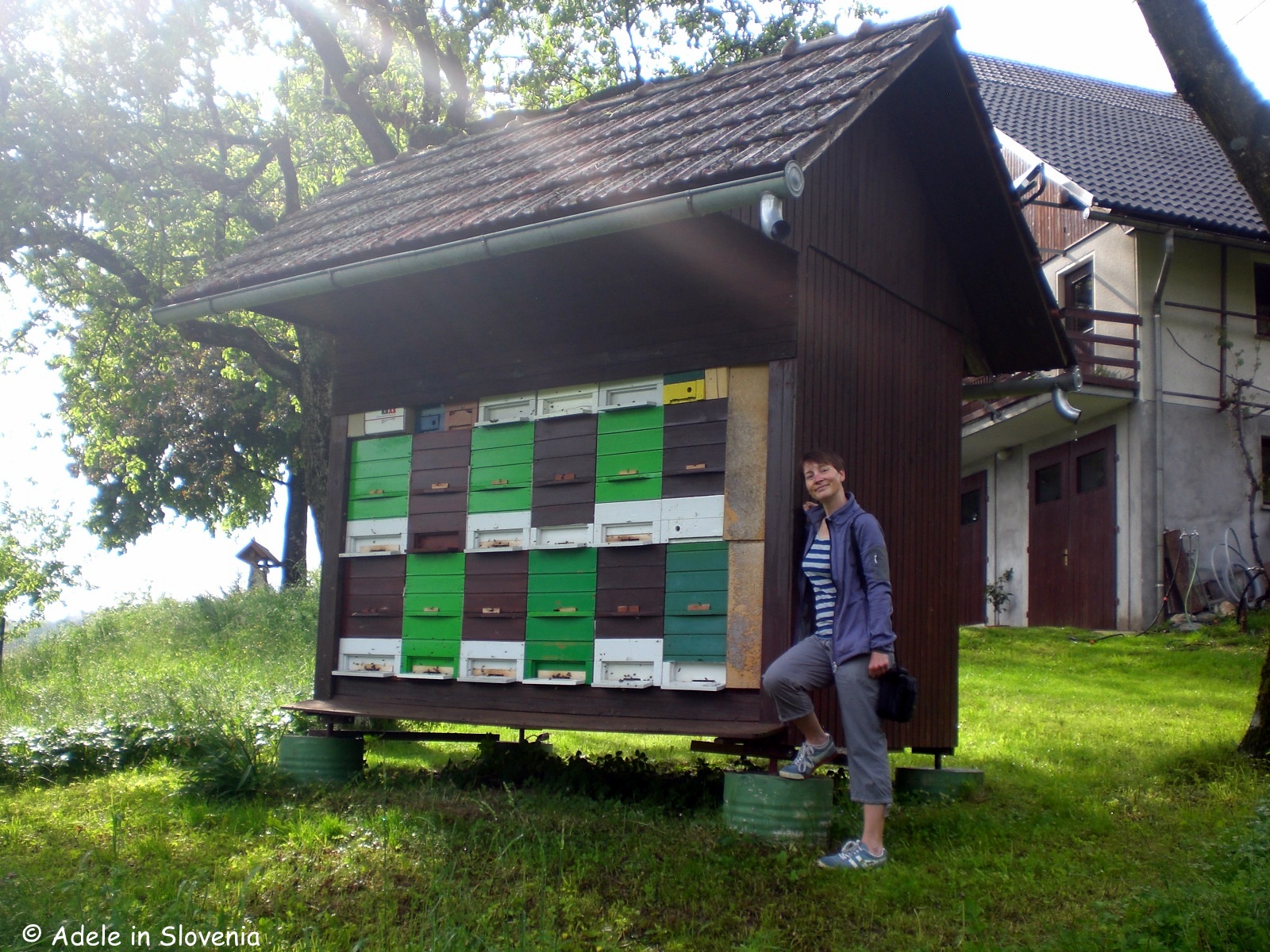
For many a particular highlight is a visit to the apiary of Slovenia’s greatest beekeeper and the pioneer of modern apiculture, Anton Janša (1734-1773)in Breznica. It’s easy to find, just follow the brown signs marked with a bee!

The apiary was carefully reconstructed in 2017 and this year will be the focal point of this year’s first ever World Bee Day, which will take place in Breznica on 20th May.

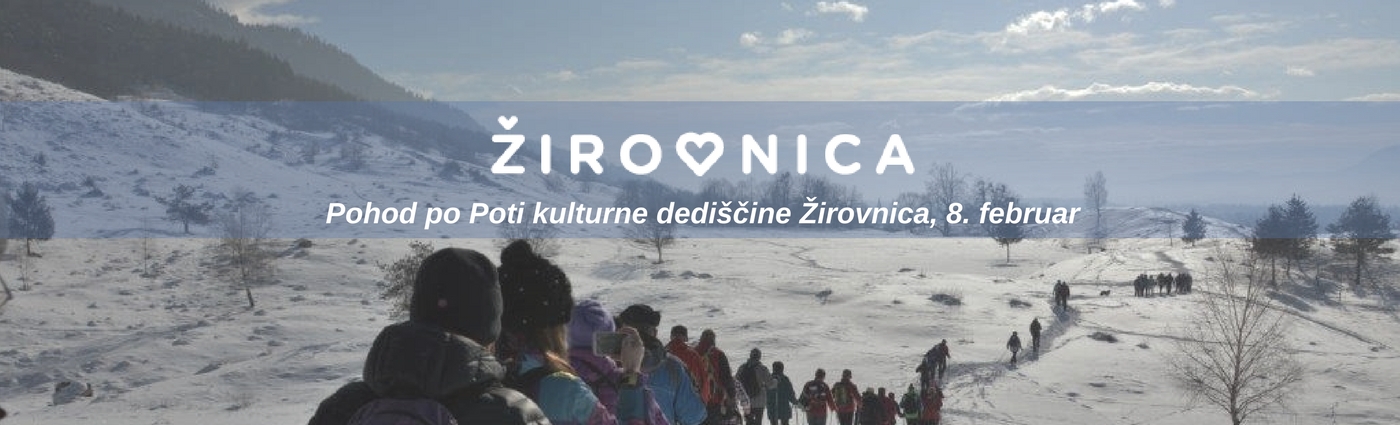
At the time of writing, there’s no snow here in the valley, but that could, of course, change by 8th February! Either way, there’s never a shortage of people joining the walk on 8th February, and there is also a rich accompanying programme on the day for all – regardless of whether you take part in the organised walk or not. It includes free entrance to all the birth houses, stalls along the way offering local food and drink, a honey market in Vrba and small farmer’s market in Rodine, entrance to exhibitions, and more! Find the full programme here (in Slovene only) – http://visitzirovnica.si/pohod-po-poti-kulturne-dediscine-zirovnica-8-februar/

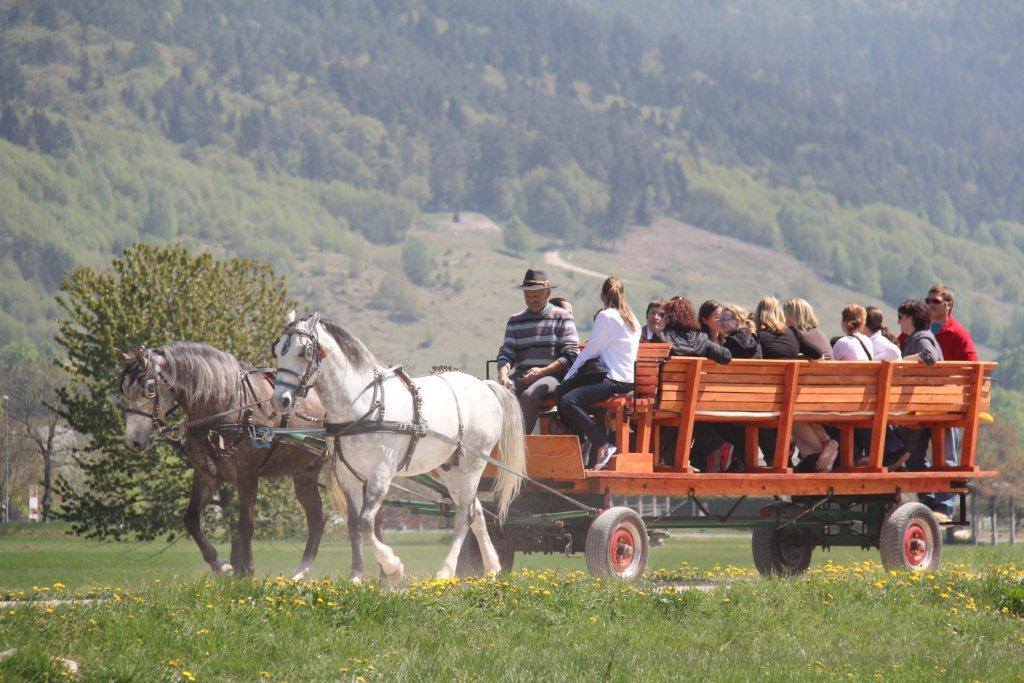
But don’t worry – if you can’t make it on 8th February, you can visit the birth houses and walk, all or some of, the trail independently or, to get the most out of it, on a guided tour. The best time to do so is every fourth Saturday in the month from March to October when guided visits to all four houses are available between 10am and 5pm. For a really special experience on this day you can visit the houses by taking a ride on a traditional horse and cart which begins at the car park in Vrba at set times.

The Visit Zirovnica website has more information about this and all the other attractions in the area.

Come and find out more about why France Prešeren is Slovenia’s equivalent to Shakespeare!

© Adele in Slovenia
Visit Žirovnica: The Sunny Path to St. Lawrence

Welcome to my first blog of 2018 and my first one about a new destination that I will be highlighting this year – Žirovnica! The area has a wealth of natural and cultural attractions, about which I will be endeavouring to write as much as possible in my regular blog posts.

Though not so well known among visitors to Slovenia, pretty much every Slovene knows, and has visited, Žirovnica; specifically to Vrba, to visit the birth house of one of Slovenia’s most famous men and greatest poet, France Prešeren (1800-1849).

At this time of year, when the days are short and sunlight is at a premium, I like to take a walk on the aptly-named Sunny Path (Sonča pot) from Žirovnica to St. Lawrence’s church (sv. Lovrenc).

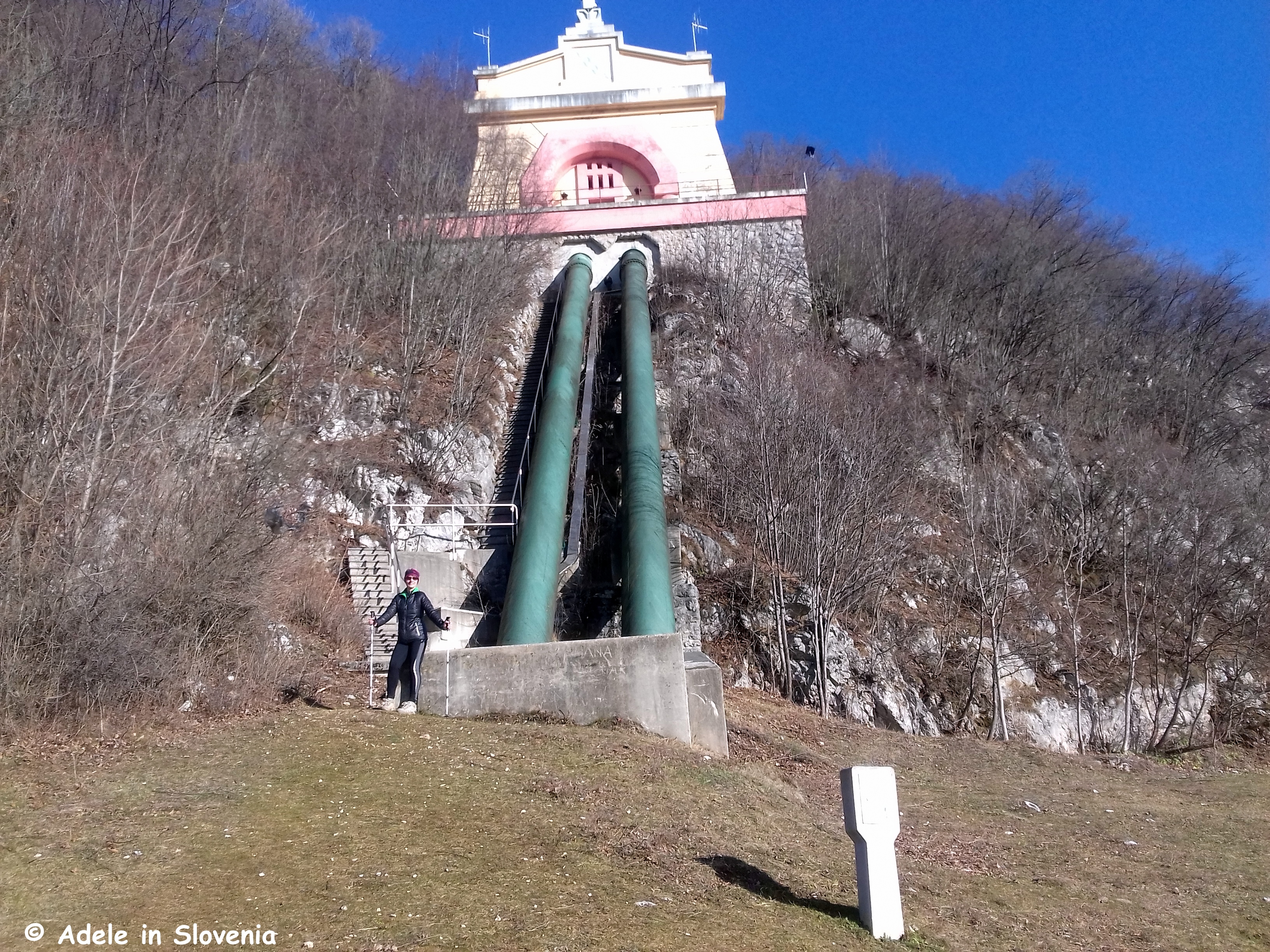
You can join the path and reach the church from several places. I like to park in Žirovnica then take the path that leads towards the steps that go up towards the distinctive water surge tank. Don’t go up the steps but just to the right the path, though not marked, is easily visible as it traverses the grassy meadows above the villages of Žirovnica.

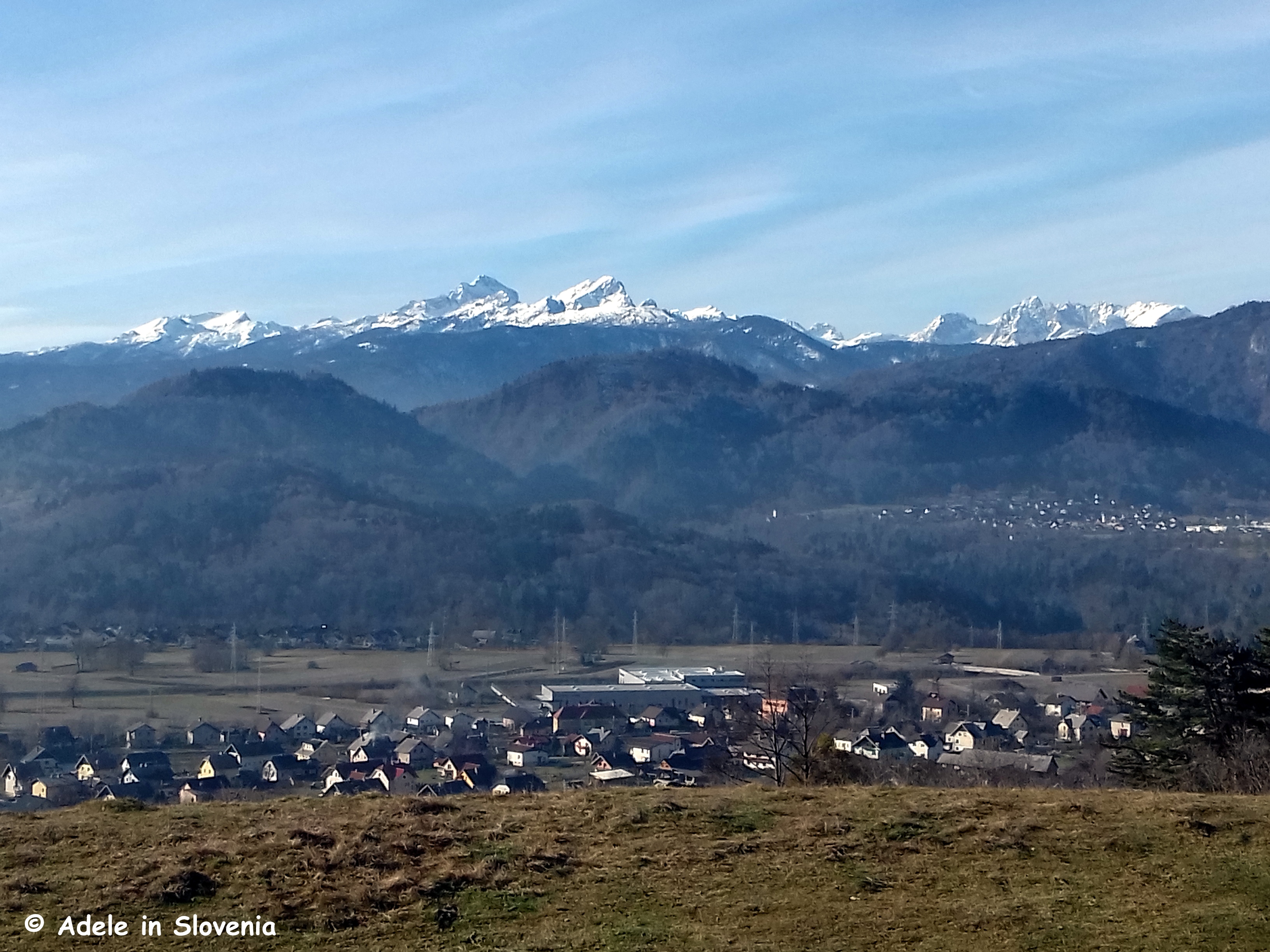
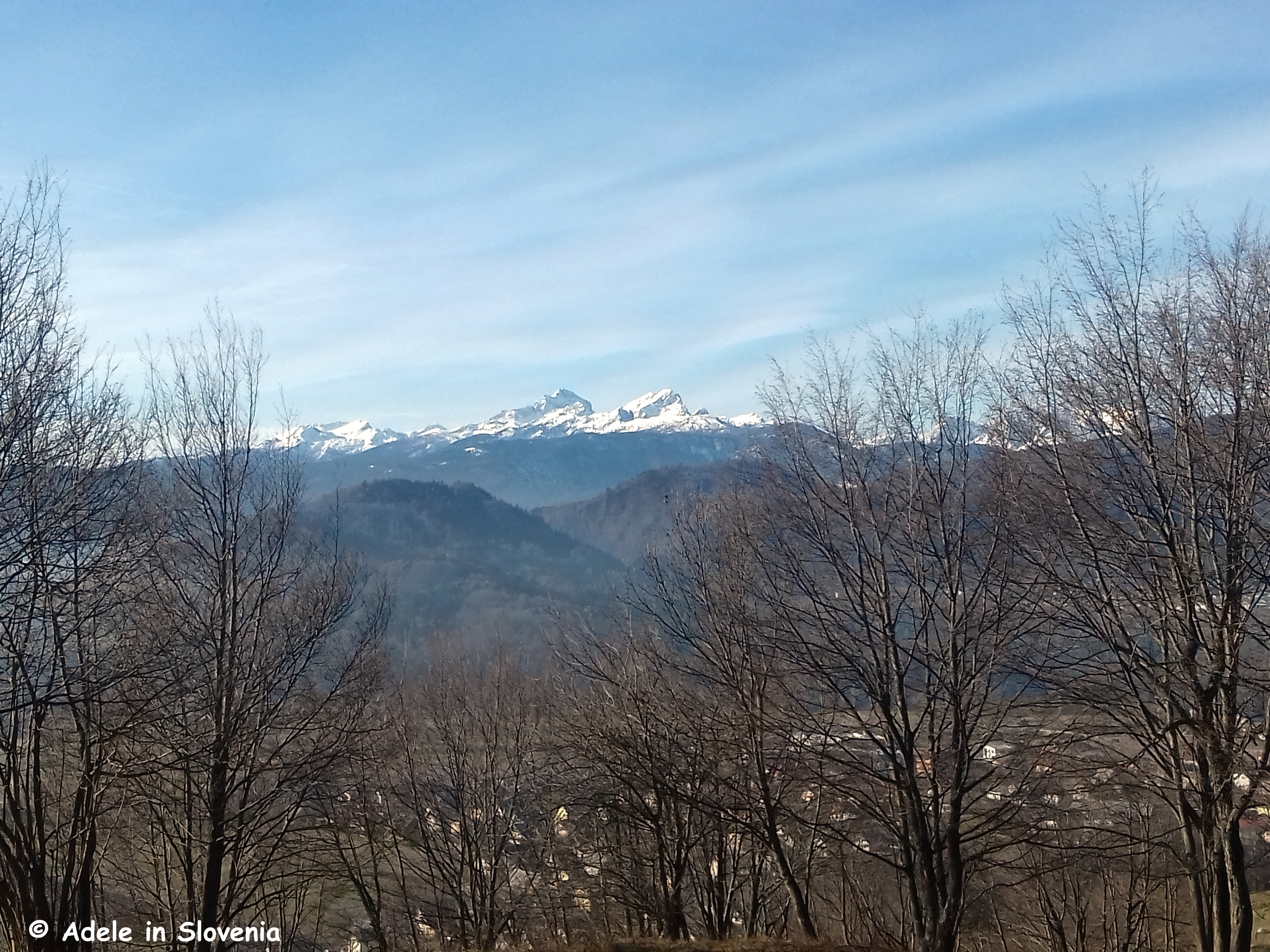
As the name suggests, on a sunny day the path is bathed in sunlight throughout the day and also offers fantastic views over the wide Radovljica plains and towards the high mountains of the Julian Alps.

You pass a small shrine then continue on the slightly undulating terrain.

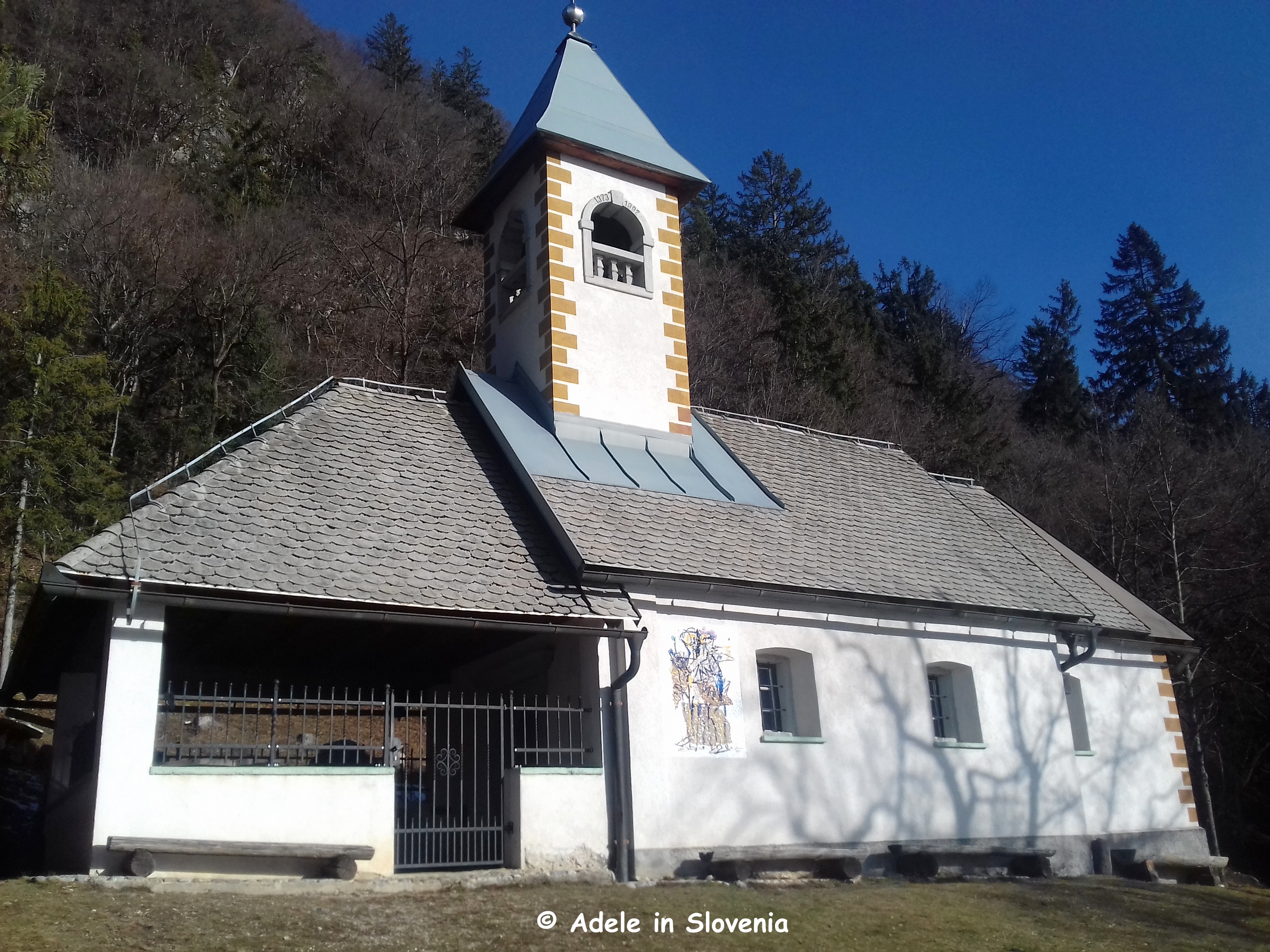
On reaching a small wooden cabin a flight of steps lead up towards St. Lawrence’s church which is nestled into the slopes above the hamlet of Zabreznica.

Although usually locked, you can take a peek into the church through the windows of the main entrance door, and with a bit of nifty camera/phone angling, get a great view of the church’s ornate interior which is adorned by the Stations of the Cross.

Other than its particularly unique and serene location and wonderful panoramic views, a particular feature of the church is its presbytery which has painted pictures of the flowers that are found in the area surrounding the church.

On the outside wall there is an unusual mosaic of St. Christopher.

A church was first built here during the time of the Turkish invasions, but was later abandoned in 1821 when a new parish church was built in the village of Breznica. In the 1990s volunteers built a new church on the foundations of the original one.

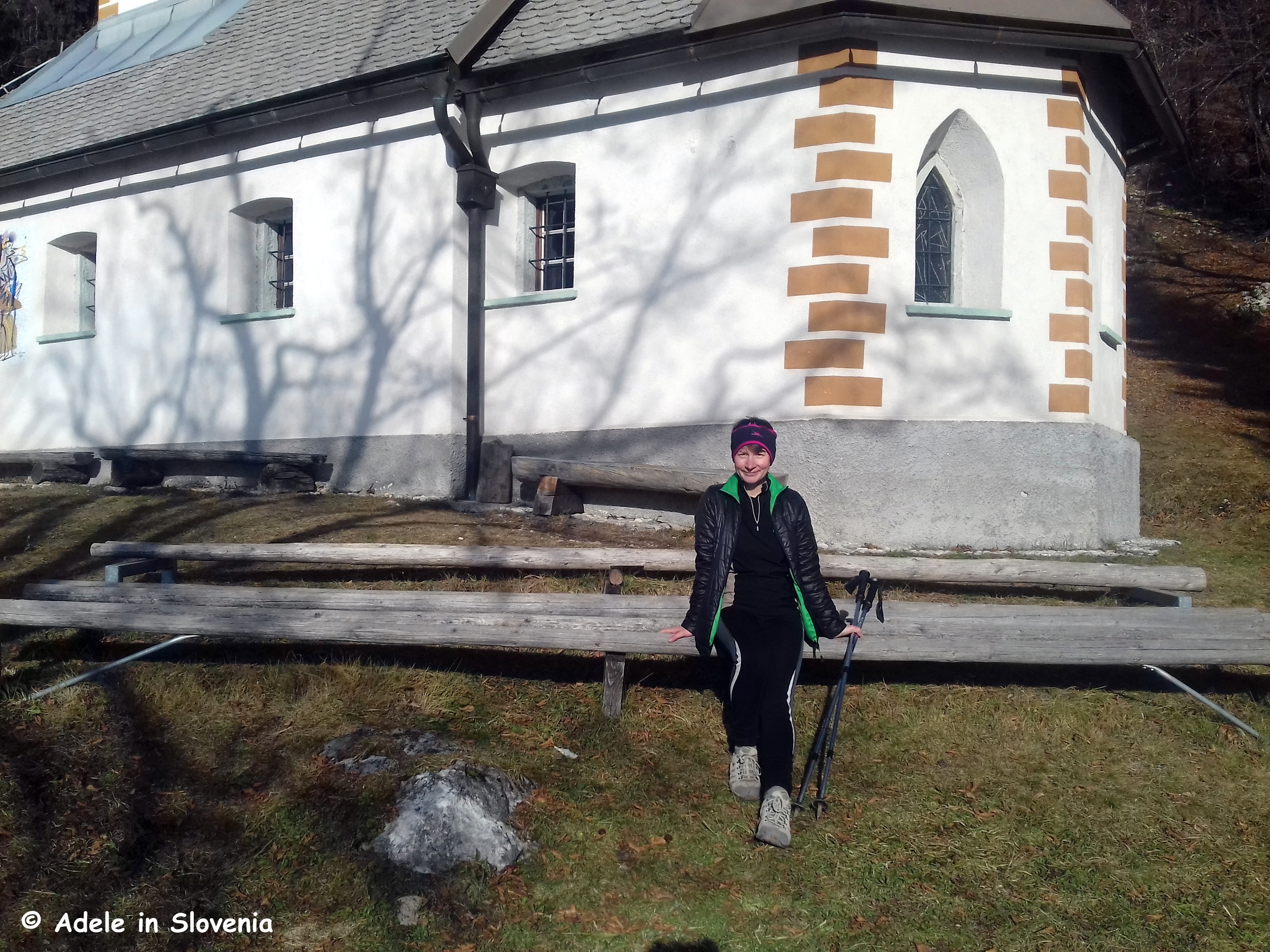
There are plenty of well-positioned benches for soaking up the rays and enjoying the view!

Even on a slightly hazy winter’s day, the views are pretty good, I’m sure you’ll agree!

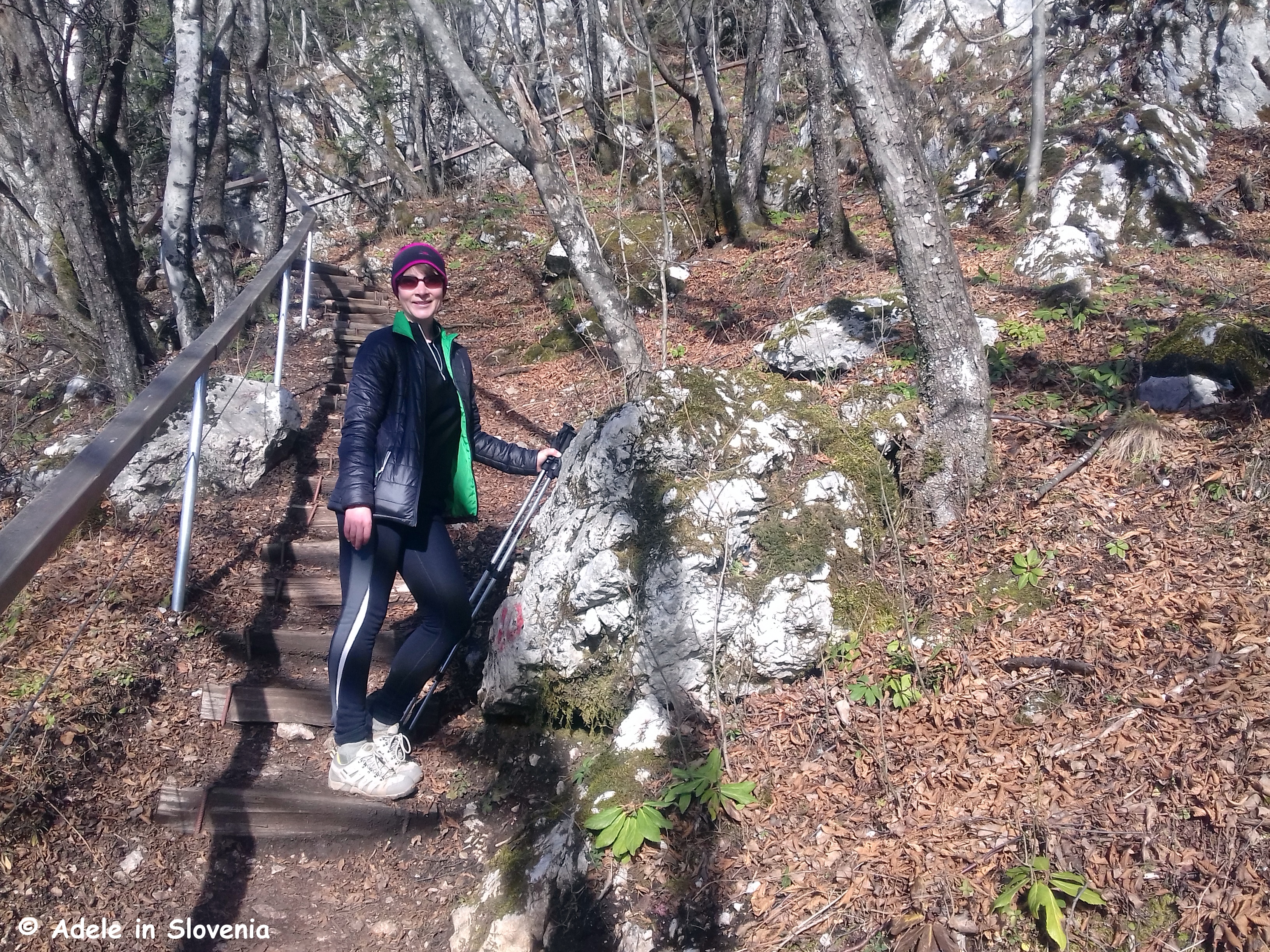
You can choose to return along the sunny path, or take the path that descends steeply and directly down from the church through the forest. On reaching the bottom you can walk back through the hamlets of Breznica and Zabreznica to return to the start.

Find out more about the Sunny Path and other similar walking and hiking paths in the Zirovnica area here – http://visitzirovnica.si/en/

© Adele in Slovenia


Slovenian Beekeeping: Bee our Guest!

This week I’d like to bring you some exciting news about a great new initiative and book – both on the theme of beekeeping – something at which Slovenia excels. Despite not being a beekeeper myself, since living in Slovenia I have become acutely aware of the importance that bees play in the world and, I believe, it’s something that should be of great importance to us all. Read on…!

Photo: S Senica

The Radovljica area has long been known for its ‘sweet’ traditions, primarily beekeeping-related, as well as chocolate in recent years thanks to the very popular Radovljica Chocolate Festival! Radovljica’s old town is home to the Museum of Apiculture, whilst the Beekeeping Education Centre of Gorenjska is situated in nearby Lesce.

Now, a new initiative has been launched to unite and promote Slovenian beekeeping in the Upper Gorenjska regionBEE OUR GUEST!

Photo: S Senica

BEE OUR GUEST is a collaboration between the municipalities of Bohinj, Bled, Gorje, Žirovnica, Radovljica and Kranjska Gora, and its aim is to acquaint visitors with Slovenian beekeeping in the Upper Gorenjska region, as well as offer information, tours and packages that combine beekeeping with the region’s other numerous sights and attractions. Thus, Bee Our Guest offers something for all those who want to see and experience a different side of the area’s natural beauty – whether you are a beekeeping enthusiast or just a lover of nature and all things ‘sweet’!

The Museum of Apiculture is located in the magnificent Radovljica Mansion in the heart of Radovljica’s old town centre, where, amongst other exhibits, you can see a rich collection of hand-painted beehive front panels, including the oldest in the world; each of the panels tells its own story!

You can also observe the bees busy buzzing about their business in the observation hive! More information can be found here – http://www.radolca.si/en/radovljica-apiculture-museum/

You can pay a visit to Lectar Inn, where in the cellar you can visit the workshop and museum where they have been making traditional Lectar honeybreads for centuries. You can buy gifts and souvenirs for your loved ones or for special occasions or, upon prior arrangement, join in a workshop and have a go at making one yourself.

On the website (http://www.beeourguest.eu/) and Facebook page (https://www.facebook.com/BeeOurGuest.Slovenia/) you can also keep up-to-date with all the latest developments regarding World Bee Day, which has now been officially declared as 20th May, the birth date of Anton Janša (1734-1773), considered Slovenia’s greatest beekeeper.

“Every third spoonful of food on Earth depends on bees or, more precisely, on pollination. The more the meadows are polluted and the more frequently they are mown, the smaller the number of bees. Do we even realise what that means for our future and for us?” This comes from the authors of the newly-published book No Bees, No Life, available in English and Slovene, and is something we should all most definitely be aware of.

Written by the President of Slovenia’s Beekeeping Association, Bostjan Noč, the head of the breeding programme for the Carniolan honey bee, at the Slovenian Beekeeping Association, Peter Kozmus, and author of many books in the fields of ethnology and apiculture, Karolina Vrtačnik, as well as 66 contributions from 32 countries, the book has been receiving wide acclaim. You can find out more and/or order a copy here – https://beebooks.si/en/

I’ll be bringing you plenty more on this subject, and exploring it in more depth in the not-too-distant future, but for now, I’m off for for some quiet contemplation – oh and a cup of tea with Slovenian honey!

© Adele in Slovenia


A Sweet Weekend in Store – Mošnje Days, a Roman Feast and the Festival of Honey

Next weekend promises to be a ‘sweet’ one in the Radovljica area – in more ways than one – since there are two events taking place, both of which promise to be tasty!

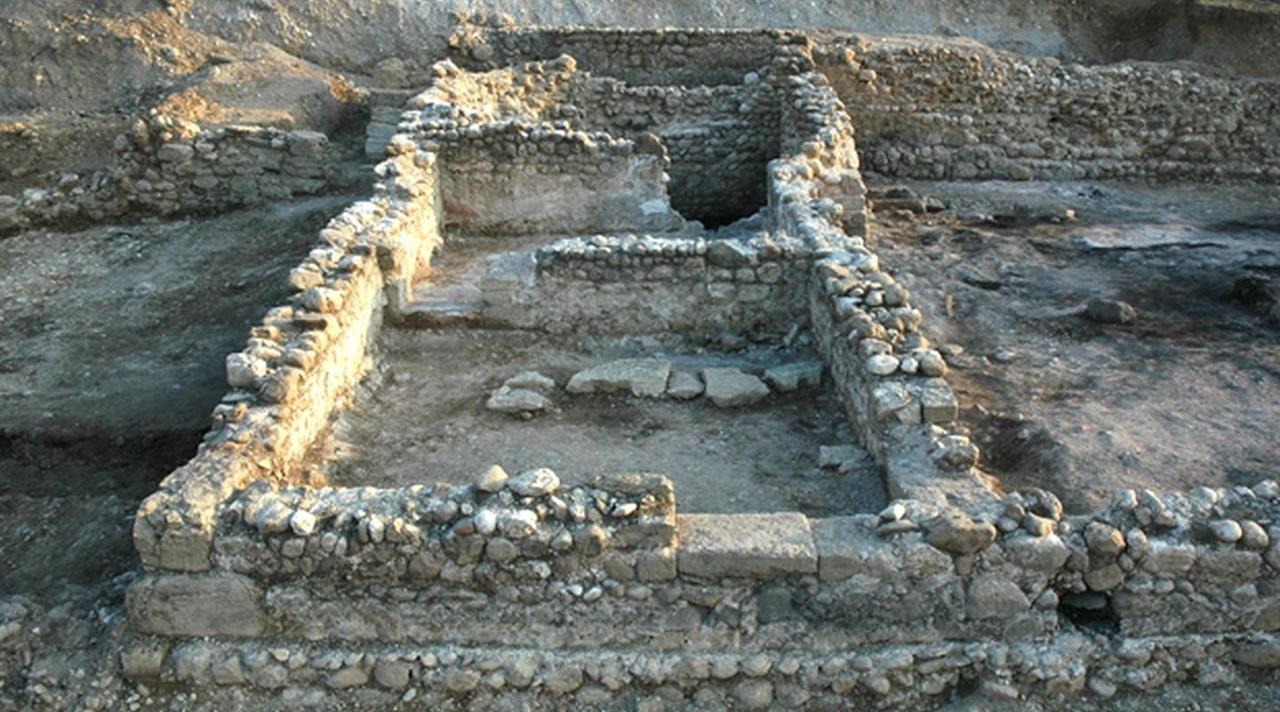
In fact, the first event – Mošnje Days – begins on Friday 22nd September. This year marks the 10th hosting of Mošnje Days and it promises to be bigger and better. This year it is particularly dedicated to Roman times, due to the Mošnje Villa Rustica archeological site – the remains of a villa dating from the 1st century which were discovered in 2006 during works to extend the Gorenjska motorway.

On both Friday and Saturday you can take a free guided tour of the Mošnje Ethnological Museum where you can see some of the artefacts found at the site including ceramicware, keys and jewellery whilst at on Friday at 6pm in the Mošnje Cultural Centre (Kulturni dom) you can see an exhibition of products from a 3-day mosaic workshop, which is also taking place as part of this year’s event, and watch a performance by pupils from the Mošnje primary school.

You can read more about the Mošnje Archeological Trail here – http://www.radolca.si/en/mosnje-archaeological-trail/

On Saturday 23rd from 1pm you can try Roman food as well as traditional Slovene dishes – there’s always something bubbling in the cauldron! – browse and buy local handicrafts, be entertained by live music from the PROJEKT ensemble, and there will be workshops for children.

Did you know that the Romans were very advanced in the field of cuisine? Why not treat yourself to the Roman-based menu available all weekend at Vila Podvin in Mošnje – one of Slovenia’s top restaurants – where head chef and co-owner Uroš Štefelin specialises in a modern take on traditional Slovenian food with a focus on local ingredients, and where you can always find something innovative to tantalise your taste buds! You can find more details about the Roman weekend menu, price and booking details here – http://goo.gl/u9m7xt

Meanwhile, at the Beekeeping Education Centre of Gorenjska in Lesce, this year’s Festival of Honey and Day of Honey in Cuisine takes place on Saturday 23rd September from 10am.

Come and find out more about Slovenian honey, taste honey and honey products, sample honey beer and honey cocktails, treat yourself or buy some gifts for friends and family, and take a tour of the centre and the apitherapy beehive.

The festival programme is below (in Slovenian only) and more about the centre can be found (in Slovenian, English and other languages) on the website – http://www.cricg.si/

From 22nd-24th September you can enjoy special honey-themed menus at selected Taste Radol’ca restaurantsGostilna Lectar, Lambergh Chateau & Hotel, Gostilna Kunstelj, Gostišče Draga, and Gostišče Tulipan, with 3-course menus costing just 15 euros per person (except Kunstelj Inn – 25 euros).

Pork fillet in honey-pepper sauce at Gostišče Draga

I’m looking forward to the ‘sweet’ weekend ahead. Do come and join the fun, too!

© Adele in Slovenia

Bountiful Beekeeping Beneath Blegoš

The Beekeeping Path in the Poljane Valley was established by the Blegoš Beekeeping Association, whose beginnings date back to 1911. The idea behind the path is to allow beekeeping enthusiasts, as well as lovers of hiking and nature, to discover the beauty of the countryside beneath Blegoš – at 1562m Blegoš is the highest of the areas peaks, as well as uncover a part of its history, taste delicious honey and honey-related products and learn more about beekeeping in the Poljane Valley.

The path begins at the Pri Jakuc – Inglič farm (Kmetija pri Jakuc – Inglič) where the owner, Stefan Inglič, has created a mini museum of all things beekeeping, an area for tasting and buying honey and honey products, and, of course, keeps his beautiful bees in an equally beautiful hive!

There are information boards at the start and at other main points of the route as well as green and yellow signs.

I recommend beginning with a look at the small museum where owner Stefan Inglič will acquaint you with his collection.

Of course, whilst there you will want to try, and maybe buy, some of the local honey which is produced and sold under the label ‘Med izpod Blegoša’ (Honey from beneath Blegoš), as well as other honey products such as liqueurs, propolis, candles etc.

There are 12 points of interest along the Beekeeping Path. You can choose to walk just part of it, picking and choosing among the points of interest, or you can undertake the entire 14.6km path, which runs through the forest ranging in altitude from 400m – 690m leading to various bee hives, farms, view points and churches.

From the Jakuc – Inglič farm, which is at Sredna vas 2, Poljane, cross the main road to reach the covered wooden bridge across the river Sora to the village of Žabja vas. A short walk uphill leads to the ‘v duplu’ hive. From there the path continues to its highest point, the viewpoint Pešarjev grič (699m). At the chapel in Vinharje the path leads downhill to the Pri Ljubici tourist farm (refreshments available).

The oldest beehive on the path, dating from the late 1800s, is found at the Pri Bačnarju – Peternelj farm.

Unfortunately on the day of my visit, the weather gods were not on my side, dampening (literally!) my plans to hike along the path. Therefore I visited a couple of the hives on foot and others by car, However, as you can see below, when the sun did eventually come out late afternoon, it was glorious and worth the wait!

Each of the beehives is unique and, if you are lucky, you will find the friendly beekeepers at home who will be delighted to tell you more about their hives, as was the case when I reached point no. 10 on the path the beehive ‘čebelnjak Pavla Čadeža’.

It’s amazing how placid Slovenian bees are. Despite getting right up close to take a look and get some photos, not once did they bother me, but, nonetheless, I couldn’t resist the chance to get up even closer and try out a proper beekeeper’s hat!

To arrange a visit or for more information and to download the leaflet with the entire route, see the Visit Škofja Loka website here http://www.visitskofjaloka.si/en/experiences/theme-paths/beekeepers-path or you can contact Mr Inglič direct by email: inglic.stefan@siol.net to arrange individual or group visits.

© Adele in Slovenia