Car-Free and Carefree in Bohinj and Triglav National Park

This summer you can take advantage of the new shuttle system in Bohinj, which enables visitors to leave their cars and cares behind and enjoy the beauty of Triglav National Park.

By parking in the one of the designated car parks and taking a bus, not only does it remove the stress of looking for somewhere to park, but it’s more environmentally-friendly and easy on the wallet too – in fact it’s FREE – so what’s not to like?!

I went to try it out for myself last Friday and it really is as easy as pie. So join me on my journey to Bohinj!

First, park your car in the large FREE car park at Camp Danica in Bohinjska Bistrica.

Next, take a FREE ticket from the machine and display it on your dashboard.

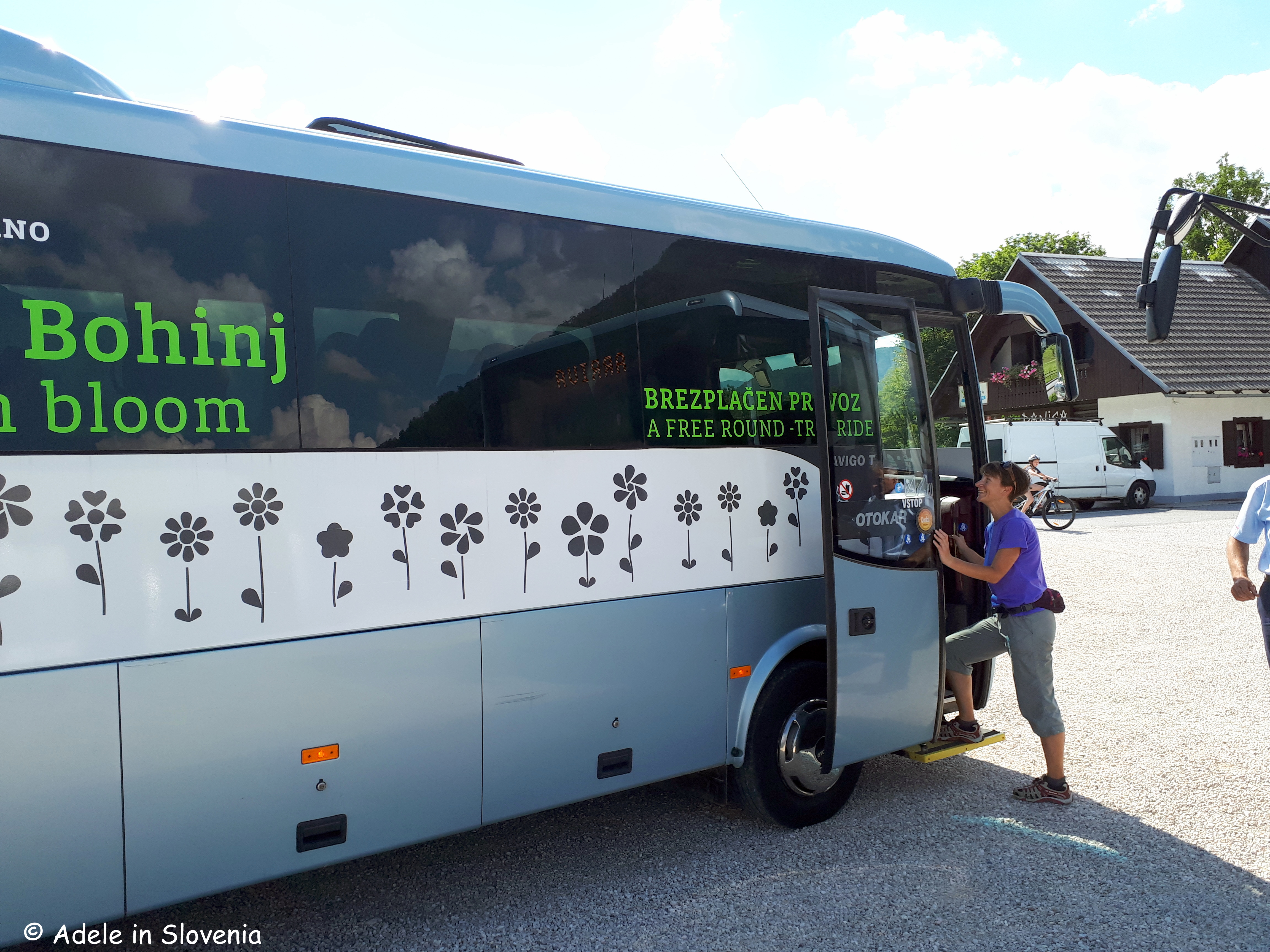
Then just hop aboard one of the FREE buses that run every 15 minutes from 9am to 8pm on Fridays, Saturdays, Sundays and public holidays from Camp Danica to Bohinj lake during July and August, and every 30 minutes in June and September.

The buses have various liveries, some easier to spot than others, but all offer the same FREE journey to/from the camp and the lake.
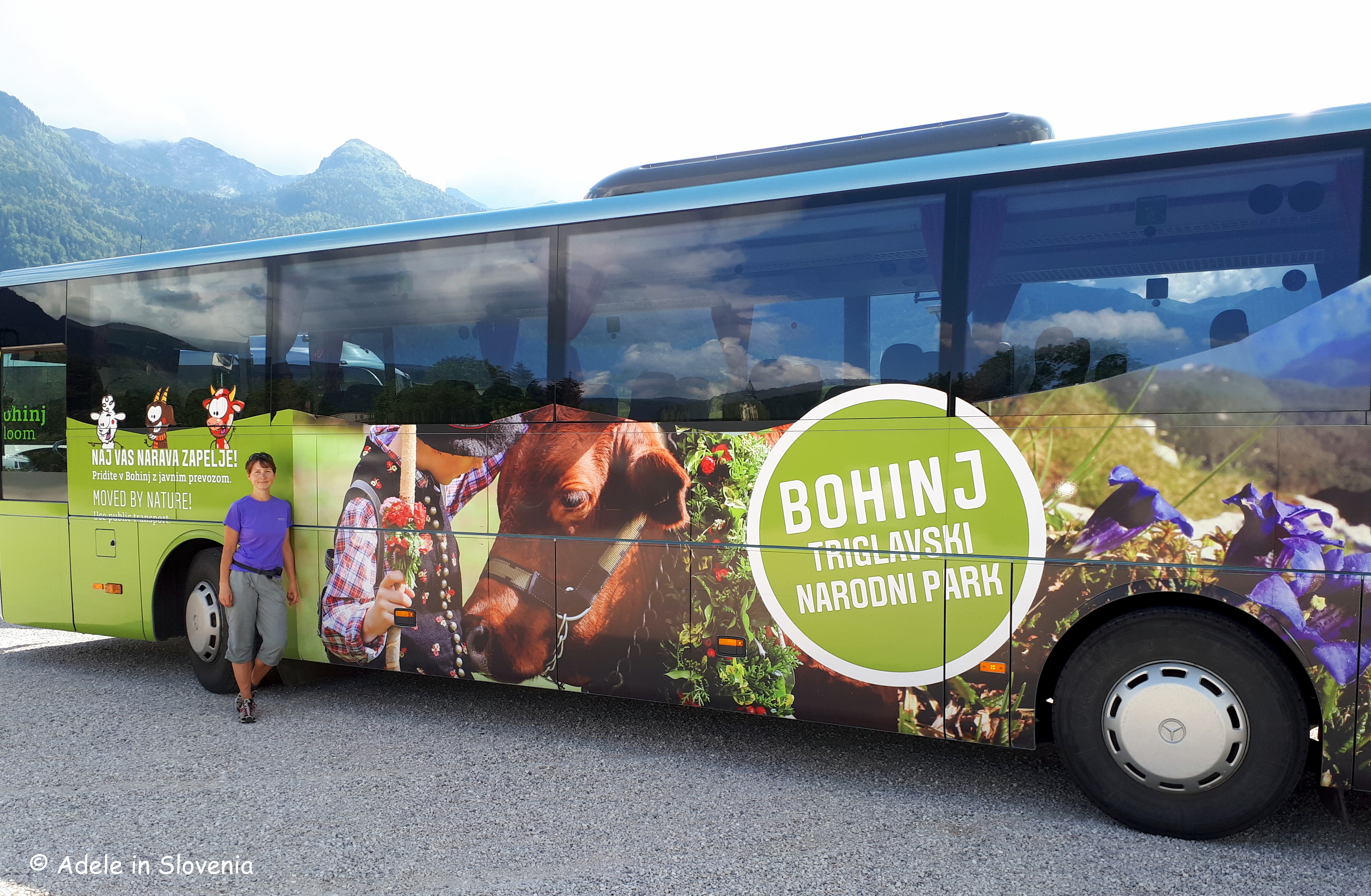
All that is left is to sit back and enjoy the short, scenic ride! You alight the bus just metres from the lake and the Monument to Four Brave Men – which commemorates the first four men who climbed to the summit of Slovenia’s highest mountain, Mount Triglav (2,864m) in 1778.

The rest of the day is yours to enjoy at your leisure, or to be as active as you like in the knowledge that you can easily and quickly get back to your car at day’s end when you have had your fill. Though, does, or can, one ever really have a fill of somewhere so beautiful?!

Walk or hike to your heart’s content, laze by the lake, do water sports in and on the lake, cycle, visit local attractions, soak up the views…

If, however, you are like me, you might like to consider taking a bus one way and walking the other – you get to see more and burn off a few of the calories ingested in ice-cream, too!

Walking on the traffic-free Bohinj Cycle Route from the lake alongside the Sava River back to the bus stop at Camp Danica (or vice versa) takes around 1.5 hours, though allow more as you will want to stop for photos and soak up (more of) the beauty along the way and at the rest areas.

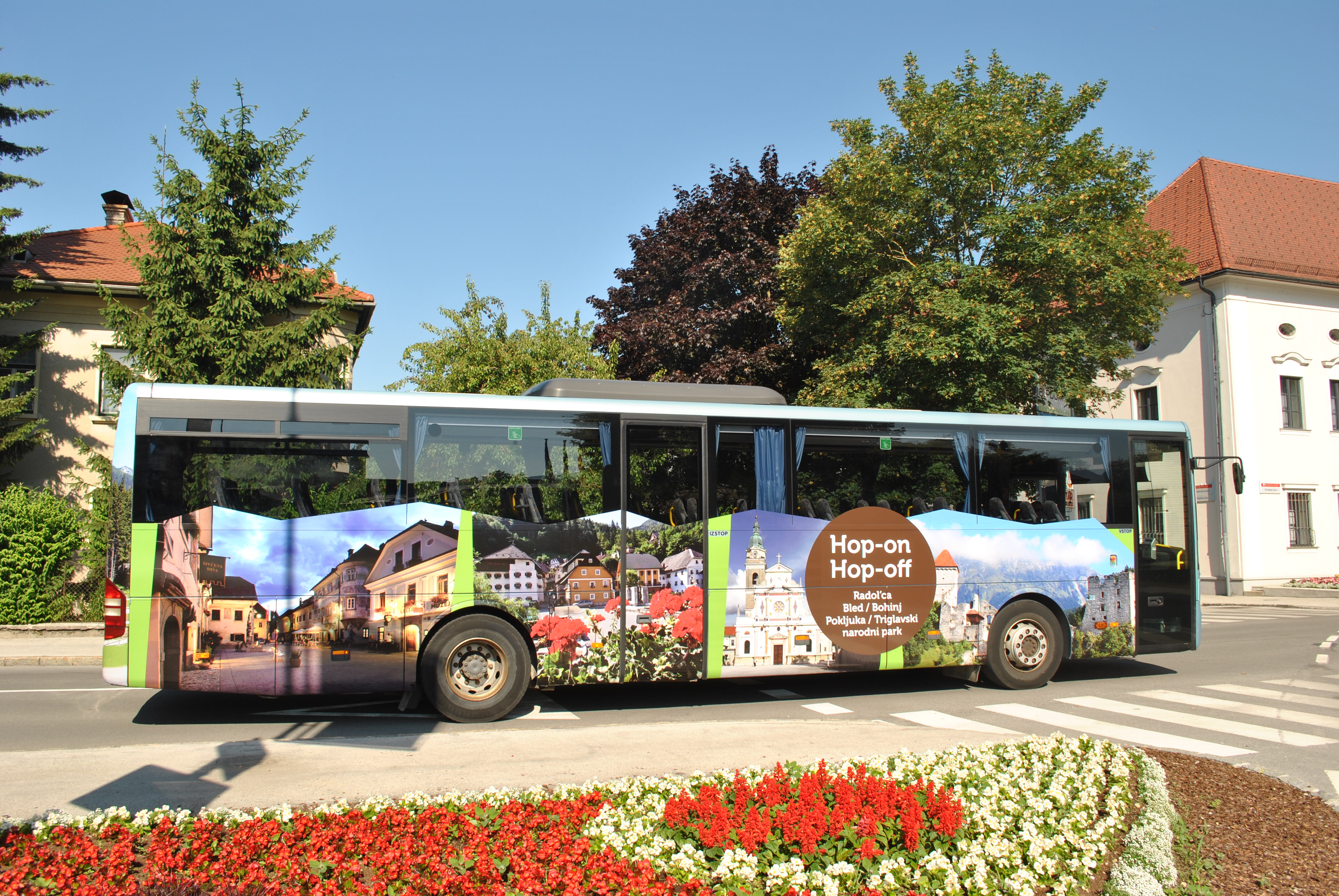
This is just one of this year’s new additions in the Bohinj area. There are also additional car parks as well as buses running from Senožeta to the Blato mountain pasture, a favourite starting place for hikes in the Seven Triglav Lakes Valley, as well as the Hop-On Hop-Off bus to the Pokljuka plateau.

If you are staying in the Bohinj area for at least two nights, you can also avail of the Summer Mobility Card, which provides visitors with free parking, free bus rides and a whole host of other special offers and discounts.

Click here for more about this and what else to see and do in Bohinj, Triglav National Park and the Julian Alps.

© Adele in Slovenia

Hop-On Hop-On 2018 is Here – This Year Even Bigger and Better!

The Hop-On Hop-Off tourist bus made its first journey(s) of the season this week and this year there’s even more to see and do with two extra days added to the timetable and entirely new destinations to discover! Take a ride and discover the hidden corners of the Radol’ca countryside.

The Hop-On Hop-Off bus is a great way to discover more of Radol’ca and the surrounding areas. For those who do not have a car or those who want to simply leave the car behind and be chauffeur-driven for a change, without having to worry about reading maps, finding parking places etc.

On Tuesdays you can take the ‘Charming Towns and Villages‘ route, which includes visits to Radovljica, Posavec, Ljubno and Kropa. Among the highlights of this route are the Iron Forging Museum and the Vigenc Vice foundry in Kropa, where at the latter you can see a demonstration of hand nail forging, and the Museum of Apiculture and Lectar Honeybread Museum and Workshop in Radovljica.

A demonstration of hand nail forging, Vigenc Vice Foundry, Kropa

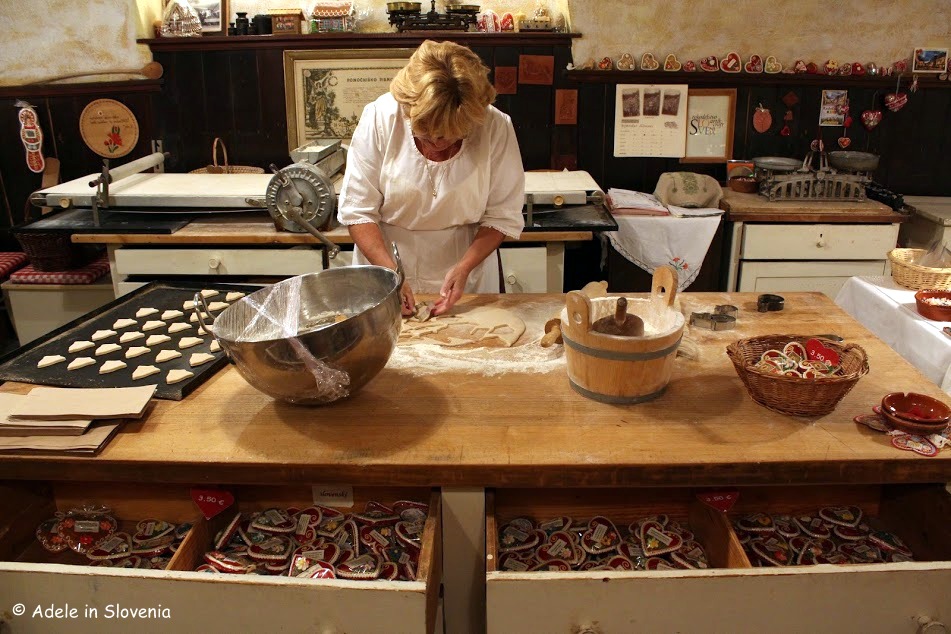
Lectar Inn Honeybread Museum and Workshop, Radovljica

On Wednesdays the ‘Bee Our Guest‘ bus provides a fascinating insight into Slovenian beekeeping and includes visits to the Museum of Apiculture in Radovljica, the Beekeeping Education Centre of Gorenjska in Lesce, Anton Janša’s apiary in Breznica, Bee Paradise in Selo pri Žirovnici and Kralov med beekeeping in Selo pri Bledu.

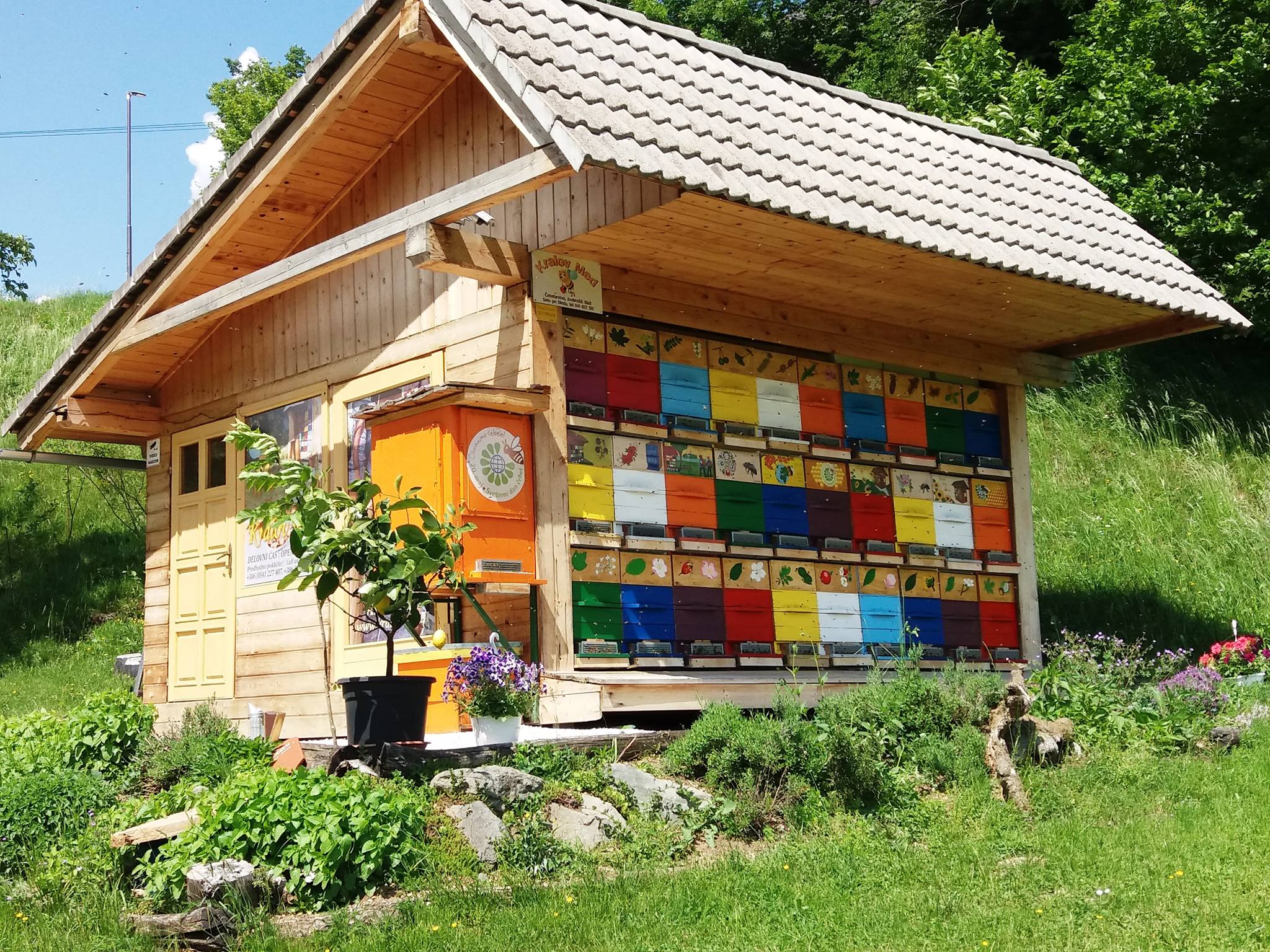
Kralov med, Selo pri Bledu

Anton Janša’s apiary, Breznica pri Žirovnici

Thursday’s ‘Tales from the Countryside‘ route takes passengers to places such as Vrba, Žirovnica, Begunje na Gorenjskem, Brezje and Podvin. Among the highlights of the route are the ruins of Kamen Castle, the Avsenik Museum and the Museum of Hostages in Begunje, Adventure Mini Golf in Gorica, the Villa Rustica archaelogical site in Mošnje, and the Basilica of Mary Help of Christians in Brezje.

Adventure Mini Golf in Gorica

Završnica Valley, Žirovnica

And on Fridays, the bus runs to Begunje na Gorenjskem and then along the ‘Panoramic Road to Tržič‘. Highlights include the ruins of Kamen Castle, the old town centre of Tržič, the Mebron foundry and the Dovžan Gorge.

Ruins of Kamen Castle, Begunje na Gorenjskem

Dovžan Gorge, Tržič

So, as you can see, there’s plenty to choose from; in fact the toughest decision could be choosing which of the routes to take!

Click here for more information and the full timetable.

© Adele in Slovenia


The Forgotten Village on Ajdna – A Fascinating Archeological Site and a Great Hike Too!

Ajdna is the name of a tooth-shaped peak that lies beneath Mt. Stol, the highest mountain in the Karavanke range. A hike to Ajdna is fascinating, interesting and, if you take the steep way up, also a little challenging – but don’t worry, there’s an easier route up there as well!

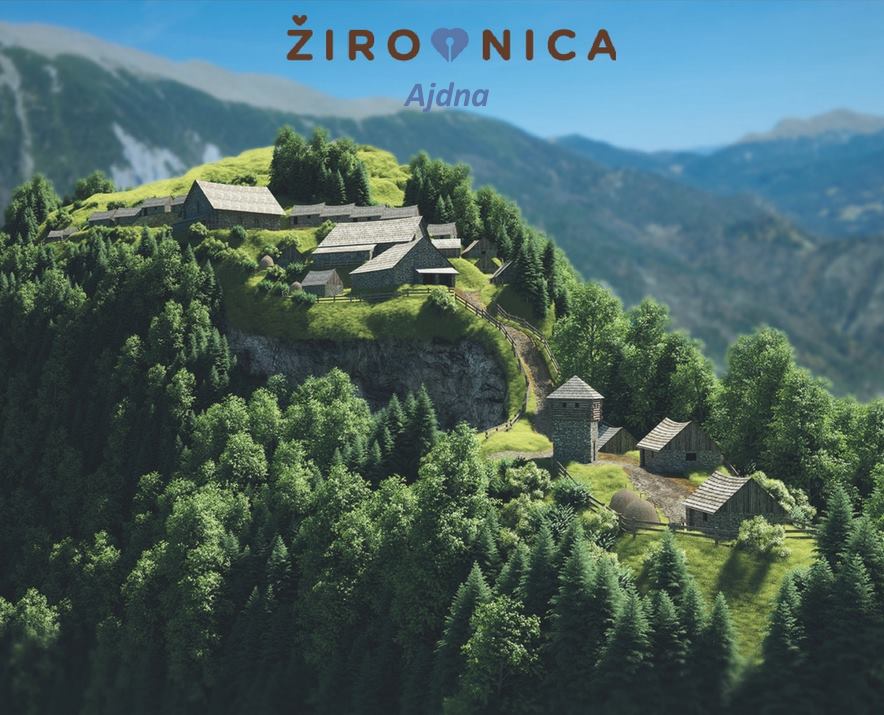
The site was first discovered by the field archaeologist Andrej Valič, who climbed to Ajdna with hunters in the 1970s. He identified the remains of an ancient village and archaeological excavations began in 1977. What they uncovered was, or rather is, truly fascinating. Below is an artist’s impression of the village on Ajdna.

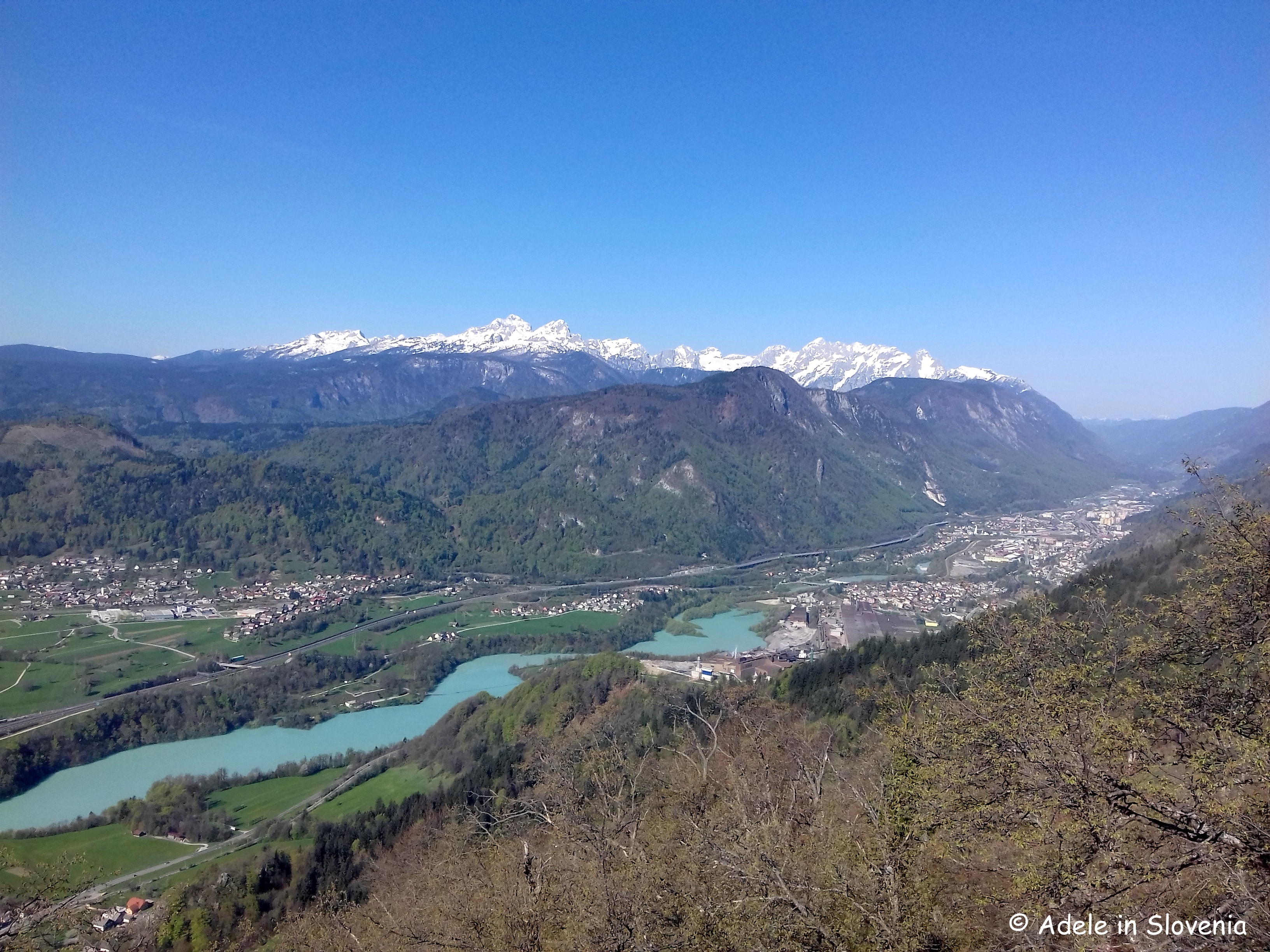
Ajdna provided locals with an excellent refuge from the troubles taking place down below in the valley, though one can only imagine what conditions must have been like that led people to flee to somewhere so inaccessible and, particularly in winter one would imagine, inhospitable. Mind you, they certainly found a place of peace and with stunning views!

Ajdna was settled during the crisis times of the collapse of the Western-Roman Empire in 476 AD. Extensive, expensive and exceptionally complex conservation work was carried out and today there are well-preserved buildings and remains of buildings that are thought to date back to the late Antiquity, though some evidence shows that it may even have been inhabited far earlier.

It is estimated that Ajdna was destroyed at the end of the 6th or beginning of the 7th century. The desecration of the church points to the destruction most likely being the result of it being pillaged and set alight by attackers of other religions.

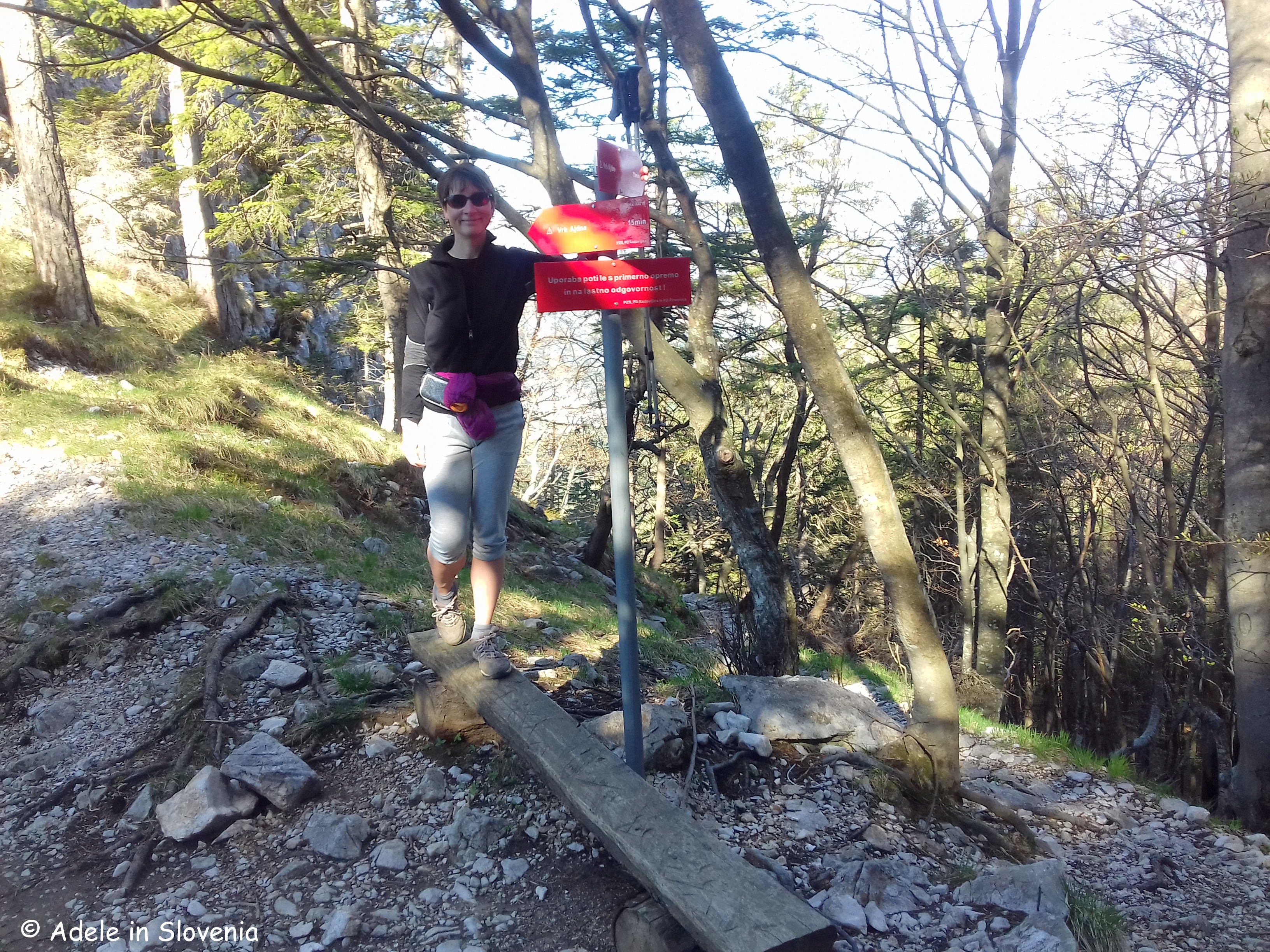
There are several ways to reach Ajdna, depending on which direction you are coming from and also depending on how far you want to walk. I took the path that leads from the reservoir in the Završnica valley. It first follows the path towards the Valvasor mountain hut, where, about 15 minutes before reaching the hut, you turn left onto a gravel road. From here its along the road for approximately 15-20 minutes until the junction with the turn off marked for Ajdna. The path at first goes downhill, through the forest, until reaching the base of the peak. From here there is a choice of the harder, climbing path (15 mins) or the easier path (20 mins). It is well marked throughout.

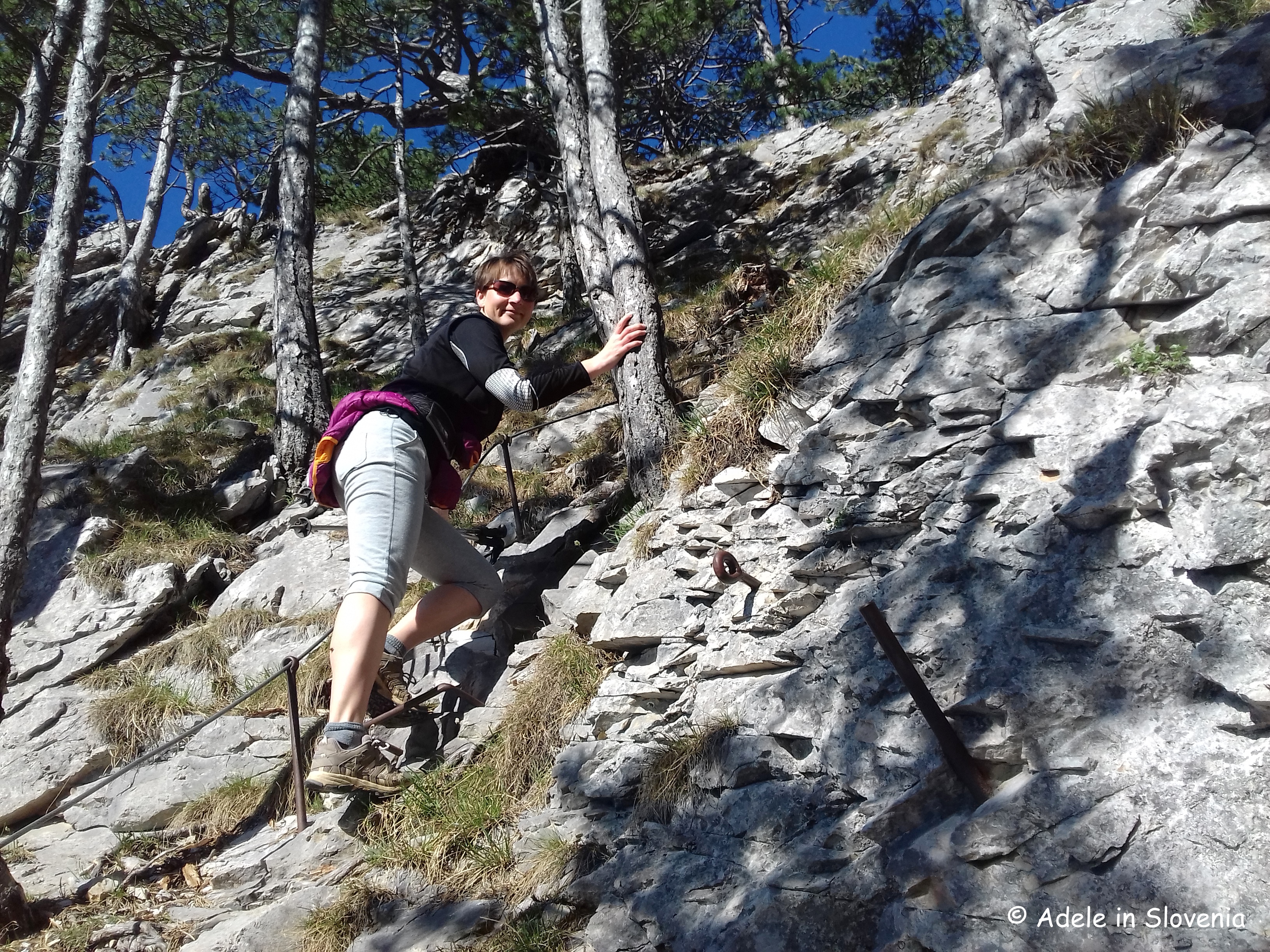
I chose the harder path up and the easier path down. The path up, though not technically difficult, does require sturdy footwear, a steady hand, concentration and no fear of heights as it leads directly up the rock face – but it is well-equipped with steel cable and rungs. For those not so keen on such ascents, or those with small children, take the slightly longer and easier path to the right. Whichever way you reach Ajdna, you will be richly rewarded for your efforts!

All the information boards at Ajdna are in both Slovenian and English (I should know, I translated them as part of the exhibition catalogue!), so you can read more about the finds and the history of the site.

In addition, to complement a visit to Ajdna, you can visit the Ajdna Museum Room in Čop’s Birth House (Čopova hisa) in Žirovnica, where you can learn more about the site and see exhibits of the many fascinating finds including tools, earthenware, jewellery and weapons.

The house is also the seat of Tourism Žirovnica, thus you can also find out more about what to see and do in the area and/or click here for more information.

© Adele in Slovenia

Camping or Glamping – Take Your Pick in Radol’ca!

In addition to being home to one of the most beautiful and popular campsites in the whole country, Camping Šobec in Lesce, there is a wide range of camping and glamping facilities in the Radol’ca area, with more springing up by the year – just as well considering that these days, camping, and particularly glamping, is all the rage!

The forested Camping Šobec is situated next to the Sava river – Slovenia’s longest river – and features a natural lake, ideal for a refreshing dip on a hot summer’s day. During summer, day visitors to the camp can also use the facilities and swim in the lake (entrance fee payable during the peak tourist season).

If I didn’t live so close, I’d stay there myself as I love the place!

There are 400 camping spots available, as well as 10 timber chalets.

The newly-opened building combining a restaurant and supermarket is a great addition.

The camp also features mini-golf, tennis, Thai massage, children’s play areas, water games and more. Even when full, which it usually always is during summer, Camping Šobec offers a tranquil break in nature. There are also numerous walking and hiking trails accessible directly from the camp, including to Talež and along the Sava River Trail.

Fans of glamping are catered for at Pr’Matic in Kamna Gorica, where wooden cabins are situated on a peaceful, green meadow, and there is an outbuilding containing a shared bathroom, kitchen and dining area. There are currently three cabins, but I noticed earlier this week when I went for a stroll, a further two are being constructed and look near ready.

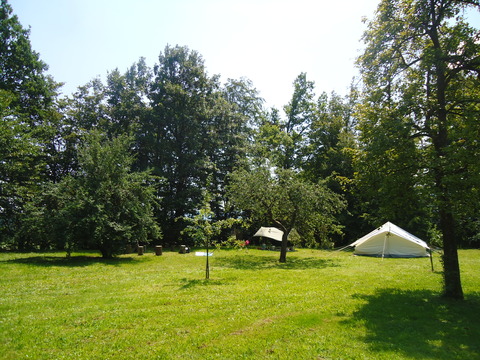
Camping Radovljica is located next to Radovljica’s olympic-size swimming pool and offers 80 camping spots. A big added bonus is free entrance to the swimming pool for those staying at the camp.

The Hribar Tourist Farm on the outskirts of Brezje features apartments, shared dormitories and a small camp site for those looking for a more ’boutique’, albeit basic, camping experience away from the crowds.

Click here for more information about the above and the full range of other accommodation – hotels, guest houses, tourist farms, private rooms, bed and breakfasts – available in the Radol’ca area.

But, as they say, ‘Don’t delay, book today!’ because, believe me, last year during the height of summer there was barely a room, a bed or a camping spot to be had in the area!

© Adele in Slovenia


Visit ‘Shakespeare’s House’ in Slovenia!

Ok, yes, guilty as charged of using an attention grabbing headline! Of course you can’t visit the actual Shakespeare’s House in Slovenia, you can, however, visit the house of Slovenia’s equivalent!

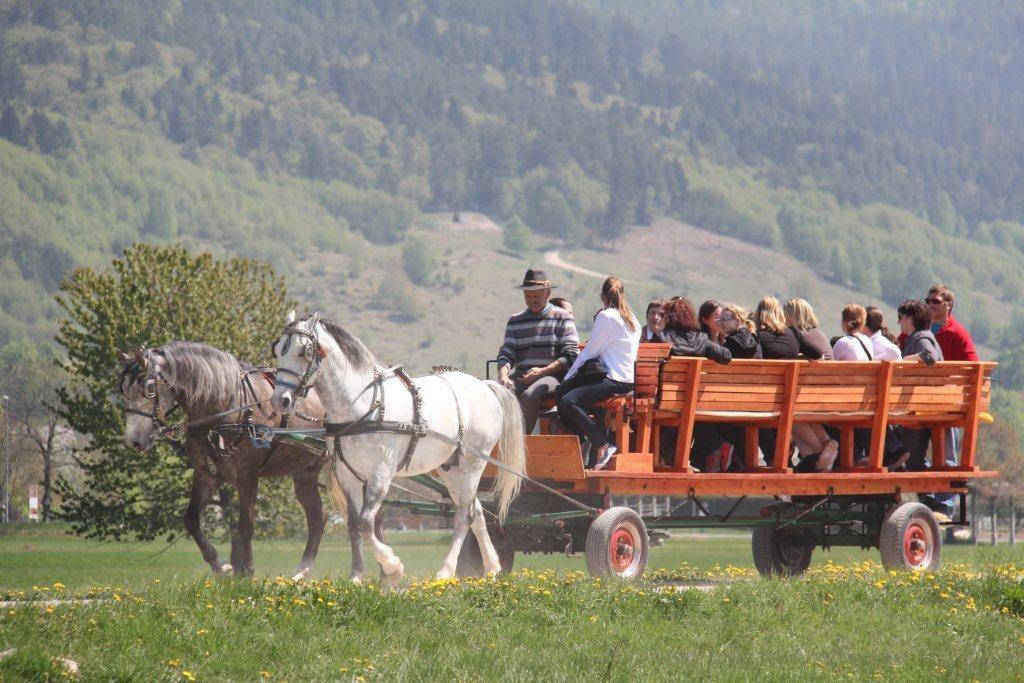
And what better way to do it than in style on a horse and cart ride along the Žirovnica Path of Cultural Heritage.

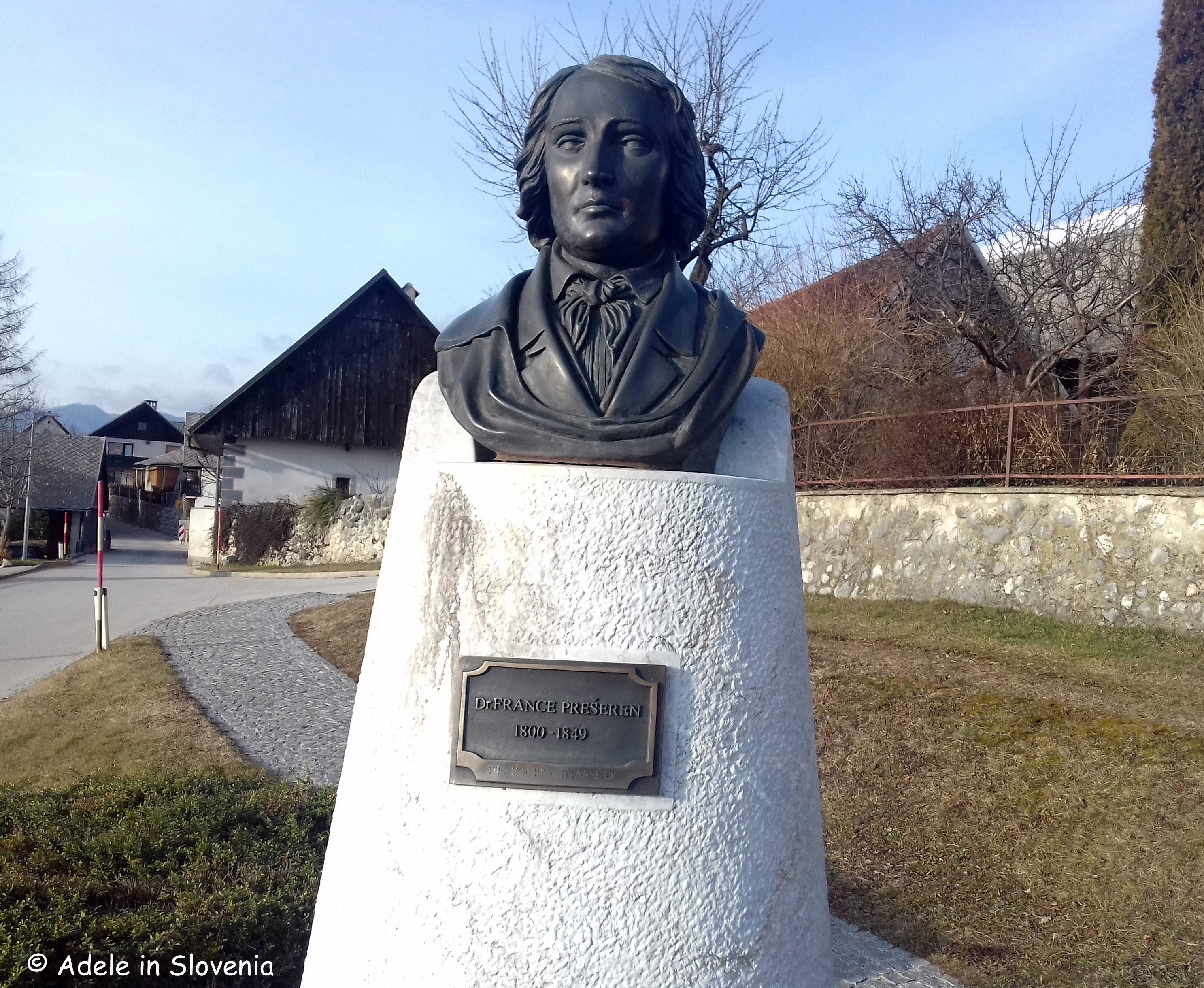
Despite only living to the tender age of 49, the legacy of France Prešeren (1800-1849), Slovenia’s most famous poet, remains as strong today as ever. In fact, Prešeren was, or rather is, so important to Slovenian culture, that a national holiday is dedicated to him annually on 8th February – Prešeren’s Day. 

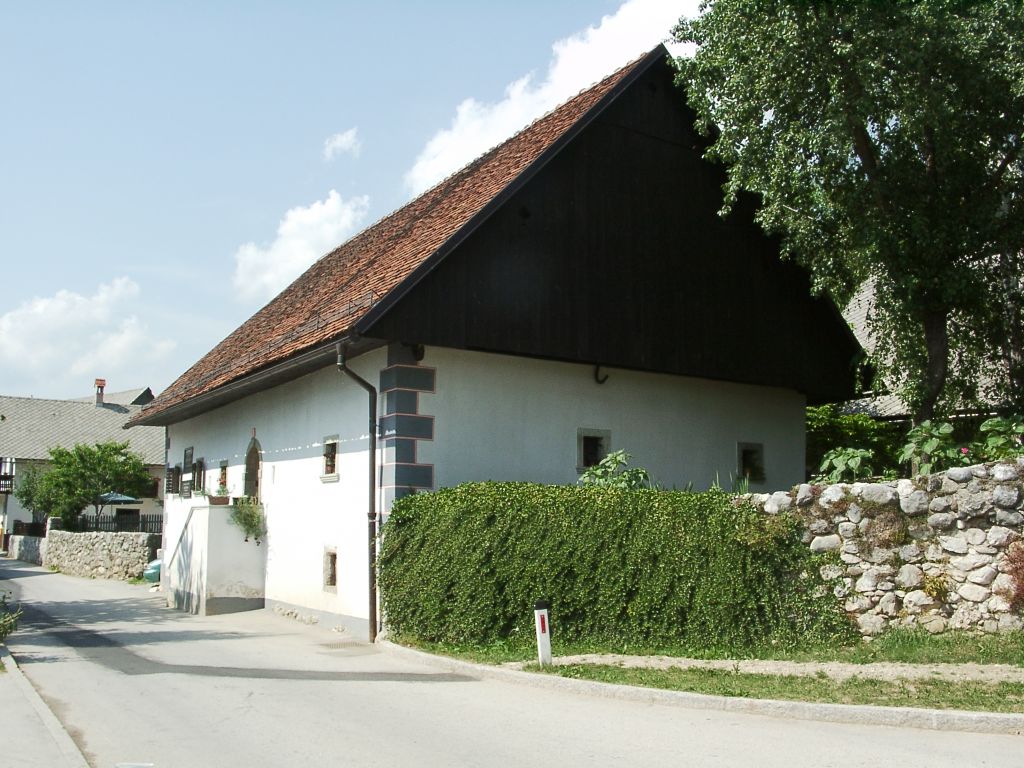
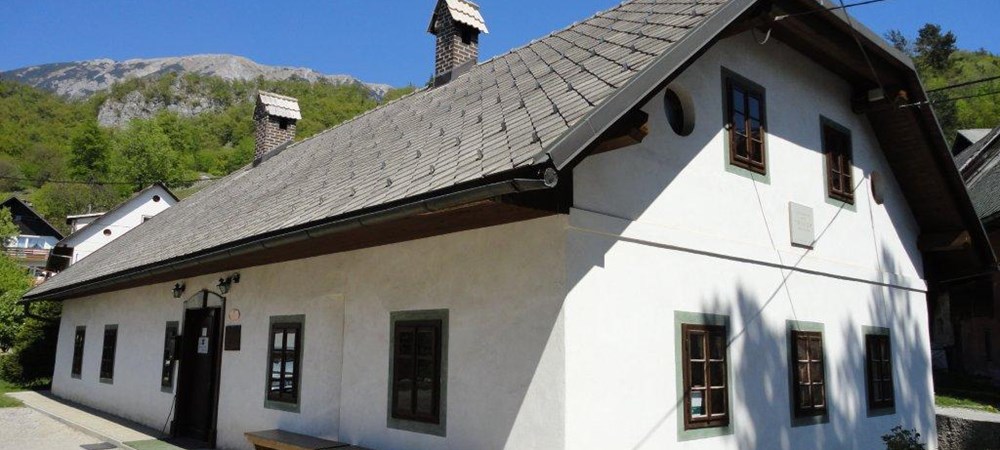
The Path of Cultural Heritage takes in Prešeren’s birth house, as well as the birth houses of his friends – the linguist and literary historian Matija Čop in Žirovnica, the writer Fran Saleški Finžgar in Doslovče, and the writer and priest Janez Jalen in Rodine.

Čop’s House (Čopova hiša) is also the home of the Žirovnica Institute for Tourism and Culture, where you can pick up leaflets and find out more about the area.

The path runs through the hamlets that make up the Municipality of Žirovnica, with the Karavanke mountains as a back drop, an abundance of lush green scenery to admire, a number of restaurants serving traditional Slovenian food.

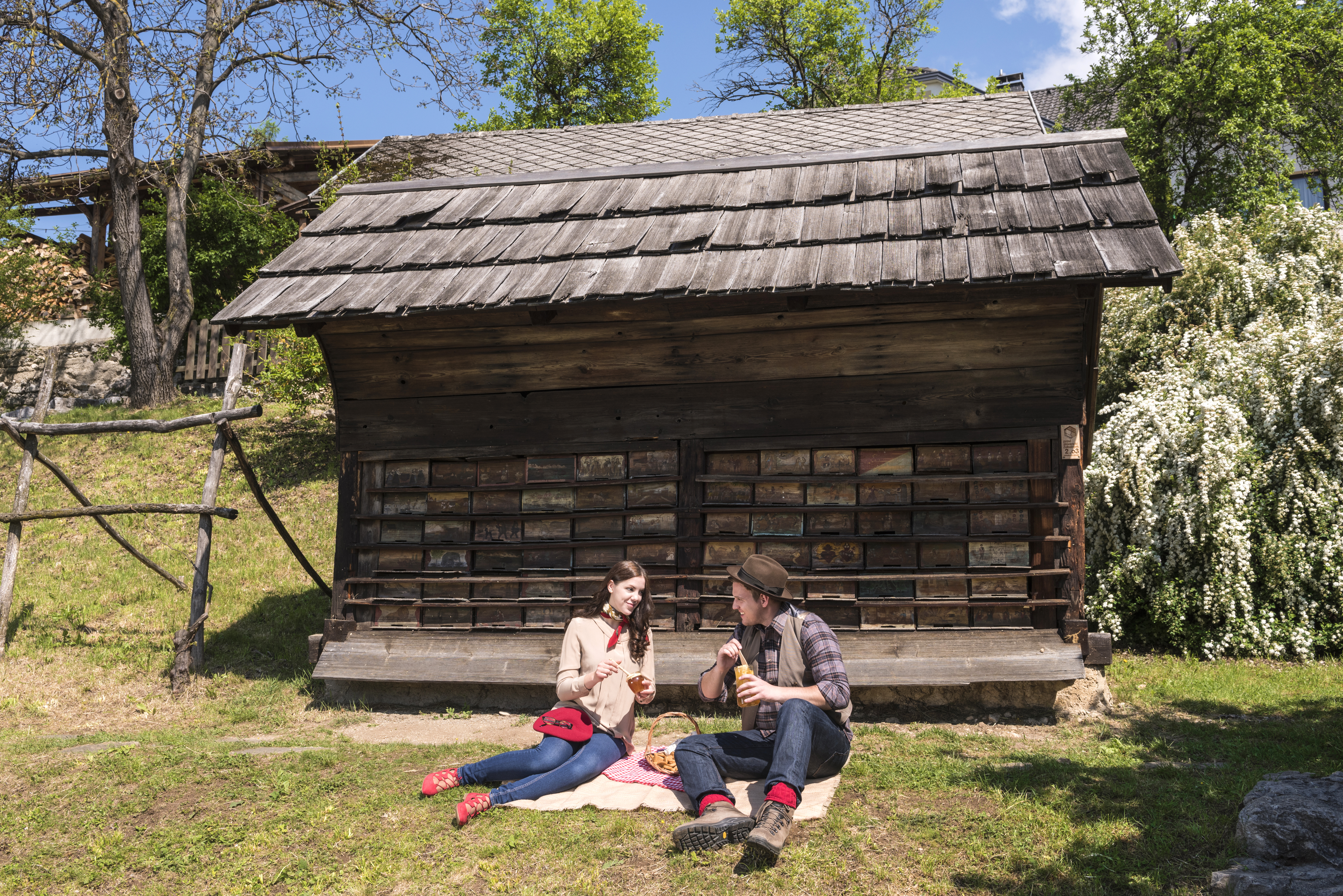
Whilst in the area you can also visit Janša’s Memorial Apiary, as well as the recently-opened Bee Paradise – the brainchild of the president of Slovenia’s Beekeeping Association. Read more here https://adeleinslovenia.com/2018/05/06/cebelji-raj-a-real-bee-paradise/

To mark the recent World Bee Day a memorial plaque was erected in front of the Jansa’s memorial apiary. Read more about the first World Bee Day celebrations here – https://adeleinslovenia.com/2018/05/21/zirovnica-the-place-to-bee-to-celebrate-world-bee-day/

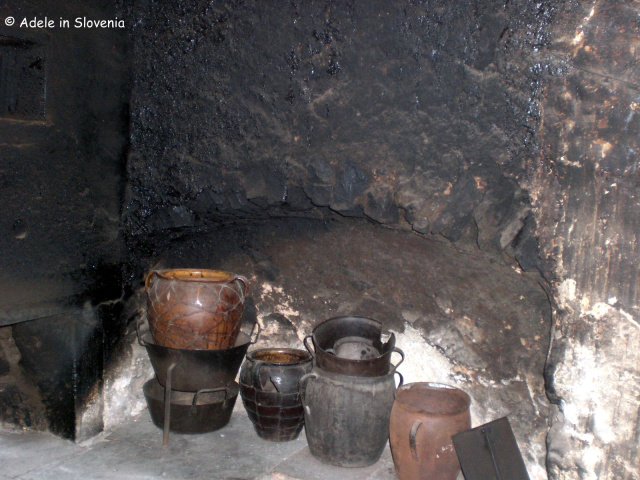
All the houses offer a unique insight into life in bygone days and you can see exhibits including an original black kitchen, and other items typical of the era.

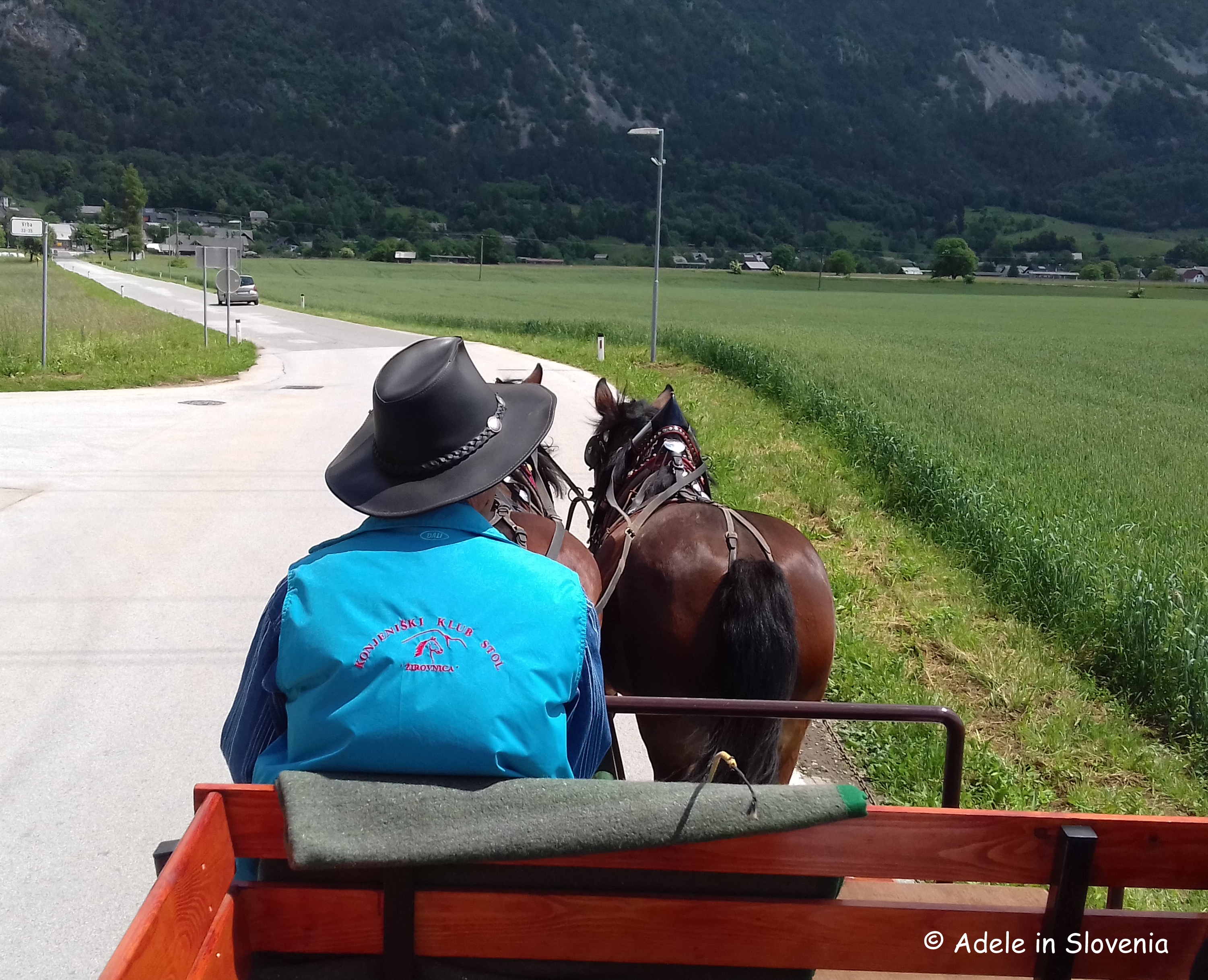
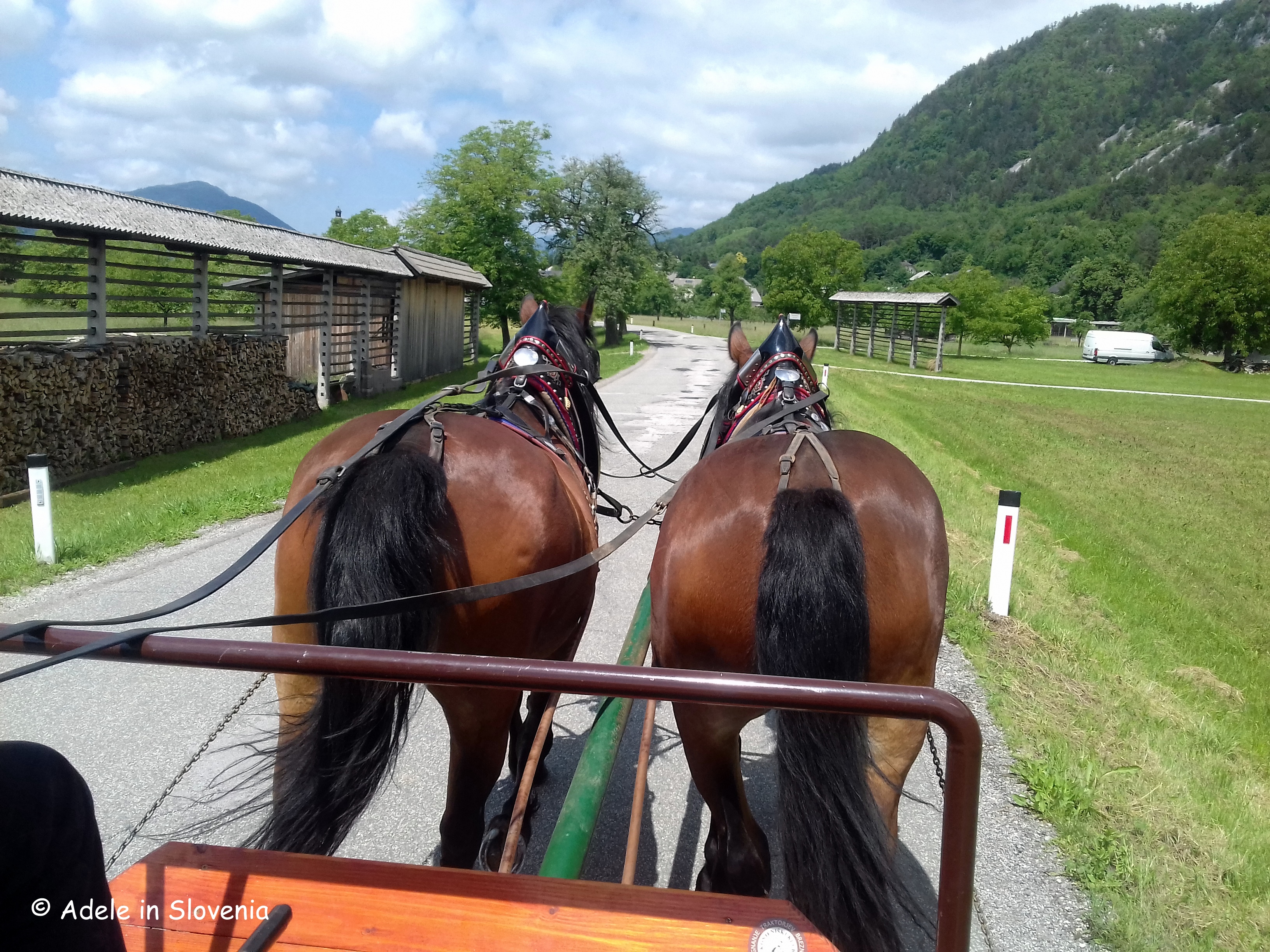
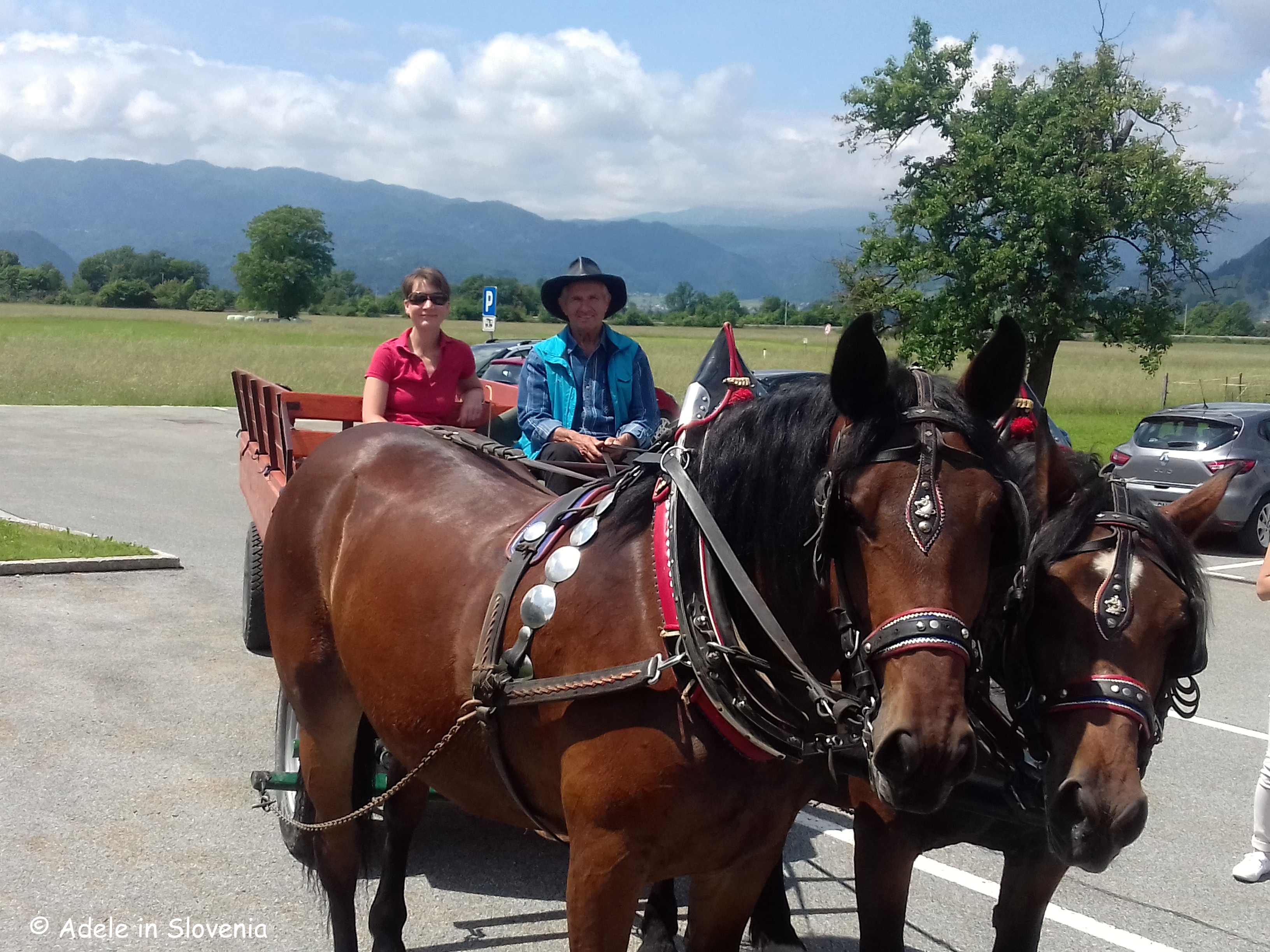
Whilst you can visit the house at other times, independently or as part of a guided tour, a unique way to do so is by taking a ride on a traditionallojtrnik‘ – a traditional horse and cart – which runs every fourth Saturday in the month from March to October.

The ride departs from the car park in Vrba, which is also the location of Prešeren’s birth house, at 10am, 11am and 12noon. Upon purchase of a ticket for at least one of the birth houses, rides are FREE. The next opportunity will be on 23rd June.

And here’s my tip: sweet talk Janez and he might even let you ride up front!

Click here for more information about this and other natural and cultural attractions in the Žirovnica area.

© Adele in Slovenia


A Celebration of Birthdays and Bees in Begunje!

Sunday 20th May, in addition to being the first World Bee Day, also happened to be my birthday. So plenty of reason for celebration this year, even if it wasn’t a ‘special’ birthday (thank god!).

When deciding where to hold a small gathering for friends that would comprise great food, a beautiful setting, something active, and some beekeeping-related, the choice was obvious, it just had to be the Draga Valley in Begunje na Gorenjskem!

So, I set about making plans and my plans all came together rather well, even if I say so myself!

We began with an introduction to archery on the parkour archery course. Regular readers may recall, however, that I’m not a complete archery novice, as I went to check out the course last year when I spent a thoroughly enjoyable afternoon under the professional guidance of Robert Levstek.

It’s great fun making your way around the course with its 30 life-size animal targets dotted throughout the forest. Those with a competitive nature, and even those without, will enjoy a fun day out surrounded by the wonderful nature of the Draga Valley. Find out more here – https://adeleinslovenia.com/2017/04/10/archery-adventures-and-delicious-draga-delights/

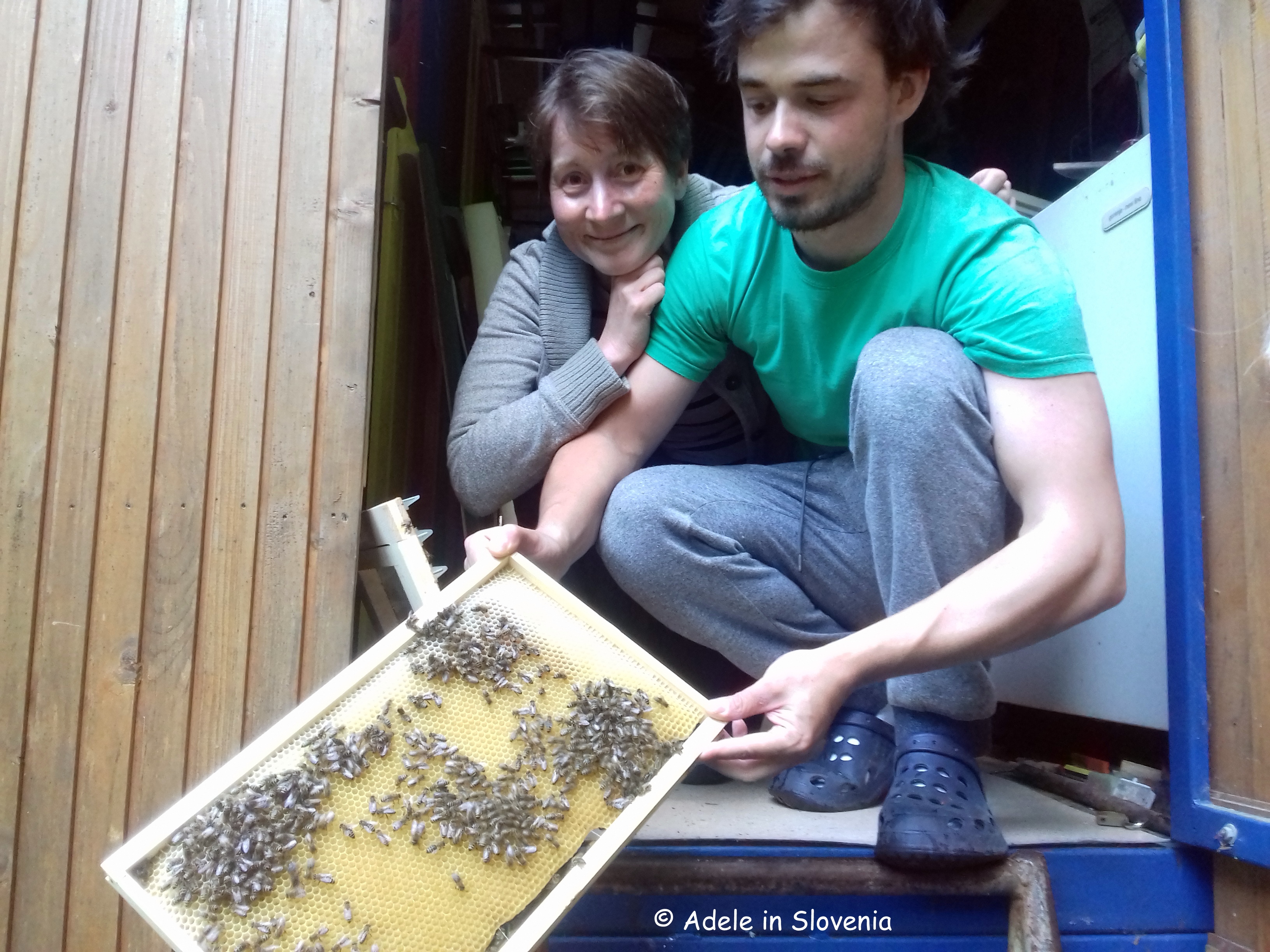
Next came the beekeeping-related part of our afternoon, and for this I contacted the local beekeeper Erik Luznar, who has one of his many hives in the valley.

Since the average age of Slovenia’s 10,000 beekeepers is 57, Erik is certainly bucking the trend in this respect, and his youth, spirit and enthusiasm made listening to him waxing lyrical about his beloved bees both pleasurable and fascinating.

And also in contrast to the majority of Slovenia’s beekeepers, beekeeping is not just Erik’s passion and hobby, it is his livelihood. He offers various types of honey (floral, acacia, forest, linden, chestnut, pine, fir), as well as royal jelly, pollen, propolis and beeswax. He also breeds queen bees, which are then sent throughout the world. So, whilst in the Radovljica area, if you would like to have a tour of his hives – independently or as part of a Taste Radol’ca tour – find out more about Slovenian beekeeping, or buy some of his award-winning honey or other bee products, he’s your man! Contact: cebelarstvo.luznar@gmail.com

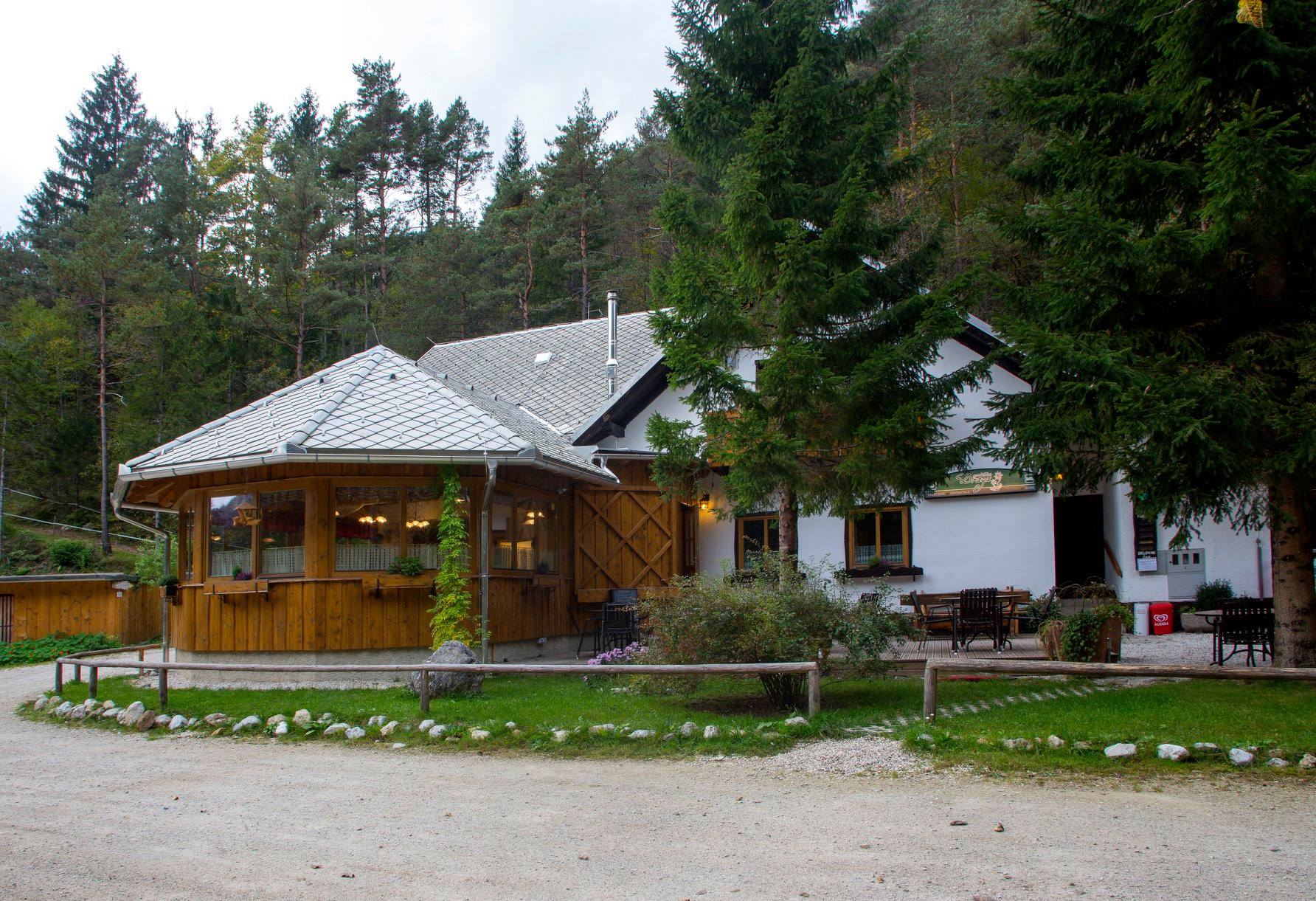
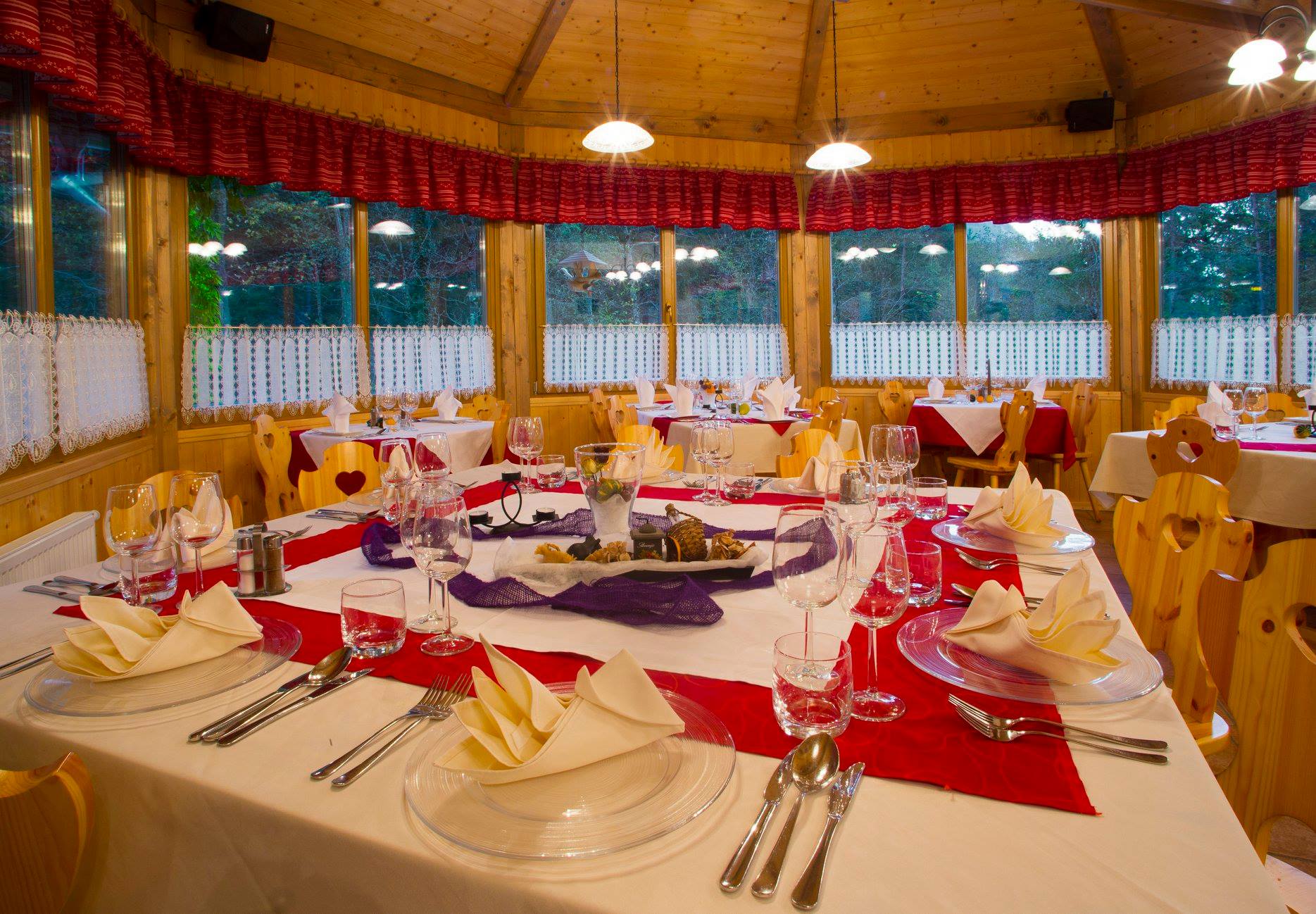
Of course, no good celebration is complete without great food, and in the Draga Valley that comes in spades at Gostišče Draga, one of the participating Taste Radol’ca restaurants. If you want to enjoy a drink or three without worrying about getting home, there are rooms available above the restaurant too!

Since the Draga Valley is also an excellent starting point for hikes in the Karavanke mountains, the restaurant is a very popular choice for some post-hiking sustainance, but is equally as popular as somewhere to enjoy great Slovenian cuisine – in summer in the cool of the garden next to the stream, in winter next to the roaring wood burner.

Continuing with the honey theme, we dined well on dishes such as rumpsteak in pepper and honey sauce, štruklji with honey, and other savoury delights, and not forgetting a cake, too!

For an added twist, throughout the evening there was a chance to taste many varieties of honey, with the aim of guessing which was which.

Then, to see how much we had all taken in from Erik’s educational session, I had prepared a quiz about Slovenian beekeeping, too! Of course, this meant a bit of work on my part too. I felt like a school teacher marking tests!

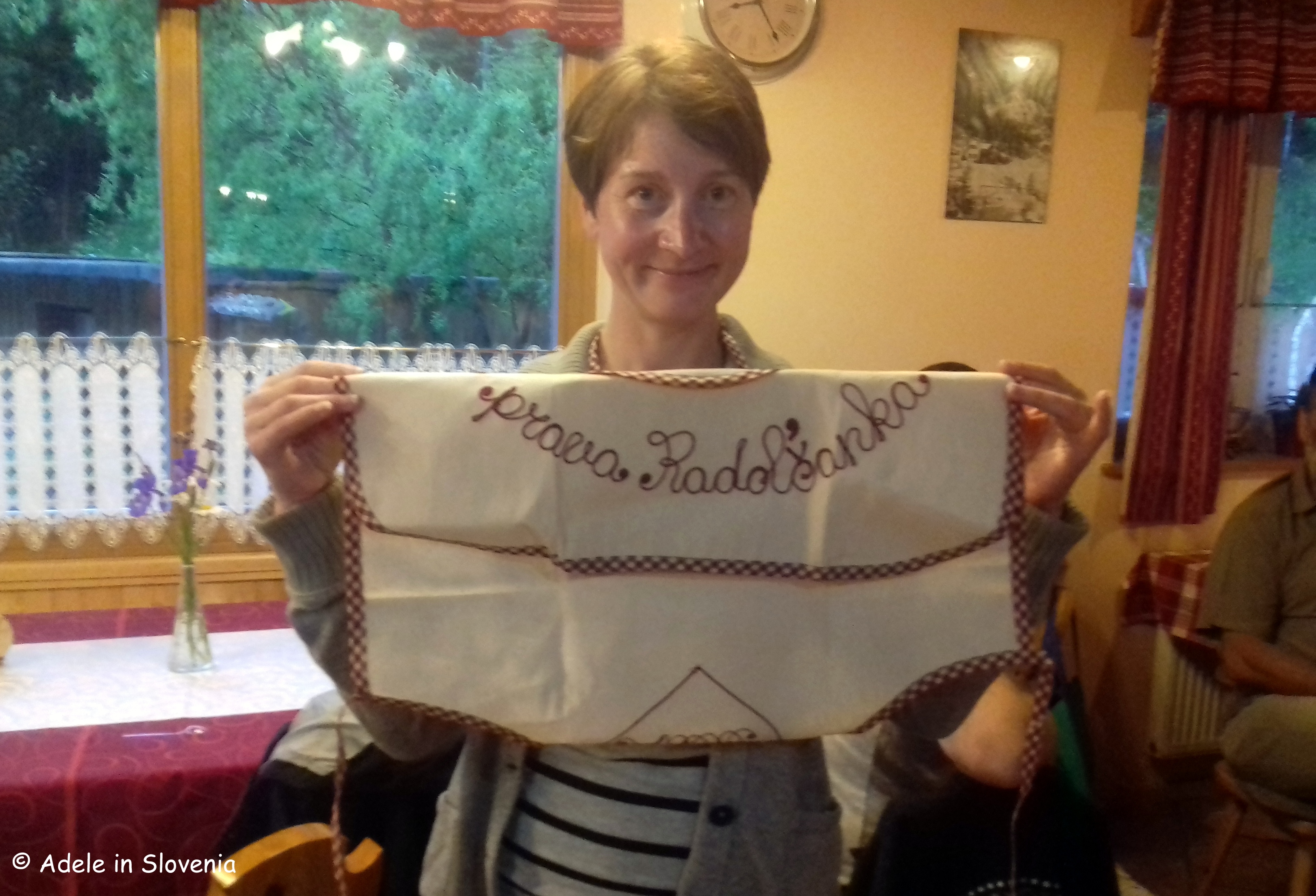
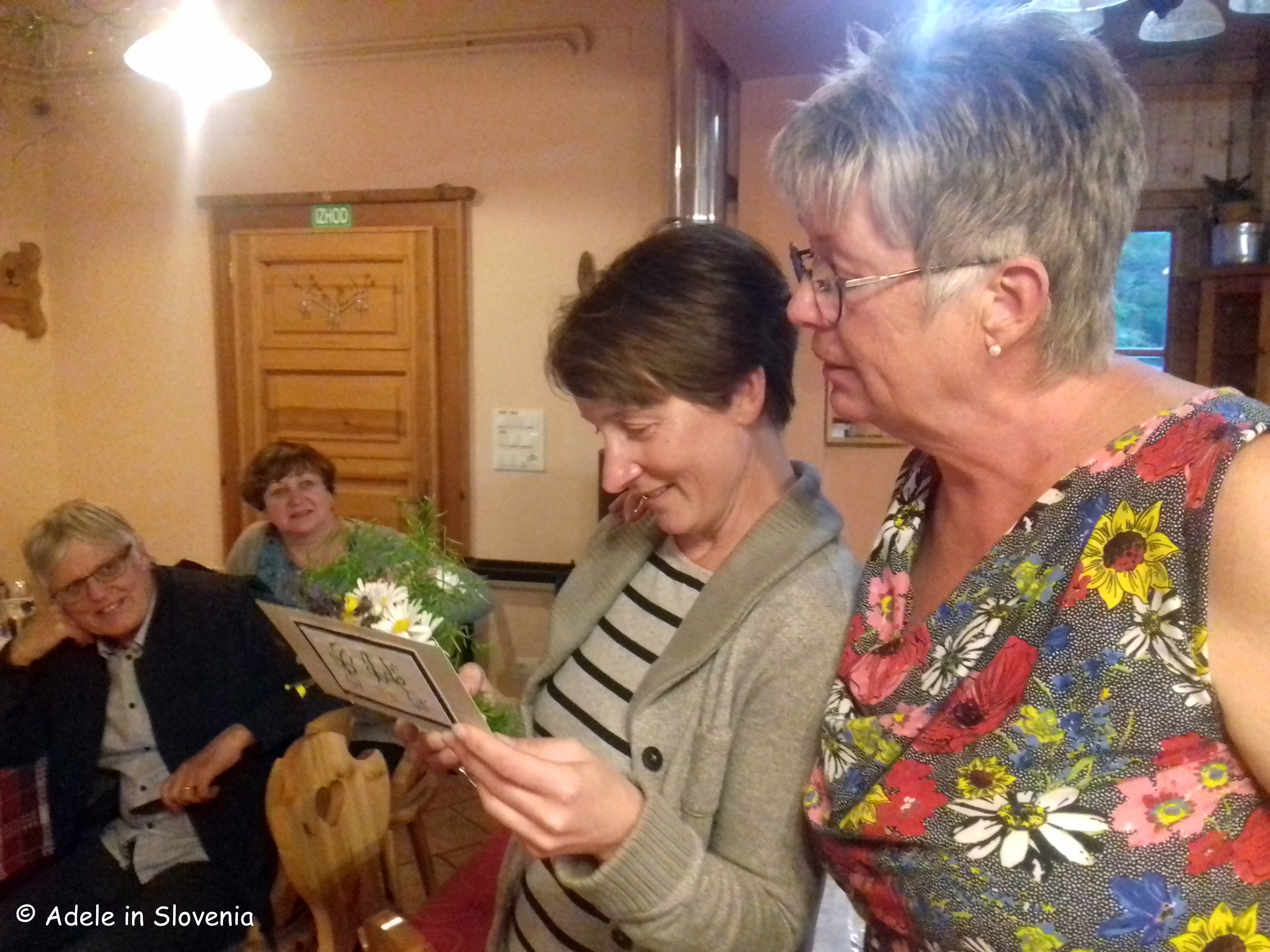
For the perfect end to the evening, I was given some lovely birthday gifts, including vouchers for massages (can’t wait Simona Slegel!) and this hand-embroidered apron that reads ‘Ta prava Radol’canka‘. Radol’canka is the word used for a female from Radovljica, so it reads ‘A real Radol’canka‘!

So, as you can see, the Draga Valley is a one-stop destination for active and tasty outings, and with a bit of added ingenuity and forward planning, a great place for group celebrations and events. Thanks to everyone who contributed to a lovely evening!

® Adele in Slovenia


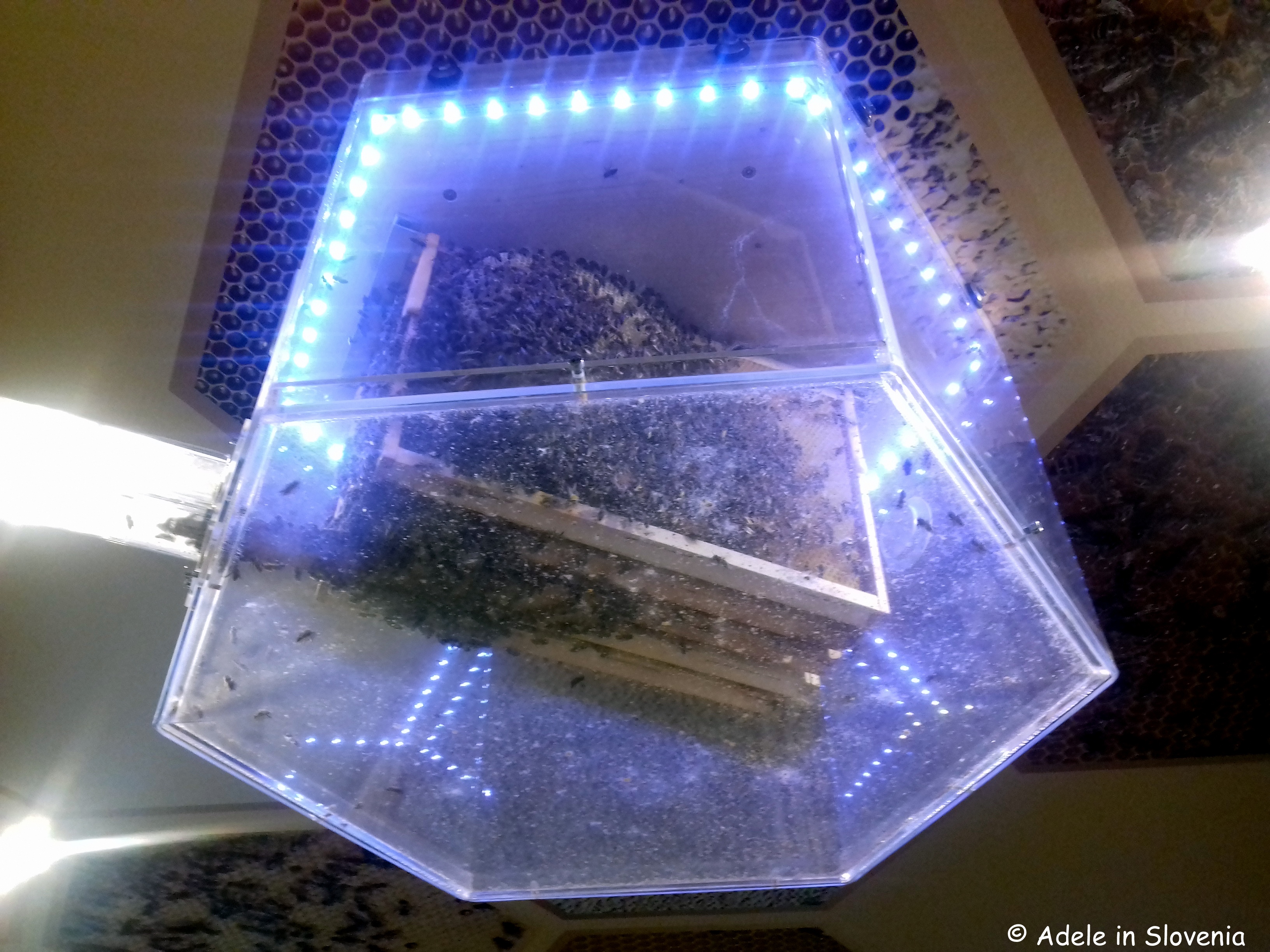
Žirovnica – The Place to Be(e) to Celebrate World Bee Day!

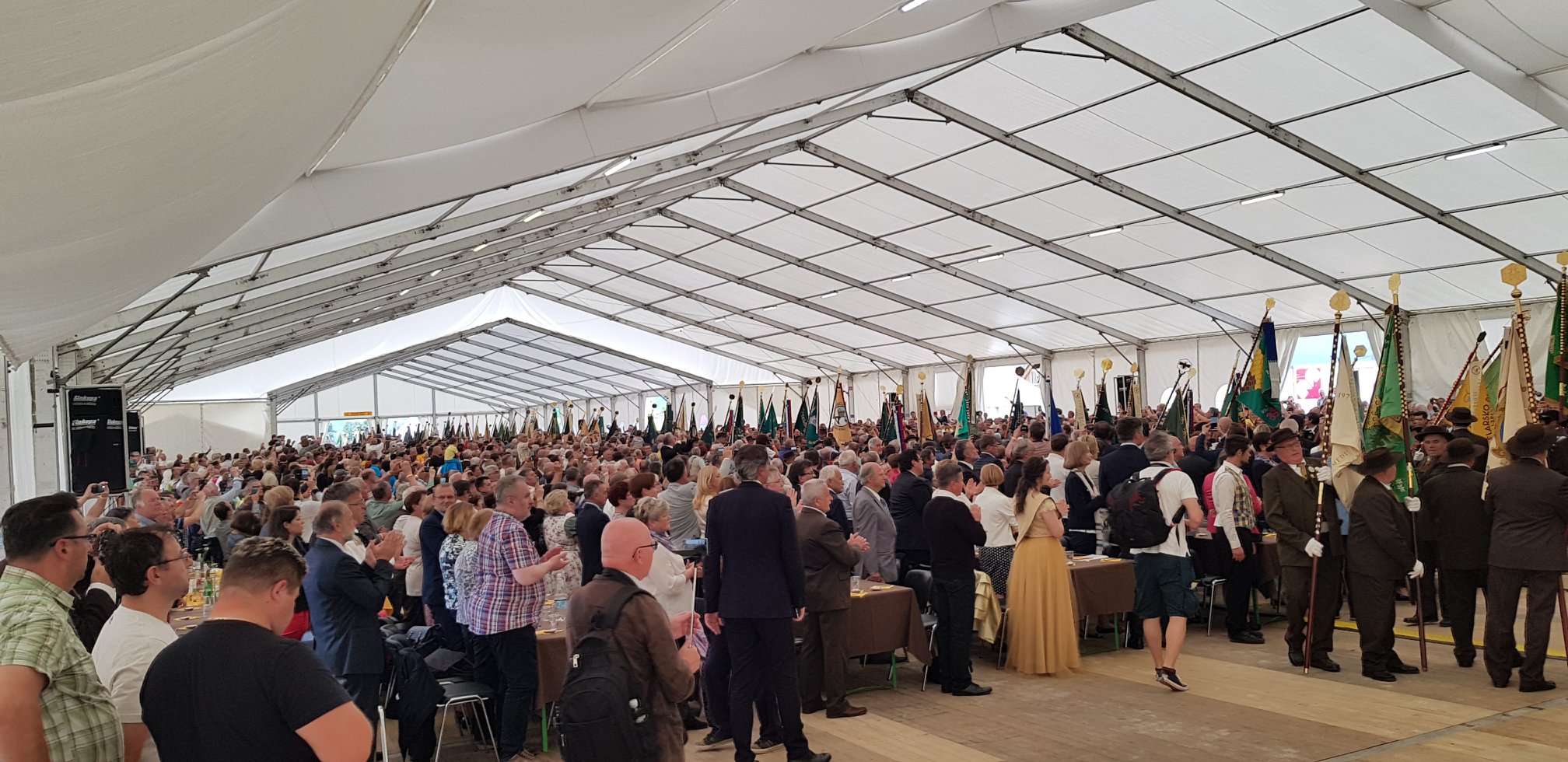
So, at last, the long-awaited first ever World Bee Day took place on Sunday 20th May and Žirovnica was the place to be(e)!

The celebrations were centred around Breznica, the birth place of Anton Janša and home to his memorial apiary, which, following recent renovation, has been further improved by the placing of a new memorial plaque to mark World Bee Day.

There were celebrations throughout the land to mark this momentous day, even more momentous since Slovenia, and in particular the President of the Slovenian Beekeeping Association, Bostjan Noč, was the initiator of the campaign to have 20th May, the birth date of Anton Janša, Slovenia’s greatest beekeeper, proclaimed World Bee Day. After all, as we all know, or should all know, every third spoonful of food we eat is dependent on pollination by bees, thus ‘No Bees, No Life‘!

I don’t have the official numbers, however, it seemed as if the majority of Slovenia’s 10,000 beekeepers came dressed in their finest to celebrate. For a population of just 2 million, well, do the maths…!

A meeting of Slovenian beekeepers took place under the honorary patronage of the President of the Republic of Slovenia, Borut Pahor, whilst throughout the day there were bee-themed events and entertainment.

Visitors were able to watch a film presentation to find out more about the plans for the ‘Bee Park’ – a competition was held recently to come up a name for the new park. The winner has been chosen, however, as yet the name is still under wraps!

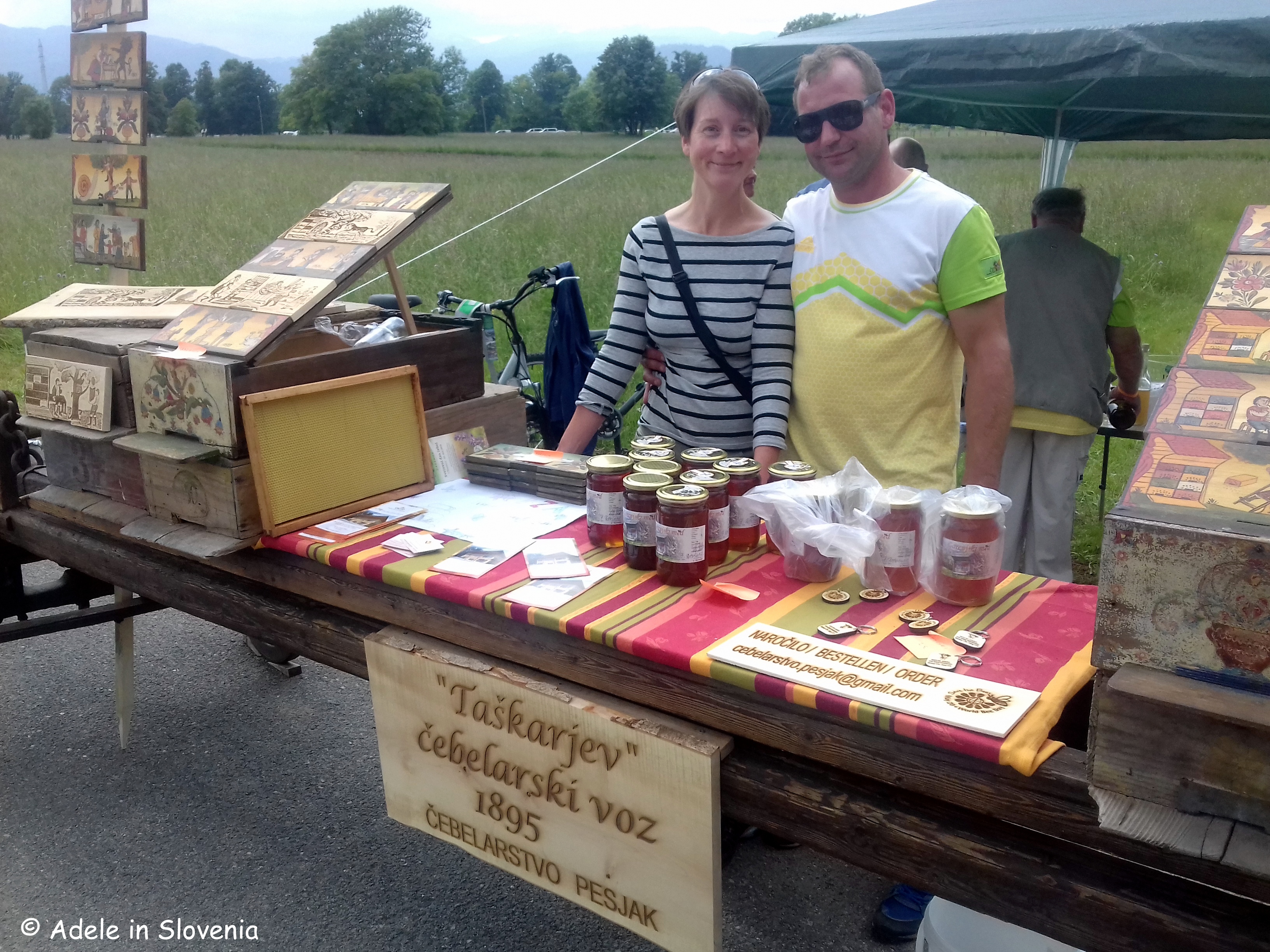
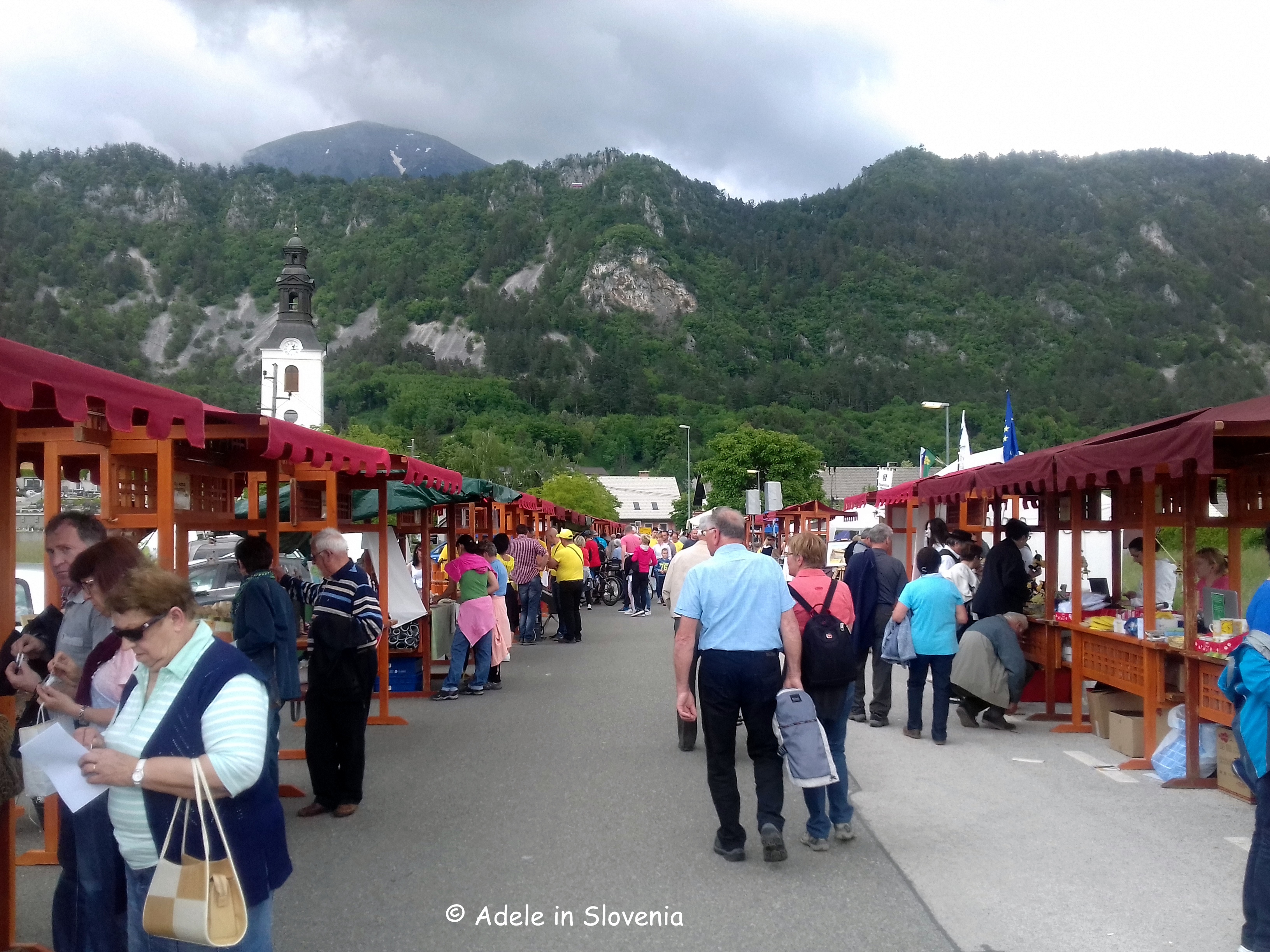
A honey market lined the streets and there were concerts, street entertainers and more!

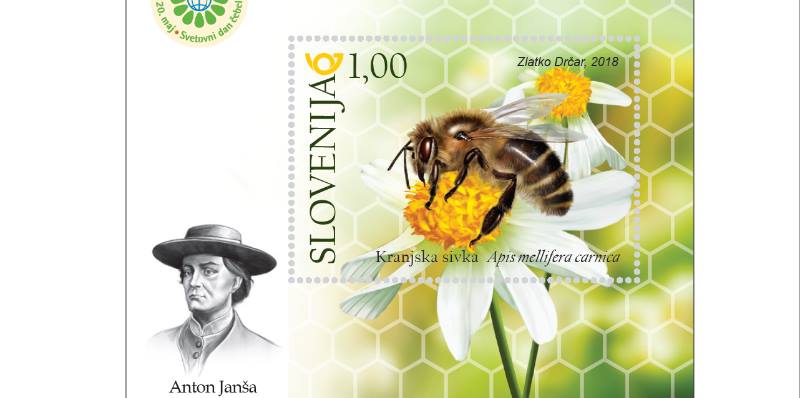
To mark the day, a new stamp was issued by the Slovenian postal service, and Slovenia also launched a special 2 euro coin. Look out for the 2 euro coins in circulation throughout the euro area –  I’ve already got mine!

A great day was had by all and the future for Slovenia’s bees and beekeepers looks very bright. The nation sure did its bees proud!

Photo: Simon Senica

This summer you can take a ride on the Bee Our Guest Hop-On Hop-Off tourist bus, which will take you on a journey through the surroundings of Bled, Radovljica and Žirovnica every Wednesday in July and August. Along the way you can visit some of Gorenjska’s beekeepers, Janša’s memorial apiary, Bee Paradise, the Beekeeping Education Centre of Gorenjska, and more!

For more information about apitourism in Slovenia see the Bee Our Guest website, and to find out more about the ‘Cradle of Slovenian Beekeeping‘ see the Visit Zirovnica website.

© Adele in Slovenia


Magušar’s House – An Aladdin’s Cave of Clay!

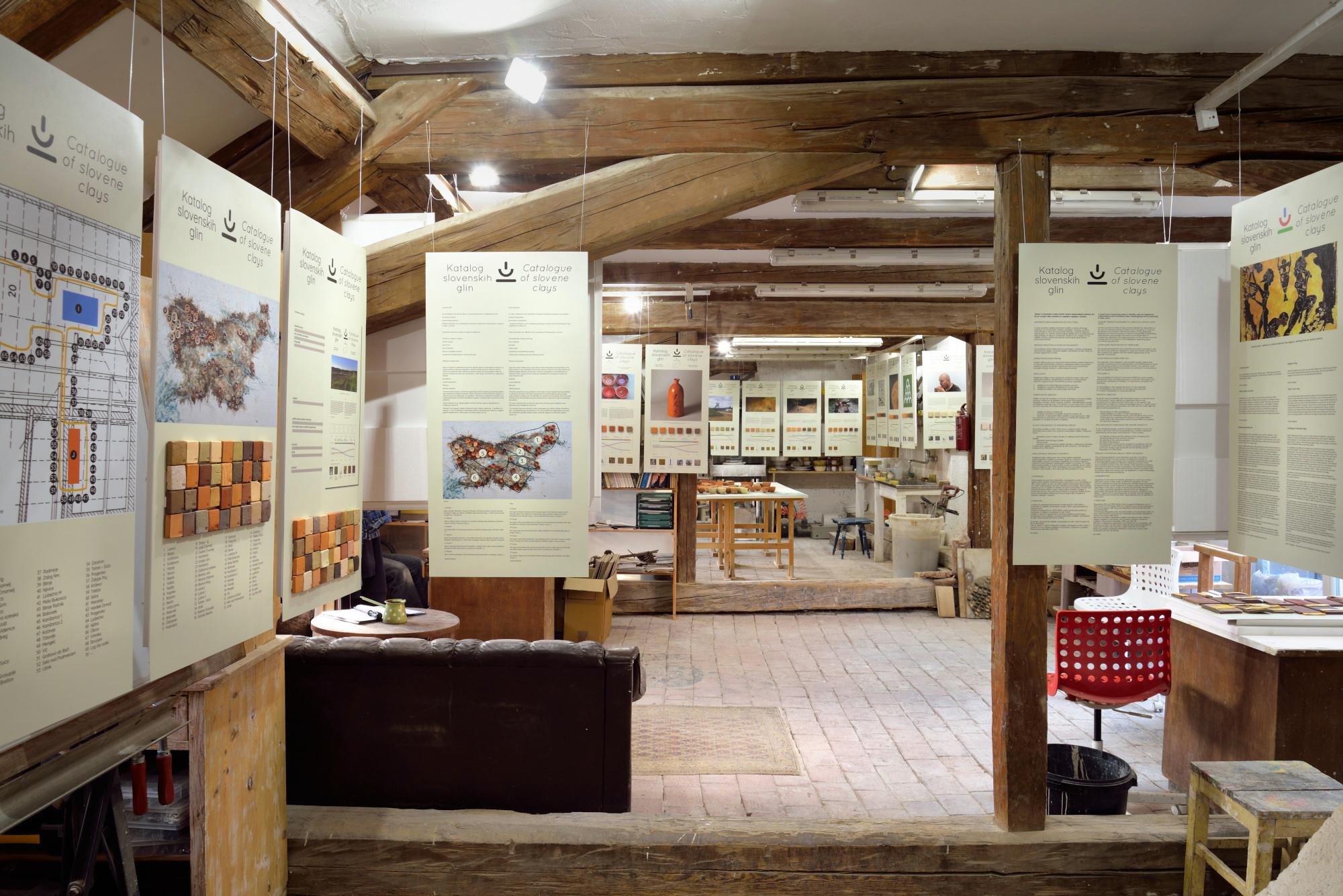
The fruits of the first year of a three year project titled ‘Catalogue of Slovenian Clay‘ are being unveiled today in an exhibition at Radovljica’s Magušar’s House. The official opening of the exhibition begins today at 7pm, so you’ve still got time to get along, but if you don’t make it, don’t worry, the exhibition will be on view until the end of the summer (entrance is free, however, prior notice is required).

Photo: Miran Kambič

For the owner of the house and initiator of the project, Urban Magušar, clay isn’t merely a raw material from which he has been creating for decades – it is his life. “Those that work with clay all the time, are in touch with the origin of the universe”, said Urban in a recent blog post (the English version of the brand new website is coming soon!) for Tourism Radol’ca.

The current finds of Slovenian clay are shown on the map below. Incidentally, is often said that Slovenia, when viewed as a whole on a map, is shaped like a chicken. Do you agree?

After coming up with the idea, Urban set about contacting ceramists throughout Slovenia and over 100 samples were brought to the workshop in Magušar’s House where they were tested for basic physical properties: contraction, porosity, colour and granulation and heated to temperatures of 800-1,300˚C to determine the temperature range of sintering and melting.

Below you can see Urban in his ‘Aladdin’s cave of clay’!

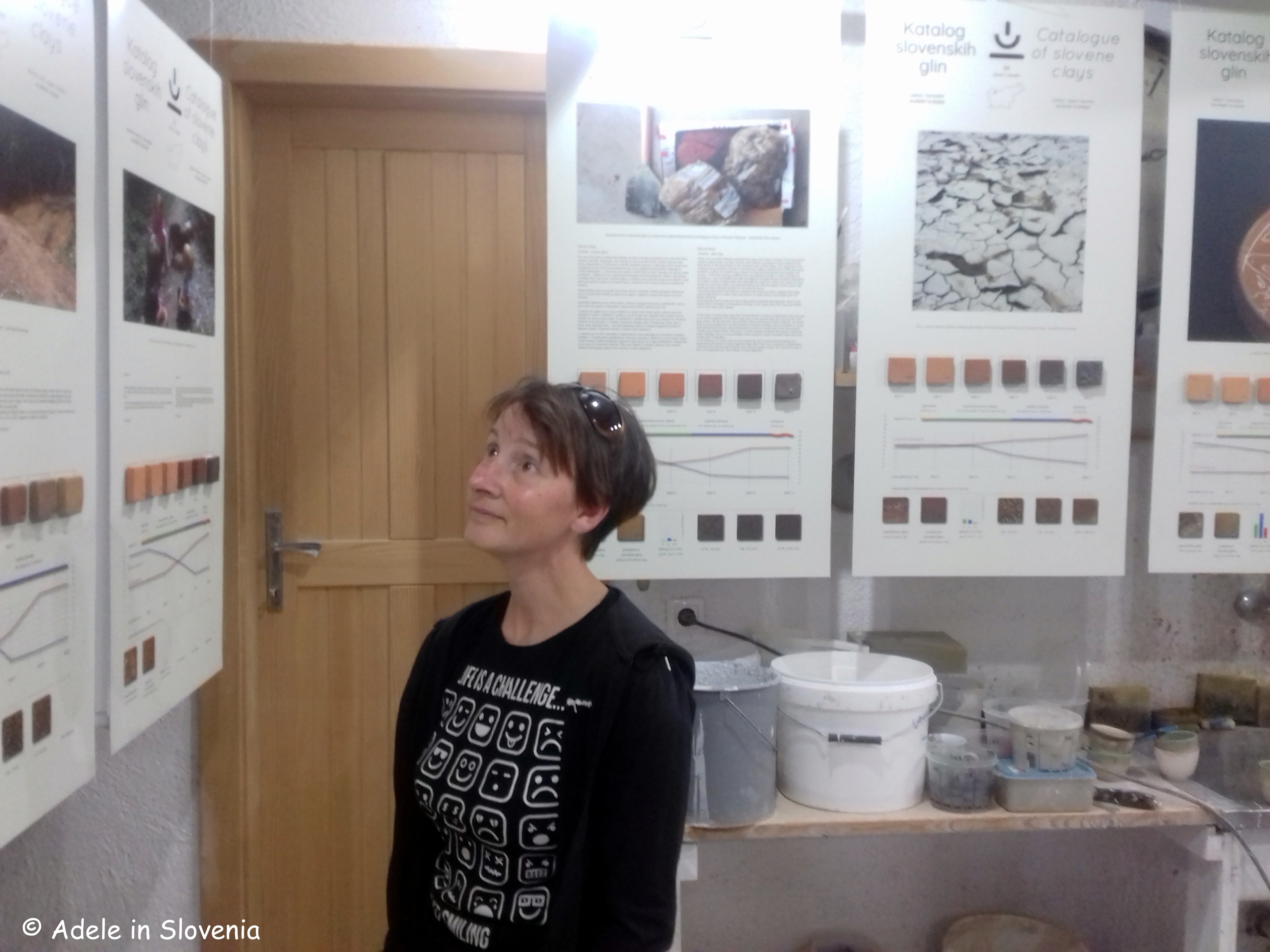
Being a total clay ‘virgin’ it was fascinating to see all the different kinds of clay and how they react and change when heated and treated.

The artist and ceramist Živa Slavec explained to me about the different characteristics of the clays, for example, those from the Gorenjska are lighter in colour as there is more limestone, whereas those from the flat lands in Slovenia’s north-east are darker in colour and also more easy to locate and access.

Magušar House in itself is also worth a look, with its arcaded gothic courtyard, dating from c.1500, and pottery workshop where you can buy Magušar bowls and other pottery items. Occasional exhibitions, workshops and other events are also held there.

You can also find Magušar bowls being used in some of the Taste Radol’ca restaurants, where the focus on local food is further enhanced by serving it in local bowls made just minutes away – certainly no food miles involved here!

Taste Radol’ca at Gostilna Kunstelj

The Visit Radol’ca website has more information about Magusar’s House and the other historic houses in Radovljica’s old town, Taste Radol’ca restaurants, as well as plenty more information on what else to see and do in the town and its surroundings.

Do go and take a look, it sets you thinking and you will probably never look at a clay bowl the same way again!

© Adele in Slovenia

Visit Žirovnica – Visit Tito’s Village (Titova vas)

Tito’s Village (Titova vas) was a secret World War II partisan camp that was hidden deep in the forest in a remote, hidden and relatively inaccessible location beneath the peak of Smokuški vrh, in the municipality of Žirovnica. The camp had its own newspaper, a choir, butchery and everything needed for everyday life at that time.

For a longer walk, you can start from the reservoir in Žirovnica where there is an information board about the trail to Titova vas and from where it is a pleasant cca. 45 min walk along the valley road which rises gently to the trailhead. If you would prefer a medium-length walk then you can start a little further along the valley at the recreation area by the Zavrh bar, or for a short walk begin at the trailhead itself further along the valley.

Do keep your eyes out for errant kangaroos, though!

From the trailhead it is just approx. 20 mins on foot to reach Tito’s Village.

The camp provided partisans with shelter from the German occupators. Considering its location, in close proximity to German strongholds in nearby Žirovnica, Bled, Koroška Bela, Javornik, Jesenice, Lesce, Radovljica, Brezje, Poljče and Begunje, the existence of the camp from 21 November 1944 – 31 January 1945 – though only 2 months – was considered long for those times.

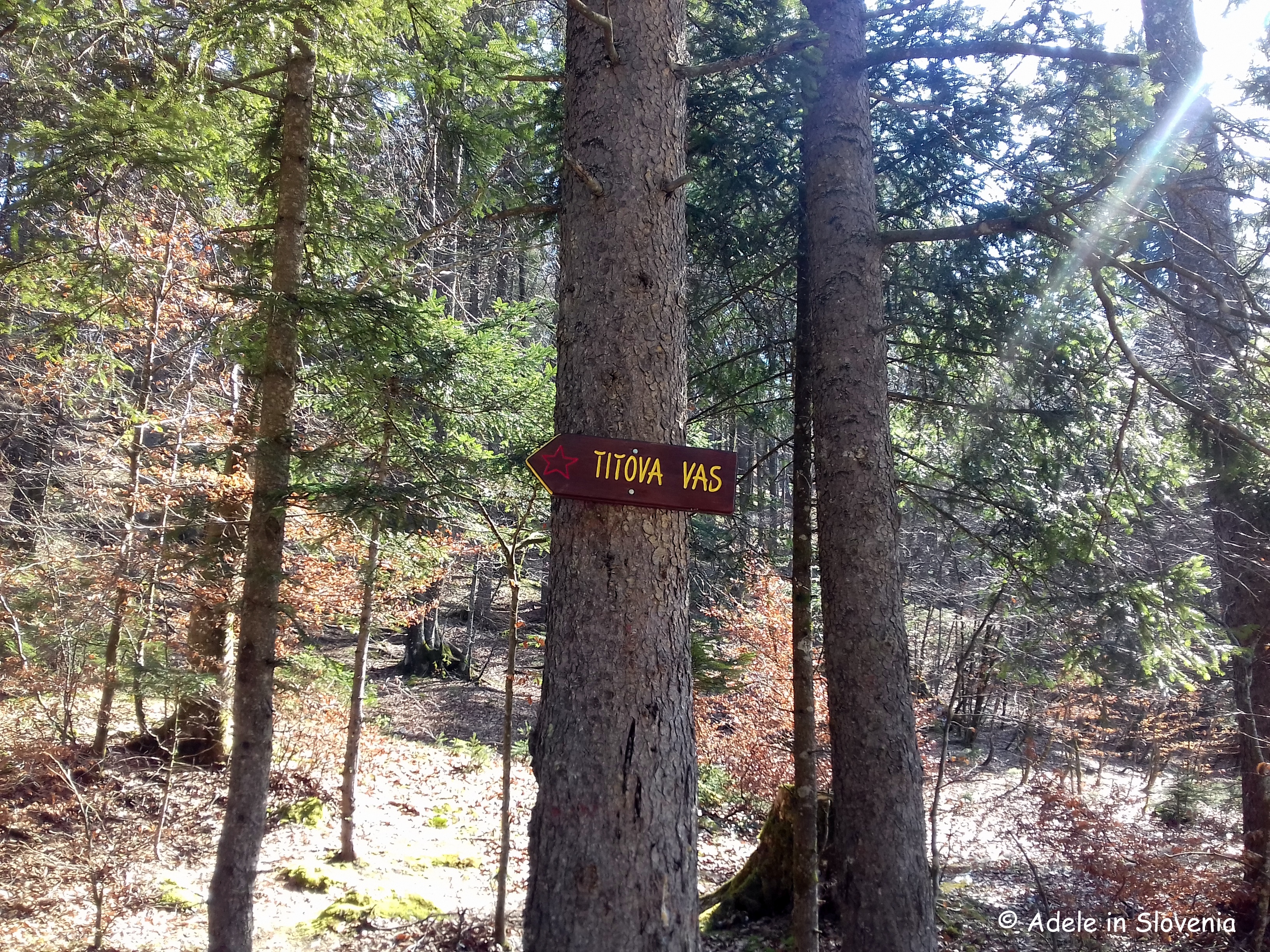
The well-marked path leads uphill through the forest crossing small bridges and wooden footbridges over a small stream.

One get’s a real sense of how well-hidden the camp was and though today, thanks to the well-arranged trail, it’s a pleasant walk and fun to explore the area. One can only imagine what it must have been like to survive a winter here, although at least a fresh supply of water presumably wasn’t an issue.

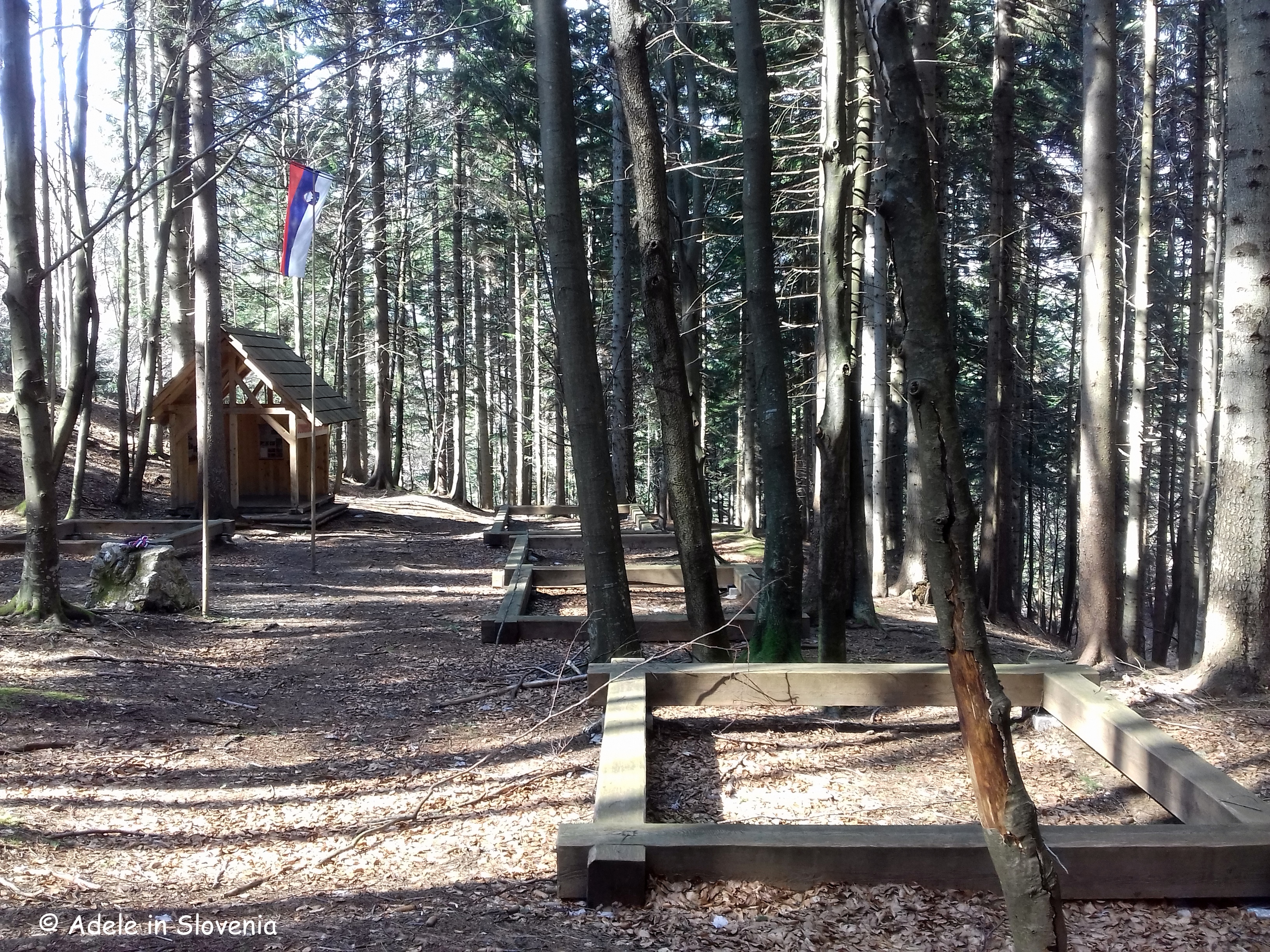
On reaching the small camp there is a visitors’ book, information boards (in Slovene only) and a memorial stone.

The walk to Tito’s Village is  interesting, educational and enjoyable, and, combined with the other sights of interest in the Završnica valley, is well worth a visit.

See the Visit Žirovnica website to find out more and this and other hiking trails in the Žirovnica area.

© Adele in Slovenia

The 7th Radovljica Chocolate Festival: the Most ‘Chocolate’ Weekend of the Year – ON NOW!
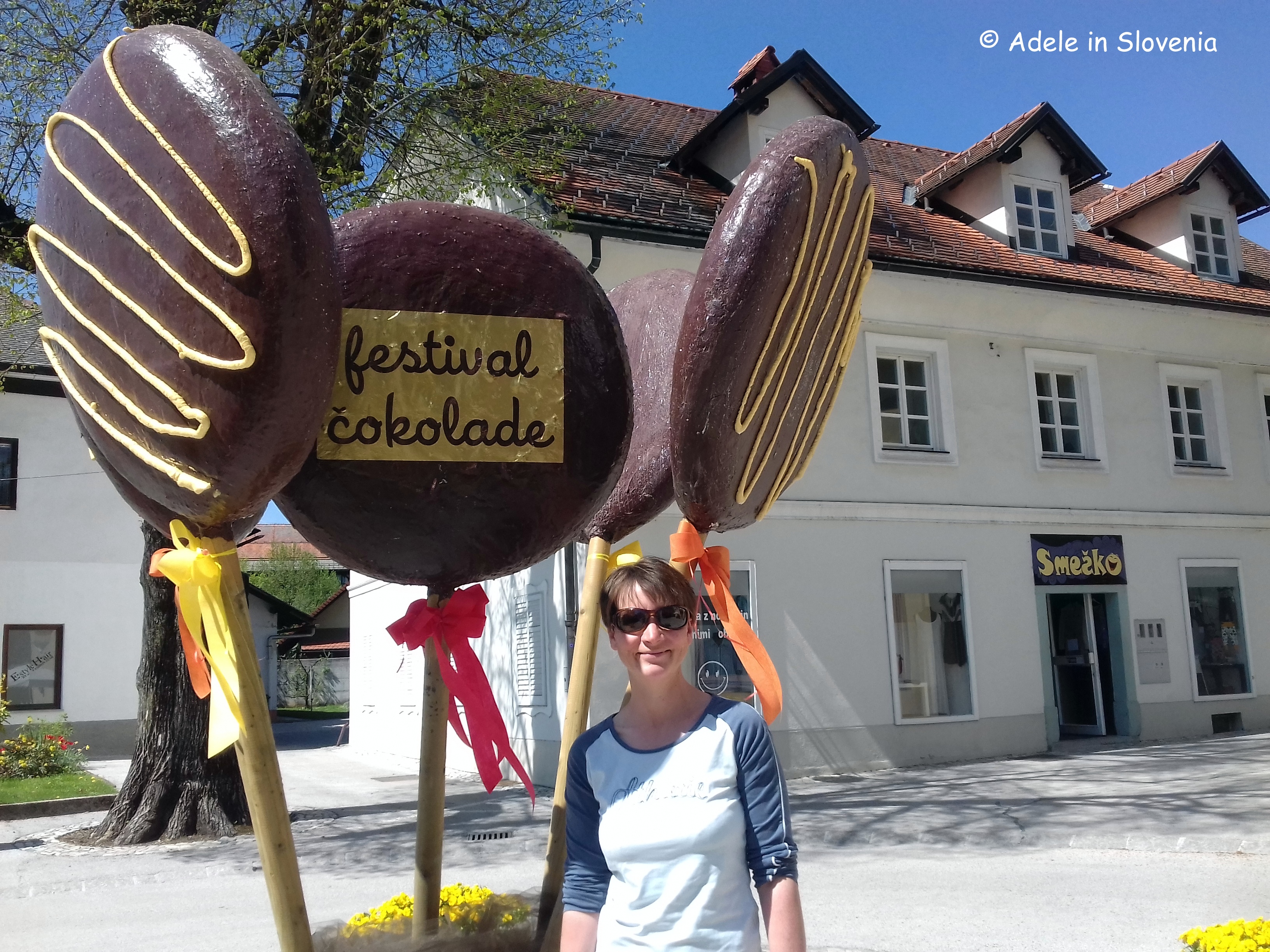
The 7th Radovljica Chocolate Festival has just begun, and, being the chocoholic that I am, I’m not known for having a modicum of restraint when it comes to chocolate. Since I’m lucky enough to live on the doorstep, I headed straight down to the opening to check it out for you (ahem!).
This year there are almost 50 chocolatiers showcasing their chocolates and other chocolate-based creations.


The festival takes place in Radovljica’s historic old town centre, as well as in the town park, and in Vurnik Square (Vurnikov trg).

As in previous years, there is a jam-packed entertainment programme, which has something for all the family.

Entrance to the festival, as well as (the majority of) the entertainment programme, is FREE. Tasting of chocolates takes place through the purchase of tasting coupons, which cost 0.50 cents, and come in strips of four.

I also like to check out any new and original flavours of chocolates – there are SO many, it’s mind boggling. However, one can always rely on Čokohram to come up trumps. Last year, among the unusual flavour combinations it offered chocolate with mohant cheese (a particularly smelly cheese, available this year too!), new for this year it’s chocolate with nettle. Throughout the festival, at the 50+ stalls, you can try literally hundreds of different flavour combinations.

Below are just some of the highlights of the weekend ahead.

Events taking place throughout the 3-day festival include:

  • House of Experiments – make your own bar of chocolate; From Bean to Bar (Saturday from 10am-6pm and Sunday from 10am-5pm)
  • Cookery workshops with Radovljica College of Catering and Tourism
  • Pumptrack course for bikes and scooters
  • Archery, handball and minigolf corner
  • Chocolate journey with adventures through Radovljica
  • Chocolate face painting
  • Chocolate roulette

Throughout the festival there are also numerous FREE concerts, workshops, cookery shows and other events, including:

SATURDAY

  • Creative dance day with the Waldorf School and Nursery (9am-5pm)
  • Uroš Štefelin, Igor Jagodic and Marko Pavčnik, Three Chefs’ Cookery Show (10am)
  • Beer Belly, Irish band (10am-1pm)
  • A meeting of two clowns and circus workshops with clown Eva Škofič Maurer
  • Veseli Begunjčani ensemble, concert (1pm)
  • Abba Mia, concert (4pm)
  • Small Tokk, concert (6pm)

The Three Chefs’ Cookery Show – Photo: Visit Radol’ca

SUNDAY

  • Napoli Tango, music (10am-1pm)
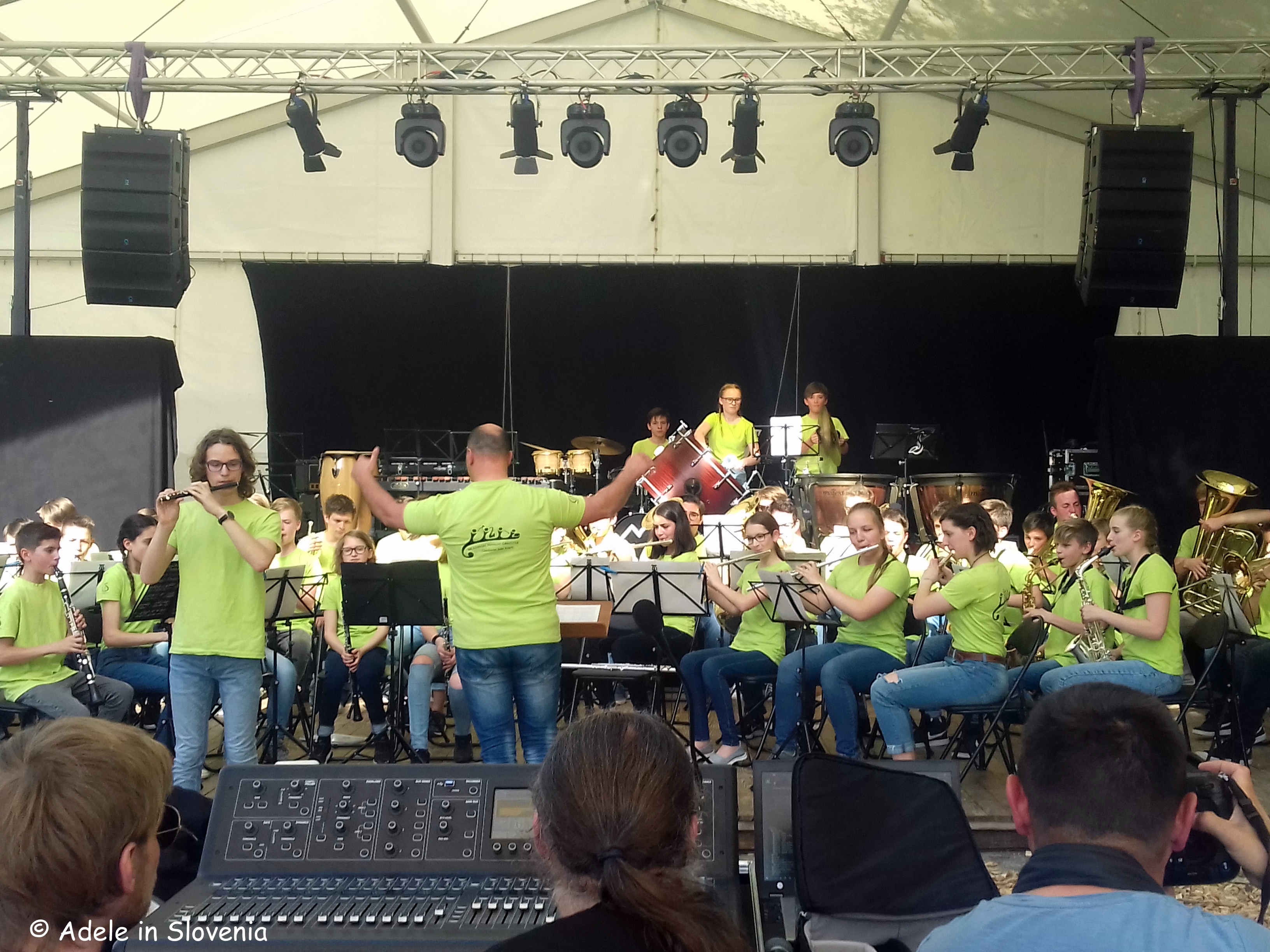
  • Dixie Flash Mob with the Lesce Wind Orchestra and dancers (12noon)
  • Maček Muri and Muca Maca with Neca Falk, concert (2pm)
  • Uroš Perič, concert (4pm)

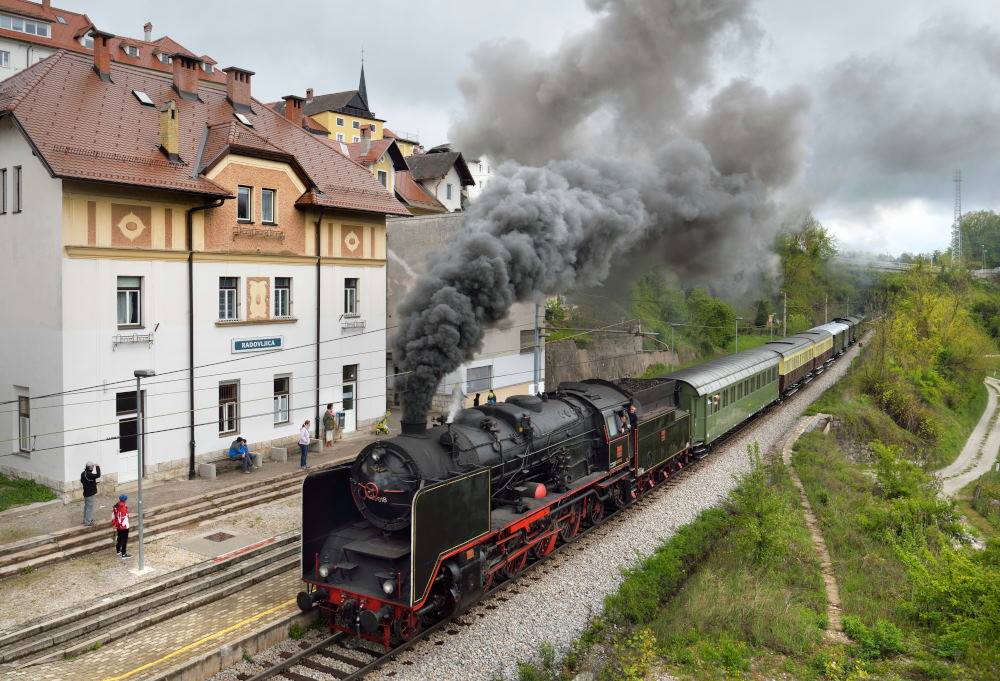
And don’t miss the arrival of the vintage steam train on Sunday, which is always a sight to behold. The train leaves Ljubljana at 10.40am, arriving in Radovljica at 12noon. Click here for more information.

And if you are craving something other than chocolate (why would you?!), then visit the food marquee where some of Taste Radol’ca’s restaurants  – Gostišče Draga, Gostilna Tavčar and Joštov hram – are cooking up some treats, too!

Gostišče Draga – something for those who prefer savoury treats!

Try ‘šmorn’, a kind of shredded pancake served with jam, at Gostišče Draga

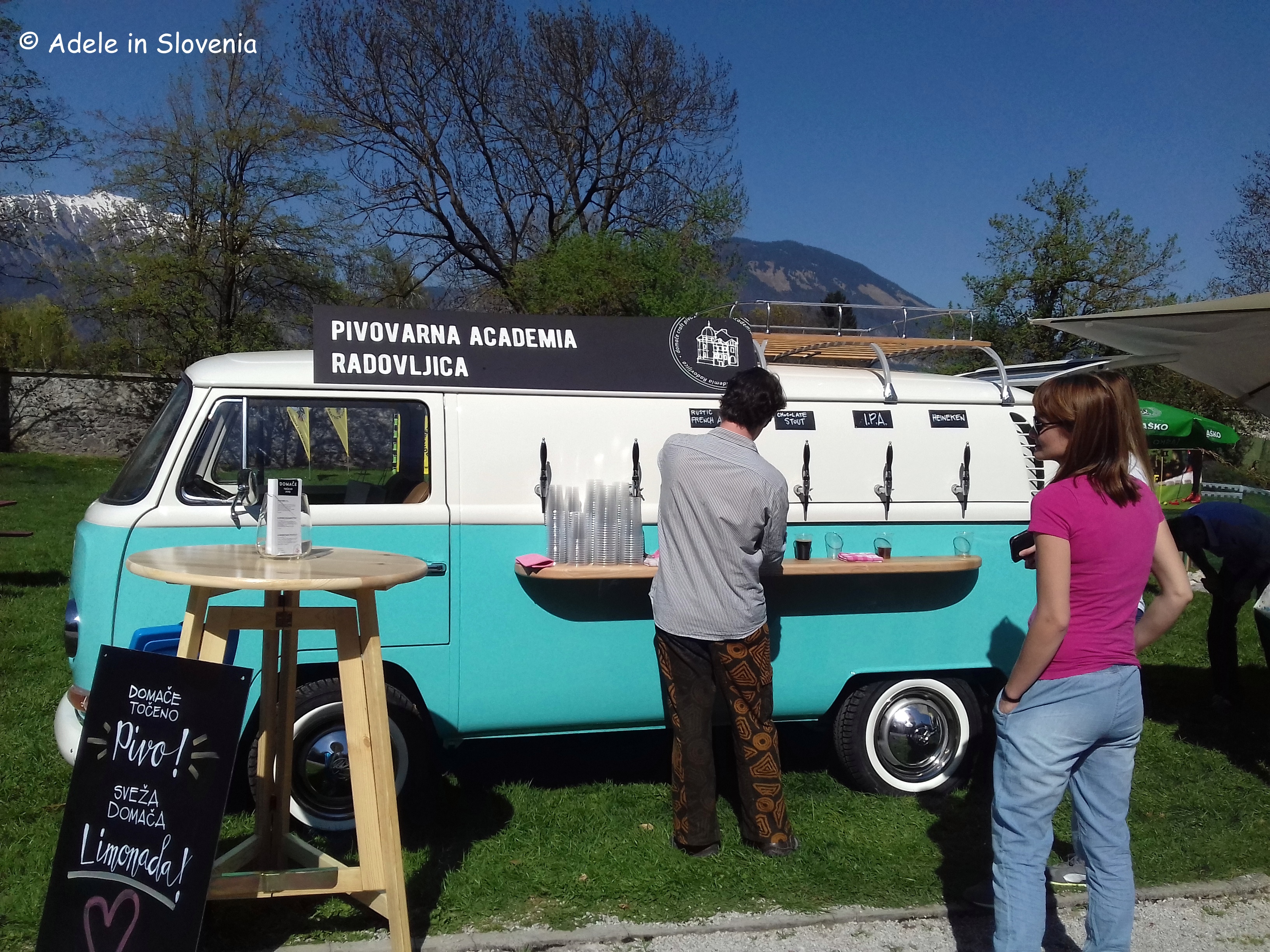
And there’s even craft beer too, which will no doubt go down a storm in this heat, yes, heat, in April, when just a few weeks ago I was (still!) moaning about the snow!

But that’s far from all. There’s plenty more! Click here for more information and the full programme (in Slovene) and here for the English version.

So, don’t miss out, come on down. A ‘hot’ chocolate weekend awaits indeed, as the weather is, and promises to be, fab, too!

© Adele in Slovenia