For many people, no doubt the thought of exercising on holiday couldn’t be further from their minds; then there are those of us for whom being active isa way of life, and whether at home or away, we like to find ways of ensuring we stay fit and healthy whilst also having fun!
So for those of you who fit into that bracket – myself included – Radovljica is the perfect destination!
As is widely known and acknowledged, the key to keeping fit is to find an activity, or activities, that are enjoyable, so taking part doesn’t feel like a chore and we are more likely to stick with it.
With the beautiful backdrop of the Karavanke mountains and the Jelovica plateau, as well as the Sava river and the Dragaand Lipnica valleys, there are myriad outdoor sports and activities right on the doorstep or within close proximity of Radovljica, so here are some ideas:
HIKING – the Jelovica Plateau, the Karavanke range, or the nearby Julian Alps
WALKING and/or RUNNING – from short strolls or runs on theme paths such as the Sava River Trail, to long cross-country rambles and runs
CYCLING – of all types, mountain biking, road biking, endless possibilities
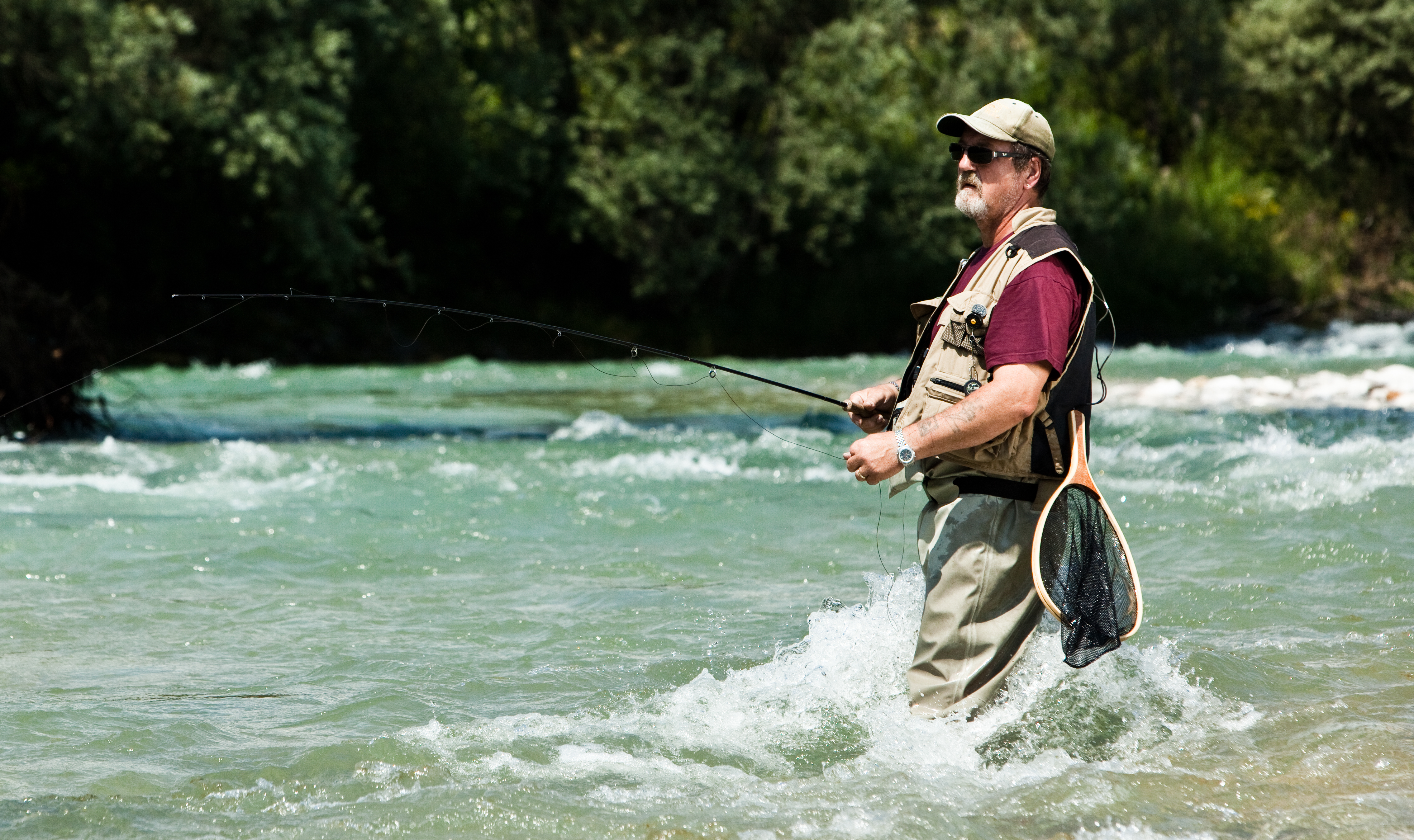
FISHING on the Sava river
HORSE RIDING or horse and carriage rides – get to know Lipizzaner horses at the Barbana stud farm in Globoko, or go riding at the MošnjeHorse Centre – just two among the places offering horse riding in the area. More here – http://www.radolca.si/en/in-the-company-of-horses/
WATER SPORTS – rafting, kayaking, canoeing
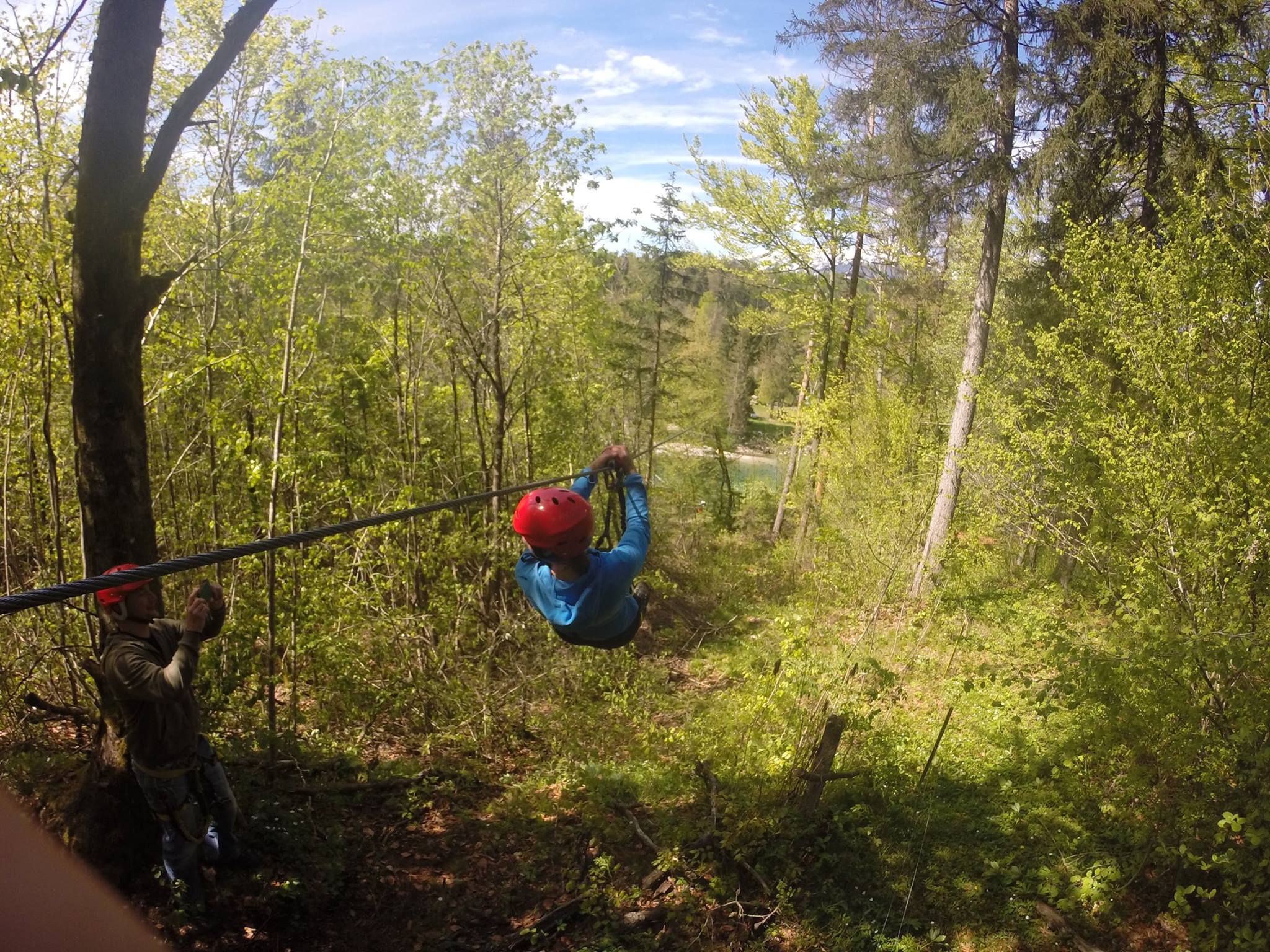
Other adrenalin-fuelled activities – paintball, zip line, zorbing, caving, climbing
The Radol’ca Hop-On Hop-Off tourist bus will begin operating on Tuesday 4th July and will run every Tuesday and Thursday during July and August. This year there is an even wider range of places to visit and more things to see and do.
As in previous years a day ticket is great value at just 5 euros. You can get on and off the bus to visit sights of interest along the way, or just enjoy the ride!
On Tuesdays the route is Bled – Radovljica – Kropa, with additional stops at the Šobec Camp, Lesce, Lancovo and Kamna Gorica.
On Thursdays the route is Bled – Vrba – Žirovnica – Begunje – Brezje, with additional stops at Breznica, Spodnji Otok and Podvin.
To whet your appetite here’s a preview of just some of the things you can see and do along the way.
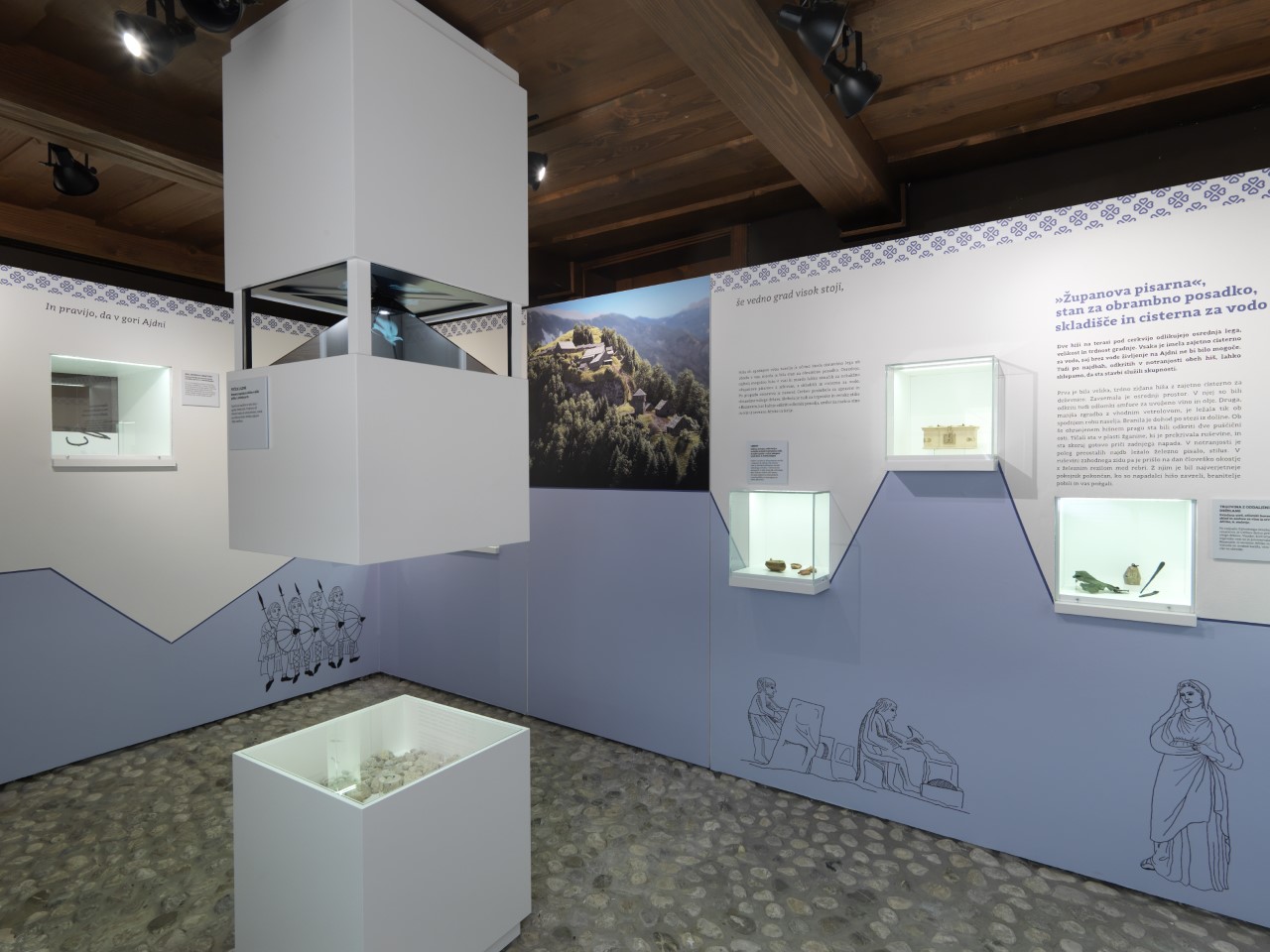
For the first time, this year the bus route includes Žirovnica, where you can visit the new Ajdna Museum Room to find out more about the Ajdna archeological site beneath Mt. Stol where remains were found from a Late Antiquity village dating back over 1400 years.
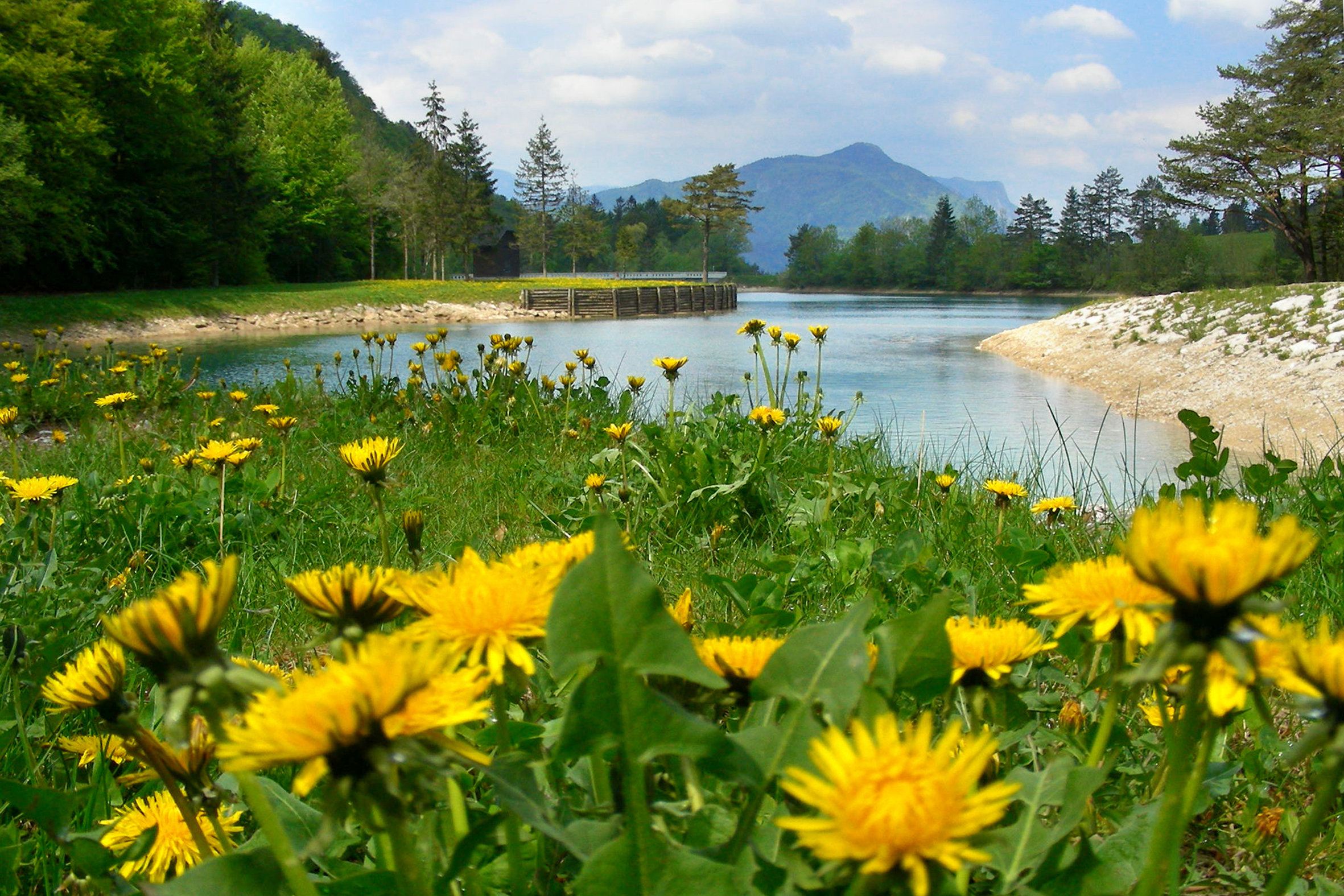
On especially hot days, a trip to the Završnica valley is an ideal way to seek some tranquillity and shade.
The valley is also a start point for great hikes and bike trips in the Karavanke range, including to the highest peak, Mt. Stol.
You can also visit Noč Beekeeping, where you can see some of the hives belonging to the president of Slovenia’s Beekeeping Association and his family, purchase honey and honey products, and try and buy the exclusive ‘Medena noč’ perfume made with Slovenian honey. You can read more about this in one of my previous blog posts here – https://adeleinslovenia.com/2016/06/06/perfume-made-with-slovene-honey-not-just-an-idea-a-reality/
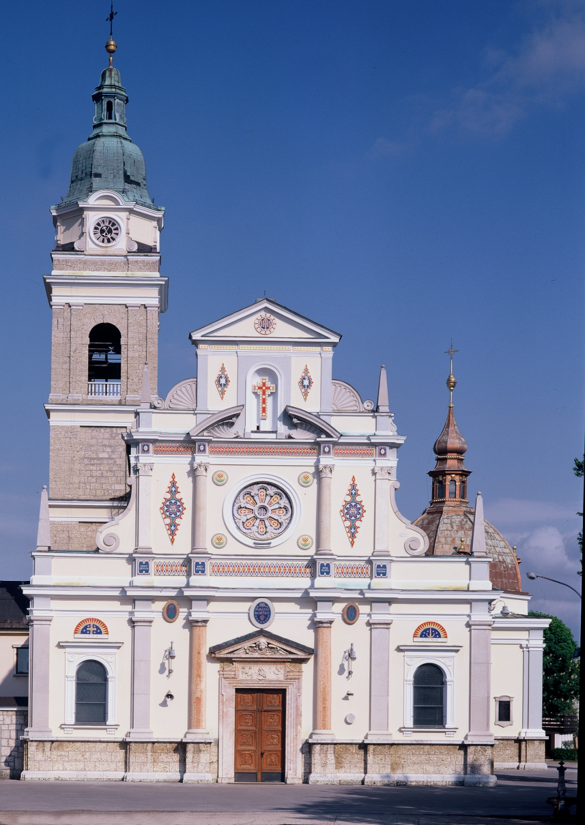
In Brezje you can see the Basilica of Mary Help of Christians, and the Nativity Museum, or take a walk on the Path of Peace to the Peračica waterfall.
In Kamna Gorica you can walk through the village to see its many waterways, and walk up to the Sextons’ House Museum, which contains an original black kitchen. Its position offers great views over the village and towards the Karavanke mountains.
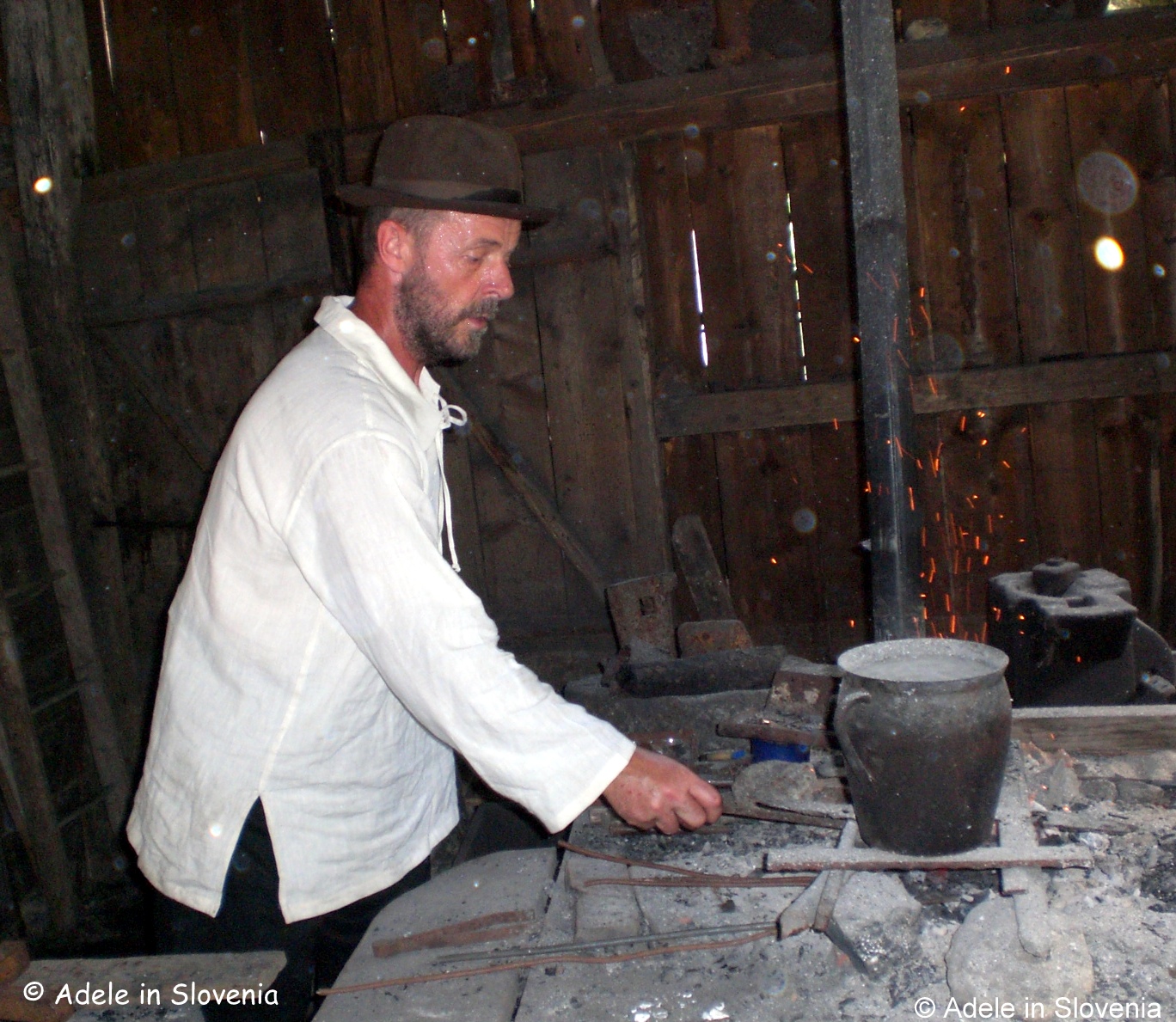
In Kropa you can visit the Iron Forging Museum, take a stroll through the village to see the former ironworkers houses, or visit the Vigenc ViceBlacksmith to watch a demonstration of manual nail forging.
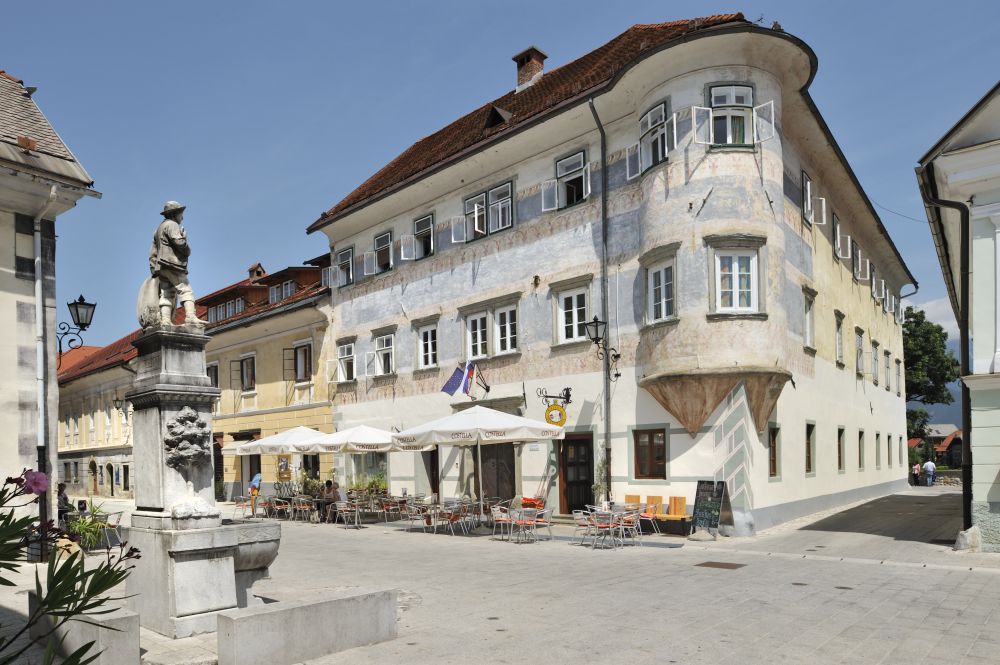
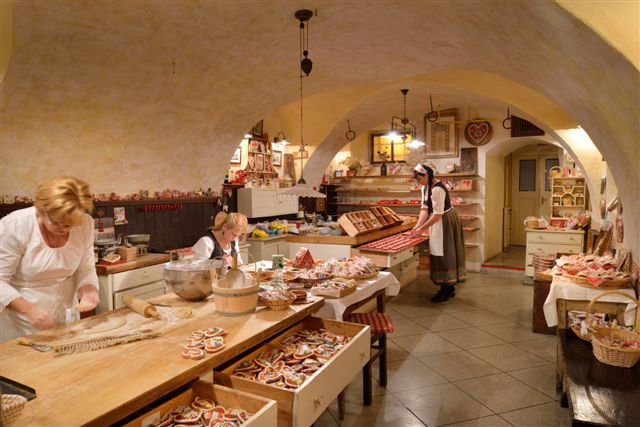
In Radovljica itself there are numerous things to see and do including a visit to the Lectar Gingerbread Museum and Workshop, the Museum ofApiculture, the Šivec House Gallery, or simply enjoy a stroll through the well-preserved medieval old town and sit at the viewpoint and enjoy the views of the Sava river, the Jelovica plateau and the Julian Alps.
Or why not take the chance to find out more about Slovenian food and wine by enjoying a meal at one of the Taste Radol’ca restaurants or take a Taste Radol’ca Food Tour. More information here – https://adeleinslovenia.com/taste-radolca-tours/
Here’s a round-up of the latest news and events taking place in June 2017, of interest to both visitors and locals, in my lovely home town of Radovljica as well as the surrounding towns and villages. I apologise in advance for the long blog, but there’s so much going on!
Any running enthusiasts out there? The annual Radovljica 10k run takes place this year on Friday 23rd June. The race is even featured on the Run International website, since, despite being the smallest event it lists, it is included for having ‘a particularly-beautiful setting’. The route goes through and around the town, from where there are fantastic views of the Sava river, the Julian Alps, the Karavanke mountains, and the Jelovica plateau. You can read more about the event here – http://www.runinternational.eu/2017-calendar/june/2851-radolska-10ka-2017
Every Tuesday you can join a FREE guided tour of Radovljica’s historic old town centre. The tour begins at 10am at the Radovljica TouristInformation Centre at the entrance to the old town in Linhart Square (Linhartov trg).
An exhibition titled ‘Terra Mystica’ is on view in the Radovljica Mansion in the old town until 2nd June. The exhibition showcases products made at the children’s ceramics biennial.
Talking of ceramics, the Festival of the Strength of the Earth (previously known as the Ceramics Festival) took place last Saturday. The main market event took place in Linhart Square, where visitors could see and buy products such as ceramic ware, herbs, seeds, natural cosmetics, and teas.
Photo: Boris Pretnar
Whilst workshops took place at the biodynamic garden at the town primary school.
Photo: Boris Pretnar
The annual month-long Vurnik Days (Vurnikovi dnevi) begins on 1st June in memory of the architect Ivan Vurnik who was born in Radovljica in 1884. Vurnik helped found the Ljubljana School of Architecture and, together with his wife, Helena Kottler Vurnik, they went on to design many notable buildings in Radovljica, as well as further afield in Slovenia.
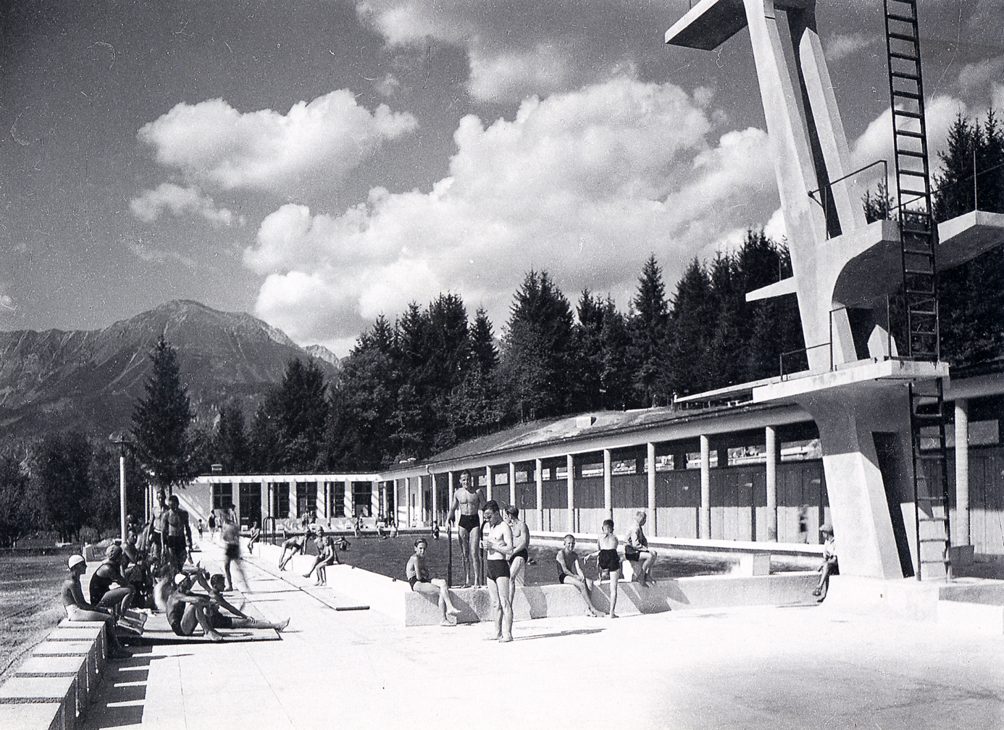
Radovljica’s swimming pool was built in 1932 and is considered one of Vurnik’s most notable projects. The most distinguishing feature, at its time considered a daring feat of engineering and architecture, was the high diving platform. It was demolished in 1966 but Radovljica’s Olympic-size swimming pool lives on today, in the same location, though in a somewhat more modern form.
Another of his works is the Basilica of Mary Help of Christians in Brezje, built in the period from 1965 – 1967, which is today the most renowned pilgrimage centre in Slovenia. In 1988 it was elevated to the status of basilica by Pope John Paul II. More here – http://www.radolca.si/en/brezje/
The opening event will take place in the Šivec House Gallery on 1st June at 8pm where an exhibition of the work of Ivan and Helena Vurnik will be officially opened by Radovljica’s mayor. More about the gallery can be found here – http://www.radolca.si/en/radovljica-sivec-house-gallery/
All month there will also be a special Vurnik Tasting Menu available at Vila Podvin restaurant. More information here – http://www.vilapodvin.si/
The first Outdoor Cinema (Letni kino) will take place at Linhart Hall (Linhartova dvorana) on Friday 23rd June at 9.30pm when the film The Beatles:8 Days a Week will be screened. And even better, this kick-off film, that you can enjoy sitting outdoors in the courtyard, is FREE.
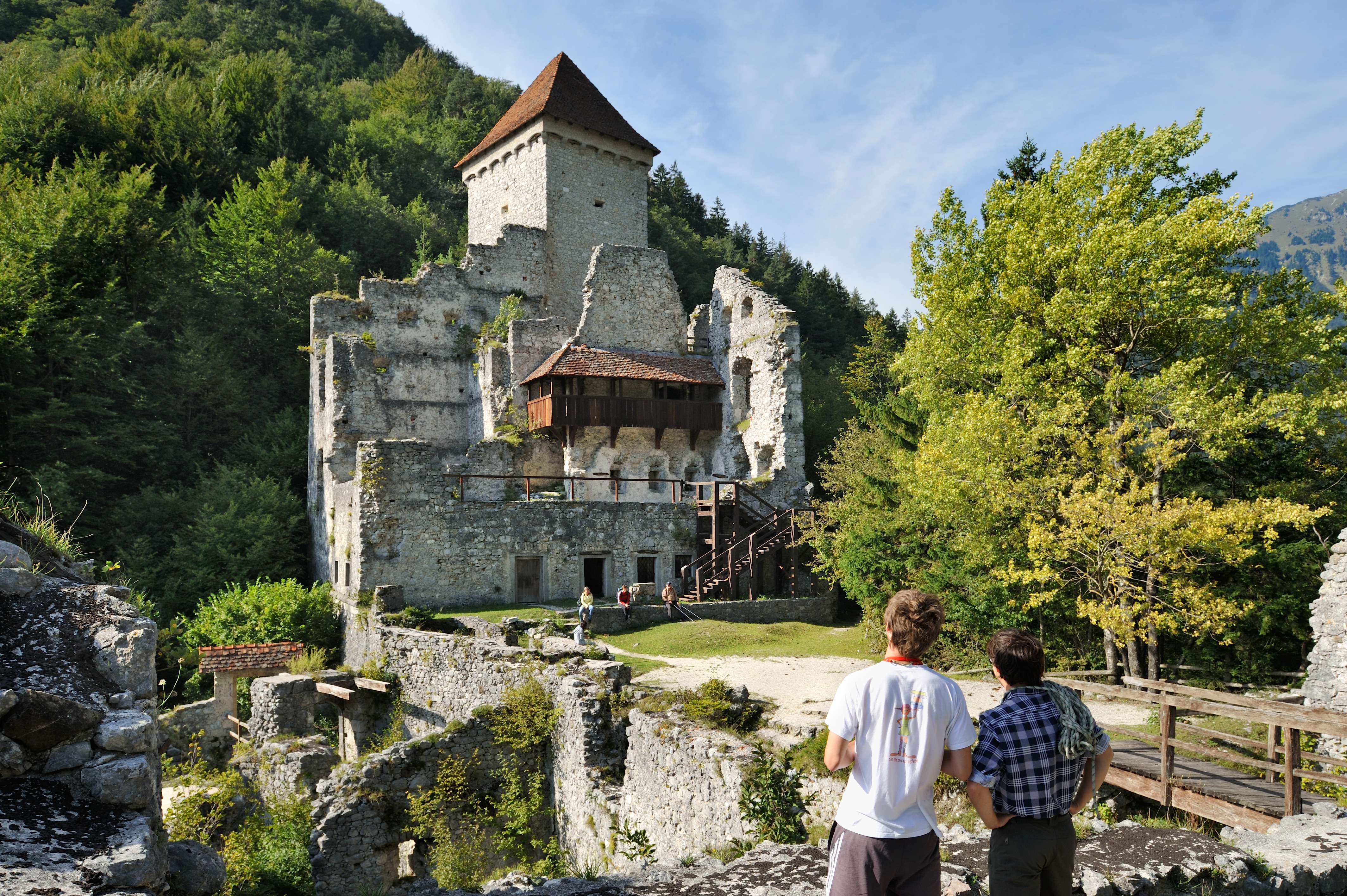
On 23rd June the annual Midsummer’s Eve Festival will take place in the shelter of the ruins of Kamen Castle in Begunje na Gorenjskem.
Photo: Miran Kambic
And all this is in addition to the usual natural, historical and cultural sights of the Radovljicaarea – the historic old town centre, the stunning views of the Karavanke mountains, the Julian Alps, the Sava river, the countless walking, hiking and cycling routes, and the delicious local food on offer at Taste Radol’ca restaurants.
Statistics show that the large majority of people who visit Slovenia tend to do so for just a few days, either as just a mini-break or as part of a longer trip taking in some of the neighbouring countries. And for those limited in time, the focus is usually on the ‘usual’ tourist hot-spots i.e. Bled Lake, Ljubljana, Postojna Caves, Piran... However, in visiting just these, admittedly marvellous, places, you miss – in my opinion – a large swathe of the country and the chance to see the ‘real’ Slovenia.
Granted, I might be a bit biased since I’m fortunate to live in Radovljica, which has one of Slovenia’s best-preserved medieval old town centres and is a member of the Association of Historical Towns and Cities of Slovenia, but since Slovenia is a perfectly compact country, it is very easy to get around and make detours to other places of interest. So, sure, go to the usual tourist hotspots to tick them off the list, but do take time to see more of Slovenia’s countryside, culture and history too!
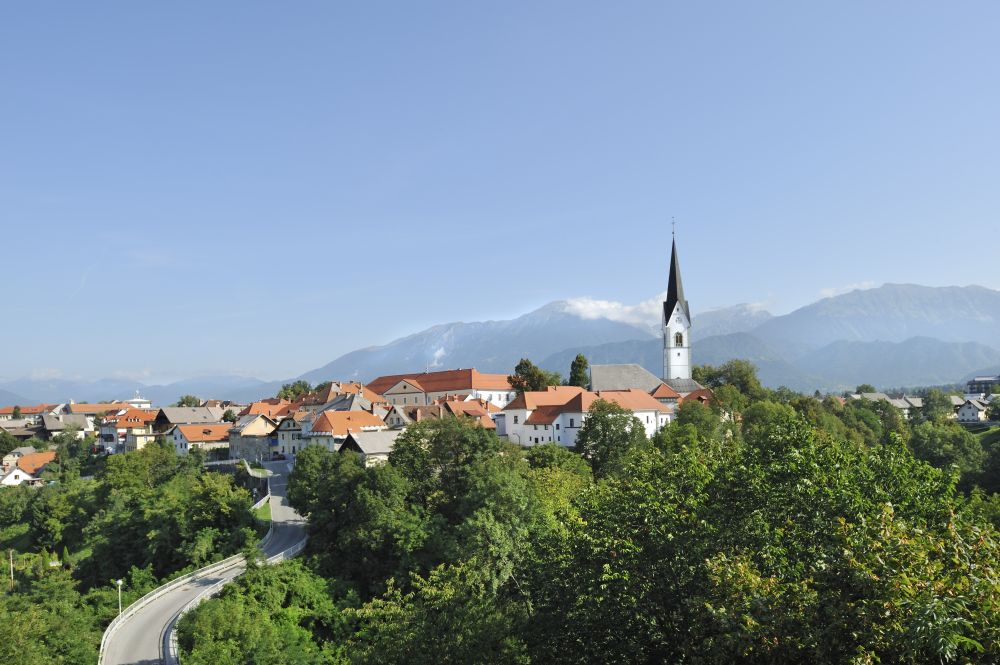
Looking over Radovljica and beyond to the Karavanke mountains
For example, if you are visiting Bled, then turn off the motorway (or get off the train or bus) just one stop early, and within minutes you will be in the historic old town centre of Radovljica where you can see, amongst others, the frescoed townhouses, the Baroque St. Peter’s Church, and the Šivec House Gallery.
Vidic House, just one of the frescoed buildings in the old town
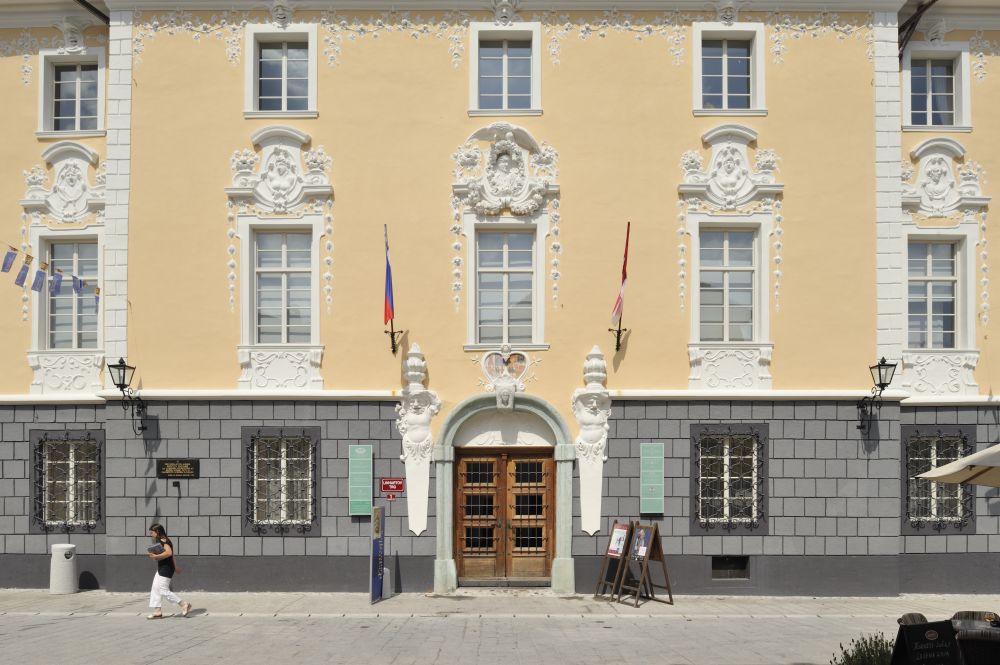
The Radovljica Mansion is home to the Museum of Apiculture, the Municipal Museum, and a music school. During daylight hours the building is always open and visitors are welcome to go in and look at the photographic exhibitions in the entrance foyer.
The Radovljica Mansion
Don’t miss a visit to Lectar Inn where you can try traditional Slovenian food and downstairs visit the workshop with it’s 250-year tradition of making red-iced and decorated gingerbread hearts.
The Lectar gingerbread workshop
Radovljica also offers a wealth of great places to stroll, hike, cycle, do water sports, or partake in other active or less active pursuits. Or you can just sit on one of the benches at the viewing area and and soak up the views of the Julian Alps, the Jelovica Plateau and the Sava River.
Looking back at the old town with majestic Mr. Stol in the background
And be sure to come hungry as you won’t want to miss the chance to taste some of the delicious locally-produced food at the 13 restaurants that collaborate in the Taste Radol’ca project.
In addition to Radovljica , there are a further 13 towns and cities included in the Association of Historical Towns and Cities of Slovenia – Idrija, Kamnik, Koper, Kostanjevica na Krki, Kranj, Metlika, Novo Mesto, Piran, Ptuj, Slovenske Konjice, Škofja Loka, Tržič and Žužemberk.
The annual Bohinj International Wild Flower Festival will take place from 21st May to 5th June and this year, the 10th successive year, marks a jubilee. The first festival was held in 2007 and since then it has been growing (pun intended!) in popularity, and gaining ever more recognition, by the year.
The main theme of the festival is the presentation of alpine flowers in the waters, meadows, hills and mountains of the areas surrounding Bohinj Lake, part of Triglav National Park.
During the festival a variety of events take place including guided walks and hikes, workshops, local craft and farmers markets, exhibitions, excursions, concerts and culinary evenings.
There are also activities for the whole family including a ‘Weekend for Families and Children’ which includes flower-related events as well as participation in water sports and other outdoor activities.
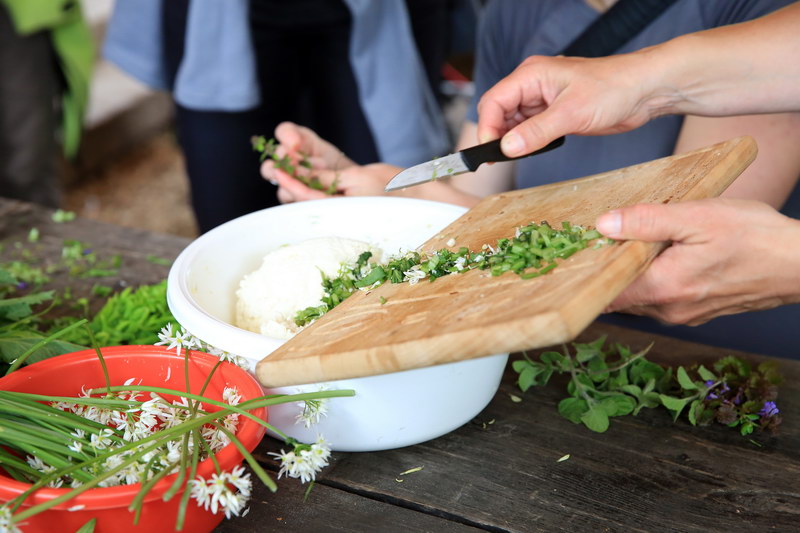
You can get really hands-on at many of the workshops, first picking the flowers, then preparing them for various uses.
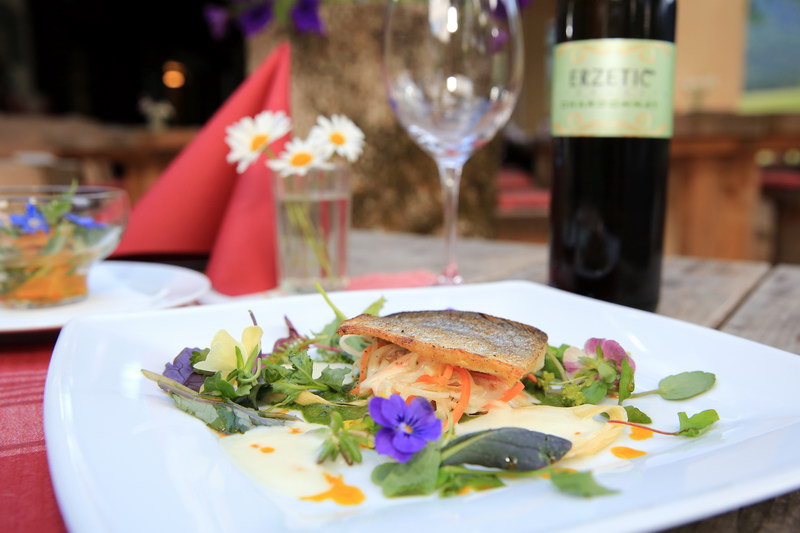
Culinary evenings take place at selected local restaurants, such as at the restaurant at CampDanica in Bohinjska Bistrica, seen below, where you can enjoy local delicacies, such as trout, paired with edible wild flowers.
There are around 70 known types of flower which are endemic to Slovenia, and/or the immediate surroundings. A walk among them is a botanist’s dream. Theses species include:
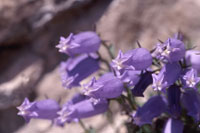
Zois’ bellflower – endemic to Slovenia, Austria and Northern Italy and most prevalent in the Julian and Kamnik-Savinja Alps (shown below)
Triglav Hawksbeard – discovered by one of the first four men to climb Triglav in 1778. It was found near where the Planika mountain hut now stands. It is very rare and is on the list of threatened species. So rare, I haven’t yet found it to photograph myself!
European False Stitchwort – first discovered near Ljubljana Castle in 1762 by the Carinthian botanist Jesuit Franc Ksaver Wolfen. It belongs to the Pink family, to which carnations also belong.
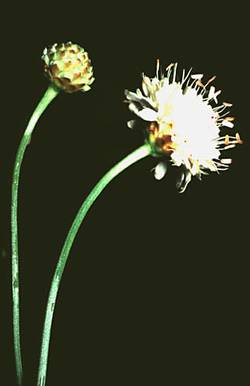
Trenta Scabious – discovered over 200 years ago in Idrija by a physician. The original finding is preserved in Slovenia’s Natural History Museum.
Depending on the weather – late snowfall can sometimes mean the season begins later – you can expect to find wildflowers in the meadows and highlands from the end of May through to late summer.
If you are interested in wild flowers, and/or considering a visit, here’s a sneak peek of what you can expect to see, those that I have been lucky enough to encounter on my hikes within Triglav National Park.
Here I am on a hike in the highlands above Bohinj Lake; from Planina Krstenica towards Ogradi.
Surrounded by wonderful wild flowers during a summer walk to the Seven Triglav Lakes valley. One can almost feel as if in a botanical garden, whilst completely at one with nature.
Here are a few of my close-up snaps.
Alpine carnation (Alpski nagelj) – also known as Alpine Pink
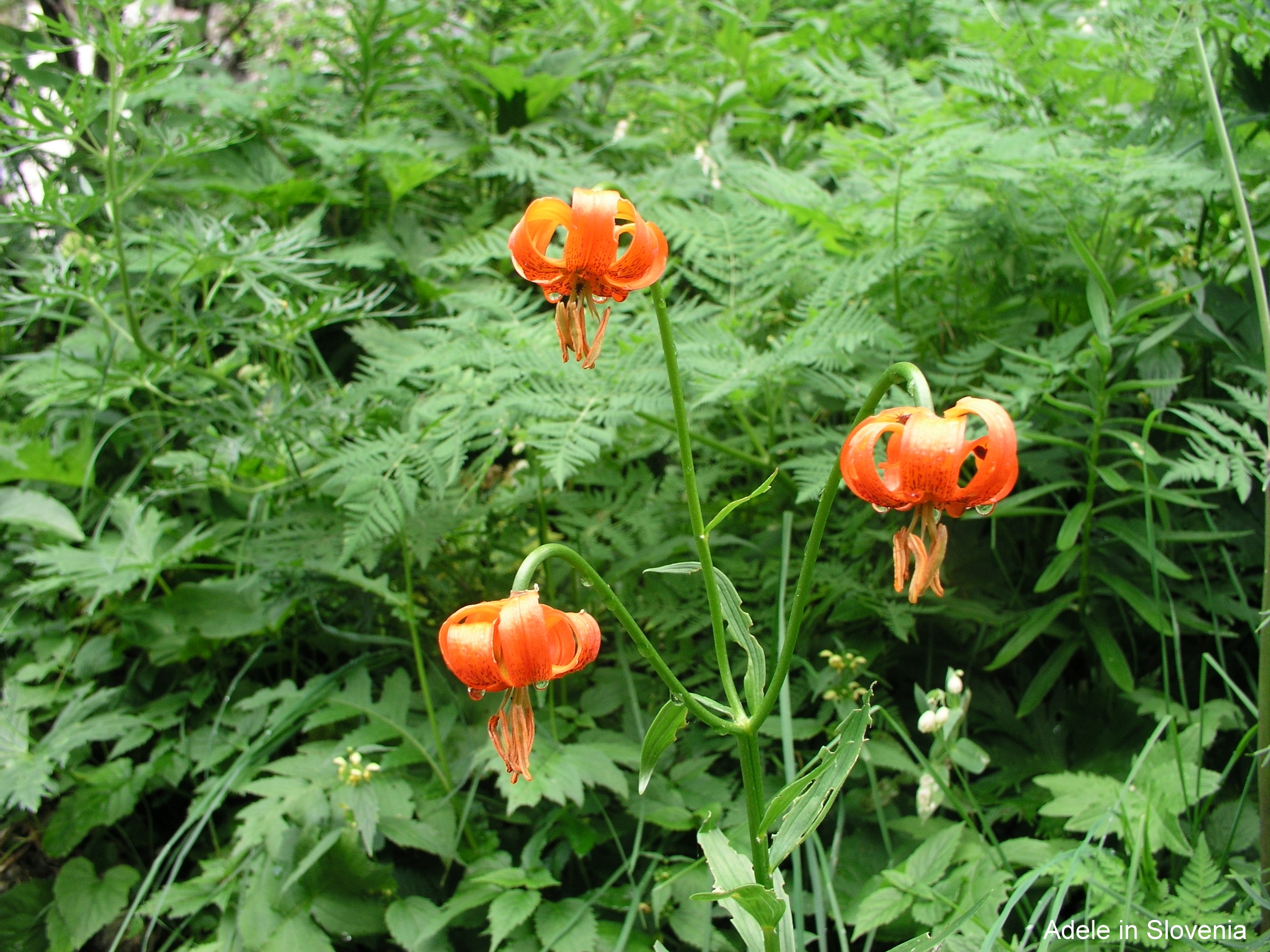
Carniolan lily (Kranjska lilija) – Not entirely endemic to Slovenia, since it can also be found in areas from north-east Italy to Bosnia, however, it is most common in Slovenia.
Yellow Gentian (Košutnik) – native to the mountains of central and southern Europe
Edelweiss(Planika) – this one probably doesn’t need any explanation as it’s widely known, but I had to include it as it’s such a special one, and also because we have a mountain hut named after it, which sits just beneath our highest mountain, Triglav.
In this blog I’d like to show you some of the highlights of Triglav National Park, including some of my personal favourite parts, which will hopefully provide some ideas and inspiration for those interested in exploring this wonderful part of Slovenia.
Triglav National Park is Slovenia’s only national park and is the heart of the Julian Alps. The park is located in the north-western part of Slovenia and is named after the country’s highest mountain, Mt. Triglav (2,864m). It covers an area of over 83,000 hectares.
On my blog I have always strived to ensure I give readers a personal account of my adventures and experiences in Slovenia, rather than just regurgitating information which is already readily available. Therefore, I’m not ashamed to admit that I’ve never actually been to the top of Triglav, though I’ve been close!
Unlike in some national parks, there are no official entry and exit points to the park, and no entrance fees to be paid. However, there are some rules by which visitors must abide to protect the flora and fauna of this jewel of nature. For example, wild flowers are not to be picked, no fires may be lit, and camping anywhere within the park, other than in designated campsites, is strictly forbidden.
One among my many favourite parts of Triglav National Park is Krn Lake (1391m) – as seen below, with Mt. Krn (2244m) in the background.
For this trip I started from the car park at the Savica waterfall in Bohinj and walked up to Komna (1520m), onwards past the Koča pod Bogatinom hut to the Vratca saddle then descended to the Dom pri Krnskih jezerih hut (1385m) where I stayed overnight. The next morning I got up (very!) early to hike up Mt. Krn, then returned the same way back to Savica. It makes a long 2nd day but the scenery is so wonderful, and other than the climb up to Krn, its reasonably easy going. If you don’t need to return back to Savica, then you can instead take the path down to the Dom dr. Klemena Juga hut (700m) in the Lepena valley from where you can explore the beautiful Soča valley.
The picture-postcard pretty Planina pri Jezeru highland is another of my favourites and the options for reaching it are numerous. I like to start from Stara Fužina and walk first to Vogar, from where there are magnificent views over Bohinj lake and the surrounding mountains, then past the Kosijev dom na Vogarju hut (1054m).
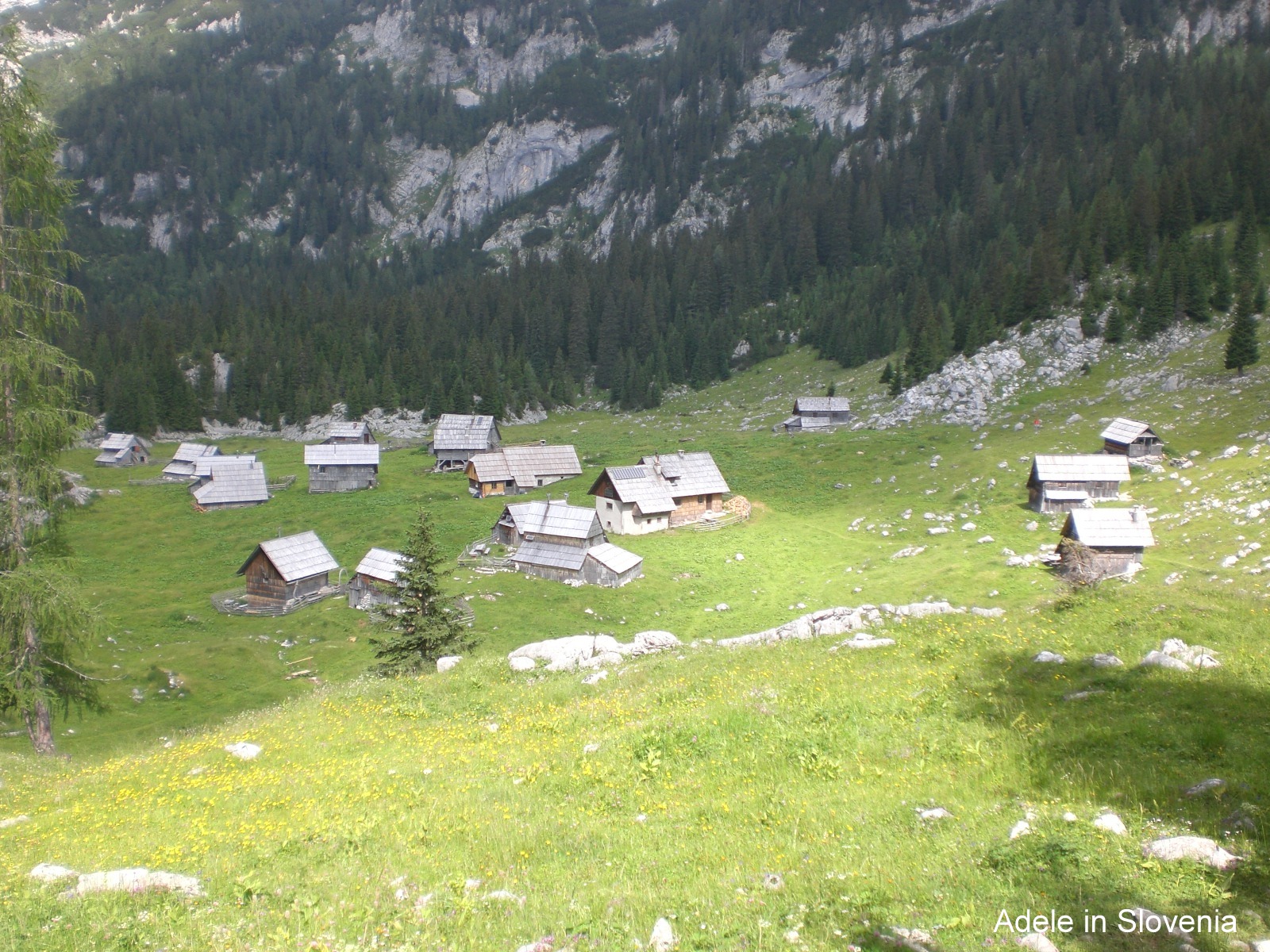
On this hike I continued first towards the Planina pri Jezeru hut (1453m) but then branched off towards Planina Blato (1147m) then to Planina Laz (1560m) – the oldest highland in Slovenia. From Planina Laz a very pleasant almost level route leads to Planina pri Jezeru from where, after a break for some sustenance, I returned to the Vogar highland and back to Stara Fužina. There are, however, also several other alternative routes that I have also taken, such as via Planina Viševnik and onwards to Pršivec (1761m).
Planina Laz is on part of the Tourist Cheese Route (Turistična sirarna pot). The route leads across the many highlands in the Bohinj area where cheese and other dairy products can be sampled and bought. The route, which is marked with yellow signs, also leads past numerous natural features of interest such as gorges, waterfalls, museums, churches, and archeological sites. The path covers a very wide area so its not possible to walk it in its entirety (at least not in a day), so it’s best to just choose part of it and visit one or two of the highlands and dairies.
One of the most popular destinations for hiking in Triglav National Park is the Seven Triglav Lakes Valley. It is doable in a day trip, particularly if you drive up the toll road, saving yourself approx. 1.5 hours of hiking, to begin at Planina Blato. However, to have time to fully experience and appreciate the entire length of the valley, it is best to stay at least one night in a mountain hut, such as the Koča pri Triglavskih jezerih (1685m), where you also get a chance to soak up the atmosphere of the surroundings, enjoy some hearty homemade food, and chat to some fellow hikers.
As you can see, there’s no shortage of routes to choose!
Wherever you see signs such as this one, you can buy home-produced cheese, sour milk, and other highland treats!
And you can certainly see exactly where it comes from. There are no food miles here!
Provided you have a map of the Julian Alps it is very easy to put together an itinerary for day, or multi-day, hikes. Routes are generally well-marked and there are plenty of mountain huts where you can overnight, though in the summer months I’d recommend booking ahead for the most popular huts – you wouldn’t want to hike all that way to find yourself without a bed for the night!
Triglav National Park awaits – time to get exploring!
I’m not a fan of traditional winter sports, however, since living here I’ve had to get used to the fact that winter happens, and winter means snow. Therefore, I have learnt to participate in some alternative winter activities such as snowshoeing, winter hiking and, on occasion, cross-country skiing.
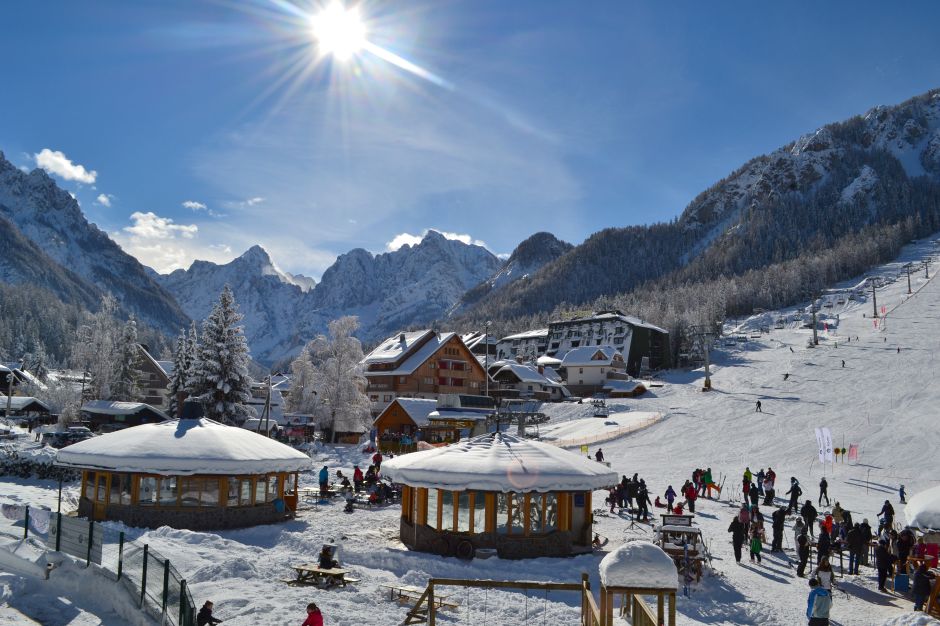
One of the best resorts in Slovenia for winter-based activities, both traditional skiing-based as well as alternative winter sports, is Kranjska Gora.
Though Kranjska Gora can sometimes affected by its relatively low altitude, and thus lack of, or meagre amounts of, snow, the resort has made concerted efforts to ensure there are plenty of other activities and events taking place during the winter season should lack of snow be a problem. Here are just some of the things happening in Kranjska Gora this winter, where there’s something on offer for all the family, whether skiers or not.
Kranjska Gora Welcomes You! which takes place weekly until the end of February on the snow beach behind the Ramada resort, comprises music, children’s entertainment and a presentation of what to see and do, and is an ideal way to acquaint yourself with all the resort has to offer.
Skiing, of course, is the number one activity in Kranjska Gora. The slopes are particularly suited to beginners, though seasoned skiers will find some more challenging runs among the 18 ski slopes with 5 chairlifts and 13 drag lifts. As with any major ski resort, there are numerous ski schools and ski rental outlets. On a sunny day, with the backdrop of the magnificent Julian Alps, you can, I’m sure, see the appeal!
There are over 40kms of maintained cross-country ski trails. The keen-eyed among you will notice that whilst this is me, it isn’t me in Kranjska Gora! This is me on Pokljuka! Although I’ve tried cross-country skiing, alas me and skiing – in any form – just don’t, and never will, get on, but I wanted to include this photos just to prove that I have tried!!!
The Vršič pass, which leads from Kranjska Gora to the Soča valley, is usually closed for much of the winter due to snowfall.* Providing someone has blazed a trail before you, it does, though, make a great place for a winter hike. Below you can see me on the road – yes, that’s a road! – at bend 17, with wonderful views of the Julian Alps. I must stress though, that you do need to be well-equipped for winter hiking and be sure to only follow worn trails if you don’t know the terrain.
* The Vršič pass doesn’t currently look like this. At the time of publishing this blog (4 Feb 2016) we have had very little snowfall – though there was fresh snowfall in the mountains yesterday evening – and for the first time that I can remember since being in Slovenia, the pass has remained open for much of the entire winter, though only for vehicles up to 3.5 tonnes equipped with winter tyres and/or snow chains. Please be sure to check the traffic information centre website for the latest traffic information – http://www.promet.si/portal/en/1traffic-conditions.aspx
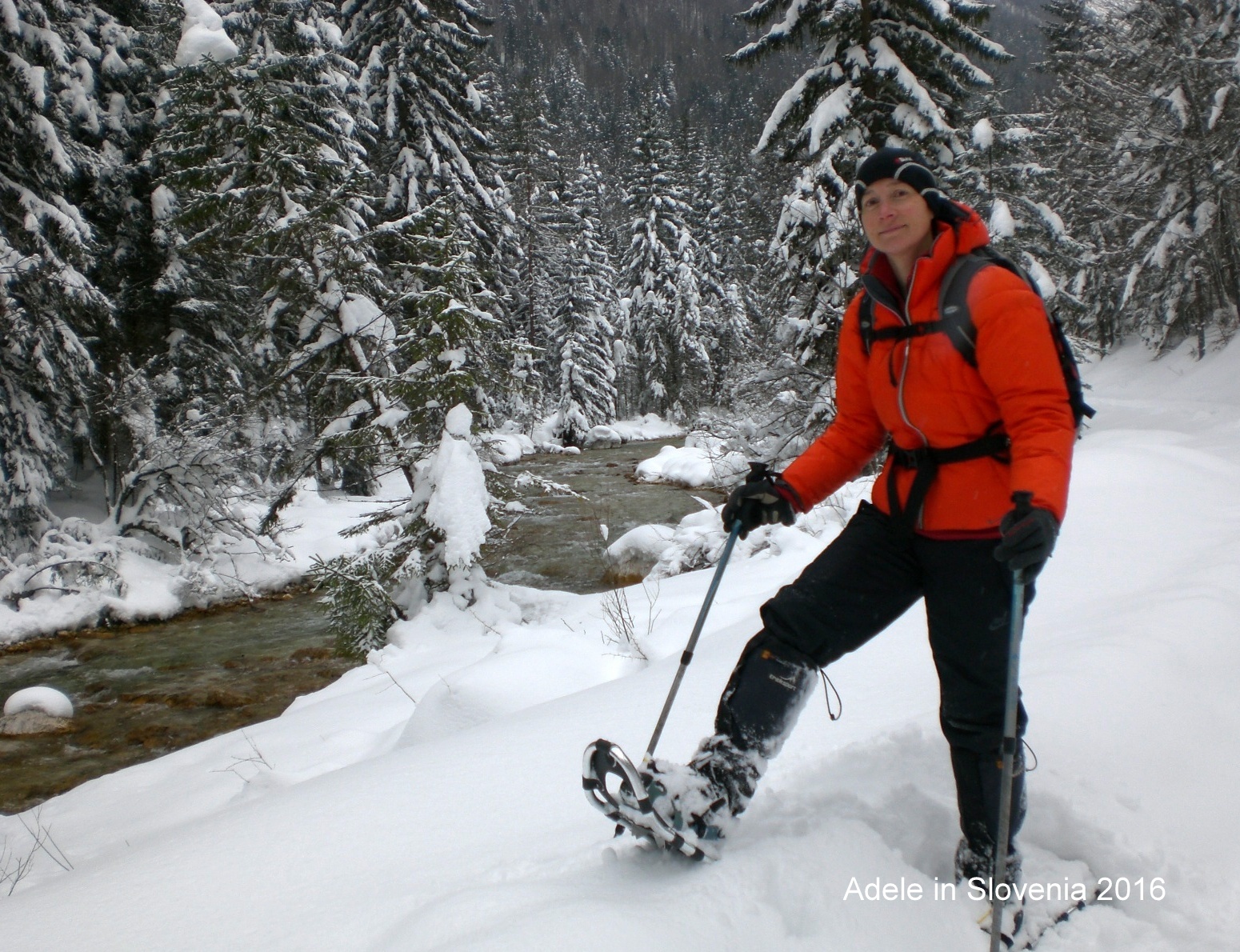
When there is heavy and fresh snow, hiking isn’t always possible so a pair of snowshoes are called for. Snowshoes enable you to traverse the snow without sinking in it up to your waist – or deeper! They fit over regular winter hiking boots and are easy to use, though do feel somewhat ungainly to begin with.
Every Thursday at 5pm the Kranjska Gora Culinary Journey takes place. Diners set off on a journey to visit five restaurants within the town and enjoy a different course, with accompanying drinks, at each venue. More information here – https://www.hit-alpinea.si/en/culinary-journey
Husky sledding trips can be booked and arranged in Kranjska Gora, though actually take place just over the border in Italy.
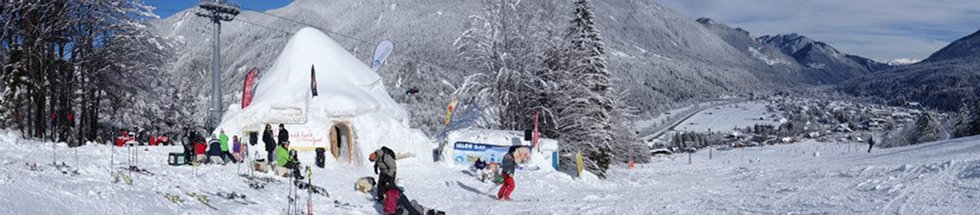
The Eskimo Village comprises a hotel, restaurant and bar. Guests can partake in a number of fun snow-based activities such as snow golf, igloo building, and sledding.
You can even cycle in the winter at the Winter Bike Park. Hmm, much as I love cycling I think I’ll give that one a miss, but I’m sure it’s an adrenaline-junkies dream!
There’s also no shortage of winter events, many of them international, including Family Day on the Snow Beach (13.2), Snow Volley 2016 (20.2), Audi FIS World Cup, Vitranc (5 & 6.3) and the Planica World Ski Jump Championships (18-20.3)
You can also see more about winter sports in Slovenia in this short video.
We’ve been spoilt with another week of warm autumn sunshine which was perfect for hiking and even a bit of cycling too. Unfortunately it looks set to end this week but it was certainly nice while it lasted!
In addition to the month-long of special menus at participating Taste Radol’ca restaurants, this year there are also a number of accompanying events which are open to everyone and FREE to attend.
These days there is ever more interest in where the food on our plates actually comes from. Knowing exactly where our food comes from is not only good for our health – food direct from the farm isn’t stuffed full of E numbers and the like – but it also helps support local farmers, producers and small businesses.
Since moving to Slovenia, and in particular since the launch of Taste Radol’ca, where the focus is on local food, I too have very much begun to embrace this style of buying and eating.
This week I visited two of the restaurants, this time not to indulge in the special menus – as delicious as they are – but to see the opening of a new mini-shop at Draga Inn and to participate in a culinary workshop at Kunstelj Inn.
The Draga Valley, at the far end of the village of Begunje na Gorenjskem, is the starting place for a number of hikingpaths in the Karavanke mountains. The valley is also home to the restaurant with rooms Draga Inn (Gostišče Draga).
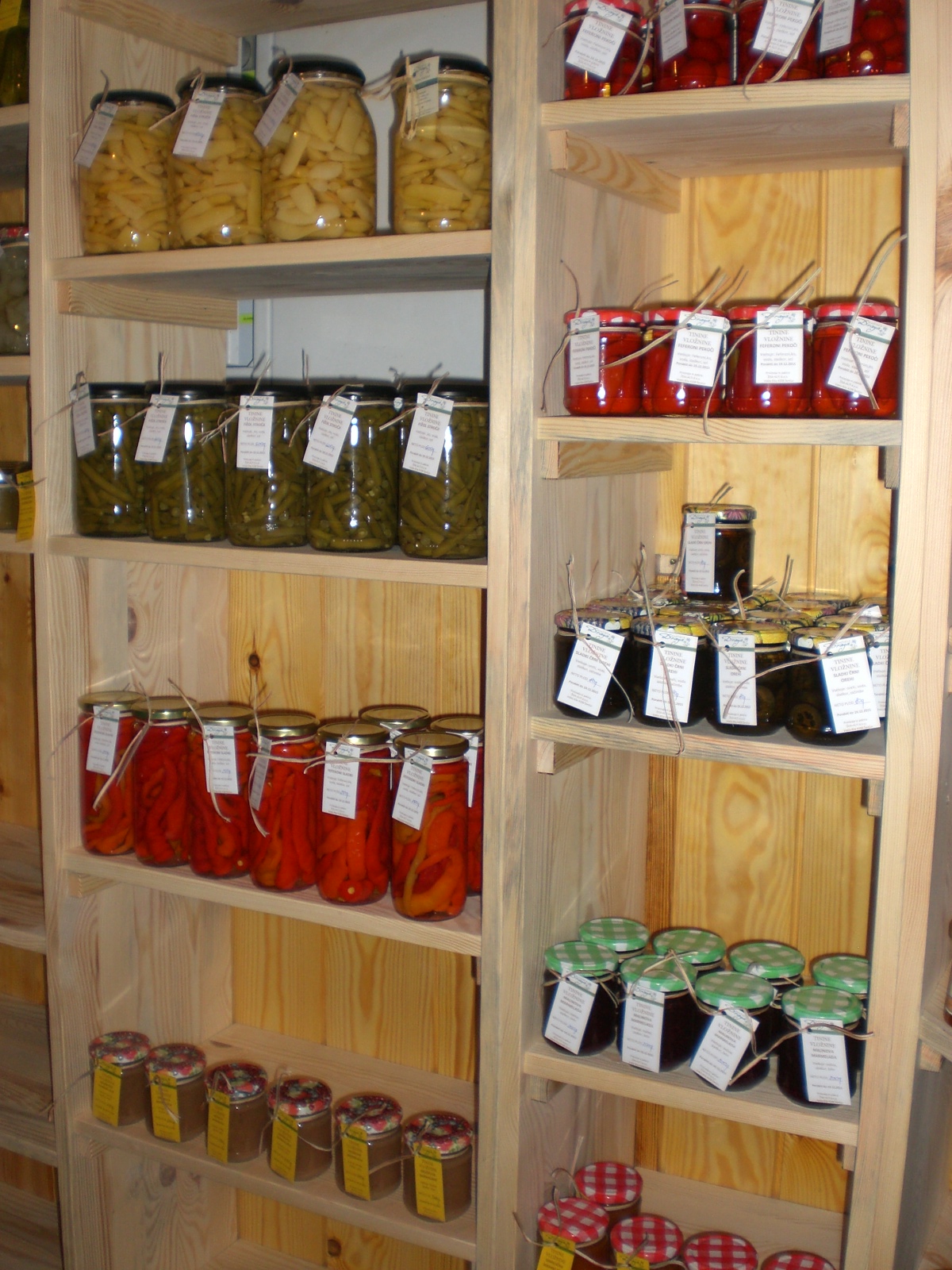
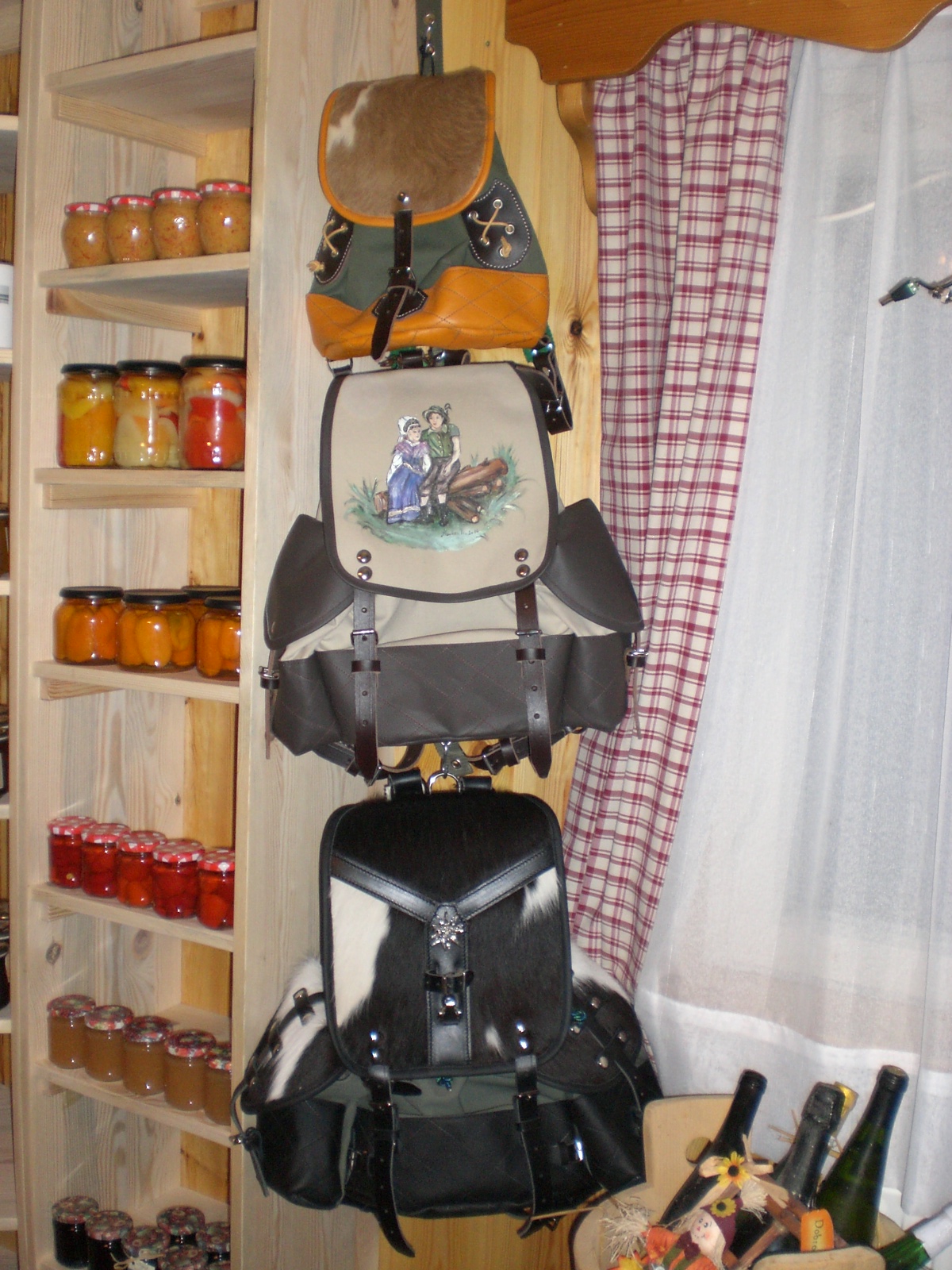
The inn has now expanded its offer by opening its own mini-shop stocked with products exclusively from the valley or the family farm; a range of pickled vegetables grown in the Inn’s garden, home-cooked jams, honey from the valley’s beekeeper and these rather attractive hand-painted and produced rucksacks, which are apparently ‘flying off the shelves’.
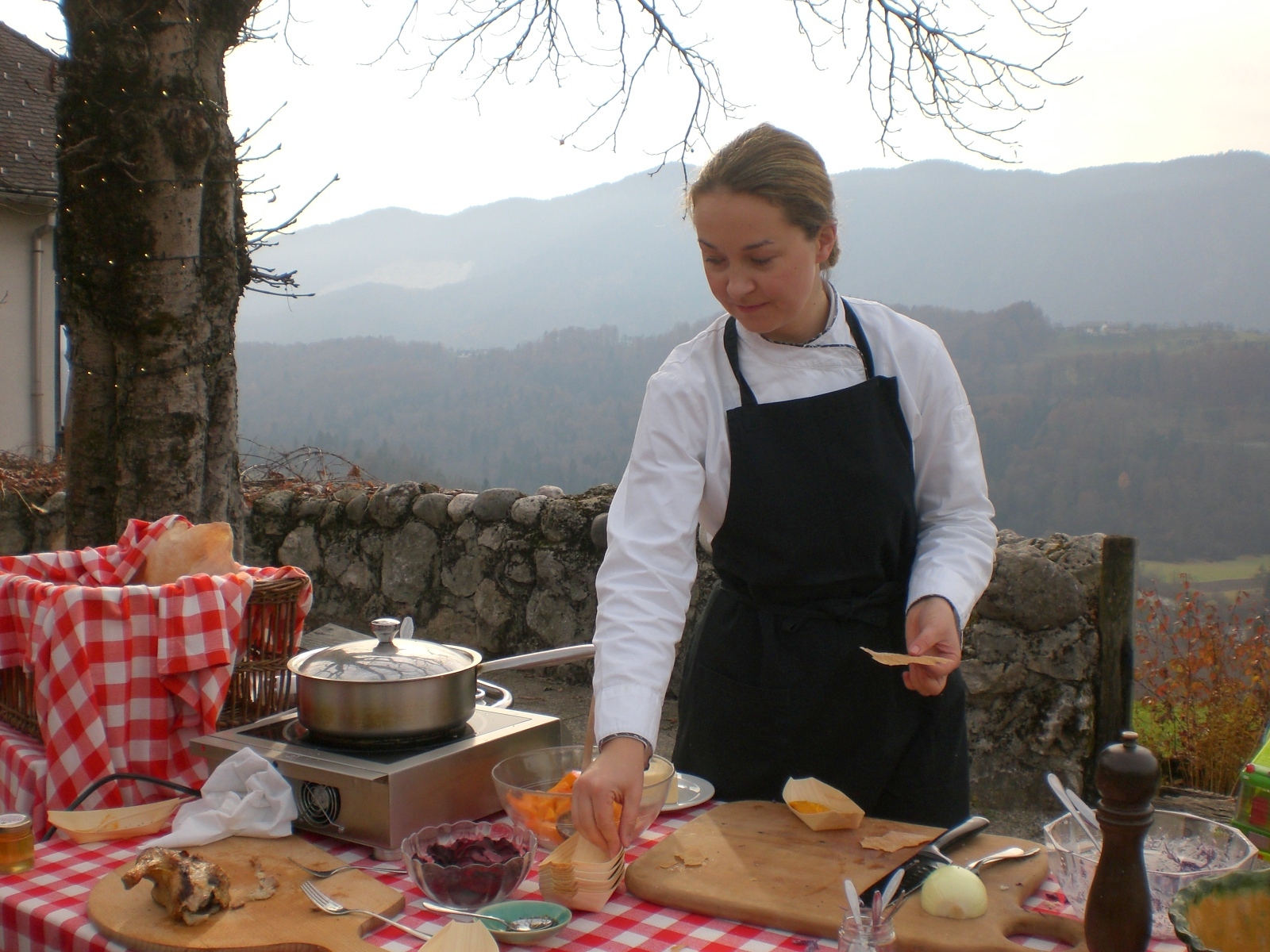
On Saturday the first Kunstelj Cooks (Kunstelj kuha) workshop took place at Kunstelj Inn in Radovljica. The fine autumn weather was a bonus and meant that the workshop could be held outside on the terrace, which just happens to be one of my favourite places in Radovljica, to sit and admire the views of the Julian Alps, the Jelovica plateau, and the lush Lipnica valley.
At this first workshop, to coincide with the celebrations for St. Martin’s Day, Kunstelj’s talented head chef, Maja Buden, used ingredients that are typical for St. Martin’s meals and showed how they could be used in a novel way.
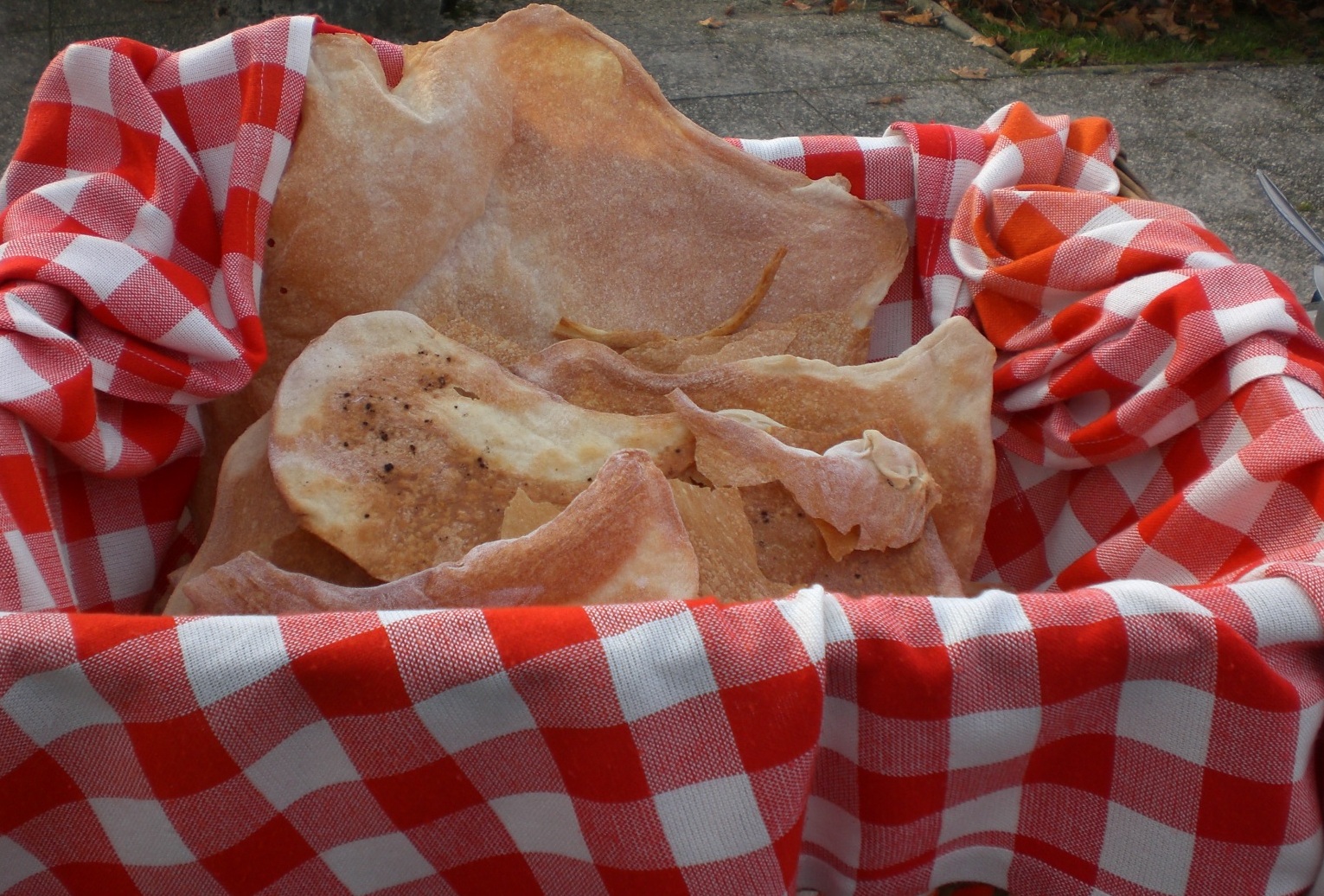
A traditional St. Martin’s Day meal in Slovenia comprises roast goose or duck, served with mlinci, as seen below (a kind of thin dried pastry that is prepared by boiling over liquid – water, stock or soup, over then ), and red cabbage.
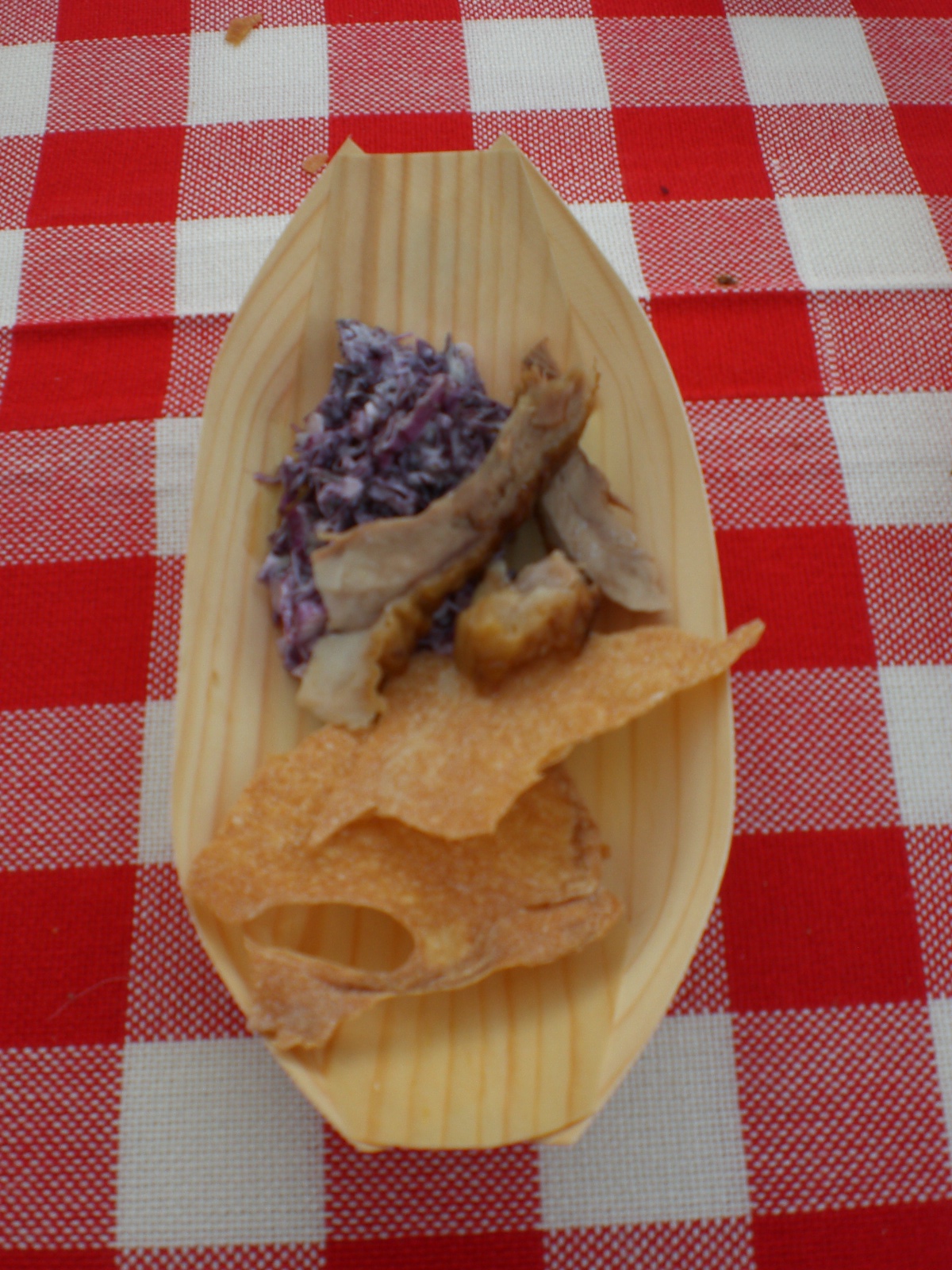
Maja used all these traditional ingredients to create these delicious bite-size St. Martin’s mouthfuls!
Next Saturday, 21st November, there will be another Kunstelj Cooks workshop. This time Maja promises she will be rustling up desserts. Do come, it’s tasty, interesting and FREE!
Hiking is very popular in Slovenia. There are over 170 mountain huts spread across the hills and mountains of the JulianAlps, the Karavanke, the Kamnik-Savinja Alps, the Pohorje, Jelovica and Pokljuka plateaus and all the other areas. The huts range in facilities, in general the higher you go the more basic they become. Some, particularly the higher lying ones, are only open in the high season (July-September), others are open year-round though, out of season just at weekends, whilst a small handful, including this one, are open all year round, regardless of the season.
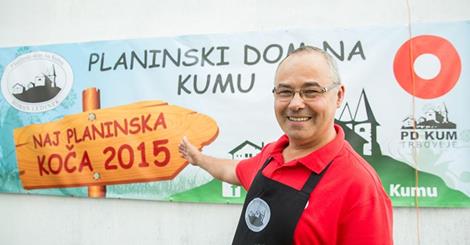
Every year in Slovenia the public votes for their favourite mountain hut to win the title of ‘Best Mountain Hut’. This year the competition was won by the mountain hut on Kum (Koča na Kumu) and since I’d never been there, and since the warm autumn weather we’ve been experiencing of late has meant the hills and mountains beckoning for hiking, I visited Kum last weekend and, well – wow – now I know why!
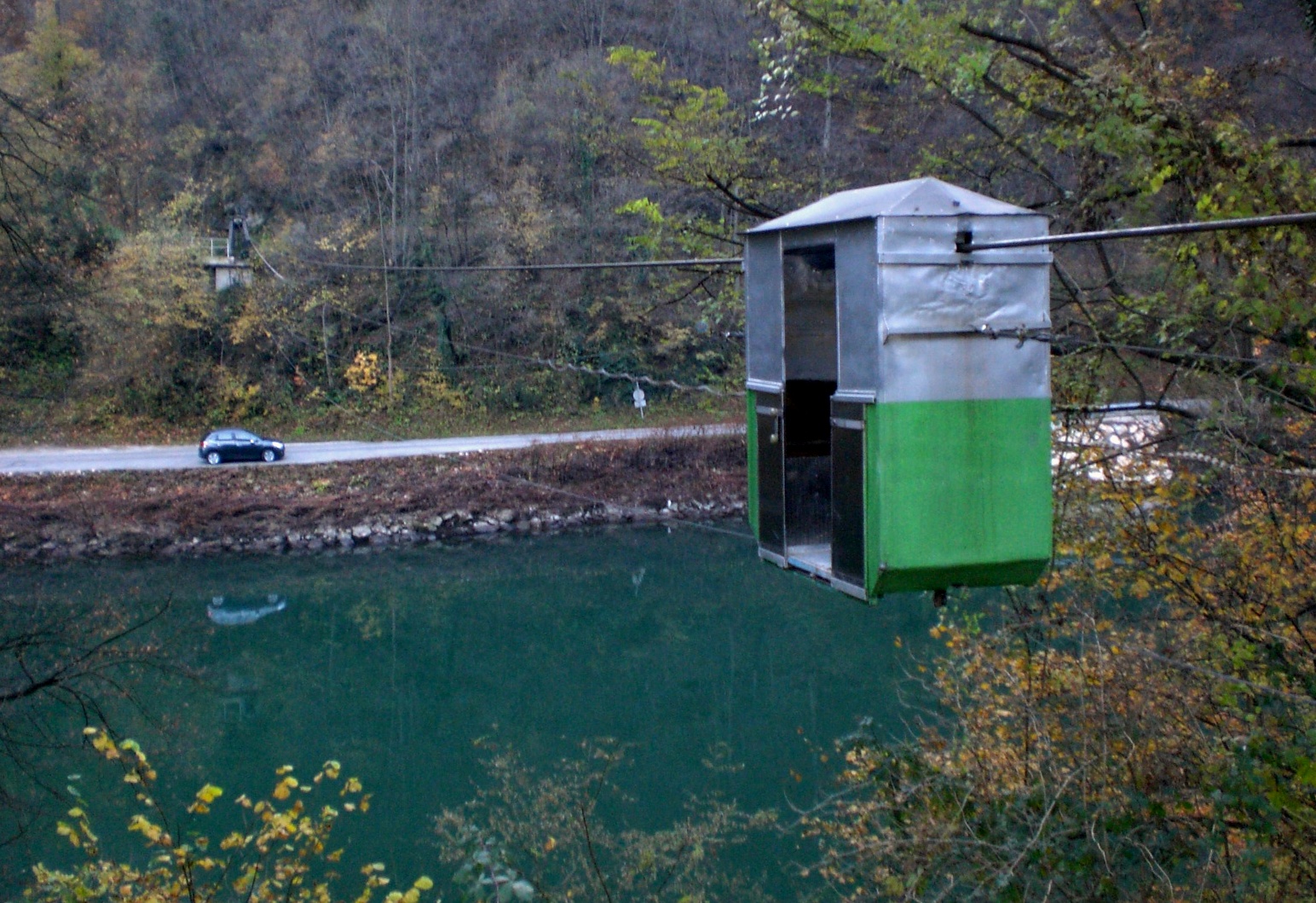
At 1220m Kum is the highest peak in the Posavje region. It can be reached from a number of places, including from Trbovlje, Radeče and Zagorje ob Savi. However, having read about the mini-cabin used to cross the Sava river at Zidani most, where one of the routes begins, I decided that sounded like an adventure with my name on it! This little cabin (for want of a better word) is also used by locals wishing to cross the river to avoid an otherwise lengthy detour.
As I wanted to make an early start on Sunday morning, and also because I wanted to suss out the cabin in advance, I decided to stay the night before at my new favourite hotel, Rimske terme in Rimske Toplice. I say ‘favourite hotel’ because I visited once and liked it so much, and there was so much to see and do, that I returned a week later, hence there’ll be much more about that in a coming blog.
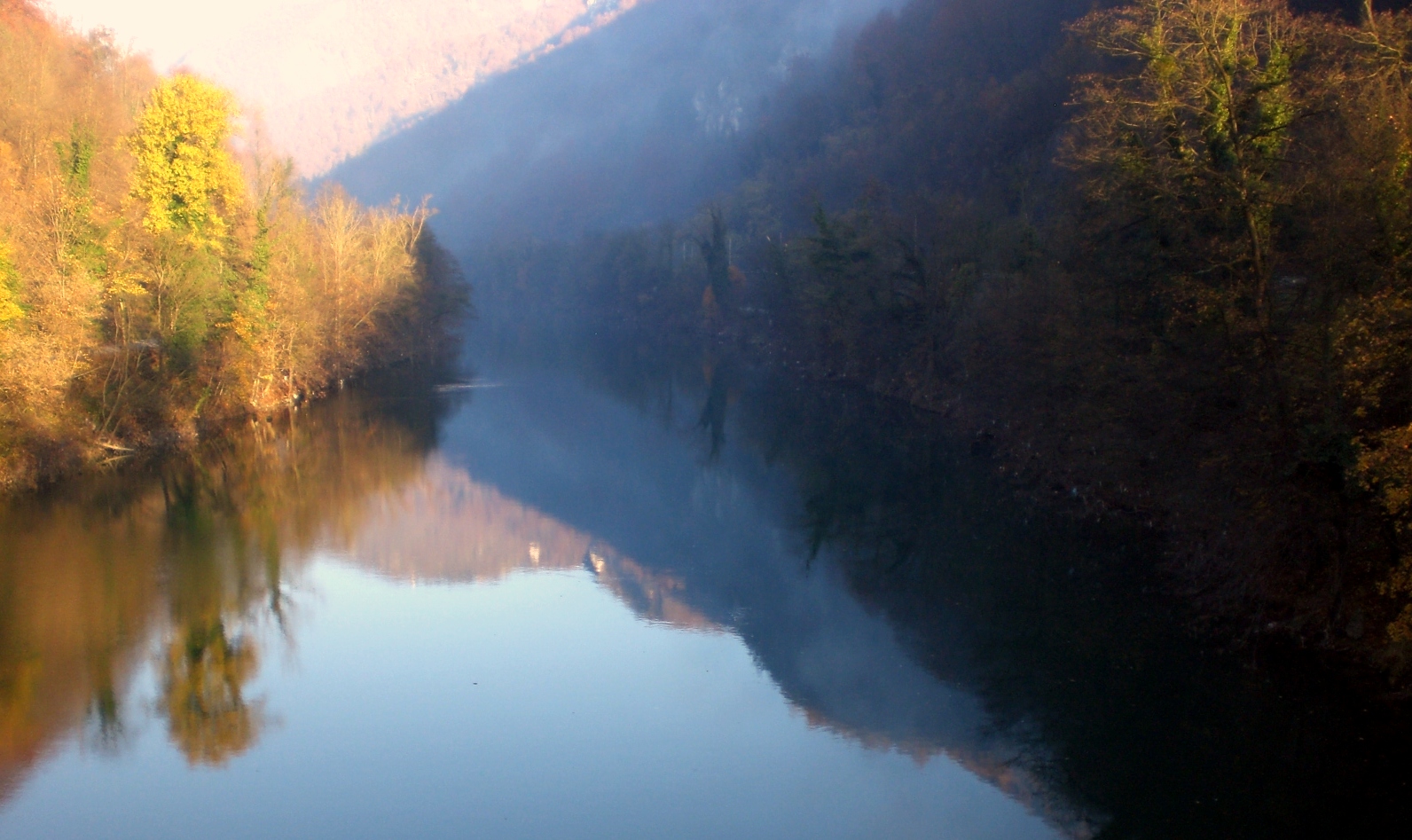
Zidani most is one of Slovenia’s most important railway junctions, and is also known for its 3 bridges – two railway and one road – as well as being at the confluence of the Savinja and Sava rivers. Though surrounded by wonderful nature, to be honest, from what I saw of the place, there’s not really an awful lot else to see or do there, though I might be doing it a disservice since I only used it as a base for my walk.
If arriving by train, on exiting the station turn left then walk along the road for about 1km to where the road crosses the railway. If arriving by car then you can park on the dirt road beside the Sava river. Then, its a quick hop into the cabin to wizz (ahem!) over the river to begin the hike. Well, at least that was the plan! If there is a group of you, it would be far easier as those on the opposite side of the river bank can help by winching the cabin if (and when!) it doesn’t quite make it over the river!
So, just get in, take the obligatory photo, close the ‘door’ and let gravity do its thing!
The cabin is just big enough for 2 people. If, however, you are alone, you might want to ask a friend to help (or flutter your eyelids at a friendly local – though you could have a bit of a wait, there aren’t many!) when you (inevitably) get stuck halfway across the river and don’t have the strength to pull yourself the rest of the way!
The path leads up alongside a stream, steeply at first, crossing the stream in several places (I’d advise against taking this path after heavy rainfall as imagine it gets pretty slippery and treacherous). It emerges to meet a road then continues up along a sunny balcony, passes weekend houses from where the endless and rewarding views begin.
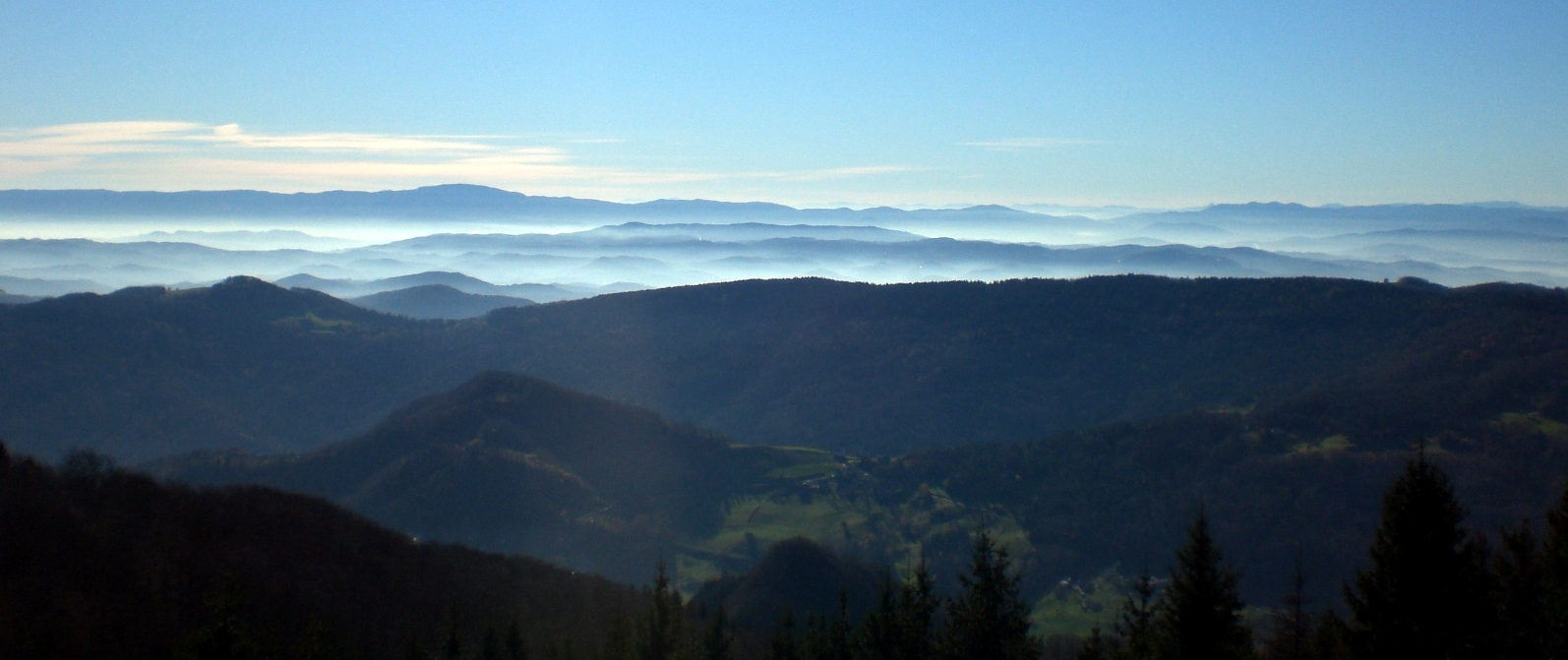
The panoramic views are breath-taking and, despite not being that high, you really do feel on top of the world. On a clear day, you can see all of Slovenia’s mountain ranges and Slovenia’s highest mountain, Triglav, as well as peaks in neighbouring Croatia and Austria.
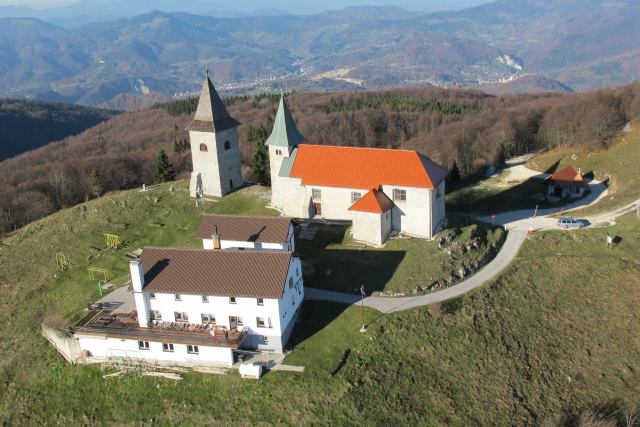
On the top there is a large antenna, the mountain hut and St. Neža’schurch. There is also a small play area for children, farm animals and an orientation table.
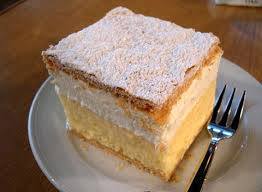
Inside the hut, where I was warmly greeted, the first thing that caught my eye was the chiller cabinet full of cakes! That in itself is a rare sight as most mountain huts have the usual fare of soups, stews and strudel. It’s not surprising then that the hut’s kremšnita (a cream slice, otherwise known as ‘Bled cake’) was declared the best mountain dessert of 2015. Of course there’s plenty of other tasty food on offer too.
Kum is also popular destination during the winter and the hut is open all-year round, so, what are you waiting for?!
After a less than promising start to autumn, it finally arrived in style last week with nature offering a palette of the most resplendent autumnal hues. This, together with the warm, sunny days – which lasted all weekend too – made it perfect weather to enjoy the great outdoors. As the Karavanke mountains are right on my doorstep, that’s where I most often head to get my hiking fix!
On Sunday morning I headed off on my bike from home in Radovljica to the Draga valley, then on foot – initially up to the Preval highland and the Preval mountain hut (Koča na Prevalu) – part of the Karavanke range.
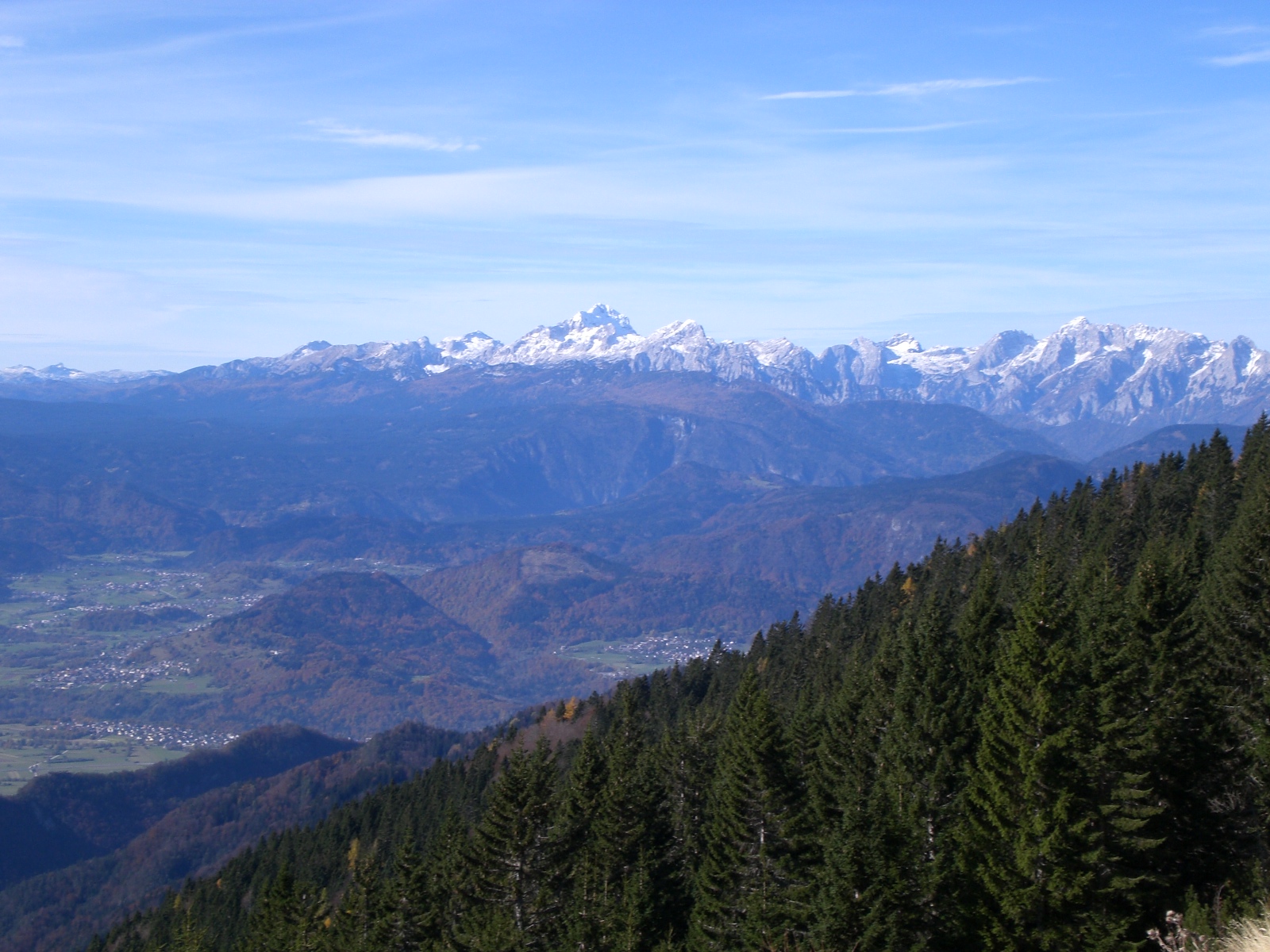
From the hut there are a number of paths; steeply (very!) up through the forest to the top of Mt. Begunščica; through the Baron’s Tunnels to Ljubelj, back down to the Draga valley – either through the forest or via the road – or across Roža (čez Roža) to the Roblek mountain hut (Roblekov dom). I chose the latter, as it is one of my favourite walks, particularly as it is circular and offers wonderful views across the Radovljica plains, the Jelovica plateau, and onwards towards the Julian Alps.
As can be seen below, with such perfect weather and views across to the snow-capped Julian Alps, no photo-shopping is required!
It’s always a particularly wonderful feeling being in the mountains and looking across at other parts of the country which are shrouded in low cloud, as was the case on Sunday morning!
The opening event of this year’s month-long Taste Radol’ca is drawing nearer. Reservations are being taken for the opening event this Friday and participating restaurants have finalised their special Taste Radol’ca menus for the month of November – all available at just 15 euros for 3 courses and with the key focus on local ingredients.
Additionally this year there are a range of accompanying events during the month of November. Below are some of the highlights, the whole list can be seen here – http://radolca.si/kaj-poceti/dogodki/okusi-radolce/83/930/
Every Wednesday: Live accordion music evening at Lambergh Château & Hotel
Every Friday: Live music evening at Vila Podvin
Every Sunday at 1pm: Presentation of the Zupan FishFarm at Vila Podvin
Saturday 7.11: Podvin Local Food Market at Vila Podvin
Sunday 8.11 from 12 – 5pm: Presentation and tasting of honey from the Draga valley at Draga Inn
Saturday 14.11 & 21.11 at 11am: Cookery workshop with tastings of St. Martin’s dishes at Kunstelj Inn
Friday 27.11: Culinary Evening with Sartori wines and live music at Grajska Gostilnica
Friday 4.12: Taste Radol’ca Closing Party at Joštov hram (tickets can be obtained by participating in this year’s 2 prize competitions)































 Adele in Slovenia