Fit and Fun in Radovljica!

For many people, no doubt the thought of exercising on holiday couldn’t be further from their minds; then there are those of us for whom being active is a way of life, and whether at home or away, we like to find ways of ensuring we stay fit and healthy whilst also having fun!

So for those of you who fit into that bracket – myself included – Radovljica is the perfect destination!

As is widely known and acknowledged, the key to keeping fit is to find an activity, or activities, that are enjoyable, so taking part doesn’t feel like a chore and we are more likely to stick with it.

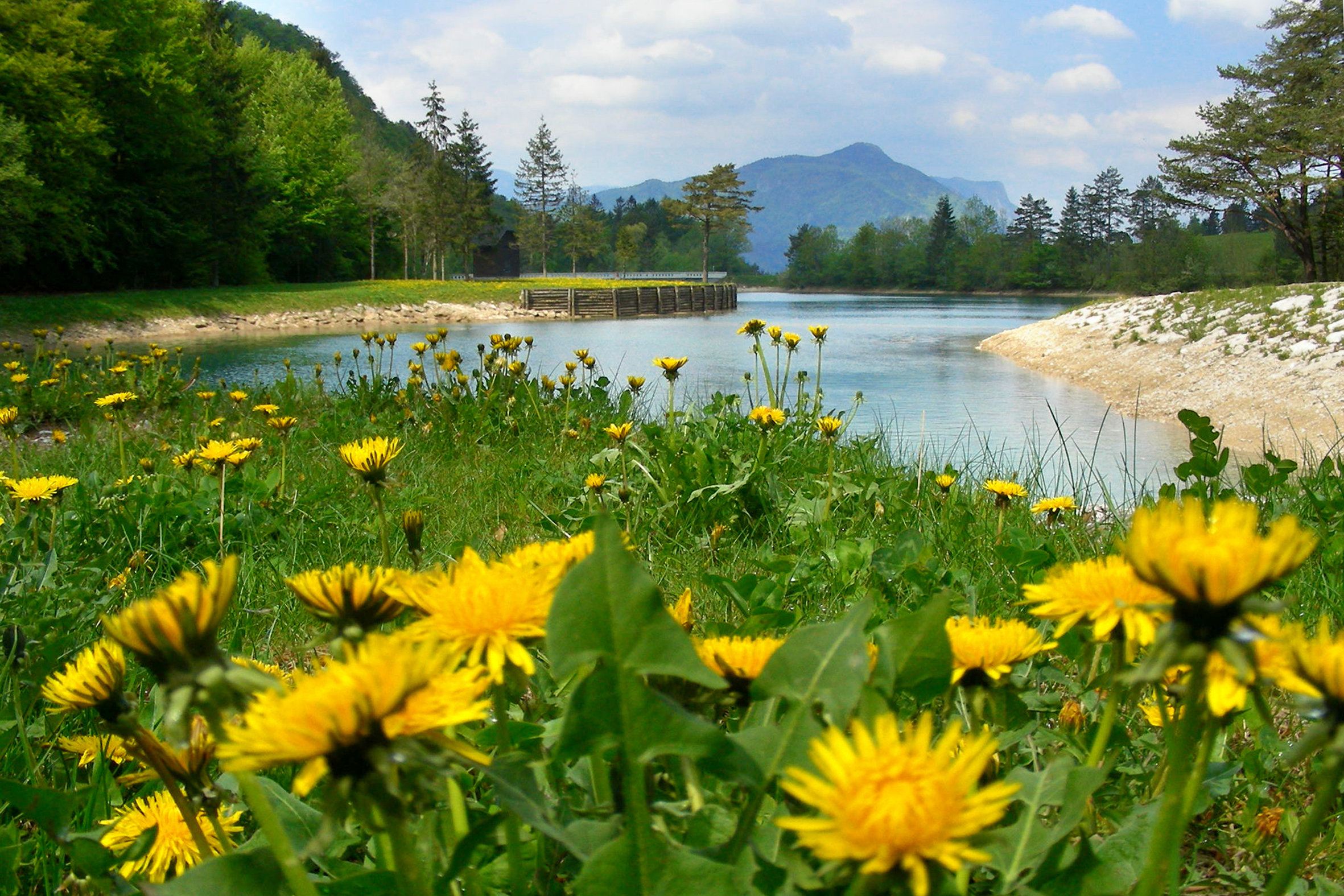
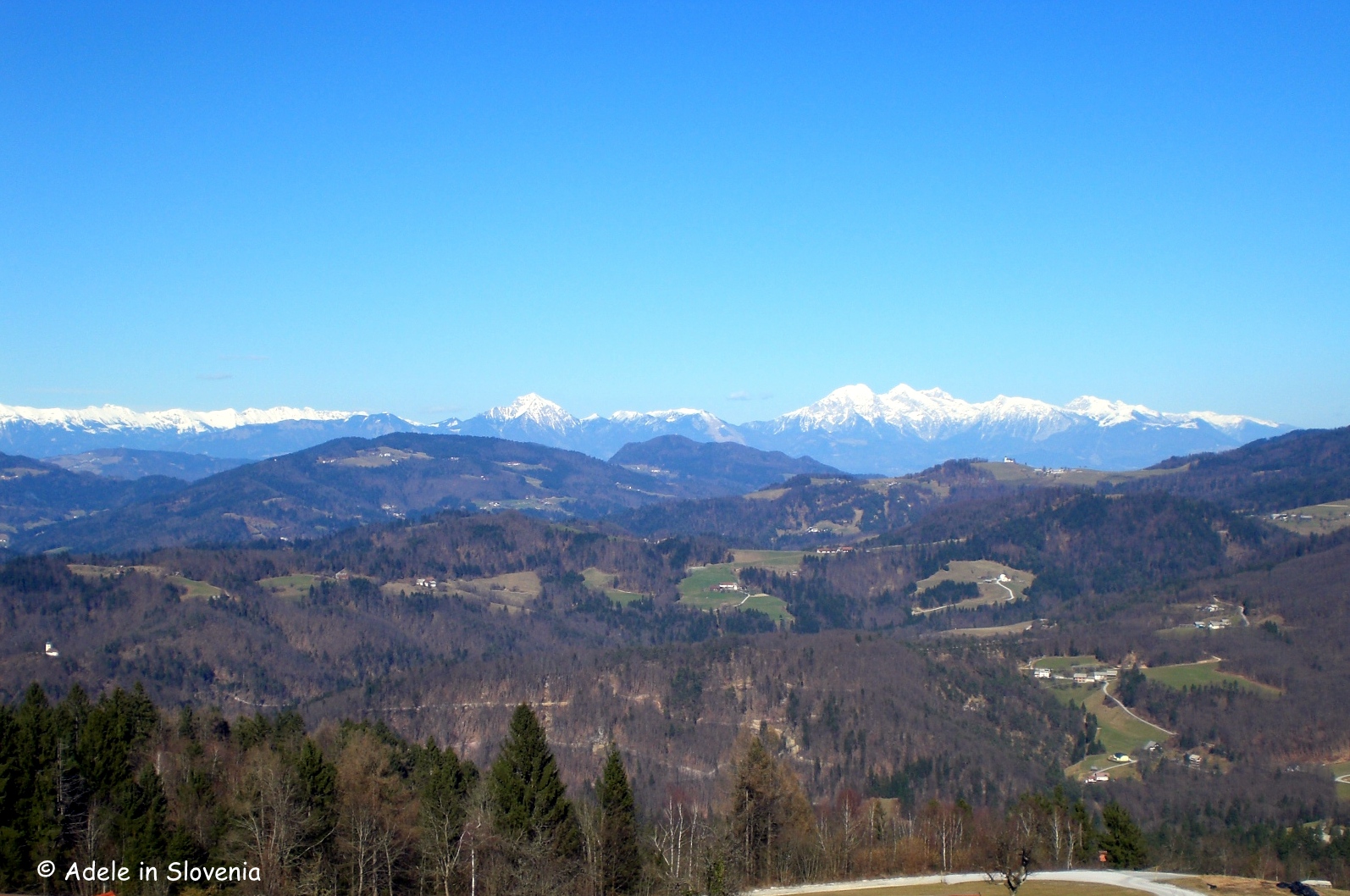
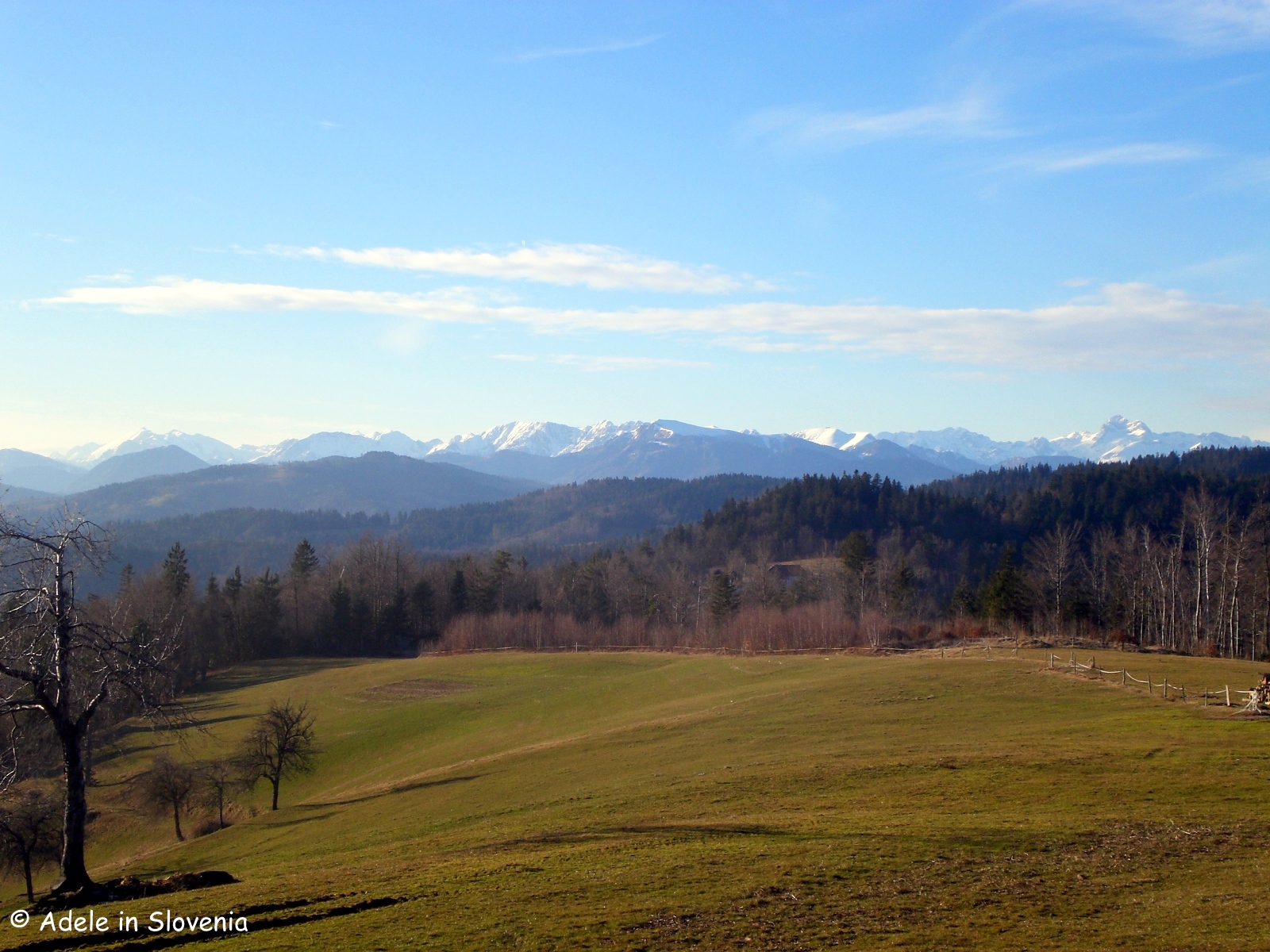
With the beautiful backdrop of the Karavanke mountains and the Jelovica plateau, as well as the Sava river and the Draga and Lipnica valleys, there are myriad outdoor sports and activities right on the doorstep or within close proximity of Radovljica, so here are some ideas:

HIKING – the Jelovica Plateau, the Karavanke range, or the nearby Julian Alps

WALKING and/or RUNNING – from short strolls or runs on theme paths such as the Sava River Trail, to long cross-country rambles and runs

CYCLING – of all types, mountain biking, road biking, endless possibilities

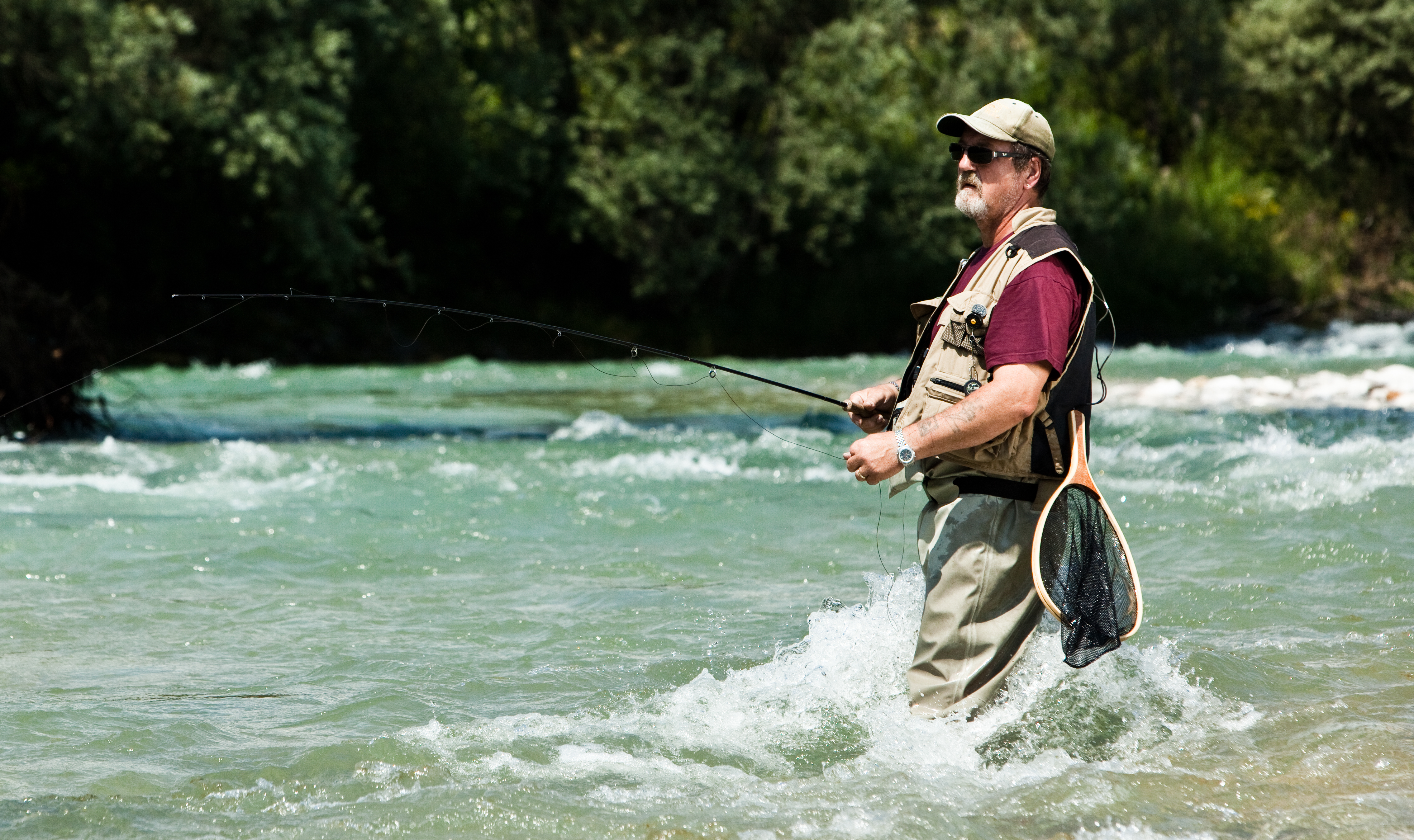
FISHING on the Sava river

HORSE RIDING or horse and carriage rides – get to know Lipizzaner horses at the Barbana stud farm in Globoko, or go riding at the Mošnje Horse Centre – just two among the places offering horse riding in the area. More here – http://www.radolca.si/en/in-the-company-of-horses/

WATER SPORTS – rafting, kayaking, canoeing

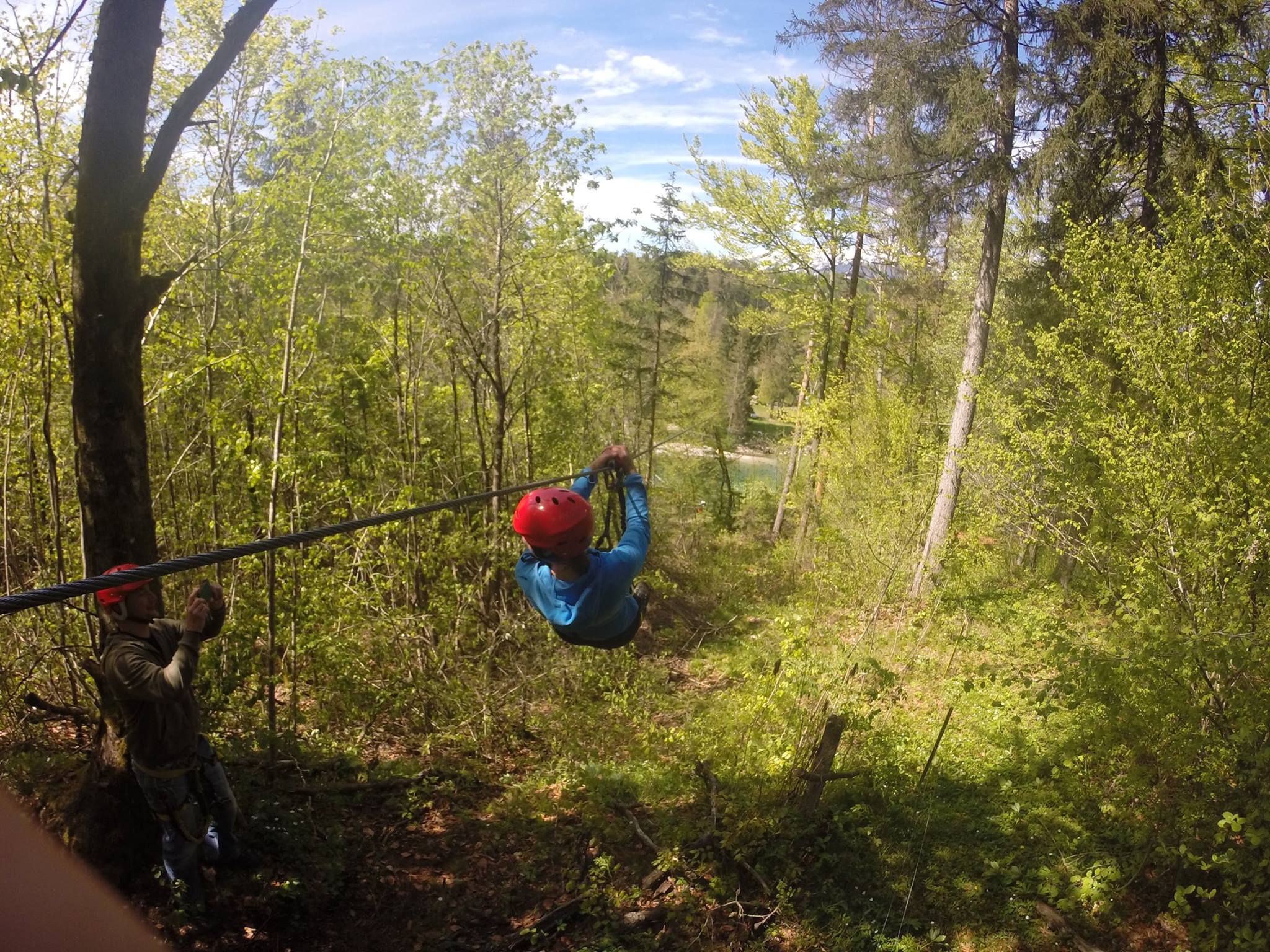
Other adrenalin-fuelled activities –  paintball, zip line, zorbing, caving, climbing

ARCHERY – on the parcour course in the tranquil Draga valley. Find out more here – https://adeleinslovenia.com/2017/04/10/archery-adventures-and-delicious-draga-delights/

SWIMMING at the Olympic size swimming pool in Radovljica – open-air in the summer, covered in the winter; or at the Kropa outdoor pool

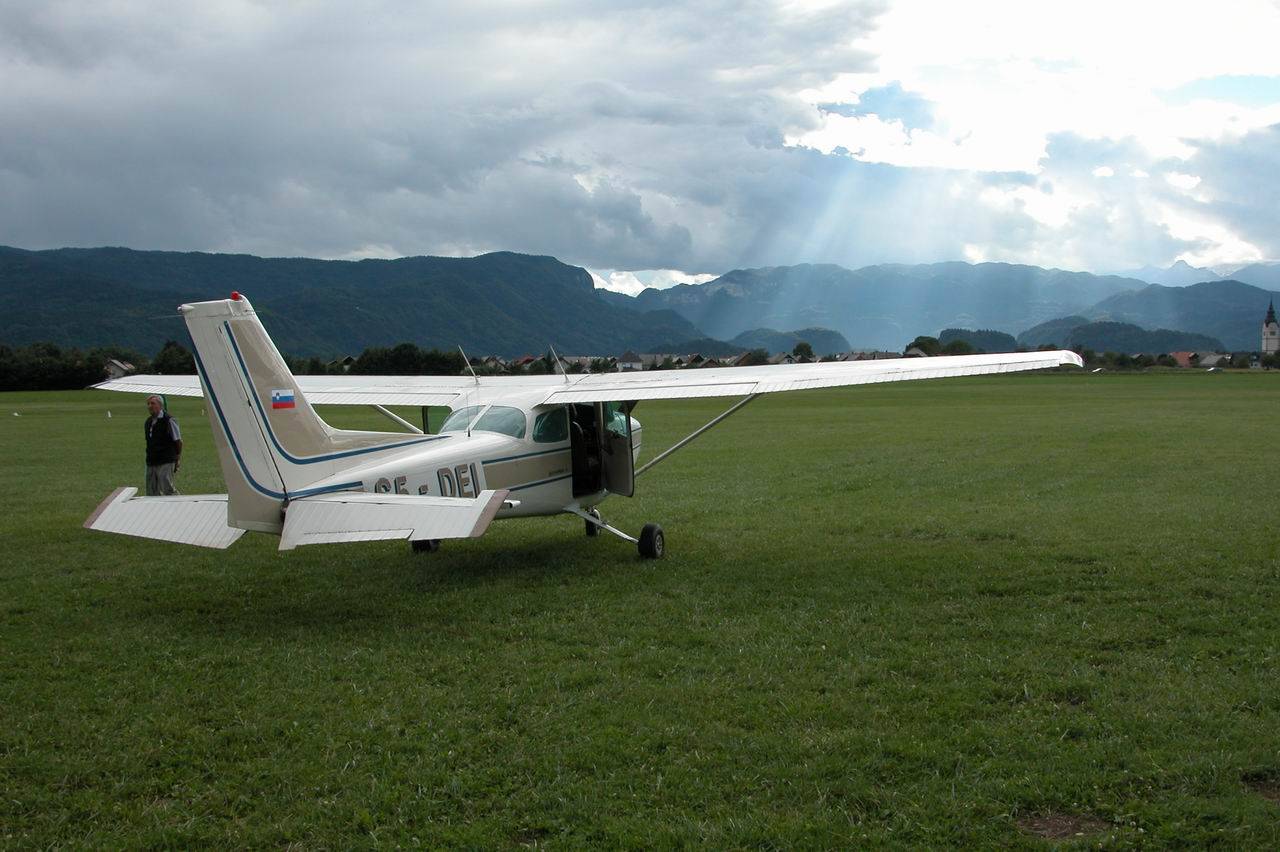
PARACHUTING and PANORAMIC FLIGHTS over the Julian Alps from Lesce Sports Airfield

Find out more about sport, recreation and fun in the area here and I wish you fit and fun adventures in Radovljica! – http://www.radolca.si/en/sport-recreation-and-fun/

© Adele in Slovenia

Hop-On Hop-Off This Summer: Radovljica, Bled, Brezje, Kropa, Kamna Gorica, Begunje, Žirovnica

The Radol’ca Hop-On Hop-Off tourist bus will begin operating on Tuesday 4th July and will run every Tuesday and Thursday during July and August. This year there is an even wider range of places to visit and more things to see and do.

As in previous years a day ticket is great value at just 5 euros. You can get on and off the bus to visit sights of interest along the way, or just enjoy the ride!

On Tuesdays the route is Bled – Radovljica – Kropa, with additional stops at the Šobec Camp, Lesce, Lancovo and Kamna Gorica.

On Thursdays the route is Bled – Vrba – Žirovnica – Begunje – Brezje, with additional stops at Breznica, Spodnji Otok and Podvin.

To whet your appetite here’s a preview of just some of the things you can see and do along the way.

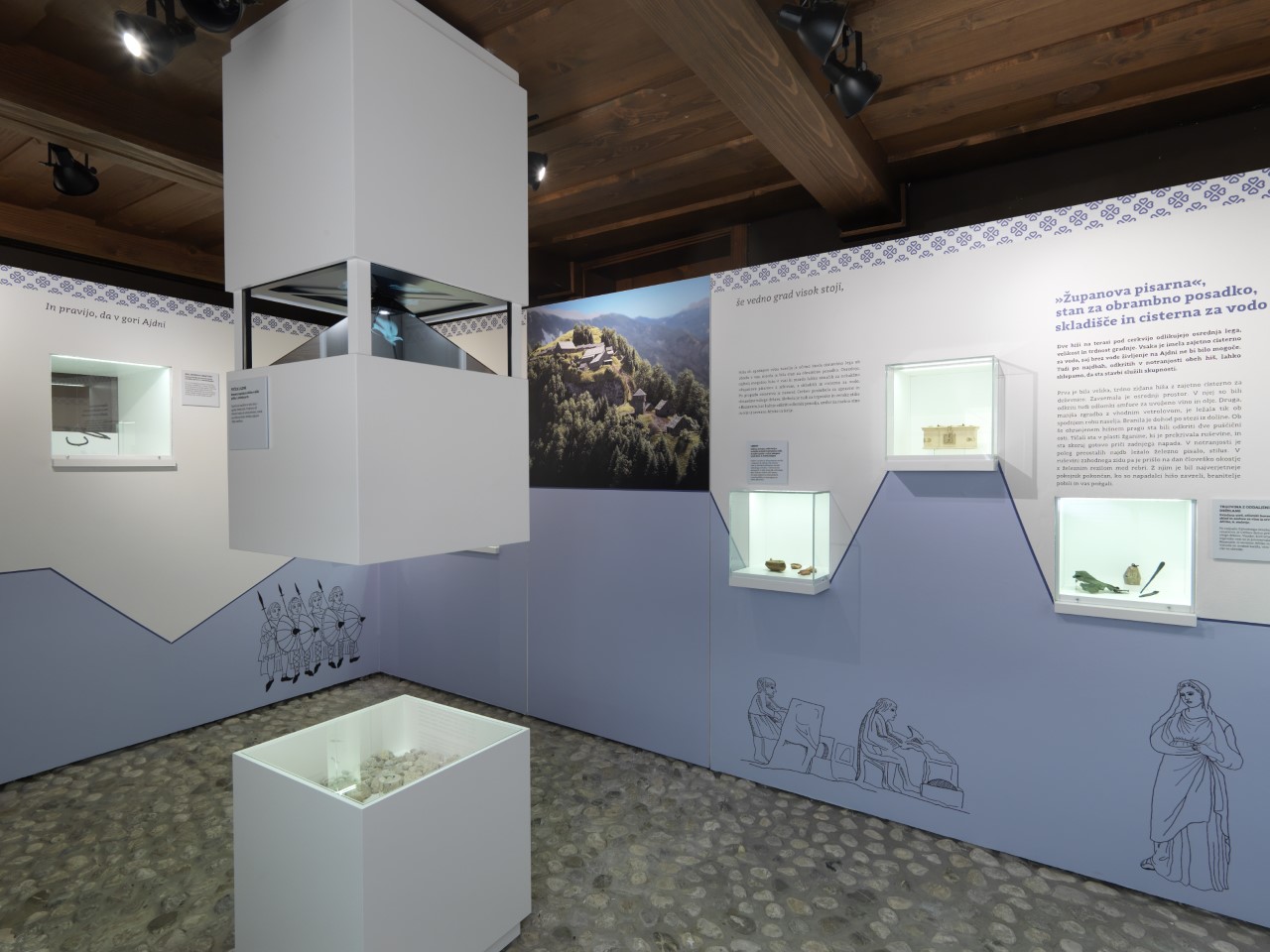
For the first time, this year the bus route includes Žirovnica, where you can visit the new Ajdna Museum Room to find out more about the Ajdna archeological site beneath Mt. Stol where remains were found from a Late Antiquity village dating back over 1400 years.

On especially hot days, a trip to the Završnica valley is an ideal way to seek some tranquillity and shade.

The valley is also a start point for great hikes and bike trips in the Karavanke range, including to the highest peak, Mt. Stol.

You can also visit Noč Beekeeping, where you can see some of the hives belonging to the president of Slovenia’s Beekeeping Association and his family, purchase honey and honey products, and try and buy the exclusive ‘Medena noč’ perfume made with Slovenian honey. You can read more about this in one of my previous blog posts here – https://adeleinslovenia.com/2016/06/06/perfume-made-with-slovene-honey-not-just-an-idea-a-reality/

In Brezje you can see the Basilica of Mary Help of Christians, and the Nativity Museum, or take a walk on the Path of Peace to the Peračica waterfall.

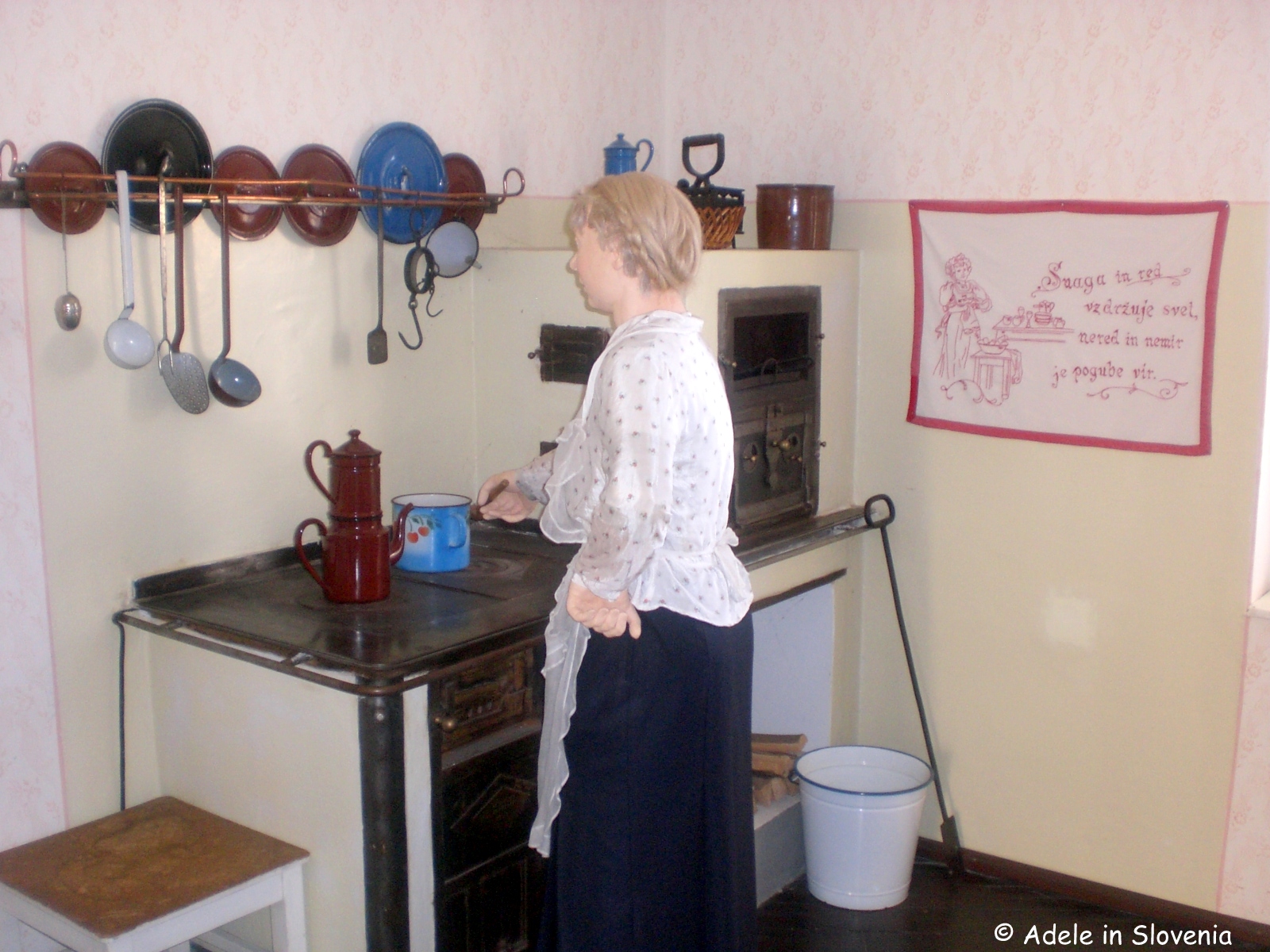
In Kamna Gorica you can walk through the village to see its many waterways, and walk up to the Sextons’ House Museum, which contains an original black kitchen. Its position offers great views over the village and towards the Karavanke mountains.

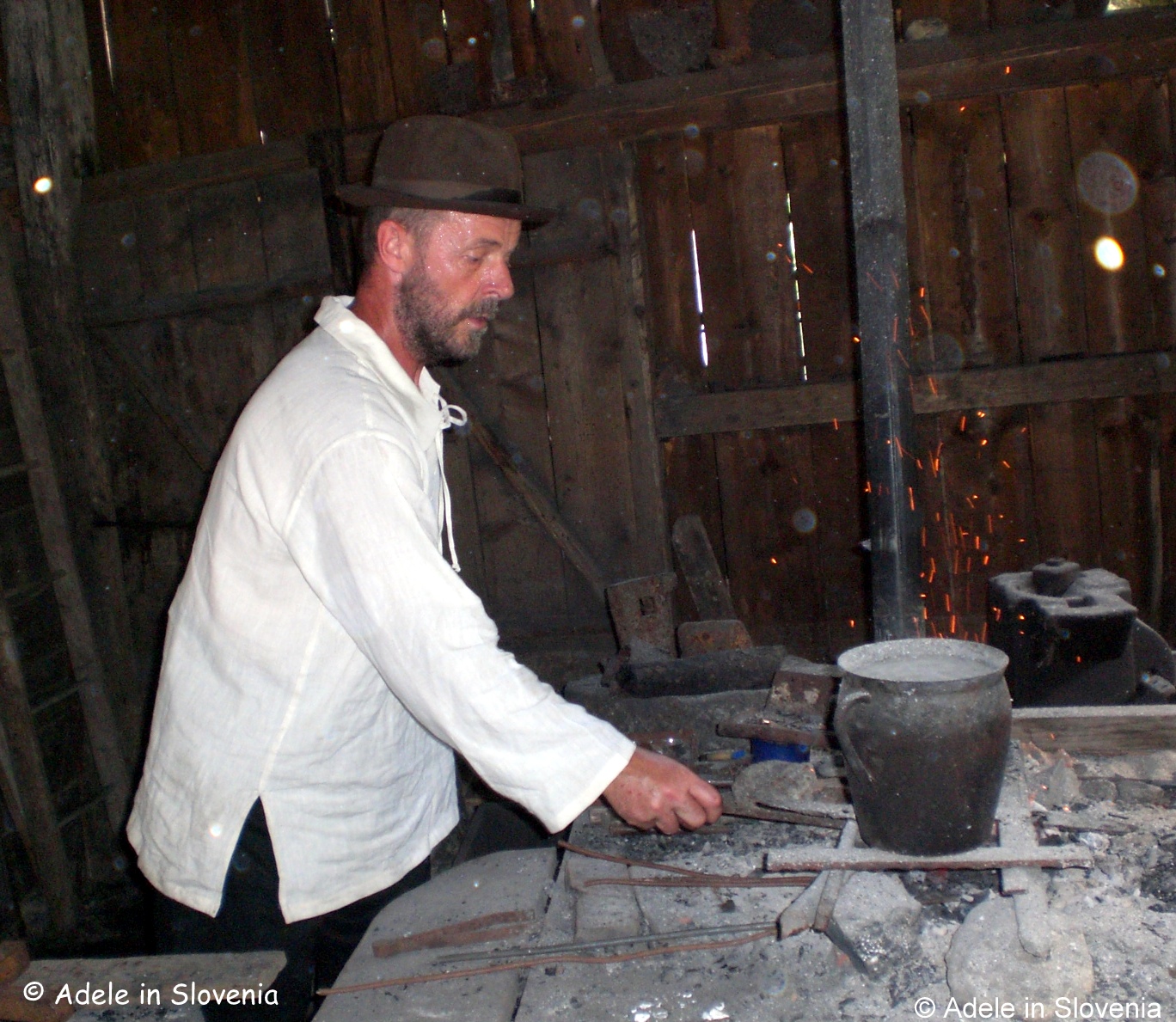
In Kropa you can visit the Iron Forging Museum, take a stroll through the village to see the former ironworkers houses, or visit the Vigenc Vice Blacksmith to watch a demonstration of manual nail forging.

In Radovljica itself there are numerous things to see and do including a visit to the Lectar Gingerbread Museum and Workshop, the Museum of Apiculture, the Šivec House Gallery, or simply enjoy a stroll through the well-preserved medieval old town and sit at the viewpoint and enjoy the views of the Sava river, the Jelovica plateau and the Julian Alps.

Or why not take the chance to find out more about Slovenian food and wine by enjoying a meal at one of the Taste Radol’ca restaurants or take a Taste Radol’ca Food Tour. More information here – https://adeleinslovenia.com/taste-radolca-tours/

Further information about the Hop-on Hop-off route and timetable can be found here – http://www.radolca.si/en/hop-on-hop-off-radolca/

© Adele in Slovenia


The Karavanke Mountains – Majestic Mt. Begunščica

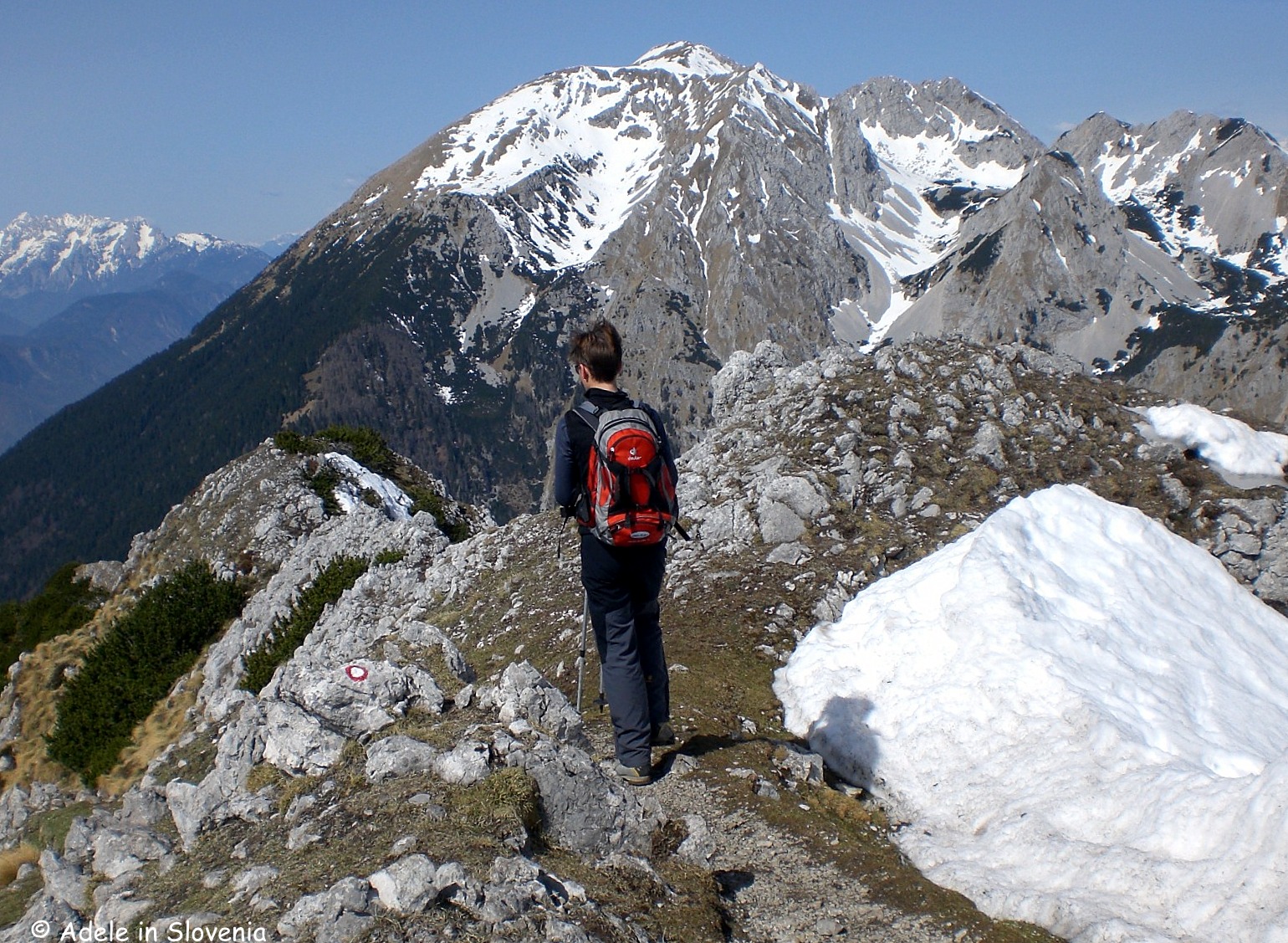
At 2060m, Begunščica is amongst the highest mountains in the Karavanke range, and a favourite destination among locals and those looking for a moderately challenging and very scenic hike.

The approximately 120-kilometre-long Karavanke mountain range forms a natural border between Slovenia, to the south, and Austria, to the north. Thus, in late-spring it’s not uncommon for there to be snow on the northern facing slopes of the Karavanke, whilst it’s green on the sunny Slovenian side!

Green and sunny to the south, snowy to the north!

There are several ways to reach the summit; the most popular among them is to start from the Draga Valley in Begunje na Gorenjskem. If coming from Radovljica, drive through the village and continue in the direction of Tržič, then on the left you will see the road towards the valley. The valley is a popular starting point for hikes in the Karavanke range. The routes are well-marked and signposts show approximate walking times.

I recommend taking time to stop in the village of Begunje na Gorenjskem to have a stroll around the park, and also at the entrance to the Draga Valley to see the ruins of Kamen Castle.

Continue to the end of the valley to the parking area and from there you set off on foot. You can choose to either go via Preval on the first part of the Shepherd’s Trail, which is the more direct, short, but steeper route, or hike first up to the Roblekov dom mountain hut (1657m), where you can stop for refreshments either on the way up or down – or of course both ways! You can find more information about the Shepherd’s Trail here – http://www.radolca.si/en/shepherds-trail-begunje/

Looking down on the Preval mountain hut on the path up towards Begunščica

If you choose the route to Preval, it takes a good hour from the valley to reach the Koča na Prevalu mountain hut, again an optional break for refreshments here – then prepare yourself for the very steep path directly up to the summit. Here you leave the Shepherd’s Trail and take the marked path to Begunščica which, at times, can feel like an almost vertical ascent. However, apart from one small rocky section, it isn’t overly exposed and is manageable for competent and experienced hikers.

As you approach the summit you can’t fail to notice the ‘carpet’ of sheep droppings from the sheep that are taken to graze on the slopes of Begunščica during summer! I always wonder how on earth so few sheep manage to produce so many droppings! At the summit there is an orientation table which provides assistance when you are gobsmacked by the stunning views and don’t know where to look first!

Personally I prefer to do the hike in the direction as I have described it: Draga – Preval – Begunščica – Roblek – Draga, as the descent from the summit to Roblek is easier and more ‘knee-friendly’ than the steep path from the summit down to Preval. I also like doing it this way as it makes it an entirely circular route.

The path from the summit down towards the Roblekov dom hut

Whilst there is no hut at the summit, there’s no shortage of huts to visit; in addition to the aforementioned Koča na Prevalu and Roblekov dom huts, there is also the Tomčeva koča hut (1180m) on the Poljška Planina highland and the hut on the Planina Planinca highland (1136m), both of which are found at approximately the halfway point between the Draga Valley and the Roblekov dom hut.

The hut on the Planina Planinca highland

You can find out more about this and other hiking routes nearby on the Tourism Radol’ca website here – http://www.radolca.si/en/hiking/

© Adele in Slovenia

What’s On in Radovljica June 2017 – A Lot!

Here’s a round-up of the latest news and events taking place in June 2017, of interest to both visitors and locals, in my lovely home town of Radovljica as well as the surrounding towns and villages. I apologise in advance for the long blog, but there’s so much going on!

Any running enthusiasts out there? The annual Radovljica 10k run takes place this year on Friday 23rd June. The race is even featured on the Run International website, since, despite being the smallest event it lists, it is included for having ‘a particularly-beautiful setting’. The route goes through and around the town, from where there are fantastic views of the Sava river, the Julian Alps, the Karavanke mountains, and the Jelovica plateau. You can read more about the event here – http://www.runinternational.eu/2017-calendar/june/2851-radolska-10ka-2017

Every Tuesday you can join a FREE guided tour of Radovljica’s historic old town centre. The tour begins at 10am at the Radovljica Tourist Information Centre at the entrance to the old town in Linhart Square (Linhartov trg).

An exhibition titled ‘Terra Mystica’ is on view in the Radovljica Mansion in the old town until 2nd June. The exhibition showcases products made at the children’s ceramics biennial.

Talking of ceramics, the Festival of the Strength of the Earth (previously known as the Ceramics Festival) took place last Saturday. The main market event took place in Linhart Square, where visitors could see and buy products such as ceramic ware, herbs, seeds, natural cosmetics, and teas.

Photo: Boris Pretnar

Whilst workshops took place at the biodynamic garden at the town primary school.

Photo: Boris Pretnar

The annual month-long Vurnik Days (Vurnikovi dnevi) begins on 1st June in memory of the architect Ivan Vurnik who was born in Radovljica in 1884. Vurnik helped found the Ljubljana School of Architecture and, together with his wife, Helena Kottler Vurnik, they went on to design many notable buildings in Radovljica, as well as further afield in Slovenia.

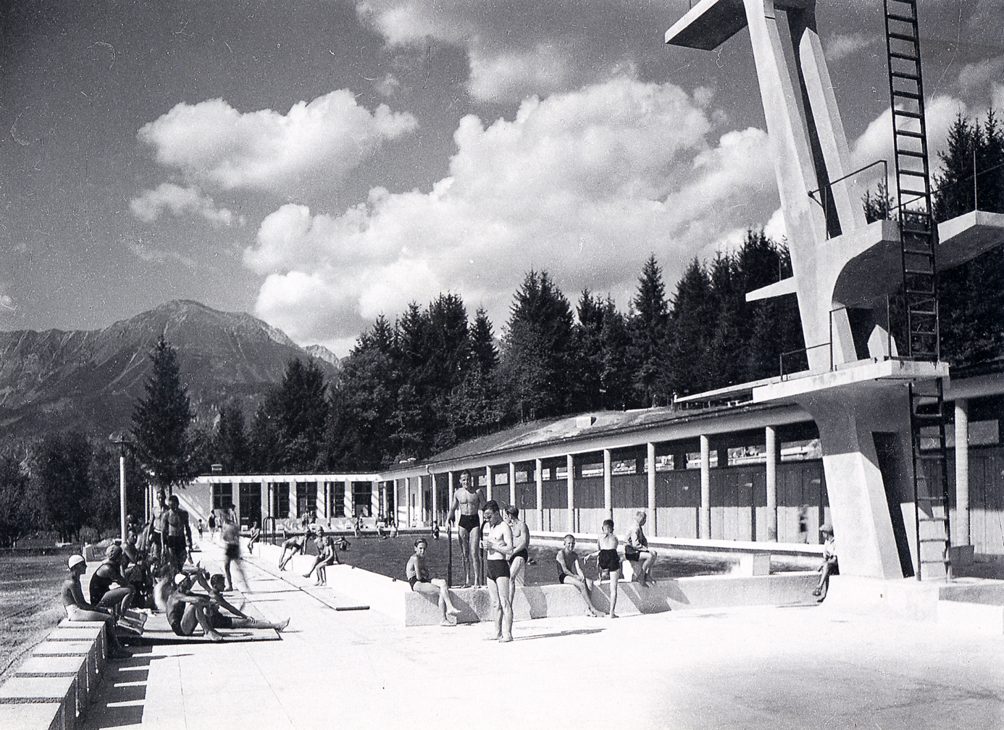
Radovljica’s swimming pool was built in 1932 and is considered one of Vurnik’s most notable projects. The most distinguishing feature, at its time considered a daring feat of engineering and architecture, was the high diving platform. It was demolished in 1966 but Radovljica’s Olympic-size swimming pool lives on today, in the same location, though in a somewhat more modern form.

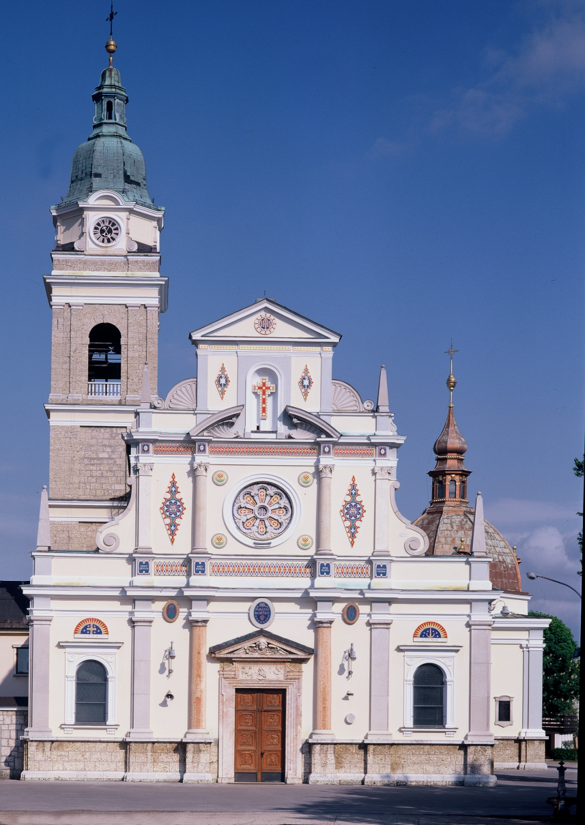
Another of his works is the Basilica of Mary Help of Christians in Brezje, built in the period from 1965 – 1967, which is today the most renowned pilgrimage centre in Slovenia. In 1988 it was elevated to the status of basilica by Pope John Paul II. More here – http://www.radolca.si/en/brezje/

The opening event will take place in the Šivec House Gallery on 1st June at 8pm where an exhibition of the work of Ivan and Helena Vurnik will be officially opened by Radovljica’s mayor. More about the gallery can be found here – http://www.radolca.si/en/radovljica-sivec-house-gallery/

All month there will also be a special Vurnik Tasting Menu available at Vila Podvin restaurant. More information here – http://www.vilapodvin.si/

The first Outdoor Cinema (Letni kino) will take place at Linhart Hall (Linhartova dvorana) on Friday 23rd June at 9.30pm when the film The Beatles: 8 Days a Week will be screened. And even better, this kick-off film, that you can enjoy sitting outdoors in the courtyard, is FREE.

On 23rd June the annual Midsummer’s Eve Festival will take place in the shelter of the ruins of Kamen Castle in Begunje na Gorenjskem.

Photo: Miran Kambic

And all this is in addition to the usual natural, historical and cultural sights of the Radovljica area – the historic old town centre, the stunning views of the Karavanke mountains, the Julian Alps, the Sava river, the countless walking, hiking and cycling routes, and the delicious local food on offer at Taste Radol’ca restaurants.

I know, it’s hard to know where to start!

© Adele in Slovenia

Slovenia’s Historic Towns and Cities

Statistics show that the large majority of people who visit Slovenia tend to do so for just a few days, either as just a mini-break or as part of a longer trip taking in some of the neighbouring countries. And for those limited in time, the focus is usually on the ‘usual’ tourist hot-spots i.e. Bled Lake, Ljubljana, Postojna Caves, Piran... However, in visiting just these, admittedly marvellous, places, you miss – in my opinion – a large swathe of the country and the chance to see the ‘real’ Slovenia.

Granted, I might be a bit biased since I’m fortunate to live in Radovljica, which has one of Slovenia’s best-preserved medieval old town centres and is a member of the Association of Historical Towns and Cities of Slovenia, but since Slovenia is a perfectly compact country, it is very easy to get around and make detours to other places of interest. So, sure, go to the usual tourist hotspots to tick them off the list, but do take time to see more of Slovenia’s countryside, culture and history too!

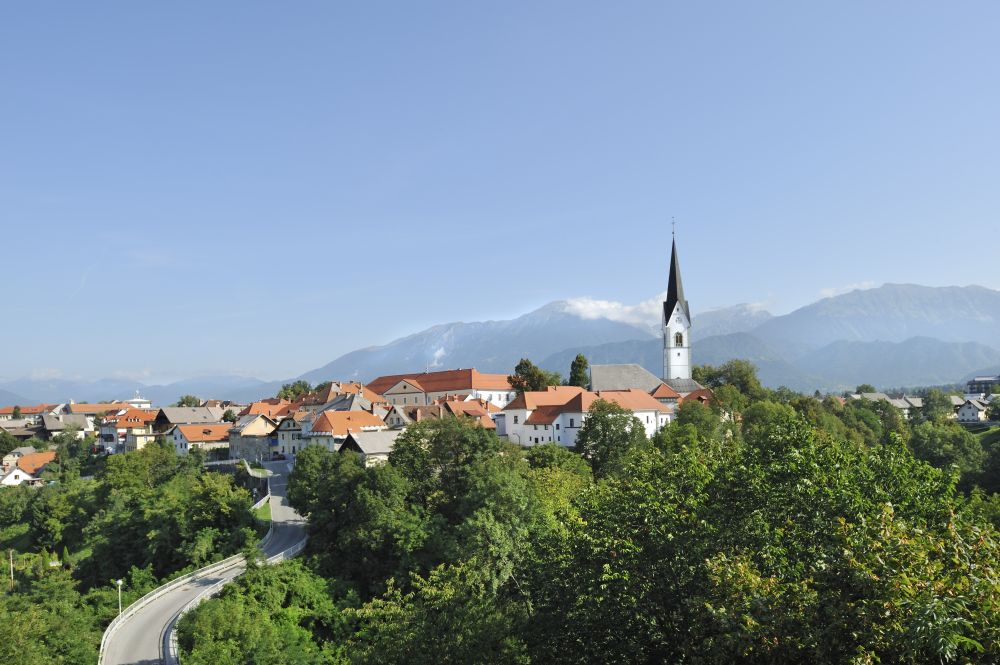
Looking over Radovljica and beyond to the Karavanke mountains

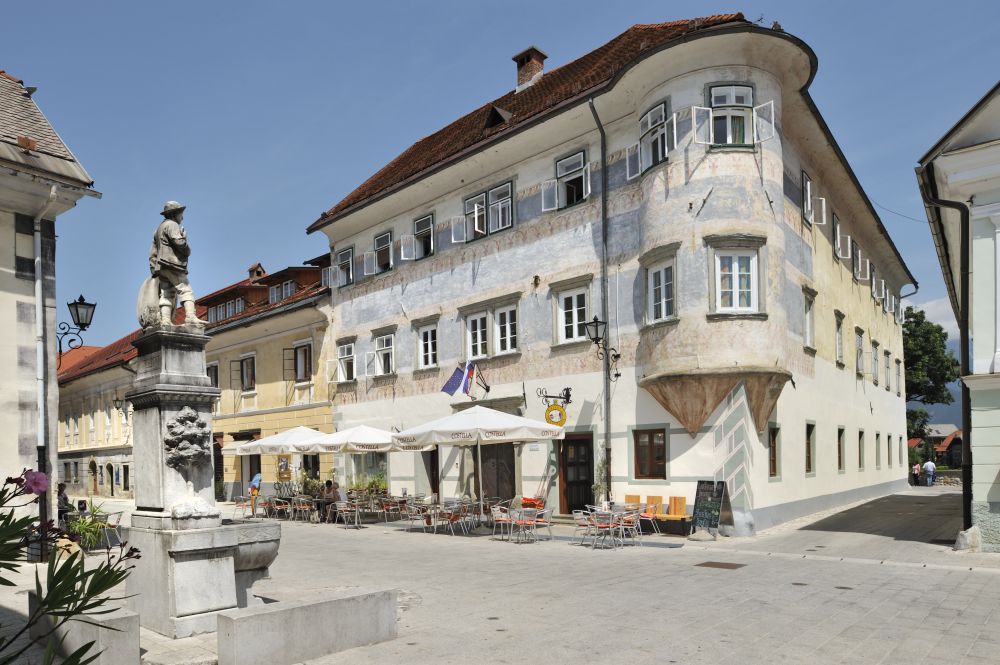
For example, if you are visiting Bled, then turn off the motorway (or get off the train or bus) just one stop early, and within minutes you will be in the historic old town centre of Radovljica where you can see, amongst others, the frescoed townhouses, the Baroque St. Peter’s Church, and the Šivec House Gallery.

Vidic House, just one of the frescoed buildings in the old town

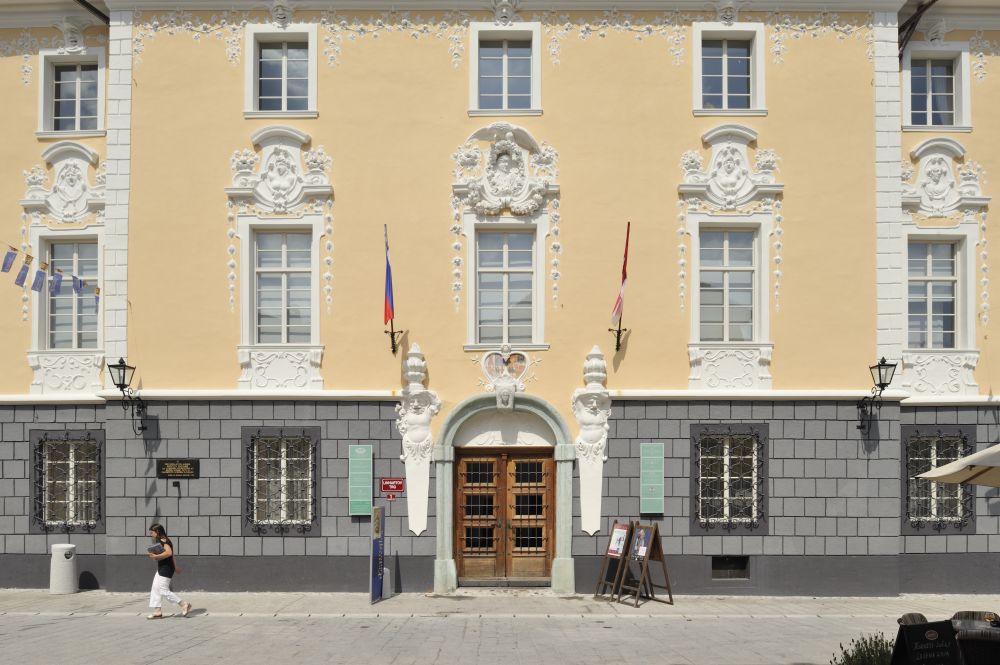
The Radovljica Mansion is home to the Museum of Apiculture, the Municipal Museum, and a music school. During daylight hours the building is always open and visitors are welcome to go in and look at the photographic exhibitions in the entrance foyer.

The Radovljica Mansion

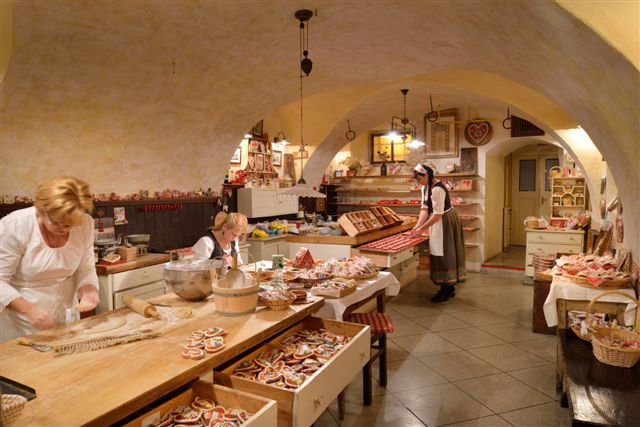
Don’t miss a visit to Lectar Inn where you can try traditional Slovenian food and downstairs visit the workshop with it’s 250-year tradition of making red-iced and decorated gingerbread hearts.

The Lectar gingerbread workshop

Radovljica also offers a wealth of great places to stroll, hike, cycle, do water sports, or partake in other active or less active pursuits. Or you can just sit on one of the benches at the viewing area and and soak up the views of the Julian Alps, the Jelovica Plateau and the Sava River.

Looking back at the old town with majestic Mr. Stol in the background

And be sure to come hungry as you won’t want to miss the chance to taste some of the delicious locally-produced food at the 13 restaurants that collaborate in the Taste Radol’ca project.

In addition to Radovljica , there are a further 13 towns and cities included in the Association of Historical Towns and Cities of Slovenia – Idrija, Kamnik, Koper, Kostanjevica na Krki, Kranj, Metlika, Novo Mesto, Piran, Ptuj, Slovenske Konjice, Škofja Loka, Tržič and Žužemberk.

More information about Radovljica can be found here – http://www.radolca.si/en/radovljica-area/ and more about the association here – http://www.zgodovinska-mesta.si/eng/index.php

© Adele in Slovenia


Bears, Bread and Bukovec in the Poljane Valley

To get the full flavour of the pristine Poljane valley it’s necessary to take your time to explore the area, seek out some of its more hidden parts, soak up the best vistas, visit remote farms, try the tastiest home-produced food and drink, walk its forests and paths, and meet some of the friendly locals – including the bears (read on!). I recommend doing all of this is on a walk on the Path Through Zala (Pot skozi Zalo).

The Path Through Zala theme path runs mostly through the forest in Zala and begins at the Pr’ Bukovcu farmstead (shown as Bukovec on the map), which is located in Žirovski Vrh, high above the Poljane valley. The original farmhouse, Bukovčeva hišadates back to 1639.

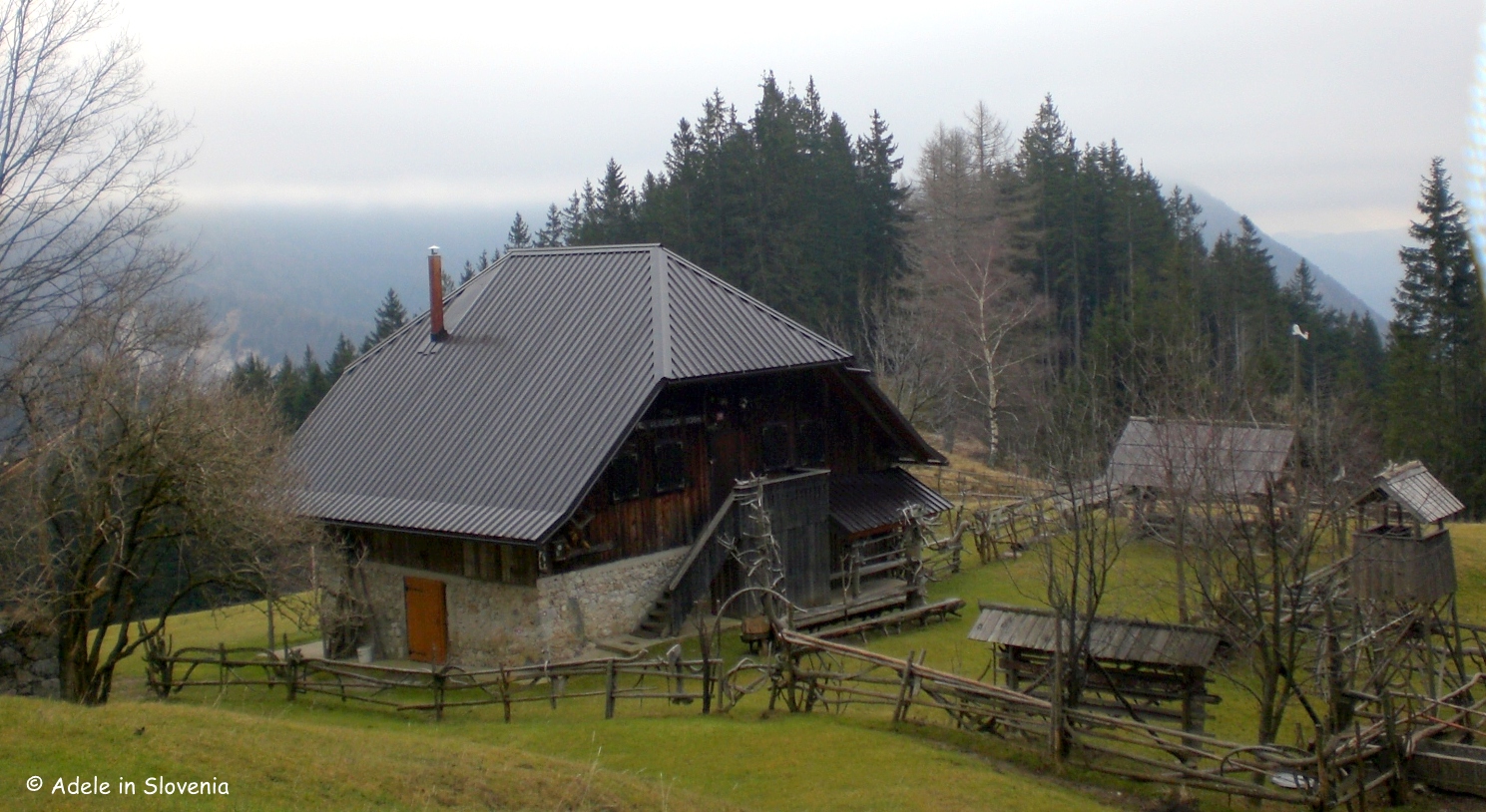
Nowadays the farm is a popular place for walkers to stop for refreshments (it’s advisable to call ahead to book, but if you’re passing they can always ‘rustle something up’ if needs be!) and/or to buy a few provisions for along the way or to take home, such as dried fruit, baked goods, milk and schnapps – all of them home-produced and organic. One of the farm’s outbuildings also has an area ideal for group picnics or other such social events.

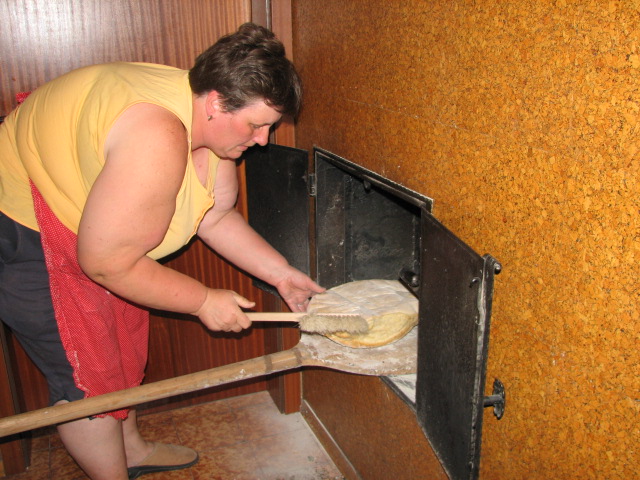
On Sundays you won’t be able to pass the farmhouse without being lured in by the aroma of freshly-baked bread. In fact, the farm’s bread has become quite legendary and attracts people from far and wide!

The first and last section of the 11km path run along the ridge of Žirovski Vrh, from where, on a clear day, there are panoramic views of all 3 of Slovenia’s mountain ranges – the Julian Alps, the Karavanke, the Kamnik-Savinja Alps – as well as across the valleys below.

Literally everywhere you look there are jaw-dropping views!

If you haven’t got time to walk the entire path, you should at least walk the 3.5km Bear Cub Path (Medvedkova pot), which begins opposite the Pr’ Bukovcu farm. The Slovene writer Dr. Ivan Tavčar wrote a book about Zala, telling the story of Canon Amandus who shot a bear that attacked and severly wounded him in Zala. You can find out more about how the story unfolds on the Path Through Zala.

The Bear Cub Path is marked with yellow paw prints on trees and equipped with 7 boards showing 7 themed games, ensuring the little ones won’t be bored!

The circular path is suitable for all and is easy trail, however, sensible footwear is required as it crosses a stream and traverses undulating forest paths.

The highlight of the path is the 3.5 metre-high bear, Štefka, and bear cub, both made from moss. What a great thing to find in the middle of the forest and there’s no doubt you will want to get ‘up close and personal’ with these bears!

If you walk the longer route of the Path Through Zala, you will also pass some of the many fortifications and bunkers of the Rupnik Line on Goli vrh, built in the 1930’s by the then Kingdom of Yugoslavia as a defence line on the border with the Kingdom of Italy (more about this to come in a future blog!).

Other highlights of the 11km path include the Mrakov grič and Selakov grič viewpoints, the Pr’ Mrak, Pr’ Šimc and Pr’ Omejčk farmsteads, the Hunter’s Lodge, and the Zala stream.

Every year the Žirovski Vrh Tourist Association organises guided walks on the Path Through Zala. This next walk will be held on 2nd May. More information here (in Slovene) – http://www.tdzirovskivrh.si/.

Photo: TD Žirovski vrh

More information about this and other theme paths in the Škofja Loka area can be found on the Visit Škofja Loka website – http://www.visitskofjaloka.si/en/experiences/theme-paths and more about the Pr’ Bukovcu farmstead here (in Slovene only) – http://www.bukovc.si/

© Adele in Slovenia


Beguiling Begunje na Gorenjskem

I’m fortunate to live just a few kilometres from the village of Begunje na Gorenjskem, which is packed full of natural and cultural sights of interest. I spend quite a lot of time there, too, whether hiking, cycling or eating great Taste Radol’ca food. So, in this blog I’ve focused on some of the highlights of beguiling Begunje.

Fans of popular folk music won’t want to miss a visit to the Avsenik family homestead, where the legendary forefathers of Slovene folk music, Slavko and Vilko Avsenik were born. Though, sadly, Slavko passed away in 2015, the family’s music very much lives on.

You can visit the gallery and museum, and/or attend one of the frequent music evenings and other events. More information here – http://www.radolca.si/en/avsenik-gallery-museum/

The Katzenstein Mansion in the heart of the village has had a long and interesting past. Built in the 14th century, its current Renaissance and Baroque appearance is a result of renovations in the 16th, 17th and 18th centuries. 1n 1875 the mansion was sold to Austro-Hungarian judicial authorities and a prison, holding 300 female prisoners, was established. During the German occupation, it became a Gestapo prison and political prisoners were incarcerated in the mansion; after the war it again reprised its role as an all-female prison.

The Museum of Hostages (Muzej Talcev) has been housed in the building at the north-western end of the residential wing since 1961. Inside, on the walls of the former prison cells, you can see written records left by the prisoners and announcements by the occupiers concerning executions. This one says ‘Molimo za mir’ (We pray for peace). Sobering stuff, indeed.

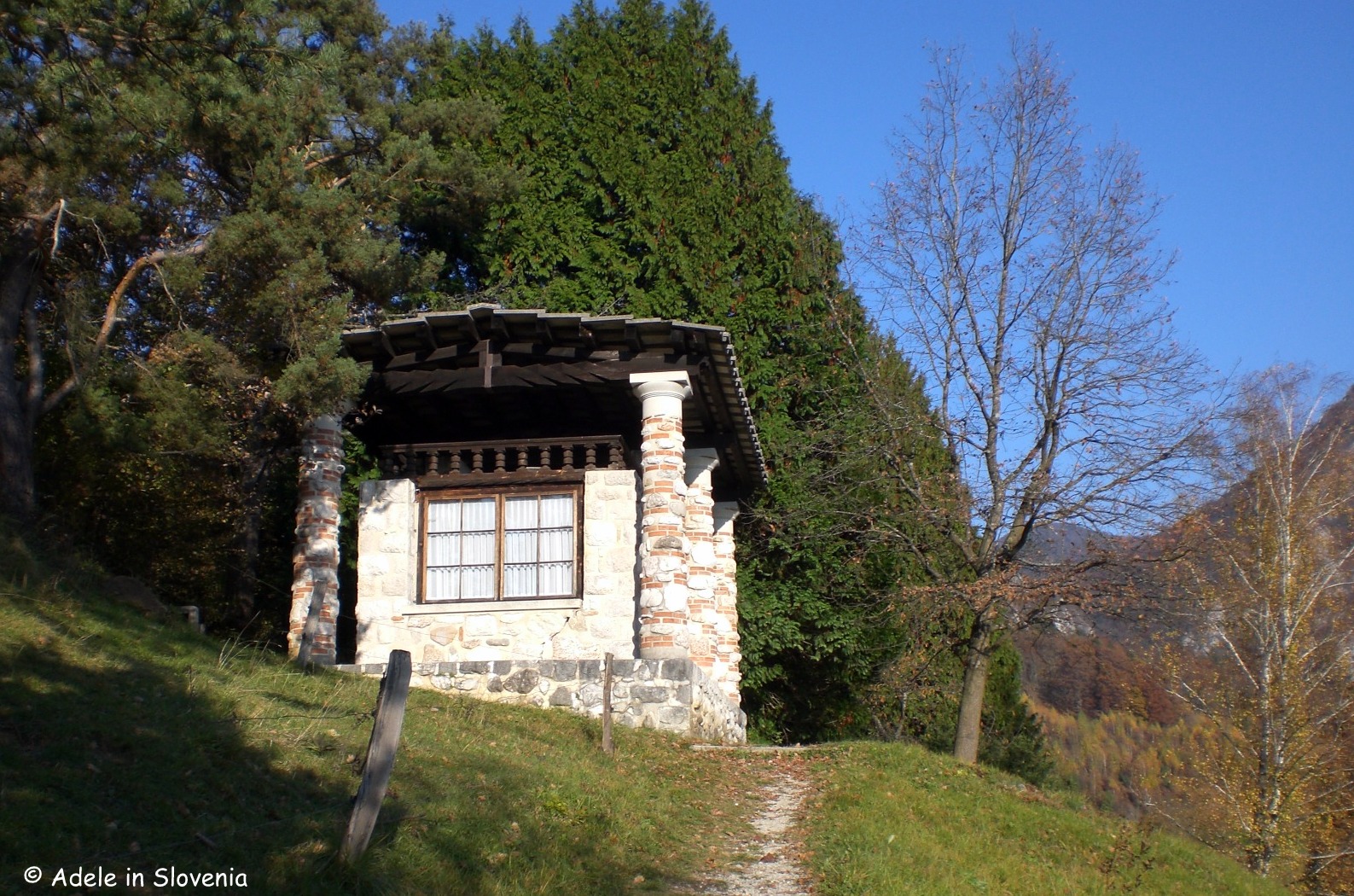
The park in the ground of the mansion is a lovely place for a stroll. It contains a pavilion and the Chapel of St. Joseph, designed by the most famous Slovenian architect, Jože Plečnik, and is also home to a small cemetery where 457 hostages and 18 World War II combatants are laid to rest. The bronze statues of a hostage and a prisoner, as well as the karst marble sculpture of a female hostage are the work of the sculptor, Boris Kalin.

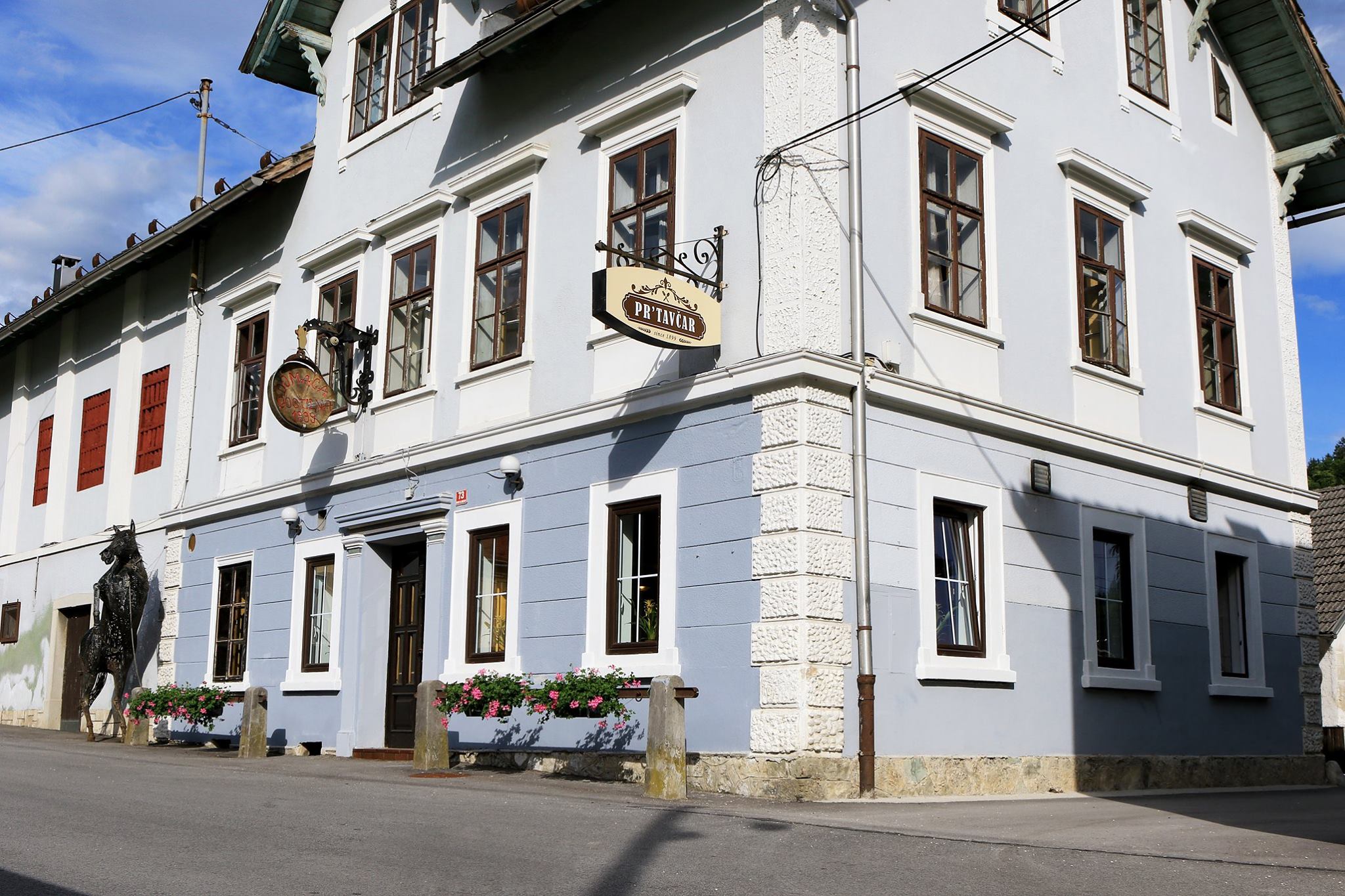
Also in the heart of the village, near the entrance to the hospital and park, is the Gostilna Pr’ Tavčar restaurant, one of the 13 Taste Radol’ca restaurants. In the relatively short time it has been open it has become a firm favourite among locals.

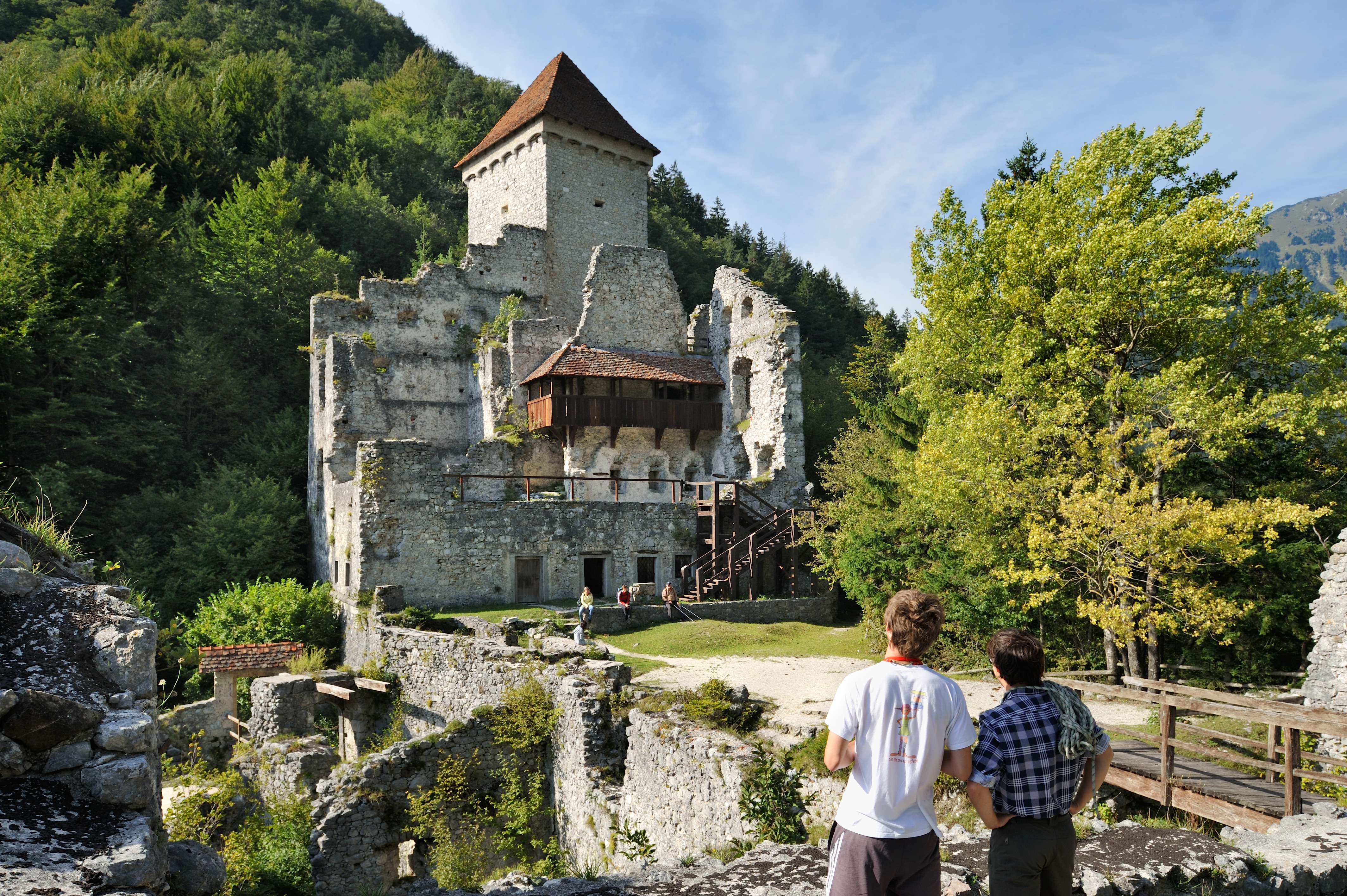
At the end of the village you reach the Draga valley and the imposing ruins of  Kamen Castle, built in the 12th century by the Counts of Ortenburg. More information here – http://www.radolca.si/en/kamen-castle/

Photo: M Kambic

The short drive to the end of the valley brings you to Gostišče Draga, another of the participating Taste Radol’ca restaurants, where specialities include venison goulash, fresh trout, homemade sweet and savoury štruklji, and more. Situated in the shade of the forest beside a stream, it is particularly popular with those seeking refreshment and sustenance after expending their energy in the surrounds.

The Draga valley is a gateway for numerous hiking trails in the Karavanke mountains including, amongst others, to Begunščica, the ever-popular Roblekov dom mountain hut, and the Preval mountain hut.

As you can see, despite it’s modest size, Begunje packs in a lot, so be sure to include a visit on your trip to the Radovljica area.

© Adele in Slovenia


Biking and Hiking in Koroška – Through and On Mount Peca!

For lovers of the great outdoors, particularly hiking and cycling, Slovenia’s Koroška region offers a wealth of opportunities and exciting, unique experiences and was somewhere I had long had on my list of places to get round to visiting.

This is not a place of mass-tourism, and is all the better for it. Instead it’s crammed with unspoilt nature, picturesque alpine valleys, peaceful hamlets, remote and hidden delights, farmsteads and tourist farms with hospitable locals. In fact, Koroška is among the most mountainous of Slovenia’s regions – hence it has my name written all over it!

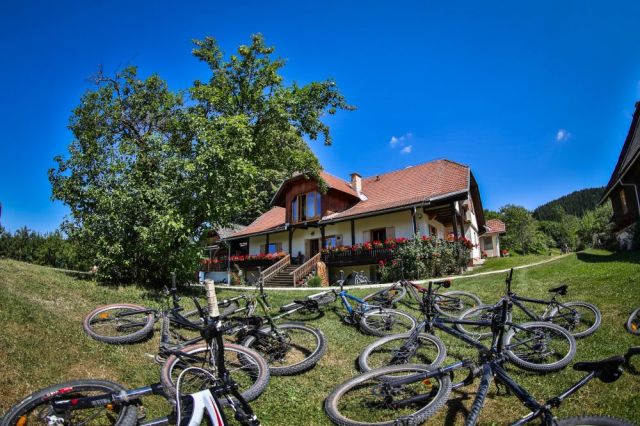
I stayed at the family-run Bike and Eko Hotel Koroš, in Jamnica, near Mežica – the Alpine and mining centre of the Mežiska valley. As you can see below, the views I woke up to of the surrounding countryside and mountains were pretty breathtaking!

CIMG2063

The hotel stands at an altitude of 900m, and is the first dedicated bike hotel in Slovenia.
koros5

As well as offering 10 simple rooms and excellent home-grown and home-cooked food, it boasts the Jamnica Single Trail Bike Park – a paradise for fans of adrenaline-filled mountain biking. Making the most of the idyllic surroundings, and with the agreement and co-operation of the local community, the hotel’s owners have prepared a network of 30km of single trails which you can tackle alone or with a guide. More information about the hotel and bike park here – http://www.mtbpark.com/si/main/ekohotelkoros
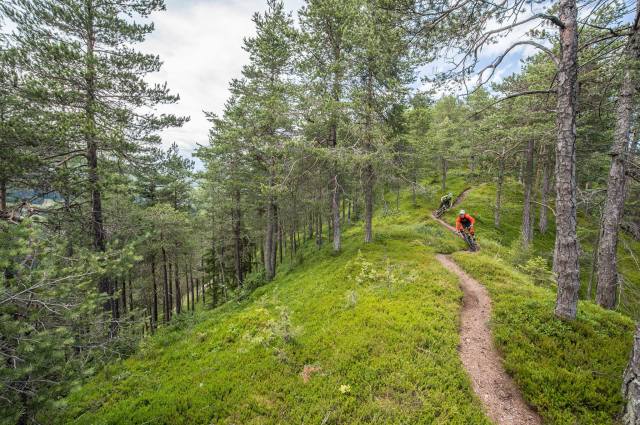
Photo: Rupert Fowler

Lead, zinc and iron ore mining was once the region’s key industry and there was, or rather still is, a labyrinth of tunnels under Mount Peca stretching for around 800 kilometres. At the peak of its production, around 2,000 people worked in the mine’s various units, which operated for three centuries, with production finally ceasing in 1994.

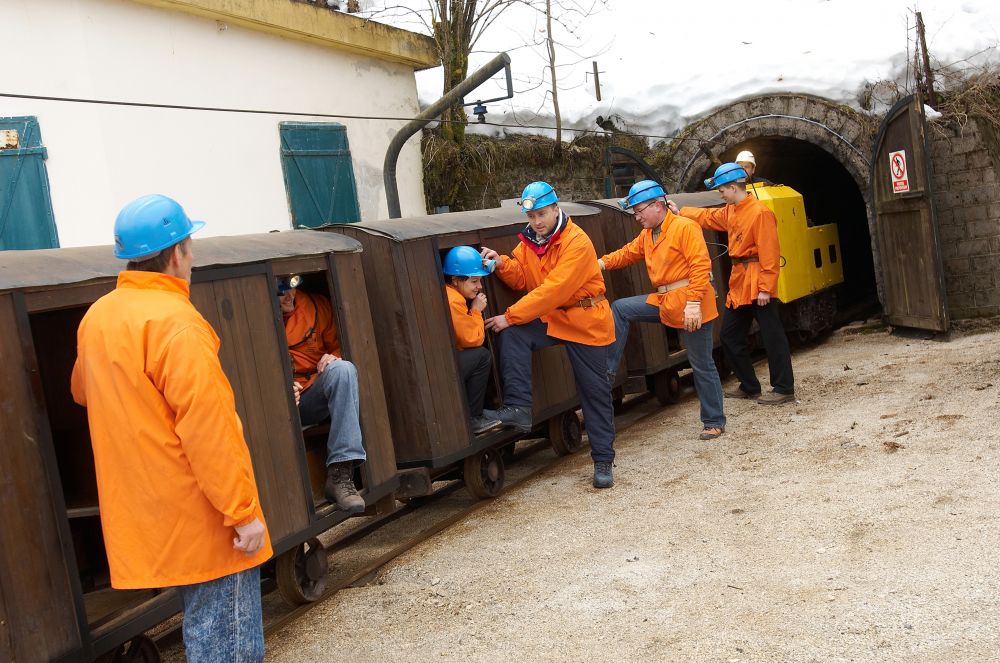
Nowadays, just a small part of the mine is open for tourists who can choose from 3 ways of experiencing it. The more sedentary option is to take a tour of the 3.5km Glančnik tunnel on board an original mining train. You also get to don some miners’ gear, to make the experience even more authentic! However, it’s not entirely sedentary, as the experience also includes a 1.5km walk through part of the mine.
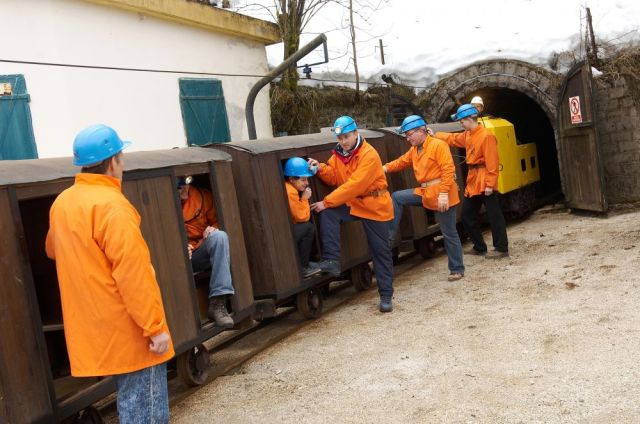
vlak

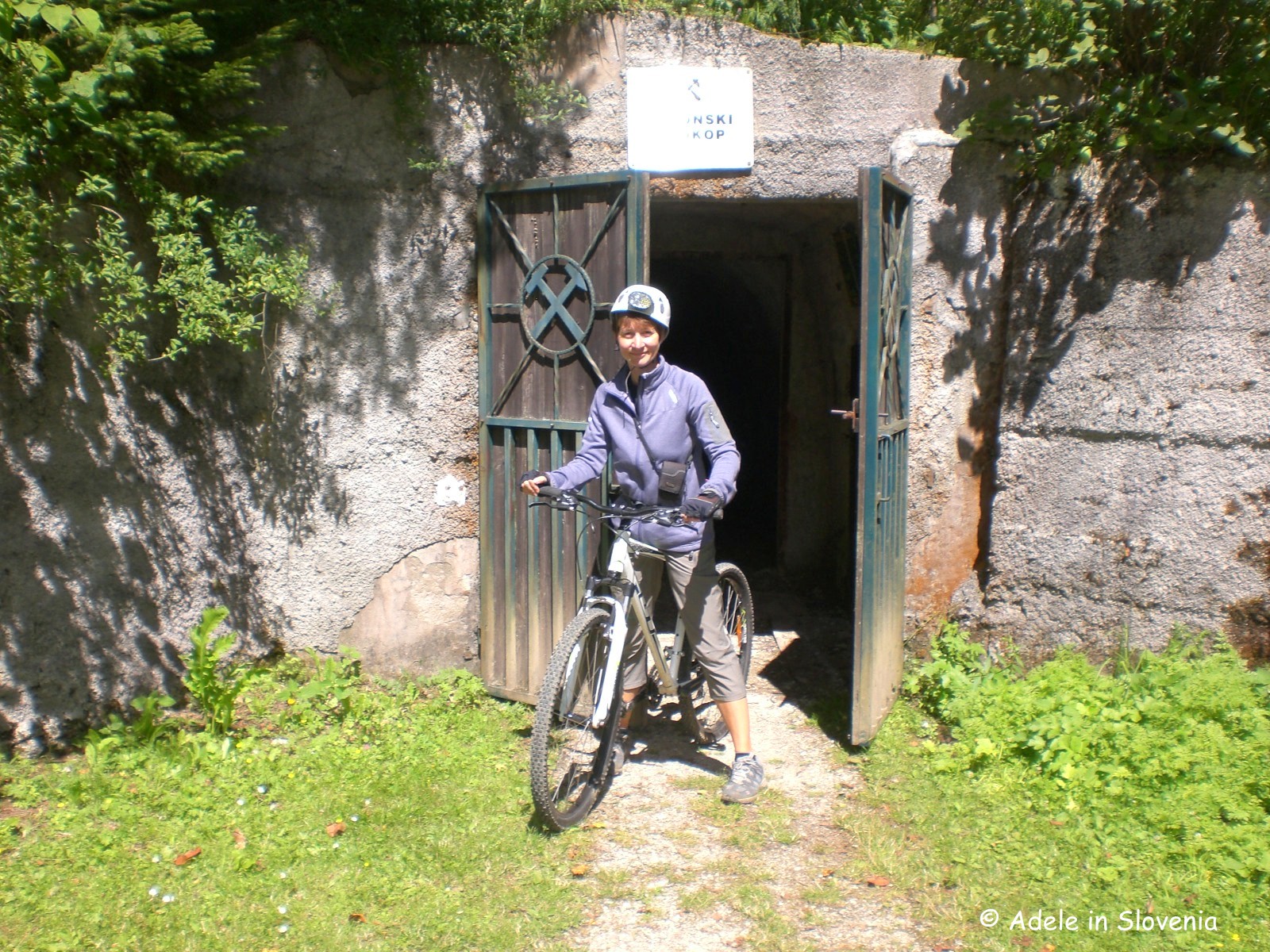
Another option, and for a unique and thrilling experience, is to explore the tunnels on a guided mountain bike trip – which was my choice!

The mountain bike experience lasts around 3 hours and begins with a short van ride to the entrance at Igrčevo, in Črna na Koroškem. Each participant is provided with a helmet and headlamp. Do make sure to have extra layers of clothing as it is a constant 10˚C inside the mines. It was around 30˚C outside on the day of my visit, so warm clothes were not at the forefront of my mind, though, I sure wish I had taken warm gloves!

CIMG2037

It feels slightly disconcerting at first, but you soon adjust to cycling through the narrow low tunnels. Along the way the guide gives information about the working conditions in the mine and you can see some remains of equipment used and names scribbled on the mine’s walls. The total ride itself is only around 6km, with a negligible incline.

CIMG2051

All the experiences begin at the cross-border Karavanke Geopark in Mežica, which in itself is worth a visit, and in 2013 it became a member of the European and global network of geoparks under the auspices of UNESCO.

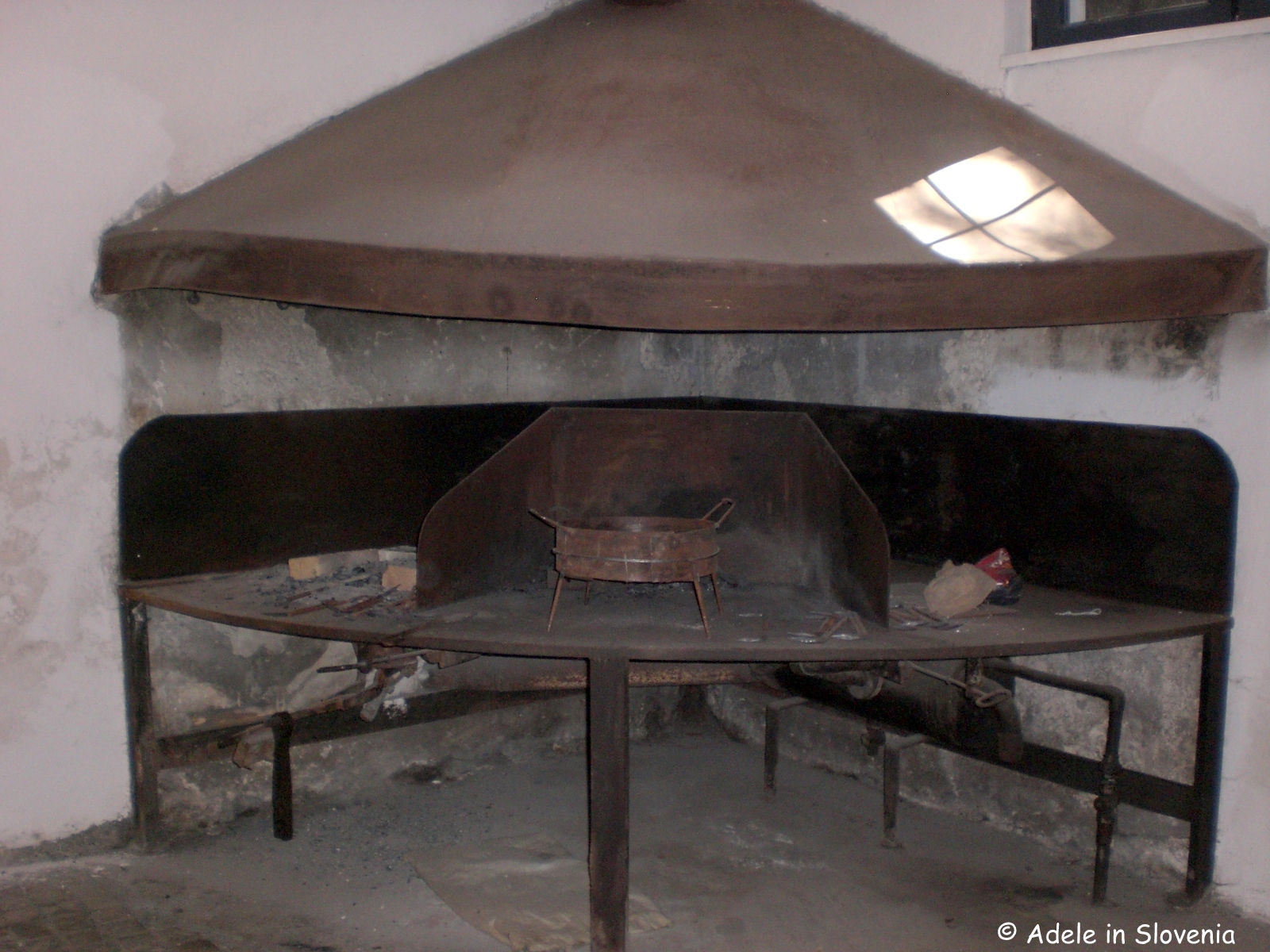
The centre offers a glimpse into the more than 400 million-year-old history of the area of today’s eastern Karavanke and comprises an exhibition area with exhibits including a fully-preserved smithy, an information area with a café and gift shop, and it also hosts workshops and other events.
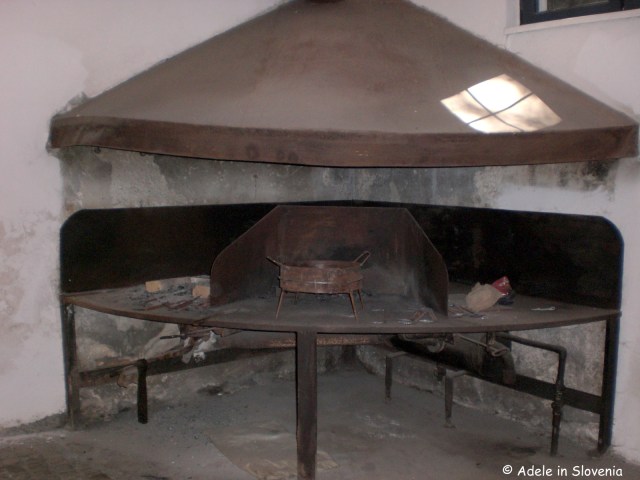
CIMG2032

In an adjacent building there is museum, which gives a further insight into the lives of those working in, or connected to, the mines, and a collection of ores, minerals and fossils.

CIMG2058

Note: for bike and kayak tours, prior reservations are required; the minimum age is 10. More information about the Geopark can be found here – http://www.podzemljepece.com/?lang=en

Having spent the afternoon going through Mount Peca, next morning it was time to go ON Mount Peca – this time on foot! Peca is part of the Karavanke chain, which has a total length of around 120km and forms a natural border between Slovenia and Austria.

The Peca massif forms part of the Eastern Karavanke and can be approached from either Slovenia or Austria. I chose to begin my hike from the serene and stunning Topla Valley, which is surrounded on all sides by lush forest and contains just a handful of farmsteads – each with a traditional shingle roof. This protected valley really is like something out of a fairytale and is about as unspoilt as it gets.
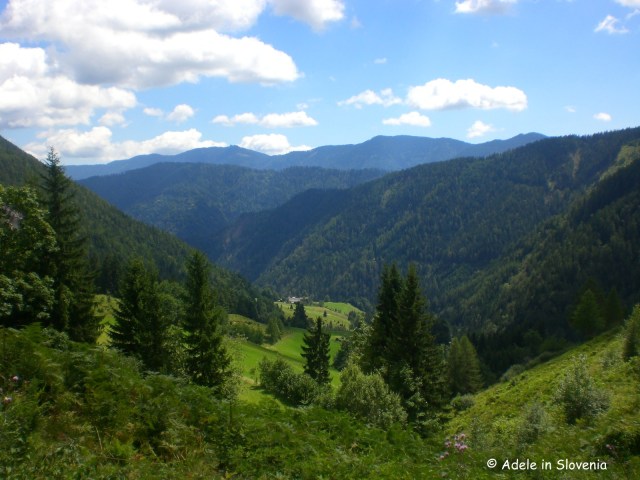
CIMG2098

At the far-end of the valley, near the entrance to the Topla mine, a path leads steeply up through the forest taking about 2 hours to reach the Dom na Peci mountain hut (1665m), where you can enjoy delicious home-cooked stews, štruklji, strudel and other types of food, which always seem to somehow taste even better when you have earnt them after a long hike!I

CIMG2076

However, knowing it was still a way to go to reach the top of Peca, Kordeževa glava (2125m), and not wishing to do so with a full stomach, I resisted the temptation and continued onwards and upwards! At first across a meadow, then the terrain becomes more rocky, but still relatively easy, though for those who like more challenging climbing routes (that doesn’t include me, I hasten to add!), there is also an alternative path to the top, which is classified as ‘demanding’.

CIMG2077

The higher you go, the better and more far-reaching are the views, and the more the effort pays off!

CIMG2081

Despite it being a searingly-hot mid-August weekend, I still had the place to myself! Well, not exactly, but in fact there were just about the right number of people for my liking. Enough that one could pass the time of day and exchange a few words with fellow hikers here and there, and find some friendly folk to take the odd snap for me, but not so many that it felt crowded – just perfect!

CIMG2089

Koroška tends to get somewhat overlooked in terms of tourism, at least in terms of those visiting from outside of Slovenia, however, I recommend that for lovers of the outdoors, it definitely deserves to be included in your holiday plans.

This gives just a brief snapshot of the area; more information about what else to see and do can be found here – http://www.koroska.si/en/

© Adele in Slovenia
To Jamnik and Beyond!

As you might have noticed, there are many hilltop churches in Slovenia. When visiting the Gorenjska region in the northwest of Slovenia one of the most prominent is the Church of St. Primus and Felician, which stands proudly atop a hill, beneath the slopes of the Jelovica plateau, and can be seen from far and wide.

CIMG1611

The church is located in Jamnik, a small settlement above the traditional iron-forging village of Kropa. It’s a great place to go for stunning panoramics views; the wide Radovljica plains and the Karavanke mountains to the north and the Škofja Loka hills and beyond to the south.

You can reach Jamnik by several means. My favourite, in the summer at least, and as I did this Sunday, is to go by bike. The effort put in on the 5km windy road leading up from Kropa is more than rewarded by the views. Jamnik and Kropa can be destinations in themselves, or you can continue onwards and visit other areas and sights of interest including Dražgose, Škofja Loka and Železniki.

You can also reach Jamnik on foot through the forest from Kropa (cca 1 hour), or by car. To reach the church take the path from the layby at Jamnik and just follow your nose – you can’t miss it!

CIMG1610

The small settlement of Jamnik is nestled snuggly into the slopes beneath the Jelovica plateau.

CIMG1618

Whilst there take some time to look around the quaint iron-forging village of Kropa where, amongst other things, you can wander around the village and see the impressive iron work that adorns many of the village houses, visit the Museum of Iron Forging, and enjoy a meal at the Pr’Kovaču restaurant.

CIMG8826

However you choose to go, Kropa and Jamnik should be on your list of places to visit when in the Radol’ca area.

This Sunday, 31st July, its the annual Medieval Day in Linhart Square in Radovljica. There’s a medieval market, music, dance and other performances, archery, and more. Find out more here – http://www.radolca.si/en/what-to-do/events-1/medieval-day-in-linhart-square/83/310/

© Adele in Slovenia

A Sunny Saturday on Ajdna!

It’s not exactly something to boast about, in fact it’s a rather unenviable fact that as of today, 20th June 2016, there has not yet been a single day in June when there hasn’t been some kind of precipitation. Even on Saturday, which was a glorious, sunny day, there was a short, sharp shower. However, looking at the forecast, it seems we could be in for plenty of hot, sunny days for the week ahead (didn’t I say that last week too?!).

So, back to last week’s glorious Saturday. I couldn’t decide whether to hike or bike, so in the end did a combination of the two! Or I should say ‘we’, since I had a friend visiting for the weekend from the U.K, so it was lovely to have some company for a change.

We began by cycling from home in Radovljica to the Završnica reservoir then hiked up to Smolnik, beneath Stol in the Karavanke mountains. More here – https://adeleinslovenia.com/2016/04/25/spring-in-the-karavanke-mountains/

We then continued to the Ajdna archaelogical site, which I have blogged about previously, though it was some years back – https://adeleinslovenia.com/2014/01/13/fascinating-ajdna/

CIMG1485

We took the steep route up, which involves a little climbing but is secured with iron rope and footholds.

CIMG1486

And the easier route back down!

CIMG1492

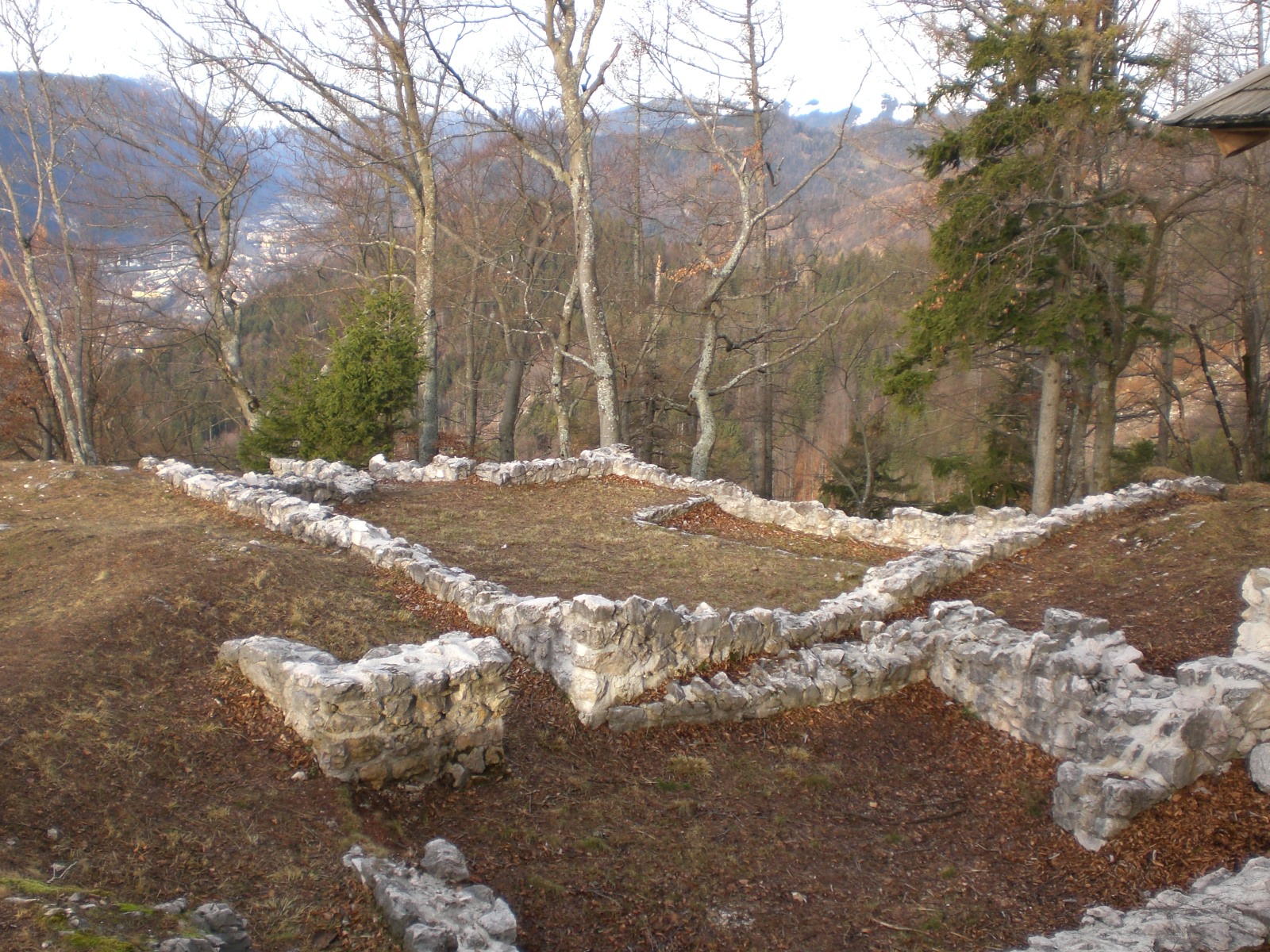
At the top there are well-preserved buildings and remains of buildings that are thought to date back to the late Antiquity, though evidence, some of it dating back as far as the collapse of the Roman Empire (476 AD), shows that it may have been inhabited far earlier. The peak provided locals with an excellent refuge from the troubles taking place down below in the valley. Ajdna is thought to be the highest lying settlement of its kind in Slovenia. Read more here – https://adeleinslovenia.com/2014/01/13/fascinating-ajdna/


CIMG7006

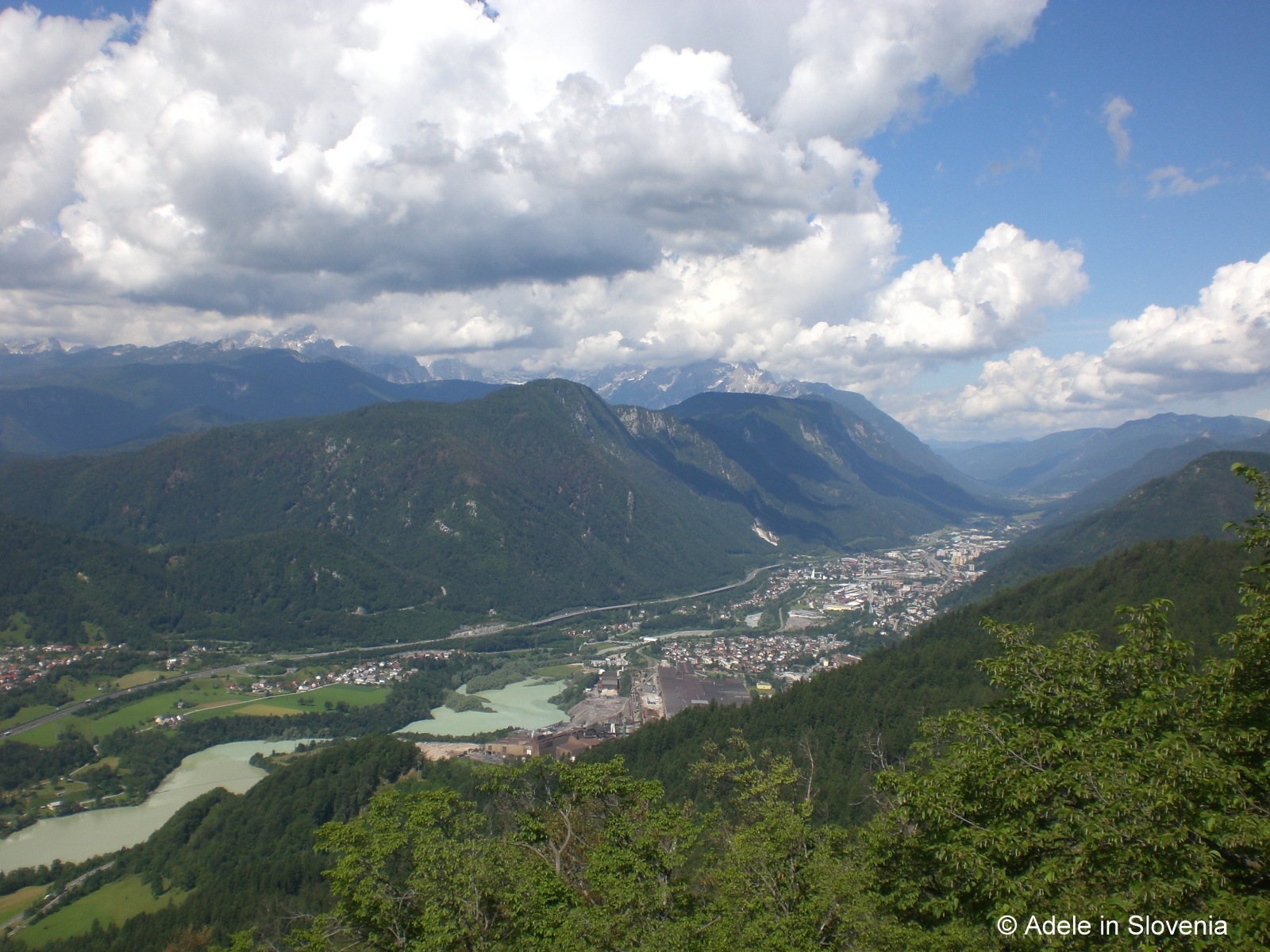
By lunchtime the clouds were beginning to gather but the views down the valley towards Jesenice and Kranjska Gora were still more than worth the effort!

CIMG1489

With the (promised) sunny days ahead, hopefully there will be plenty more of this to come!

© Adele in Slovenia