What Not to Miss in 2025 in Radol’ca and the Surroundings

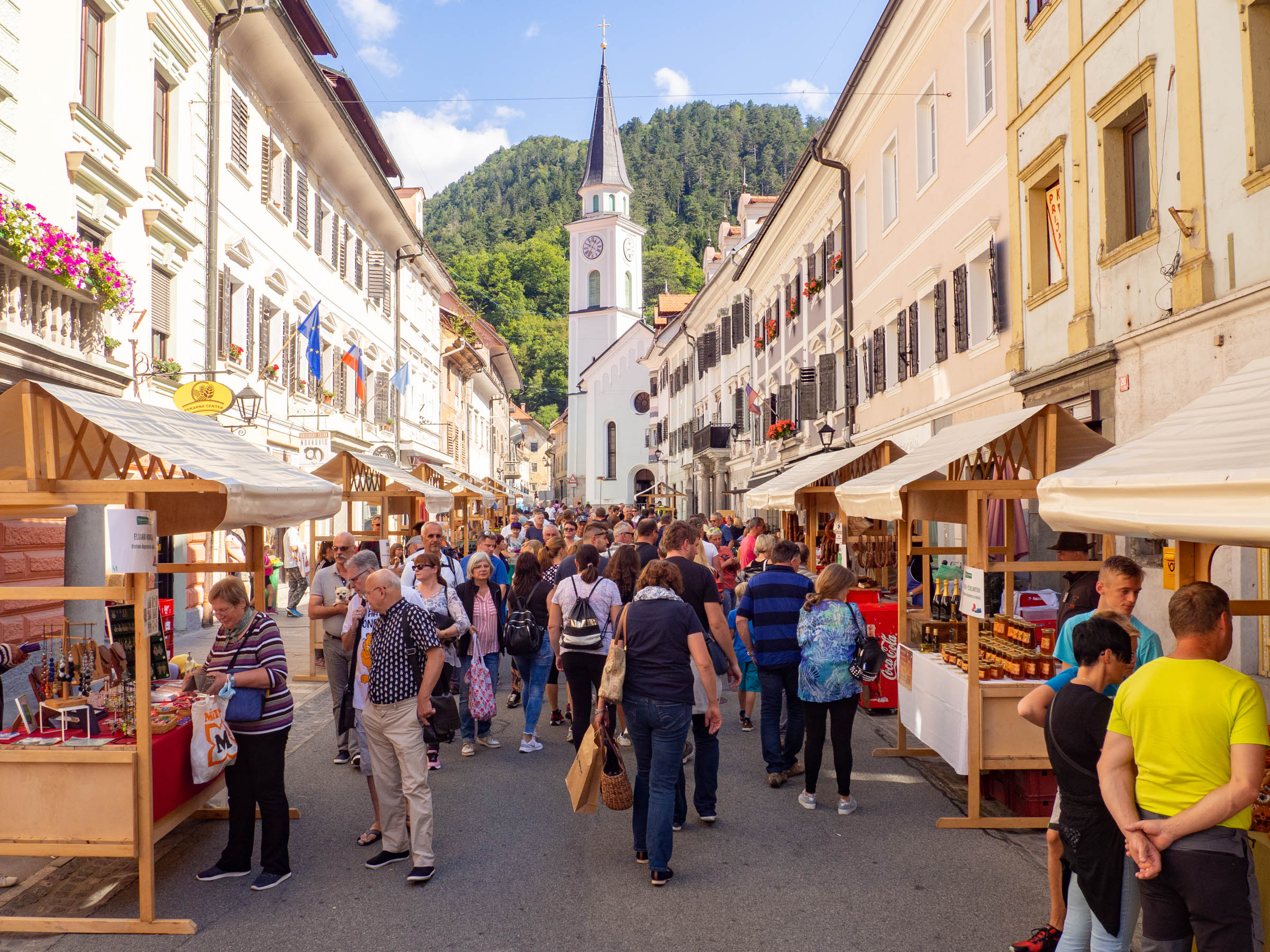
For my first blog of the year 2025, I decided to start with an overview of all the year holds in store here in Radovljica and the surroundings, so that you can put important dates in your diaries (does anyone still use paper diaries these days? Perhaps I should say into your online diary!) and plan your visit.

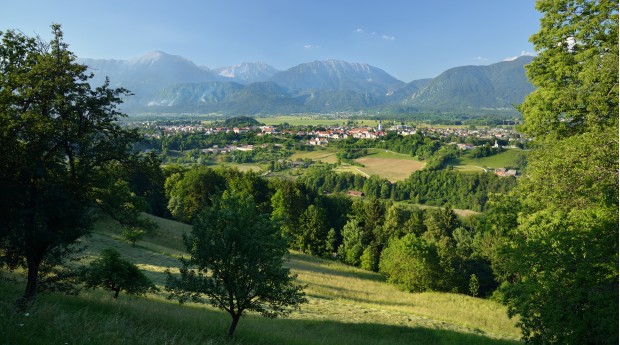
I’m a bit late for January, so to make it up to you, here’s a photo I took this morning from St. Peter’s Church, above the village of Begunje na Gorenjskem.
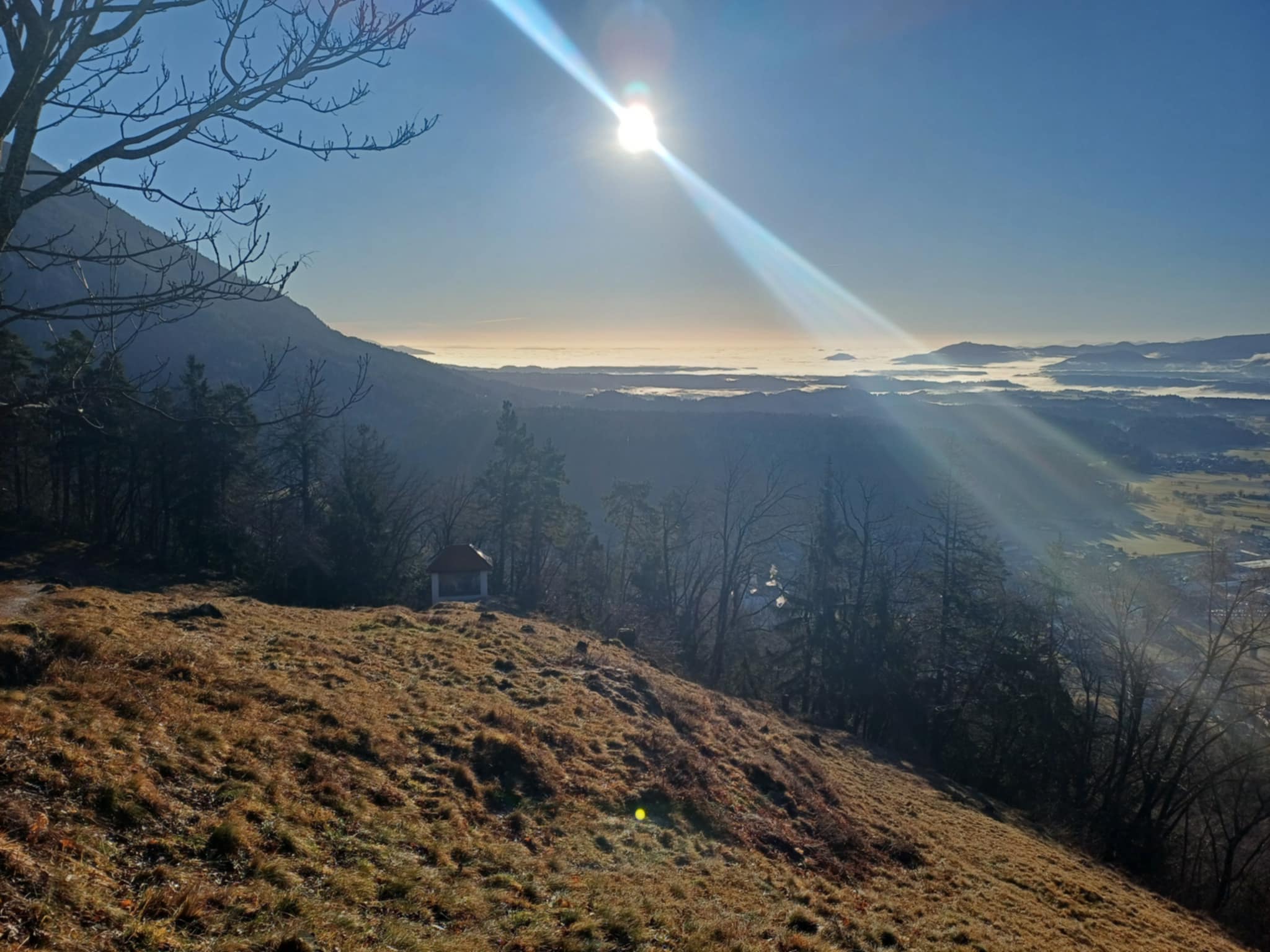
Photo: Adele in Slovenia

Even though we should be in the midst of winter, the weather at the moment is very much spring-like. Whilst winter in the capital, Ljubljana, often means days on end of heavy fog, here in Radovljica we are fortunate that we mostly avoid the fog, and even if it does appear, we don’t have to go far to get up above it.
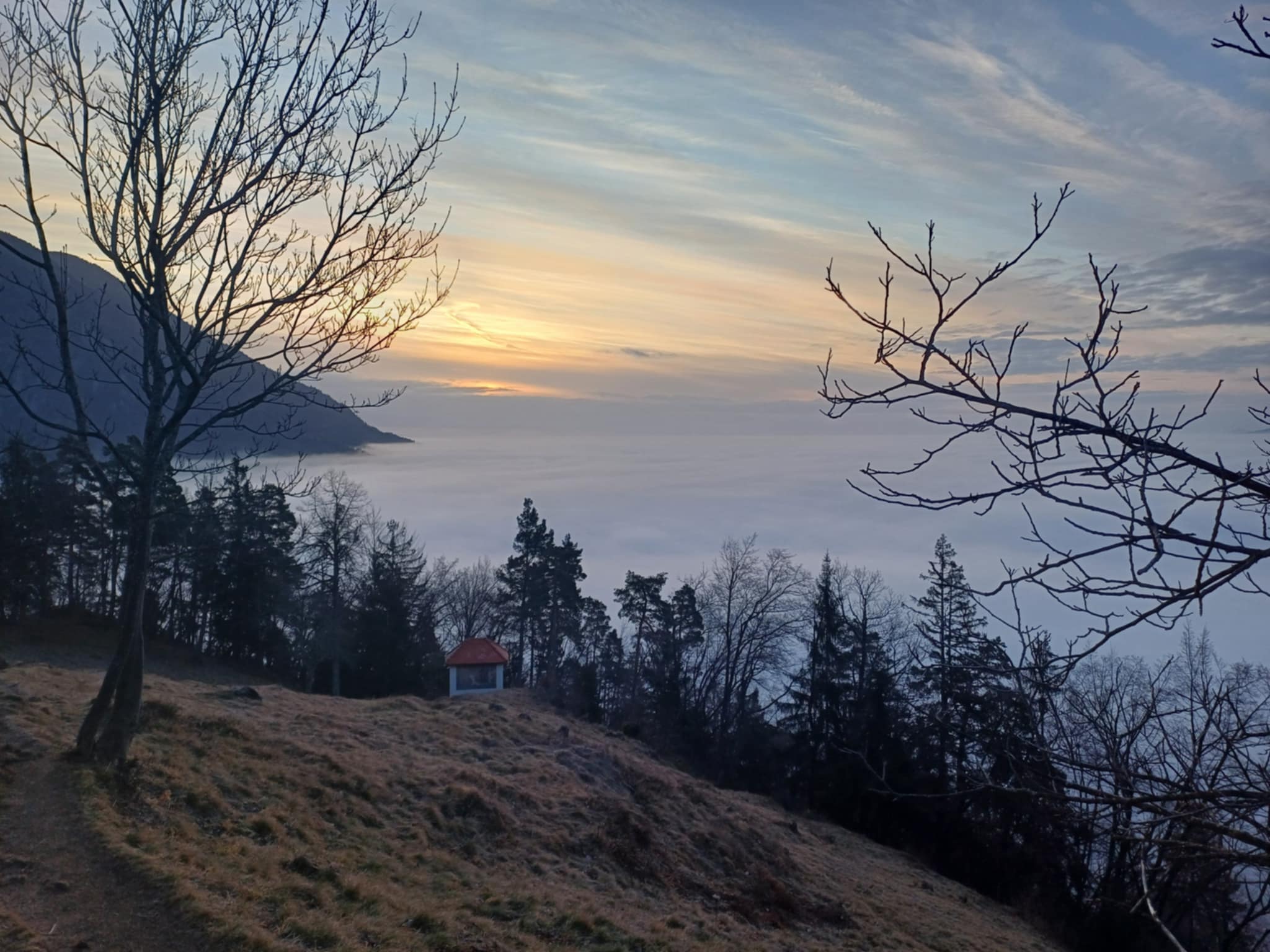
Photo: Adele in Slovenia

So, here’s a snapshot of whats on in 2025 in Radol’ca.

February

Of course, the month of love and romance!

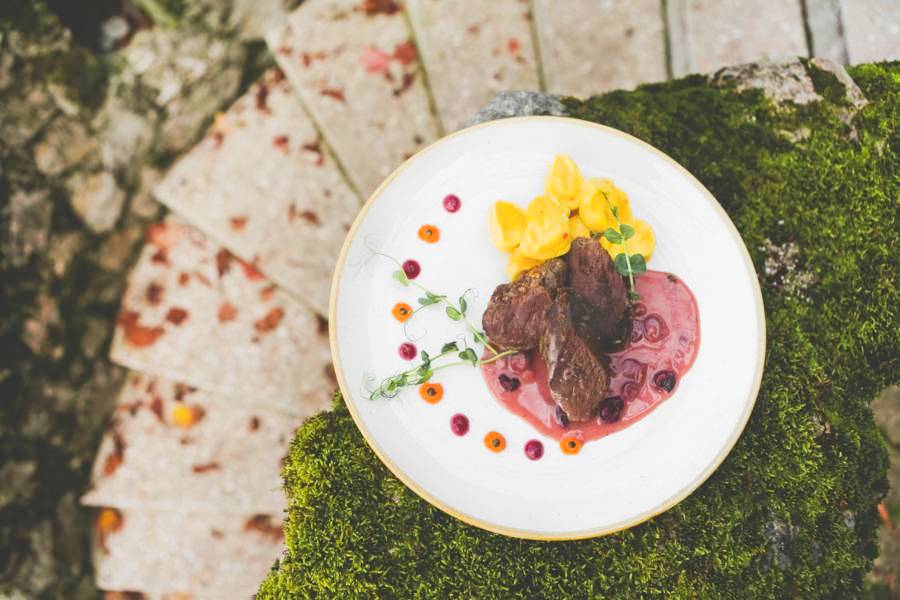
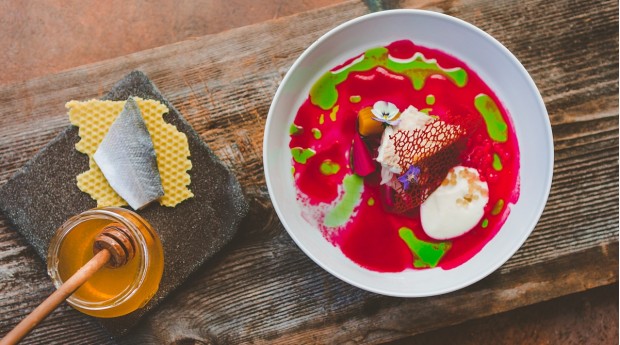
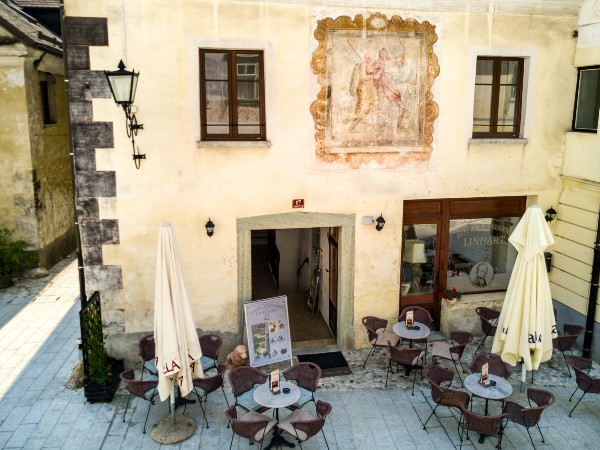
If you prefer not to waste money on overpriced flowers and soppy cards, then how about treating your loved one to a Valentine’s Day Meal and/or Getaway at one of the Taste Radol’ca restaurants, such as Hiša Linhart in Radovljica or Gostišče Draga in the Draga Valley, both of which have special Valentine’s menus.

Hiša Linhart in Radovljica

February in Slovenia also means carnival time and carnival time means doughnuts!

Among the most popular doughnuts in Slovenia are those at Trojane, about an hour’s drive from Radovljica, which is famous for its super-sized jam- and custard-filled doughnuts.

The date of pust, as carnival time is called in Slovene, varies from year to year and can be in either February or March, but is always on a Tuesday 47 days before Easter (Shrove Tuesday). One day later, on Ash Wednesday, some begin a 40-day fast. And because pust precedes a period of fasting, carnival time involves copious amounts of fried food, mainly doughnuts, krostule and fritule.

March

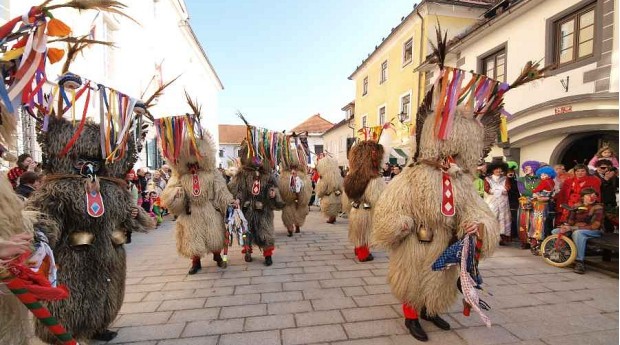
Every year during carnival time, a Shrovide carnival procession takes place through the streets of Radovljica, as well as numerous other towns and villages throughout the country. This year’s procession will take place on 1st March. You can read more about carnival celebrations elsewhere in Slovenia here.
April

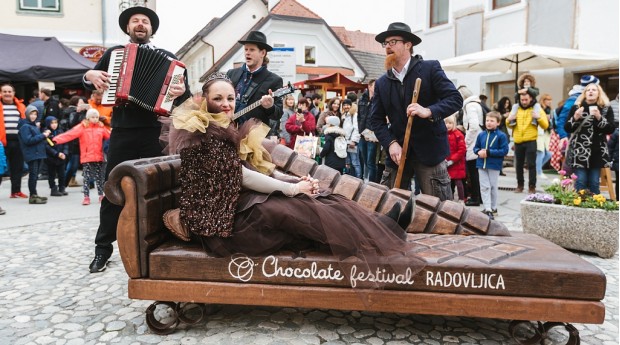
April in Radovljica is all about chocolate!

The annual 2-day Radovljica Chocolate Festival is the highlight of the year for many chocoholics. This year’s festival will take place on 12-13th April 2025.
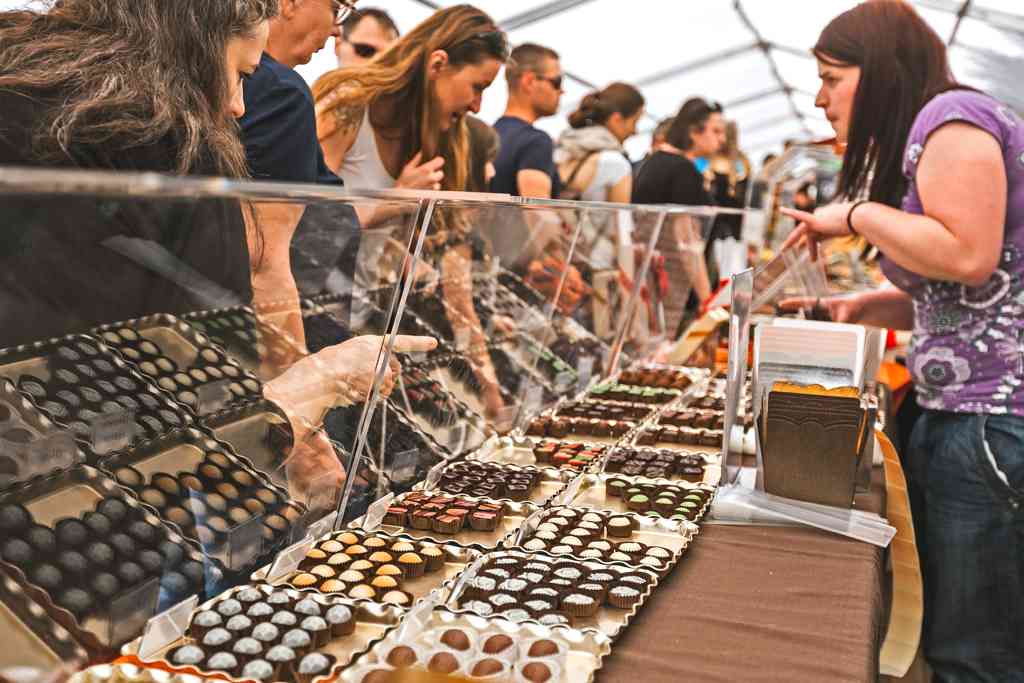
April also means Easter, which is particularly late this year; Easter Sunday is on 20th April. You can read more about coloured Easter eggs and other Easter traditions in a blog titled Easter in Slovenia, which I wrote last year.

May

Spring is a great time to start spending more time outdoors, and in the Radovljica area and surroundings, you are spoilt for choice when it comes to hiking trails and cycling routes.

Among my favourite hikes in spring, well actually in winter too, are the trails to Suharna, Roblek, and Talež.

June

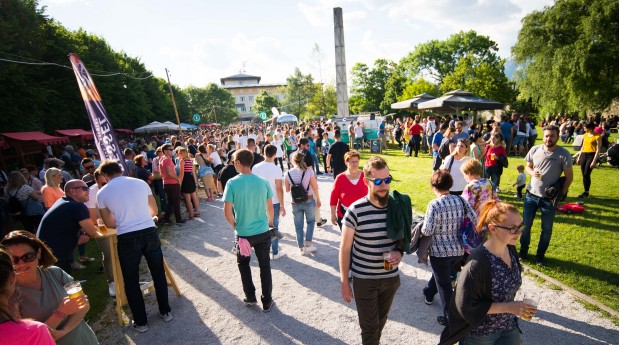
The Radovljica Craft Beer Festival takes place in Radovljica’s park, close to the historic old town. The festival is a coming together of craft beer, street-food, music and socialising.
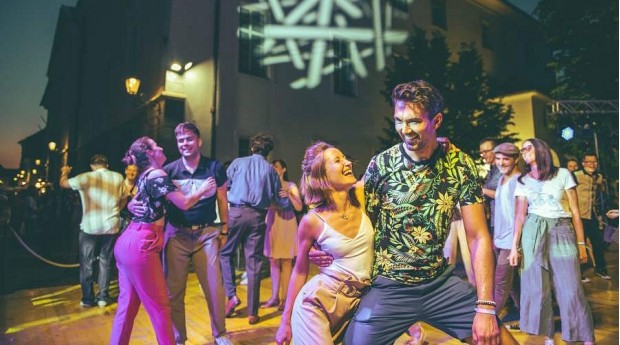
The international Shake the Change Swing Festival is another very popular event in Radovljica. This year’s 2-day festival will be on 20th and 21st June.
July and August

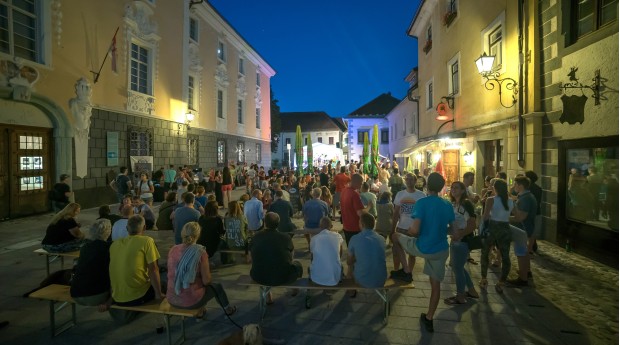
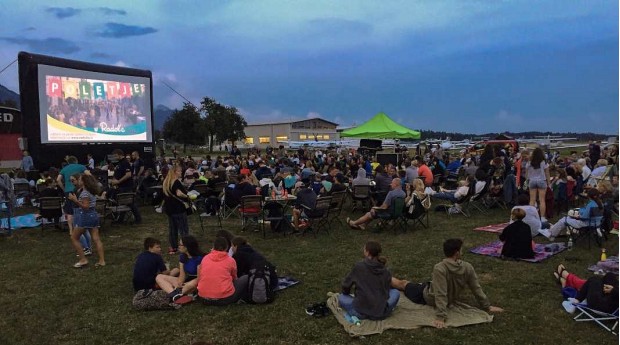
Summer in Radovljica means Thursdays in the Square, featuring live music and Taste Radol’ca street food, as well as free open-air cinema screenings at various locations throughout the municipality.
September

Gluten-Free Expo Slovenia in Radovljica is the place to be for those with coeliac disease, gluten intolerance or who avoid gluten for any other reasons.


Last year’s Expo attracted visitors from far and wide, and this year’s event will feature, among others, cookery workshops run by a gluten-free provider from Algeria.

This year’s Expo in Radovljica will take place on 27th and 28th September. Visit the Expo website here, and you can also read more about last year’s event here, on a brand new website by a lady from Poland, who, together with her family, attended the 2024 Expo and loved it so much they plan to come back again this year. Thanks Dora!

October 

Culinary Autumn in Radovljica includes culinary events and guided experiences at local farms, restaurants, dairy farms and more.

November

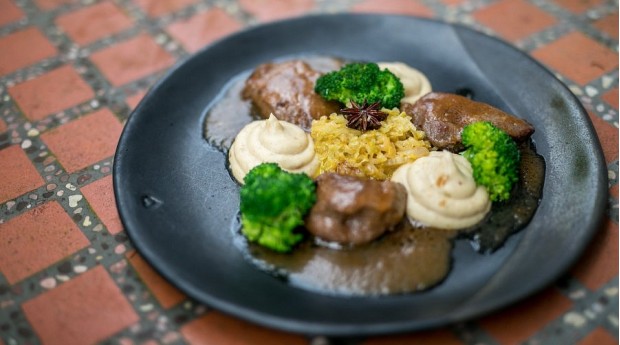
The Taste Radol’ca Month of Local Menus includes two unique Taste Radol’ca culinary experiences and local menus featuring traceable ingredients at 7 restaurants for a set price.

Gostišče Tulipan in Lesce

December

The festive season begins with the switching-on of the lights, which is always a really popular event in Radovljica, as well as elsewhere in the country. The entertainment programme over the festive season in Radovljica includes a small Christmas market, various street shows, live music and more.

For more information about all the events scheduled for this year, click here.

© Adele in Slovenia


Easter Traditions in Slovenia

With Easter just a few days away, I thought I’d write a blog on Easter traditions in Slovenia, covering everything from religious and secular celebrations to, of course, food and other traditions.

Easter is celebrated here in a number of ways. It begins on Palm Sunday when people can be seen flocking to churches around the country carrying bundles of branches and leaves, called butare, which are then blessed as part of a custom thought to date back as far as the 9th century.

Easter ‘butare’ bundles in front of the Basilica of Mary Help of Christians in Brezje. Photo: Visit Radol’ca

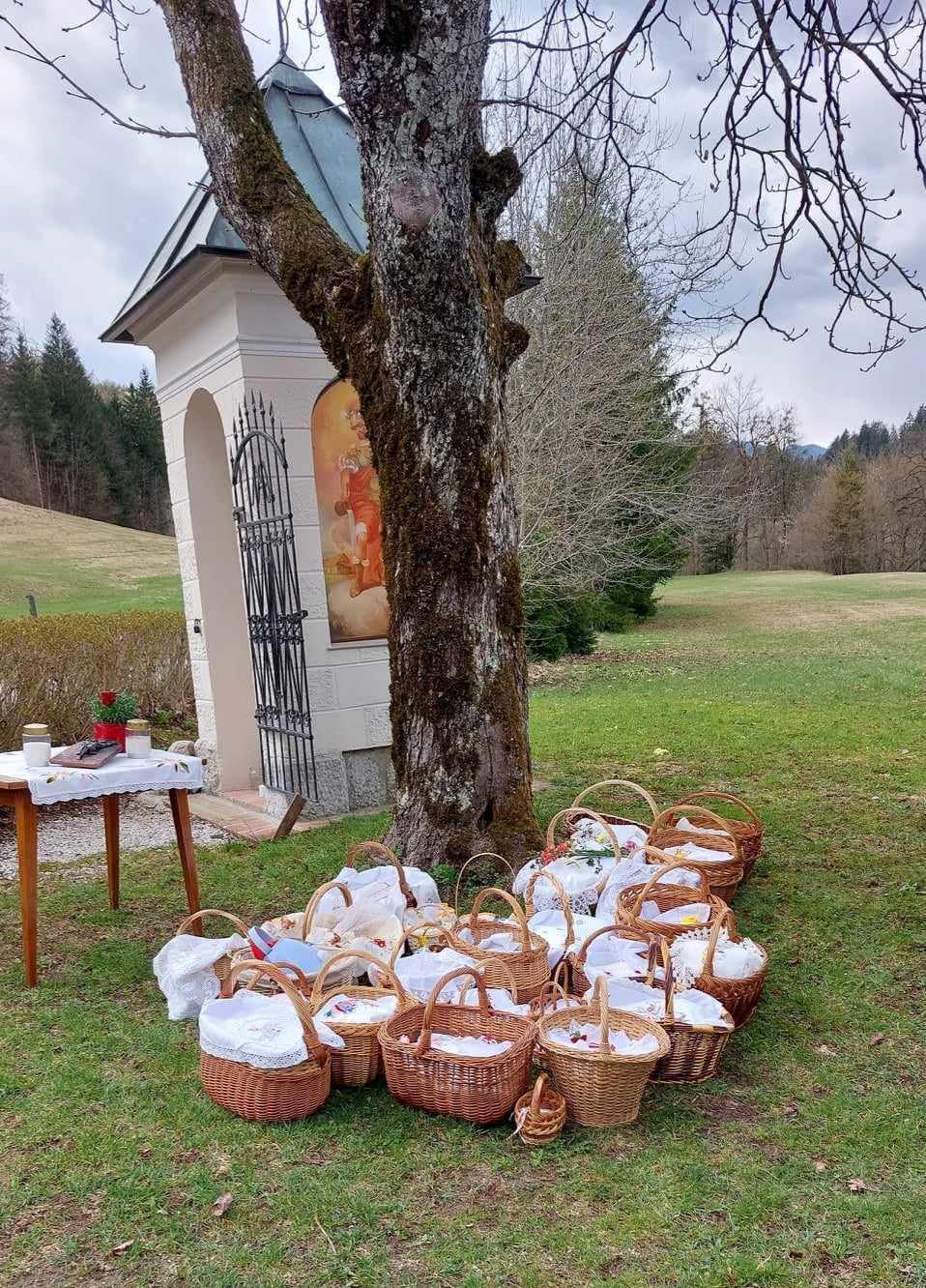
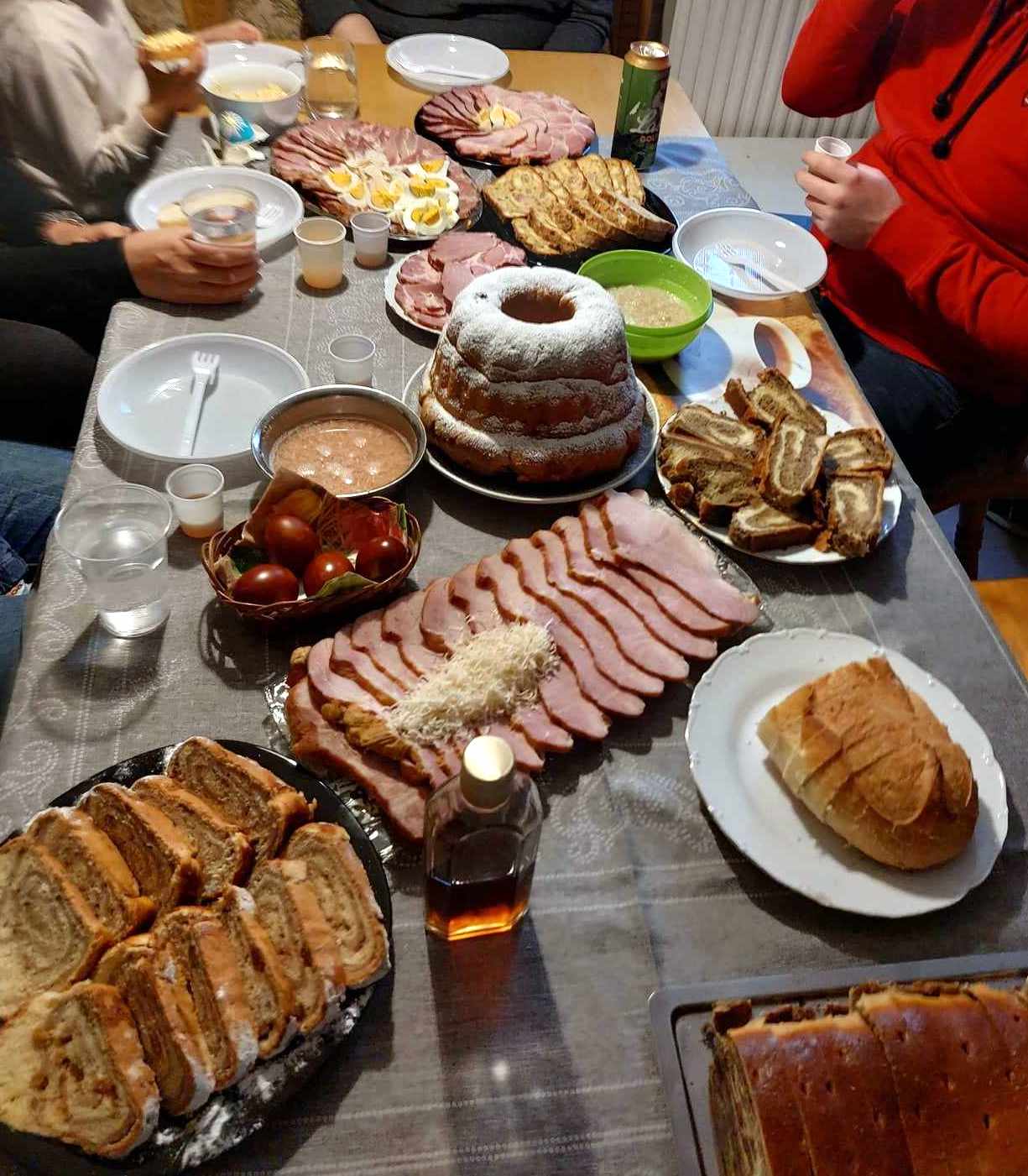
Žegnane – the blessing of food on Easter Saturday – takes places around the country in front of or in churches or, as seen below in Lancovo, near Radovljica, at shrines in smaller settlements. People take baskets of food, covered with embroidered cloths, to be blessed. However, this food cannot be eaten until Easter Sunday. Then, after a period of abstinence (by some), with a fast beginning on Ash Wednesday, food becomes a big deal as tables in homes around the country can be found bursting under the weight of potica, which is the star of the show, as well as baked ham, horseradish, eggs and more.

Potica is a traditional Slovenian sweet baked at Christmas and Easter holidays, and is arguably the most famous Slovenian dish. It could be said that no Slovenian holiday is truly complete without a slice of traditional potica. Apparently, there are over 80 different types of potica in Slovenia, yet in most shops and bakeries there are only the usual staple varieties, such as; walnut – by far the most commonly found – as well as poppy seed, tarragon, coconut, and potratna –  a layered ‘luxury’ potica, made with curd cheese, walnuts and layers of light and dark sponge.

Gluten-free potica is also now widely available, such as seen below, so no need for us coeliacs to miss out.

May be an image of rye bread and babka

Gluten-free walnut potica and coconut potica – Sladki butik Ines

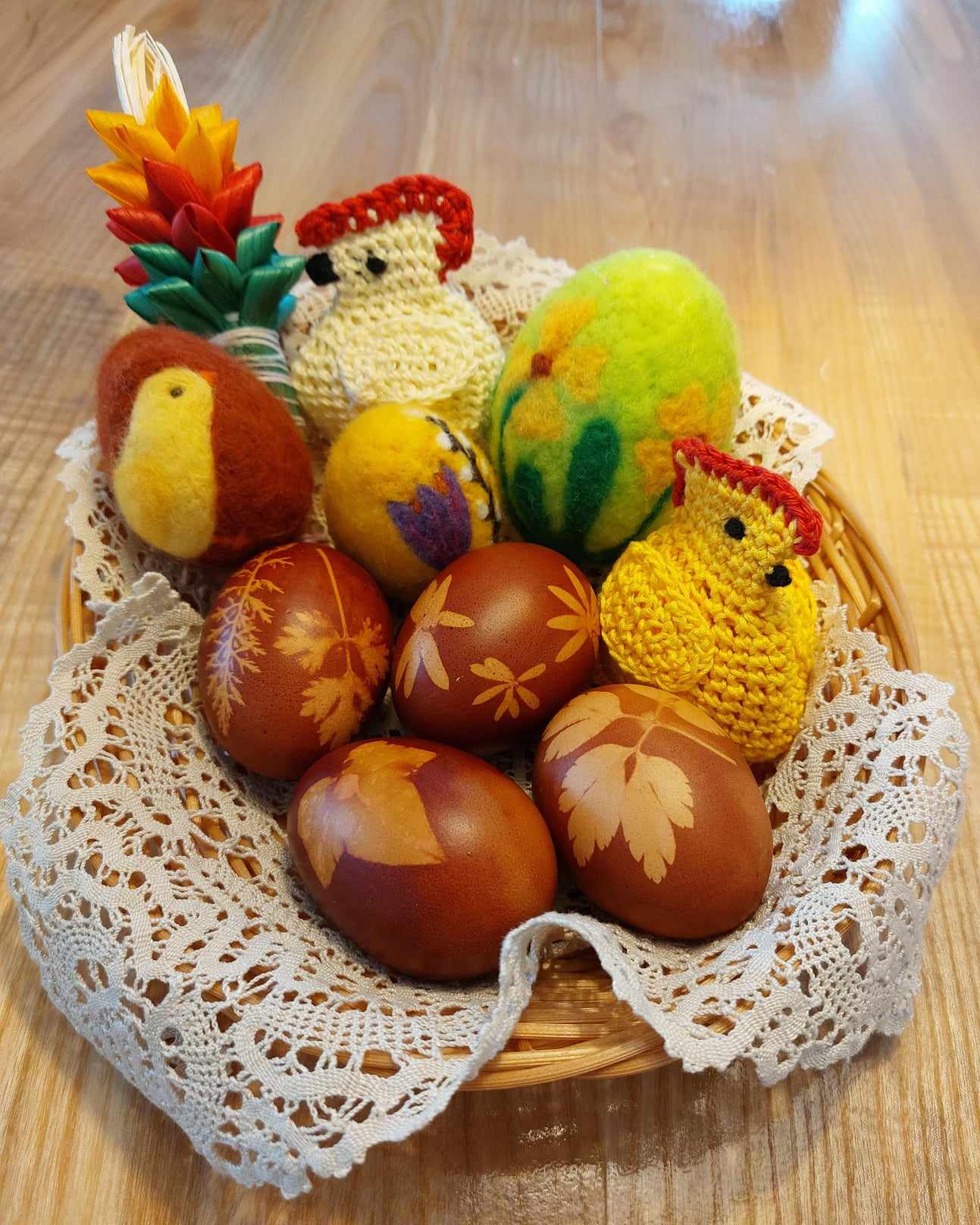
Pirhi, another staple on tables at Easter, are coloured eggs, traditionally dyed using onion skins. Spring flowers or leaves are attached to the eggs during the dying process to produce the characteristic pattern.

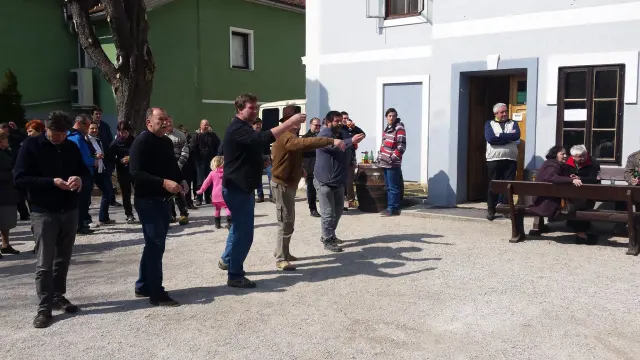
The game of ‘fucanje‘ traditionally takes place at Easter. Players compete in a coin throwing contest, each aiming for their coin to land closest to the target. The winners then ‘takes all’!

12909674_564769800359702_5745541462094381496_o

On Easter Sunday in the municipality of Radovljica ‘fucanje‘ takes place outside the cultural centre in the villages of Mošnje and also in Begunje na Gorenjskem behind the Pr’ Tavčar restaurant.

12496146_564769977026351_8595064718227735184_o

Rolling eggs, or Easter egg hunts, are other traditional Easter games.

Lov na pirhe na Blejskem gradu - THE Slovenia

On Easter Sunday, a typical Easter feast in Slovenia usually looks something like this…

I can’t finish this blog without mentioning the retirement of Slovenia’s best ever ski jumper, Peter Prevec, who officially made his last competitive jumps at Planica last weekend.

May be an image of 2 people, people skiing and text

Peter’s records speak for themself, among them:

  • 203 FIS WC appearances
  • 51 FIS WC appearances
  • FIS WC victories
  • 15 wins in one season
  • Winner of the Crystal Globe 2015/2016
  • Winner of the Ski Flying Crystal Globe in 2013/14, 2014/15 and 2015/16
  • Silver and Bronze medal winner at the Sochi Winter Olympics in 2014
  • Silver and bronze medalist at the Nordic World Ski Championships

Originally from the Poljane Valley, Peter now lives with his wife and two children in Radovljica. To show our gratitude and appreciation to him, the town is putting on a celebrate his exceptional sports career this Tuesday (i.e. tomorrow) at 5pm, to which everyone is invited, featuring live music with Saša Avsenik and the Lesce Wind Orchestra.

And finally, it’s less than a month until the Radovljica Chocolate Festival. This year’s festival will take place on Saturday 20th and Sunday 21st April and, as ever, will feature a chocolate-packed and entertainment-packed programme, so plan your visit now! Should you need any help planning your visit, contact the Radovljica Tourist Information Centre.

© Adele in Slovenia
Wild Weather and Scrumptious (gluten-free) Štruklji!

While much of Europe is basking, or rather sweltering, in record-high temperatures, this ‘summer’ here in Slovenia has, so far, been marked by some mega storms, the likes of which have never been seen at this time of year, if ever.

The extreme hail and gale-force winds have wreaked havoc throughout the country, and there’s more predicted for later this week too. So, everyone is waiting and praying that there isn’t a repeat of last week, which brought significant damage to cars, roofs, crops, houses and more.

Toča po neurju v Krškem

On a more positive note, here in the Gorenjska region, i.e. the mountainous region of Slovenia, temperatures tend not to get as high as at the coast and the southeast part of the country. And even if they do, you are never far from a forest to take shelter in, a mountain to climb for some cooler air, or a pool or lake to jump into to cool off.

Here in Radovljica, we are lucky to have the Karavanke range and the Kamnik-Savinja Alps to the north, the Jelovica plateau to the south, and the Julian Alps on the doorstep, the only problem is, with so much choice, it can be hard to decide where to go!

Radovljiška ravnina

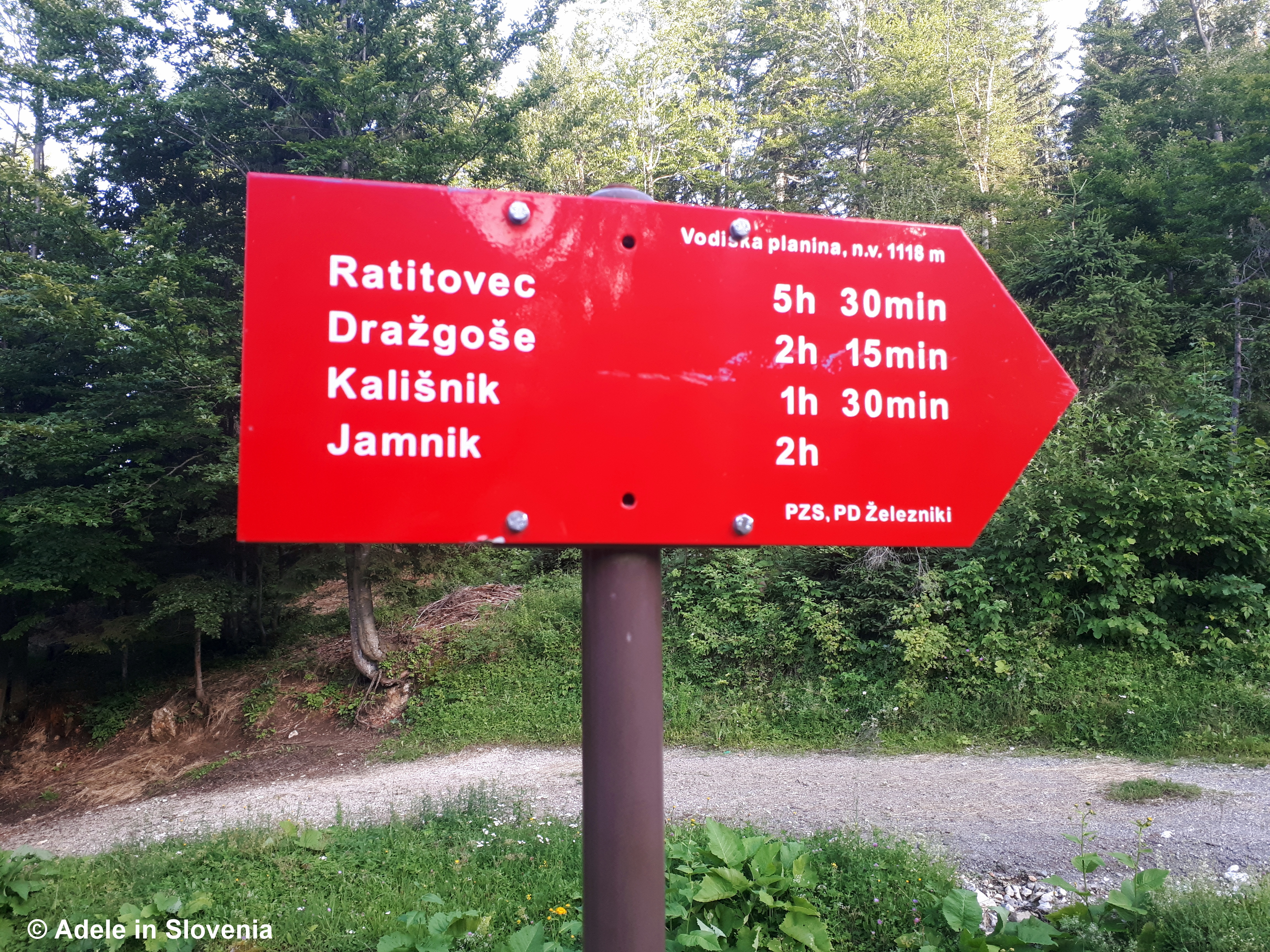
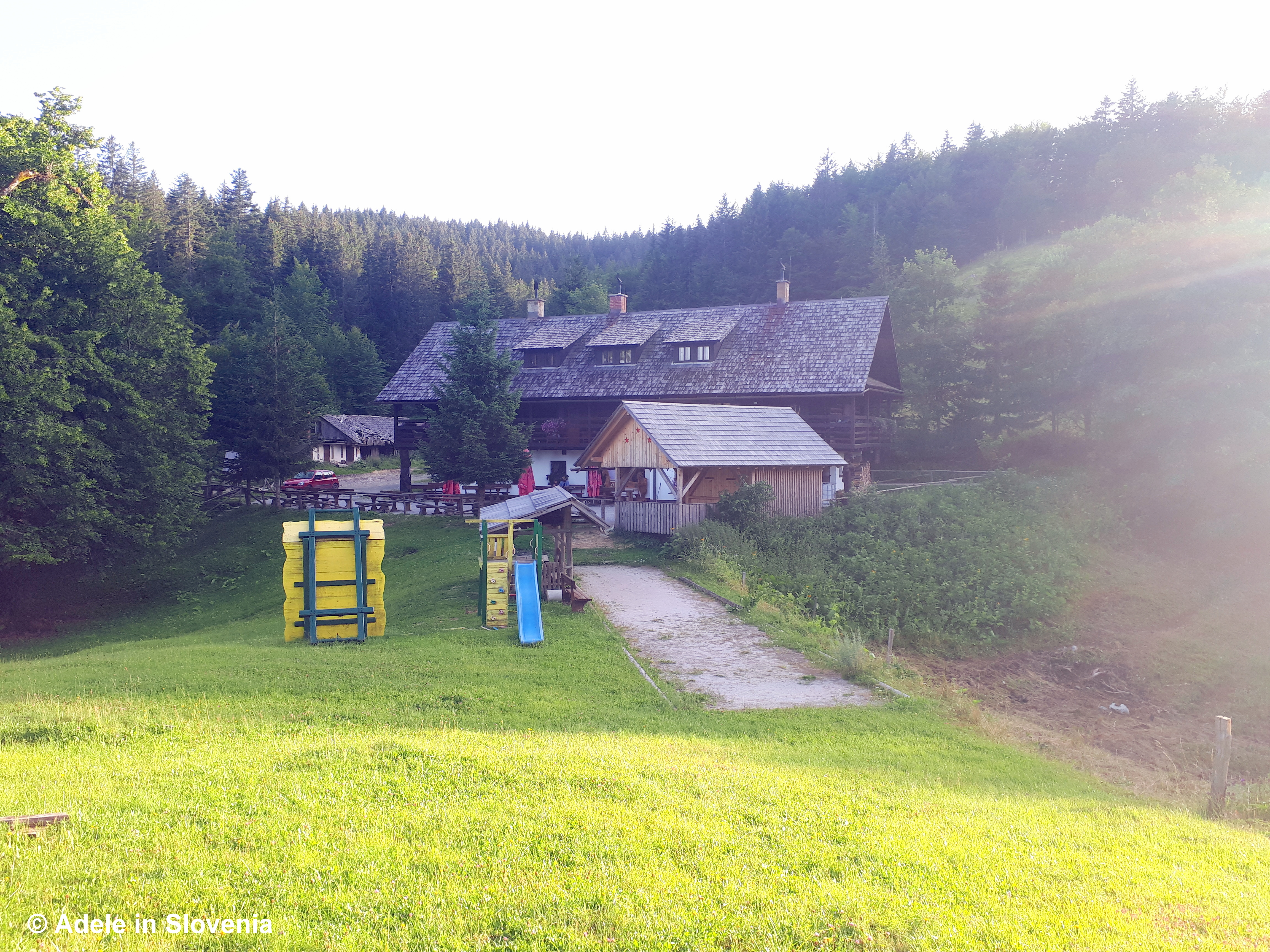
Last Wednesday, however, the decision was easy, as I had found out that the lady who runs the mountain hut on the Vodiška planina mountain pasture makes gluten-free štruklji, a real rarity indeed, in fact, quite possibly the only mountain hut that offers them.

It’s actually quite difficult to describe what štruklji are, other than to say they are made using a light dough mixture that is rolled out very thinly then filled and rolled, like a Swiss roll, before being steamed or boiled. The fillings can be sweet or savoury, depending on how creative and adventurous you want to be!

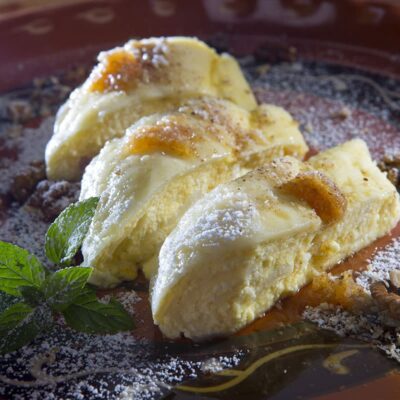
Photo: štruklji at Gostisce Draga in the Draga Valley

I can count on one hand how many times I’ve eaten them since being diagnosed with coeliac disease, so to find gluten-free ones, and so close to home – relatively speaking – is a real treat.

Below I’ve described the route I took up to the hut, which begins in Kropa, but there are also numerous other routes up to the Vodiška planina mountain pasture, including from the village of Kamna Gorica.

The most direct, albeit steepest, trail begins at St. Leonard’s church – one of two churches in the village.

The trail leads steeply up through the forest, with not much let up in terms of steepness until about the halfway point, which is the meeting point of paths that the lead up from other parts of Kropa.

It takes about half an hour to reach the halfway point, then within another half an hour or so, you emerge onto the mountain pasture.

The pasture is also a meeting point of numerous trails, so you can easily extend your hike in numerous directions.

But this time, we were there for the food! Those with coeliac disease, or those of you who know someone with it, will know that cross-contamination is a big deal (read: ‘problem’), something that so often places that claim to offer gluten-free food don’t take into account. However, as soon as I contacted the lady who runs the hut, her reply was such that I knew immediately that she knew about coeliac disease, so I had no hesitation in ordering them upon my arrival.

And I certainly wasn’t disappointed! I think my smile says it all!

In addition, because flour isn’t used to thicken any of the soups or stews, we ordered jota – a traditional Slovenian cabbage and bean stew, which you can order with or without Carniolan sausage.

Visit Radol’ca recently published a blog on its own website about what food is available at mountain huts in the surrounding area; in fact, it was whilst translating the blog that I discovered that gluten-free štruklji were available! Click here to read more and Dober tek (Enjoy your meal!) as we say here!

© Adele in Slovenia


Taste Radol’ca Goes Beyond Borders!

During the height of the coronavirus-related lockdowns, here in Slovenia we weren’t allowed to leave the borders of our municipalities; something that we would never usually even consider in ‘normal’ times. Fortunately that’s a (fairly) distant memory now – and hopefully one never to be repeated – and now not only we (the people!) but also Taste Radol’ca can go beyond borders!

This year, in addition to the Taste Radol’ca restaurants from the Radol’ca area, there are also two others from neighbouring municipalities, one of which – Restavracija MANU – has already won numerous accolades in the short time it has been open.

May be an image of food and indoor

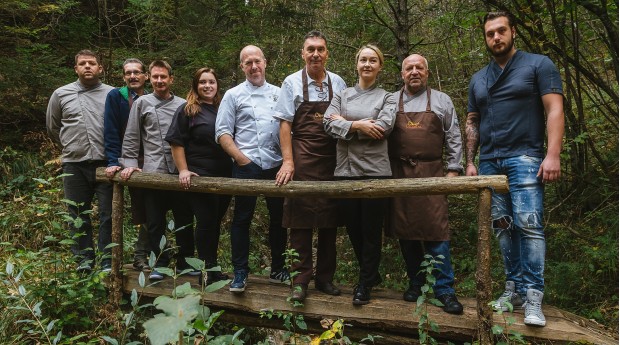
The annual highlight of the Radol’ca culinary year takes place next Friday 28th October – the opening Taste Radol’ca event and dinner prepared by all the talented chefs!

Morda je slika naslednjega: 5 oseb, ljudje stojijo in znotraj

The focus of this year’s Taste Radol’ca is sustainability and, as usual, there is an emphasis on locally produced and/or locally grown, i.e. no, or minimal, food miles and supporting local farmers and producers. The 3-course (or more) set menus remain at the same price as last year – 26 euros – which, considering the price rises all around us, remains excellent value for money.

This year’s participating restaurants are: Restavracija Tabor (Podbrezje), Restavracija Manu (Žirovnica), Gostišče Tulipan (Lesce), Gostilna Avguštin (Radovljica), Vila Podvin (Mošnje), Hiša Linhart (Radovljica), Gostišče Draga (Begunje na Gorenjskem), Šmeks-Baffi House of Pizza (Radovljica), Gostila Pr’Tavčar (Begunje na Gorenjskem).

Further proof of Radol’ca’s status as the ‘culinary capital of Gorenjska’ is the Michelin Star recently awarded to Uroš Štefelin, formerly from Vila Podvin, and his team at Hiša Linhart, as well as a Michelin green sustainability star.

This year’s opening event kicks off at 4pm with a farmers market, which offers visitors a chance to chat to, and buy from, the suppliers to Taste Radol’ca restaurants. Entrance is free, so come along and join in. The more the merrier!

At 5pm there is a presentation of Taste Radol’ca restaurants, with entertainment from pupils from Radovljica’s Anton Linhart primary school.

This year’s gourmet opening dinner will take place at Gostilna Avguštin in Linhart Square – the heart of the historic old town. The restaurant is hugely popular due to it’s sunny terrace with views of the Jelovica plateau, the Lipnica valley and the Julian Alps.

No photo description available.

Reservations for the dinner, which costs 55 euros, are mandatory and can be made by contacting the Radovljica Tourist Information Centre.

Having just translated all the menus, I know you’re in for a treat, but I won’t let the cat out of the bag just yet. After all, there has to be some element of surprise in life!

© Adele in Slovenia

Don’t Miss Cobblers’ Sunday – This Sunday in Tržič!

Cobblers’ Sunday takes place annually on the first Sunday in September , when the streets of the old town of Tržič come to life.

The event attracts large numbers of visitors, who come to browse the market stalls, enjoy the entertainment programme and take advantage of free guided tours and entrance to galleries and museums. The programme, as seen below (in Slovenian) actually begins on Saturday 3rd September, when from 10am to 1pm a Festival of Old Games will take place in the atrium of the municipal building (občina).

On Sunday 4th – the main day – some of the highlights of the programme include: a live concert by the Saša Avsenik Ensemble, entertainment for children on a bouncy slide and face painting, a fashion show with a difference, a clown show, creative workshops for children and guided tours of the Germovka iron foundry.

The tradition of Cobblers’ Sunday dates back over 500 years, attesting to Tržić’s heritage as the centre of Slovenia’s shoemaking industry. It is associated with the custom called frejšpreh’nga’, when it was on this day that in the past, cobblers’ apprentices were promoted to journeymen.


In 1985, the old town centre of Tržič was designated the status of a cultural and historical monument. Though, as with so many town centres these days – and not only in Slovenia – the old town centre itself is not the thriving hub it once was. It is, however, still home to some interesting and unique buildings and features, particularly the portals embellished with flowers.

Cobblers Sunday is you can learn more about the town’s history by following the Traces of Industry Trail.

The trail, which is marked by metal shoe imprints, leads past the houses of former cobblers’ workshops…

…as well as the town’s last remaining firbec okno’ window. The word ‘firbec’ refers to a nosey person and ‘okno’ (meaning window) refers to the window from which nosey residents could look at the goings-on in the town by looking through the glass pane at the bottom of the protruding window, without the need to lean out of the window.

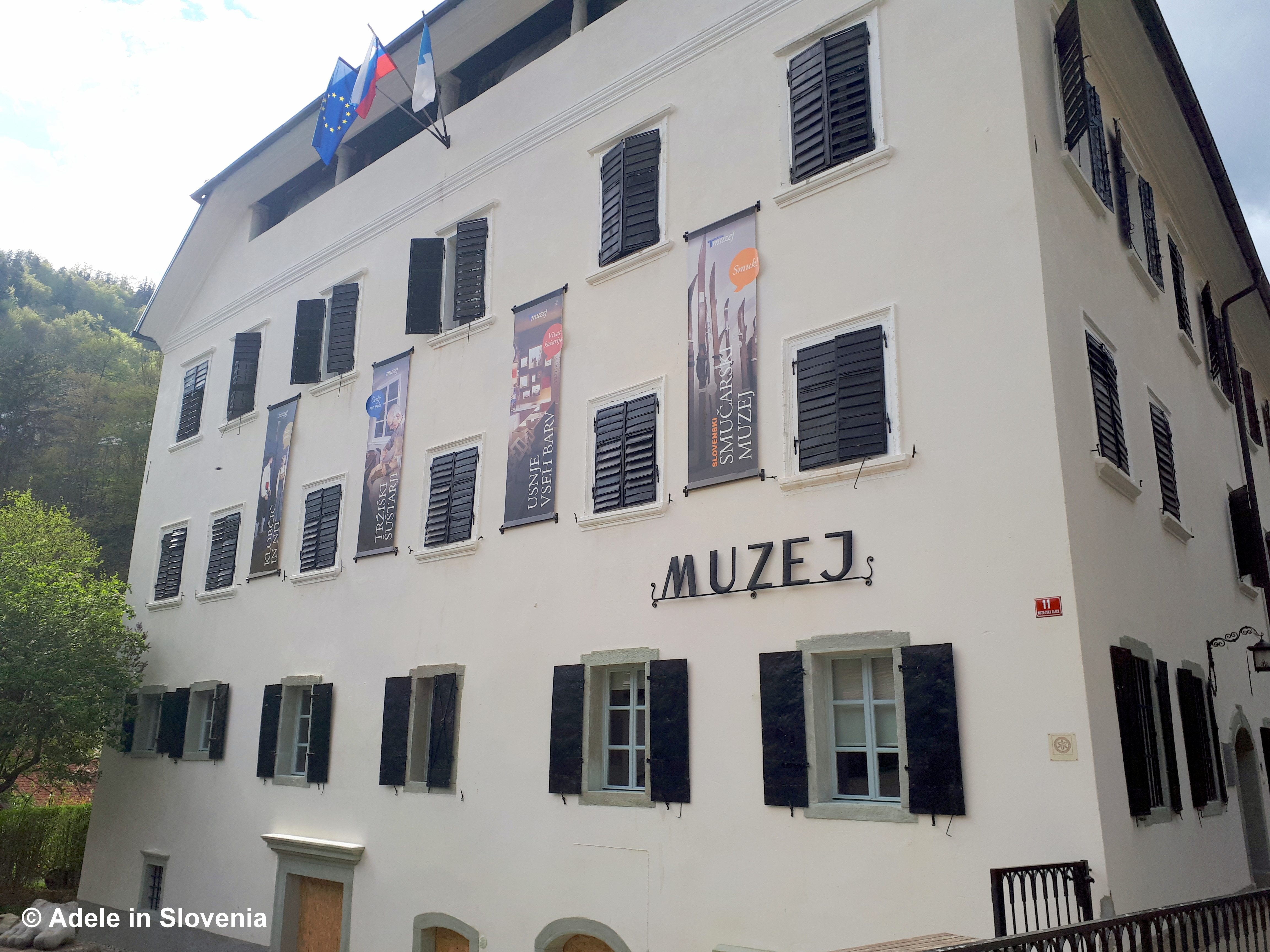
Be sure to take advantage of free entrance to Tržič Museum, which is located in Muzejska ulica (Museum Street). The museum is housed in the former Pollak dyehouse and tannery, which dates from 1811.

The museum’s numerous collections take you through Tržič’s historic industries including shoemaking, leather, crafts, trade, winter sports, local history, and art. The museum is far more interesting than one might think and has numerous interactive exhibits, so it’s definitely worth a visit.

Inside there are a range of exhibits, some of which are interactive, through which you can find about more about the town’s tradition of shoemaking as well as its other industry heritage, including skiing, leather and other crafts.

Through the day on Sunday there will also be the chance to taste traditional Tržič bržola as well as other typical stews cooked in a cauldron.

A fun day out for all the family! Now let’s just hope the weather gods are kind, but whatever the weather, come and enjoy the fun of the fair!

© Adele in Slovenia


Radol’ca Chocolate – Radovljica Just Got Even ‘Sweeter’!

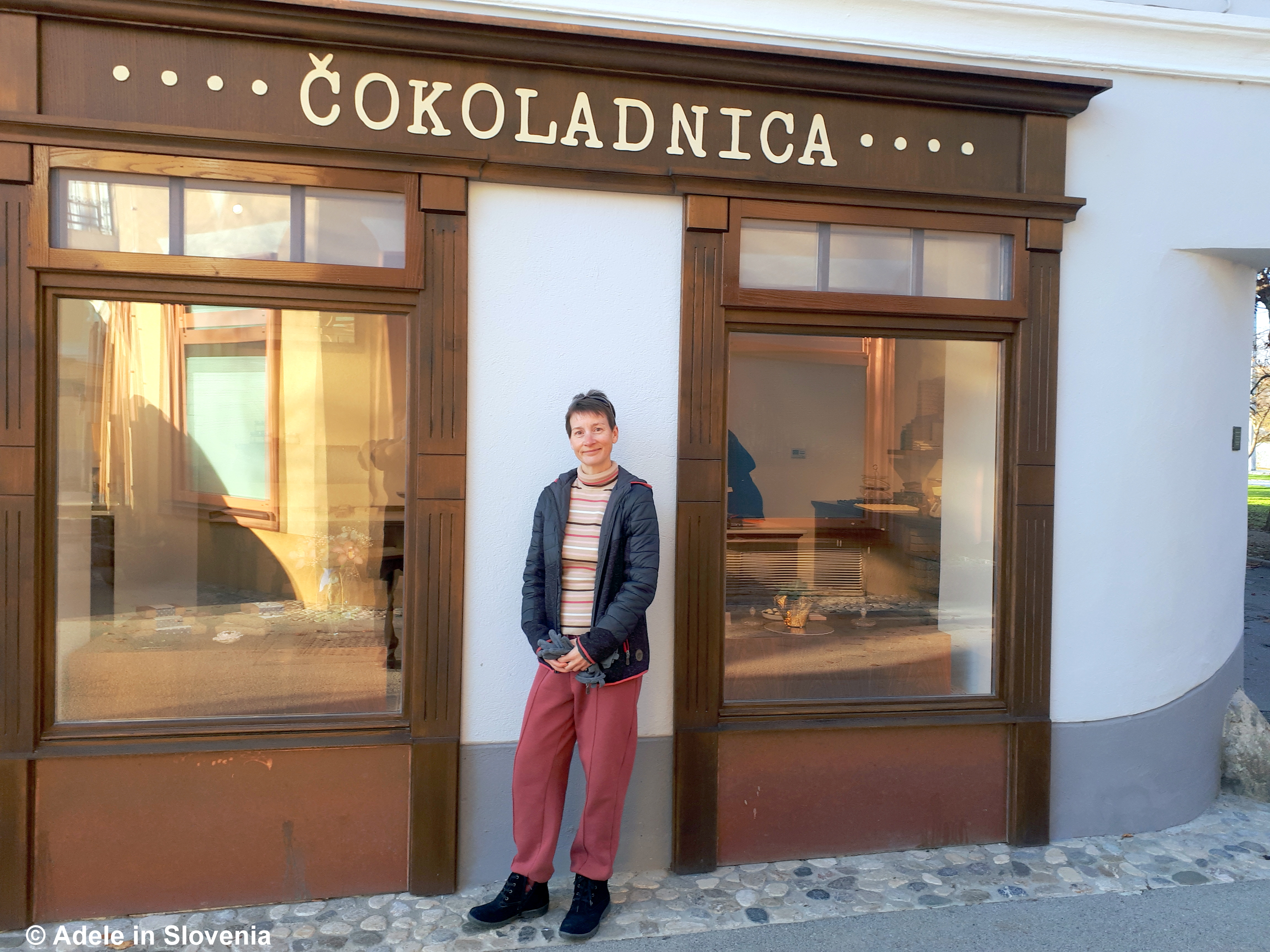
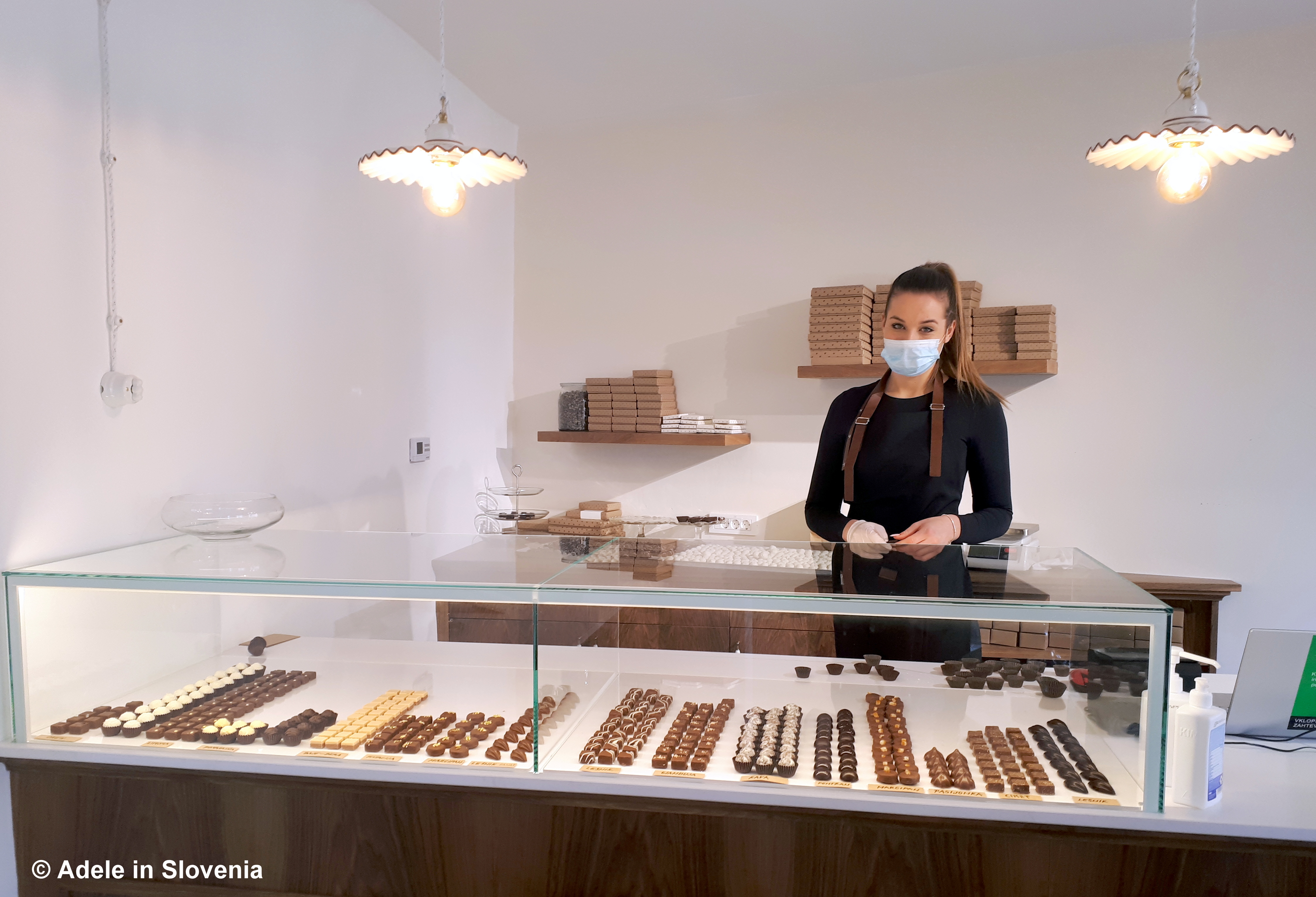
Radovljica is even richer, and sweeter, thanks to a great new addition – the new Radol’ca Chocolate boutique chocolate shop!

But calling it just a ‘shop’ is doing it an injustice, since it’s so much more.

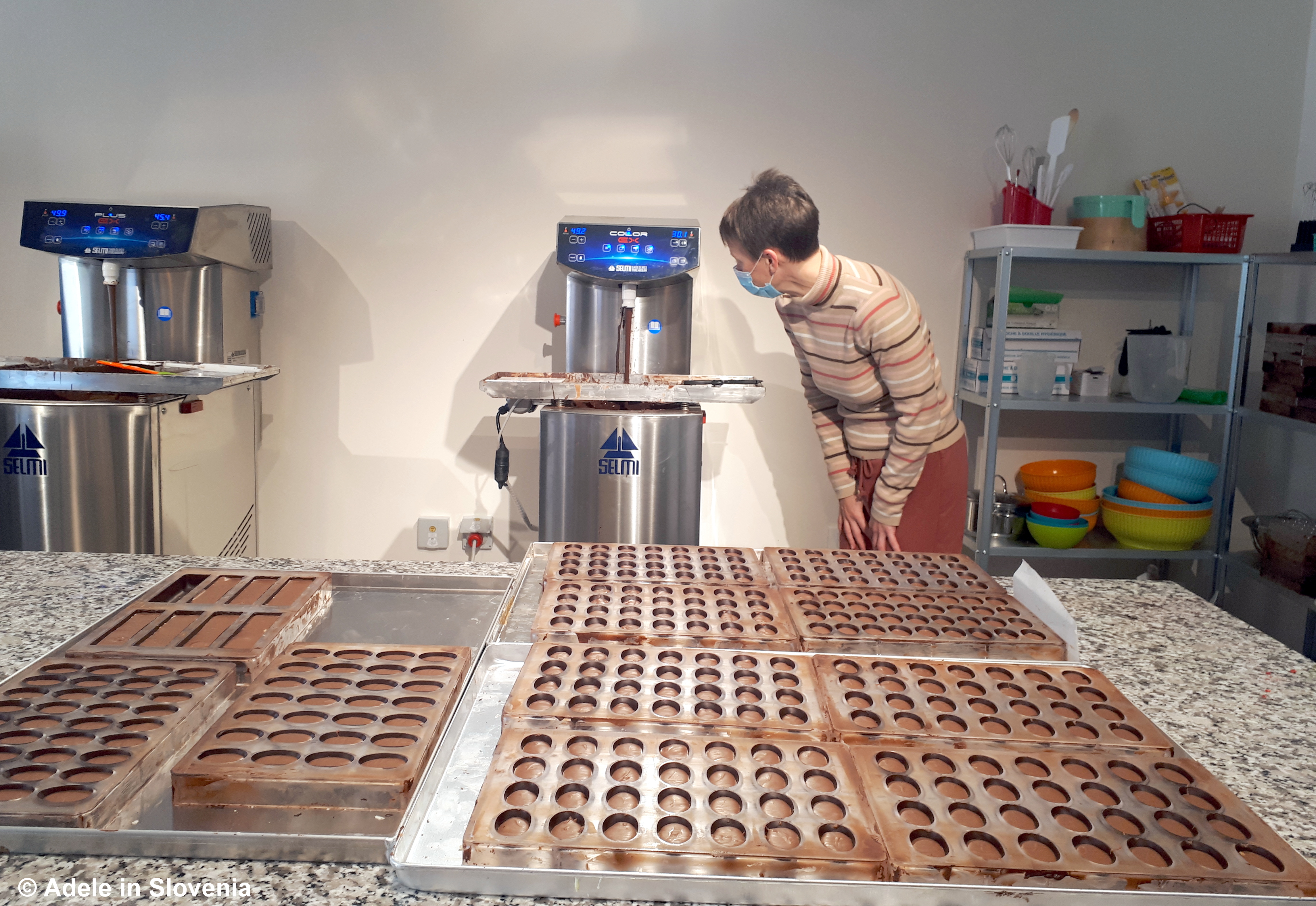
All the chocolates are handmade on site at this new family-run venture, which is the brainchild of the former director of the Radovljica Tourist Board, Nataša Mikelj, who, together with her husband and eldest daughter, have set up and opened a new chapter in their lives and that of Radovljica.

Since having introduced the very popular and successful Radovljica Chocolate Festival to the town’s annual events calendar several years ago, Nataša’s interest was sparked in where chocolate comes from, how it’s made, flavour combinations, etc.

For several years she had tried to find someone who would be interested in opening a chocolate shop in Radovljica, but there was little interest. It was during lockdown that Nataša had time to think long and hard about her life, career and future and had a lightbulb moment when she realised what her new calling could be in life – chocolate!

And the result of many months of research, hard graft and learning the tools and tricks of the trade is certainly paying off, since passing trade is brisk and orders are already pouring in for Christmas gifts, business gifts, etc.

The shop is located at the entrance to Radovljica’s old town centre. Inside you can get up close to watch the chocolates being made…

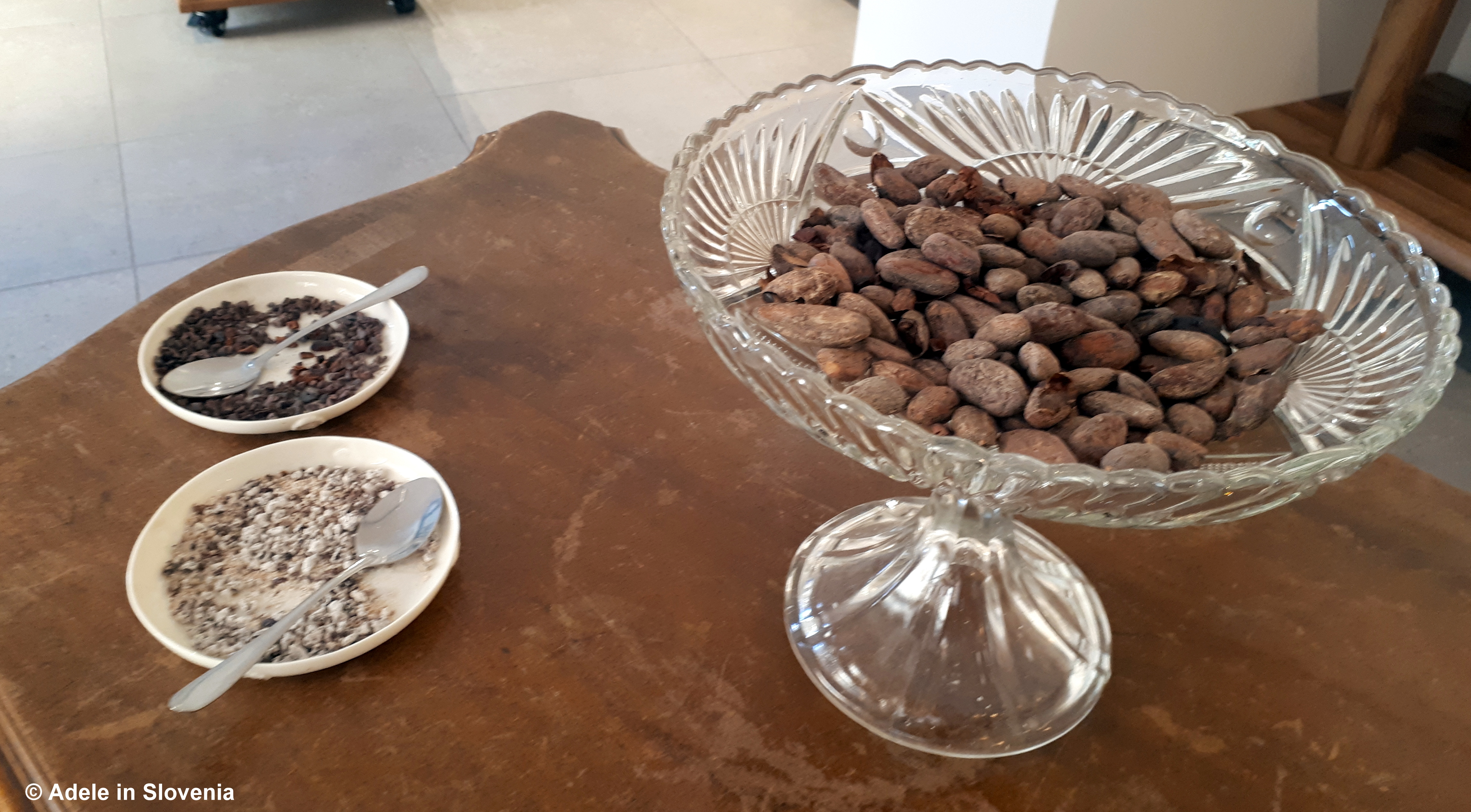
…learn about the ingredients…

… talk to the family…

…and try a sample before you buy!

It’s a tough place to be for a chocoholic like me!

In future, workshops, tasting sessions and other events are planned too.

A chocolate weekend is due to be held (providing further COVID restrictions aren’t introduced by then) on Saturday 11th and Sunday 12th December. Click here to read more.

So, now you can take a piece of Radovljica (chocolate!) home as a treat for yourself or your loved ones – or both!

© Adele in Slovenia


Autumn Colours and Tastes of Radol’ca

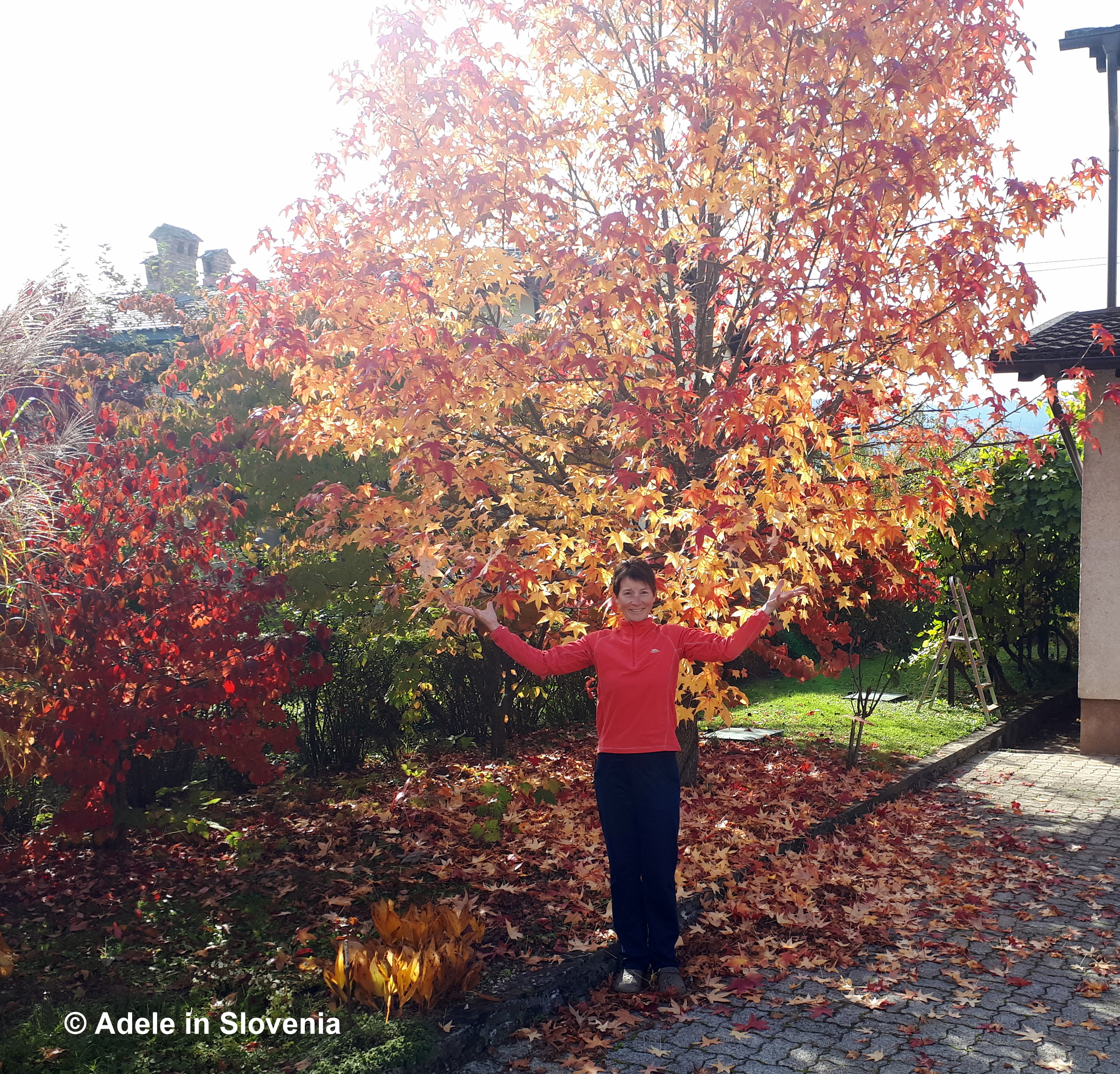
Radol’ca, like much of the rest of Slovenia, is awash with stunning autumn colours at the moment, so if you get the chance, now is the time to visit and take a drive through the Gorenjska countryside.

This week and next will be the peak of the autumnal colours, as the leaves are dropping at a rate of knots now, so don’t miss out on this short-lived annual spectacular. Autumn is a time of mixed emotions for me; I love it because of the colours and still (usually!) relatively warm weather, but at the same time know that it means winter is on the way!

In addition to stunning colours, autumn is a time of seasonal tastes, and the annual Taste Radol’ca month of local menus, which takes place every November, is another good reason to visit. This Friday 29th October the opening event of this year’s Taste Radol’ca takes place at Vila Podvin in Mošnje, near Radovljica. It begins in the afternoon with a farmers’ market featuring local suppliers and tastings, whilst in the evening the opening dinner will be prepared by Taste Radol’ca chefs and served by waiting staff from all the nine participating restaurants.

The farmers’ market, which will run from 5pm to 7pm, is open to everyone – the more the merrier (though note that you must meet, and be able to prove, that you meet one of the RVT conditions (recovered, vaccinated, tested) – while the five-course opening dinner is a ticket-only event. Contact the Radovljica Tourist Information Centre to enquire about purchasing tickets and to find out more information about what to see and do in autumn in the Radol’ca area.

After the opening event, and right up until the end of November, you will be able to try one (or more!) of the specially prepared menus featuring local ingredients prepared by the talented Taste Radol’ca chefs at: Vila Podvin, Draga Inn, Lectar Inn, Kunstelj Inn, Gostišče Tulipan, Gostilna Avguštin, Gostilna Pr’ Tavčar, Restavracija Center and Restavracija Tabor.

On a side note, albeit still on the same theme, if you haven’t yet got round to visiting Vila Podvin – awarded a Michelin Star in both 2020 and 2021 – you might want to hot foot it there before the end of November (again, don’t forget RVT), when its eight-year chapter of exceptional success draws to a close.

But all is not lost, as one book closes and opens, as the entire Vila Podvin team will be moving to Hotel and Restaurant Linhart in Linhart Square, the heart of the old town of Radovljica, which Uroš and his business partner, Marcela, bought at the start of 2020 as a result of their offer being rejected to purchase the building in which Vila Podvin operated. The hotel, like many other places in Radovljica (Linhart Hall, Linhart Square…) is named after the well-known 18-century Slovenian playwright Anton Tomaž Linhart who lived in the neighbouring house.

So, now is the time to visit AND taste Radol’ca! Hope to see you there, or rather here, soon!

© Adele in Slovenia

Pastures Galore Beneath Košuta – Slovenia’s Longest Mountain

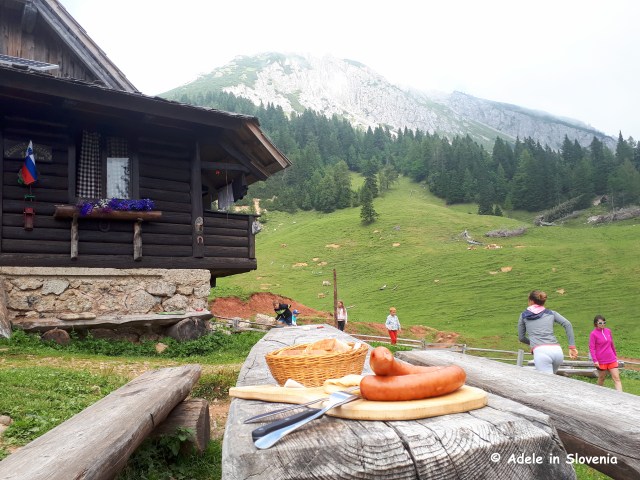
I believe that every visitor to Slovenia who wants to get a real sense of the country, rather than just visiting the usual tourist attractions, should visit at least one of the numerous mountain pastures, where you can enjoy some simple, hearty, homemade food, enjoy the peace and views, and soak up the atmosphere of pasture life.

And there’s no better place to do so than on the mountain pastures beneath Košuta – Slovenia’s longest mountain – above Tržič, particularly as they are easily accessible even for those who don’t enjoy, or are unable to take part in, long hikes. The options are almost limitless; you can opt to go on a full day walk from the valley, or drive part of the way for easier access, you can just walk from pasture to pasture, or you can tackle one of the peaks along the length of Košuta, or even stay the night so you can see and do even more!

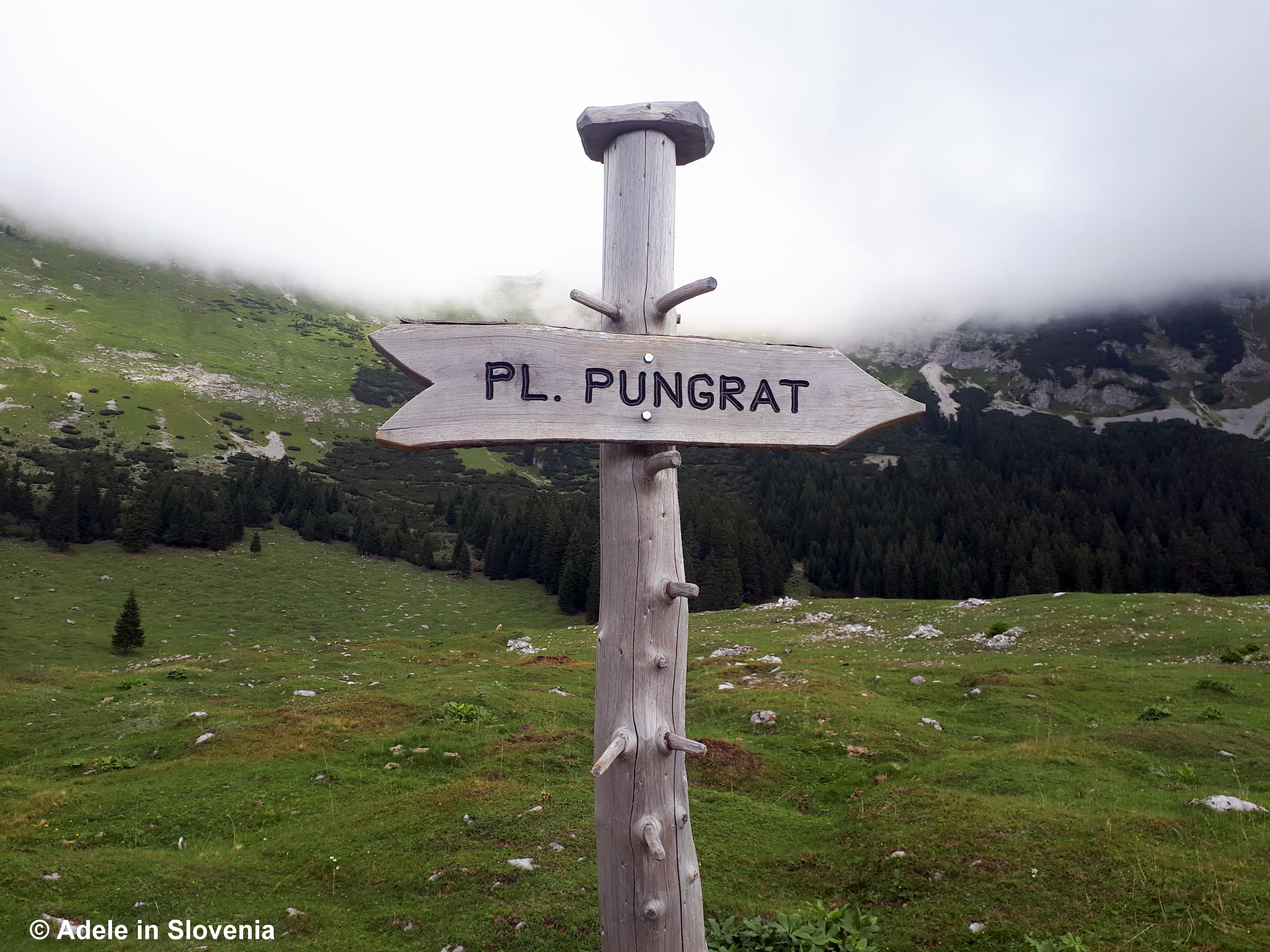
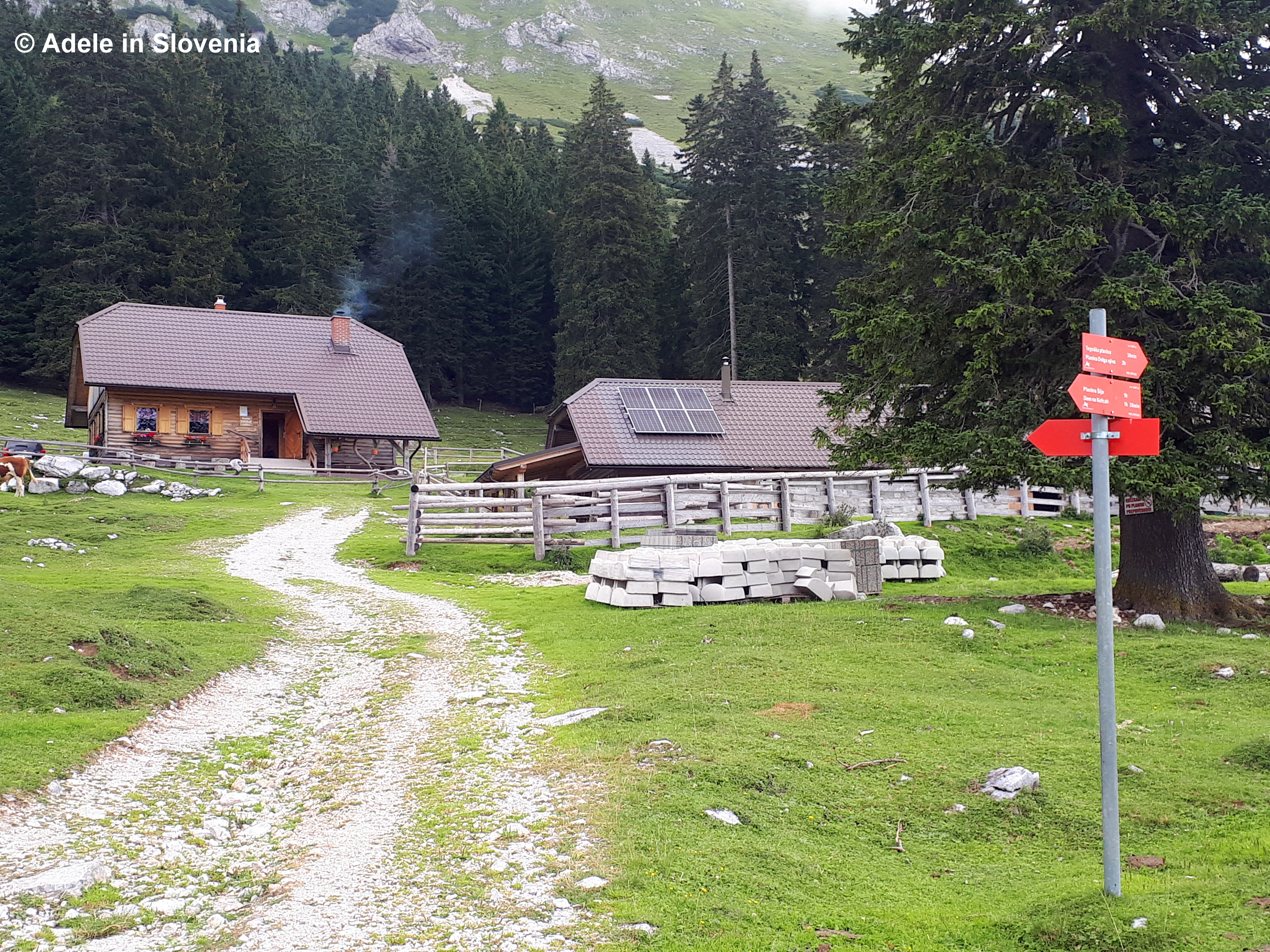
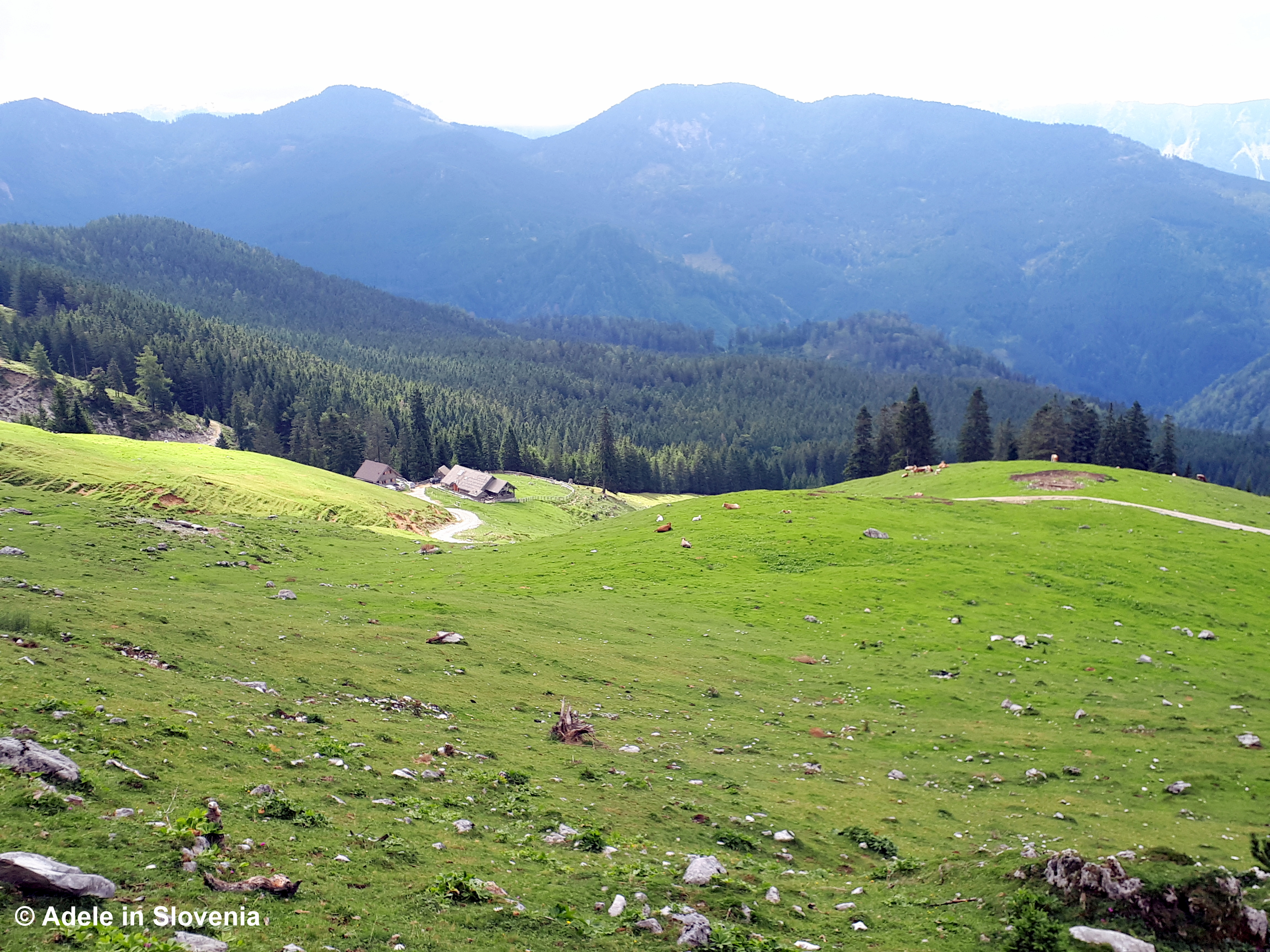
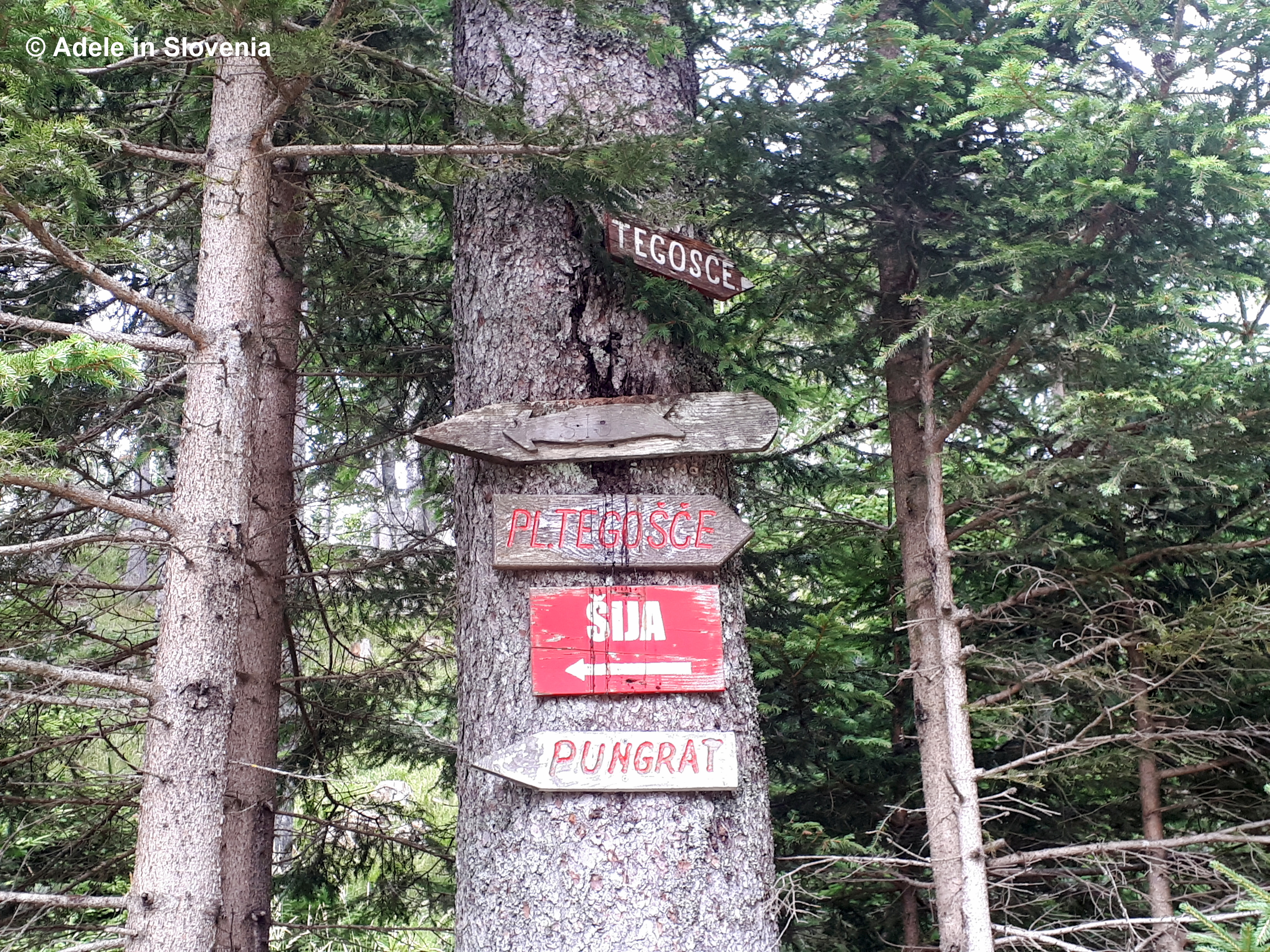
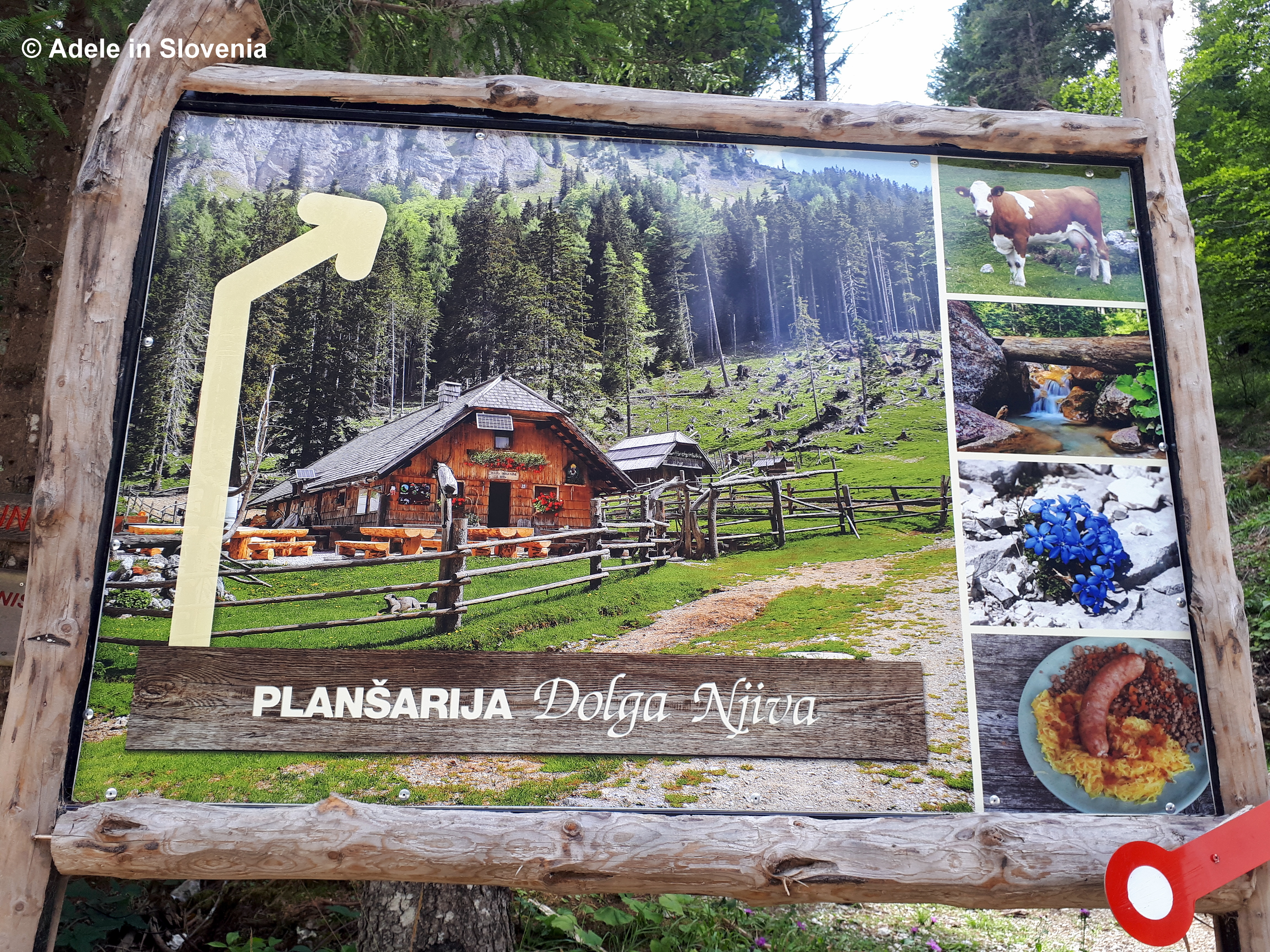
Having previously blogged about our overnight stay at the Scouts’ Hut on the Šija mountain pasture and hike to Kladivo, this time we picked up the walk where we left off – at the Pungrat mountain pasture – from where we walked to the Dolga njiva alpine dairy farm.

Since we wanted to do a partly circular walk, we started at the Zali potok hidroelectric station and took the unmarked path. However, it is a little difficult to find the trail in a few places, so for first timers and those wanting a longer walk, I would recommend instead starting your walk from Medvodje, which is reached by driving through Tržič then past the Dovžan gorge (it’s well worth stopping for a walk through the gorge) to Jelendol and onwards on the forest road.

Alternatively, you can drive, or even cycle, further up the mountain road and park just 20 minutes from the Dolga njiva alpine dairy farm, which is a particularly favourable option for families with young children, and/or those wanting to hike further and higher.

It was one of those summer days that was forecast to be sunny, but the clouds were very persistent and didn’t lift until well into late afternoon, but the scenery, and the four-legged friends, made up for the lack of sun.

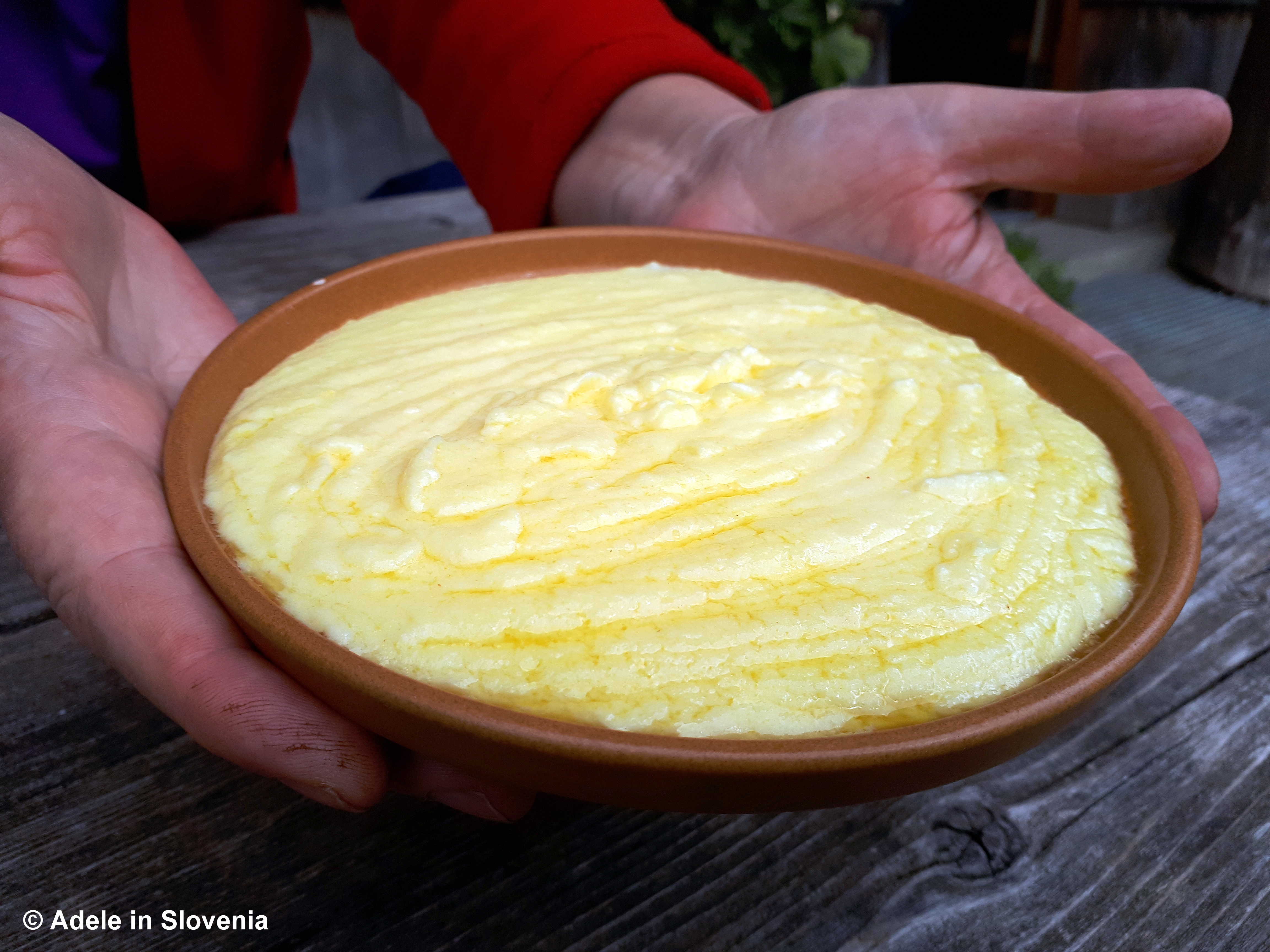
On reaching Dolga njiva, you can try some really typical mountain food, such as masovnik – a hearty mixture of flour and sour cream. Unfortunately I wasn’t able to try it (coeliac disease and wheat flour = a big NO!), so I asked one of the hikers if I could take a photo of her food before she tucked in!

Buckwheat topped with pork crackling is another popular dish, often served with sour milk.

May be an image of food and indoor

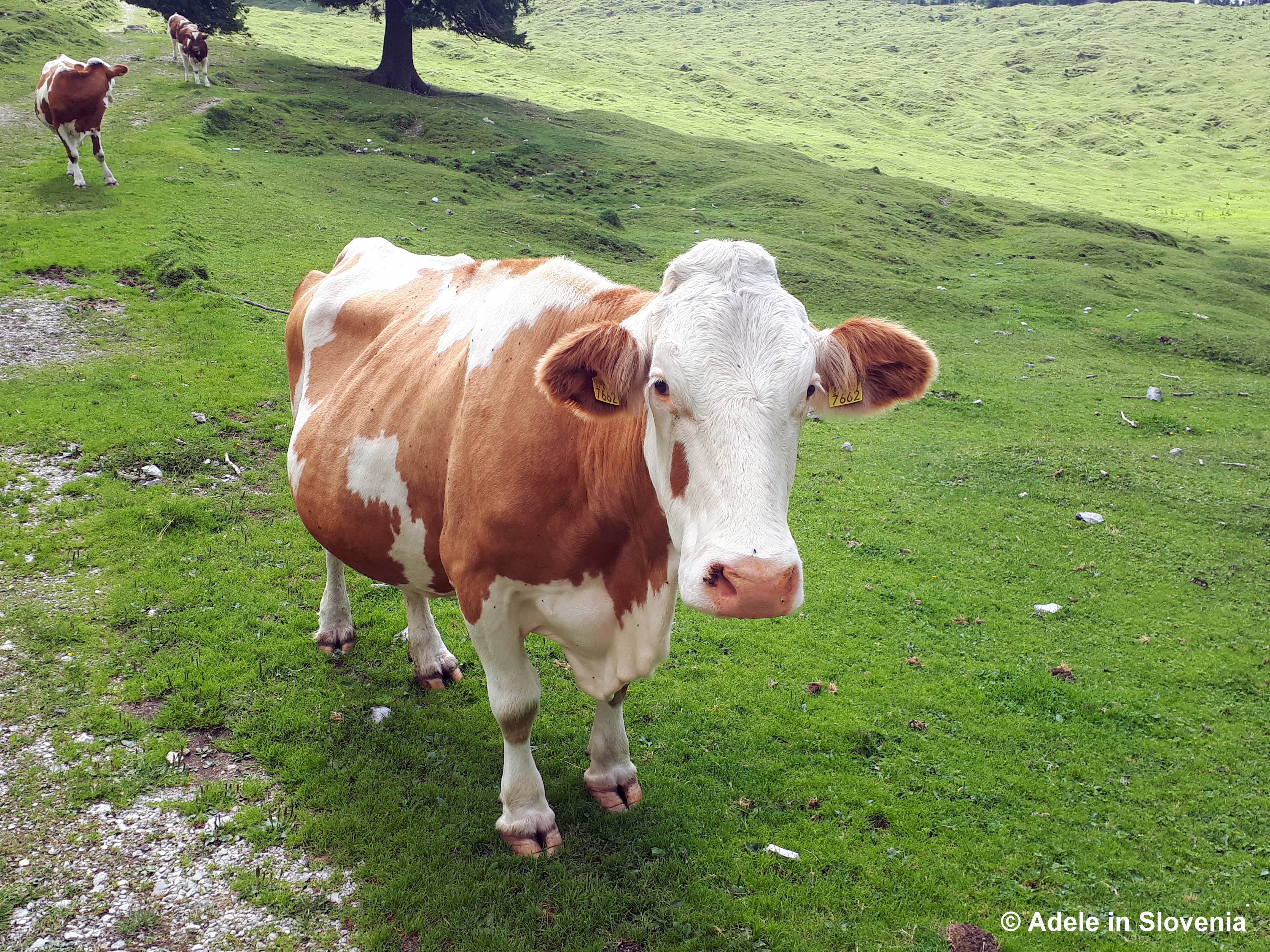
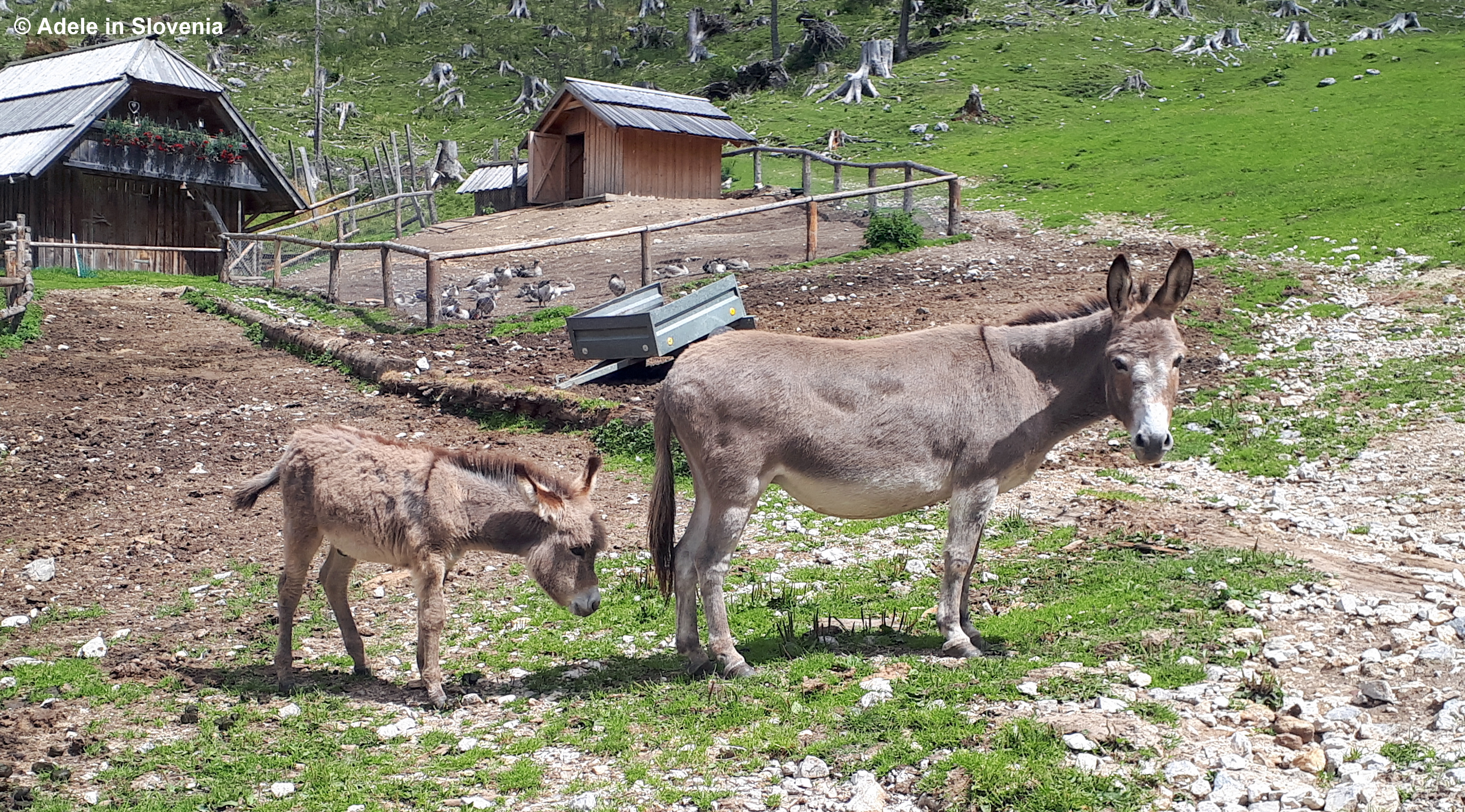
Kids will love the mini farm with its curious cows, snoring pigs, donkeys, turkeys and geese.

You can then set off for a circular walk on the Eagle Trail (Orlov pot), where you can see golden eagle nesting sites, the source of the Košutnik stream, and the flora and fauna of the area, while opposite the dairy farm you can see a chest used by allies to drop supplies to the pasture in World War II in the occupied area of the German Reich.

Dolga njiva is also an excellent starting point for hikes onwards to other mountain pastures or upwards to reach the highest point of the municipality of Tržič – Košutnikov turn.

If you want to stay longer you can stay over and sleep in a hay loft then next morning, after a hearty breakfast, head off to explore more of the pastures beneath Slovenia’s longest mountain – all 10 kilometres of it!

© Adele in Slovenia

Tržič – ‘a crowdless paradise’

As our thoughts are slowly beginning to turn to planning holidays, this year – more than ever – it makes sense to choose a destination for your holiday that is ‘far from the madding crowd’.

Slovenia, fortunately, has plenty such destinations (my tip is to be sure to avoid the overcrowded places during the height of summer – Bled, in particular, as well as to some extent Piran, the Postojna caves, Ljubljana…). Radol’ca, where I live and about which I wrote last week, is one such uncrowded place, while Tržič, which is just a stone’s throw away, is another.

So, this time I’ve put together plenty of reasons why you should consider visiting Tržič, whether for a few hours, a day or two, or even as somewhere to base yourself for your entire stay in Slovenia.

Tržič is located in the Gorenjska (alpine) region of Slovenia and is separated from Austria by the Karavanke mountains, hence it’s a hiker’s paradise.

It would be hard to single out any one hike, but among my favourites are Kriška gora and Tolsti vrh

The Born Trail from Ljubelj to Preval, which is especially interesting, but don’t forget a torch…

Košutica, also known as Ljubeljska Baba,…

…and Šija, which lies beneath the ridge of Slovenia’s longest mountain.

On a side note, the equally relevant, the Slovenian tourist board has also stepped up its activities to promote the country as one with responsible travel standards under the label GREEN & SAFE and Tržič is one of the Slovenia GREEN destinations.

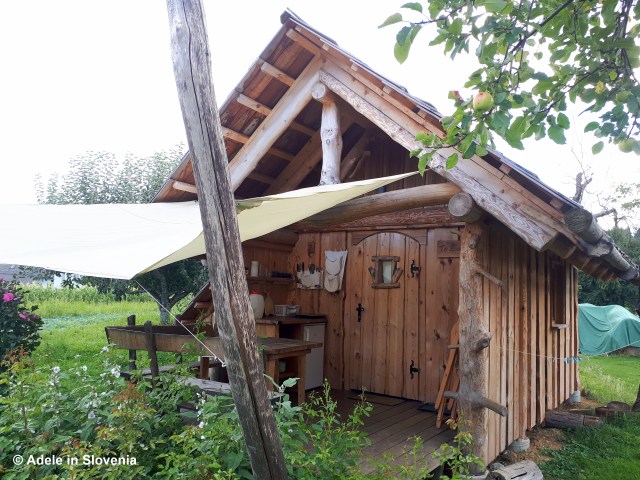
If you are looking for somewhere to stay, why not choose a stay at the Šlibar organic farm or glamping at Glamping Mountain Fairytale – both ideal places for some r&r – though there are numerous other choices of accommodation, too.

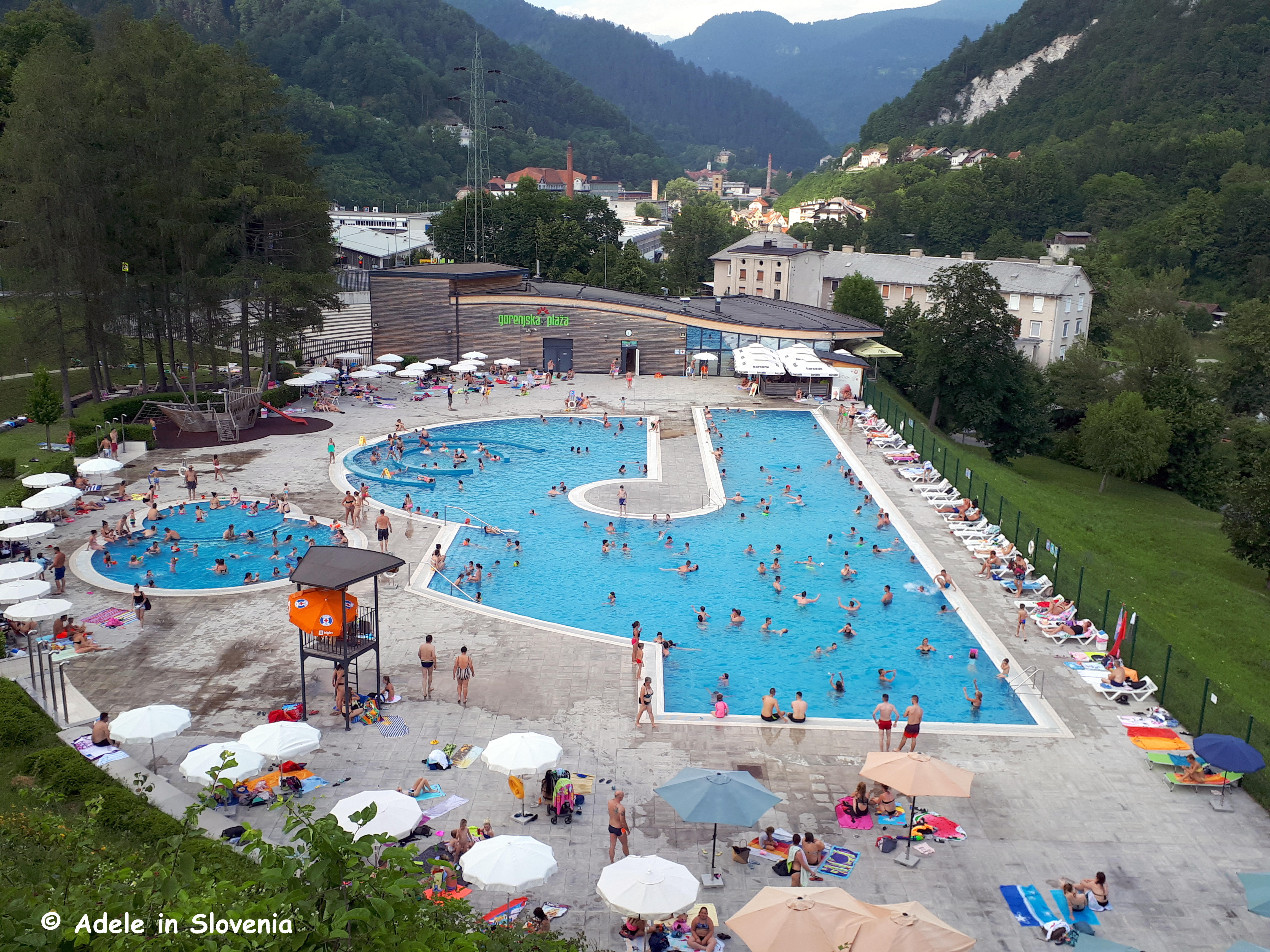
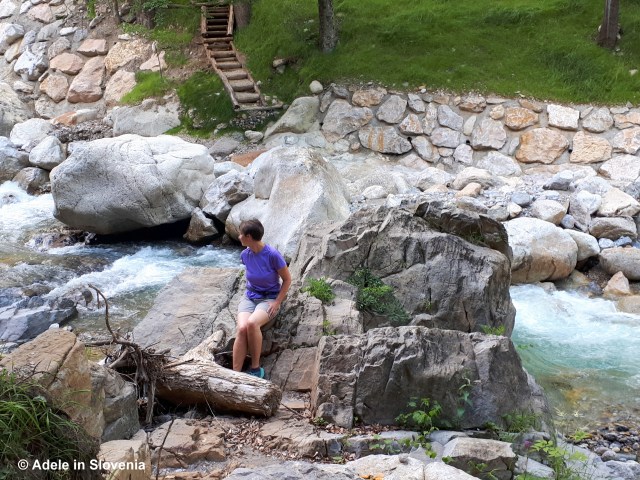
The Gorenjska plaža (Gorenjska beach) swimming pool is the ideal place to cool off during the heat of the summer, while the Trziška bistrica stream and the area’s waterfalls are other places to ‘chill’!

With all those mountains, mountain pastures and forests, there’s also plenty of cycling to be done – particularly for fans of mountain biking – while the Dovžan gorge is an adventure as well as a(nother) ideal place to cool off in the heat of summer.

There’s something for history buffs and culture vultures too, including the Mauthausen concentration camp, Tržič museum, and the St. Anne mine.

The Tržič tourist information centre, located in the old town centre, is a good place to start (planning) your trip. You can contact the centre by email, by phone, or in person.
So, I hope I’ve provided you with some (more) food for thought and help in planning your holiday this year. Talking of food…don’t forget to try some of the local Tržič specialities too!
© Adele in Slovenia

Taste Taste Radol’ca…at Home!

A follower of my blog in Canada recently wrote to me asking if I could write a post about Slovenian recipes, so how could I refuse to comply! So, Mary in Canada, this one is for you!

Since all the restaurants, bars, cafes etc. are (still) closed – it’s been like this here since the end of October last year – we (both the owners of such establishments and the public at large) have had to get used to cooking more at home whilst also taking advantage of the take-away food on offer at selected places. Many of the Taste Radol’ca restaurants have been offering take-away food and, in fact, it has actually been to my advantage in some respect that chefs have had more time to ‘play’ in their kitchens, and Aleš Tavčar, head chef and owner of Gostišče Draga in the Draga valley in Begunje na Gorenjskem, finally found time to make me a glut of gluten-free štruklji to go in my freezer.

And since štruklji really are something unbeknown to most of the world, they were the first thing that sprung to mind when deciding which Slovenian recipe to first write about.

Štruklji at Gostišče Draga

The recipe and photos shown below are for gluten-free štruklji, which, due to gluten being what provides the ‘elastic’ in dough mixes, are slightly different to ‘regular’ štruklji. Therefore, I should stress that ‘normal’ flour will provide you with a better result and your štruklji will look and taste somewhat better too, so unless you have to avoid gluten (coeliac disease in my case, though others have an intolerance and/or choose not to eat it for other reasons) you can use the same quantity of regular flour. These days I’m just happy to be able to eat them, even if they aren’t exactly as I remember them in my pre-coeliac days.

The full recipe with quantities is at the end of this post.

First gather the ingredients for the dough – flour, salt, egg, vinegar, water, oil.

Combine them well but don’t overwork the dough.

Shape the dough into a round loaf shape.

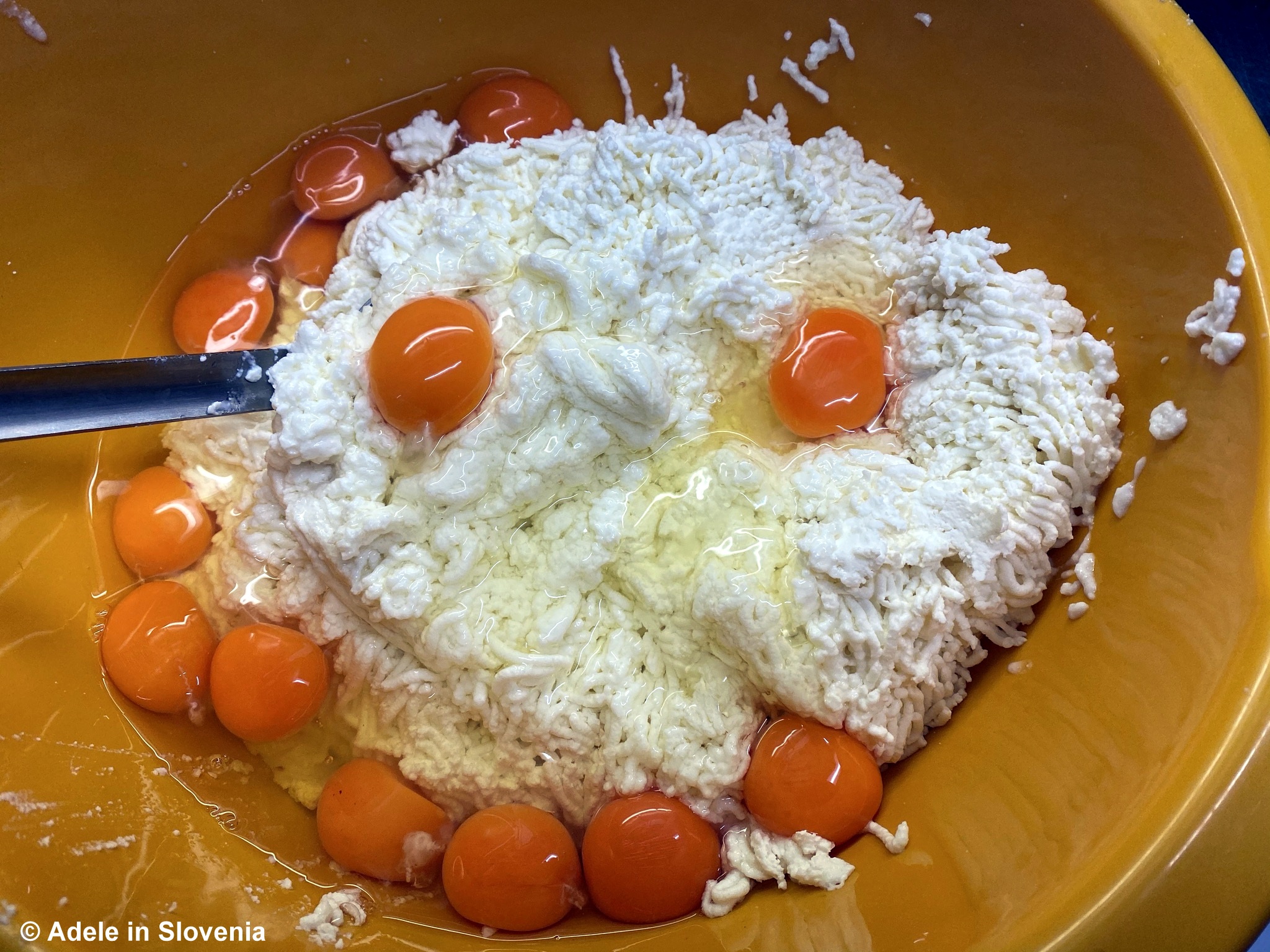
Next, make the filling using curd cheese, eggs, sour cream and salt.

Mash (or mince) the curd cheese well, add the eggs and sour cream then season with salt.

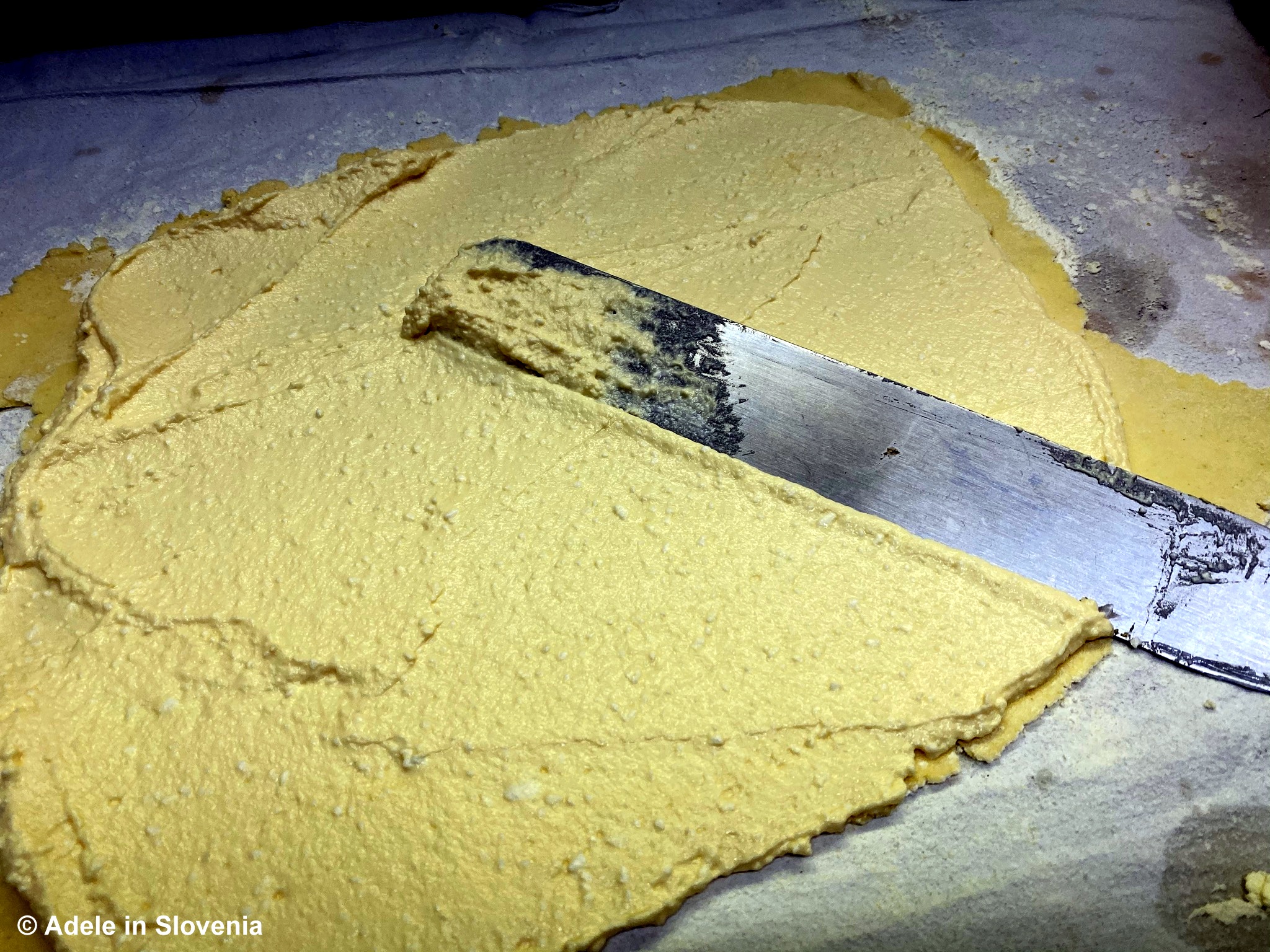
Roll out the dough – after watching the ‘pro’, I was allowed to help with this part!

Spread a generous amount of the filling mix over the dough.

Next its time to roll the štruklji then lift them gently onto lightly oiled foil or a non-stick cloth before steaming or cooking into salted simmering water.

This is the basic, traditional way of cooking and serving štruklji, but these days, in terms of how you choose to eat them and what kind of fillings/flavours you add, the sky’s the limit. You can eat them as a main course, a side dish or even chocolate štruklji for dessert. I’ve yet to find a flavour I don’t like!

At Gostišče Draga you can try a savoury version with a mushroom sauce…

May be an image of food

…or, my preferred option, topped with cranberry sauce for a savoury/sweet taste.

Until the restaurant is able to reopen – and in fact also thereafter too as they have proved to be such a success – you can buy some of Gostišče Draga’s dishes and home produce from the family farm in jars. The range include goulash, jota, bograč and various pickled vegetables. Aleš and Tina have certainly not been resting on their laurels during this long lockdown – all credit to them. The jars can be bought direct at the restaurant (at weekends), at the Lesce farmers market (Friday afternoons/Saturday mornings), from the vending machine outside Gostilna Kunstelj, and at various local shops as well as further afield.

No photo description available.

Recipe

Dough:

370g flour (gluten-free or regular)

pinch of salt

One egg

10g vinegar

300g water

90g oil

Filling:

1kg curd cheese

6 eggs

200g sour cream

Salt

Method:

Make the dough by mixing together the flour, eggs, water, vinegar and oil then shape into a round loaf.

Make the filling by mashing/mincing the curd cheese then add the eggs and sour cream and season with salt.

Roll out the dough – it should be very thin – ???? then spread over the filling. Roll the štruklji into a Swiss roll shape then lift gently onto lightly oiled foil or a non-stick cloth and roll to fully encase the štruklji. Steam for 45 minutes or cook into salted simmering water for 30 minutes.

And that’s it – simple when you know how!

Let me know how you get on!

© Adele in Slovenia