Triglav 240: Hiking The Jubilee Mountain Trail

Of the many thousands of people who enjoy hiking in the Julian Alps and Triglav National Park, and the many who every year climb to the summit of Slovenia’s highest mountain, Triglav, there is probably only a tiny percentage of those who know, or give any thought to, how, when, and by whom, the summit was first conquered.

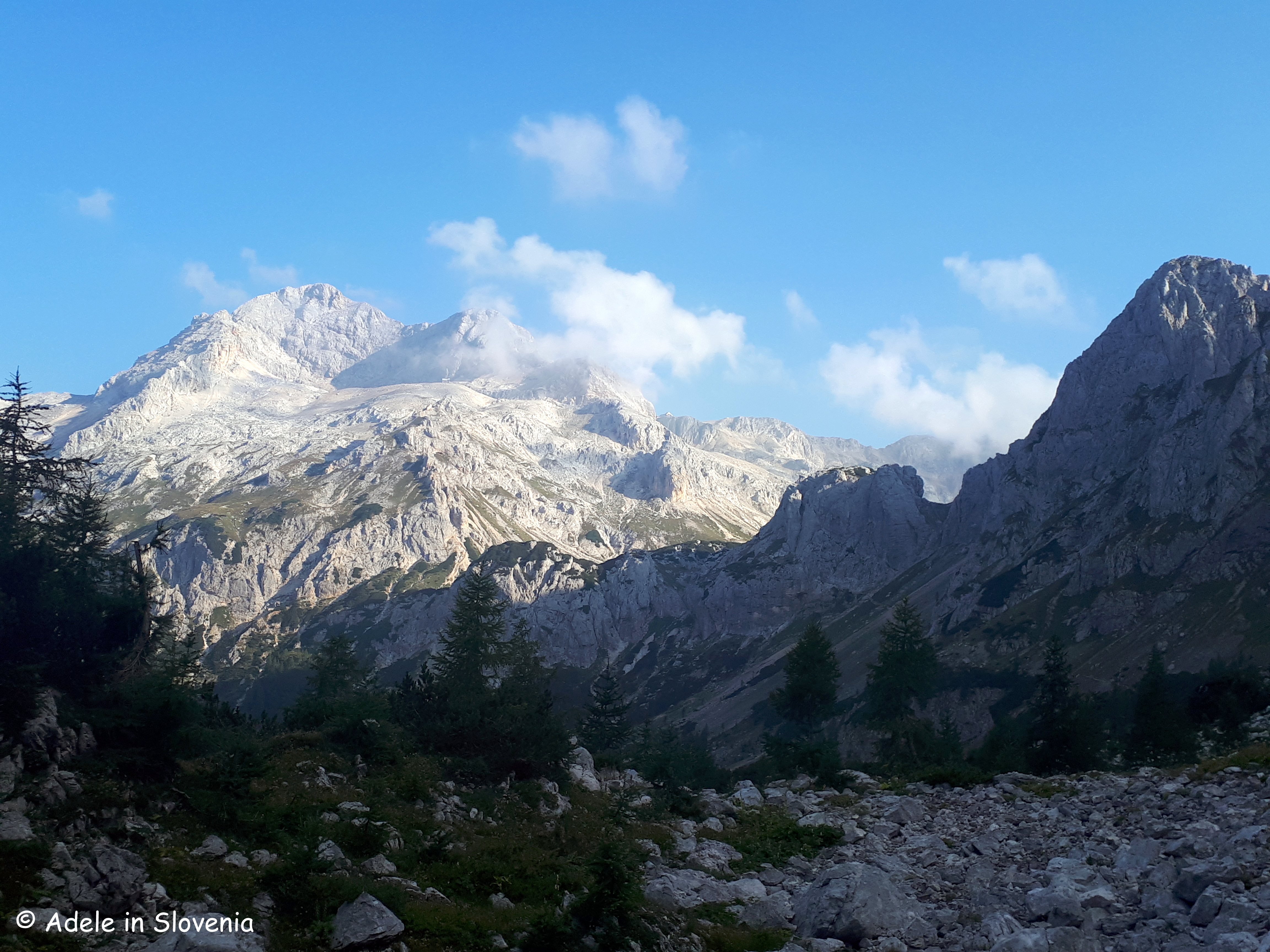
So, to coincide with the celebrations for the 240th anniversary since the first recorded summit of Triglav, join me to find out more about the four brave men who first conquered Slovenia’s magnificent 2,864m-high three-headed giant – the word Triglav means ‘three heads’!

The Jubilee Mountain Trail has been created to commemorate the first men who climbed to the summit of Triglav. The entire trail takes around 2-3 days. Along the way you can collect stamps at the nine destinations that make up the trail, or just take time to visit individuals sections, whether in the Bohinj valley or high up in the Julian Alps. It matters not, it’s not a competition, it’s a journey – one of discovery, appreciation and respect for the four brave men who first conquered Triglav, and one of personal satisfaction for each individual who undertakes it.

Since there are no actual documented records of the exact trail originally taken by the four friends, the Jubilee Mountain Trail is based on assumptions, according to where the men lived and how and where they gathered along the way.

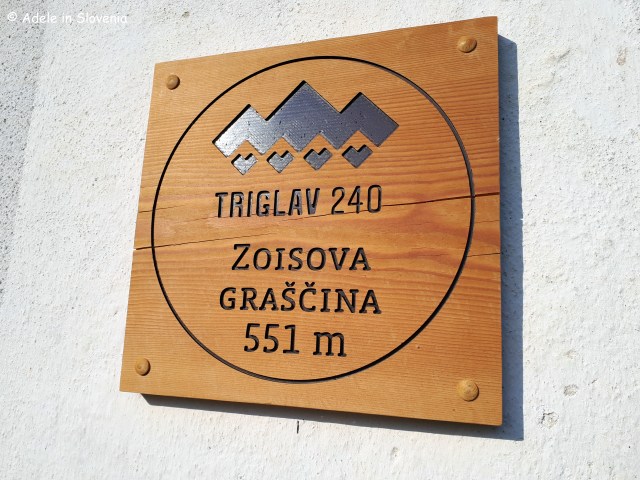
The trail begins at the birth house of Štefan Rožič in the village of Savica in the Lower Bohinj valley then continues to Zoisova graščina, a mansion belonging to the initiator of the expedition, Baron Žiga Zois, in Stara Fužina. The village was also home to another of the four brave men, Lovrenc Willomitzer, whilst the remaining two, Matevž Kos and Luka Korošec, were from nearby Jereka and Koprivnik respectively.
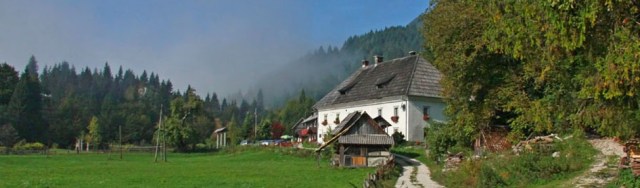
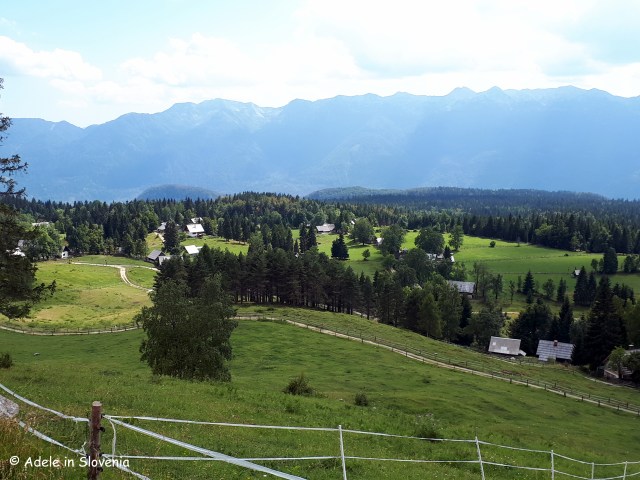
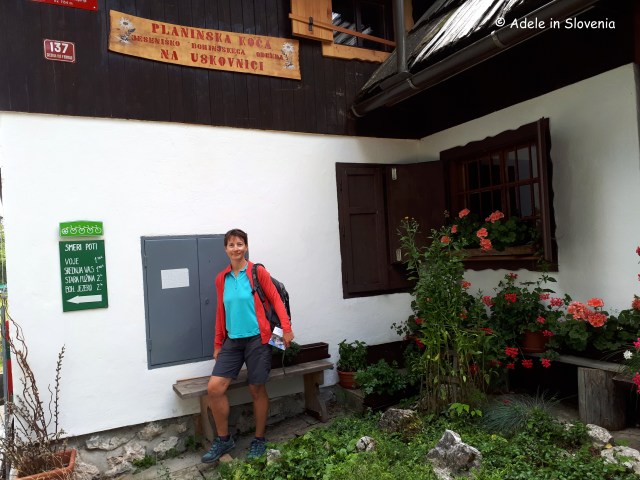
From there it continues to the Planinska koča na Uskovnici mountain hut on the Pokljuka plateau, which I wrote more about in a recent blog post here . If you are following the entire trail you can get your next stamp here, or just enjoy and standalone trip, suitable for all the family, to this mountain pasture dotted with wooden weekend homes and cute-as-a-button chapel.

After a relatively gentle start, the trail leads up steeply to the Vodnikov dom na Velem polju mountain hut. The location of this hut, in the still green world of the Julian Alps before the rocky giants take over, makes it a worthy standalone trip – for an out-and-back day hike or as part of a longer hut-to-hut hike, even for those not wishing to walk the entire trail.

If you choose to continue your next target is Slovenia’s highest ‘hotel‘ – the Triglavski dom na Kredarici mountain hut (2,515m). The hut sits on a a ridge beneath Triglav and Rjavina. You have to overcome a few areas with steel ropes and foot rungs to reach it, and rarely is one lucky enough to get there when it isn’t shrouded in cloud, but it’s a welcome sight when you get there!
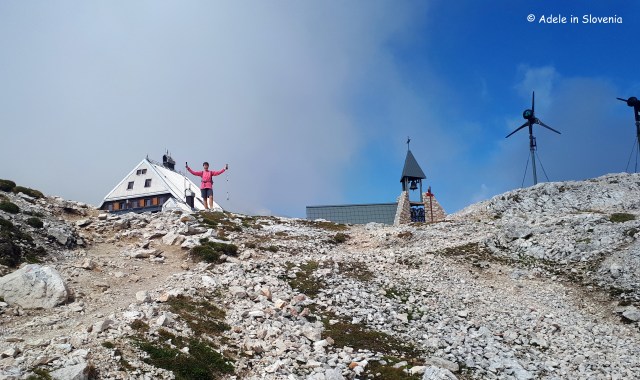
The large and unique hut even has its own chapelwind turbines and meteorological station. It can accommodate over 300 people and, even though it is officially closed in winter, there are meteorologists present 365 days per year.

Now comes Triglav itself, if you choose to undertake it. The final ascent, and of course the descent too, is considered a fixed climbing route, for which a helmet and harness is required. However, you certainly don’t have to hike to its summit to be able to enjoy and appreciate it. You can admire if from afar, get up close and admire it from below or, for those with a head for heights, go for the top to reach the famous Aljaž Tower.

From Triglav the trail continues to the Dom Planika pod Triglavom mountain hut, or for those who choose not to ascend Triglav itself, you can just descend from the Triglavski dom hut directly to Dom Planika.

From the Planika hut the route returns to the Vodnikov dom hut and then steeply down to the Koča na Vojah hut in the Voje valley, with its picture-perfect backdrop and exceedingly good blueberry pie!
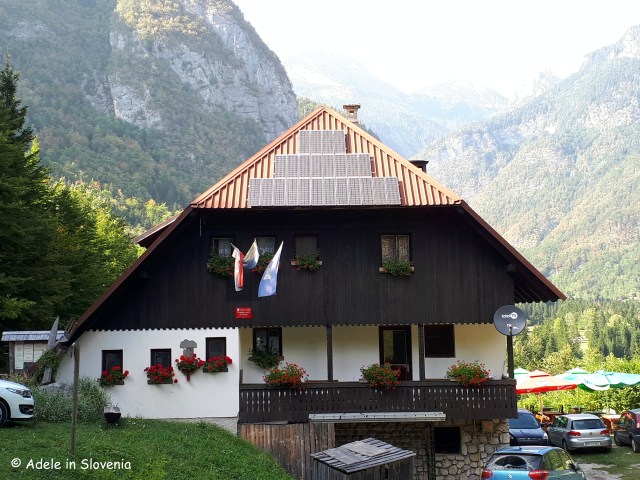
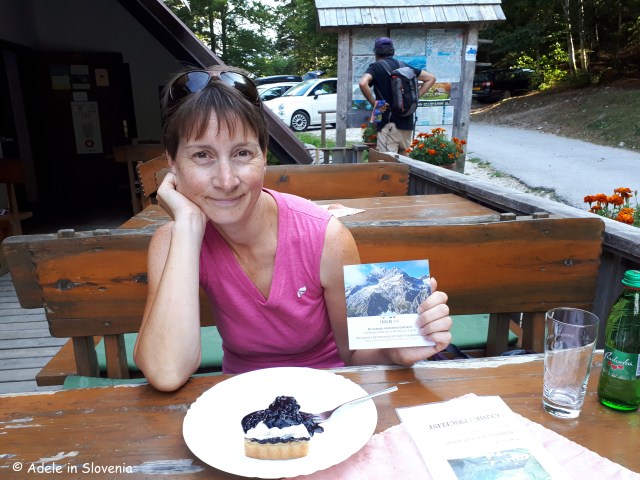
The trail ends at the Monument to Four Brave Men in Ribčev Laz, where at the snack bar opposite the monument, you can get your final stamp, and/or just admire the magnificent monument whilst paying homage to the men who made it all possible!
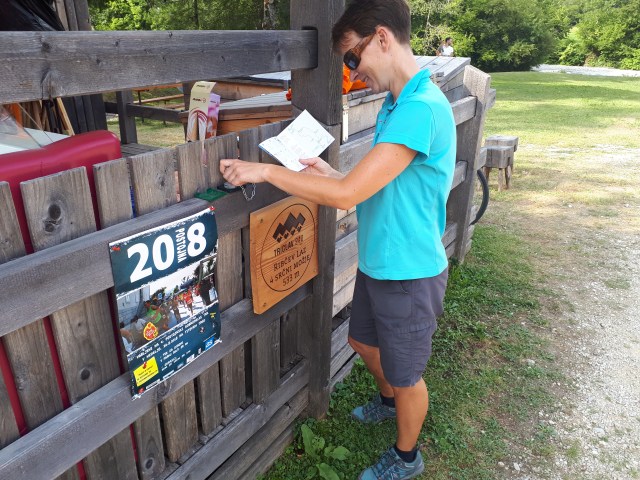
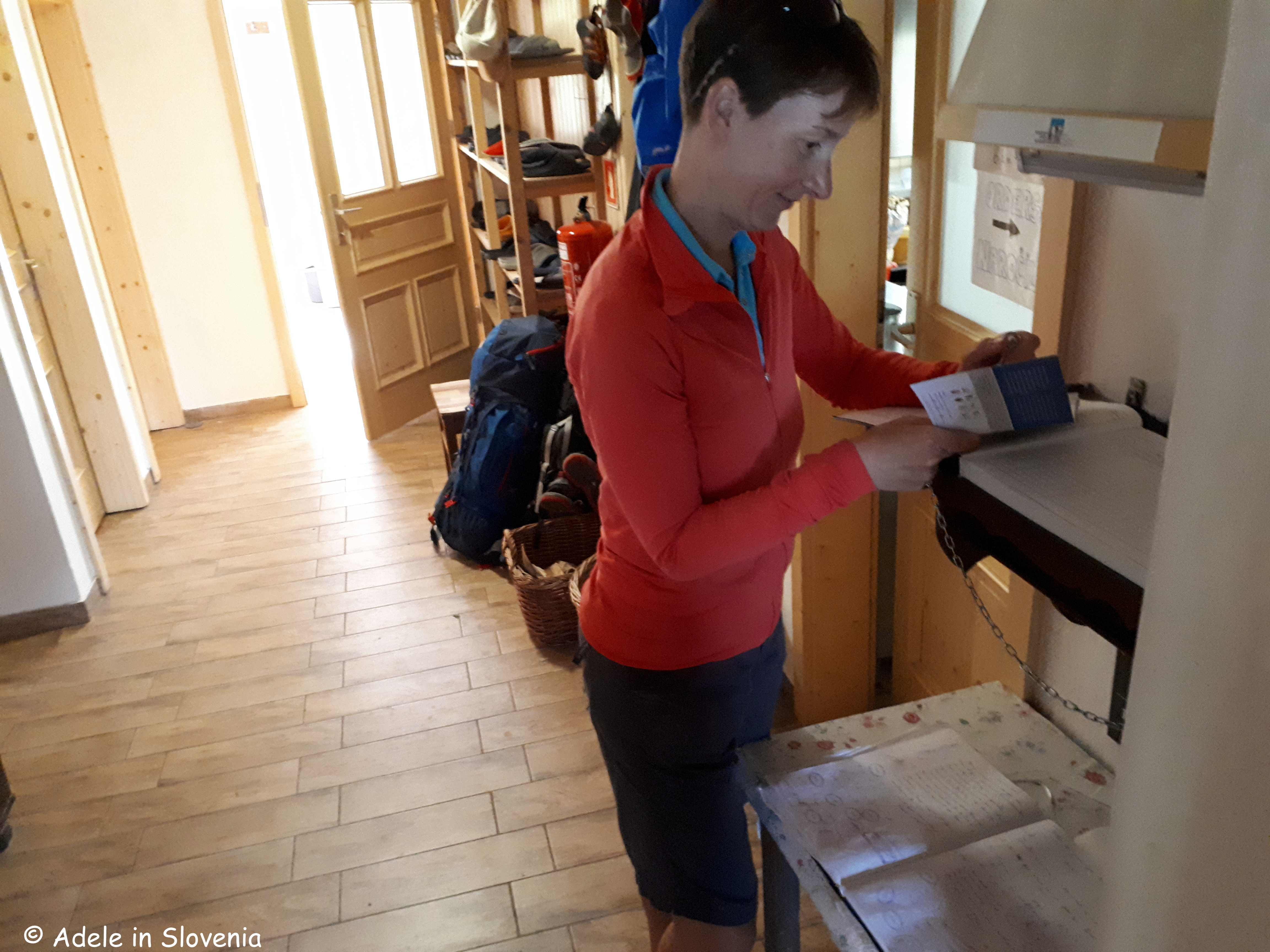
If you intend to complete the entire trail, be sure to pick up a copy of the Jubilee Mountain Trail booklet before setting off and at each destination ensure you seek out the special Triglav 240 stamp. You have until December 2018 to collect all 9 stamps, and those who do will be eligible to receive a special award at the conclusion of the celebration of the 240th anniversary, which will take place on International Mountain Day on 11 December 2018.

There is a full programme of events taking place throughout the year to mark the anniversary, and on 2nd September there will be a special live TV broadcast ‘Doma pod Triglavom‘ at 8pm which everyone is invited to join, followed by the premiere of a new documentary at 10pm. In addition, a two-day guided hike of the Jubilee Trail will take place on 29th and 30th September – bookings are essential. Contact: info:bohinj.si, or tel: +386 (0)4 574 85 90

© Adele in Slovenia
 

The Begunje Shepherd’s Trail – My Favourite Hike in Radol’ca!

The Begunje Shepherd’s Trail (Pastirska pot) is one of my favourite of all the hiking trails in the Radol’ca area. The sheer variety of the terrain, the stunning views, and the fact that it is entirely circular all add up to one great hike!

The trail begins at the head of the Draga Valley in Begunje na Gorenjskem, where you can park and set off on foot on the 10.2km trail and where there is an information board showing the route.

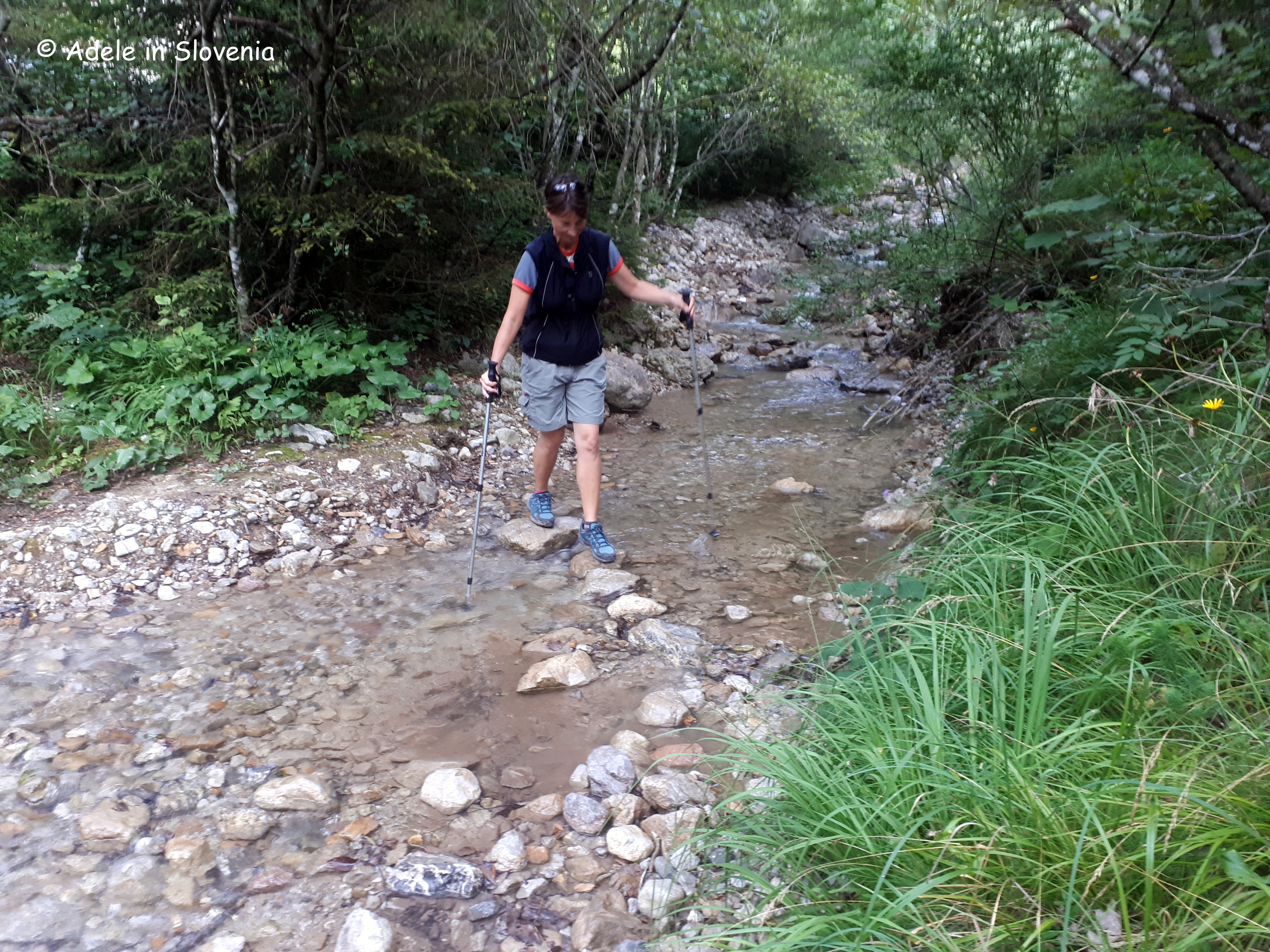
The first mini ‘challenge’ that you encounter after just a few hundred metres, is crossing a stream – not advisable after heavy rainfall! Note: if it is impassable, then follow the road uphill for about 15 minutes to where it branches off steeply through the forest towards the Roblekov dom mountain hut, but continue past the next bend and then take a forest road (unmarked) to the right, which, eventually, meets the path coming up from the head of the valley.

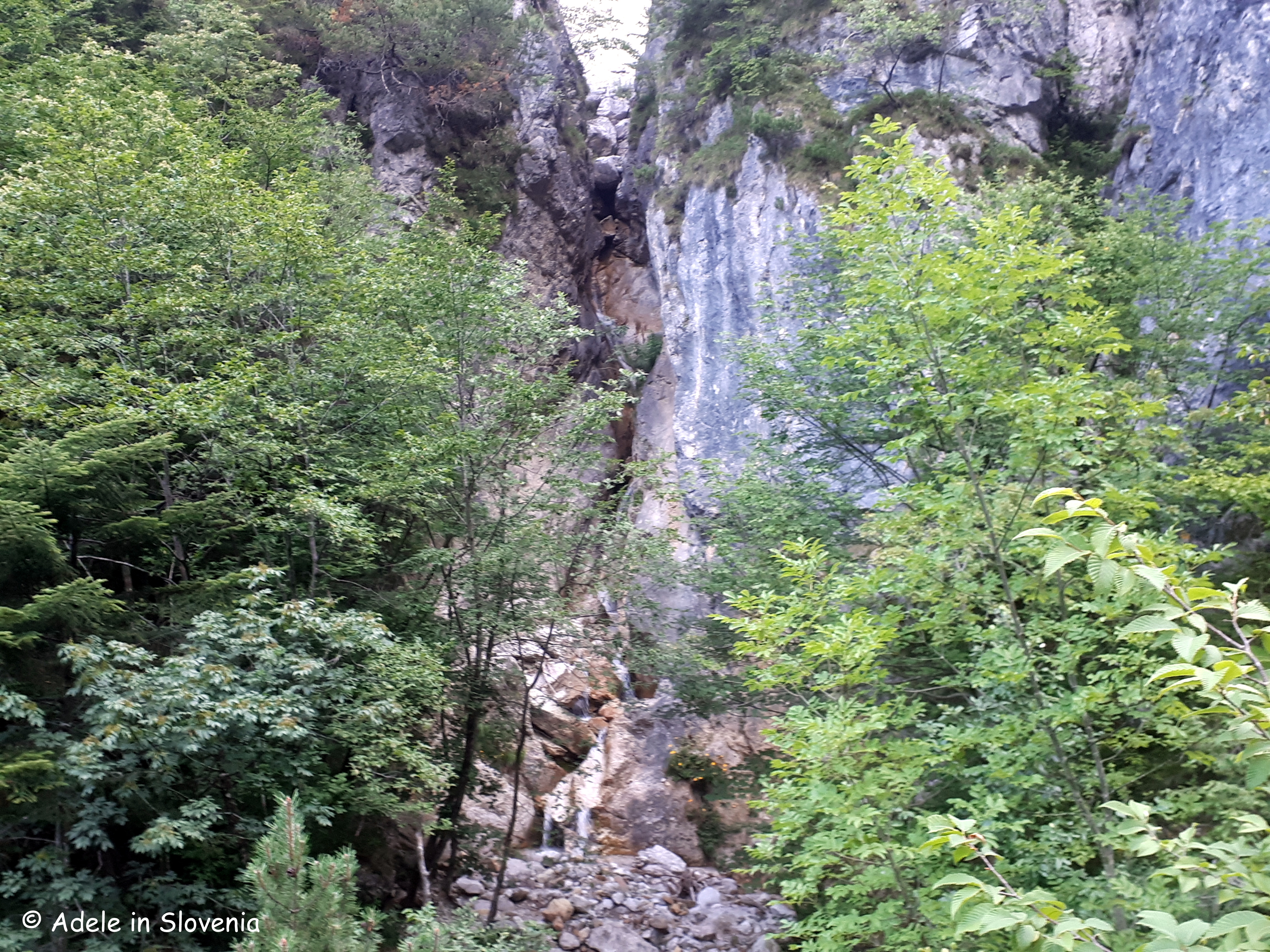
The trail begins to lead up through the forest, passing a cascade of the stream.

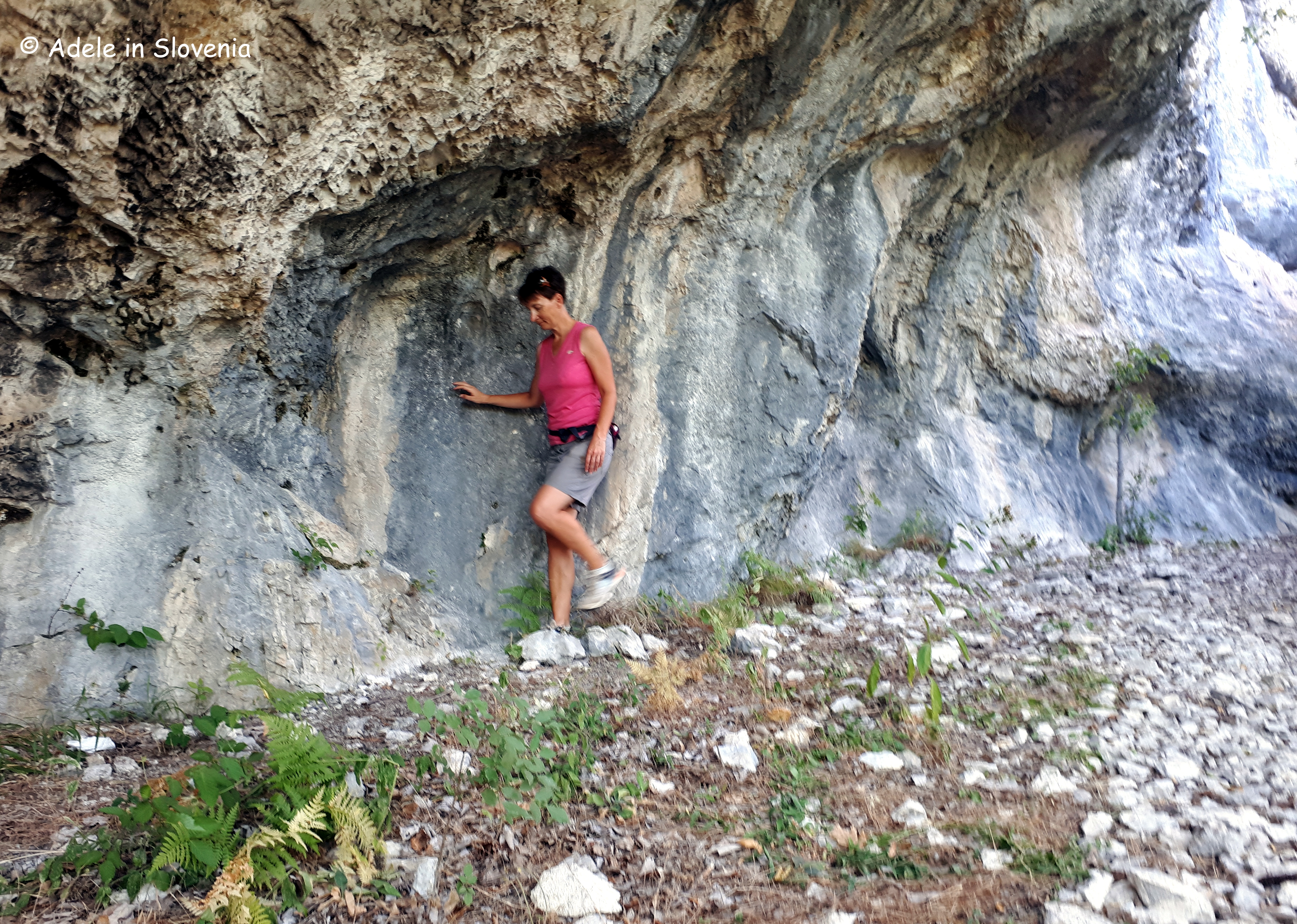
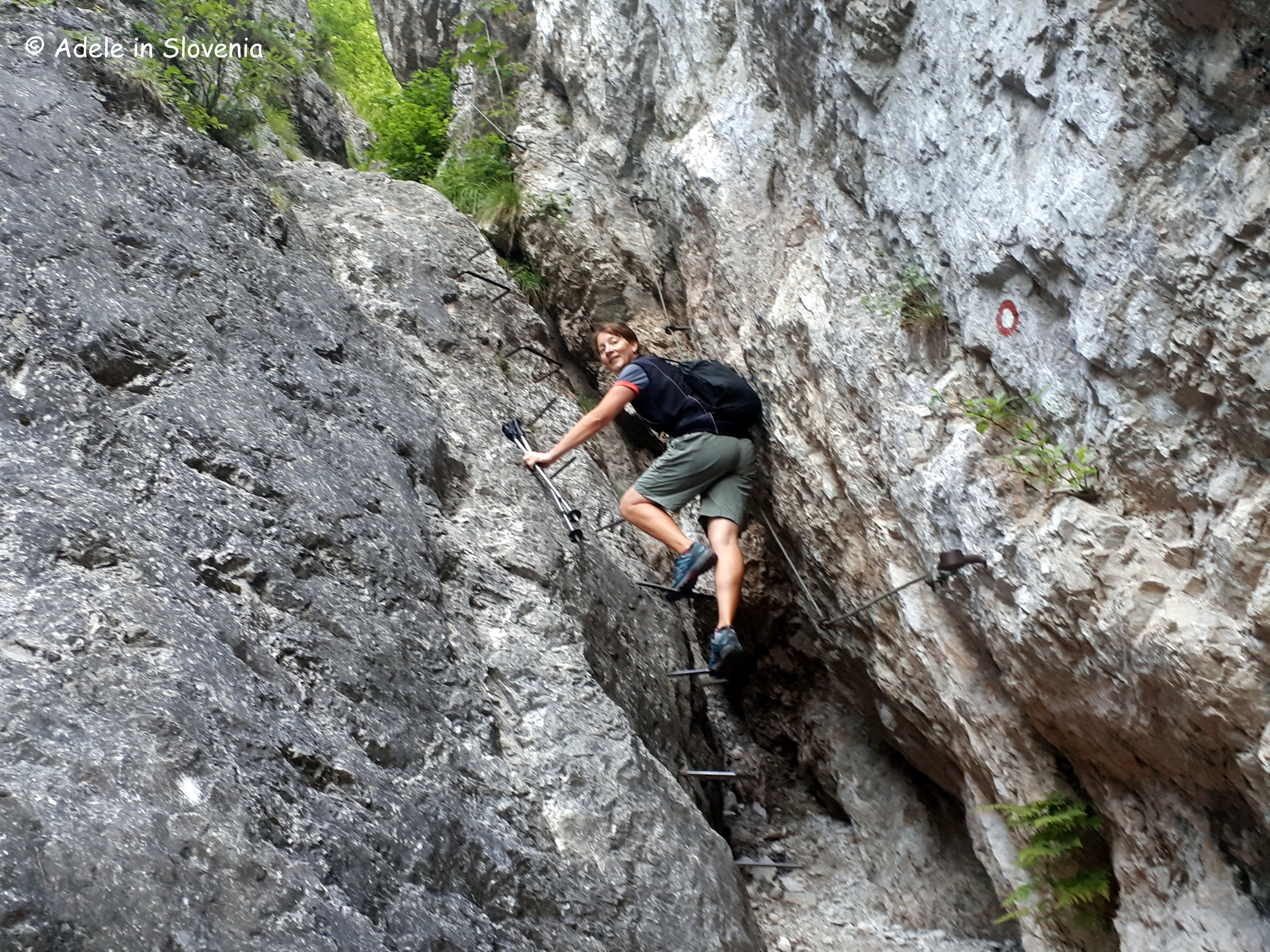
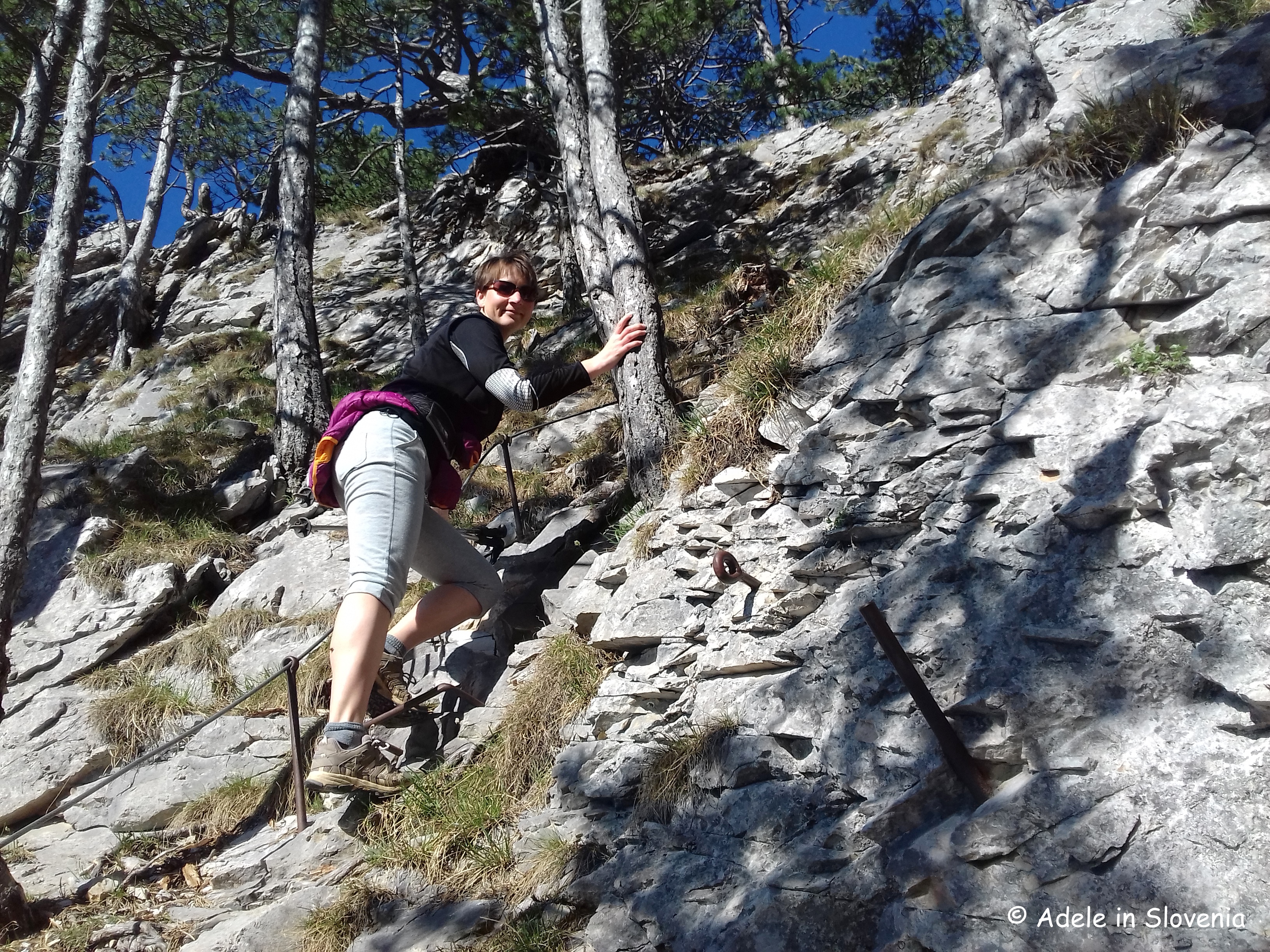
Next comes a slightly bigger ‘challenge’, as the path leads up a steep gully between two rock faces, but there are iron foot rungs and an iron cable to help, so, with a steady hand (and feet!), it doesn’t present a major obstacle.

Its only a short climb, and the path soon levels out, well, until the next bit anyway! But that is why I love this path, as there’s never a dull moment, it keeps you on your toes – literally!

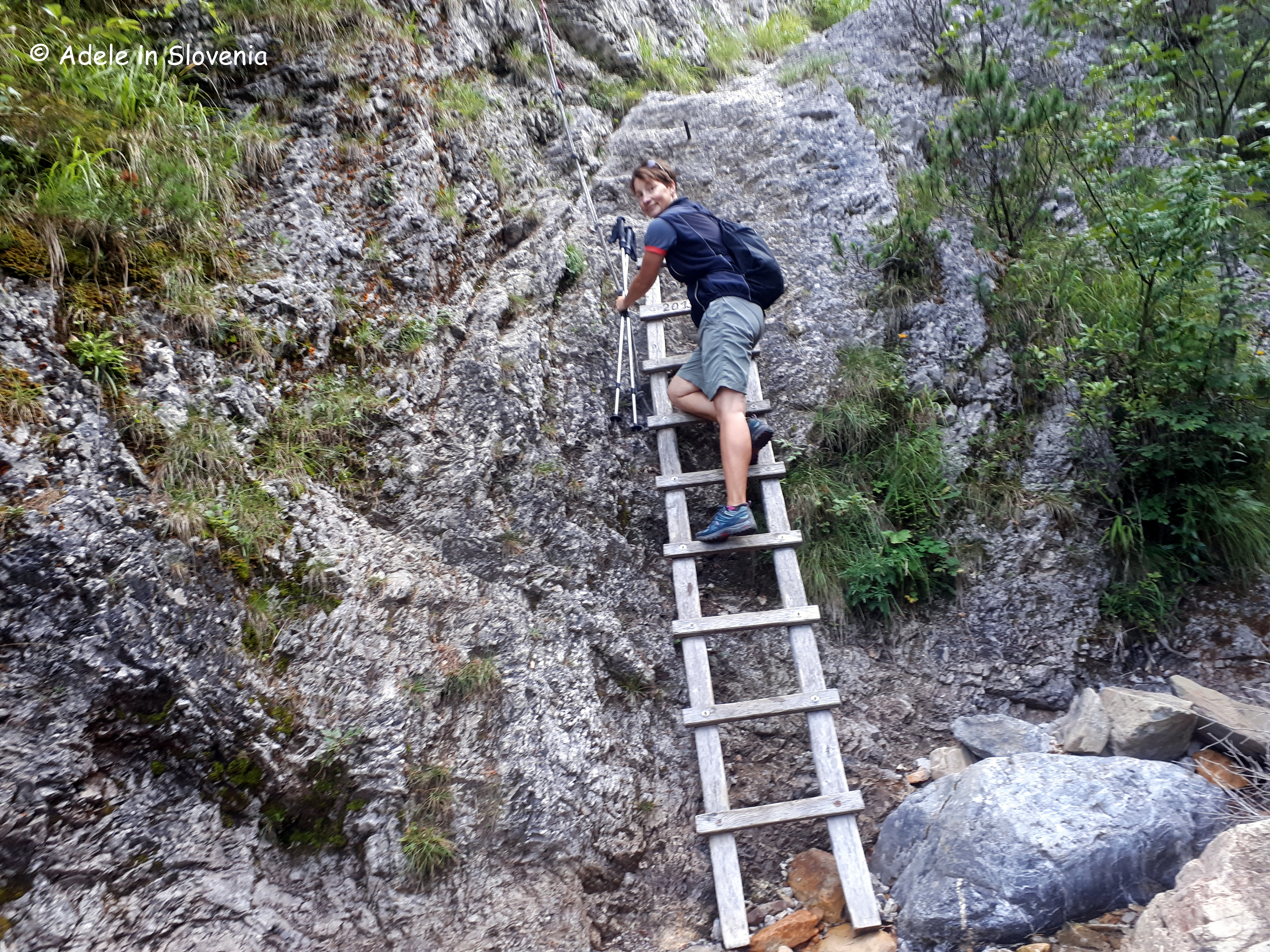
The path crosses the stream in several places, before reaching a ladder, equipped with a rope to hoist yourself up!

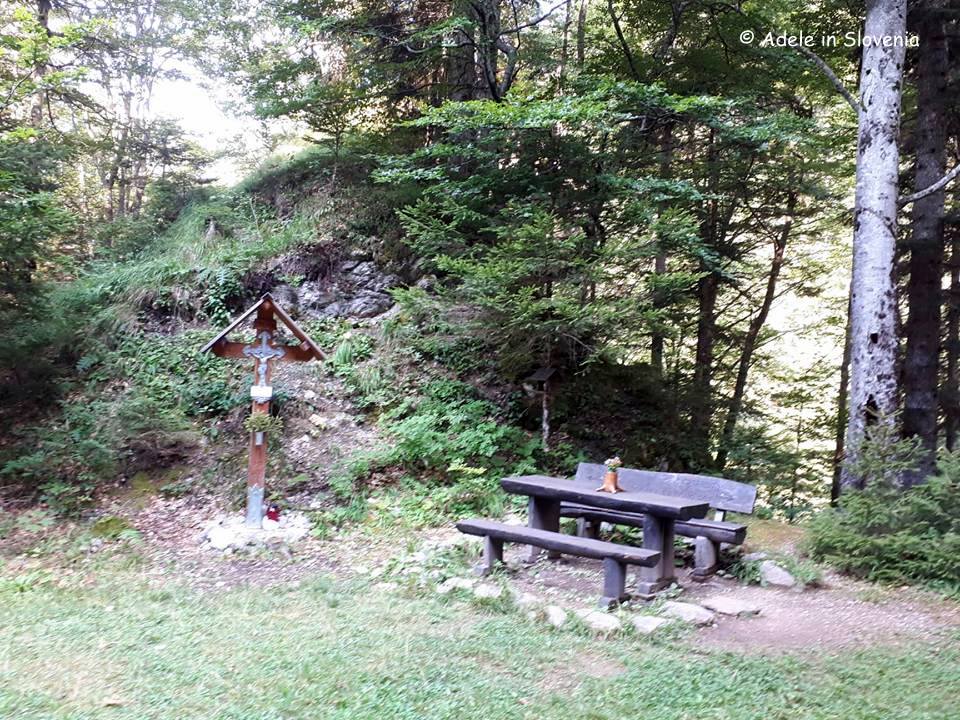
You then cross the stream one last time, before reaching a rest area with a bench, and then continuing up, ever steeper, through the forest.

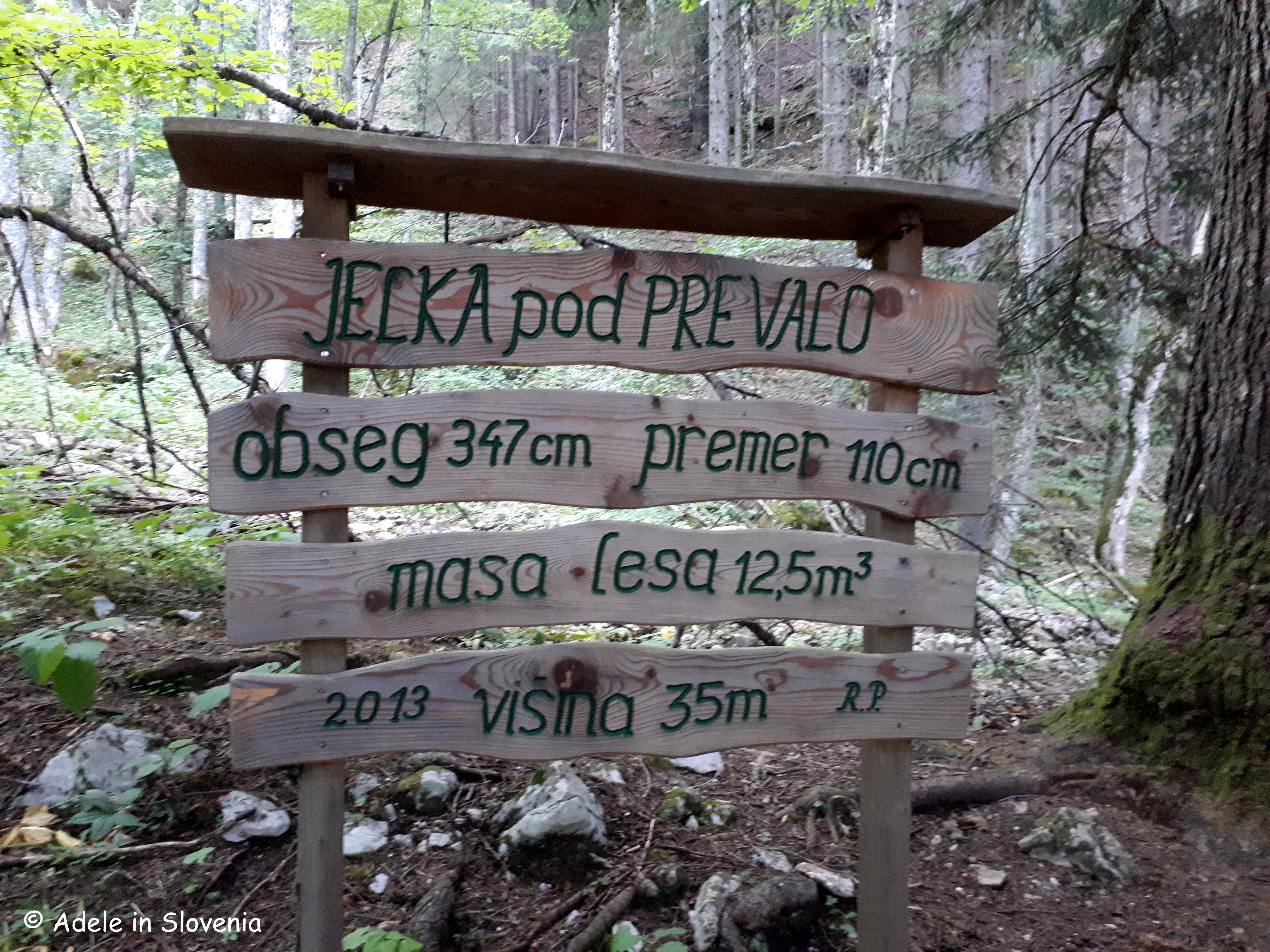
Next you reach a giant fir tree, so giant, in fact, there was no way or being able to photograph it from within the confines of the trail, so you’ll just have to visit and see it for yourself! The statistics on the signpost below give the facts and figures: circumference 347cm, diameter 110cm, quantity of wood 12.5m3, height 35 metres

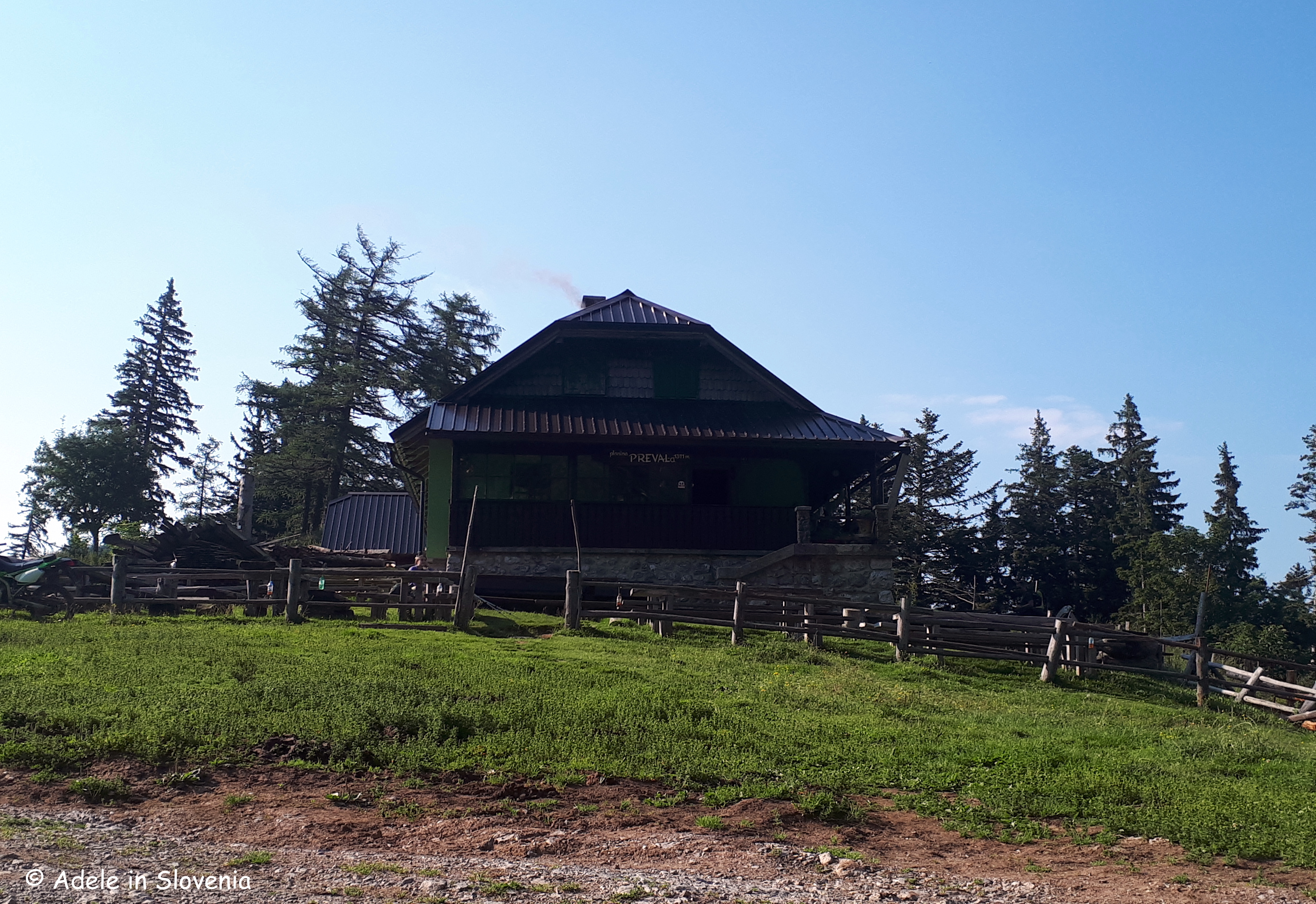
After about an hour to 1hr 15 mins, you reach the Preval mountain pasture and the Koča na Prevalu mountain hut, the first of four (yes, four!) mountain huts that you pass on this trail, where you can stop for refreshments (note: the huts are open daily during summer, but out of season some are closed whilst others open at weekends only) and enjoy the views before continuing on your way.

Now follow the road for about 10 minutes, which provides a mini-break from the steep path, before the path branches off to the right and begins to climb up again on the path ‘cez Roza’. But, it’s worth it, as you are soon rewarded with wonderful views of the Radovljica Plains, the Jelovica plateau, Lake Bled, and the Julian Alps.

There are still a couple of mini ‘hurdles’ to overcome, in the form of gullies to be crossed, but here and there, iron rods are provided to assist, and eventually the path levels out to become sheer enjoyment.

Shortly before the end of the path, you reach an abandoned manganese mine shaft with an information board, and the views open up further across the valley.

Click here for more information about the other themed hiking trails in the Radol’ca, and here for the Radol’ca hiking and biking map.

© Adele in Slovenia

Hop-On Hop-Off in Triglav National Park: Bohinj to Pokljuka

Triglav National Park, Slovenia’s only national park, extends over an area of 880km2 and covers almost the entire area of the Julian Alps in Slovenia.

Whilst many visitors to Slovenia, particularly those who visit to hike in the Julian Alps, are familiar with areas such as the ever-popular 7 Triglav Lakes Valley, and Slovenia’s highest mountain, Triglav, another area that is well worth a visit is the oustandingly beautiful Pokljuka Plateau, which during summer you can visit for FREE courtesy of the Hop-On Hop-Off Bohinj to Pokljuka bus.

The Pokljuka plateau is a paradise for lovers of the great outdoors, and offers activities year-round: hiking and cycling in summer, downhill and cross-country skiing, biathlon, snowshoeing and hiking in winter. The forested Karst plateau is around 20km in length and at an elevation of 1,100-1,400 metres.

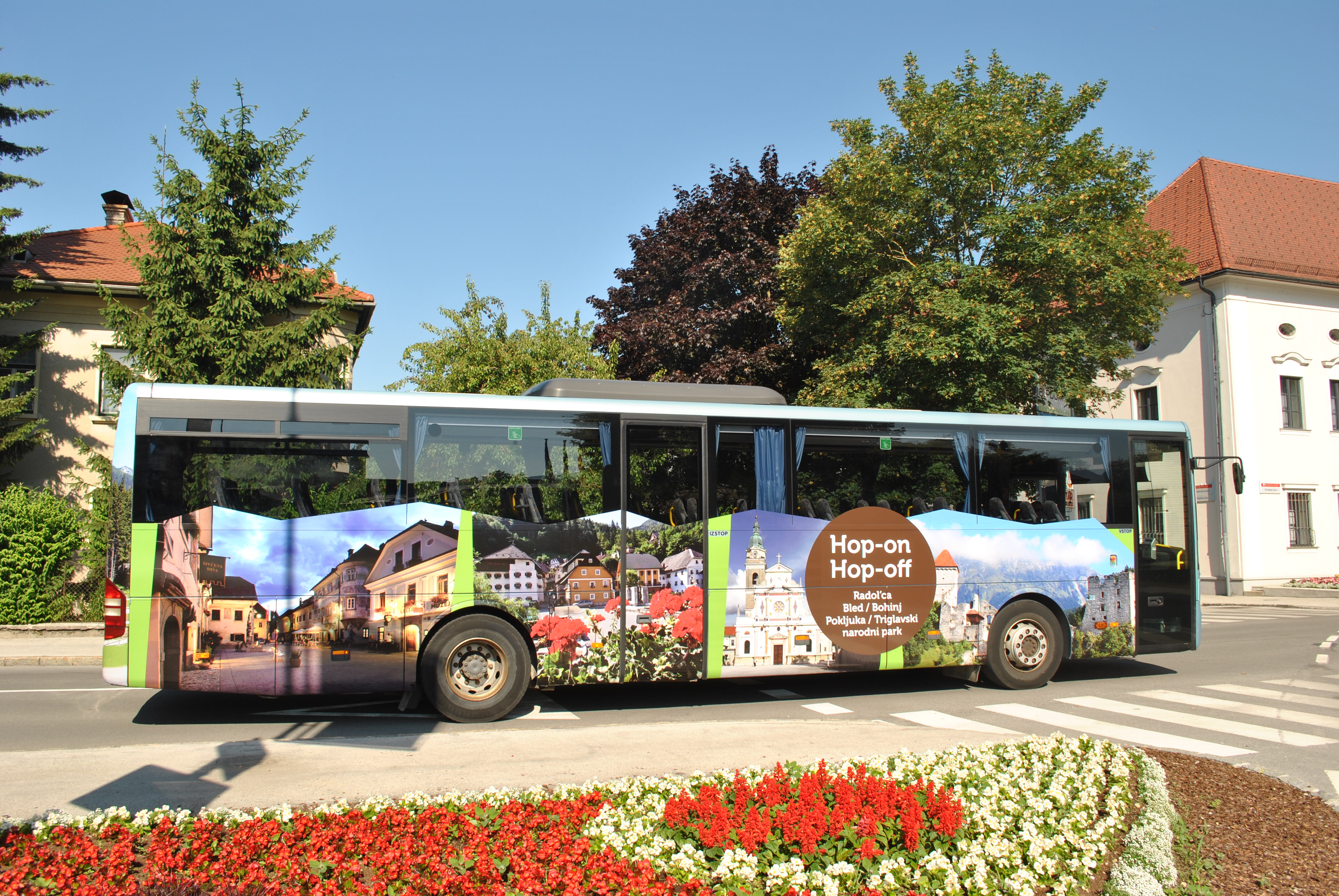
Since parking charges have this year been introduced for the first time on Pokljuka, taking the Hop-On Hop-Off bus makes even more sense from both a financial and environmental perspective. The FREE bus runs three times per day from the Lower and Upper Bohinj valleys to the Triglav Pokljuka Sports Centre at Rudne polje on Pokljuka. Click here for the timetable.

Since Pokljuka is also a popular destination for cyclists – road cyclists enjoy the challenge of the long road that winds its way up to the plateau from either Bled or Bohinj, whilst mountain bike enthusiasts enjoy the gravel roads that criss-cross the plateau, the buses are also equipped with bike brackets and each bus can accommodate up to six bikes.

Personally, I love hiking on Pokljuka, both in summer and winter, though summer is, and always will be, my favourite time of year! There are walks to suit all levels – from easier, shorter walks to Pokljuka’s many mountain pastures, to more challenging hikes to its peaks.

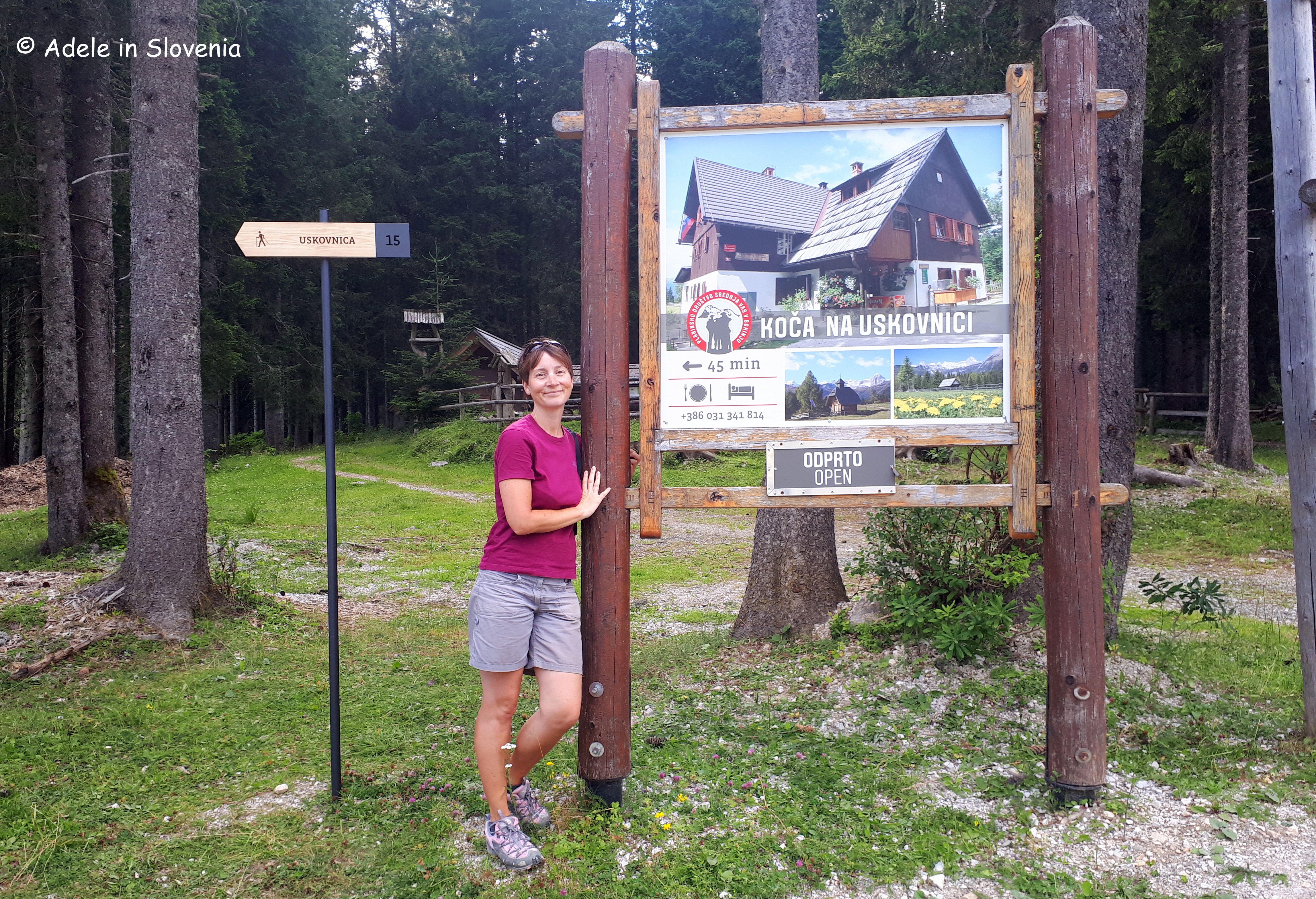
If you are seeking a walk for all the family, I highly recommend walking from Rudne polje to the picturesque Uskovnica mountain pasture with its numerous small wooden chalets and interesting hummocks.

The route is well-marked and it only takes about 45-50 minutes to reach the pasture and the Koča na Uskovnici mountain hut.

The way there is pretty much all downhill, of course that does mean a bit of uphill on the return trip, but after a stop at the hut for some delicious blueberry strudel or one of the other homemade dishes, you will be raring to go! During summer on Pokljuka you can also buy cheese at one of the working dairies or mountain pastures.

En-route to the pasture you reach an ‘energy field‘, which attracts people from far and wide who come to sit on the various energy points that are believed to be beneficial for various ailments. There is an information board (in Slovene only) giving details of which point is for which ailment and how long should be spent at each point. I must admit to being rather cynical about such things, but if the number of people (and even dogs!) there every time I visit is anything to go by, I’m in the minority! So, why not go and try it out, and let me know the result(s)!

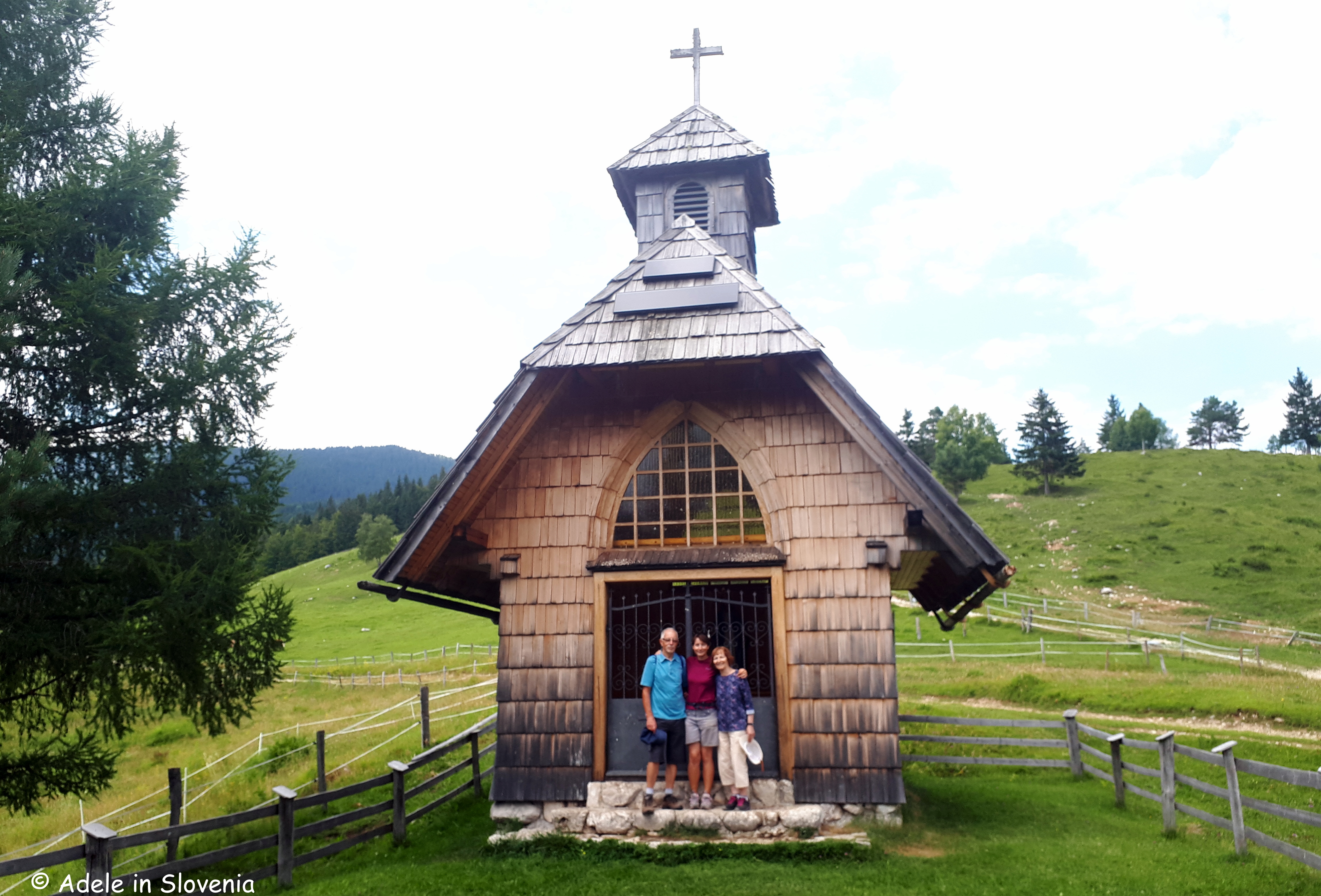
Uskovnica has one of the cutest little wooden chapels around. Here I am with parents on their recent visit!

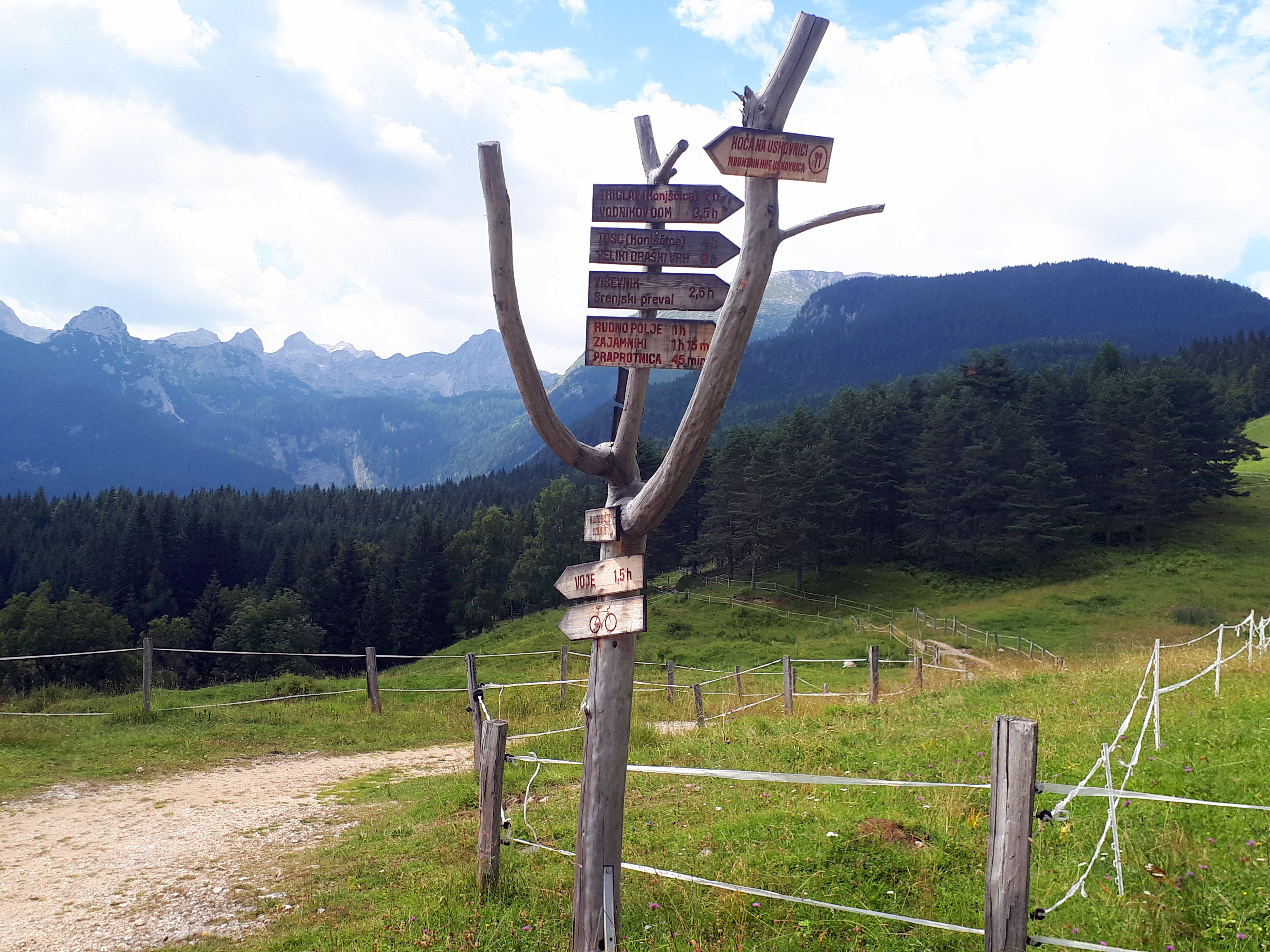
Those looking for more challenging hikes are spoilt for choice. As you can see below, from Uskovnica, as well as from Rudno polje, there is a wide choice of paths to hike.

Among the most popular are the Zajamniki mountain pasture, Debela peč, the highest point of the Pokljuka plateau at 2,014m, and the peak of Viševnik, 2,050m.

After our walk we returned to the biathlon centre where we enjoyed a(nother!) drink at the hotel, ensuring we timed it right to catch the Hop-On Hop-Off bus back to the valley.

Even when the Hop-On Hop-Off bus ends its run for the season, from wherever you are staying in the Bohinj area you are never more than a 30-45 minutes drive from Pokljuka, and you can visit year-round.

Click here for more information and some interesting facts about Pokljuka.

© Adele in Slovenia

Summit Stol and Take a Seat Atop the Karavanke!

If I crane my neck, I can see Stol, the highest mountain in the Karavanke range, from my desk. Thus, it’s an ever-present feature in my life and, accordingly so, I can’t resist hiking to its top at least a couple of times per year, and yesterday it was time for the first hike to the summit this year!

The word ‘stol’ in Slovenian means ‘chair’, since when viewed from its western side (not the side I can see from here!), its summit forms a kind of ‘back’ for the flatter slightly lower summit which is home to the Prešernova koča mountain hut.

At 2,236 metres, Stol, along with the other mountains in the Karavanke range, forms a natural border between Slovenia and Austria, hence, on a clear day, there are always stunning views to be had in all directions.

Though quite a large percentage of those who hike to the summit of Stol do so by driving the 5km forest road to the Valvasorjev dom mountain hut and from there setting off on foot, I always opt to do the entire hike from the valley, as otherwise it just feels a bit like cheating to me!

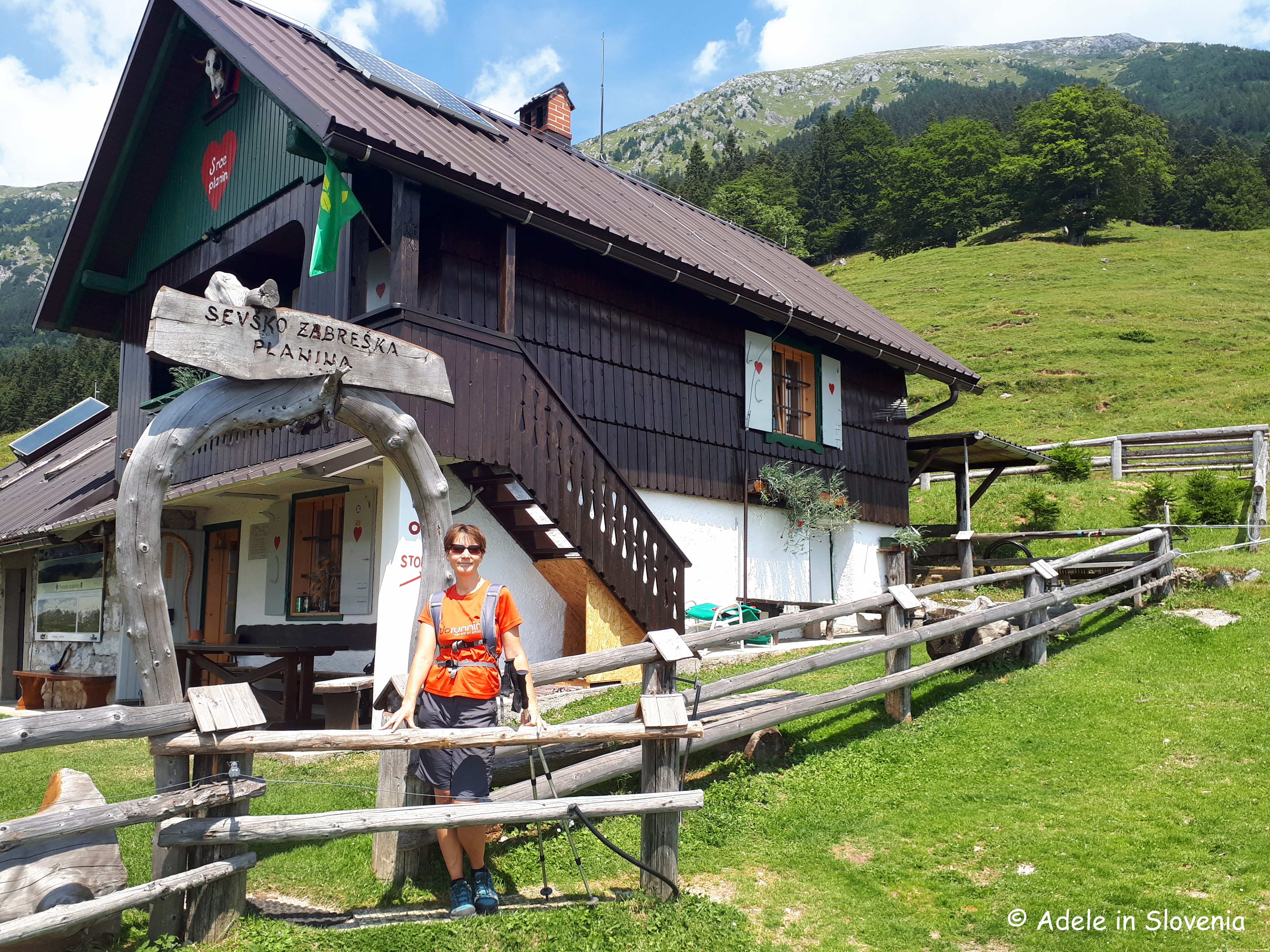
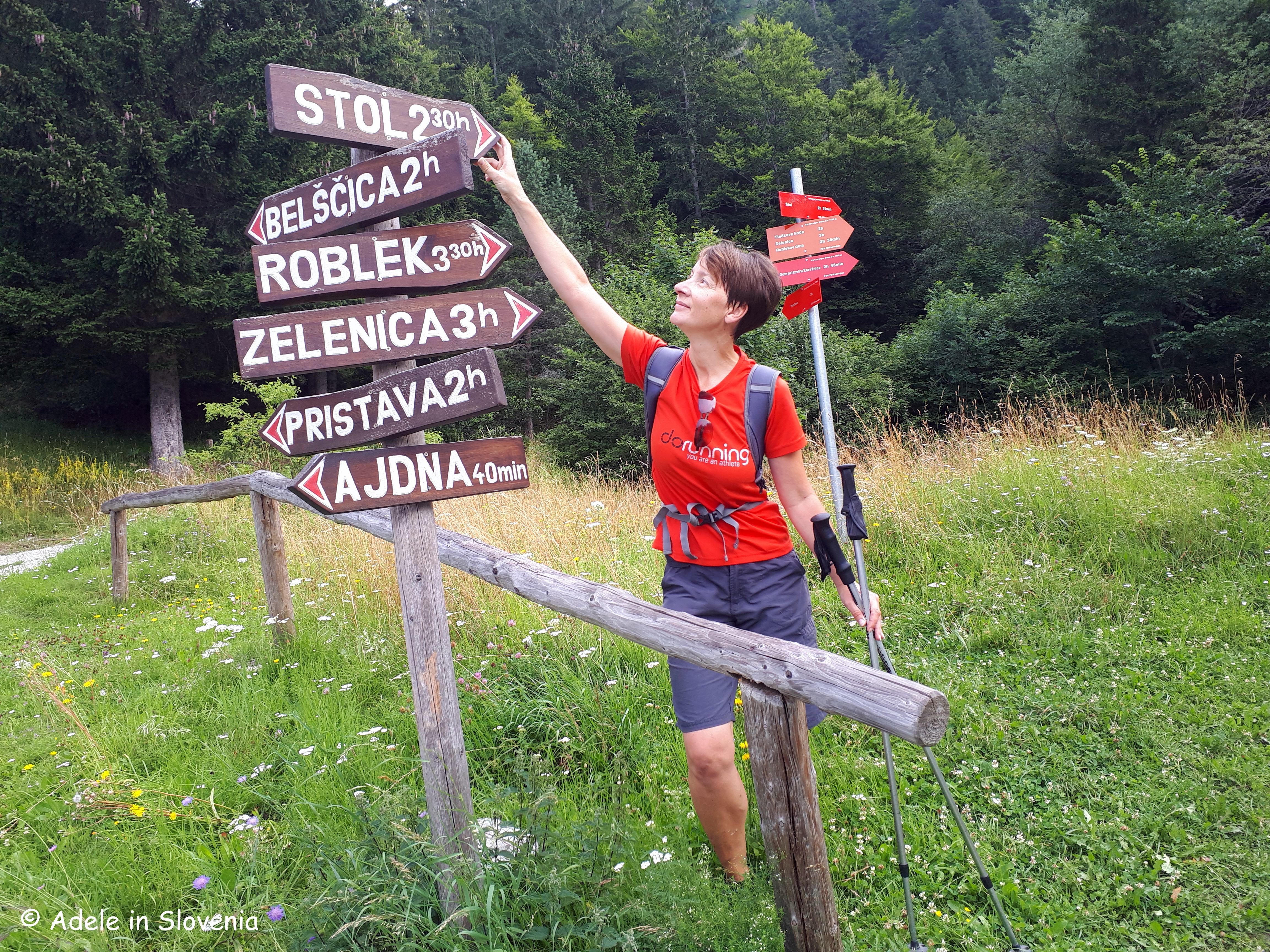
After parking at the Završnica reservoir, I set off on the first part of the trail to the Valvasorjev dom hut (cca. 50 mins) from where, as you can see below, there are numerous paths leading in various directions.

Regular readers will know that I have a penchant for circular walks, and this time was no exception! I took the shorter, steeper Žirovniška pot (Žirovnica path) up, and the longer, less steep Zabreška pot (Zabreznica path) down, which is always my preferred route.

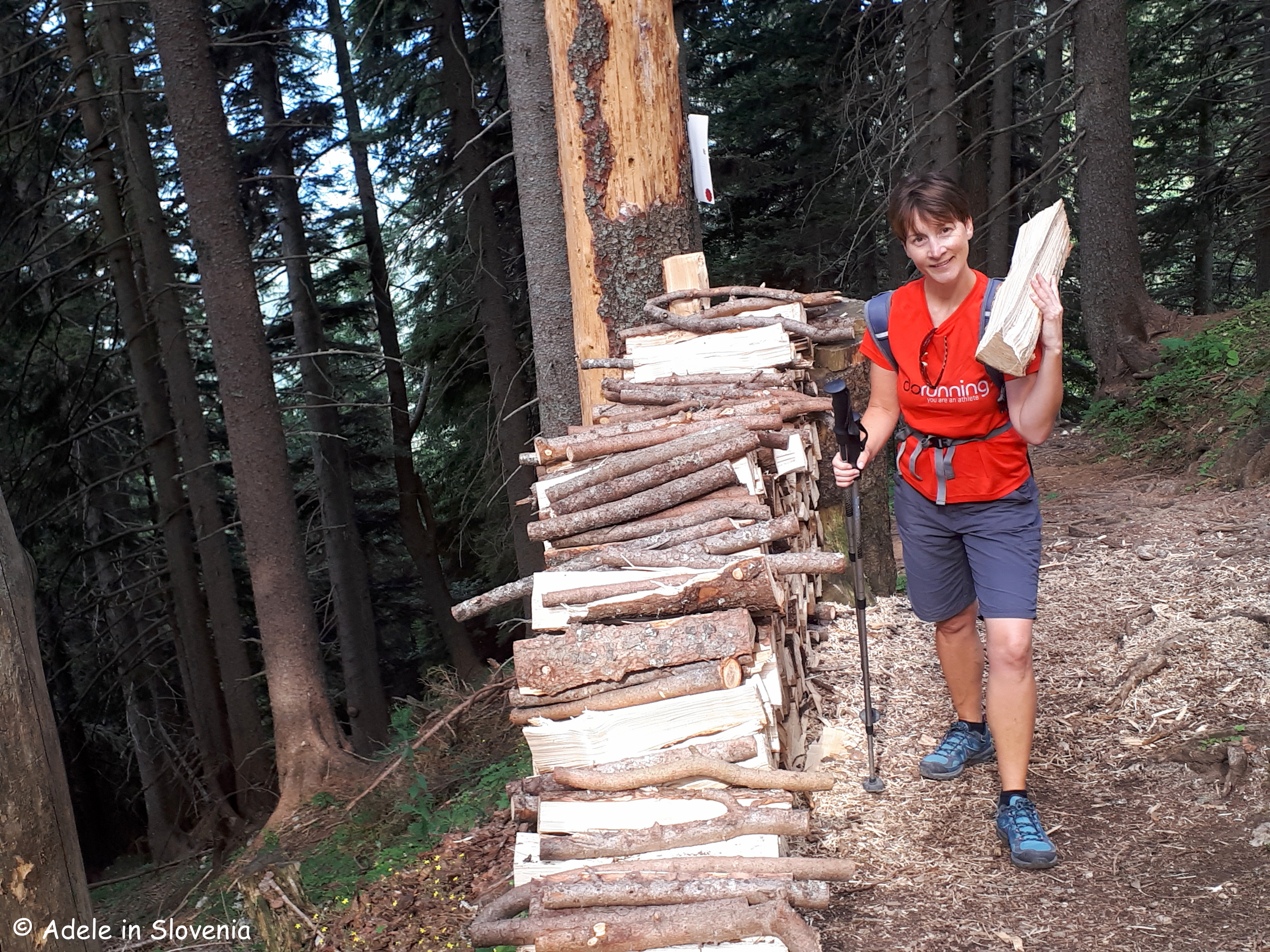
If you are feeling somewhat gallant, you might opt to not walk past the pile of logs without putting one in your rucksack or on your shoulder – the staff at the Prešernova koca mountain hut will be very grateful for your assistance in keeping the stove burning! Whether or not I was gallant enough to carry one up or not, I will leave you to decide!

It was somewhat overcast for the majority of the hike up, the story of this ‘summer’, but in actual fact a bit of cloud cover was welcome on the long, steep hike up, and on reaching the top, the clouds majestically began to part to reveal blue skies and warming sunshine, and, for a change, it wasn’t blowing a gale up there, as can so often be the case!

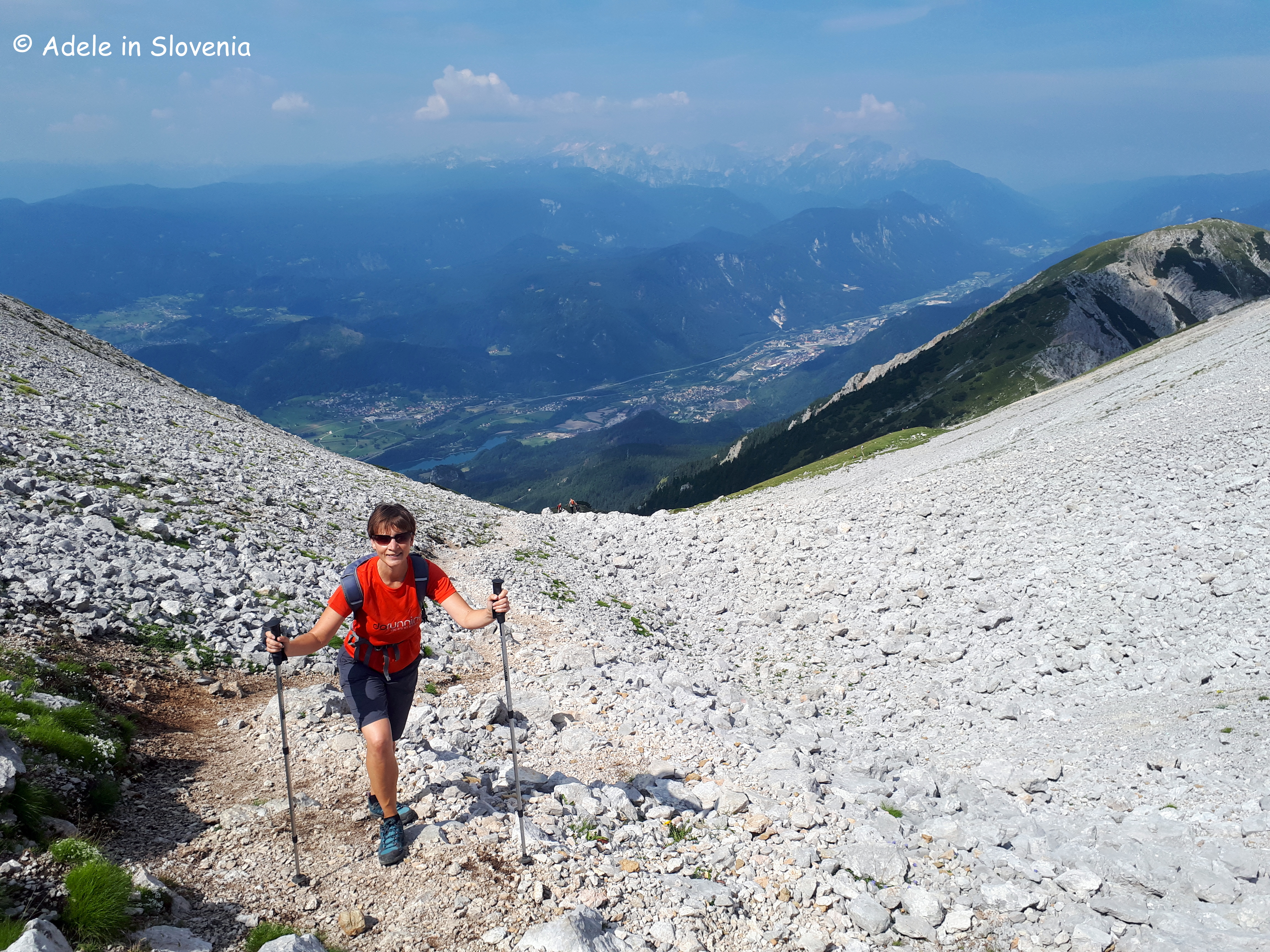
Before the final ascent to the top, the path leads up a steep stony gully, from where there is a real bird’s eye view of the Upper Sava Valley and the Julian Alps in the background. The path is distinct and well-marked throughout.

As you reach the summit, you will notice that the typical red and white Slovenian markers change to red and white with a green outer circle, denoting that the path is on the border with Austria – always a kind of exciting feeling, even after 11 years here!

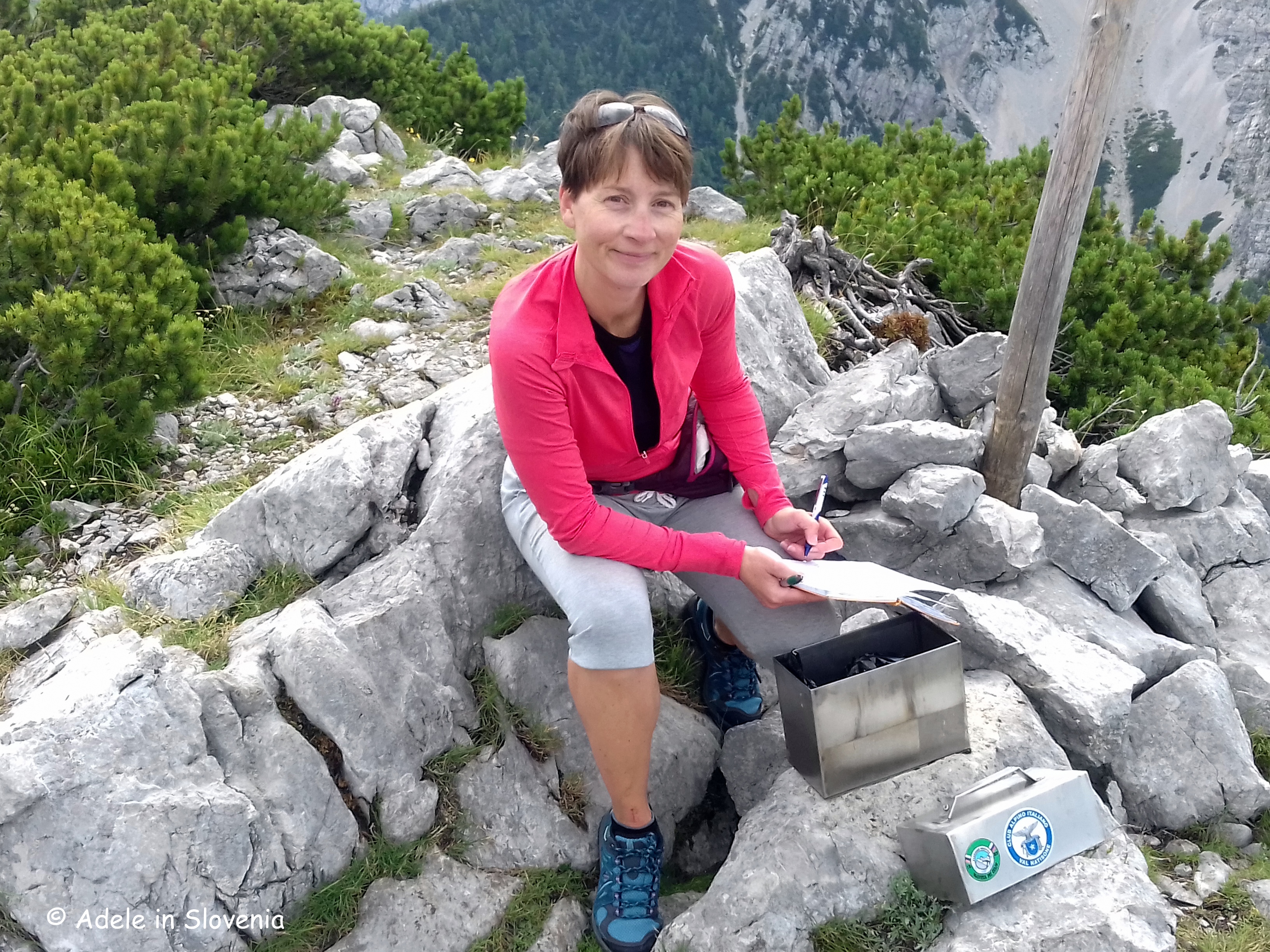
It took me just over 3hrs 15 minutes to reach the summit. And, as is the tradition, don’t forget to sign the visitors’ book as you take your ‘seat’ at the top of the Karavanke!

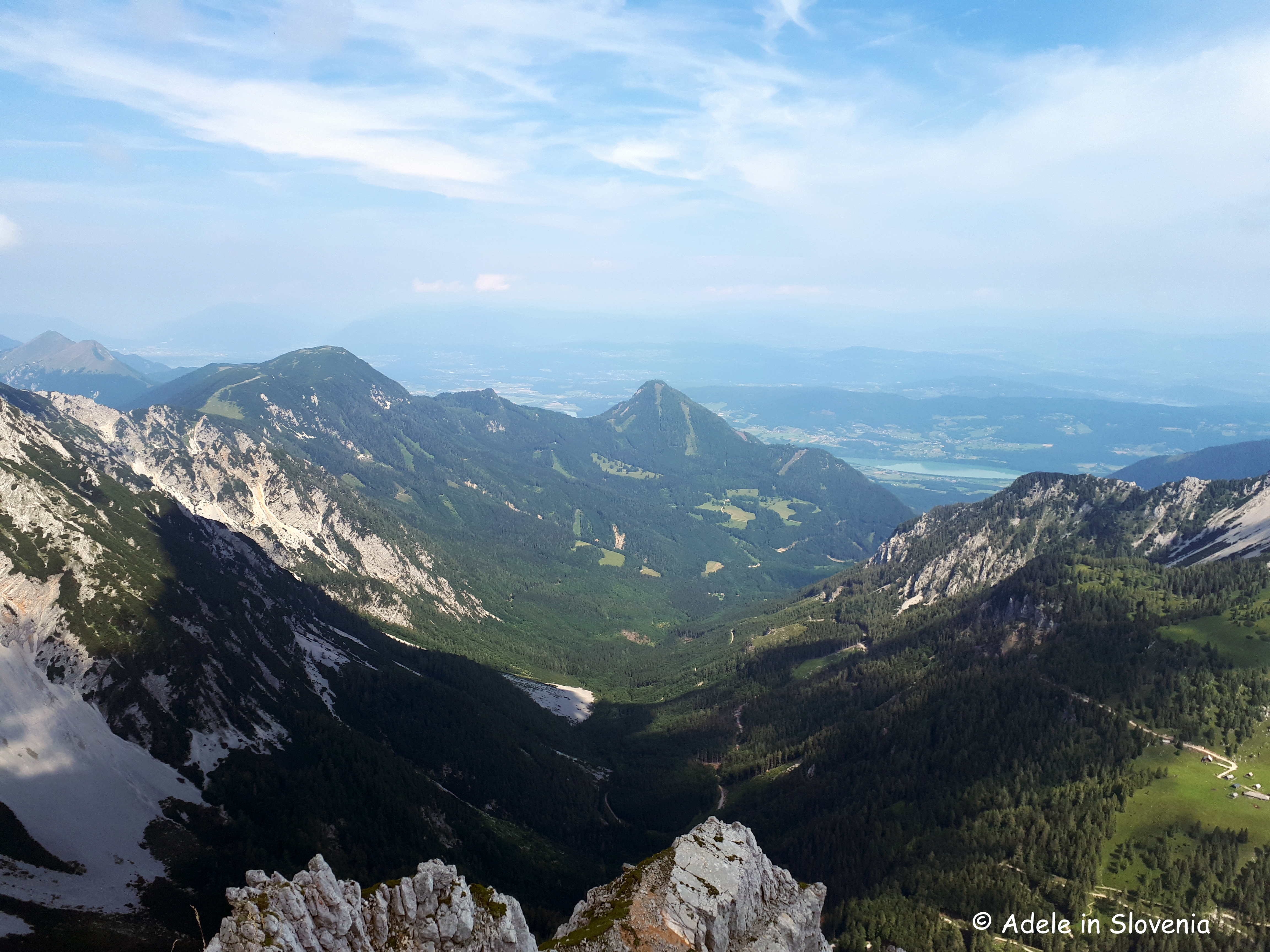
Once at the top, among the magnificent sights, you can see Lake Bled on one side, whilst on the other Lake Worthersee in Klagenfurt.

You won’t be alone, since even if there aren’t many other hikers (on Sunday, there were!), there are always some brazen birds that don’t seem in the slightest bit scared of humans as they sit in wait for some tasty tit bits!

After descending from the summit, there was time for a quick bit of sustenance at the Prešernova koca mountain hut, where there is simple, but tasty mountain-type food and refreshments on offer, a(nother) visitors’ book to sign, and then it was time to begin the descent – more about which you can read in my next blog about the myriad of mountain pastures beneath Stol, coming soon…!

Click here for the Visit Žirovnica website where there is more information about this and other hiking trails in the Žirovnica area.

© Adele in Slovenia

Srednji Vrh: Seeking the Sun and a Stream in the Karavanke!

This ‘summer’ – not that it can really be called that thus far – hasn’t been kind to us outdoor types. This time last year we were basking in 35 degrees, whilst a week ago we had temperatures half that, and since the start of June there have only been a couple of days when there hasn’t been rain somewhere in Slovenia.

Thus, trying to find days with clear blue skies for hiking and getting some good snaps for my blog have been few and far between. Fed up with waiting, I just went anyway, and, though not as gloriously sunny as I would have liked, I managed to get in a good hike in the Karavanke mountains to Srednji vrh and the Dom pri izviru Završnice (mountain hut at the source of the Završnica stream) – and even stayed dry too!

Despite the less sunny photos, I hope you, nonetheless, enjoy this glimpse into just one of the many fantastic hikes in the Karavanke mountains in the Žirovnica area. Join me on my trip to see the source of the Završnica stream and Srednji vrh!

I started my hike from the Završnica valley. How far you go by car is a matter of choice – some choose to drive as far as possible along the valley, whilst I prefer to leave the car and set off on foot along the gravel road. You will want to stop and admire the reservoir (seen below on a sunnier day!), but if you have transport, then do continue along the valley further before parking, as its a long walk from here.

From here the road gets much rougher and it’s best to set off on foot. The area, with its many mountain pastures, is also popular for mountain biking.

The road rises gradually to reach the Tinčkova koca hut, which isn’t actually an official mountain hut, rather a private hut, but somehow the name has stuck!

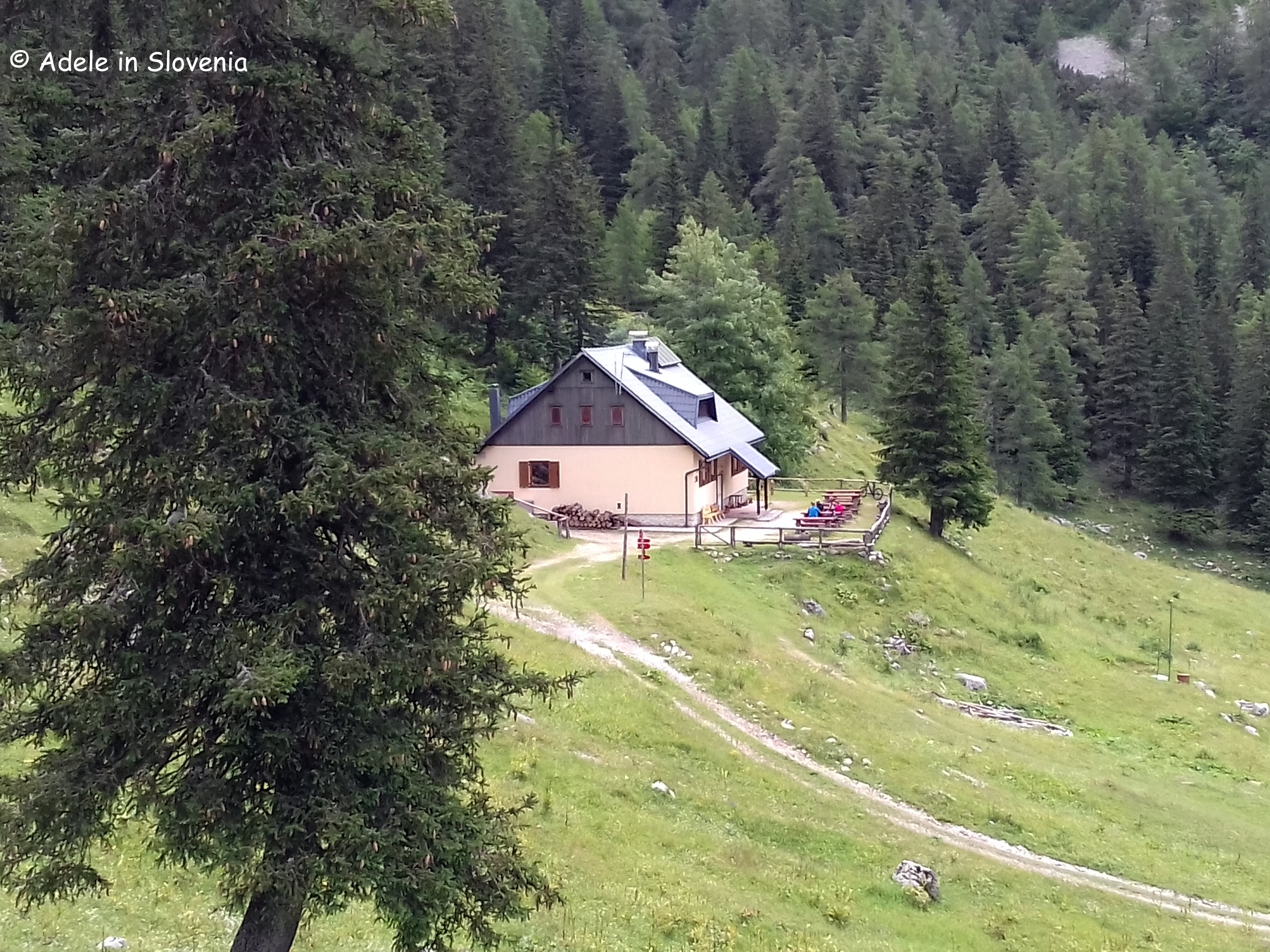
The Dom pri izviru Završnice hut. which was recently renovated and has new beds and furniture, is situated at an altitude of 1425m above the Smokuč mountain pasture (Smokuška planina) and on the backside of the Zelenica ski piste (sadly, no longer operational).

The hut is open from 1st June to 1st October, and at other times at weekends, weather permitting, and by prior arrangement for groups. From the hut there are numerous options for continuing to explore the peaks of the Karavanke including Vrtača, Begunščica and Stol.

I always find the springs of rivers and streams fascinating. Where on earth does all the water come from? At the source of the Završnica stream, there is barely a trickle of water to be seen – and that despite the abundance of snow and rain this year – yet just a little further down the valley, it turns into a gushing stream.

The beauty of hiking in the Karavanke, particularly in the ‘summer’ (ahem!), is the lack of crowds. I hiked for close to 5 hours and only met around a dozen people in that time – bliss for those who really want to get away from it all.

As I like to make my hikes circular, where possible, I continued from the hut up the ski slope before turning left and heading on the slopes beneath Vrtača. In this area there is a lot of loose rock and scree, so you need to keep your wits about you. As you get higher, you are rewarded with a glimpse of Lake Bled in the distance.

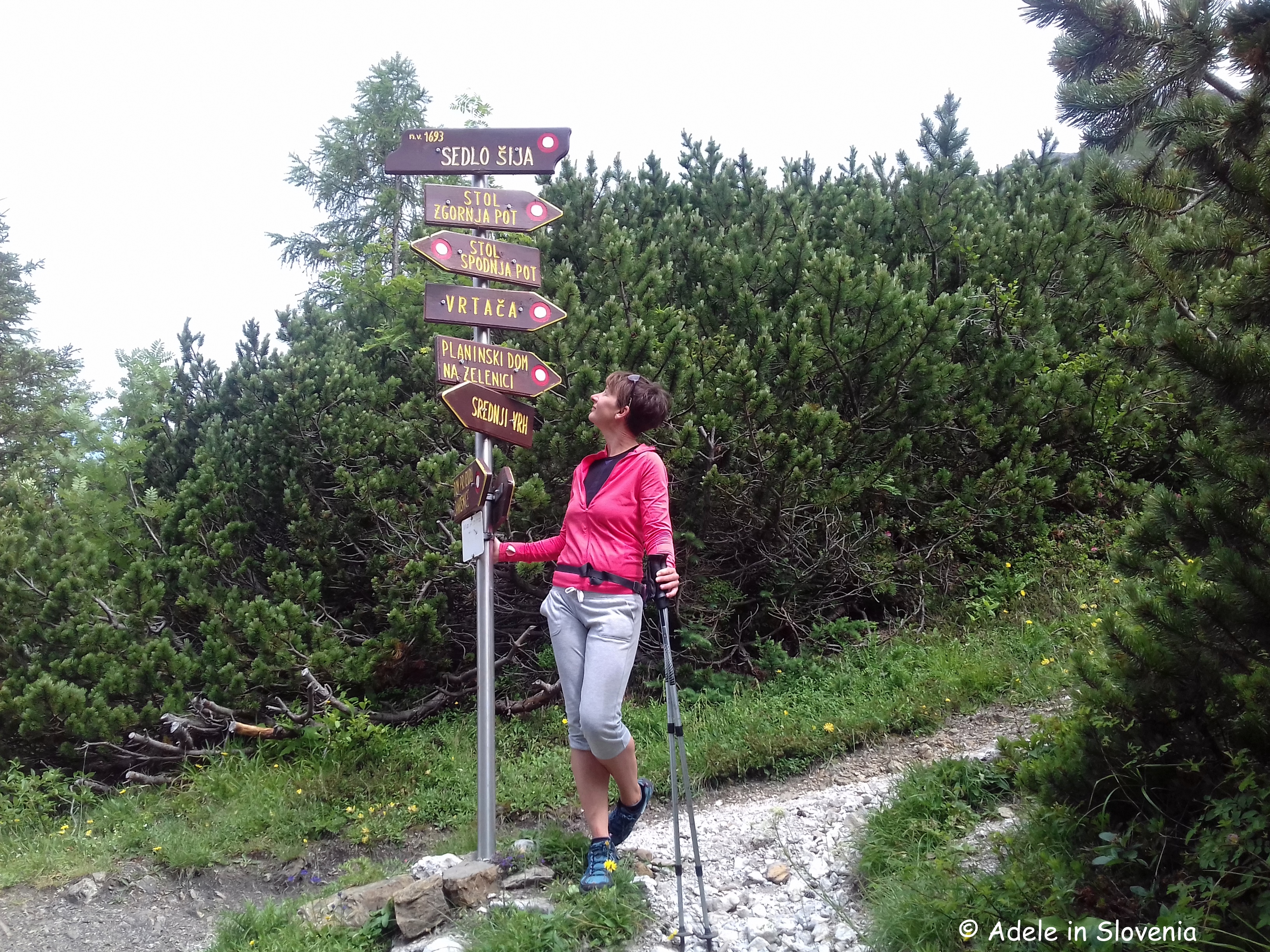
Where the path branches off right to ascend the summit of Vrtača, I took the left fork marked for Stol. On reaching a junction I then descend to the Šija saddle, from where there is certainly no lack of choice of where to go next!

I chose the path to Srednji vrh (1796m), which is just a further 15 minute climb from the saddle. At the top there is a visitors’ book, a solitary bench and fab views!

I then descended back down towards the hut, which is less than half-an-hour from the Šija saddle before returning on the same road.

Click here for more information and this and other hikes in the Žirovnica area.

© Adele in Slovenia
Car-Free and Carefree in Bohinj and Triglav National Park

This summer you can take advantage of the new shuttle system in Bohinj, which enables visitors to leave their cars and cares behind and enjoy the beauty of Triglav National Park.

By parking in the one of the designated car parks and taking a bus, not only does it remove the stress of looking for somewhere to park, but it’s more environmentally-friendly and easy on the wallet too – in fact it’s FREE – so what’s not to like?!

I went to try it out for myself last Friday and it really is as easy as pie. So join me on my journey to Bohinj!

First, park your car in the large FREE car park at Camp Danica in Bohinjska Bistrica.

Next, take a FREE ticket from the machine and display it on your dashboard.

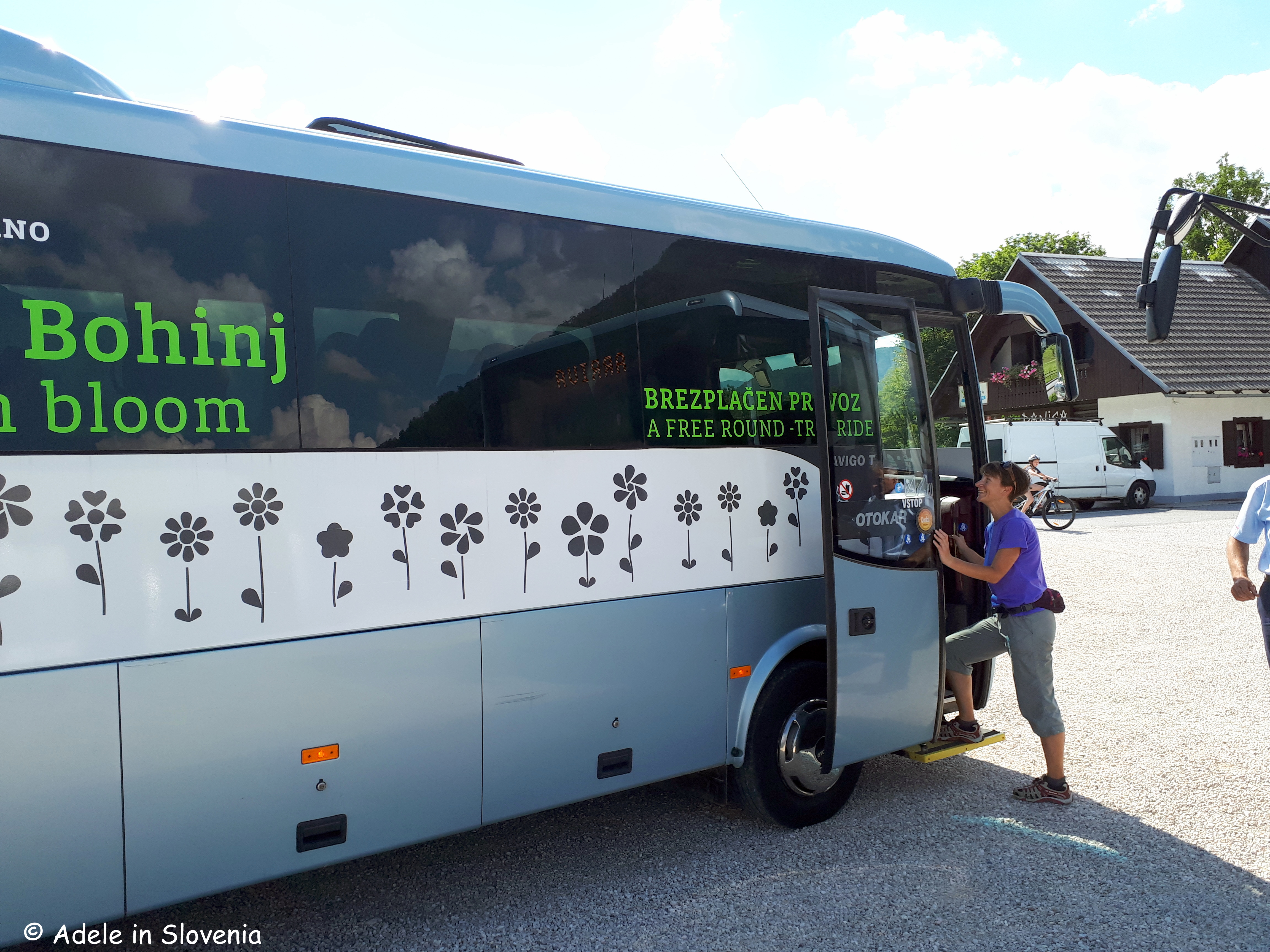
Then just hop aboard one of the FREE buses that run every 15 minutes from 9am to 8pm on Fridays, Saturdays, Sundays and public holidays from Camp Danica to Bohinj lake during July and August, and every 30 minutes in June and September.

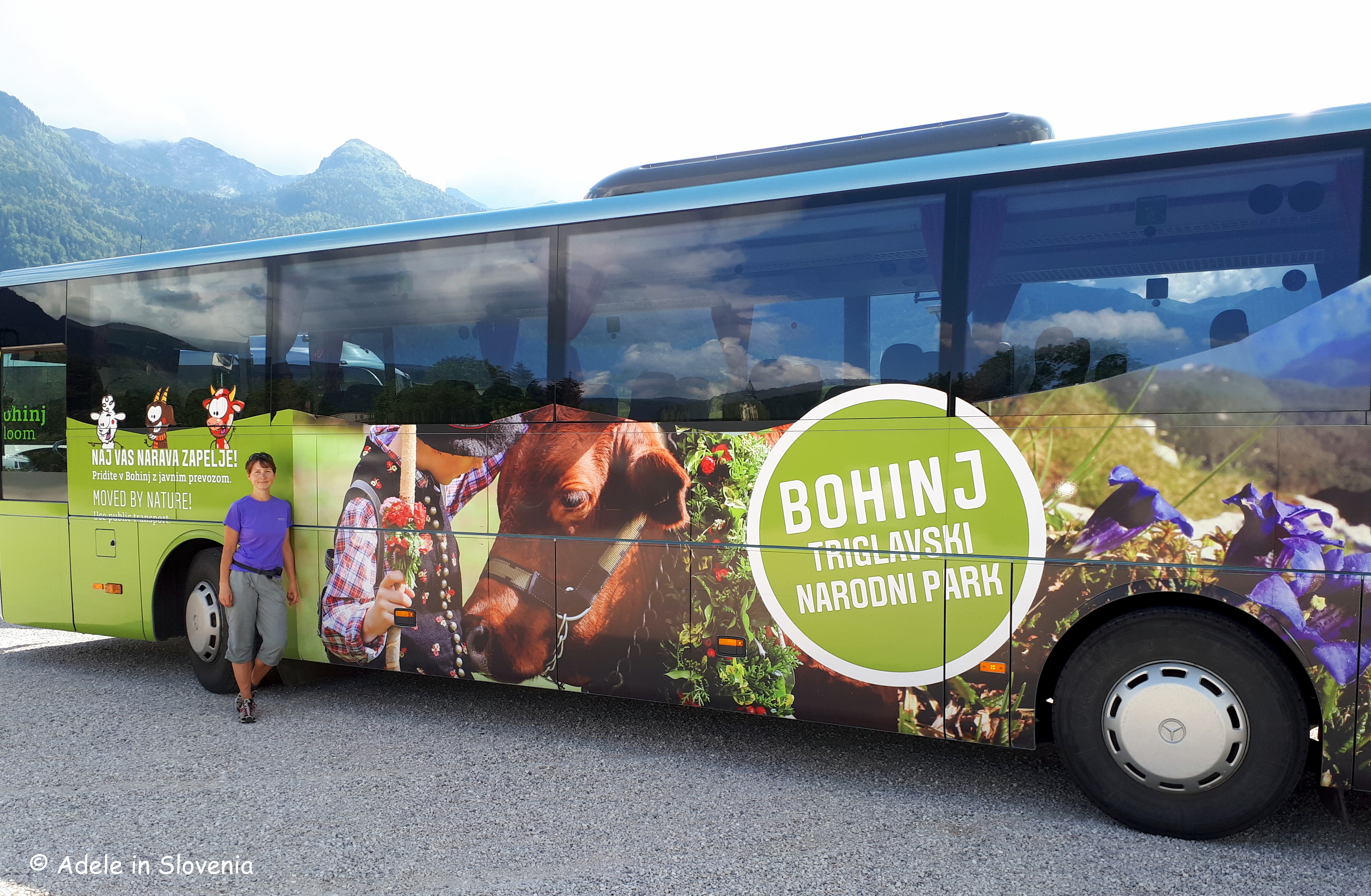
The buses have various liveries, some easier to spot than others, but all offer the same FREE journey to/from the camp and the lake.

All that is left is to sit back and enjoy the short, scenic ride! You alight the bus just metres from the lake and the Monument to Four Brave Men – which commemorates the first four men who climbed to the summit of Slovenia’s highest mountain, Mount Triglav (2,864m) in 1778.

The rest of the day is yours to enjoy at your leisure, or to be as active as you like in the knowledge that you can easily and quickly get back to your car at day’s end when you have had your fill. Though, does, or can, one ever really have a fill of somewhere so beautiful?!

Walk or hike to your heart’s content, laze by the lake, do water sports in and on the lake, cycle, visit local attractions, soak up the views…

If, however, you are like me, you might like to consider taking a bus one way and walking the other – you get to see more and burn off a few of the calories ingested in ice-cream, too!

Walking on the traffic-free Bohinj Cycle Route from the lake alongside the Sava River back to the bus stop at Camp Danica (or vice versa) takes around 1.5 hours, though allow more as you will want to stop for photos and soak up (more of) the beauty along the way and at the rest areas.

This is just one of this year’s new additions in the Bohinj area. There are also additional car parks as well as buses running from Senožeta to the Blato mountain pasture, a favourite starting place for hikes in the Seven Triglav Lakes Valley, as well as the Hop-On Hop-Off bus to the Pokljuka plateau.

If you are staying in the Bohinj area for at least two nights, you can also avail of the Summer Mobility Card, which provides visitors with free parking, free bus rides and a whole host of other special offers and discounts.

Click here for more about this and what else to see and do in Bohinj, Triglav National Park and the Julian Alps.

© Adele in Slovenia

Hop-On Hop-On 2018 is Here – This Year Even Bigger and Better!

The Hop-On Hop-Off tourist bus made its first journey(s) of the season this week and this year there’s even more to see and do with two extra days added to the timetable and entirely new destinations to discover! Take a ride and discover the hidden corners of the Radol’ca countryside.

The Hop-On Hop-Off bus is a great way to discover more of Radol’ca and the surrounding areas. For those who do not have a car or those who want to simply leave the car behind and be chauffeur-driven for a change, without having to worry about reading maps, finding parking places etc.

On Tuesdays you can take the ‘Charming Towns and Villages‘ route, which includes visits to Radovljica, Posavec, Ljubno and Kropa. Among the highlights of this route are the Iron Forging Museum and the Vigenc Vice foundry in Kropa, where at the latter you can see a demonstration of hand nail forging, and the Museum of Apiculture and Lectar Honeybread Museum and Workshop in Radovljica.

A demonstration of hand nail forging, Vigenc Vice Foundry, Kropa

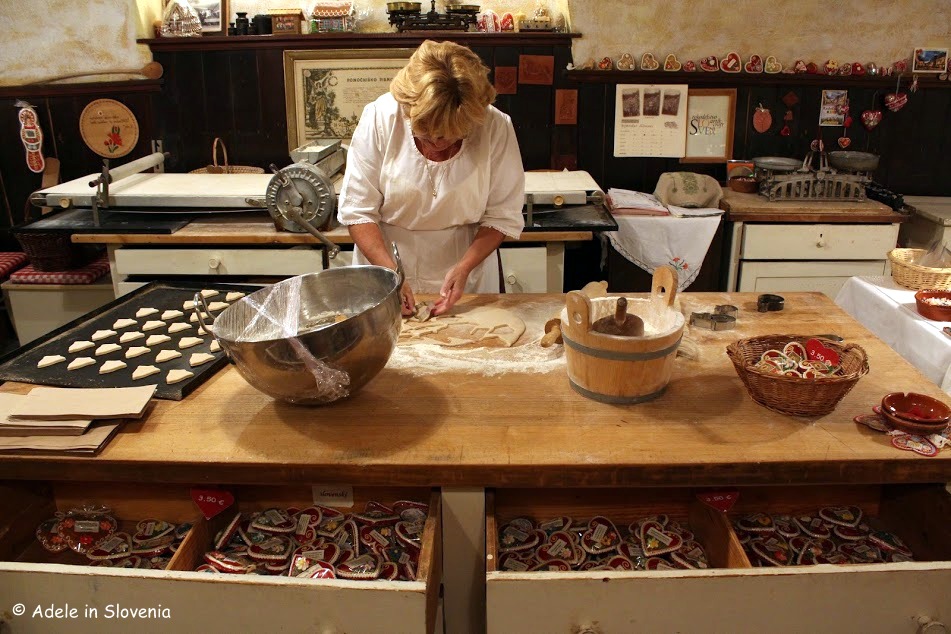
Lectar Inn Honeybread Museum and Workshop, Radovljica

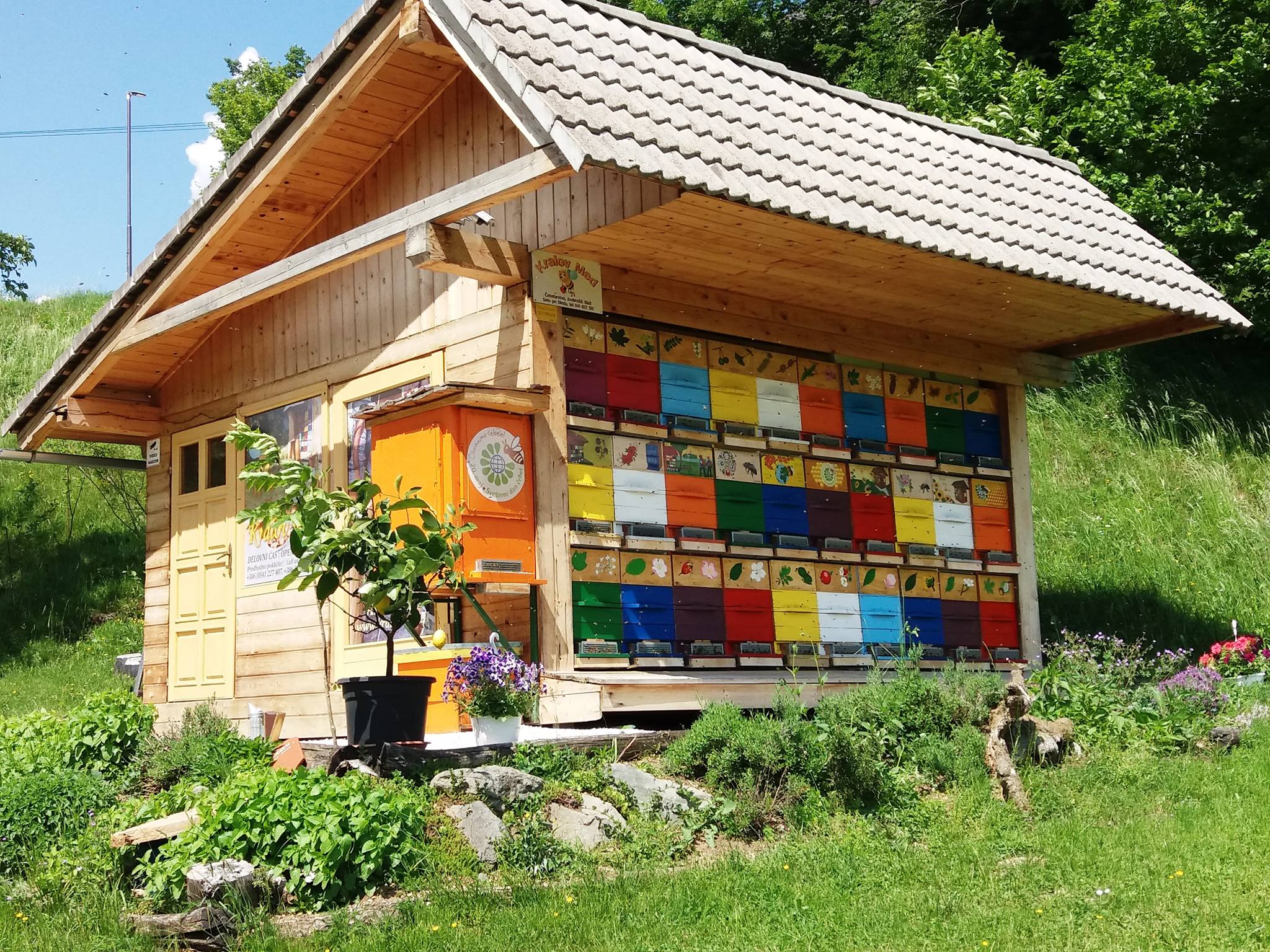
On Wednesdays the ‘Bee Our Guest‘ bus provides a fascinating insight into Slovenian beekeeping and includes visits to the Museum of Apiculture in Radovljica, the Beekeeping Education Centre of Gorenjska in Lesce, Anton Janša’s apiary in Breznica, Bee Paradise in Selo pri Žirovnici and Kralov med beekeeping in Selo pri Bledu.

Kralov med, Selo pri Bledu

Anton Janša’s apiary, Breznica pri Žirovnici

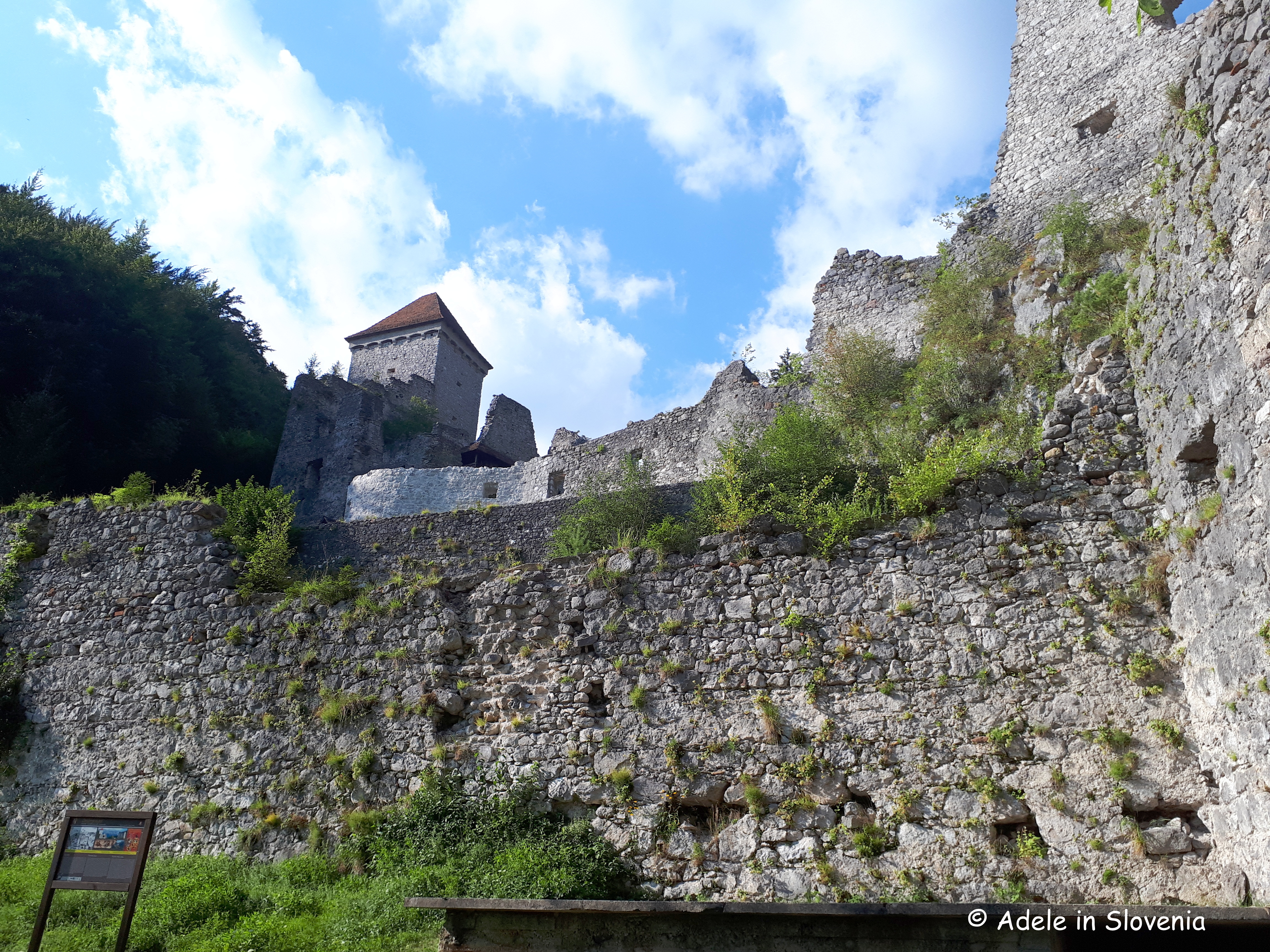
Thursday’s ‘Tales from the Countryside‘ route takes passengers to places such as Vrba, Žirovnica, Begunje na Gorenjskem, Brezje and Podvin. Among the highlights of the route are the ruins of Kamen Castle, the Avsenik Museum and the Museum of Hostages in Begunje, Adventure Mini Golf in Gorica, the Villa Rustica archaelogical site in Mošnje, and the Basilica of Mary Help of Christians in Brezje.

Adventure Mini Golf in Gorica

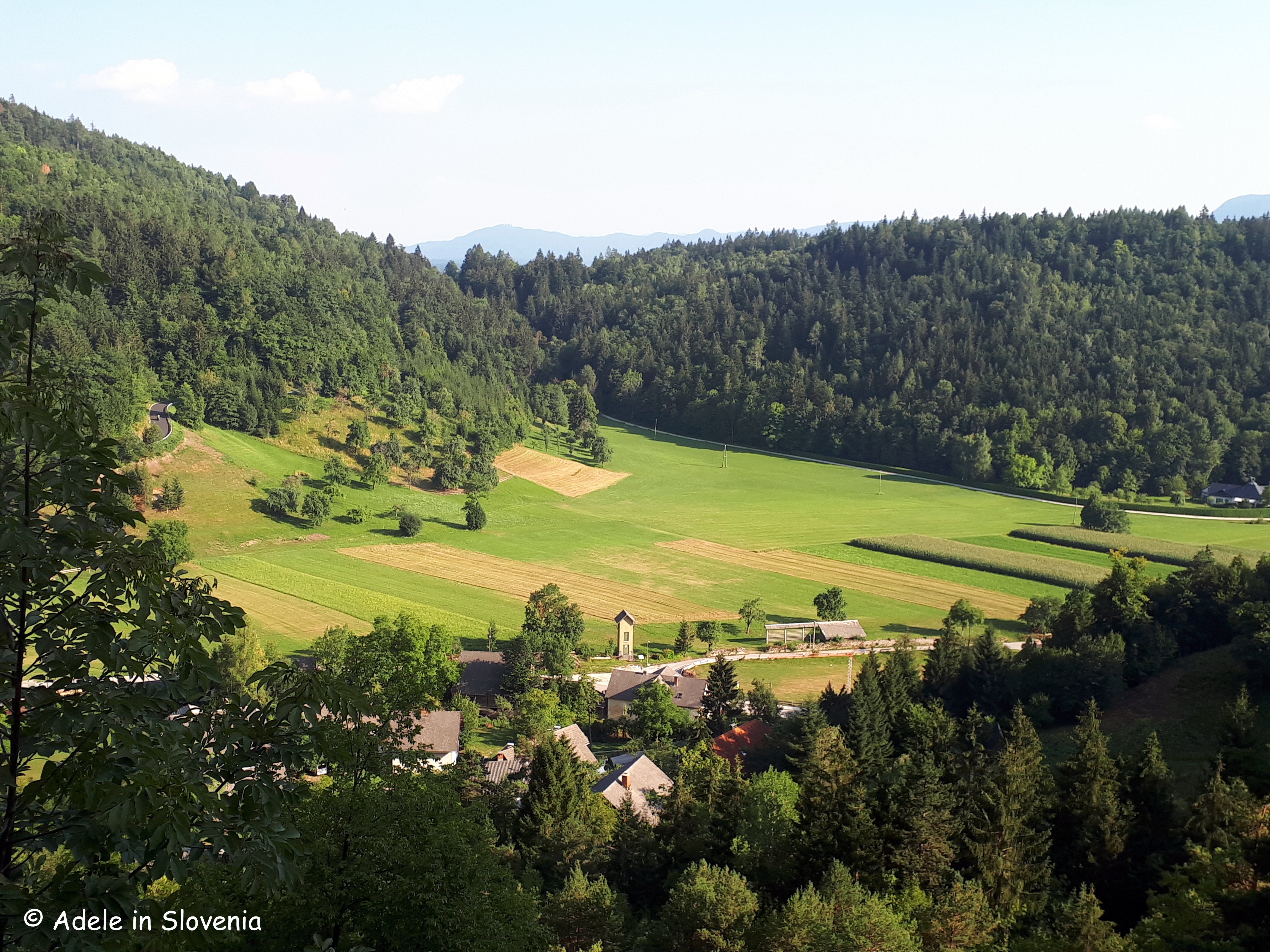
Završnica Valley, Žirovnica

And on Fridays, the bus runs to Begunje na Gorenjskem and then along the ‘Panoramic Road to Tržič‘. Highlights include the ruins of Kamen Castle, the old town centre of Tržič, the Mebron foundry and the Dovžan Gorge.

Ruins of Kamen Castle, Begunje na Gorenjskem

Dovžan Gorge, Tržič

So, as you can see, there’s plenty to choose from; in fact the toughest decision could be choosing which of the routes to take!

Click here for more information and the full timetable.

© Adele in Slovenia


The Forgotten Village on Ajdna – A Fascinating Archeological Site and a Great Hike Too!

Ajdna is the name of a tooth-shaped peak that lies beneath Mt. Stol, the highest mountain in the Karavanke range. A hike to Ajdna is fascinating, interesting and, if you take the steep way up, also a little challenging – but don’t worry, there’s an easier route up there as well!

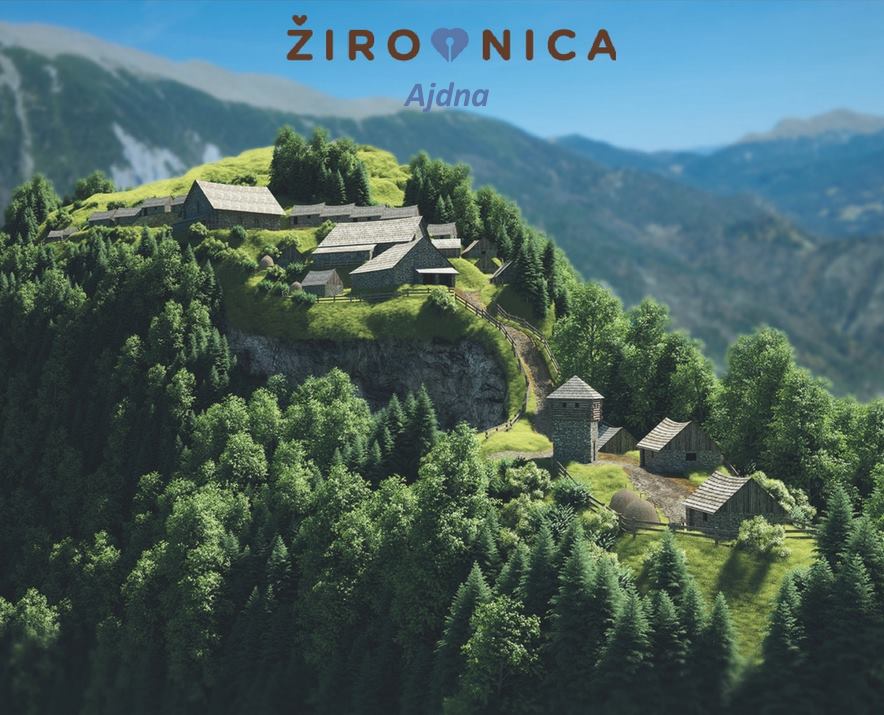
The site was first discovered by the field archaeologist Andrej Valič, who climbed to Ajdna with hunters in the 1970s. He identified the remains of an ancient village and archaeological excavations began in 1977. What they uncovered was, or rather is, truly fascinating. Below is an artist’s impression of the village on Ajdna.

Ajdna provided locals with an excellent refuge from the troubles taking place down below in the valley, though one can only imagine what conditions must have been like that led people to flee to somewhere so inaccessible and, particularly in winter one would imagine, inhospitable. Mind you, they certainly found a place of peace and with stunning views!

Ajdna was settled during the crisis times of the collapse of the Western-Roman Empire in 476 AD. Extensive, expensive and exceptionally complex conservation work was carried out and today there are well-preserved buildings and remains of buildings that are thought to date back to the late Antiquity, though some evidence shows that it may even have been inhabited far earlier.

It is estimated that Ajdna was destroyed at the end of the 6th or beginning of the 7th century. The desecration of the church points to the destruction most likely being the result of it being pillaged and set alight by attackers of other religions.

There are several ways to reach Ajdna, depending on which direction you are coming from and also depending on how far you want to walk. I took the path that leads from the reservoir in the Završnica valley. It first follows the path towards the Valvasor mountain hut, where, about 15 minutes before reaching the hut, you turn left onto a gravel road. From here its along the road for approximately 15-20 minutes until the junction with the turn off marked for Ajdna. The path at first goes downhill, through the forest, until reaching the base of the peak. From here there is a choice of the harder, climbing path (15 mins) or the easier path (20 mins). It is well marked throughout.

I chose the harder path up and the easier path down. The path up, though not technically difficult, does require sturdy footwear, a steady hand, concentration and no fear of heights as it leads directly up the rock face – but it is well-equipped with steel cable and rungs. For those not so keen on such ascents, or those with small children, take the slightly longer and easier path to the right. Whichever way you reach Ajdna, you will be richly rewarded for your efforts!

All the information boards at Ajdna are in both Slovenian and English (I should know, I translated them as part of the exhibition catalogue!), so you can read more about the finds and the history of the site.

In addition, to complement a visit to Ajdna, you can visit the Ajdna Museum Room in Čop’s Birth House (Čopova hisa) in Žirovnica, where you can learn more about the site and see exhibits of the many fascinating finds including tools, earthenware, jewellery and weapons.

The house is also the seat of Tourism Žirovnica, thus you can also find out more about what to see and do in the area and/or click here for more information.

© Adele in Slovenia

Camping or Glamping – Take Your Pick in Radol’ca!

In addition to being home to one of the most beautiful and popular campsites in the whole country, Camping Šobec in Lesce, there is a wide range of camping and glamping facilities in the Radol’ca area, with more springing up by the year – just as well considering that these days, camping, and particularly glamping, is all the rage!

The forested Camping Šobec is situated next to the Sava river – Slovenia’s longest river – and features a natural lake, ideal for a refreshing dip on a hot summer’s day. During summer, day visitors to the camp can also use the facilities and swim in the lake (entrance fee payable during the peak tourist season).

If I didn’t live so close, I’d stay there myself as I love the place!

There are 400 camping spots available, as well as 10 timber chalets.

The newly-opened building combining a restaurant and supermarket is a great addition.

The camp also features mini-golf, tennis, Thai massage, children’s play areas, water games and more. Even when full, which it usually always is during summer, Camping Šobec offers a tranquil break in nature. There are also numerous walking and hiking trails accessible directly from the camp, including to Talež and along the Sava River Trail.

Fans of glamping are catered for at Pr’Matic in Kamna Gorica, where wooden cabins are situated on a peaceful, green meadow, and there is an outbuilding containing a shared bathroom, kitchen and dining area. There are currently three cabins, but I noticed earlier this week when I went for a stroll, a further two are being constructed and look near ready.

Camping Radovljica is located next to Radovljica’s olympic-size swimming pool and offers 80 camping spots. A big added bonus is free entrance to the swimming pool for those staying at the camp.

The Hribar Tourist Farm on the outskirts of Brezje features apartments, shared dormitories and a small camp site for those looking for a more ’boutique’, albeit basic, camping experience away from the crowds.

Click here for more information about the above and the full range of other accommodation – hotels, guest houses, tourist farms, private rooms, bed and breakfasts – available in the Radol’ca area.

But, as they say, ‘Don’t delay, book today!’ because, believe me, last year during the height of summer there was barely a room, a bed or a camping spot to be had in the area!

© Adele in Slovenia


Visit ‘Shakespeare’s House’ in Slovenia!

Ok, yes, guilty as charged of using an attention grabbing headline! Of course you can’t visit the actual Shakespeare’s House in Slovenia, you can, however, visit the house of Slovenia’s equivalent!

And what better way to do it than in style on a horse and cart ride along the Žirovnica Path of Cultural Heritage.
Despite only living to the tender age of 49, the legacy of France Prešeren (1800-1849), Slovenia’s most famous poet, remains as strong today as ever. In fact, Prešeren was, or rather is, so important to Slovenian culture, that a national holiday is dedicated to him annually on 8th February – Prešeren’s Day. 

The Path of Cultural Heritage takes in Prešeren’s birth house, as well as the birth houses of his friends – the linguist and literary historian Matija Čop in Žirovnica, the writer Fran Saleški Finžgar in Doslovče, and the writer and priest Janez Jalen in Rodine.

Čop’s House (Čopova hiša) is also the home of the Žirovnica Institute for Tourism and Culture, where you can pick up leaflets and find out more about the area.

The path runs through the hamlets that make up the Municipality of Žirovnica, with the Karavanke mountains as a back drop, an abundance of lush green scenery to admire, a number of restaurants serving traditional Slovenian food.

Whilst in the area you can also visit Janša’s Memorial Apiary, as well as the recently-opened Bee Paradise – the brainchild of the president of Slovenia’s Beekeeping Association. Read more here https://adeleinslovenia.com/2018/05/06/cebelji-raj-a-real-bee-paradise/

To mark the recent World Bee Day a memorial plaque was erected in front of the Jansa’s memorial apiary. Read more about the first World Bee Day celebrations here – https://adeleinslovenia.com/2018/05/21/zirovnica-the-place-to-bee-to-celebrate-world-bee-day/

All the houses offer a unique insight into life in bygone days and you can see exhibits including an original black kitchen, and other items typical of the era.

Whilst you can visit the house at other times, independently or as part of a guided tour, a unique way to do so is by taking a ride on a traditionallojtrnik‘ – a traditional horse and cart – which runs every fourth Saturday in the month from March to October.

The ride departs from the car park in Vrba, which is also the location of Prešeren’s birth house, at 10am, 11am and 12noon. Upon purchase of a ticket for at least one of the birth houses, rides are FREE. The next opportunity will be on 23rd June.

And here’s my tip: sweet talk Janez and he might even let you ride up front!

Click here for more information about this and other natural and cultural attractions in the Žirovnica area.

© Adele in Slovenia