Festive (and Boozy!) Škofja Loka in the Snow!

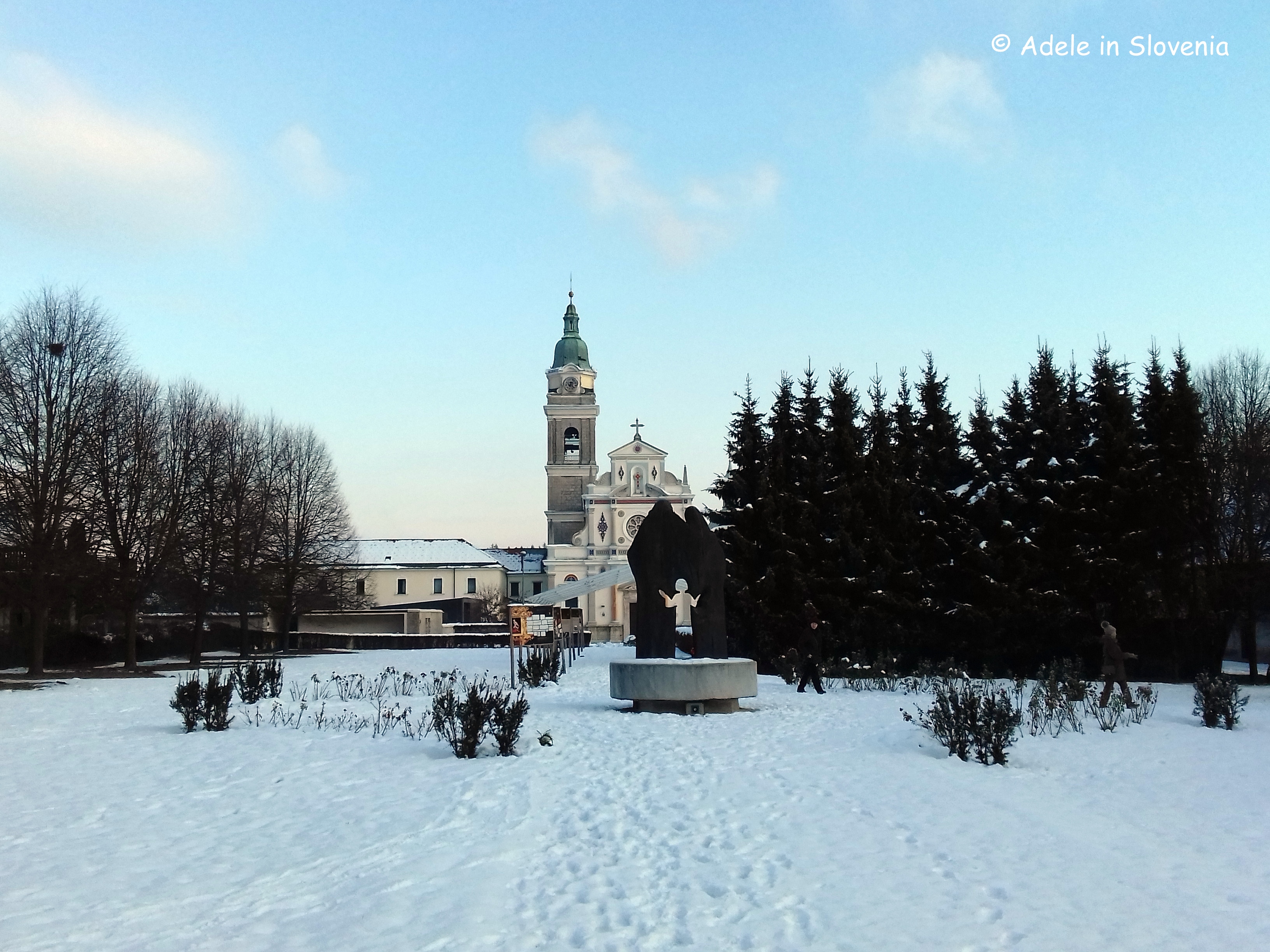
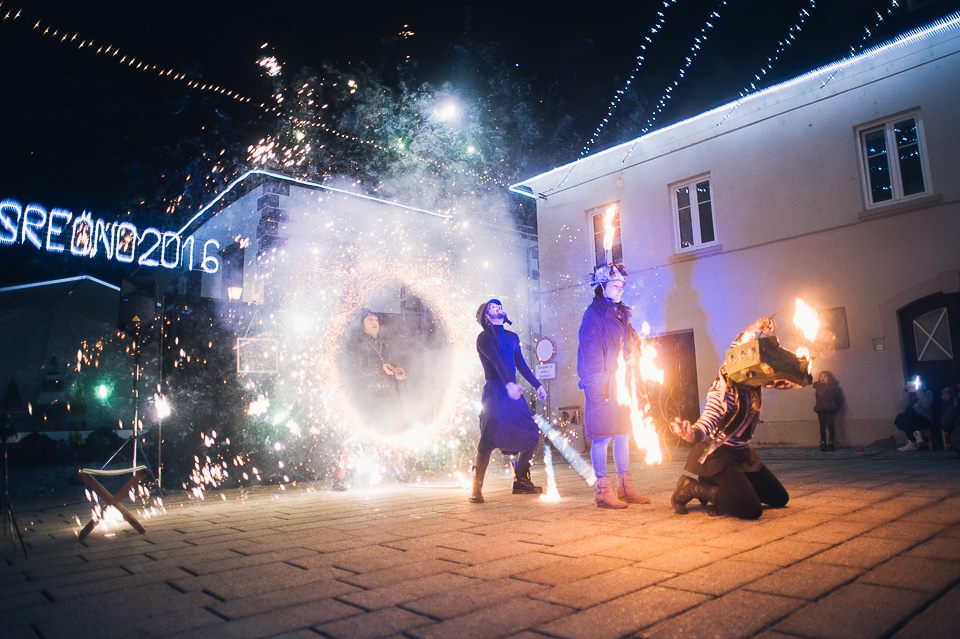
Winter arrived this year before winter even began – the official start of winter, that is! For many (myself not included, I hasten to add!), this adds to the festive atmosphere at this time of year, and Škofja Loka, with its quaint medieval old town centre, is no exception.

Image may contain: sky, outdoor and nature

Photo: Simon Primožič

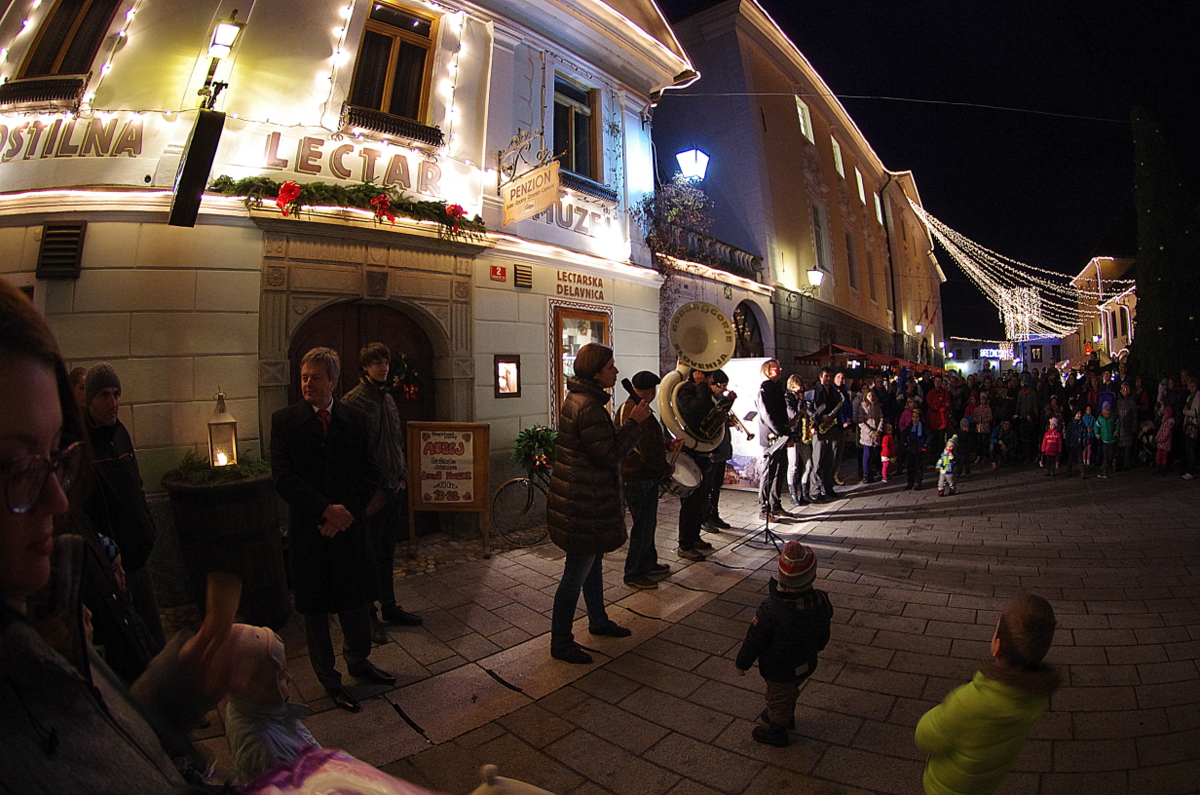
On Saturday 2nd December the first of this year’s ‘Loka in the Snow‘ festive events will take place from 9am – 1pm in the old town centre. The event is a combination of the 20th Meeting of VintersSt. Nicholas’ Fair (Miklavžev LUFt), and ‘Windows of Imagination‘ (Izložbe Domišljije), all of which provide a great opportunity to try, and to buy, some unique gifts for friends, loved ones, and, of course, yourself!

Take a walk through the town to see the shop ‘Windows of Imagination’, a group sales exhibition of local arts and crafts.

Image may contain: text

There will be around 80 stalls where you will have the chance to meet vintners from around Slovenia and taste their wines, and the sommelier Gašper Čarman will be on hand to provide advice!

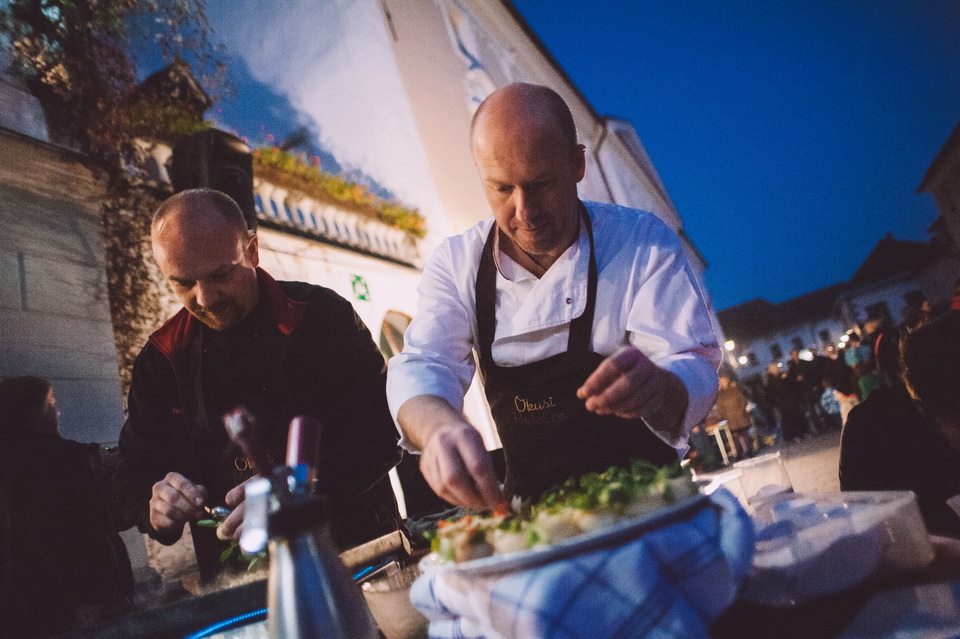
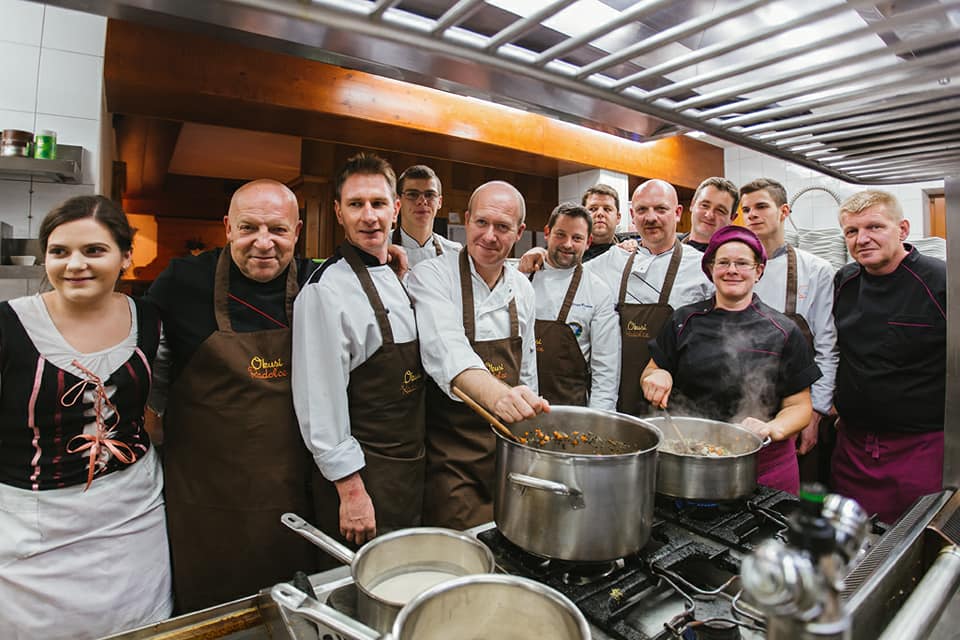
To ensure you have something to ‘soak up’ the wine, chefs from the ‘Open Kitchen‘ will be cooking up dishes, and to add to the pleasant atmosphere there will be live music and entertainment.

And don’t miss a visit to, or at least a stroll up to, the imposing Loka Castle.

Rezultat iskanja slik za skofja loka v snegu

Photo: Sašo Kočevar

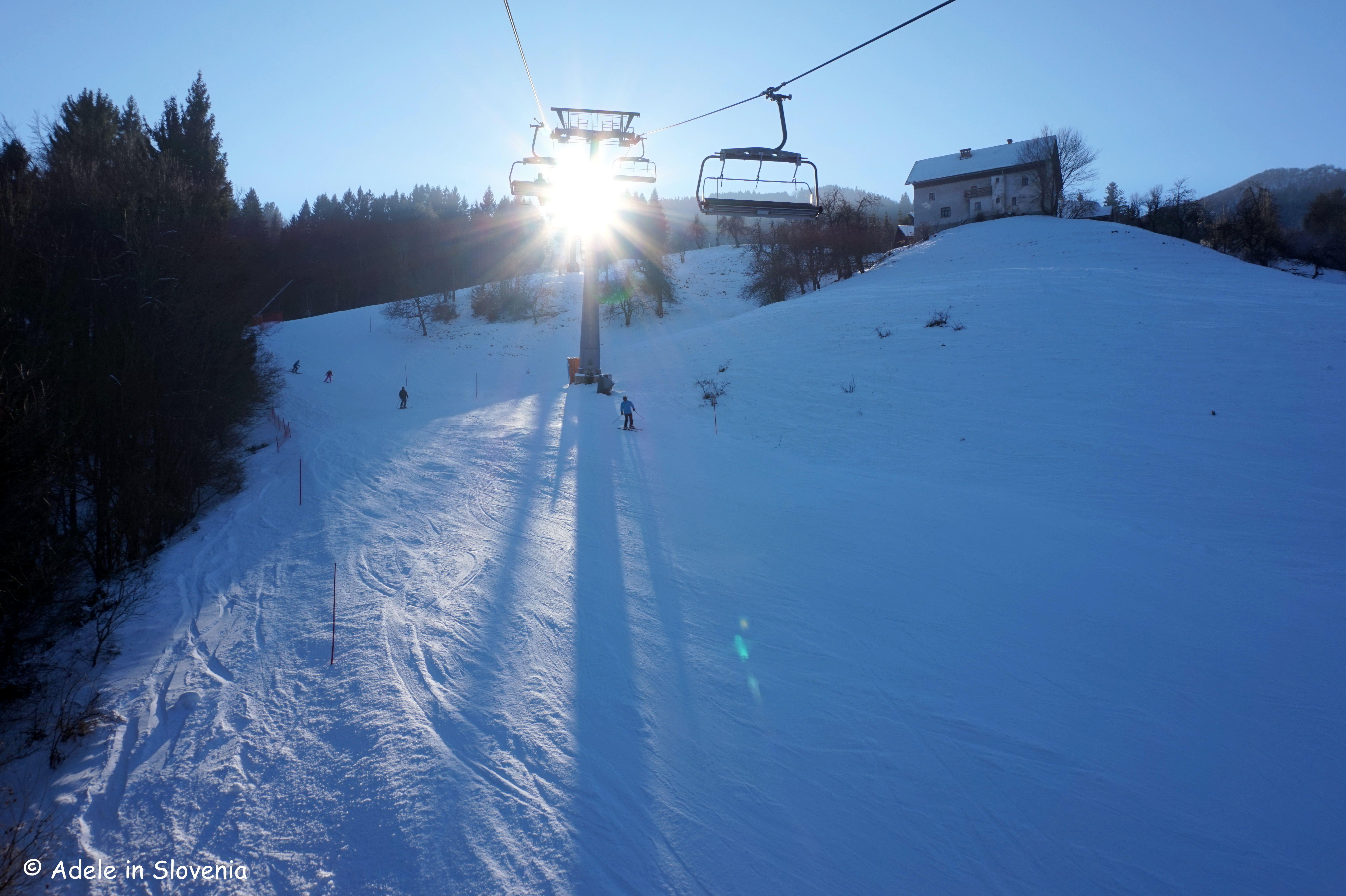
And, since we are talking about snow, it’s been an early start to the skiing season this year with many of the country’s ski resorts open or about to open, and both of Škofja Loka’s 2 ski resorts will be open soon!

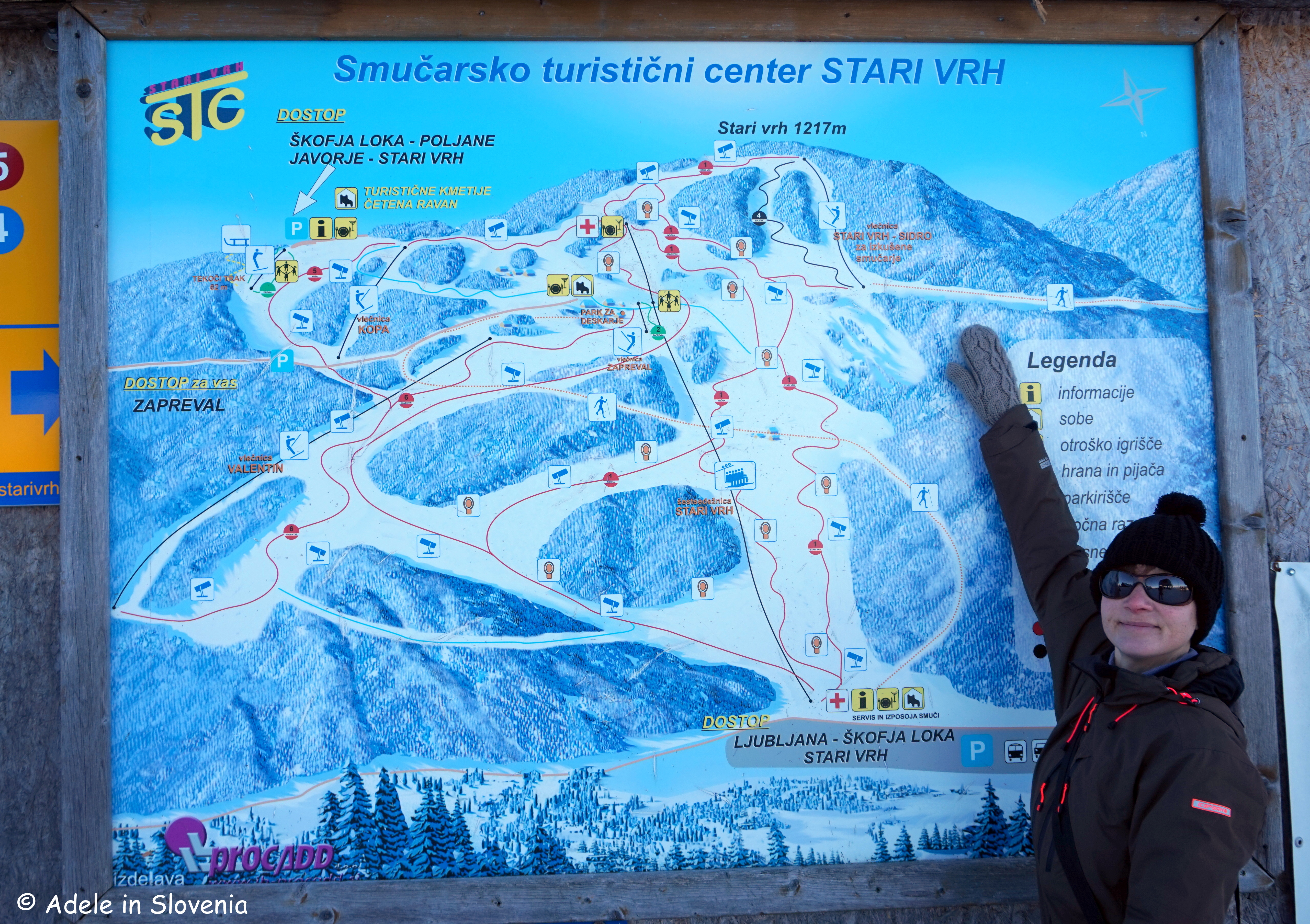
The Stari vrh ski centre, which I visited earlier this year (https://adeleinslovenia.com/2017/02/01/sunny-skiing-stunning-views-and-romance-on-stari-vrh/) in located in the middle of the Selca and Poljane valleys, just a ten minute drive from Škofja Loka. Its proximity to Ljubljana makes it a popular destination; in winter for skiing, snowboarding and other winter sports, and in summer for hiking and cycling.

Stari Vrh offers 10kms of slopes (1km difficult, 5kms medium, 4kms easy), together with a snowboard park, night skiing, a toboggan run and a children’s snow playground.

Alas, I’m not, and will never be, a skier, but that doesn’t mean I can’t visit to watch others and enjoy the views!

The Soriska planina ski centre is located on the edge of the Julian Alps and can be reached from several directions; from Škofja Loka via Železniki, from Bohinjska Bistrica; or from Most na Soči via Baška Grapa. You can read more about the ski centre and the nearby village of Sorica, which is well worth a detour, in a previous blog from earlier this year here (https://adeleinslovenia.com/2017/02/20/sorica-super-skiing-and-slovenias-most-beautiful-mountain-village/).

dsc00344

Facilities at the Soriška planina ski resort consist of a two-person chairlift, 3 drag lifts, a children’s drag lift, a snow park, a sledging trackcross-country ski trails and a restaurant.

For more information about Škofja Loka’s ski resorts and other winter sports venues, click here for the Visit Škofja Loka website.

Highlights of the other events taking place in Škofja Loka during the festive season include:

  • A Christmas Carol Concert on 14.12 at 7.30pm in the Sokolški dom
  • A(nother) Christmas LUFt market on 22nd December from 5pm-10pm with a visit by Father Christmas and performances by the Ana Mraz international street theatre,
  • A concert by Help! – A Beatles Tribute Band on 29th December at 9pm in the square beneath the castle
  • New Year’s Eve celebrations from 9pm with the group Joške vn in the square beneath the castle and the old town centre

© Adele in Slovenia


The Festive and Tasty Season in Radovljica 2017


What at a tasty month November has been, thanks to Taste Radol’ca, and what an exciting festive month December promises to be, too!

I haven’t managed to visit all the nine participating Taste Radol’ca restaurants, thus far at least, though there is still time until the end of November! Those that I have visited, however, have mighty impressed me with their local, seasonal and creative menus. It is also a bonus knowing that eating Taste Radol’ca food supports local farmers and other small food producers, since the focus of Taste Radol’ca is on local food, thus it’s a win-win all round.

Taste Radol’ca 2017 at Gostišče Draga

Although November is drawing to a close, you can still Taste Radol’ca throughout the year. Some of the participating restaurants have special bee symbols on their menus denoting Taste Radol’ca dishes, whilst others, such as Vila Podvin and Gostilna Kunstelj, strive to ensure that menus are seasonal, using the best available local and seasonal products. Read more about Taste Radol’ca here – http://www.radolca.si/en/what-to-do/events-1/taste-radolca-2017/83/394/

December in Radovjlica also promises to begin on a tasty note when the festive season kicks-off on 2nd December at 4.30pm with the switching-on of the Christmas lights, the opening of the Advent Market (10am – 7pm), a show by Čupakabra including juggling, stilt-walking and a circus workshop (5pm) and the simultaneous closing event of this year’s Taste Radol’ca (5pm-8pm) with street food and a concert by the band Kontrabant (6pm-8pm).

The small Advent Market in Linhart Square – the heart of the old town centre – will be open on 22nd, 25th, 26th and 29th December from 12noon – 7pm, the 2nd and 23rd December from 10am-7pm, the 3rd and 24th December from 10am-5pm, the 27th and 28th December from 3pm-8pm, and the 30th December from 10am-8pm.

Other events taking place during the festive season include a street show for children on 23rd December (10am-11am) and on the same day children can take a ride on a ‘fairytale’ horse with the Sitar ranch (11am-3pm) in front of the church in Linhart Square.

On Christmas Eve there will be an acrobatic performance by Acromantix (11am), and a visit by the festive Bernese mountain dogs with the Papy dog bakery (11.30am-1pm).

On Christmas Day take a stroll to the old town centre (to walk off Christmas lunch!) where you can watch a performance by the Ana Snežna street theatre at 5pm, whilst the following day, Boxing Day, Čupakabra will perform at 5pm.

Children won’t want to miss a visit by Grandfather Frost (Dedek Mraz) and the children’s show ‘What has Grandfather Frost Brought?’ on Wednesday 27th December at 5pm in the Radovljica Mansion.

These are just some of the highlights of the festive season, for the full programme click here – http://www.radolca.si/en/what-to-do/events-1/festive-december-in-linhart-square/83/395/

 © Adele in Slovenia


The Path to Pustal – Combs, Frogs and the Devil’s Footbridge!

The Puštal area of Škofja Loka is just a stone’s throw from the historic, medieval old town centre and the imposing, hilltop Loka Castle.

Puštal is largely a residential area that has had an interesting history and offers numerous sights of interest. Join me here on a stroll along the Path to Puštal to see some of the highlights and find out more about combs, frogs and the Devil’s footbridge!

The path starts at the far end of Town Square (Mestni trg). From here cross the road to the area of the town known as Karlovec. Continue along Kopališka ulica where, at number 8, you can see Firbar’s House (Firbarjeva hiša), formerly home to Jurij Pokorn, a painter and an ex-mayor of the town. If you look at the left, upper part of the house, you can see the rather unusual ‘rake’ which was used for drying coloured flax linen.

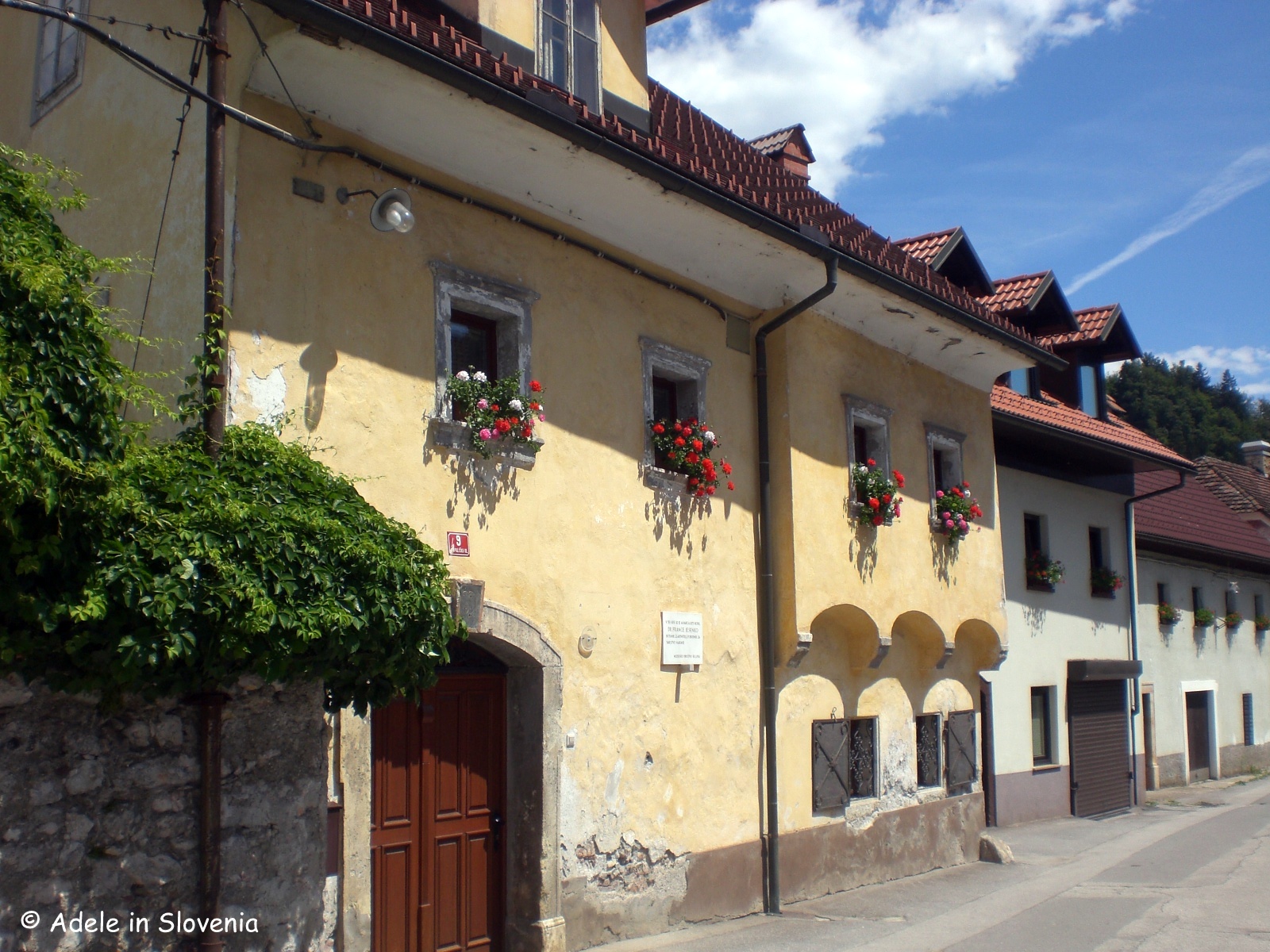
Continuing along the street you can see the birthhouse of Fran Jesenko, a famous botanist and geneticist, and also one of the founders of Triglav National Park.

At the intersection of the streets Kopališka ulica in Fužinska ulica stands a shrine known locally as ‘Lepo znamenje’ (The Beautiful Shrine).

Photo: Marko Plesko

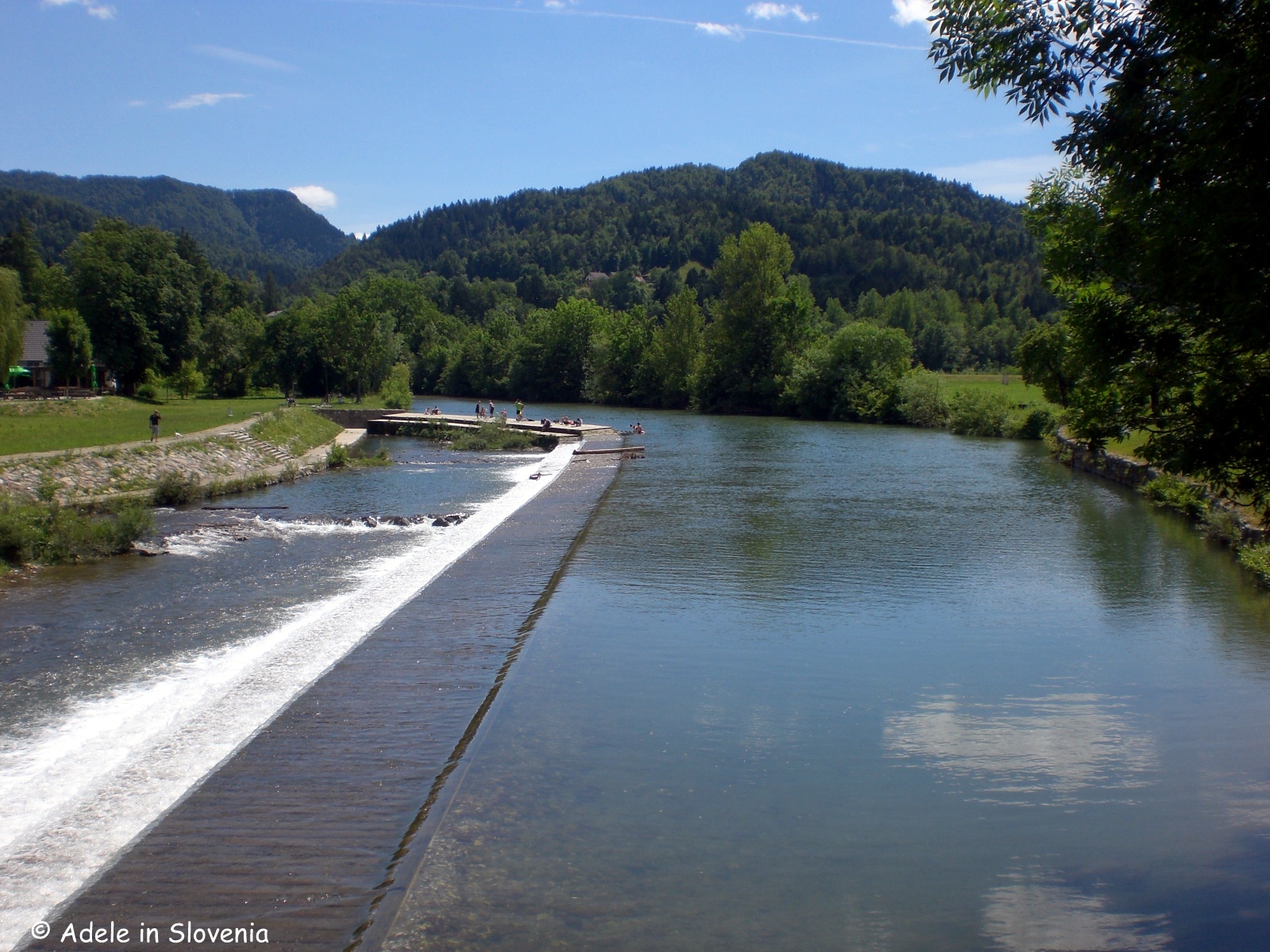
From here it is just a short walk, following the path markers on the ground, to the Devil’s footbridge (Hudičev brv). This footbridge over the Sora river has to be one of the most scenic places in the whole town, and in summer it is an open-air, natural area for a quick refreshing dip!

Legend has it that the footbridge got its name after reputed visitations from the devil. When locals built shrines on both sides of the bridge, they drove the devil away for some time. However, his visitations then began in the middle of the bridge, until they finally managed to drive him away under the Šturm rock by building a shrine in the middle of the footbridge dedicated to St. John Nepomuk – the patron saint of bridges.

Cross the bridge then continue on the right bank of the Sora river towards the 16th century Nace’s House (Nacetova hiša). This preserved townhouse was thoroughly renovated in 1755 and is the only house in Škofja Loka whose appearance has not significantly changed since the mid-18th century and is considered the best-preserved rural building in the Škofja Loka area and the Ljubljana hinterland.

Upon prior arrangement it is possible to view the house and its objects and equipment, which bear witness to the life of many generations and, despite being museum objects, are still usable today. You can read more about this and other historic houses and museums in the Škofja Loka area here – http://www.visitskofjaloka.si/en/experiences/cultural-sights-of-interest/historic-houses-and-museum-collections

Next you will walk past Puštal Castle (Puštalski grad). The castle was first mentioned in the 13th century but its present-day appearance dates from the 16th century. The Chapel of St. Cross in the castle contains a fresco of ‘The Descent from the Cross’, painted by Guilio Quaglio in 1706, and is considered one of the most valuable works of art in the town. Today the castle houses a music school.

So, where do combs and frogs come into the equation in connection with Puštal? Well, in bygone days, many of the residents of Puštal made their living through non-agricultural activities, of which comb-making was one of the most widespread, and one of the most unusual was by catching and selling frogs, which were in abundance in Puštal at that time. Fascinating stuff, hey!

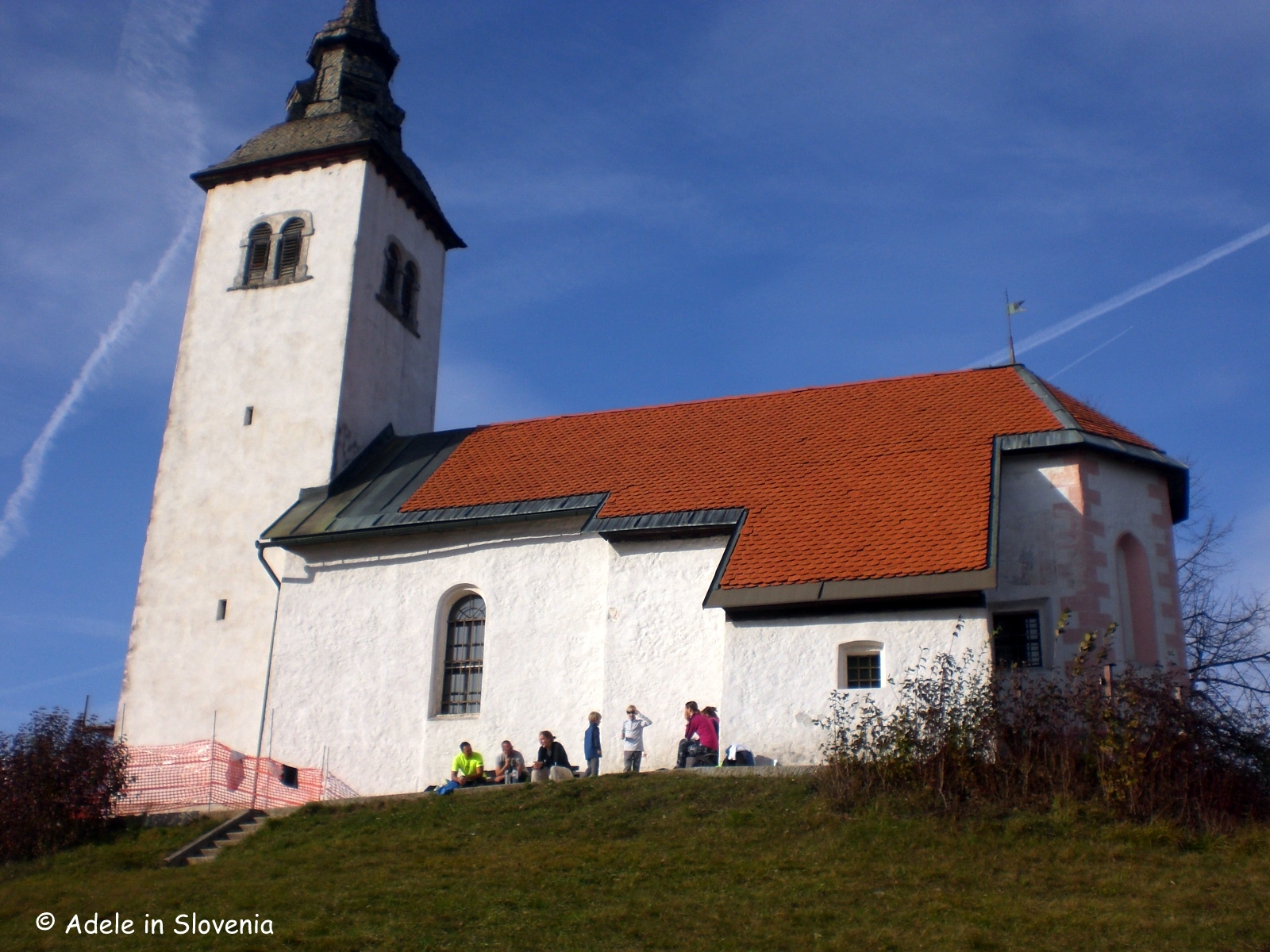
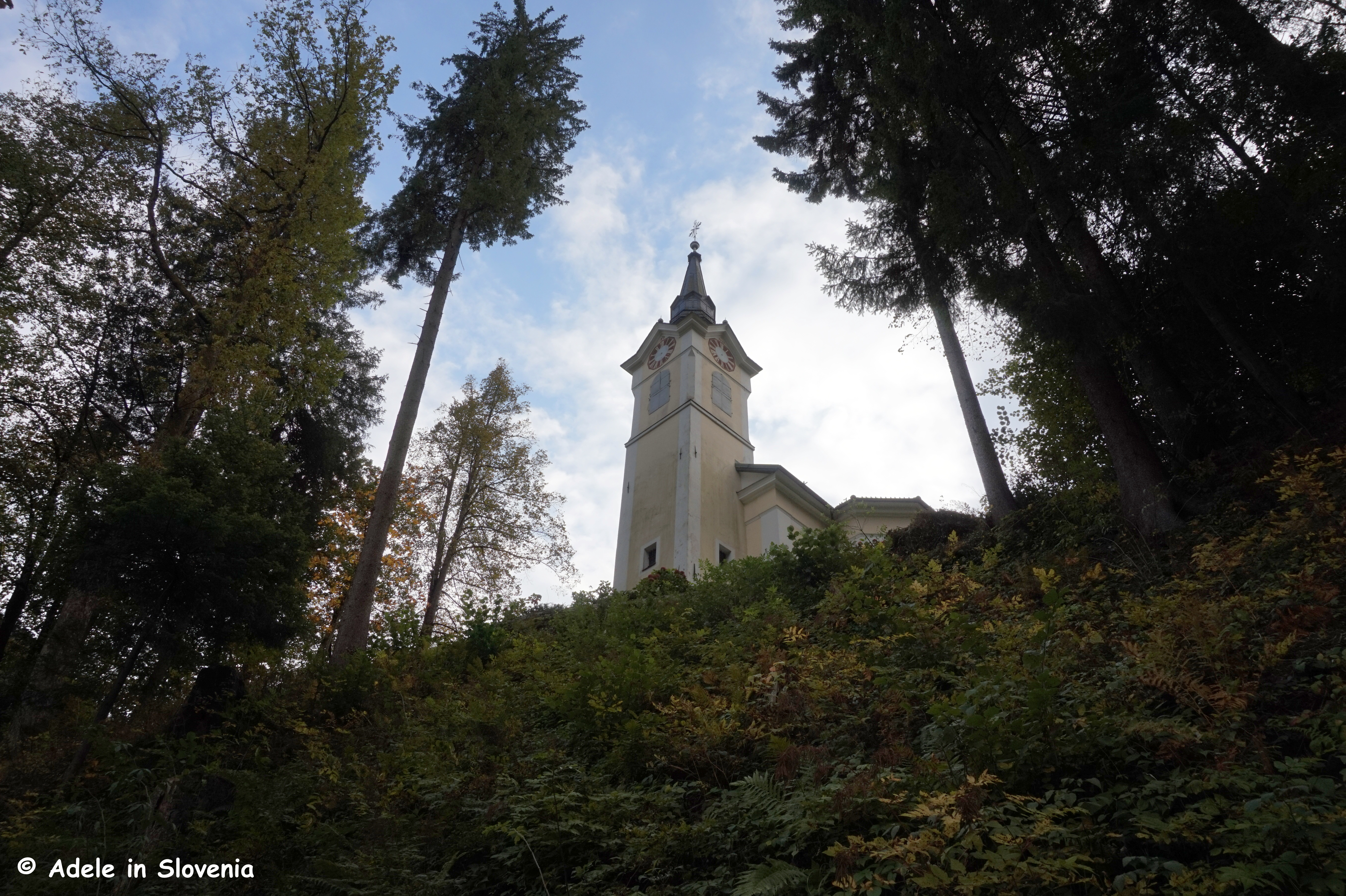
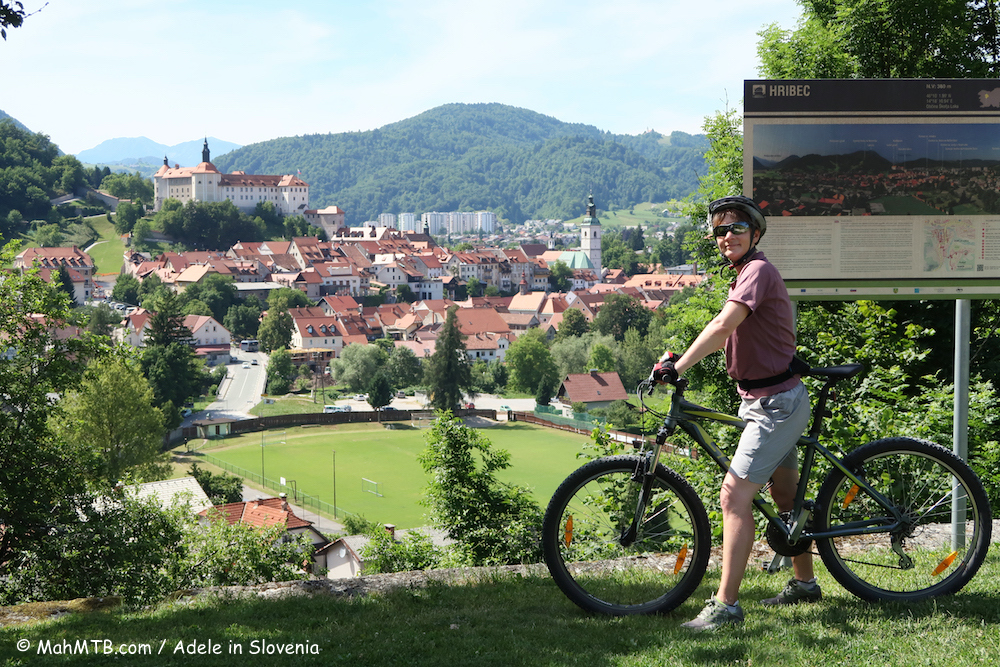
Another highlight, and a spectacular end to the Path to Puštal, is the hill Hribec and the Church of the Holy Cross. The path leads uphill past the 18th century chapels of the Stations of the Cross. Not only is it a scenic walk up to the church, but the view over Škofja Loka and the castle is really quite special, as I discovered earlier this year when I took a guided cycled around the area as part of my discovery of the Loka Cycle Route – read more here – https://adeleinslovenia.com/2017/06/11/active-and-historic-loka-the-skofja-loka-cycle-trail/

You can pick up a brochure about the Path to Puštal at the Škofja Loka Tourist Information Centre and/or find more information about this and other theme paths in the area here – http://www.visitskofjaloka.si/en/experiences/theme-paths

© Adele in Slovenia


Križna Gora above Škofja Loka – Hiking, Cycling, Great Views and Heavenly Food, Too!

Križna Gora is a hill that rises to 681m in close proximity to the centre of Škofja Loka and is a very popular hiking and cycling destination among locals and visitors to the area. It is also home to an excellent restaurantGostilna pri Boštjanu, which I can highly recommend from first-hand experience. Read on to find out more!

At the top of the hill stands the Church of the Holy Cross (Sv. Križ), built around 1500, and the area is also the site of a mass grave and an unmarked grave from World War II. The church contains well-preserved frescoes. At the time of my visit (late October 2017), access was limited as the church is currently undergoing restoration work to repair the roof that has been leaking water for the past few years. Should you wish to see the interior of the church, contact the Škofja Loka Tourist Information Centre.

To reach Križna Gora on foot the path begins opposite the Mercator supermarket in Podlubnik, near Trnje, where there is a parking area. From the car park cross the main road and continue ahead along the fairly narrow tarmac road through the village of Trnje. After a short distance take the right fork that leads slightly downhill where the tarmac ends and becomes a gravel track where there is a red sign showing 1 hour to Križna Gora. The path first crosses a field before reaching a fairly steep path up through the forest.

Hereafter, the path is well marked with the usual Slovenian system of signs – a red circle with a white inner – which are found in various places – on trees, rocks, and, as seen below, even on shrines.

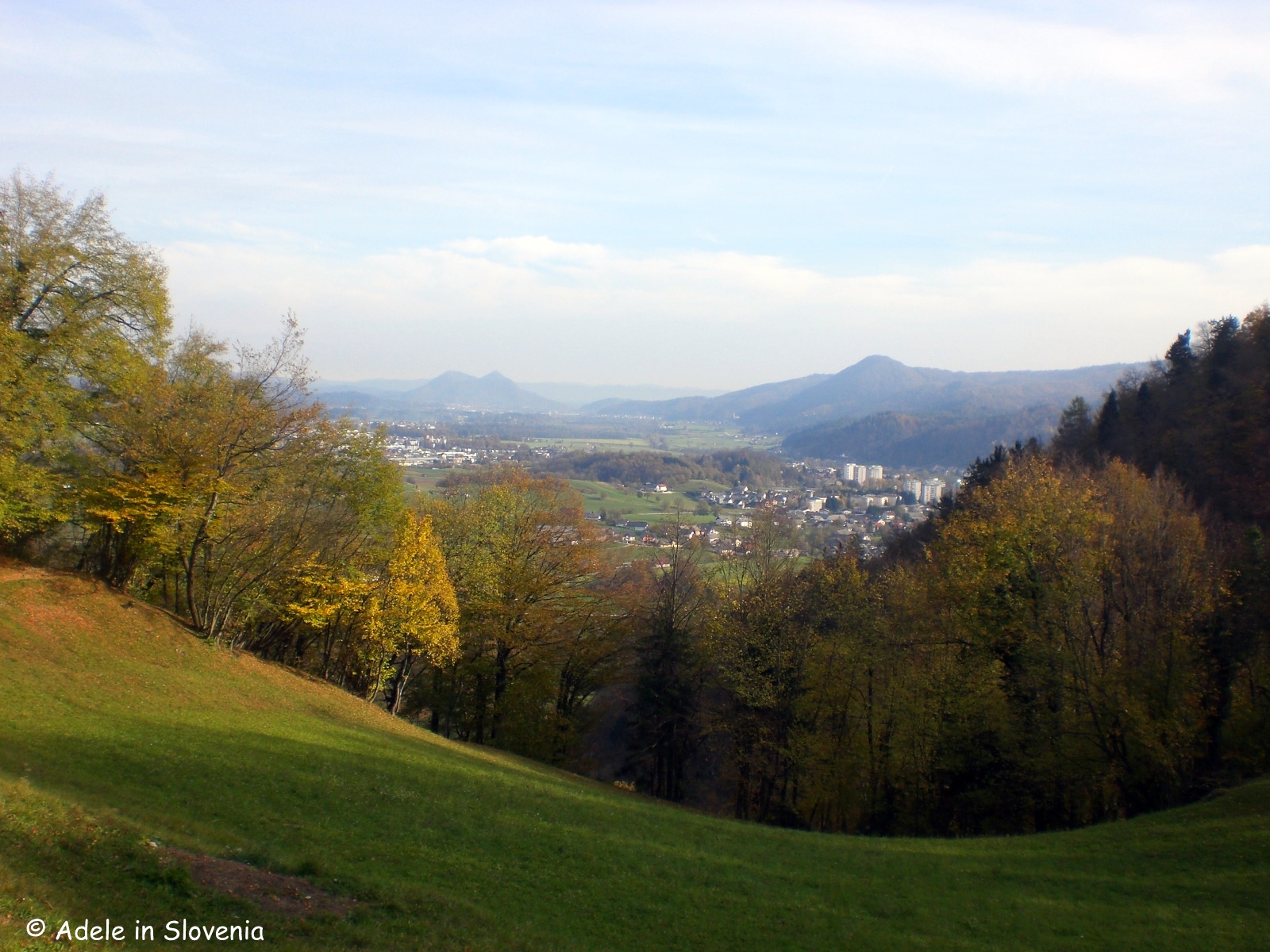
After around 15 minutes of hiking, you emerge from the forest for a great view back over the town of Škofja Loka.

Then ahead in the distance you catch sight of the church and your destination – Križna Gora!

However, people don’t just flock to Križna Gora for recreation and the great views, oh no, they also know where to go for some of the tastiest local Škofja Loka food, and now I do too!

Gostilna pri Boštjanu is part of the project ‘Tastes of the Škofja Loka Countryside’ (Okusi loškega podeželja), the aim of which is to acquaint visitors with traditional foods and dishes from Škofja Loka and the surrounding valleys, and in doing so preserve them for generations to come. The focus is on homemade, local food with an emphasis on tradition and innovation – past and present.

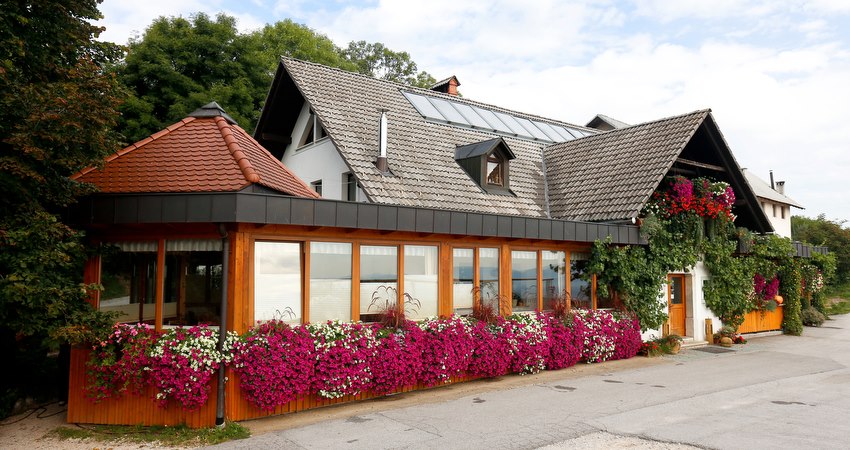
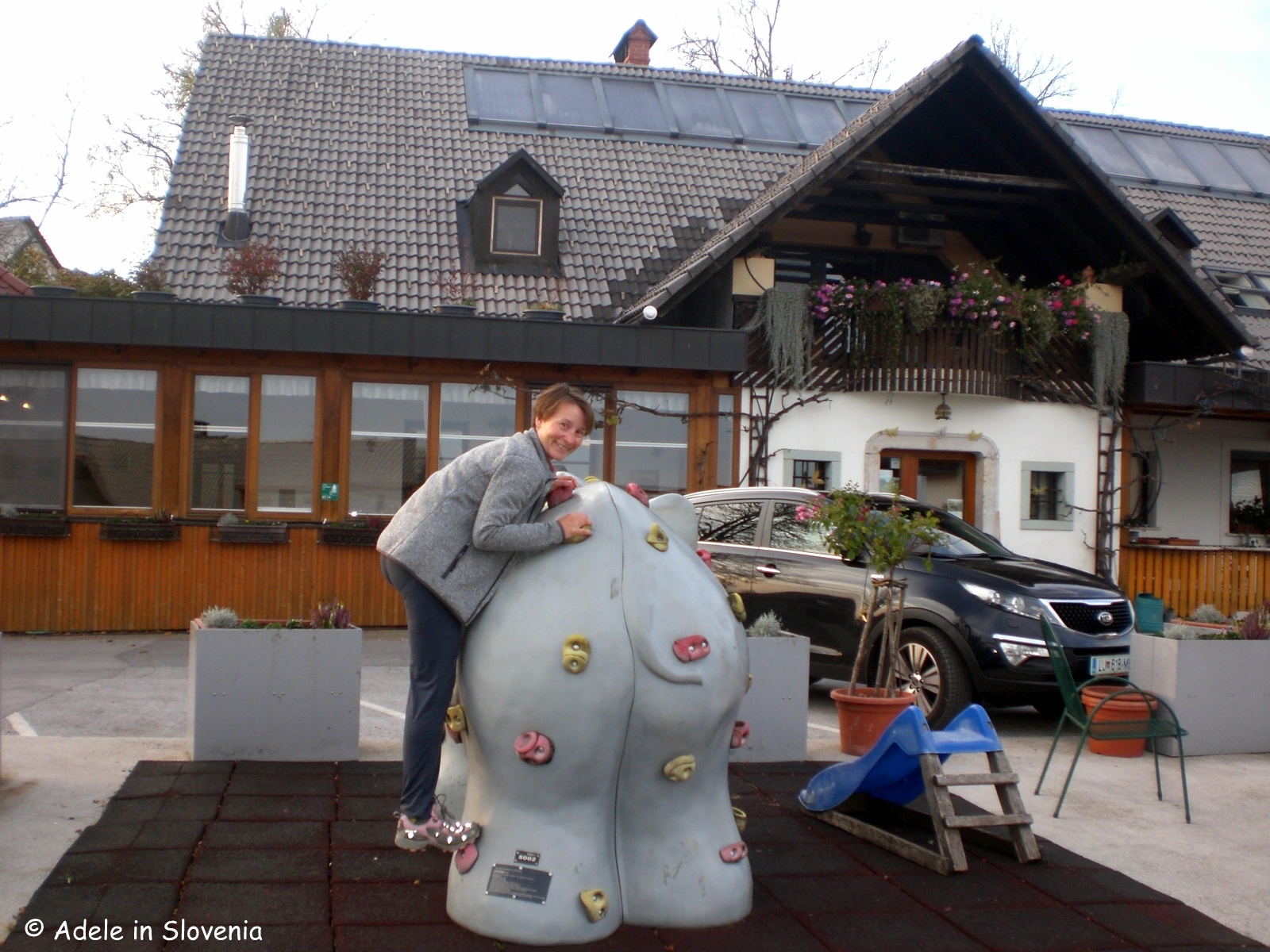
There are wonderful views from the terrace of the restaurant – with something to keep the whole family amused! – whilst inside there are multiple dining areas to choose from including the conservatory for great views and the snug room with wood-burning stove.

On the recommendation of the owner, Boštjan, I plumped for the Tasting Menu which comprises a choice of two 5-course menus of homemade delights. Cold starters are pheasant pate with homemade bread – fresh from the clay oven, or venison carpaccio. For the hot starter I chose buckwheat ravioli with porcini mushrooms.

Garlic or beef soup was followed by roast pork or foal (can’t quite bring myself to eat the latter!), and the dessert – chocolate dream – was a triumph, and certainly something to dream about!

Gostilna pri Boštjanu is also particularly known for it’s St. Martin’s Day feast (Martinovanje). In November every year St. Martin’s Day, when grape juice matures into wine, is celebrated throughout Slovenia – even in non-wine growing areas (any excuse for a celebration!), with, of course, wine, and typical dishes such as roast goose or duck with red cabbage and mlinci (a kind of thin, shredded flatbread). Reservations, especially at weekends, are essential – this place is hugely popular, for good reason, too!

You can find more about Gostilna pri Boštjanu on the Facebook page here – https://www.facebook.com/Gostilna-pri-Boštjanu-138860049611989/ and find out more about Škofja Loka cuisine, traditions, hiking paths and more on the Visit Škofja Loka website here – http://www.visitskofjaloka.si/en/

© Adele in Slovenia

Taste Radol’ca 2017 is Go!

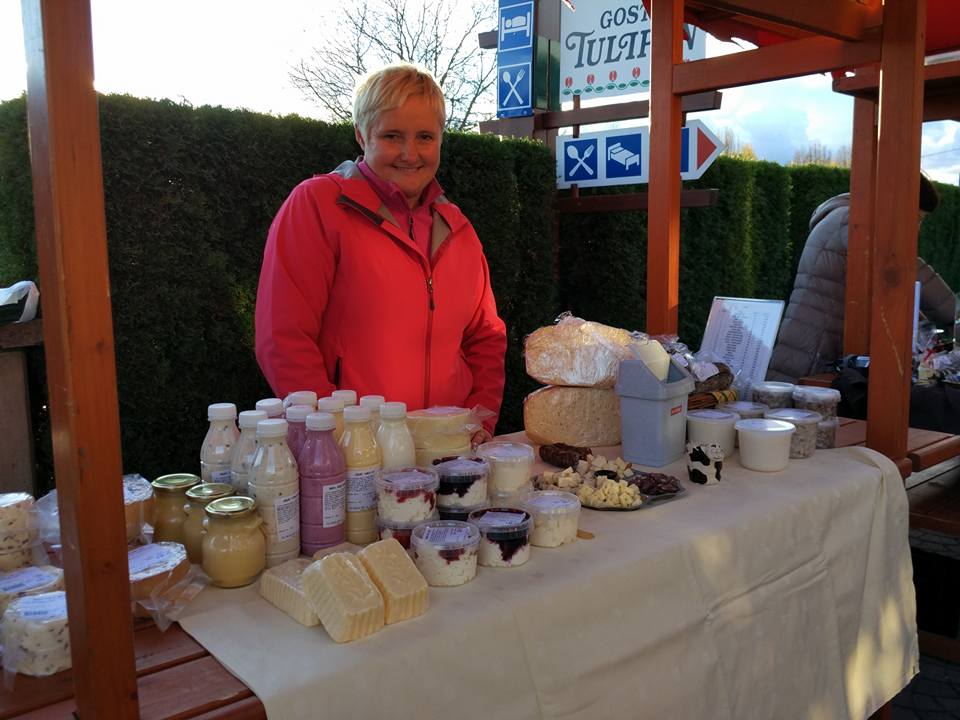
It was a rather blustery, but nonetheless tasty, start to this year’s Taste Radol’ca last Friday. The opening event, a market where local suppliers were offering their products to try and buy, was followed by the gourmet 5-course opening dinner.

This year the opening dinner was held at Gostišče Tulipan in Lesce. Tickets sold out in record time thus, alas, for the first time since it’s inception I wasn’t present at the opening dinner, however I did pop to the pre-event market to try out some of the finger food!

This is now the 5th year of Taste Radol’ca and, as per the previous years, for the whole month of November all the participating restaurants will be offering set menus for a fixed price of 17 euros per person.

The ethos of Taste Radol’ca is locally produced products – products direct from local farmers, fruit growers, fish farms, bakers etc., thus with neglible food miles and every food item is traceable – as well as co-operation among restaurateurs = strength in numbers!

Photo: Boris Pretnar

This year there are 9 restaurants participating in Taste Radol’ca: Vila Podvin in Mošnje, Gostilna Avguštin, Gostilna Lectar and Gostilna Kunstelj in Radovljica, Gostišče Tulipan in Lesce, Gostilna Draga and Gostilna Tavčar in Begunje, Joštov Hram in Podnart, and Hotel and Chateau Lambergh in Dvorska vas.

Photo: Boris Pretnar

Although there are less restaurants taking part this year (there were 13 last year), the focus has shifted somewhat from quantity to quality. To this end, two of Slovenia’s best-known restaurant critics, Violeta and Uroš Mencinger, were invited to visit (unannounced) and evaluate each restaurant. The aim of this was to ensure that restaurants bearing the Taste Radol’ca name are upholding standards worthy of the name.

“It’s not all that simple to eat that much in all twelve restaurants. But it was good and therefore enjoyable! Radol’ca already has the most beautiful square in Slovenia, now it is well on the way to becoming a renowned and desirable culinary destination known for its variety – from top restaurants for the discerning and curious, to local, family, and traditional Slovenian restaurants for those who love eating and lovers of fine food.” said the Mencingers at the end of their evaluation of Taste Radol’ca restaurants.

I had a sneak peek of rehearsals for the evening’s sketch performance – proof that Taste Radol’ca’s talents don’t only lie in the kitchen!

Throughout the whole month there are also accompanying events taking place, such as free entrance to the Lectar Inn Museum and Workshop.

The new Taste Radol’ca brochure is now available, where you can find a brief description of each restaurant and a recipe, as well as details about Taste Radol’ca Tours, which are ideal for you if you are limited on time and/or can’t decide which of the restaurants to choose from. For more information about Taste Radol’ca Tours click the tab at the top of this page.

Find out more about Taste Radol’ca (in English) and see this year’s menus here (menus only in Slovene) – http://www.radolca.si/en/taste-radolca/

As ever, the hardest part will be deciding which of the delicious-sounding menus to try first, but I’m up for the challenge!

© Adele in Slovenia

Zali Log and the Path to Suša: Miraculous Wonders and Water

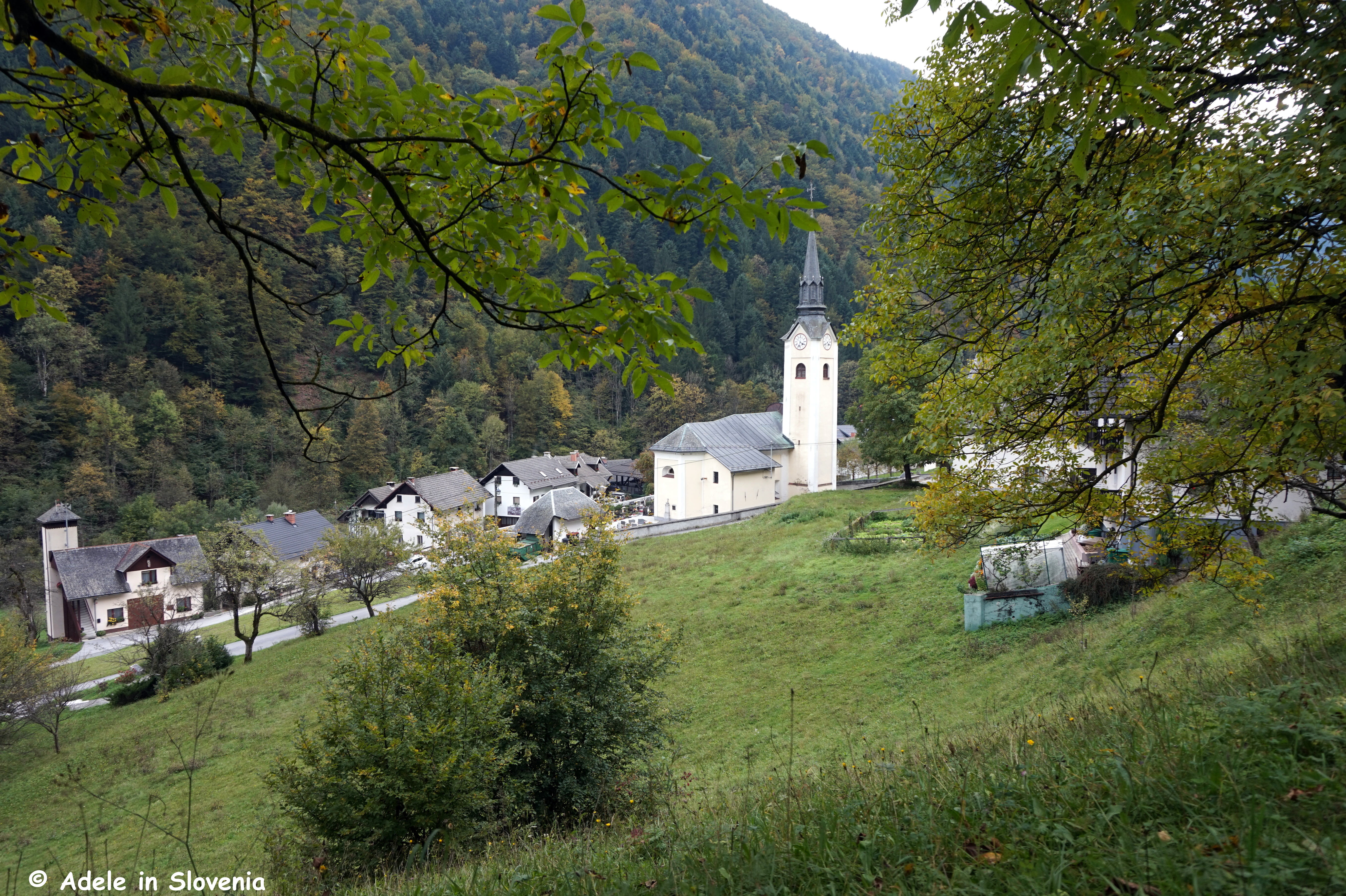
It might be quite a way to go to reach the village of Zali Log in the Selca valley (though, of course, that’s relative depending on where you live or are coming from!), however, the scenery along the way, the picturesque village and its houses with their prominent blue-grey slate roofs, and the Path to Suša – leading to the Church of Our Lady of Loreto – are among the reasons it is worth making the effort.

The village of Zali Log lies at the foot of Ratitovec, the highest mountain in the Selca valley, and is the last village in the level plain of the valley. The appearance of the village as it is seen today has changed little from when it was established in the 19th century.

Interestingly, the name of the village doesn’t come from the word ‘Zali‘, meaning ‘beautiful‘, but rather from the word ‘Zli‘, meaning ‘ugly’ or ‘bad’. This most likely originates from the position of the village in the narrow upper-part of the valley, surrounded by steep banks and with little cultivable land and sunlight.

Zali Log is also known for its slate roof tiles. In the 18th century, a special hard blue-grey slate was found on the slopes of Bintek (1000 metres above sea-level). The production of tiles for covering roofs from this slate began and replaced straw and shingle roofs, first in Zali Log and later throughout the valley. The tiles from Zali Log slate were of very high quality and were able to withstand the weather conditions for generations.

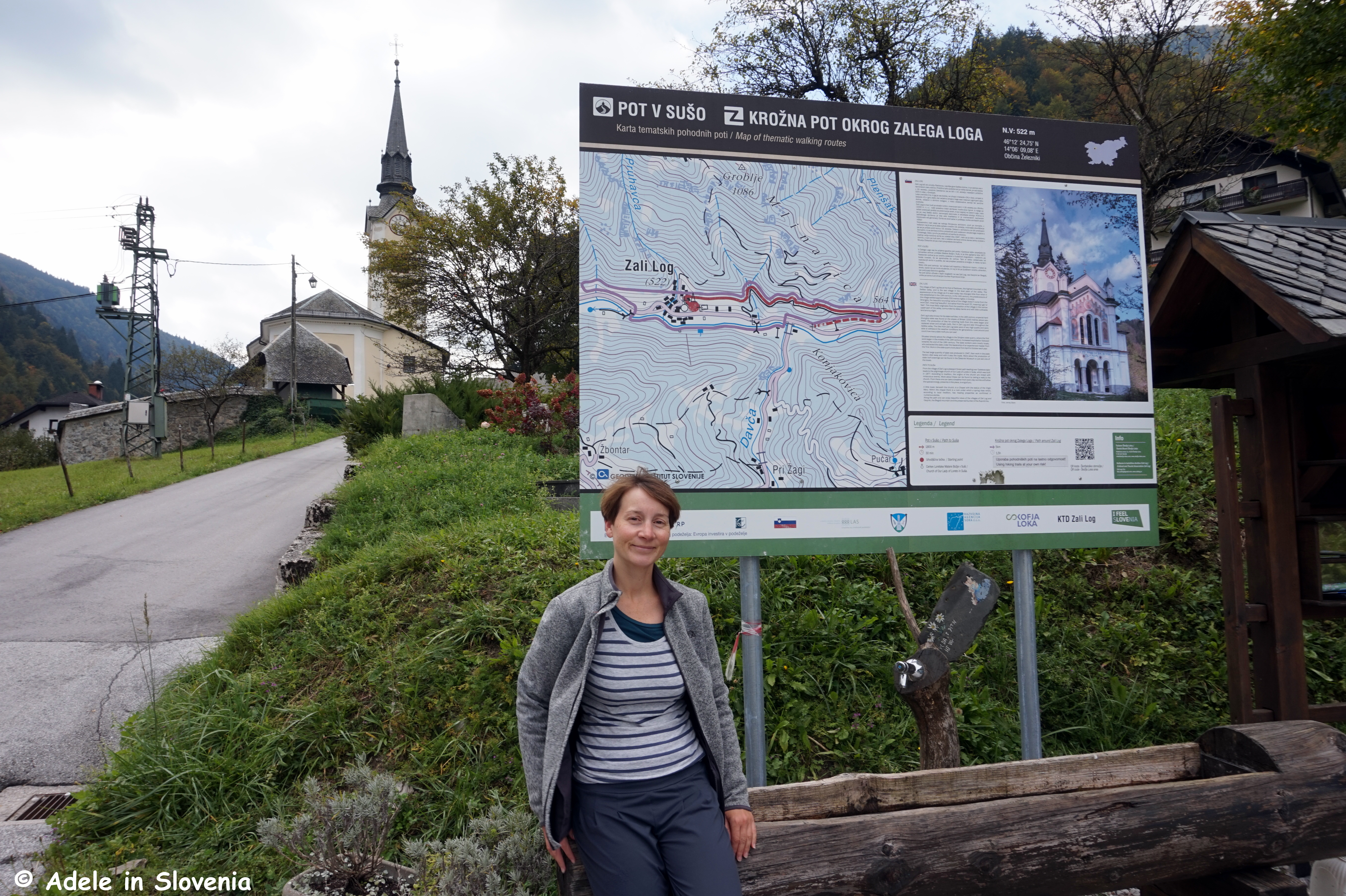
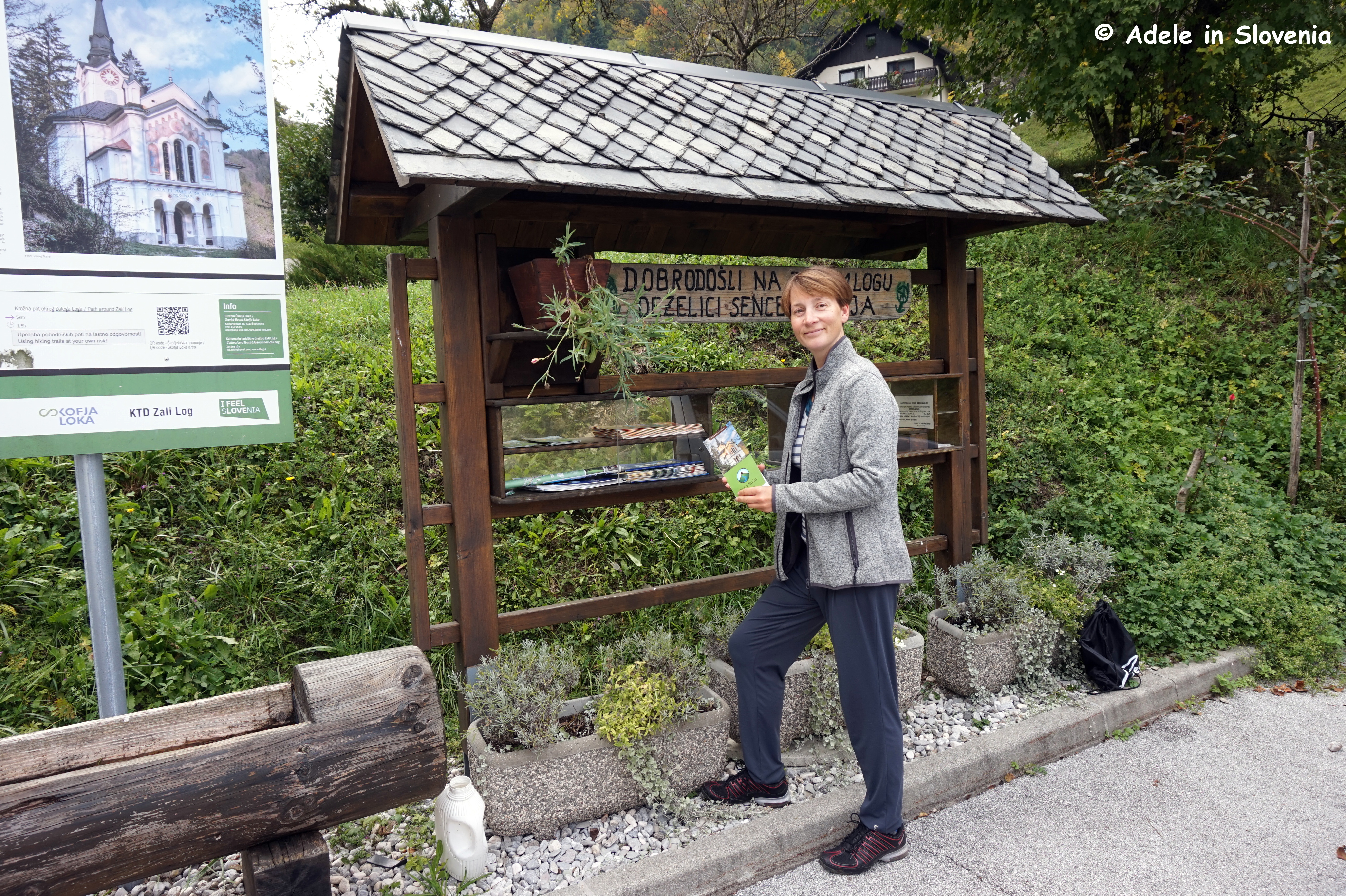
The Path to Suša theme path begins at the parking area at the entrance to the village. Although there are a couple of other paths that lead to the same destination, I recommend beginning here as there is ample parking and an information board with leaflets and brochures about the path and other sights of interest in the valley.

The path is very well marked throughout – in places with theme path signs, and/or with yellow circles painted on trees, rocks etc.

It only takes around half-an-hour to reach the church and there’s plenty to see along the way!

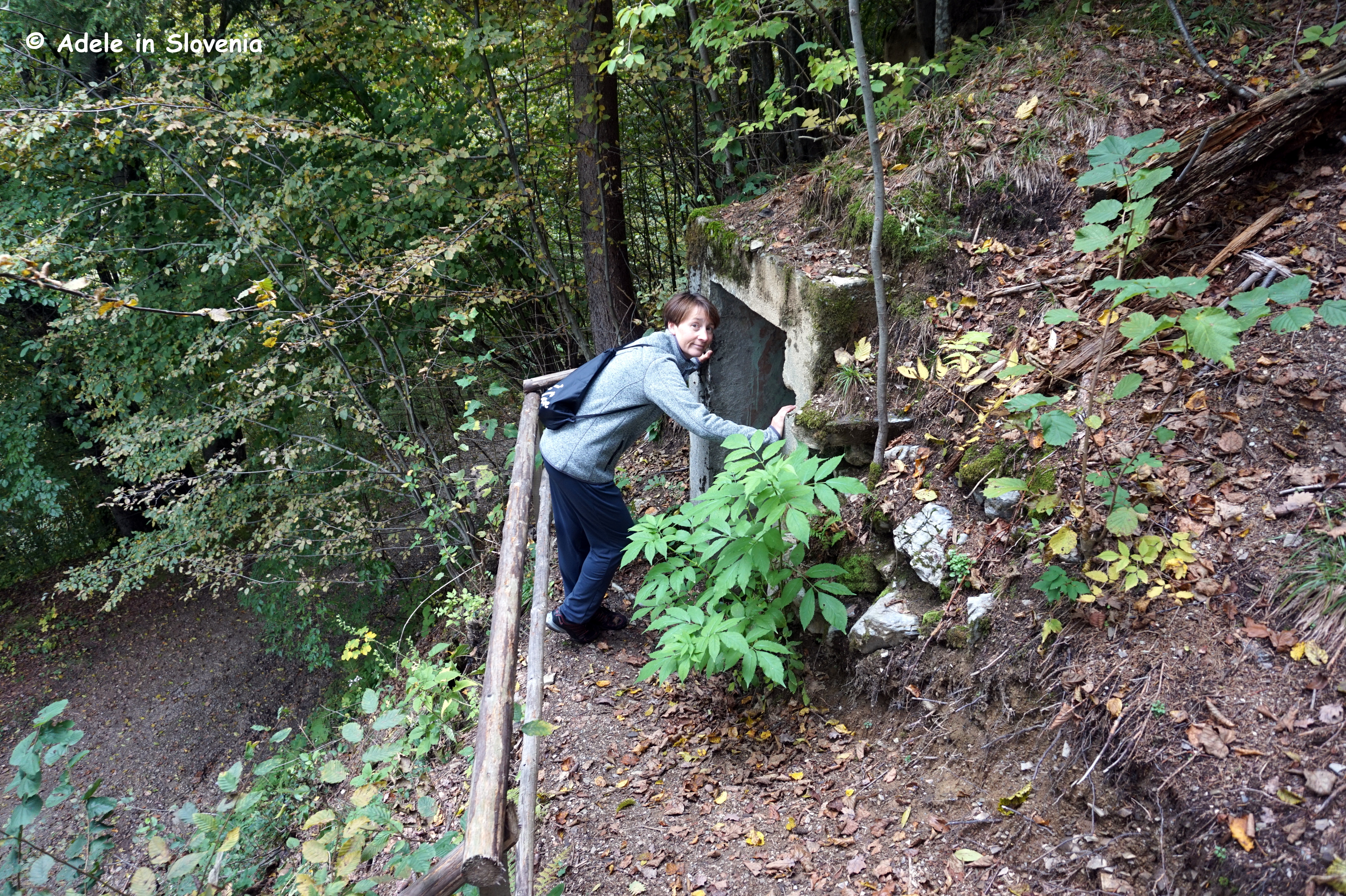
You can also see one of the many preserved bunkers of the Rupnik line that are dotted around the area – more about which you can read in a previous blog post here – https://adeleinslovenia.com/2017/08/06/a-recce-of-the-rupnik-line/

The pleasant forest path leads over ‘Galetove lajte’ to the pilgrimage Church of Our Lady of Loreto in Suša, which was built in 1877 and is included in Ema’s Pilgrimage Route. According to tradition, the origins of the church are linked with miraculous events. Throughout the years, a lot of people have sought the help of Our Lady of Loreto in Suša and have had their wishes granted, as is witnessed by the many pictures of thanks that are hung in the church, and today the church is still a popular place for pilgrims and others to visit.

If you peer down over the forest at the back of the church you will see beneath it a chapel with the statue of the Virgin Mary. Within the chapel there is a rock under which a spring rises which, according to local tradition, has healing properties, as has been confirmed in numerous stories.

One such story goes that when a mother brought her blind daughter to the spring, after washing her eyes with the water from the spring, she was able to see. The speciality of the water is that it contains no bacteria, thus it can be stored for several months, or even longer, if stored in a clean air-tight container, and is still as fresh as the day it sprung!

Locals, and people from further afield, regularly come here to get water and to enjoy the peace and energy that is present. A local lady I met whilst there told me about one particular special stone which, apparently, if you stare at it, emits “special energy”. I can’t say I felt any different after staring at it, but who am I to question a theory that has stood the test of time!

Should you feel the need for some extra luck – and let’s face it, who among us doesn’t – you can ring the wishing bell!

 You can download the theme path brochure and find out more on the Visit Škofja Loka website here – http://www.visitskofjaloka.si/en/experiences/theme-paths/path-to-susa

© Adele in Slovenia

Slovenian Beekeeping: Bee our Guest!

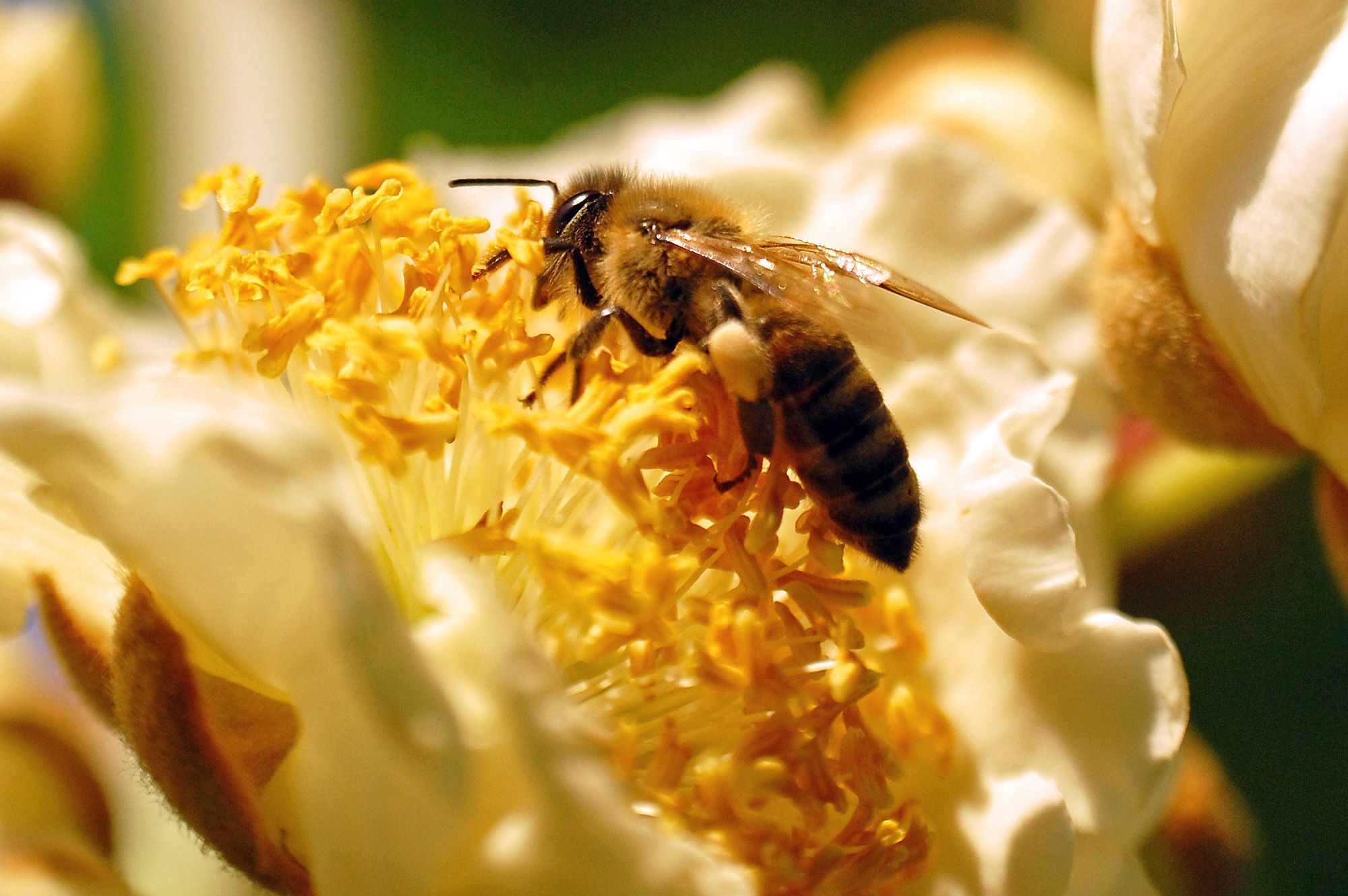
This week I’d like to bring you some exciting news about a great new initiative and book – both on the theme of beekeeping – something at which Slovenia excels. Despite not being a beekeeper myself, since living in Slovenia I have become acutely aware of the importance that bees play in the world and, I believe, it’s something that should be of great importance to us all. Read on…!

Photo: S Senica

The Radovljica area has long been known for its ‘sweet’ traditions, primarily beekeeping-related, as well as chocolate in recent years thanks to the very popular Radovljica Chocolate Festival! Radovljica’s old town is home to the Museum of Apiculture, whilst the Beekeeping Education Centre of Gorenjska is situated in nearby Lesce.

Now, a new initiative has been launched to unite and promote Slovenian beekeeping in the Upper Gorenjska regionBEE OUR GUEST!

Photo: S Senica

BEE OUR GUEST is a collaboration between the municipalities of Bohinj, Bled, Gorje, Žirovnica, Radovljica and Kranjska Gora, and its aim is to acquaint visitors with Slovenian beekeeping in the Upper Gorenjska region, as well as offer information, tours and packages that combine beekeeping with the region’s other numerous sights and attractions. Thus, Bee Our Guest offers something for all those who want to see and experience a different side of the area’s natural beauty – whether you are a beekeeping enthusiast or just a lover of nature and all things ‘sweet’!

The Museum of Apiculture is located in the magnificent Radovljica Mansion in the heart of Radovljica’s old town centre, where, amongst other exhibits, you can see a rich collection of hand-painted beehive front panels, including the oldest in the world; each of the panels tells its own story!

You can also observe the bees busy buzzing about their business in the observation hive! More information can be found here – http://www.radolca.si/en/radovljica-apiculture-museum/

You can pay a visit to Lectar Inn, where in the cellar you can visit the workshop and museum where they have been making traditional Lectar honeybreads for centuries. You can buy gifts and souvenirs for your loved ones or for special occasions or, upon prior arrangement, join in a workshop and have a go at making one yourself.

On the website (http://www.beeourguest.eu/) and Facebook page (https://www.facebook.com/BeeOurGuest.Slovenia/) you can also keep up-to-date with all the latest developments regarding World Bee Day, which has now been officially declared as 20th May, the birth date of Anton Janša (1734-1773), considered Slovenia’s greatest beekeeper.

“Every third spoonful of food on Earth depends on bees or, more precisely, on pollination. The more the meadows are polluted and the more frequently they are mown, the smaller the number of bees. Do we even realise what that means for our future and for us?” This comes from the authors of the newly-published book No Bees, No Life, available in English and Slovene, and is something we should all most definitely be aware of.

Written by the President of Slovenia’s Beekeeping Association, Bostjan Noč, the head of the breeding programme for the Carniolan honey bee, at the Slovenian Beekeeping Association, Peter Kozmus, and author of many books in the fields of ethnology and apiculture, Karolina Vrtačnik, as well as 66 contributions from 32 countries, the book has been receiving wide acclaim. You can find out more and/or order a copy here – https://beebooks.si/en/

I’ll be bringing you plenty more on this subject, and exploring it in more depth in the not-too-distant future, but for now, I’m off for for some quiet contemplation – oh and a cup of tea with Slovenian honey!

© Adele in Slovenia
 

The Path Along the Rapallo Border

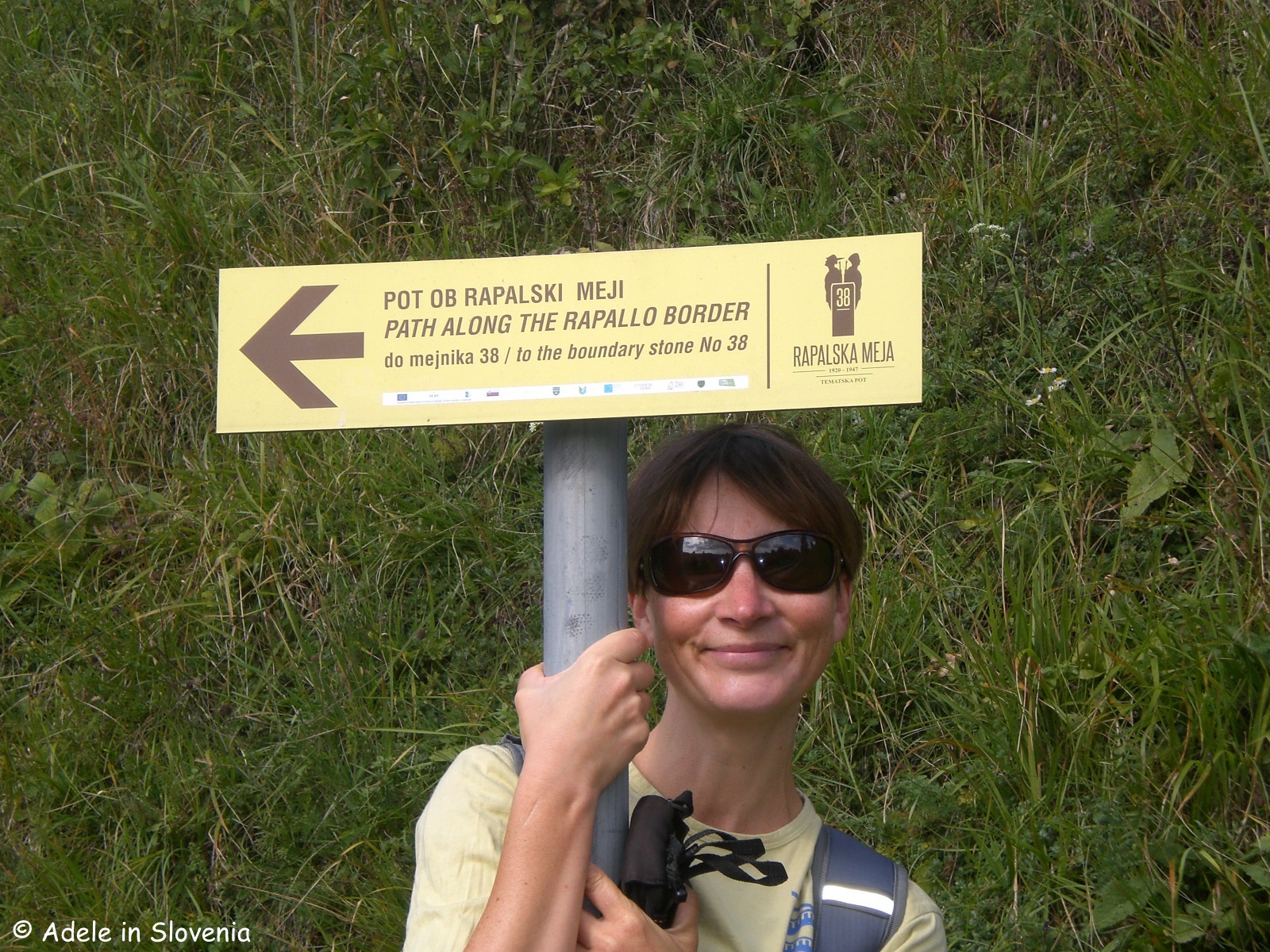
The Rapallo Border Theme Path has been designed to acquaint those who walk along all or part of it with the period between the 1st and 2nd World War and the effect the Rapallo border had on the towns and villages along its length. Armed with a copy of a leaflet giving details of the route and its history, I set off to explore!

The theme path begins at Žiri Museum – more about which, as well as the area itself, you can read in one of my blogs from earlier this year – https://adeleinslovenia.com/2017/04/17/discovering-the-most-ziri-things/

There is an information board opposite the museum. With your back to the board, head steeply – and I mean steeply! – uphill to Tabor and continue to follow the usual Slovenian hiking trail markers – a red circle with a white inner.

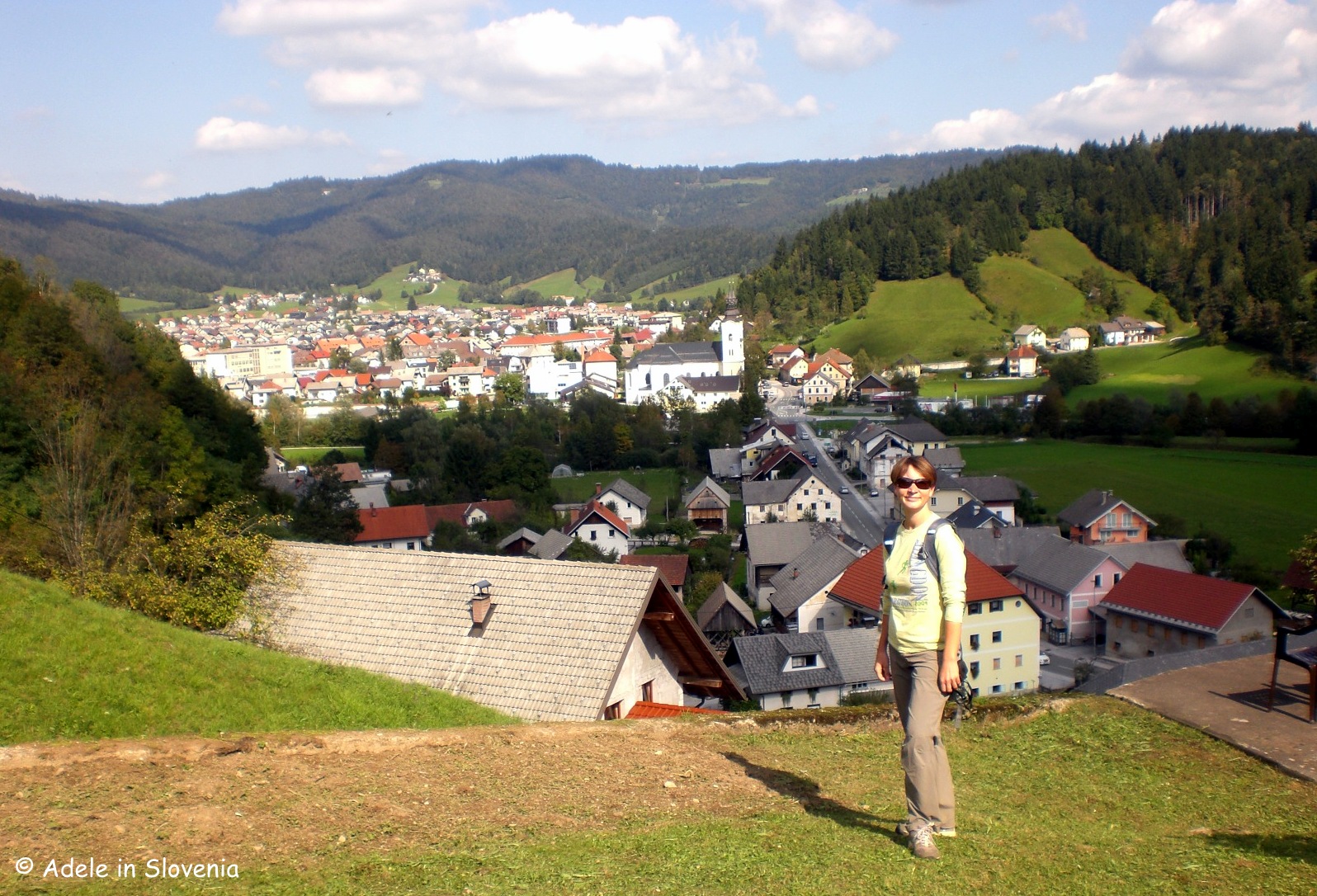
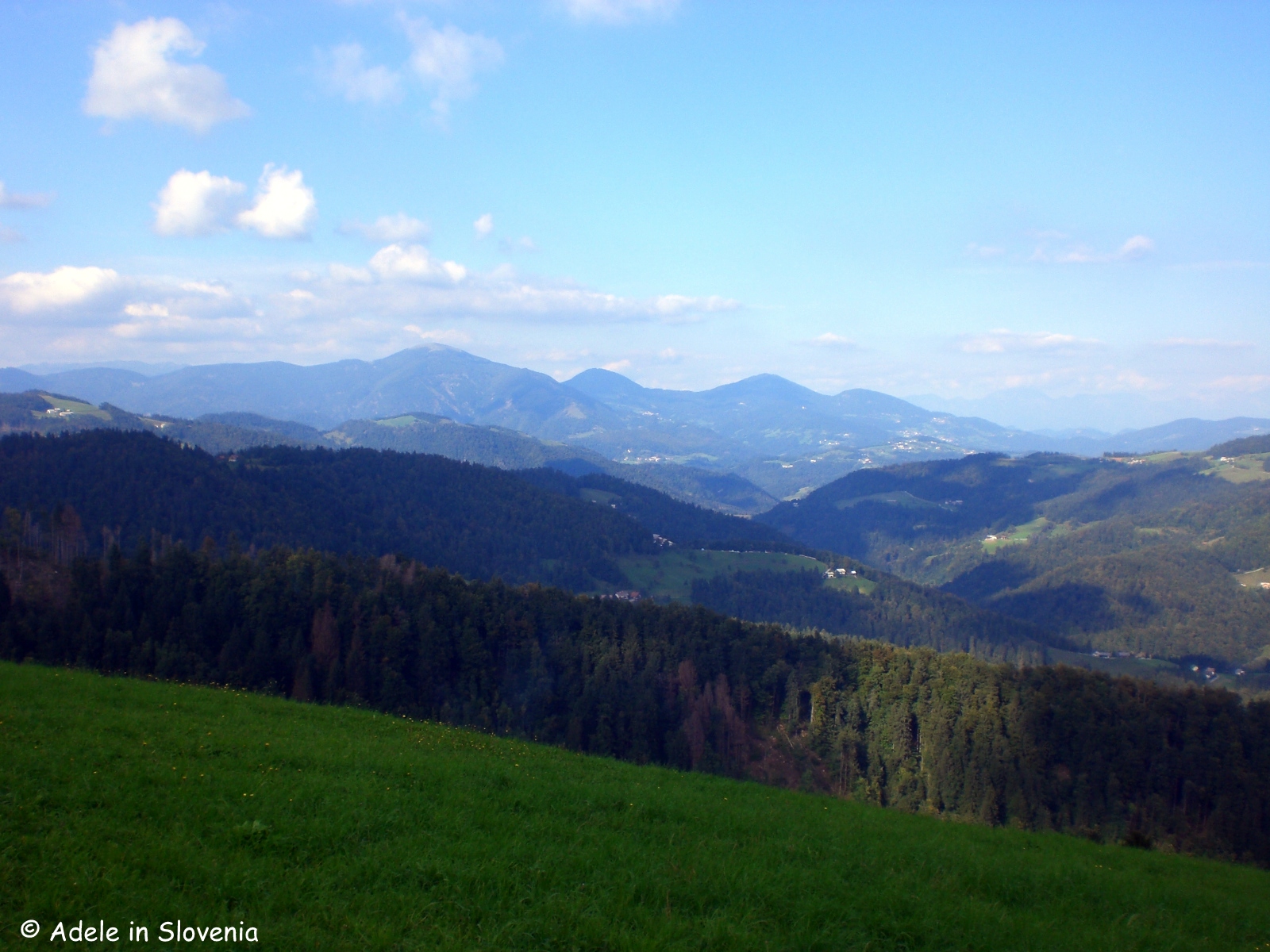
After just a few minutes you are already rewarded with a fantastic view over the town and valley.

The Rapallo Border was established as a result of the Treaty of Rapallo that was signed on 12th November 1920 in the Italian town of Rapallo. The treaty required a third of the territory of Slovenia to be handed over to Italy.

The effect on those living in the border areas was dramatic with neighbours, relatives and friends overnight becoming citizens of two separate kingdoms – the Kingdom of the Serbs, Croats and Slovenes (later the Kingdom of Yugoslavia), and the Kingdom of Italy.

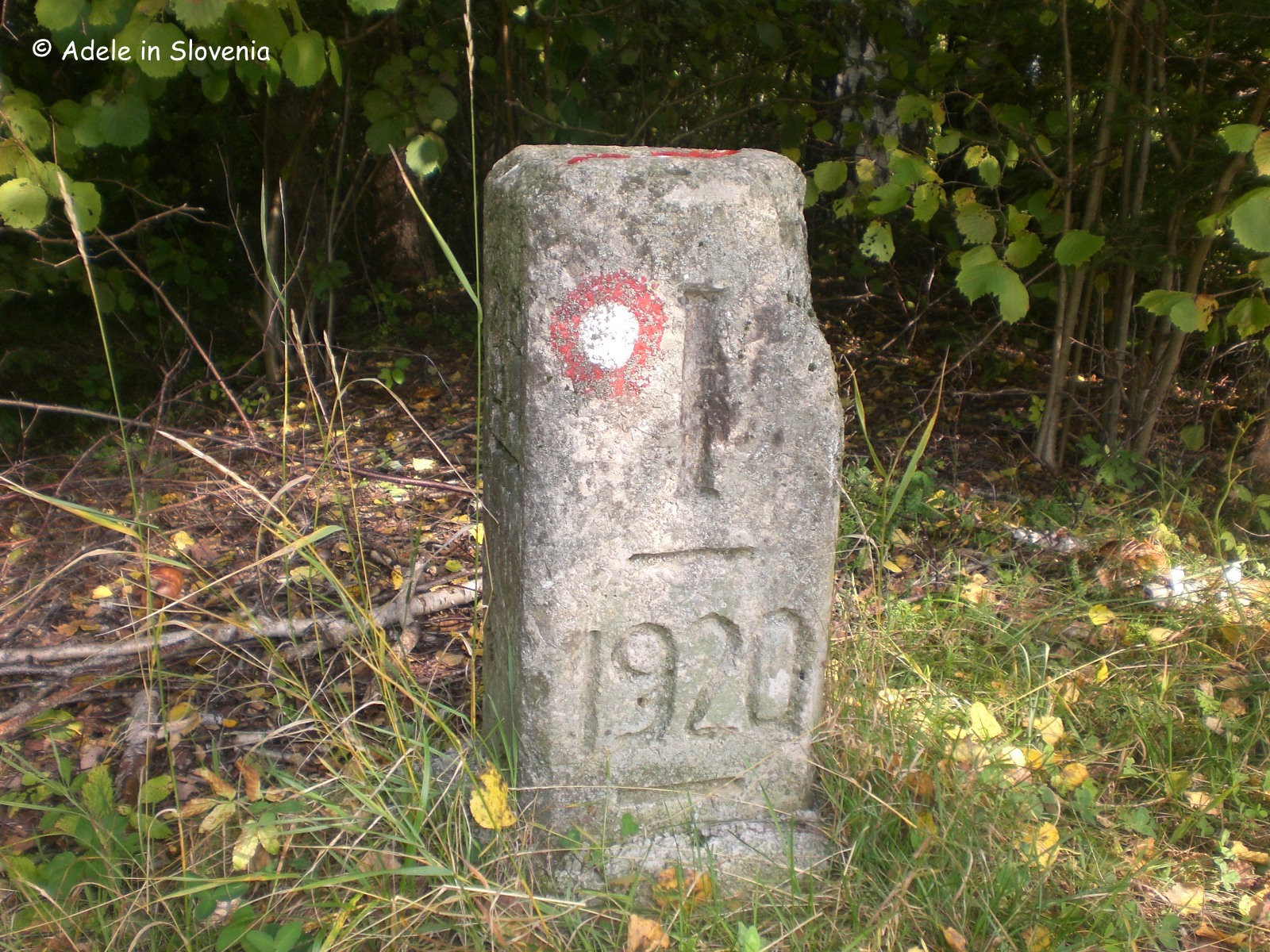
The entire border was 244km in length and was divided in 70 sections. At the start of each section there was a main boundary stone, with smaller boundary stones in between.

The Rapallo Border Theme Path covers the area of five main boundary stones numbered from 35 – 39.  The path is rather, or very, sparsely marked in places, so do keep your eyes peeled for the red and white circles (on trees, stones, buildings, behind you, in front of you, etc.) as well as the odd yellow theme path sign. Alternatively, you could contact Visit Škofja Loka and arrange to arrange a guide, thus eliminating any such worries, and getting the added benefit of the chance to find out more interesting facts and figures from a local expert.

You could choose to walk its entire length (46km, 9-10 hours), or for a shorter, easier version, take the circular path from Žiri to Mrzli vrh and back, which is 13km and takes approximately 4 hours, with optional extensions to additional boundary stones.

Shortly after leaving Tabor and emerging from the forest you are rewarded with another great view.

If you’ve got kids in tow, or in fact even if not, trying to spot the border stones can be treated as something of a treasure hunt! No. 39 was easy to spot…

..whereas as first I walked straight past no. 38 as it is somewhat concealed by a tree and undergrowth!

If you choose to continue to Mrzli vrh, at the village of Breznica the path descends a little on the road, before continuing upwards, at first on the road then again leading into the forest, towards the peak of Mrzli vrh and the Koča na Mrzlem vrhu mountain hut. The hut is open on Friday, Saturdays, Sundays and public holidays.

From here you could opt to return by the same route, or alternatively take the circular route via Ledenica to return to Žiri; the latter, however, means quite a few kilometres, though a pleasant walk, back through the valley to return to the museum.

The views that accompany you along the ridge of Mrzli vrh aren’t half bad either!

There is also an alternative start for the route which begins in Sovodenj and leads to Mrzli vrh (14km, cca.4 hours – one way), or you could walk a shorter circular route from Sovodenj to Nova Oselica and back (6km, cca. 2 hours).

For more information, see the Visit Škofja Loka website or visit the Škofja Loka Tourist Information Centre to pick up a leaflet – http://www.visitskofjaloka.si/en/experiences/theme-paths/rappalo-border

© Adele in Slovenia

A Taste of the Pivka Lakes

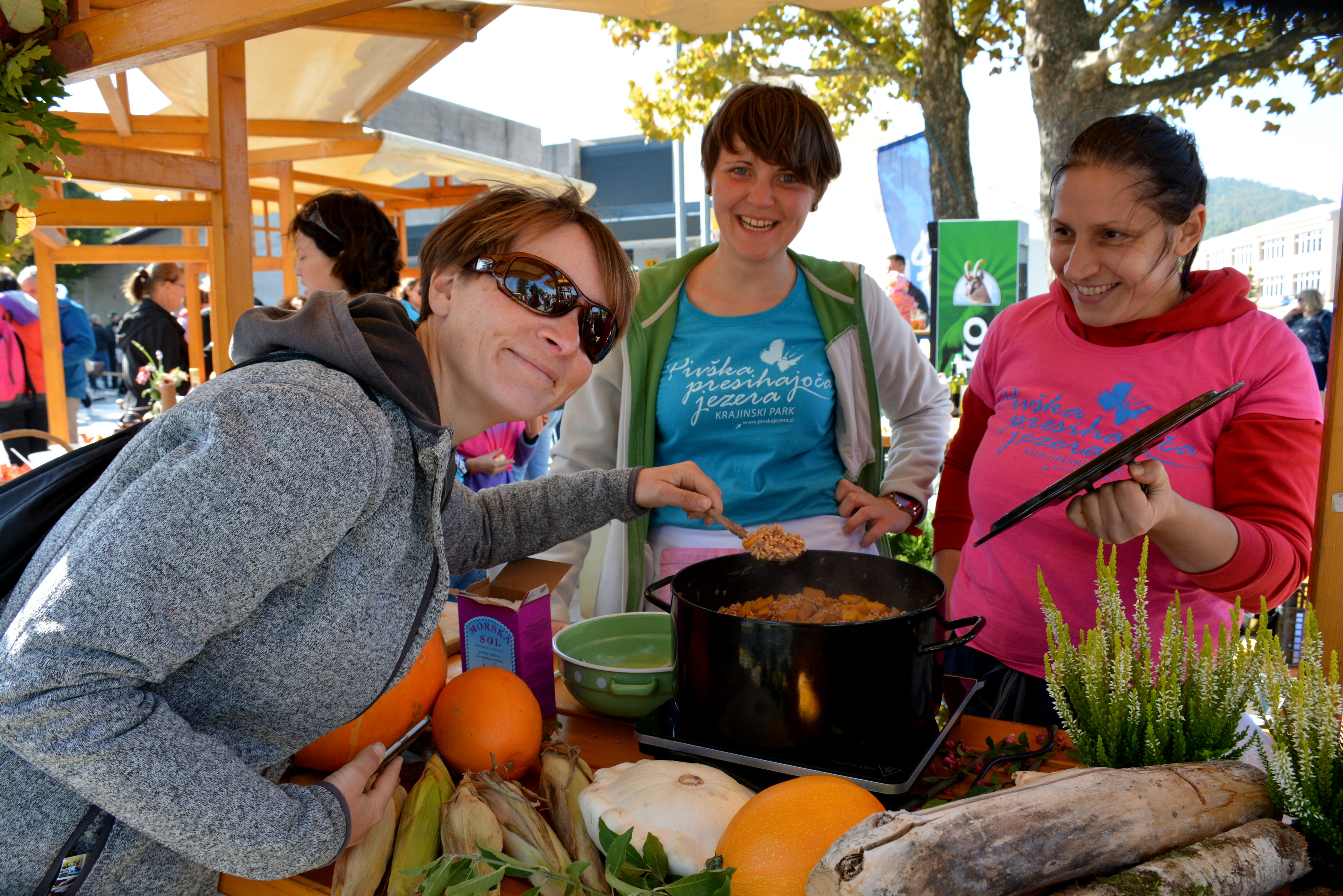
The Taste of Pivka Lakes festival last Sunday was definitely among the best food events I have been to since moving to Slovenia! Not only due to the food – though that was delicious, believe me – but mainly because of the atmosphere and good spirit of the event.

Many of the villages that fall within the boundary of the Pivka Lakes Nature Park, a Natura 2000 area in Slovenia’s Green Karst area, come together on an annual basis to showcase their local specialities, some of which even vary quite substantially from village-to-village.

What I particularly liked about the Taste of Pivka Lakes festival is, unlike the majority of foodie events, there was no element of profit-making, no competitiveness, no-one trying to sell or promote their goods; it is just a case of good old-fashioned co-operation, goodwill and home-cooking by people from all walks or life regardless of their status and without any hint of greed or gluttony from either those participating or those attending – a rarity indeed! Whilst all the stalls had a makeshift box for voluntary donations, these were gratefully received but certainly not a necessity.

Those taking part included residents from local villages – Suhorje, Kal, Narin, Palčje, Šempeter na Pivki, Stara Sušica, Selce, Klenik, Trnje, Juršče, Zagorje, Drskovče – as well as the Pivka Tourist Association and the Pivka Park of Military History.

There was all manner of delicious, local, sweet, savoury, hot and cold dishes and delicacies to try; can you imagine what a tough job I had trying to do justice to it all – all in the name of research, of course!

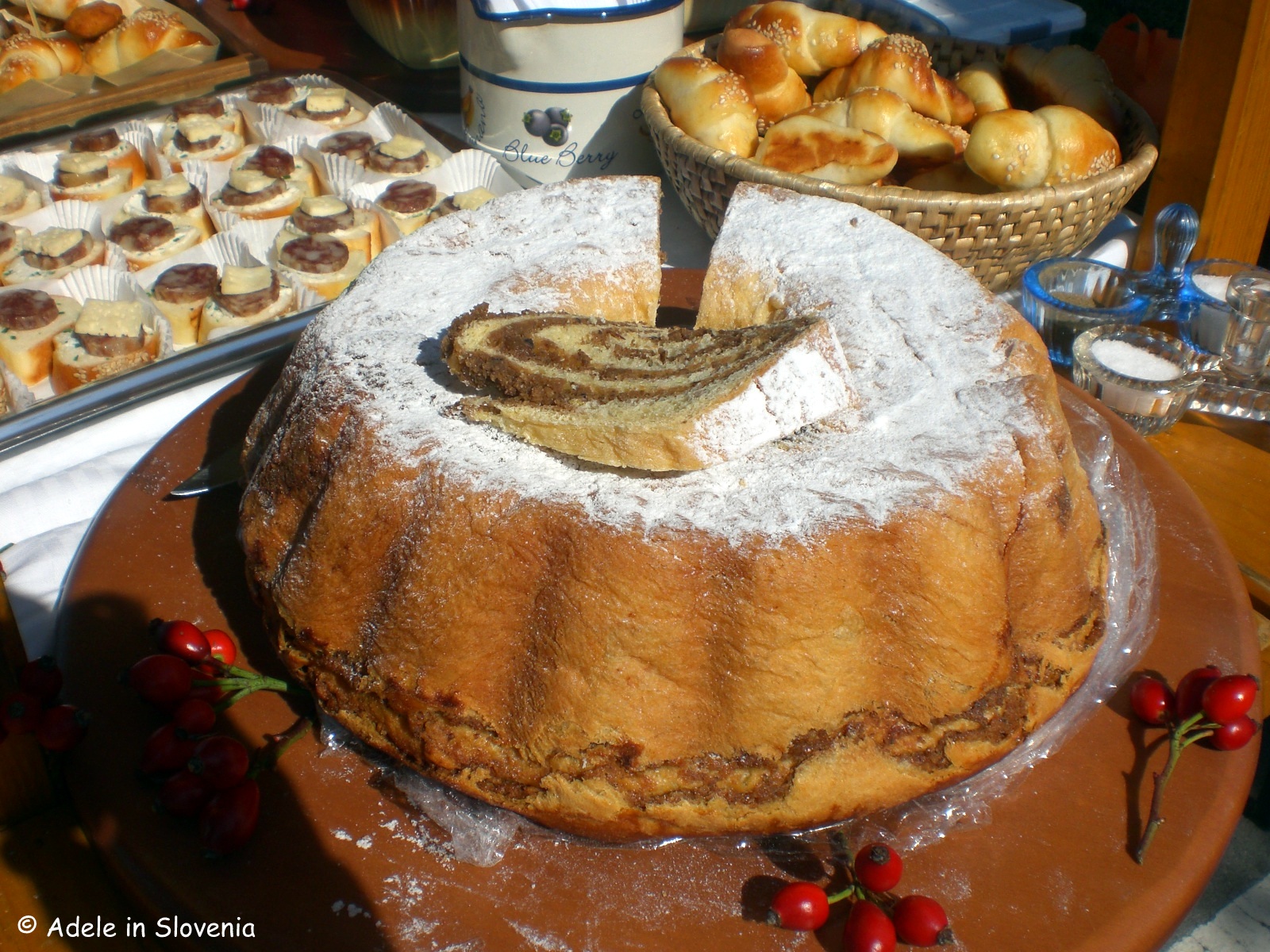
Nettle burek, various kinds of štruklji, biscuits, numerous flavours of potica, strudel, pancakes, flancati, hearty cauldron-cooked soups, stews, goulash, locally produced cheese, etc. – all served with a hefty side order of goodwill!

A brass band from Pivka’s twin town of Durach in Bavaria, provided the entertainment and joined in the fun, too!

The Pivka Lakes themselves comprise 17 intermittent karst lakes which, during and after heavy precipitation, mysteriously fill with water; at other times the water simply vanishes to leave flower-covered meadows.

The largest of the lakes, when it is a lake, that is, is Palčje Lake (Palško jezero).

Photo: Zelenikras.si

The area is known for its biodiversity, with hundreds of species of plants, insects and butterflies, and the territory is also known for its bear, wolf and lynx. More about the lakes can be found here – https://www.naravniparkislovenije.si/en/nature-parks/the-seasonal-lakes-of-pivka-nature-park

You can read more in this blog from last year about my visit to the 2nd biggest lakePetelinsko jezero – and the new Eco-Museum of the Pivka Seasonal Lakeshttps://adeleinslovenia.com/2016/05/05/pivka-pause-ponder-play/

Find out more about what to see, do, and taste in the Green Karst area here – http://zelenikras.si/en/

© Adele in Slovenia

Roblekov dom – Slovenia’s Best Mountain Hut 2017

The Roblekov dom mountain hut on Mt. Begunščica in the Karavanke mountains has just been announced as the winner of the title ‘Best Mountain Hut 2017’.

Photo: Jani Kolman

The competition was contested by 72 out of the 181 mountain huts (including bivouacs and shelters) in Slovenia, and of the 70,000+ votes cast by the public, Roblekov dom was this year’s clear winner.

There are numerous reasons why Roblekov dom is such a well-known and popular destination for hikers from all over Slovenia – not least due to the popular song, which surely almost every Slovene knows by heart, ‘Na Roblek bom odsel’ (I’m going to Roblek), written and performed by the legend of Slovenian folk music, Slavko Avsenik. Watch and listen here!

These days the song is still performed by the hugely popular Avsenik Ensemble, from Begunje na Gorenjskem.

The Roblekov dom hut has long been a popular destination and now, with the new caretaker managers – Zdenka and Rok Podpečan, who took over the running of the hut last year and assure visitors a warm welcome regardless of the weather – the hut has now become even more popular and they have added a few of their own new touches, too!

For many, myself included, the fact that you can’t reach the hut by car is a major plus i.e. you have to hike up to earn your view and/or tasty treat, making it all the more rewarding, not to mention peaceful and pollution-free.

Roblekov dom is accessible year-round, and is actually probably even more popular during winter than in summer. I love hiking up there in winter to enjoy some winter sun, often finding myself above the cloud that is lingering above the valley.

Even when there is A LOT of snow, you might find me (somewhere!) up there!

Even though I don’t like snow, I will make an exception to visit Roblek dom on a sunny winter’s day!

The hut can be a destination by itself, just sit and soak up the views whilst enjoying some tasty mountain food, or as part of a hike to the top of Mt. Begunščica, which you can read more about in this blog post from earlier this year here – https://adeleinslovenia.com/2017/06/18/the-karavanke-mountains-majestic-mt-begunscica/

The most usual place to begin a hike to Roblekov dom is from the Draga valley, which is reached through the village of Begunje na Gorenjskem, and is home to the impressive ruins of the mighty Kamen Castle. You can either take the direct route up or take the Shepherd’s Trail to Preval then the path ‘čez Roža’ to reach the hut. Note, however, that during winter, when there is snow and/or ice, it isn’t advisable to attempt the Shepherd’s Trail. More about the Shepherd’s Trail can be found here – http://www.radolca.si/en/shepherds-trail-begunje/

Photo: Miran Kambić

Roblekov dom is open year-round; daily during the summer months and at weekends only throughout the remainder of the year, as well as on public holidays.

So, don’t delay, visit today, and find out for yourself why Roblekov dom has been voted Slovenia’s best mountain hut!

© Adele in Slovenia