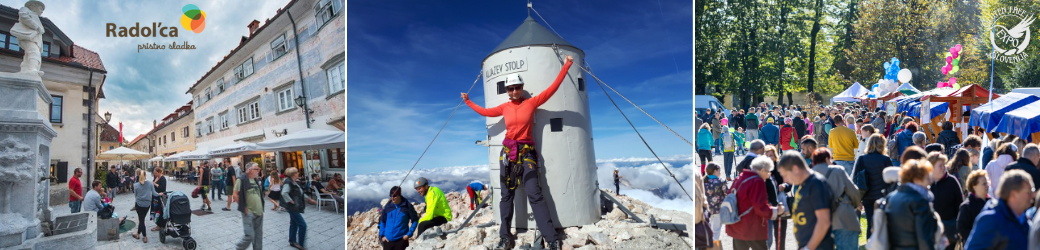
The Kropa Iron Forging Festival – 8th July 2017

The ever-popular annual Iron Forging Festival (Kovaški šmaren) will take place this Saturday 8th July in the village of Kropa, the cradle of Slovene iron-forging.
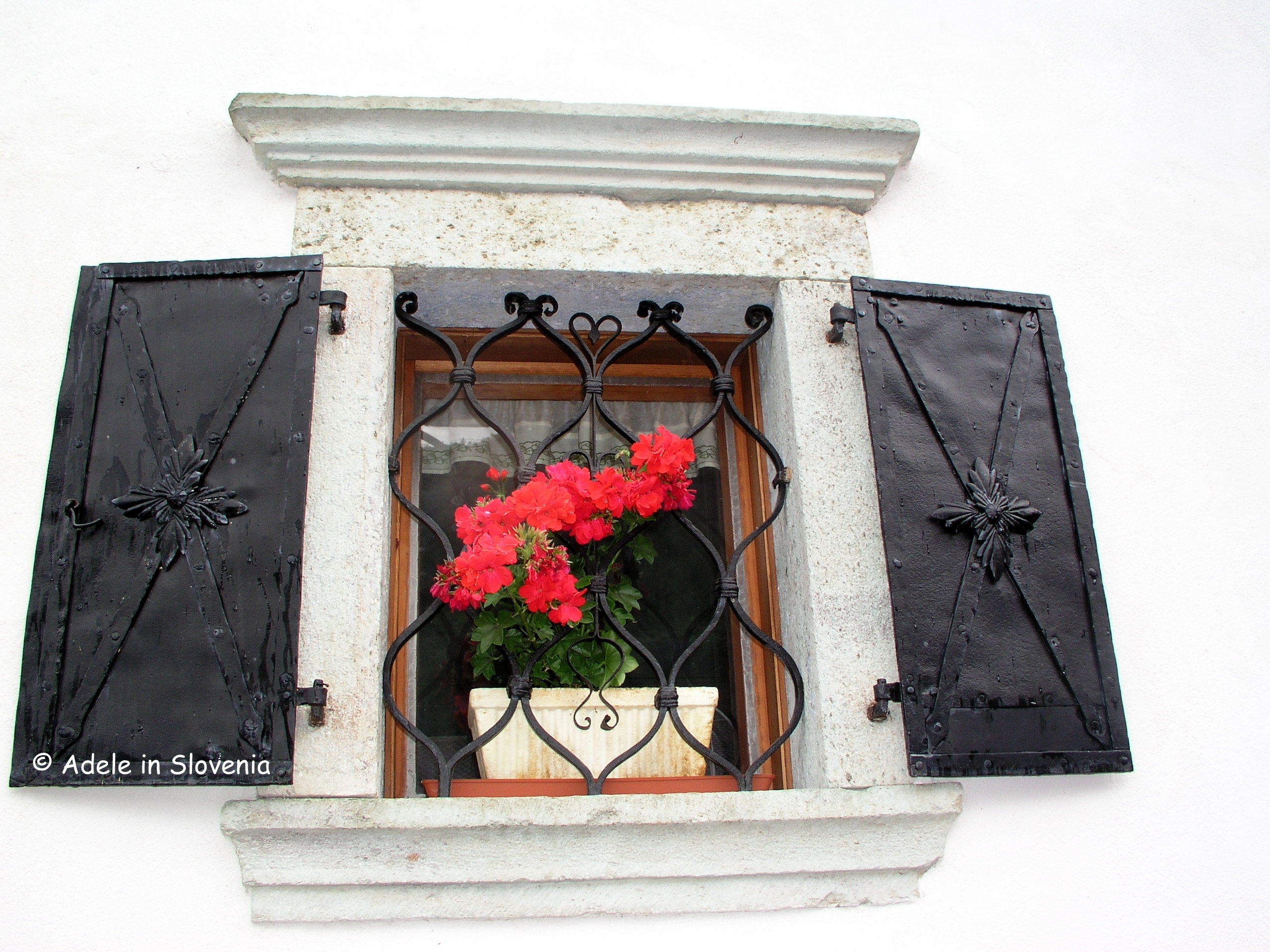
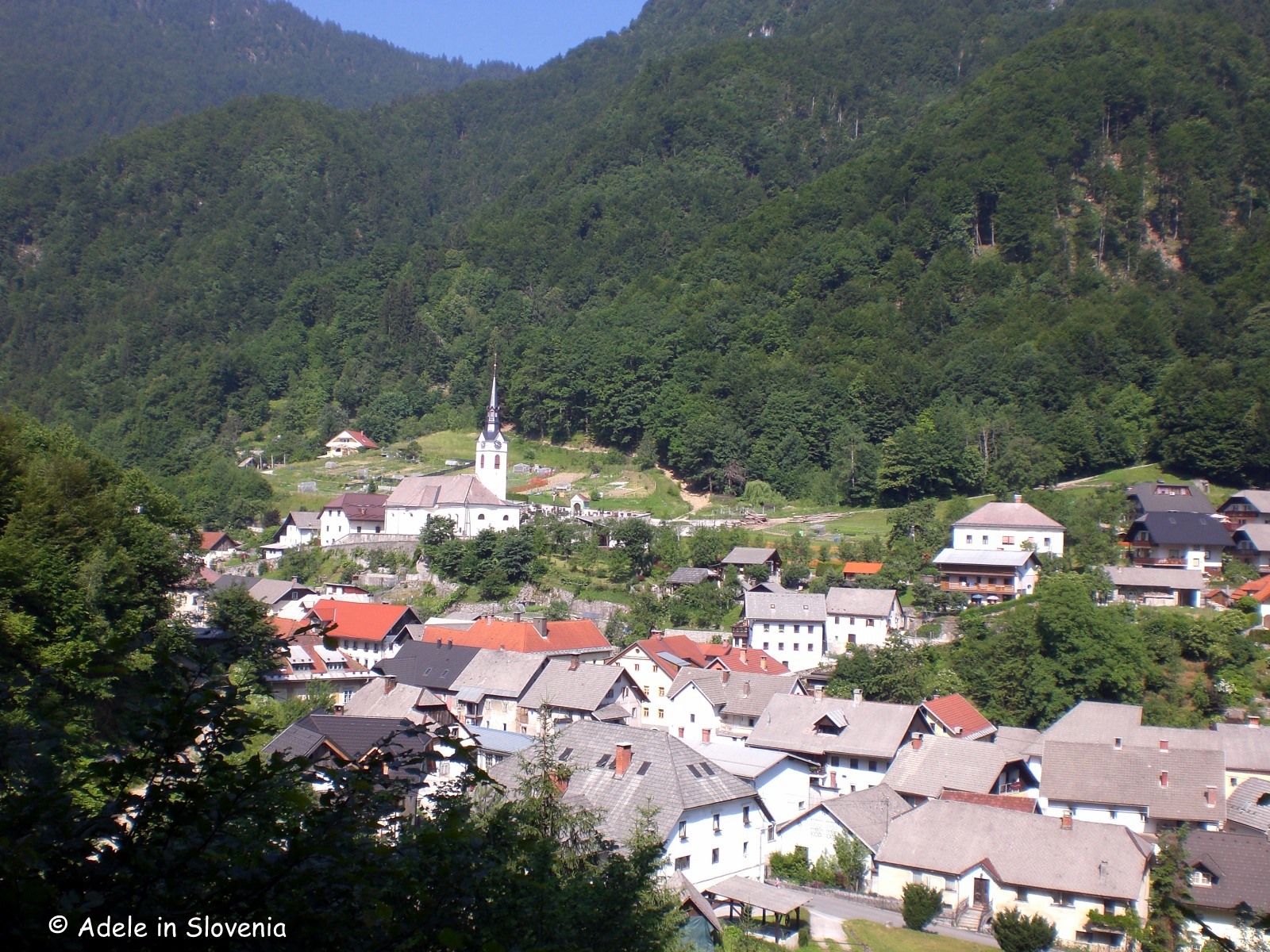
I love visiting Kropa in summer, when it’s hot and the village is bathed in sunshine, and especially at the time of the Iron Forging Festival when the village comes to life and visitors can get a glimpse into life in the past for the village ironworkers and their families.

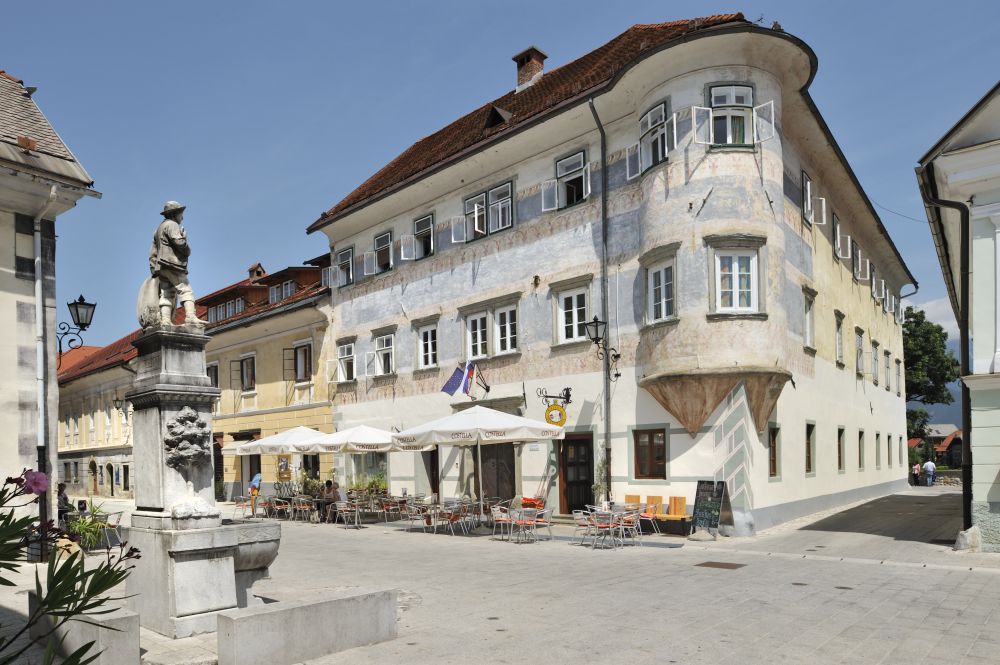
Kropa sits nested into the far eastern edge of the Jelovica plateau and is crammed with interesting sights and architecture and preserved technical heritage which is showcased during the annual festival.
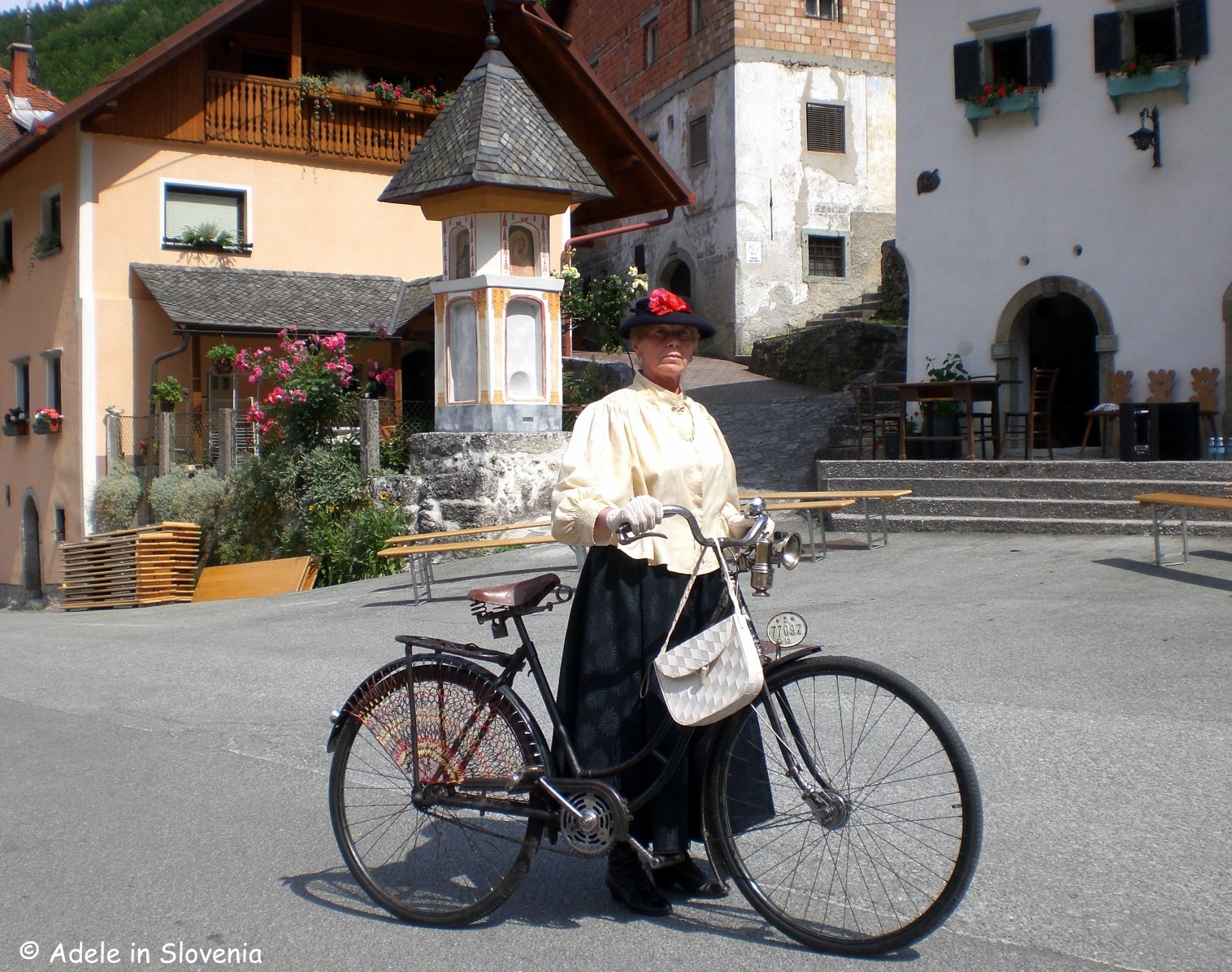
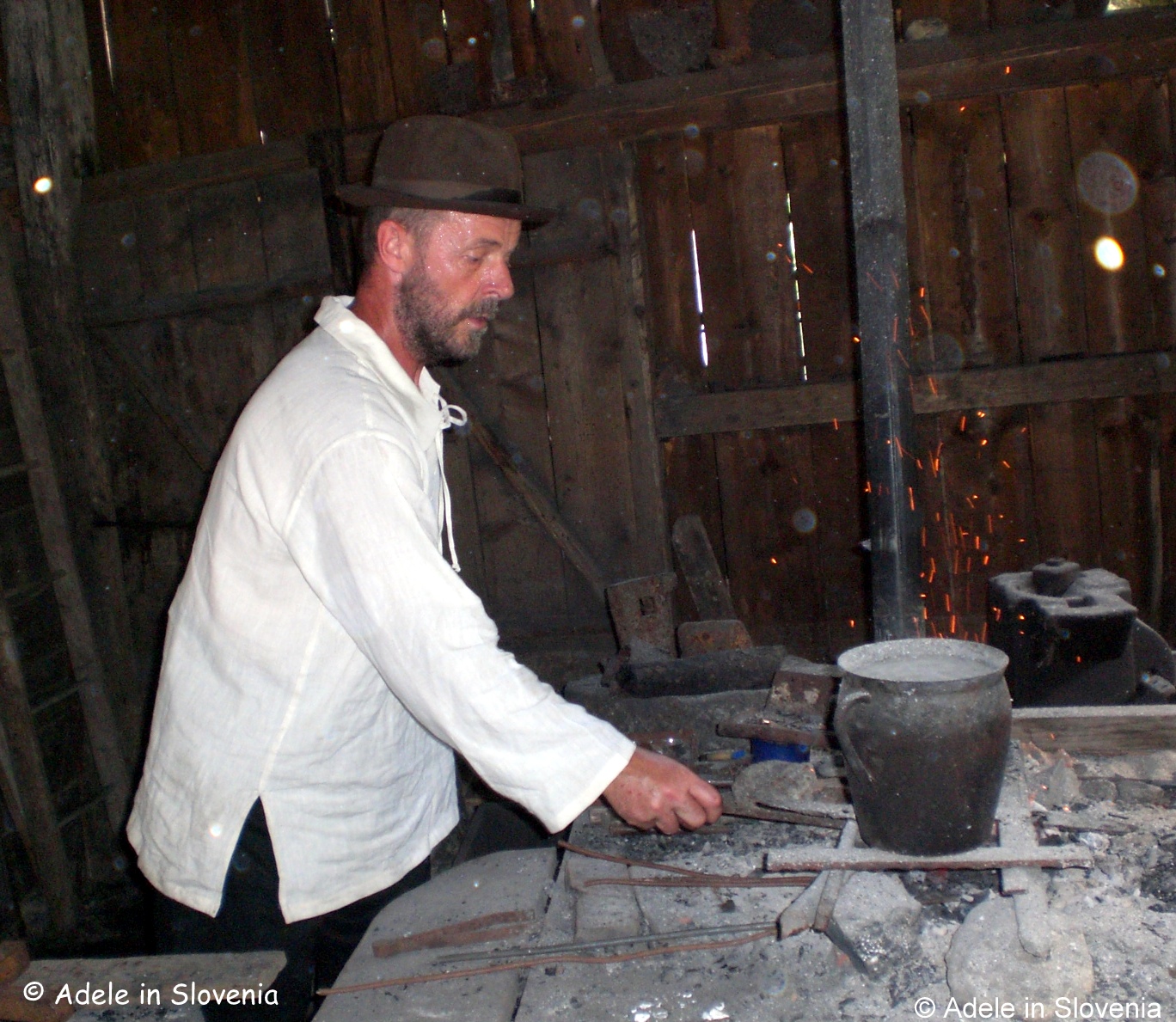
There are demonstrations of hand forging of nails in the Vigenjc Vice Nail Forge, a small local craft market, old-time bikes, open days at the Iron Forging Museum and the Fovšaritnica Museum House, as well as at the headquarters of the company UKO Kropa, which specialises in all manner of wrought iron furnishings and fittings and is keeping the village’s iron-forging tradition alive.

Be sure to take a walk around the village, alongside the Kroparica stream, that runs right through its heart, and admire the former ironworkers houses embellished with decorative wrought iron.

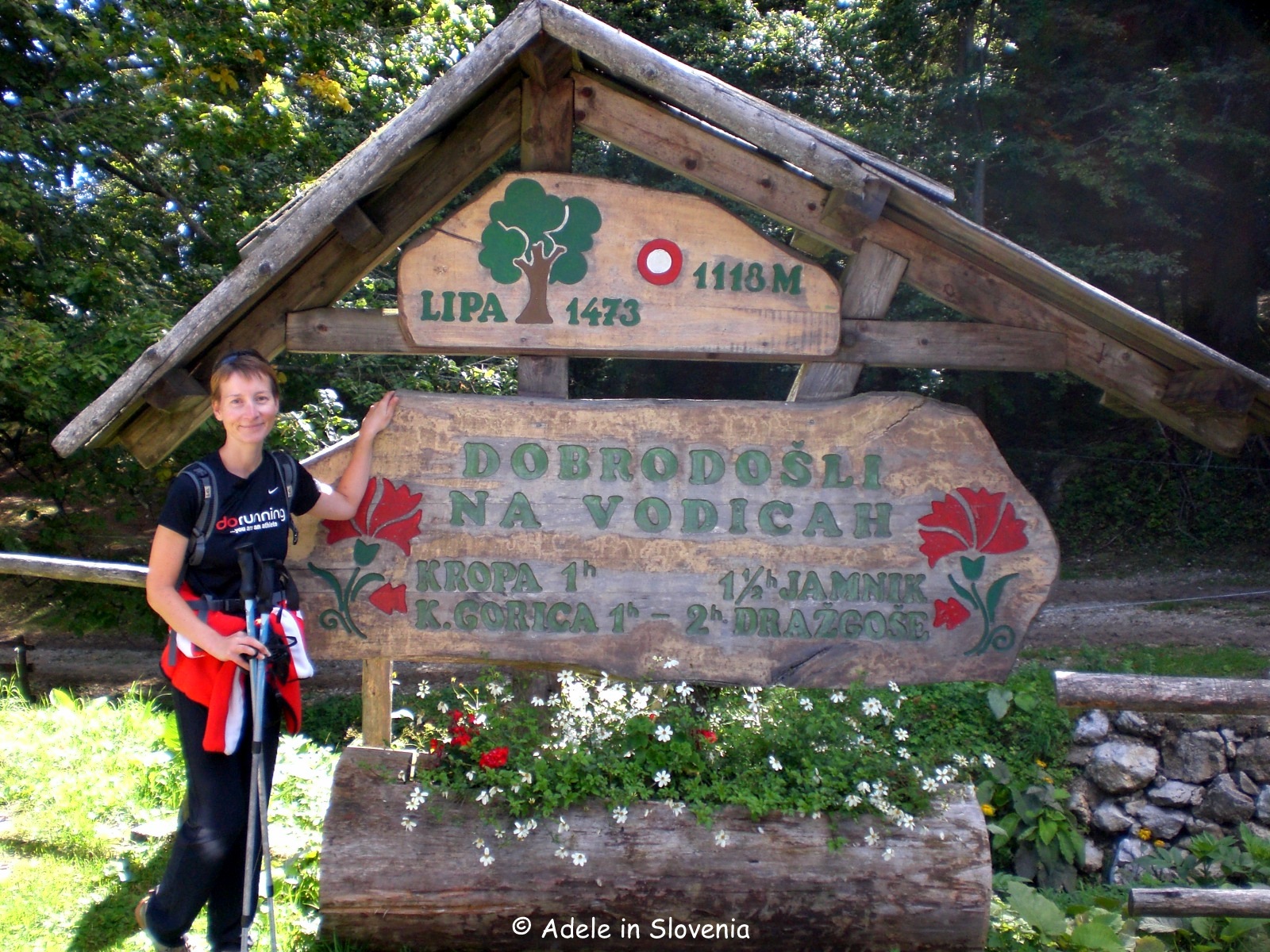
If you’d like to make a day of it, why not take a hike up to the Vodiška planina highland. You can choose to take the steeper route (marked ‘Vodice – strma pot, 1hr 15mins) which begins at the parish Church of St. Leonard, one of the two churches in the village. There is a small parking area beside the church or otherwise you park in the centre of the village, by the memorial, and take the steps which lead between houses up to the church.

Or, alternatively, there is another path that is found by following the road through the village in the direction of Jamnik. The path begins on the bend in the road next to the former Slovenian smelting furnace (Slovenska peč).

Both paths eventually reach the highland and the Partizanski dom mountain hut where you can get refreshments and tasty home-cooked food – the štruklji are particularly popular!
For those without a car the Hop-on Hop-off tourist bus also visits Kropa every Tuesday during the summer months. More information and the timetable can be found here – http://www.radolca.si/en/hop-on-hop-off-radolca/

More information about the Iron Forging Festival can be found here – http://www.radolca.si/en/the-iron-forging-festival/

© Adele in Slovenia


Hop-On Hop-Off This Summer: Radovljica, Bled, Brezje, Kropa, Kamna Gorica, Begunje, Žirovnica

The Radol’ca Hop-On Hop-Off tourist bus will begin operating on Tuesday 4th July and will run every Tuesday and Thursday during July and August. This year there is an even wider range of places to visit and more things to see and do.

As in previous years a day ticket is great value at just 5 euros. You can get on and off the bus to visit sights of interest along the way, or just enjoy the ride!

On Tuesdays the route is Bled – Radovljica – Kropa, with additional stops at the Šobec Camp, Lesce, Lancovo and Kamna Gorica.

On Thursdays the route is Bled – Vrba – Žirovnica – Begunje – Brezje, with additional stops at Breznica, Spodnji Otok and Podvin.

To whet your appetite here’s a preview of just some of the things you can see and do along the way.

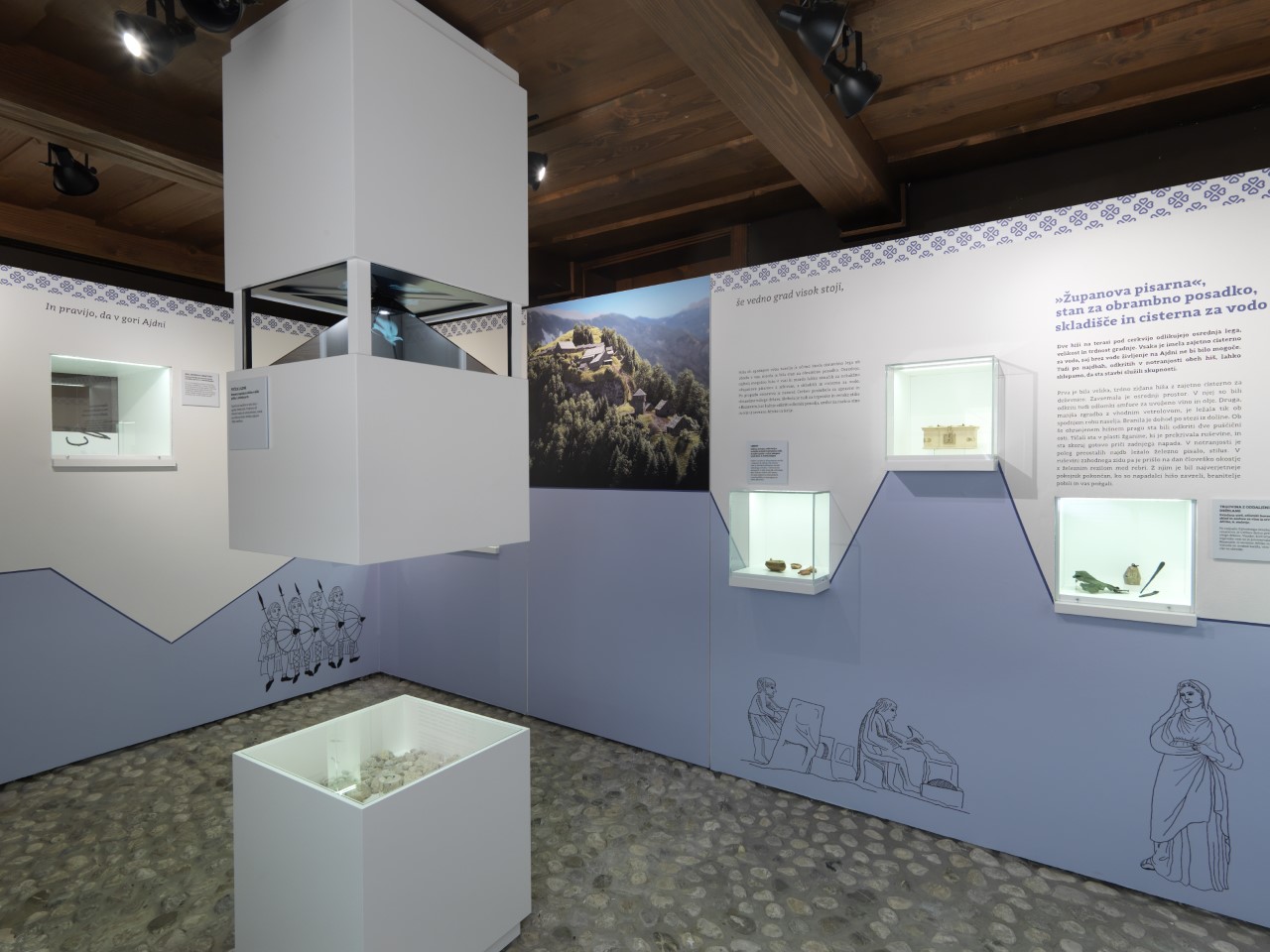
For the first time, this year the bus route includes Žirovnica, where you can visit the new Ajdna Museum Room to find out more about the Ajdna archeological site beneath Mt. Stol where remains were found from a Late Antiquity village dating back over 1400 years.

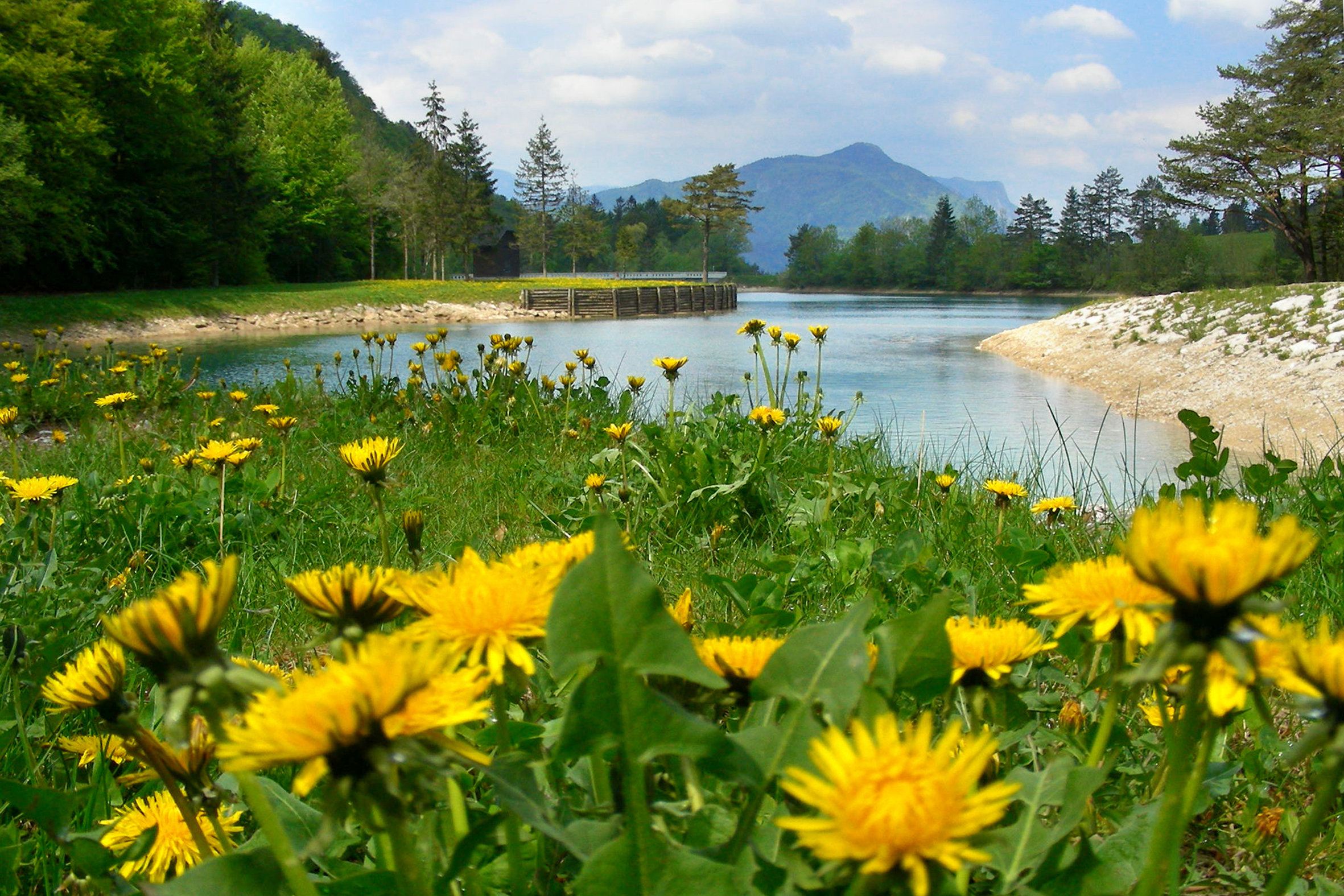
On especially hot days, a trip to the Završnica valley is an ideal way to seek some tranquillity and shade.

The valley is also a start point for great hikes and bike trips in the Karavanke range, including to the highest peak, Mt. Stol.

You can also visit Noč Beekeeping, where you can see some of the hives belonging to the president of Slovenia’s Beekeeping Association and his family, purchase honey and honey products, and try and buy the exclusive ‘Medena noč’ perfume made with Slovenian honey. You can read more about this in one of my previous blog posts here – https://adeleinslovenia.com/2016/06/06/perfume-made-with-slovene-honey-not-just-an-idea-a-reality/

In Brezje you can see the Basilica of Mary Help of Christians, and the Nativity Museum, or take a walk on the Path of Peace to the Peračica waterfall.

In Kamna Gorica you can walk through the village to see its many waterways, and walk up to the Sextons’ House Museum, which contains an original black kitchen. Its position offers great views over the village and towards the Karavanke mountains.

In Kropa you can visit the Iron Forging Museum, take a stroll through the village to see the former ironworkers houses, or visit the Vigenc Vice Blacksmith to watch a demonstration of manual nail forging.

In Radovljica itself there are numerous things to see and do including a visit to the Lectar Gingerbread Museum and Workshop, the Museum of Apiculture, the Šivec House Gallery, or simply enjoy a stroll through the well-preserved medieval old town and sit at the viewpoint and enjoy the views of the Sava river, the Jelovica plateau and the Julian Alps.

Or why not take the chance to find out more about Slovenian food and wine by enjoying a meal at one of the Taste Radol’ca restaurants or take a Taste Radol’ca Food Tour. More information here – https://adeleinslovenia.com/taste-radolca-tours/

Further information about the Hop-on Hop-off route and timetable can be found here – http://www.radolca.si/en/hop-on-hop-off-radolca/

© Adele in Slovenia


Highlights of the Škofja Loka Historial 2017

The annual Škofja Loka Historial (Festival of History) took place last weekend in the well-preserved medieval old town and its surroundings.

I attended the festival and managed to dodge (most of !) the afternoon showers which are so often a feature at this time of year. And the spirits of all the dancers, actors, stallholders, and other performers and guests weren’t dampened either!

Below you can see some of the highlights of the festival, as well as see more of this charming town on the Sora river which should be on your list of places to visit whilst in Slovenia.

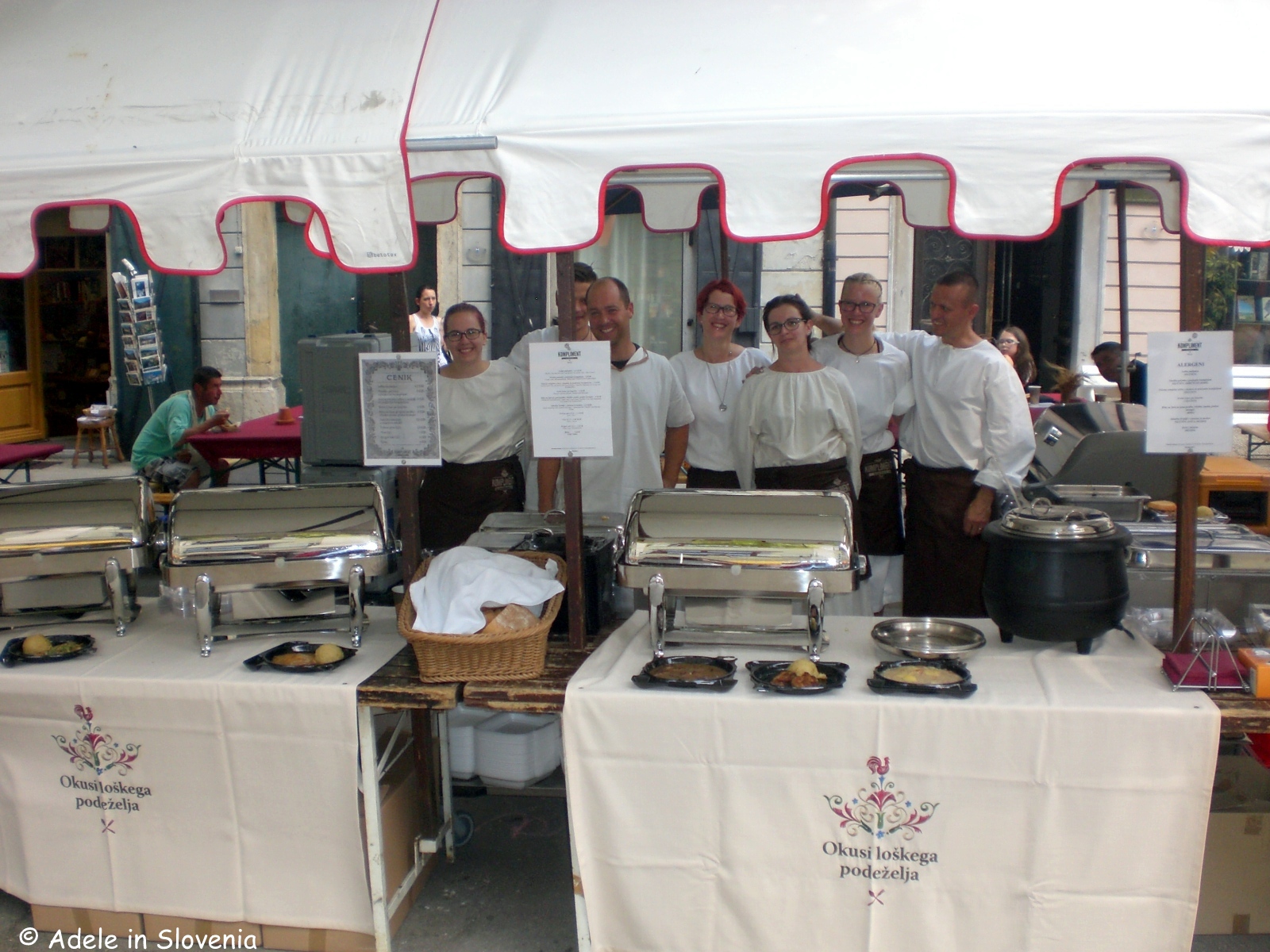
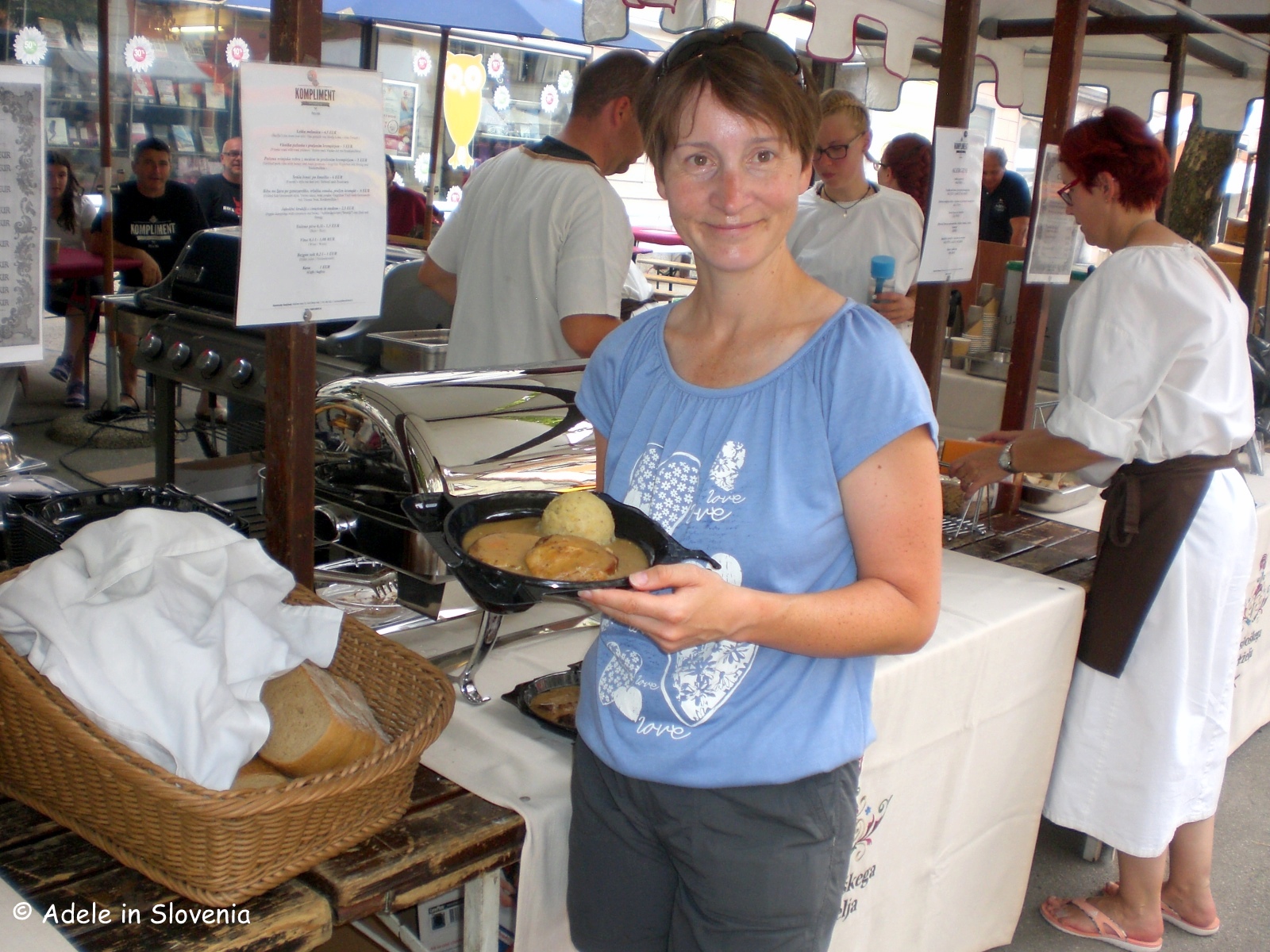
The fair and the majority of events took place in the main town square (Mestni trg) where visitors  had a chance to try some typical dishes from the area, part of the Taste of the Škofja Loka Countryside project (Okusi loškega podeželja).

One of the foods most synonymous with this area is Visoška pečenka – roast pork from nearby Visoko, studded with carrots, lemon, parsley garlic and laurel.

On the main stage there were performances from, amongst others, the Lonca Dance Society performing historic dances.

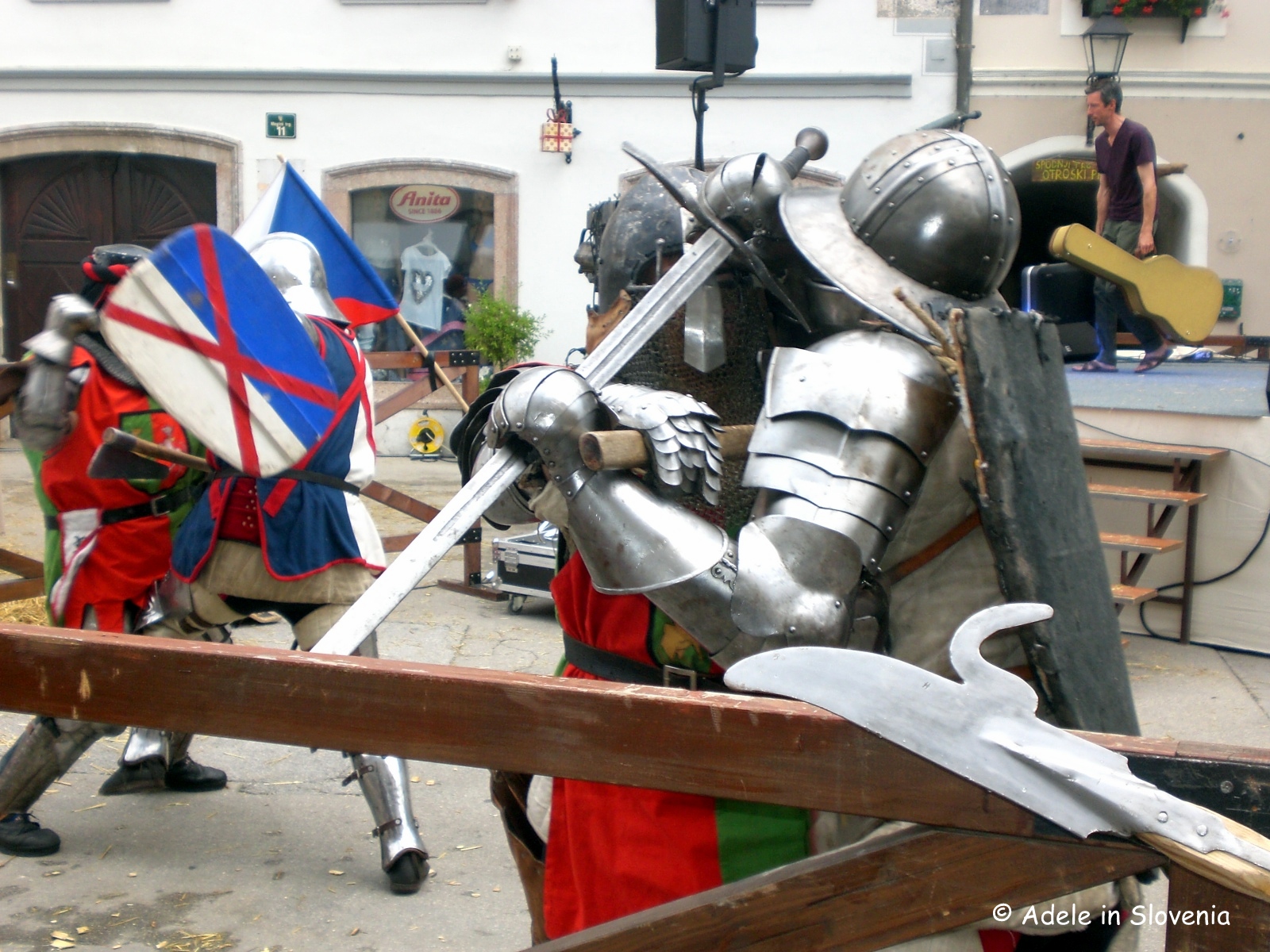
A display of flag throwing and sword play was performed by the Taboršti Kupci historic group from the twin town of Tabor in Southern Bohemia.

They certainly weren’t just play fighting! It was pretty brutal, raw fighting which, in addition to swordplay, seemed to involve a lot of bashing each other over the head with (real!) hammers!

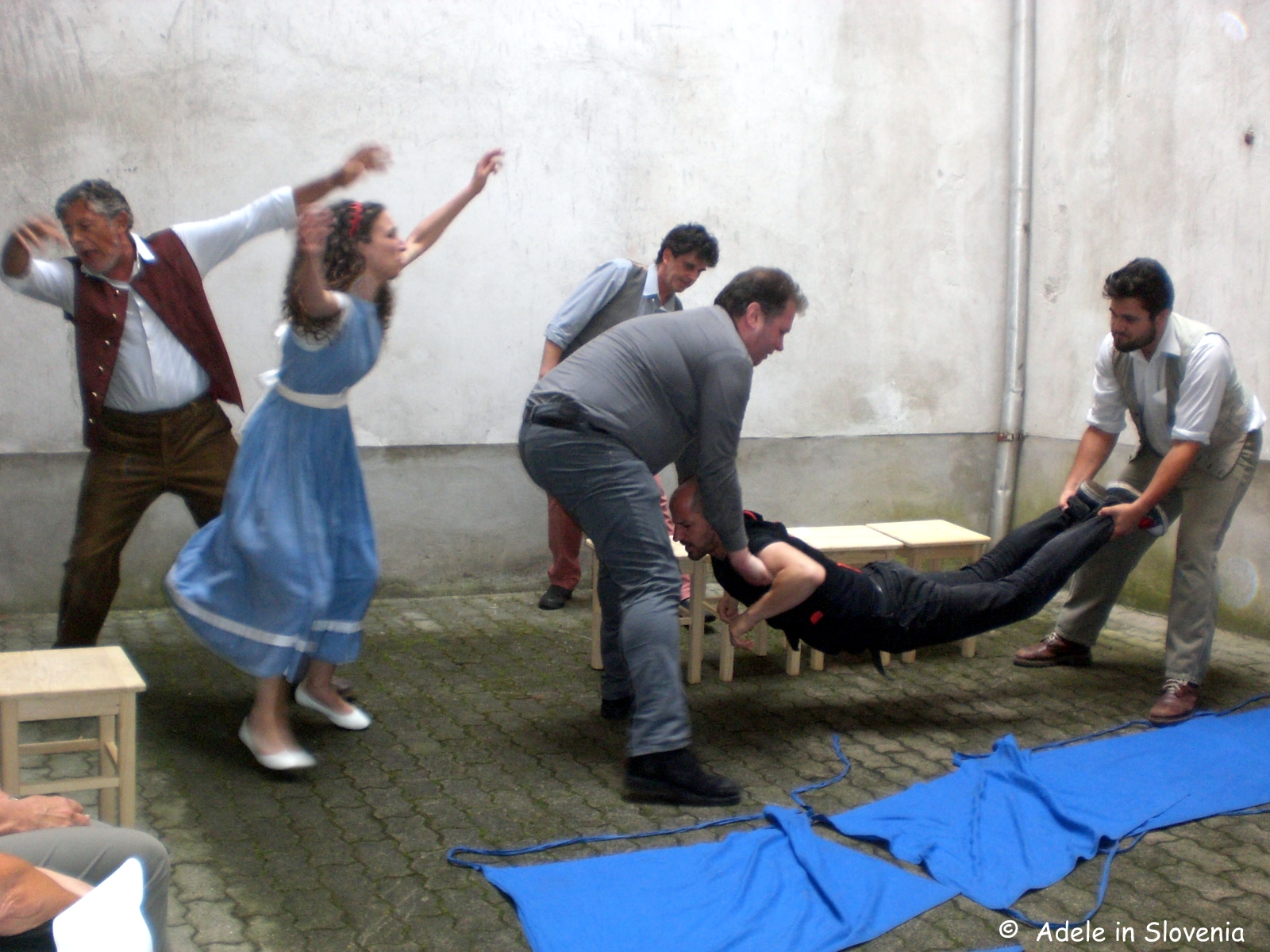
In Rotovž, the former town hall building and one of the most prominent buildings in the square with its baroque frescoes and three-storey gothic arcaded courtyard, the main event took place at intervals throughout the day. The drama ‘The Devil’s Footbridge’ (Hudičev brv) tells the story of the devil, the Puštal frogmen and a stone bridge.

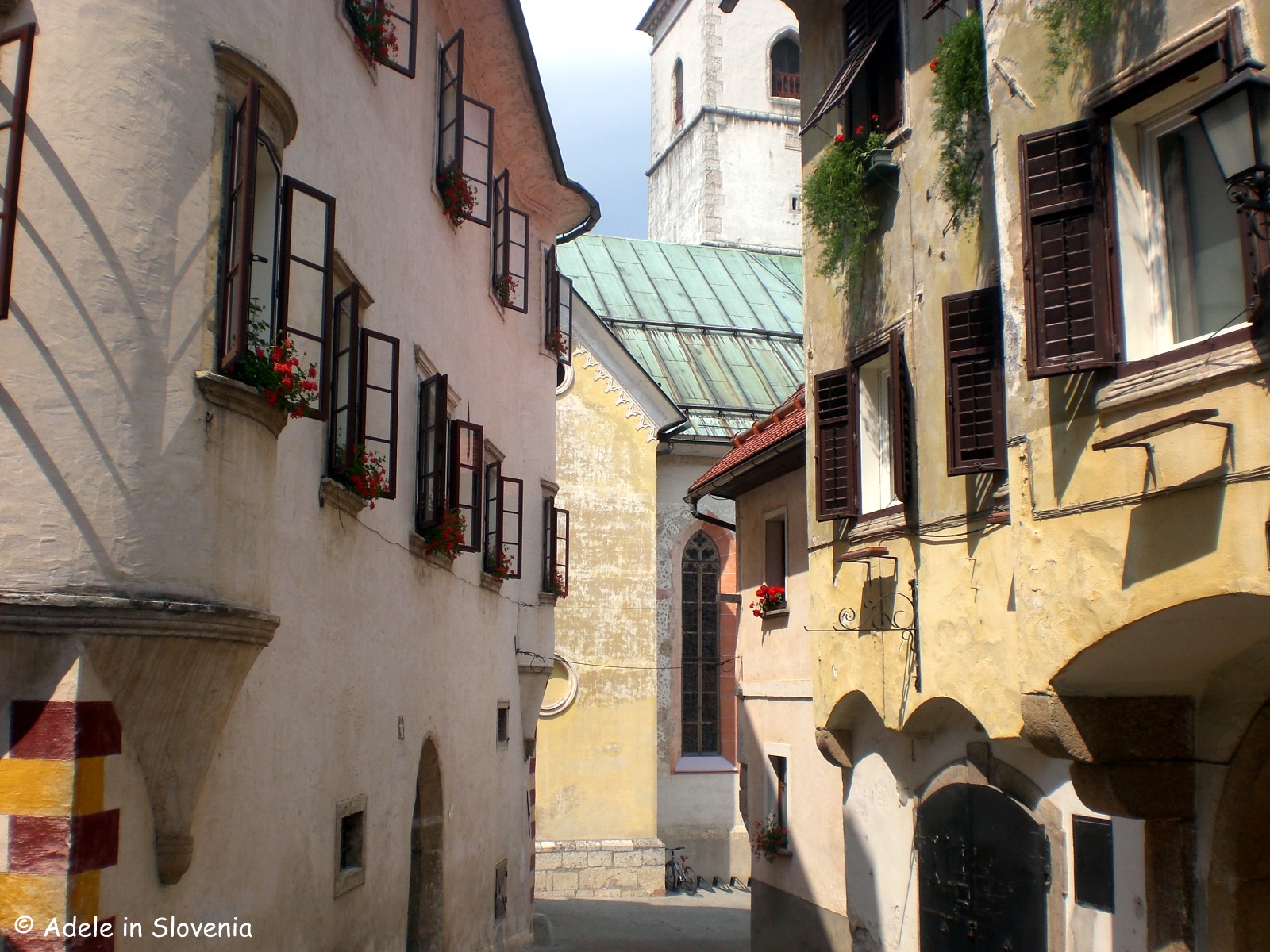
From the main square, I headed down through the narrow streets and alleys to the other main town square, Lower Square (Spodnji trg) where there were also various workshops and performances.

Next it was up to Loka Castle and the 16th century Škopar’s House (Škoparjeva hisa) where I had a chance to sample Loška medla, cooked in the original black kitchen; a simple peasant-style dish made of cooked millet which, according to some sources, originates from the Škofja Loka area.

Outside the house there were workshops and puppet shows for children, as well as weaving workshops. Unfortunately I haven’t got so much as a creative bone in my body when it comes to such things, but I’m always willing to give them a try! Weaving on a loom and using a weaving board; the latter, as I discovered, also requires a fair bit of patience!

Even when there aren’t any particular events happening in the town itself, there’s no shortage of things to see and do in and around it, as well as further afield in the Selca and Poljana valleys, about which I’ve already written quite a bit this year, but I’m certainly not finished yet!

And there’s no need to wait until next year’s Historial if you’d like to try your hand at some traditional handicrafts as this can be done all-year round at the DUO Arts and Crafts Centre (more here https://adeleinslovenia.com/2017/01/13/loka-honey-breads-and-handicrafts-at-the-duo-arts-crafts-centre/); you could also take a guided tour of the town to find out more about its history and listen to some of the many local legends, try some of the suggested experiences, or explore the pristine countryside on foot or by bike. More about all this can be found on the Visit Škofja Loka website – http://www.visitskofjaloka.si/en/

© Adele in Slovenia
The Karavanke Mountains – Majestic Mt. Begunščica

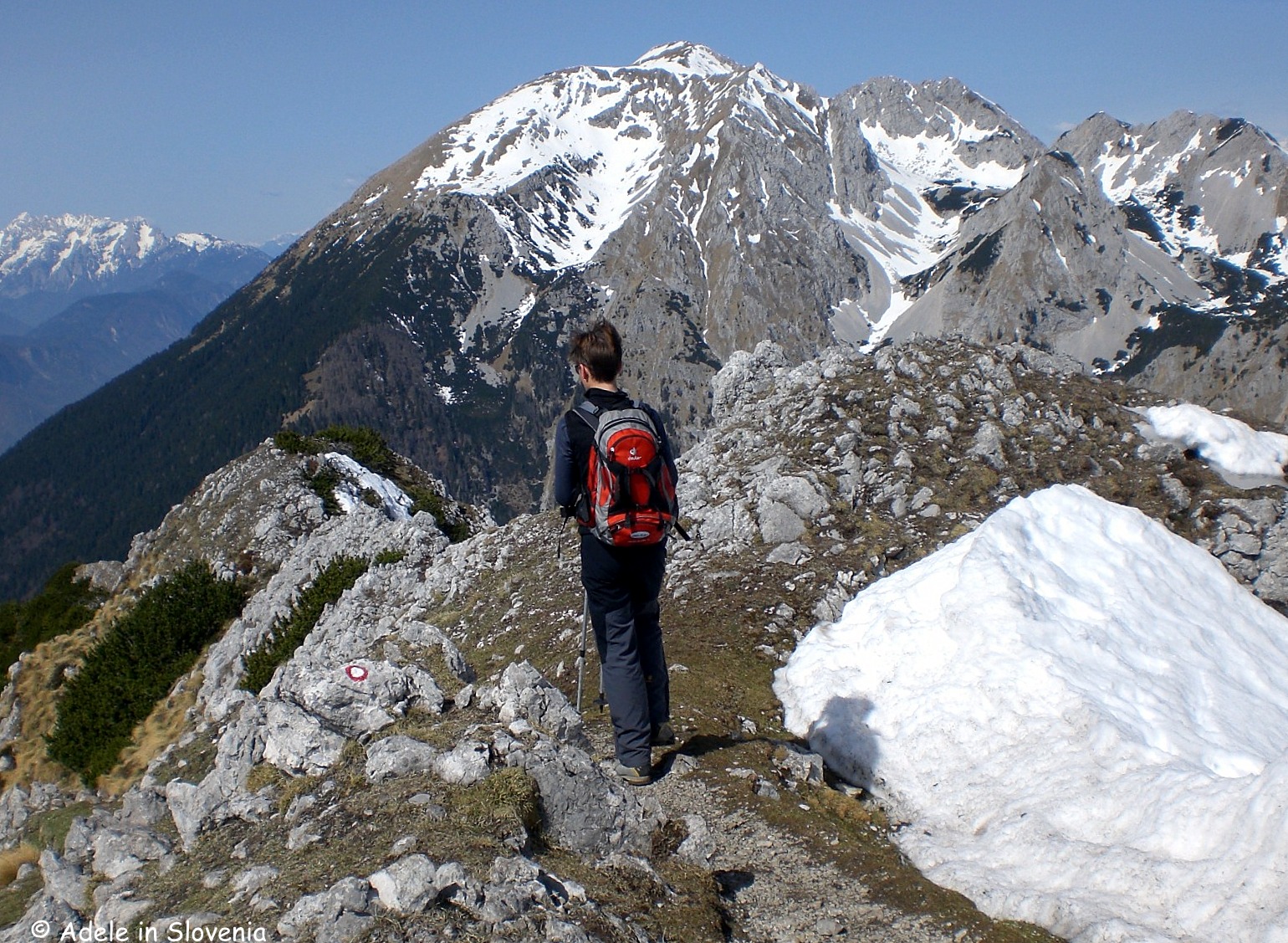
At 2060m, Begunščica is amongst the highest mountains in the Karavanke range, and a favourite destination among locals and those looking for a moderately challenging and very scenic hike.

The approximately 120-kilometre-long Karavanke mountain range forms a natural border between Slovenia, to the south, and Austria, to the north. Thus, in late-spring it’s not uncommon for there to be snow on the northern facing slopes of the Karavanke, whilst it’s green on the sunny Slovenian side!

Green and sunny to the south, snowy to the north!

There are several ways to reach the summit; the most popular among them is to start from the Draga Valley in Begunje na Gorenjskem. If coming from Radovljica, drive through the village and continue in the direction of Tržič, then on the left you will see the road towards the valley. The valley is a popular starting point for hikes in the Karavanke range. The routes are well-marked and signposts show approximate walking times.

I recommend taking time to stop in the village of Begunje na Gorenjskem to have a stroll around the park, and also at the entrance to the Draga Valley to see the ruins of Kamen Castle.

Continue to the end of the valley to the parking area and from there you set off on foot. You can choose to either go via Preval on the first part of the Shepherd’s Trail, which is the more direct, short, but steeper route, or hike first up to the Roblekov dom mountain hut (1657m), where you can stop for refreshments either on the way up or down – or of course both ways! You can find more information about the Shepherd’s Trail here – http://www.radolca.si/en/shepherds-trail-begunje/

Looking down on the Preval mountain hut on the path up towards Begunščica

If you choose the route to Preval, it takes a good hour from the valley to reach the Koča na Prevalu mountain hut, again an optional break for refreshments here – then prepare yourself for the very steep path directly up to the summit. Here you leave the Shepherd’s Trail and take the marked path to Begunščica which, at times, can feel like an almost vertical ascent. However, apart from one small rocky section, it isn’t overly exposed and is manageable for competent and experienced hikers.

As you approach the summit you can’t fail to notice the ‘carpet’ of sheep droppings from the sheep that are taken to graze on the slopes of Begunščica during summer! I always wonder how on earth so few sheep manage to produce so many droppings! At the summit there is an orientation table which provides assistance when you are gobsmacked by the stunning views and don’t know where to look first!

Personally I prefer to do the hike in the direction as I have described it: Draga – Preval – Begunščica – Roblek – Draga, as the descent from the summit to Roblek is easier and more ‘knee-friendly’ than the steep path from the summit down to Preval. I also like doing it this way as it makes it an entirely circular route.

The path from the summit down towards the Roblekov dom hut

Whilst there is no hut at the summit, there’s no shortage of huts to visit; in addition to the aforementioned Koča na Prevalu and Roblekov dom huts, there is also the Tomčeva koča hut (1180m) on the Poljška Planina highland and the hut on the Planina Planinca highland (1136m), both of which are found at approximately the halfway point between the Draga Valley and the Roblekov dom hut.

The hut on the Planina Planinca highland

You can find out more about this and other hiking routes nearby on the Tourism Radol’ca website here – http://www.radolca.si/en/hiking/

© Adele in Slovenia
Active and Historic Loka: The Škofja Loka Cycle Route

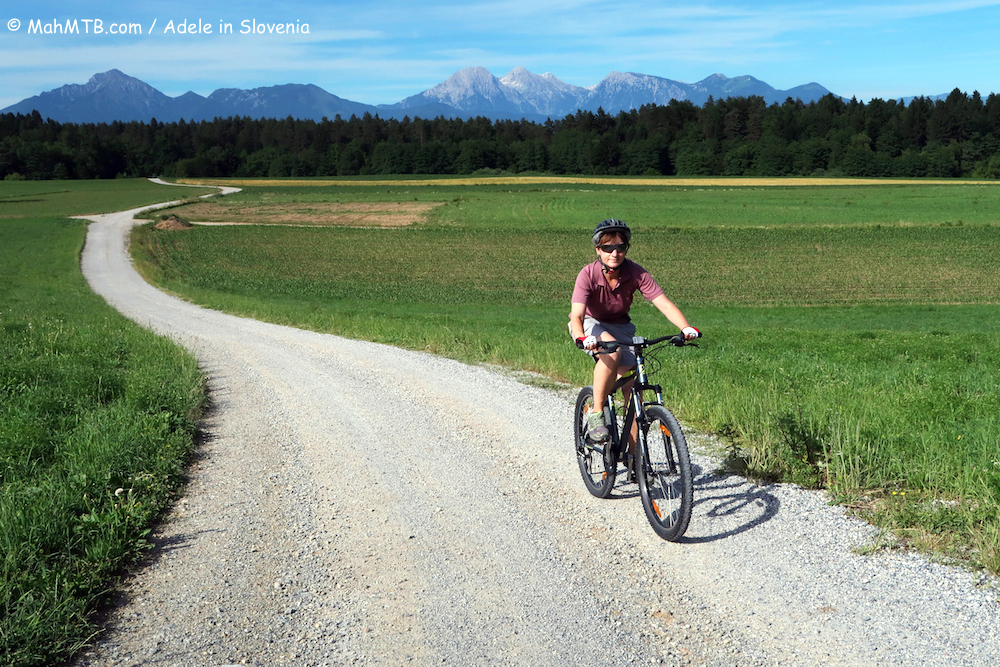
I’m really enjoying getting to better know the Škofja Loka area this year. So far I’ve done most of my discovering on foot, so this time I set off by bike to discover part of the Škofja Loka Cycle Route. The route is divided into 13 sections and covers a total area of 390km. There is something to suit all levels and kinds of cyclist; some of the routes are shorter and easier, others longer and more demanding.

You can rest assured that whichever route you take, you will cycle through unspoilt nature, past numerous sights of interest, soak up the great views, enjoy fresh, clean air, and take a breather for refreshments at tourist farms and other refreshment stops. The hardest part is deciding which of the great routes to take! A ride through the historic old town centre is the obvious place to start, and a must!

Luckily I didn’t have to make the tough choice about where to go as I had a fab guide – Matej Hartman – who runs mountain bike tours in Slovenia as well as abroad. I really recommend hiring a guide, particularly when cycling in an area you are not so familiar with. Instead of having to faff about with maps and lose precious time, riding with Matej I was able to focus on enjoying the ride whilst taking in the views and listening to his wealth of insider knowledge about the area. Oh and the fact that he also happens to be a dab hand with a camera was an added bonus. Thanks Matej! You can find out more about Matej and his mountain bikes tours on the website MahMTB.com here – http://mahmtb.com/

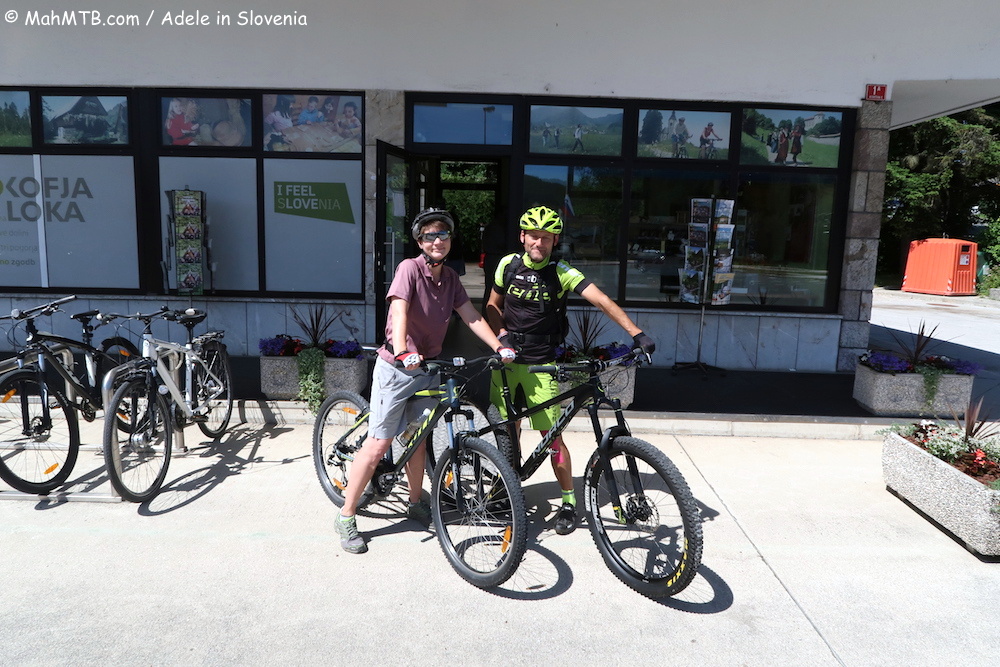
If you plan to cycle multiple sections of the route, your first port of call should be the Škofja Loka Tourist Information Centre, where you can pick up a map and a card on which you can collect stamps at the various control points along the route. Bikes can also be hired at the centre, trekking or mountain bikes, and decent ones too – mine was a Scott!

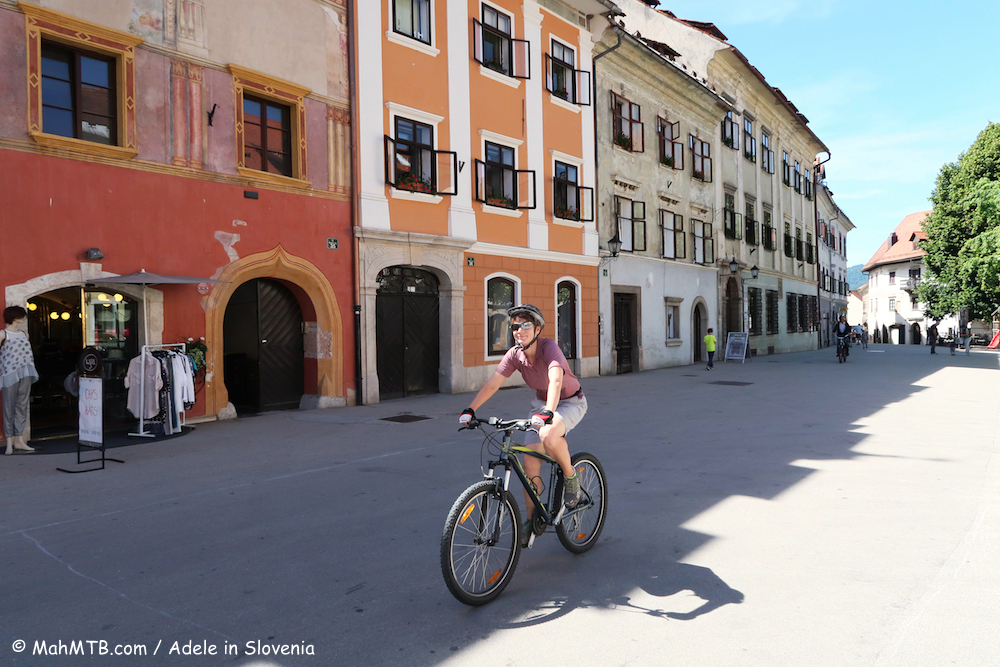
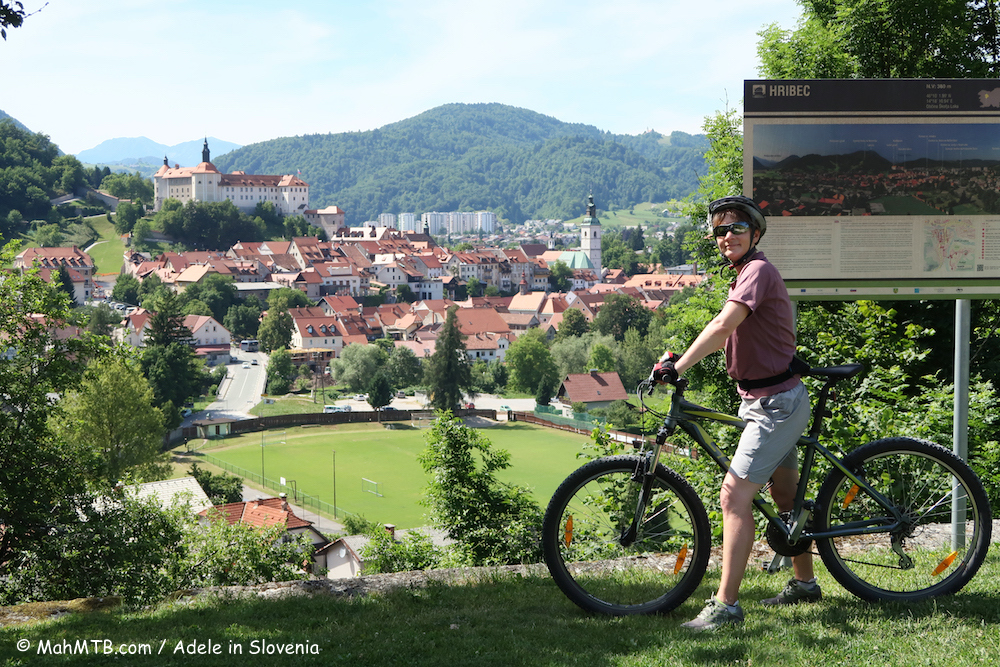
With only a few hours available for our trip, we agreed on taking some of the routes around the outskirts of the town, through Puštal, across the Sorica fields and to Crngrob. One of the highlights was seeing Škofja Loka Castle from an entirely different perspective – from Hribec, part of the Path to Puštal. Stunning, I’m sure you’ll agree!

We crossed fields, meadows and pastures, and Matej led me to hidden beauty spots in the cool of the forest.

We crossed numerous bridges over the crystal clear Sora river.

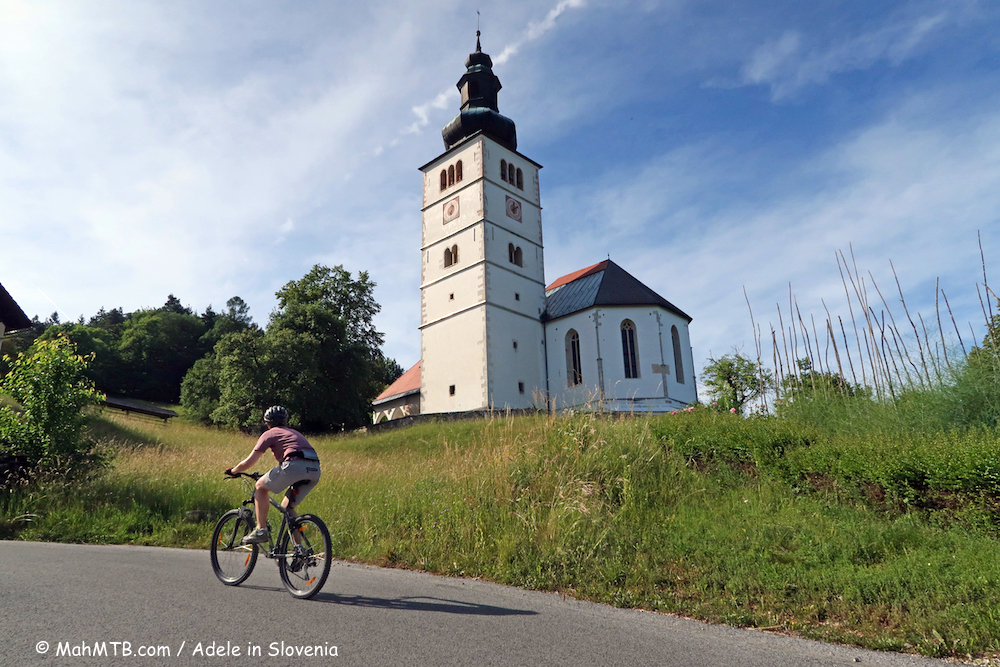
And visited Crngrob, home to the Church of the Annunciation, which is known for its treasured frescoes. The pilgrimage church has a fresco of Saint Christopher with Jesus on his shoulder on the front façade, whilst in the shelter of the neo-gothic porch on the facade, the fresco of Holy Sunday can be seen. This originates from the middle of the 15th century and shows tasks which were at the time prohibited on Sundays.

More information about the Škofja Loka Cycle Route can be found on the Visit Škofja Loka website here – http://www.visitskofjaloka.si/en/experiences/active-breaks/cycling

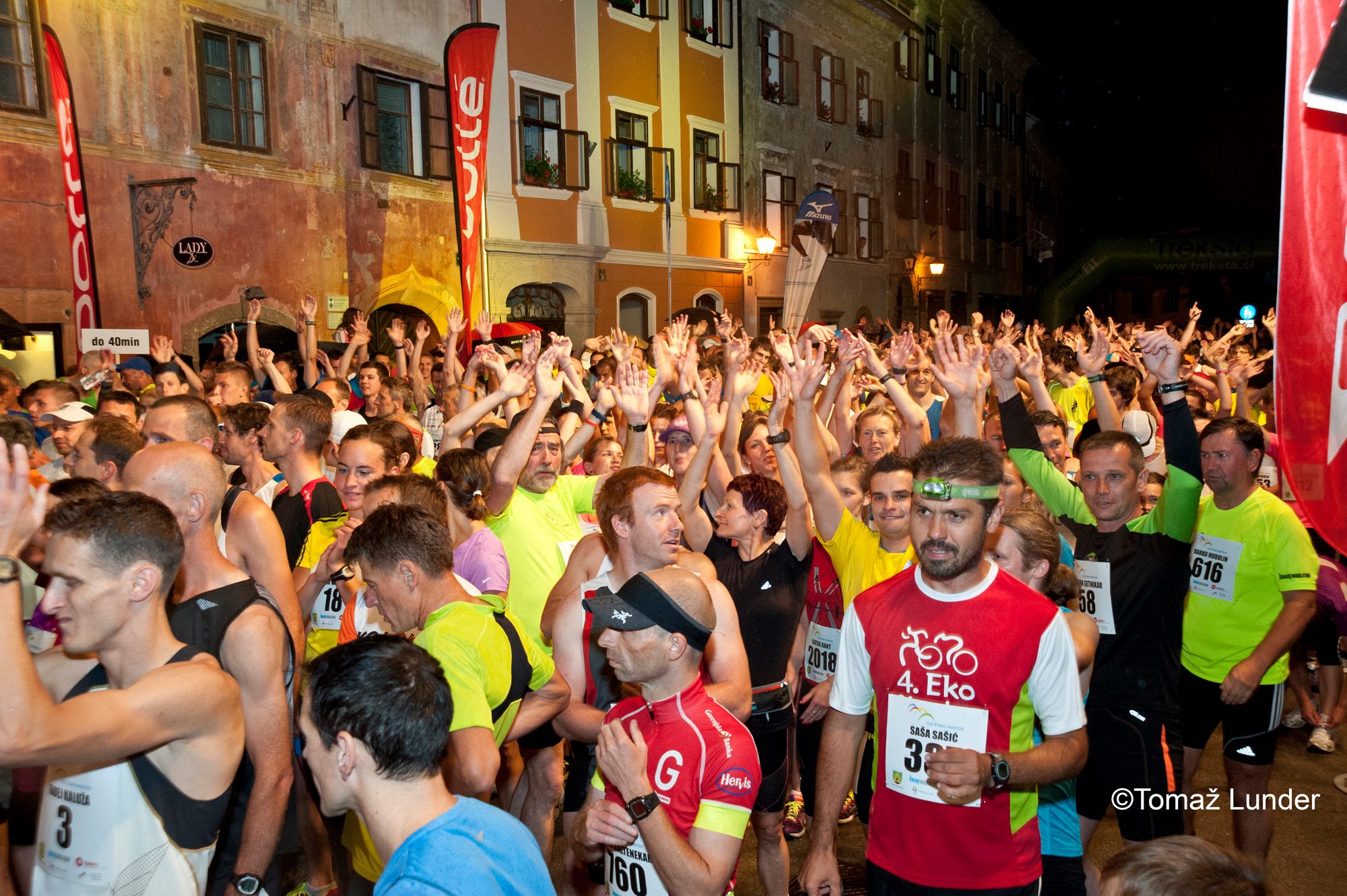
If you, like me, like running, then the Four Bridges Night Run, is for you! It is one of the most popular running events in Slovenia and takes place this year on 17th June. As the name suggests, the 10km route crosses four bridges and runs through the historic old town and around the picturesque town of Škofja Loka and over the Sora river. The main event begins at 9pm with children’s runs taking place earlier and even a pasta party the night before the race! More information about the route and race registration can be found here – http://www.tekstirihmostov.si/razpis-t4m-2016/?lang=en

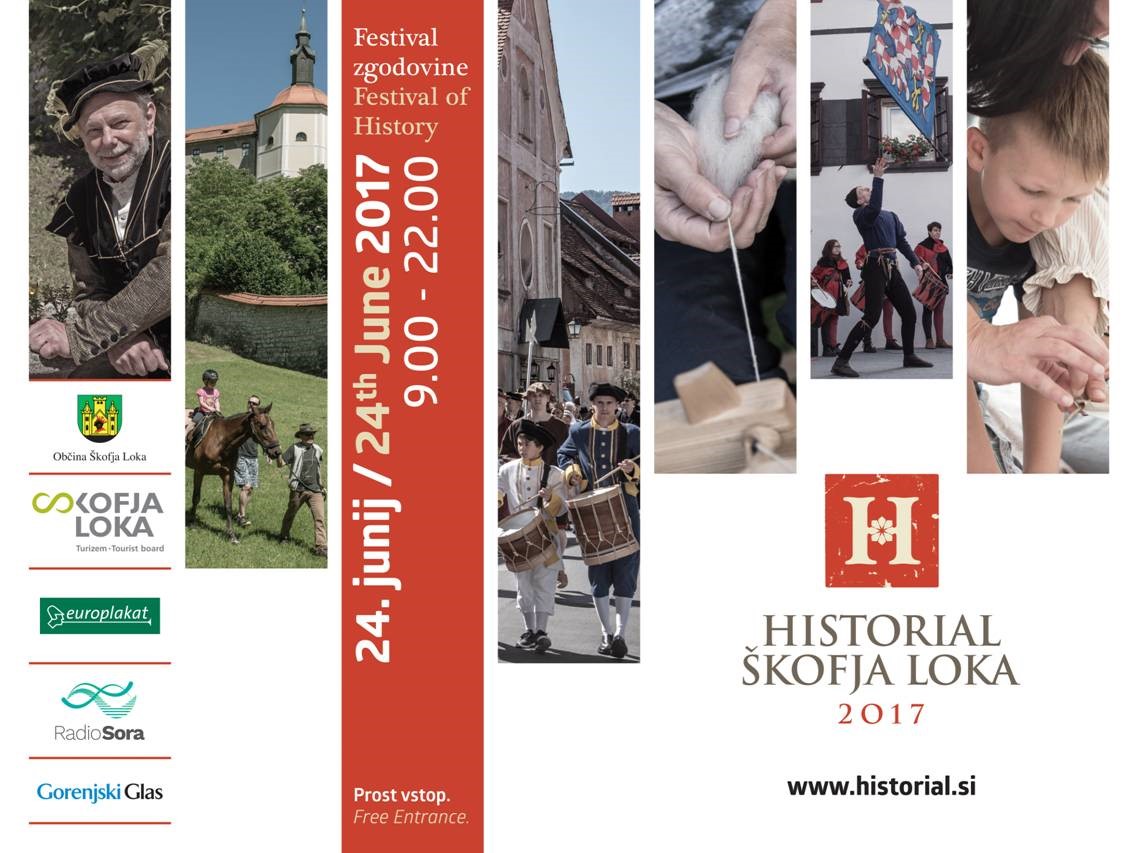
Another ‘Don’t miss’ event, and one that I won’t be missing is the Škofja Loka Historial (Festival of History), which this year will take place on Saturday 23rd June. There is a jam-packed programme of events with something for all the family. The full programme can be found here – http://www.historial-skofjaloka.si/home.aspx

Just one more reminder of my trip to round off this scenic cycling blog!

© Adele in Slovenia
NEW: Come Taste Radol’ca with Me!

COME ON A TASTE RADOL’CA FOOD TOUR WITH ME!

I had been mulling over the idea of offering Taste Radol’ca Food Tours for quite some time, and now, at last, I’ve found the time to bring it to fruition!

Until now Taste Radol’ca had largely been concentrated on the main event – the month-long special menus and events in November. However, since all the restaurants offer special Taste Radol’ca dishes year-round, I figured why not open up the opportunity for visitors to Radovljica to also have the opportunity to Taste Radol’ca year-round.

So, I set about arranging a get-together with restaurant owners and acquainting them with my idea, which they were all very enthusiastic about, and getting my head together with Iva from Ljubljananjam, who offers food tours of Ljubljana http://www.ljubljananjam.si/ and, hey presto, Taste Radol’ca Tours is go!

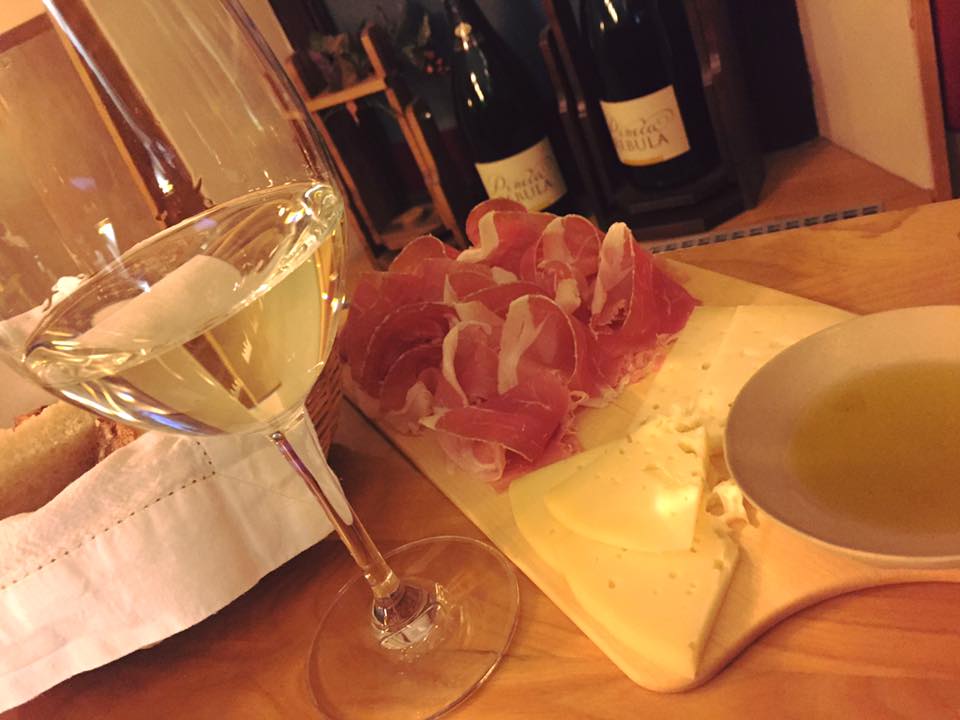
Wine Tasting at the Sodček Wine Bar

A Taste Radol’ca Tour is for you if:

  • You’d like to find out more about Slovenian food and wine
  • You would like to see AND taste Radol’ca
  • You can’t decide which of the great Taste Radol’ca restaurants to try
  • You are short of time and would like to taste a bit of everything
  • You would like a local, native English guide to show you round and give you some insider knowledge
  • You just love eating and drinking!

Štruklji at Gostilna Kunstelj

I’ve put together 4 suggested itineraries, which you can see below. However, all tours can also be custom-made according to your wishes. So just get in touch and we’ll take it from there.

  • A Classic Taste of Radol’ca
  • Wine Lovers’ Tour
  • Music, Mountains and a Taste of Tradition
  • Honey and Chocolate Tour

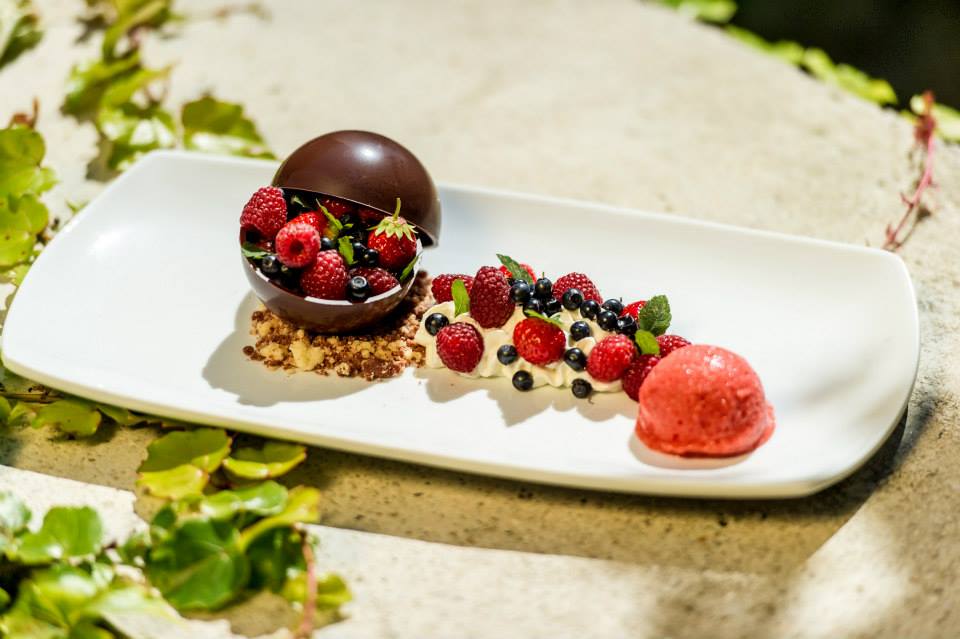
Chef Uroš’ magnificent chocolate creation at Vila Podvin

For more information about the tours see the Taste Radol’ca Tours section of this site here https://adeleinslovenia.com/taste-radolca-tours/, where you can also find an enquiry form to complete.

So, come and taste the sunny side of the Alps with me and I look forward to meeting some (more) of the readers of my blog and showing you just how beautiful and tasty Radol’ca really is!

© Adele in Slovenia


Festival-Full Radovljica: Come and Celebrate the Earth!

Whilst the Chocolate Festival is by far the biggest annual event in Radovljica – as well as being the biggest festival of its kind in Slovenia – it certainly isn’t the only festival in Radovljica’s annual event calendar. There are plenty more festivals, as well as other events, to look forward to throughout the course of the year, and it’s less than 2 weeks until the next one!

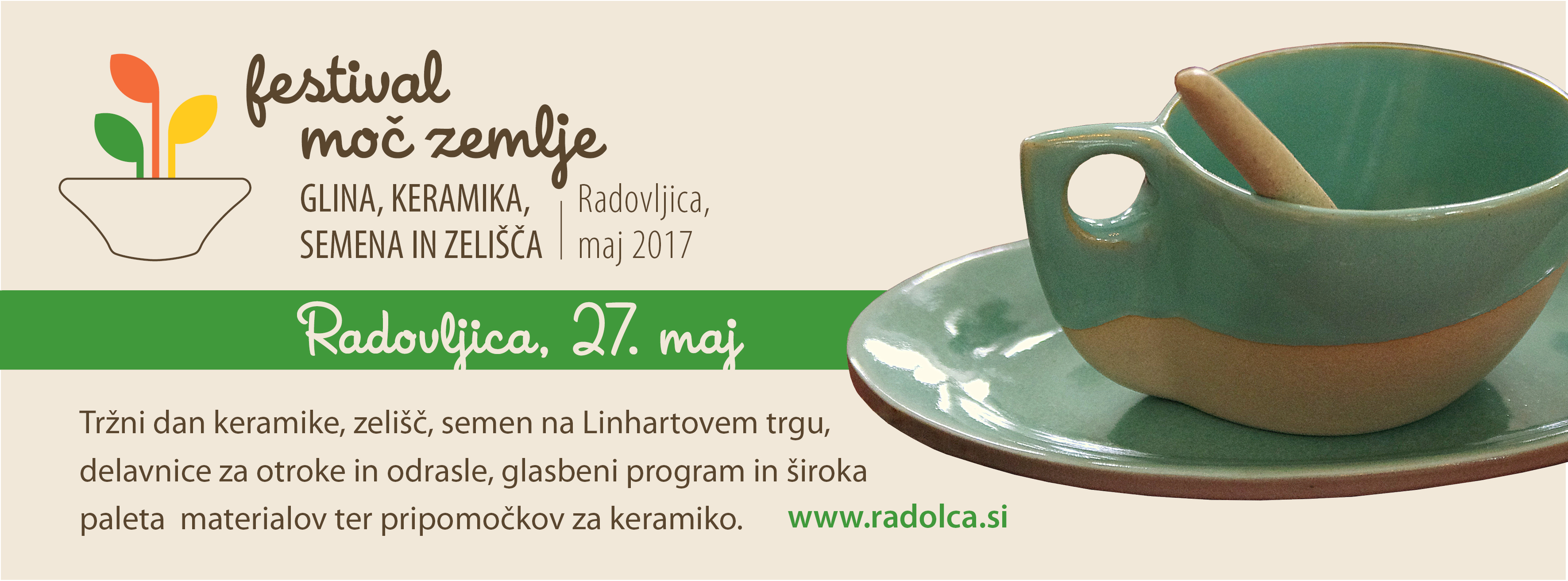
The Festival of the Strength of the Earth will make its premiere on Saturday 27th May. In previous years it was named the Ceramics Festival, however, this year the festival’s content has been widened to include and celebrate other gifts from the earth; clay, herbs, seeds.

The main festival will take place in Linhart Square in the heart of Radovljica’s historic old town, where there will be market stalls laden with seeds, herbs, teas, ceramic products and natural cosmetics.

Some events will also take place in the biodynamic garden ‘Nature Teaches Us’ at the Radovljica primary school (Osnovna sola A. T. Linharta – next to the Spar supermarket).

Throughout the day there will also be workshops for adults and children, good music, and hearty ‘one-pot’ food, based on the festival theme.

You can get the latest information on the festival Facebook page here – https://www.facebook.com/events/1674599819503638/

Historically, pottery has always been one of the oldest and most widespread crafts in Slovenia; the earliest records of the craft date back to 1340. The village of Ljubno – part of the Municipality of Radovljica – used to be one of the strongholds of pottery in the Gorenjska region. Althought the pottery trade in Ljubno died out after World War I, you can still find examples of Ljubno potteryware and find out more at a soon-to-be-opened exhibition at Magušar’s House (Magušarjeva hiša) in Radovljica titled ‘Pottery in Slovenia’.

The house has an arcaded gothic courtyard and pottery workshop, where you can buy Magušar bowls and other pottery items, and hosts occasional exhibitions, workshops and other events.

But wait, that’s certainly not the end of Festival-Full Radovljica! This year there’s still the Festival of Early Music, the Iron Forging Festival, the Midsummer’s Eve Festival, and more!

Find more information at the Visit Radol’ca website here – http://www.radolca.si/en/events/

© Adele in Slovenia

Wonderful Weddings and Award-Winning Cheeses in the Poljane Valley

The Poljane Valley is known for its unspoilt nature and is synonymous with one of Slovenia’s most renowned writers – Ivan Tavčar (1851-1923).

Tavčar Manor in Visoko is where the writer found inspiration for many of his best works. The manor dates from the 14th century and was originally used by the Lords of Loka as a hunting manor. Later it passed into the hands of the Kalan family before being bought by Tavčar in 1893 when he returned to his homeland.

Legend has it that he found an iron chest in the attic of the manor that contained notes about the Kalan family. Tavčar used these notes, together with his rich imagination, to write his famous Visoko Chronicle (Visoško kroniko).

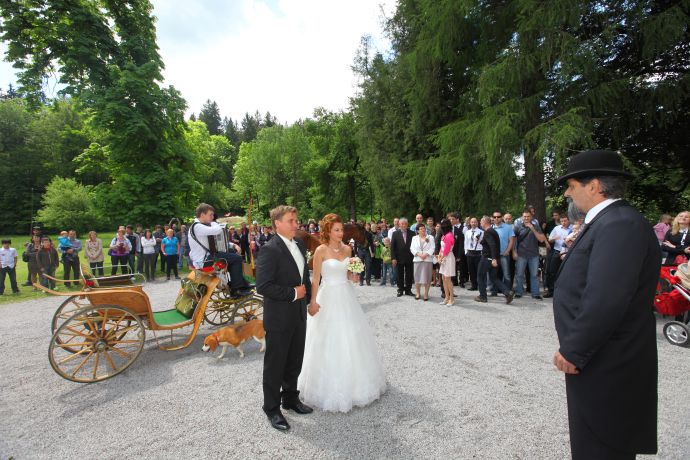
Today the manor’s gorgeous, romantic, country setting makes it a very popular venue for weddings as well as a hosts of other events, festivals, family days, concerts etc. Weddings are held in the wedding hall which is adorned with ceiling and wall paintings.

Photo: Izidor Jesenko

The Master of Ceremonies, dressed as Ivan Tavčar, conducts the ceremony, adding to the special charm of a wedding at Tavčar Manor.

Photo: Izidor Jesenko

Inside there is an exhibition dedicated to Tavčar which includes an authentic, and still working, black kitchen.

Whilst visiting the manor you can’t help but notice the beautiful, prominent hilltop St. Volbenk’s pilgrimage church with its two bell towers in the settlement of Log just minutes from Tavčar Manor. The church was built in the second half of the 17th century and its baroque altars and altar pictures are especially valuable – the work of the Šubic family of painters from Poljane.

You can walk – as I did – or drive up to the church from where you can look down over Tavčar Manor and the Poljane Sora river.

And whilst at the manor enjoy the view back up towards the church!

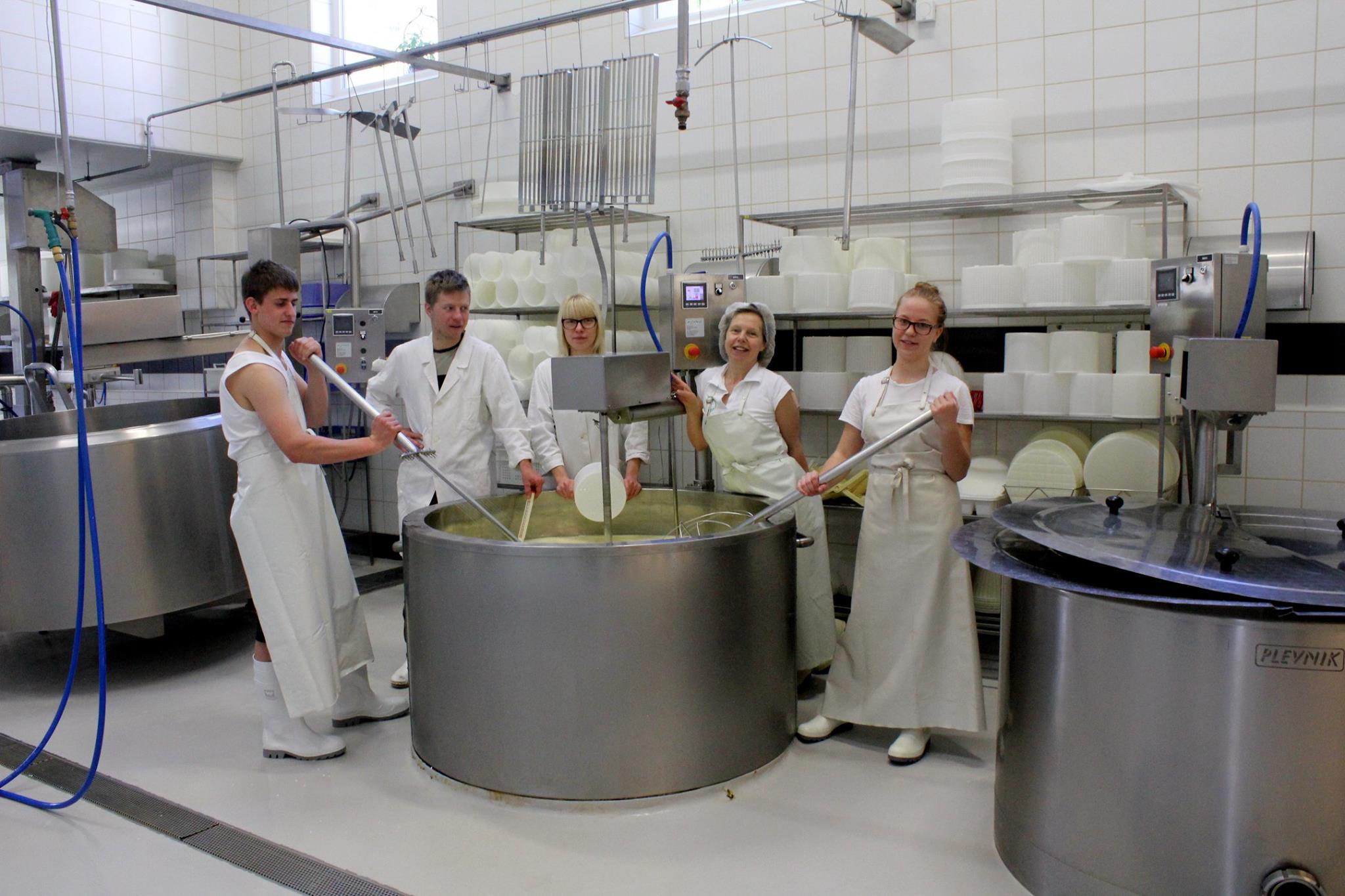
Just a few kilometres further along the valley you reach the family-run, award-winning Pustotnik dairy.

The dairy is a real family affair with all four children involved in the business.

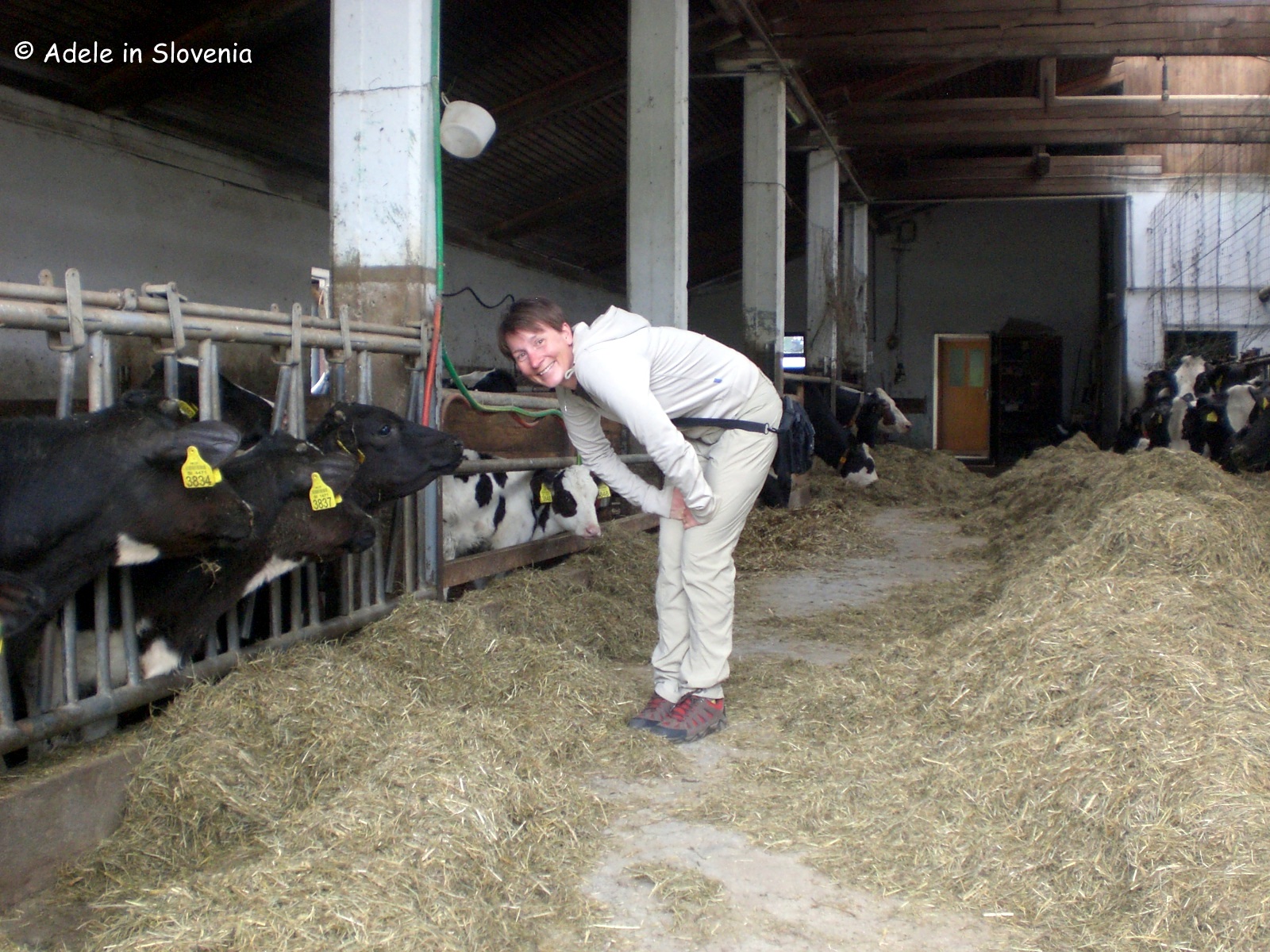
The dairy cows have their own ‘creche’ and ‘maternity unit’. What a cute little new-born calf!

Friendlier cows you couldn’t wish to meet! Content cows!

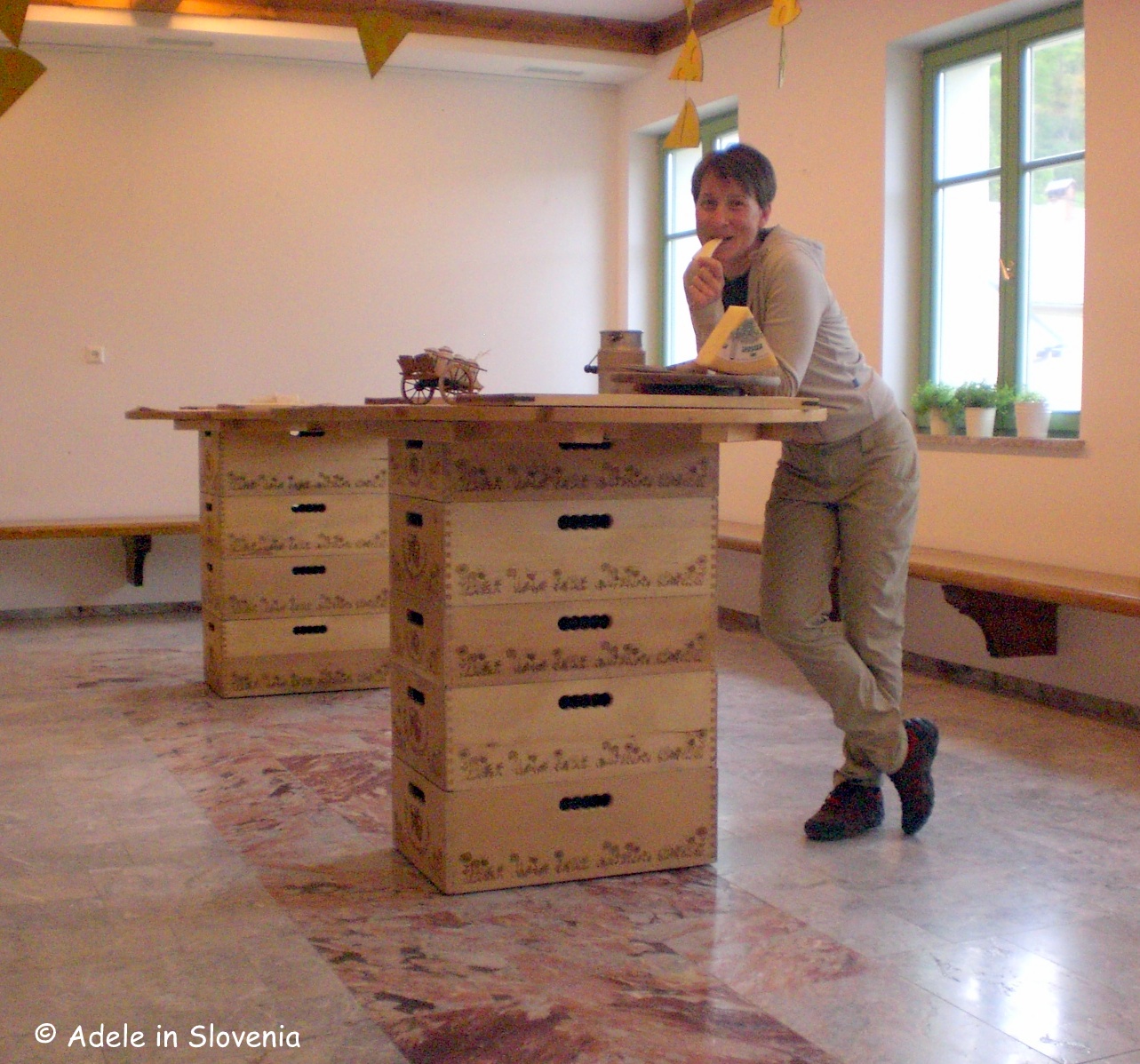
Pustotnik produces cheeses using cow’s, goat’s and sheep’s milk and offers over 70 different products. As someone who loves strong cheese – the stronger the better – the aged gauda really hit the spot for me and I took some home too!

In November 2016 the Pustotnik Dairy won silver at the 2016-2017 World Cheese Awards for its Kozovč cheese – made with a mixture of goat’s and sheep’s milk.

Individuals can visit the cheese-making boutique with no prior reservations required. However, for groups, guided tours and other special arrangements, such as cheese-making workshops, then do be sure to call or email ahead to avoid disappointment as this place is popular!

You can also find Pustotnik cheeses, yoghurts and other products on sale at farmers markets in the Gorenjska region as well as in Ljubljana and further afield. You can find more information about the Pustotnik Dairy here – http://www.kmetijapustotnik.si/

For more information about weddings at Tavčar Manor and what else to see and do in the Poljane Valley see the Visit Škofja Loka website here – http://www.visitskofjaloka.si/en/weddings/weddings-in-visoko

© Adele in Slovenia

Snežnik and Slivnica – Witches and Castles in the Karst

Last year I cycled around Cerknica Lake (Cerkniško jezero) – the largest intermittent lake in Slovenia and one of the largest in Europe. At that time, however, there was little water remaining and it was more field than lake – such is the nature of an intermittent lake. For up to six months per year this fascinating, mysterious lake is filled with water with a mean depth of over 6 metres; during the remainder of the year the water simply disappears, leaving just green, wildflower-covered fields.

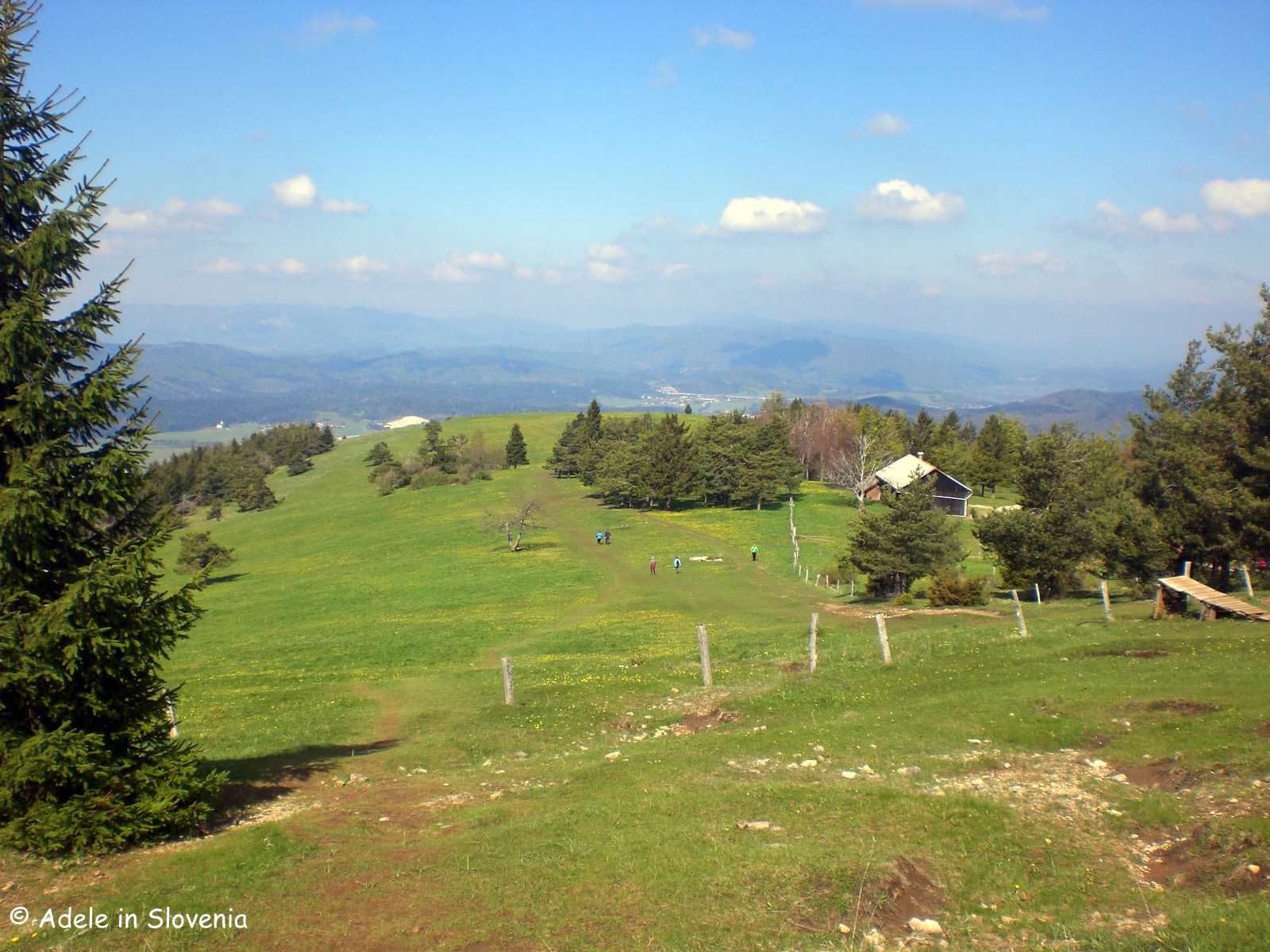
Therefore, following the very heavy recent late-spring rains, I figured that now would be a good time to visit to try and catch sight of the lake in its lake-like glory! One of the best ways to do this, is to get up above it by hiking up Slivnica (1114m), from where there are great views over the vast area below.

My gamble paid off and the lake is currently more ‘lake’ than ‘field’, and you can also clearly make out the village of ‘Island’ (Otok) which becomes, well, an island at times of heavy rain. So, now is a great time to visit the area and also a great time to hike up to the top of Slivnica. The lower part of the path is currently a carpet of wild garlic, whilst the meadows a little higher are awash with blooming wildflowers.

Legend has it that Slivnica is the home of witches and there is even a cave named ‘Witches Cave’ located below the summit.

There are several routes to the top of Slivnica, I opted for the one that begins at Bar Kekec in the centre of Cerknica, from where the path begins to ascend directly up through the forest, taking a little over an hour to reach the Dom na Slivnici hut.

Dom na Slivnici is a popular place to rest, soak up the views, and enjoy a hot drink, a cold beer, and a snack or meal.

A further 5 minutes leads to the actual top of Slivnica, however, unless you desperately want to ‘bag’ the top and/or sign the visitors book, I wouldn’t worry, since there is only an antenna, a wooden bench and no views to speak of.

Throughout the summer, Notranjska Regional Park organises ‘Theme Sundays’ with activities based around the lake and its surroundings, including bird watching, nature walks, horse and cart rides, rides in special wooden ‘drevak’ boats, cycle rides, and more. More information can be found here – http://www.notranjski-park.si/en

Photo: Notranjski park

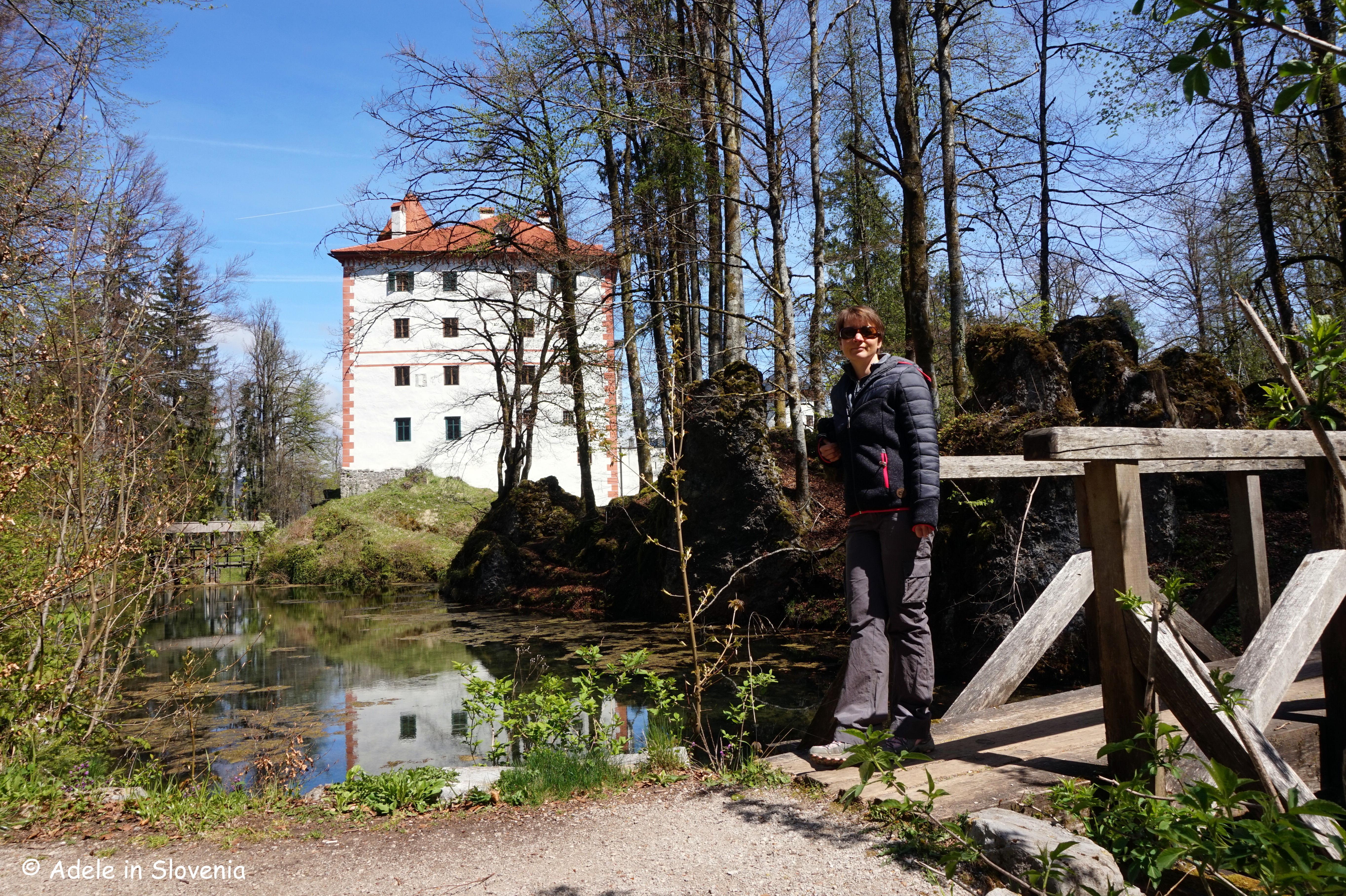
Whilst in the area I recommend visiting the magnificent 13th century Snežnik Castle – one of the region’s star attractions and somewhere I had, until recently, long had on my list of places to go.

The castle, set in a strategic, remote location on the edge of the Lož valley (Loška dolina), has had a long and convoluted history involving multiple owners throughout its former years of existence, and later, following World War II, it was one of the few castles that remained intact and escaped torching and looting.

The castle’s interior is full of lavishly-furnished rooms crammed with antiques and artefacts that reflect the lifestyles of some of the castle’s former inhabitants. More information about the castle can be found here – http://www.nms.si/index.php?option=com_content&view=article&id=325&Itemid=56&lang=en Taking photos inside is not permitted, but the exterior is stunning from whichever angle you view it!

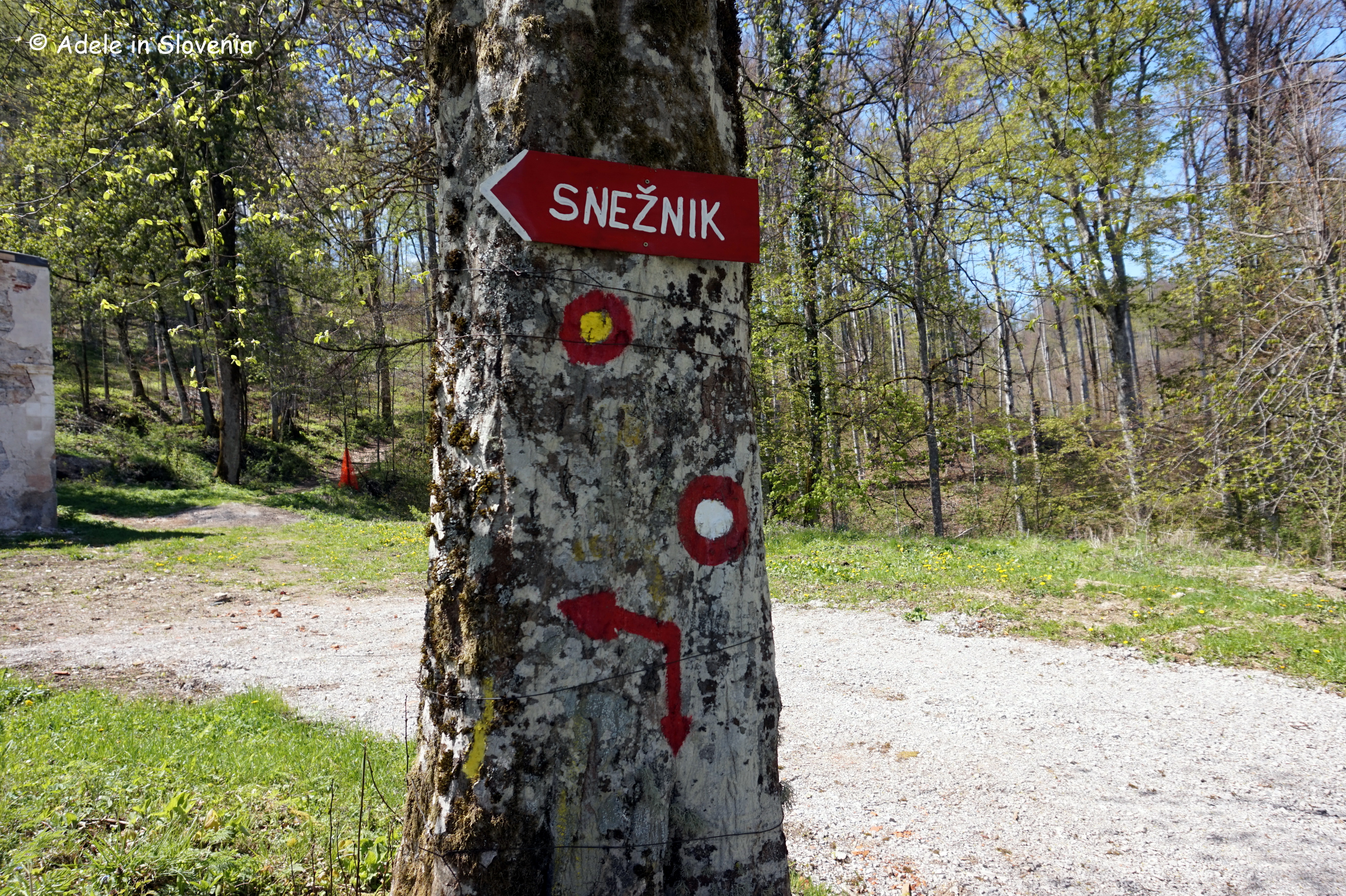
Snežnik Castle is also one of the starting points for hiking to Snežnik, Slovenia’s highest non-alpine mountain (1796m). It’s a fairly long hike from here, however, so many people prefer to drive to Sviščaki (1242m) and from there hike the cca. 2 hours to the peak.

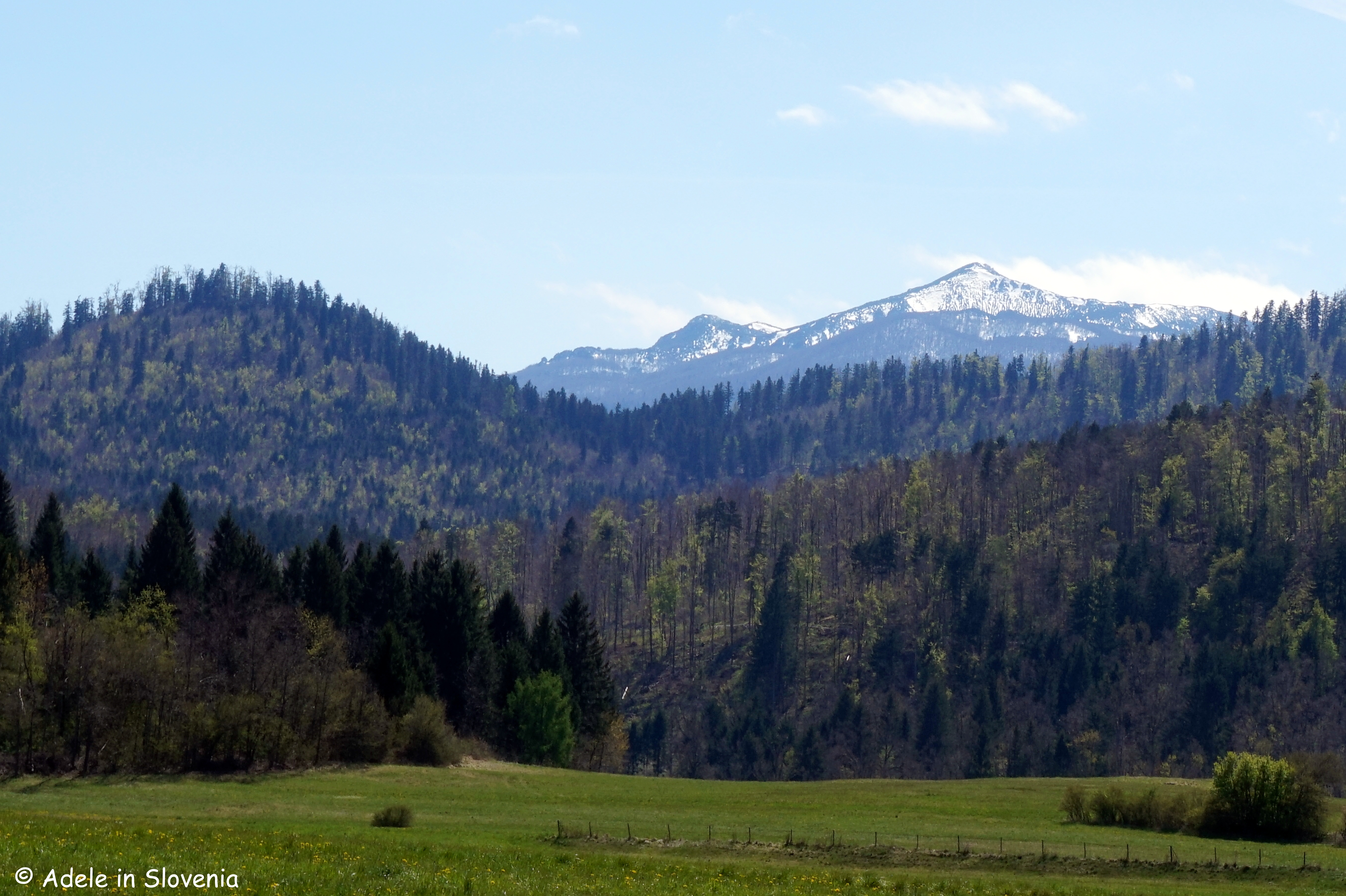
At the time of my visit, Snežnik, which you can see below in the distance, was living up to its name – Snežnik stemming from the word ‘sneg’ meaning snow.

You can read more here about my previous visit to Rakov Škocjan with its natural bridges and unique Karst features, as well as Cerknica Lake and the Museum of Lake Cerknica at Jezerski Hram in Dolenje Jezero, which contains an impressive hand-made model of the lake that shows the topography of the area as well as demonstrating how, and where, the lake fills and empties – https://adeleinslovenia.com/2016/07/14/mysterious-lake-cerknica-now-you-see-it-now-you-dont/

You can read more about the above and find information about the many other attractions in Slovenia’s Green Karst here – http://zelenikras.si/en/

© Adele in Slovenia
 

News from Radovljica May 2017

There’s been quite a lot happening in Radovljica of late. Well, in itself that’s nothing new, since there’s always something happening here even where there aren’t any major events – you just have to know where to look!

So, here’s a round-up of the latest news and information, including news about three exciting new additions to Radovljica’s range of boutique accommodation.

The 6th Radovljica Chocolate Festival was as roaring success. During the 3 days, over 50,000 people visited the festival and tasted tonnes of chocolate of all shapes, sizes and tastes.

Photo: Miran Kambič

There were so many highlights and novelties that it’s hard to single out one – the chocolate fashion show, the chocolate roulette, chocolate sculptures, entertainment for all the family, oh, and of course, eating (ok, in my case, gorging on) chocolate too! Seeing (and hearing!) the vintage steam train arrive on the Sunday of the festival was certainly among the highlights – both for the passengers and onlookers.

Photo: Miran Kambič

So you can plan ahead and be sure you don’t miss out on next year’s festival, Tourism Radol’ca have already revealed the date for the 7th Radovljica Chocolate Festival: 20 – 22nd April 2018.

The new family-run Linhart Hotel recently opened in the old town centre. This charming boutique hotel and coffee shop is located in the heart of the medieval old town centre. I went to check it out for myself yesterday and was seriously impressed! Original stone staircases, wooden beams, tastefully-decorated rooms, period furniture, not to mention delicious looking cakes in the coffee shop! More information here (note: website currently under construction) – http://www.linharthotel.com/ I’d stay there myself if I didn’t live just 5 minutes away!

A new hostel – Life Hostel Slovenia – opened its doors on 1st May. The hostel is situated in the heart of Radovljica in the Grajski dvor building. It is opposite the bus station and the town park and offers simple, comfortable rooms that are reasonably priced and more akin to a hotel than a hostel. Ideal for those looking for a budget-friendly option in a convenient location. More information here (note: website currently under construction) – http://www.life-hostel-slovenia.com/

The recently renovated and newly-opened Vila Sejalec in Lesce is ideal for families and/or groups of up to 8 people. The house is a unique example of a Gorenjska artistic villa and is available for short- or long-term stays. Among its unique features, Vila Sejalec has a well-stocked larder with products from the ethical shop 18sedem3, as well as period fixtures, fittings and art including works by one of Slovenia’s most renowned painters.

More information about Vila Sejalec can be found here – https://www.facebook.com/pg/VilaSejalec/photos/?ref=page_internal

For details of all the accommodation available in the Radovljica area – boutique hotels, bed and breakfasts, apartments, private rooms, tourist farms –  you can view the accommodation catalogue here – http://www.radolca.si/en/accommodation/

© Adele in Slovenia